Project essentials
- Typology
- Residential architecture › Houses
- Materials
- weathering steel (corten) · reinforced concrete · DVH glass 4+4/16/4+4 · mineral wool · hemp (natural insulation) · expanded polystyrene (EPS) · lightweight aggregate concrete · thermal-break aluminum frames
- Concepts
- bioclimatic architecture · experimental dwelling · passive strategies · Canadian well · cross ventilation · thermal inertia · passive solar gain · sun path study · Mediterranean landscape · architecture-nature hybridization · sustainability · Spanish Building Technical Code · Pinus halepensis · hillside topography · glass box · central patio
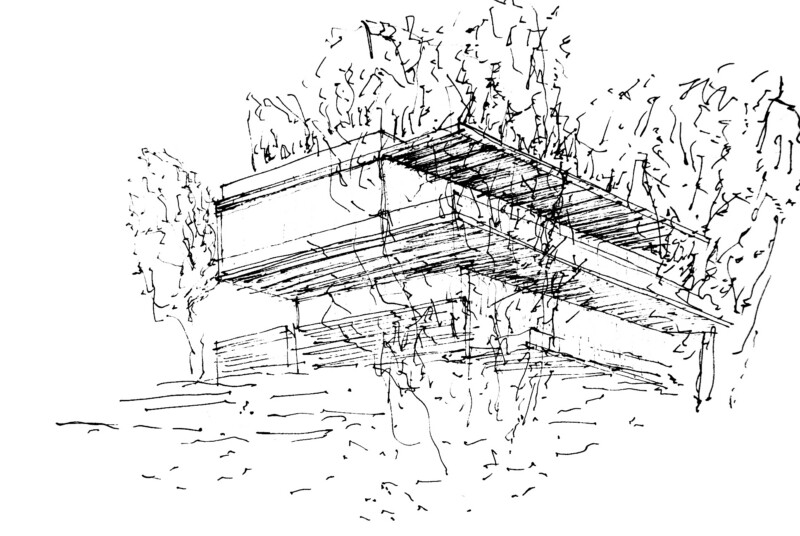
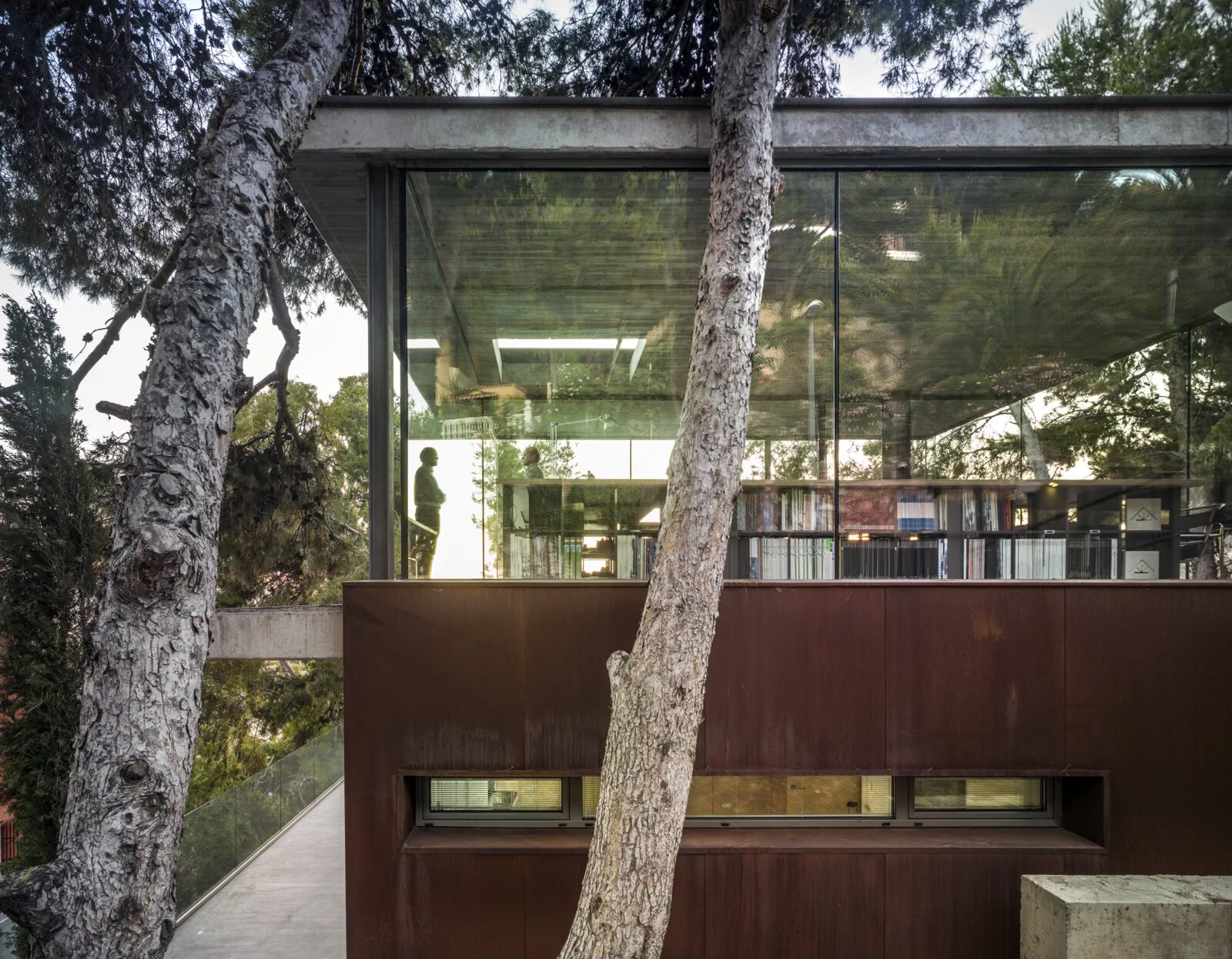
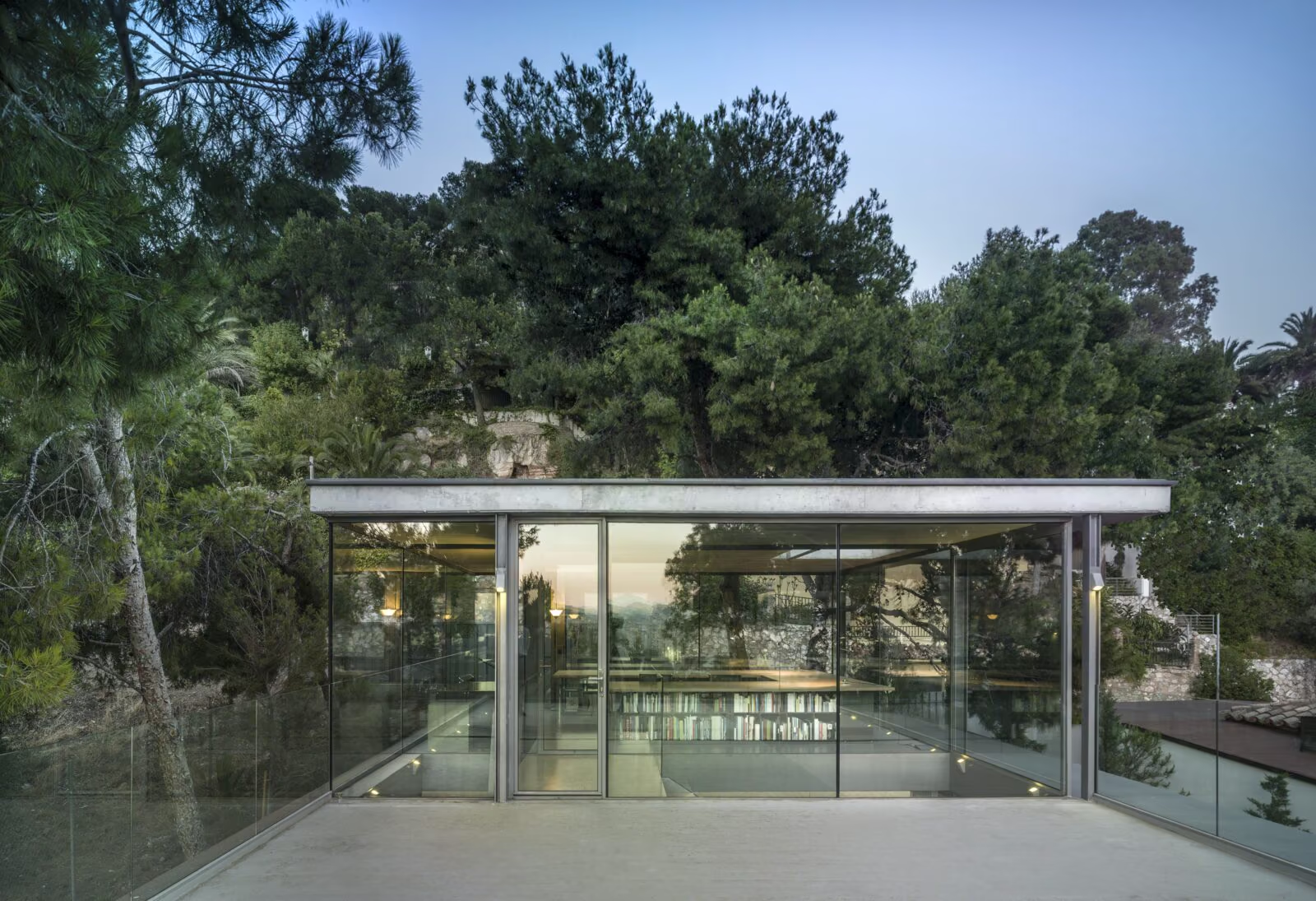
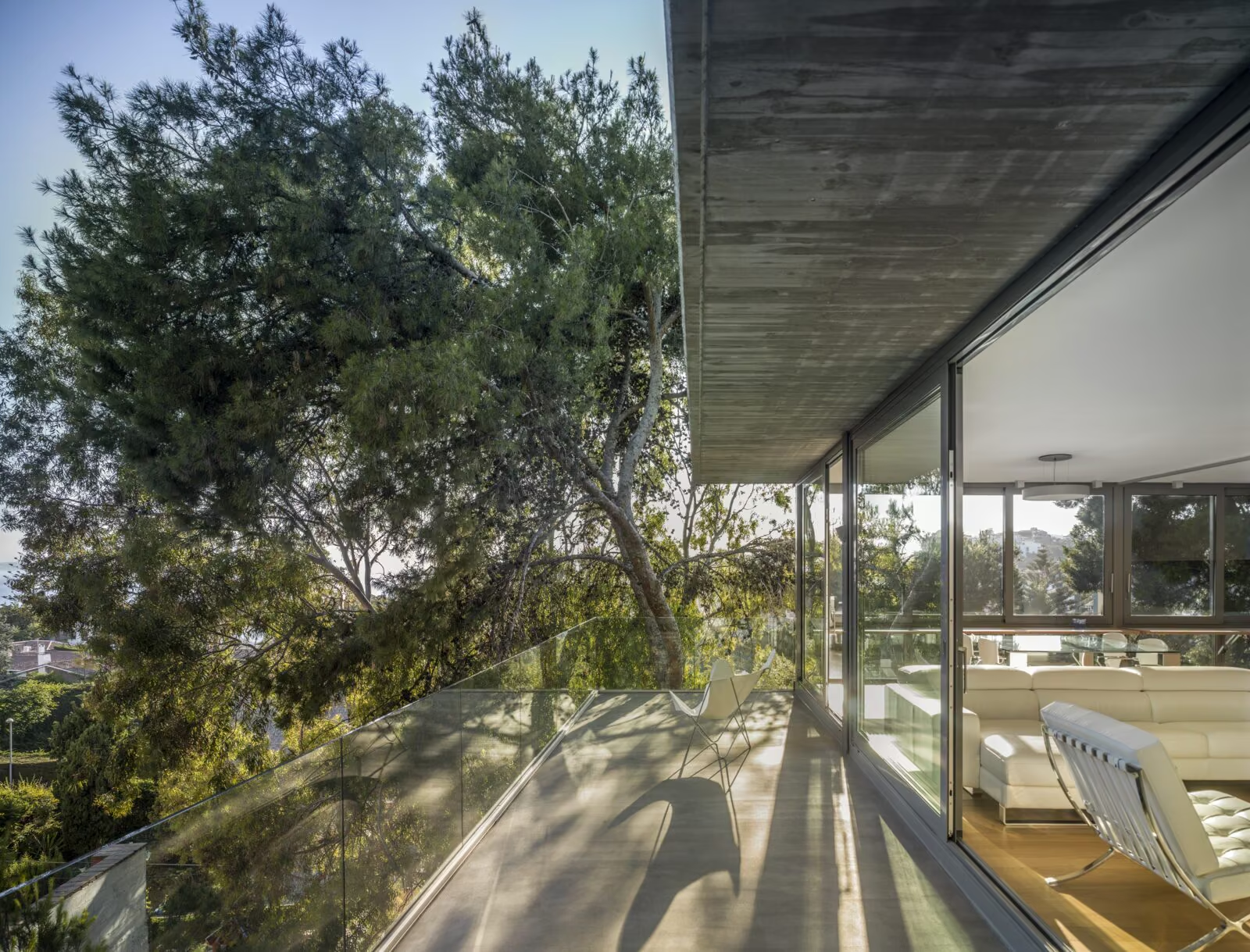
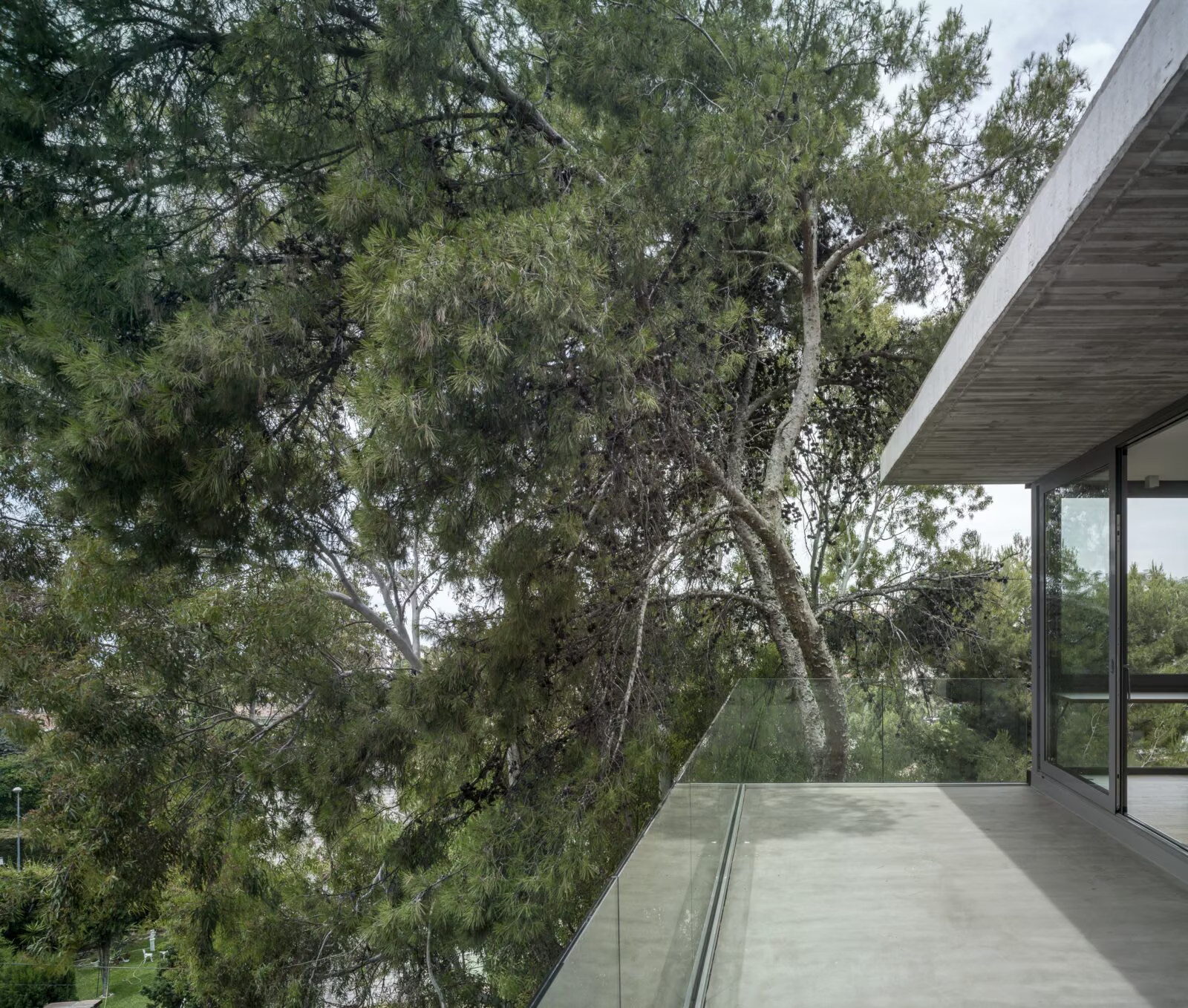
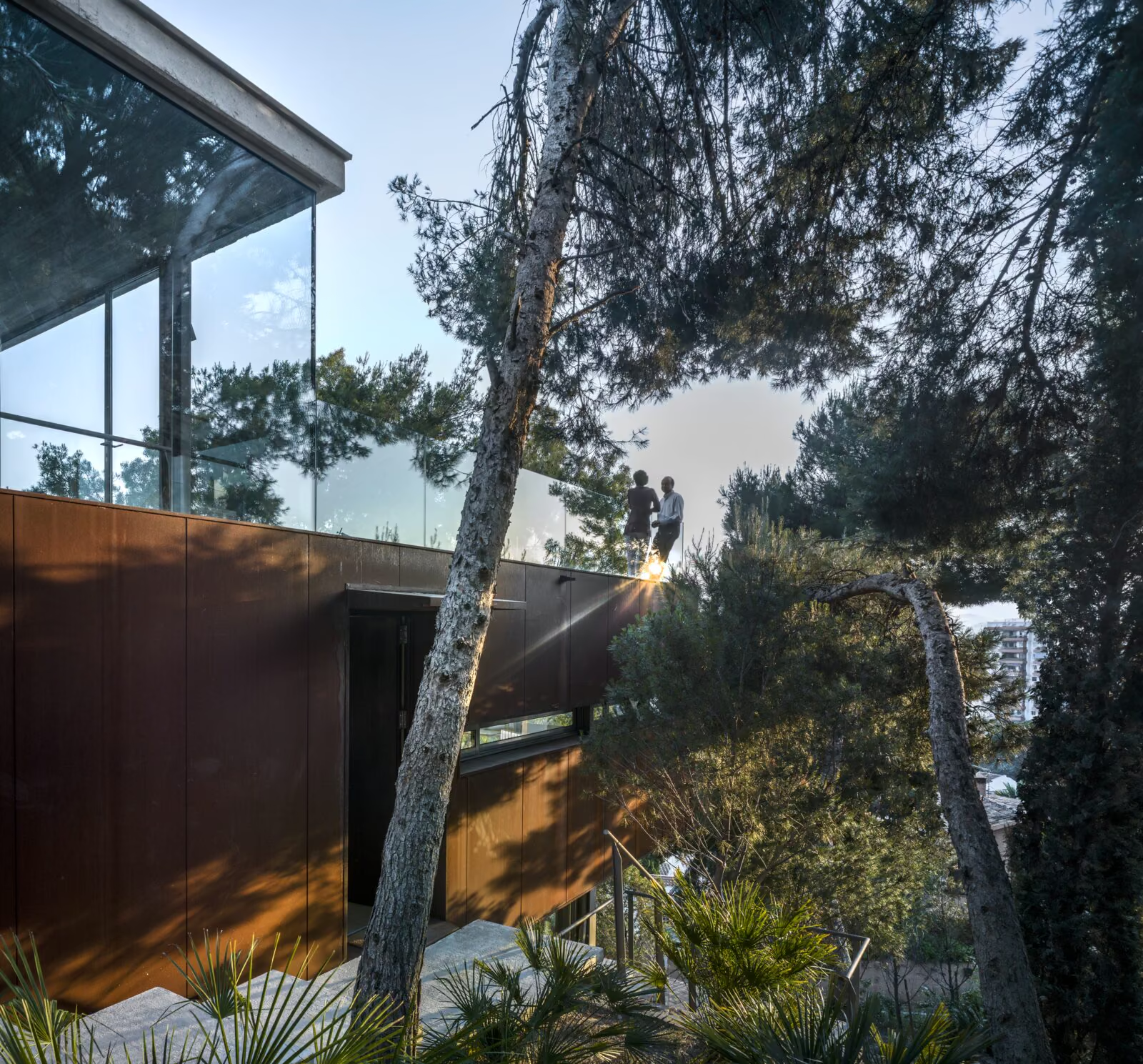
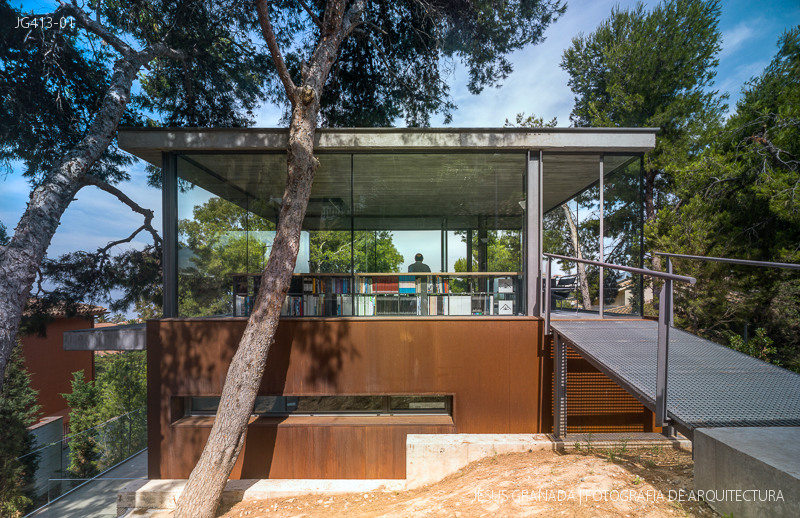
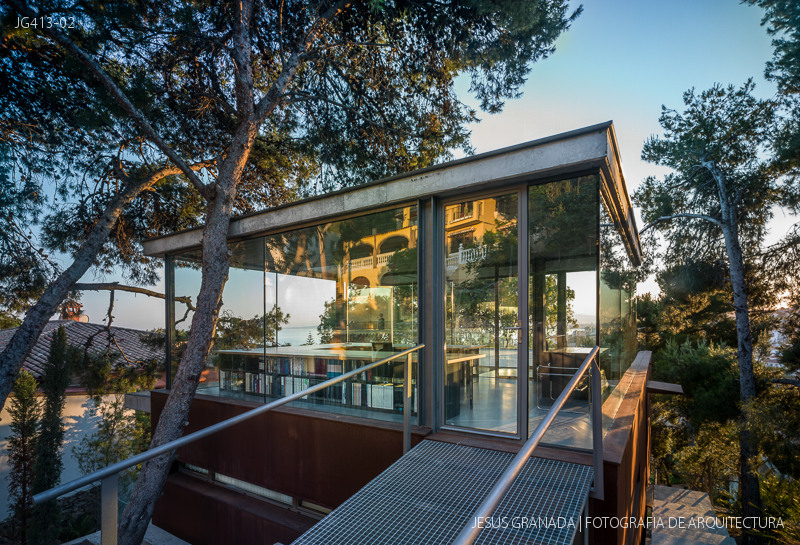
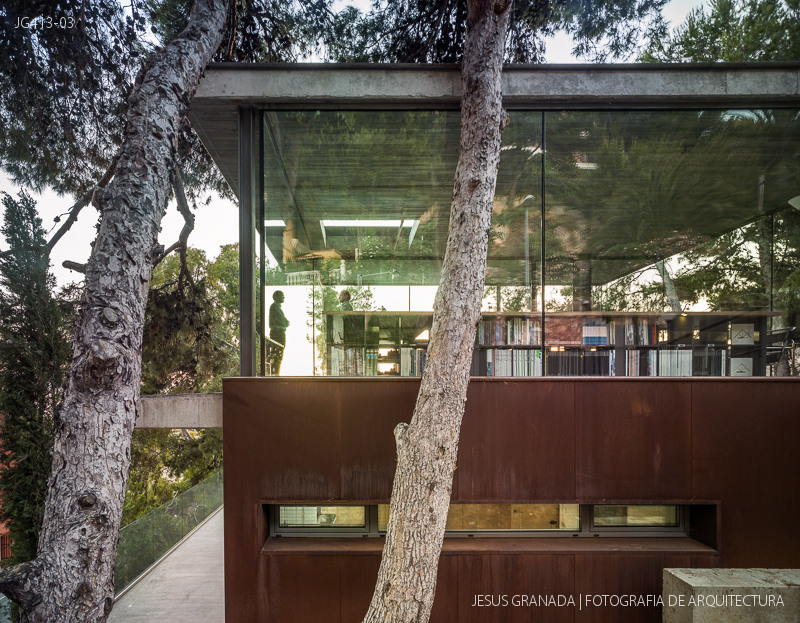
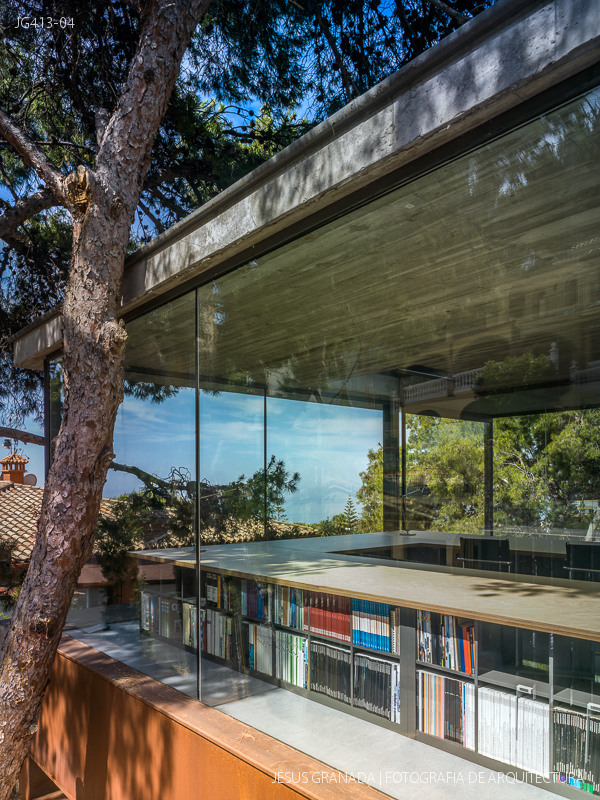
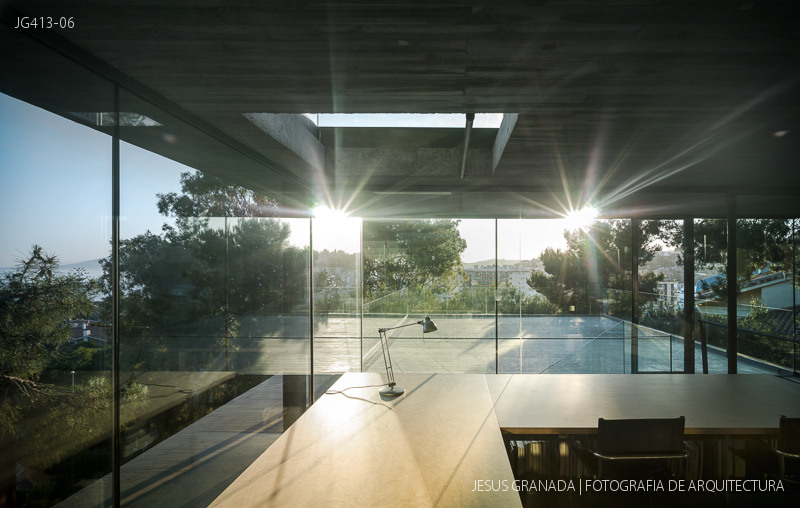
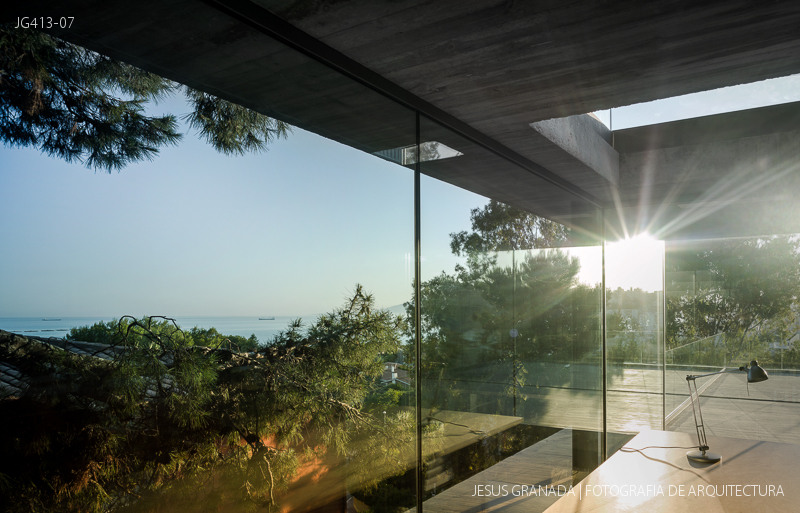
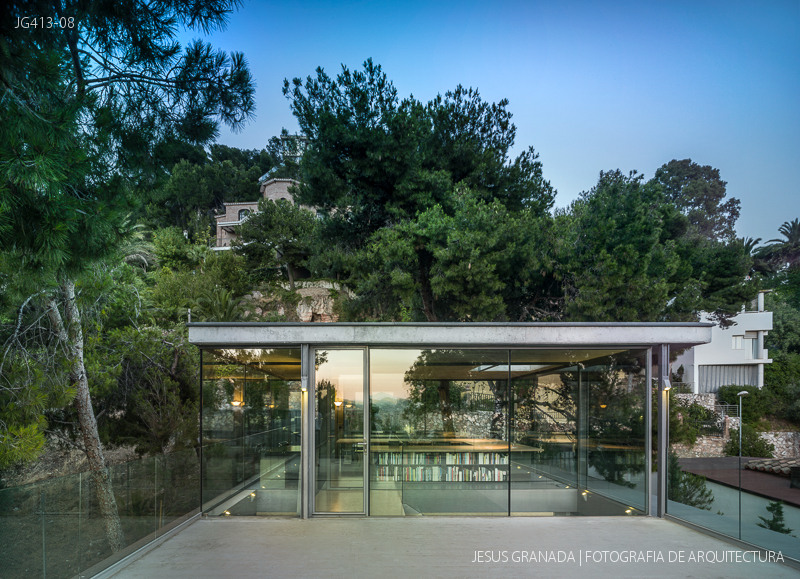
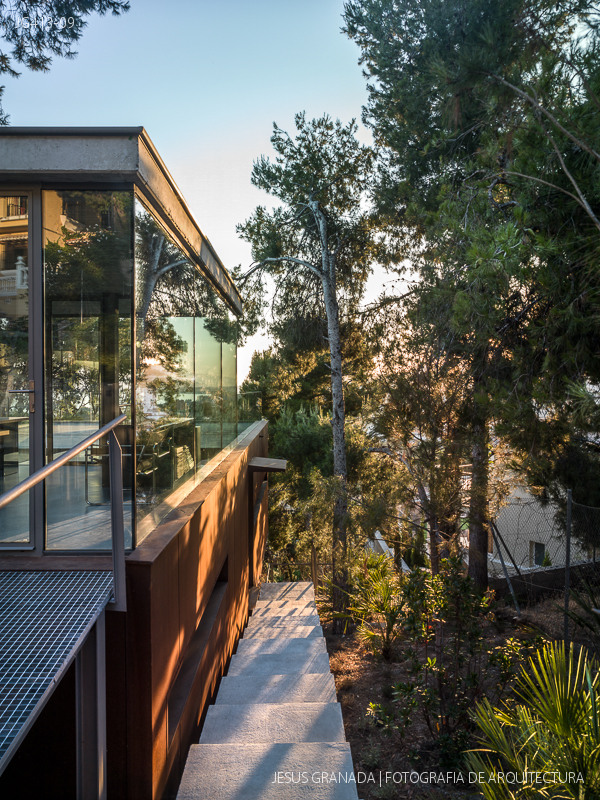
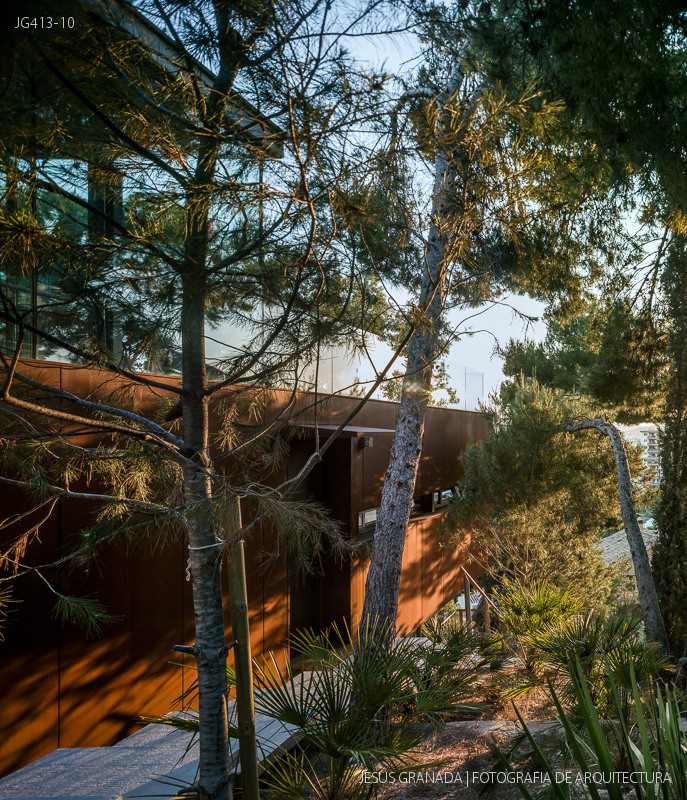
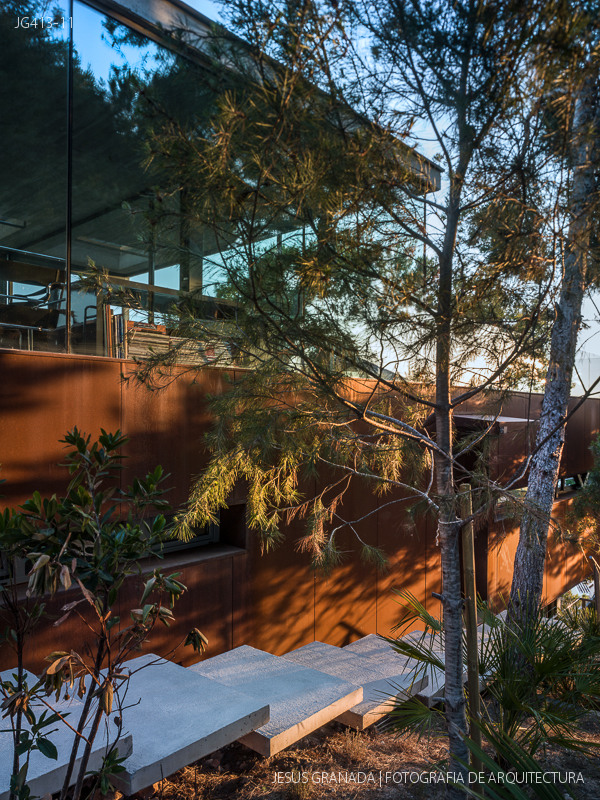
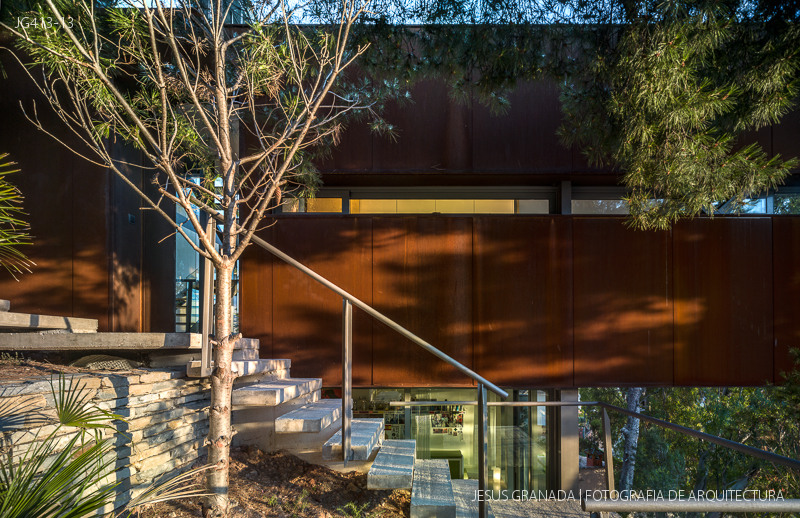
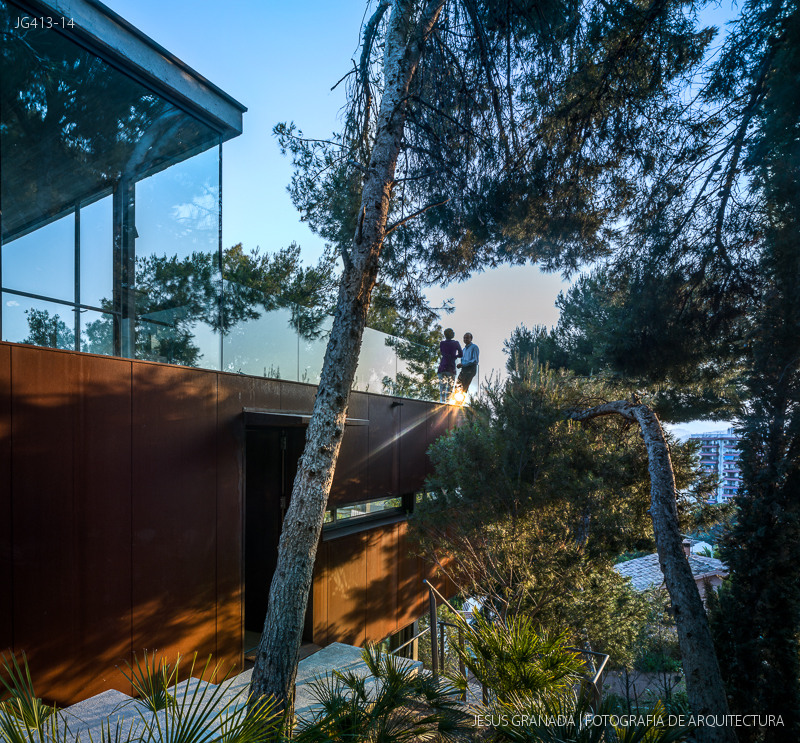
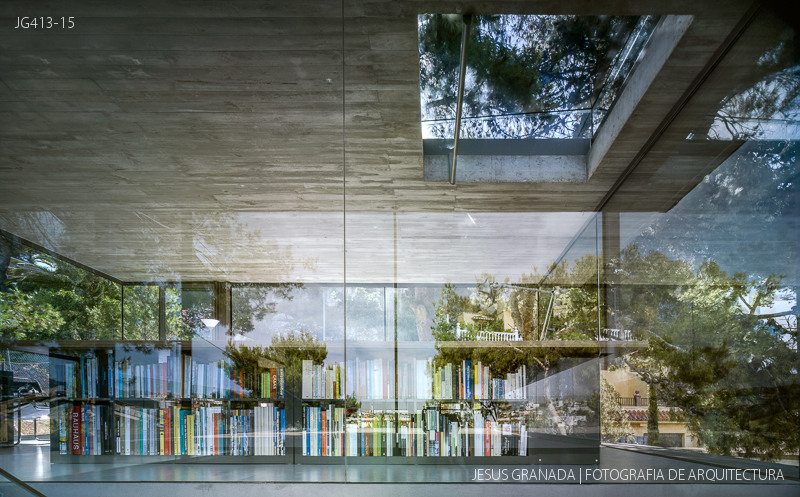
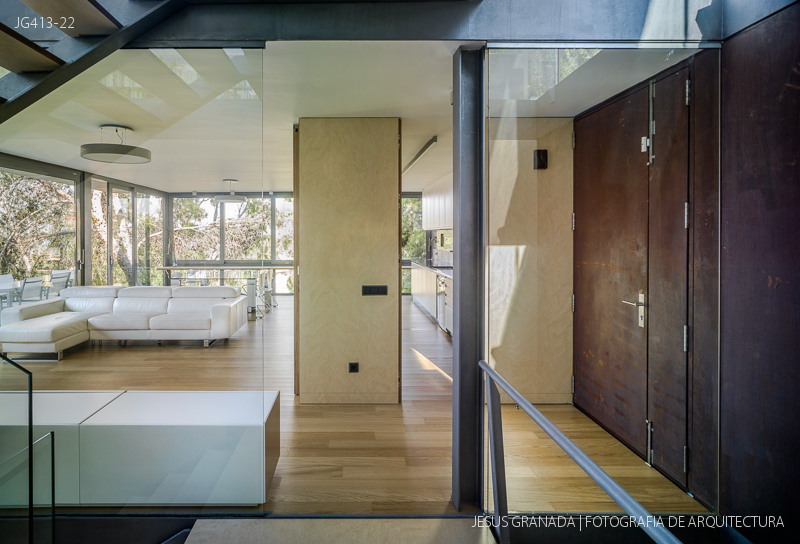
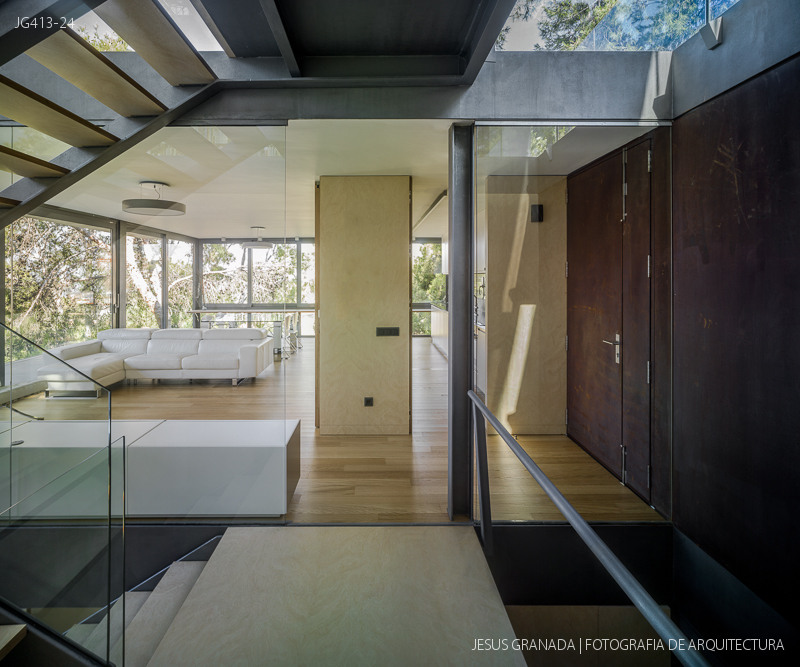
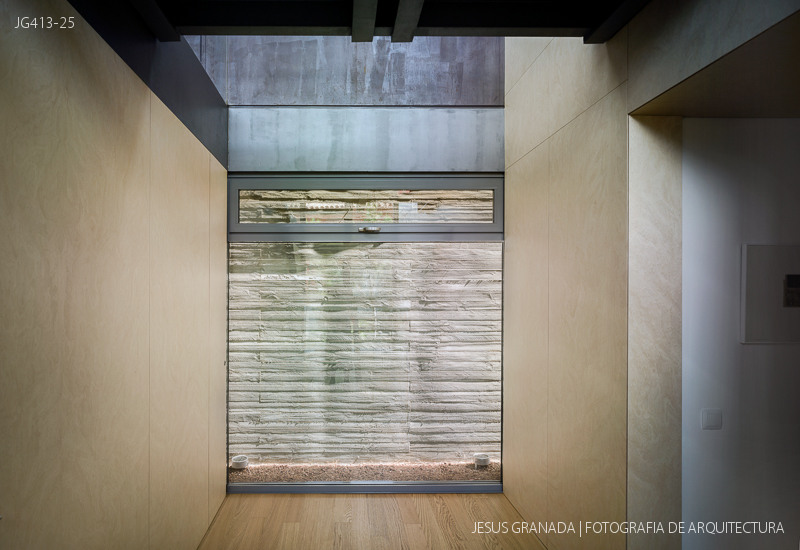
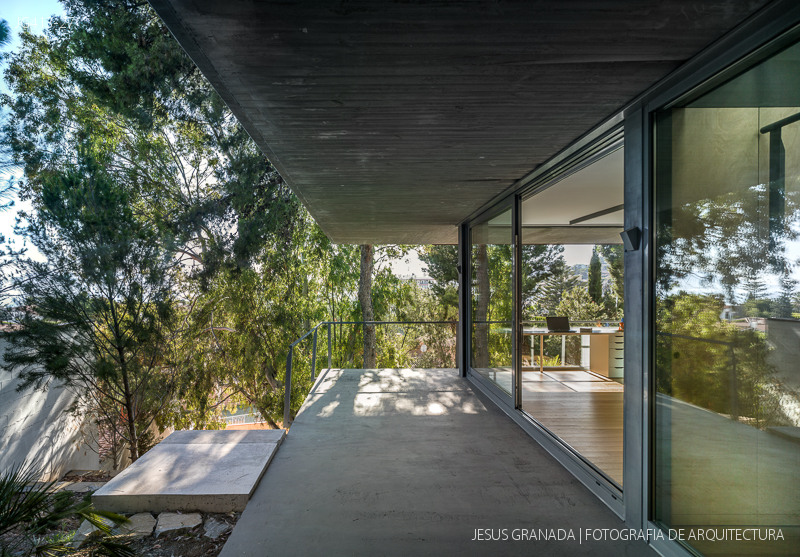
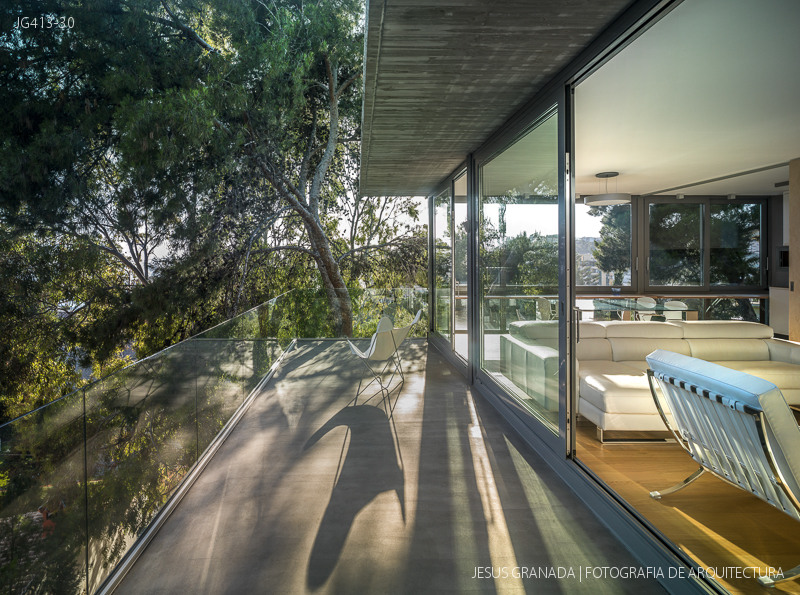
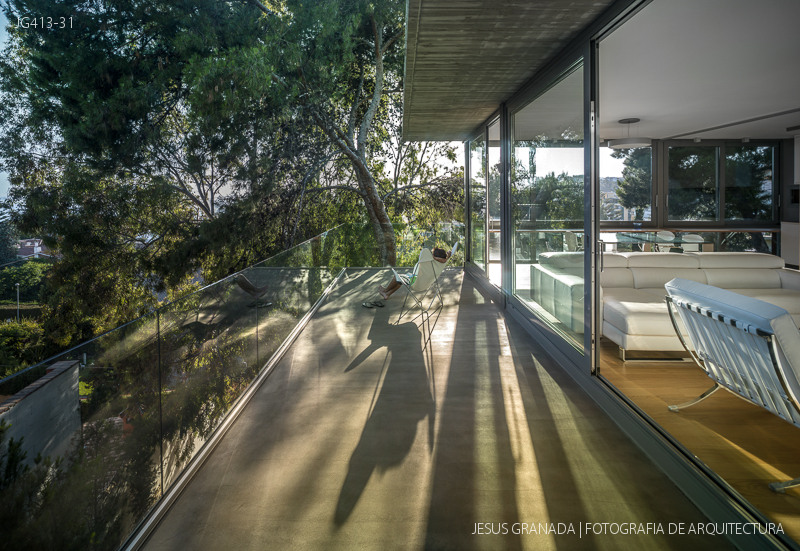
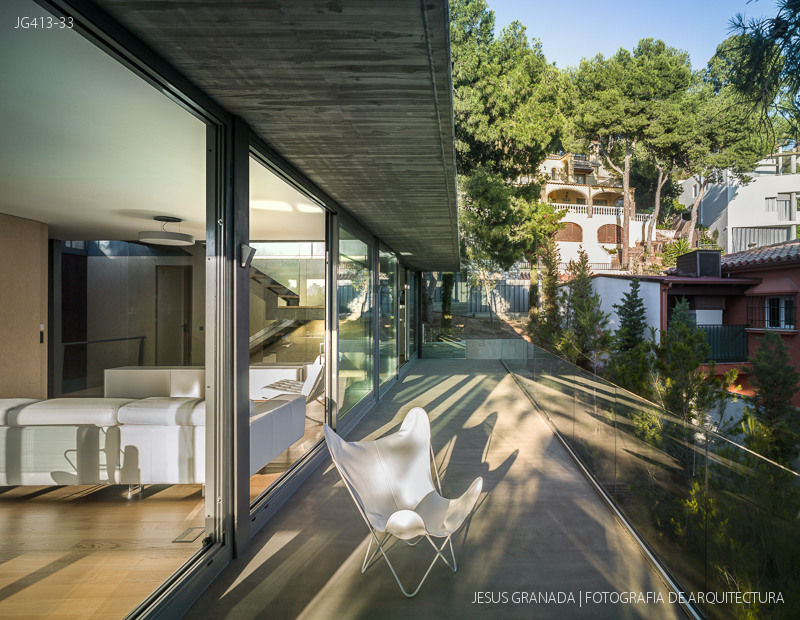
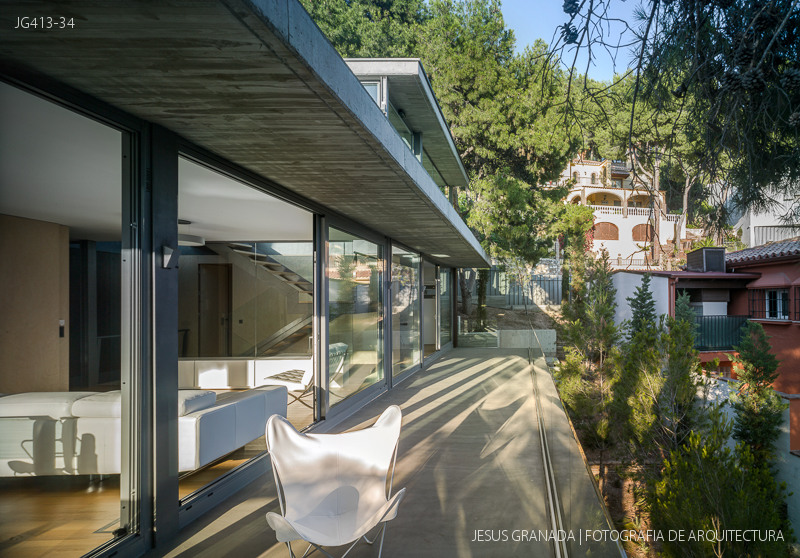
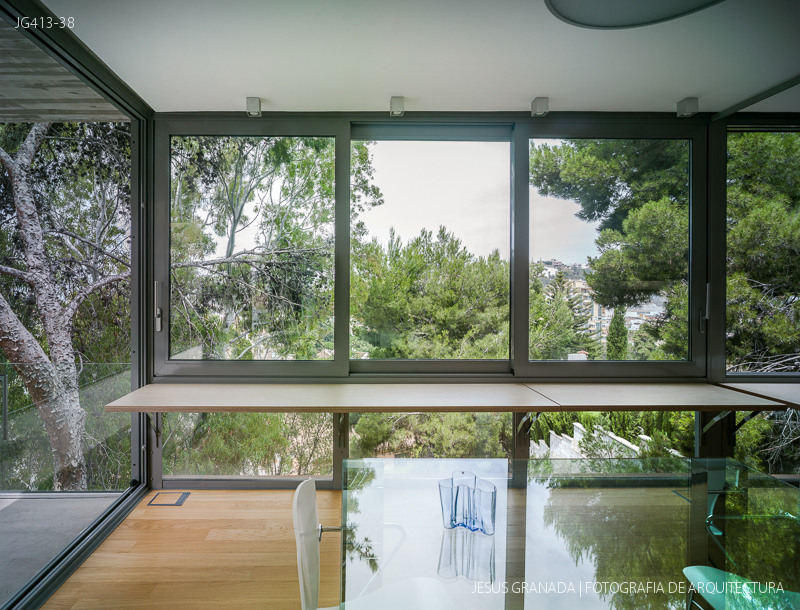
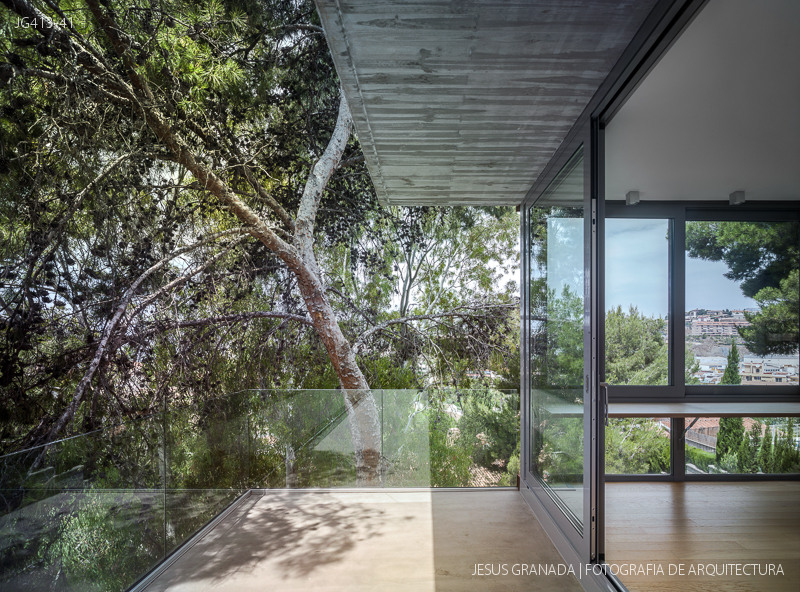
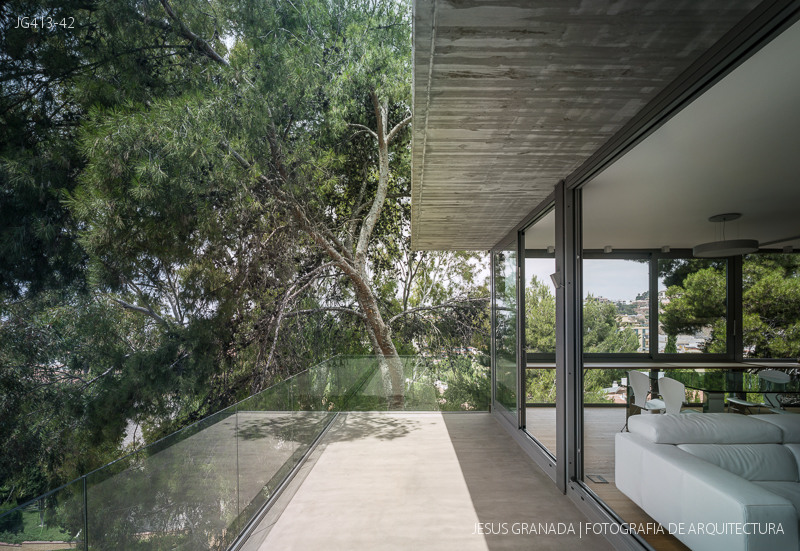
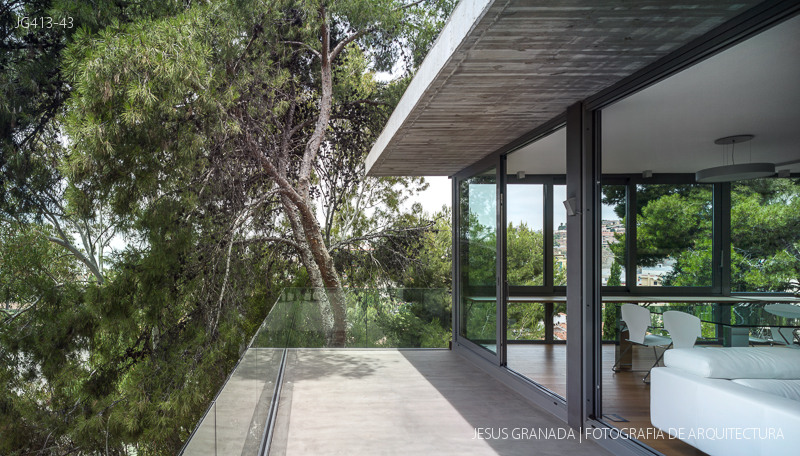
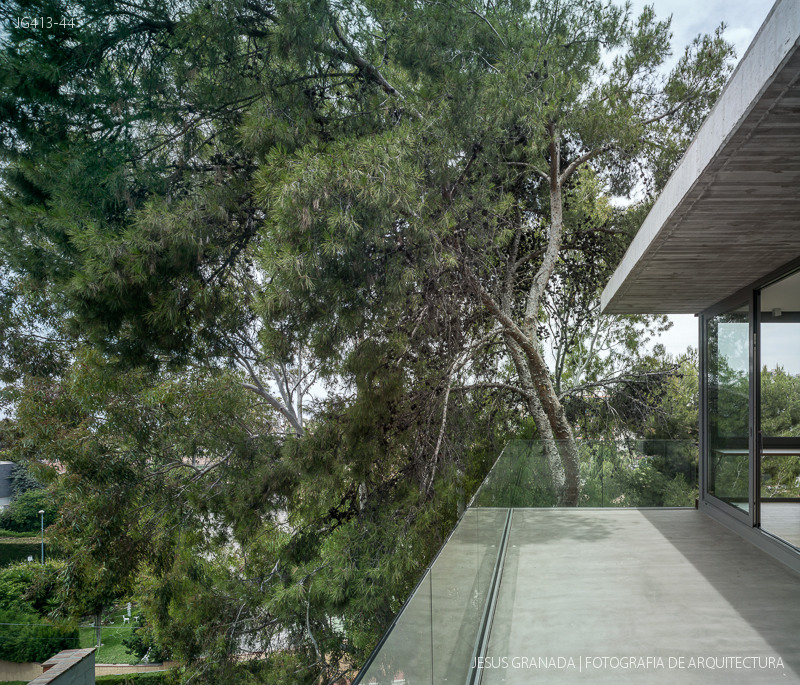
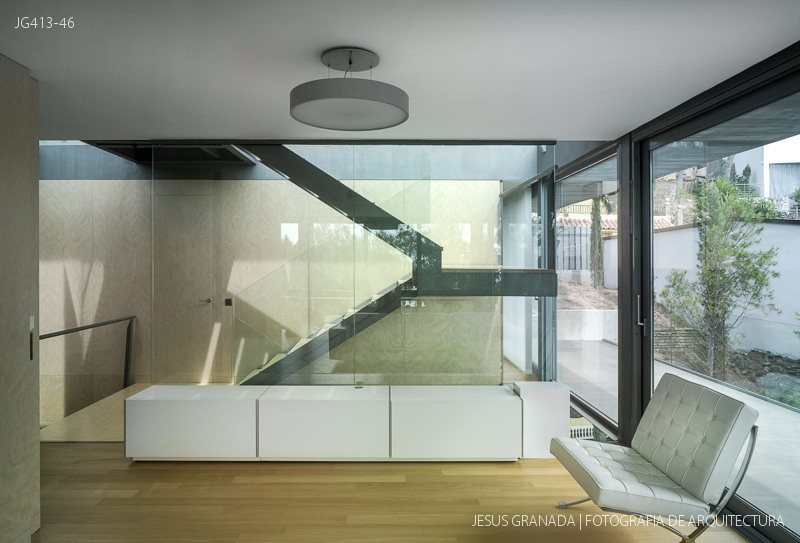
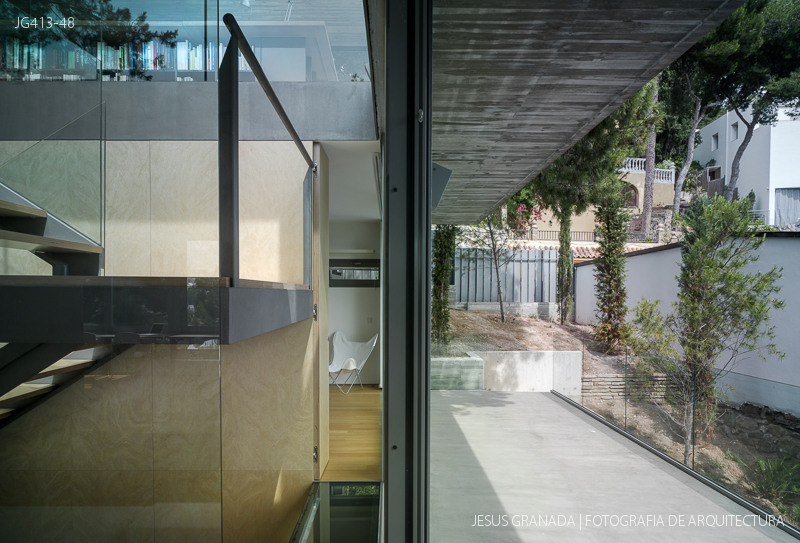
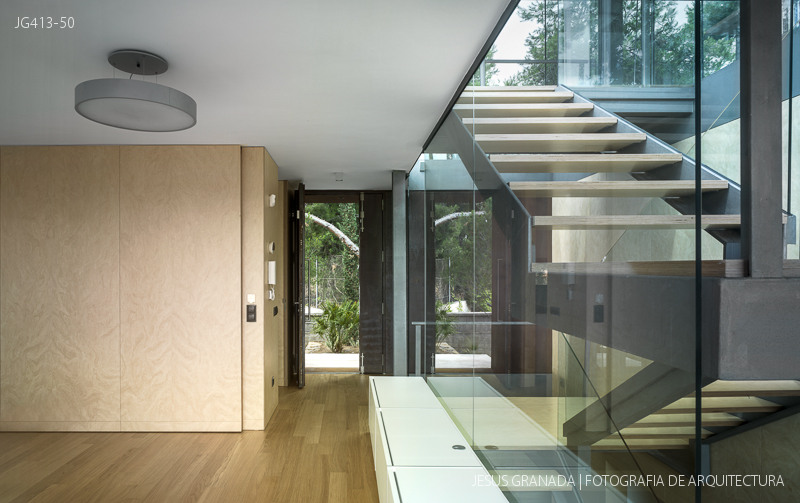
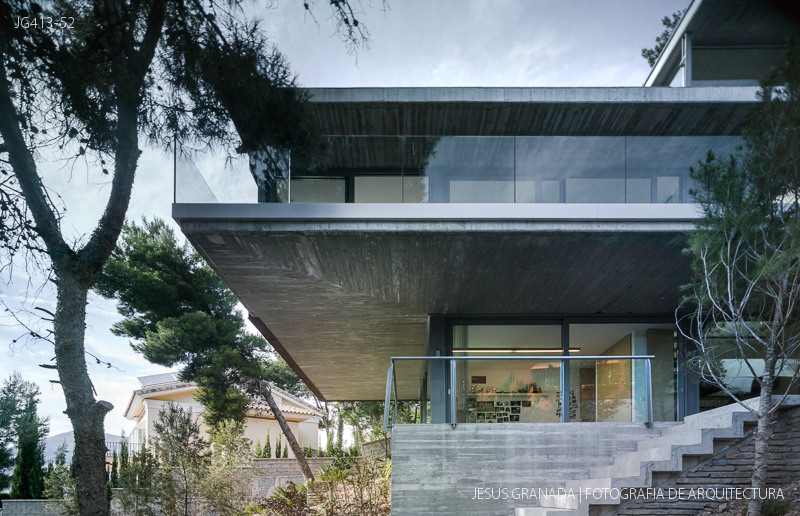
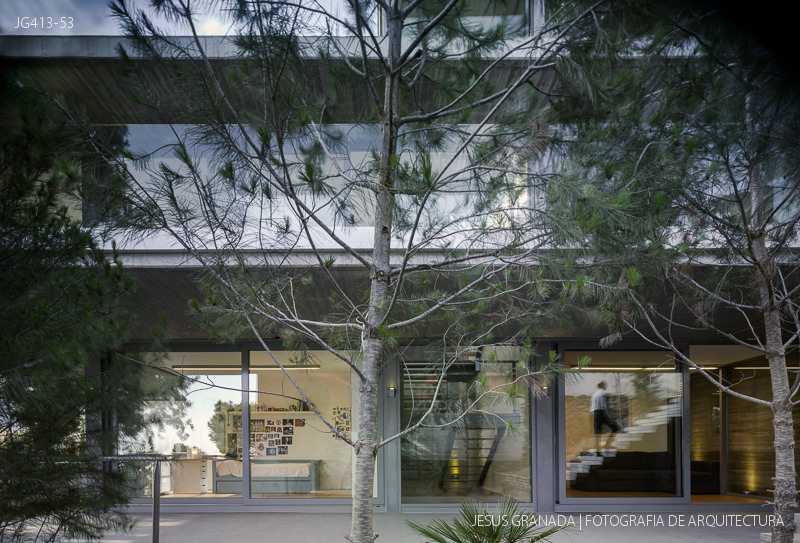
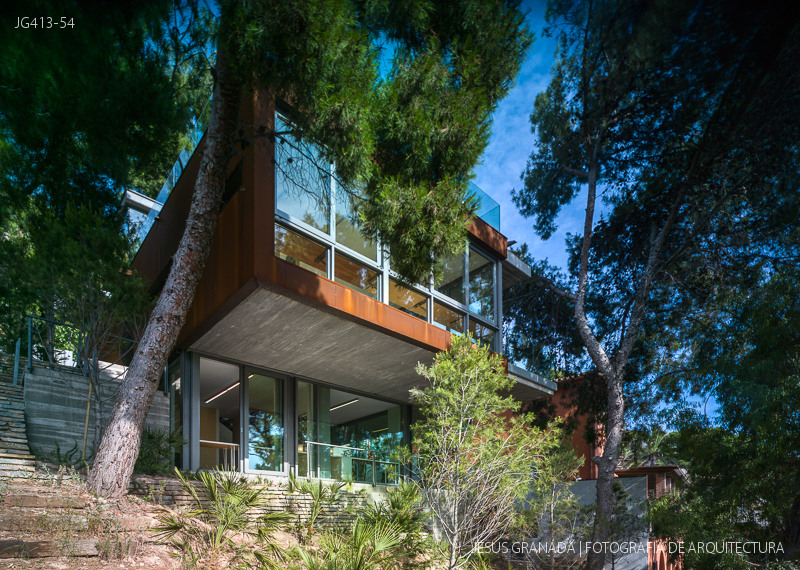
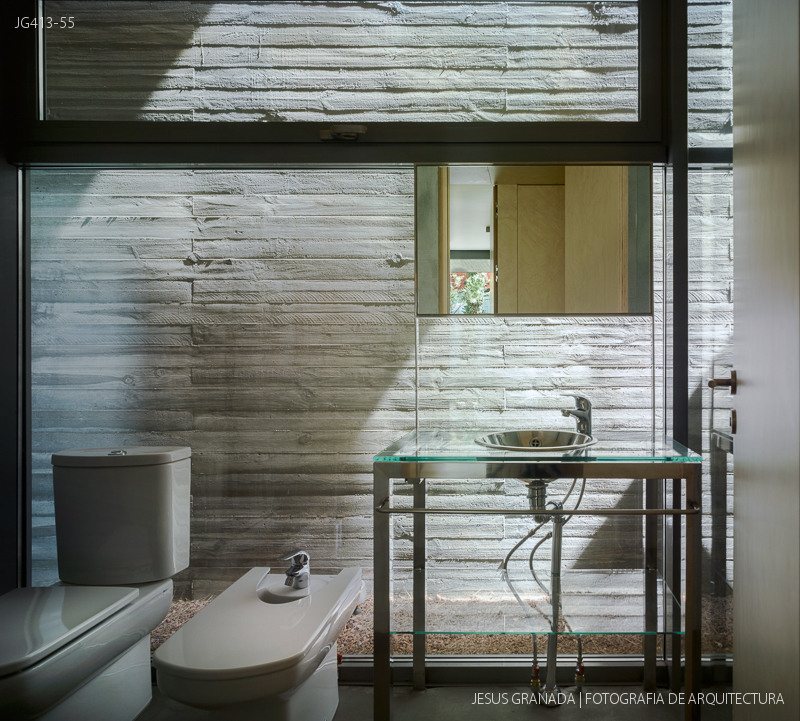
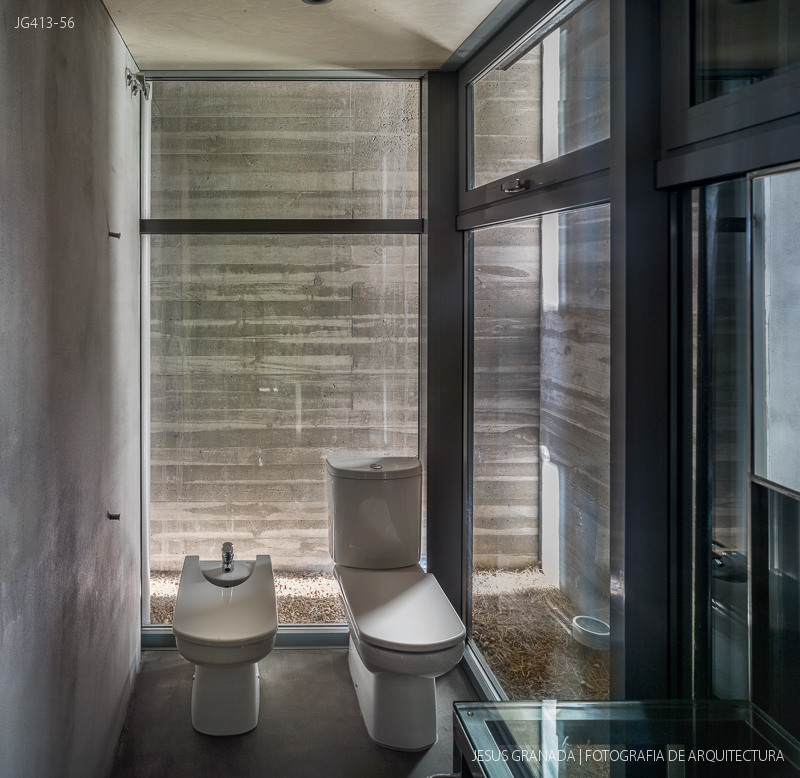
On a plot with steep topography between two streets, the house hides among the dominant pines, keeping the surrounding terrain in its natural state. A recessed box is created with a perimeter retaining wall that sets the volume of the building apart — two floors plus a glazed rooftop pavilion. The physical and structural separation between the house and the wall allows natural light and ventilation for the lower level, conceived as a glass box around its entire perimeter.
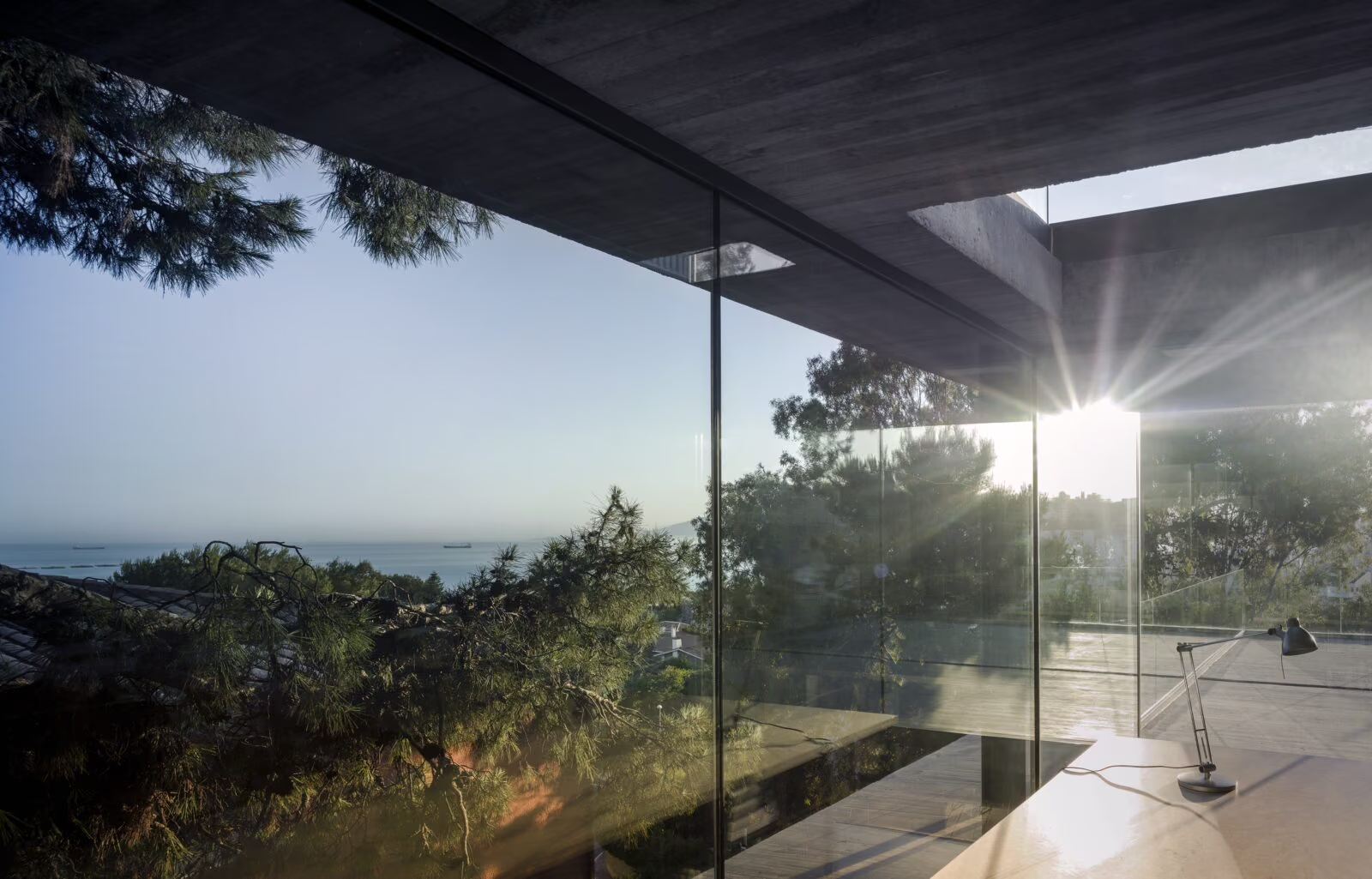
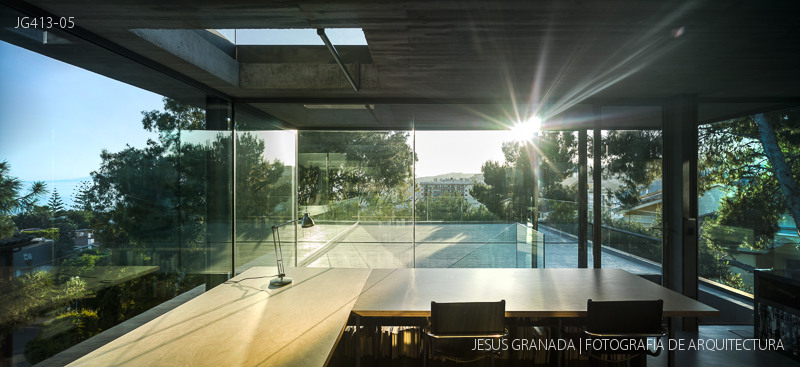
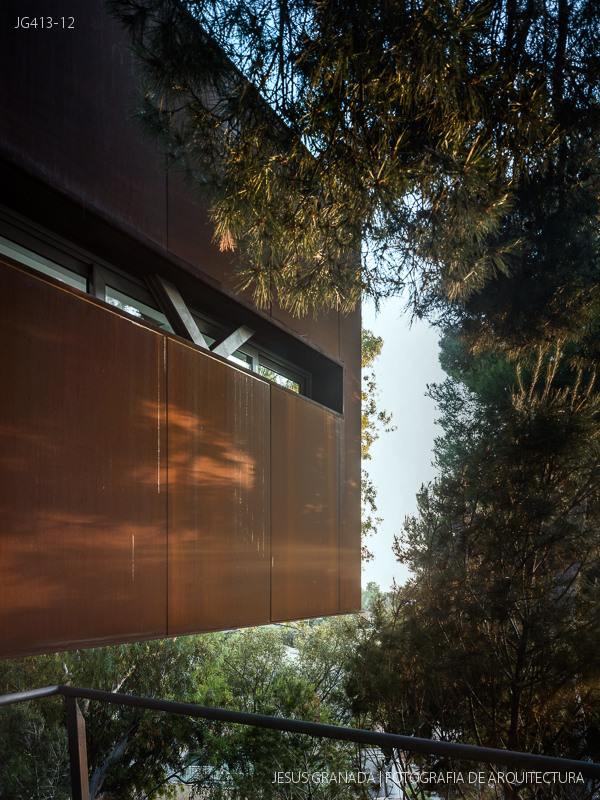
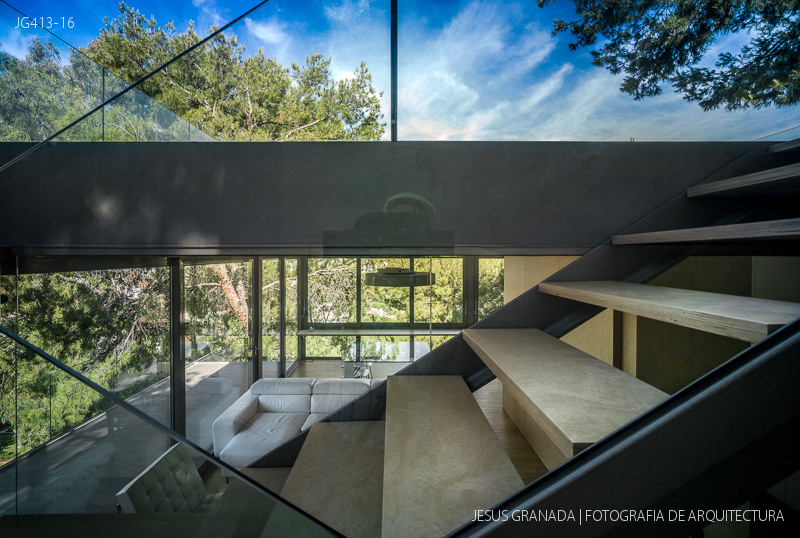
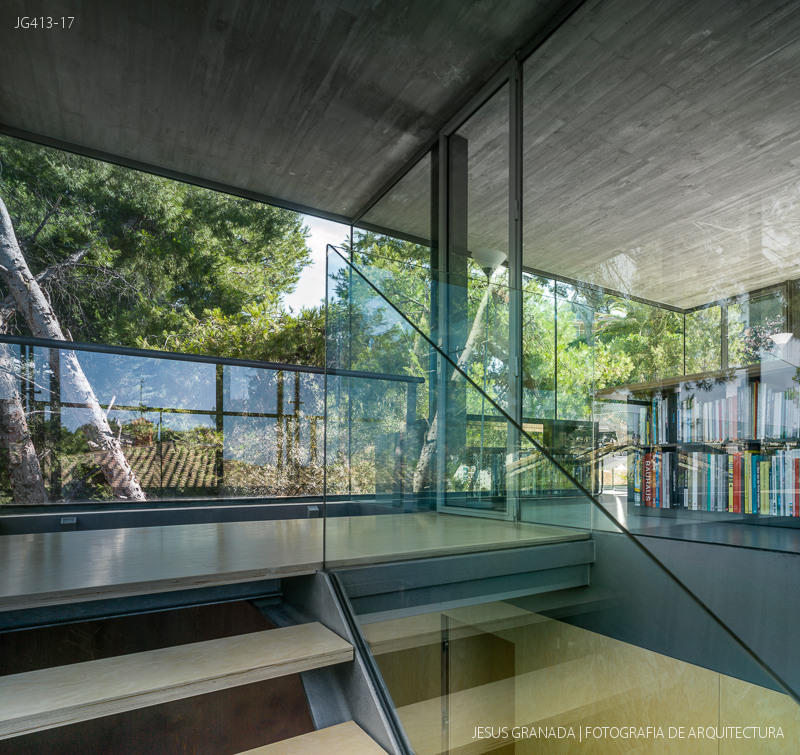
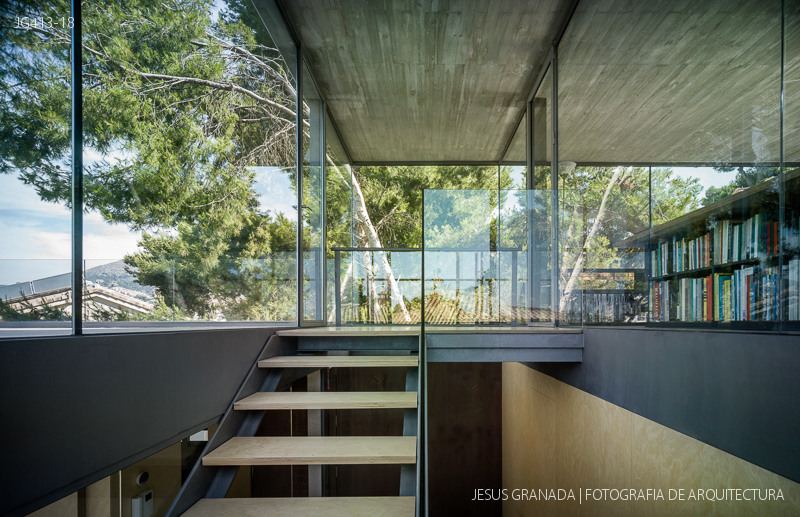
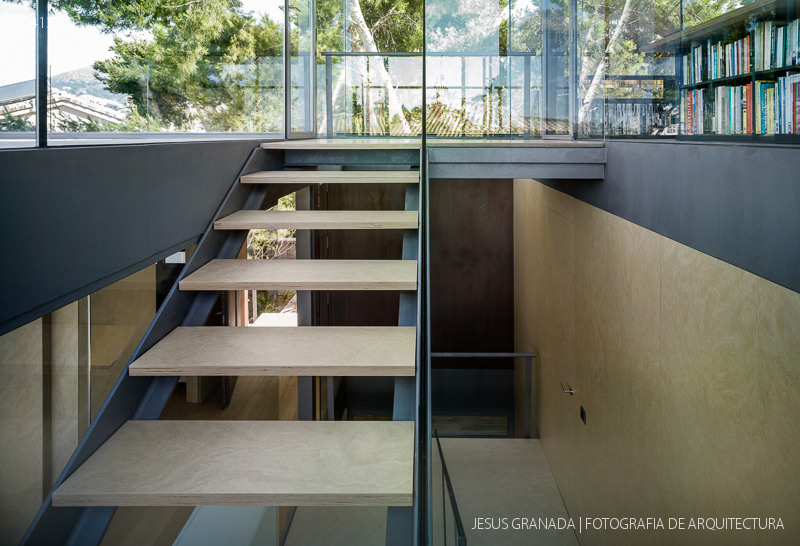
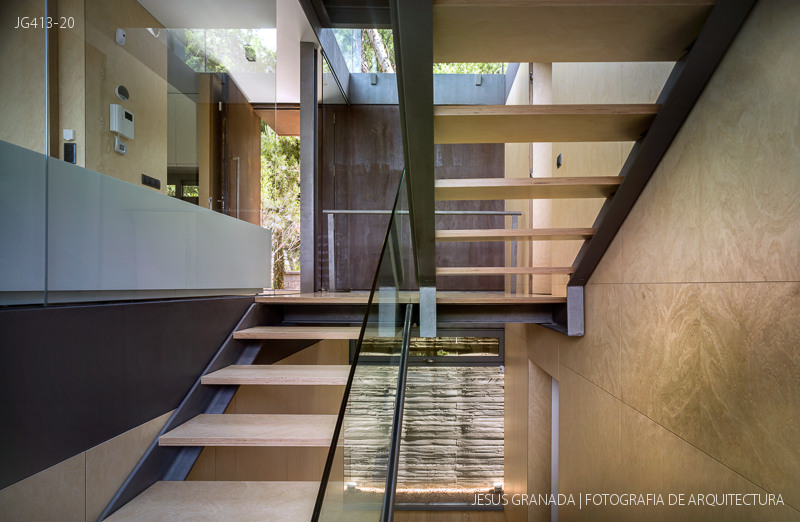
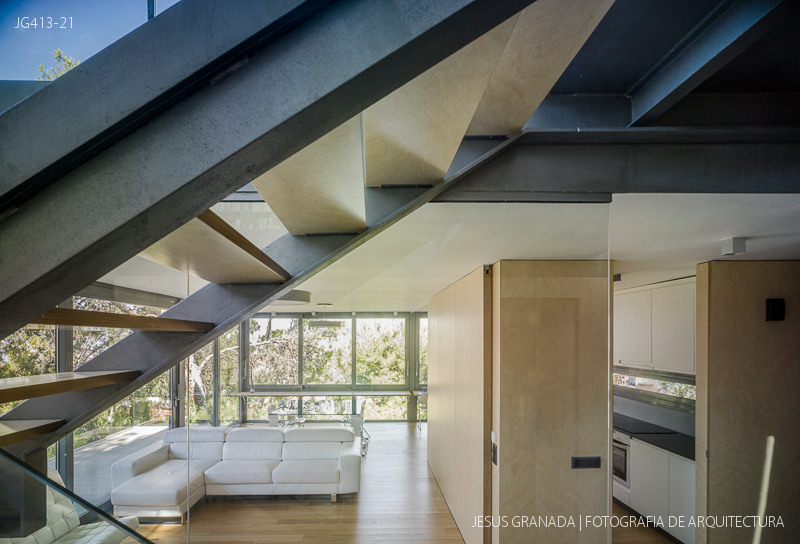
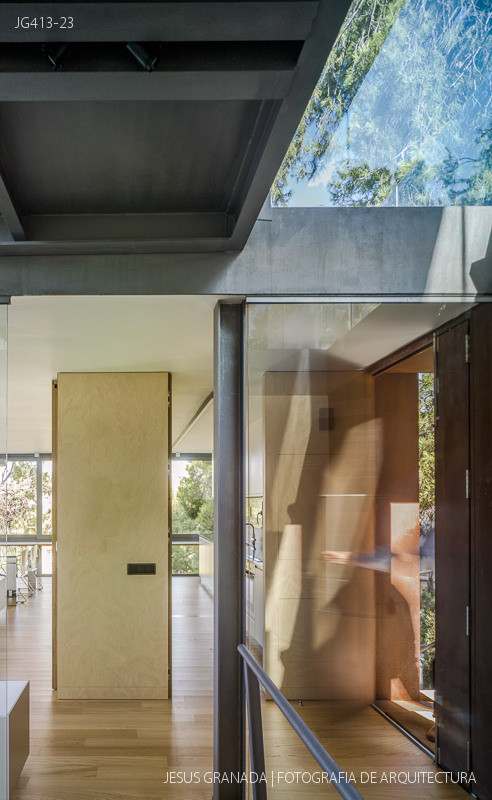
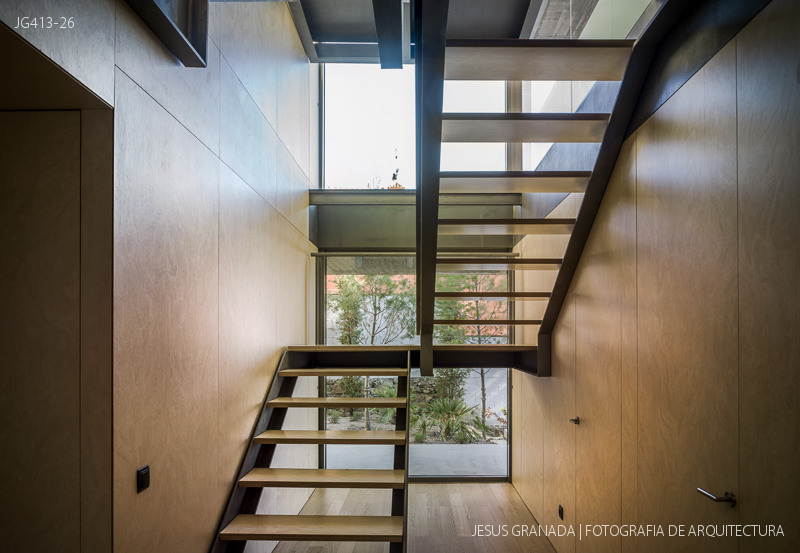
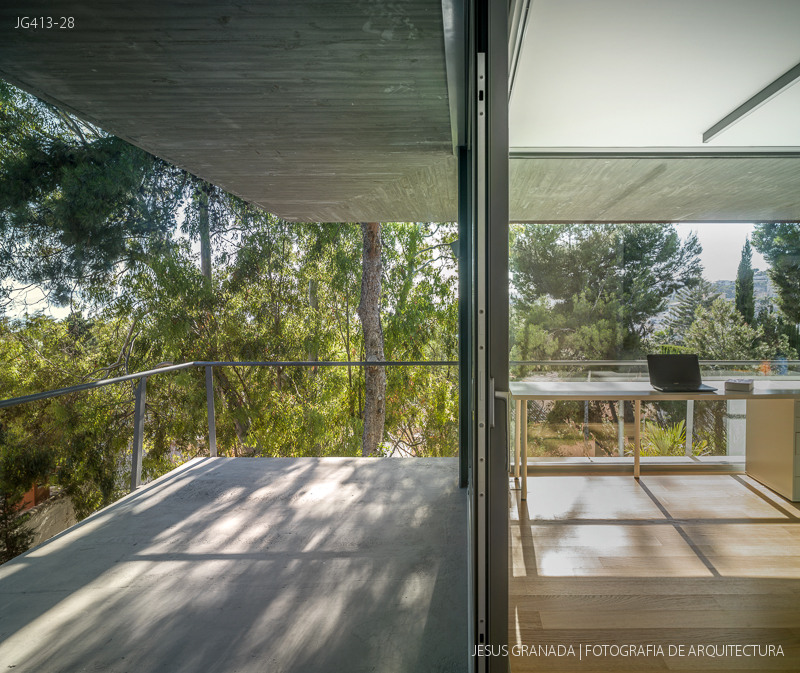
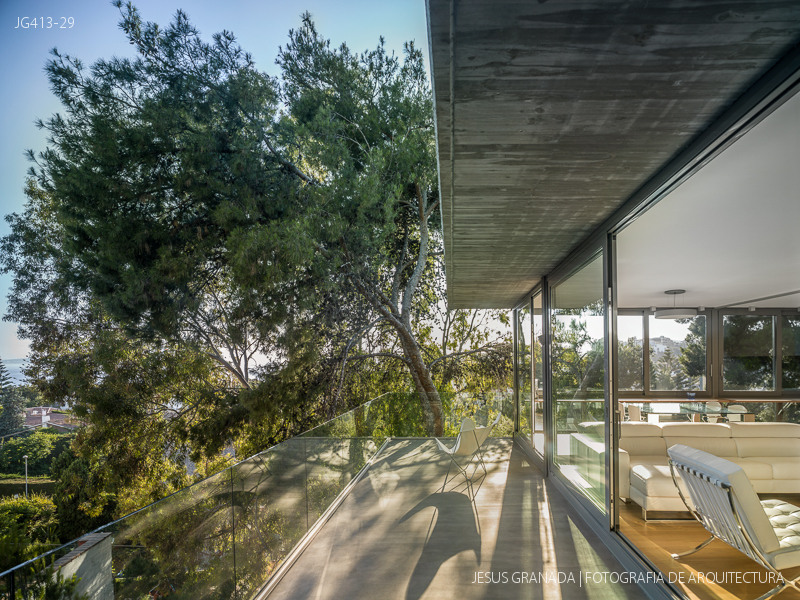
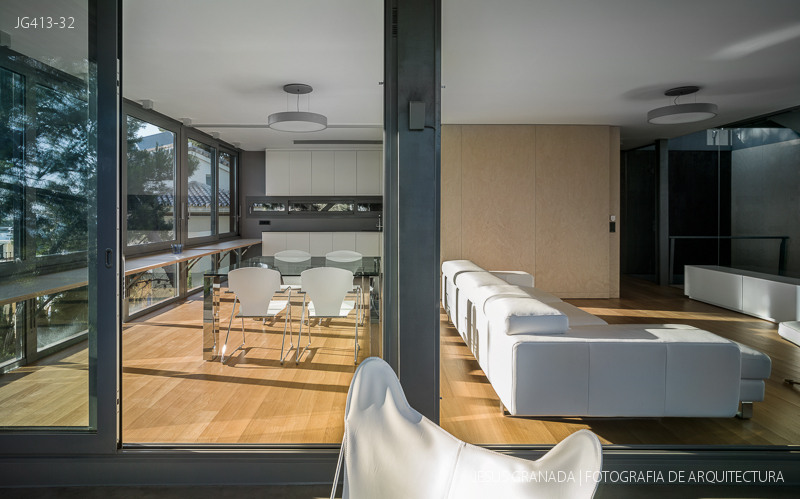
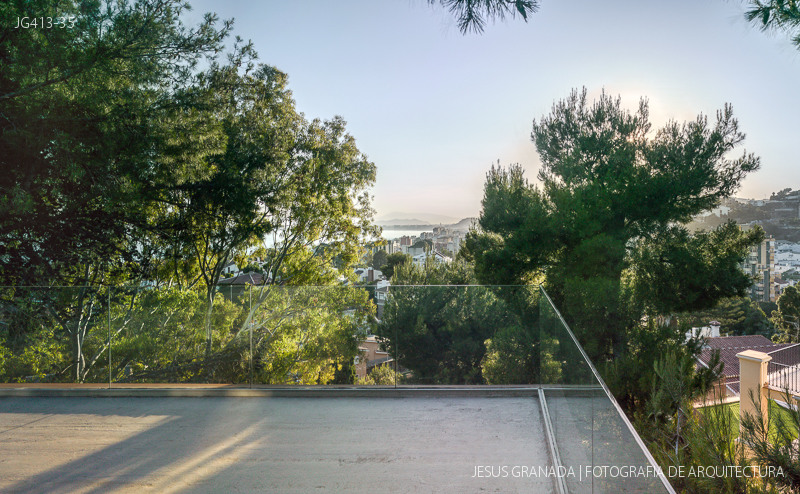
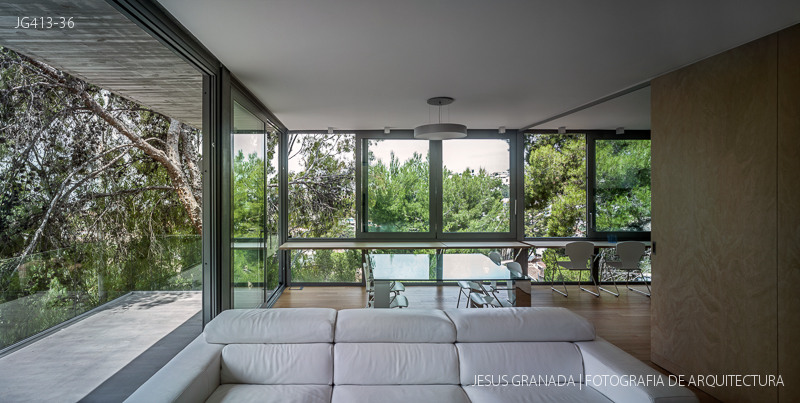
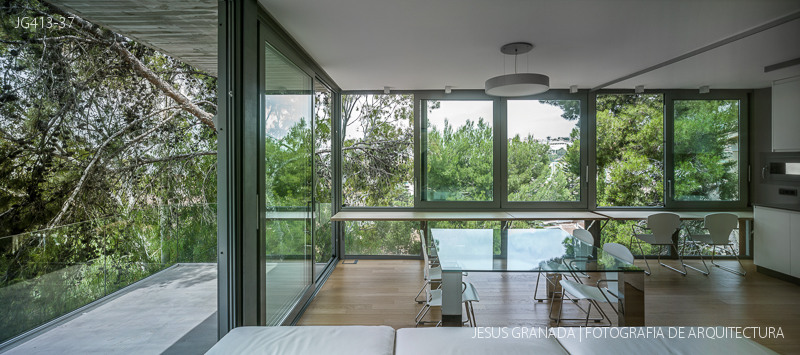
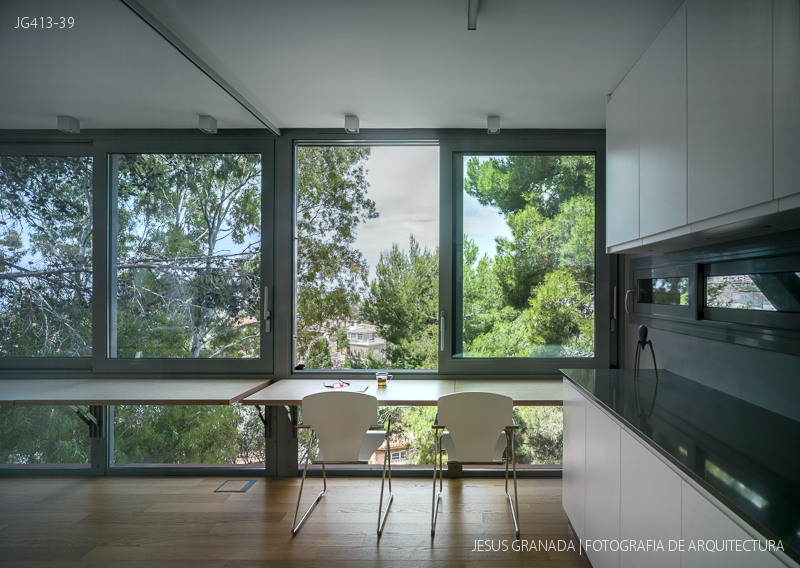
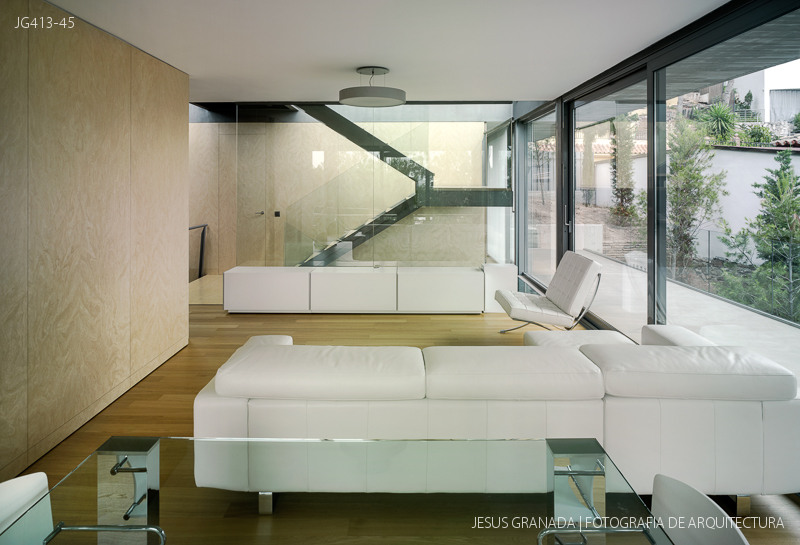
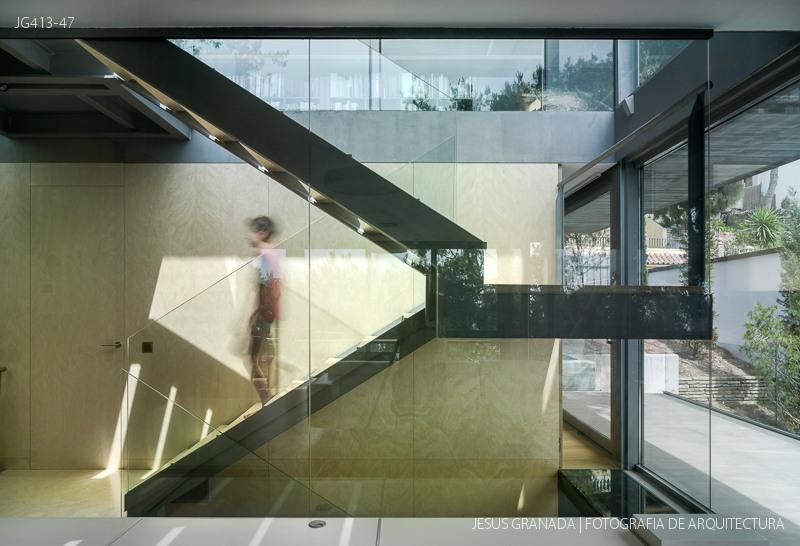
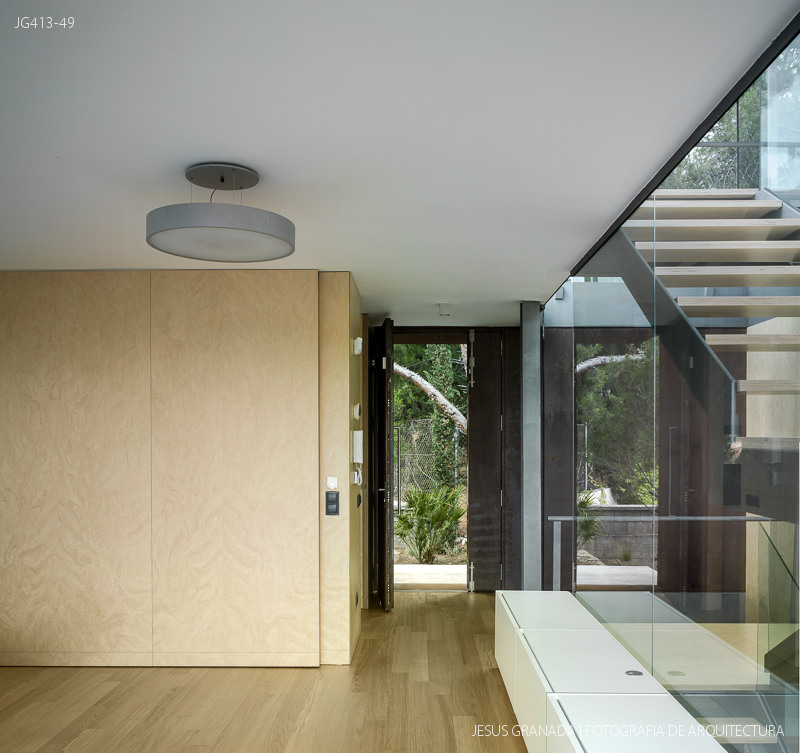
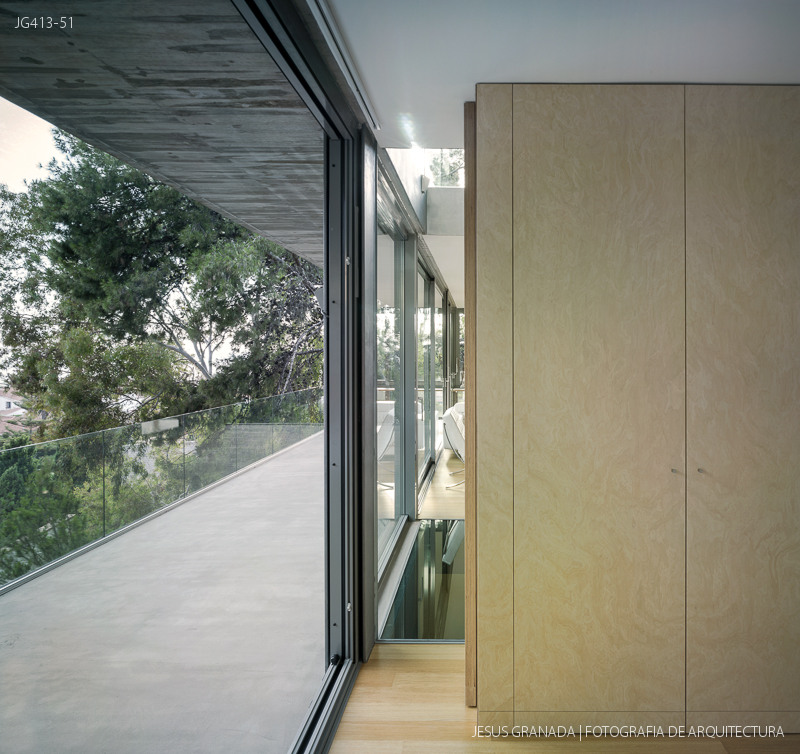
The entrances and external connections adapt to the slope at each point of contact with the topography. The programme places the daytime rooms (living-dining and kitchen) on the upper floor, cantilevered to the west, and the master bedroom and bathroom to the east, while the remaining bedrooms and bathrooms occupy the ground floor. Both levels open to the south with the best orientation, linked by a linear terrace framing the views over the Bay of Málaga. On the roof sits another glass box and a terrace, again open to the landscape. Interior circulation between floors is resolved through a central staircase set inside a spatial volume conceived as the structuring patio of the house.
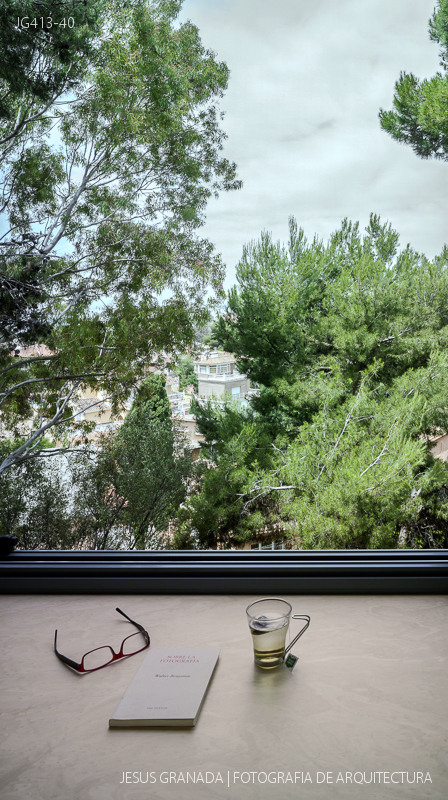
Most of the existing pines have been preserved, supplemented by new plantings. Given the large glazed surface, the dense pine canopy becomes the natural protection of the house — its true skin. Further bioclimatic strategies provide passive solar gain in winter and natural ventilation in summer, including a ‘Canadian well’ (earth–air heat exchanger) and both external and internal cross-ventilation to refresh the spaces.
Photographic sequence
Project data
- Architect
- Rafael de Lacour Jiménez
- Location
- Urbanización El Candado, Málaga
- Collaborators
- María Martín Sánchez (architect)
Alberto Santoyo Arenas (architect)
Fernando Gómez Hermosa (industrial technical engineer)
Félix Esteve Polo (building surveyor)
Jorge Lopera Alcalá (construction company) - Contractor
- Construcciones Tadeco, S.L.
- Construction
- 2012
- Awards
- Málaga Architecture Award 2013 — Single-family House (COA Málaga, May 2013)
Ateneo-University of Málaga Awards 2017 — Architecture (Honourable mention, April 4 2017) - Photography
- © Jesús Granada, 2013
Published in
In the media
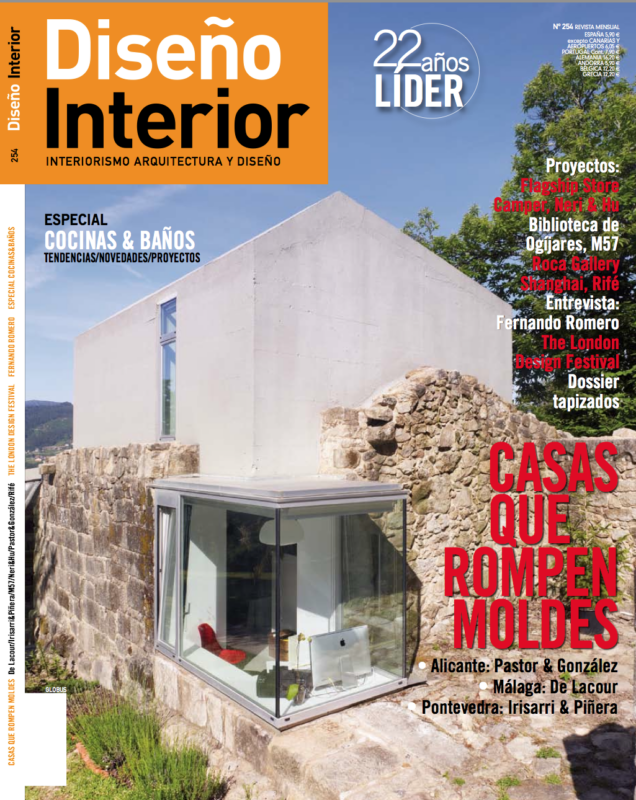
- Dialnet · Diseño Interior nº 254 · 1130-9458 · (2014-11)
- AD España (digital)
- University of Málaga · Ateneo-UMA Awards 2017 · (2017-04-04)
Photographic report
- Inventory number
- JG0413
- Production date
- July 2013
- Commission
- Rafael de Lacour
- Cameras
- Hasselblad CF-39MS · Linhof M 679cs
- Lenses
- Rodenstock 105 mm f/5.6 Apo-Sironar · Rodenstock 150 mm f/5.6 · Schneider Super Angulon 72 mm XL · Rodenstock 32 mm f/4 HR Digaron-W
- Postproduction
- María Arias de Saavedra
- Digital archive
- TIFF 8-bit · Adobe RGB 1998 · resolución 30 × 50 cm @ 400 ppi (tamaño medio)
- Photographs
- 58 TIFF files · request license →