Architectural typologies
12 architectural families, 95 typologies and over 1,200 projects
The archive of architectural photography I have maintained since 1999 is organised by the type of programme photographed. Thousands of projects done for studios, institutions and international publications are grouped here under the architectural typologies common to the trade. Read more →
The structure is a personal working map, not an academic classification: the weight of each family reflects the questions the profession has put to me, not a theoretical hierarchy. A project can belong to several typologies at once — a refurbishment is often also cultural or residential architecture — because built reality cannot be confined to a single label.
Over time I have confirmed that the complexity of architecture is reflected in the number of new, simultaneous and unexpected uses we make of built space. Read less ↑
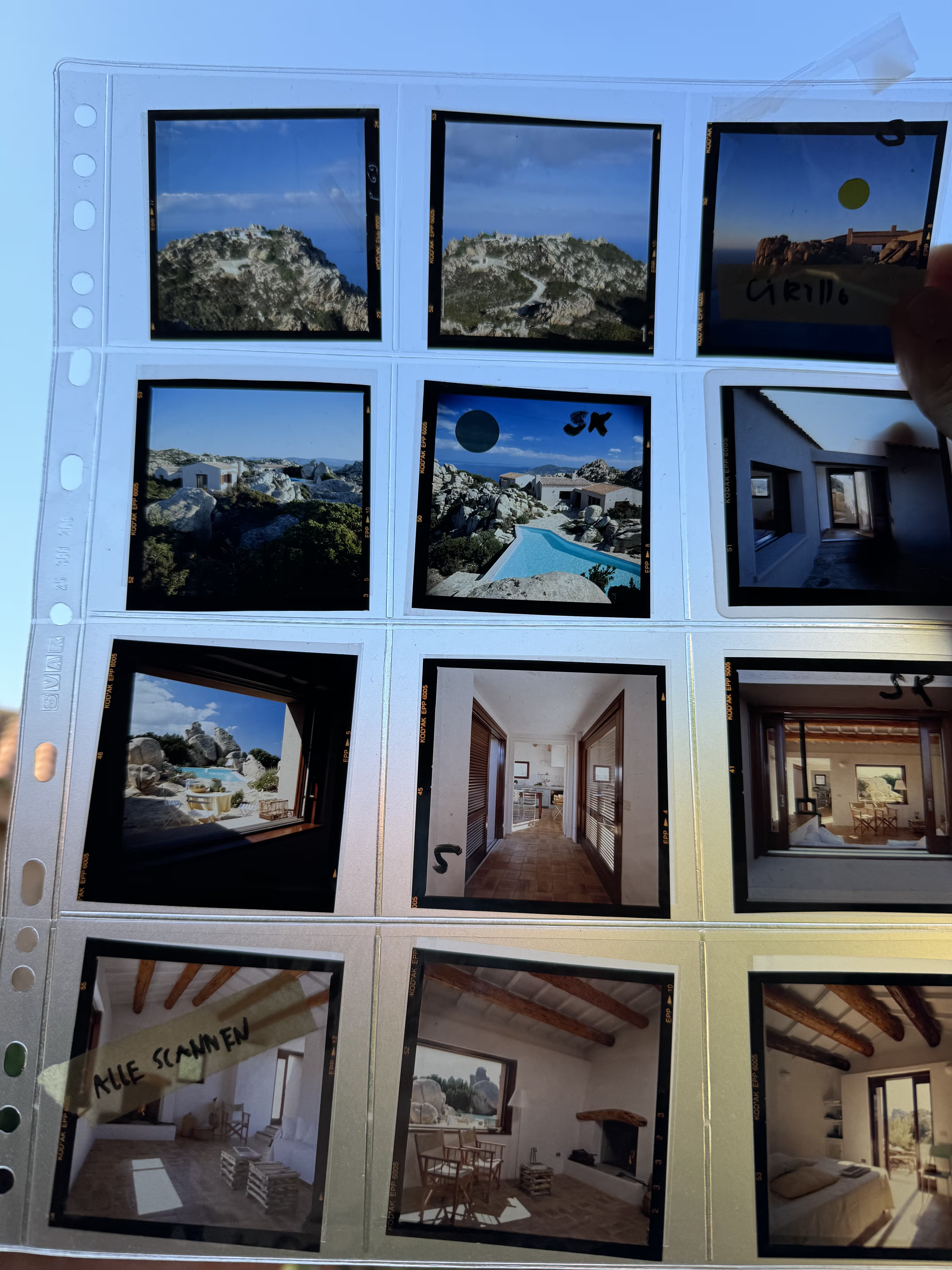
Spaces designed for living, offering comfort, functionality, and aesthetic appeal, while addressing diverse lifestyles and needs.
Spaces designed for business and commerce, combining functionality, brand identity, and customer engagement.
Transformation projects focused on modifying or enhancing existing structures rather than designing new ones.
Spaces that foster artistic expression, education, and community engagement, serving as cultural hubs that reflect identity, innovation, and heritage.
Spaces designed to foster learning, collaboration, and growth, balancing functionality, adaptability, and user well-being.
Spaces designed to serve communities, emphasizing accessibility, functionality, and cultural significance.
Spaces designed to support health and well-being, combining functionality, comfort, and safety.
Spaces designed for worship and spiritual activities, reflecting cultural and symbolic significance.
Spaces designed to enhance leisure and recreation, offering unique guest experiences through innovative design and thoughtful functionality.
Temporary structures, installations and pavilions designed for events, exhibitions or performances, exploring the boundaries of architecture through formal and material experimentation with a transient vocation.
Designs for manufacturing, production, and logistics facilities, focusing on functionality, efficiency, and scale.
Spaces defined by interior detail, materiality and atmosphere, where architecture is experienced at the scale of the body.
Spaces devoted to funerary ritual and the memory of the deceased, where architecture sustains silence, passage, and remembrance through materiality and landscape.
Essential public systems such as transportation hubs, utilities, and large-scale networks, designed for durability and user flow.
Facilities designed for athletic activities, recreation, and fitness, focusing on functionality and user experience.