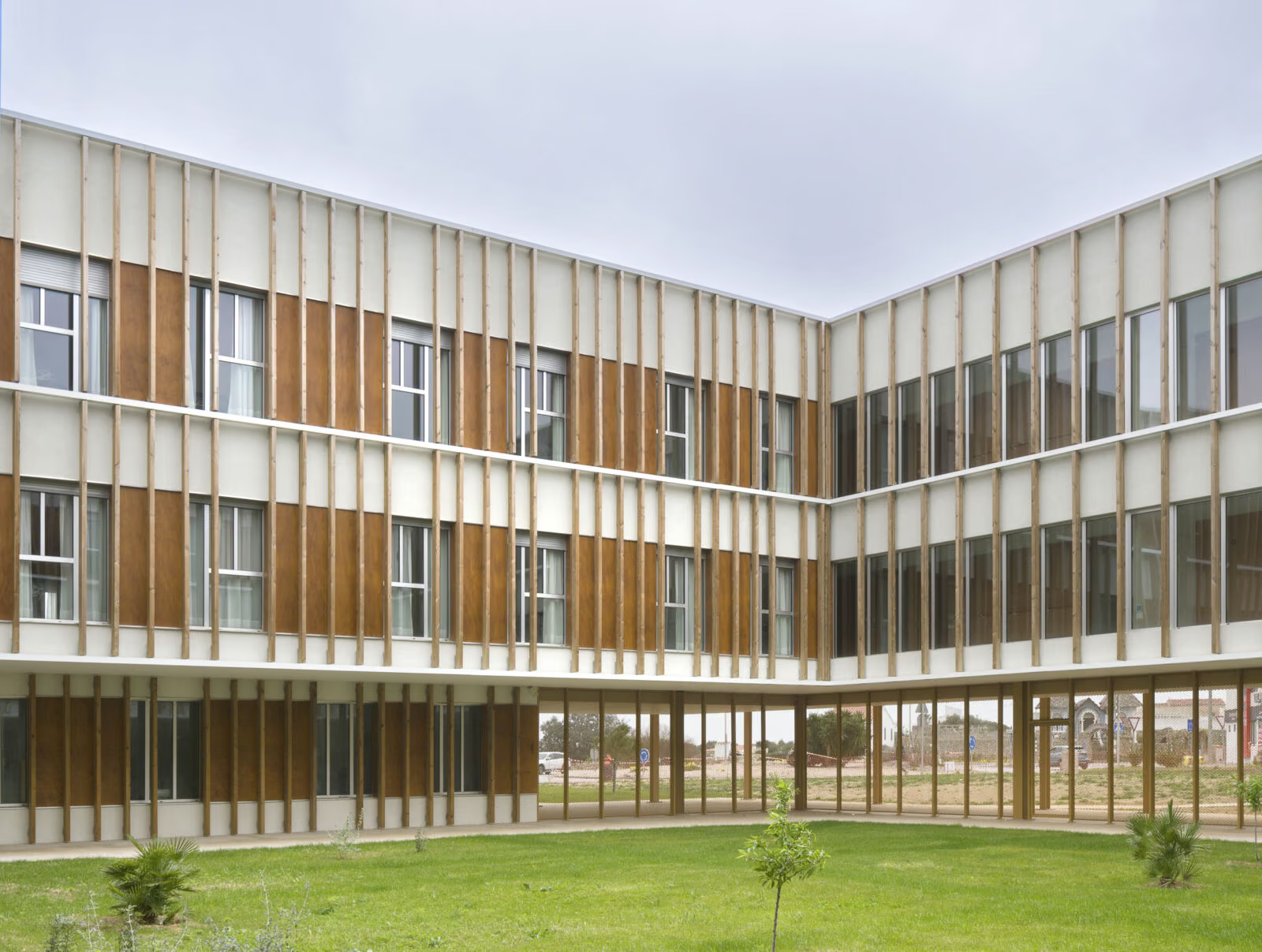
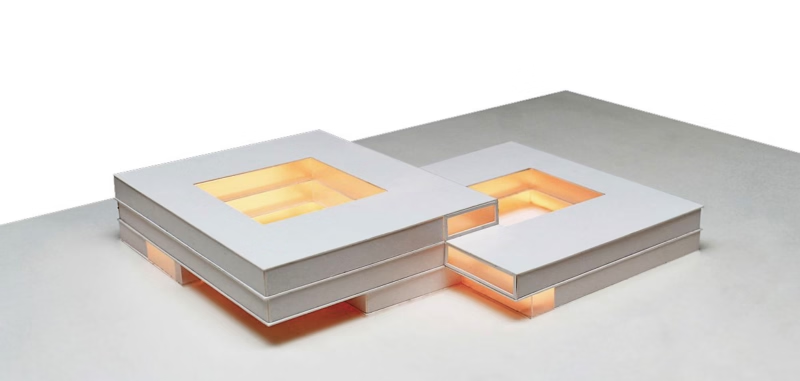
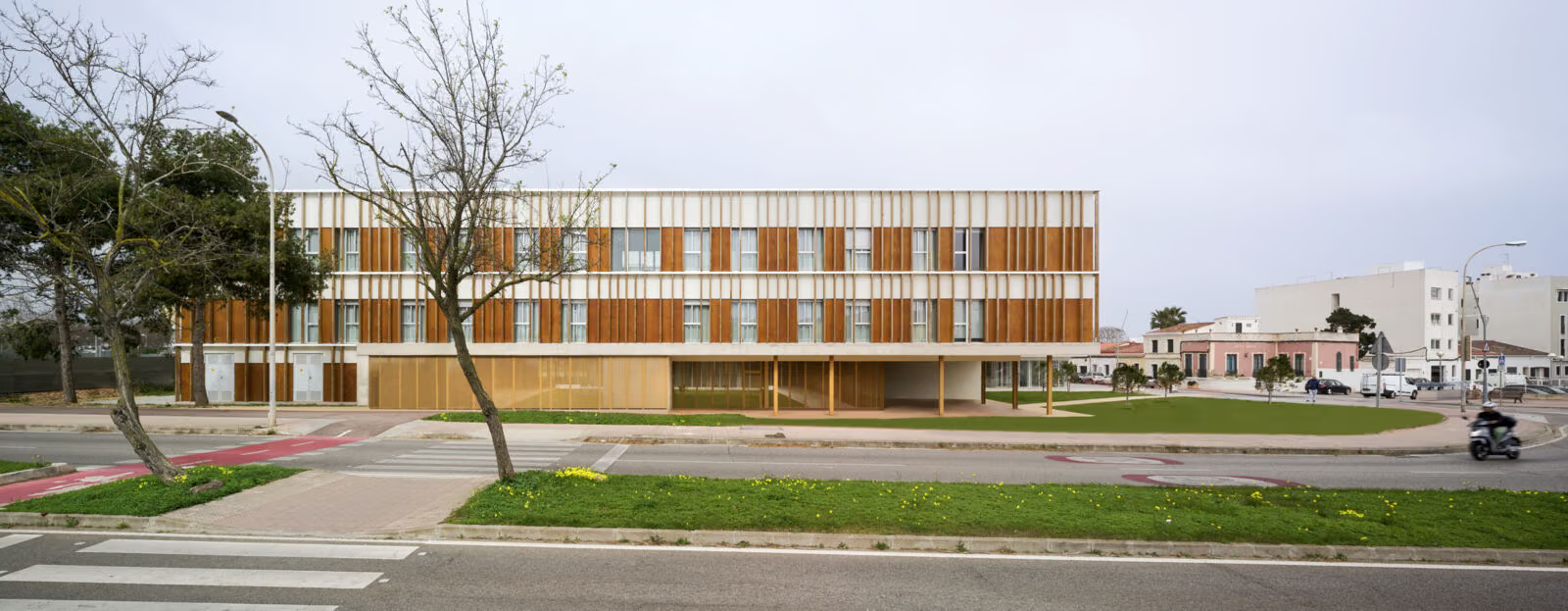
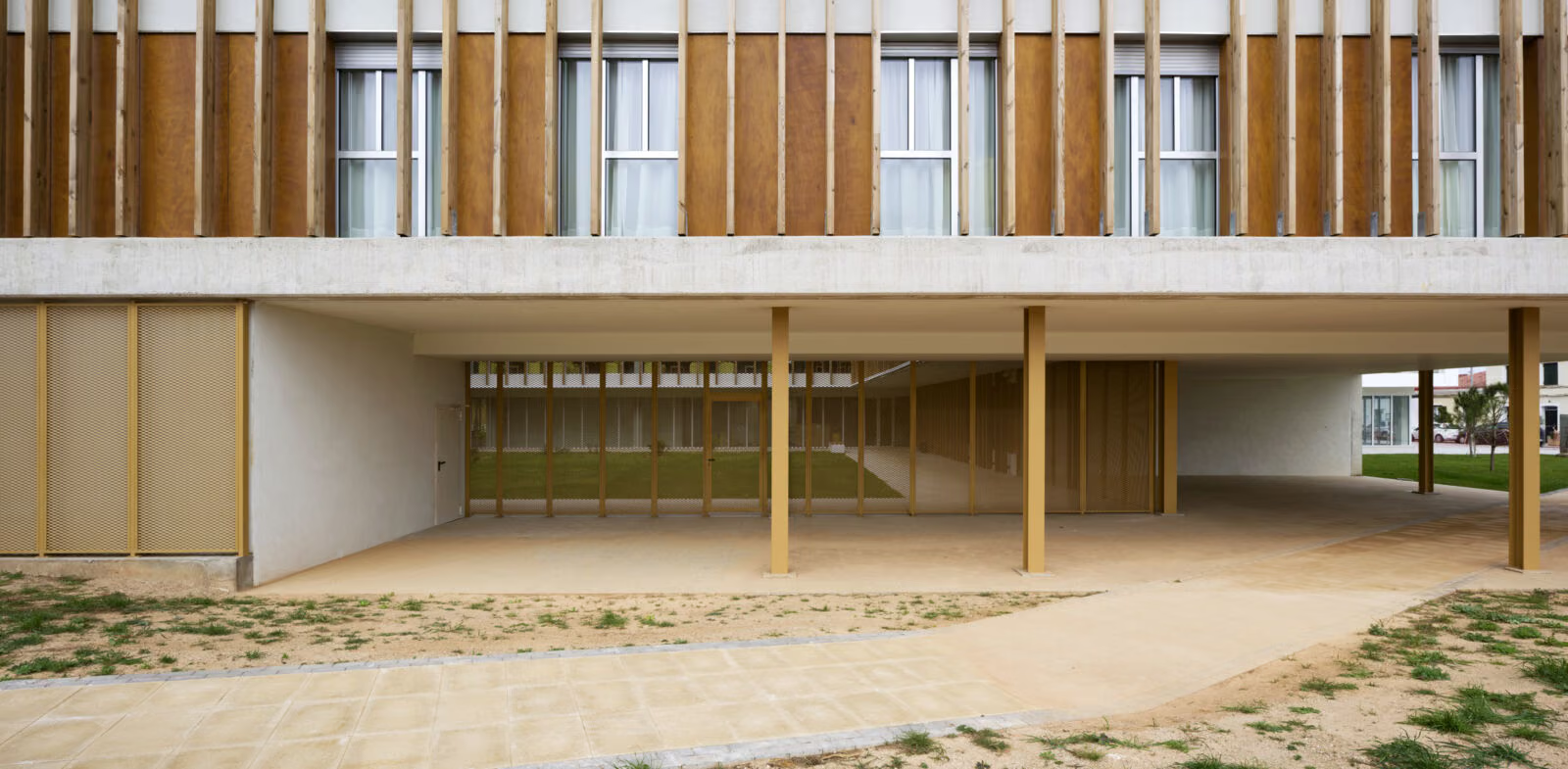
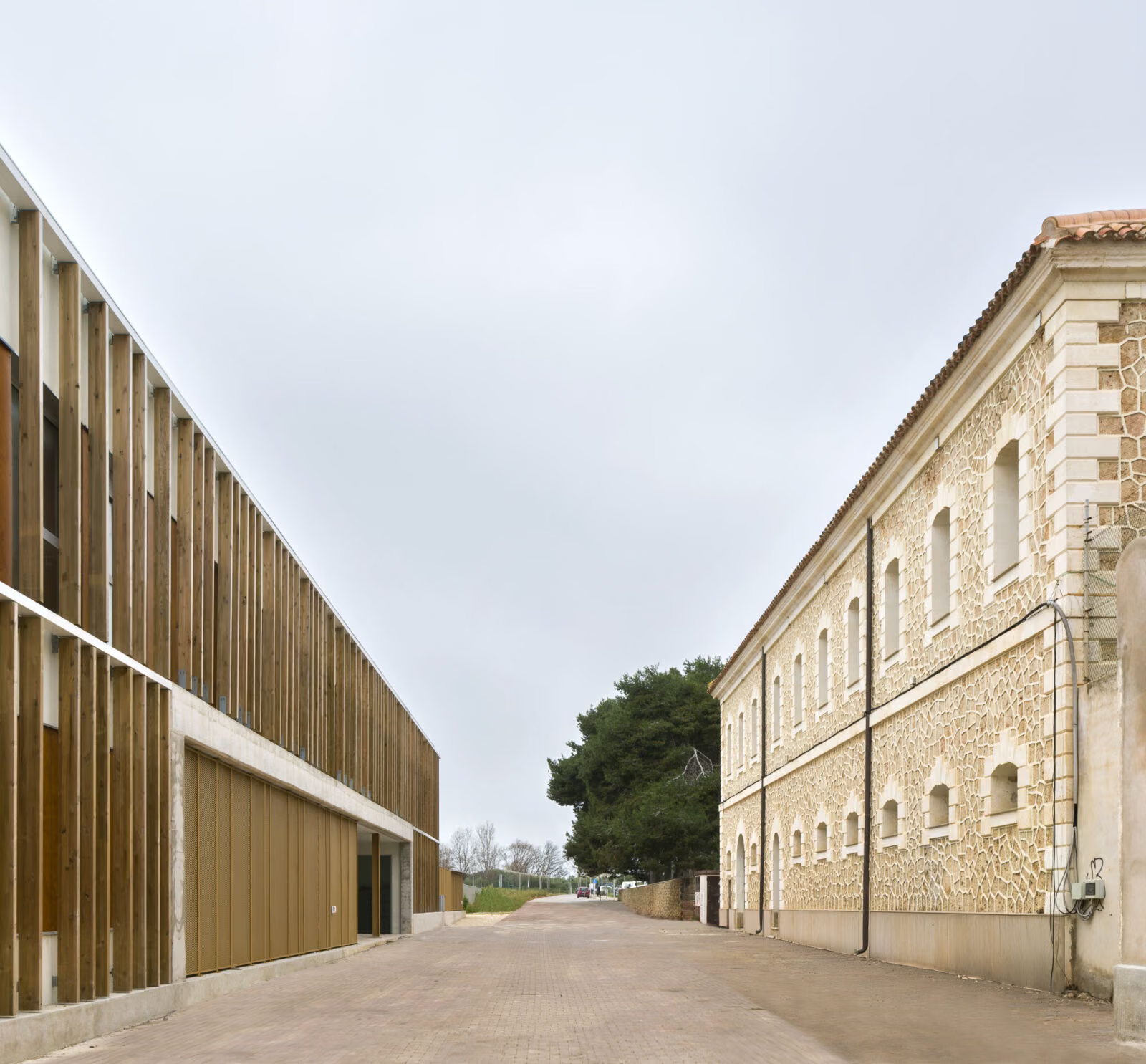
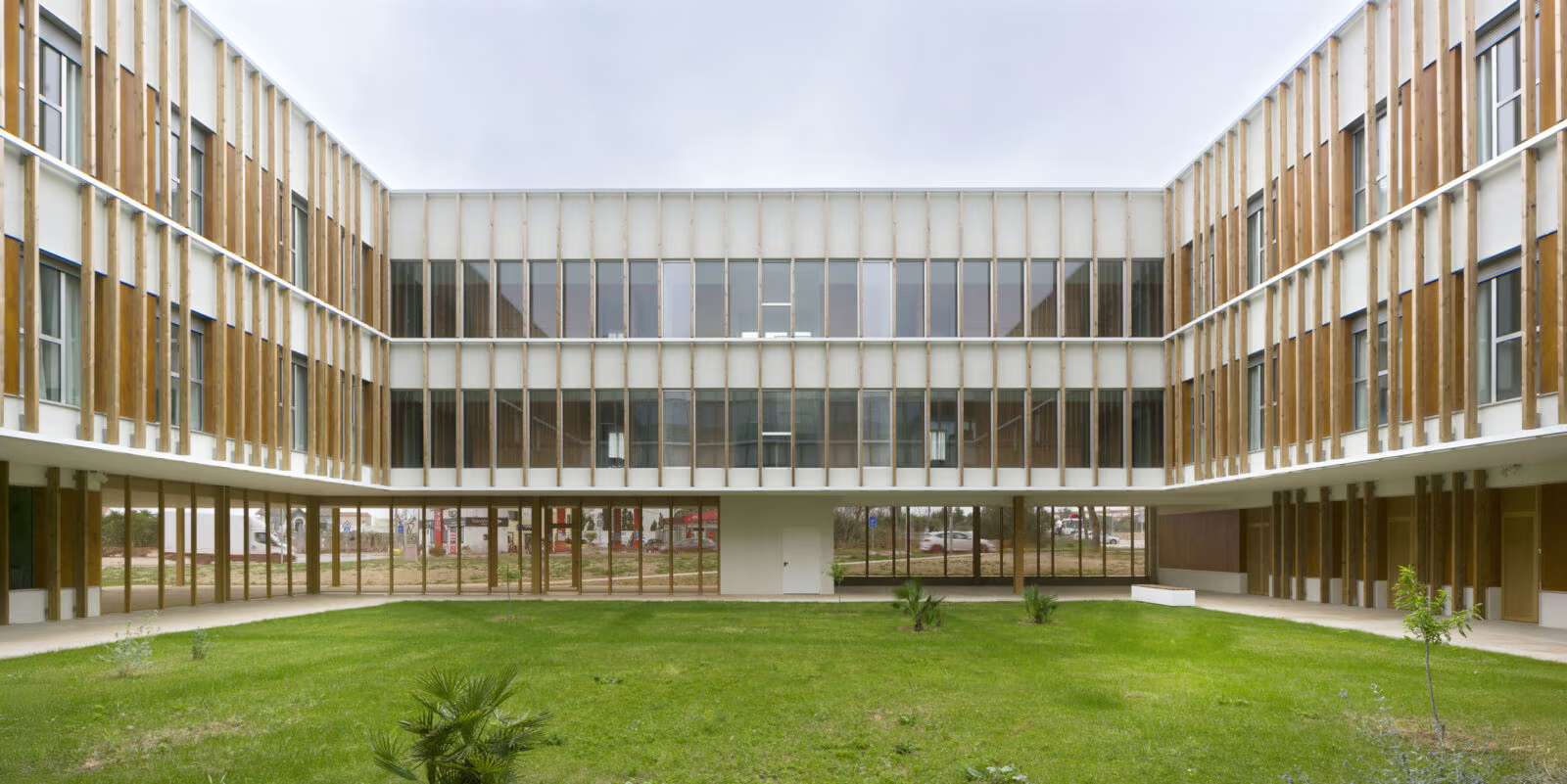
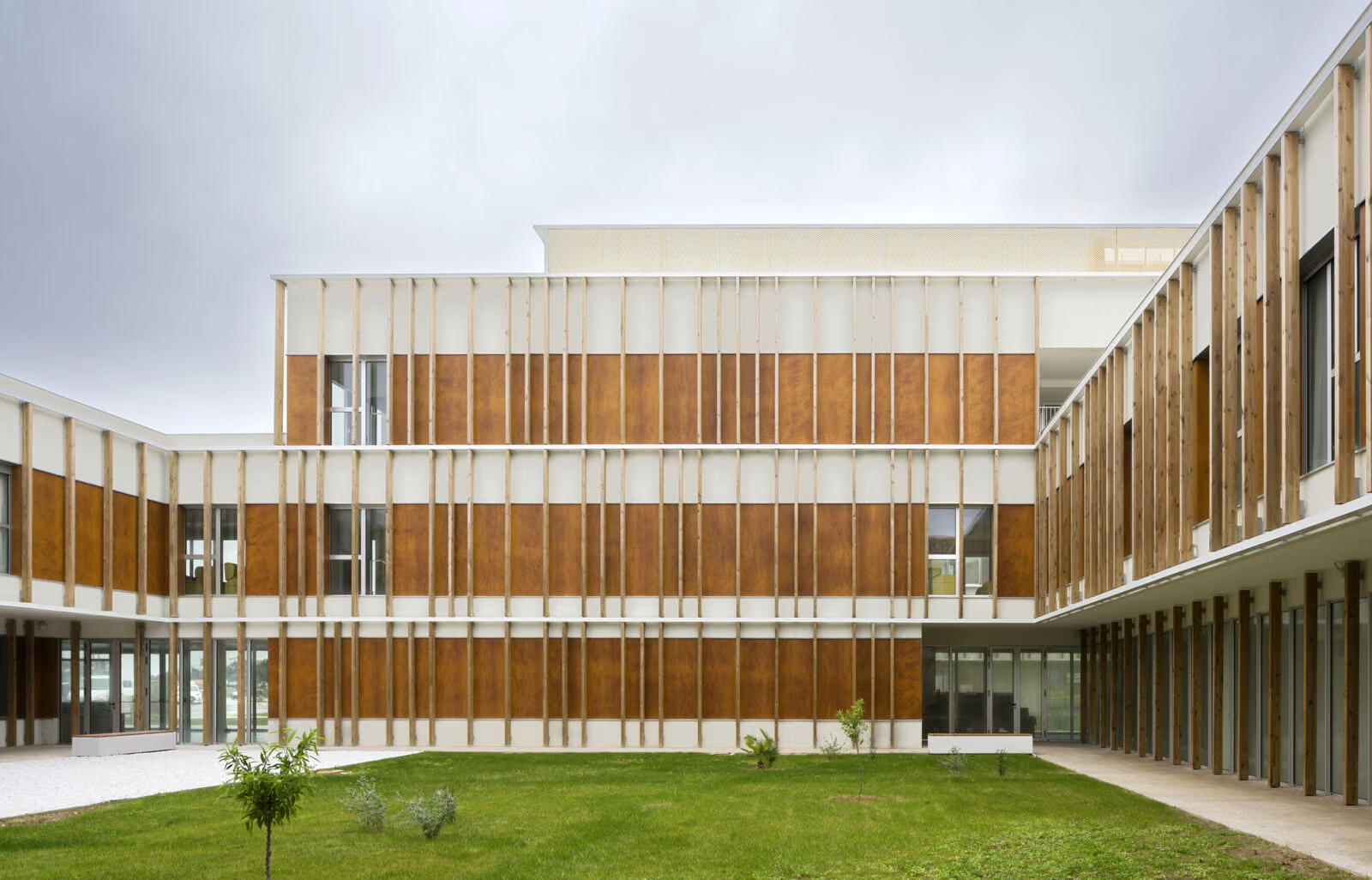
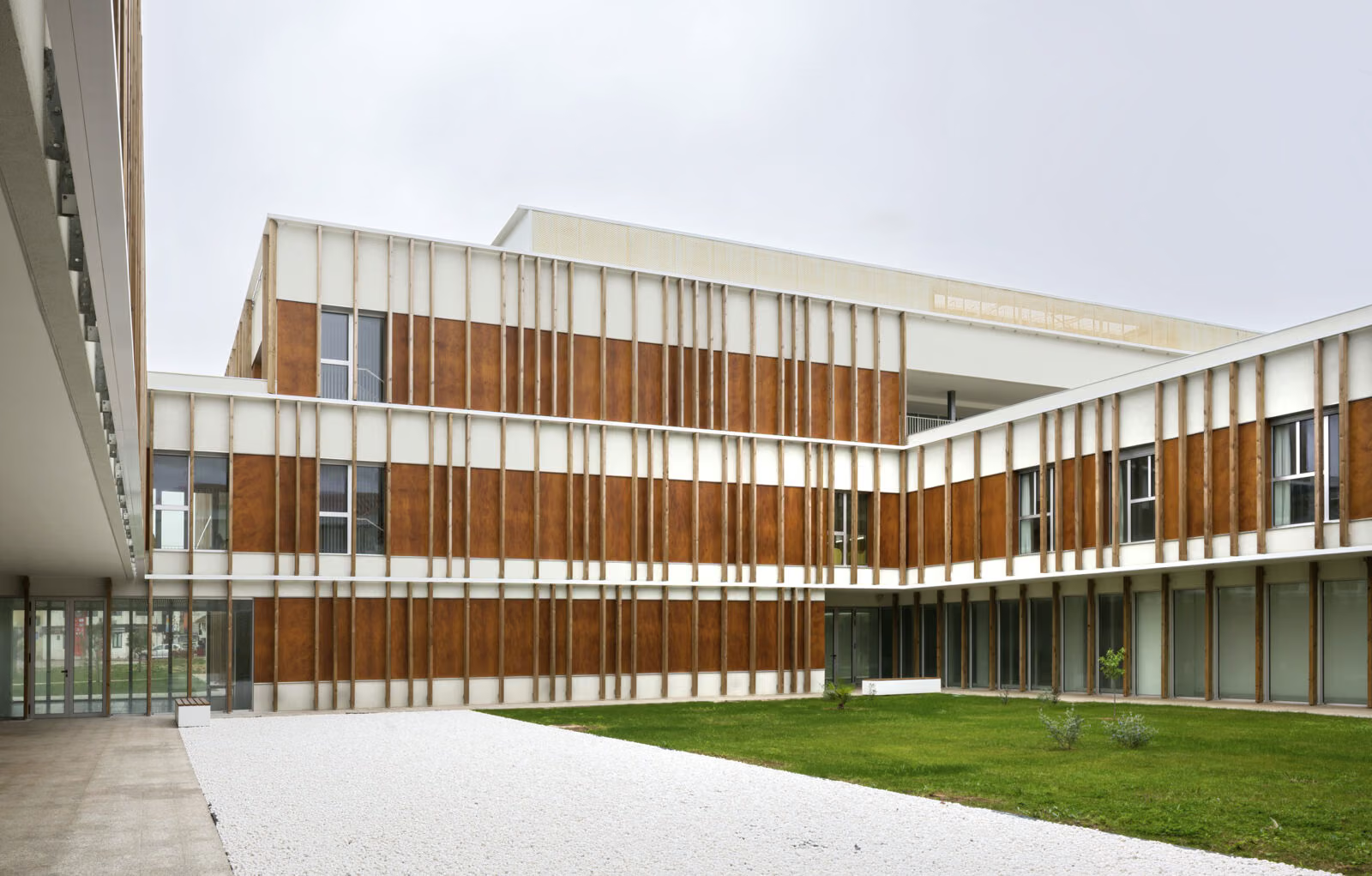
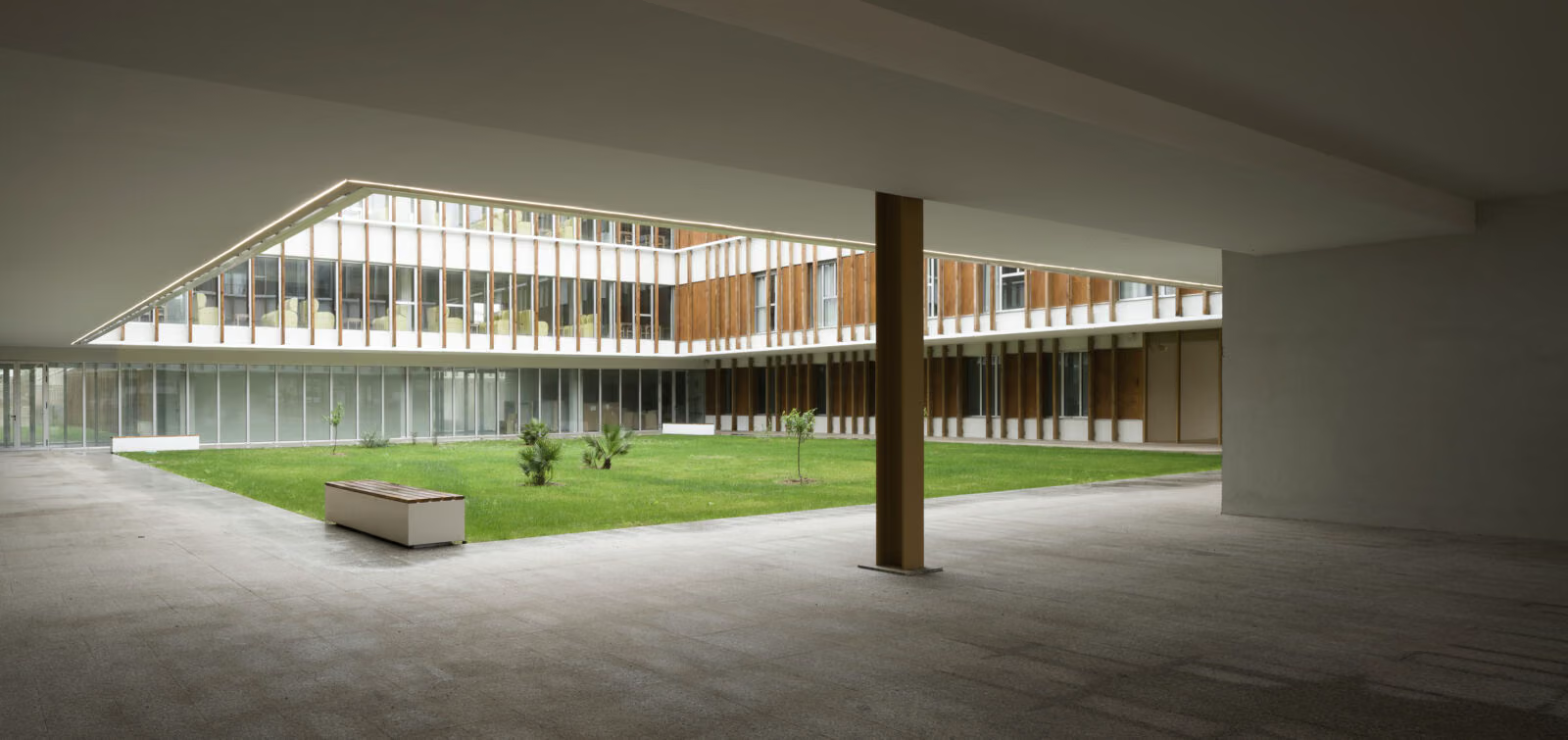
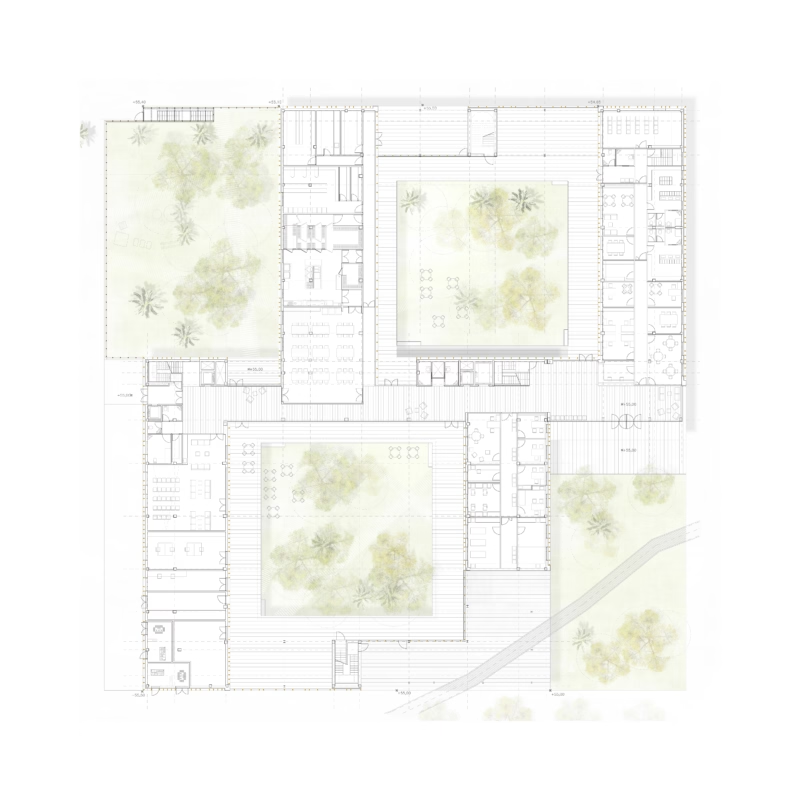
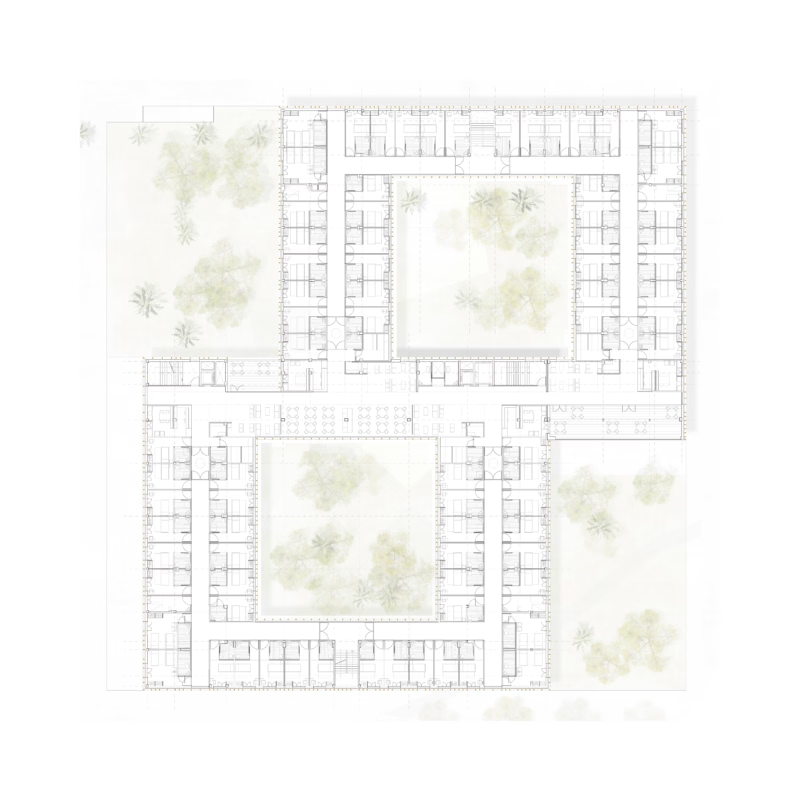
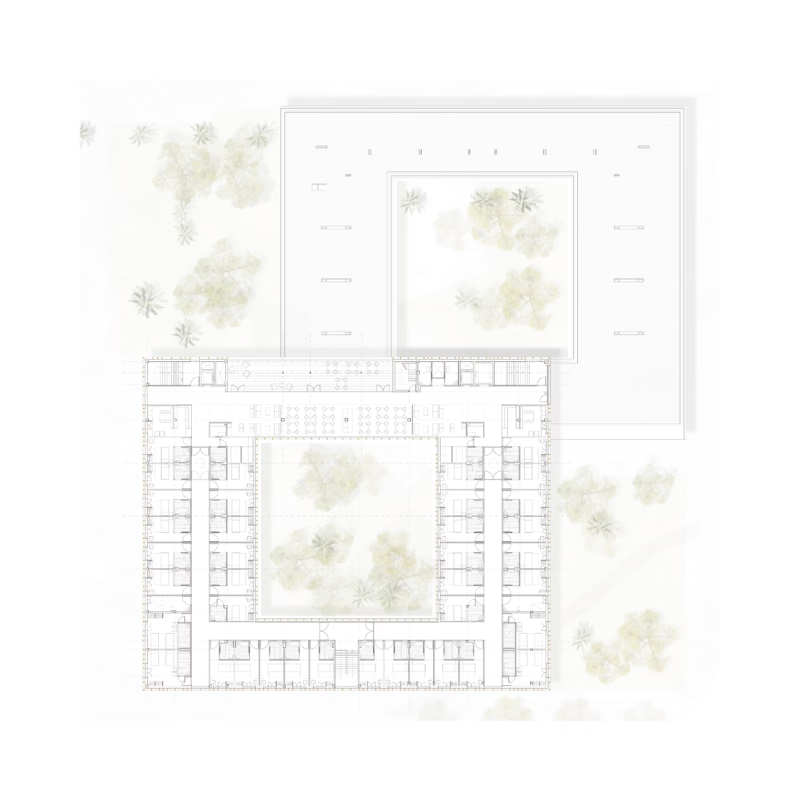
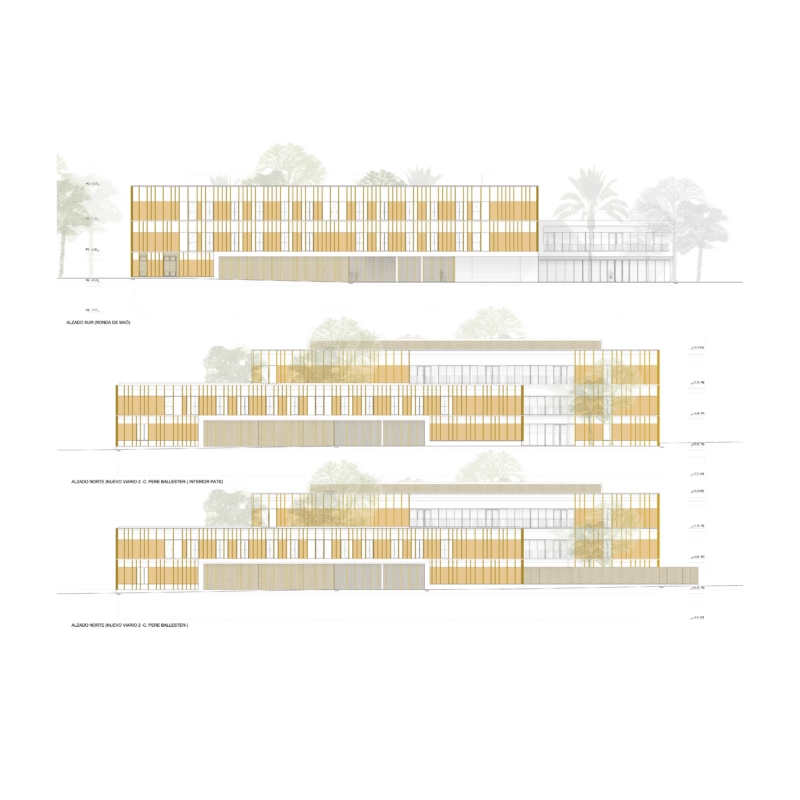
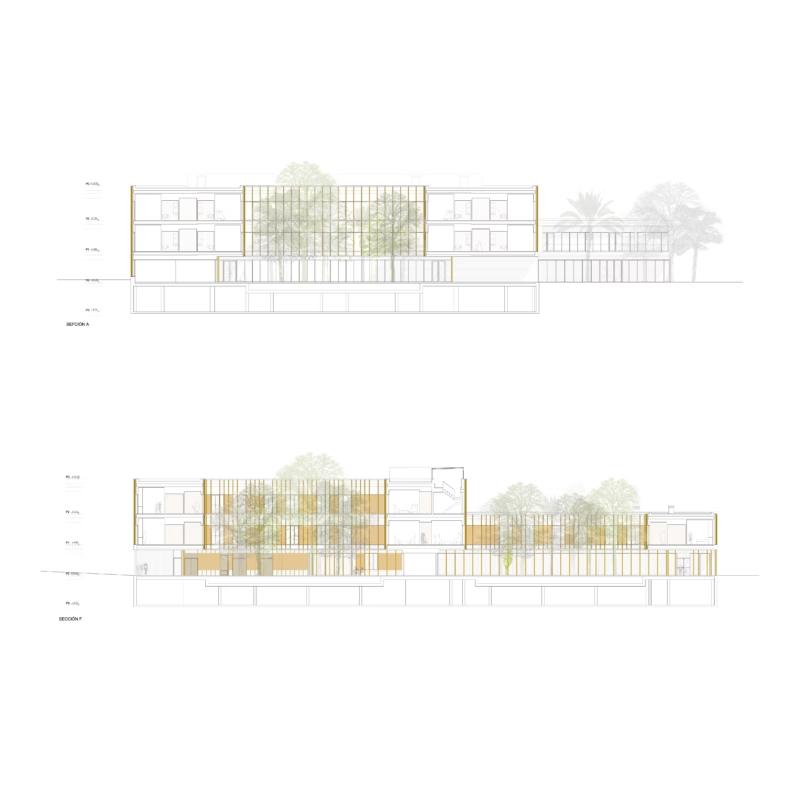
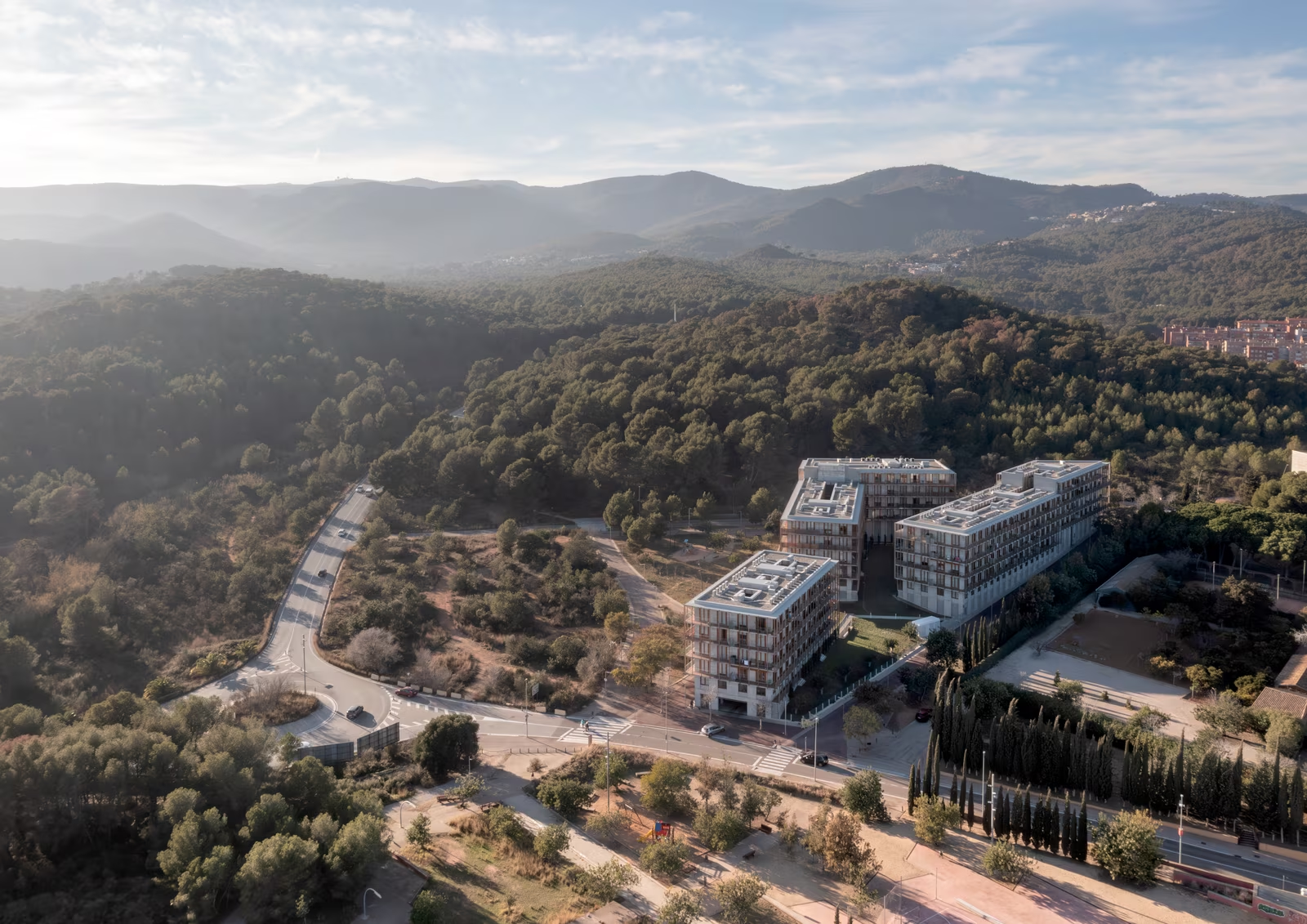
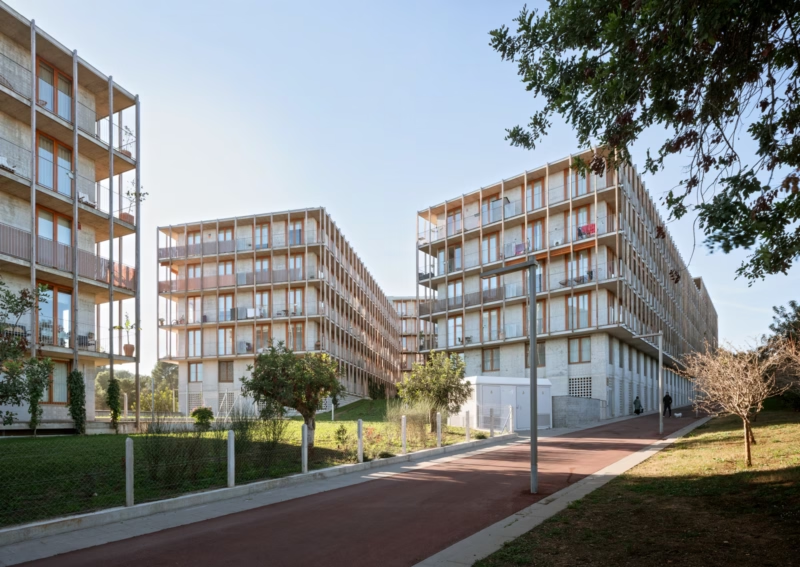
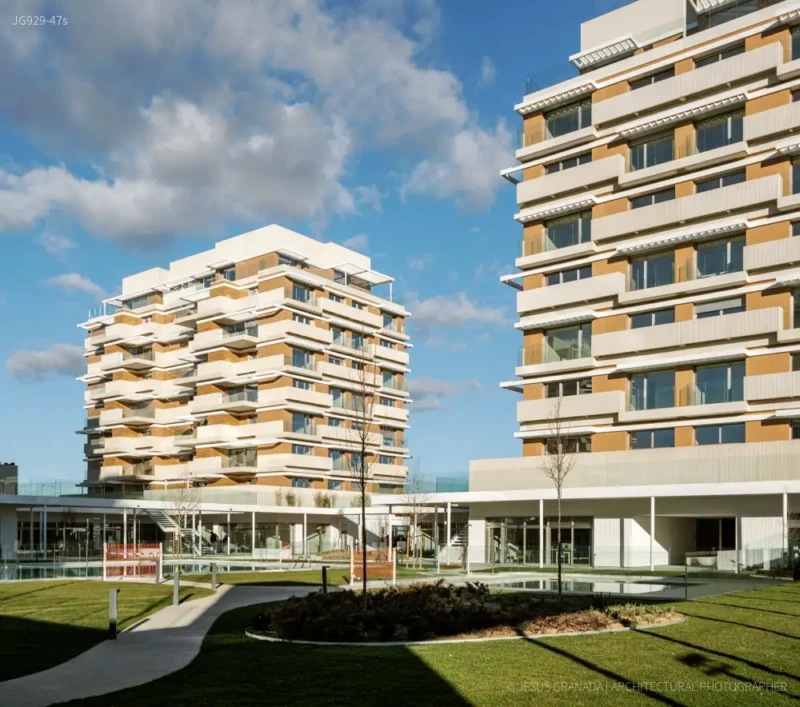
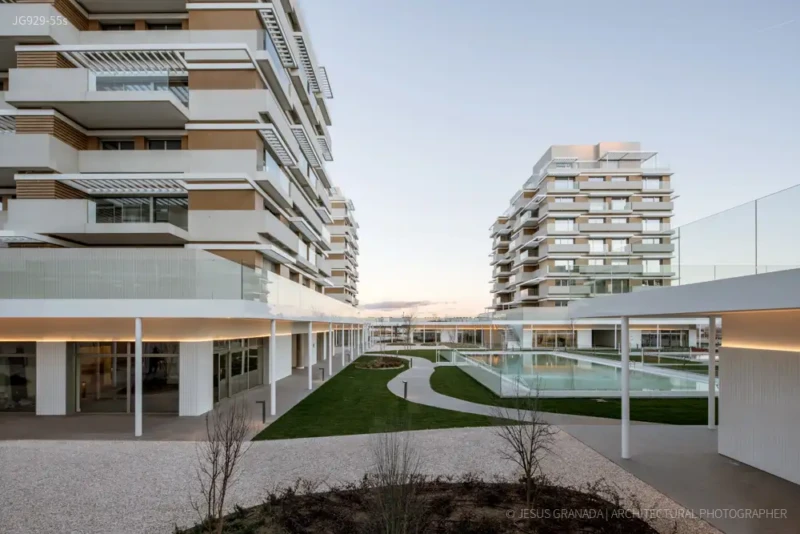
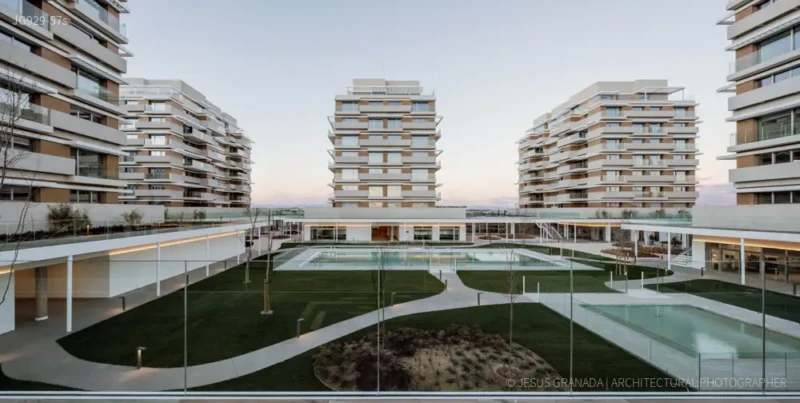
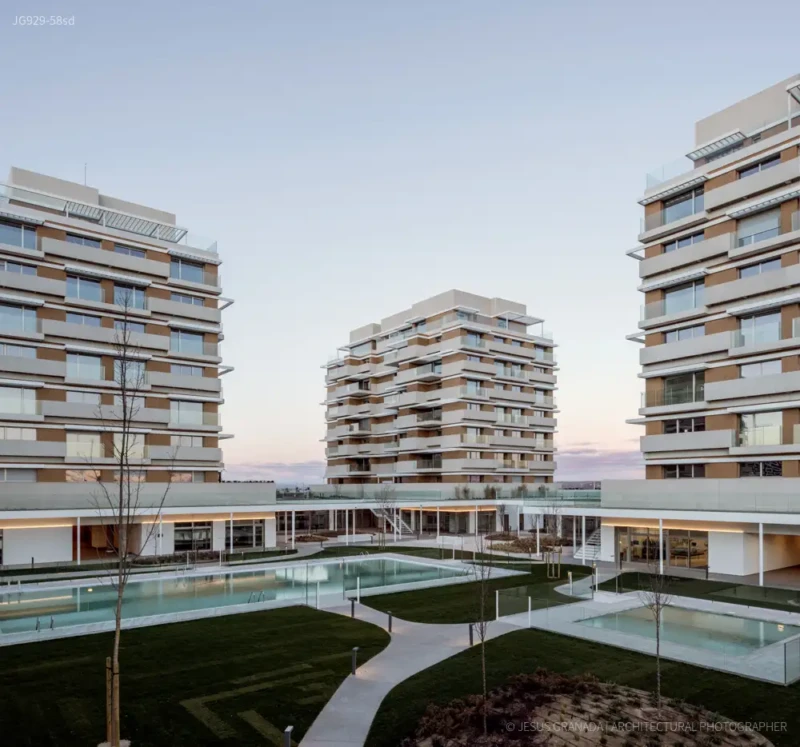
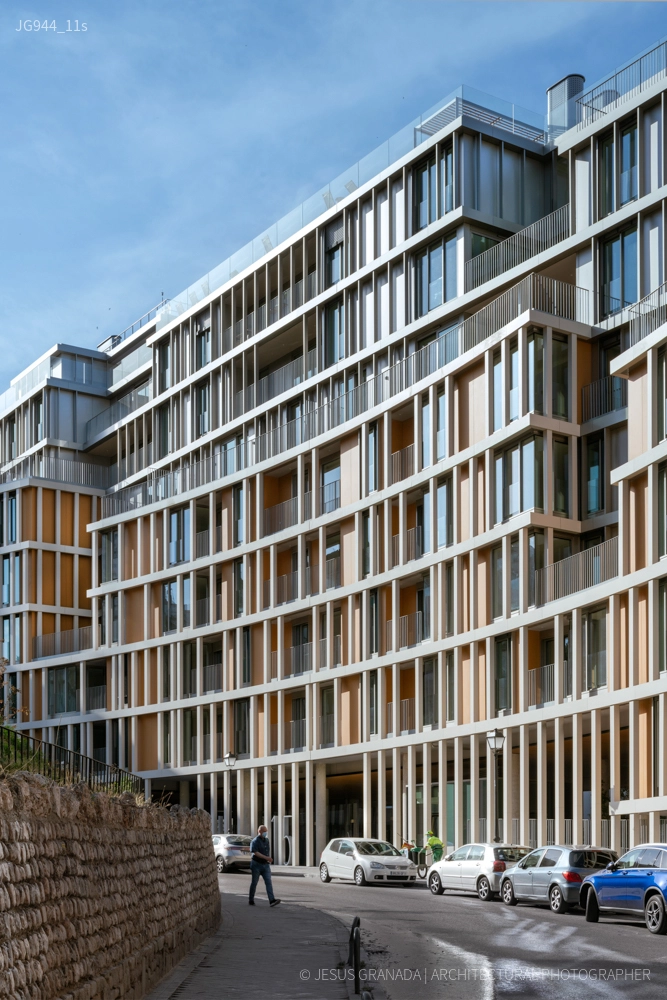
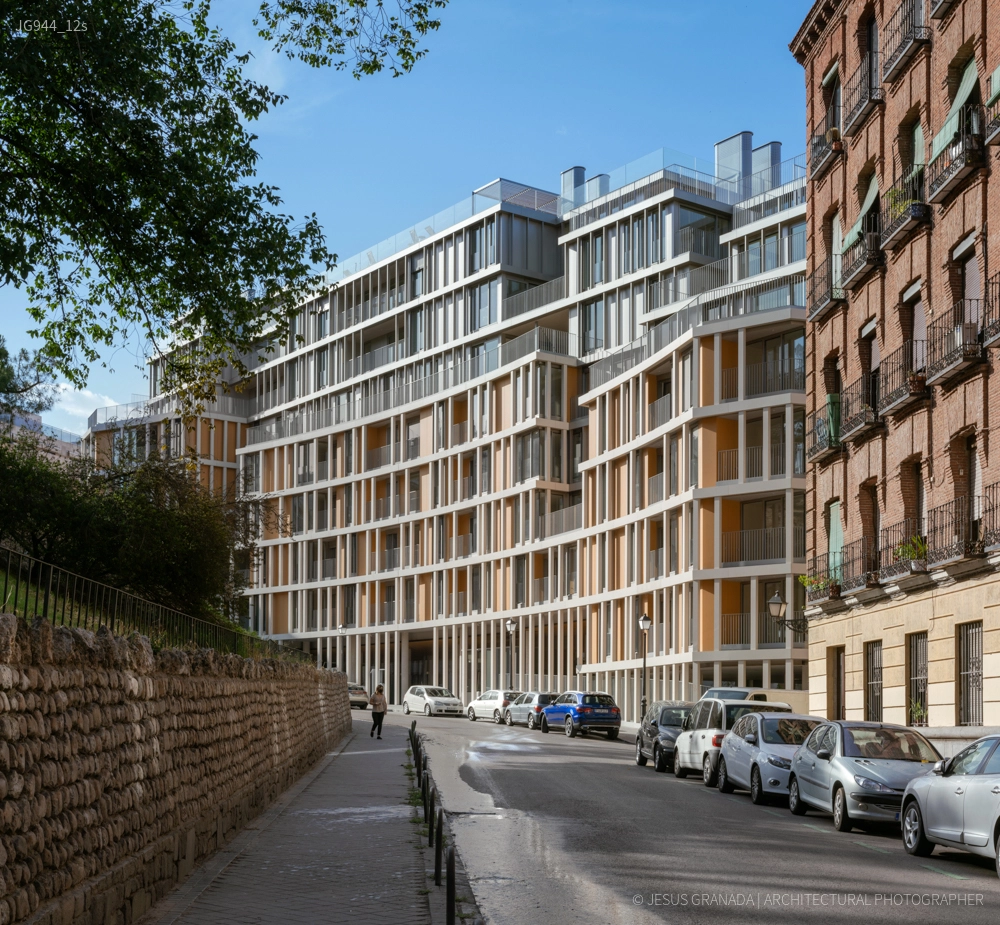
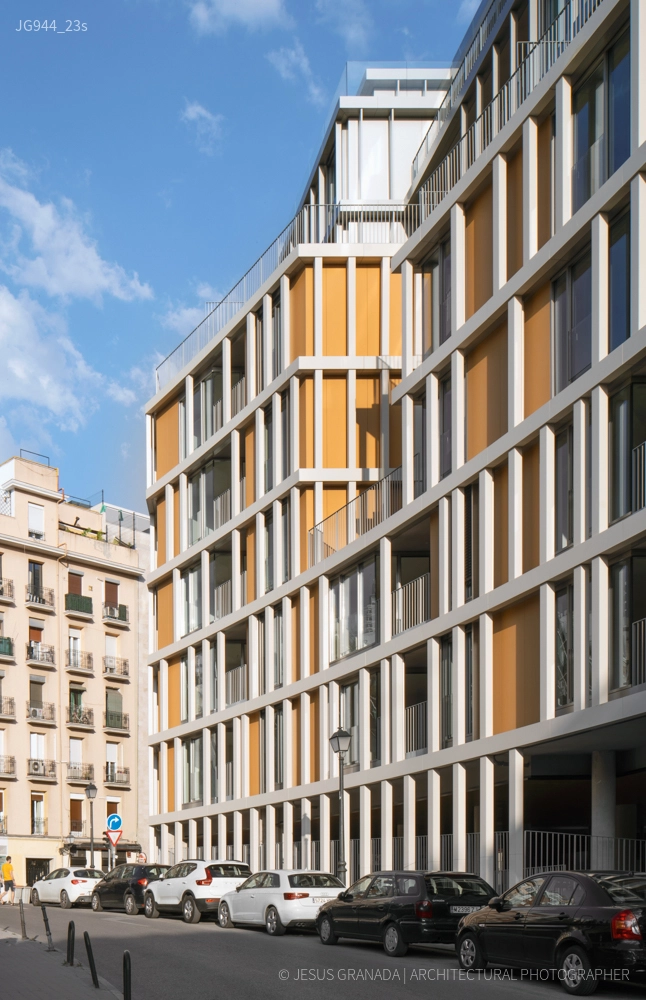
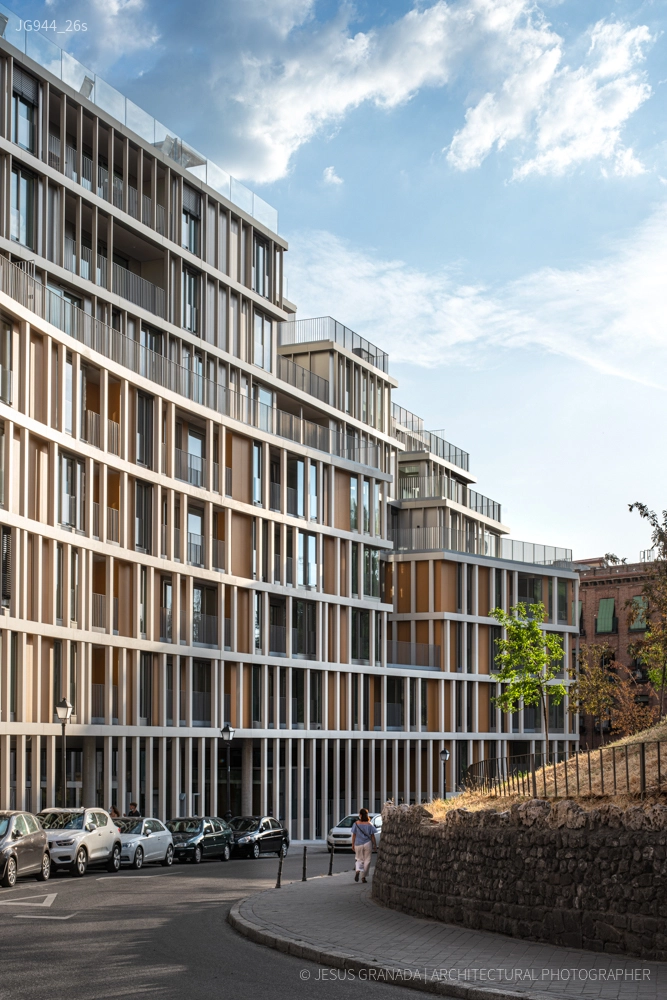
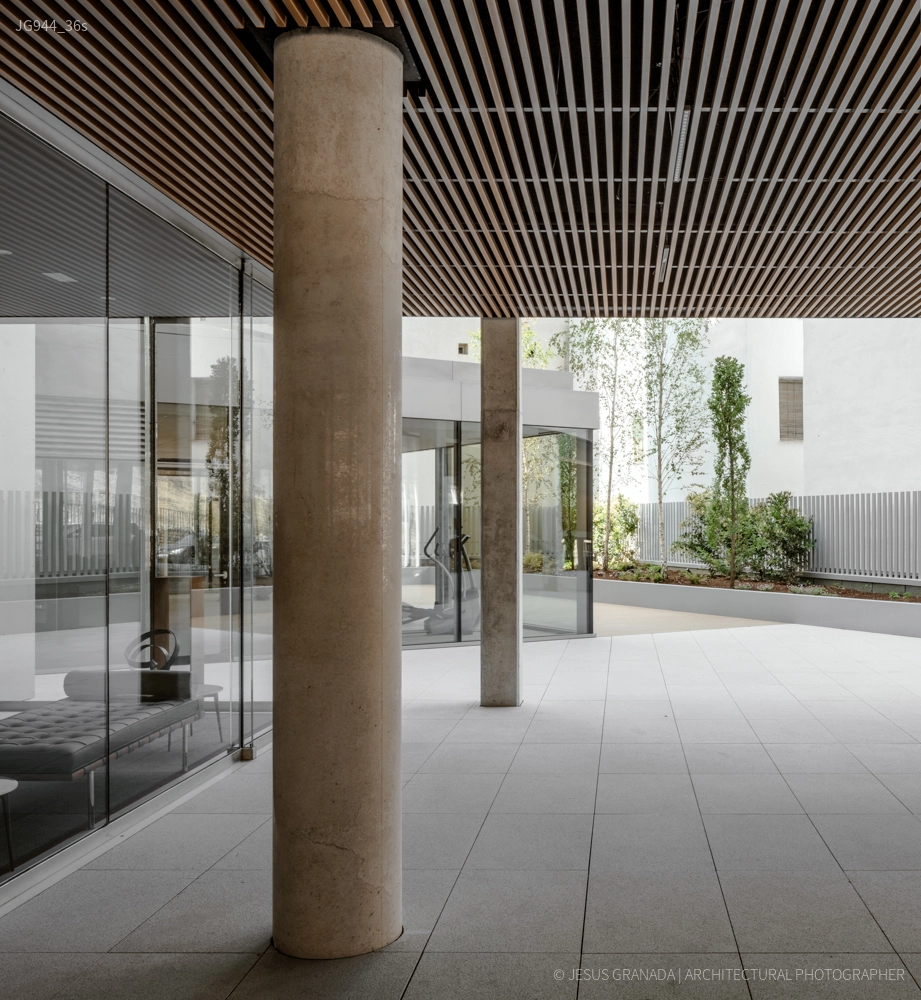
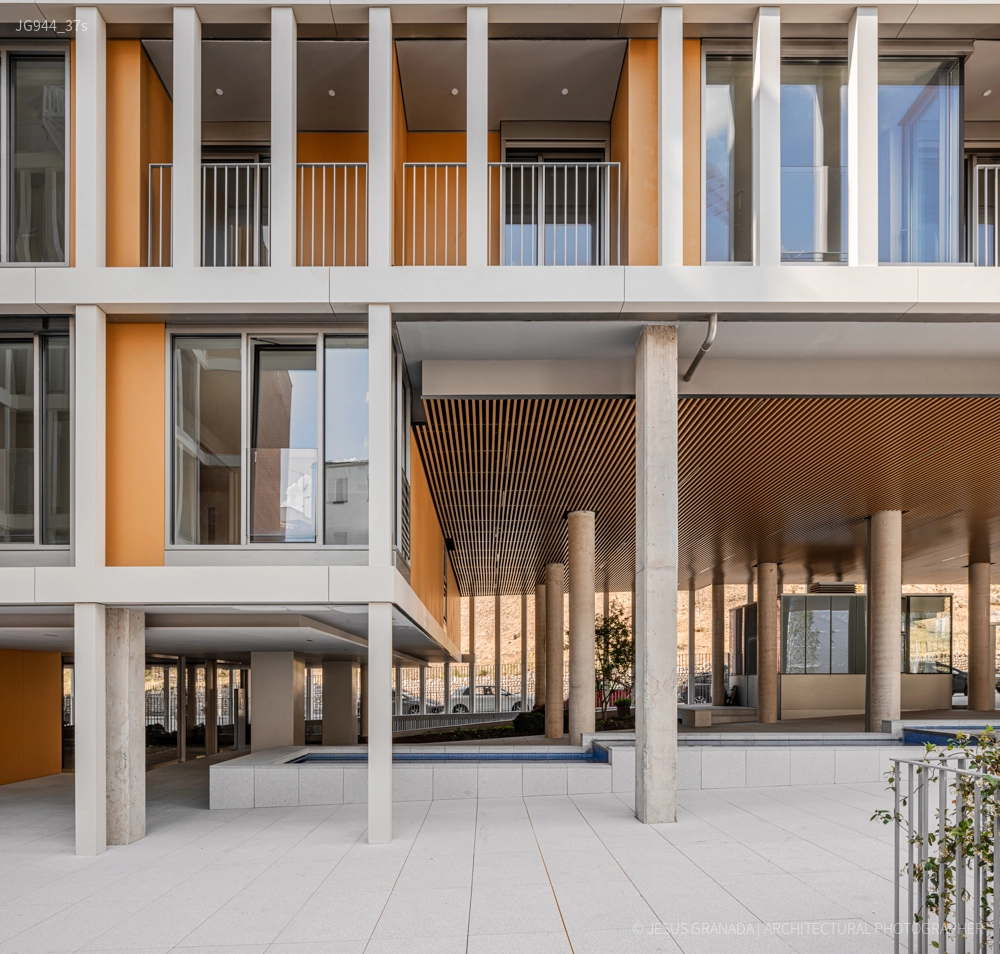
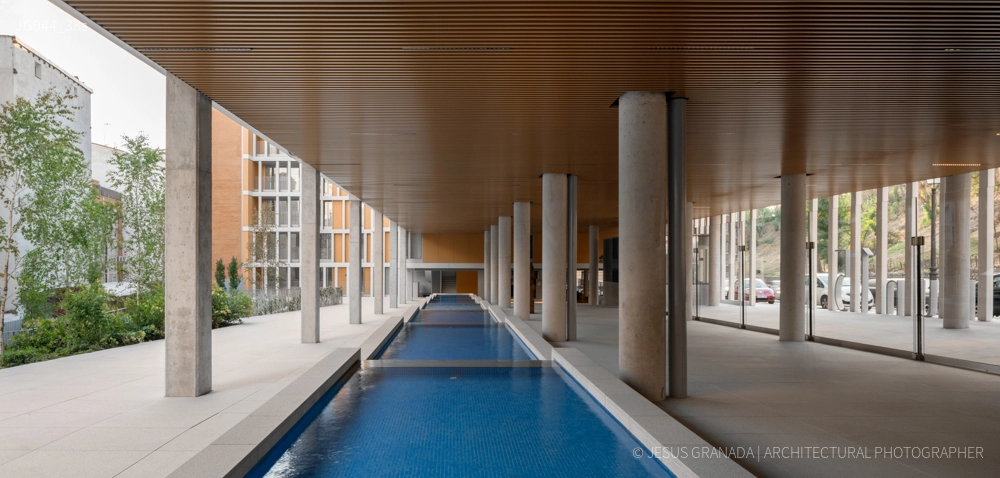
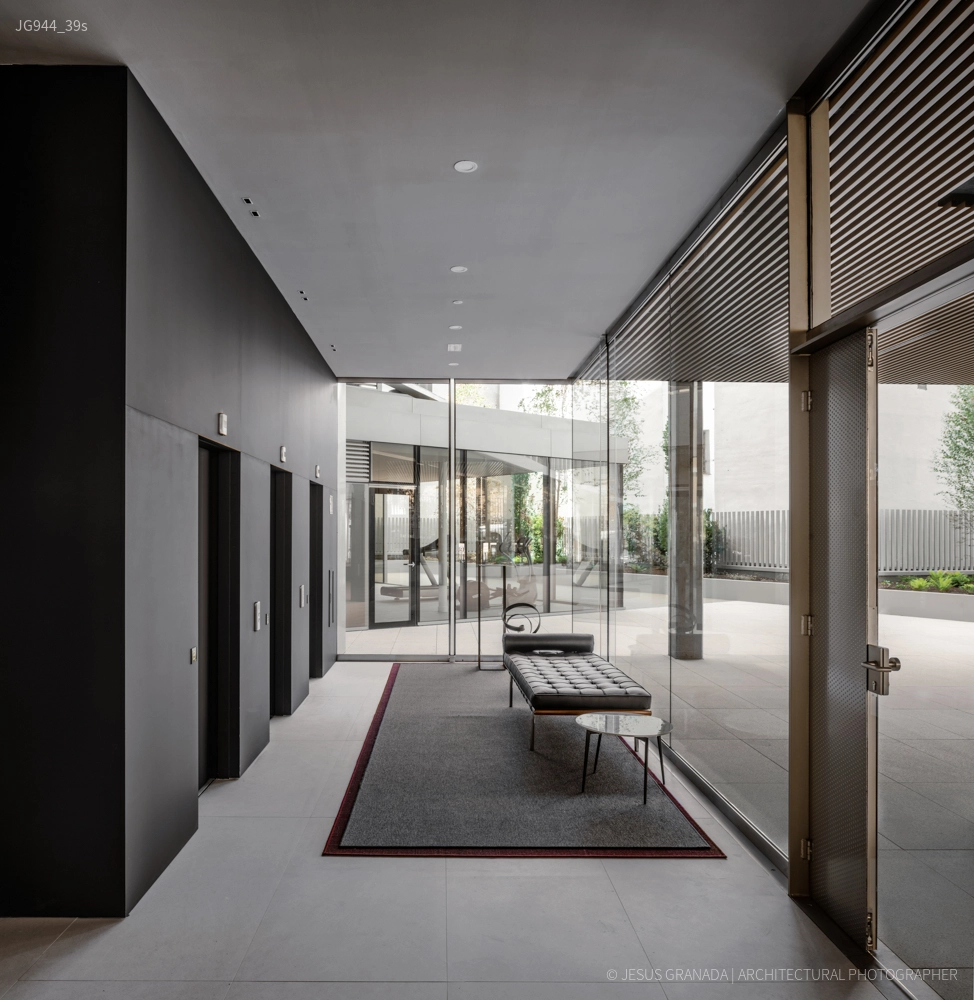
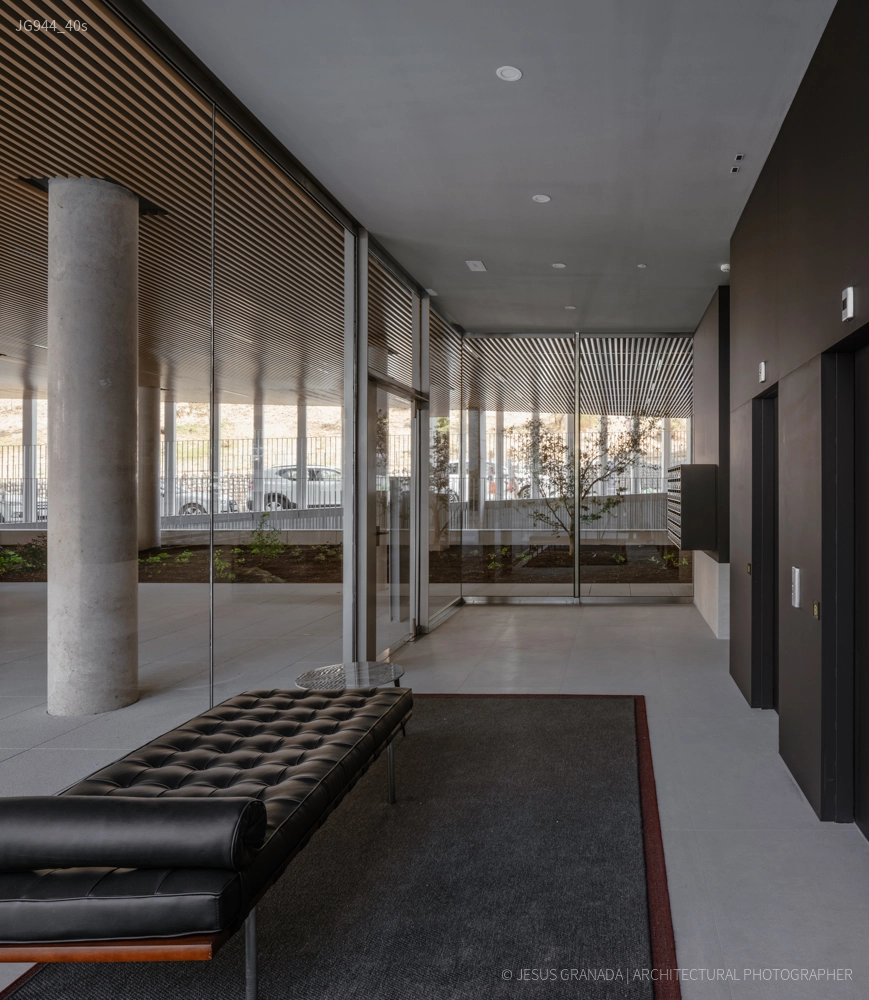
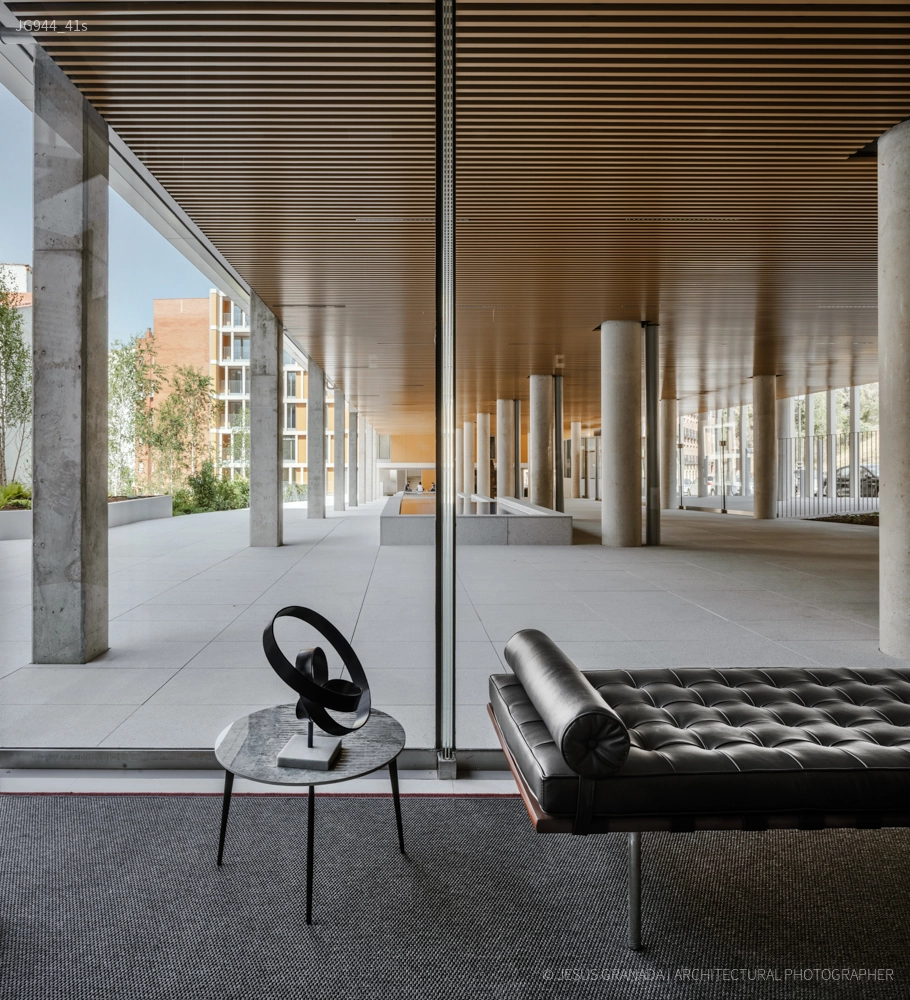
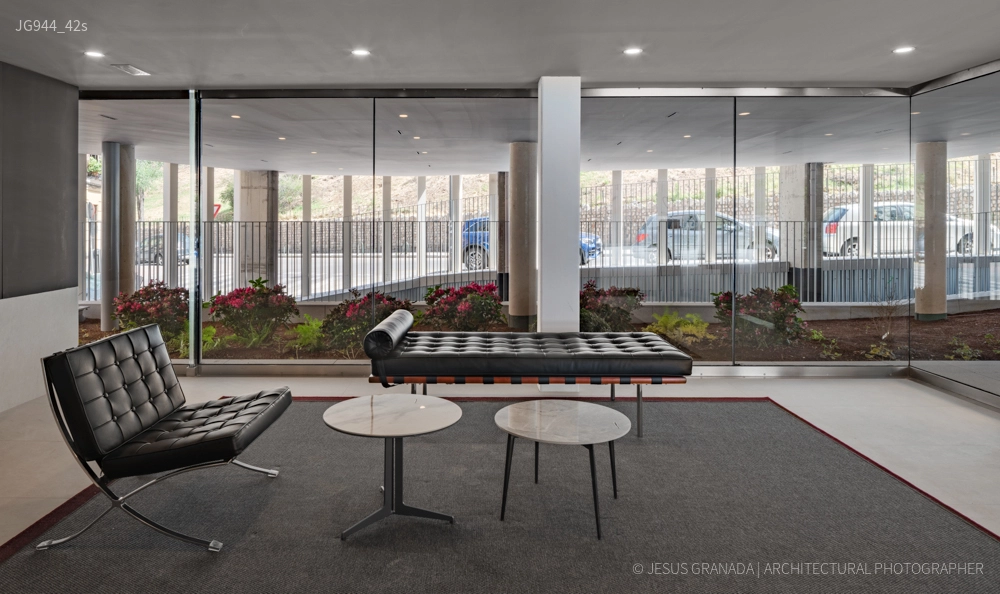
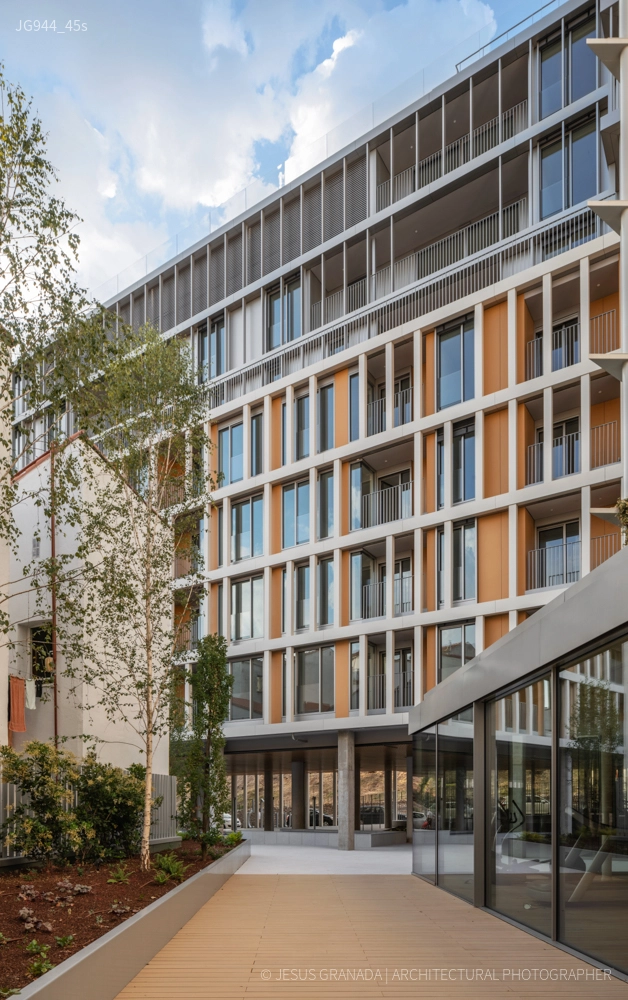
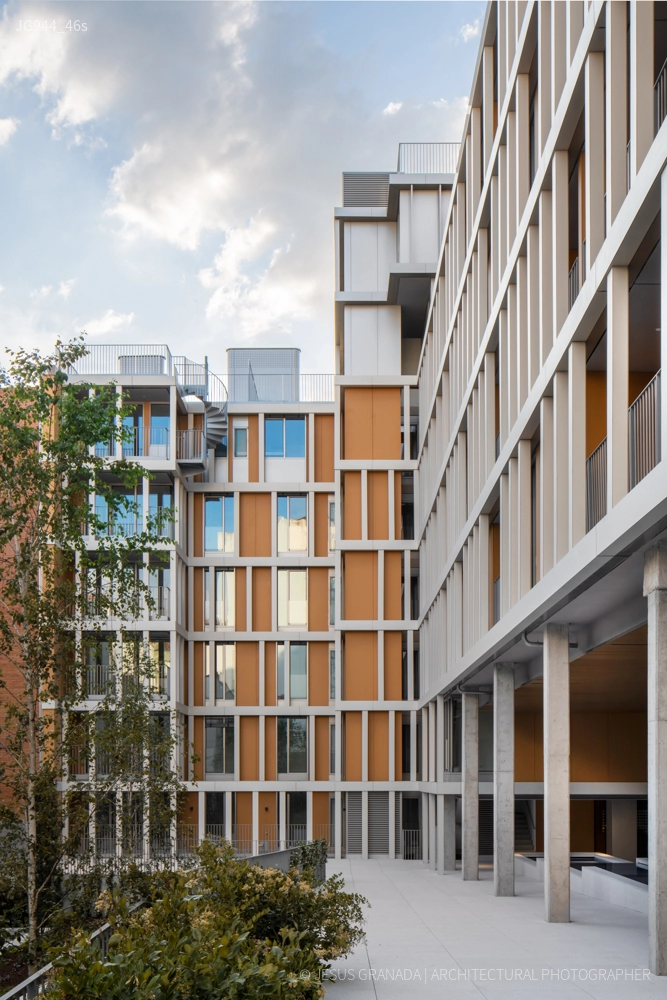
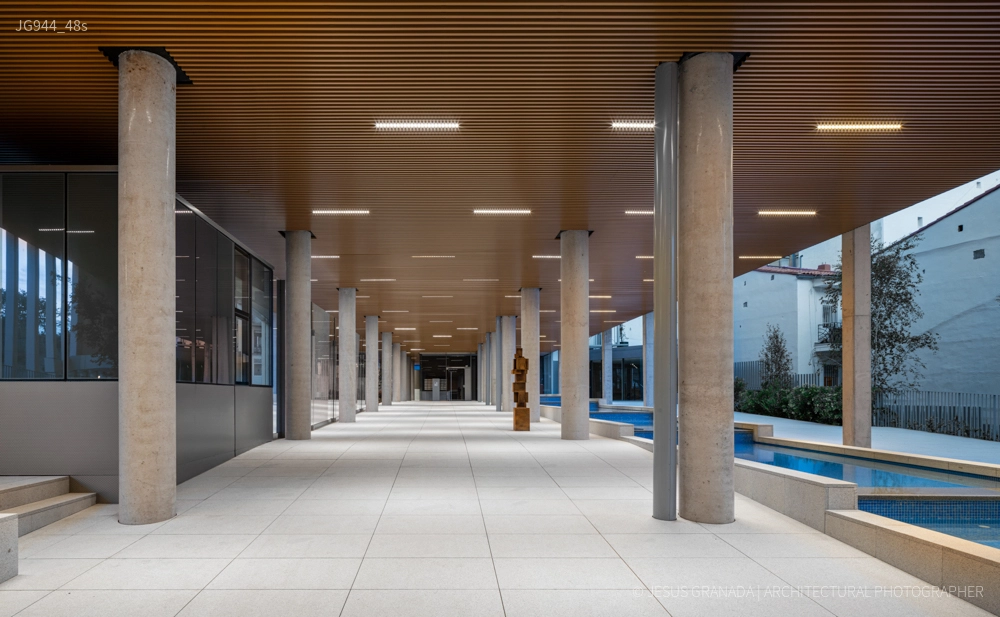
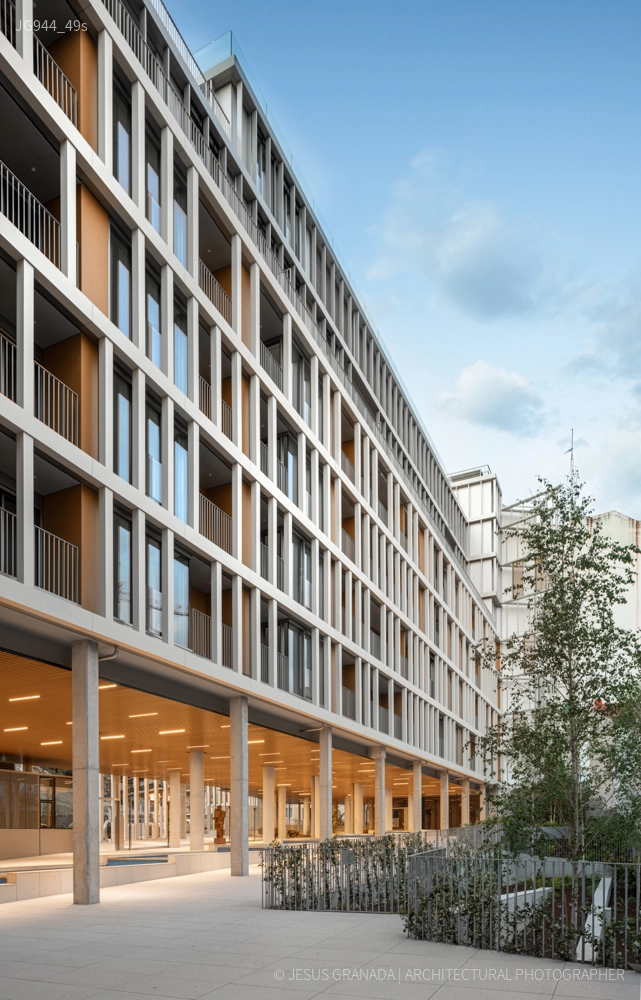
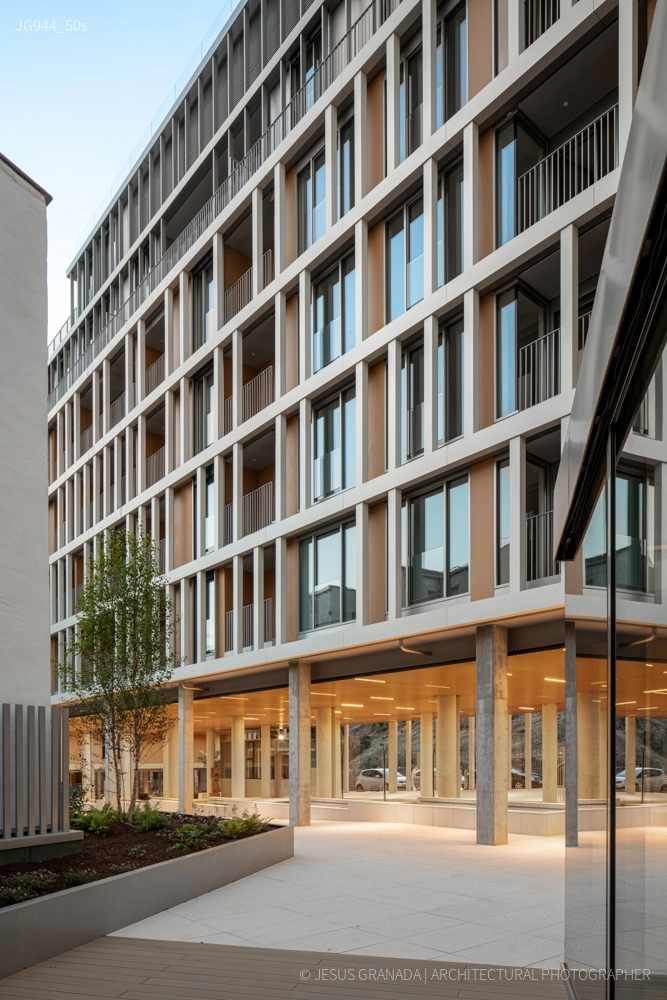
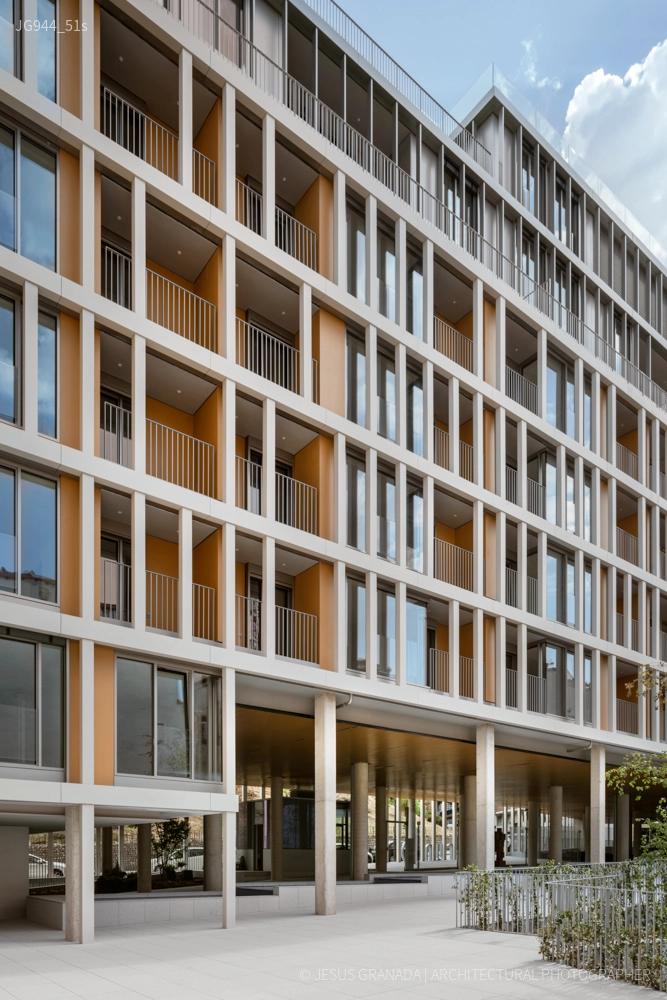
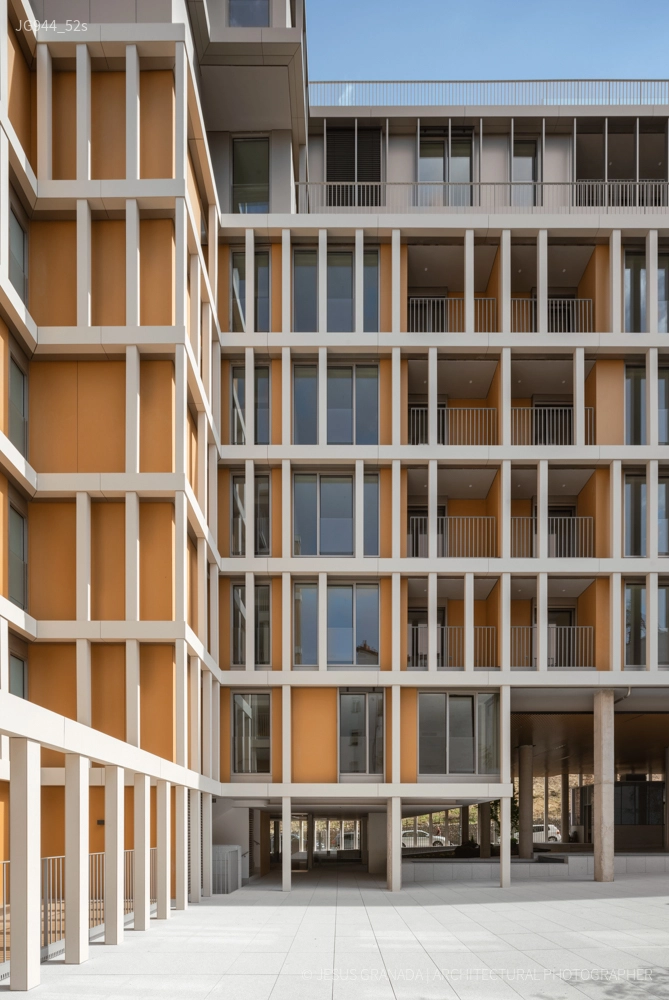
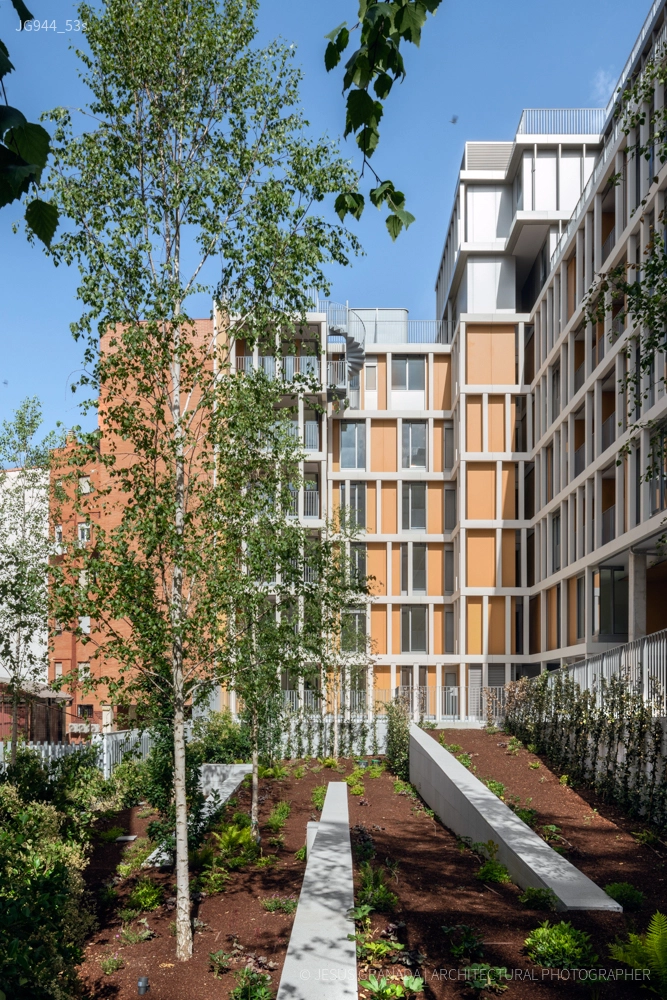
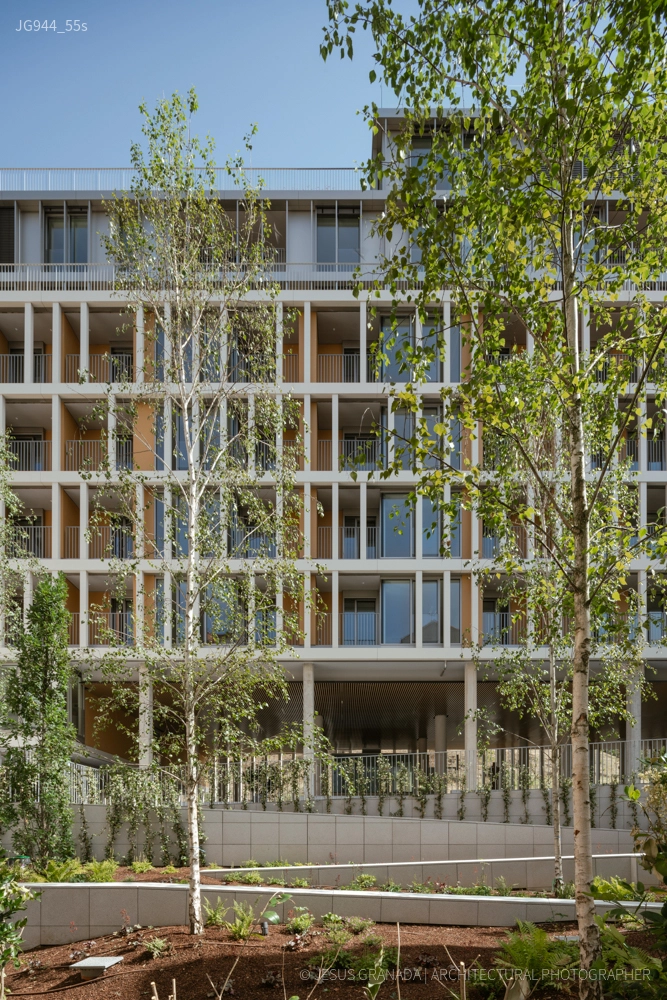
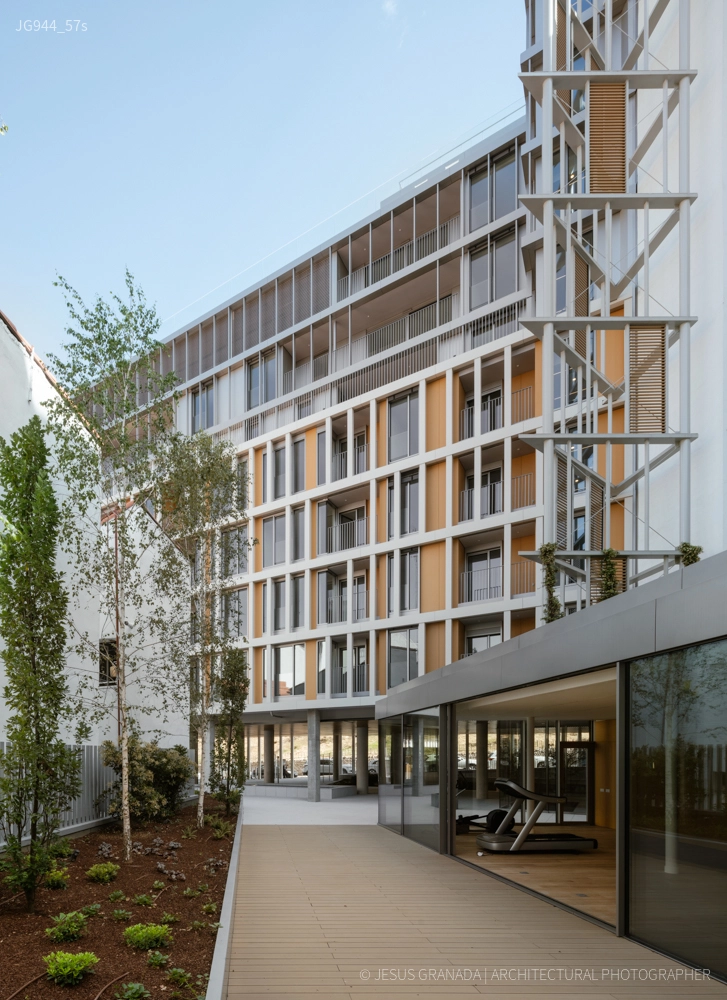
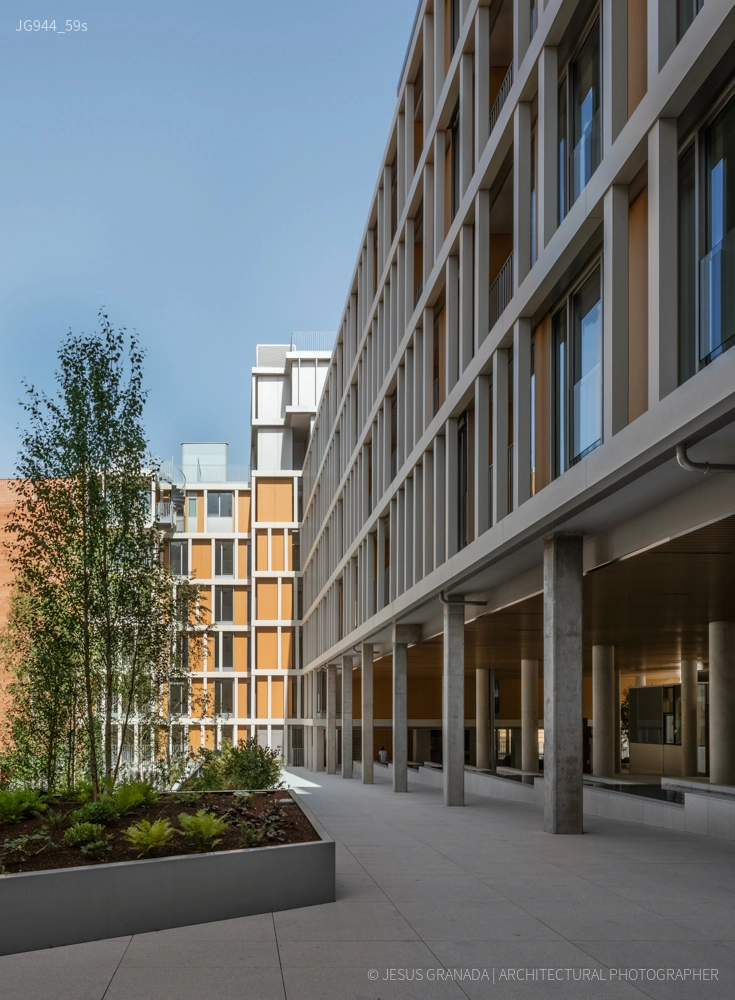
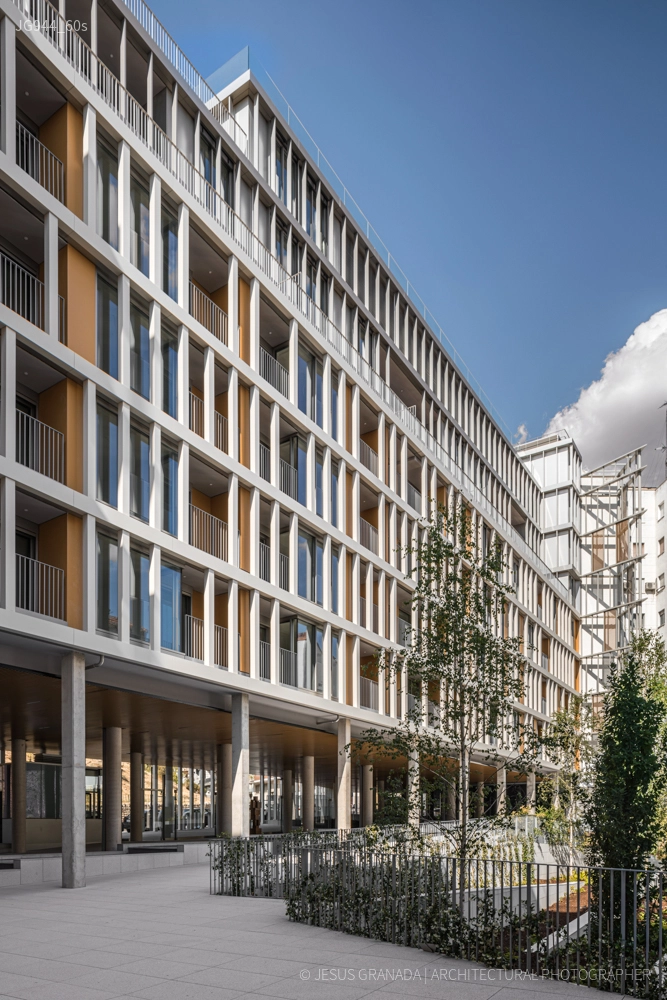
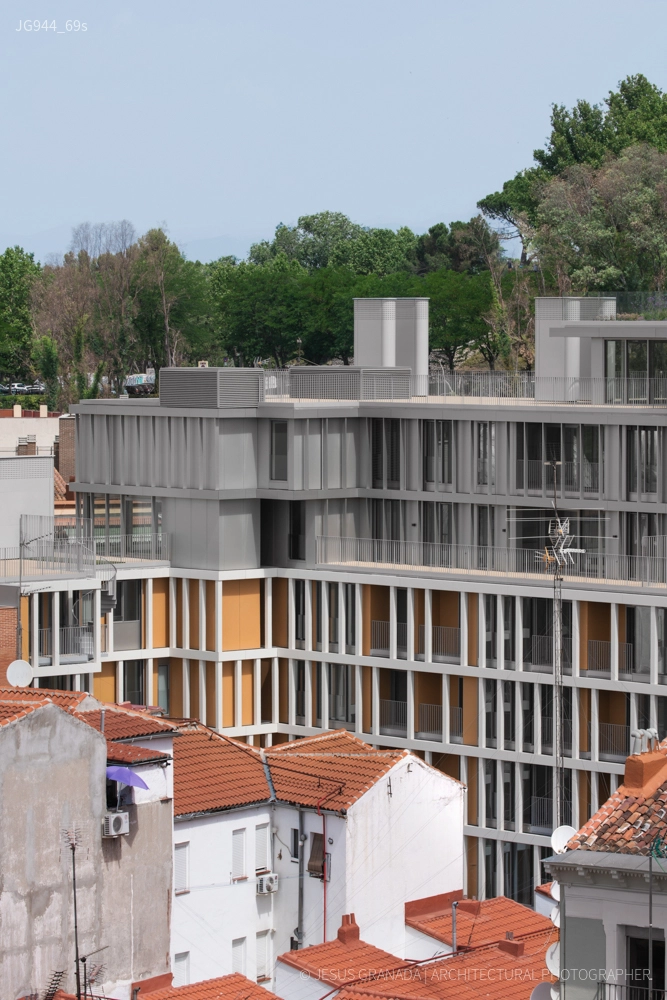
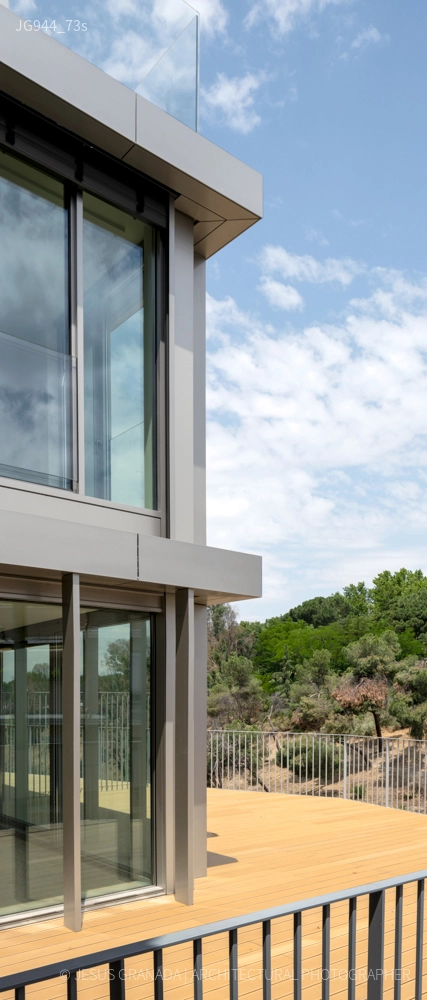
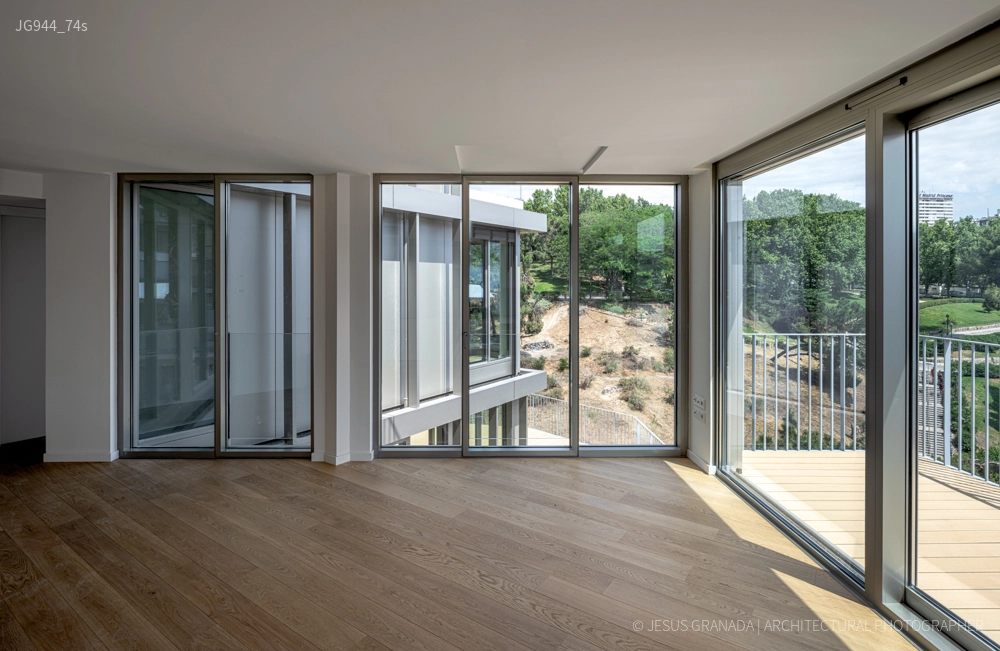
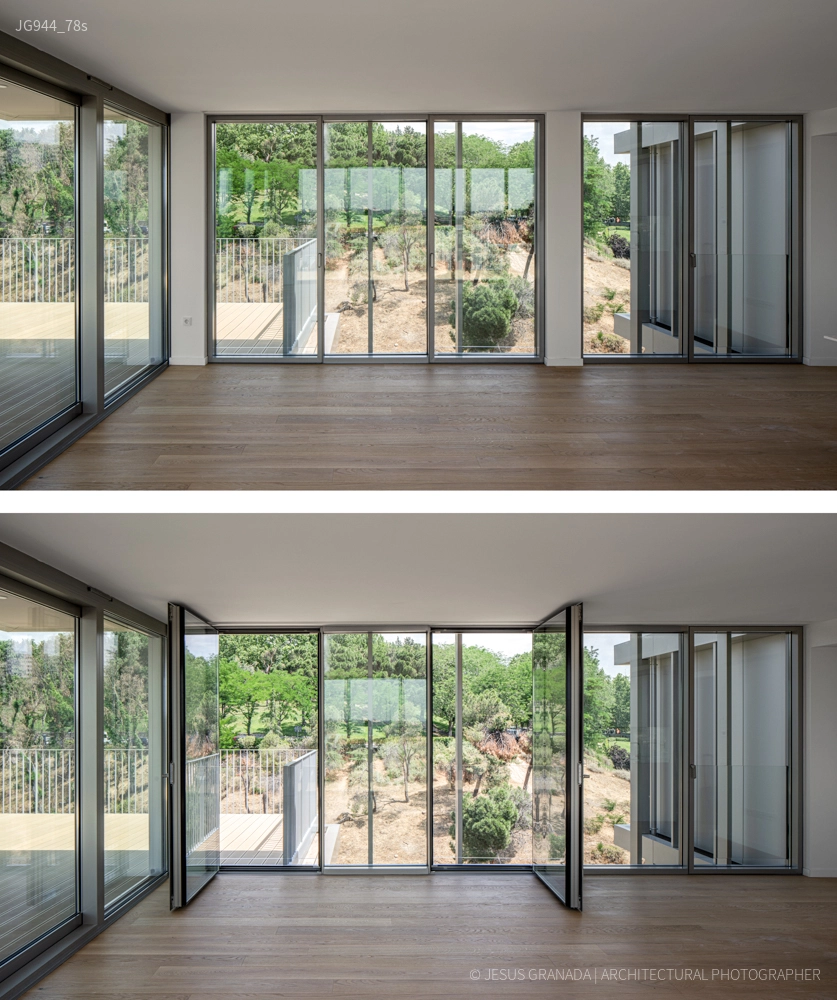
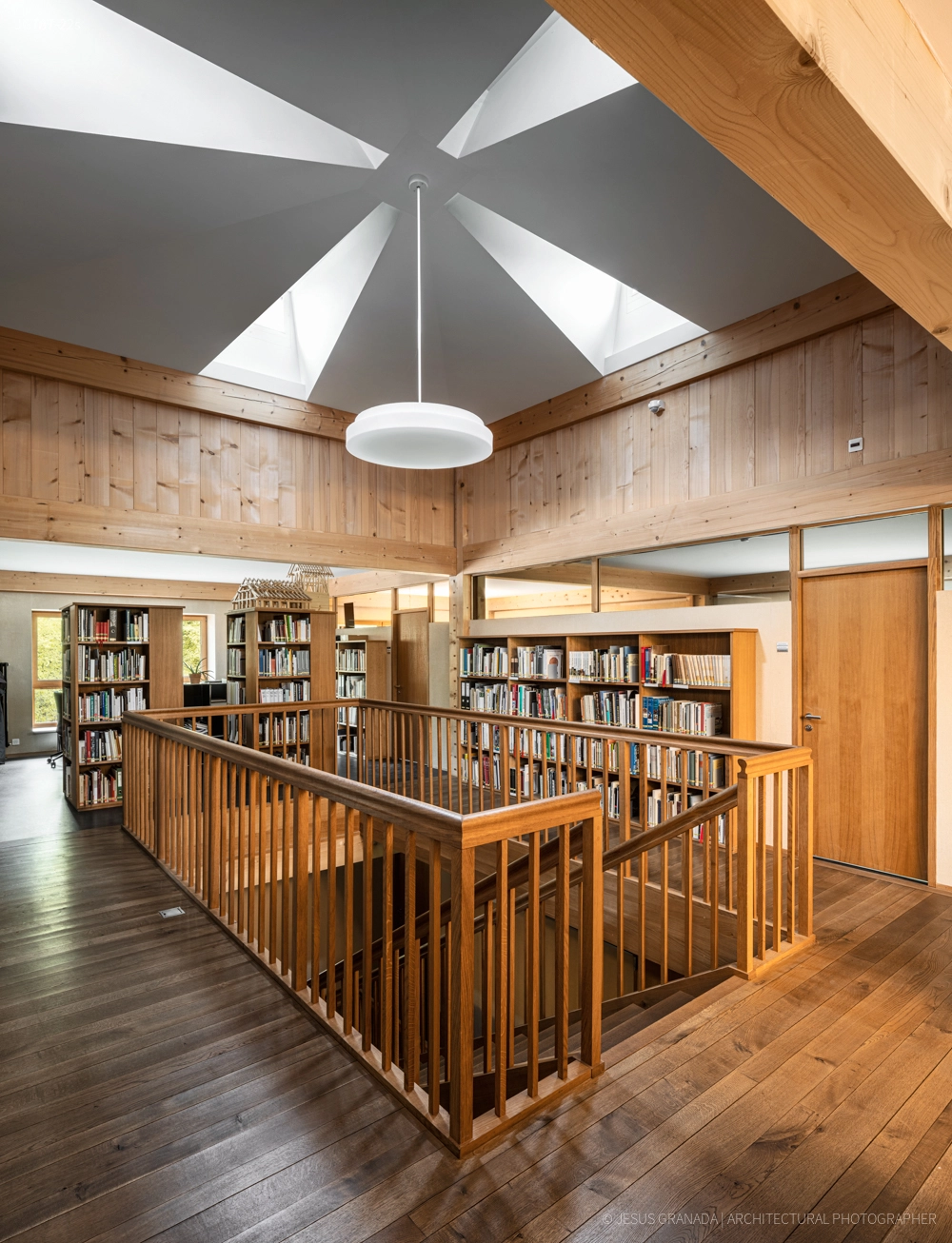
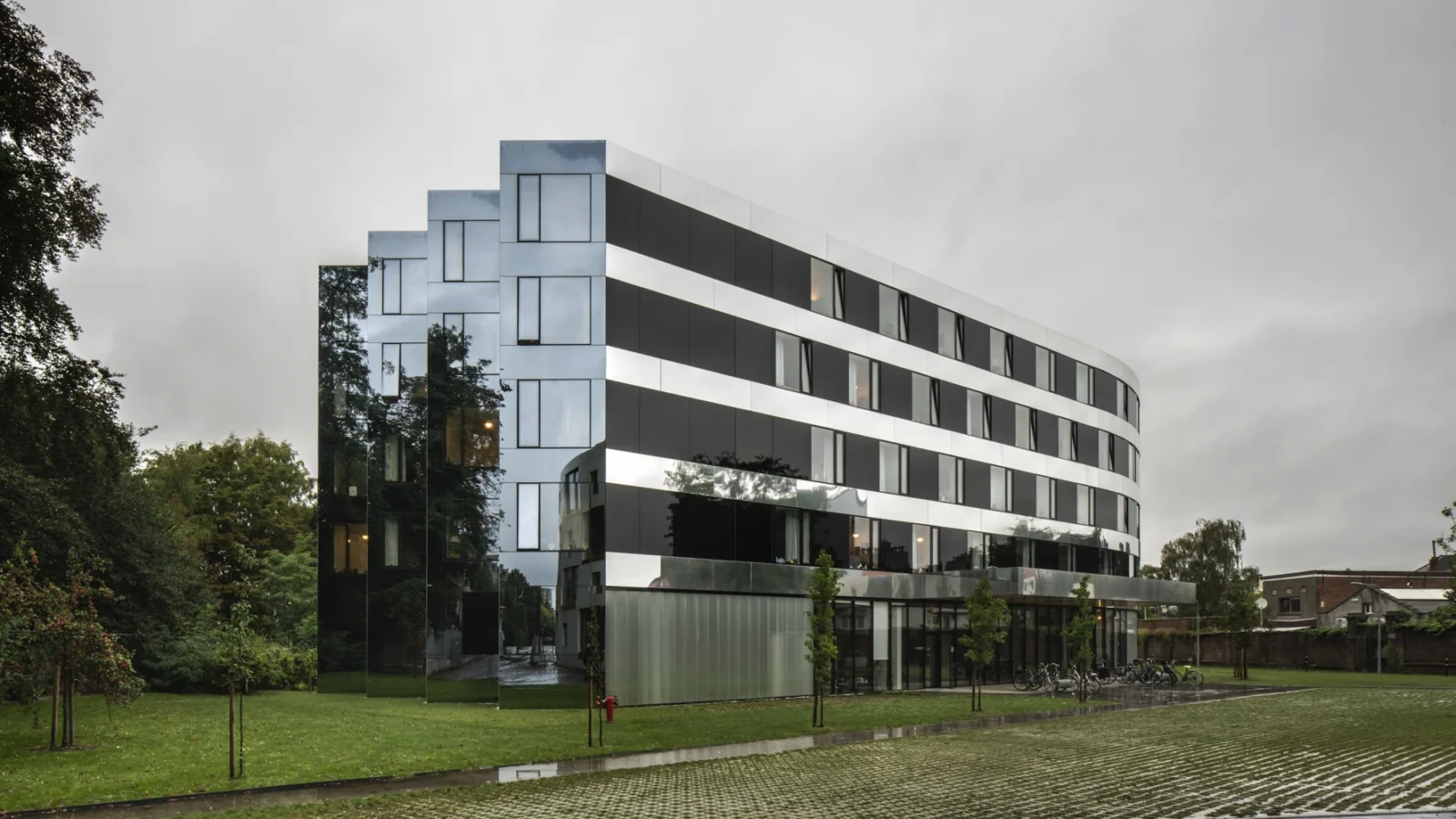
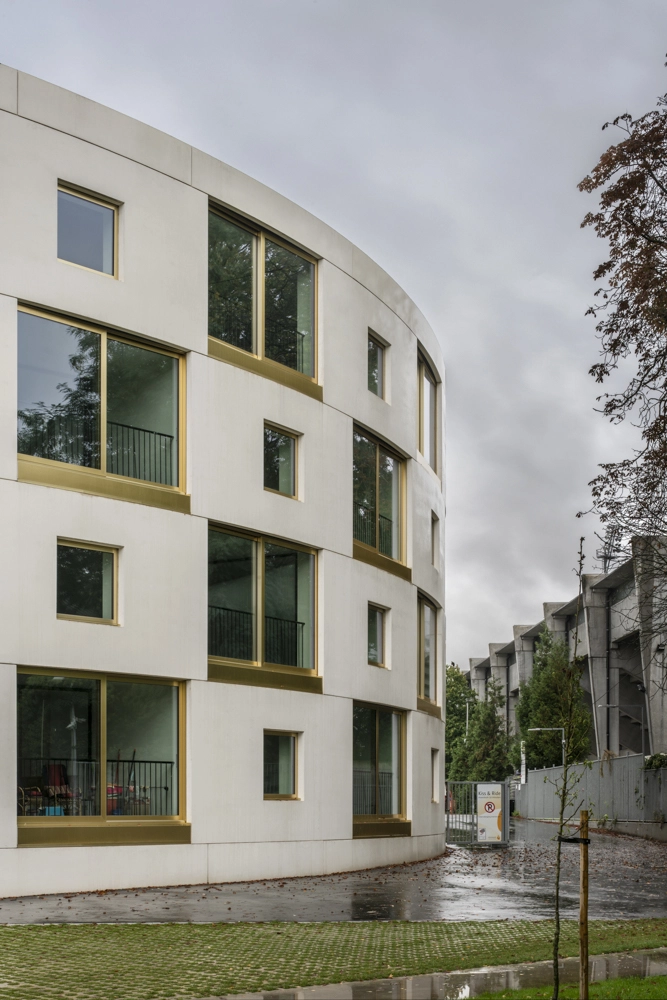
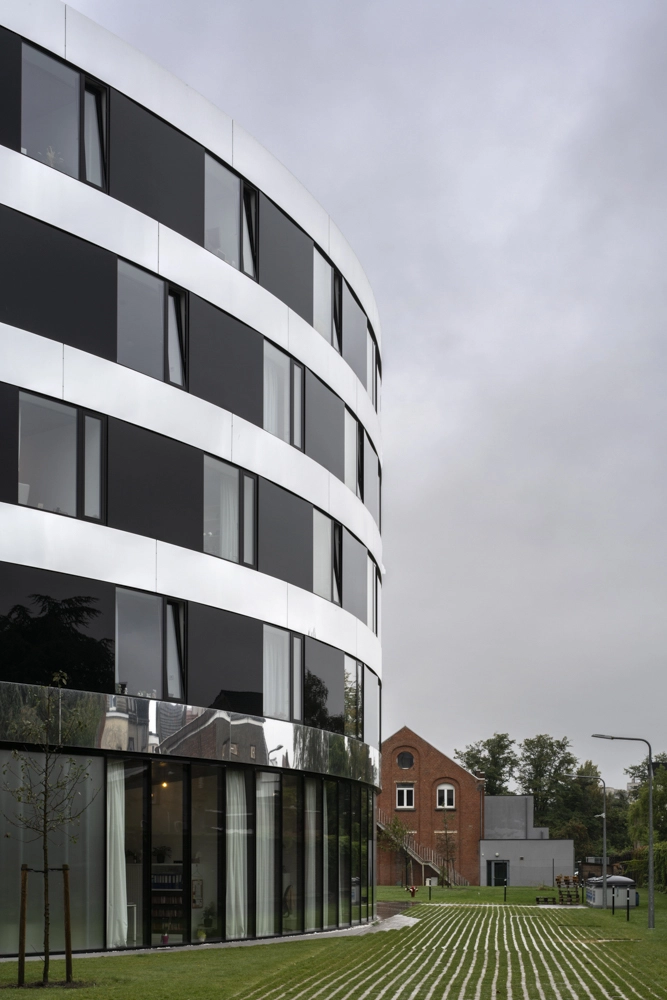
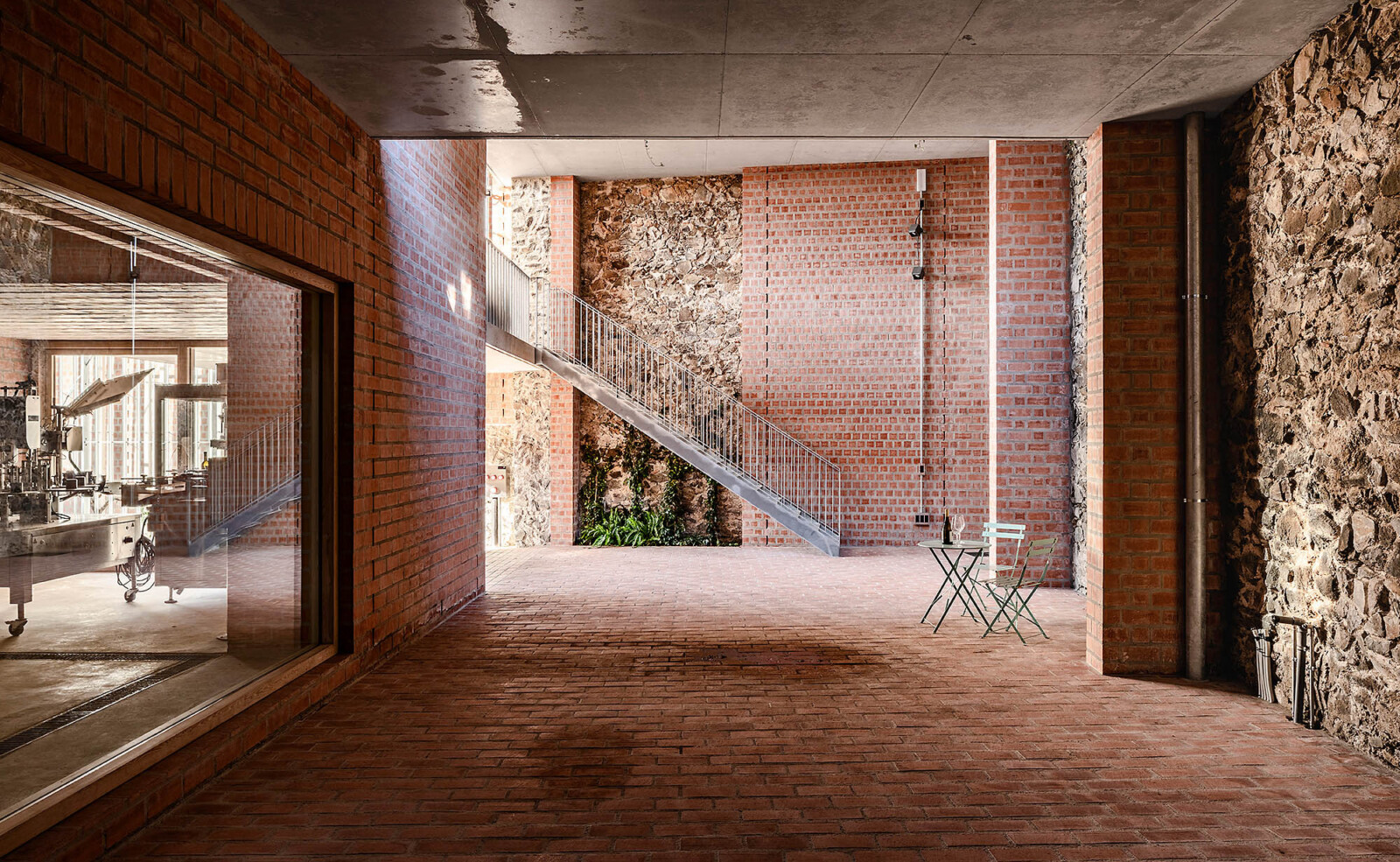
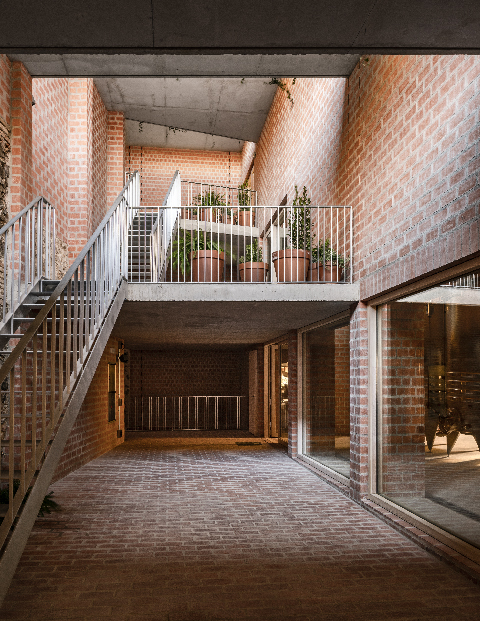
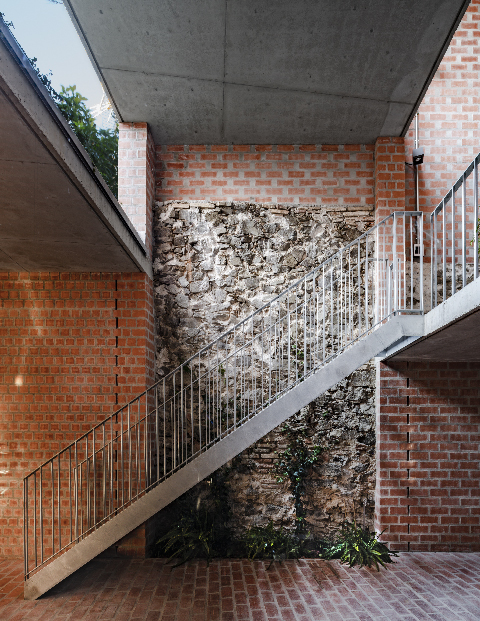
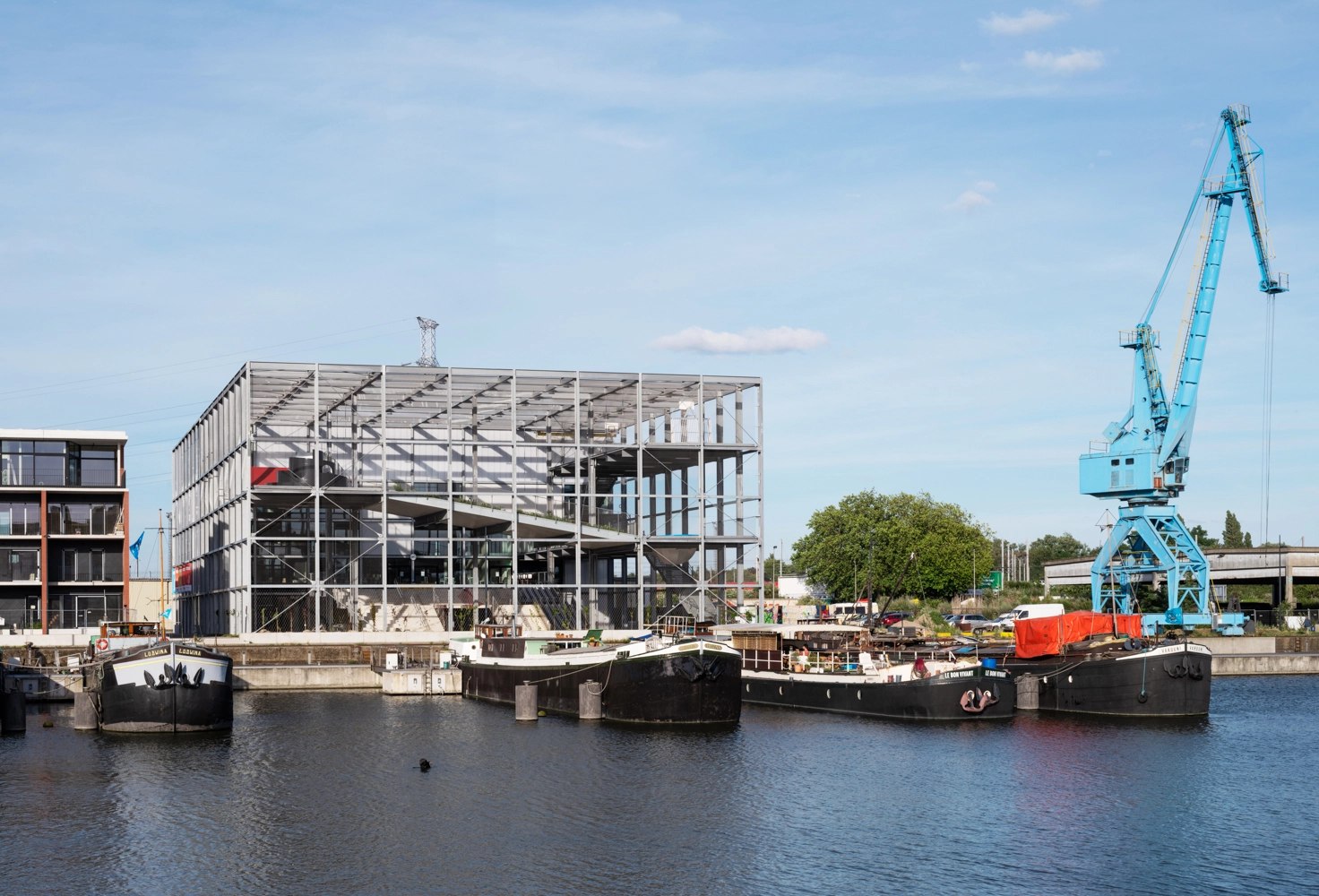
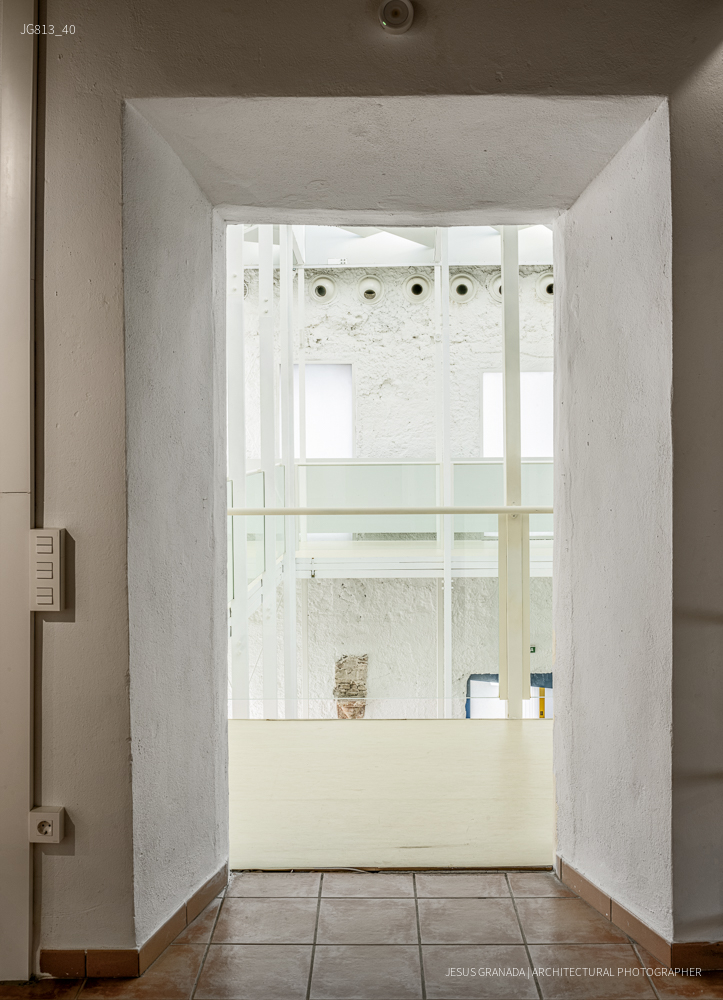
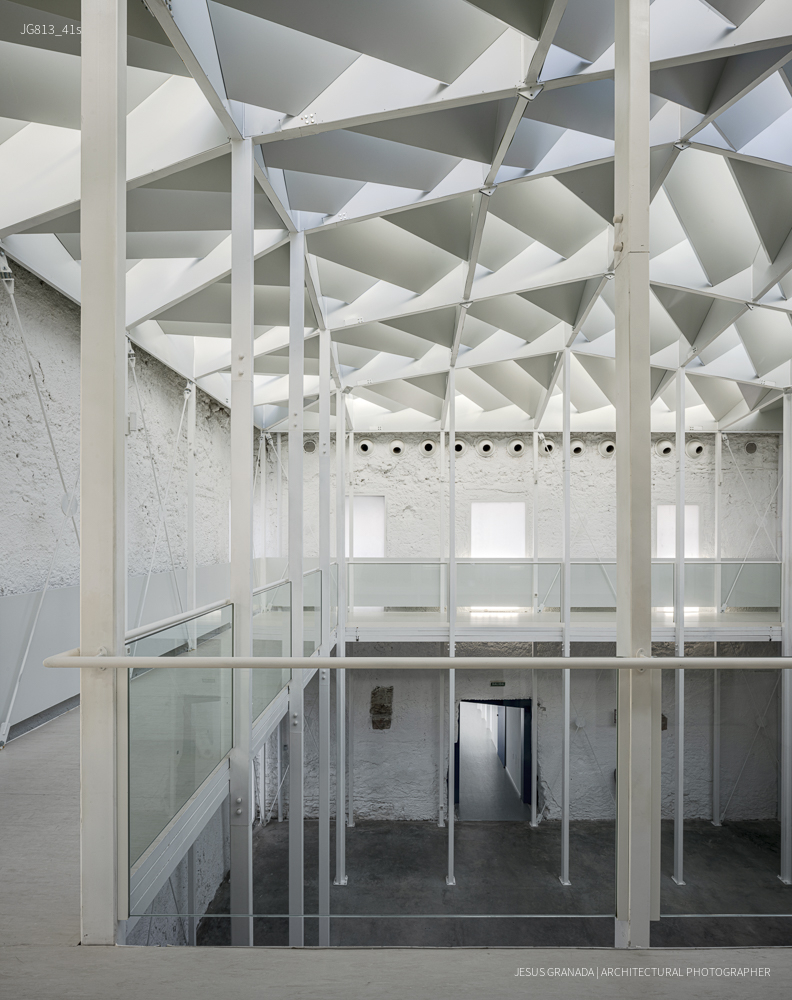
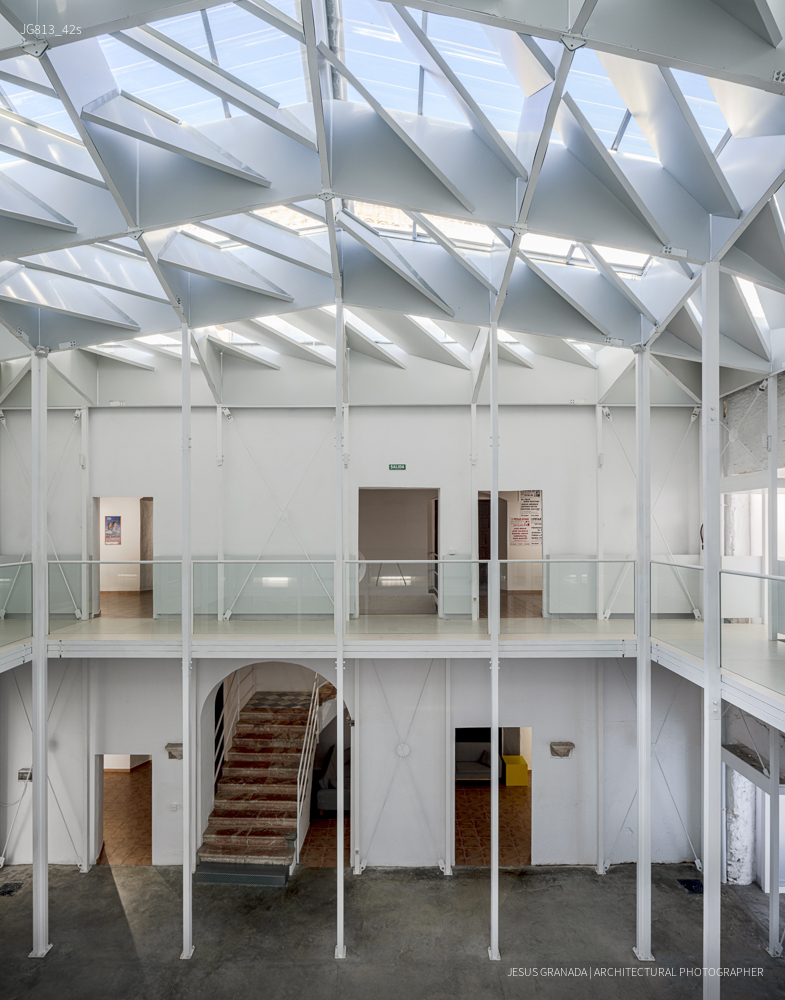
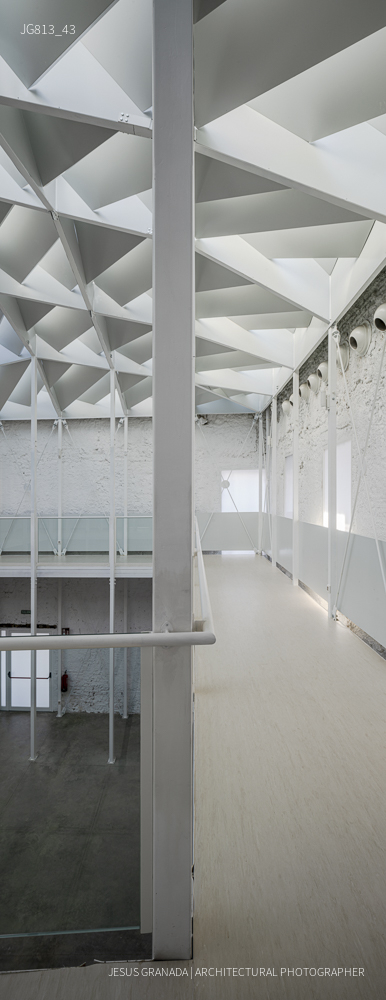
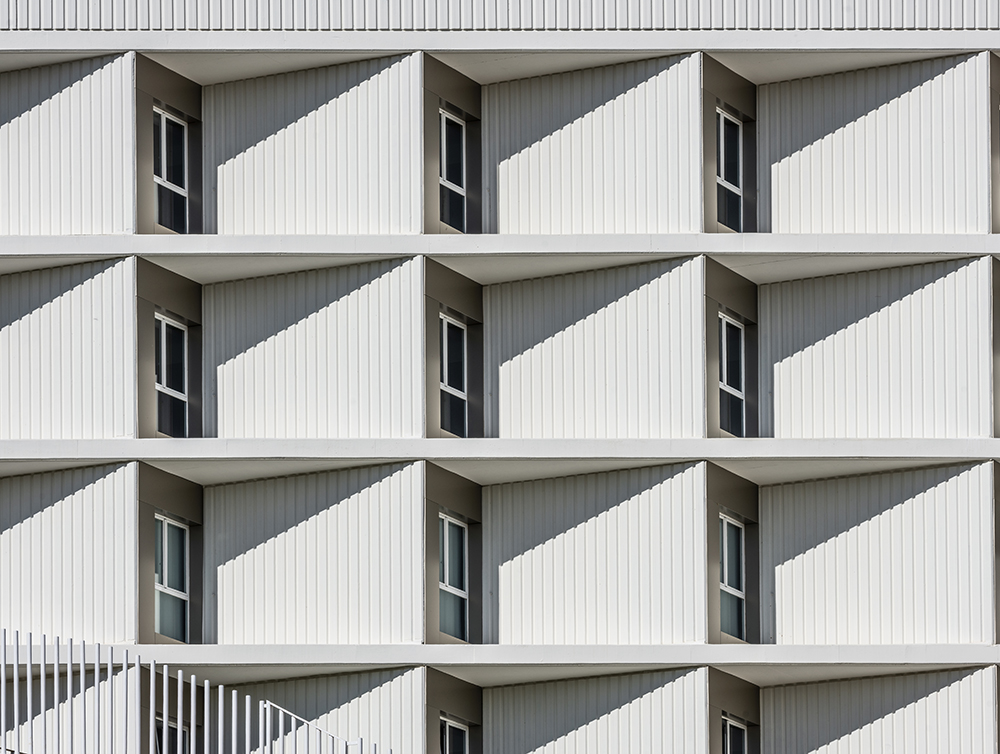
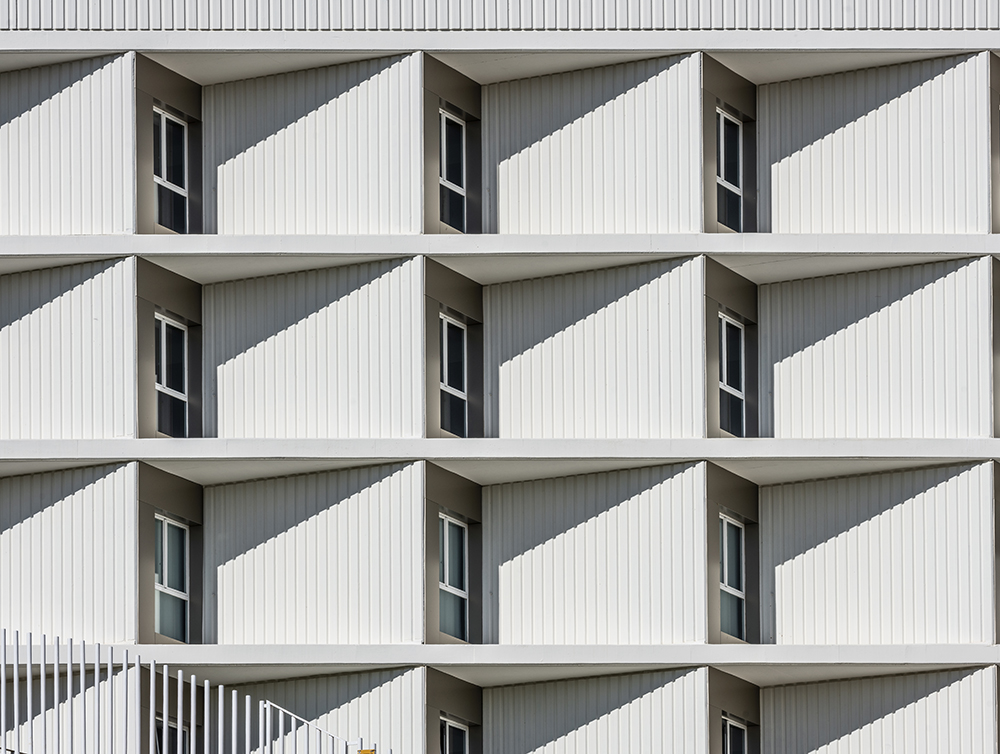
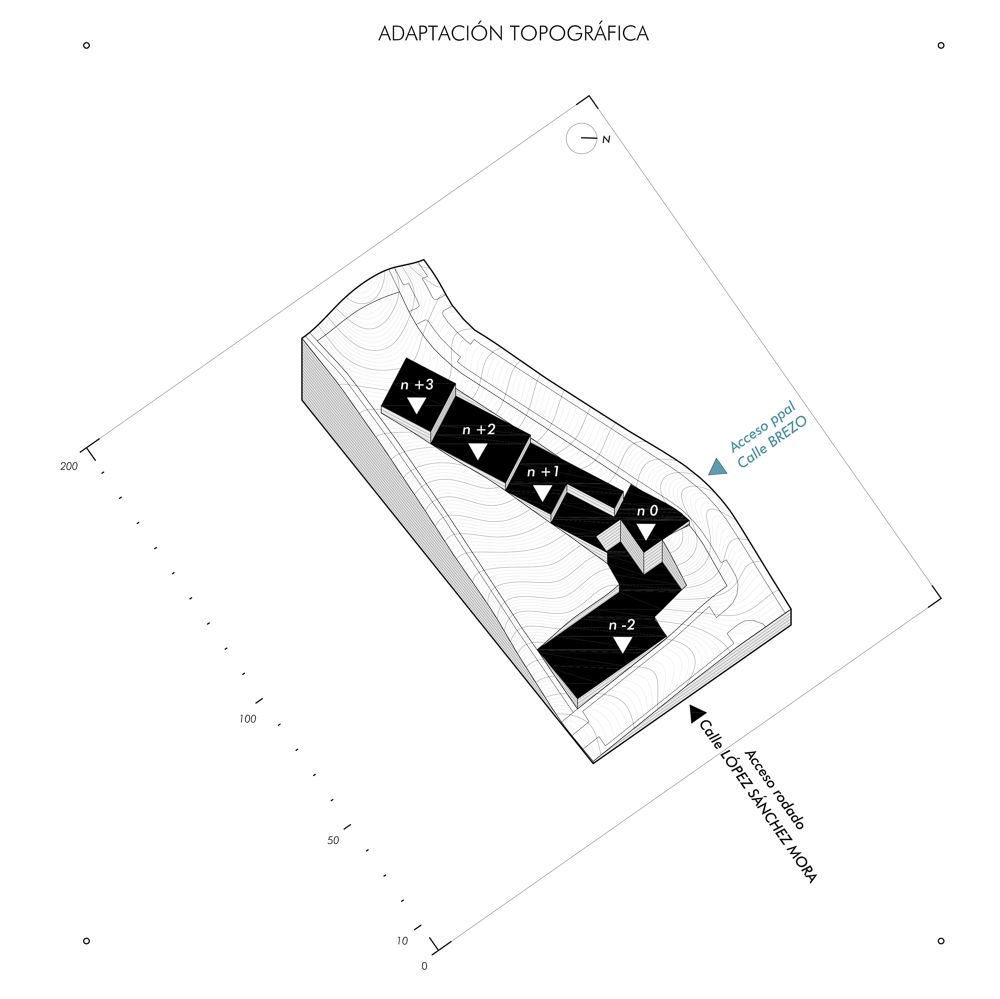
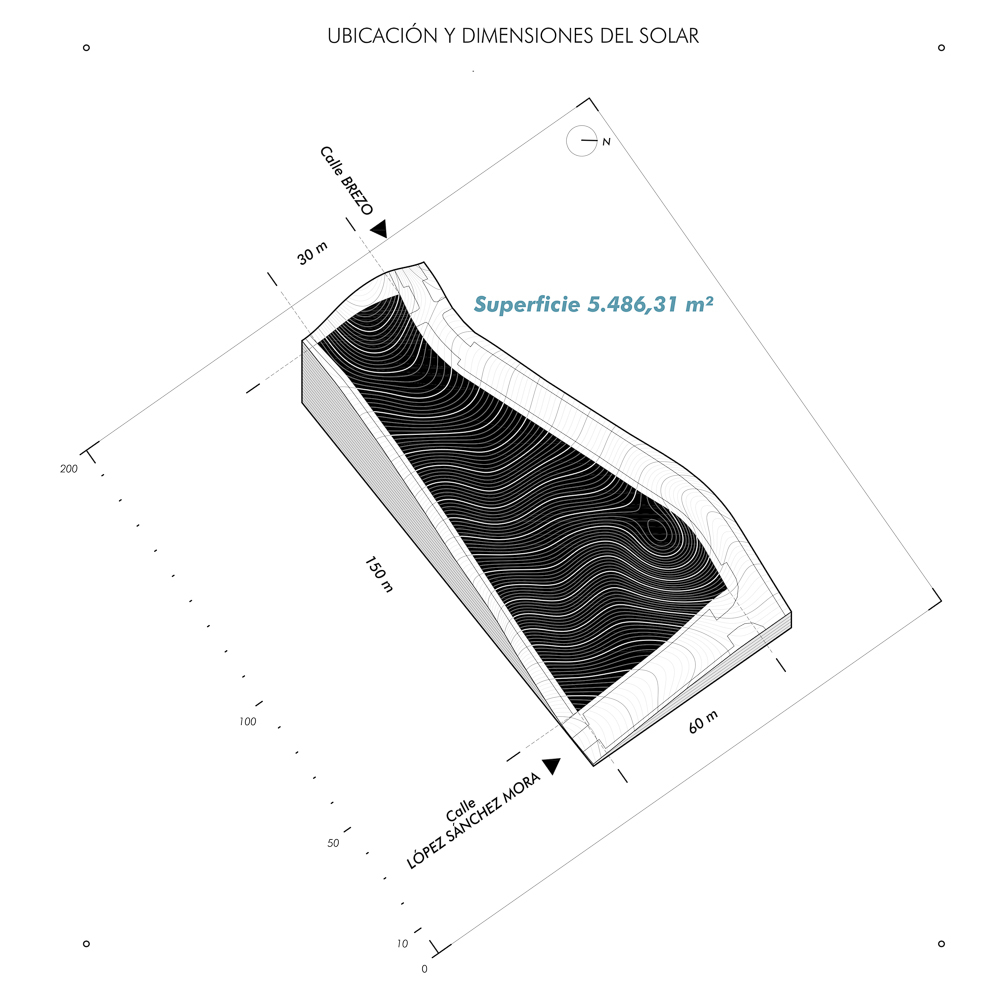
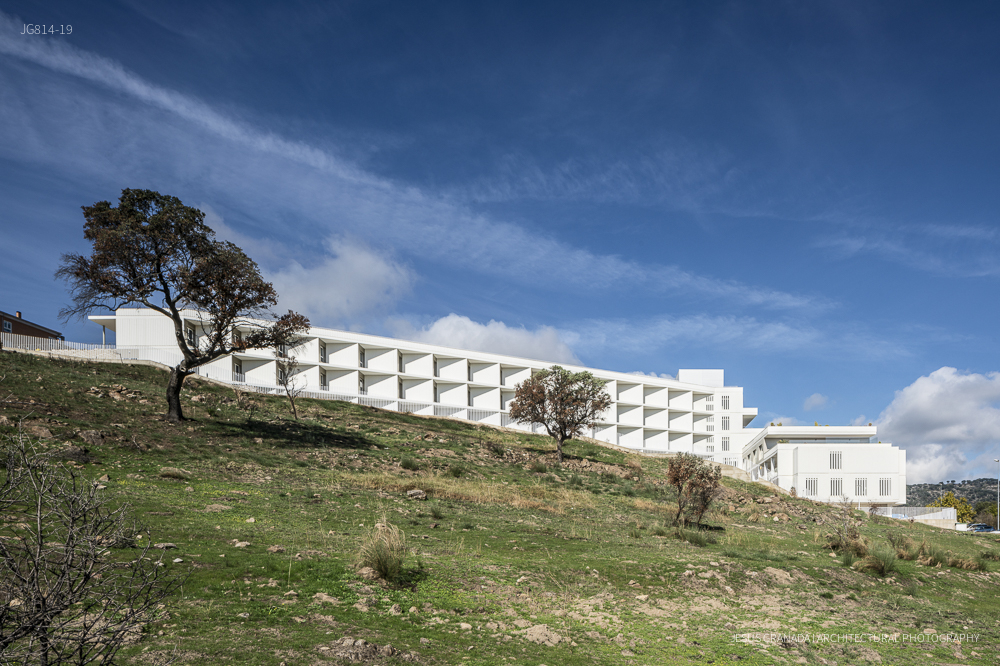
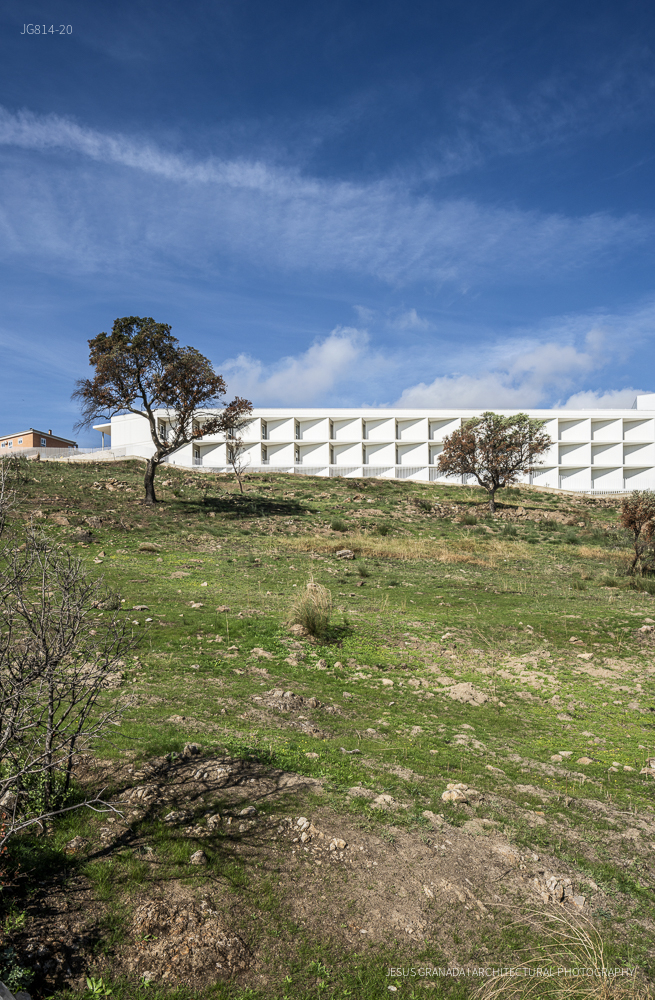
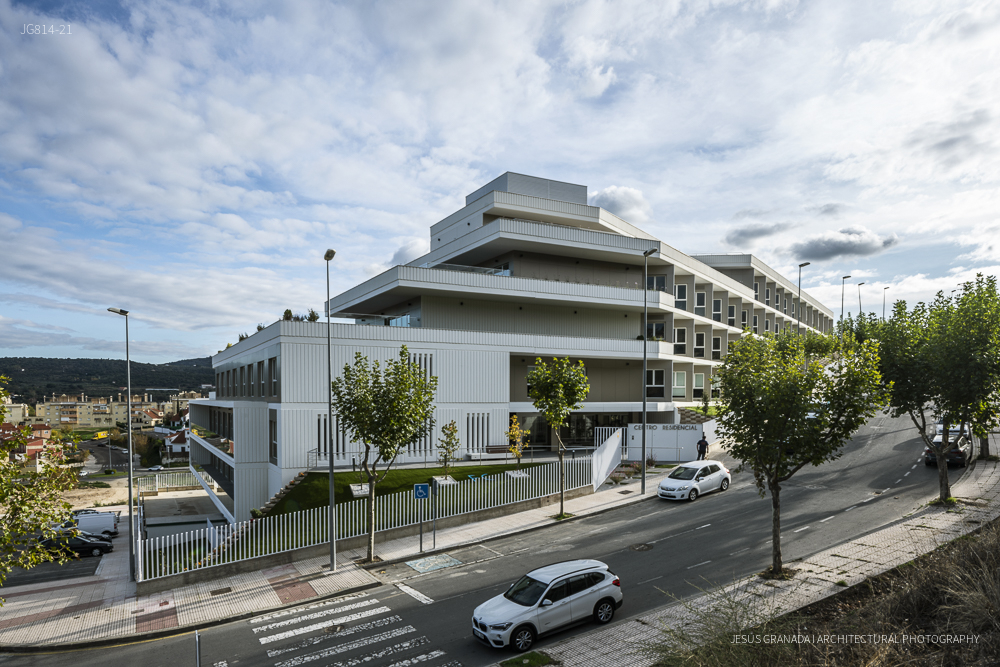
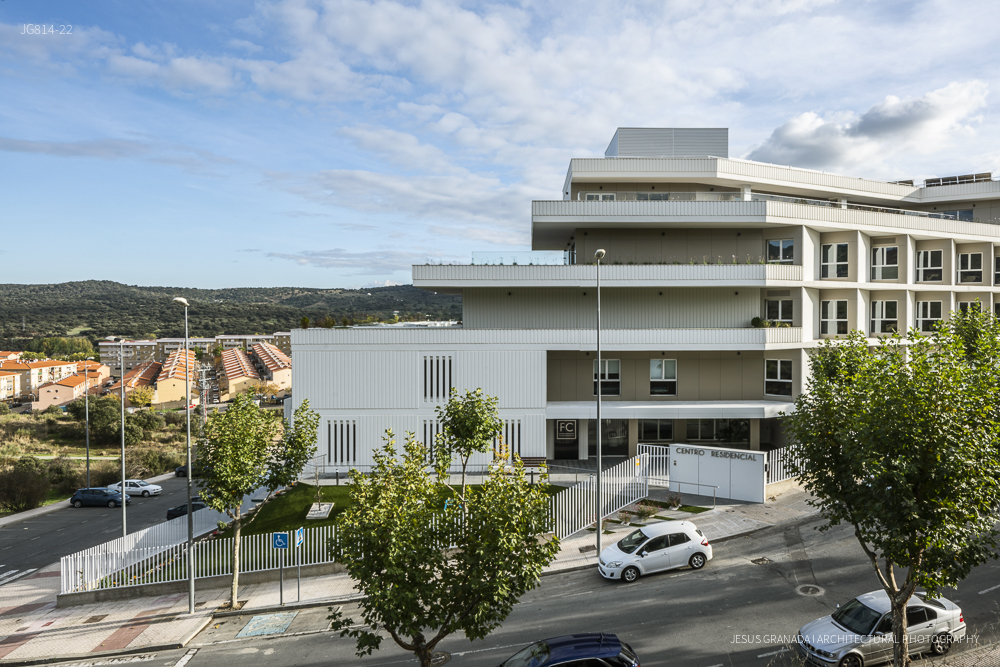
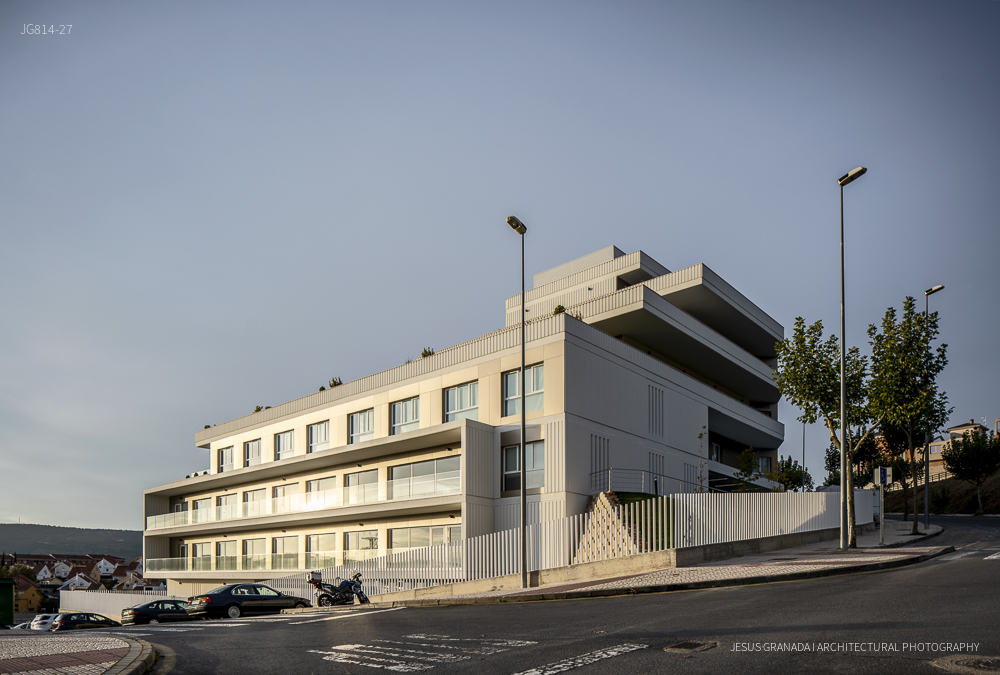
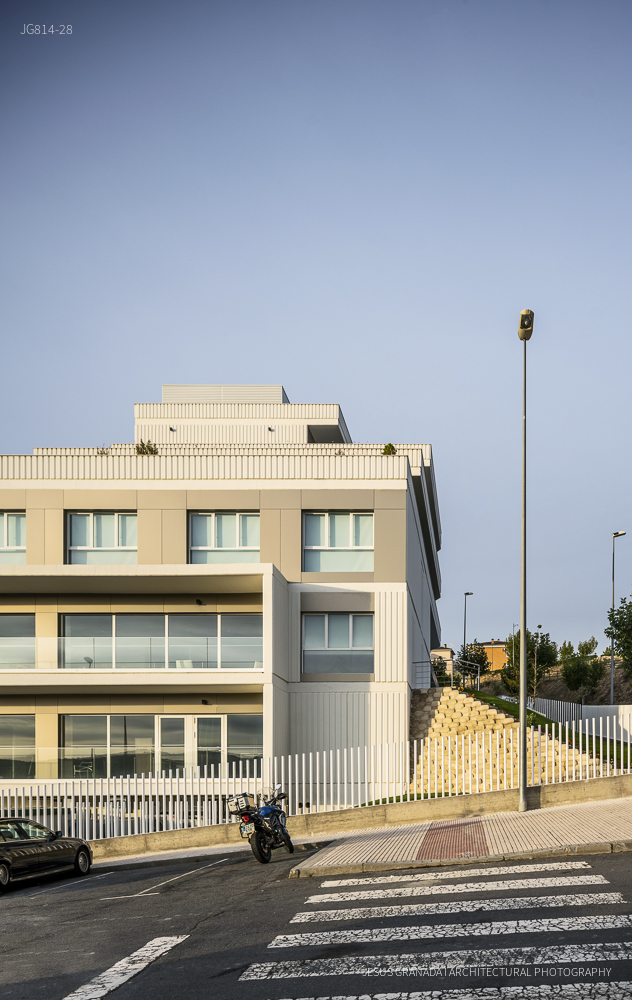
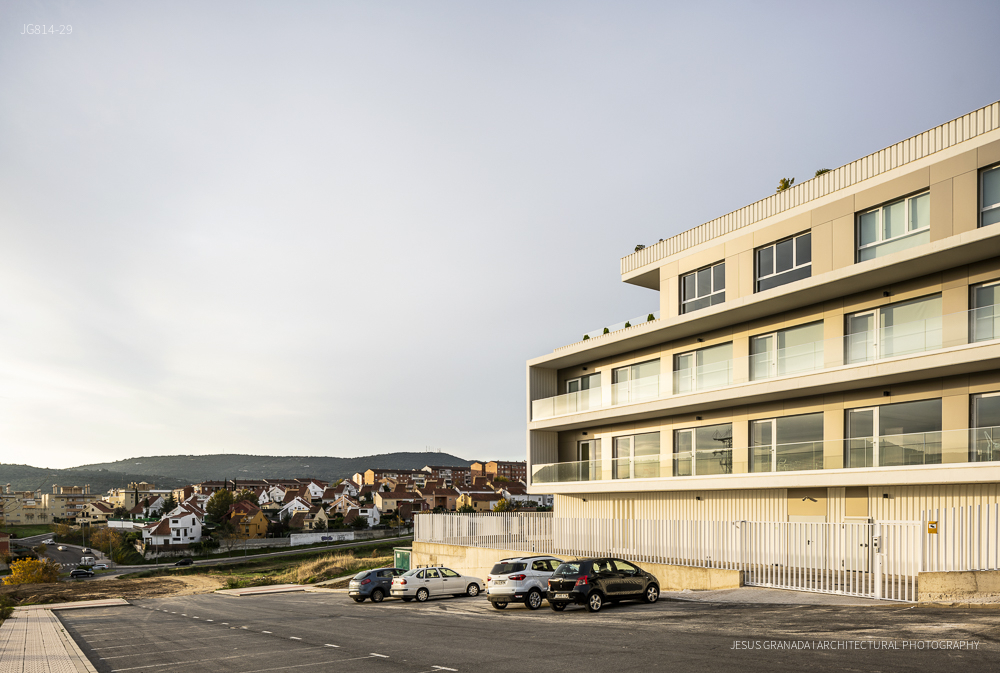
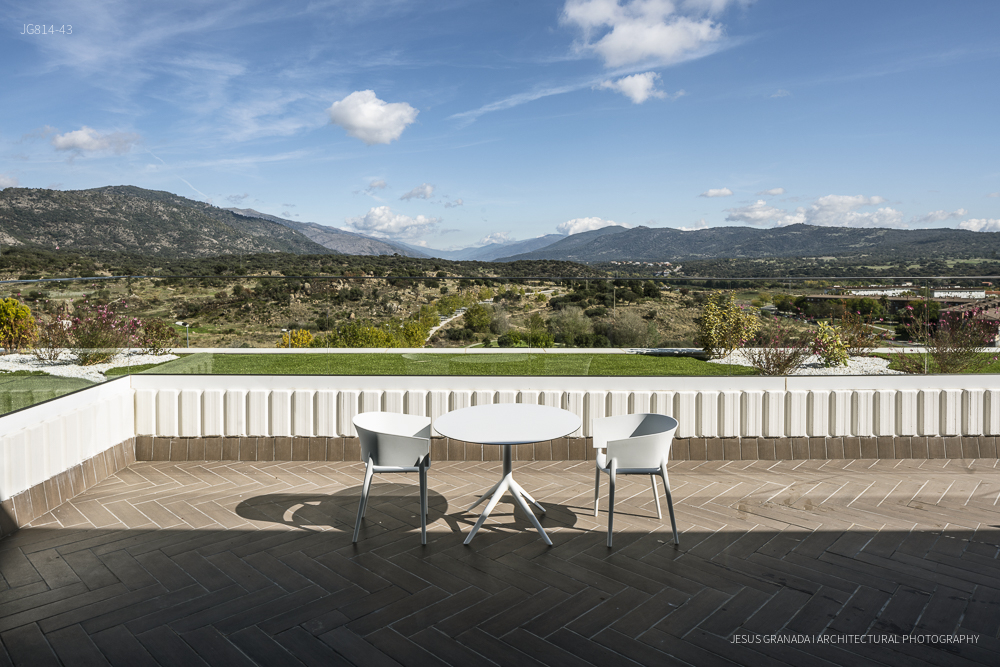
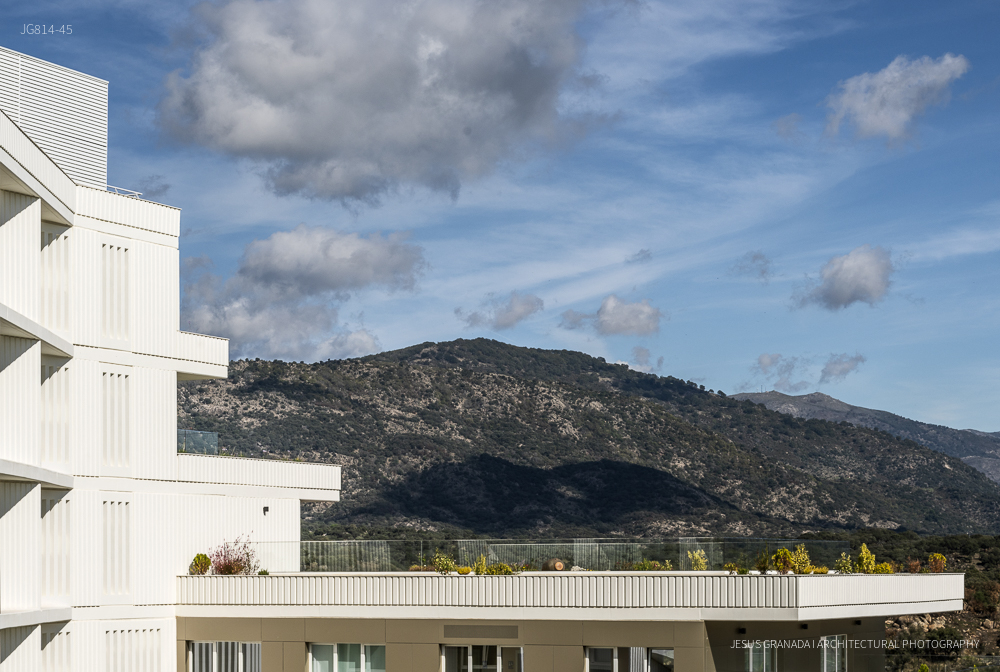
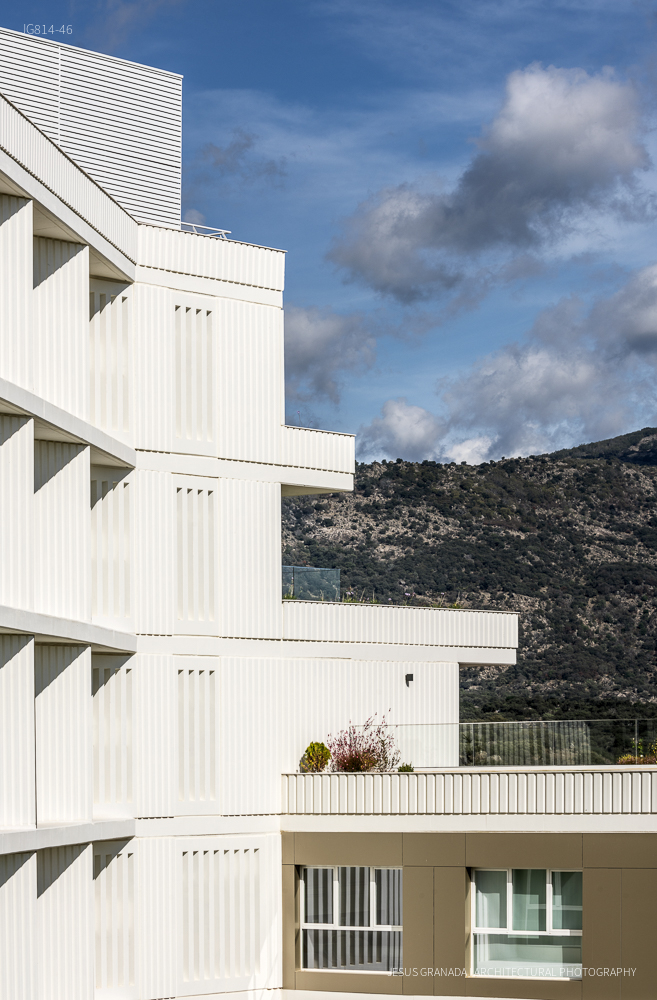
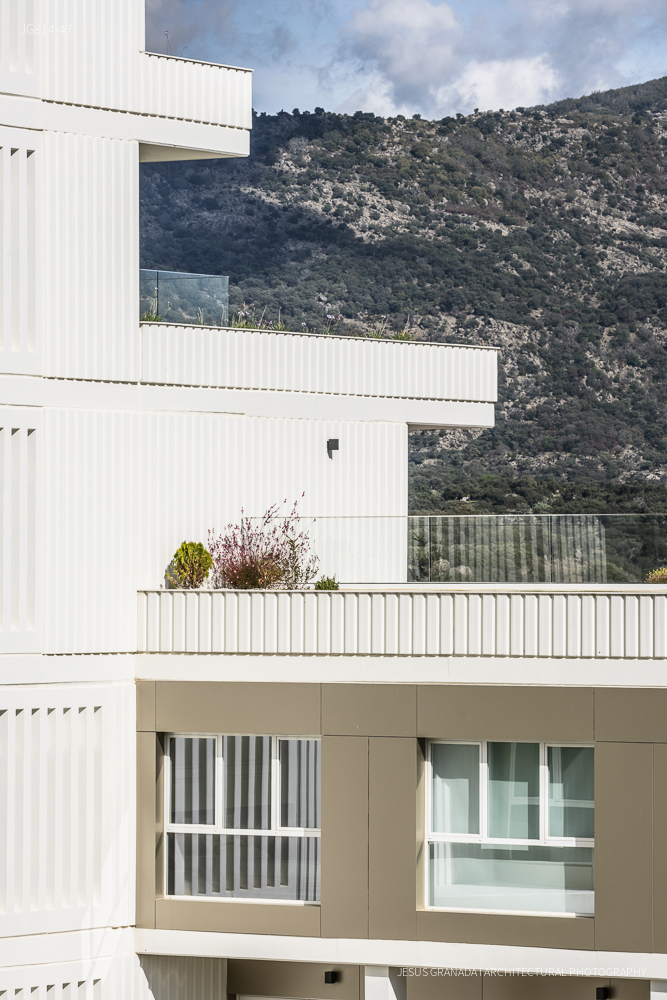
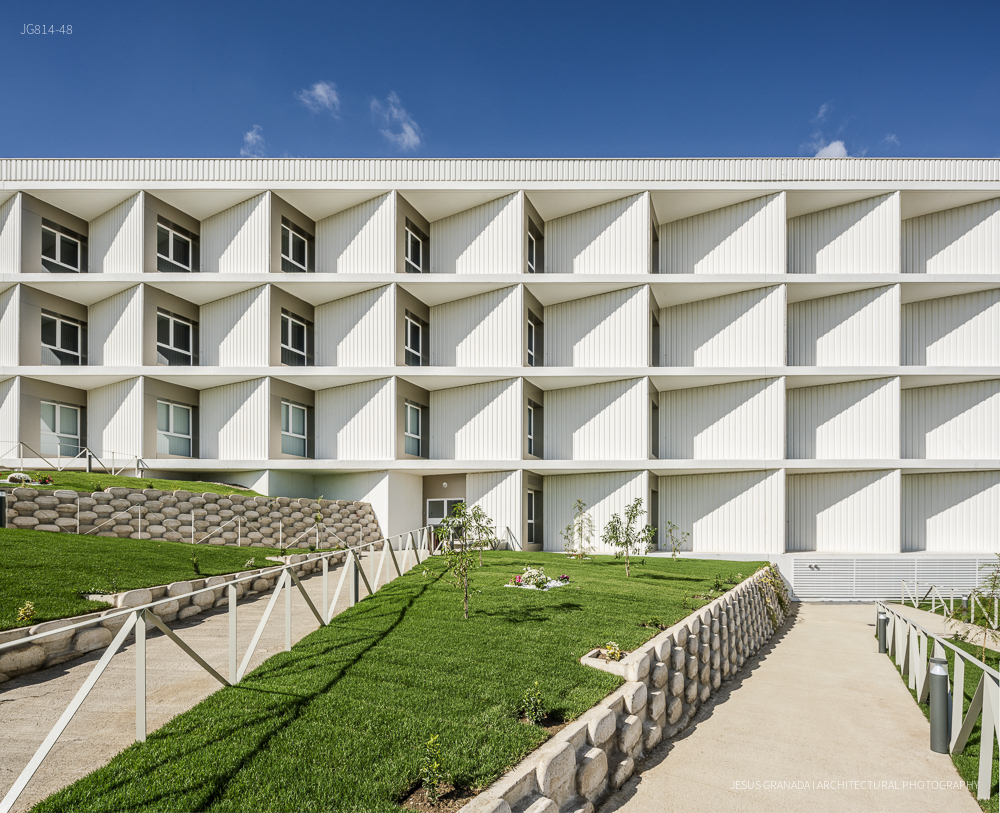
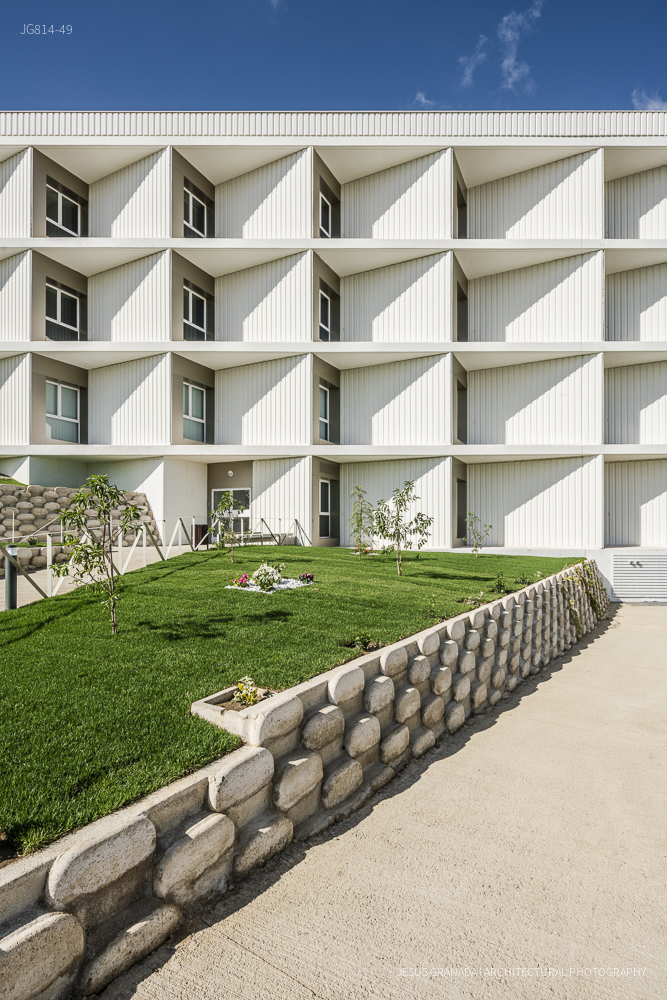
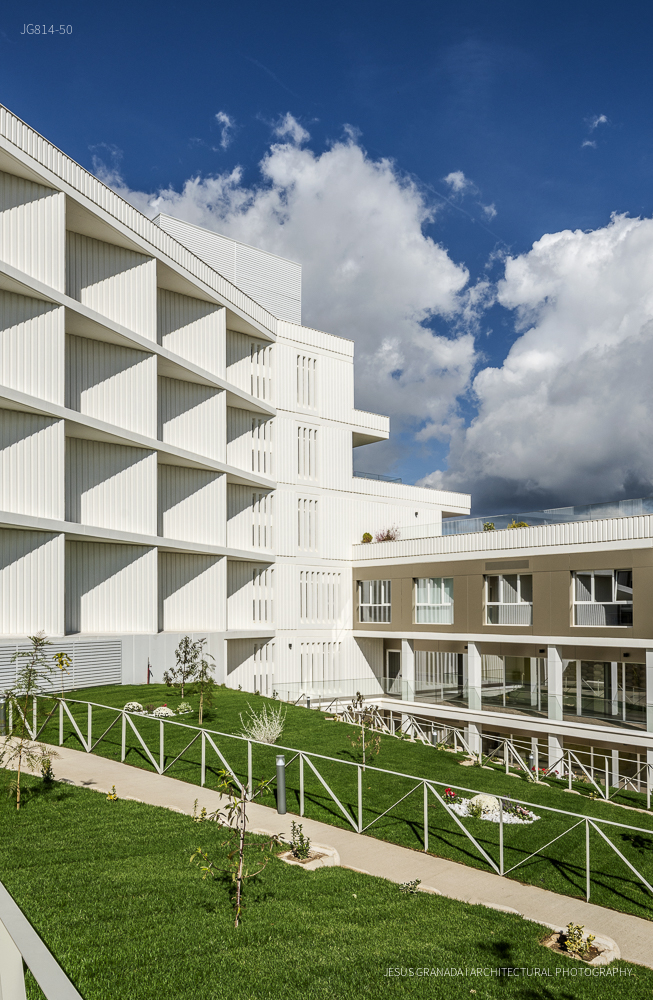
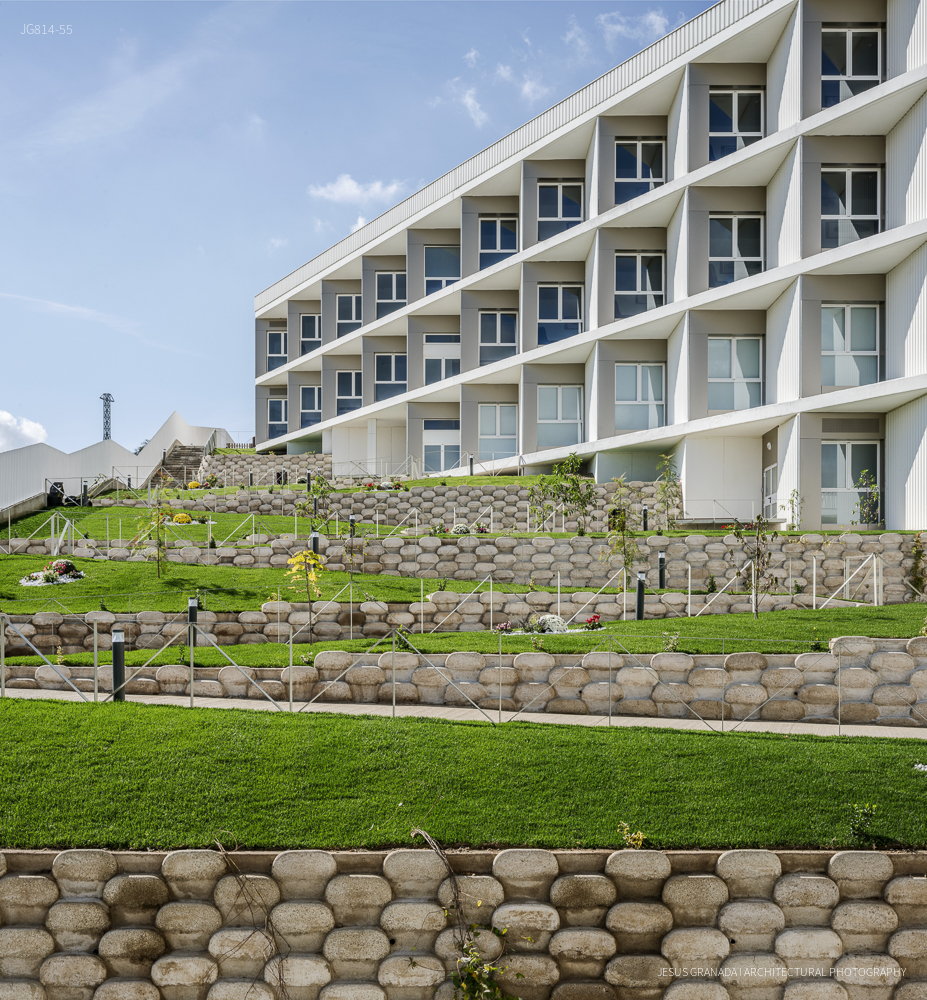
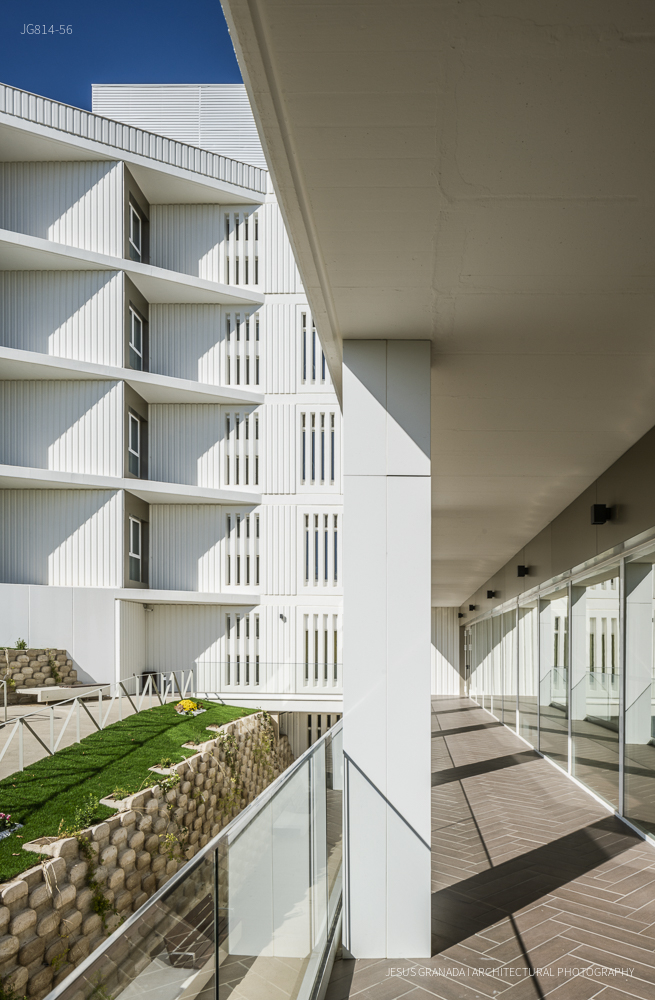
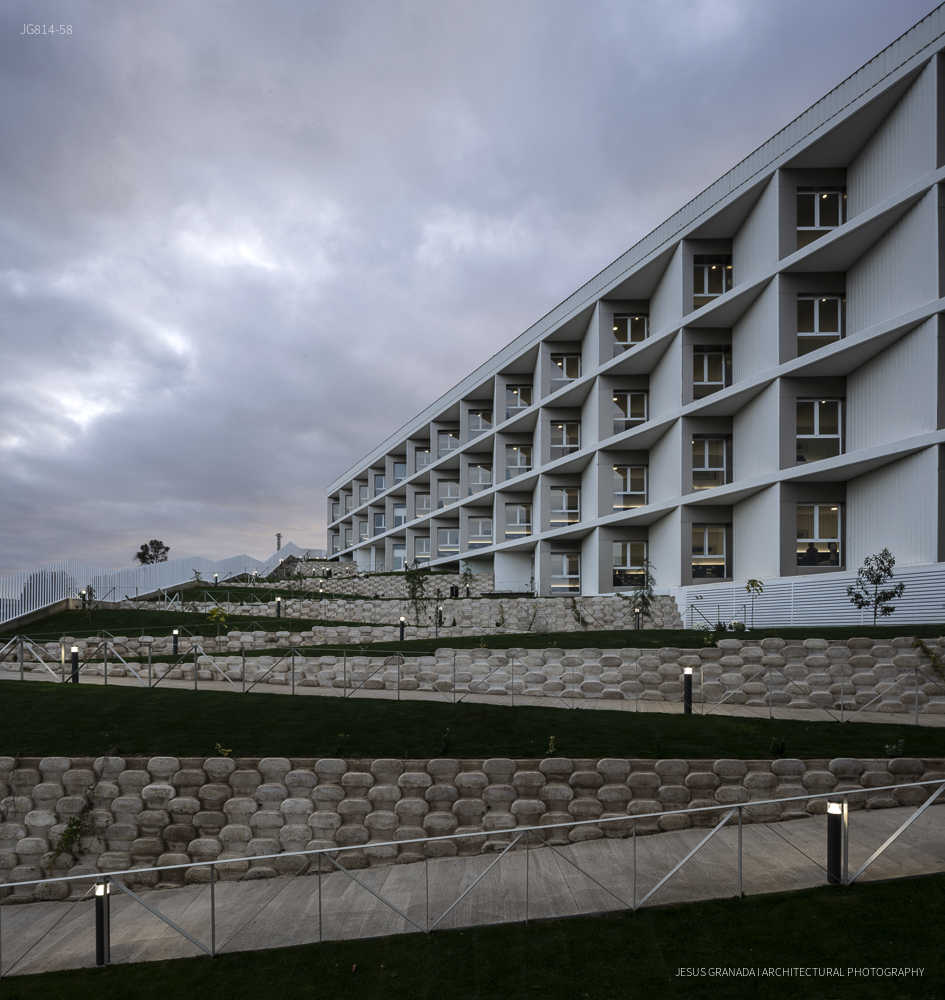
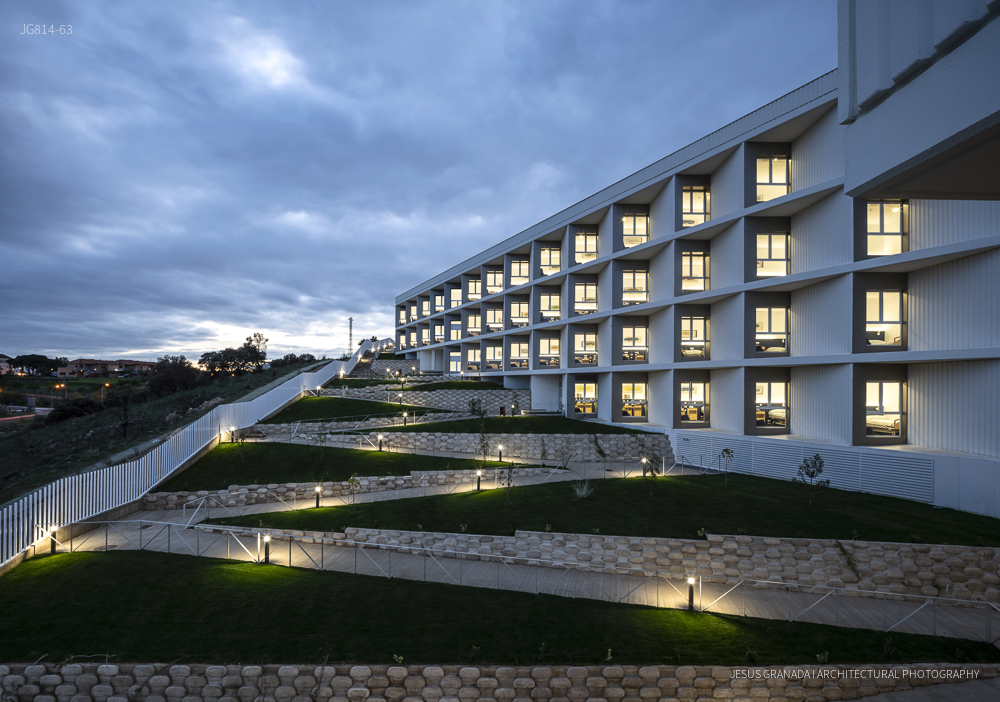
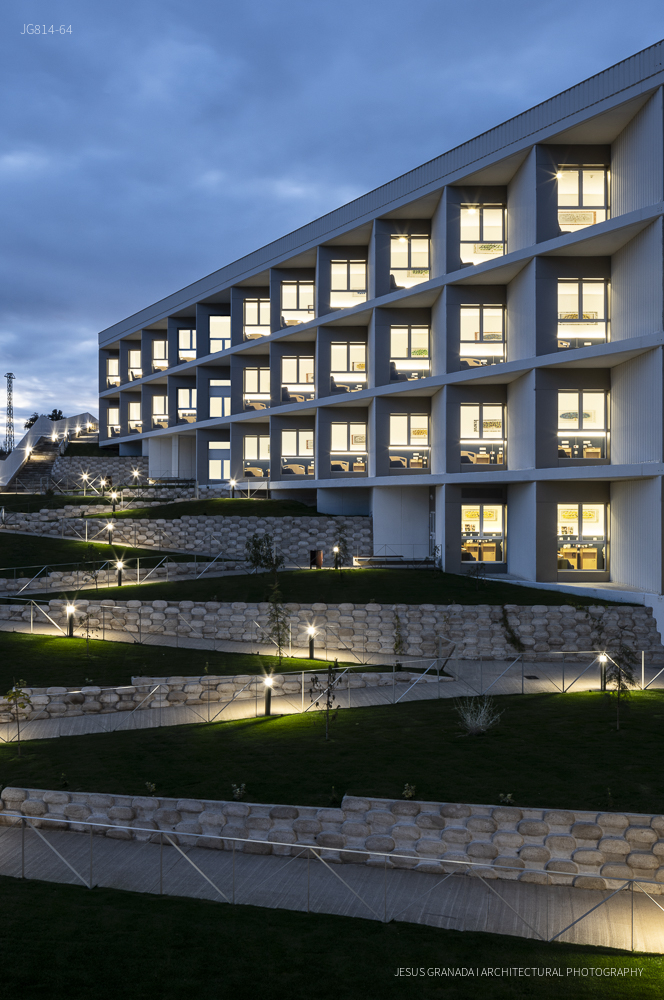
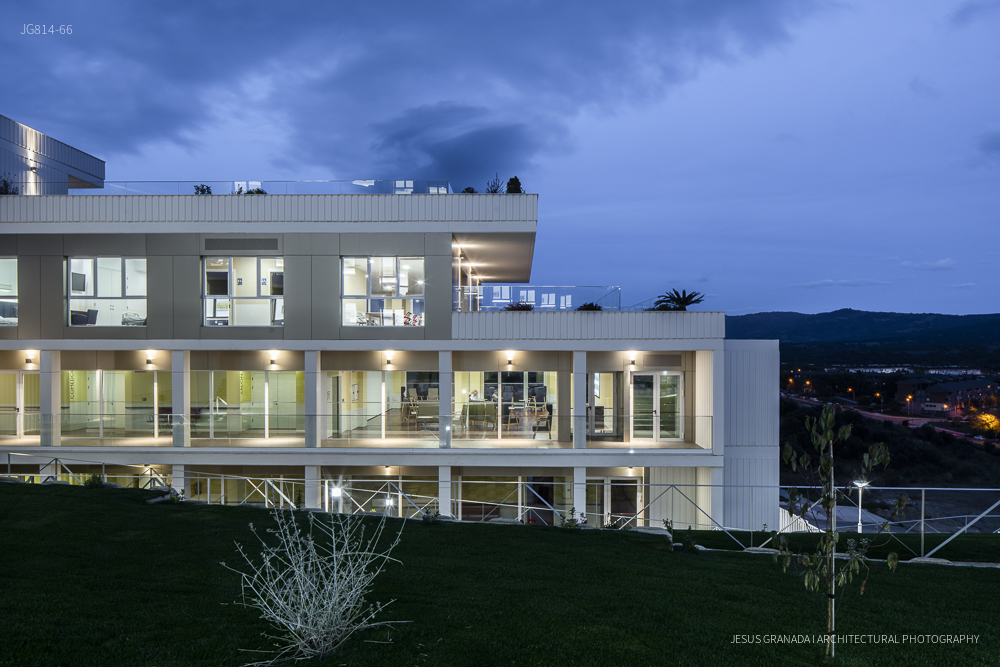
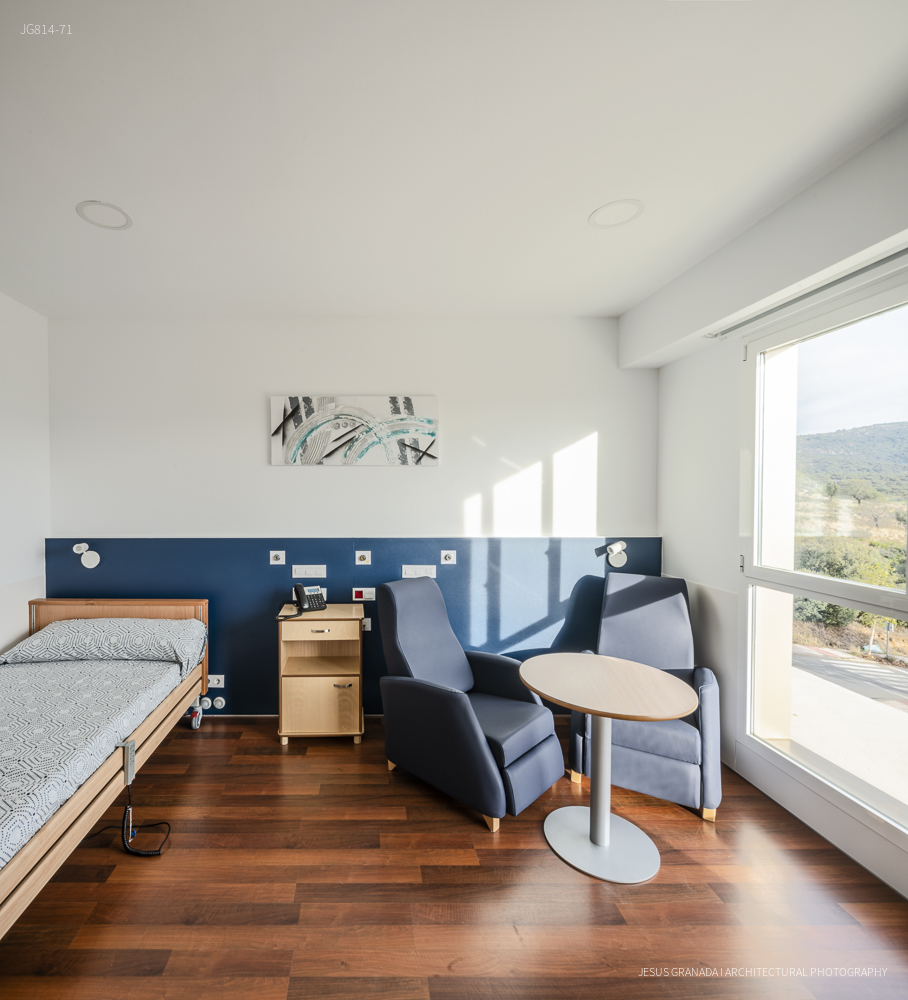
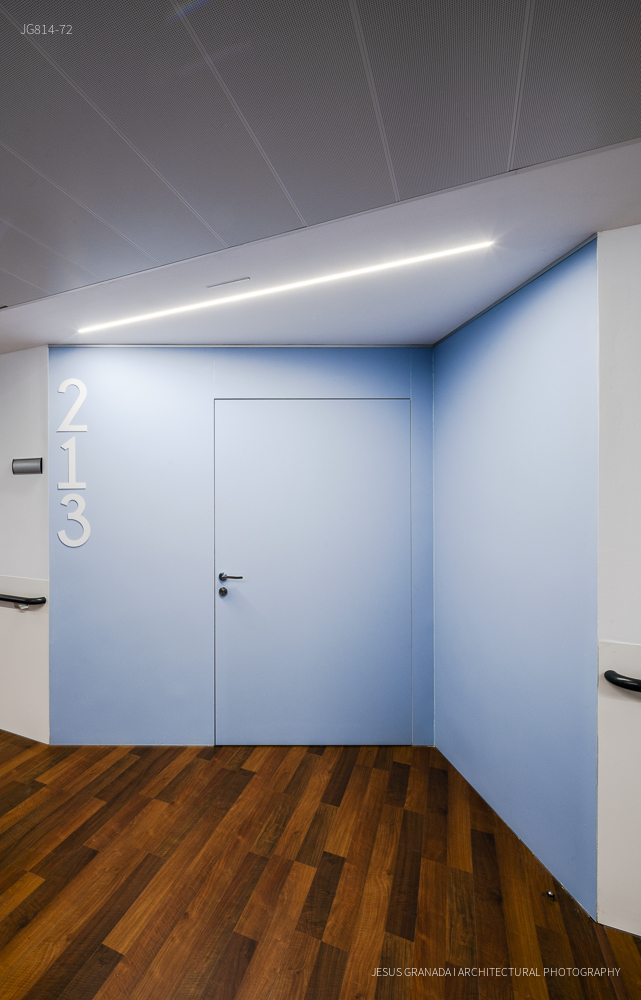
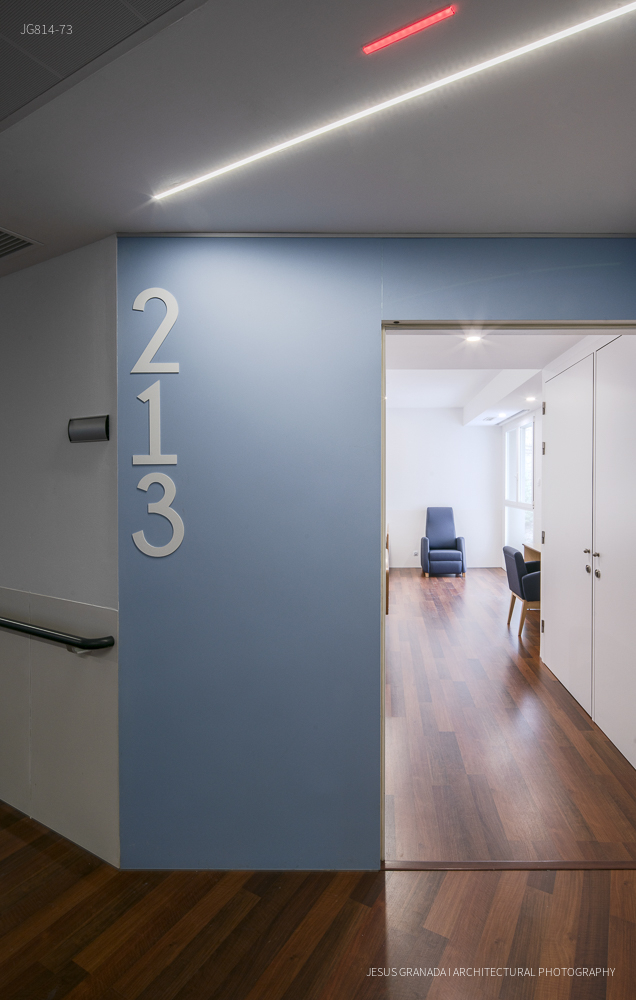
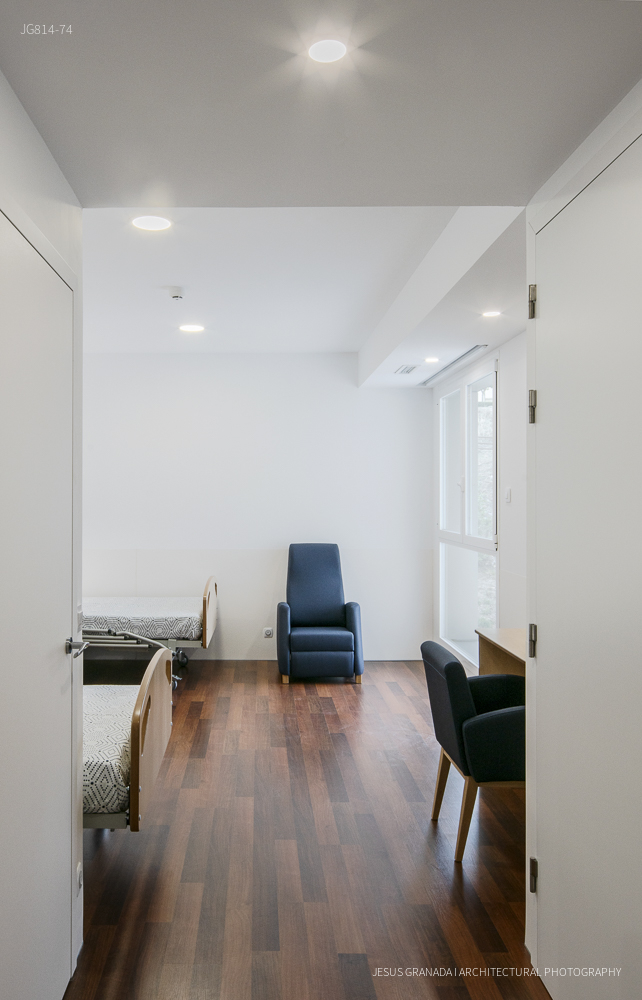
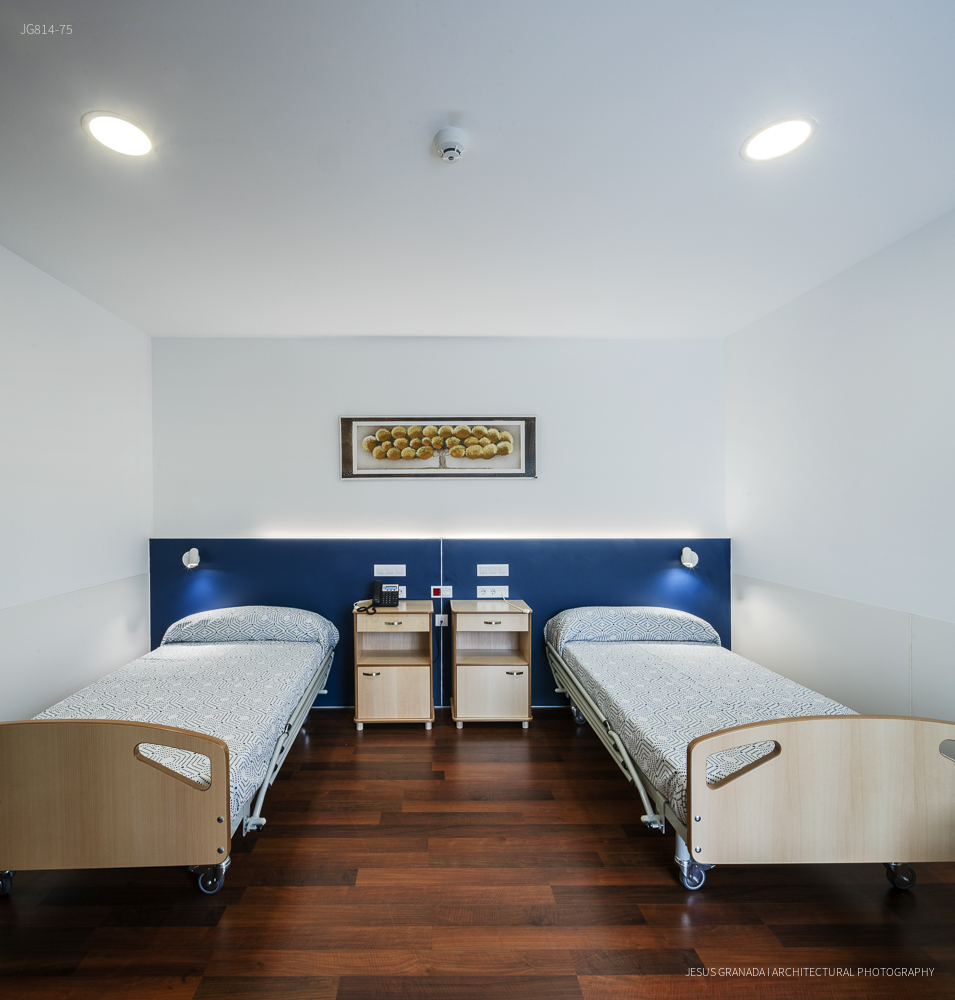
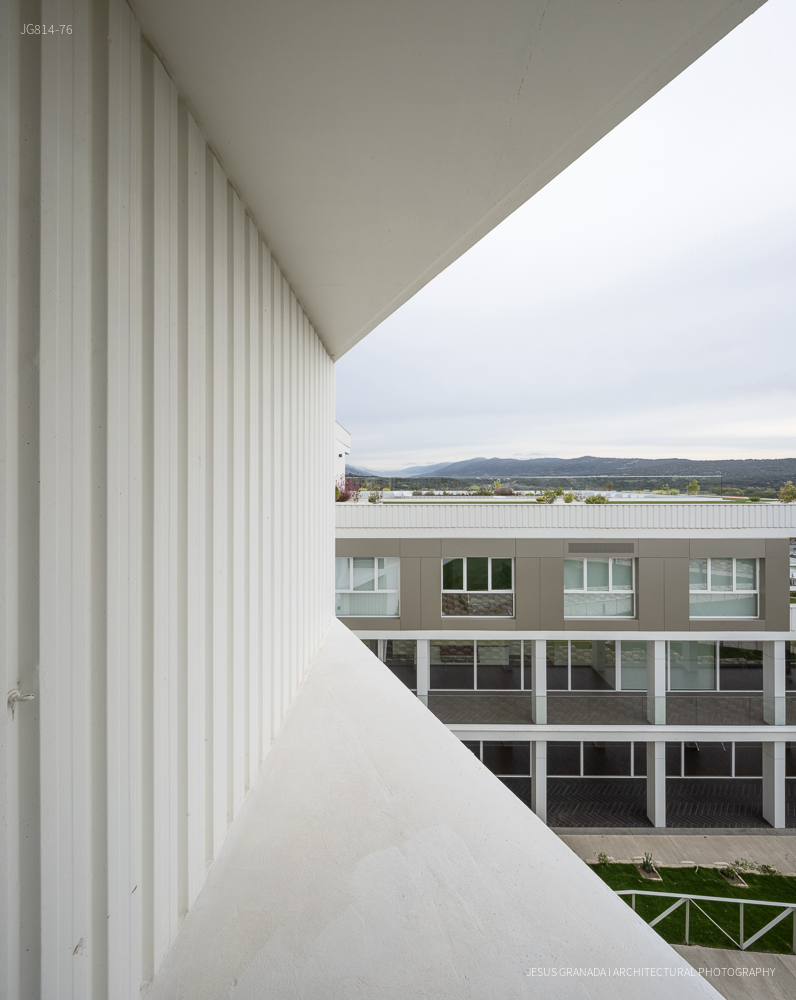
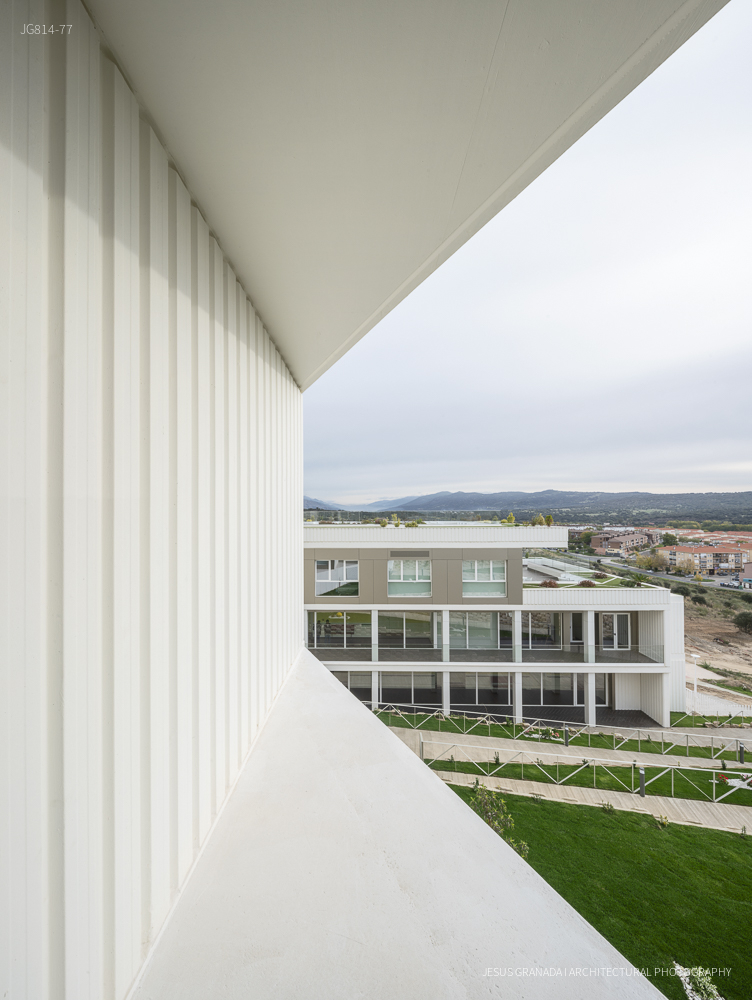
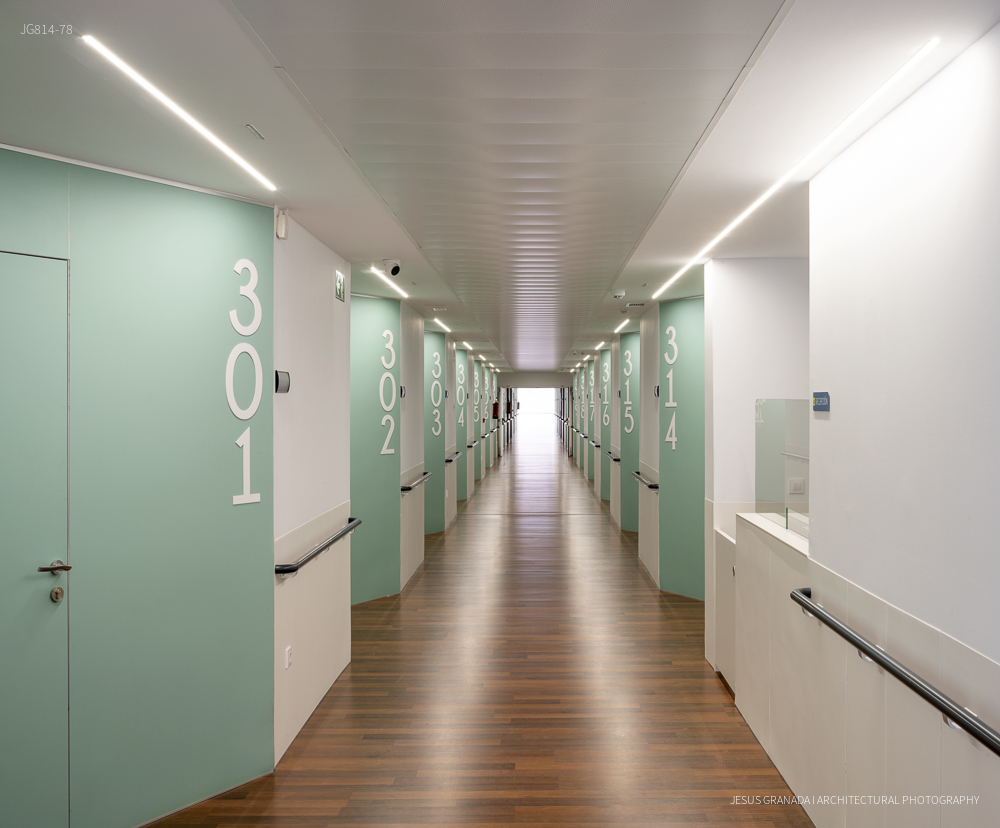
A 120-bed residence for dependent persons on the site of the former Santiago Barracks in Mahón. Two interlocking volumes organised into six independent modules around two courtyards and three gardens. The programme is distributed across ground and first floors, freeing the street level to restore the public route of the old camí d’en Guixò.
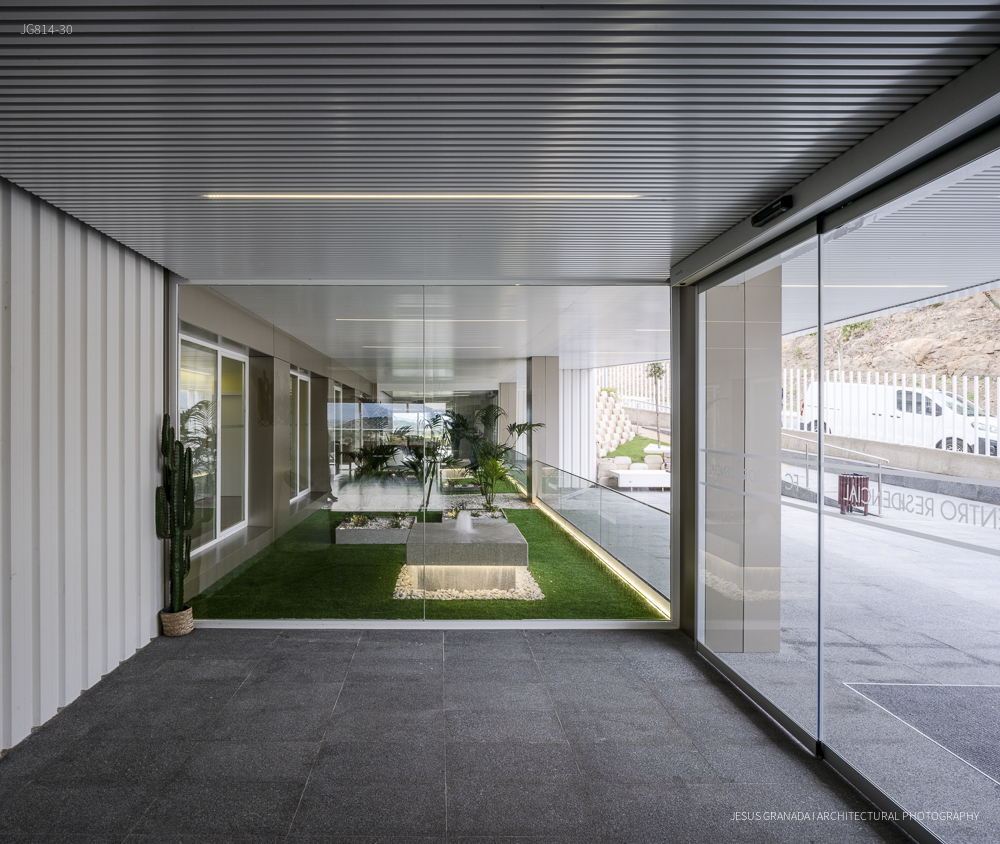
The modular organisation allows each residential unit to function autonomously, grouping bedrooms, communal areas and service spaces around their own courtyards. The two main courtyards and three intermediate gardens provide cross ventilation and controlled orientations to every room.
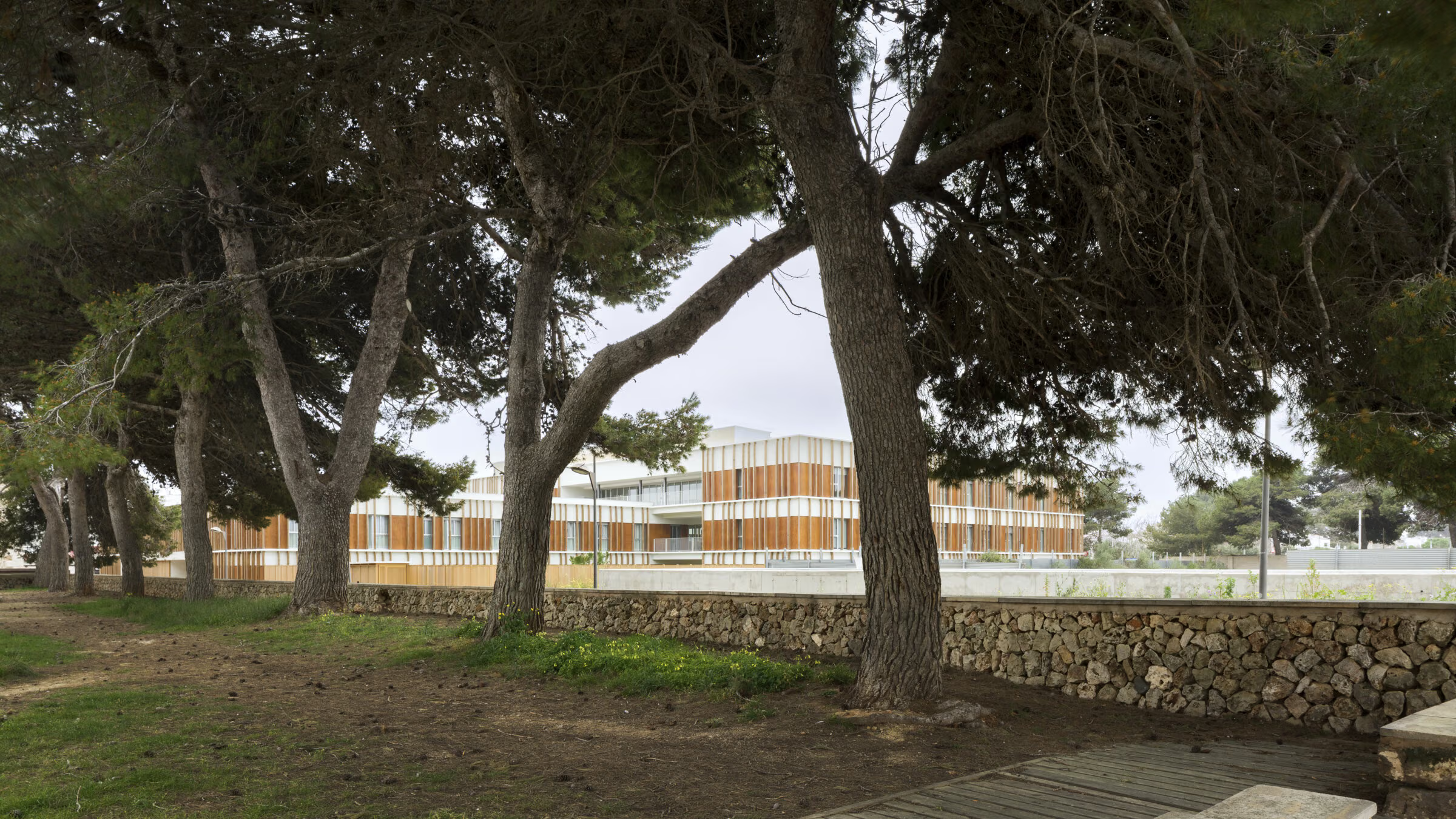
Panoramic view of the complex, the interlocking volumes over the former camí d’en Guixò (cod. imagen JG1271-02)The residence in the urban skyline of Mahón, former Santiago Barracks site (cod. imagen JG1271-04)
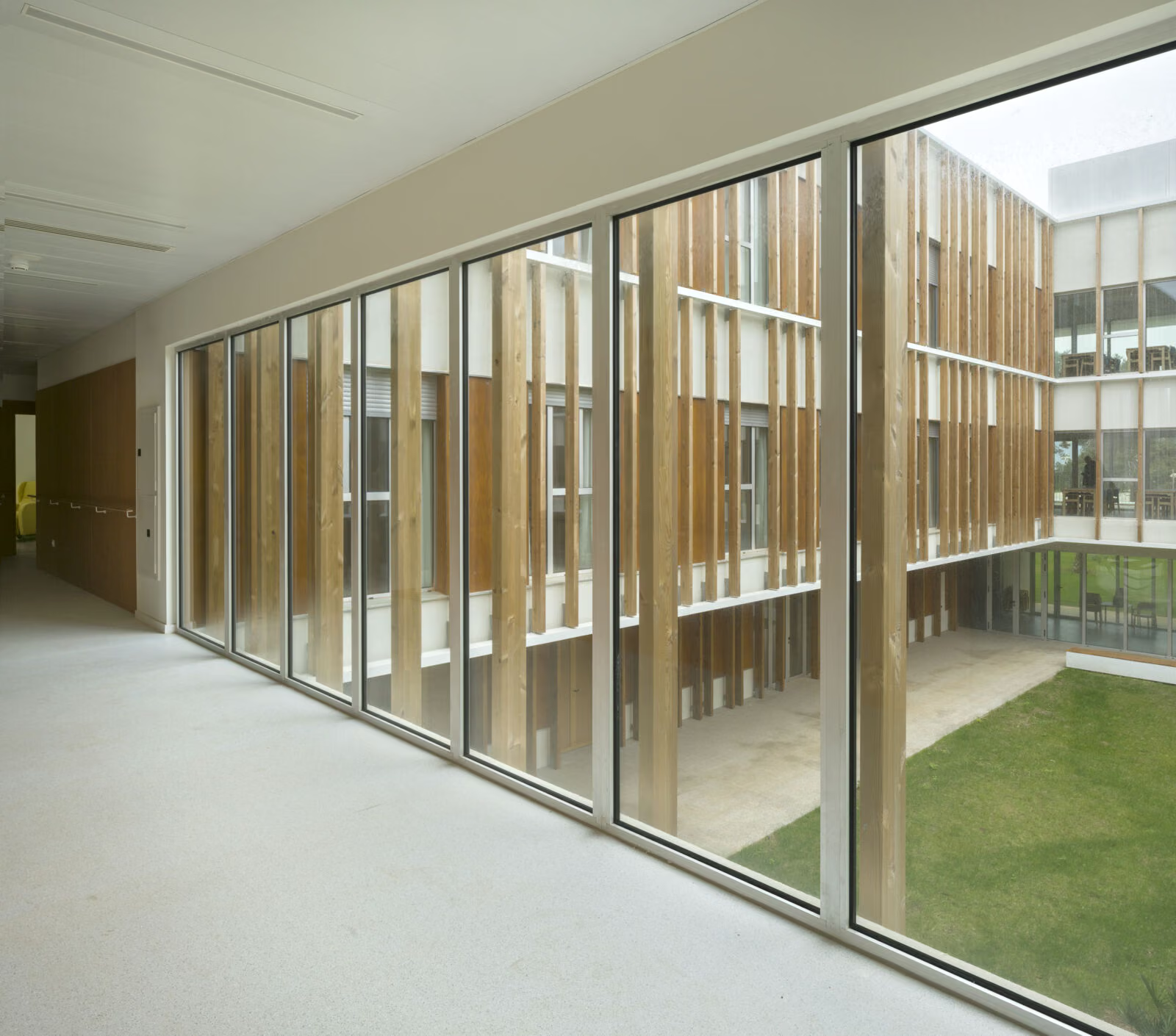
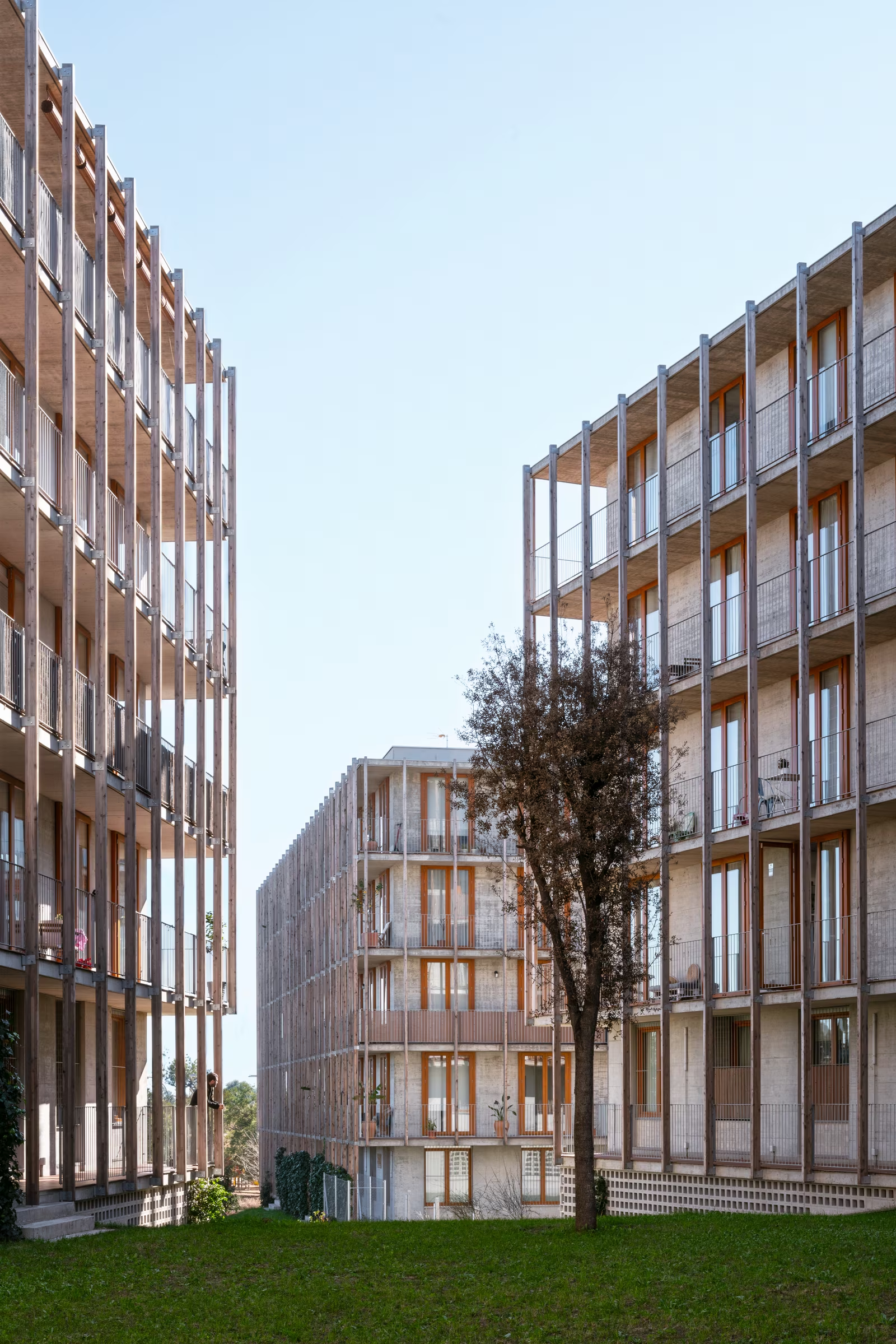
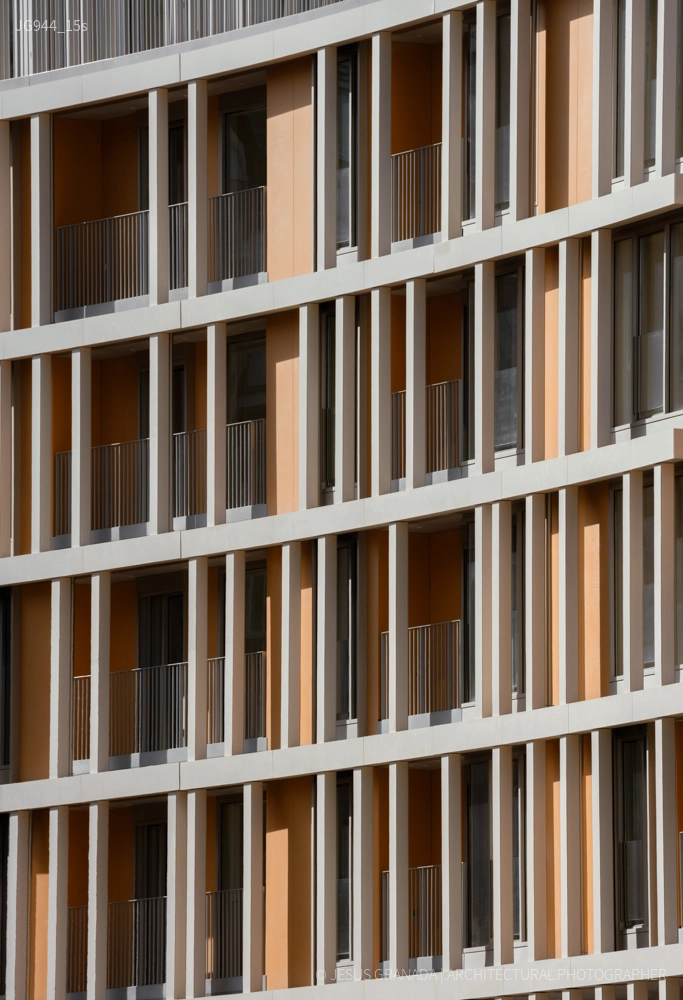
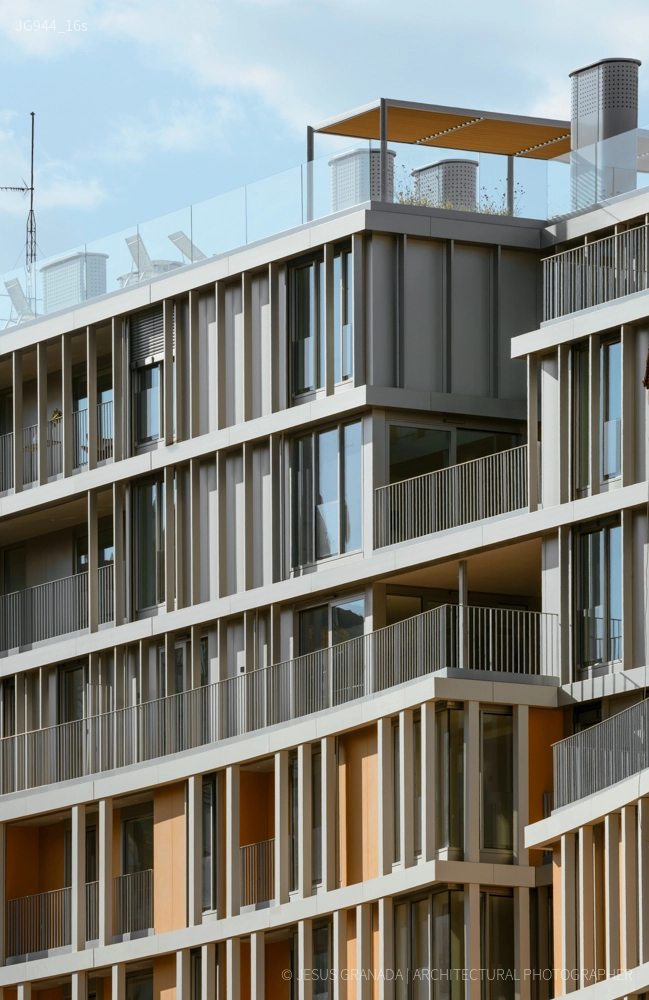
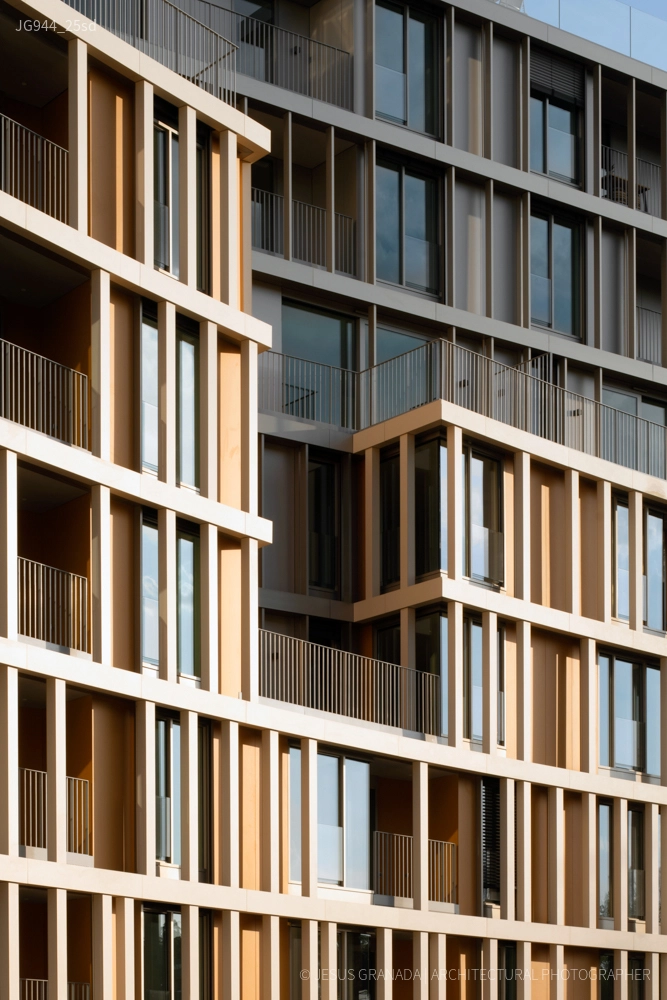
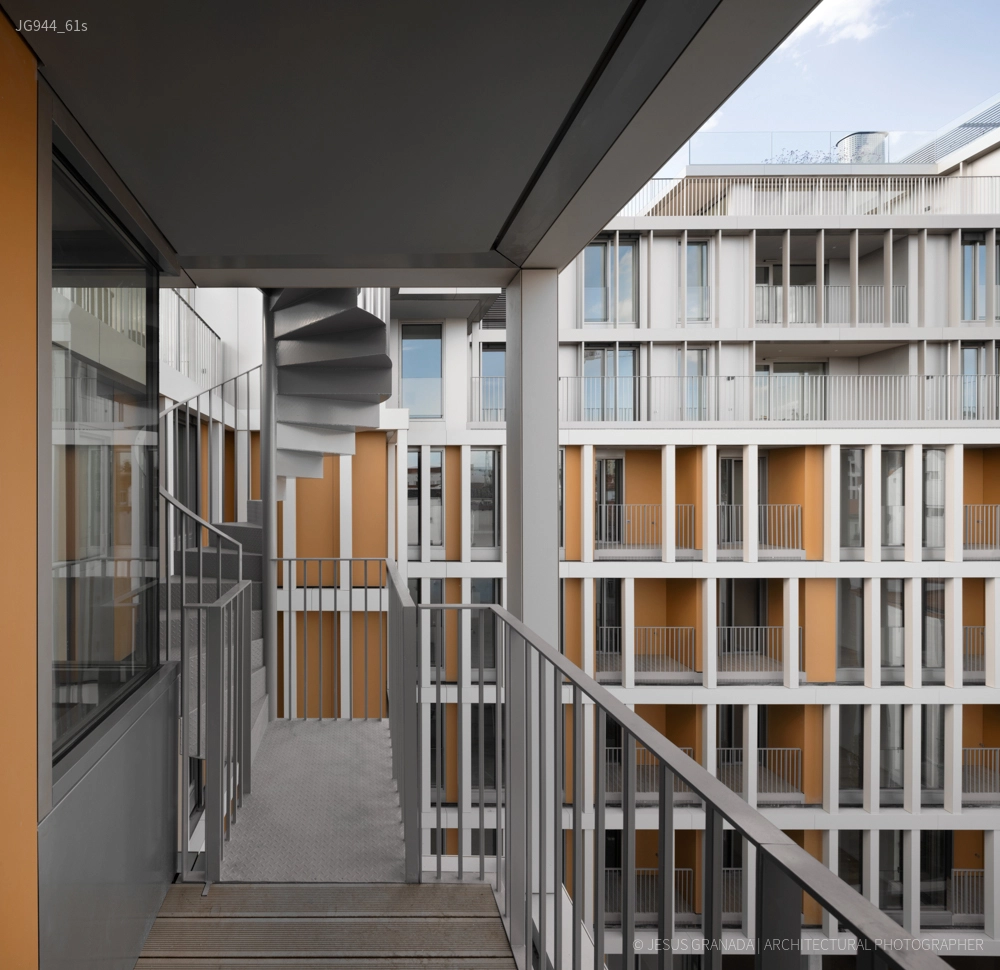
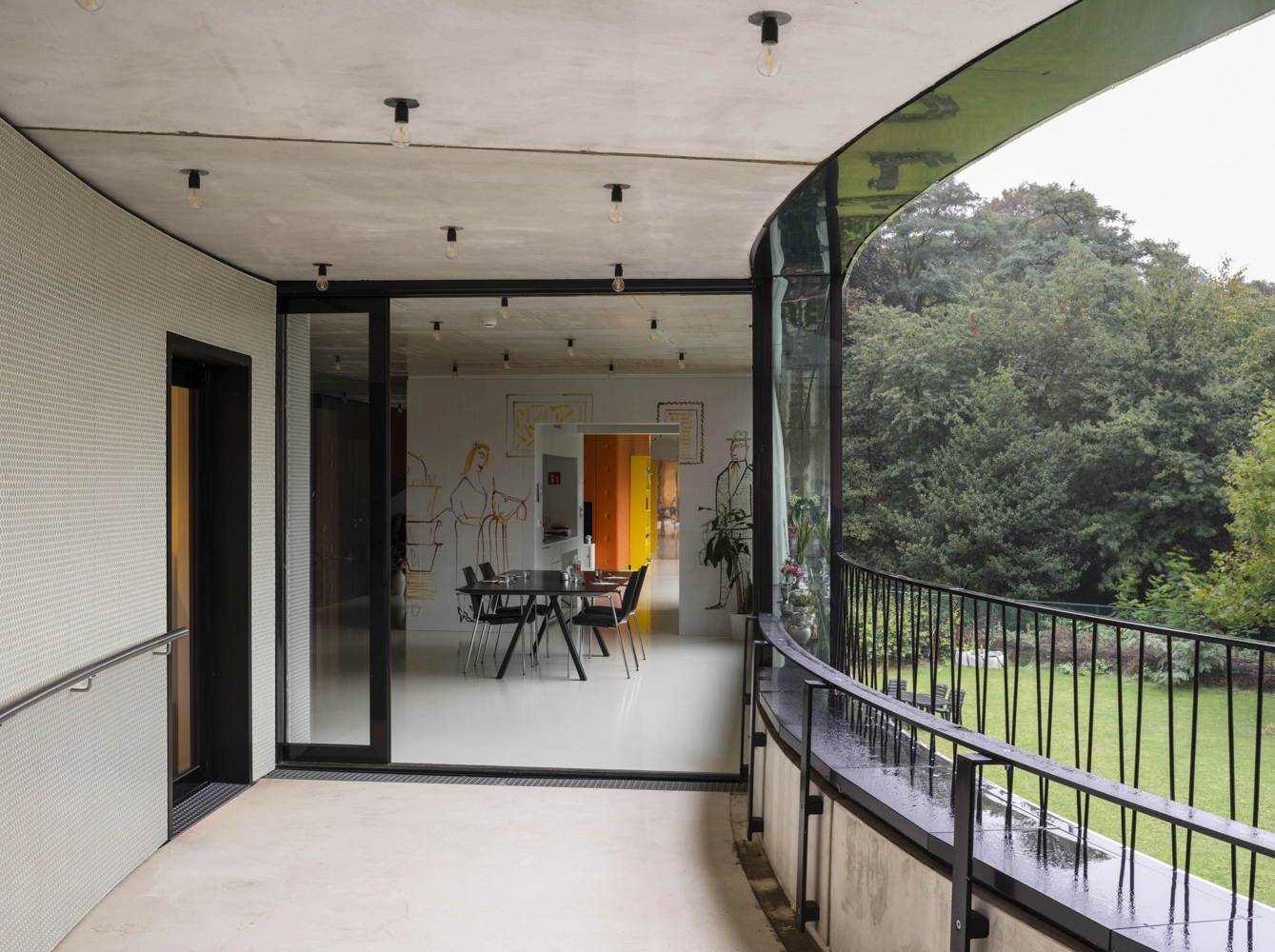
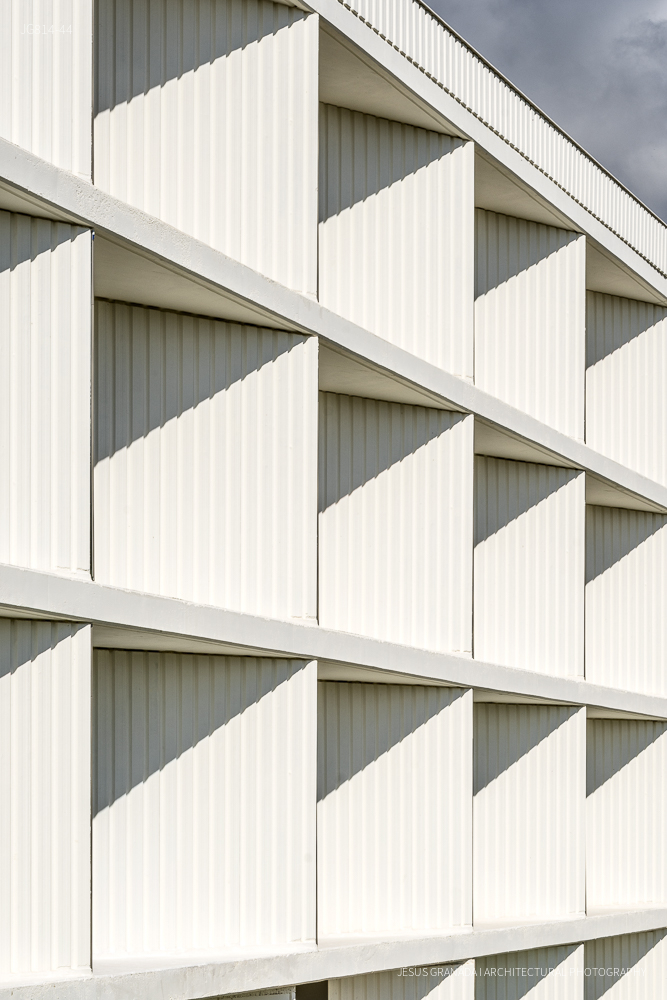
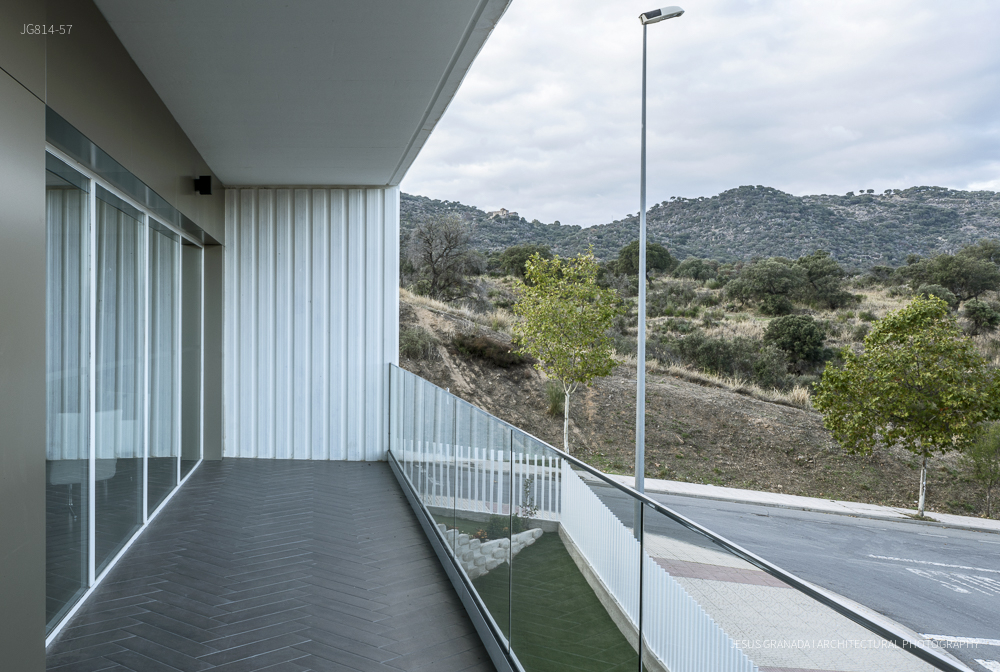
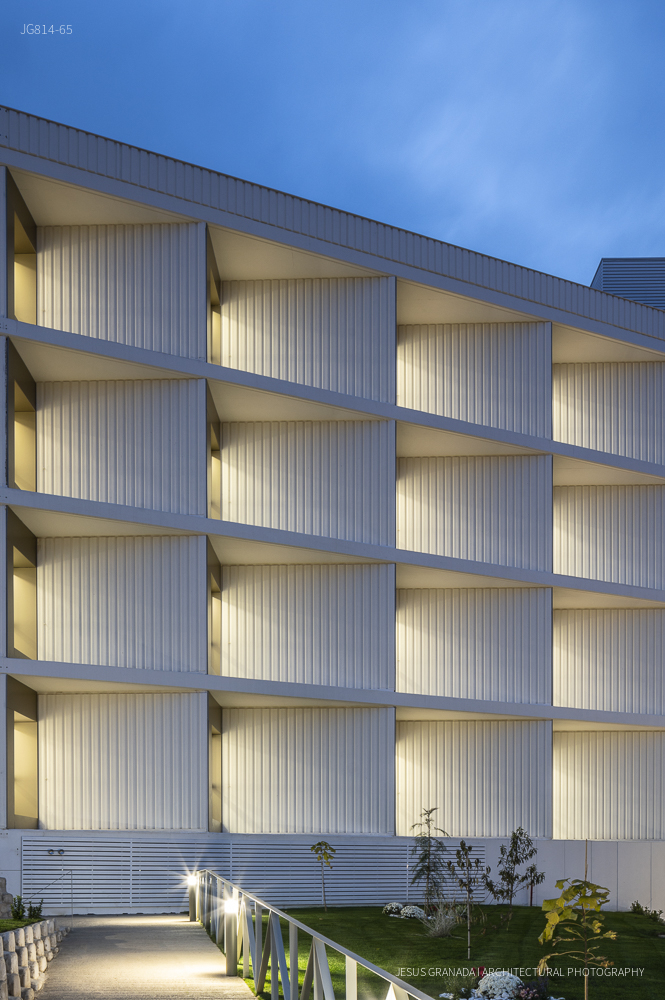
The deep, inhabitable facade — clad in timber slats and panels — acts as a solar filter and as an extension of the living space towards the outdoors. This wrapping skin generates galleries, porches and shaded areas that blur the boundary between interior and garden, offering residents sheltered routes in the open air.
Deep inhabitable facade, transition gallery between interior and garden (cod. imagen JG1271-12)Interlocking volumes and multilayer envelope of timber and concrete (cod. imagen JG1271-16)
The high-performance envelope — thermal-bridge-free, with heat recovery ventilation and high-insulation glazing — follows Passivhaus principles, targeting an A-grade energy certification. The thermal mass of the concrete combined with the solar protection of the timber reduces the building’s energy demand in a Mediterranean climate of intense summers.
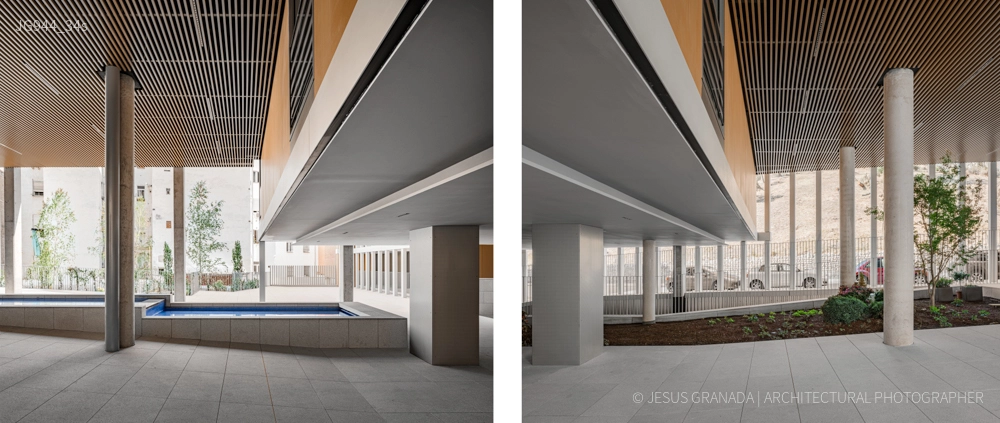
Intermediate garden between modules, sheltered pedestrian route (cod. imagen JG1271-20)Landscaped courtyard, the deep facade extends the living space outdoors (cod. imagen JG1271-25)Transition space between modules, light filtered through timber slats (cod. imagen JG1271-29)
The project recovers the pre-existing urban trace, creating a public landscaped space that restores the memory of the place. Where once stood a closed military compound, the residence opens its ground floor to the city and gives the neighbourhood back a pedestrian route lost for decades.
One of the three gardens that articulate the plan (cod. imagen JG1271-34)Interior space, natural light controlled by the envelope (cod. imagen JG1271-41)
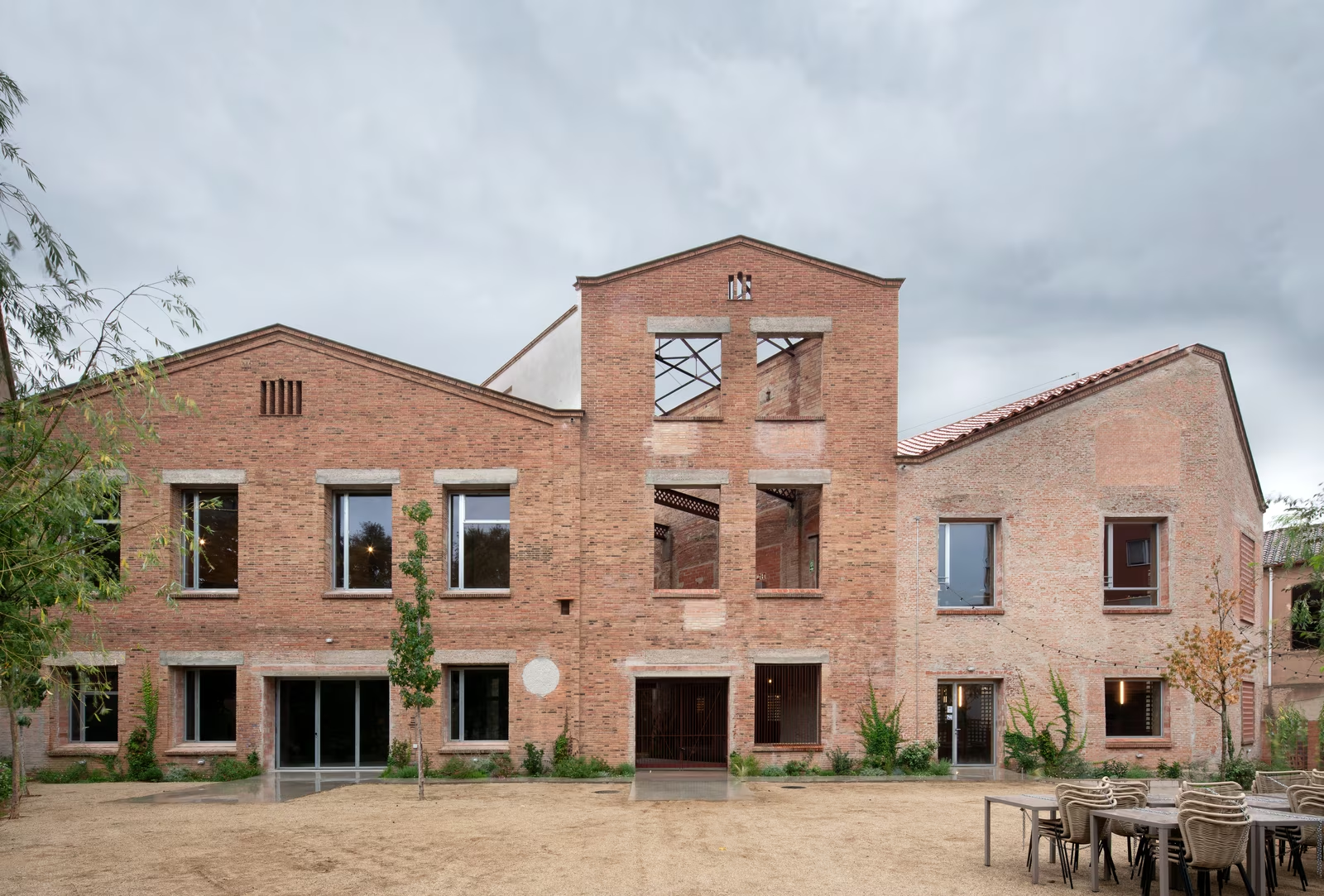
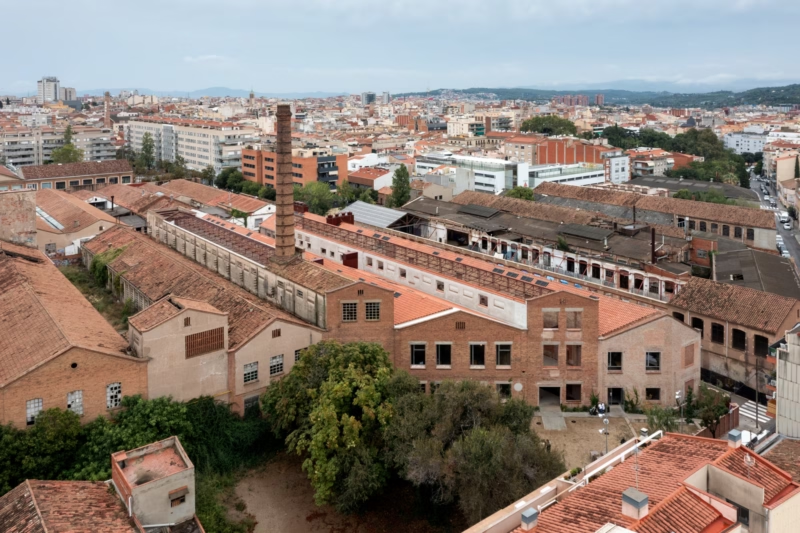
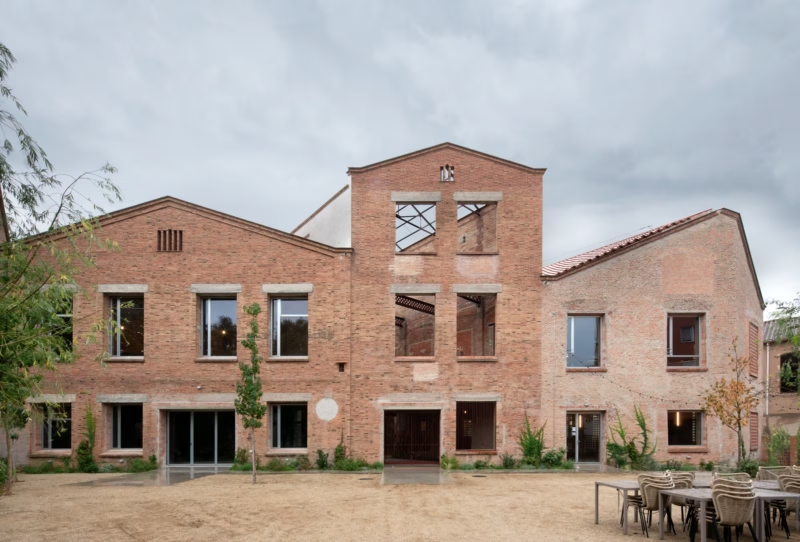
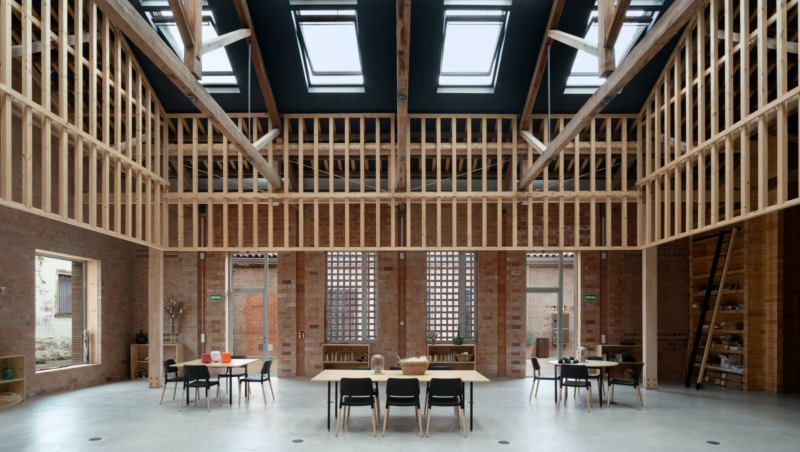
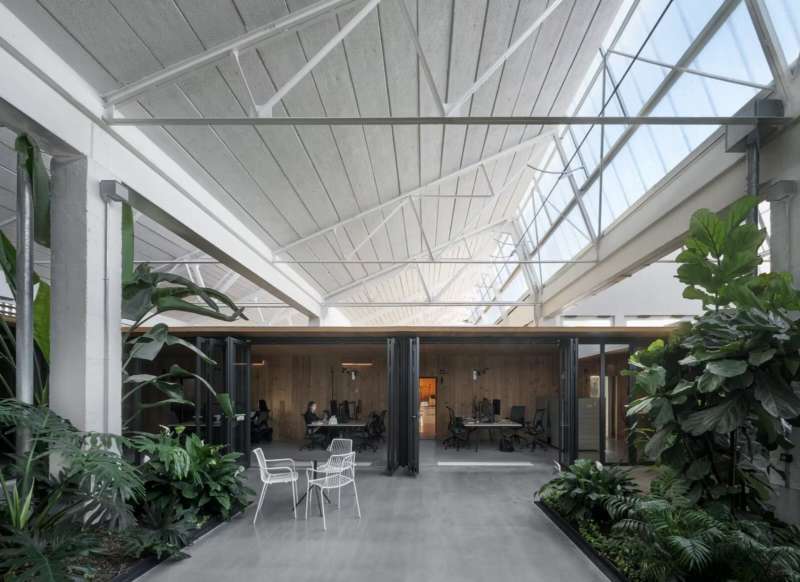
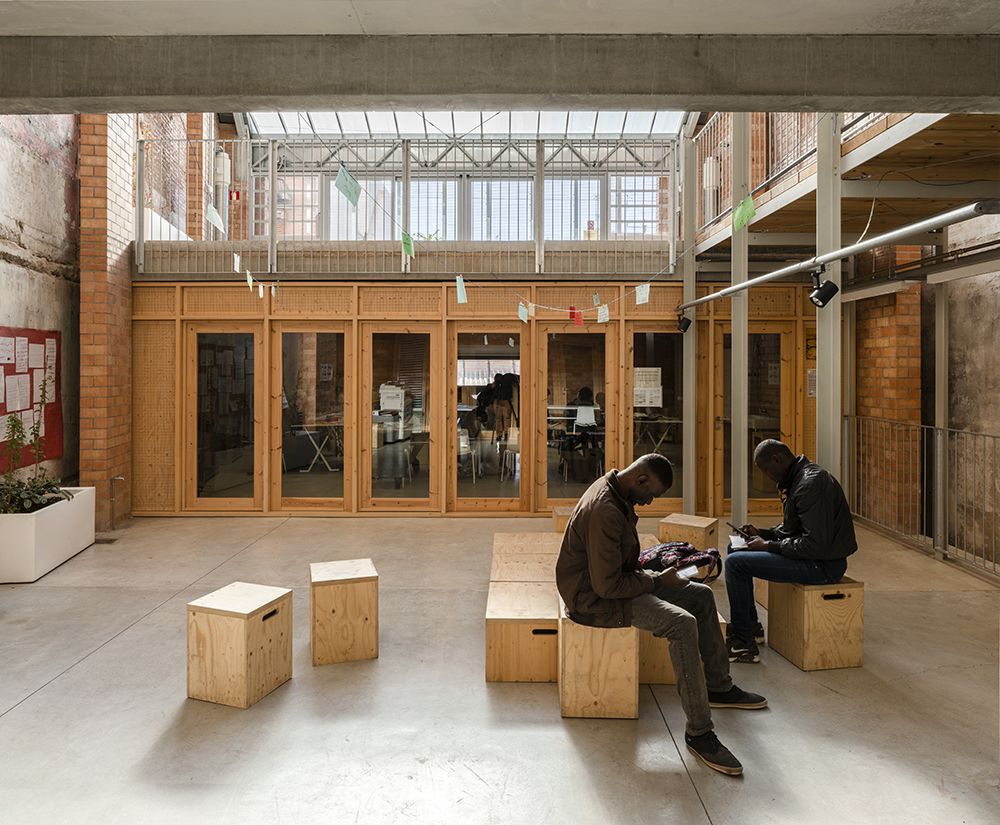
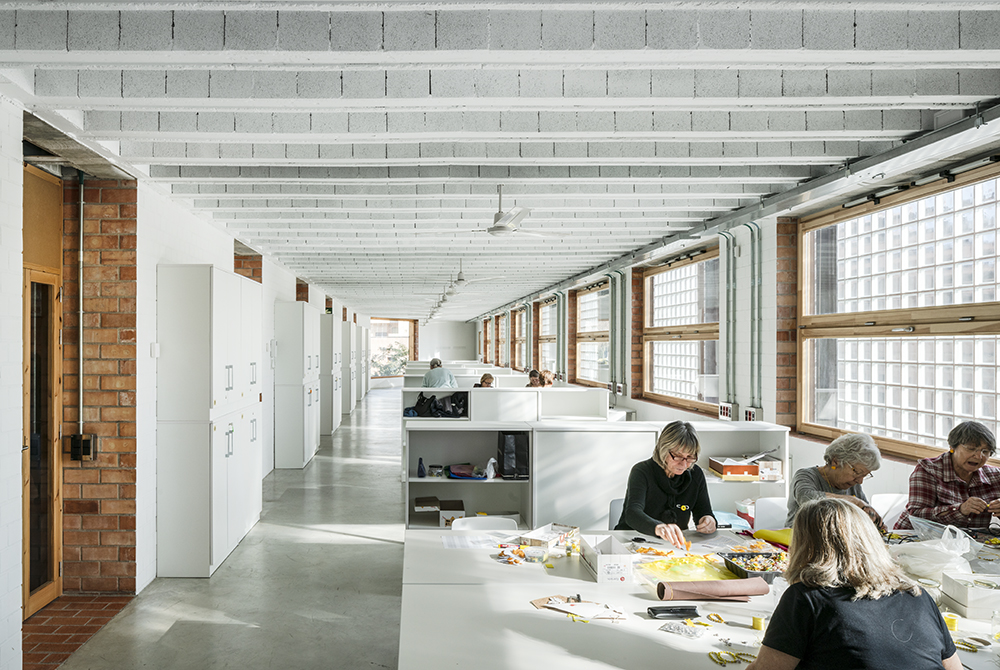
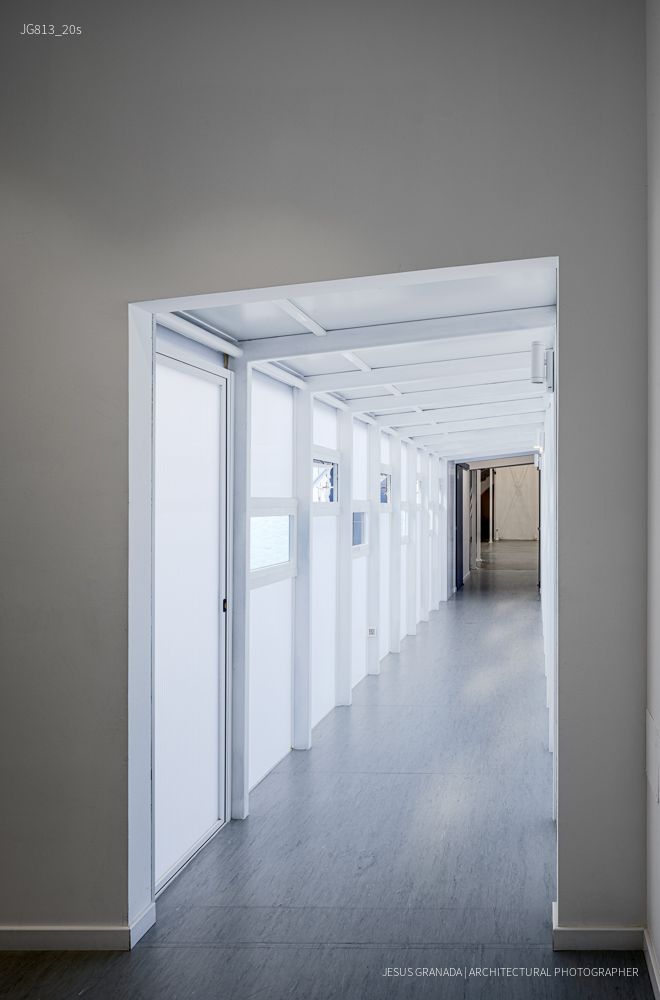
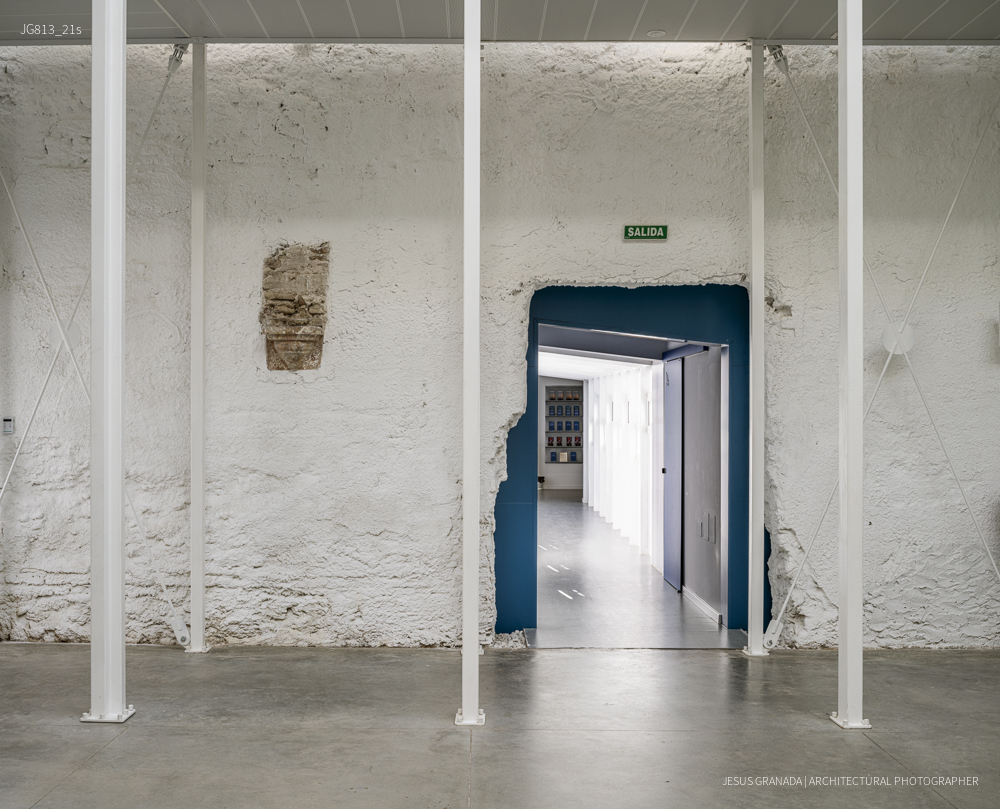
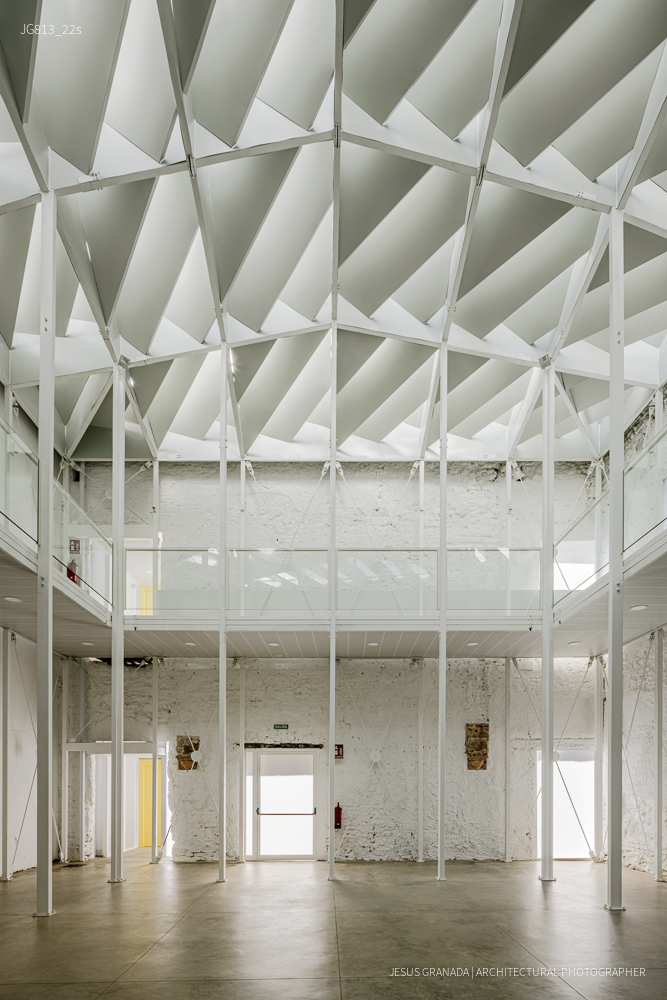
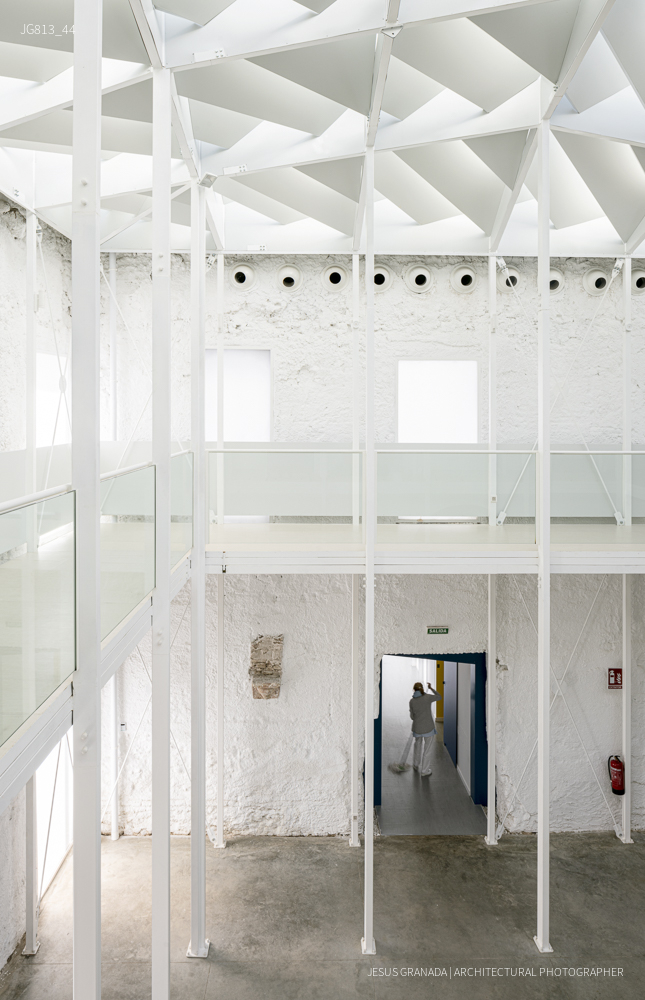
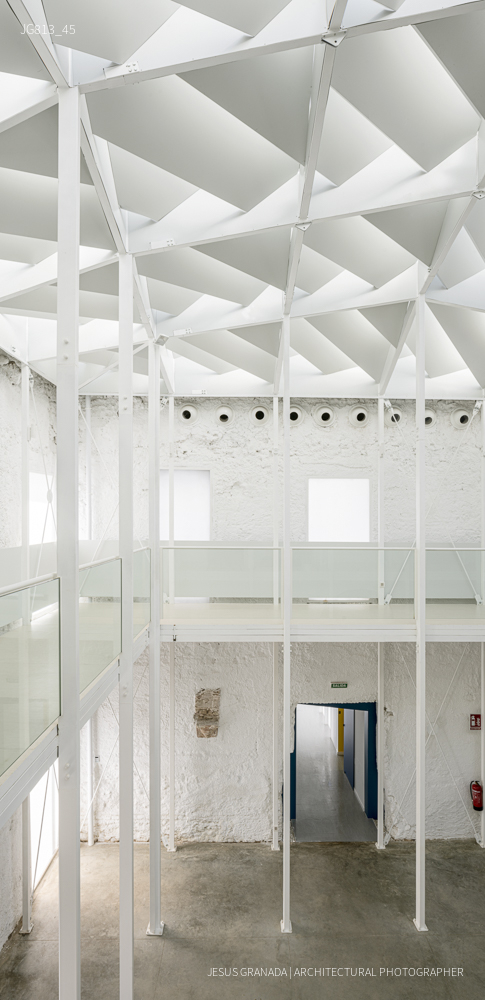
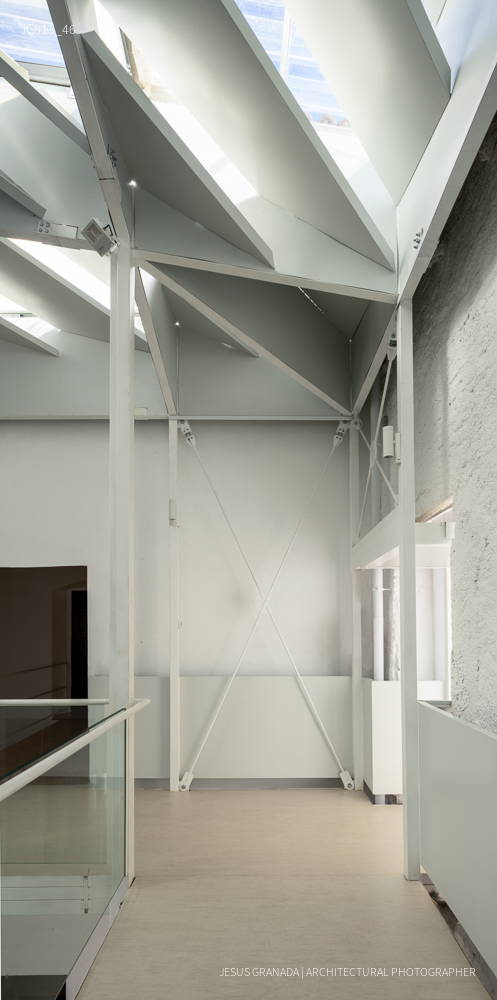
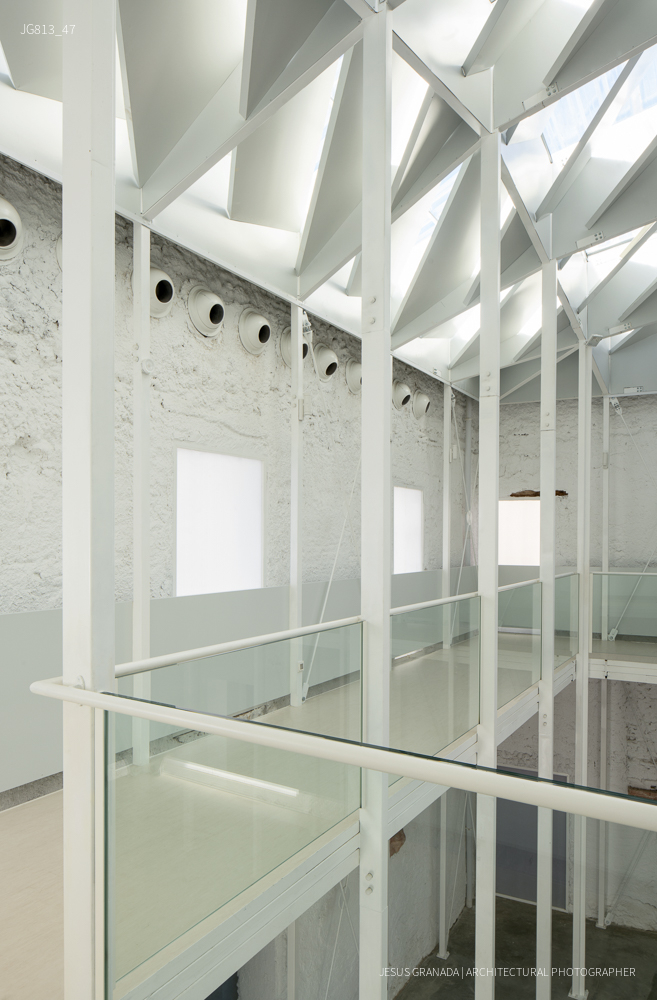
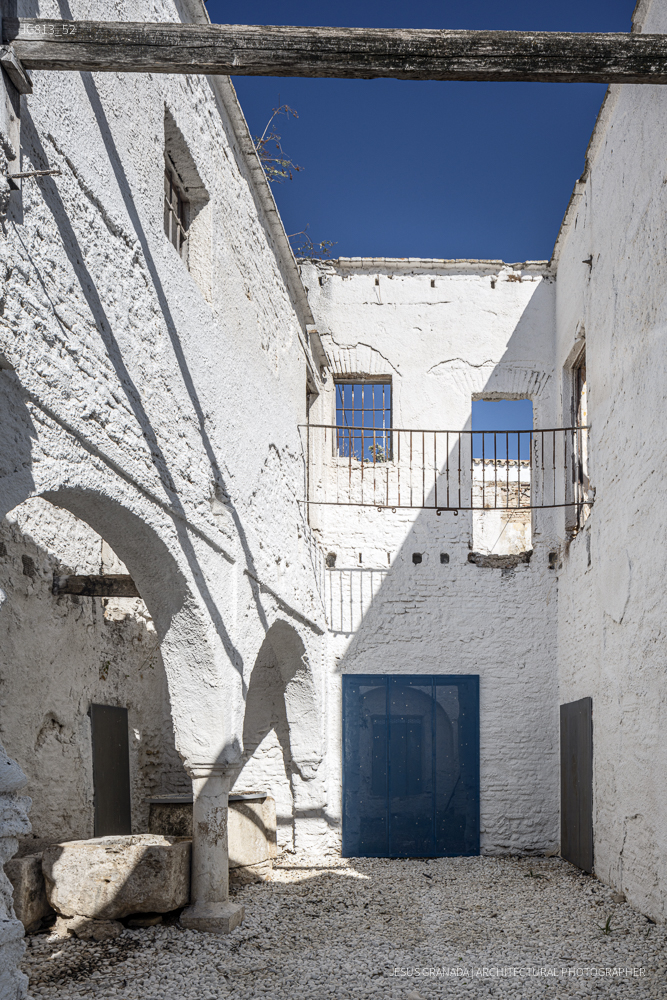
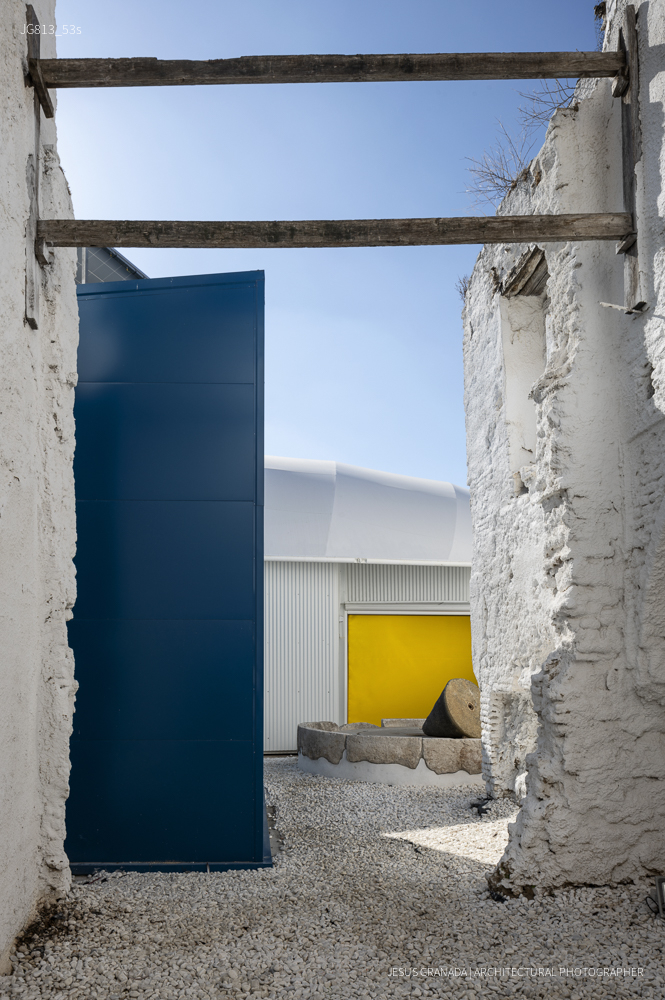
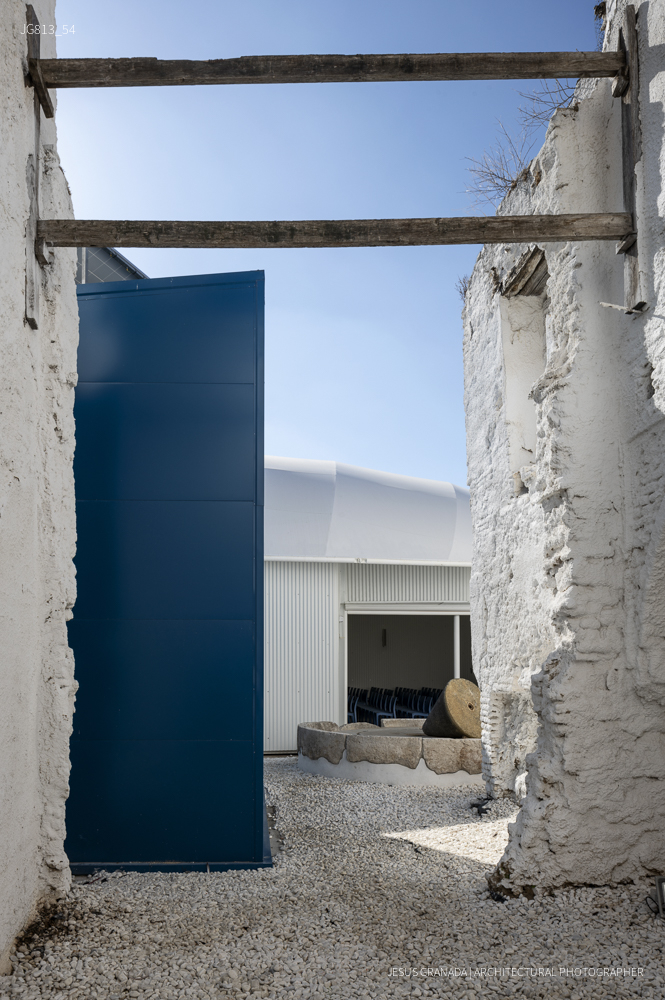
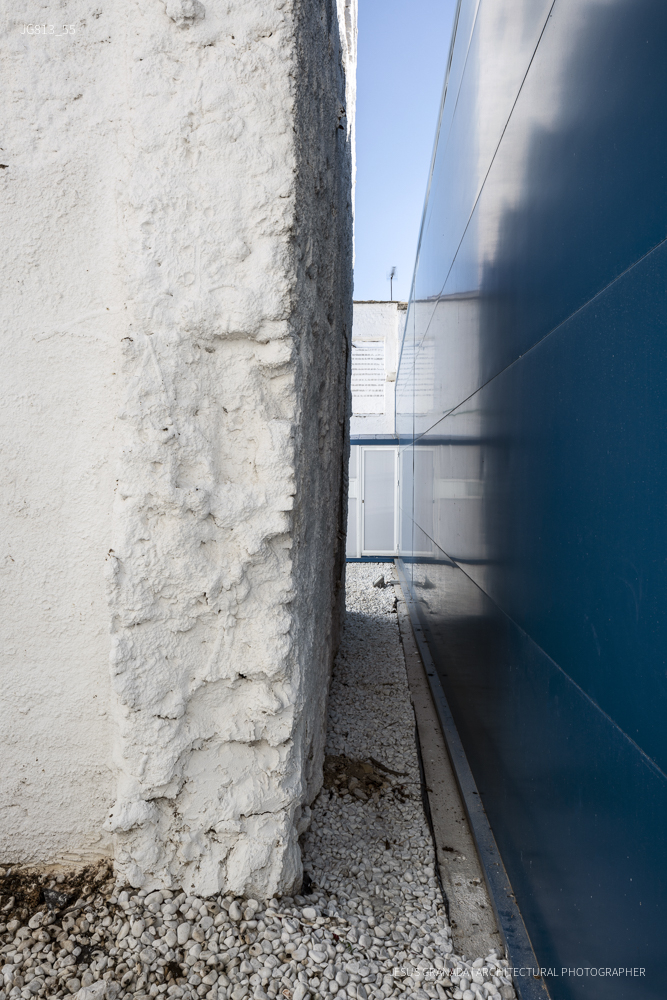
The project rehabilitates the warehouses of the former Vapor Cortès, in Terrassa —originally part of the industrial complex known as Vapor Marquès— to house the new headquarters of Fundació Prodis, a social organisation that supports people with intellectual disabilities.
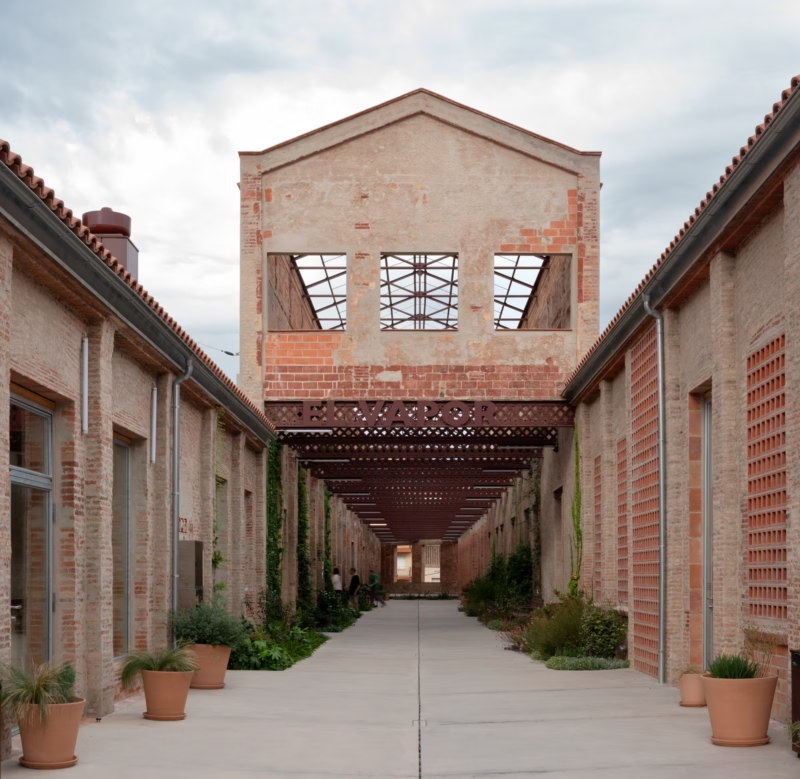
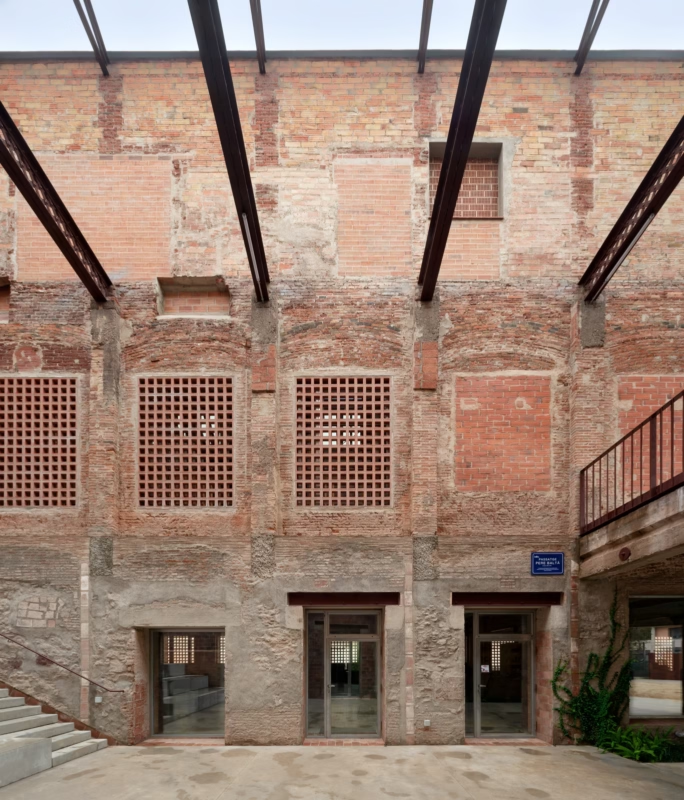
The intervention preserves the character of the complex and articulates the transformation around the recovery of the interior street between the two main warehouses: an open-air pedestrian passage that operates as an extension of the urban fabric and organises access to all the centre activities.
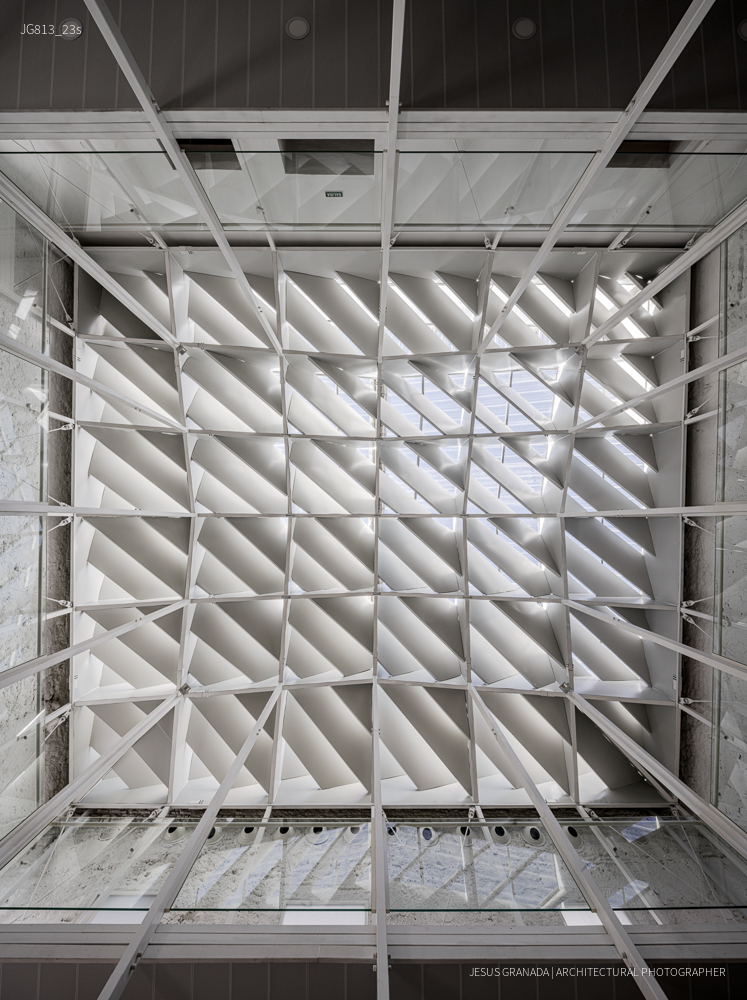
The original wooden trusses are preserved and reinforced with new perpendicular beams; the masonry walls retain their regular rhythm of pilasters and openings, and where no window is needed they are converted into Trombe walls that passively condition the interior spaces.
JG1127-40 · Aerial view of the industrial complexJG1127-02 · Access from the main streetJG1127-16 · Brick façadeJG1127-24 · Workshop interiorJG1127-23 · Interior façade to the pedestrian passage
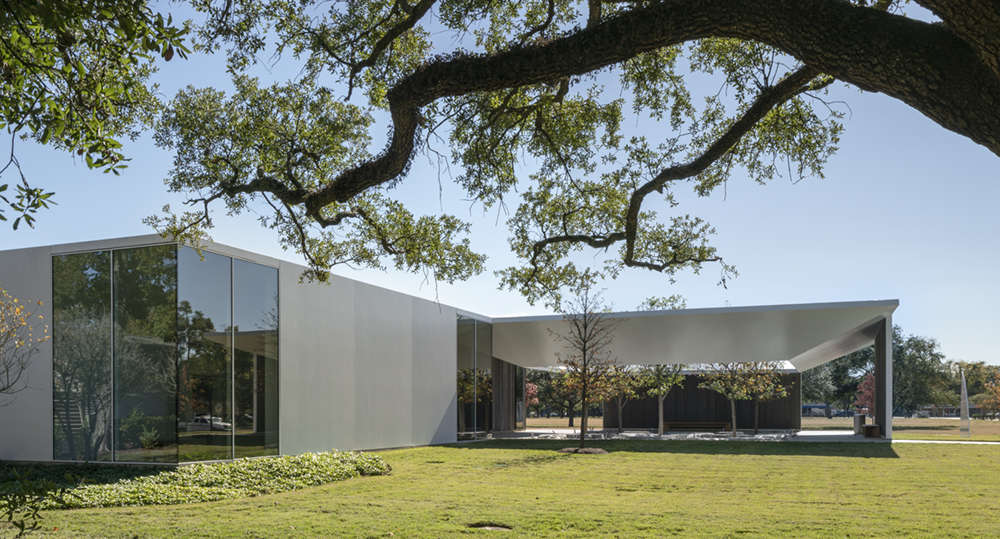
The Menil Drawing Institute (MDI) is sited within the 30 acre campus of The Menil Collection. Positioned in the geographic centre of the campus, the MDI is adjacent to the Cy Twombly Pavilion and nested among the historic bungalows that make up the fabric of this neighbourhood of art. The design of the MDI honours the legacy of intimacy and direct engagement with art that underlies the domestic and institutional character of the Menil Collection campus. Situated in a park-like setting, the new building assumes the scale of both a house and a museum, with a low-lying, elongated profile that blends with the architecture of the historic campus while signalling a new dimension for future growth.
The MDI is composed of a series of buildings and courtyards unified by a white steel plate roof that hovers over the landscape. The roof defines two entry courtyards to the east and west. A third courtyard within the building links public and private zones of the building and organises circulation between offices and scholar study areas. These courtyards belong to both the park and the building, as thresholds between outdoor and indoor spaces. Within the courtyards, the underlying folds of the roof plane embrace the tree canopies to create a shaded atmosphere around the building. Shedding light, the roof reflects the shadows of the trees and contrasts with the deep grey cedar planks that clad the building.
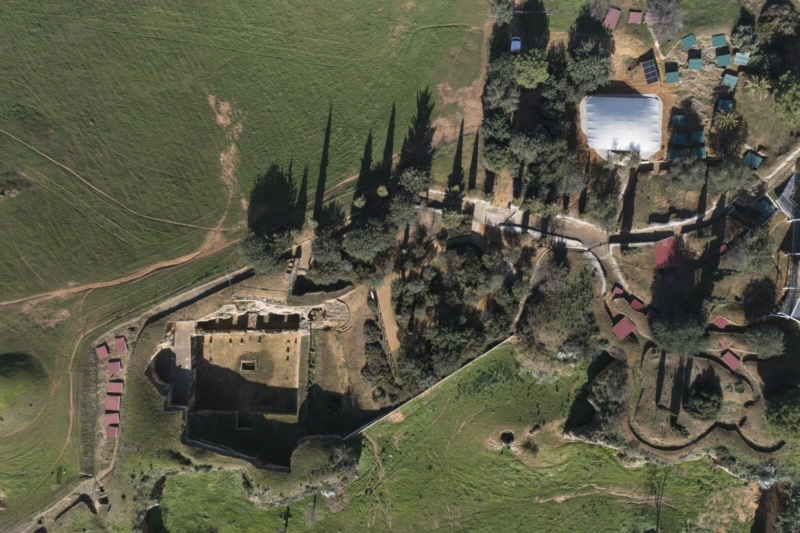
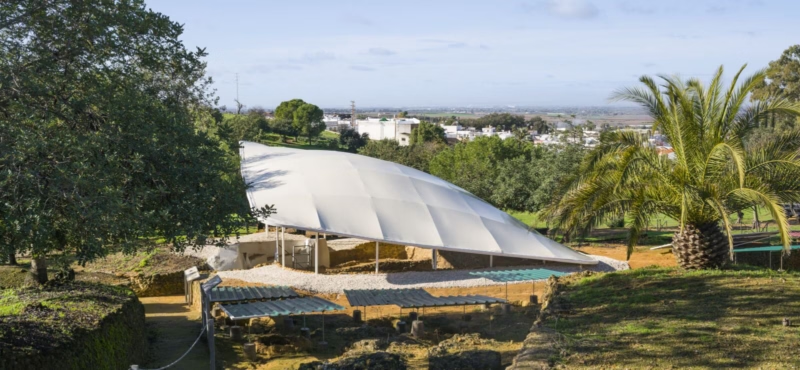
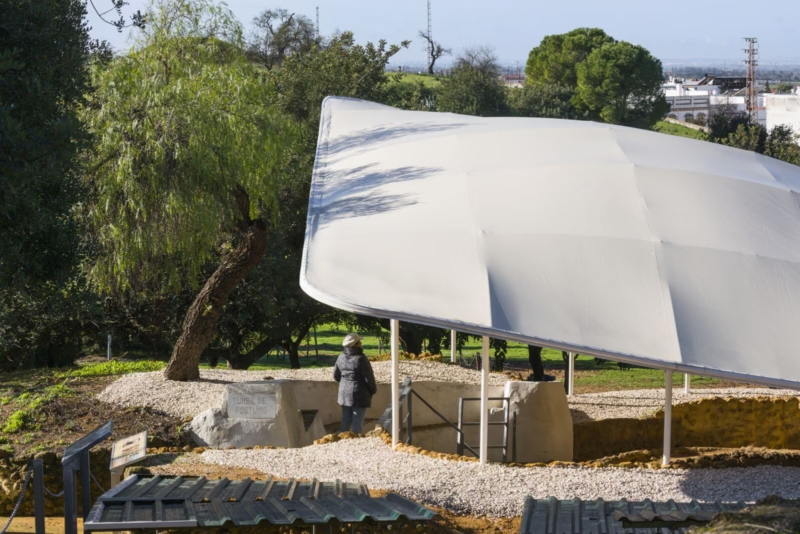
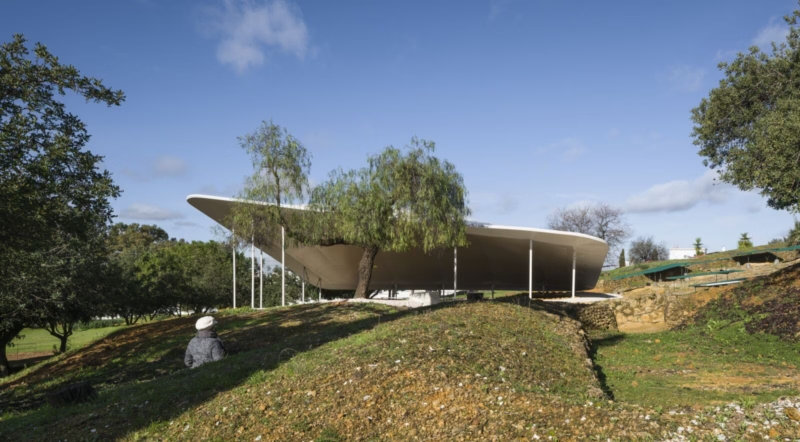
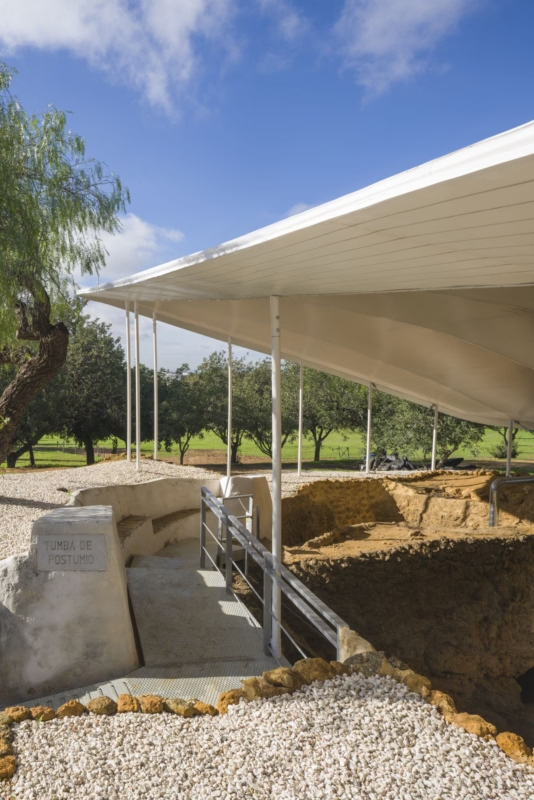
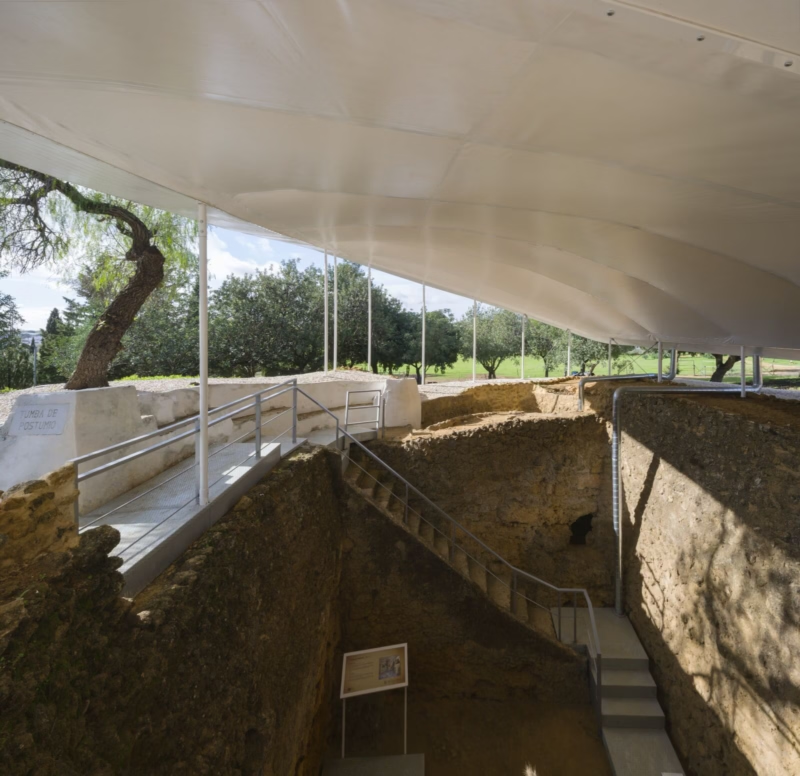
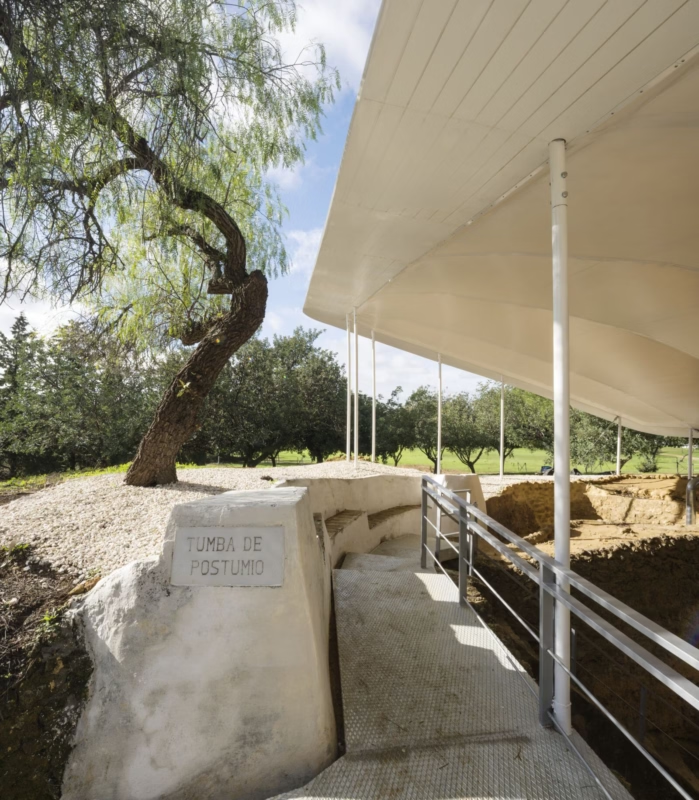
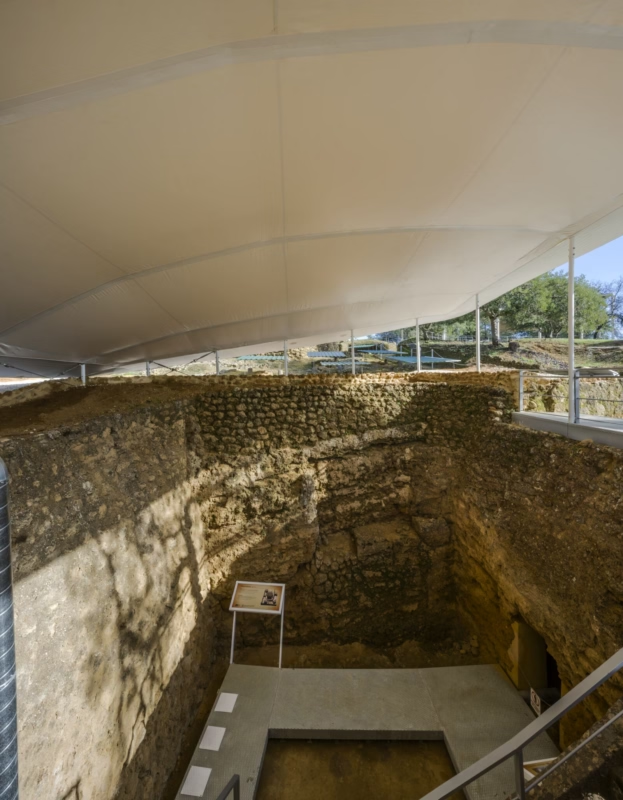
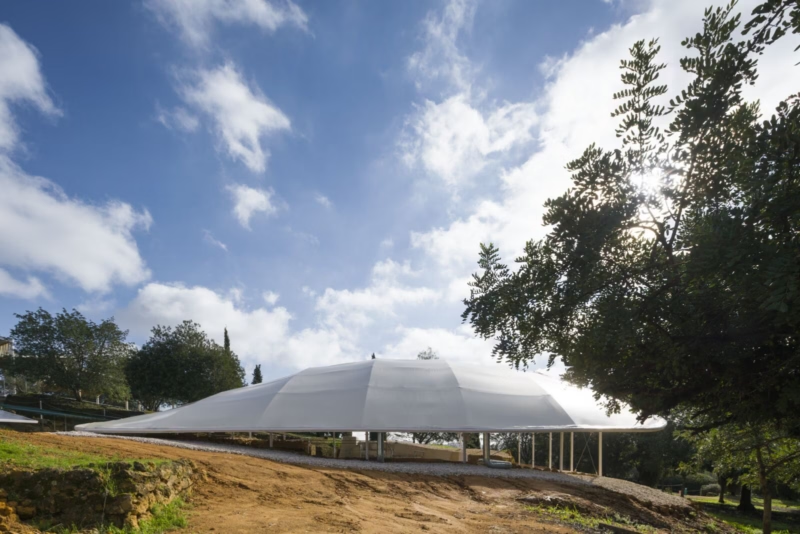
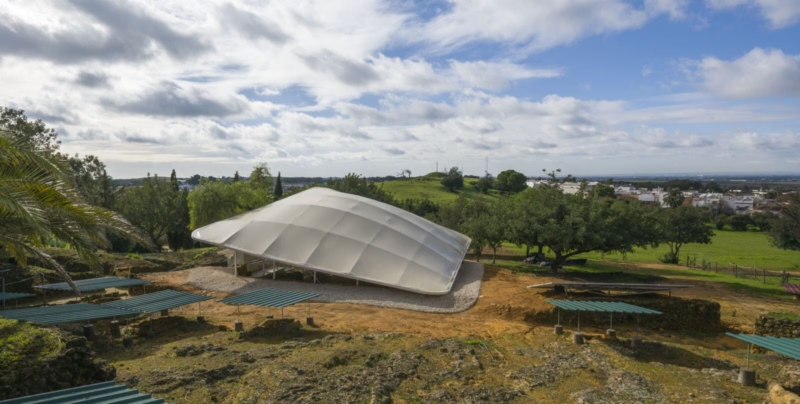
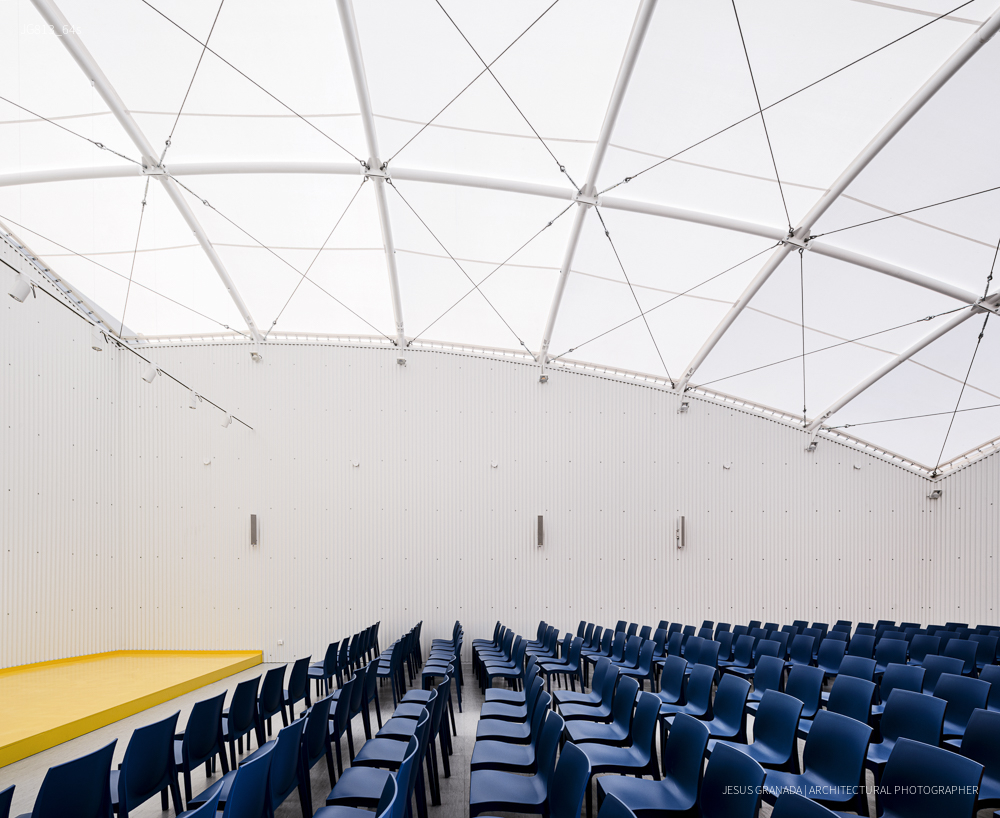
At the Necropolis of Carmona, two adjacent Roman tombs from the 1st century AD faced severe conservation issues. The Tomb of Postumio consists of a large courtyard sunk five metres into the calcarenite rock, measuring 7.00 × 7.70 m², giving access to a burial chamber with niches for urns and an inhumation burial. The Tomb of Tres Puertas is a hypogeum-type collective tomb with three chambers sharing a common access shaft. The porosity of the rock, rainwater runoff, relative humidity, solar radiation, and CO₂ concentration were compromising both the remaining pictorial traces and the geometry of the chambers themselves.
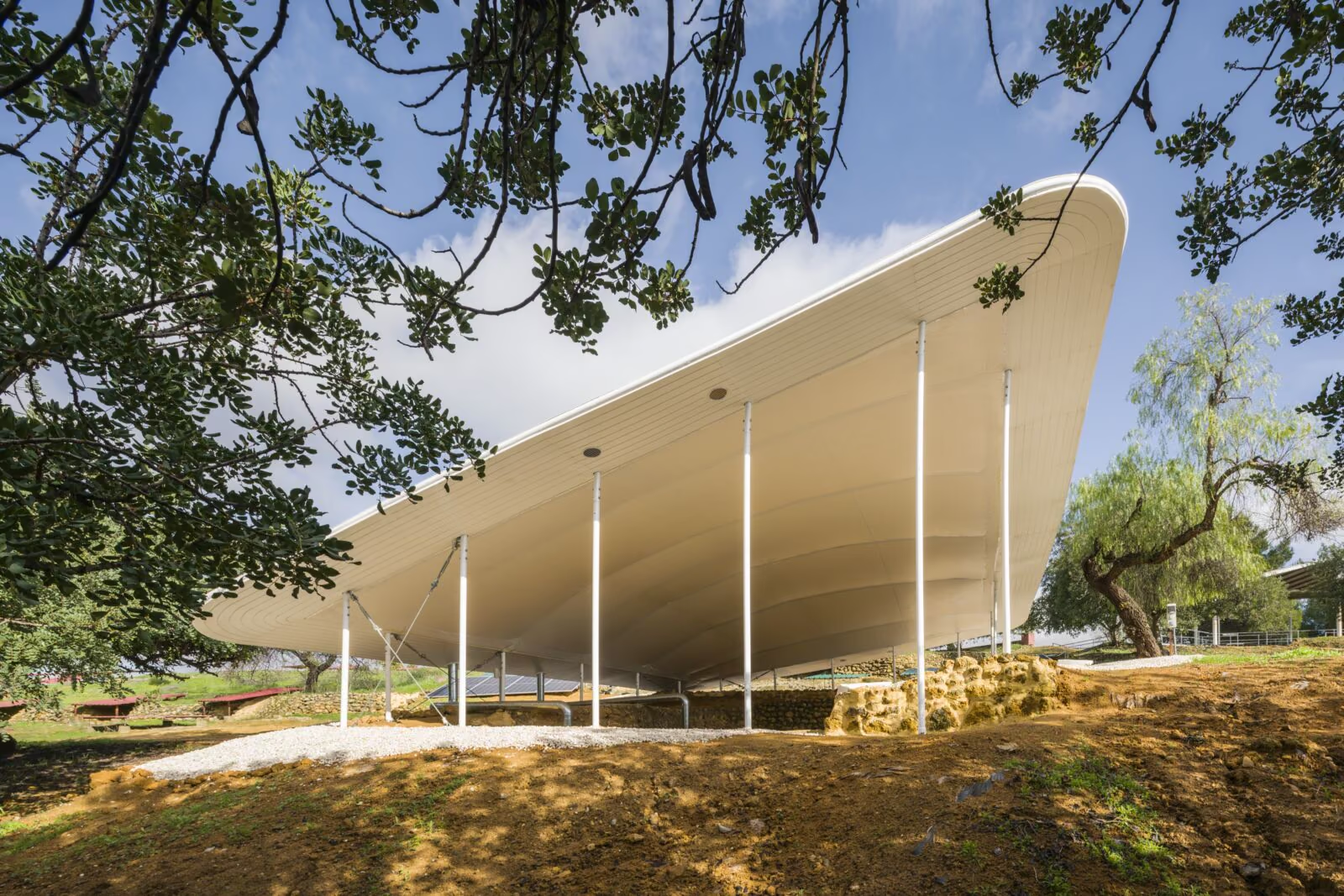
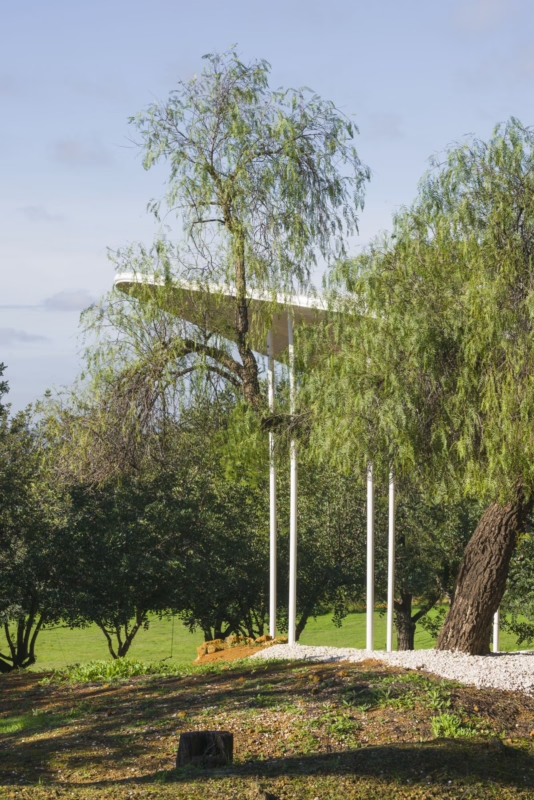
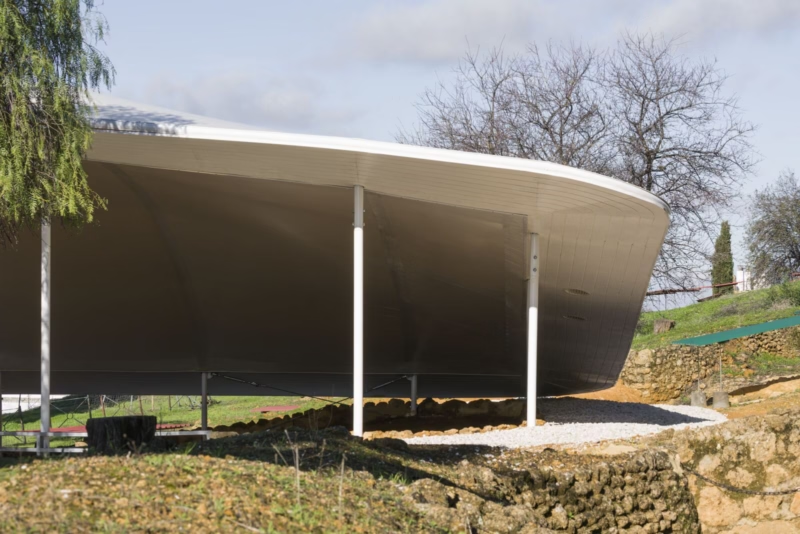
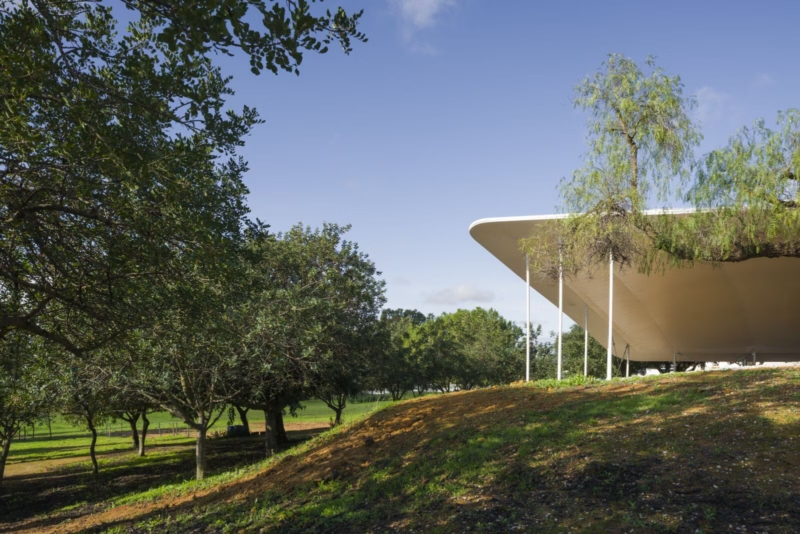
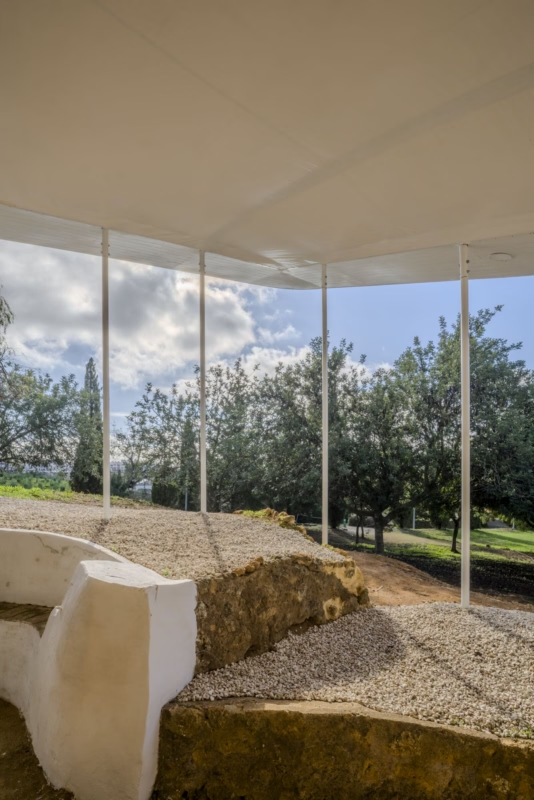
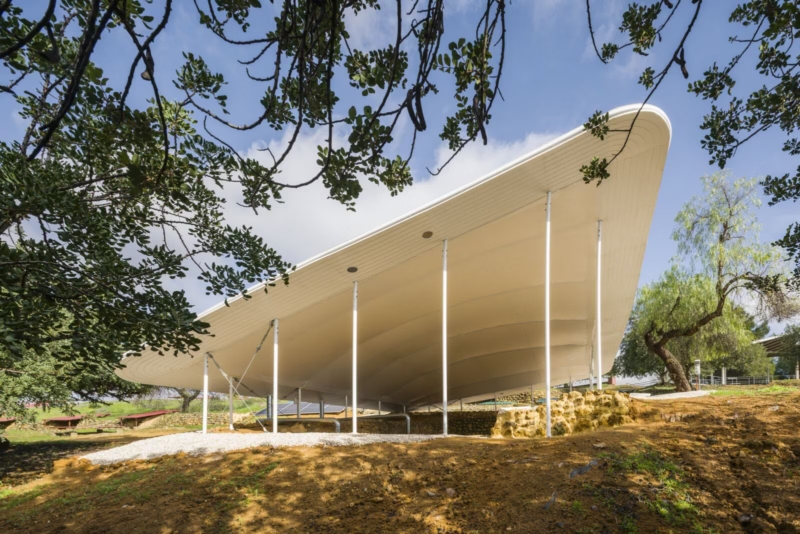
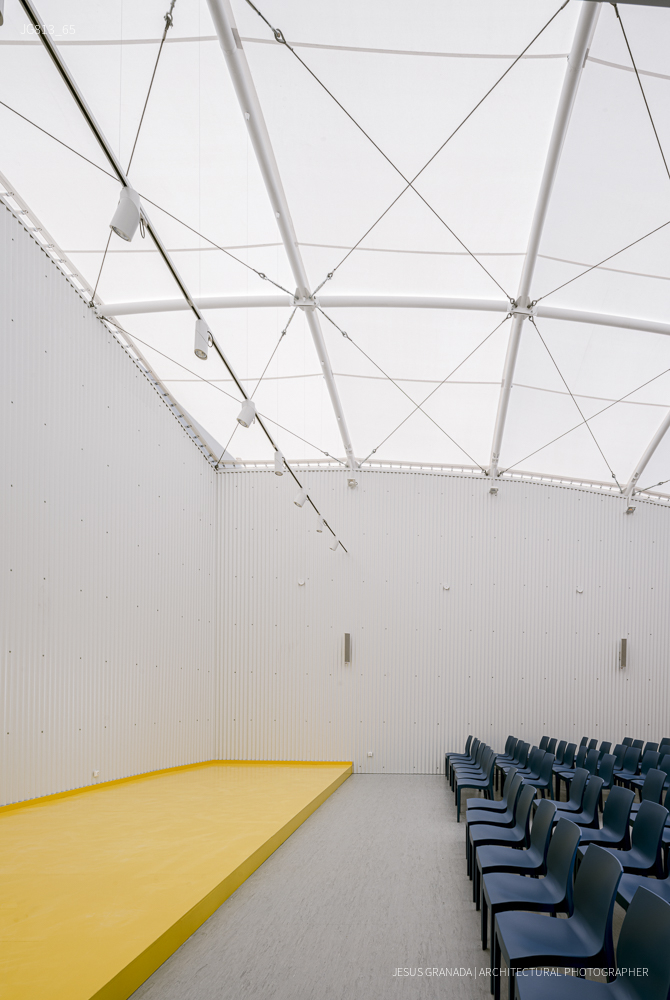
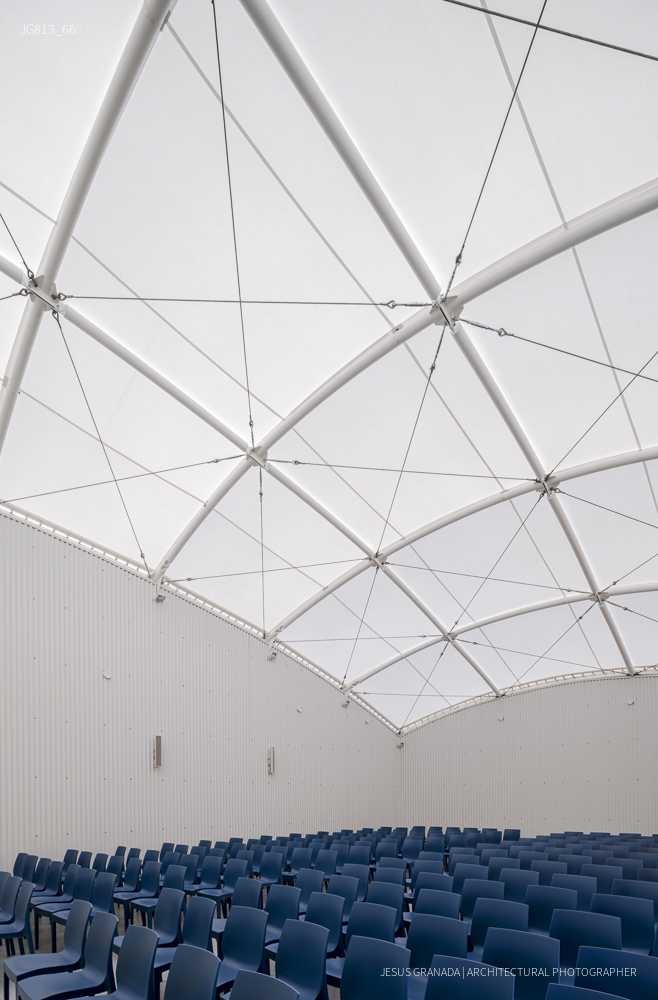
Nd_Arquitectos designed an all-encompassing canopy that integrates both tombs into a single ensemble. With sufficient height and curvature, it stands out only as much as necessary in the landscape, appearing as a fragment of artificial topography that emerges to protect the site. The supports touch the ground with the least possible material, reinforcing the idea of a small temple that singularizes the ensemble. A perimeter plywood frieze with centripetal texture resolves the transition between supports and membrane, focusing attention inward.
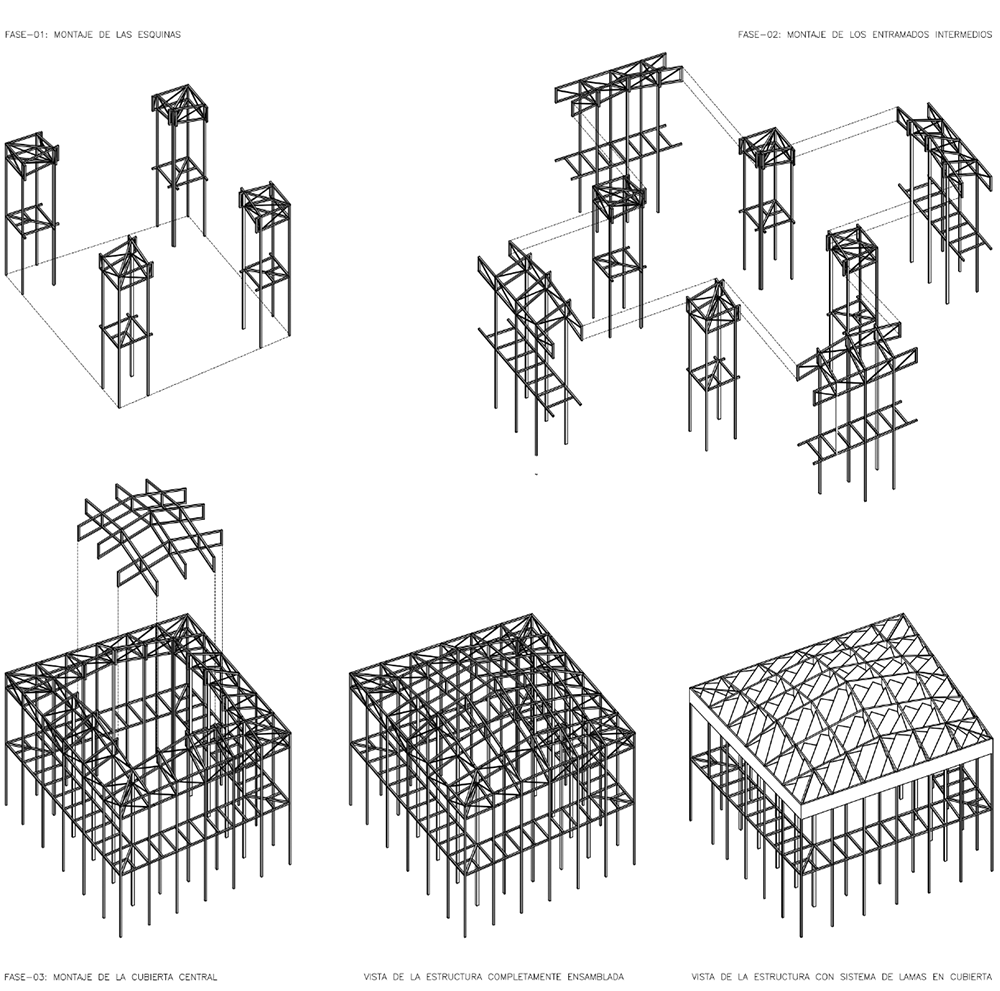
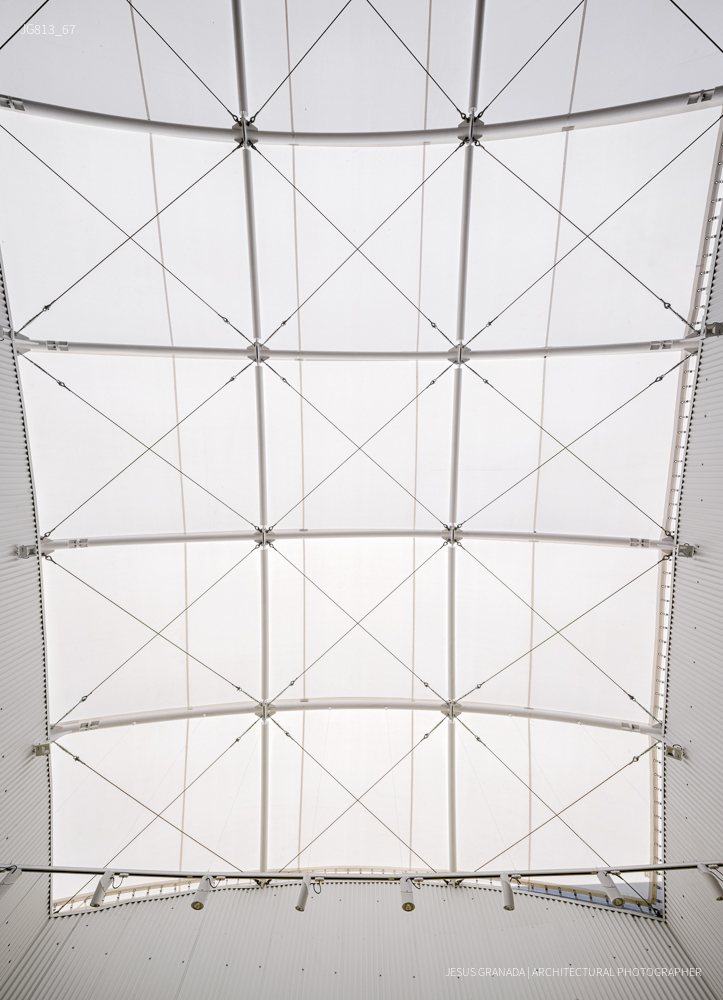
The structure is resolved through a synclastic mesh of variable-curvature arches with hyperbolic paraboloid edge geometry, parametrically optimized for solar control, wind and snow loads, and thermal regulation. The entire system was fully fabricated off-site using CHS 70.3 S275 J0 tubular profiles and high-strength cables, assembled on-site with bolted connections: completely reversible.
The canopy is a machine. Between the two layers of Sattler PRO-TEX textile membrane, an active protection system is integrated: four in-line ventilation units with flow regulation dampers enable bidirectional air transfers between the exterior, the air chamber, and the hypogea. Open-source domotic sensors monitor temperature, relative humidity, CO₂, and atmospheric pressure every five minutes, adapting ventilation protocols in real time. The ensemble is energy self-sufficient through a photovoltaic self-consumption plant connected to the Archaeological Complex network.
A new system of reversible walkways provides accessibility to both tombs and enhances the interpretation of the Tomb of Postumio. Beneath the walkways, the ventilation system for the burial chambers is integrated.
The result is a project of minimal materiality, industrialized, quick to assemble, reversible, recyclable, and self-sufficient, with an environmental impact below 100.0 kg CO₂ equivalent.
I learned from the trees to let the wind pass through. — Manoel de Barros
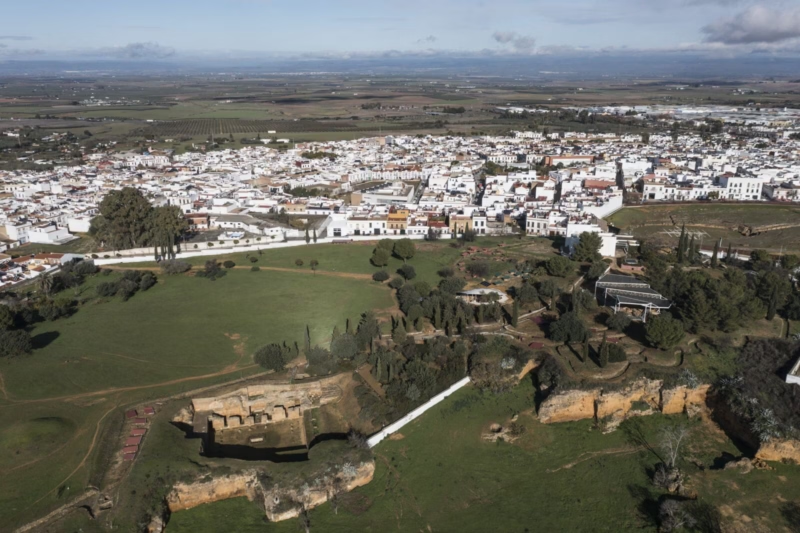
JG1263-01 · Aerial zenithal view of the Carmona Necropolis with the textile canopy over the tombs of Postumio and Tres PuertasJG1263-02 · Oblique aerial view of the Carmona Archaeological Complex with the town in the background and the textile canopy among the vegetationJG1263-13 · General view of the textile canopy over the tombs of Postumio and Tres Puertas with palm trees and the Carmona landscape in the backgroundJG1263-17 · Frontal view of the textile membrane canopy with the perimeter plywood frieze and slender steel supportsJG1263-18 · Slender tubular steel supports of the canopy seen through the trees of the Carmona Archaeological ComplexJG1263-20 · Low-angle side view of the textile canopy showing the curved double membrane and slender supports on the natural terrainJG1263-22 · The textile canopy of the Postumio tombs integrated into the wooded landscape of the Carmona NecropolisJG1263-23 · View of the textile canopy through the olive trees and Mediterranean vegetation of the Carmona Archaeological ComplexJG1263-27 · Interior of the canopy showing the perimeter plywood frieze and the inner ceiling textile membraneJG1263-28 · Access walkway descending into the rock-carved courtyard of the tomb of Postumio under the textile canopyJG1263-29 · Access to the tomb of Postumio with metal walkway, calcarenite rock remains, and a centennial olive tree under the textile canopyJG1263-30 · Overhead view of the sunken courtyard of the tomb of Postumio with the access walkway and calcarenite rock wallsJG1263-31 · Interior view under the textile canopy with the ceiling membrane, wooden frieze, and the necropolis landscape beyondJG1263-35 · The textile membrane canopy among the vegetation of the Carmona Archaeological Complex seen from an elevated positionJG1263-37 · Side profile of the textile canopy emerging among the trees of the Carmona Necropolis as artificial topographyJG1263-39 · Elevated view of the textile canopy over the Postumio tombs with the necropolis archaeological remains and the Sevillian countryside in the background
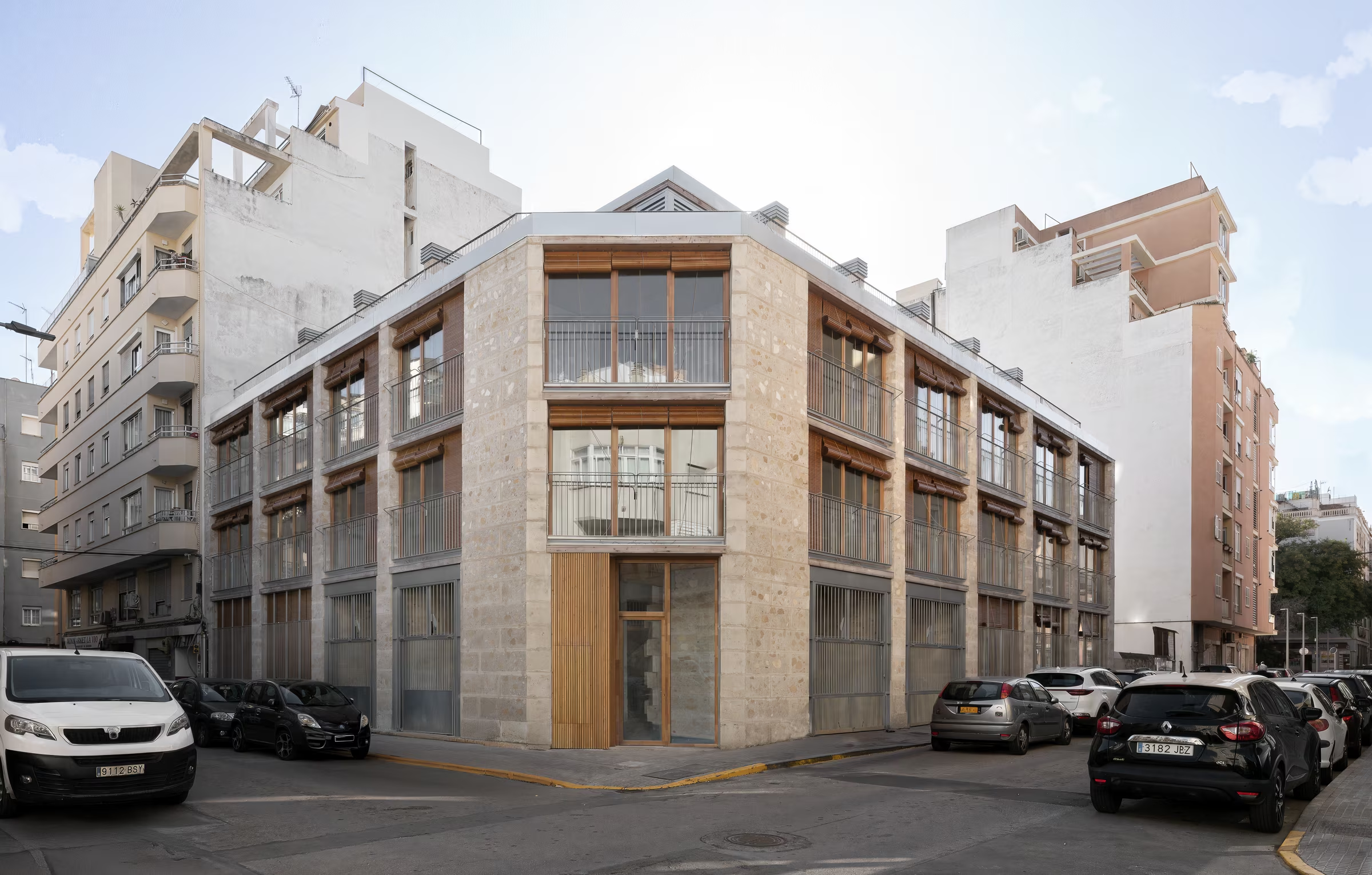
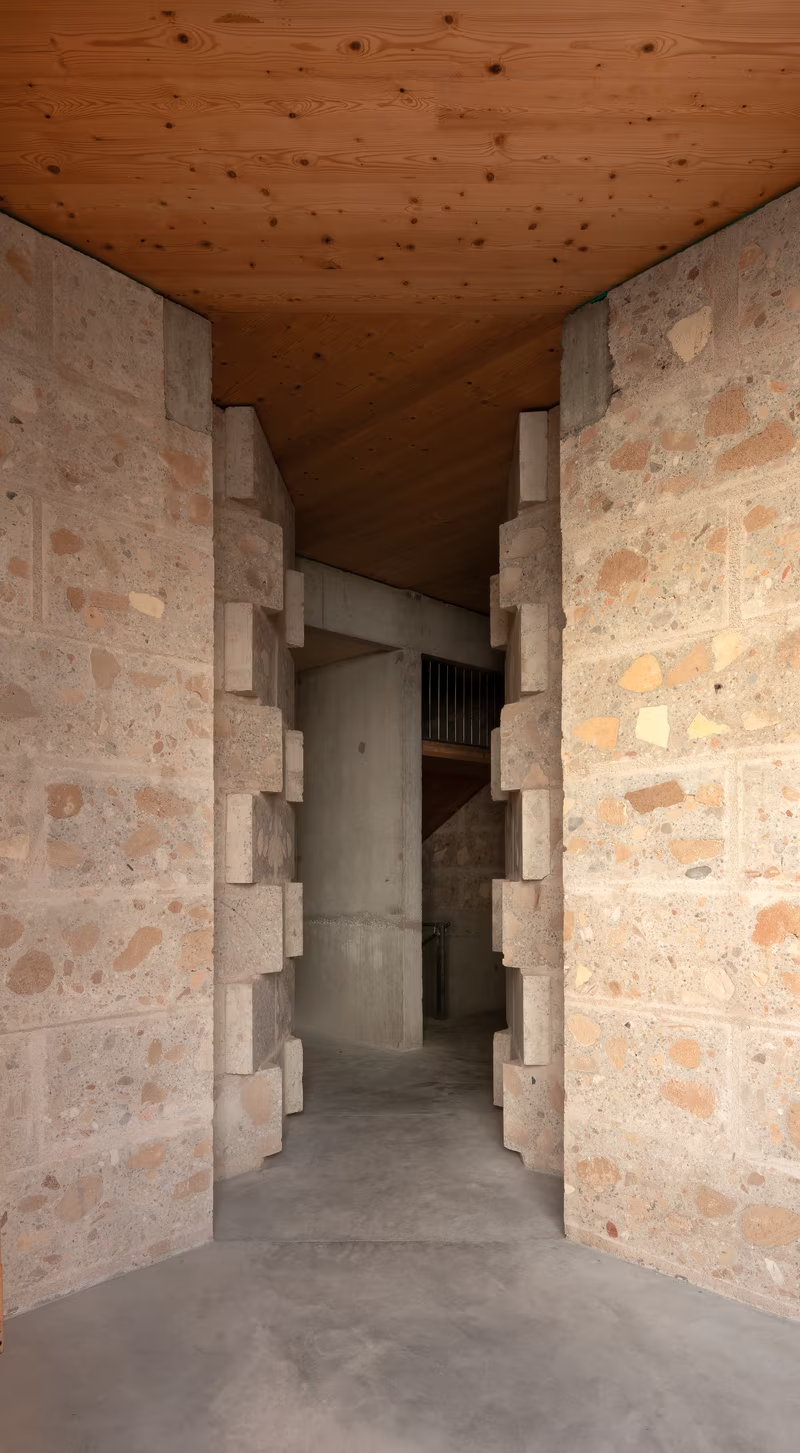
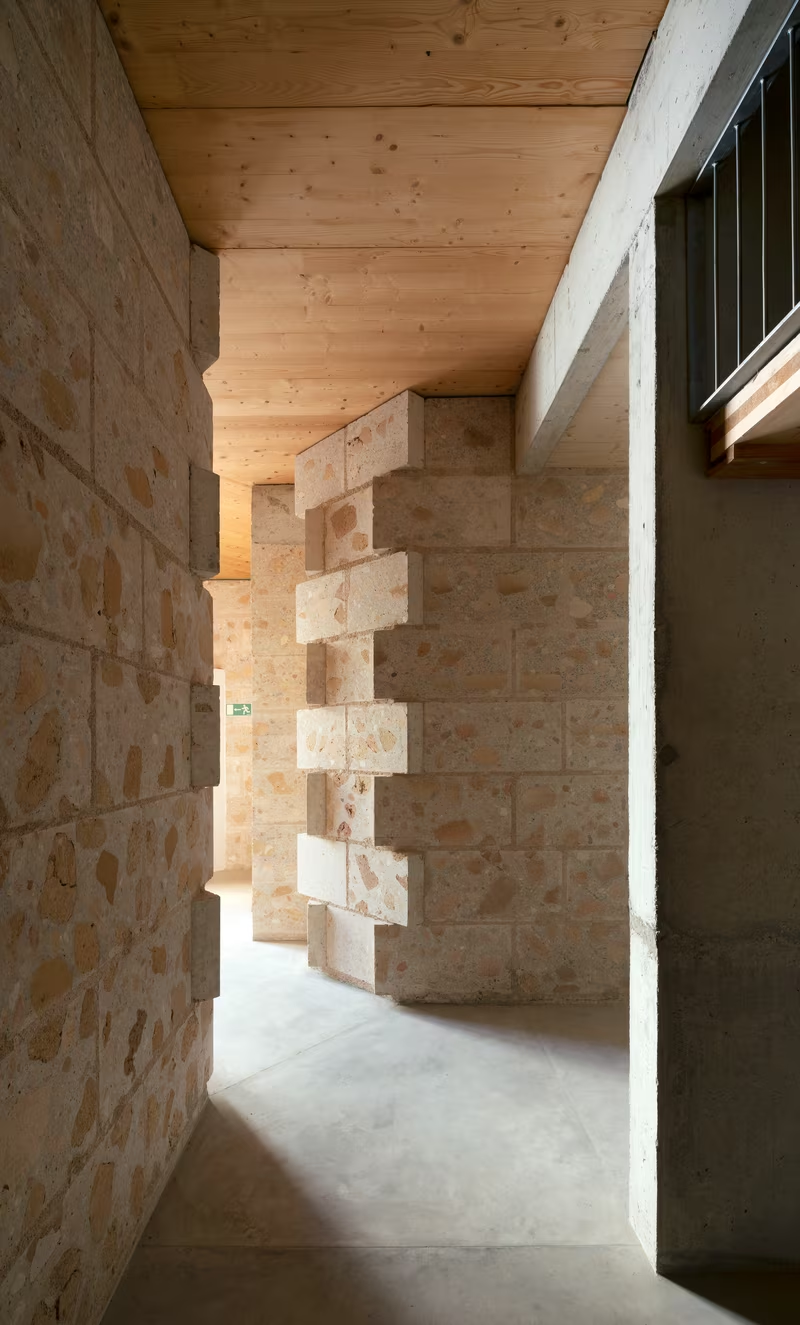
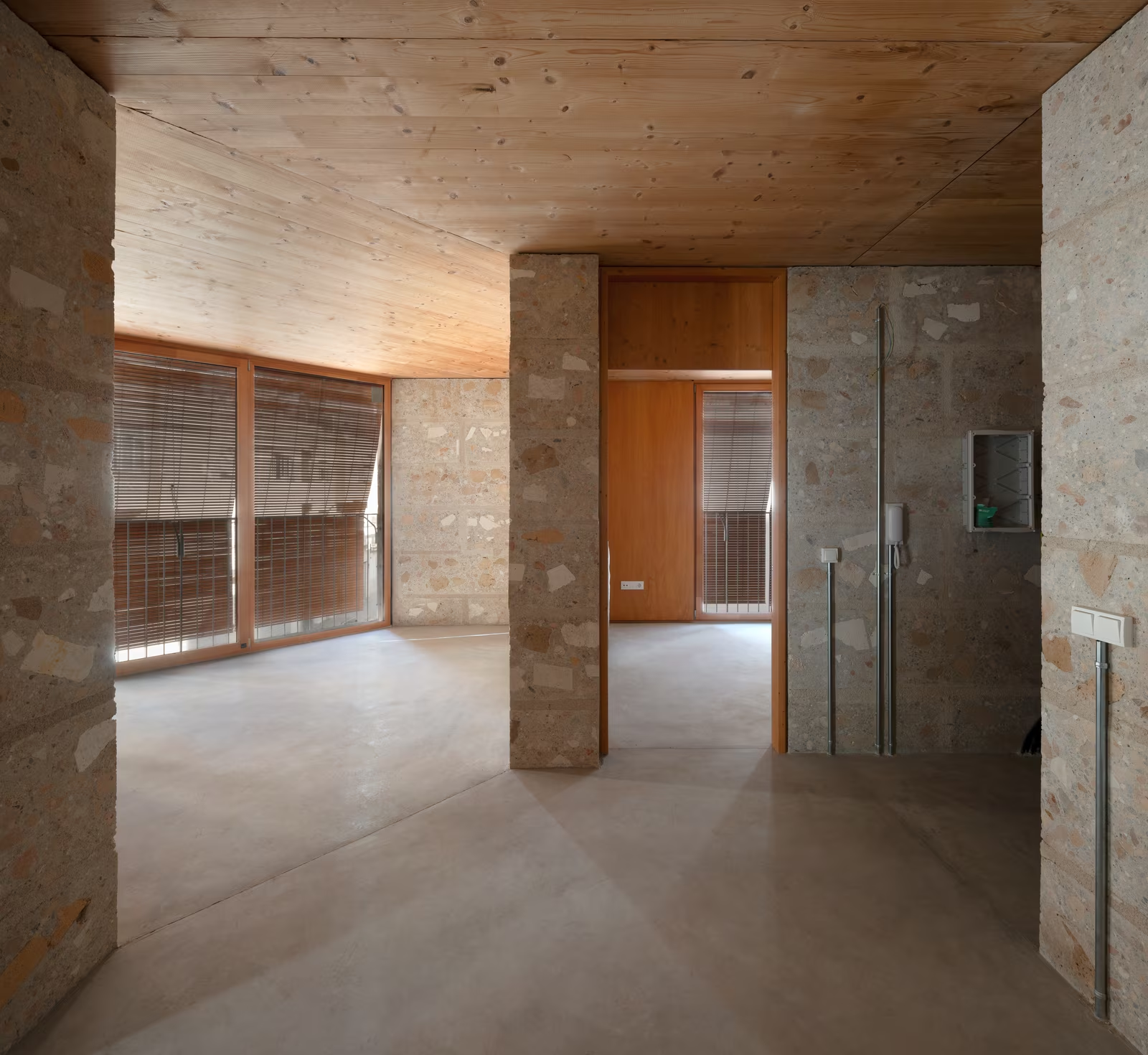
Social housing for IBAVI on a plot where a school of sandstone walls had stood and had to be demolished. The project's strategy is material recycling: the rubble feeds the new construction. 140 m³ of ceramic and concrete go to the foundation; 160 m³ of marès are reprocessed into 1,700 cyclopean concrete blocks with 40 % recycled marès in their mass. The blocks are stacked as load-bearing walls, reducing thickness by 10 cm on each floor to directly support the CLT slabs.
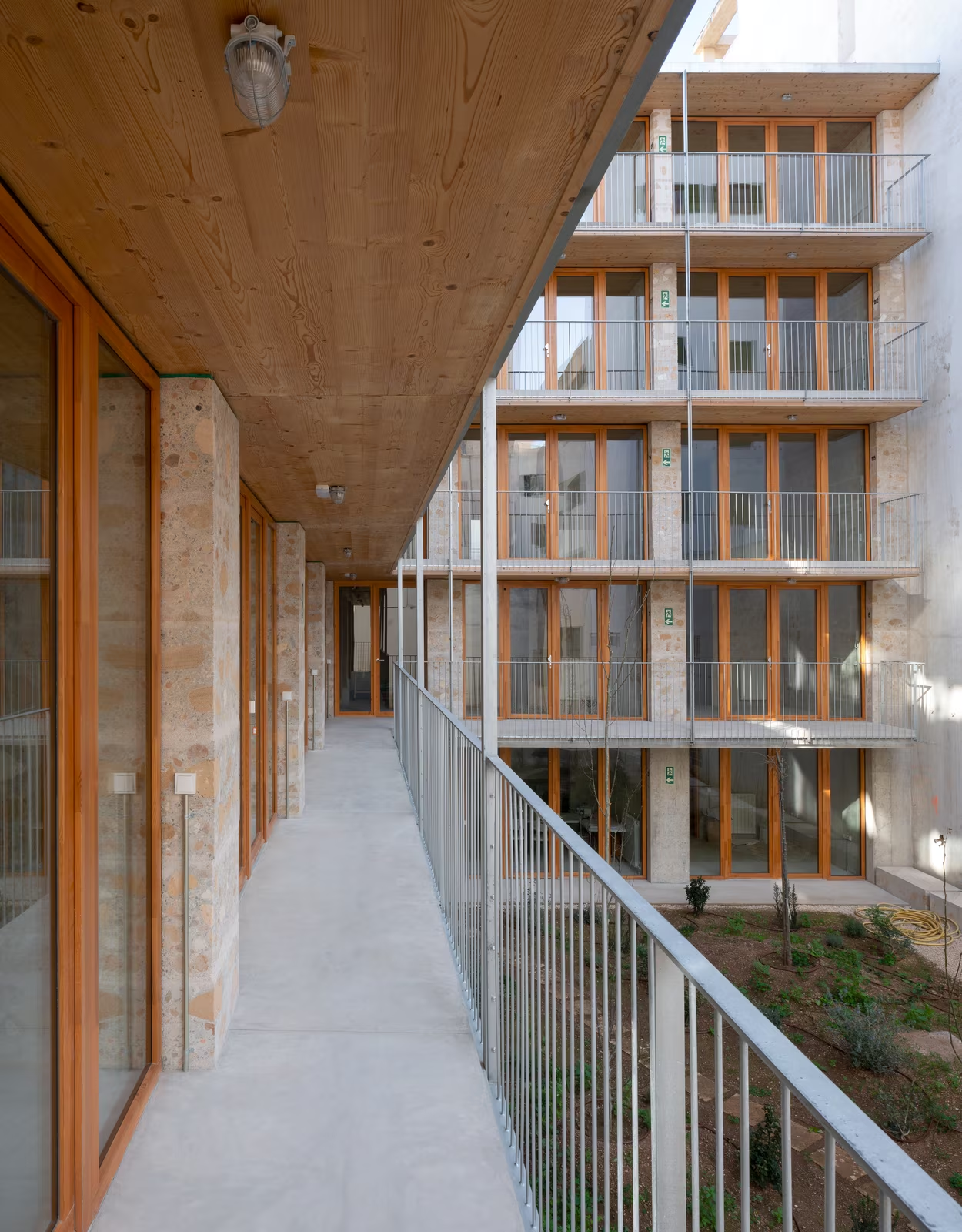
The floor plan is organised around a stair core at the corner and a walkway in the interior garden from which the apartments —almost all dual-aspect— are entered. The façade exposes the structural system —vertical end walls of the blocks, horizontal timber slabs—, with the porous texture of the recycled marès shifting under the lateral Mediterranean light.
JG1129-17 · Zaguán de acceso, vista A (pareja con 15)
JG1129-15 · Zaguán de acceso, vista B (pareja con 17)
JG1129-19 · Galería de acceso a las viviendasJG1129-07 · Interior de una vivienda
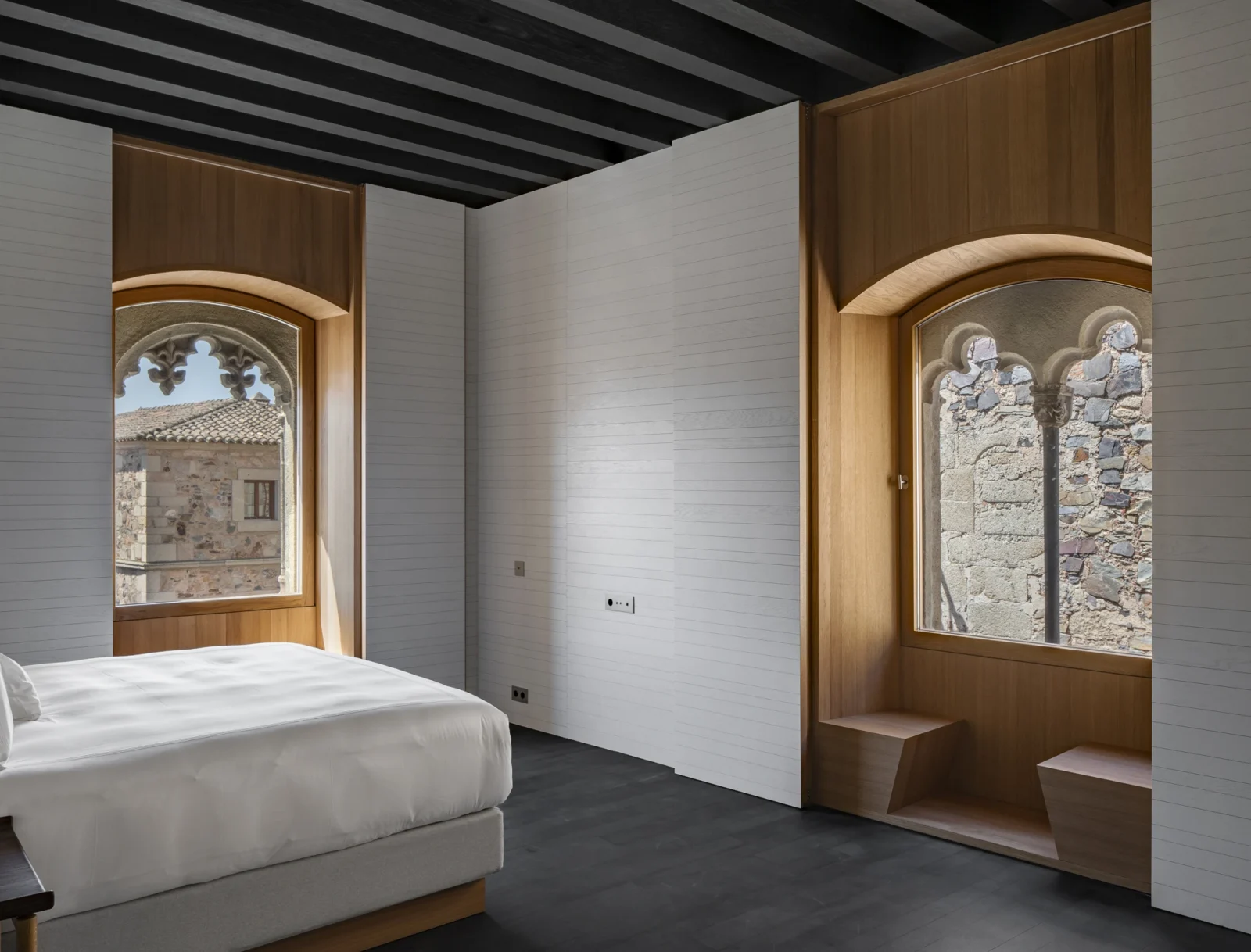
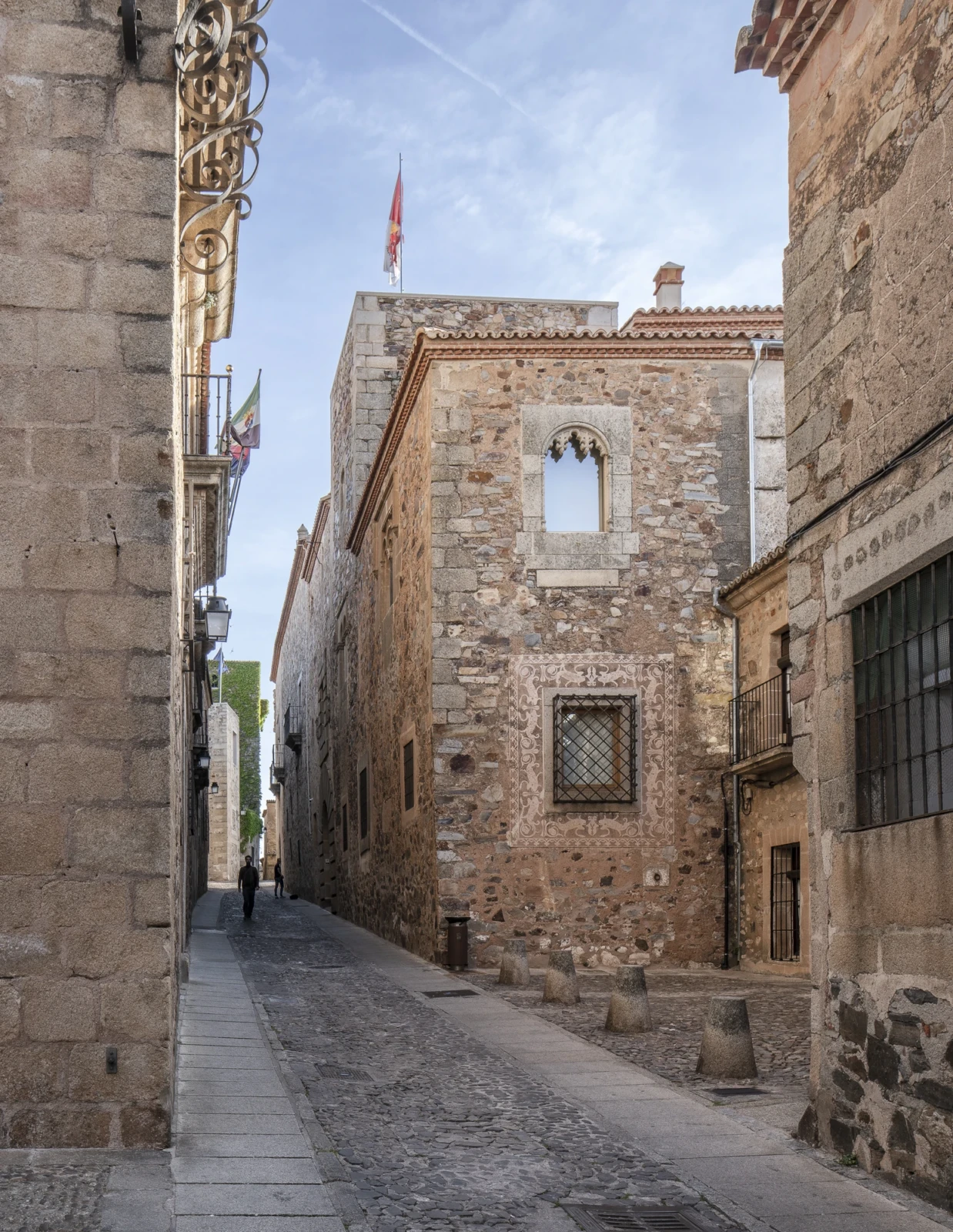
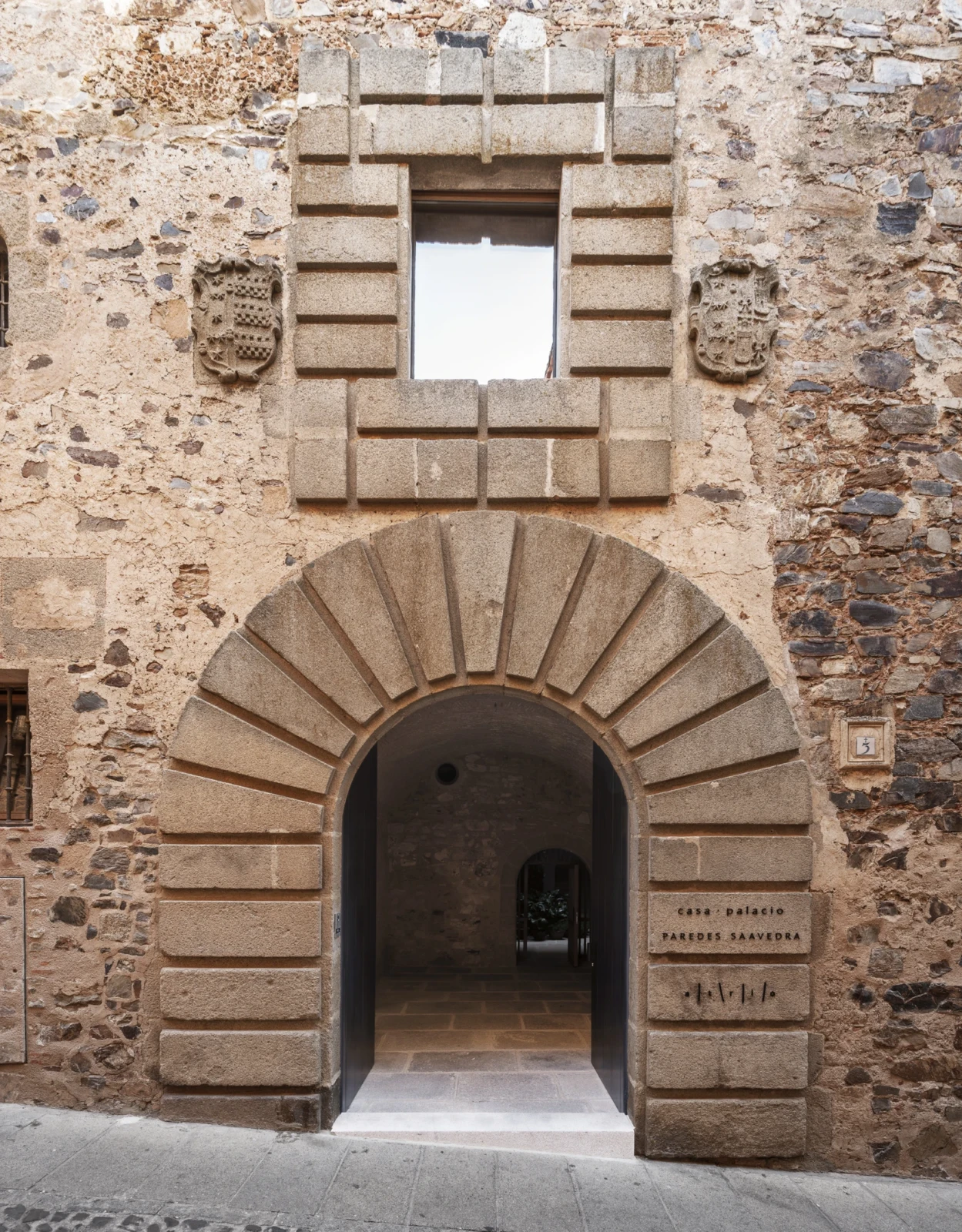
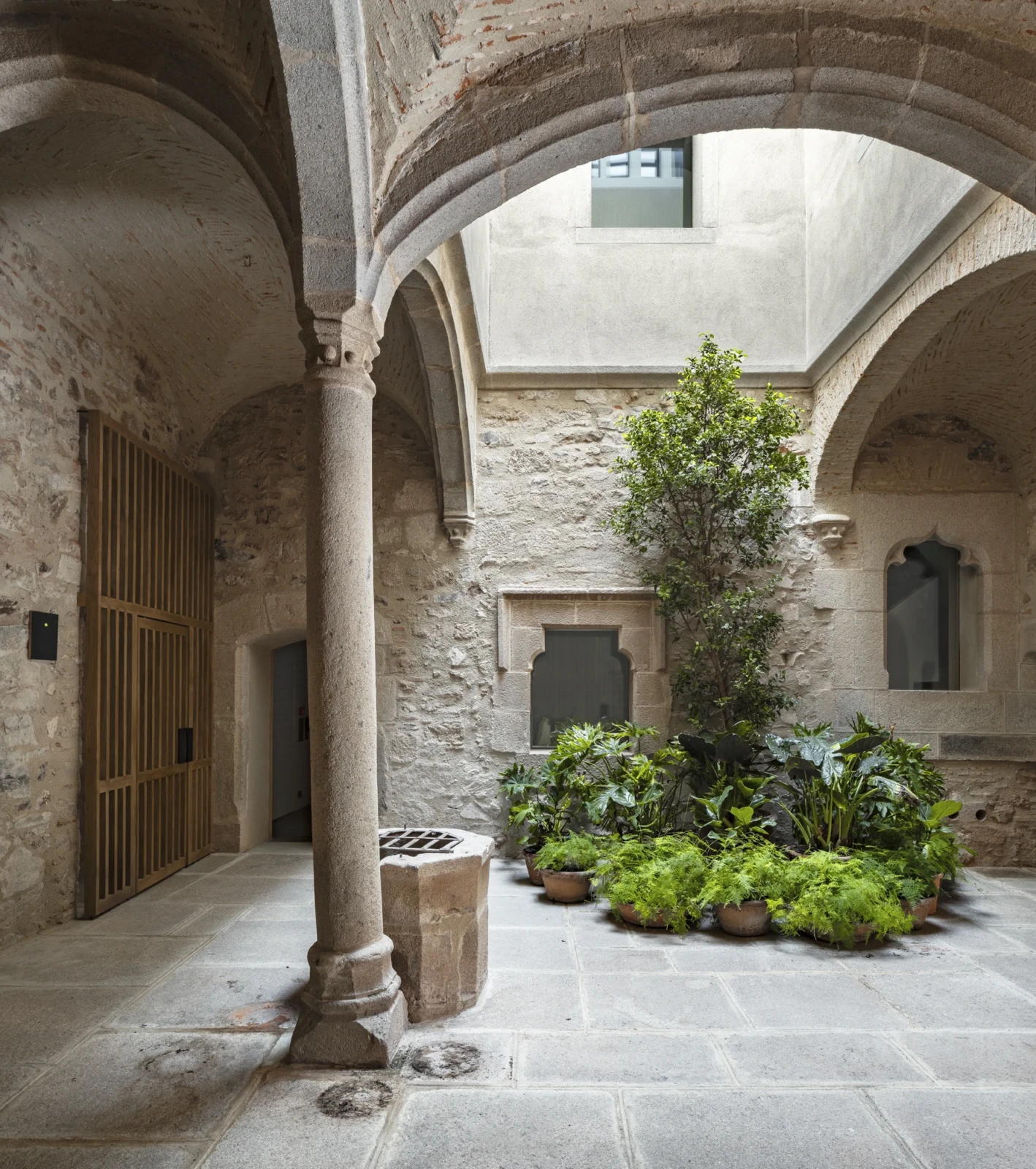
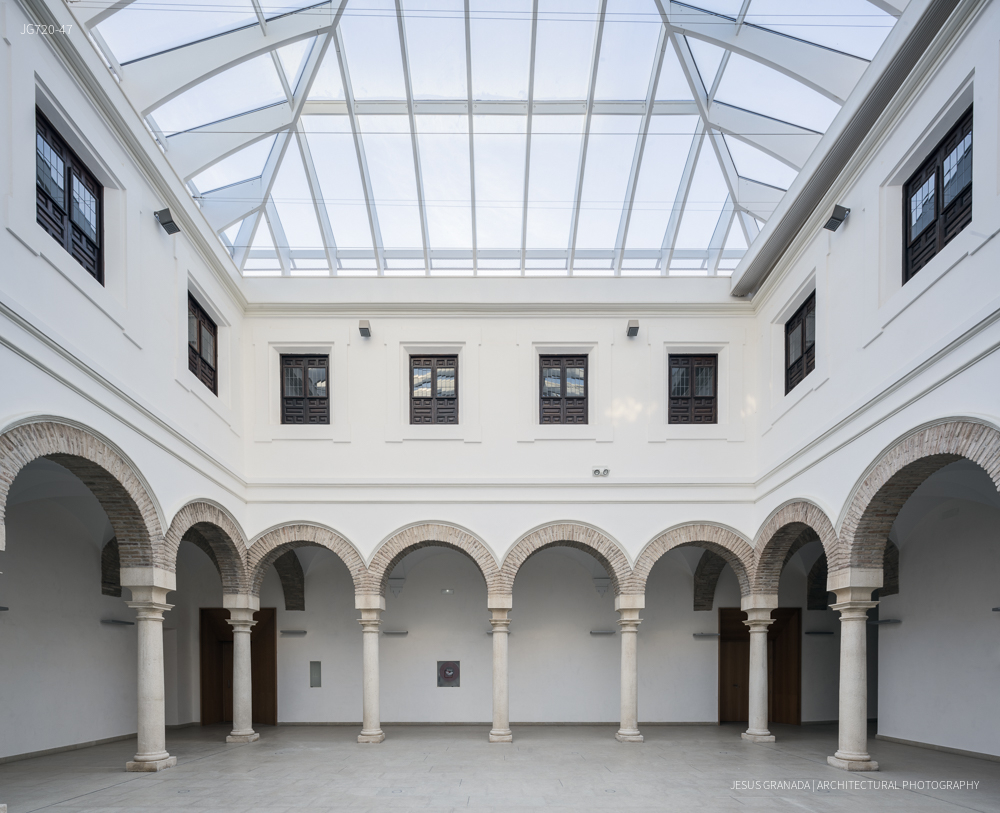
Built over different periods starting in the 15th century, the Paredes-Saavedra House is a small-size urban fortress within the walled area of the city of Cáceres.
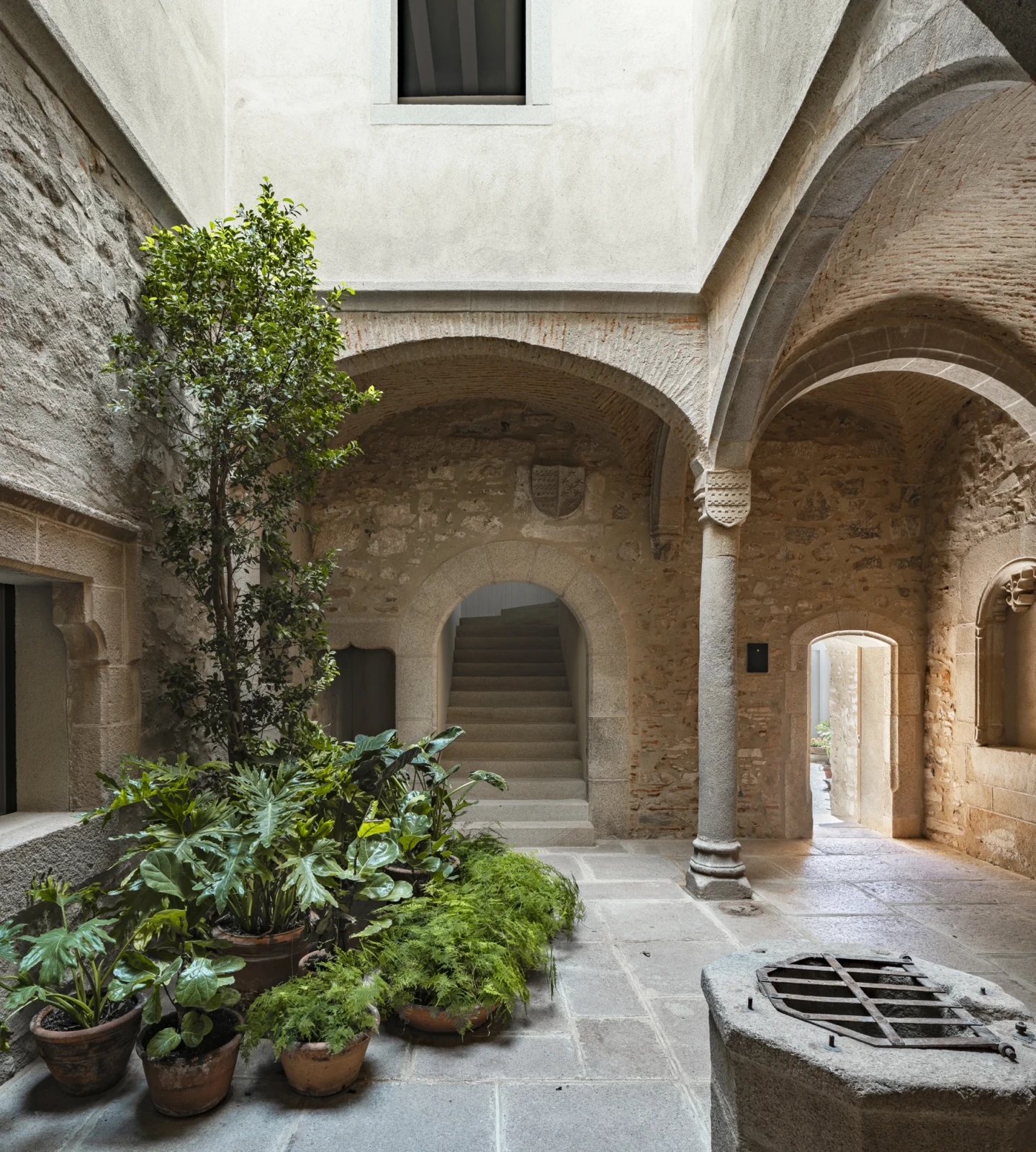
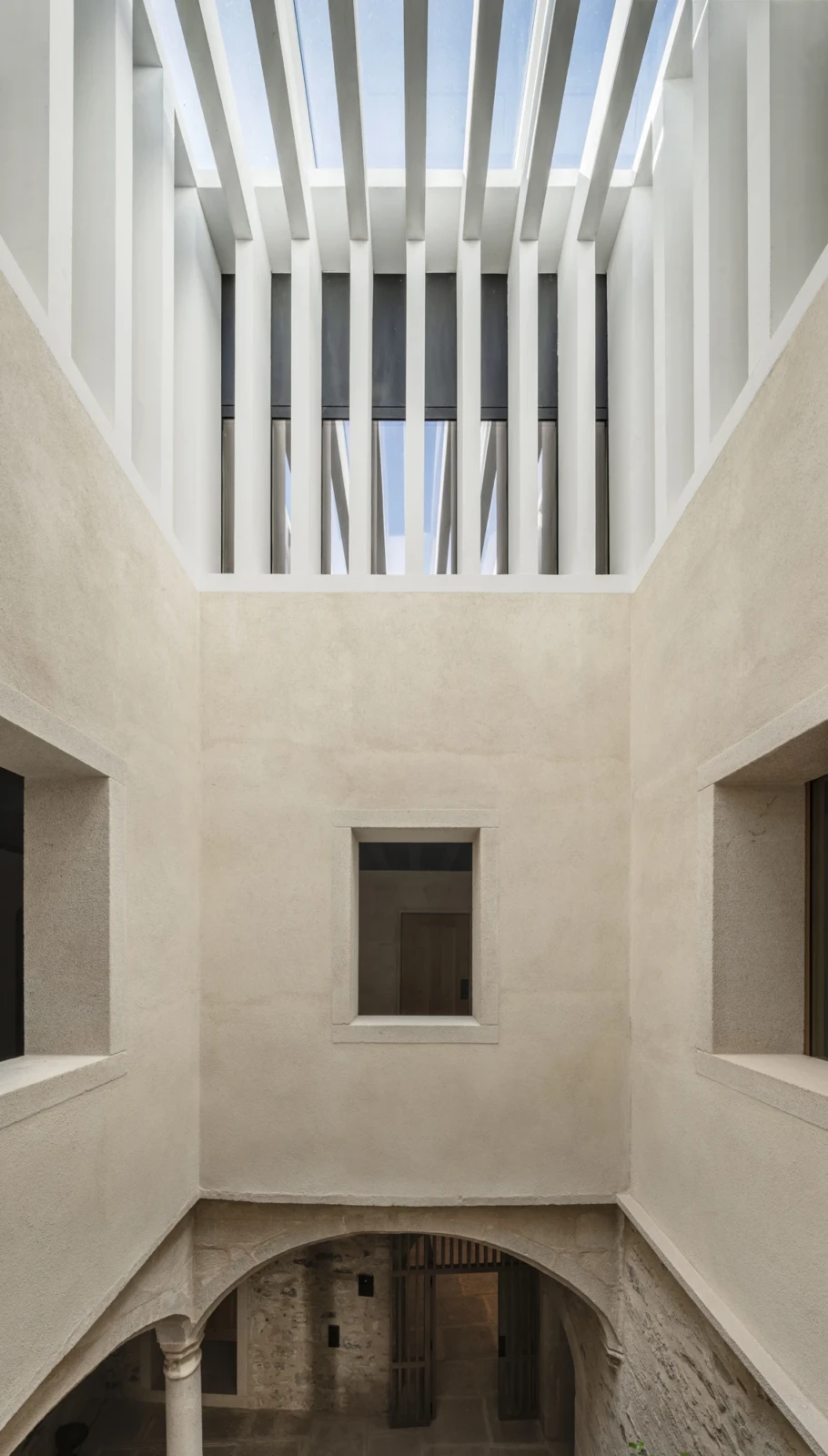
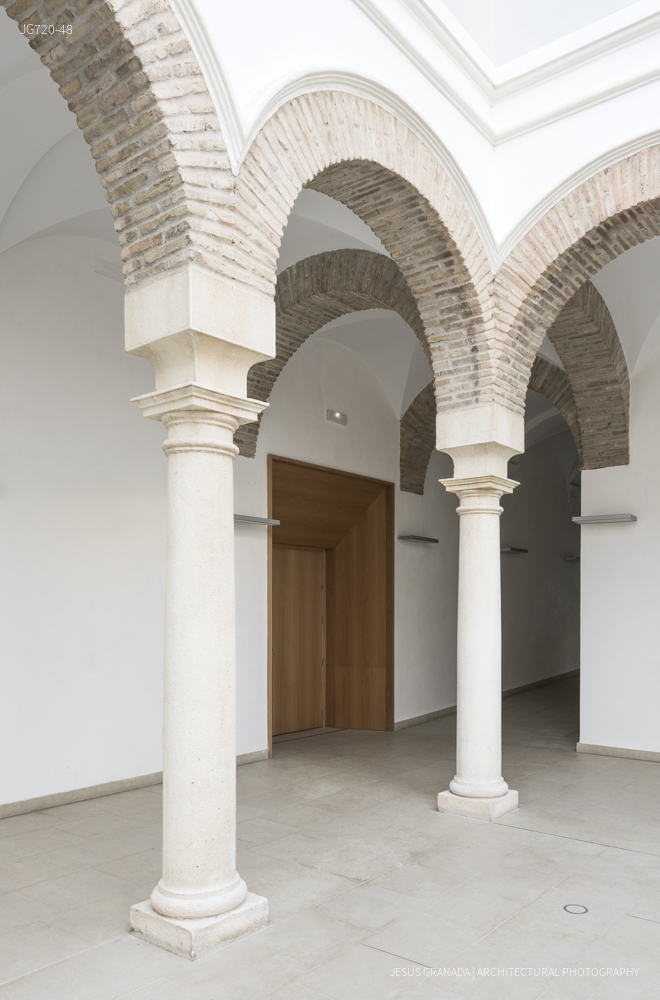
The building is organized on three floors around a small asymmetrical interior atrium and with a rear courtyard, and is the result of the concatenation of spaces, built in different periods, which form an asymmetrical organization of structural load-bearing walls within which the tower, lopped in times of the Catholic Monarchs, can be considered a unique element of the civil architecture of Cáceres.
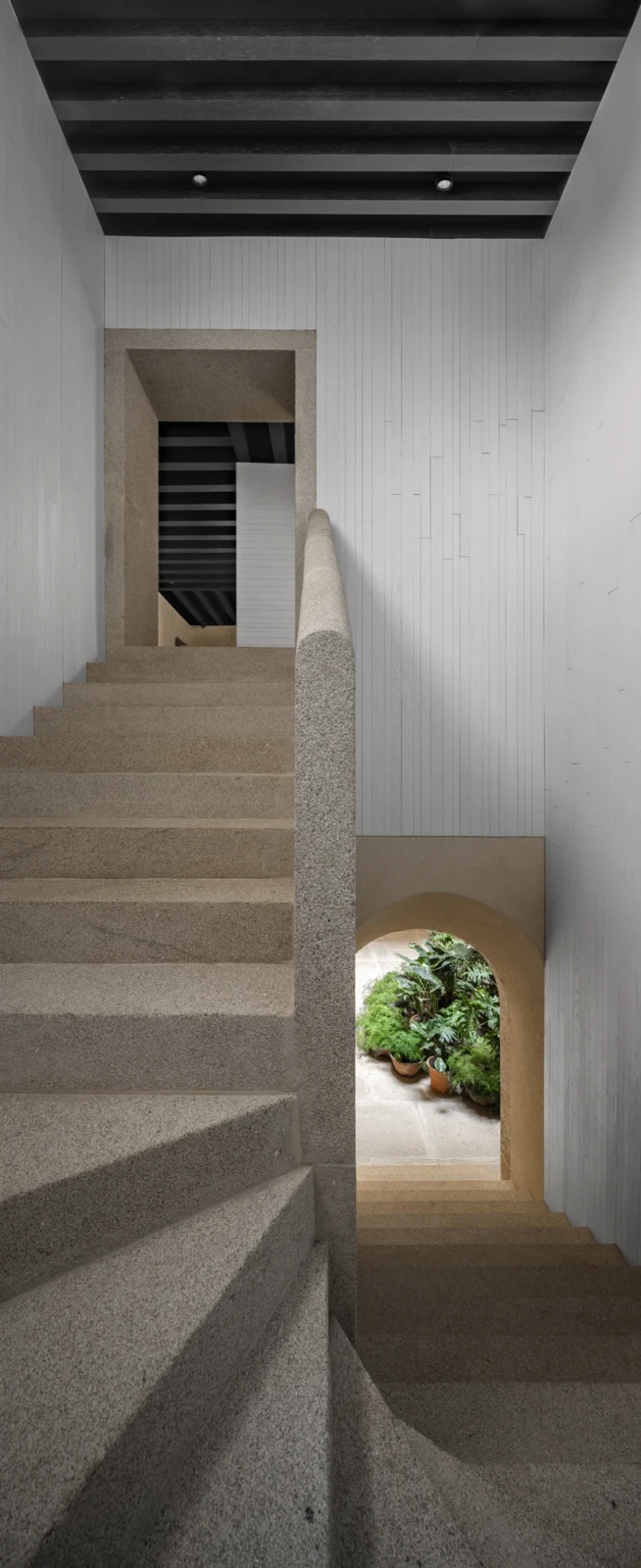
Paredes-Saavedra House in Cáceres, Spain.Paredes-Saavedra House in Cáceres, Spain.
The project to renovate and refurbish the Paredes-Saavedra House has been carried out with the purpose of making space for ten new rooms to complement the offer of the Hotel Atrio Relais Chateaux, an establishment with another fourteen rooms currently, and which is situated very close to the building. These new rooms adapt in different ways to the original stately house, and try to make the most of the existing spaces, taking into consideration the specific conditions of each one of them.
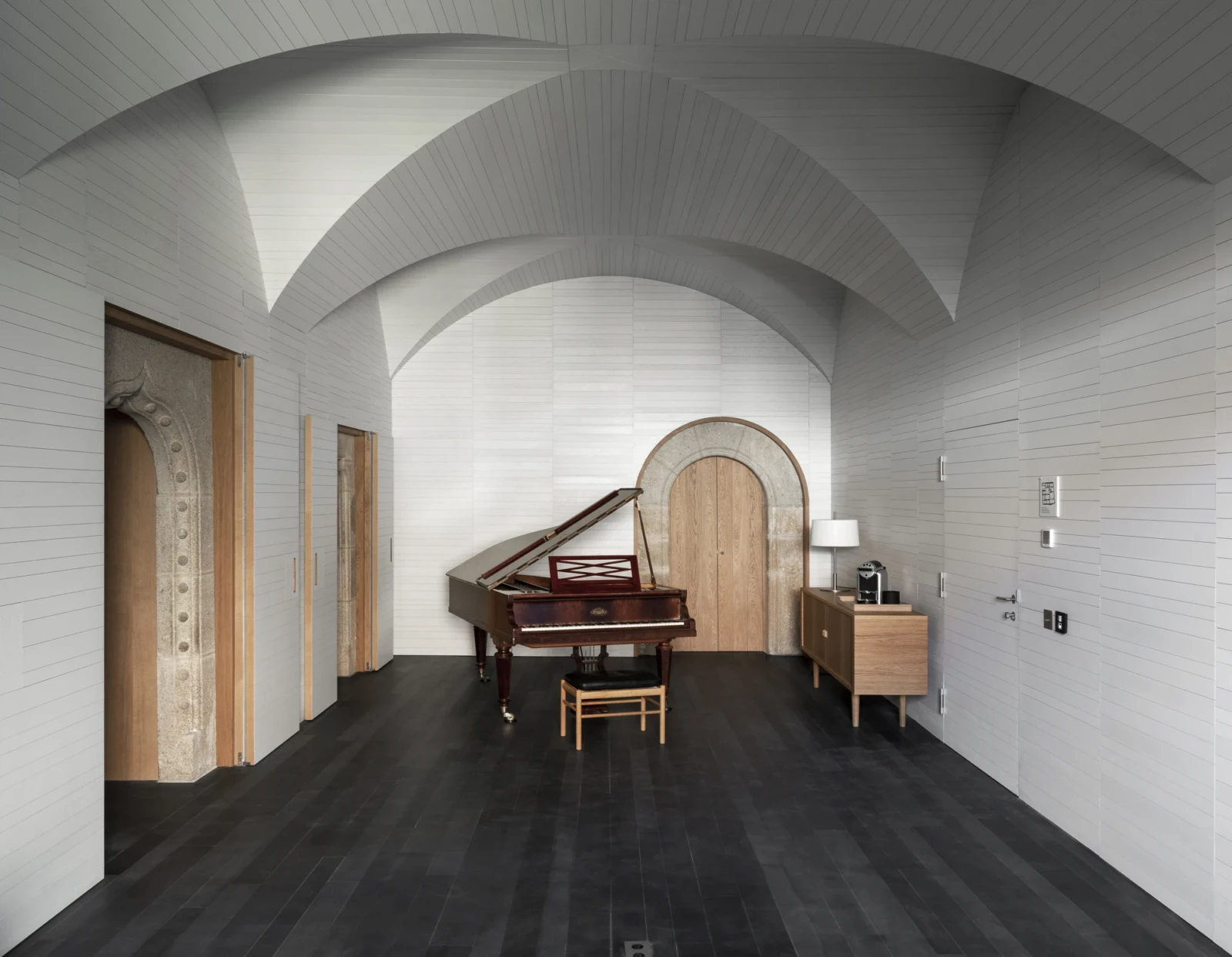
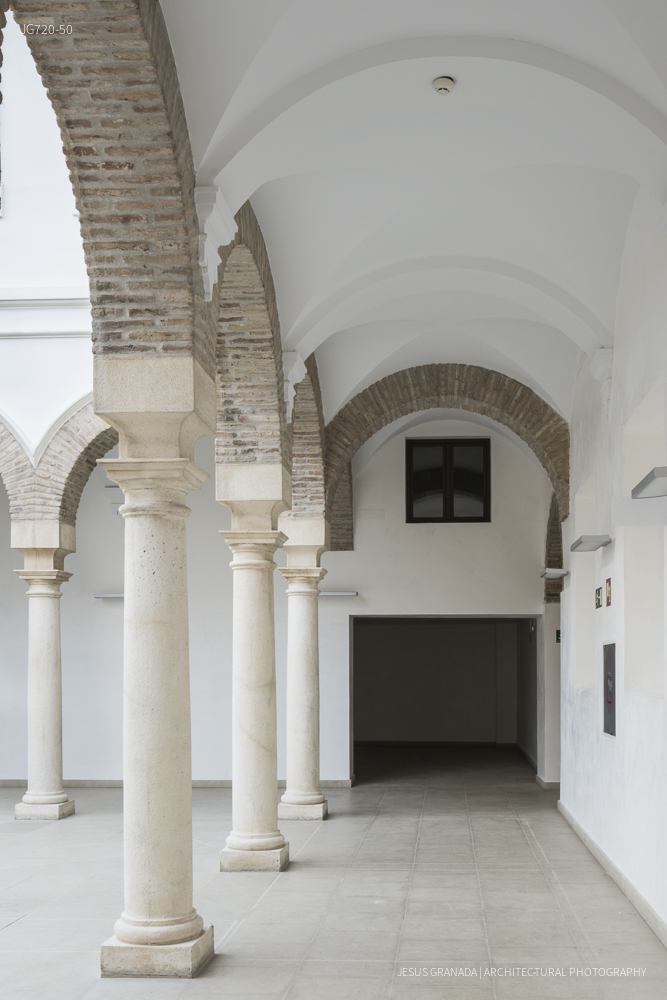
The intervention is based on the respect for the original structure of the historic building, with the incorporation of a contemporary architecture that, as if it were un undergarment, gradually lines the existing surfaces with timber vaults on the ground level, and coffered ceilings, also made of wood, on the two upper floors.
Paredes-Saavedra House in Cáceres, Spain.
Paredes-Saavedra House in Cáceres, Spain.
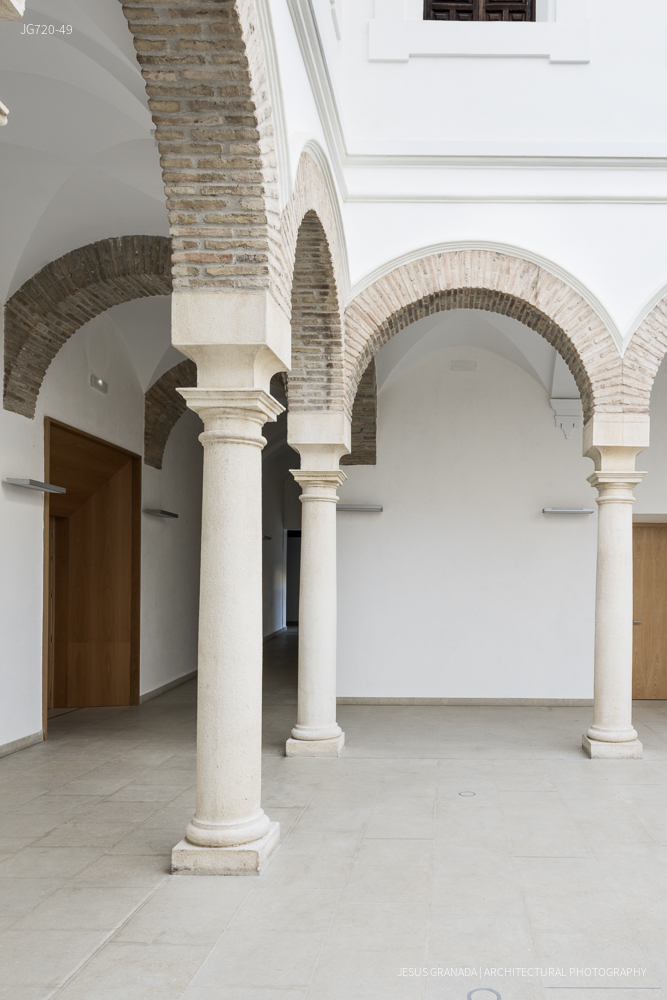
The refurbishment clearly defines a diagonal sequence of spaces that goes from Calle Ancha to Calle San Pedro, passing through the vaulted hallway – which includes a site-specific work by the Portuguese artist José Pedro Croft –, the asymmetrical atrium with a sequence of brick vaults that rest on Doric columns, and the outdoor garden courtyard with a small pond. The project brings the tower back to its original height with the purpose of contributing to improve the profile of the city, especially on Calle Ancha.
The Paredes-Saavedra Palace House refurbishment project tries to rethink the city from the budgets that made it possible, imagining how this can be achieved in our days. In this way, the refurbishment is a proposal that respects the character of the place, and its main objective is to coexist in this environment with dignity, trying to combine tradition and contemporaneity.
Paredes-Saavedra House in Cáceres, Spain.Paredes-Saavedra House in Cáceres, Spain.
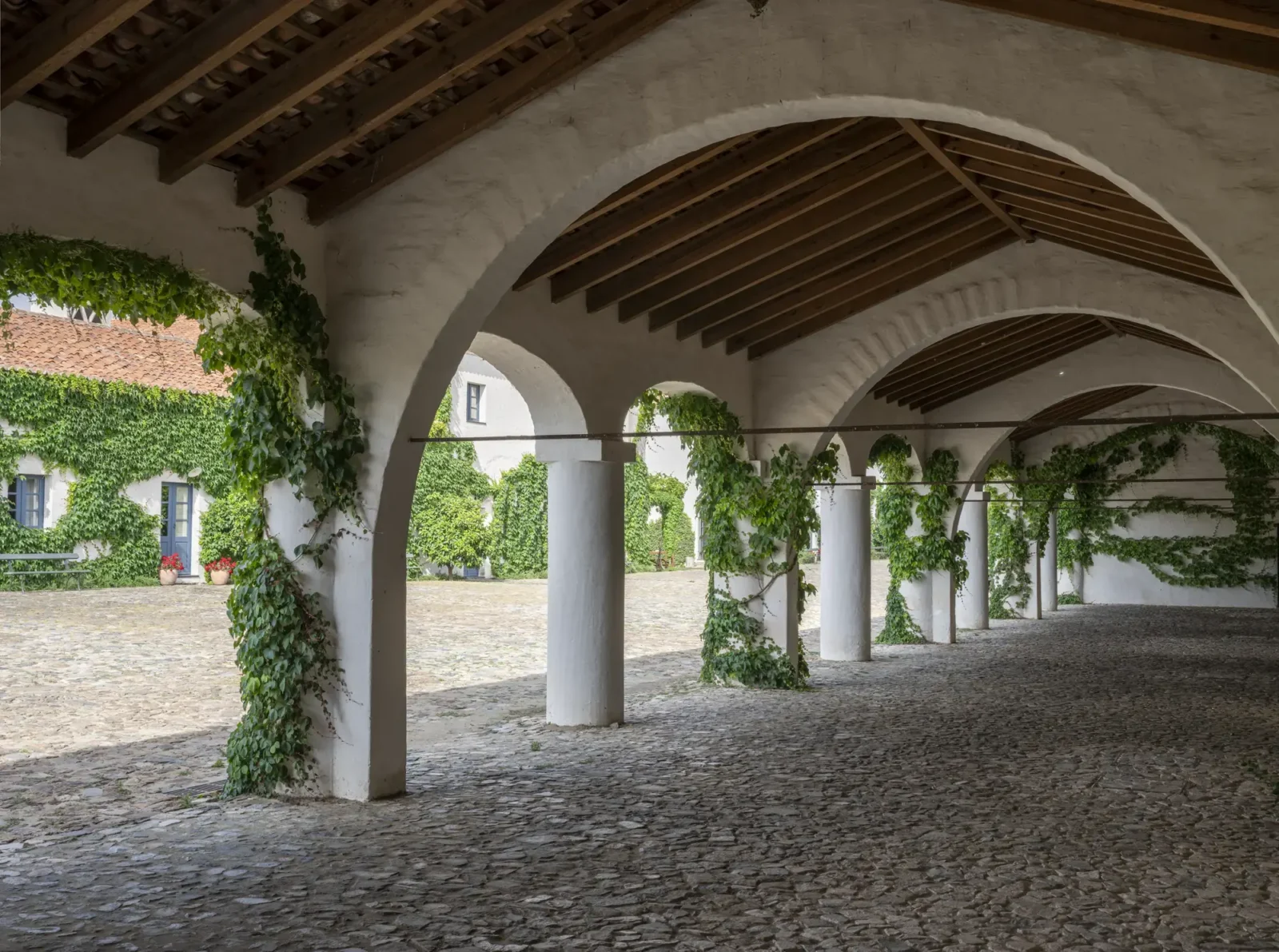
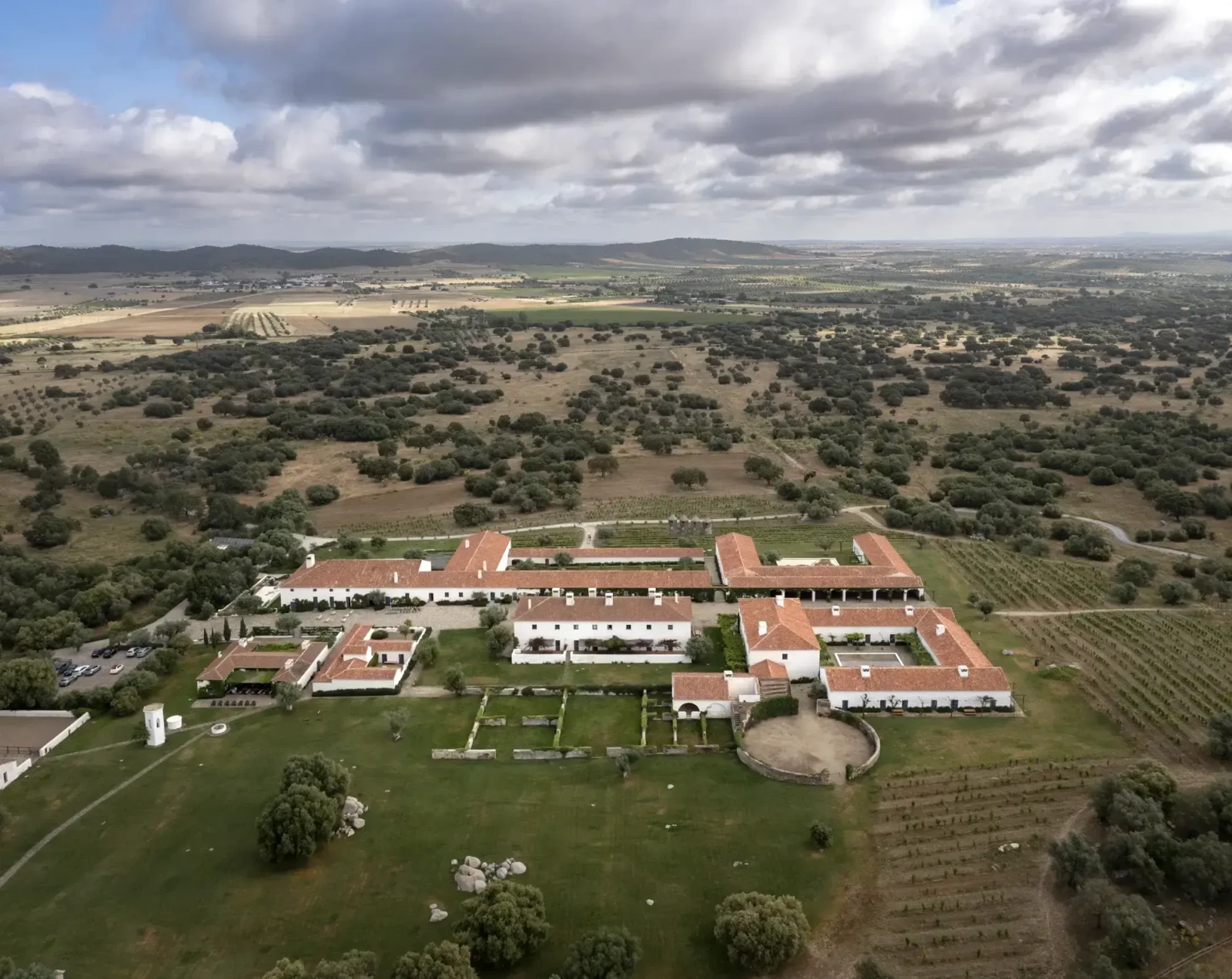
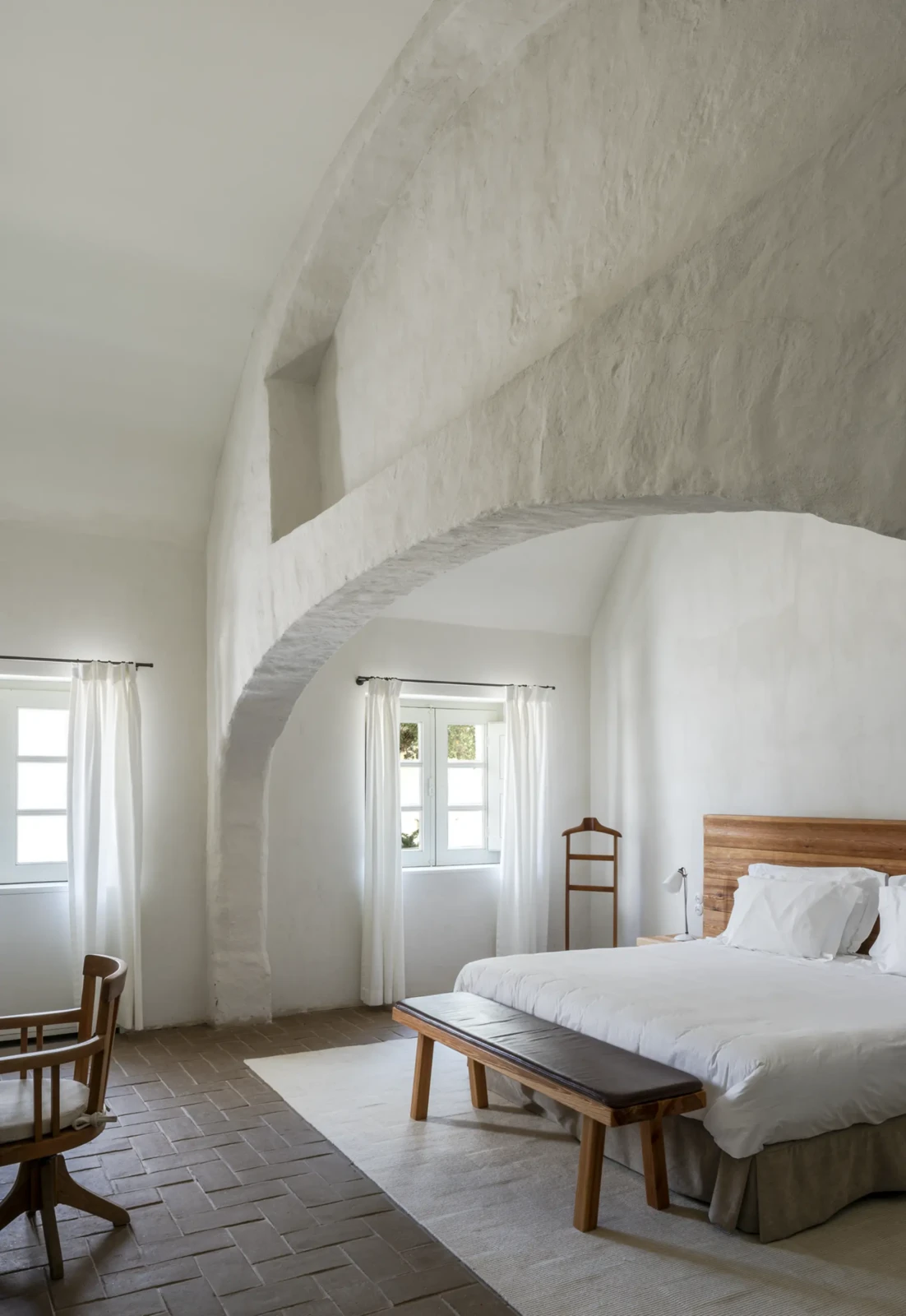
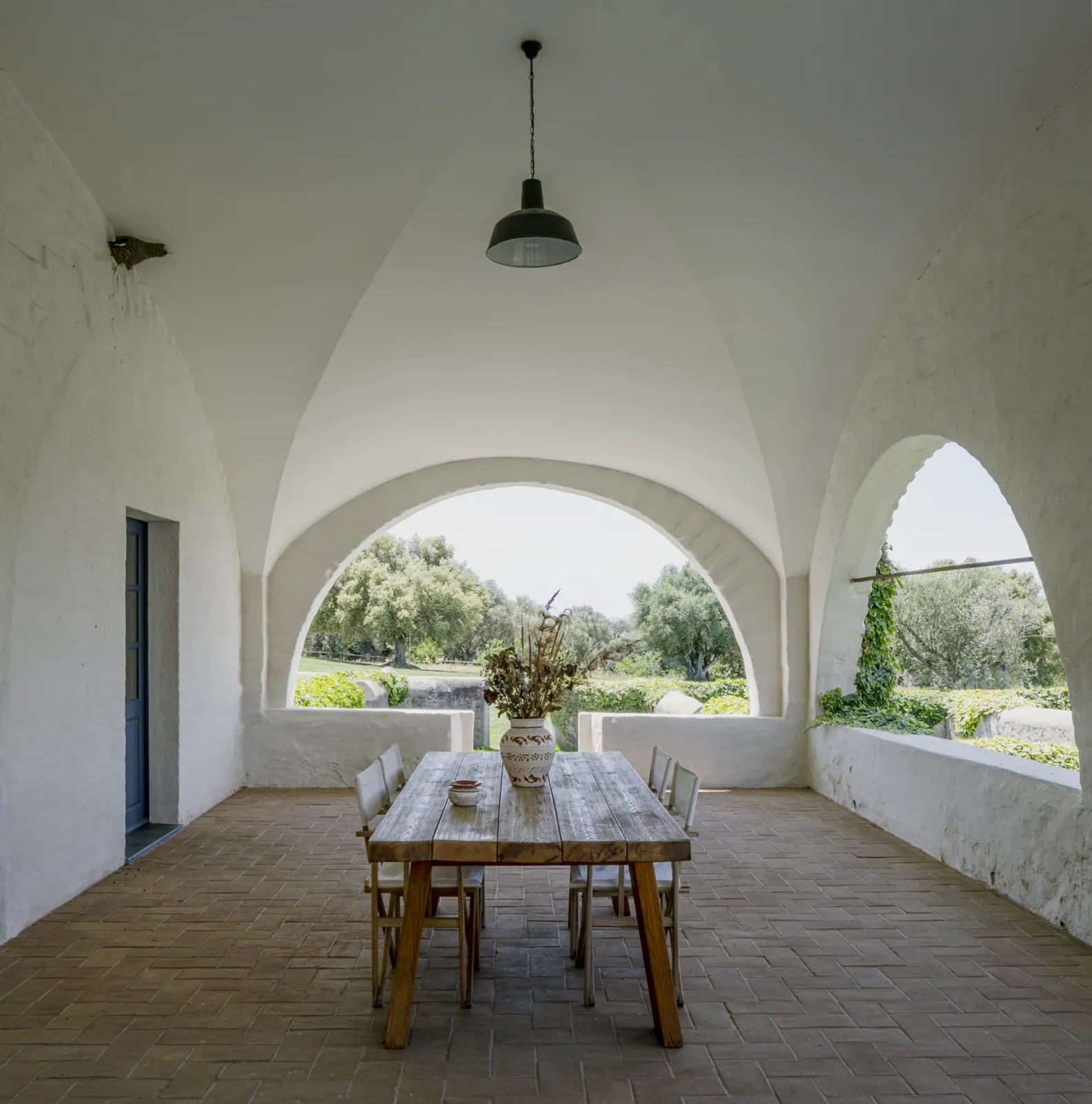
Surrounded by rocky outcrops that dot the landscape, the São Lourenço do Barrocal estate in Alentejo grew during the 19th century until it became a small farm village, with cattle, cereals, vegetables, and wine to support a community of up to fifty families.
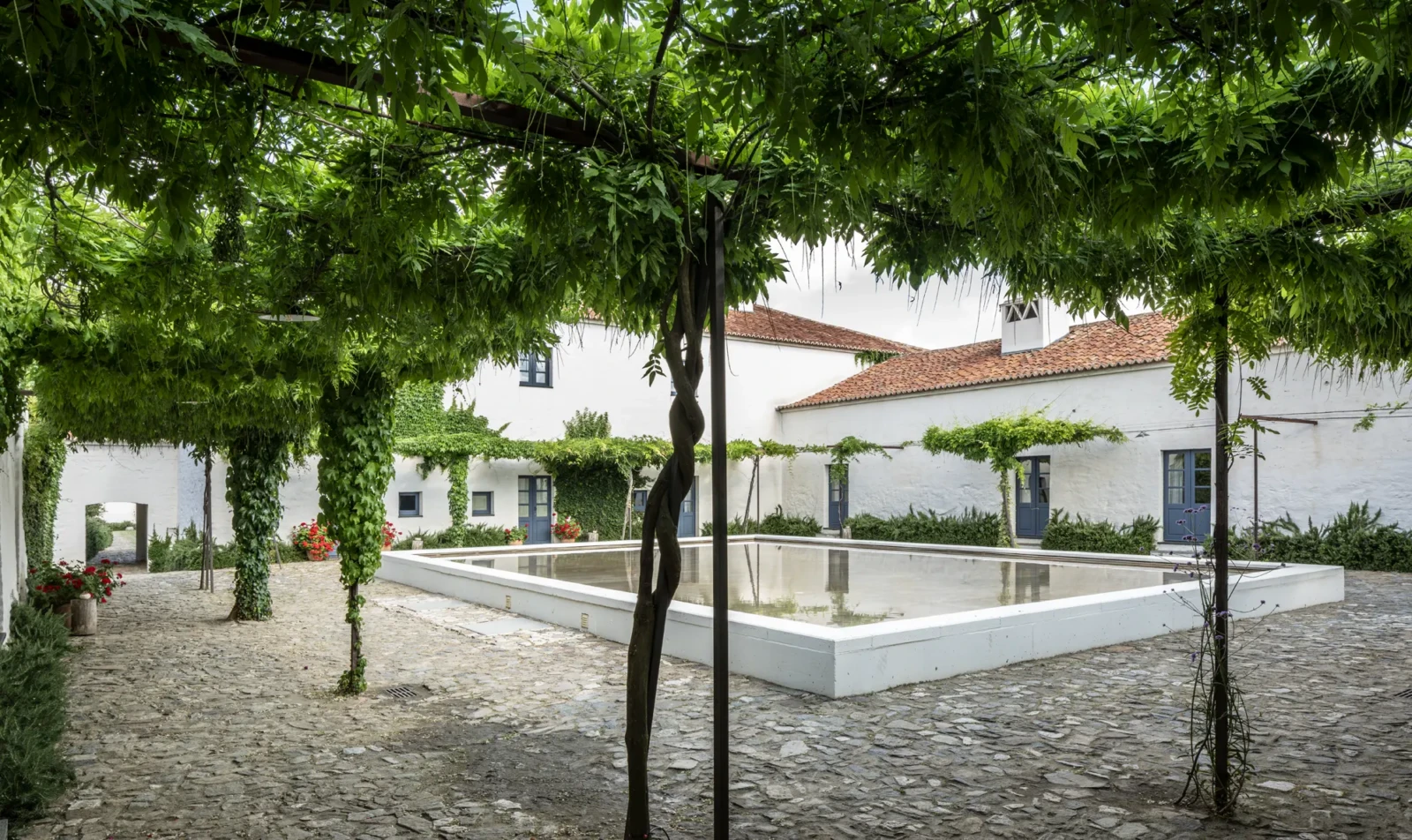
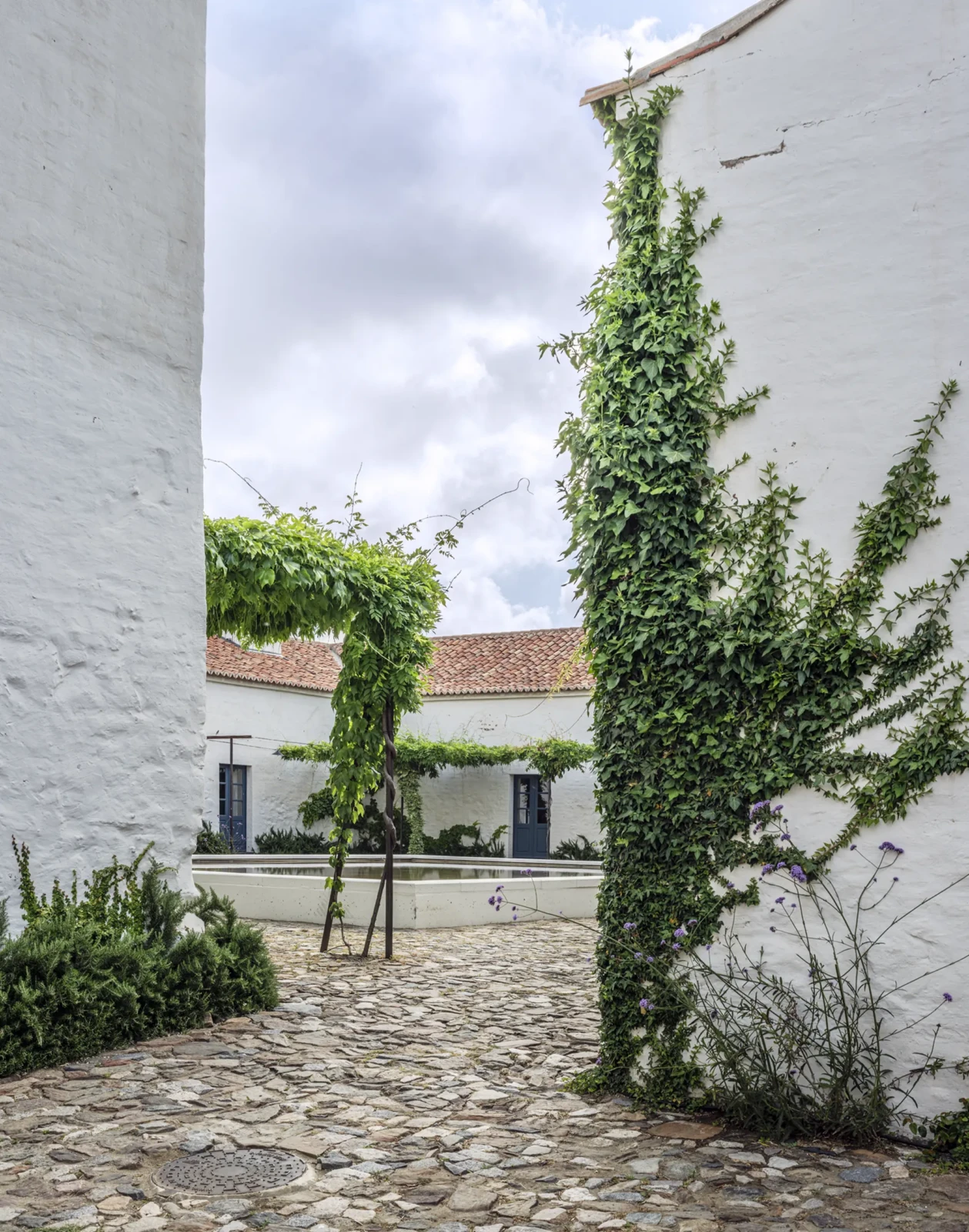
The project to transform this old agricultural estate into a contemporary tourist complex doesn’t intend to be neither heroic nor perverse, it only tries to find the balance between going too far, with the risk of ruining it, and not doing enough, in such a way that it might not work. The starting point is that the only way to preserve heritage is by using it, even if it shows damage, because only daily life transforms historic architecture into something natural. With barely any intervention, the agricultural facilities change uses to adapt to the new program: the old oil press becomes a bar, the existing buildings become rooms, and the stable is converted into a restaurant. With views of the city of Monsaraz and very close to the Alqueva reservoir, the tourist complex preserves the country-like atmosphere of a rural village and blends into the surrounding fields, filled with holm oaks, vineyards, and olive groves.
São Lourenço do Barrocal, Monsaraz, Portugal.São Lourenço do Barrocal, Monsaraz, Portugal.
São Lourenço do Barrocal, Monsaraz, Portugal.
São Lourenço do Barrocal, Monsaraz, Portugal.
São Lourenço do Barrocal, Monsaraz, Portugal.
Work: Conjunto Turístico São Lourenço do Barrocal
Client: São Lourenço do Barrocal – Investimentos Turísticos e Imobiliários S.A.
Architect: Eduardo Souto de Moura
Collaborators: André Tavares, José Carlos Mariano, Jorge Domingues, Tiago Coelho, Marta Pinho, Susana Oliveira, Maria João Fonseca, Tiago Morais, Ana Fortuna, Nuno Cordeiro, Otília Ayres Ferreira, Bruna Serralheiro
Consultants: Filipe Arteiro (estructuras structural consultants); Maria da Luz Santiago (electricidad electrical consultants); Marco Carvalho (instalaciones mecánicas mechanical consultants)
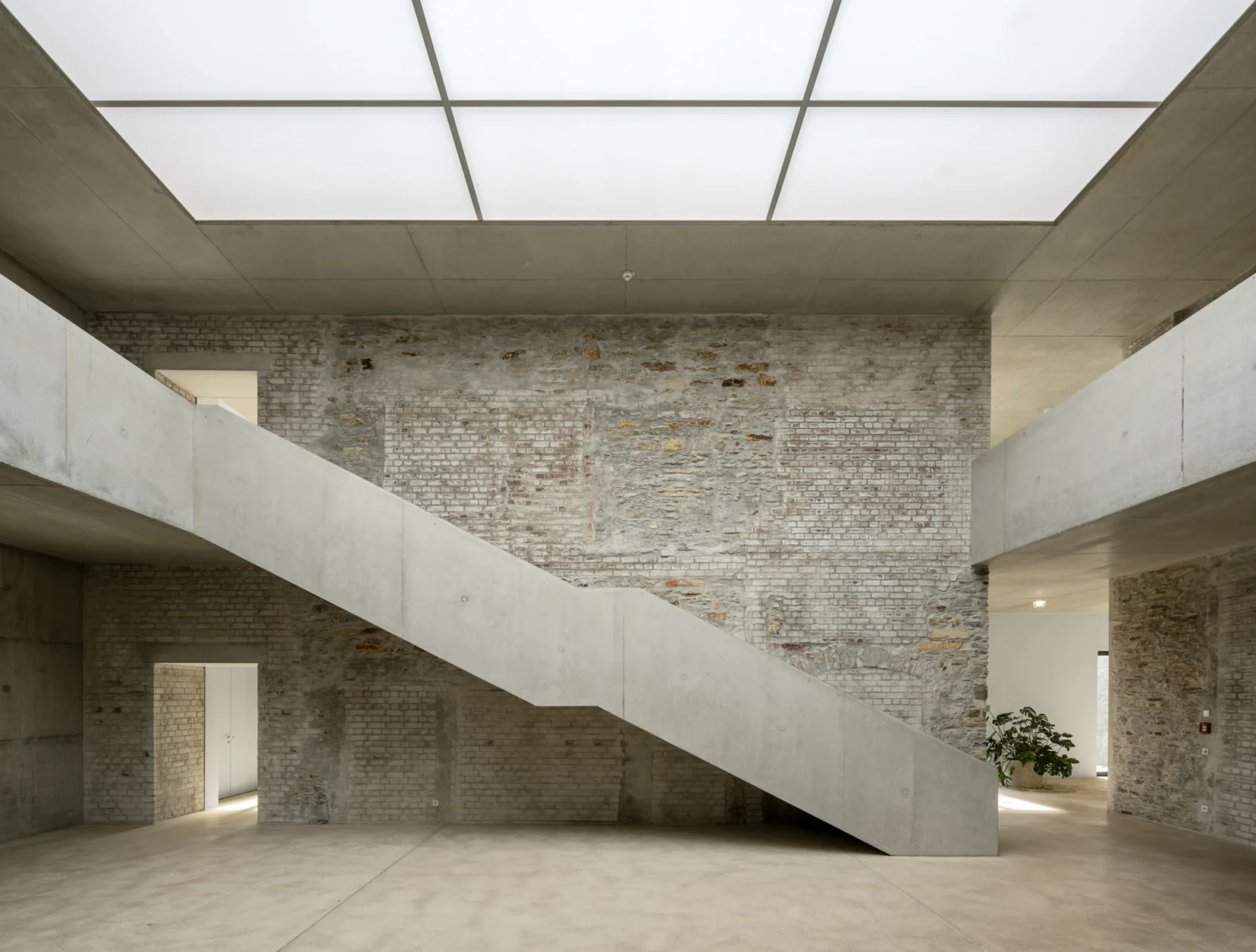
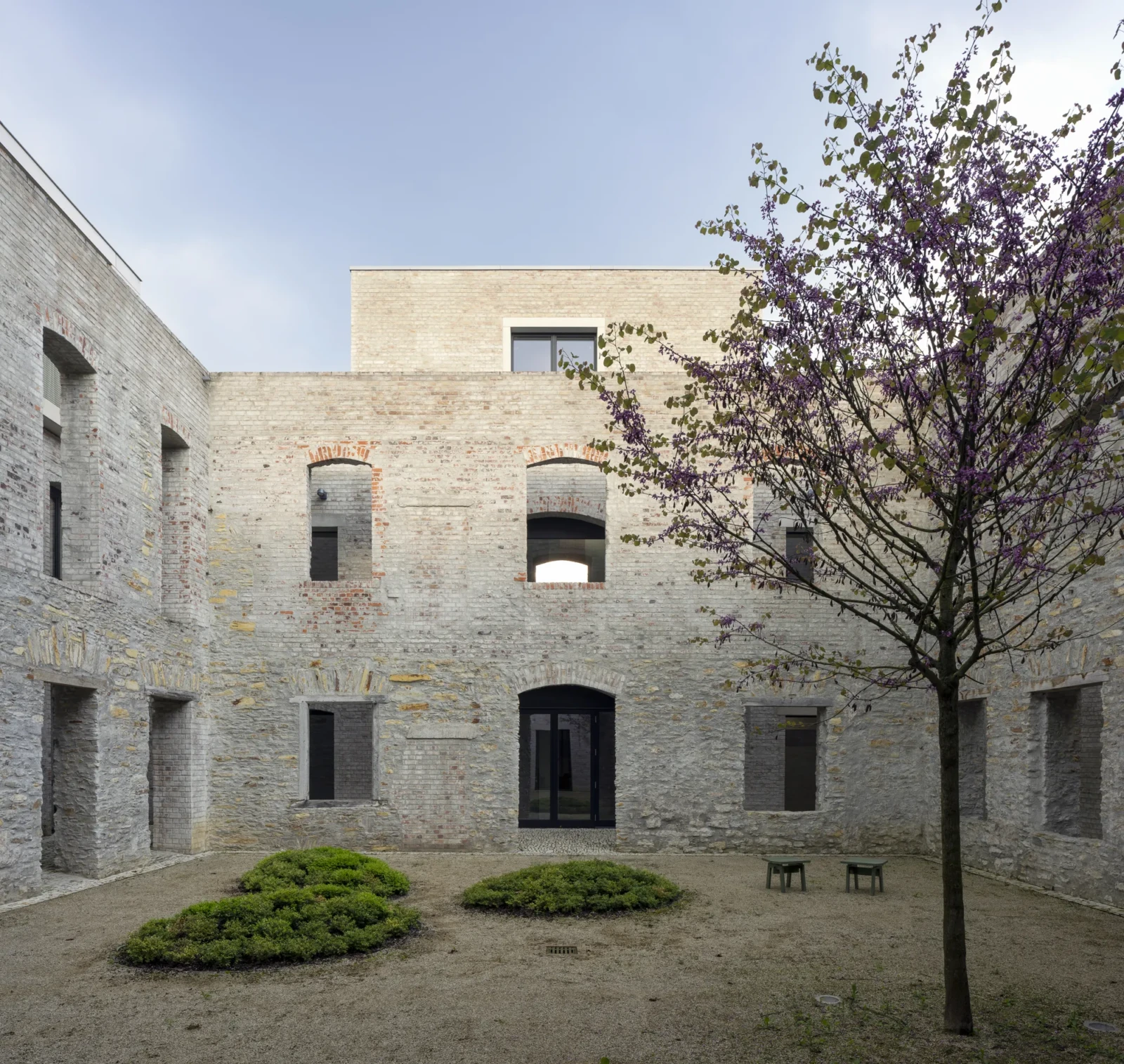
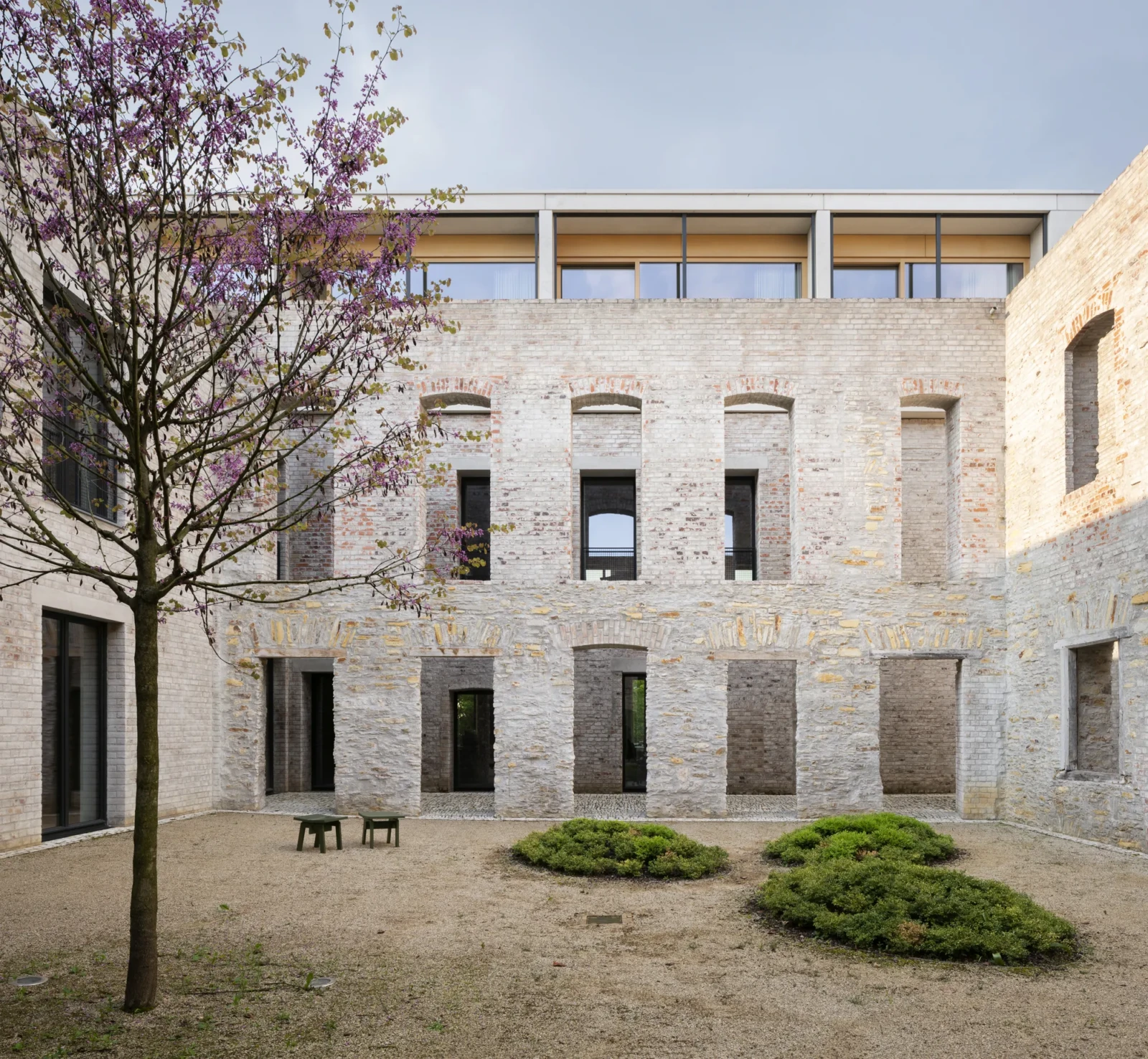
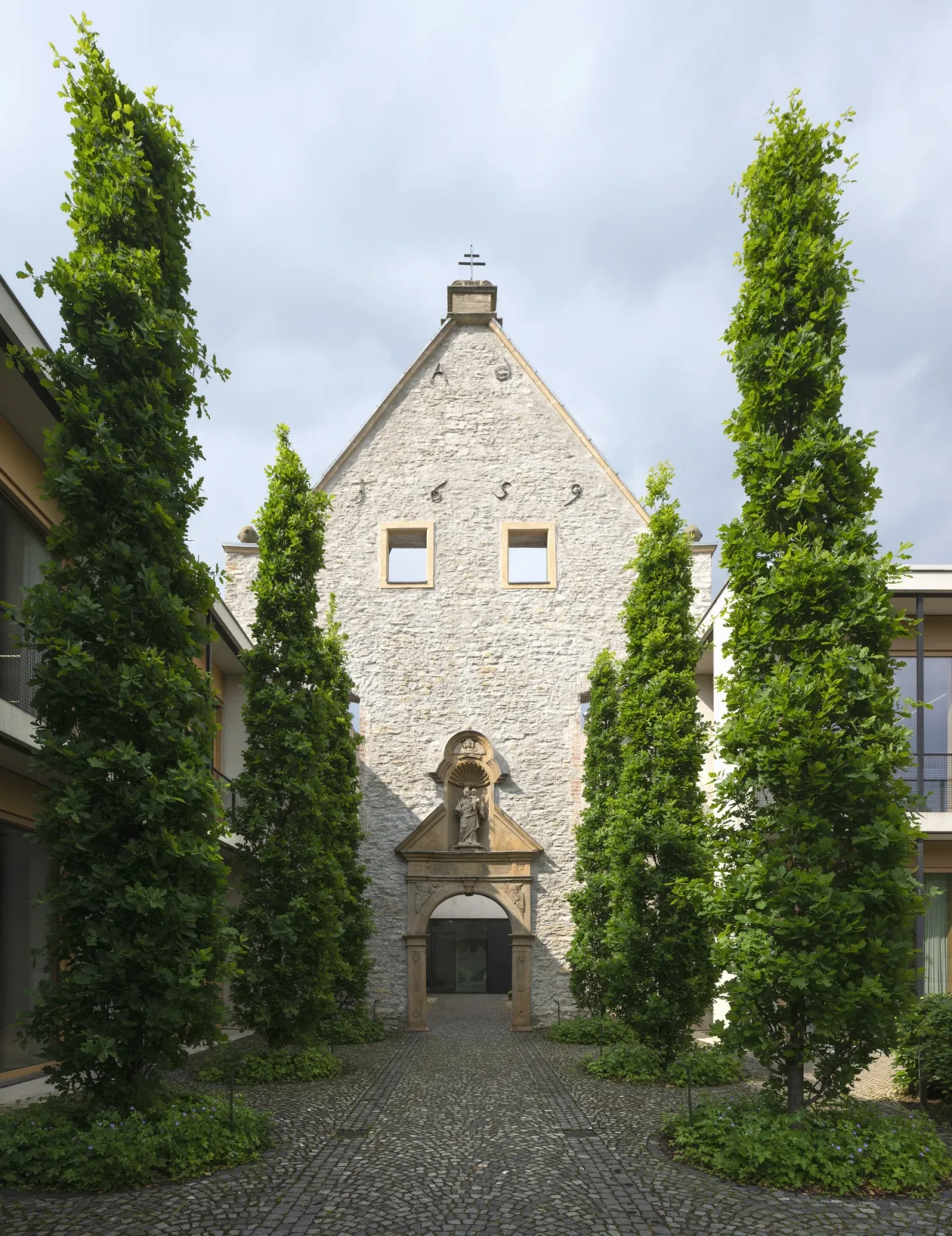
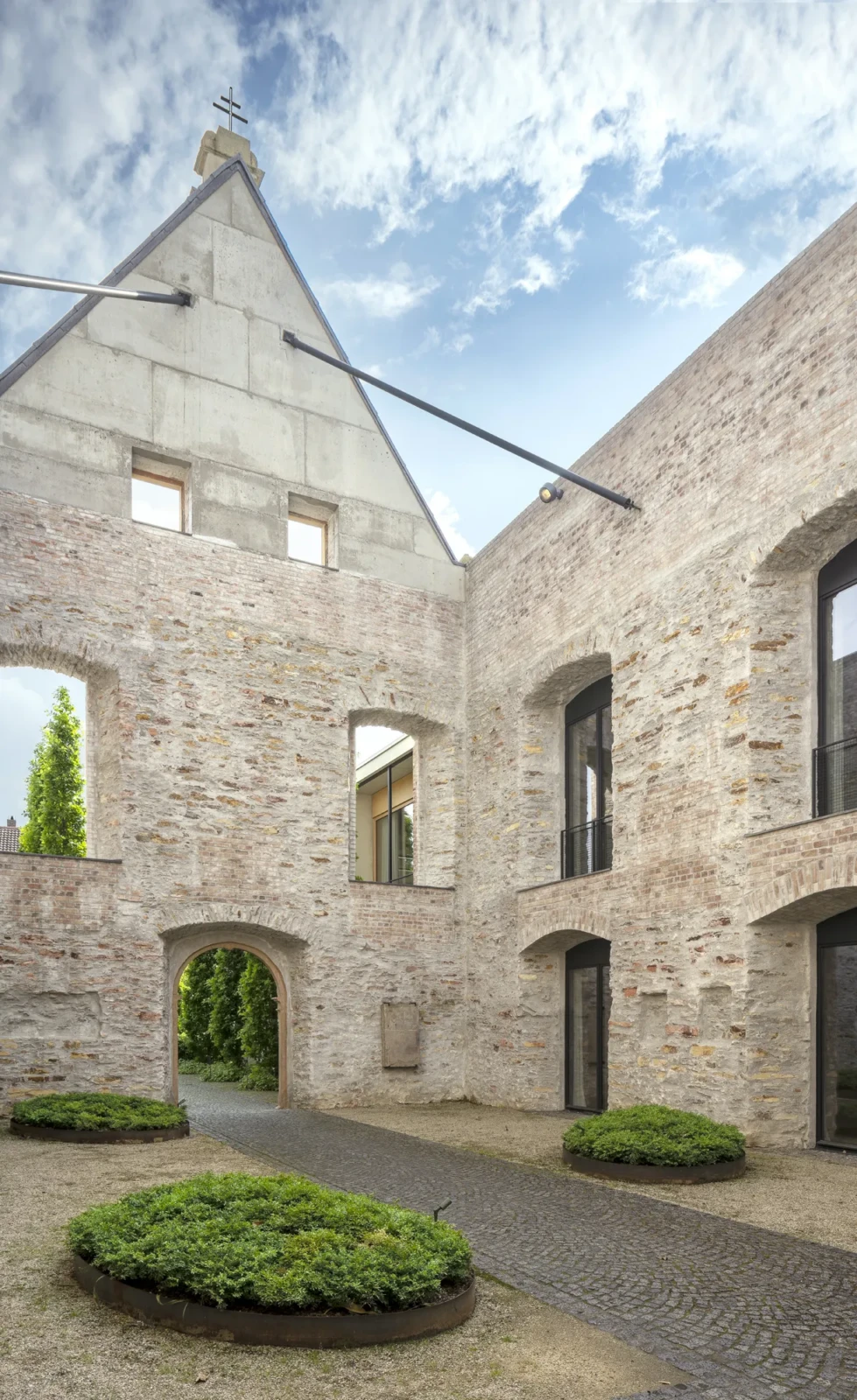
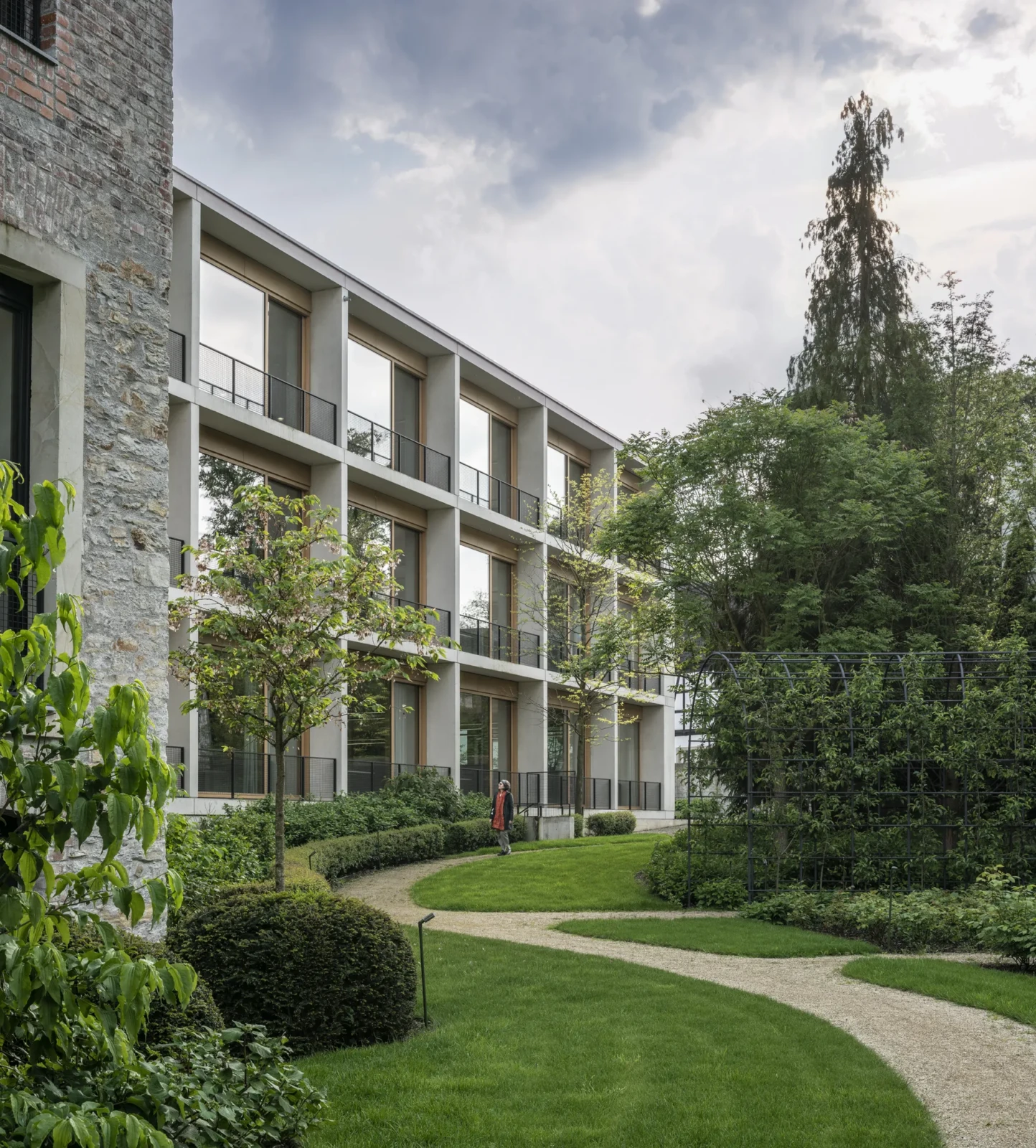
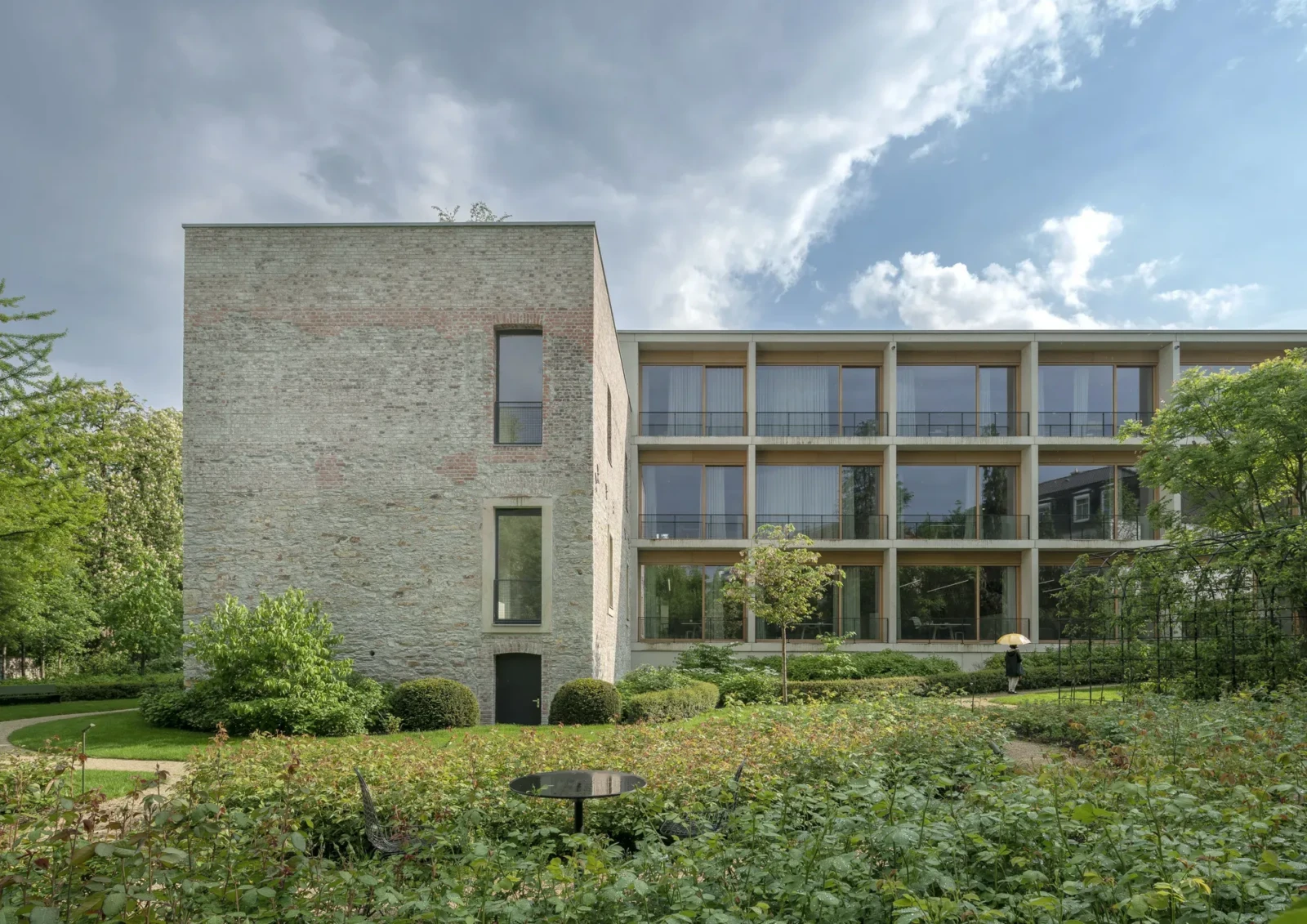
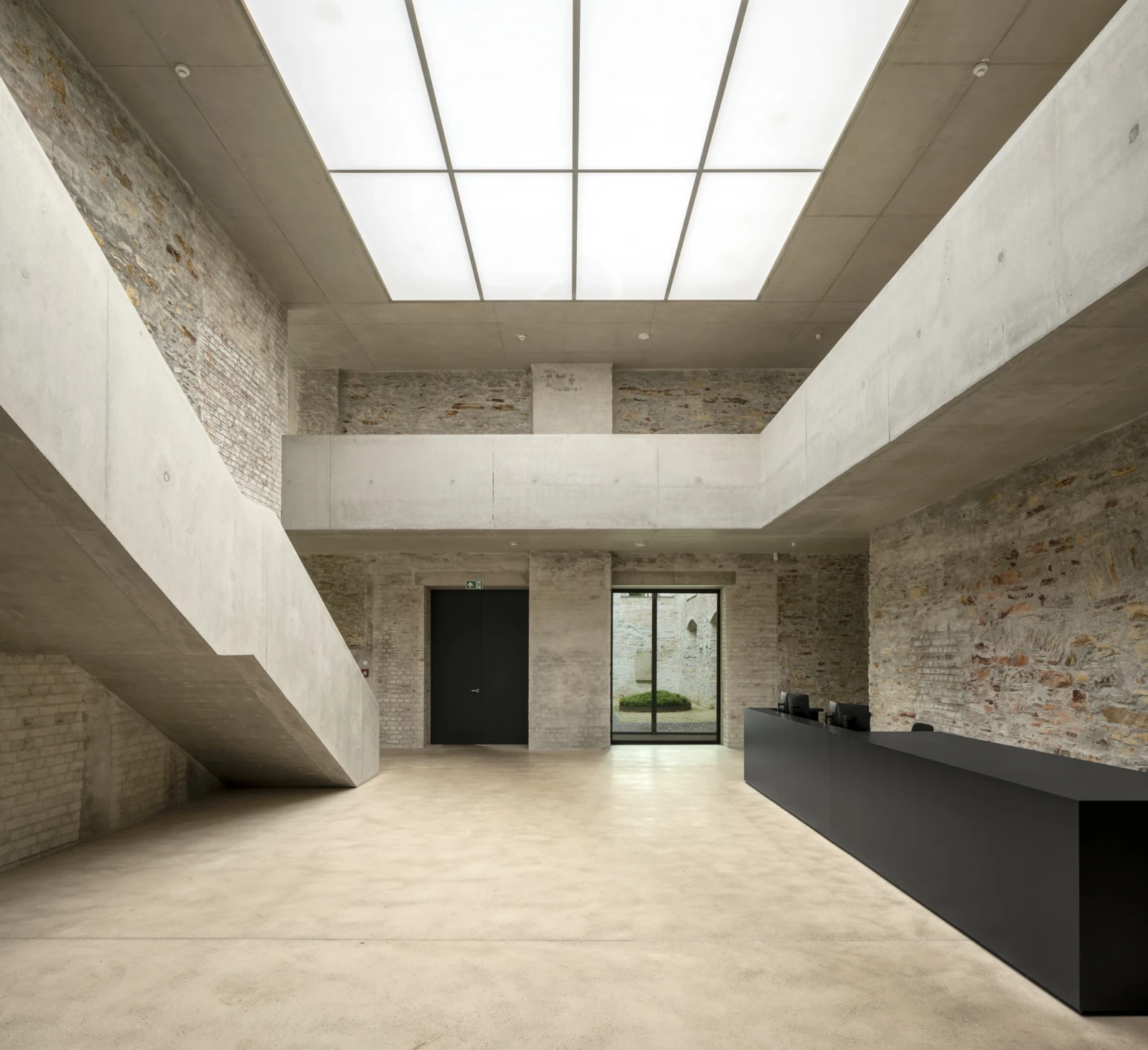
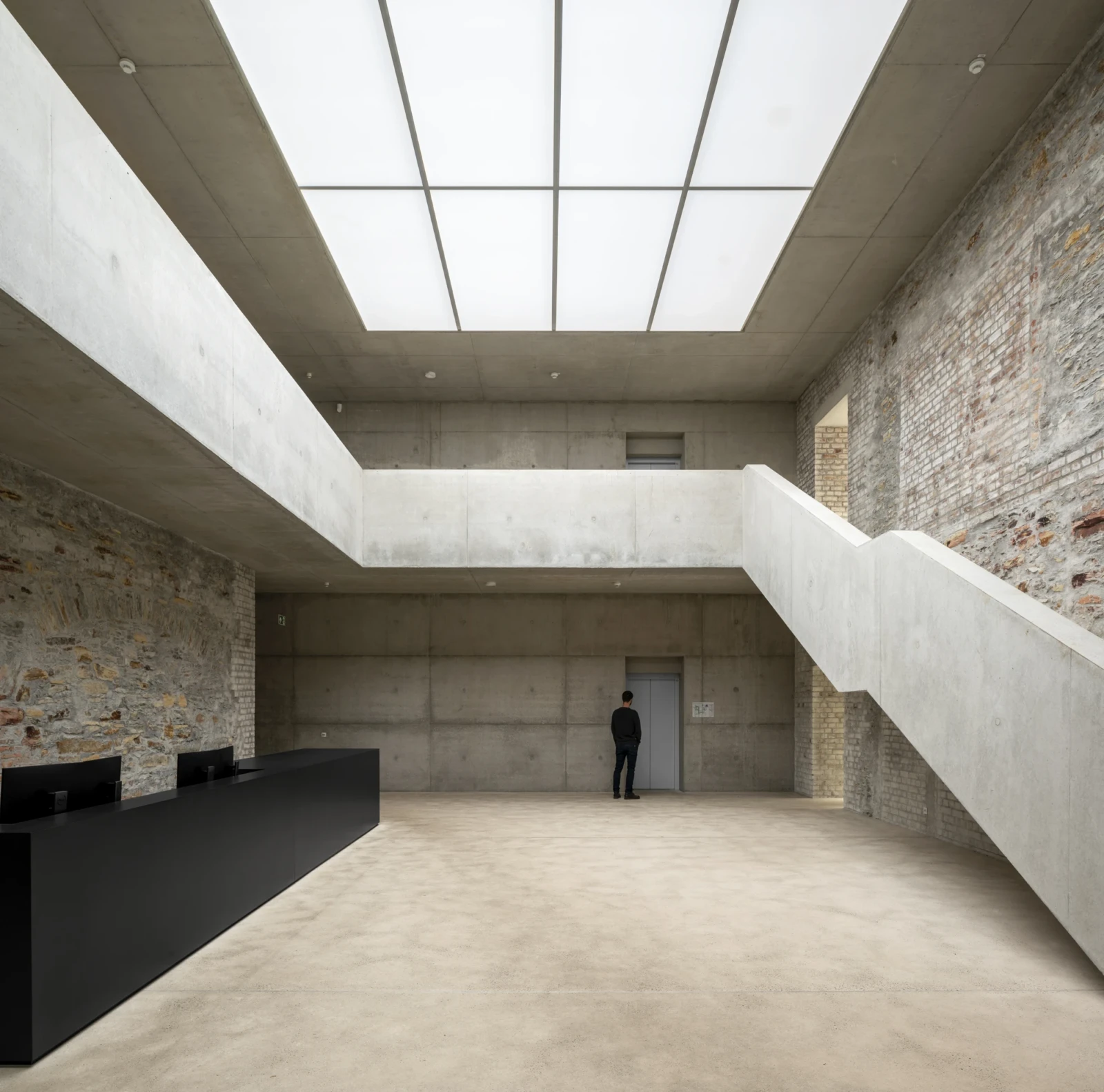
The former St. Vincenz hospital, situated in the medieval town center of Paderborn, has been converted by the firm of David Chipperfield into a new headquarters for the company Jacoby Studios. Originally a 17th-century Capuchin monastery, the ensemble was used as a hospital from 1841 onwards, and severely damaged during World War II. Subsequently the complex suffered several changes and extensions. The conversion for Jacoby Studios involved removing postwar additions to expose the monastery fabric once again, in particular preserving and restoring the chapel facade, the cloister, the east wing, and the cellar of the 1600s. New extension wings rising two or three floors are arranged in accordance with the orthogonal structure to the north, west, and south of the original buildings, resulting in a well balanced composition of different volumes. The complex takes on an identity of its own while maintaining its historic continuity.
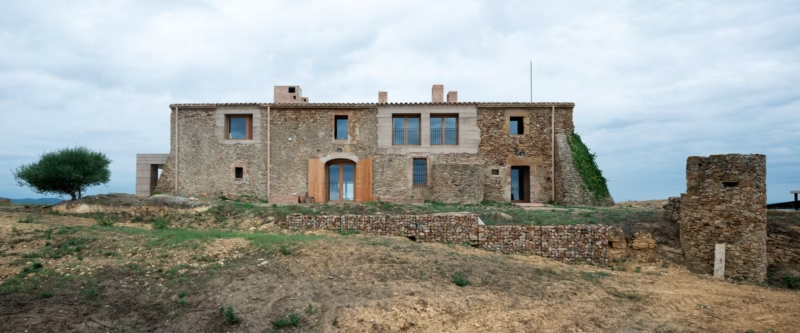
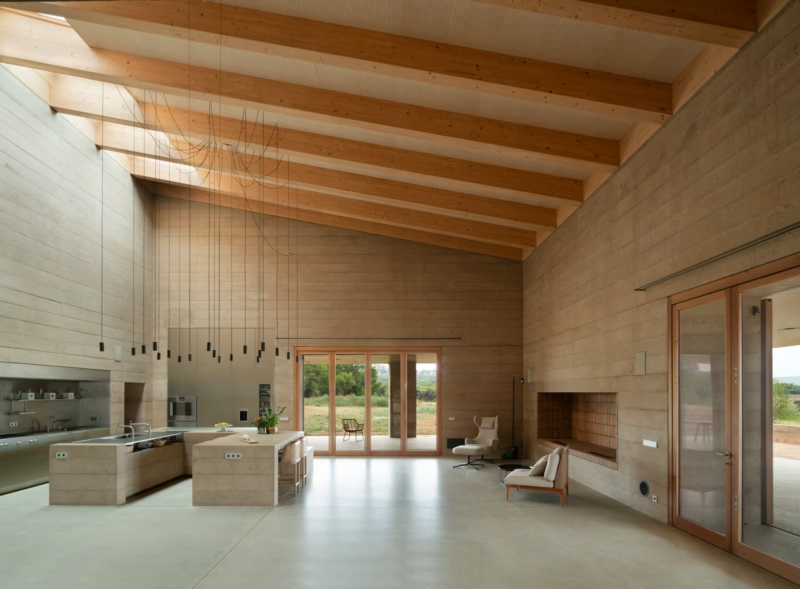
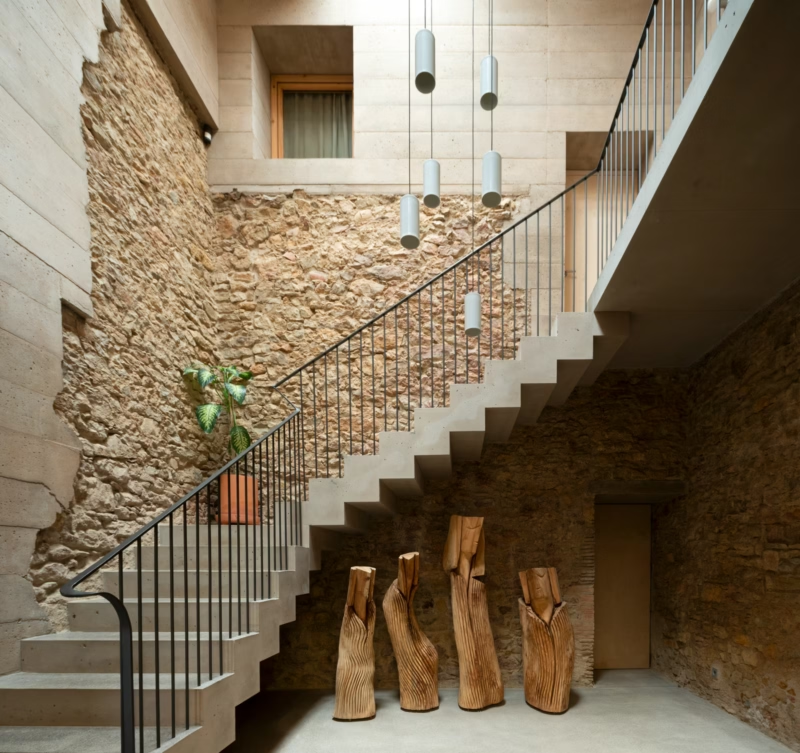
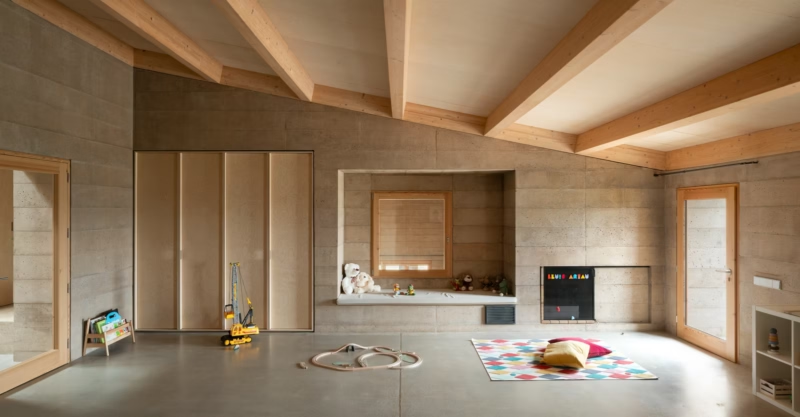
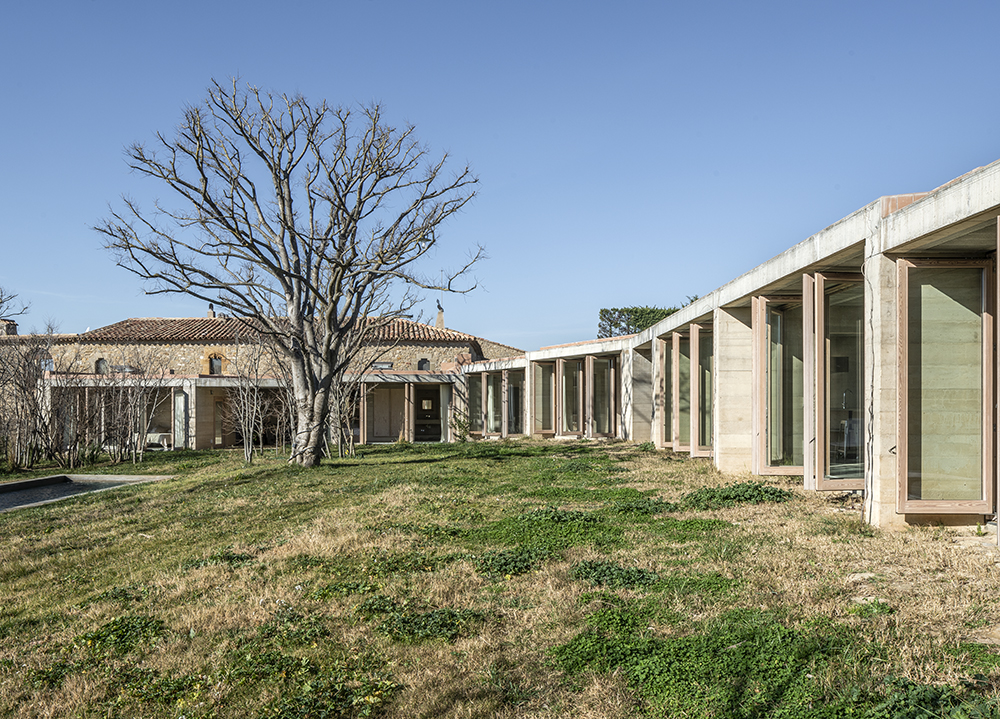
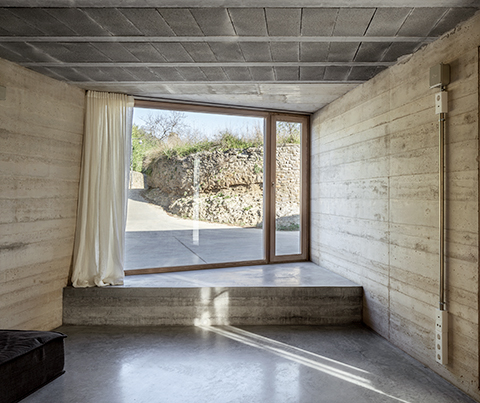
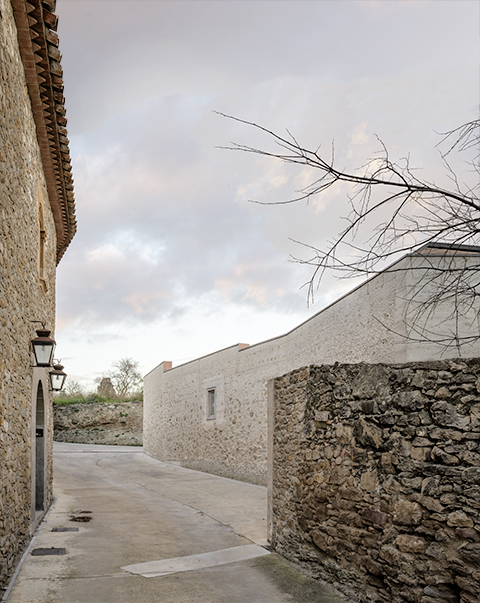
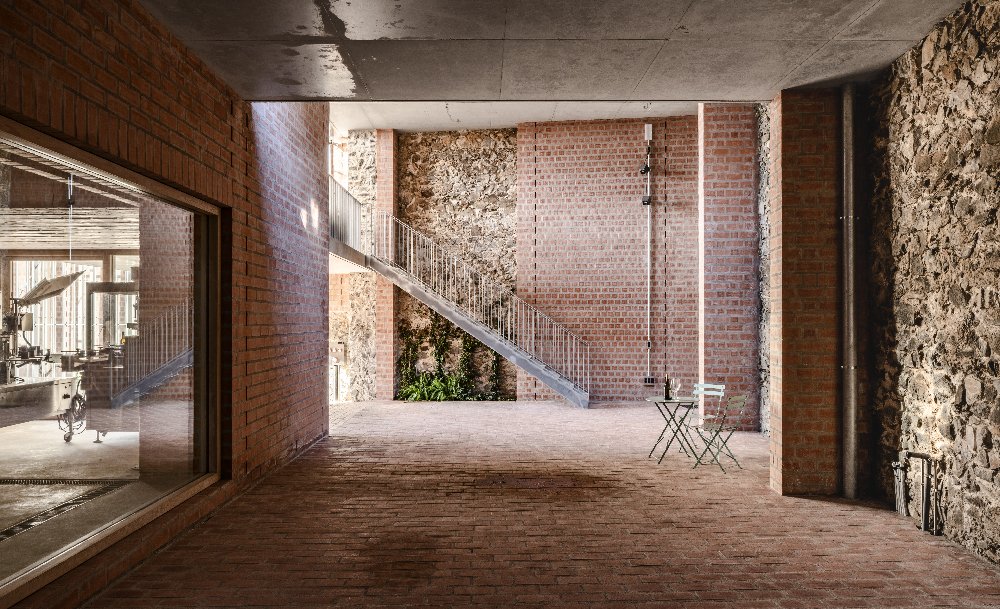
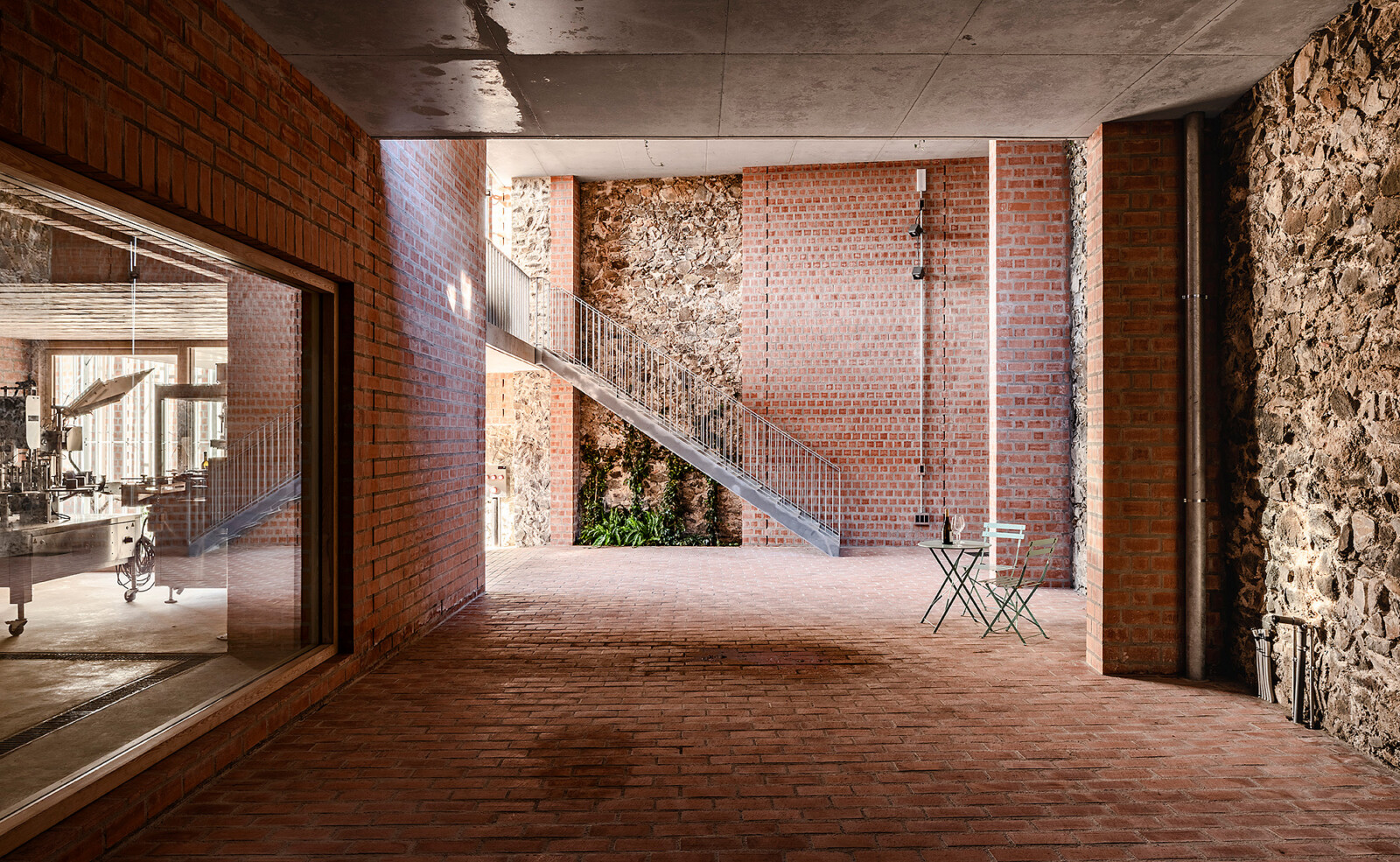
Harquitectes recomposes a ruined Catalan masia in Pals using cyclopean concrete walls, structural vaults and salvaged ceramic roof tiles set on the original footprint. The intervention takes the previous decay as a starting point and returns Mas Geli to the condition of an inhabited house without giving up preindustrial constructive logic: thick walls that regulate thermal inertia, geothermal climate control and a double-height central kitchen that articulates the domestic space.
The project was distinguished Ex Aequo at the 2024 Girona Counties Architecture Awards and is featured in the monograph El Croquis 230 — Harquitectes 2020-2024.
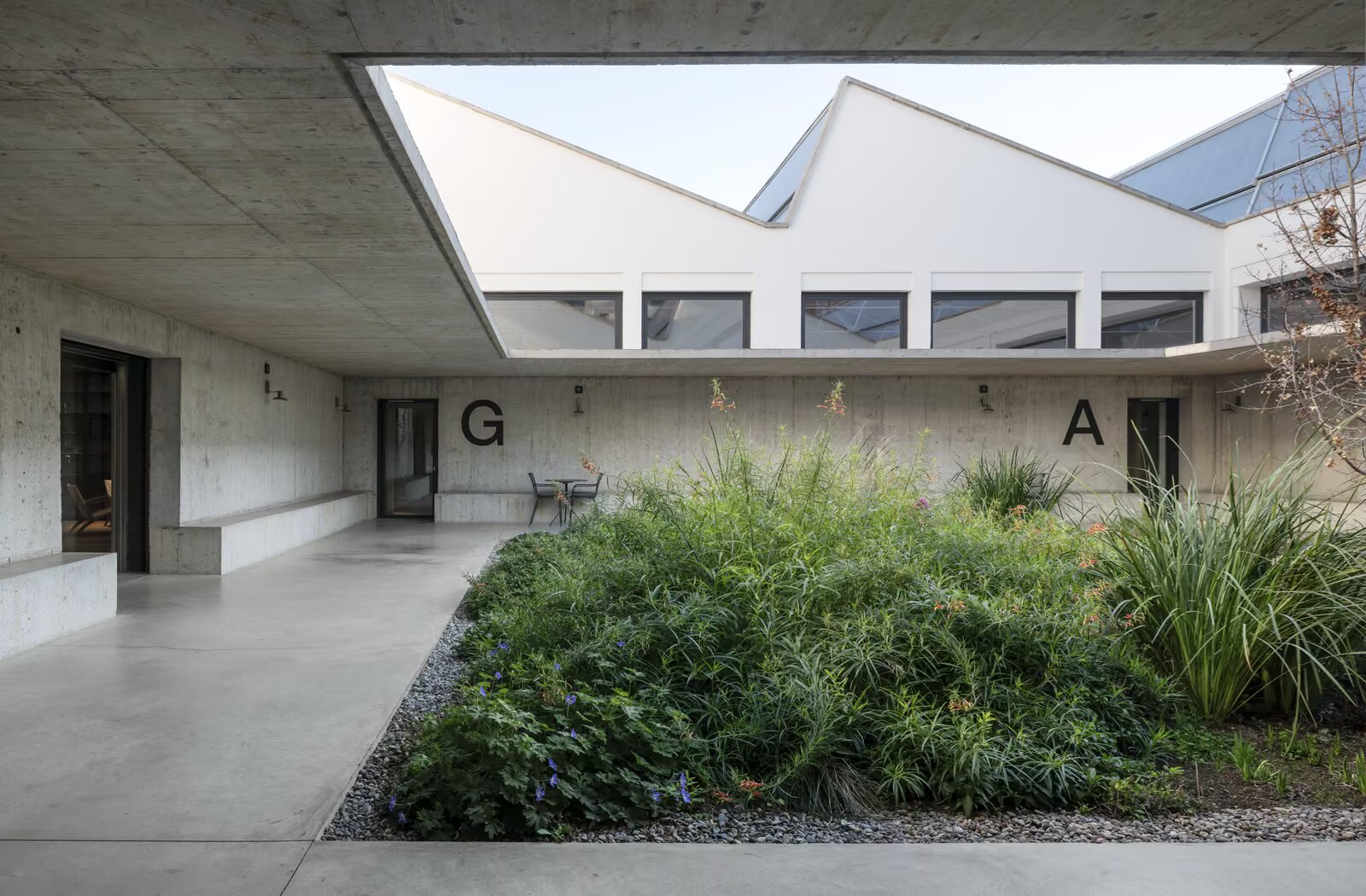
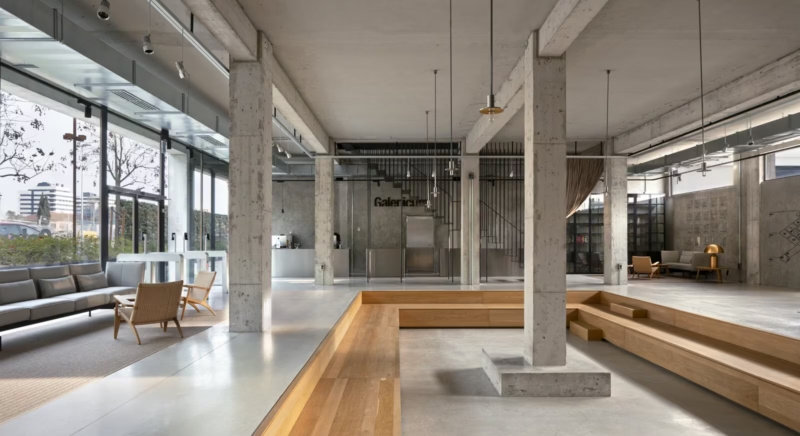
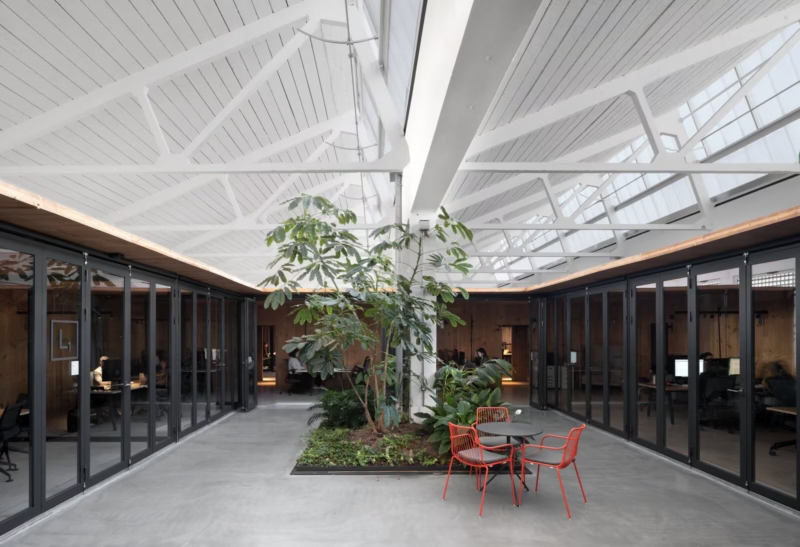
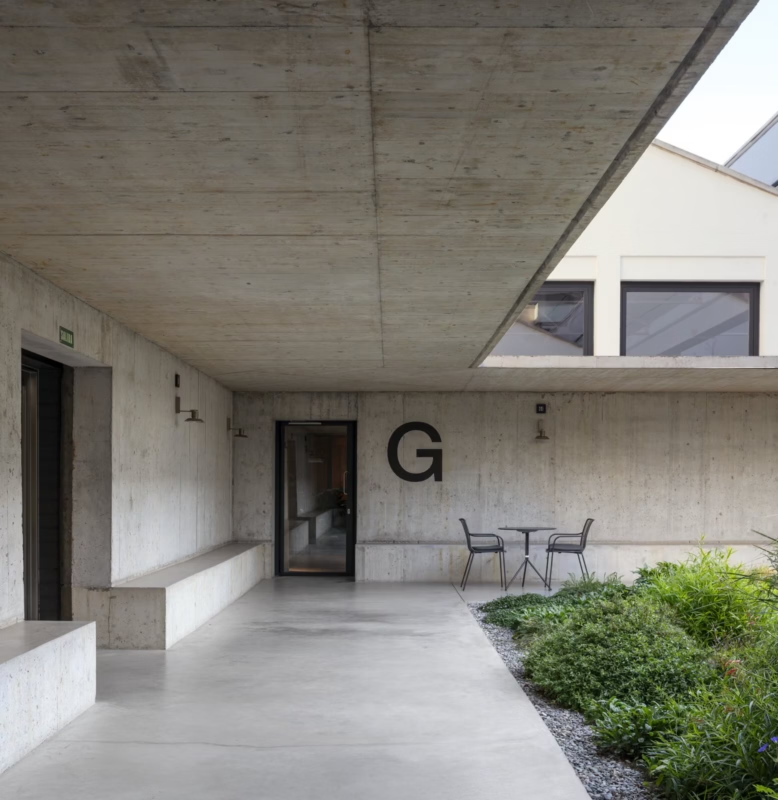
New headquarters for the pharmaceutical company Galenicum in Esplugues de Llobregat. Across 4,102 sqm, Harquitectes transforms a pre-existing industrial building into a workspace where a series of cloisters or rings of CLT timber panels organise the twelve departments and 140 employees into «tribes» around a central landscaped courtyard.
The climate strategy is hierarchical: the work rings are actively conditioned with radiant-cooling floors, while the interstitial space between rings and the original envelope is passively tempered. This approach turns the existing geometry and materiality —industrial columns, a north-facing sawtooth roof, courtyard— into climate infrastructure.
At the centre of each group, the void: an interior garden beneath the preserved structure, where the collective life of the company takes place.
JG1123-03 · Common access and collective leisure areaJG1123-13 · Central interior workspaceJG1123-16 · Central cloister courtyard with garden and connections to inner workspacesJG1123-18 · Landscaped interior space below the existing industrial structure
136 social housing units developed for IMPSOL in Gavà, on a plot that mediates between the Serra de les Ferreres and the Llobregat Agricultural Park. The staggered volumes adapt to the natural slope; parking is gathered beneath the building footprint, freeing the ground for a drainage garden of native shrubs, holm oaks and carobs.
Each block encloses a cloister-like central atrium that works as a chamber of filtered light: the vertical cores rise through it and serve four apartments per landing. Rooms open simultaneously toward the outer landscape and the inner courtyard, taking cross-light that shifts with orientation and time of day. Each apartment is built around identical, non-hierarchical 10.6 m² modules — interchangeable as living room, kitchen or bedroom.
JG1121-16 · Patio interior tipo claustro entre dos bloquesJG1121-27 · El conjunto visto desde el exterior de la parcela, con los volúmenes escalonados sobre la pendienteJG1121-14 · Interior de una vivienda con módulo de 10,6 m² y balcón corrido al paisaje
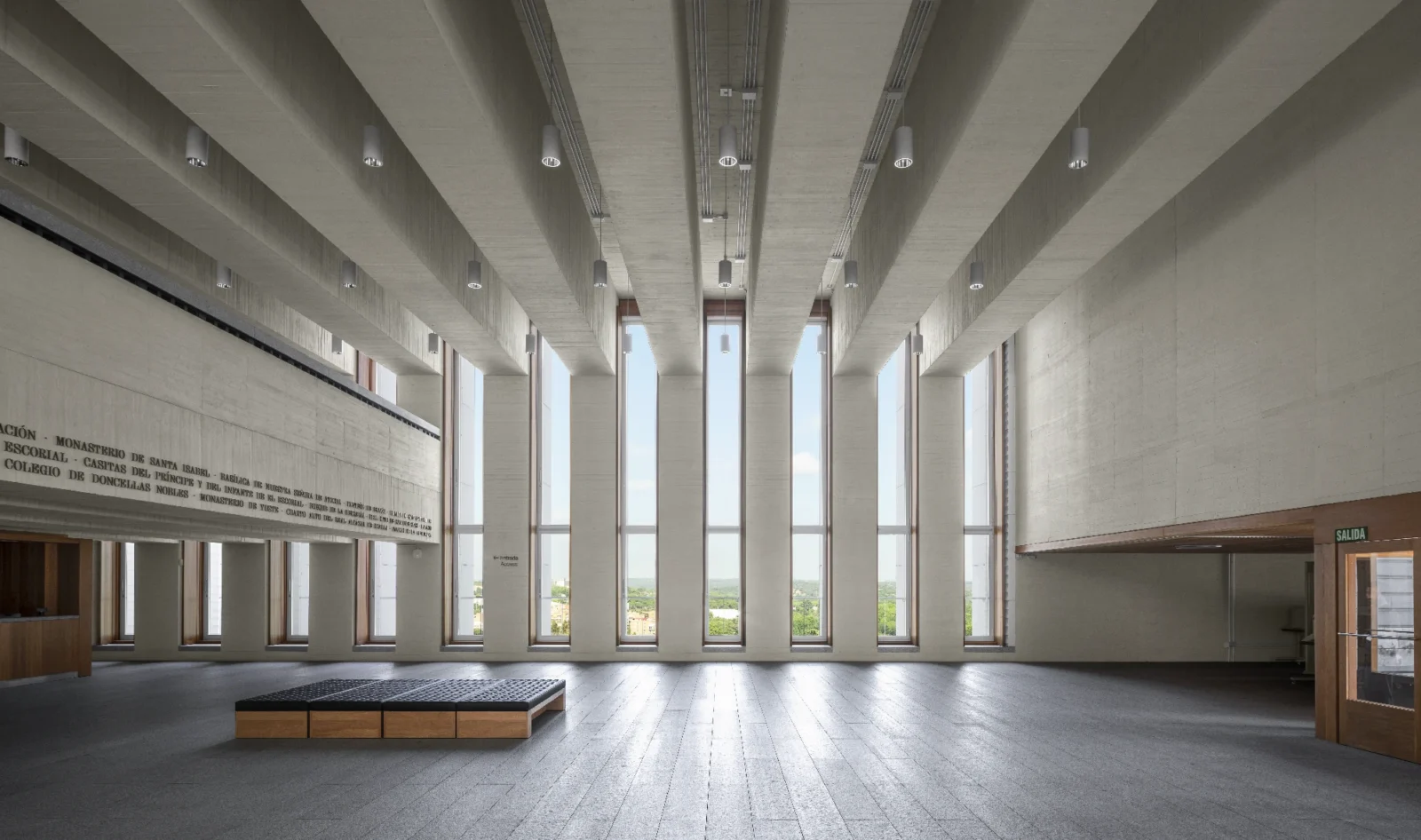
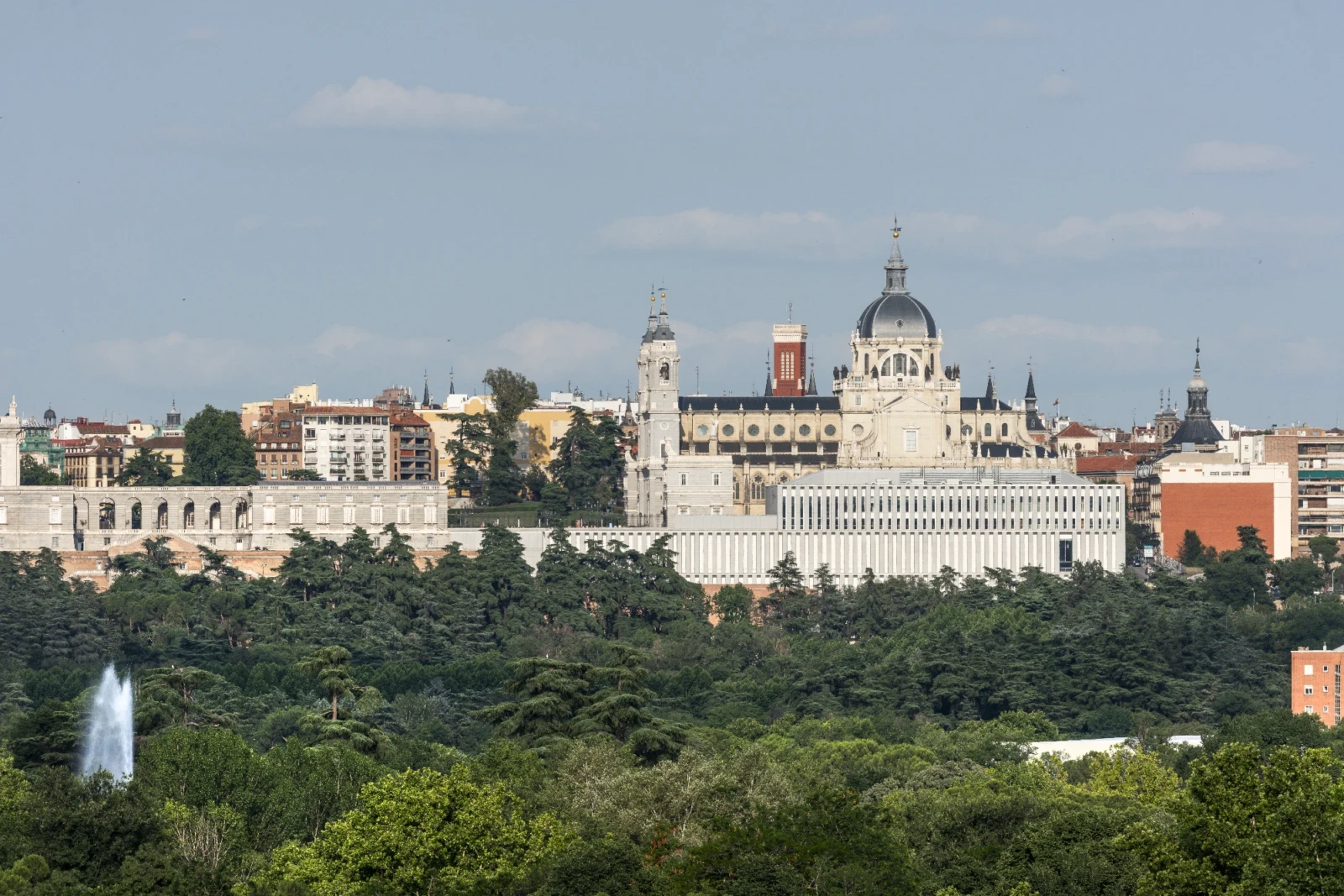
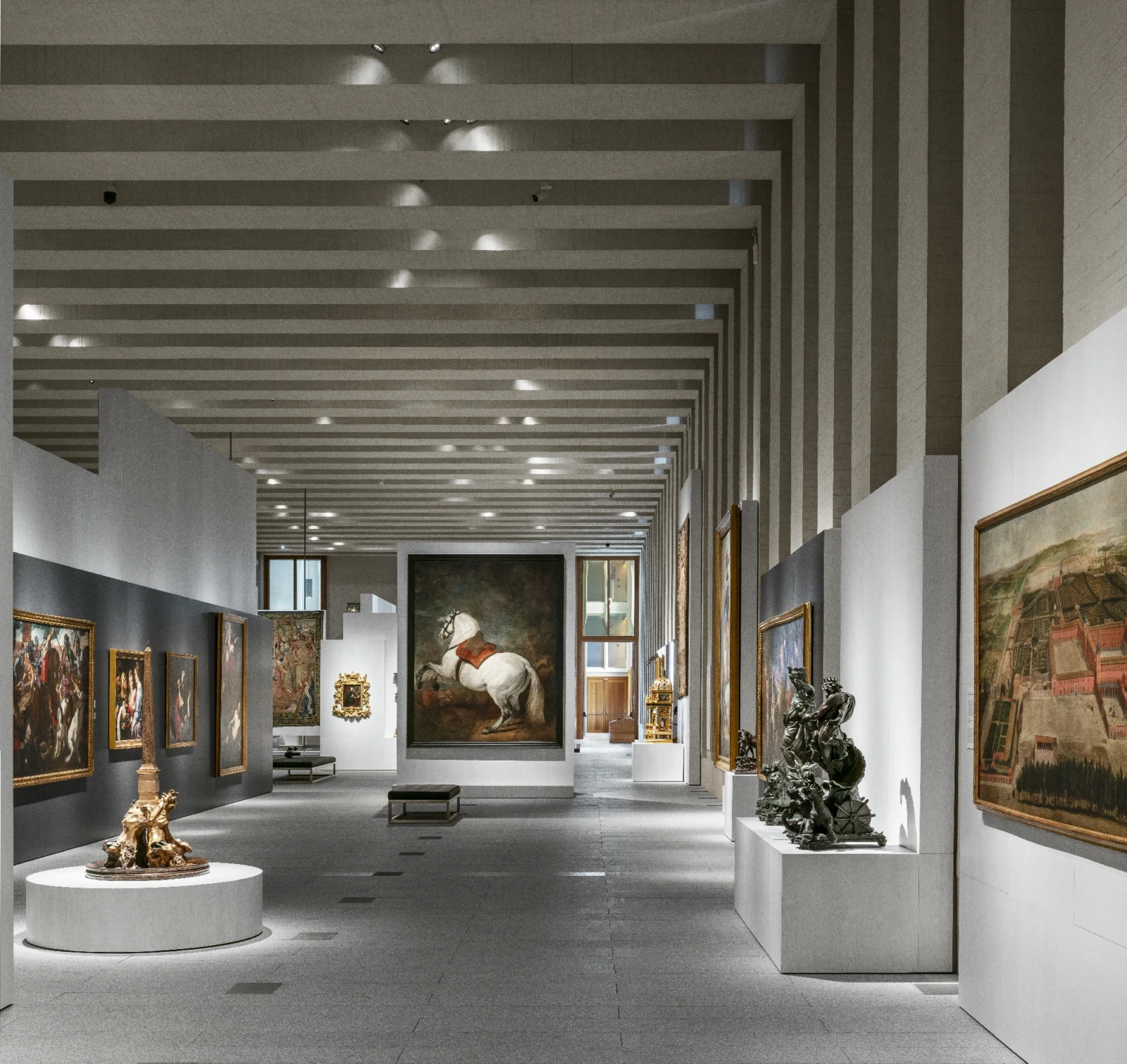
The Royal Collections Museum extends the base of the Royal Palace, building a linear space that follows the palace’s outlines, drawn in the 18th century by Giovanni Battista Sacchetti, and contributes to rounding out the natural-artificial historical landscape of Madrid’s western edge. The Gallery is a new text on top of what was already written. With a material quality that is both heavy and light at the same time, it refers to the passage of time in the Palace’s old stones through the construction of a simple, compact building. The design is aware that maximum flexibility and opportunity can only be possible within a rigorous order, which adopts the materials of the Royal Palace and its dignified construction as a feature, adding a contemporary layout that is both opaque and transparent.RC
Royal Collections Museum in Madrid, Spain.Royal Collections Museum in Madrid, Spain.Royal Collections Museum in Madrid, Spain.
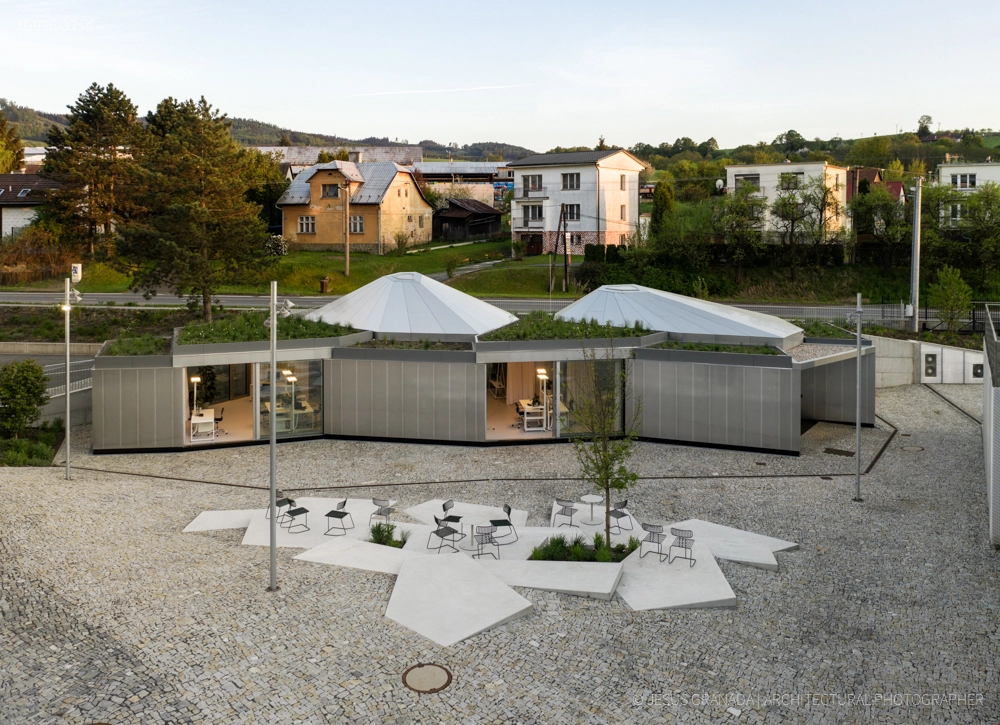
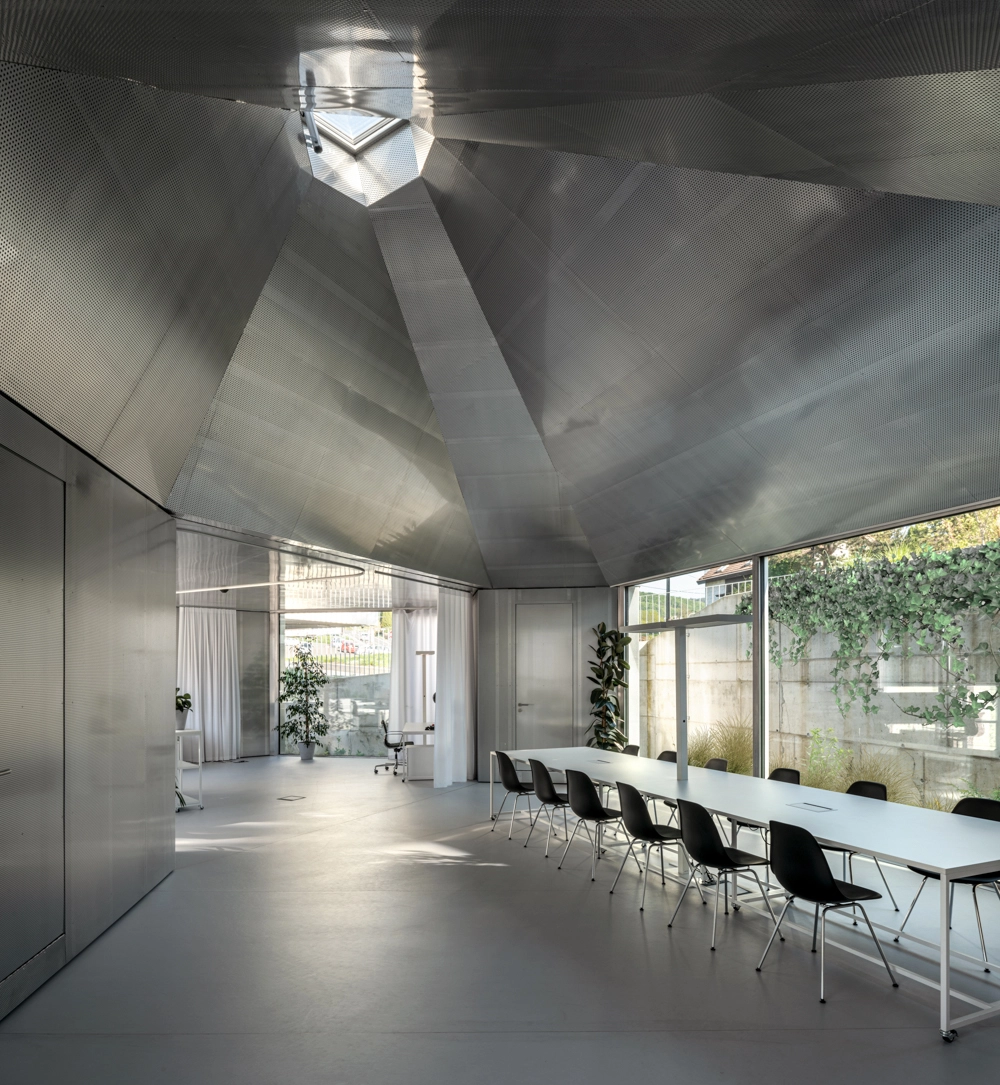
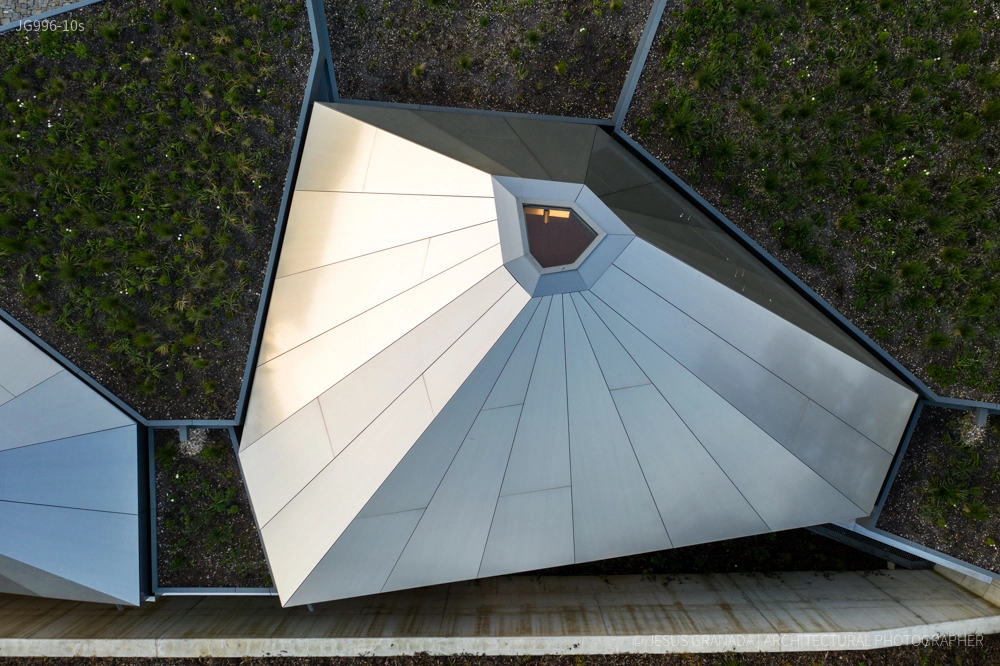
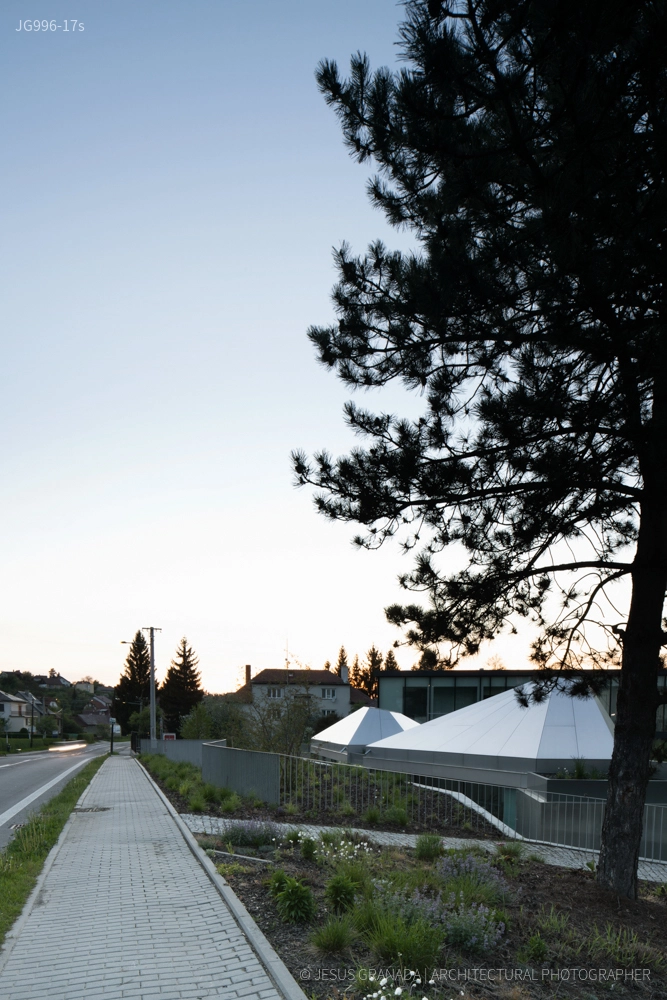
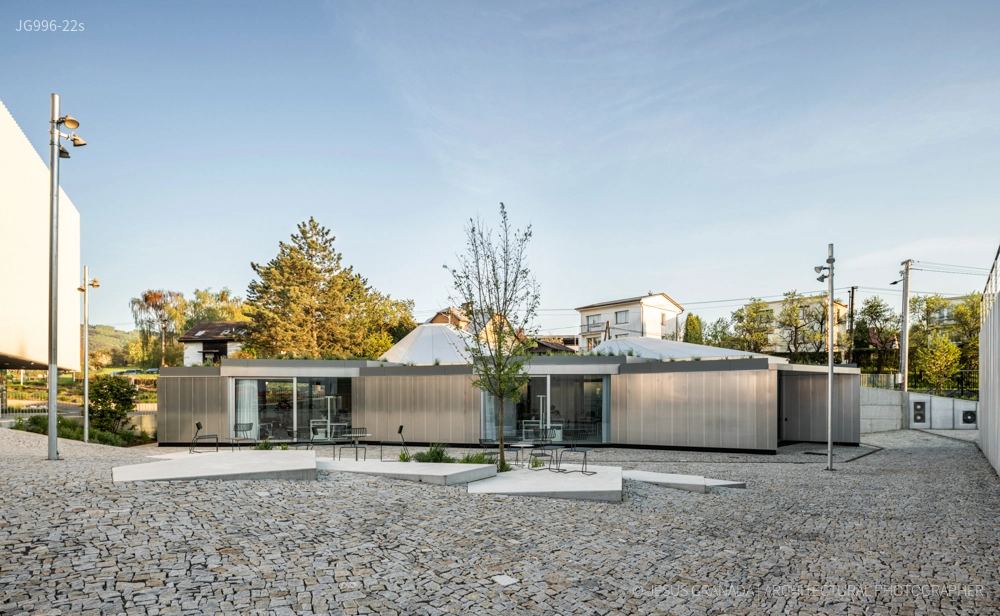
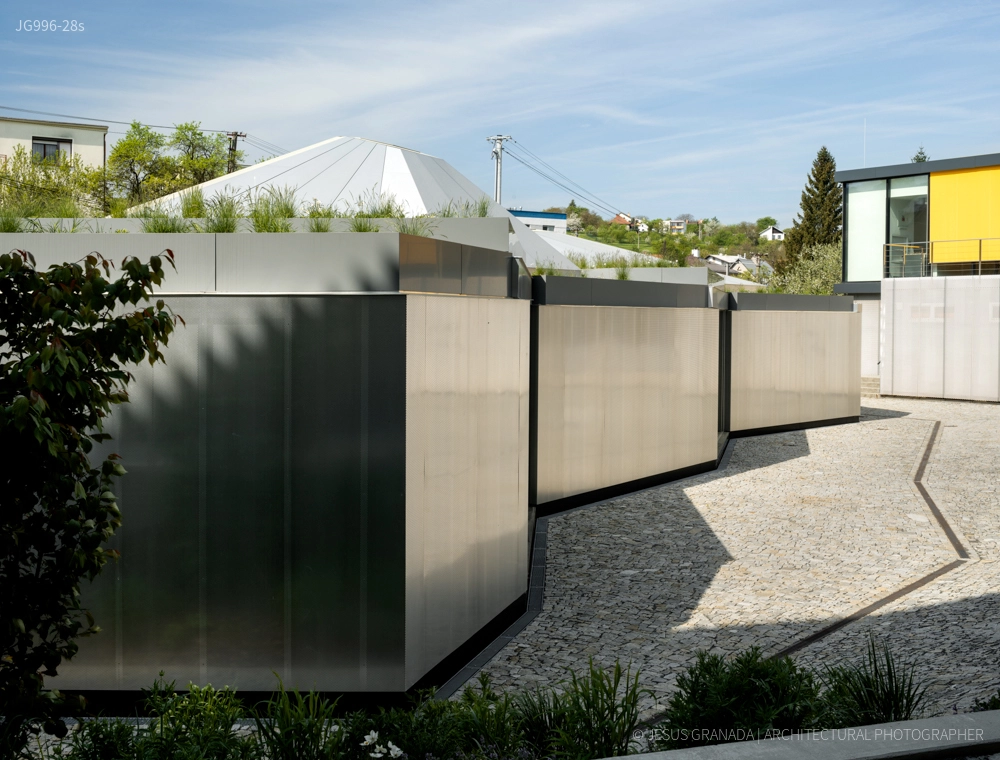
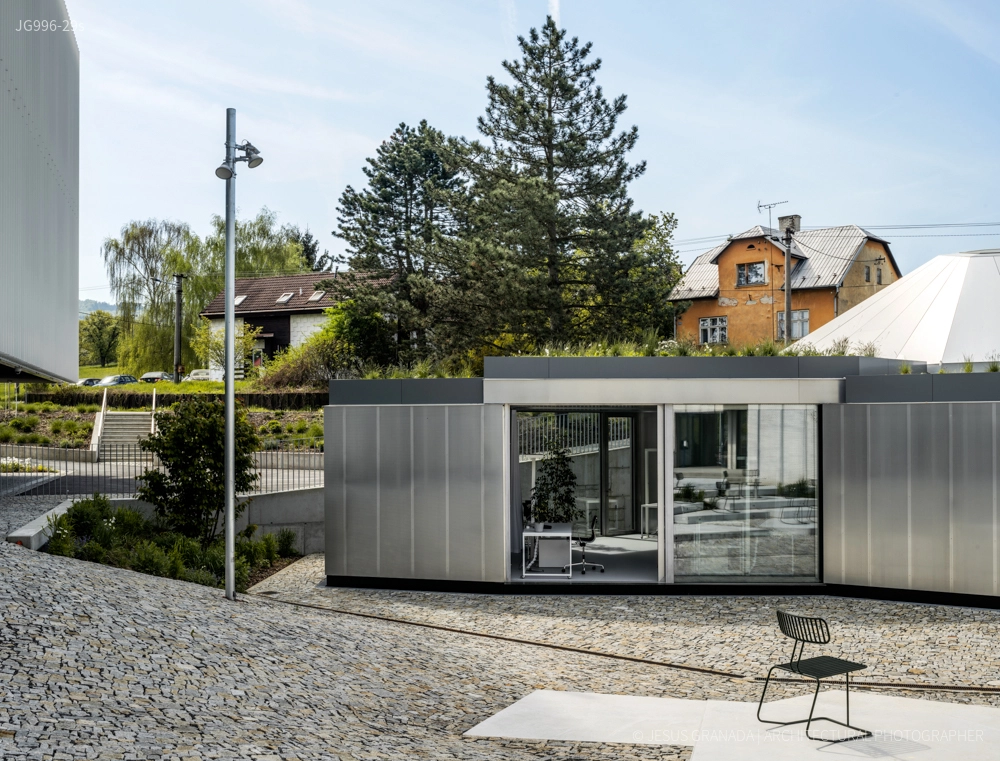
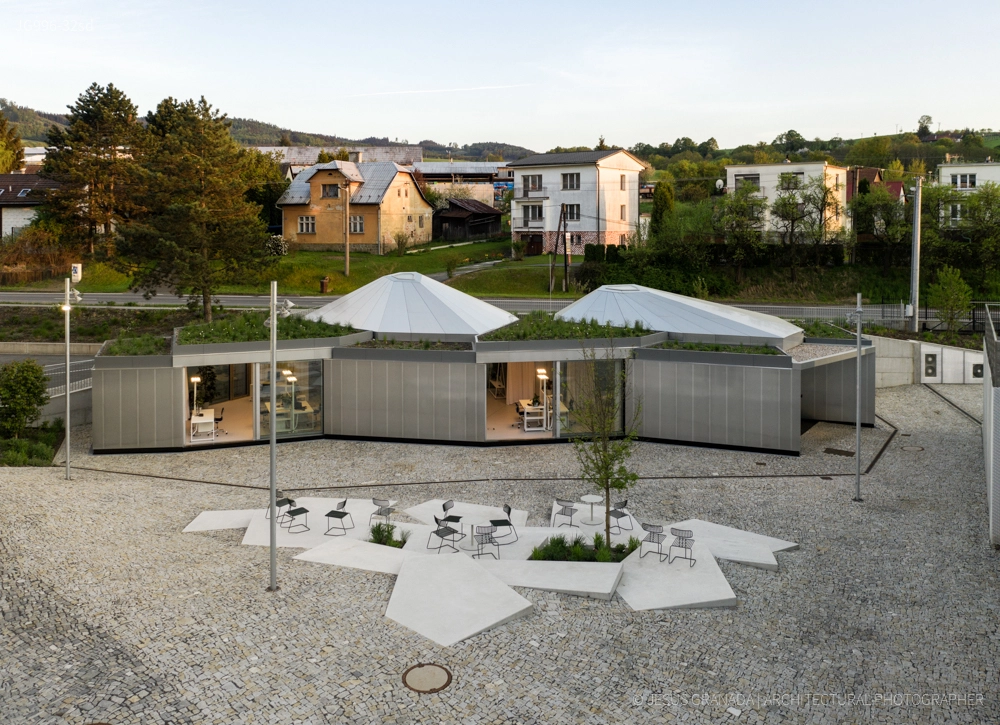
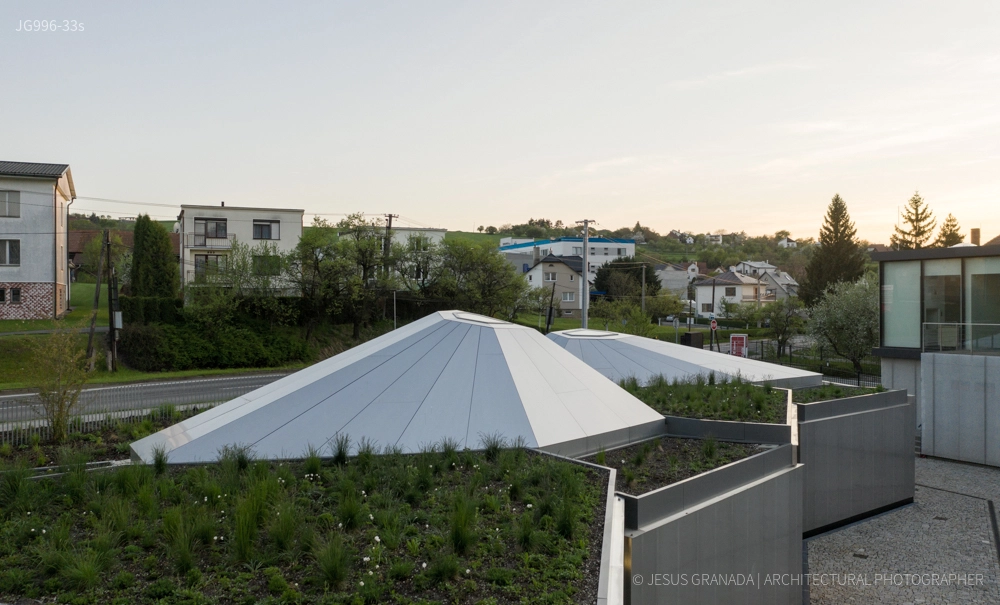
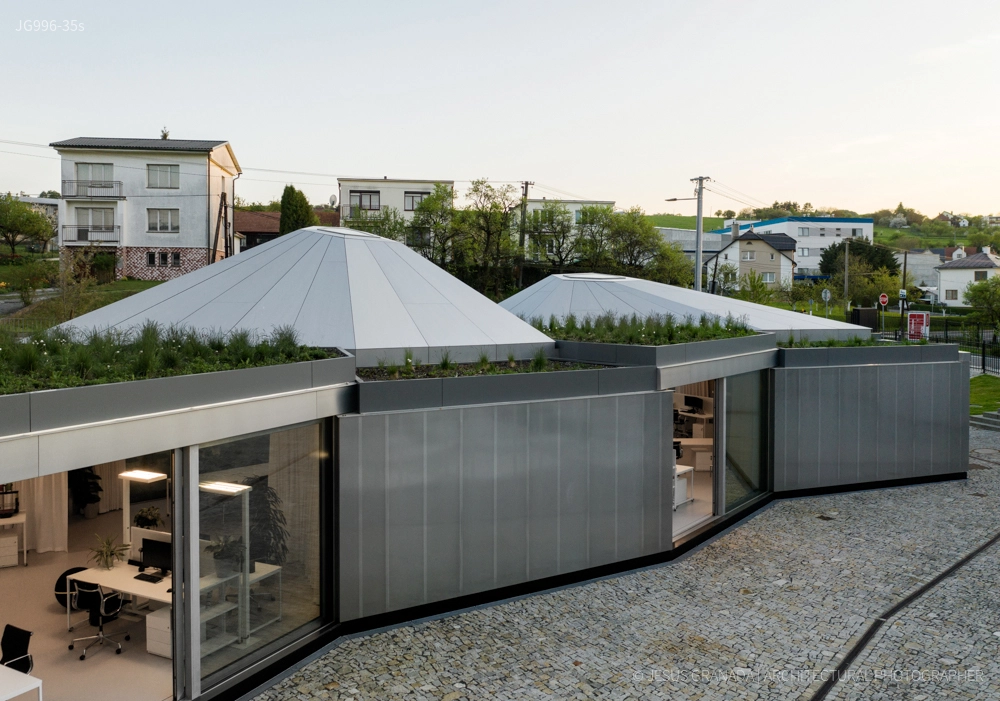
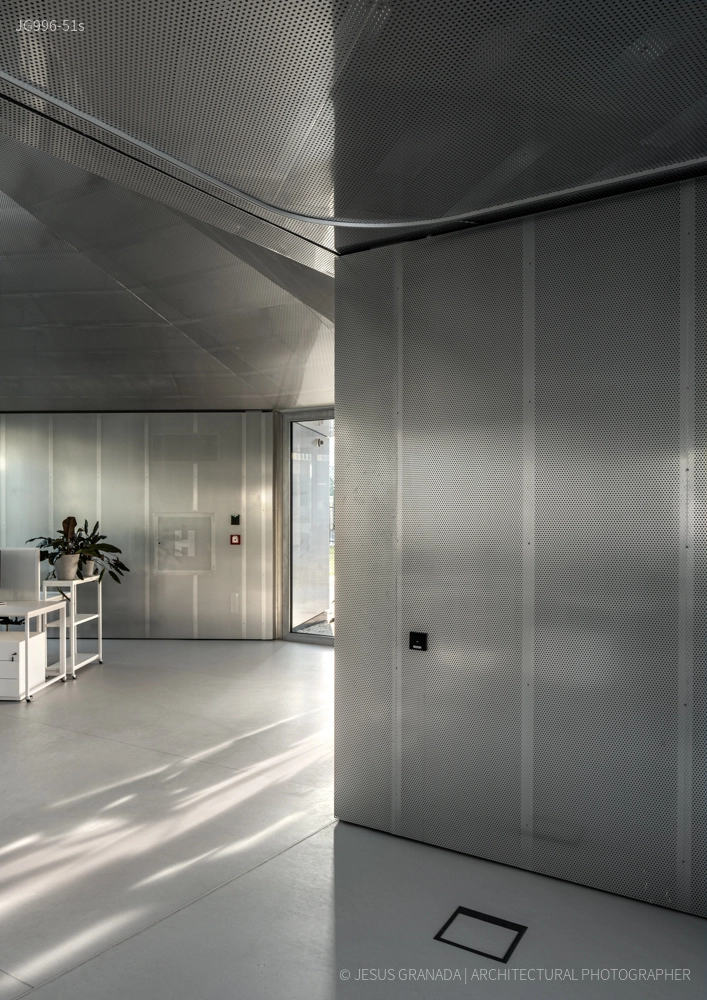
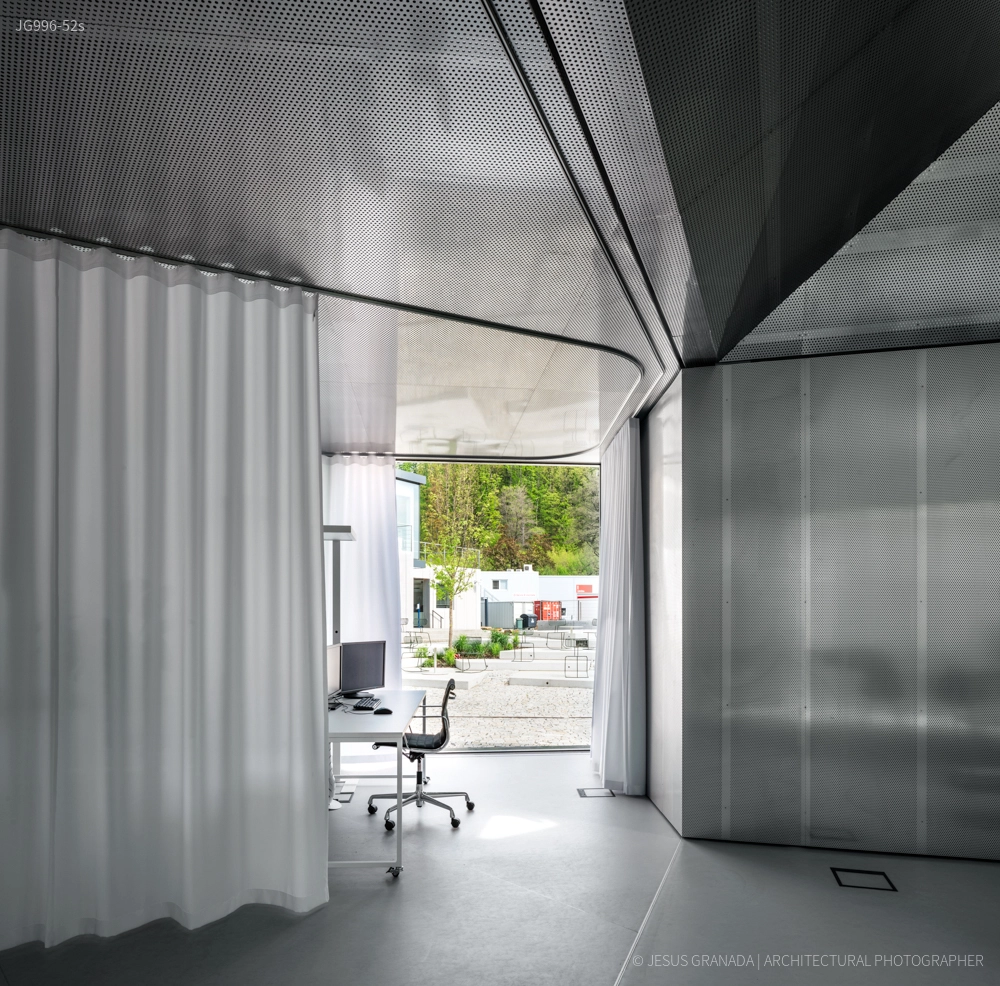
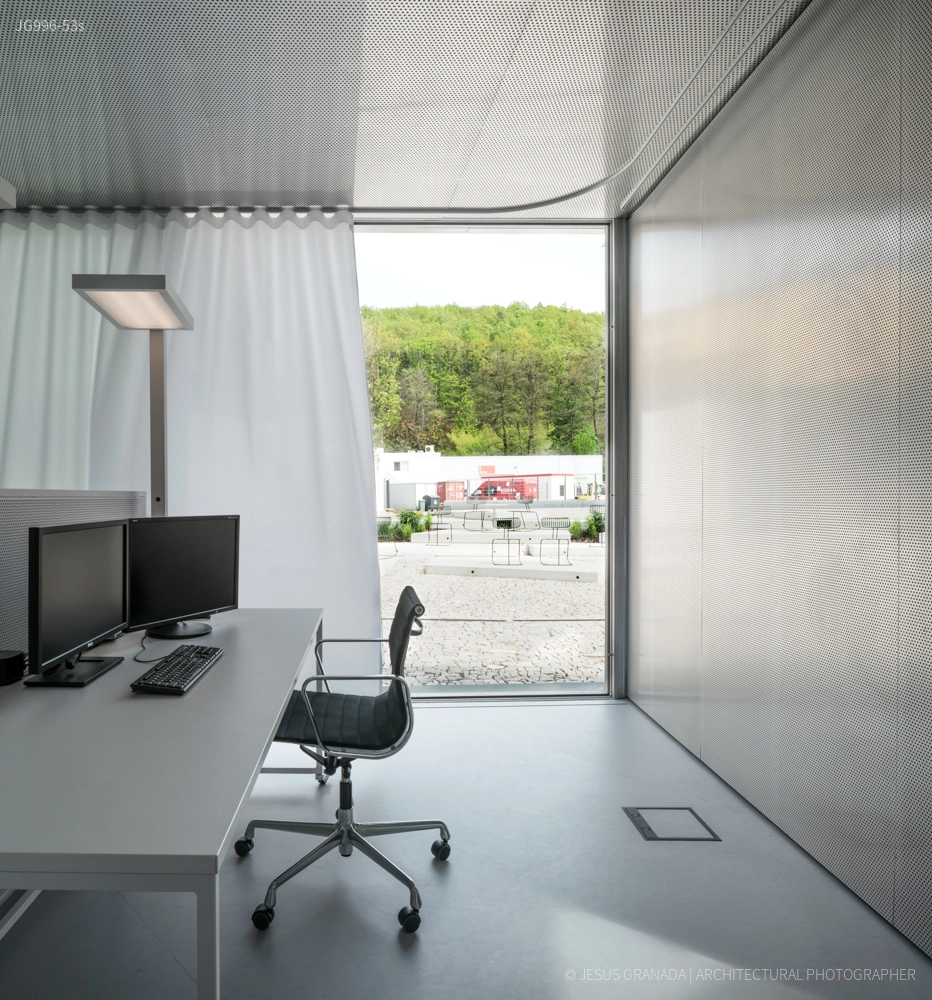
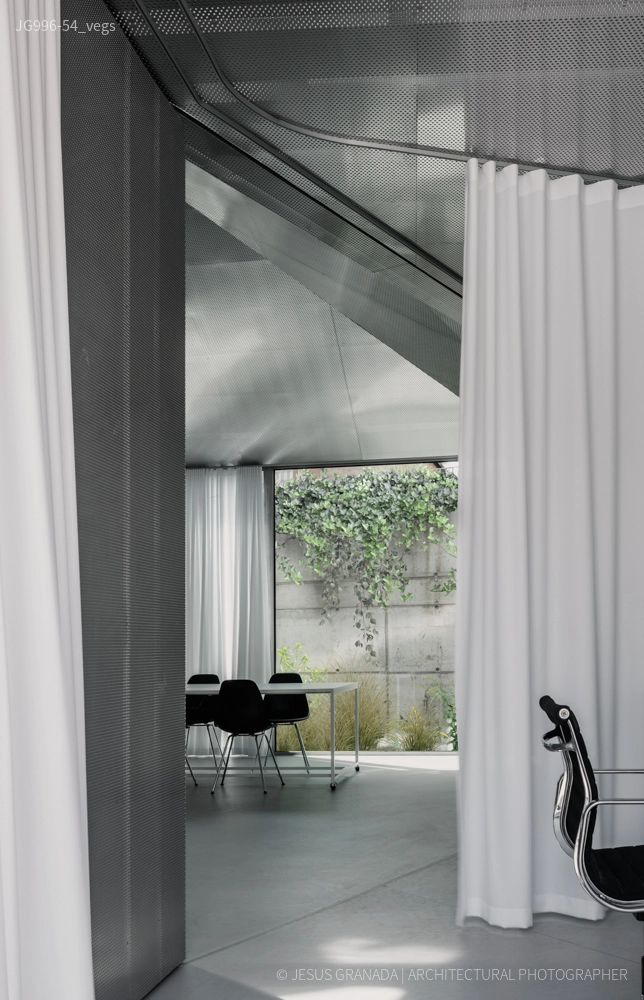
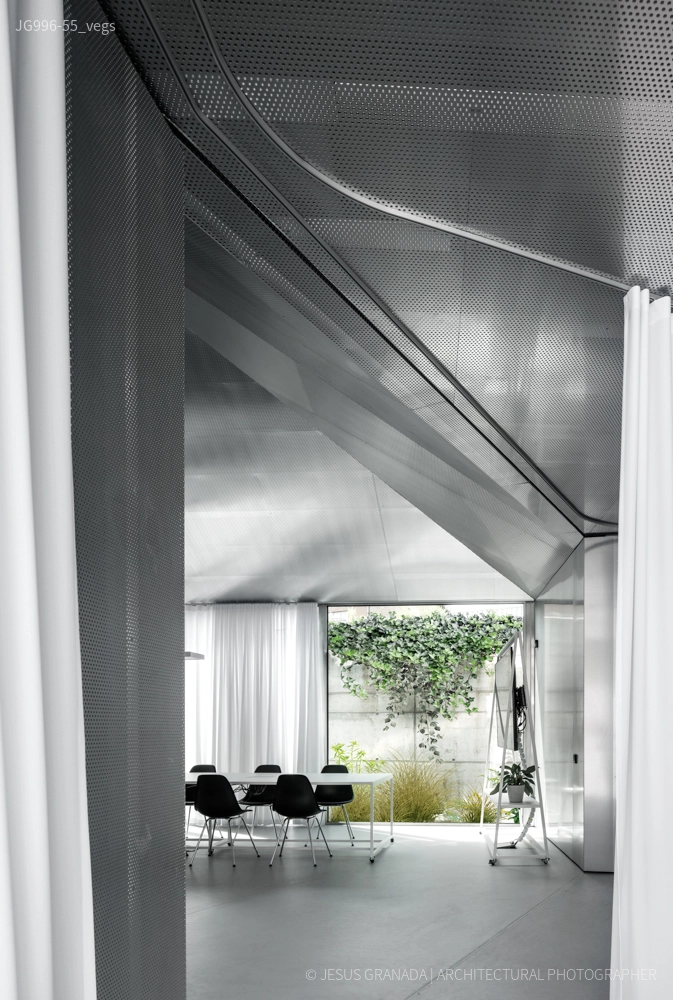
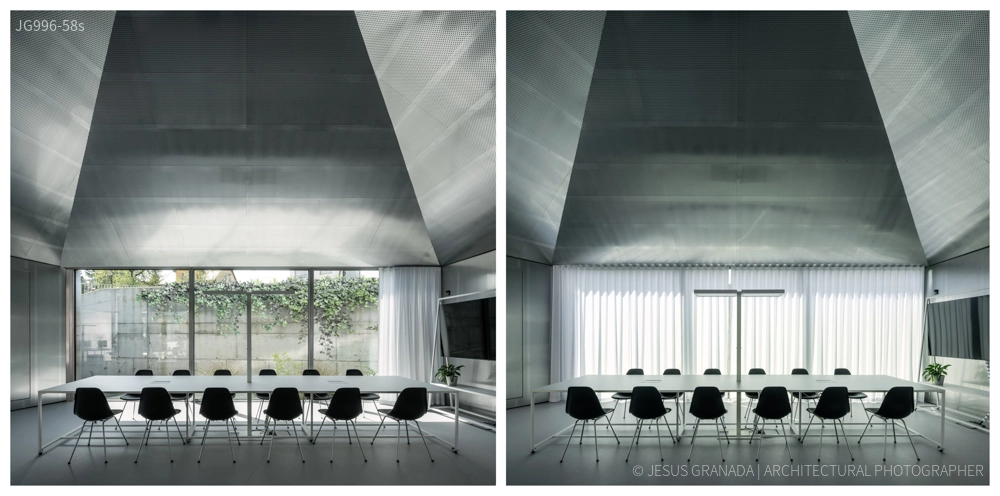
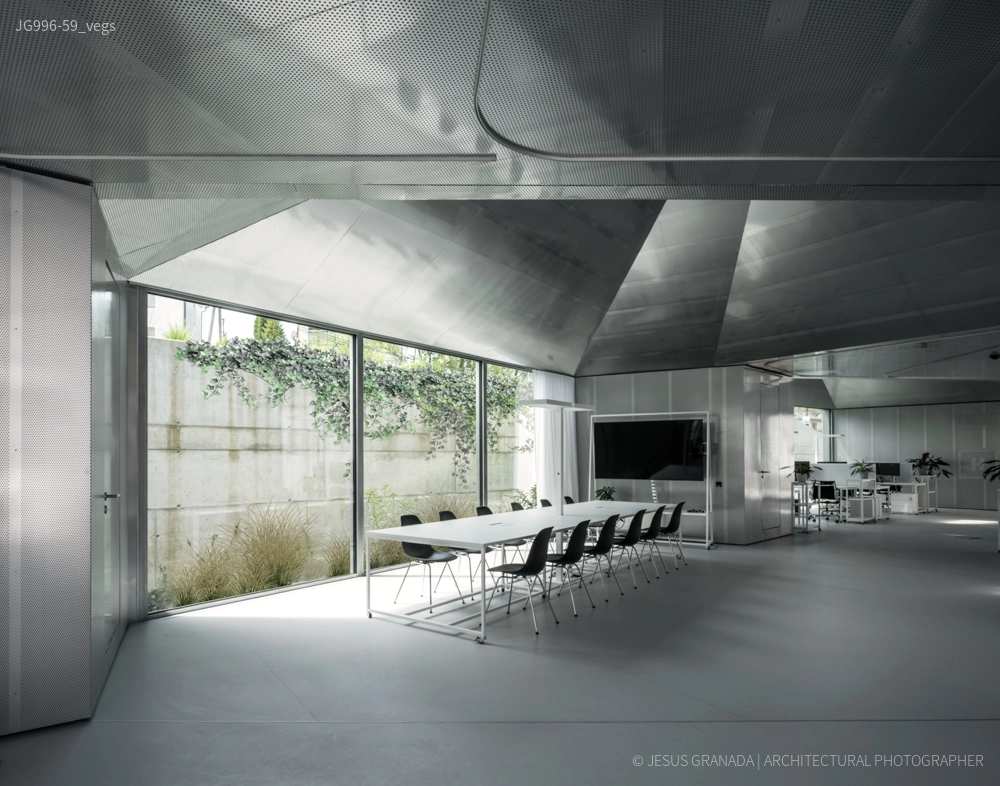
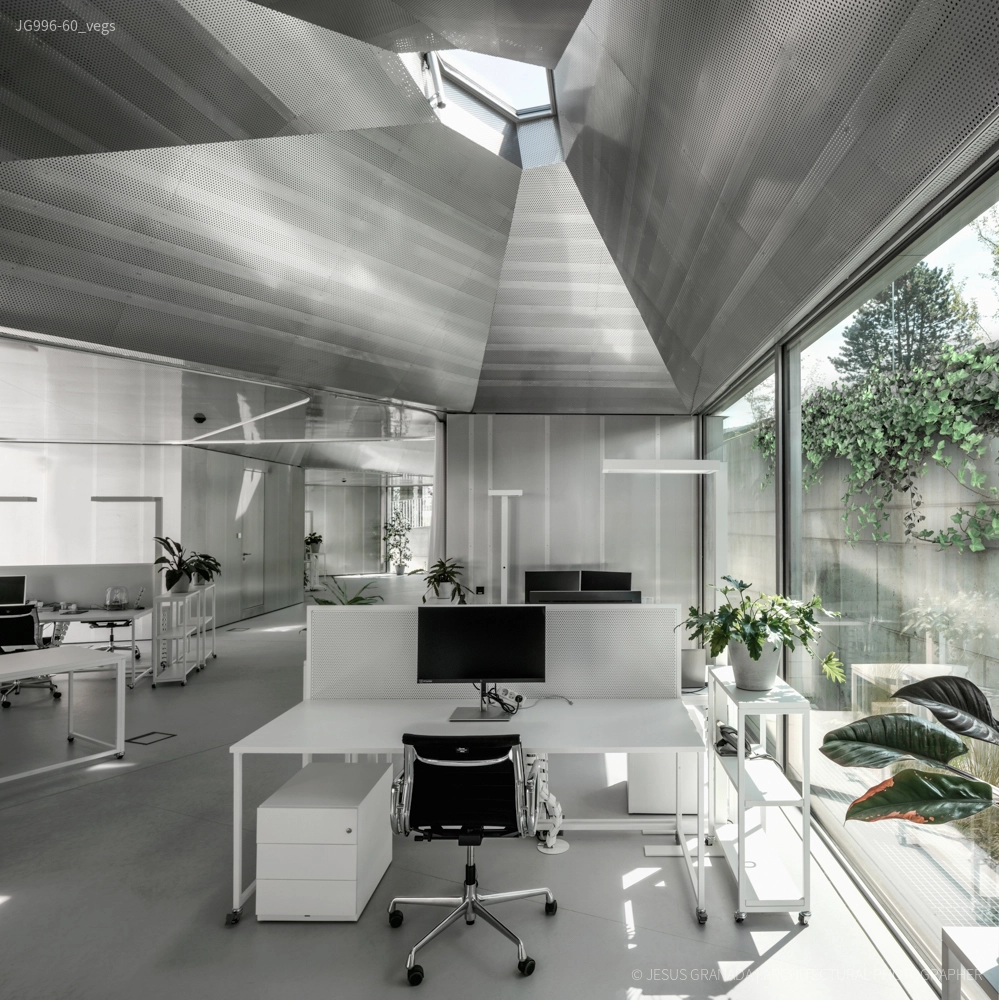
Modular office research center in Vizovice, Czech Republic | Chybik-Kristof architects + Koma modular
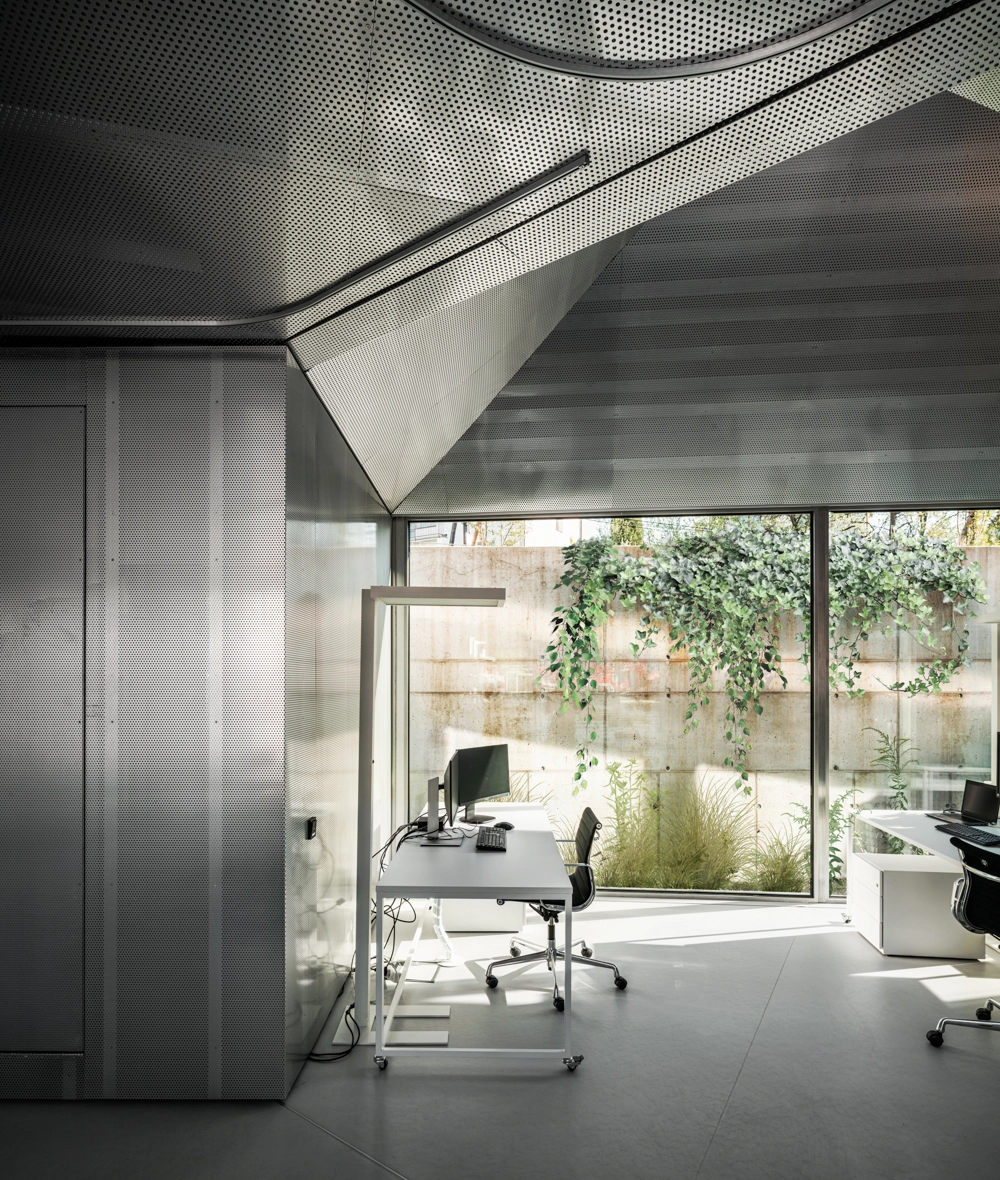
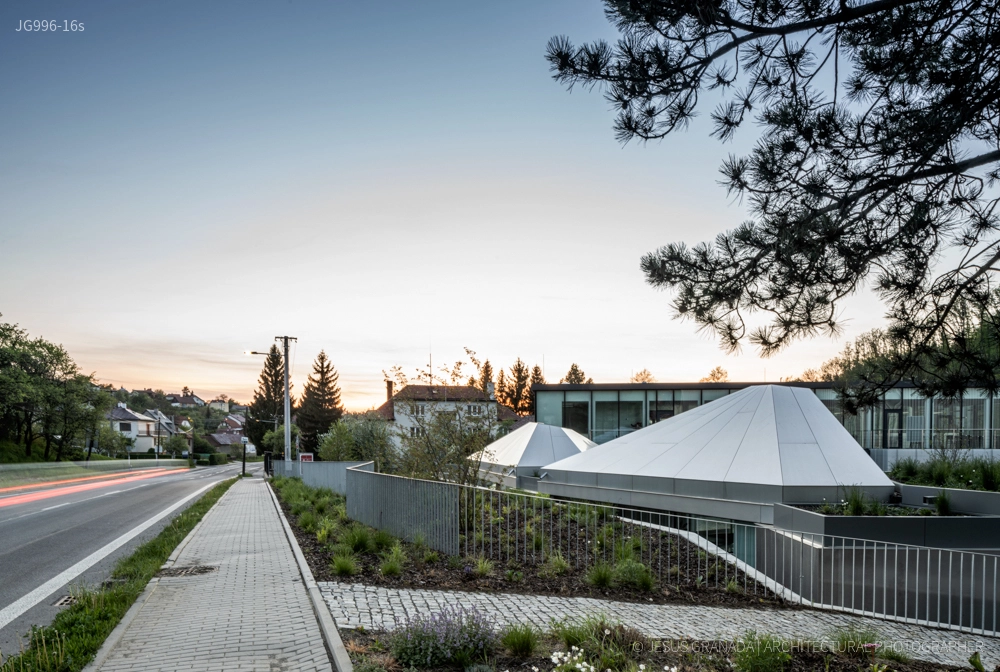
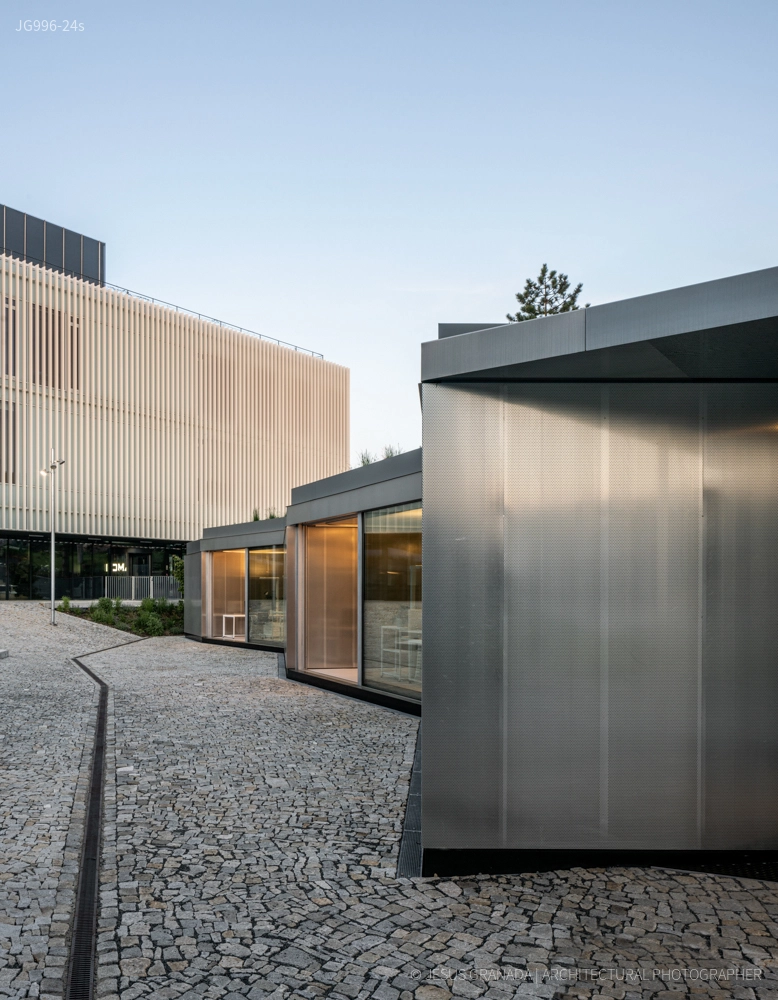
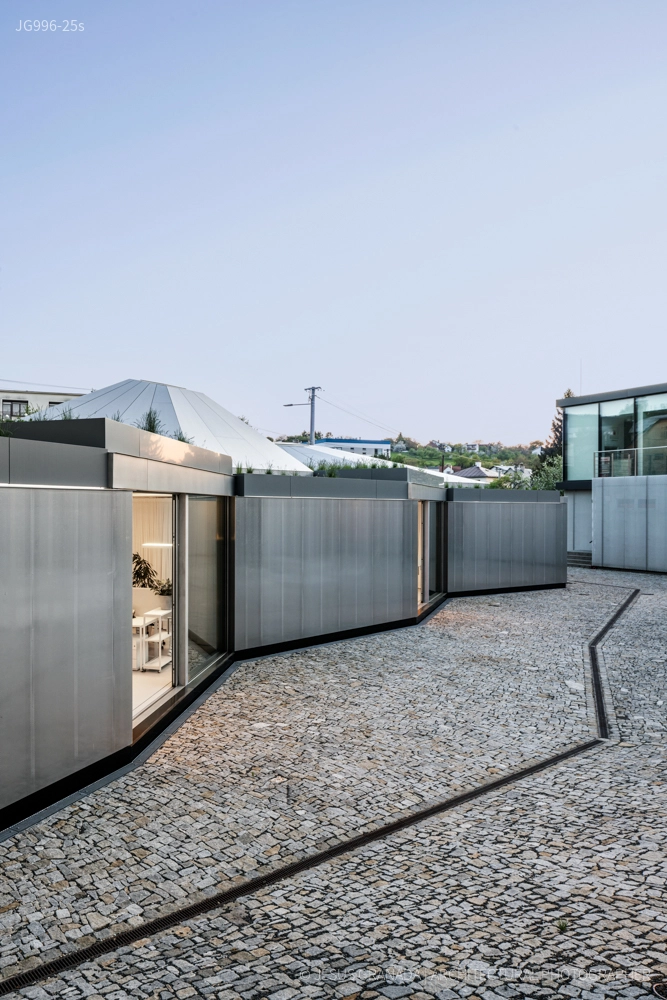
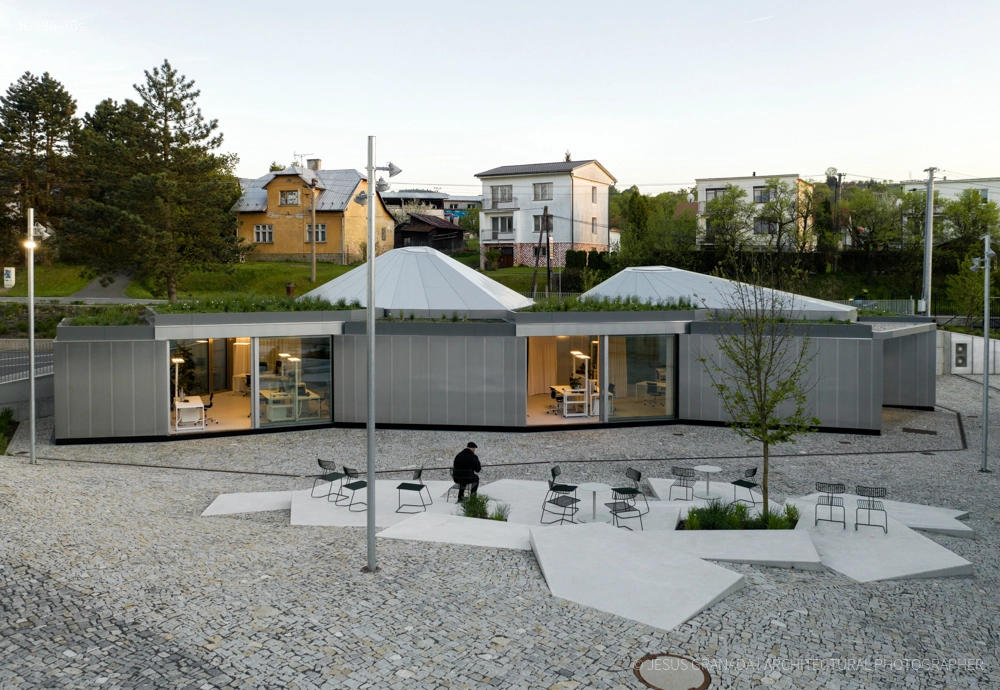
Modular office research center in Vizovice, Czech Republic | Chybik-Kristof architects + Koma modular
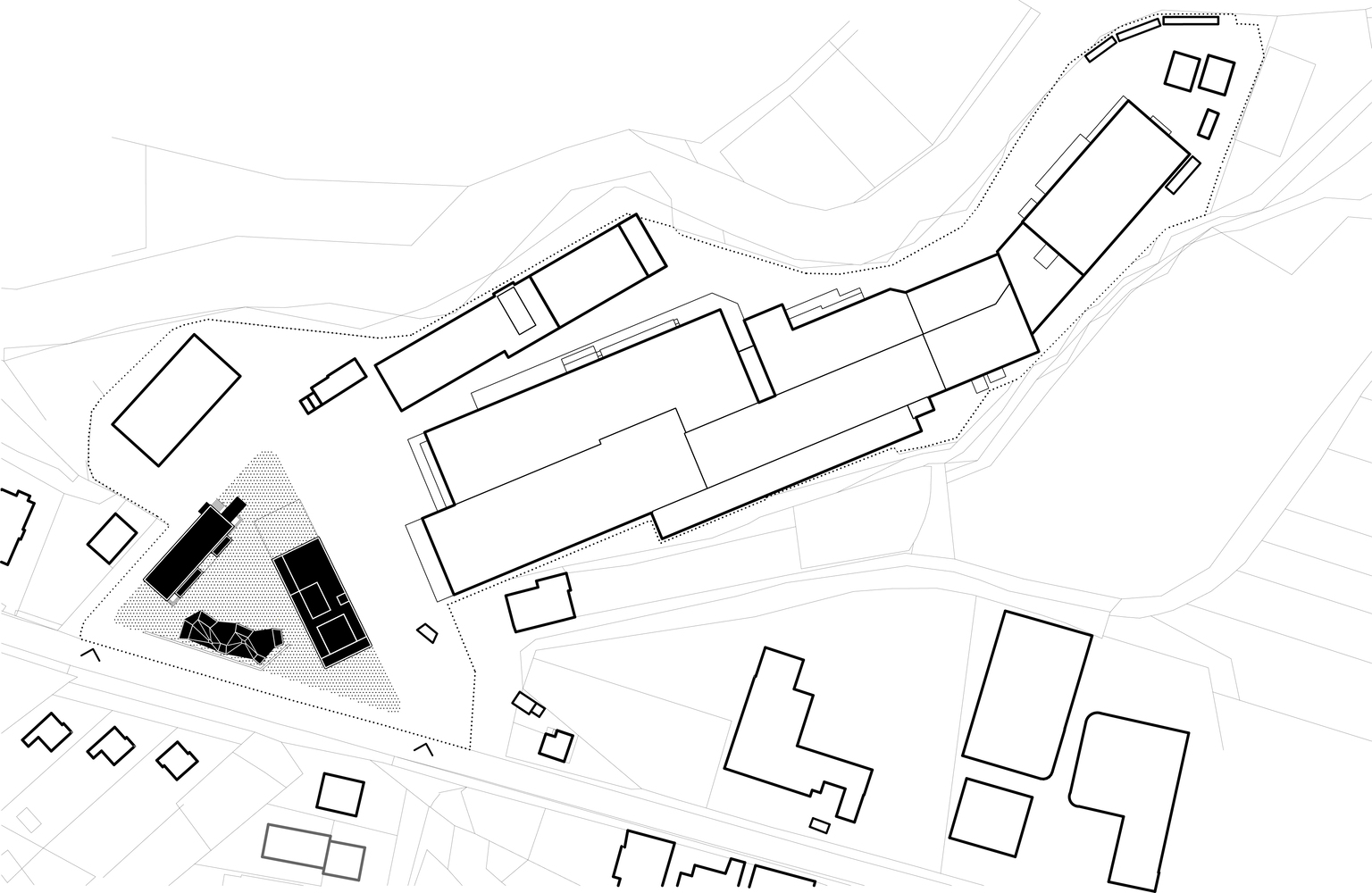
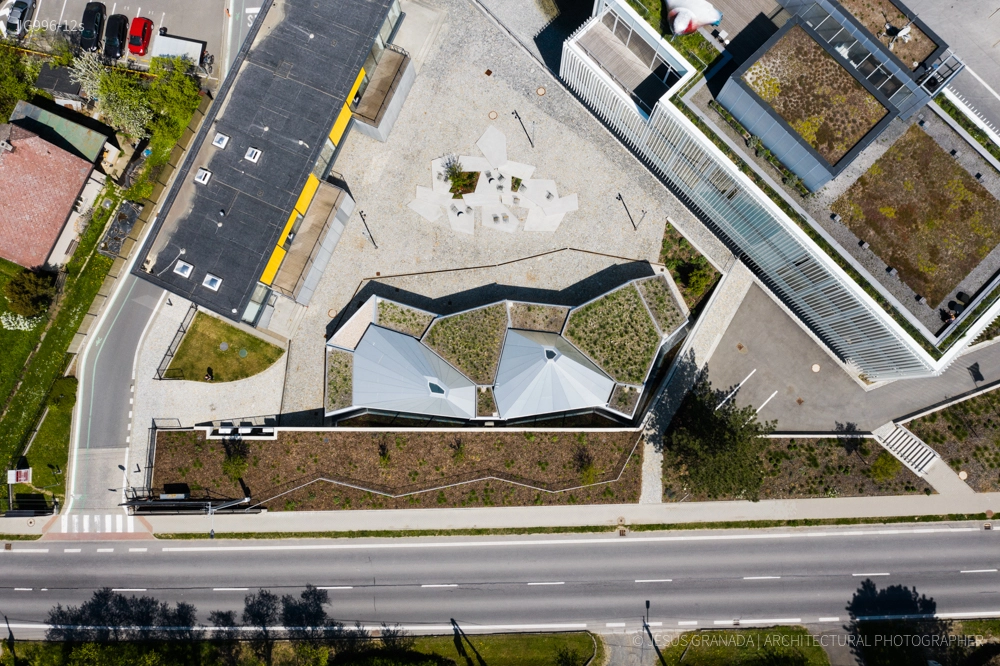
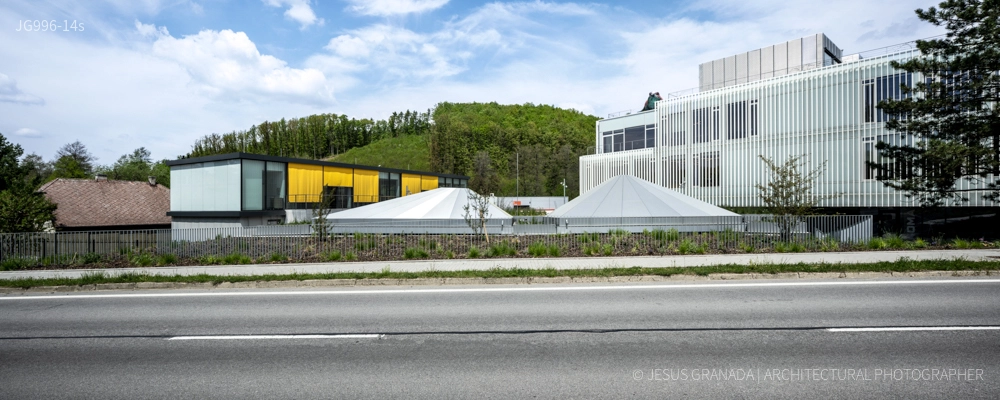
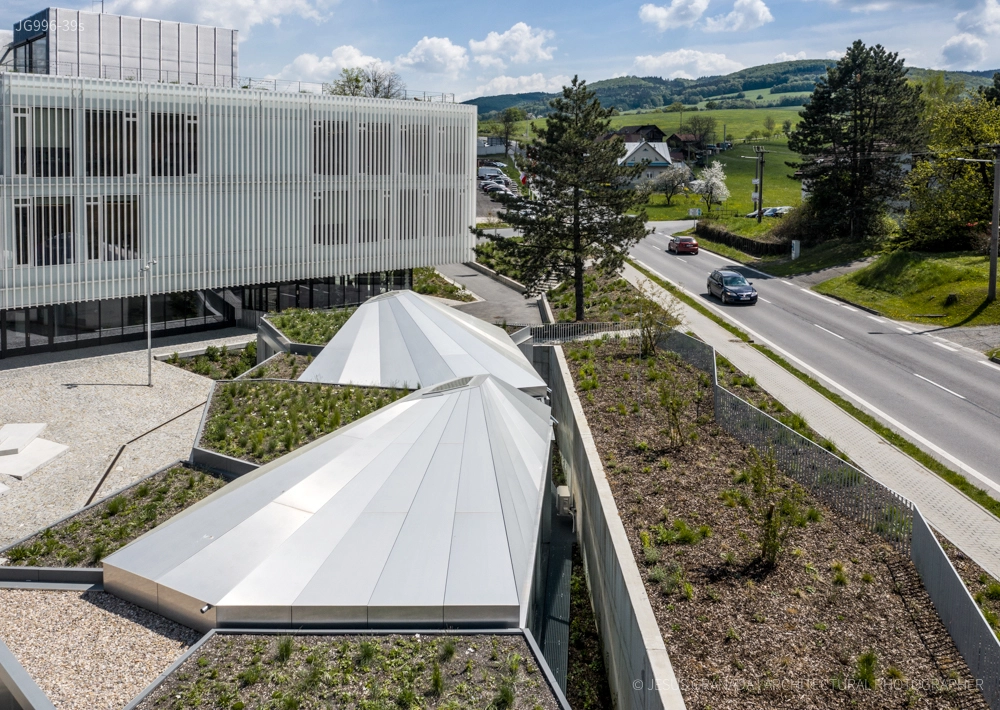
The newly designed Modular Research Centre with KOMA Modular, a Czech module manufacturer, is located in Vizovice, Czech Republic. The 170 m2 research center acts as a think-tank – an innovative space to challenge and expand on existing notions of modular construction. Situated at the edge of the KOMA complex, the new research center carefully integrates the factory into its surrounding environment while creating a large semi-public social gathering square contributing to the employees’ liveliness and progressive working culture. The one-story building allows passers-by to view the factory from the street level, further enhancing an accessible, transparent, barrier-free area.
The partnership between CHK and KOMA began in 2014 by creating a master plan for the entrance and public area consisting of three modular buildings. The master plan demonstrates a strategic configuration design of the factory’s entrance, expanding on public space, in which each structure unveils modular versatility. Following the completion of the Modular Cafeteria in May 2014, CHK designed the Czech pavilion at EXPO 2015 in Milan, which was later converted into an office building for KOMA. The newly completed research center (2022) presents the third and final modular design, rooted in the concept of rotating containers functioning as columns, enabling an architectural malleable space to further expand on the notions of modular architecture.
Set to become an innovation hub for the factory complex to develop and explore new undiscovered building methods with modules, the research center forms an adaptable system that can meet multi-purpose needs. Acting as an idea generator, the building is an important meeting place for all professionals to create innovative and special products, consequently becoming a default gathering point and evolution center for the future of modularity. Keeping in mind the structure’s principal function, it is further underlying the vital element of transparency reflected in its building. Creating a complex that is open and welcoming to the local community confidently reflects on the principle of new concepts envisioned to form inside the rotated containers of the building.
Created as a prototype of a new and adaptable modular system, the research center underlines the studio’s dedication to expanding the limitations of modular architecture and engaging in supporting local communities. Putting the focus on crafting new shapes offering unrestrained modularity and showcasing an innovative system of multifunctional modular shapes, the studio is purposely shifting old paradigms and expanding on the typical rectangular construction to foster a transparent working environment. By bypassing the restriction of the customary use of right-angled units placed side by side, the research center varies from a standard model in the basic re-imagination of the use of modular structures, making it a user-friendly model for the future of modular architecture.
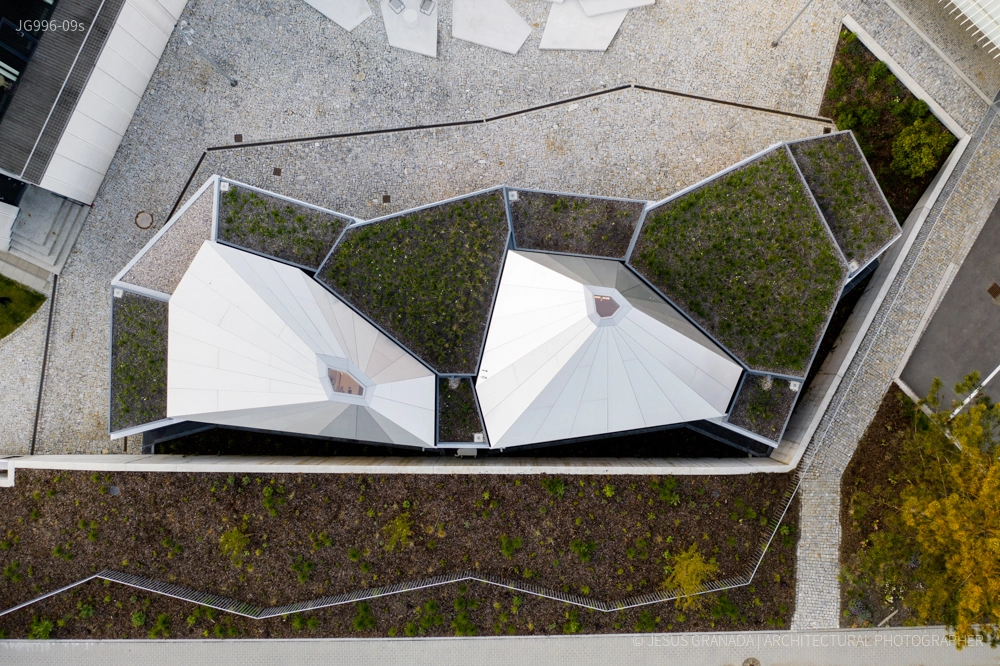
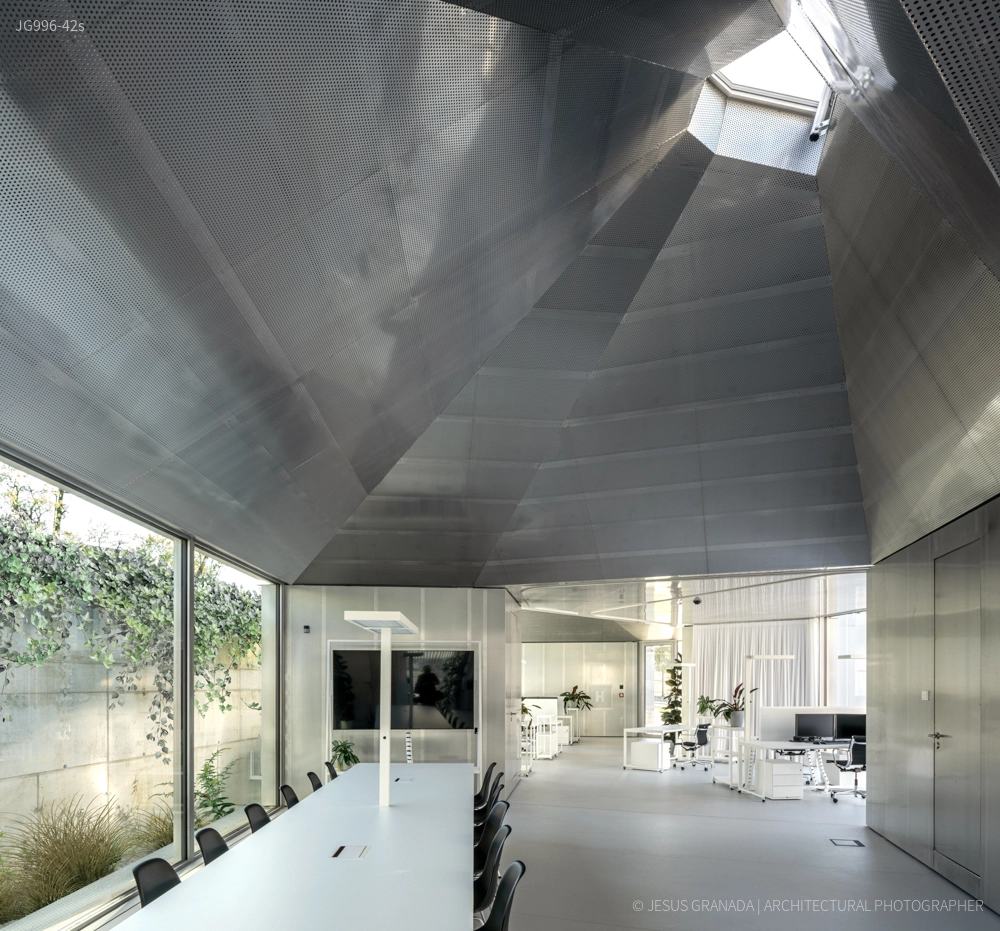
Containing three main module elements, the floor, the container, and the roof units, the composed space creates a new unique system – spatial units containing the facilities are leveled onto the planar flooring modules, which are anchored to the foundation, functioning as columns. Placed in between the containers and the roof, vast window surfaces draw in an abundance of light, keeping the workplace open and connected to the exterior space.
The juxtaposition of the main modules and glass surfaces forms an all-inclusive spacious open area dedicated to horizontal and vertical working spaces. The area itself is entirely flexible, avoiding negative aspects of large open space offices, and can be readjusted to meet the specific needs of any project, forming multiple adaptable and individual workstations. As a natural continuation of the modularity concept, the furniture design allows the office equipment to be supplemented, changed, and adapted to new needs over time – pieces of equipment can be customized simply by re-connecting the elements. Building materials further aid in reflecting and understanding the innovative modular concept of the research center, with its perforated surface and visible details used to the maximum extent in their natural form. As a material that KOMA manufactures and uses daily, aluminum was a clear choice for the complex, aiding the understanding of modular build principles easily.
Koma modular office research center in Vizovice, Czech RepublicModular office research center in Vizovice, Czech Republic | Chybik-Kristof architects + Koma modularModular office research center in Vizovice, Czech Republic | Chybik-Kristof architects + Koma modularModular office research center in Vizovice, Czech Republic | Chybik-Kristof architects + Koma modularModular office research center in Vizovice, Czech Republic | Chybik-Kristof architects + Koma modularModular office research center in Vizovice, Czech Republic | Chybik-Kristof architects + Koma modularModular office research center in Vizovice, Czech Republic | Chybik-Kristof architects + Koma modularModular office research center in Vizovice, Czech Republic | Chybik-Kristof architects + Koma modularModular office research center in Vizovice, Czech Republic | Chybik-Kristof architects + Koma modularModular office research center in Vizovice, Czech Republic | Chybik-Kristof architects + Koma modularModular office research center in Vizovice, Czech Republic | Chybik-Kristof architects + Koma modularModular office research center in Vizovice, Czech Republic | Chybik-Kristof architects + Koma modularModular office research center in Vizovice, Czech Republic | Chybik-Kristof architects + Koma modularModular office research center in Vizovice, Czech Republic | Chybik-Kristof architects + Koma modularModular office research center in Vizovice, Czech Republic | Chybik-Kristof architects + Koma modularModular office research center in Vizovice, Czech Republic | Chybik-Kristof architects + Koma modularModular office research center in Vizovice, Czech Republic | Chybik-Kristof architects + Koma modularModular office research center in Vizovice, Czech Republic | Chybik-Kristof architects + Koma modularModular office research center in Vizovice, Czech Republic | Chybik-Kristof architects + Koma modularModular office research center in Vizovice, Czech Republic | Chybik-Kristof architects + Koma modularModular office research center in Vizovice, Czech Republic | Chybik-Kristof architects + Koma modularModular office research center in Vizovice, Czech Republic | Chybik-Kristof architects + Koma modularModular office research center in Vizovice, Czech Republic | Chybik-Kristof architects + Koma modularModular office research center in Vizovice, Czech Republic | Chybik-Kristof architects + Koma modularModular office research center in Vizovice, Czech Republic | Chybik-Kristof architects + Koma modularModular office research center in Vizovice, Czech Republic | Chybik-Kristof architects + Koma modularModular office research center in Vizovice, Czech Republic | Chybik-Kristof architects + Koma modularModular office research center in Vizovice, Czech Republic | Chybik-Kristof architects + Koma modularModular office research center in Vizovice, Czech Republic | Chybik-Kristof architects + Koma modularModular office research center in Vizovice, Czech Republic | Chybik-Kristof architects + Koma modular
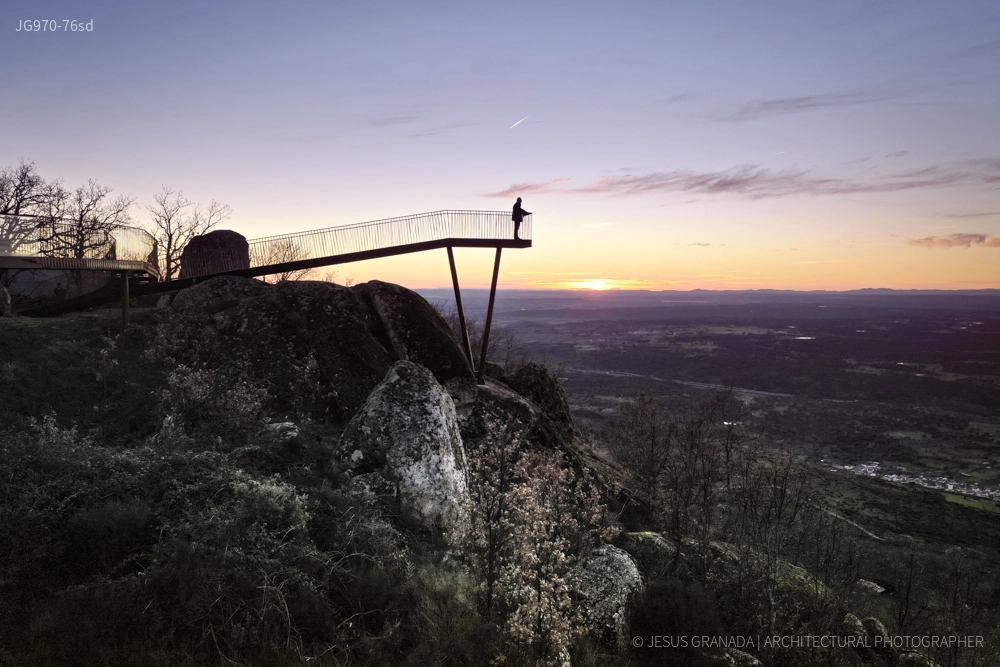
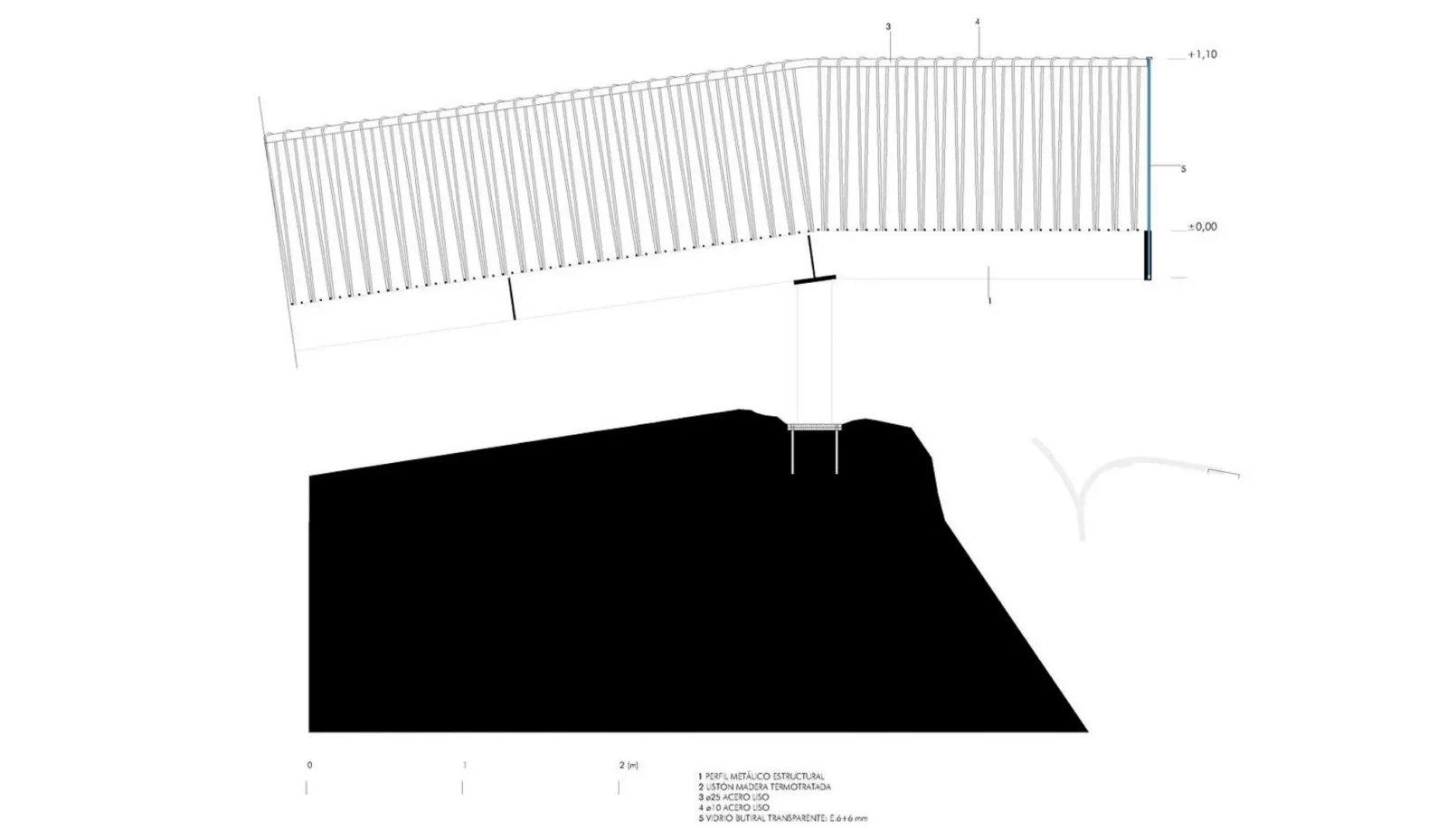
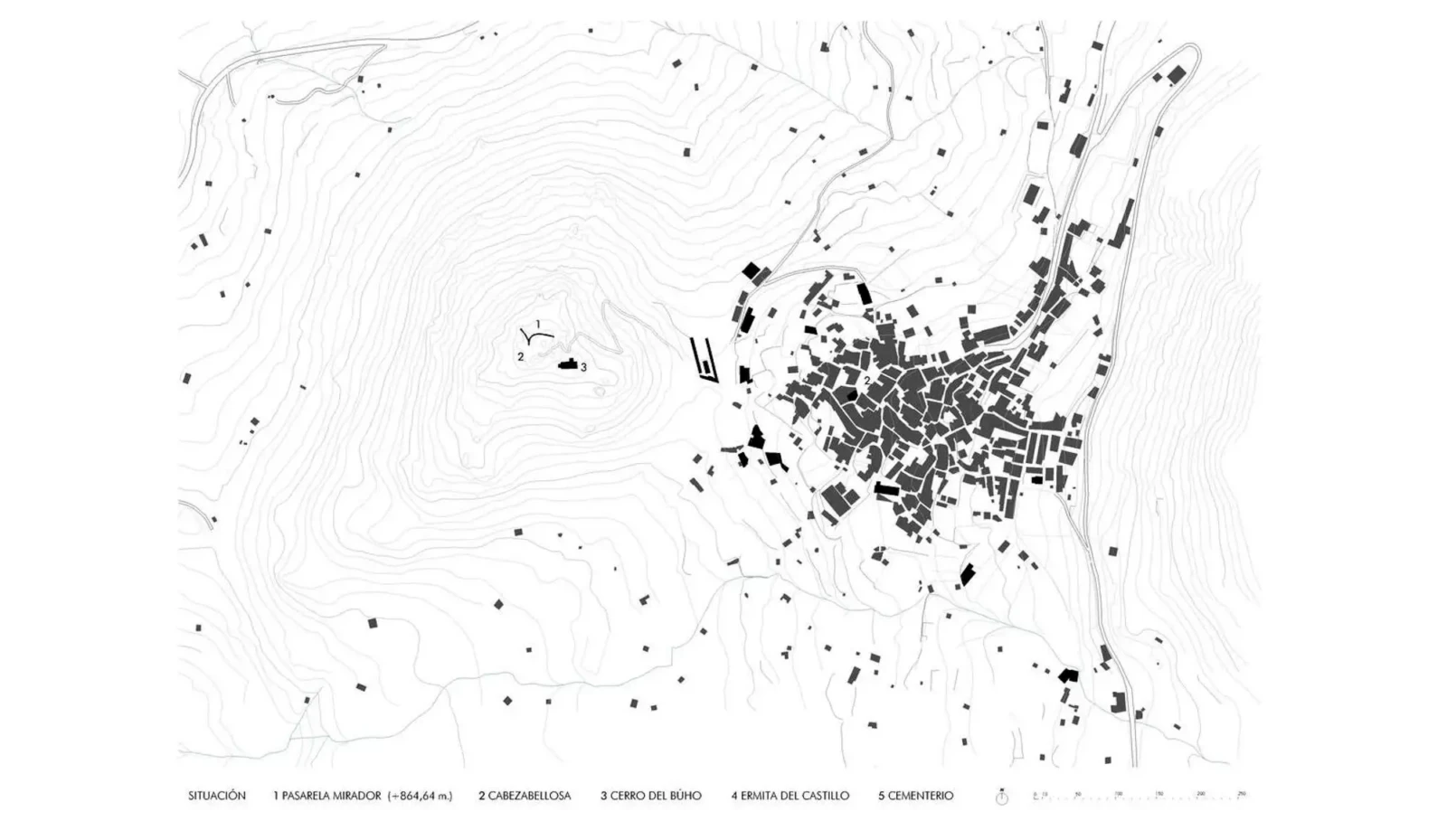
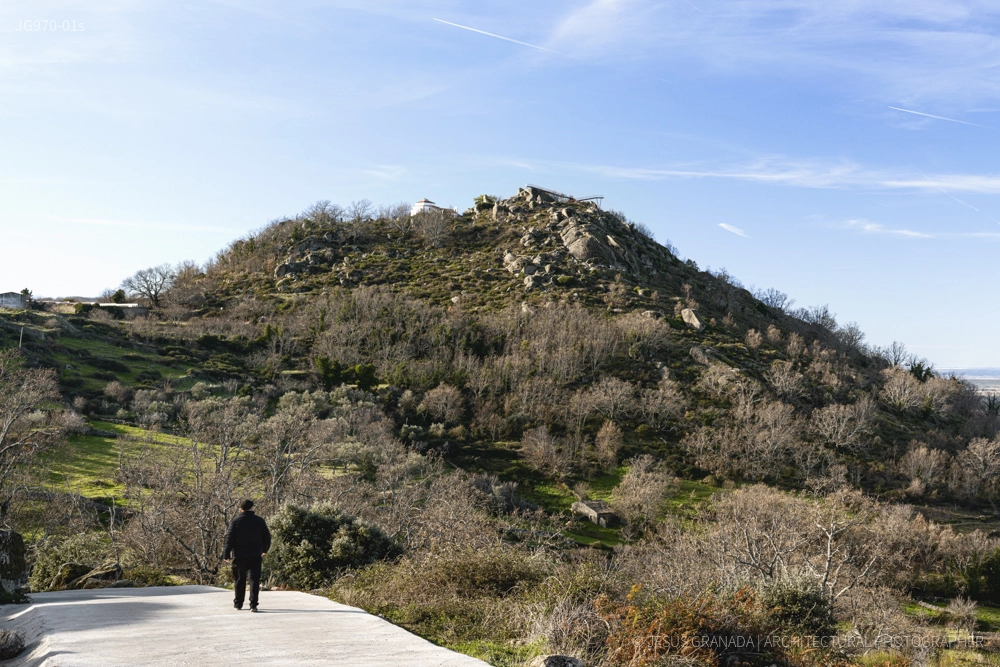
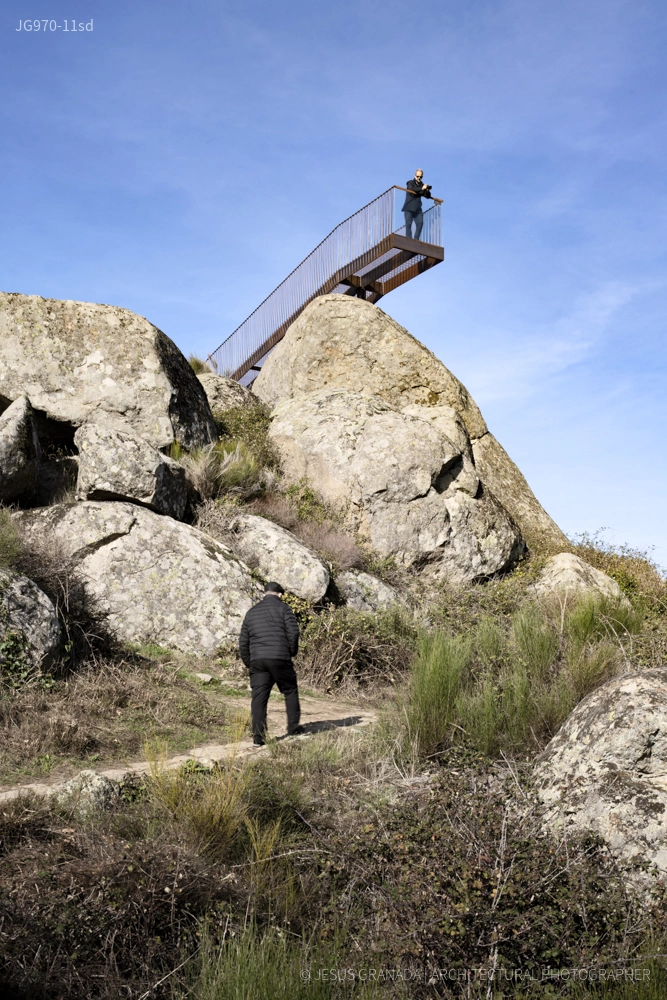
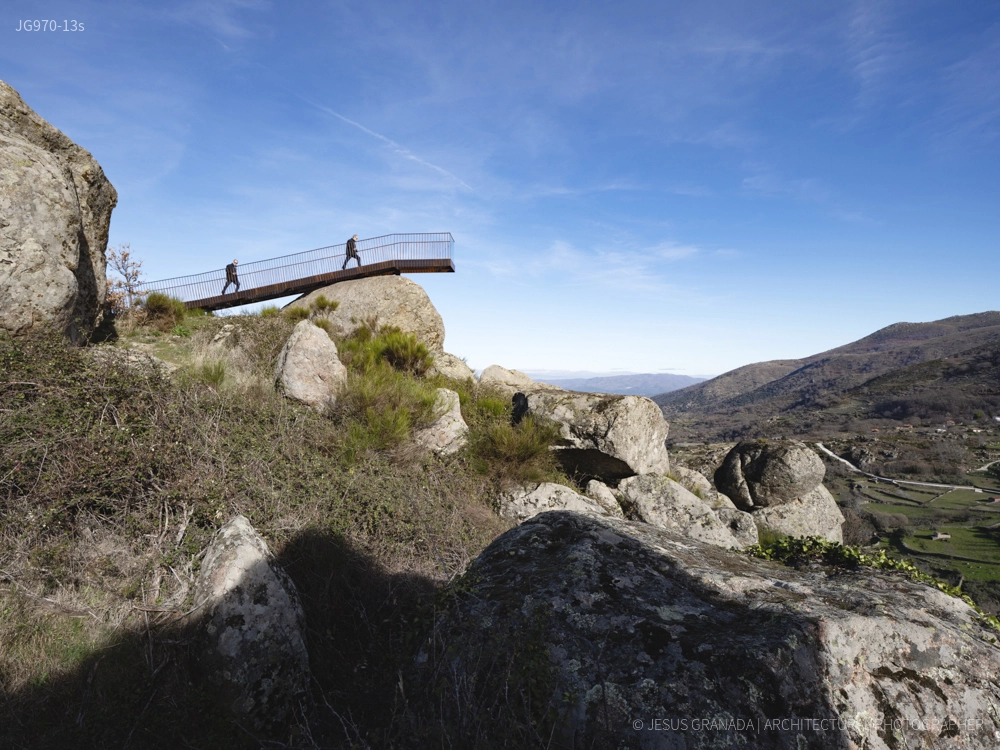
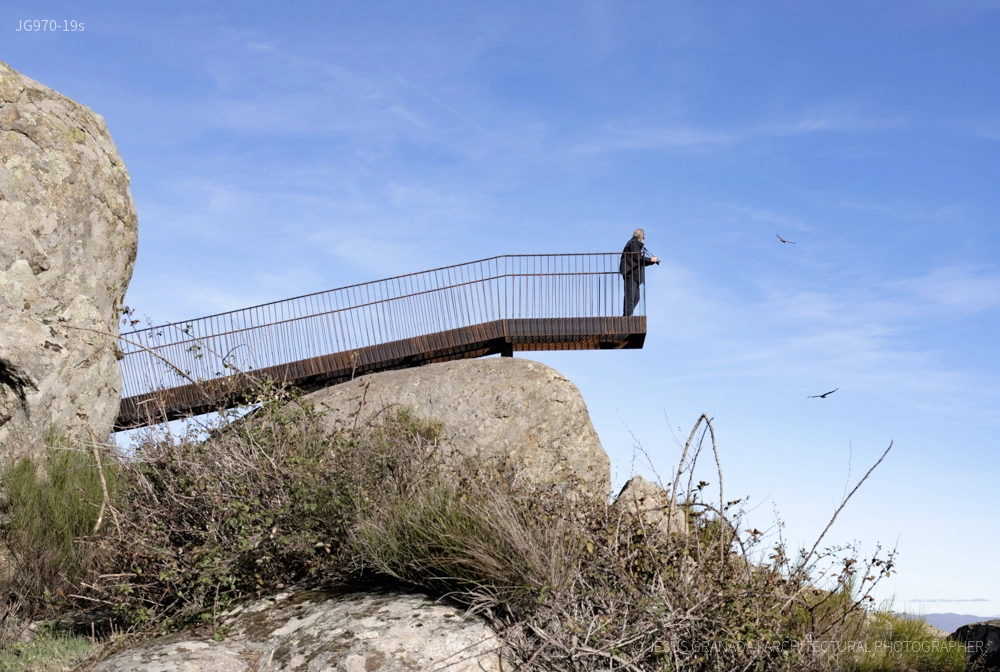
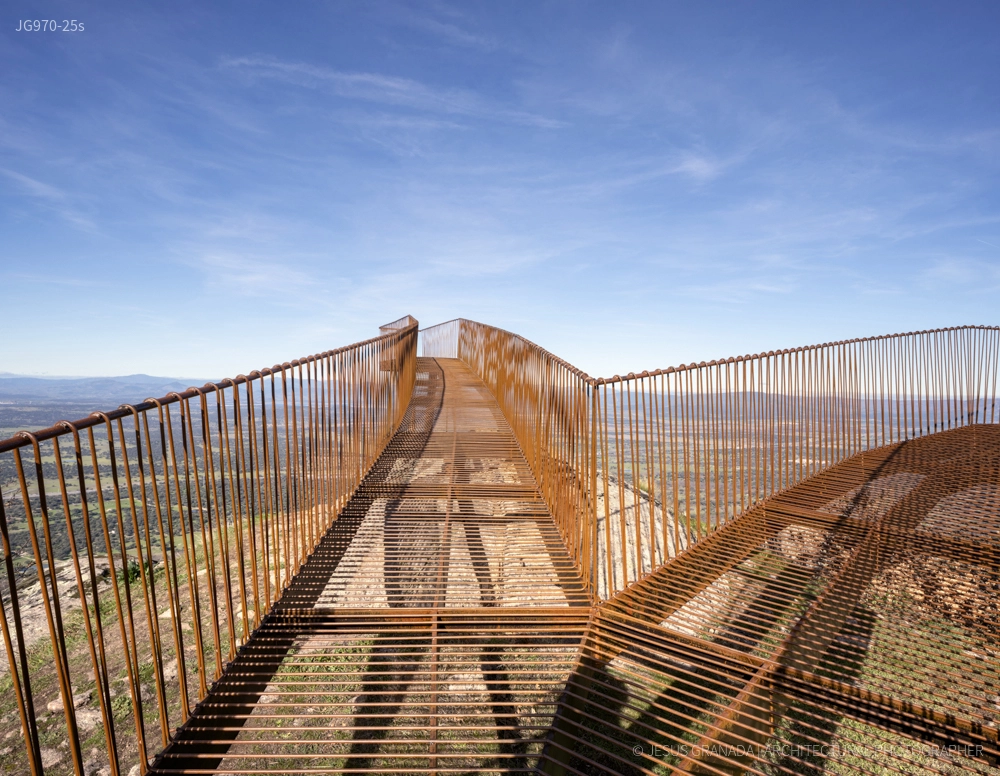
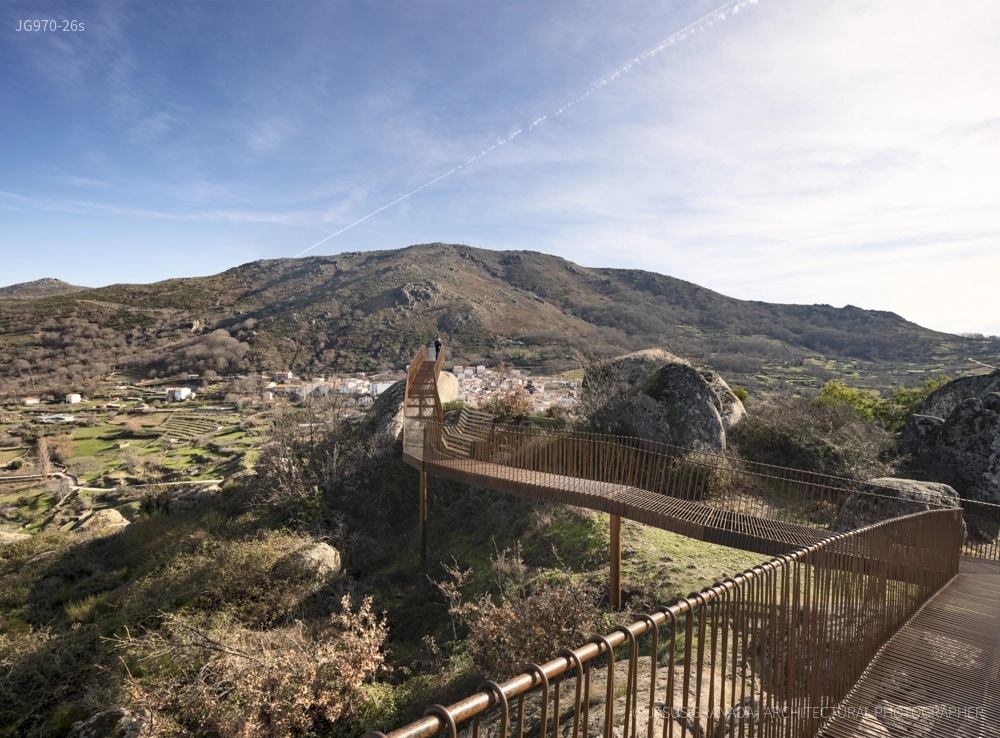
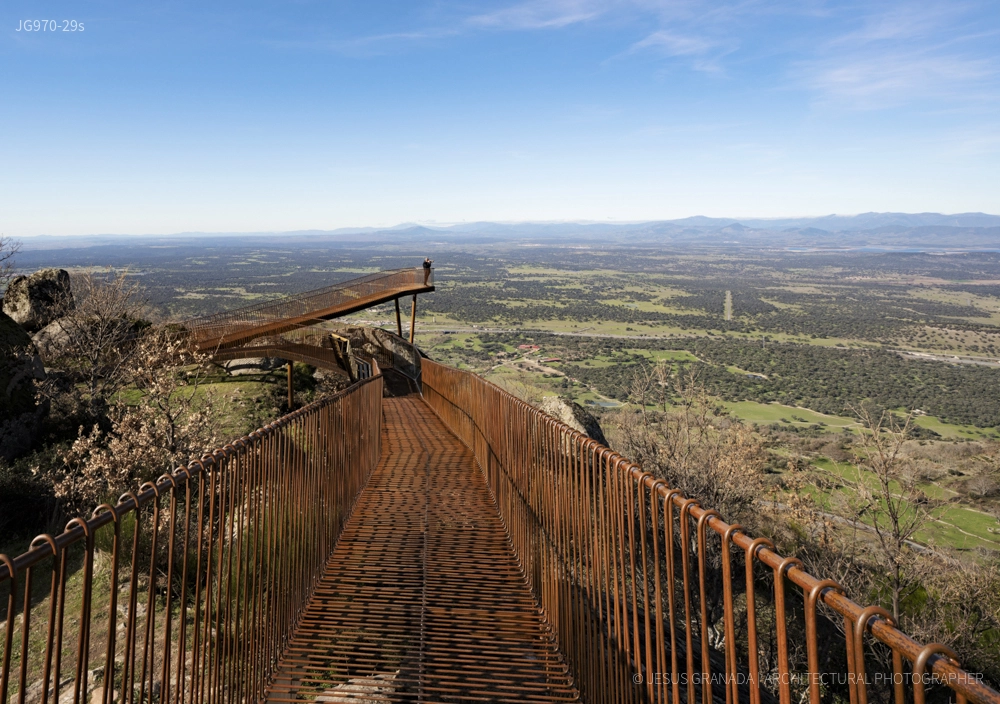
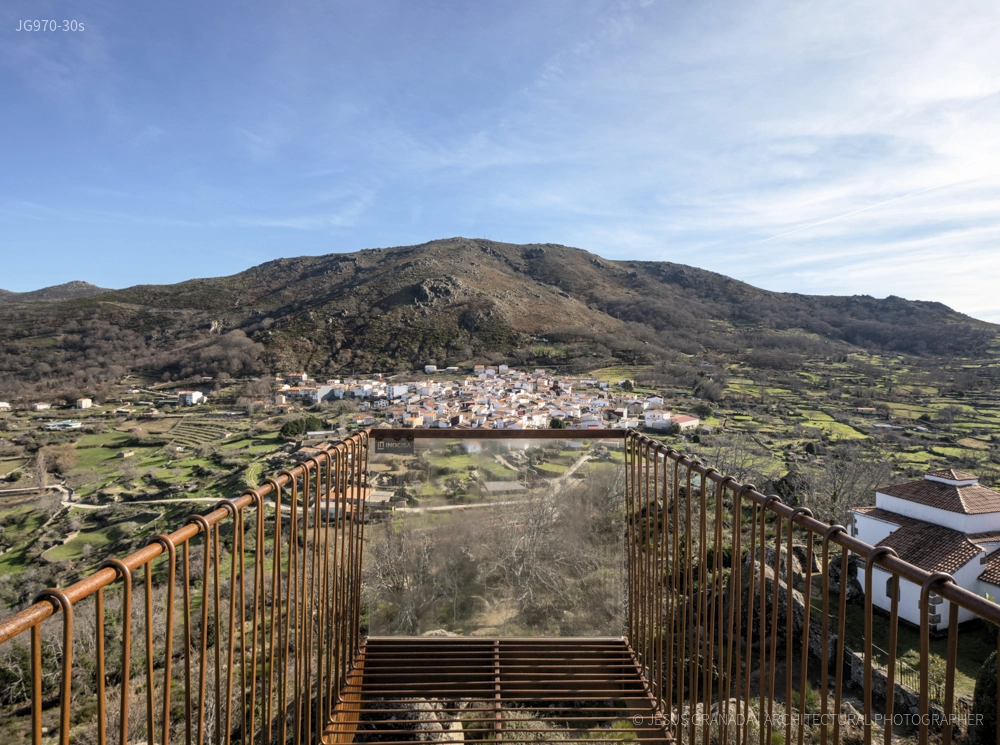
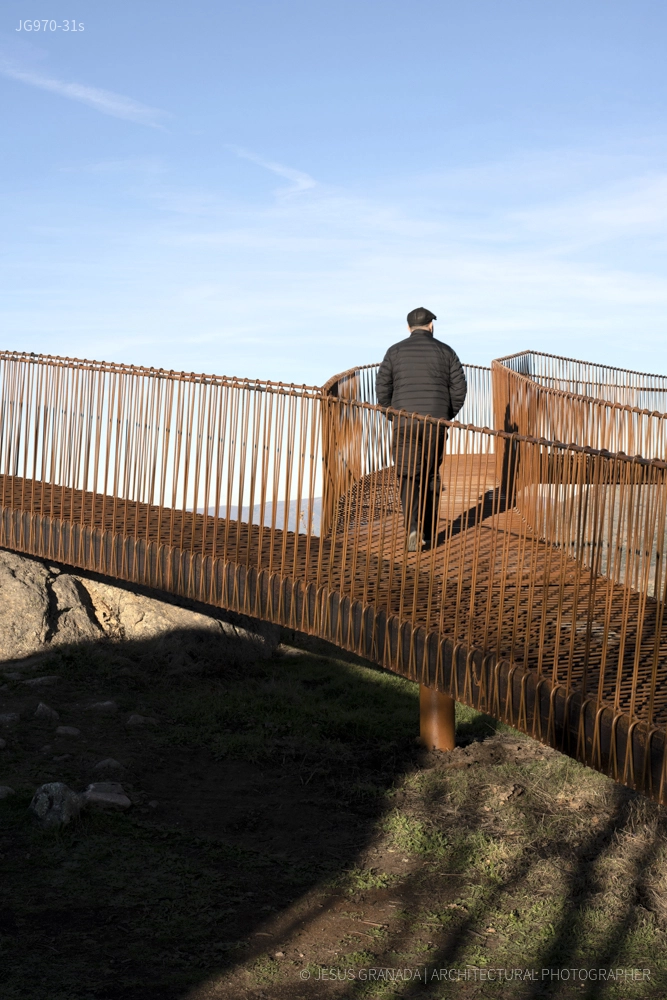
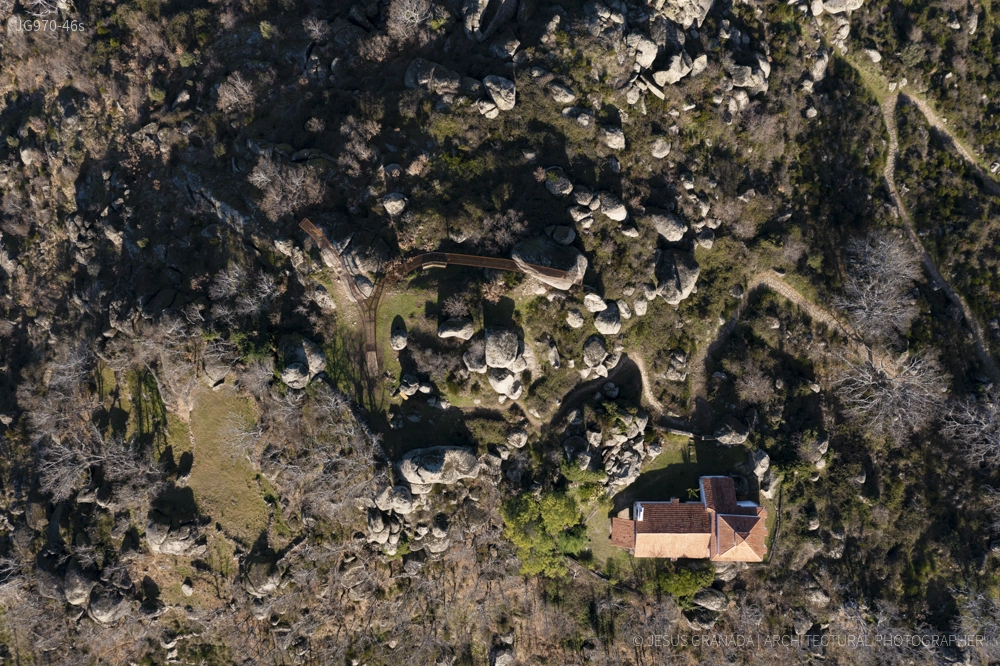
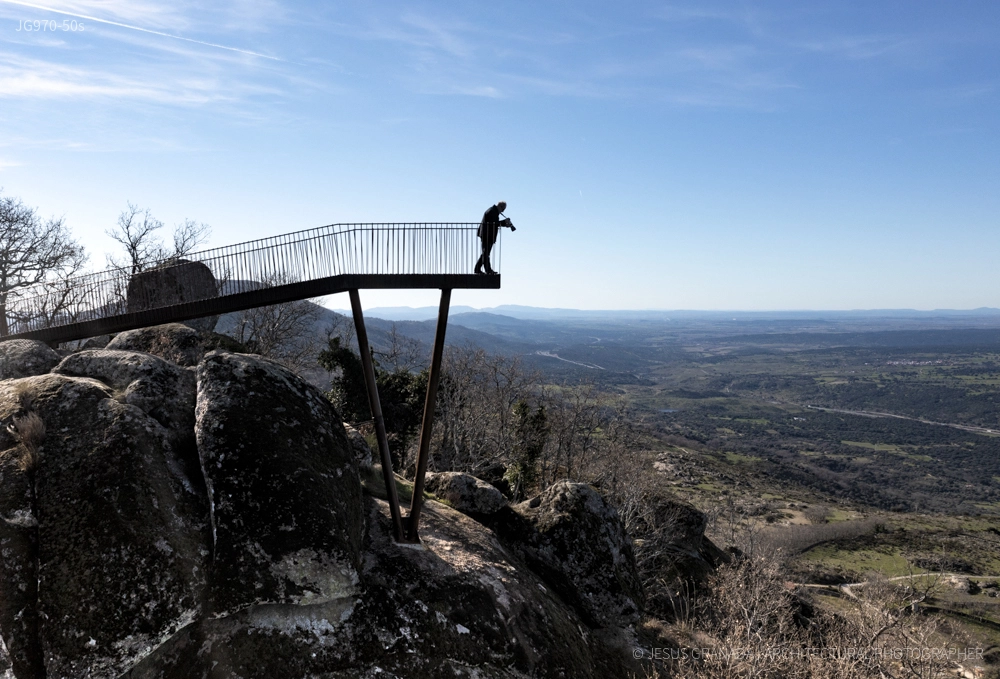
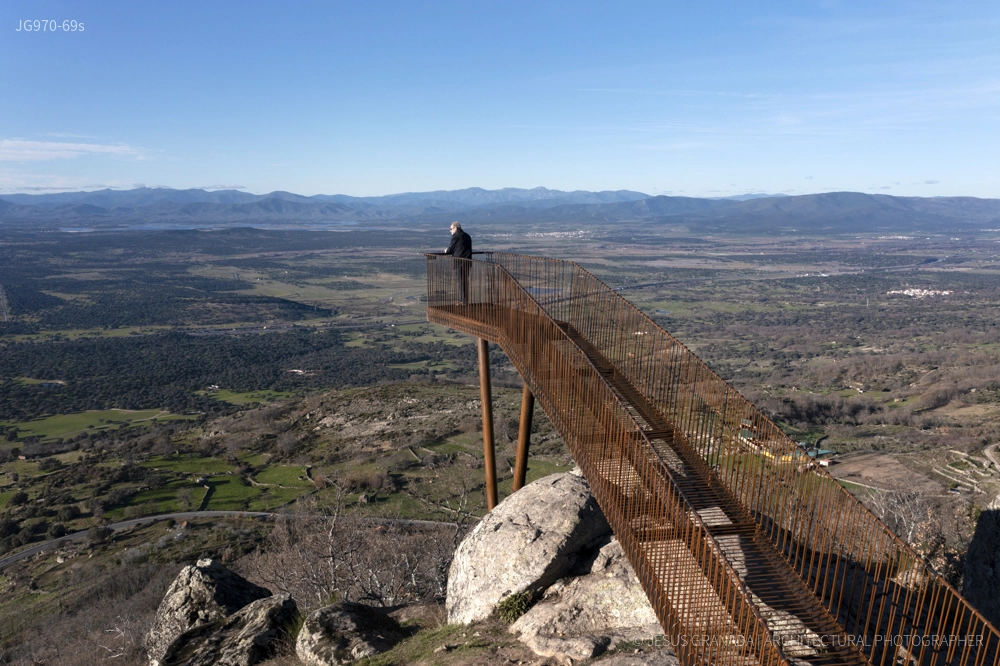
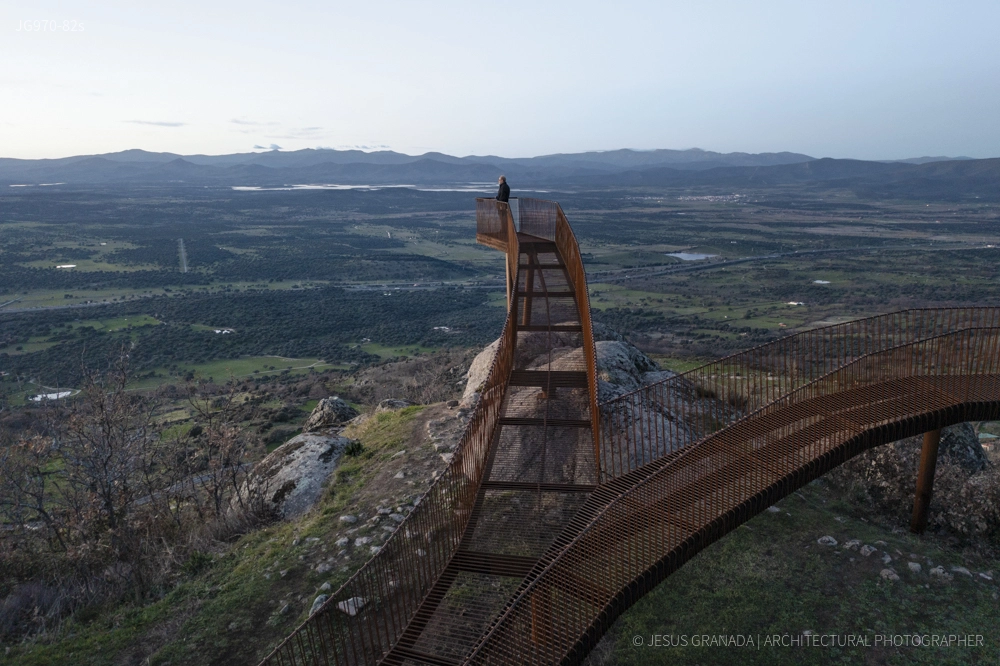
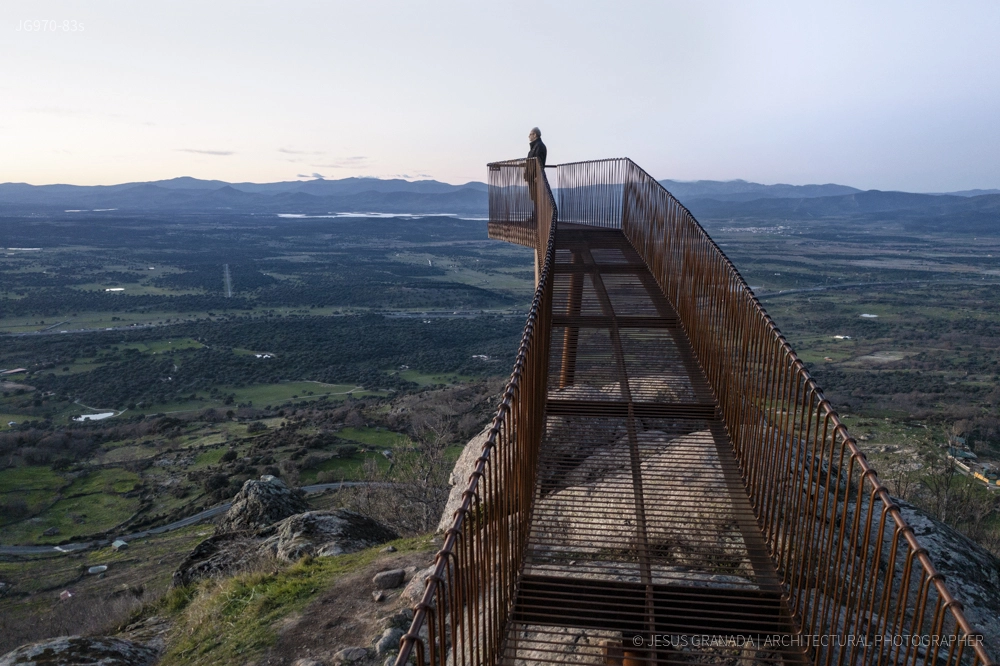
Cabezabellosa, Cáceres province, whose environmental qualities turn the landscape into the main character of the intervention. Under this approach, it was a matter of preserving, consolidating, and ultimately, valuing the natural space and landscape essence. For this reason, the intervention always revealed itself from the minimum aggressiveness and maximum efficiency. Aiming to enhance this powerful setting whose determining factors are the amplitude of the visual field and light quality, without forgetting the variety and richness of the different species, typical of the Mediterranean climate in this location. Among the different biotypes, you can find Oaks, Chestnuts, Holm Oaks or Brooms, and an abundant number of birds of prey, such as vultures, eagles, and hawks, which fly a few meters from our position.
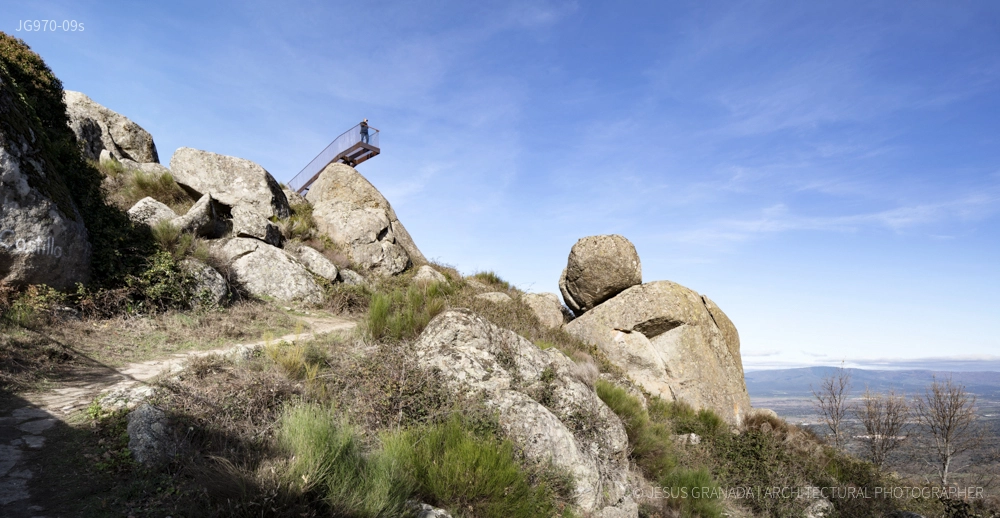
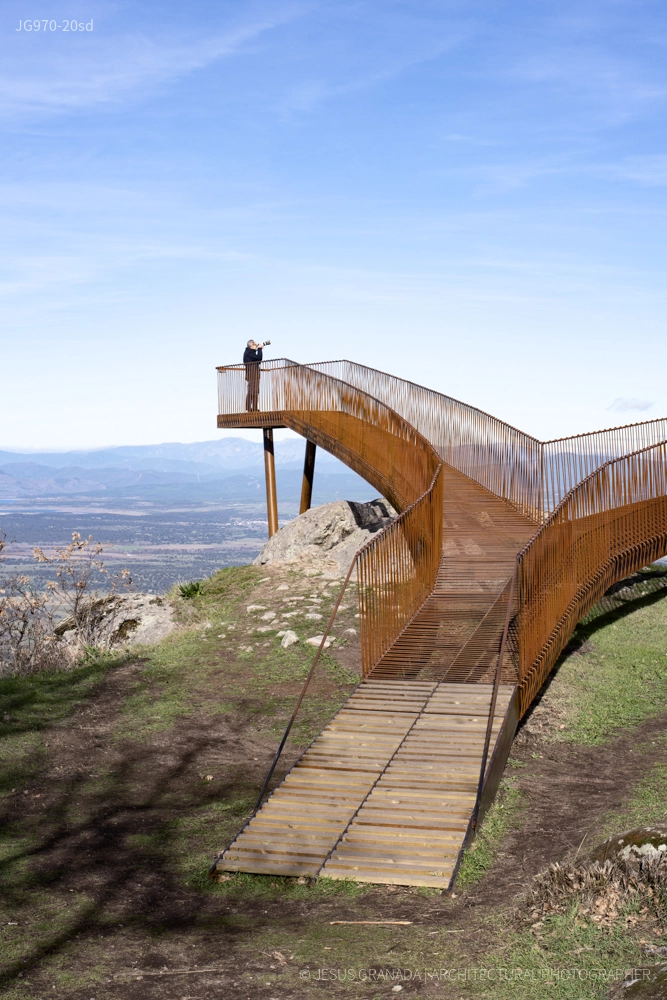
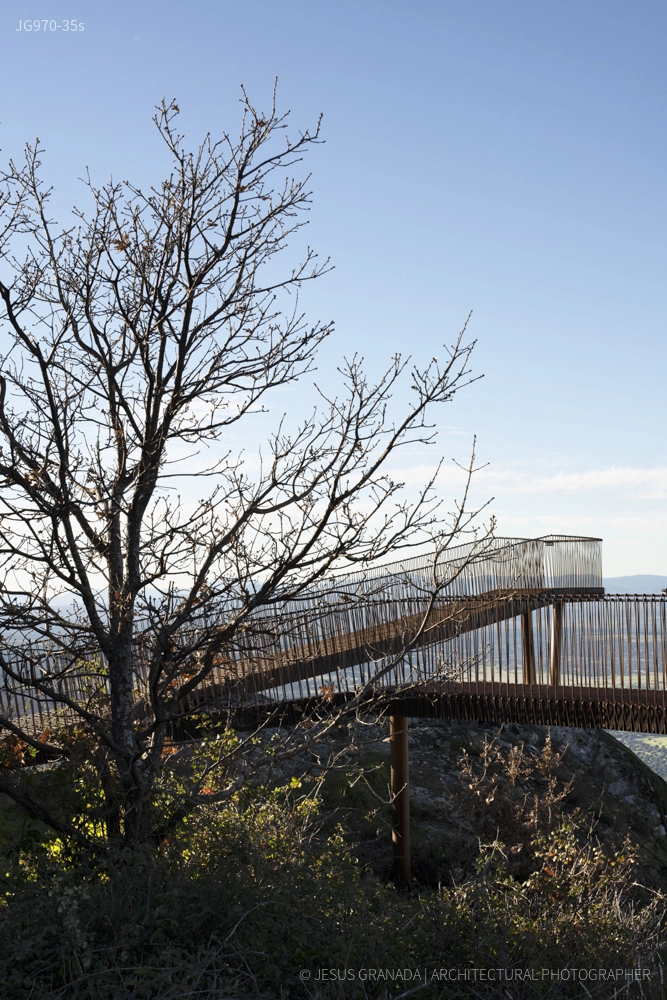
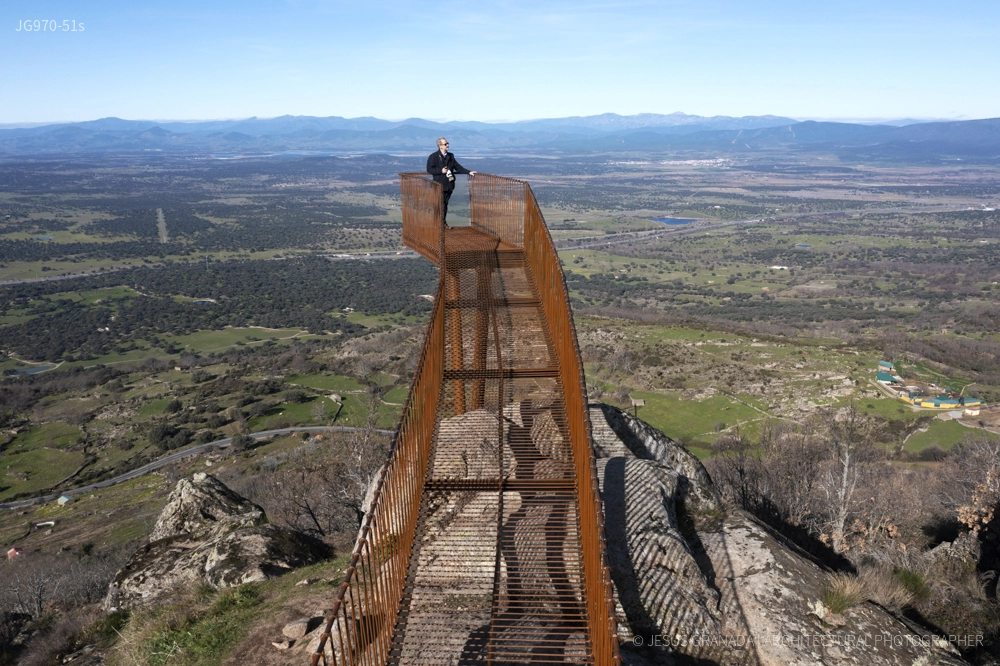
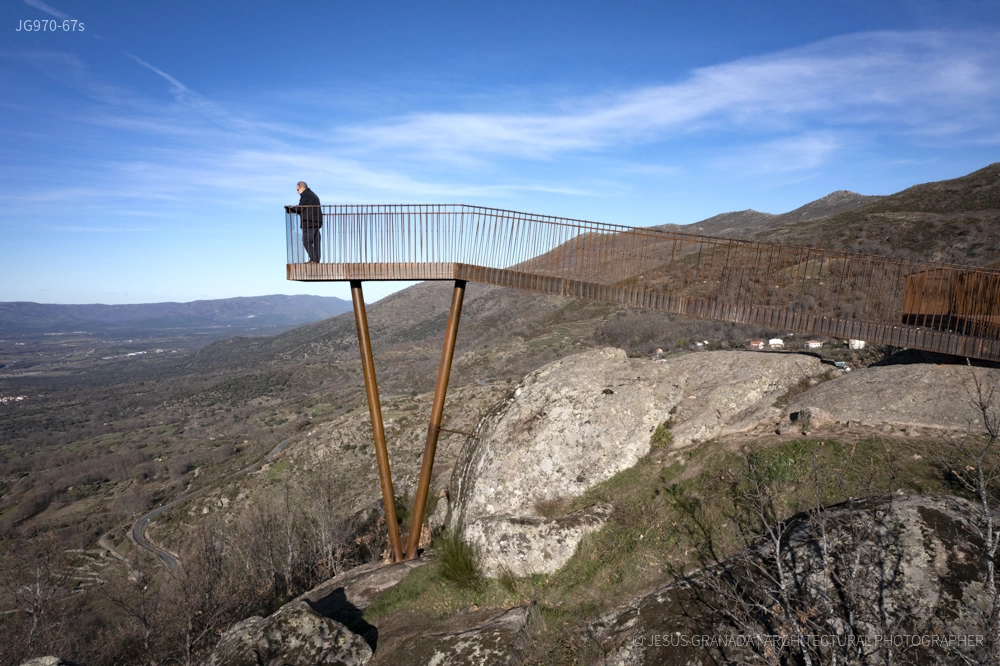
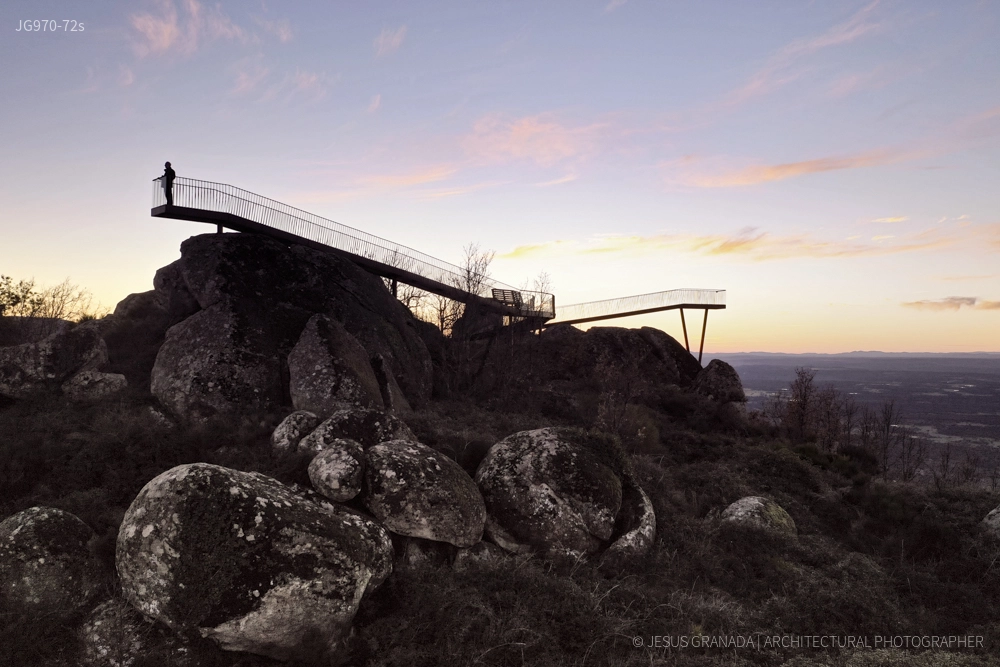
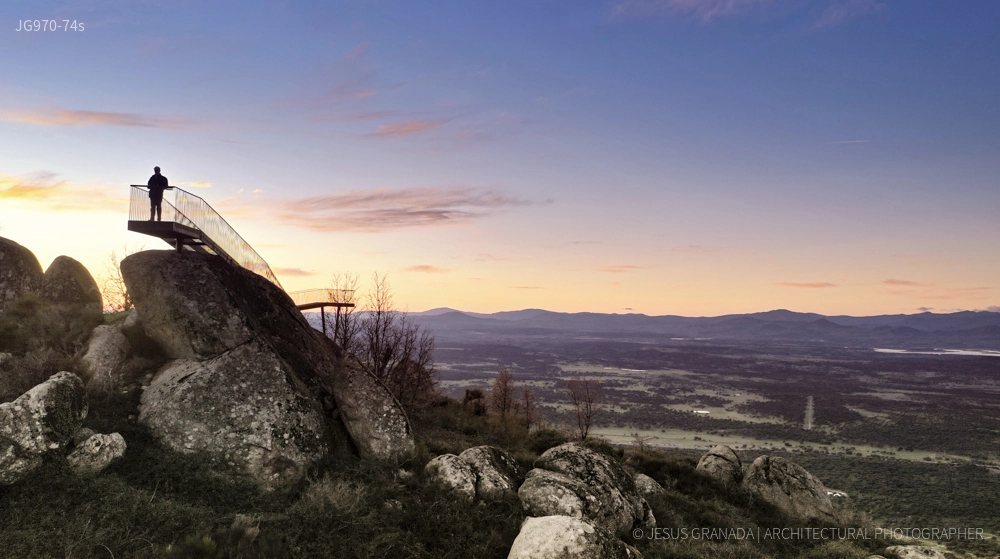
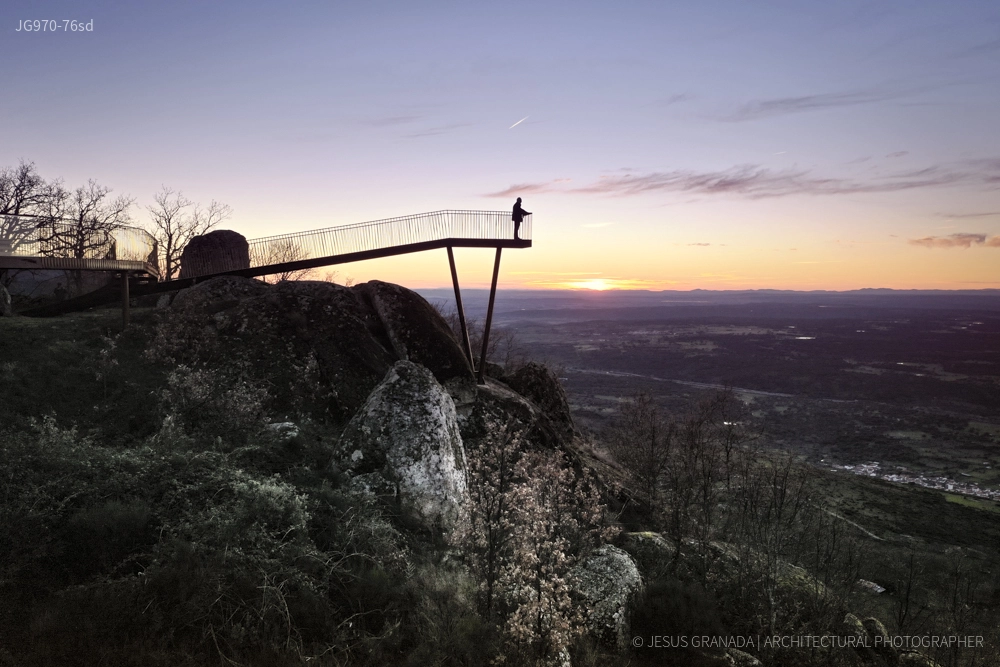
The project manifests itself as a statement of intent and sensations, that facilitate and enhance the dominant perception of the site and the horizon width. In this place, the visitor can pinpoint from Sierra de Francia, province of Salamanca, to Portugal to the West, through the regions of Ambroz, Granadilla, Hurdes, Gata, and El Alagón. Through the combination of curvilinear sections, the walkway acquires a complex final shape that favors the perception of the natural environment along the route and allows the generation of a varied visual route, shaping an experience of a dynamic and changing transit. The path widening and appearance of a bench allow one to perceive the spectacular sunset, feel the emptiness, and experience the sensation of walking on the rocks while placing the visitor in a privileged position in front of the amplitude of the landscape, emphasized by the inner-space glass limits.
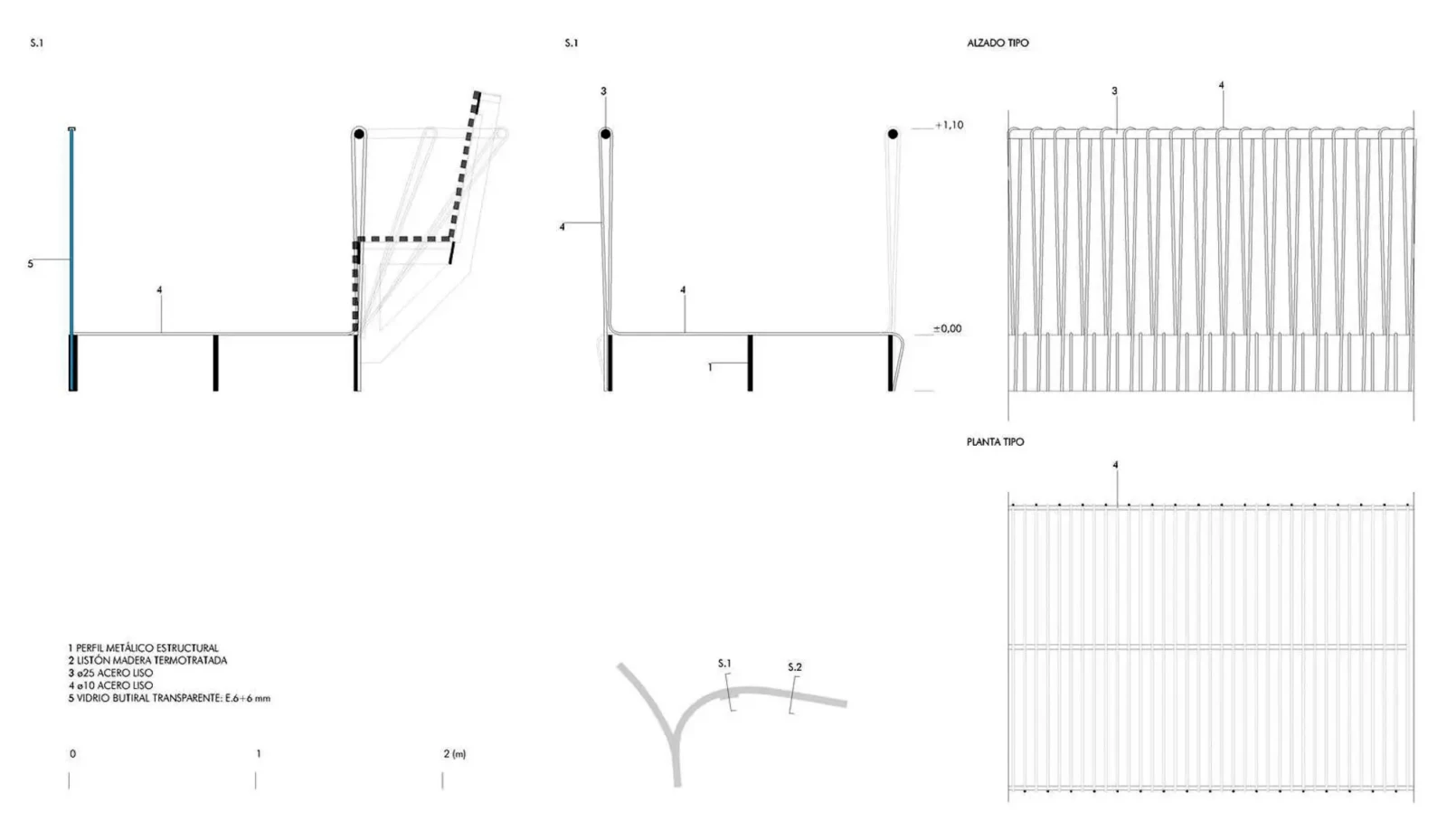
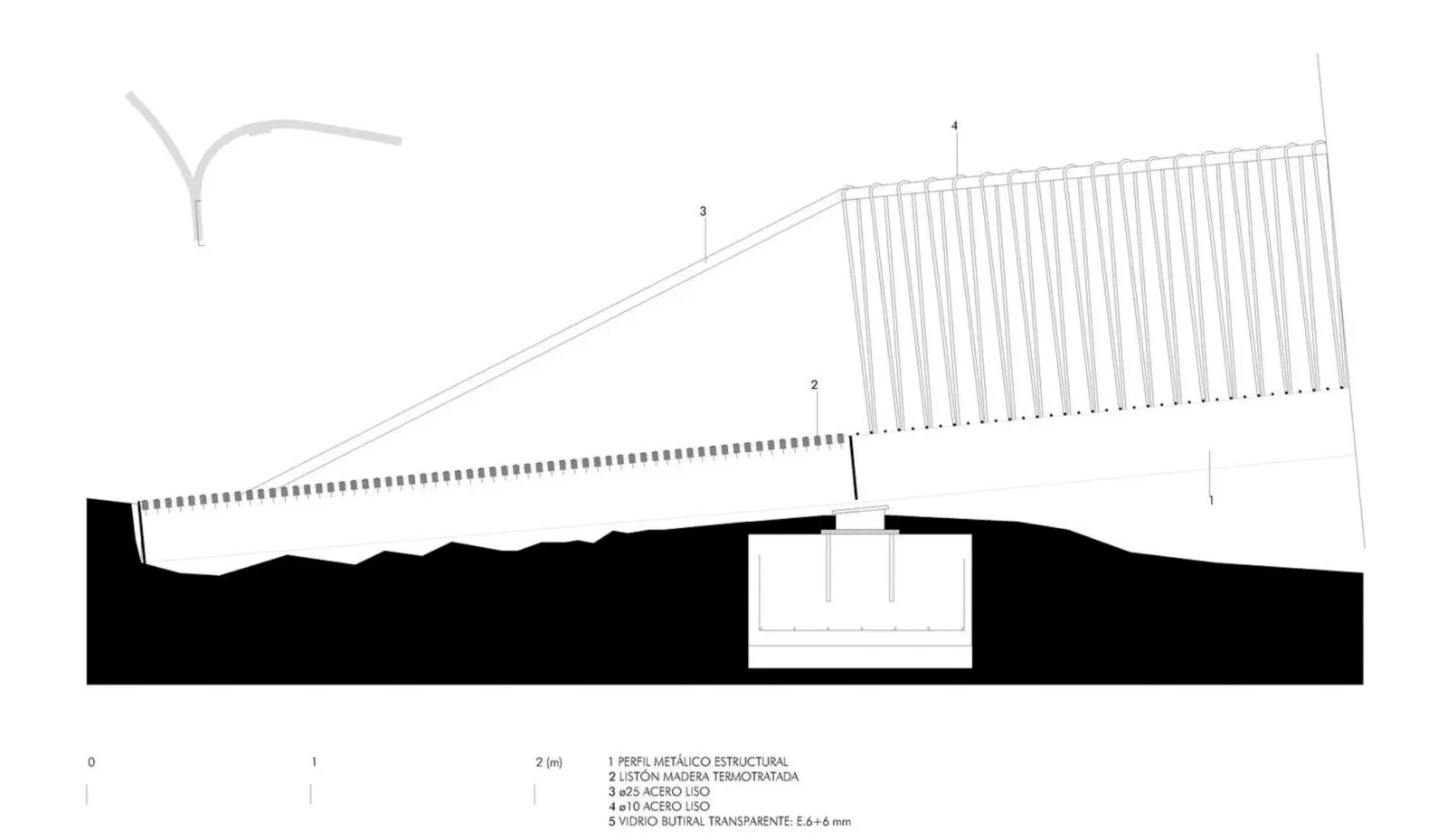
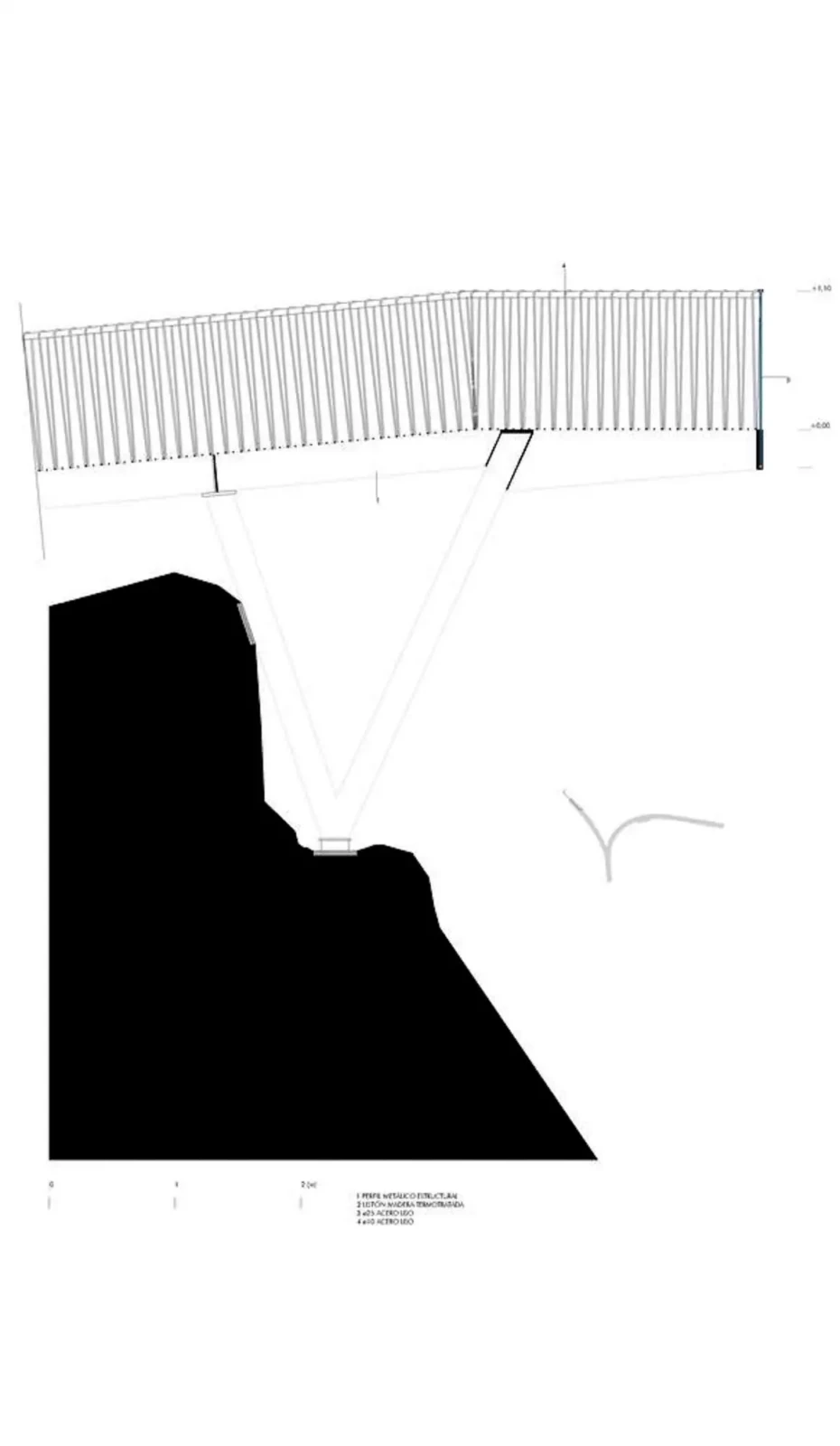
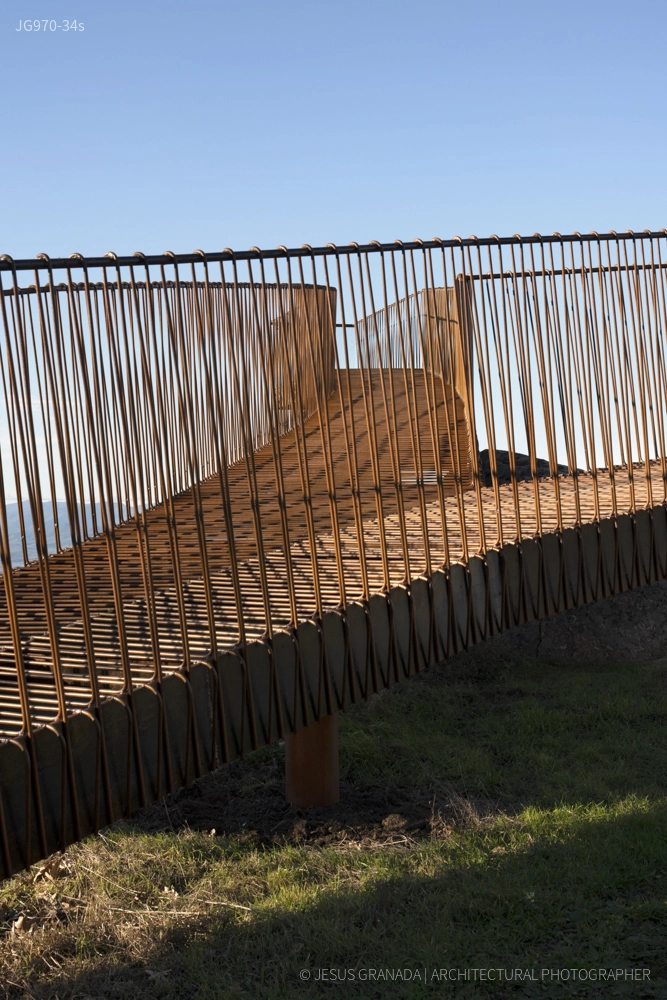
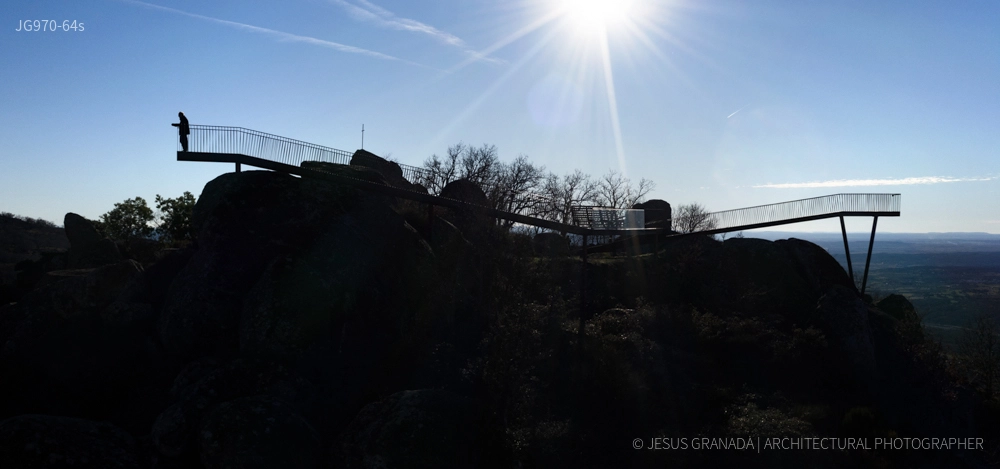
The walkway is originated as a winding promenade overflying through the place on strategic support points, that connect the different and most privileged viewpoints. Ascending on a slight slope, the walkway forks in two branches and form the viewpoint as an organic, modulated, and sequential system. The steel is intertwined and wrapped equidistantly so that it supports the slab board and lateral protection while favoring the lower and transverse permeable vision. The structure, the enclosure, and the passage cease to be three independent variables to become a single and integrating solution. The constructive materialization is based on the simplicity of materials choice: steel, wood, and glass; the uniformity of the chromaticism; a light and subtle character; all together to favor the feeling of volume’s lightening, guaranteeing a visual identity and the integration in the landscape. Among its main advantages are the ease of assembly, the minimum maintenance, and the excellent performance on wind gusts and other weather elements.
Landscape Viewpoint of the Castle in Cabezabellosa, SpainLandscape Viewpoint of the Castle in Cabezabellosa, SpainLandscape Viewpoint of the Castle in Cabezabellosa, SpainLandscape Viewpoint of the Castle in Cabezabellosa, SpainLandscape Viewpoint of the Castle in Cabezabellosa, SpainLandscape Viewpoint of the Castle in Cabezabellosa, Spain | Acid architectureLandscape Viewpoint of the Castle in Cabezabellosa, Spain | Acid architectureLandscape Viewpoint of the Castle in Cabezabellosa, Spain | Acid architectureLandscape Viewpoint of the Castle in Cabezabellosa, Spain | Acid architectureLandscape Viewpoint of the Castle in Cabezabellosa, Spain | Acid architectureLandscape Viewpoint of the Castle in Cabezabellosa, Spain | Acid architectureLandscape Viewpoint of the Castle in Cabezabellosa, Spain | Acid architectureLandscape Viewpoint of the Castle in Cabezabellosa, Spain | Acid architectureLandscape Viewpoint of the Castle in Cabezabellosa, Spain | Acid architectureLandscape Viewpoint of the Castle in Cabezabellosa, Spain | Acid architectureLandscape Viewpoint of the Castle in Cabezabellosa, Spain | Acid architectureLandscape Viewpoint of the Castle in Cabezabellosa, Spain | Acid architectureLandscape Viewpoint of the Castle in Cabezabellosa, Spain | Acid architectureLandscape Viewpoint of the Castle in Cabezabellosa, Spain | Acid architectureLandscape Viewpoint of the Castle in Cabezabellosa, Spain | Acid architectureLandscape Viewpoint of the Castle in Cabezabellosa, Spain | Acid architectureLandscape Viewpoint of the Castle in Cabezabellosa, Spain | Acid architectureLandscape Viewpoint of the Castle in Cabezabellosa, Spain | Acid architectureLandscape Viewpoint of the Castle in Cabezabellosa, Spain | Acid architectureLandscape Viewpoint of the Castle in Cabezabellosa, Spain | Acid architectureLandscape Viewpoint of the Castle in Cabezabellosa, Spain | Acid architectureLandscape Viewpoint of the Castle in Cabezabellosa, Spain | Acid architectureLandscape Viewpoint of the Castle in Cabezabellosa, Spain | Acid architectureLandscape Viewpoint of the Castle in Cabezabellosa, Spain | Acid architecture
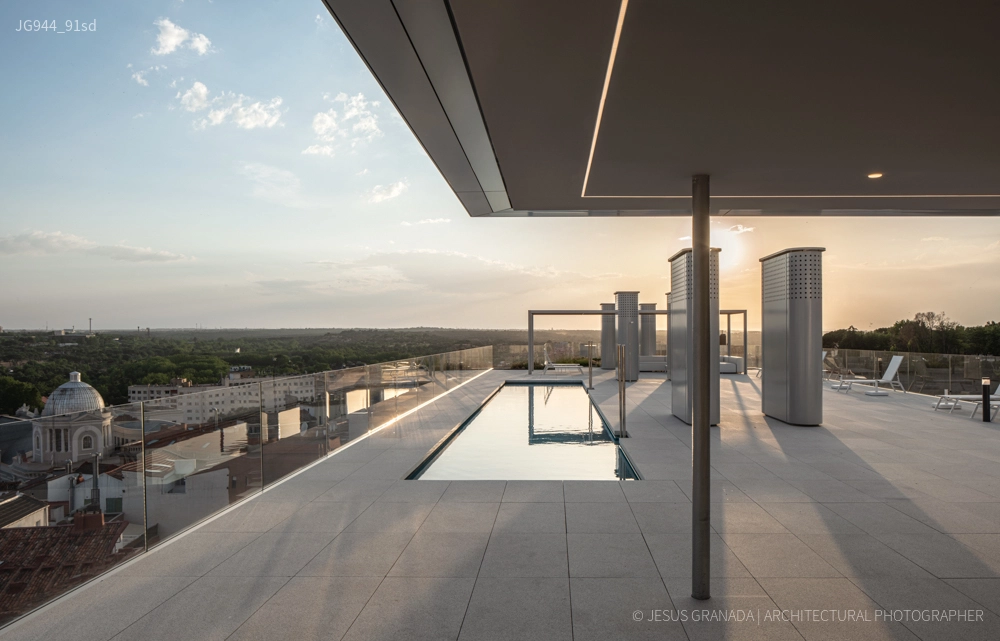
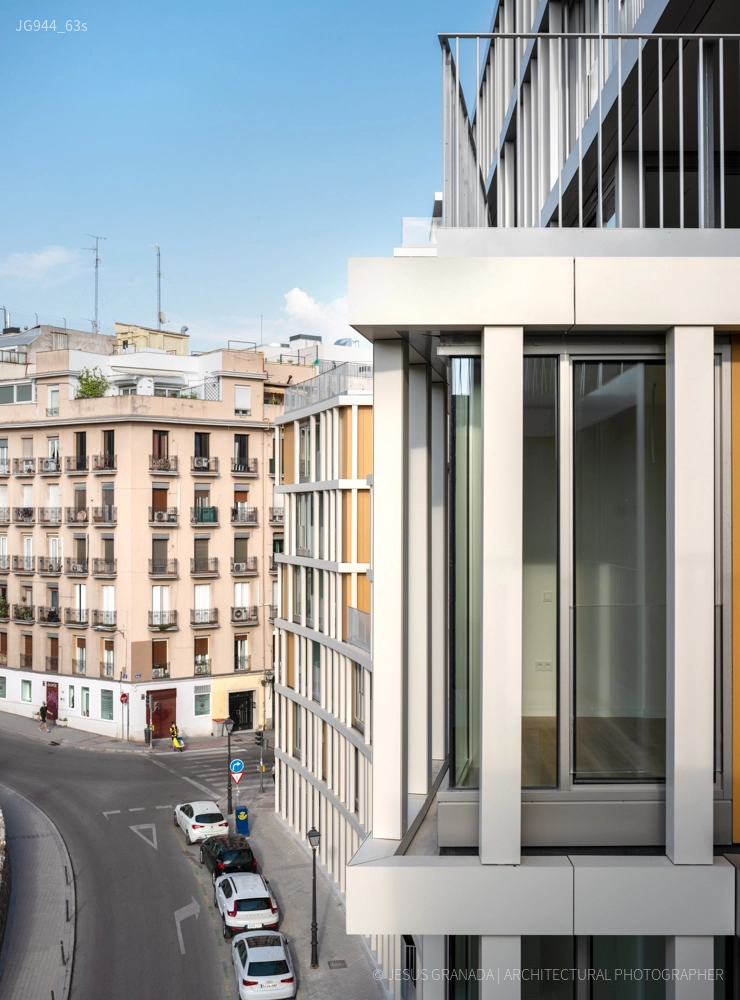
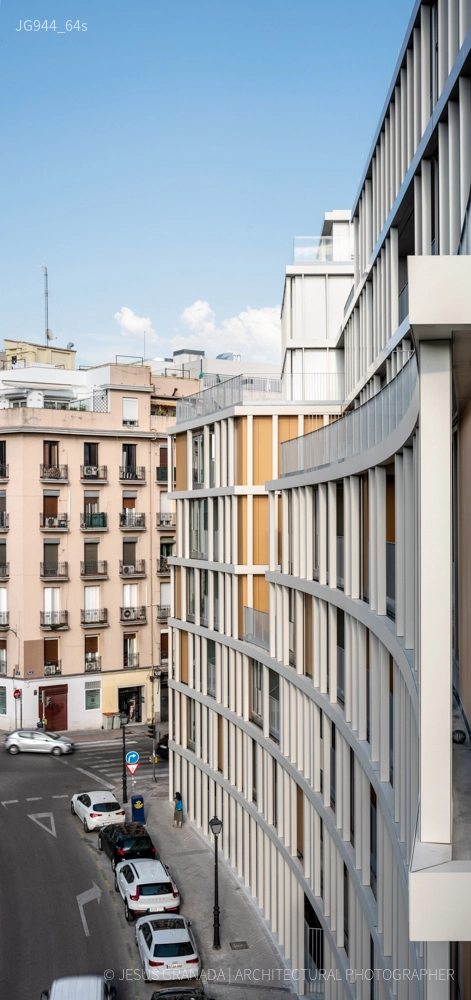
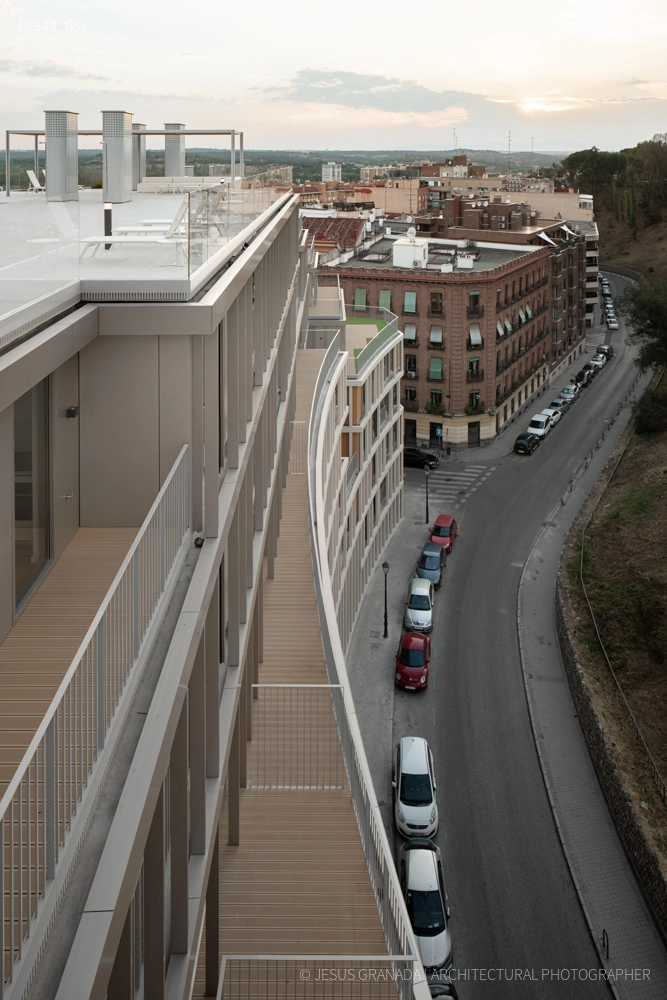
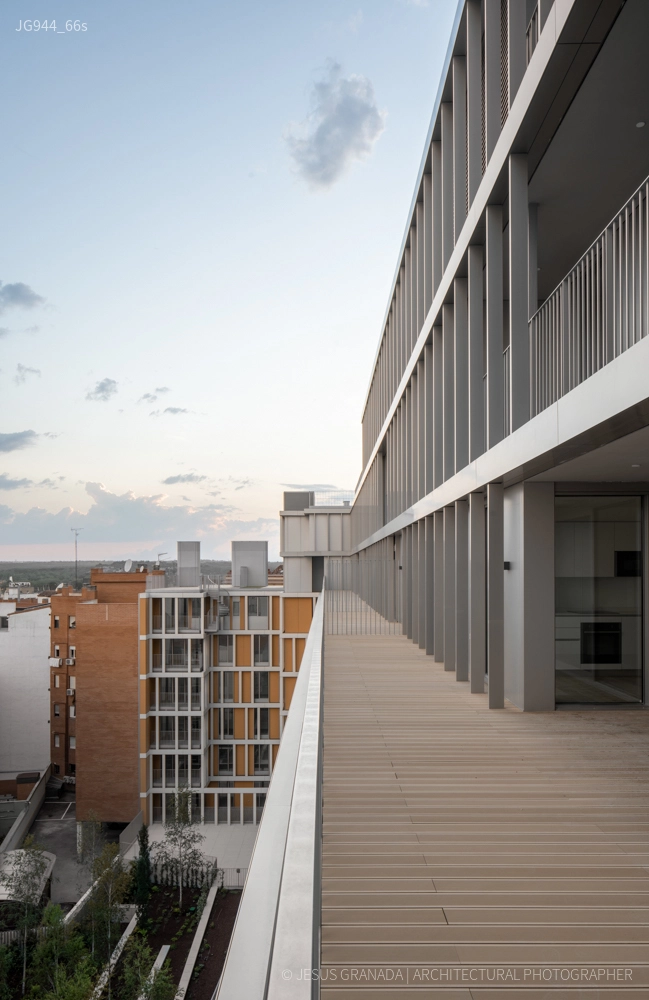
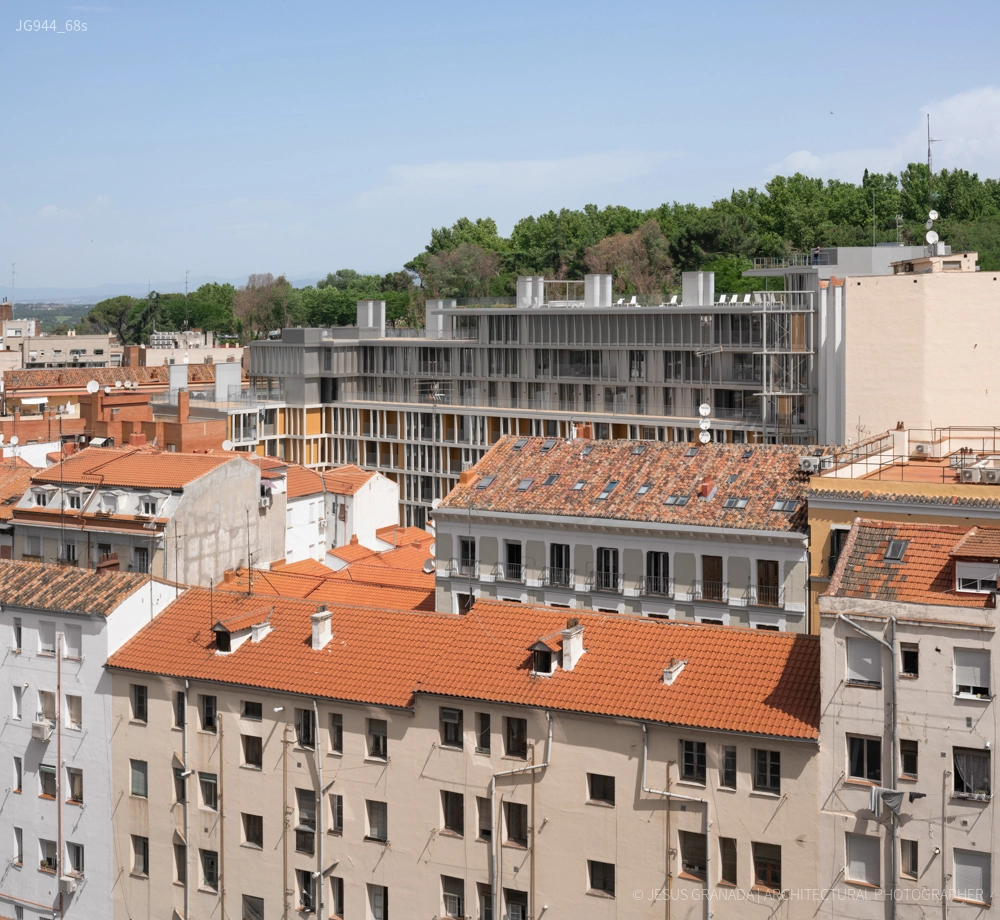
Dwellings Irún street in Madrid, Spain | Olalquiaga architectsDwellings Irún street in Madrid, Spain | Olalquiaga architectsDwellings Irún street in Madrid, Spain | Olalquiaga architectsDwellings Irún street in Madrid, Spain | Olalquiaga architectsDwellings Irún street in Madrid, Spain | Olalquiaga architectsDwellings Irún street in Madrid, Spain | Olalquiaga architectsDwellings Irún street in Madrid, Spain | Olalquiaga architectsDwellings Irún street in Madrid, Spain | Olalquiaga architectsDwellings Irún street in Madrid, Spain | Olalquiaga architectsDwellings Irún street in Madrid, Spain | Olalquiaga architectsDwellings Irún street in Madrid, Spain | Olalquiaga architectsDwellings Irún street in Madrid, Spain | Olalquiaga architectsDwellings Irún street in Madrid, Spain | Olalquiaga architectsDwellings Irún street in Madrid, Spain | Olalquiaga architectsDwellings Irún street in Madrid, Spain | Olalquiaga architectsDwellings Irún street in Madrid, Spain | Olalquiaga architectsDwellings Irún street in Madrid, Spain | Olalquiaga architectsDwellings Irún street in Madrid, Spain | Olalquiaga architectsDwellings Irún street in Madrid, Spain | Olalquiaga architectsDwellings Irún street in Madrid, Spain | Olalquiaga architectsDwellings Irún street in Madrid, Spain | Olalquiaga architectsDwellings Irún street in Madrid, Spain | Olalquiaga architectsDwellings Irún street in Madrid, Spain | Olalquiaga architectsDwellings Irún street in Madrid, Spain | Olalquiaga architectsDwellings Irún street in Madrid, Spain | Olalquiaga architectsDwellings Irún street in Madrid, Spain | Olalquiaga architectsDwellings Irún street in Madrid, Spain | Olalquiaga architectsDwellings Irún street in Madrid, Spain | Olalquiaga architectsDwellings Irún street in Madrid, Spain | Olalquiaga architectsDwellings Irún street in Madrid, Spain | Olalquiaga architectsDwellings Irún street in Madrid, Spain | Olalquiaga architectsDwellings Irún street in Madrid, Spain | Olalquiaga architectsDwellings Irún street in Madrid, Spain | Olalquiaga architectsDwellings Irún street in Madrid, Spain | Olalquiaga architectsDwellings Irún street in Madrid, Spain | Olalquiaga architectsDwellings Irún street in Madrid, Spain | Olalquiaga architectsDwellings Irún street in Madrid, Spain | Olalquiaga architectsDwellings Irún street in Madrid, Spain | Olalquiaga architectsDwellings Irún street in Madrid, Spain | Olalquiaga architectsDwellings Irún street in Madrid, Spain | Olalquiaga architectsDwellings Irún street in Madrid, Spain | Olalquiaga architectsDwellings Irún street in Madrid, Spain | Olalquiaga architectsDwellings Irún street in Madrid, Spain | Olalquiaga architectsDwellings Irún street in Madrid, Spain | Olalquiaga architectsDwellings Irún street in Madrid, Spain | Olalquiaga architectsDwellings Irún street in Madrid, Spain | Olalquiaga architectsDwellings Irún street in Madrid, Spain | Olalquiaga architectsDwellings Irún street in Madrid, Spain | Olalquiaga architectsDwellings Irún street in Madrid, Spain | Olalquiaga architectsDwellings Irún street in Madrid, Spain | Olalquiaga architectsDwellings Irún street in Madrid, Spain | Olalquiaga architects
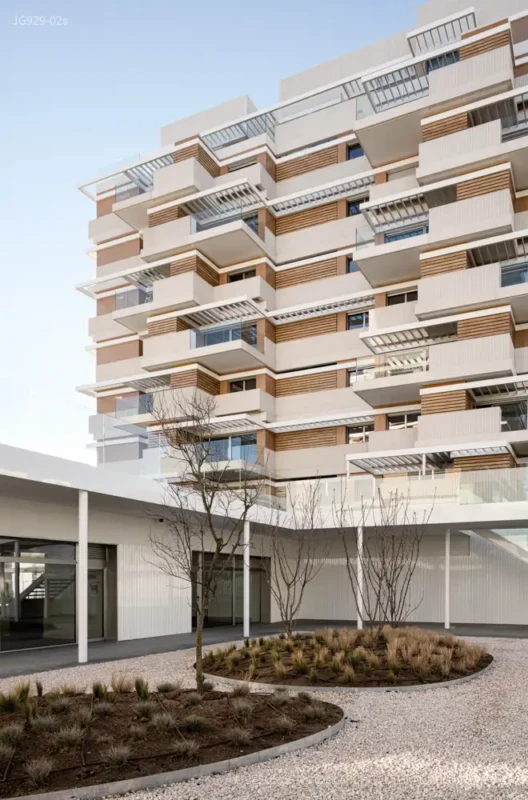
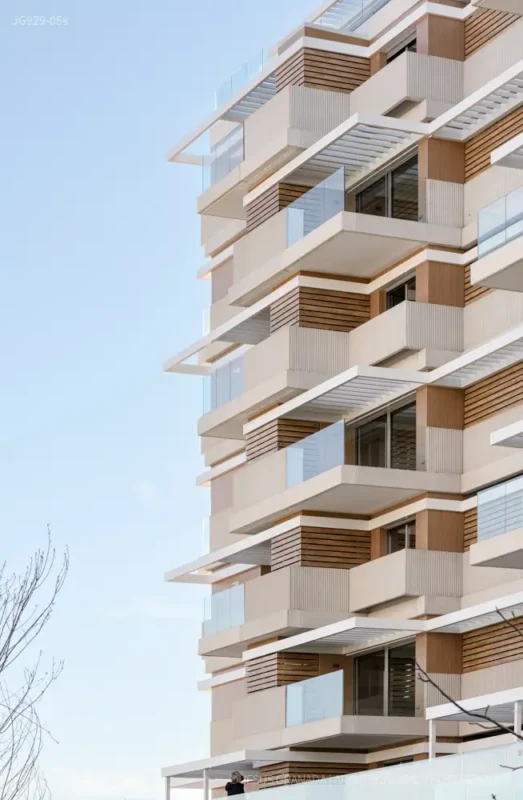
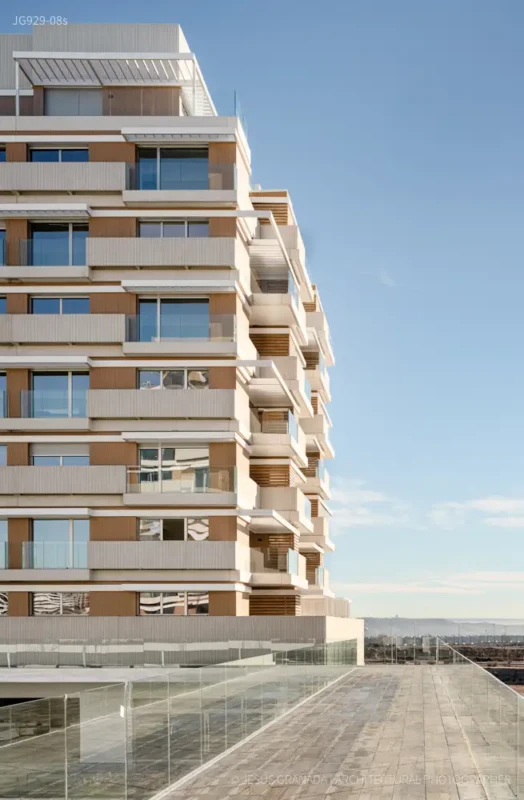
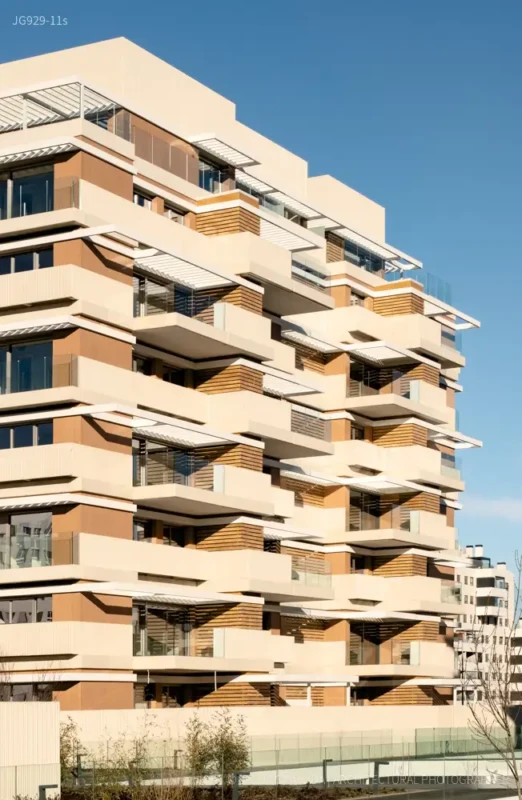
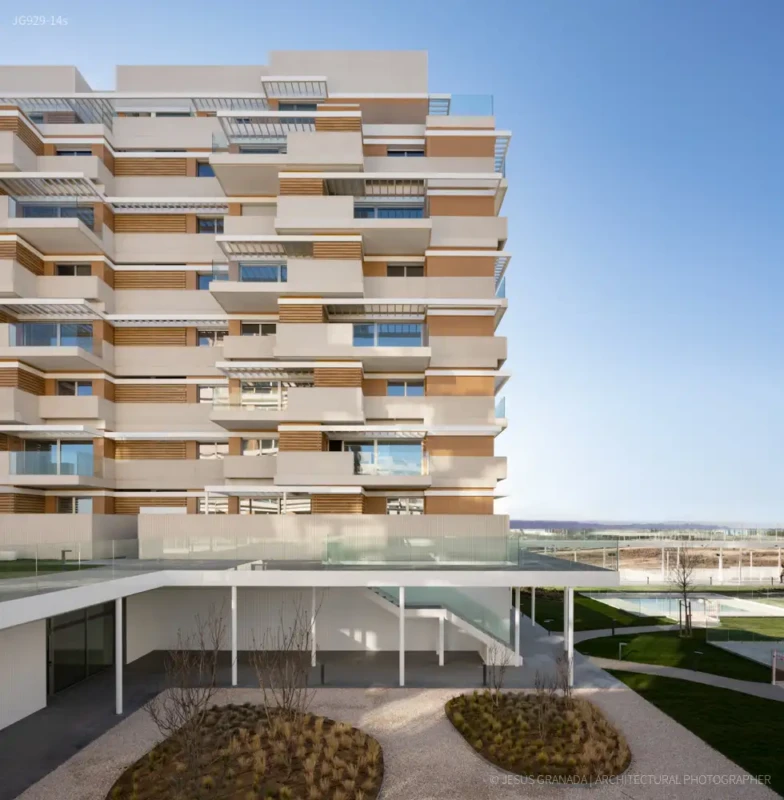
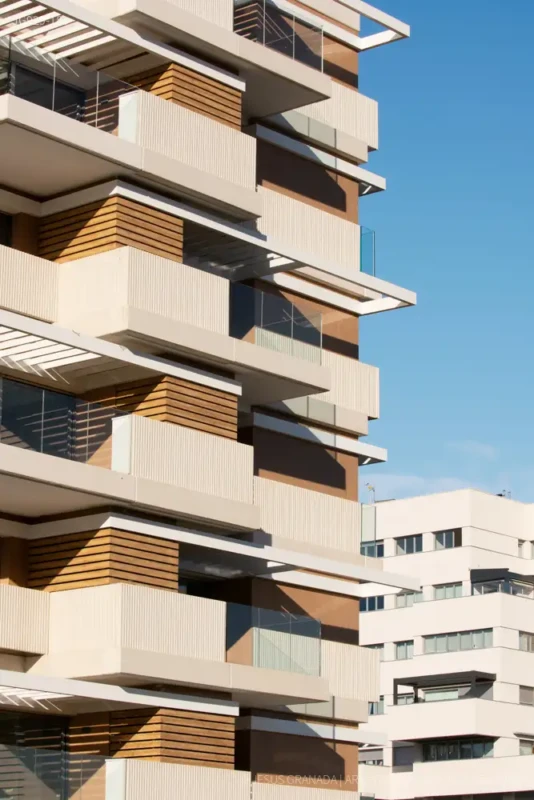
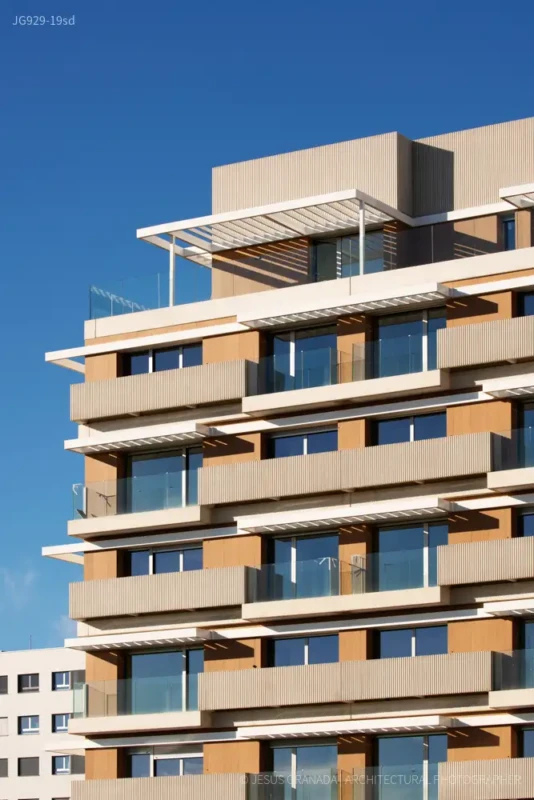
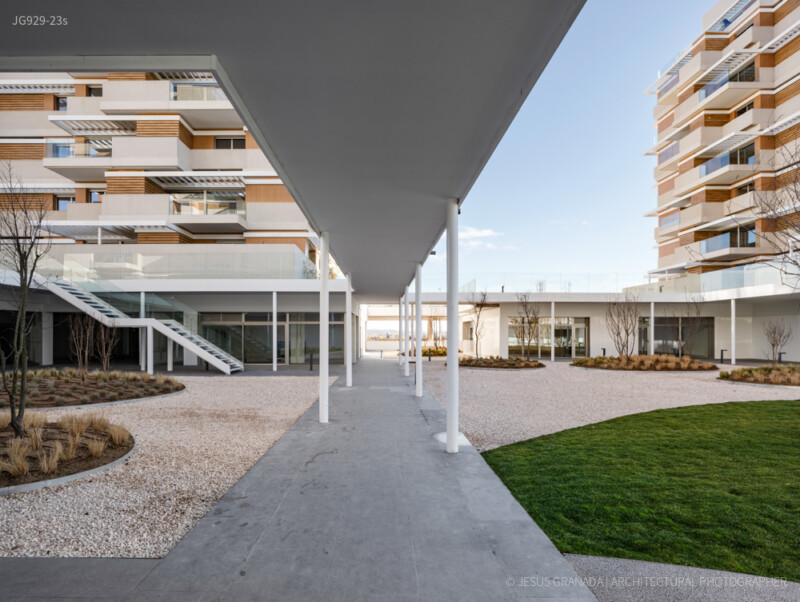
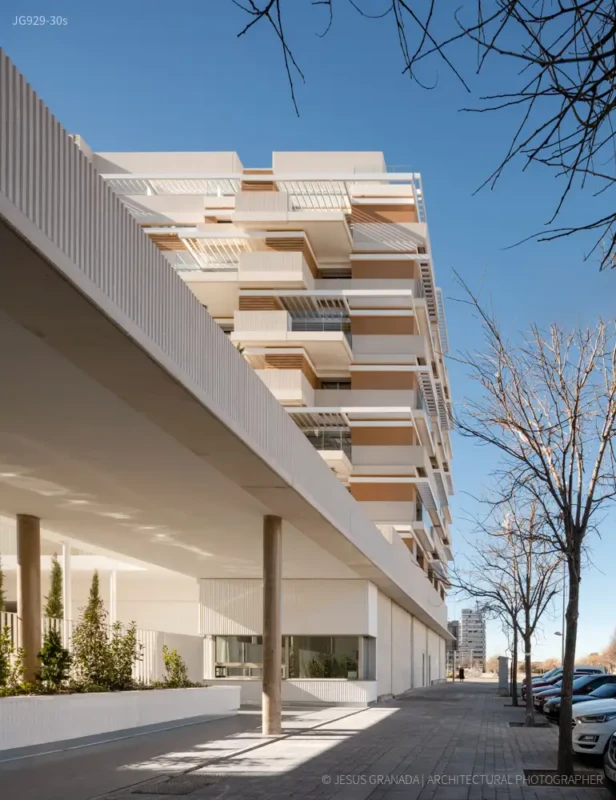
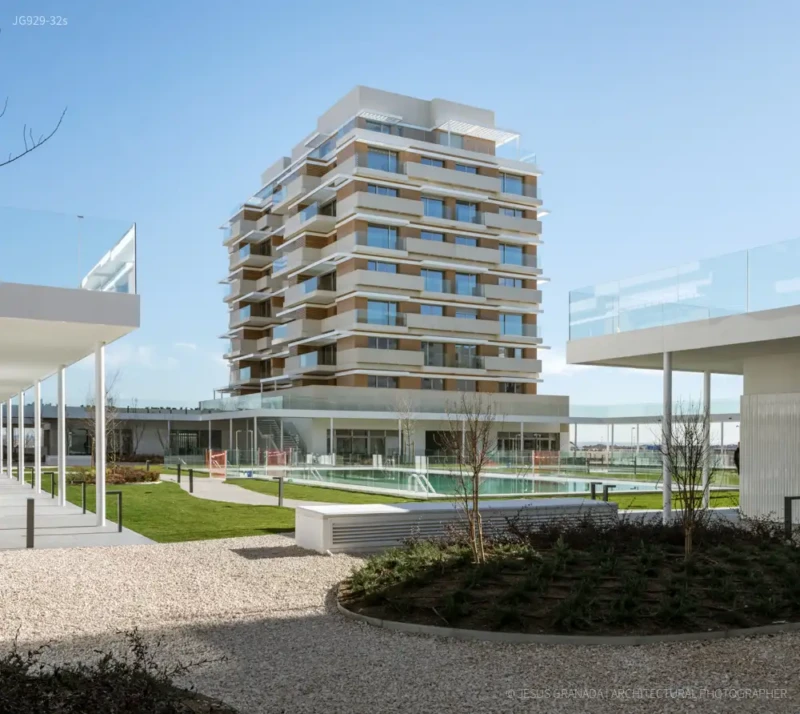
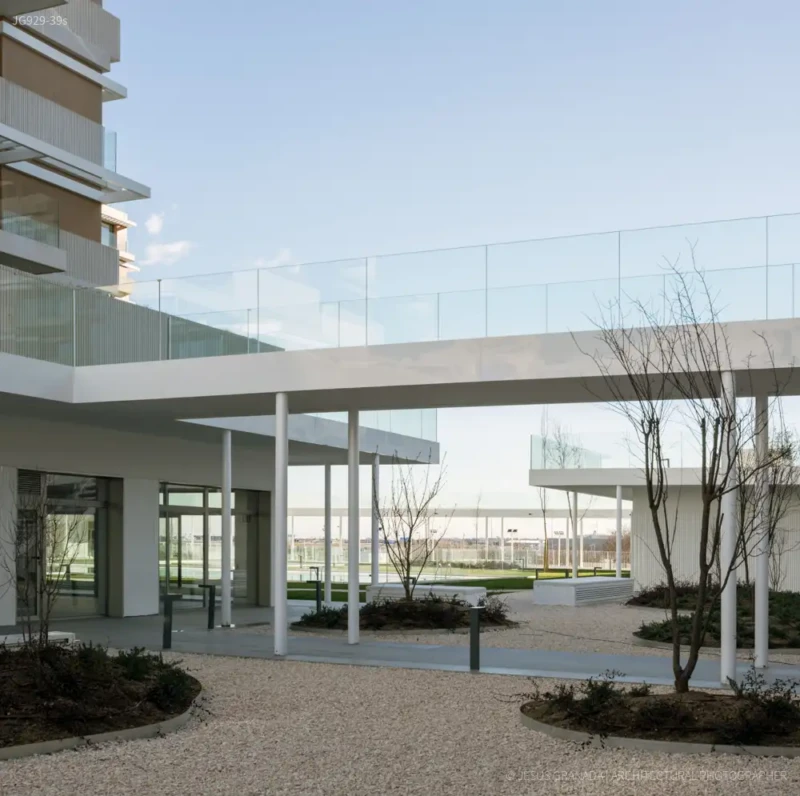
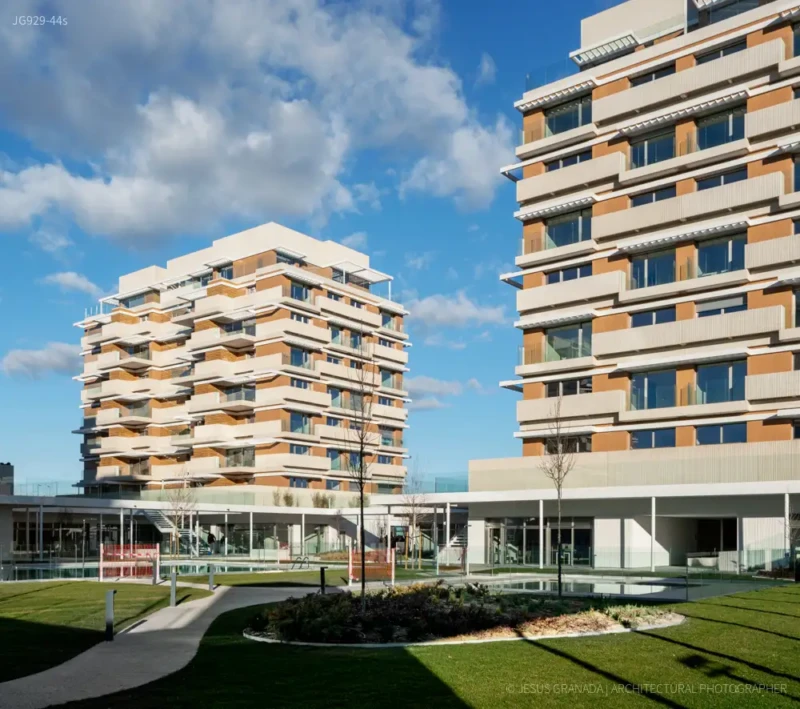
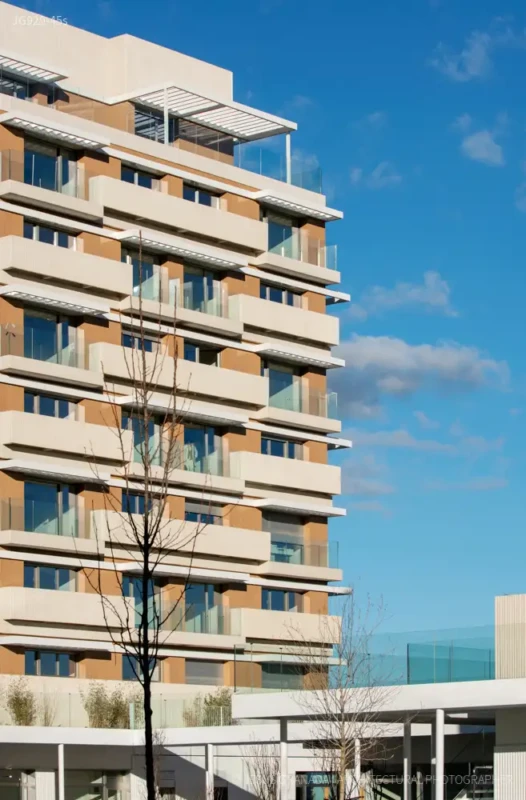
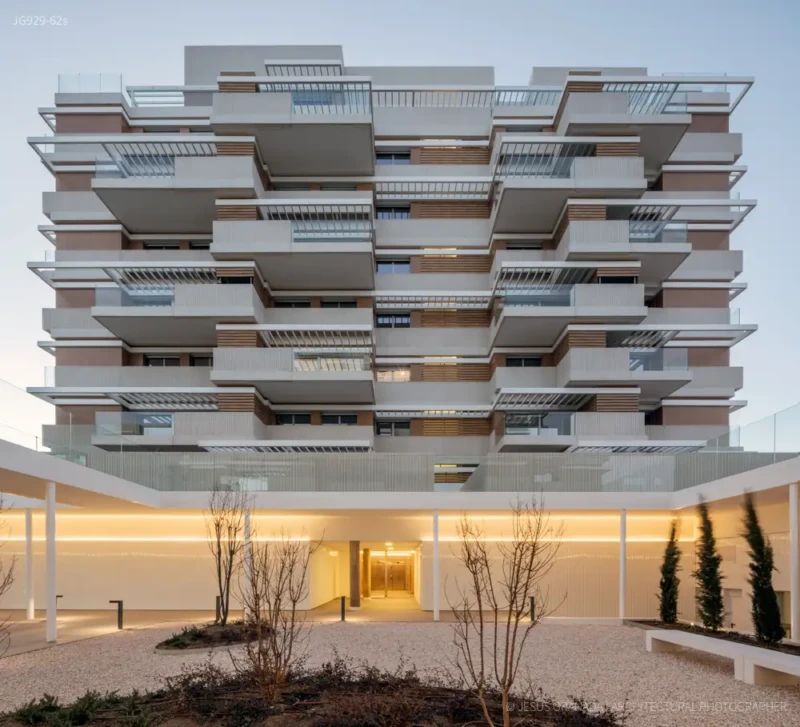
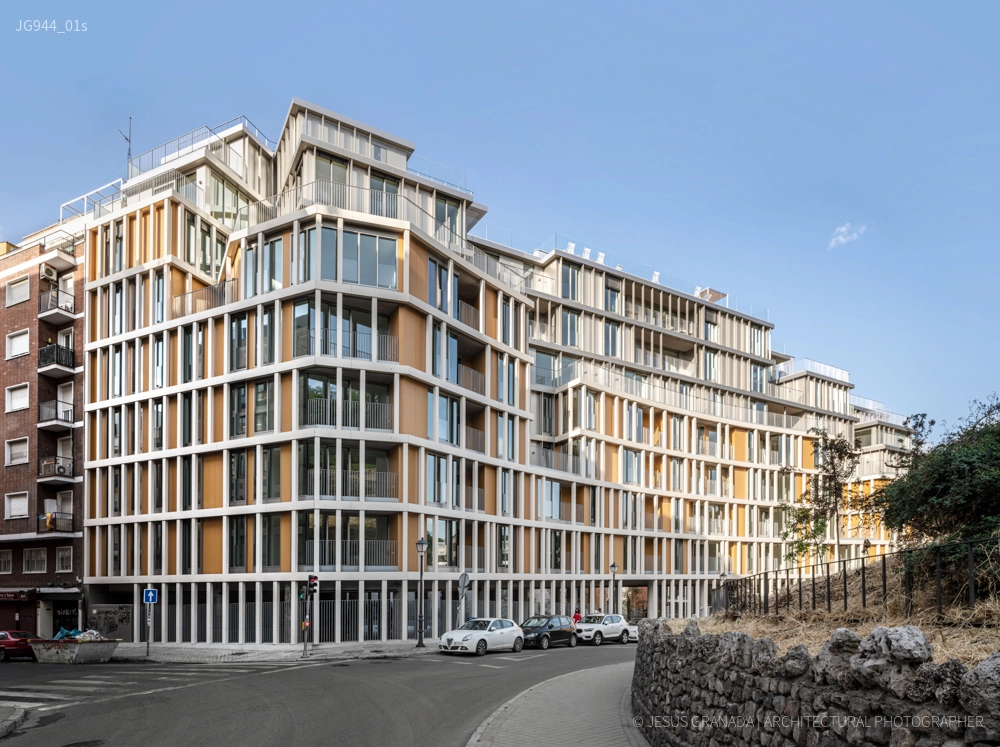
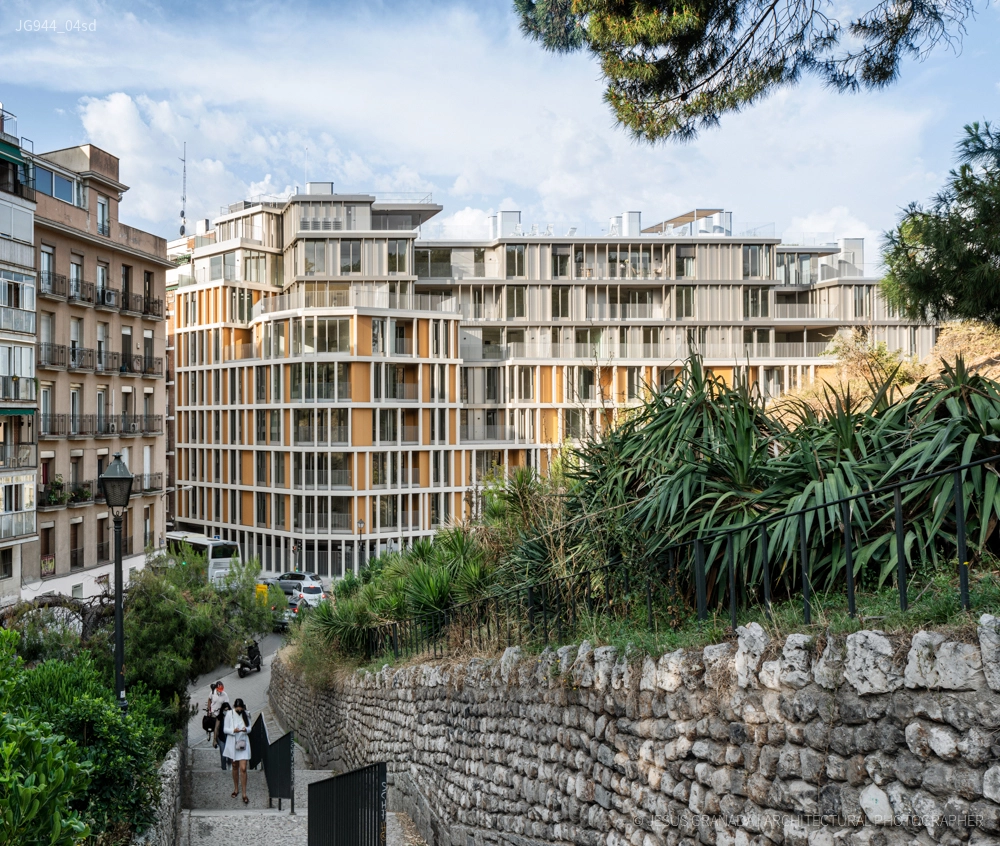
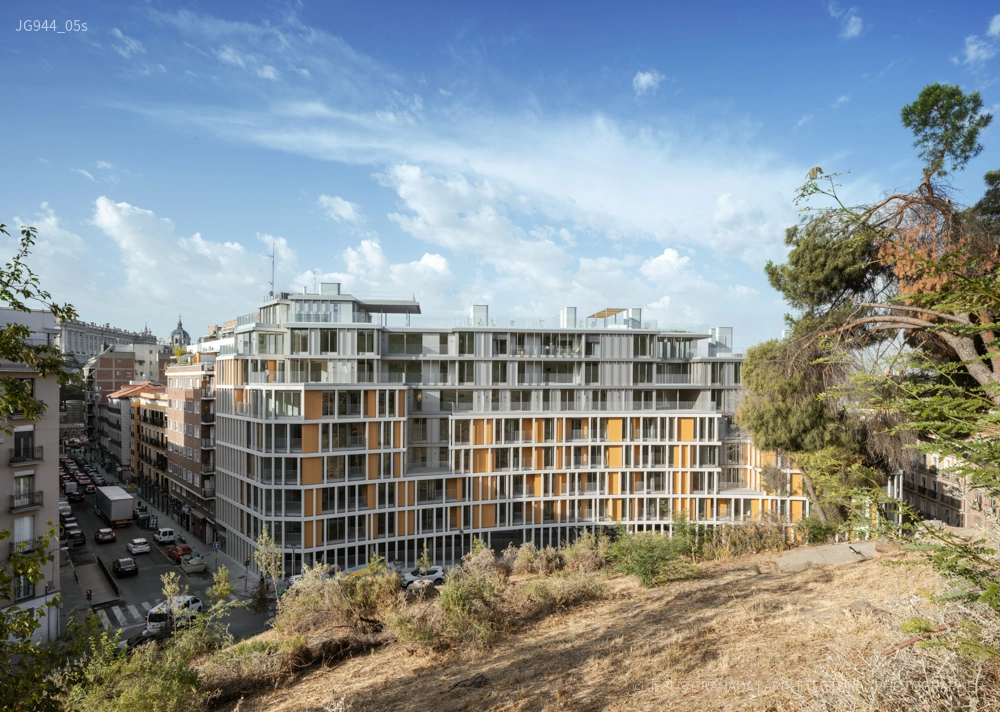
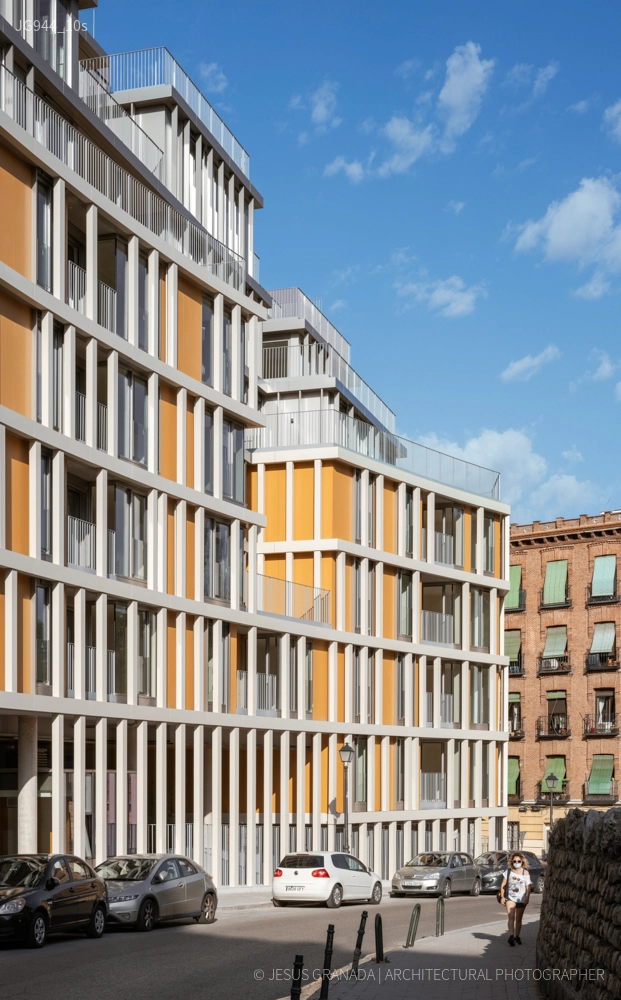
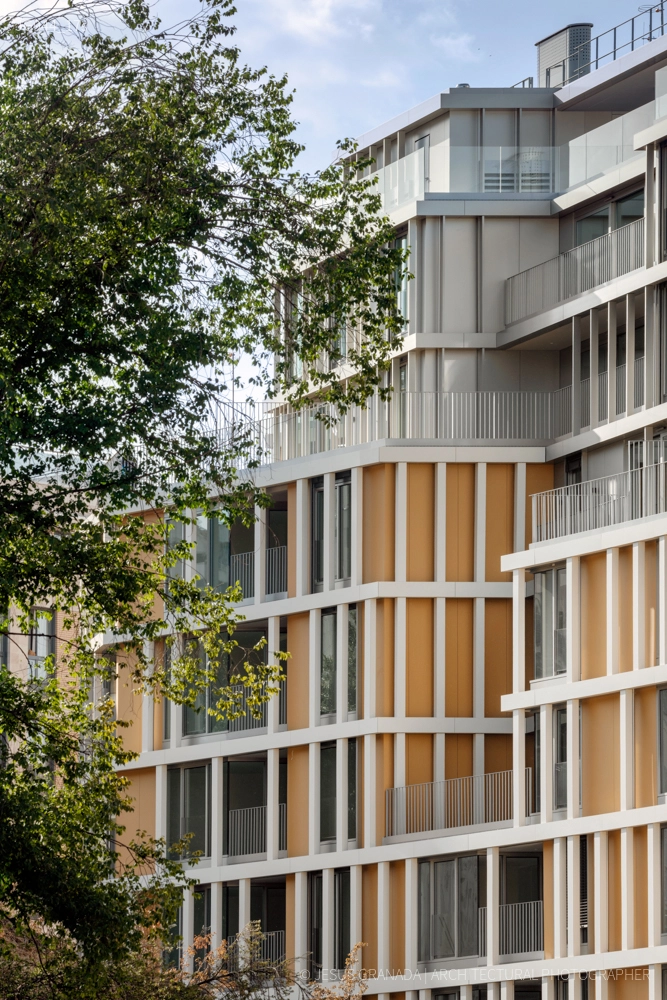
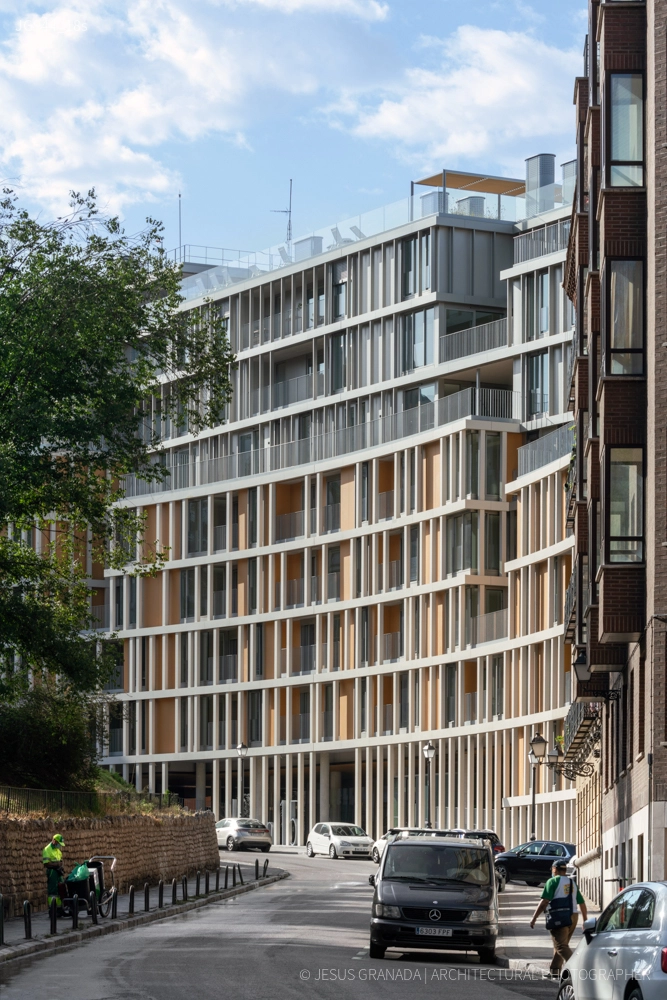
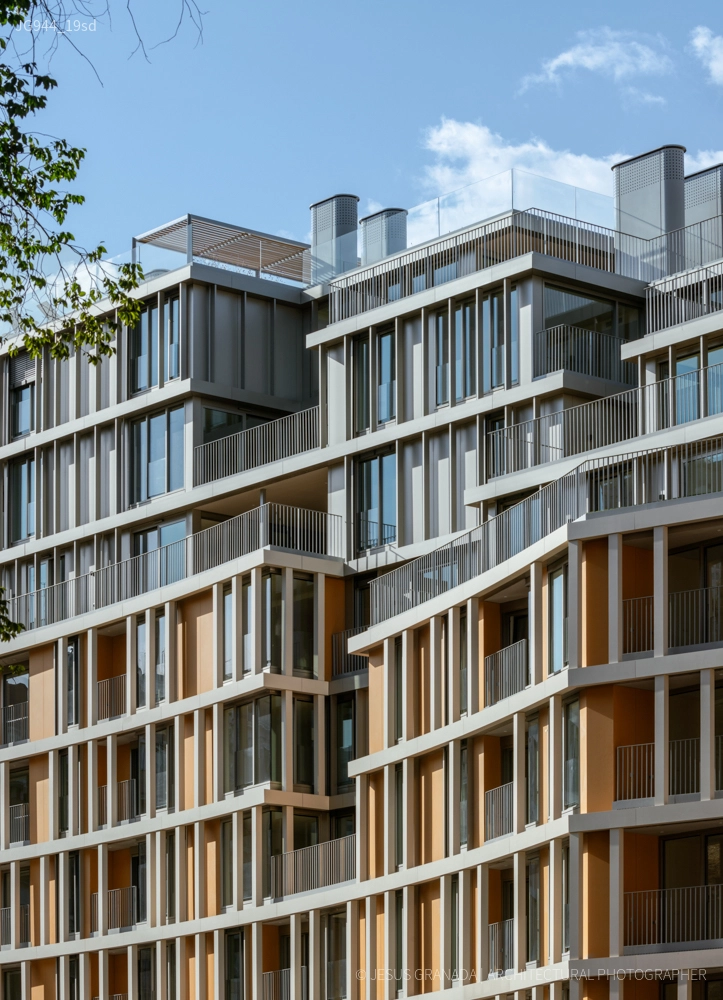
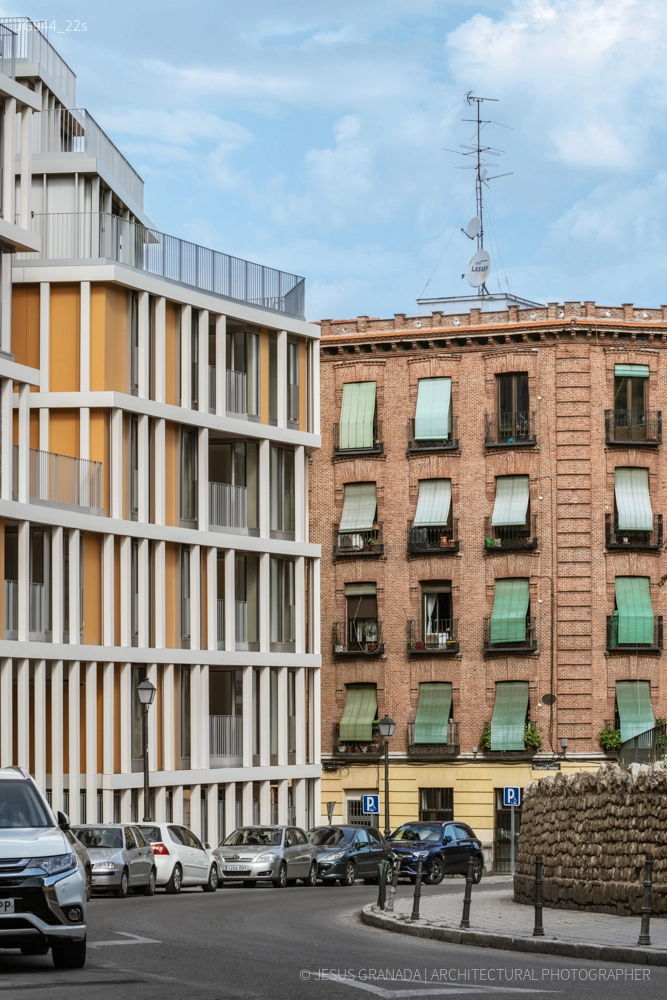
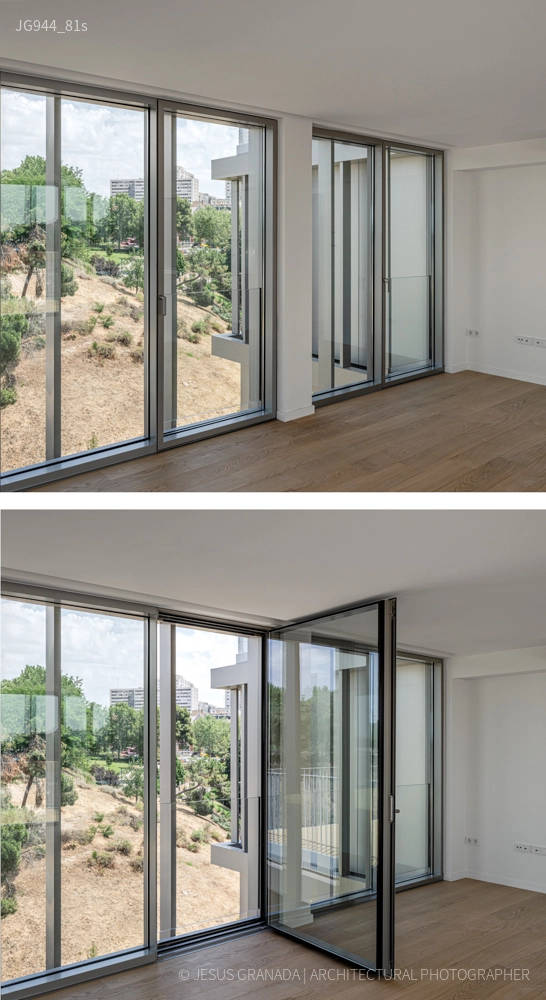
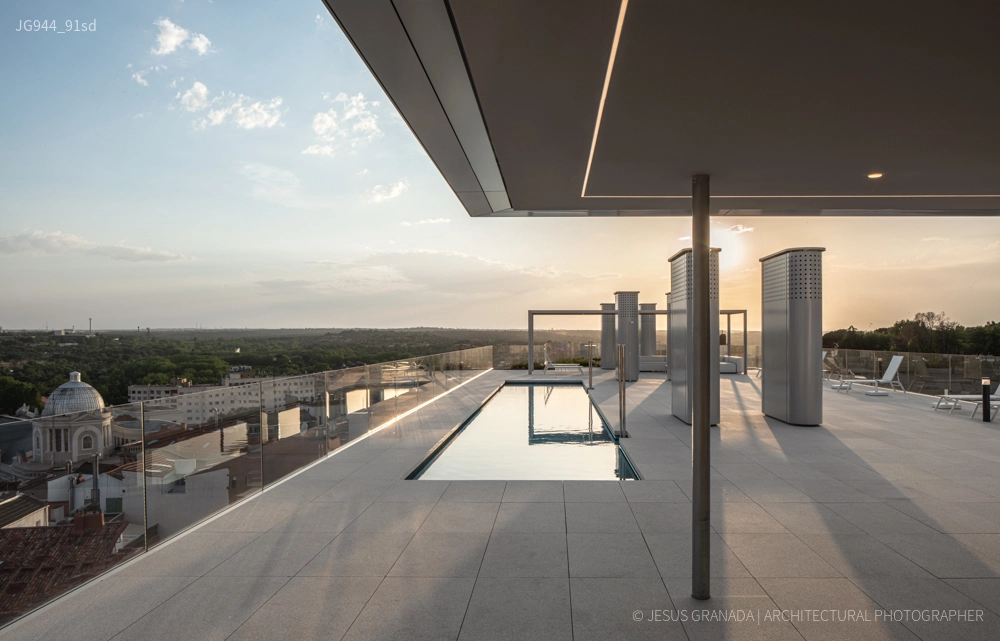
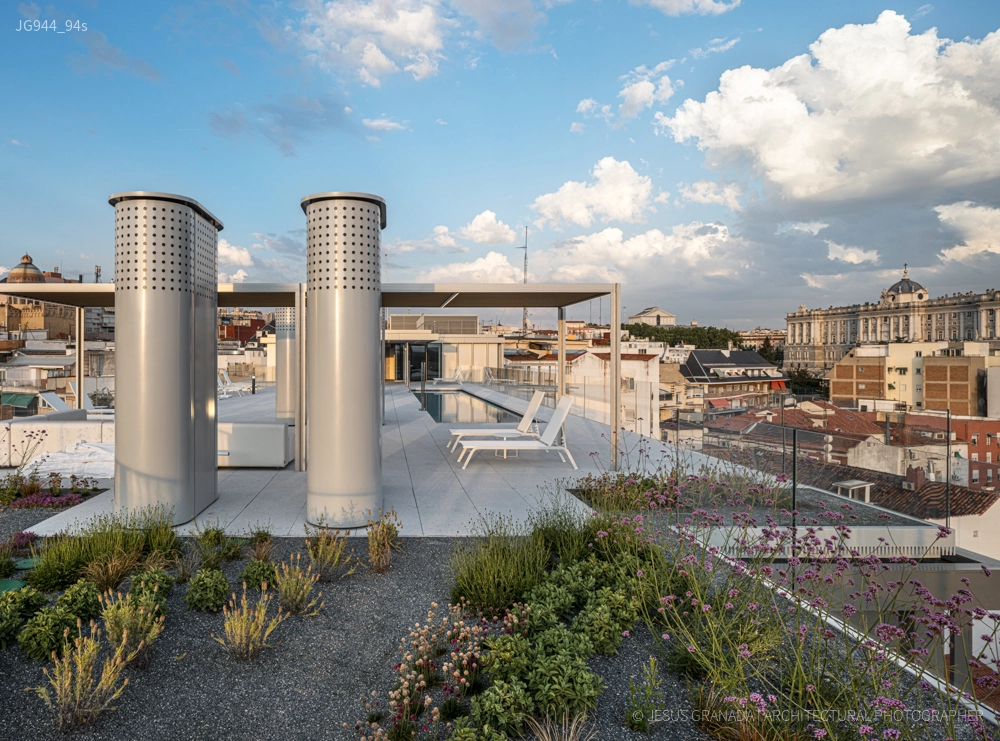
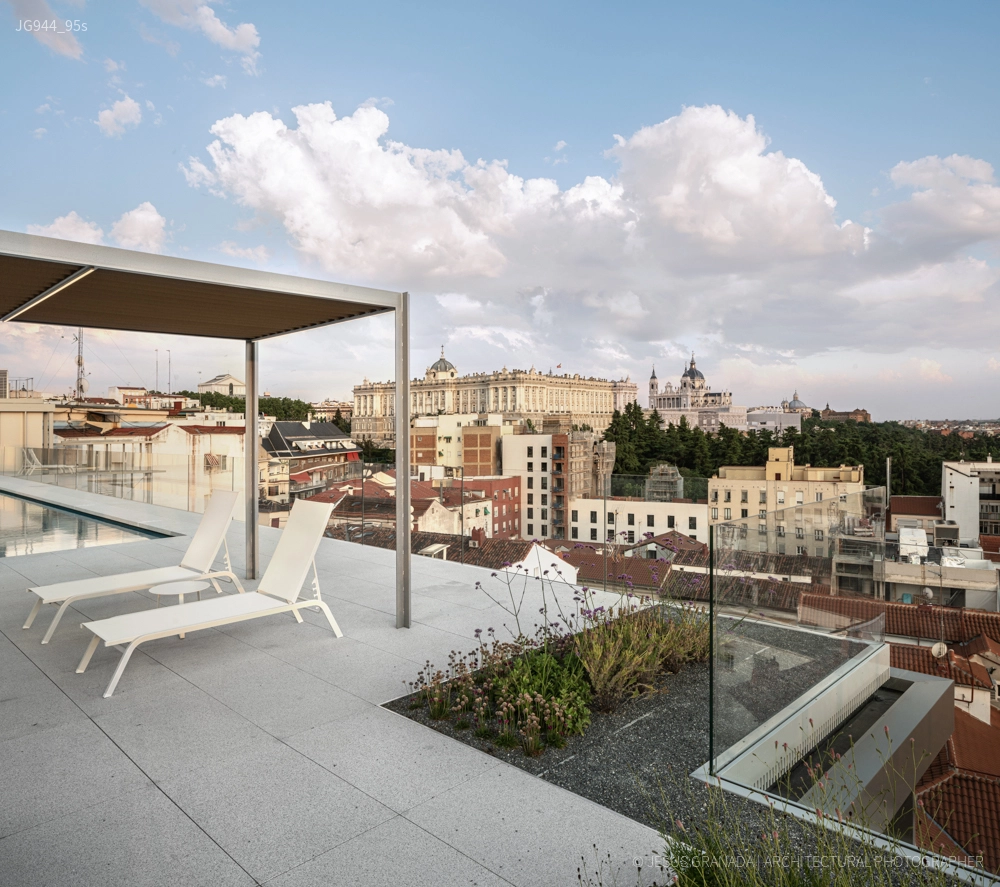
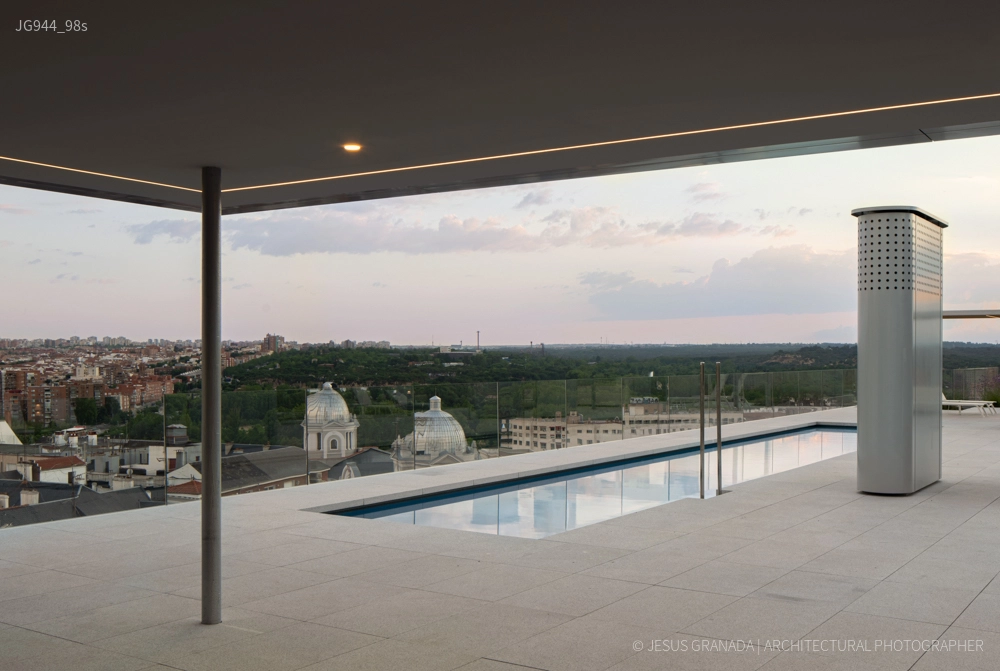
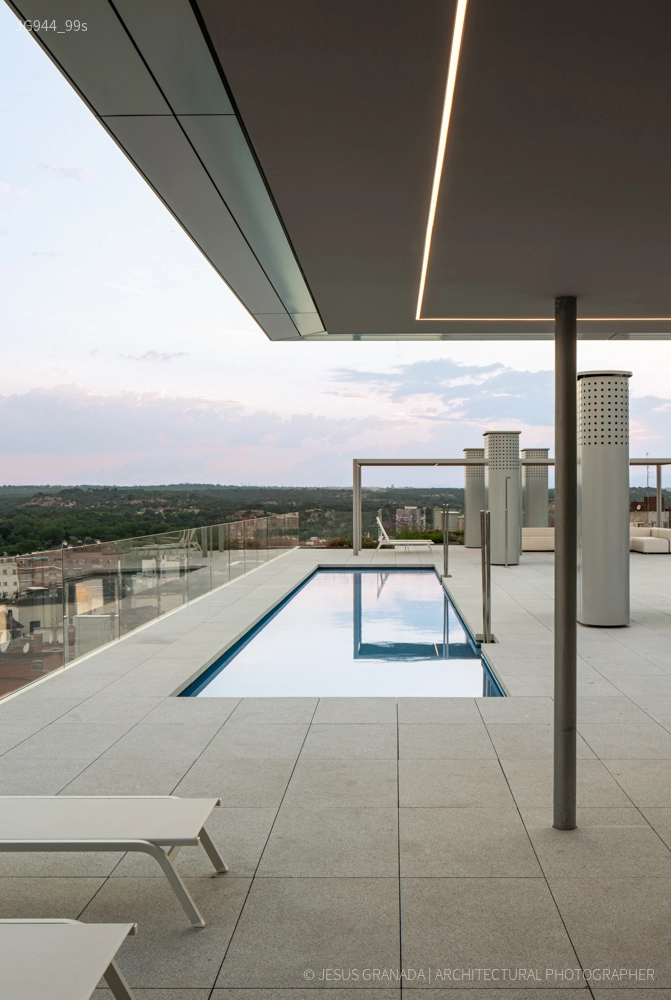
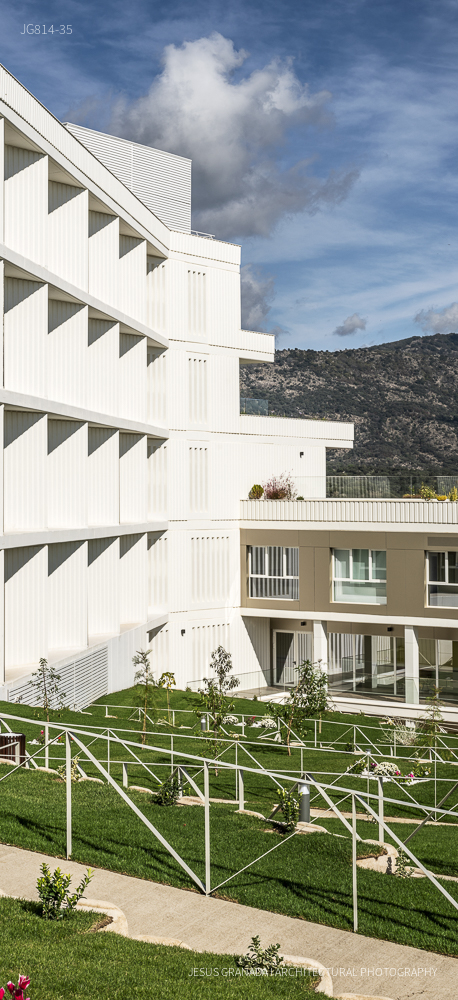
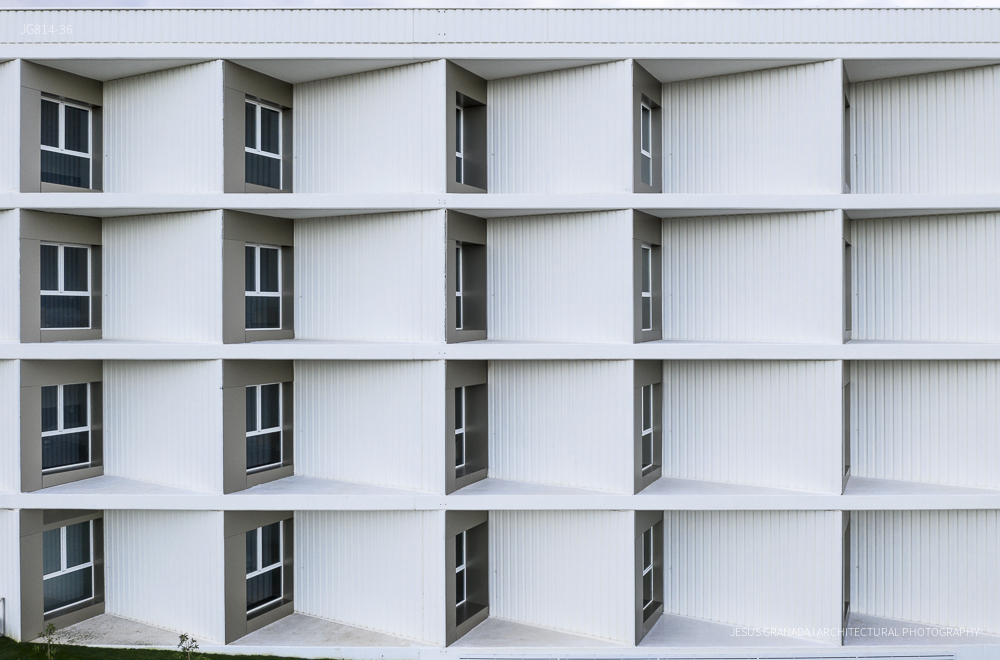
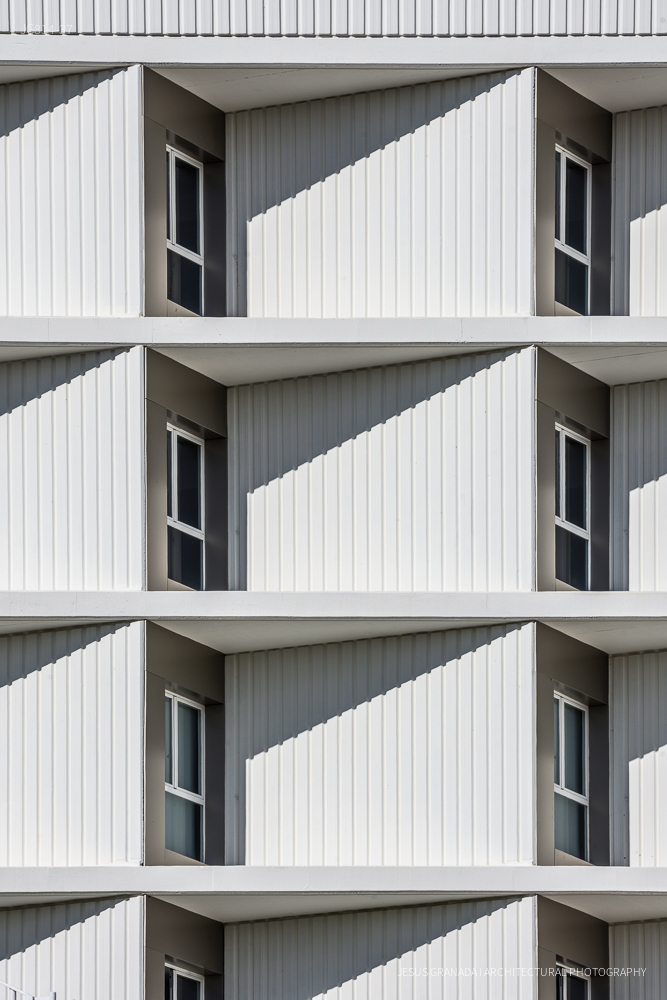
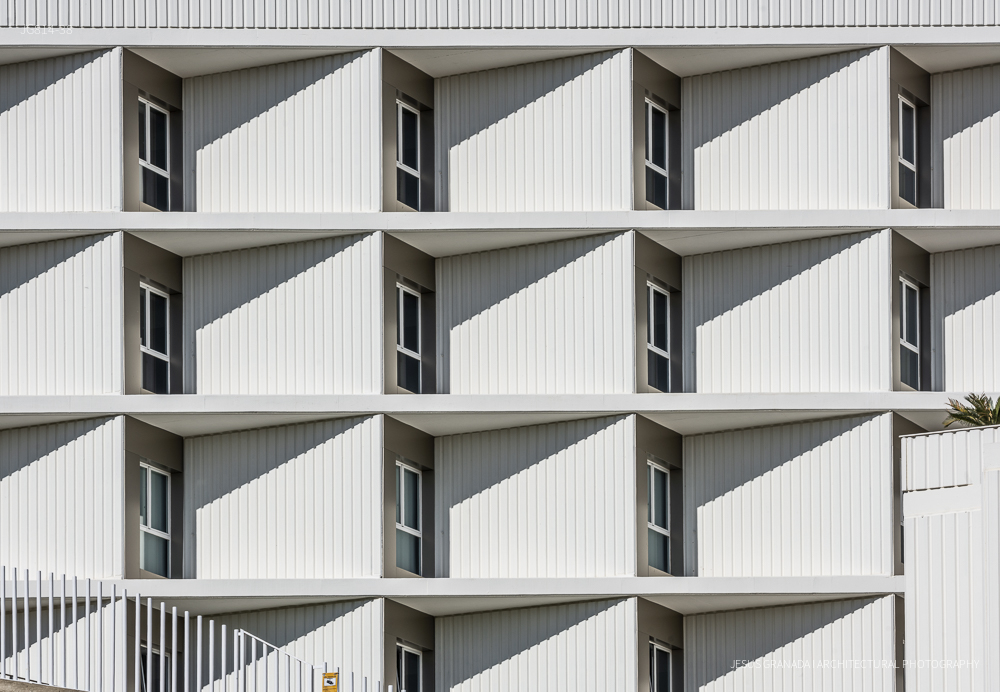
The building is situated in the privileged environment between West Park – with its renowned Debod Temple – and the Royal Palace and its wonderful gardens. Our goal was to provide views to those two points of interest to as many units as possible. The specialty of this building are the spectacular views that extend from it, especially in the last 4 floors. The terraces and wide vistas are replacing the conventional one floor on the attic. Because of that these apartments have a great value.
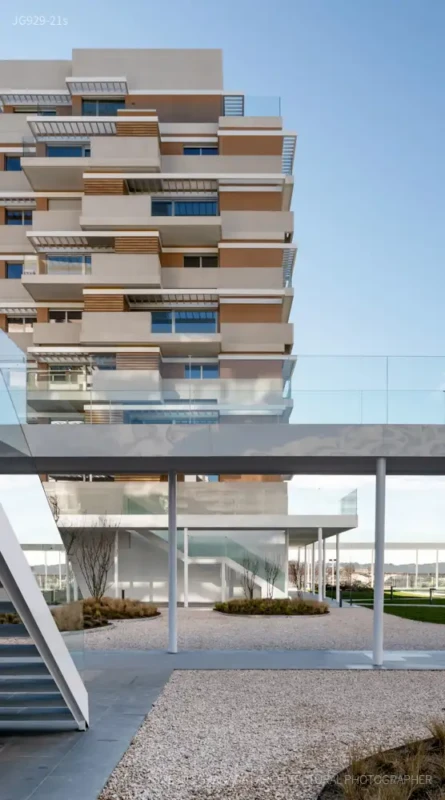
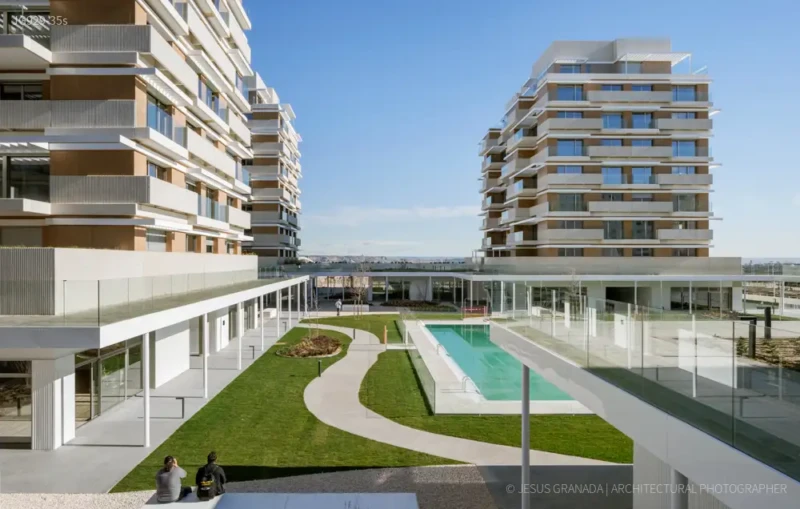
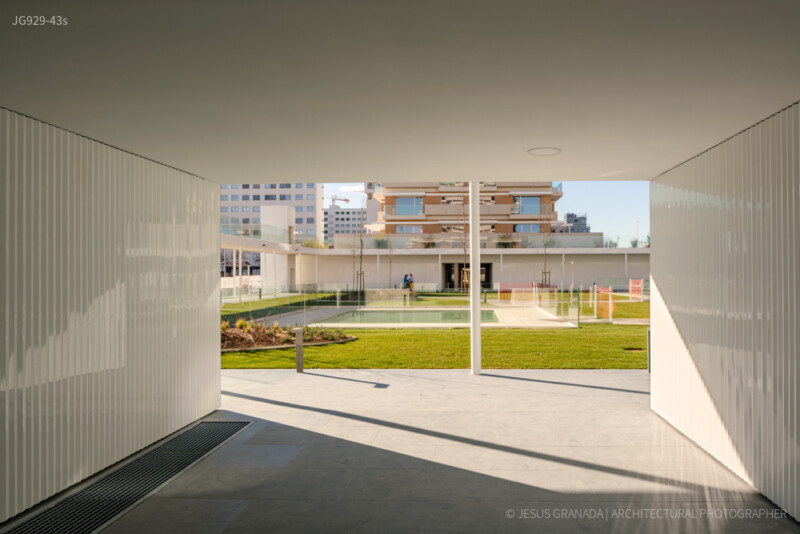
We extended the patio by additional 4 m, increasing its area from 552 to 1000 m², so that the residents of the neighborhood can enjoy the scents and colors of the spacious and elegant garden with birch trees and geometrically shaped hedges. Also, it is a source of light which enters through the arcade to the ground floor where the entrance is situated, in the central axis of the Irún street.
70% of the units of the building will be facing the Parque del Oeste, and the 12% will have a view of the Royal Palace. Only 18% of the apartments have no views of the park or the palace, which is why an extra effort was given to shaping the inner courtyard which provides a special atmosphere, enough vistas, lighting and natural ventilation to its residents.
Credits: Architecture: Olalquiaga Architects Team: Javier Morales Luchena, Sara García Romero, Borja Pérez de Villar Ramos Arquitecto Técnico: Enrique Martínez, Manuel Bravo Client: Global Incahuasi S.L.U. Surface: 9.747,00 m2 Budget: 10.995,257,14 € Location: Madrid, Spain. Date: 2021 Photography: Jesús Granada
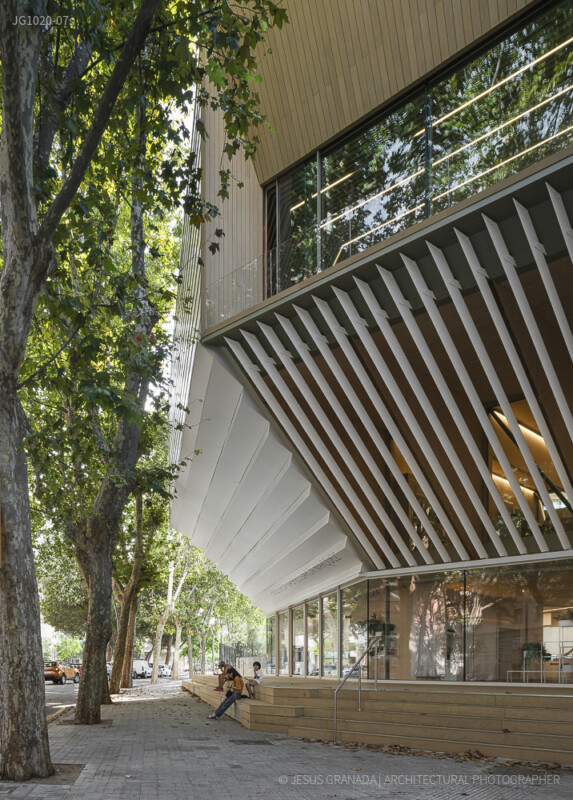
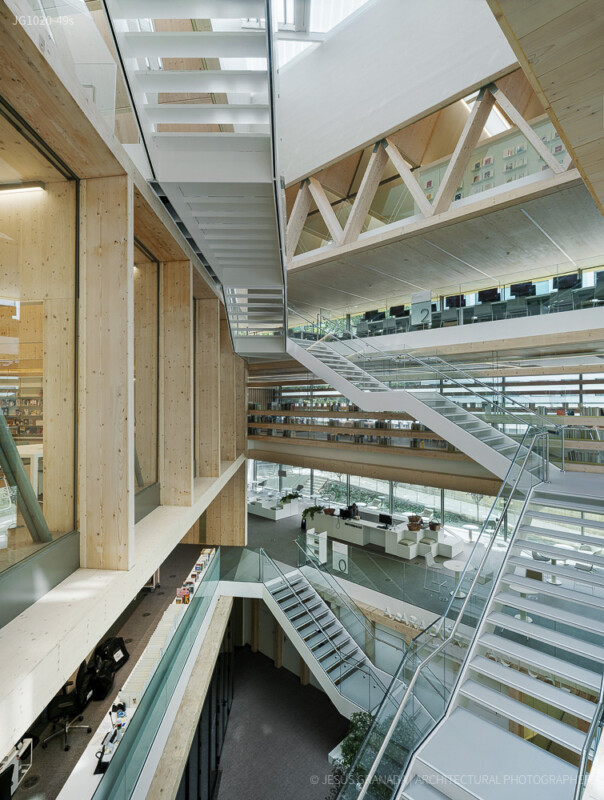
Library Gabriel García Márquez in Barcelona, Spain | SUMA architecture
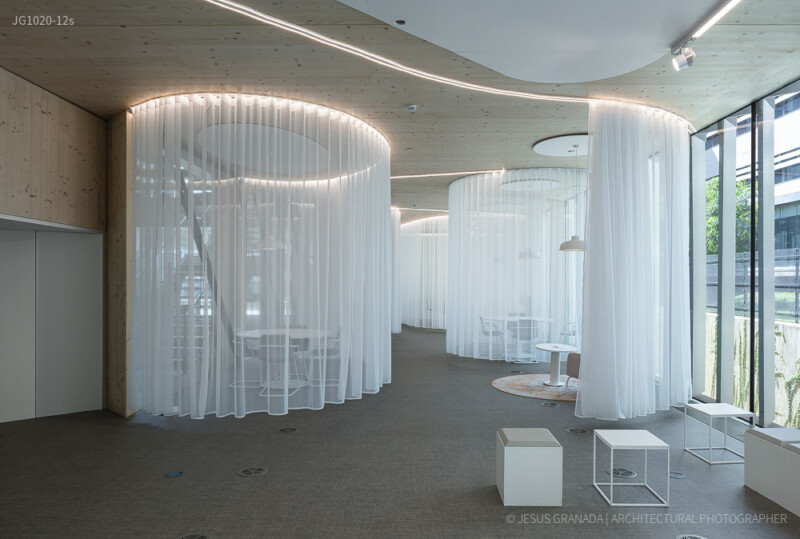
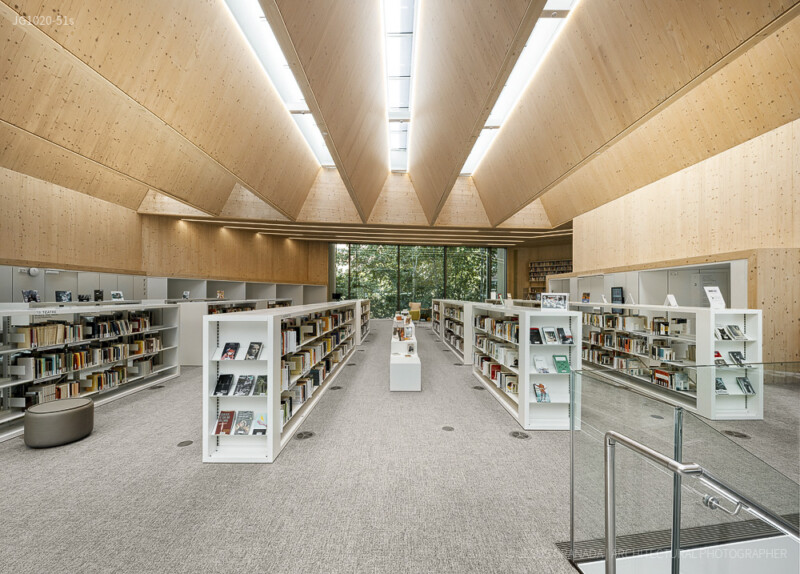
Library Gabriel García Márquez in Barcelona, Spain | SUMA architects
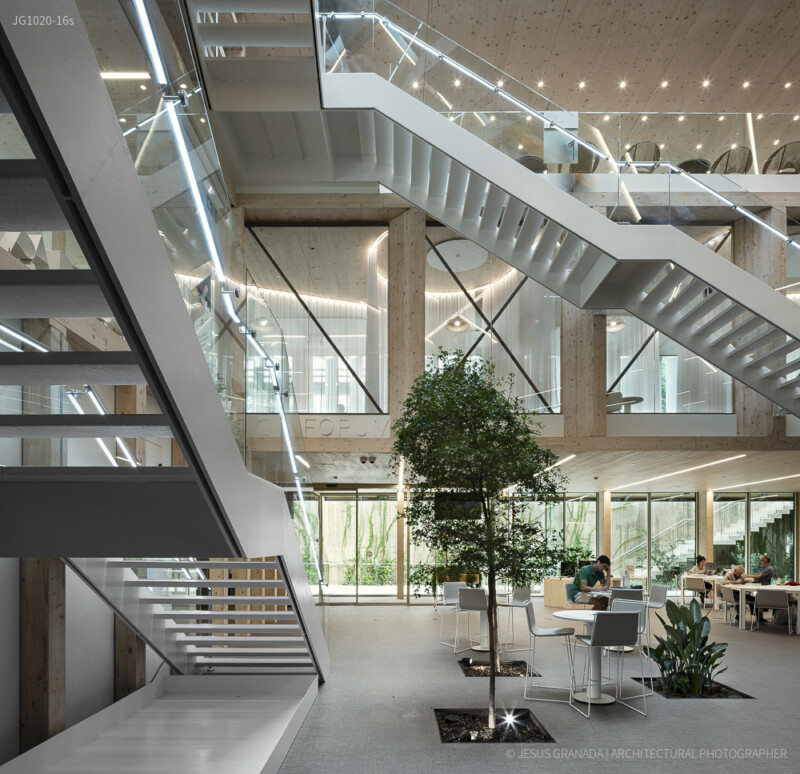
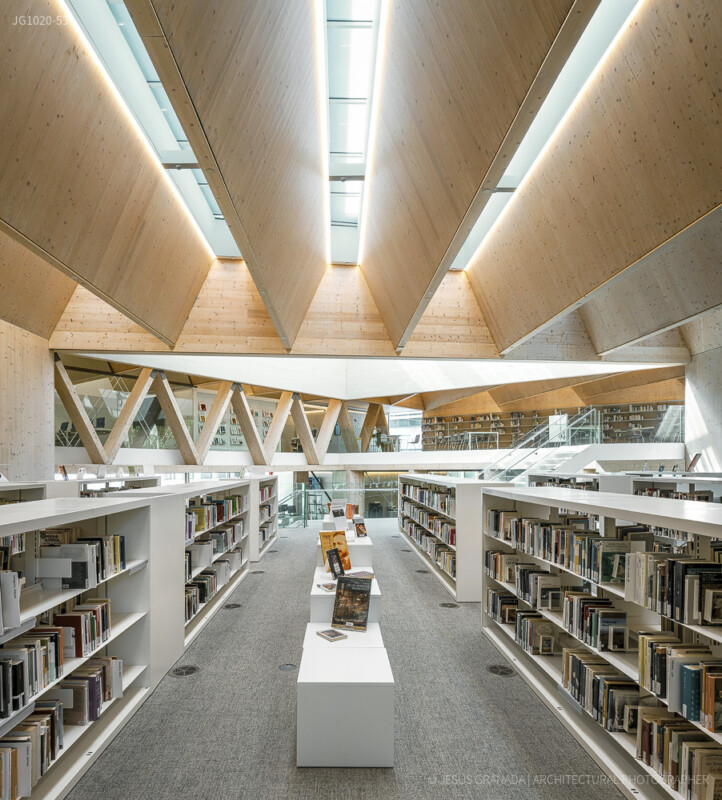
Library Gabriel García Márquez in Barcelona, Spain | SUMA architects
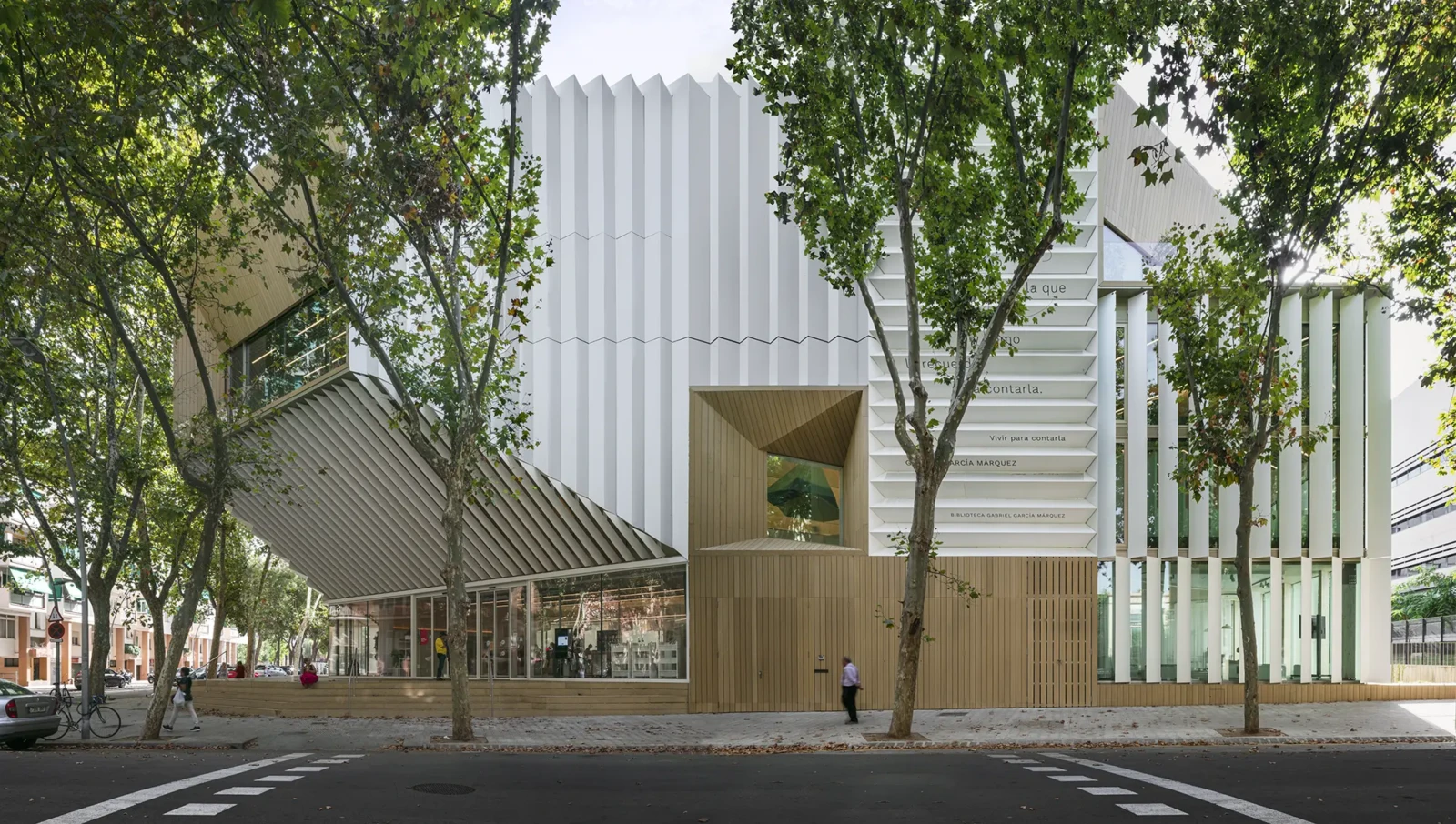
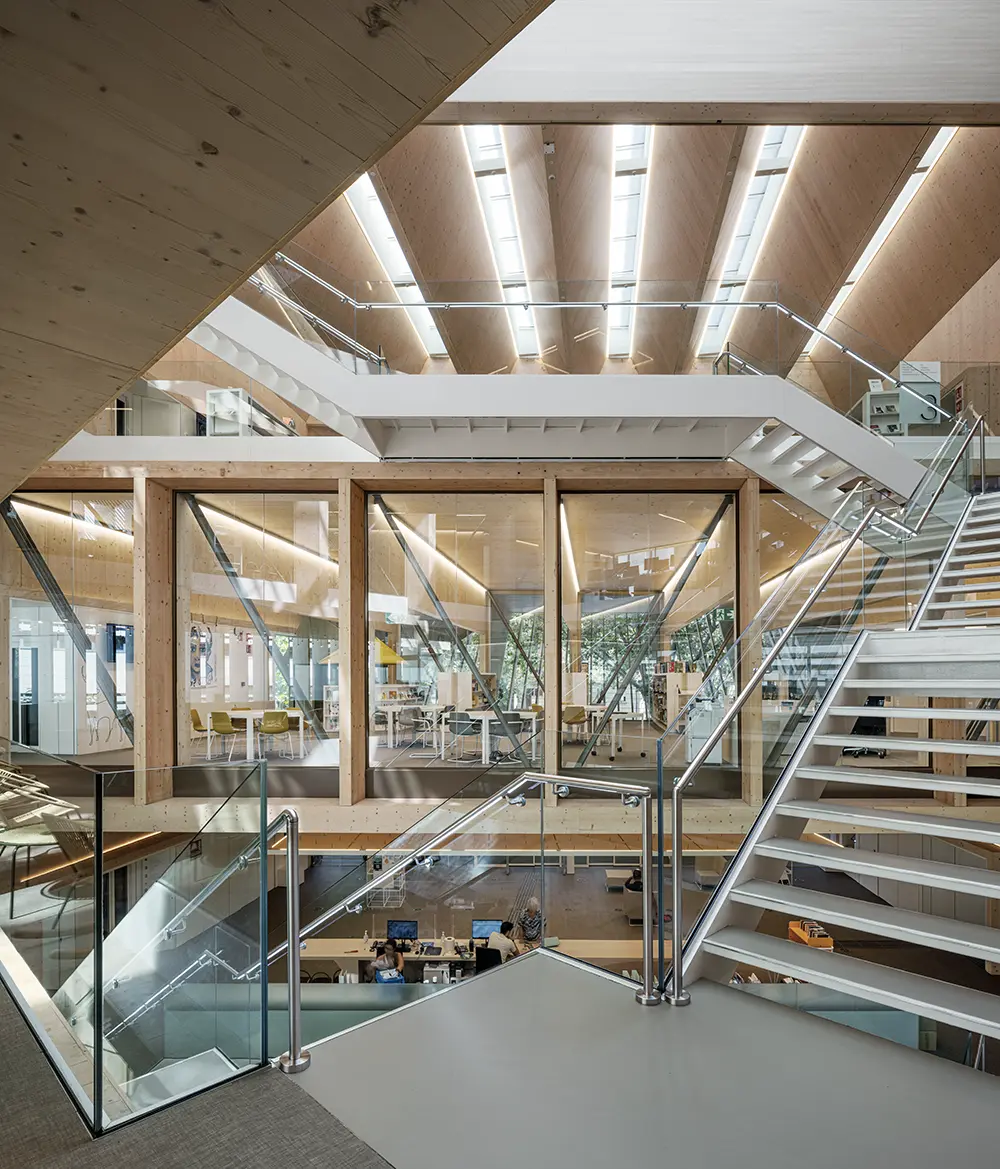
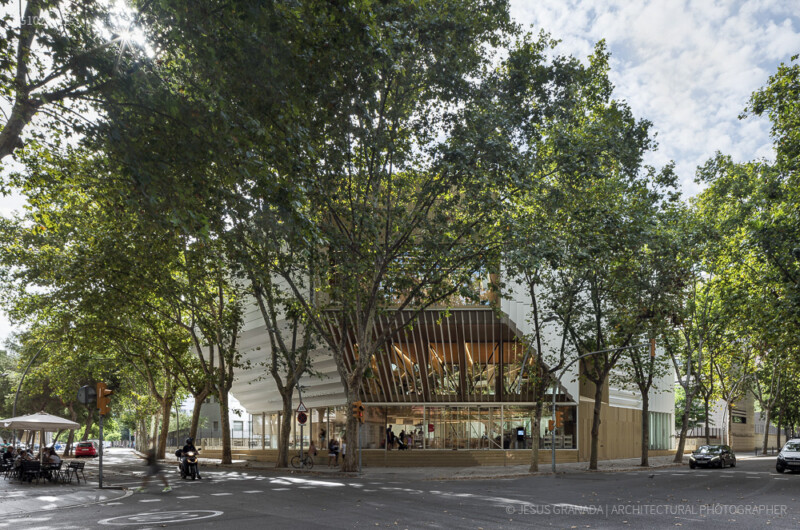
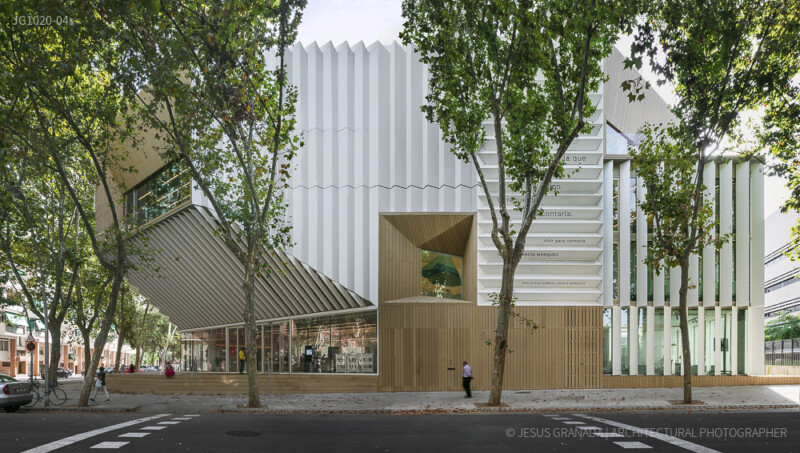
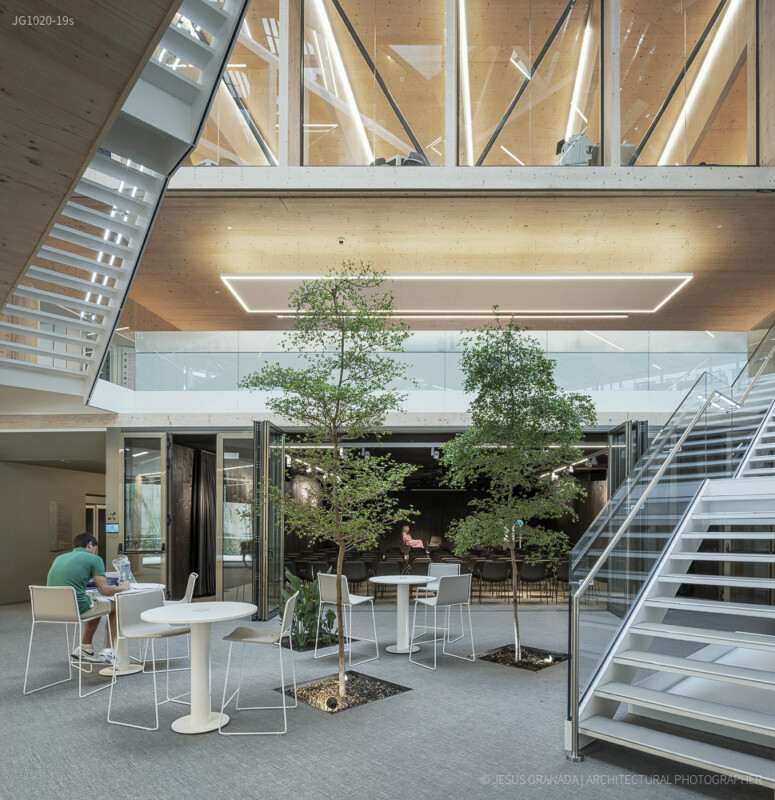
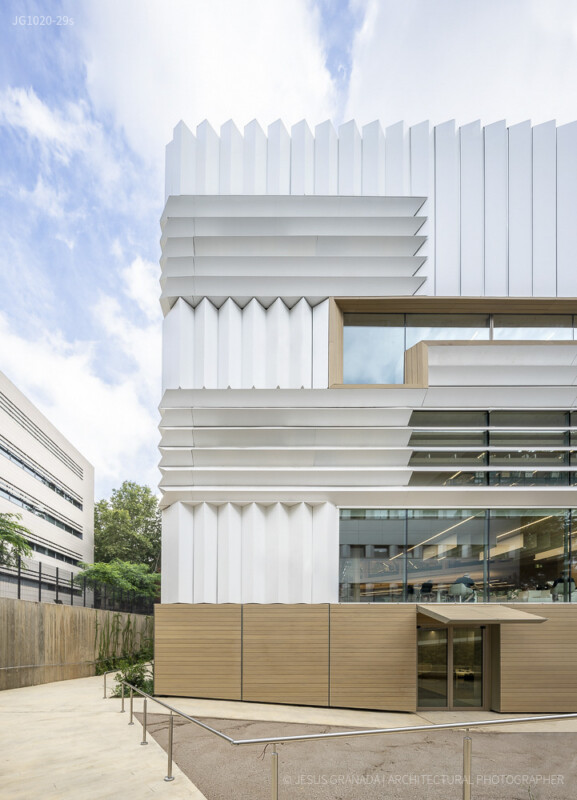
This is a unique district library, located in a dense urban node of the city of Barcelona, which is presented as a sculptural volume inspired by stacked blocks of books and seated on a square slightly elevated above the street and whose large gaps and voids dialogue with the environment.
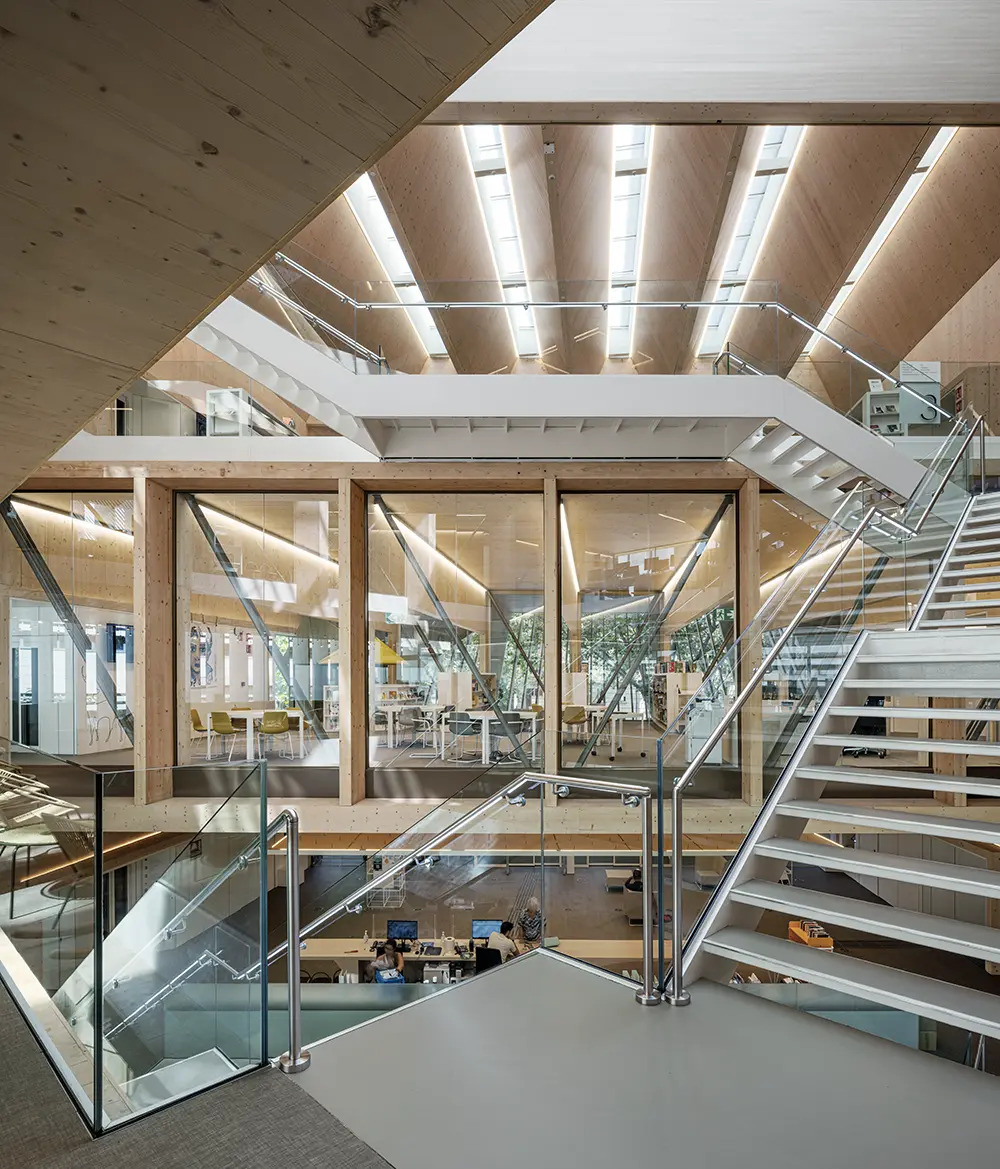
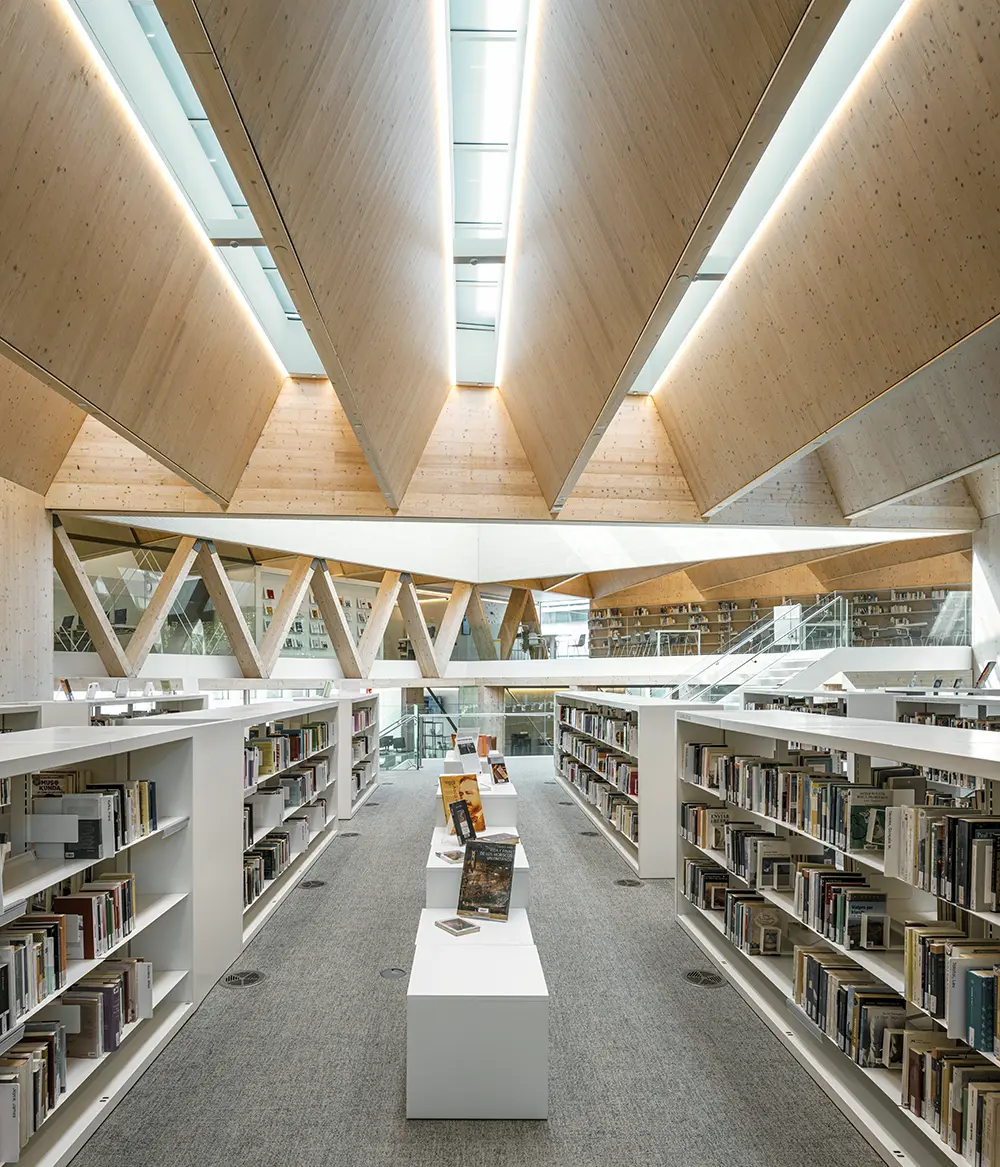
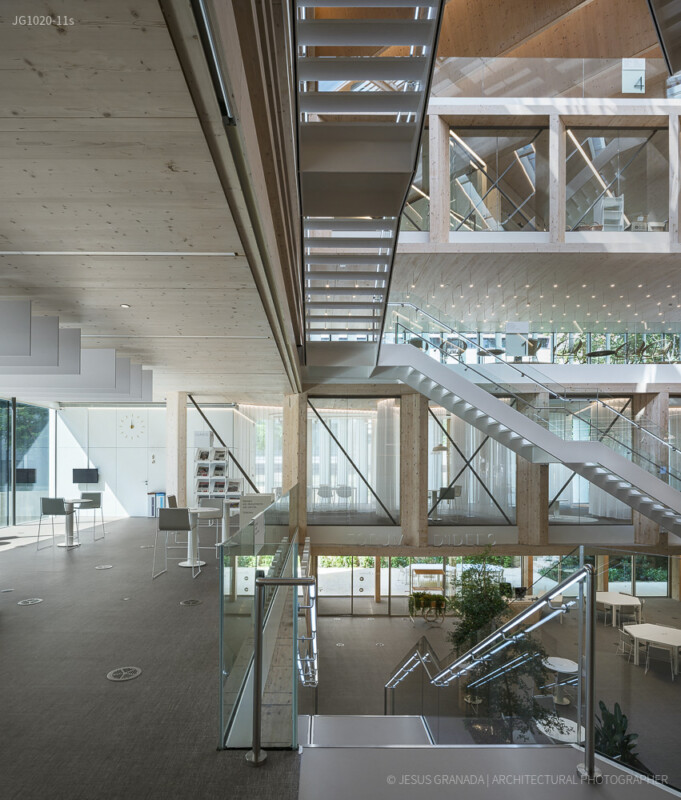
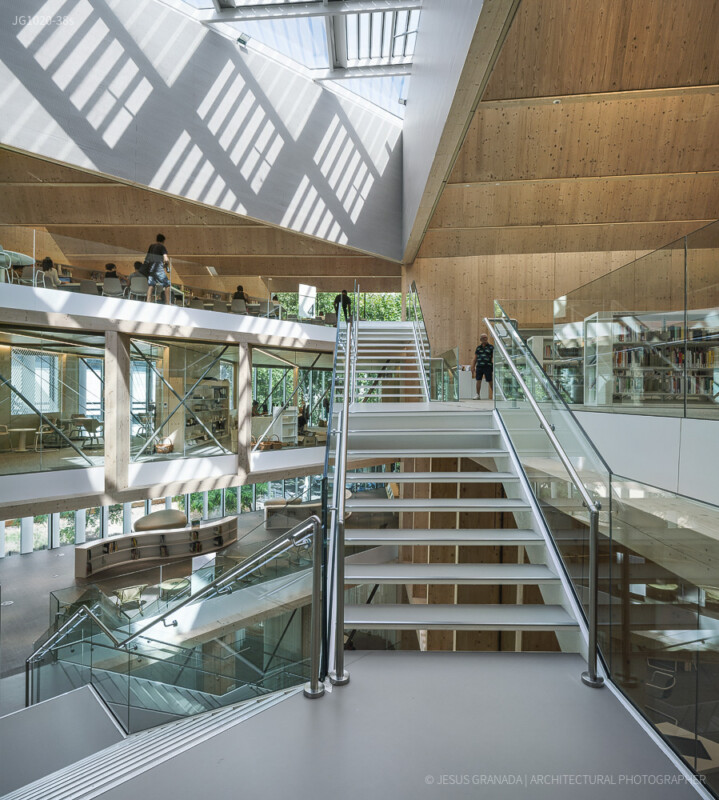
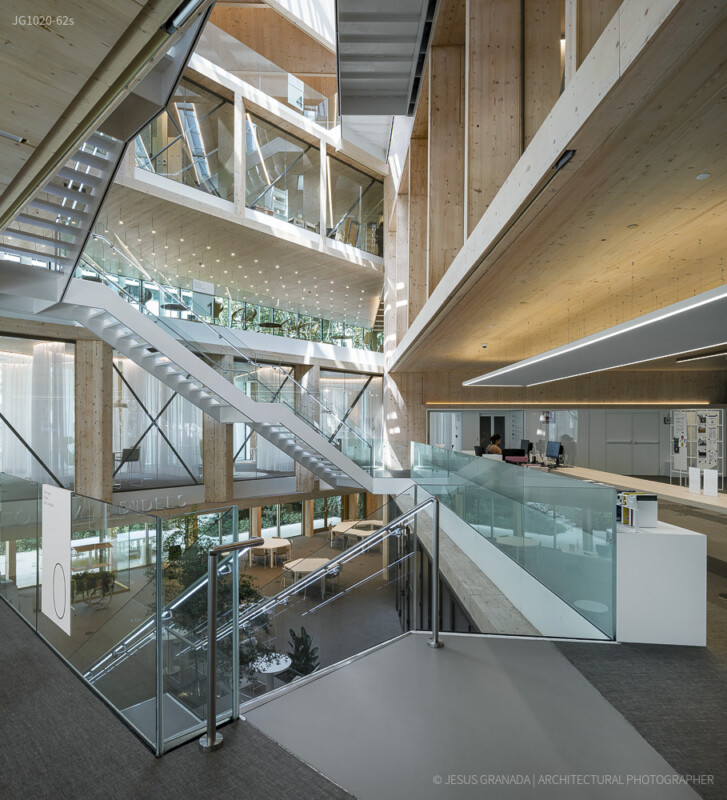
The access arcade extends the pedestrian and cultural axis of the neighborhood and connects with the interior. The facility has 4,294 m2 distributed over 5 floors, with a central courtyard that connects all of them and brings natural light into the heart of the building. This large void also acts as a solar chimney, a form of passive design particularly effective in hot and humid environments, which absorbs solar radiation by heating the air inside, which rises and is ventilated at the top, creating air circulation as a method of natural ventilation.
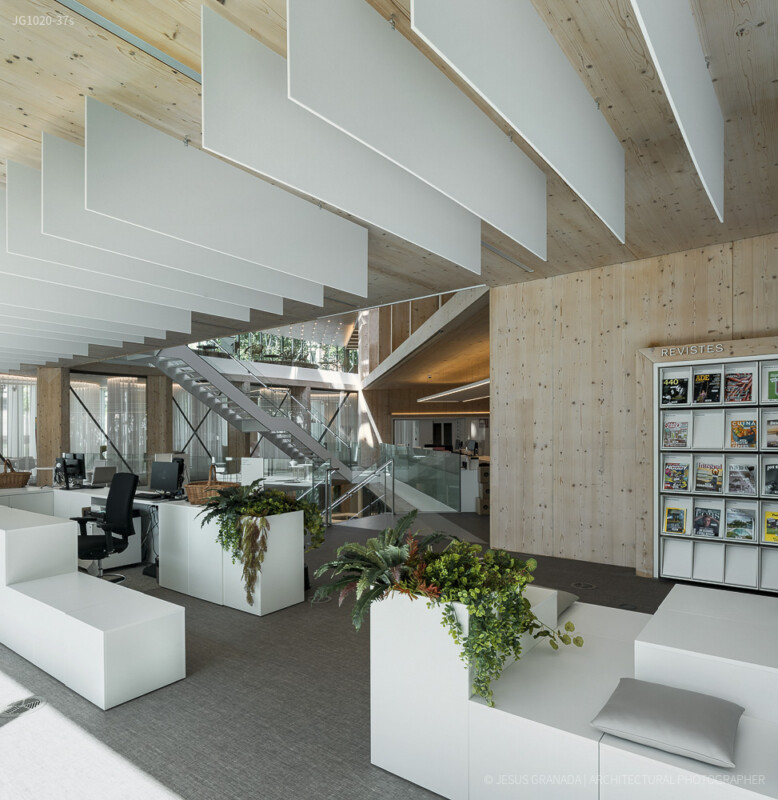
The architectural program is intensified and dynamic as it acts as a real social condenser, which has captured and intensified situations that encourage the experience of information, exchange and production of knowledge, until, through the accumulation of the various ecosystems, the public library is configured as a welcoming space where everyone can find their place, their corner.
The structure is a hybrid of wood and steel, maximizing structural efficiency and architectural performance. Its configuration is based on three cores connected by lattice girders, with an unusual volume of exposed wood and hidden joints. The structure defines and qualifies the space without apparent tectonic stresses and integrates with the program, envelope and furnishings of each library ecosystem. The result is a great work of joinery, as warm and light as it is permeable and luminous.
Thus, the wooden structure of the Gabriel García Márquez library not only solves the transfer of vertical loads to the foundations, but also meets and responds to the requirements of the functional program, the insertion of natural light in all spaces, the vector of visual orientation, the haptic factor and several other issues that make this building an ecosystemic structure.
The building is part of a new production and consumption model where resources and materials are permanently recycled and waste is minimized to the maximum, thus extending the life cycle of the products. Increasing the sustainability of the project by reducing the carbon footprint and greenhouse gas emissions and accelerating the construction process thanks to industrialization and prefabrication.
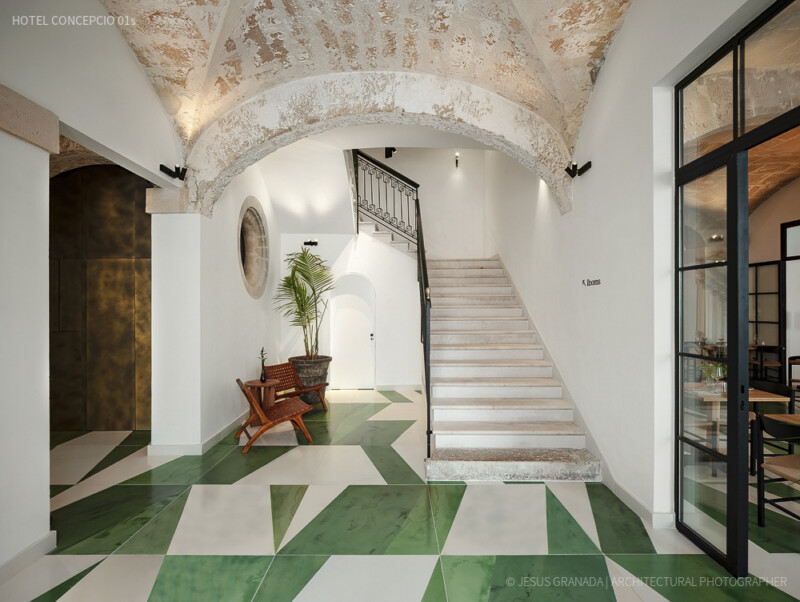
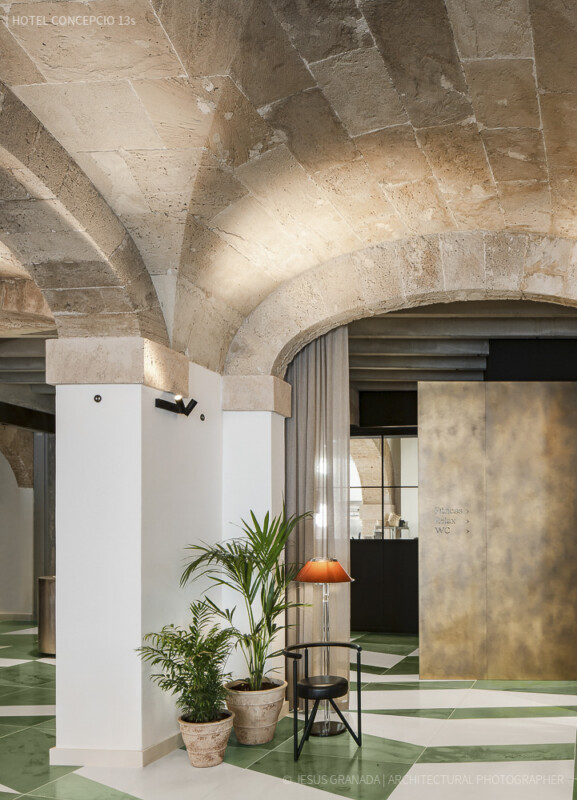
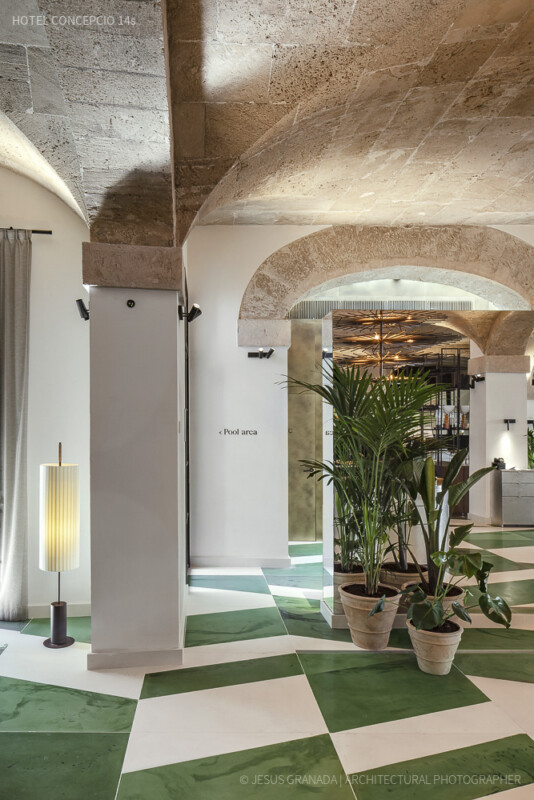
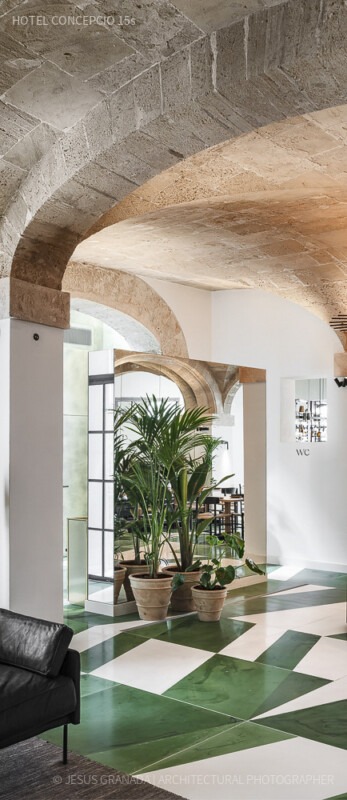
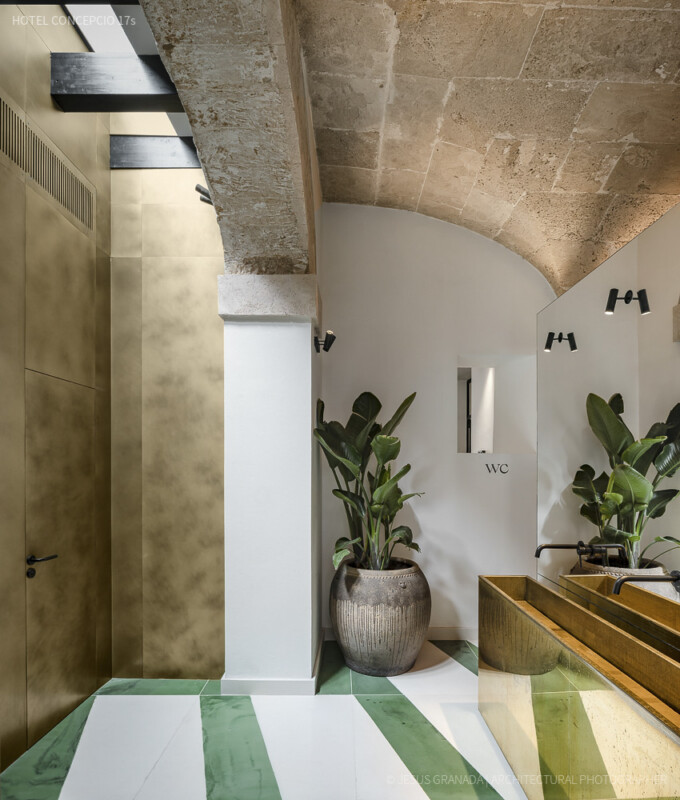
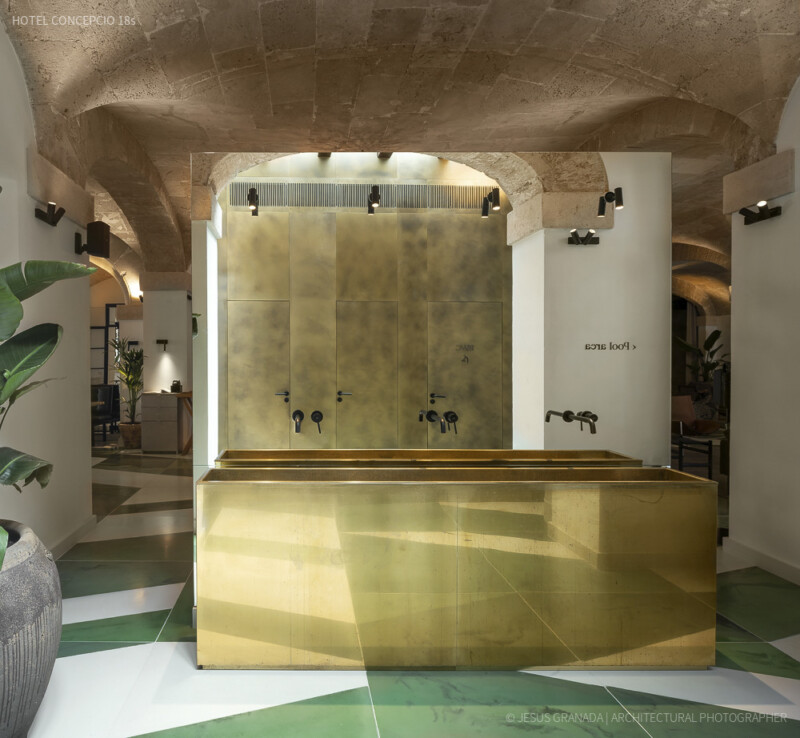
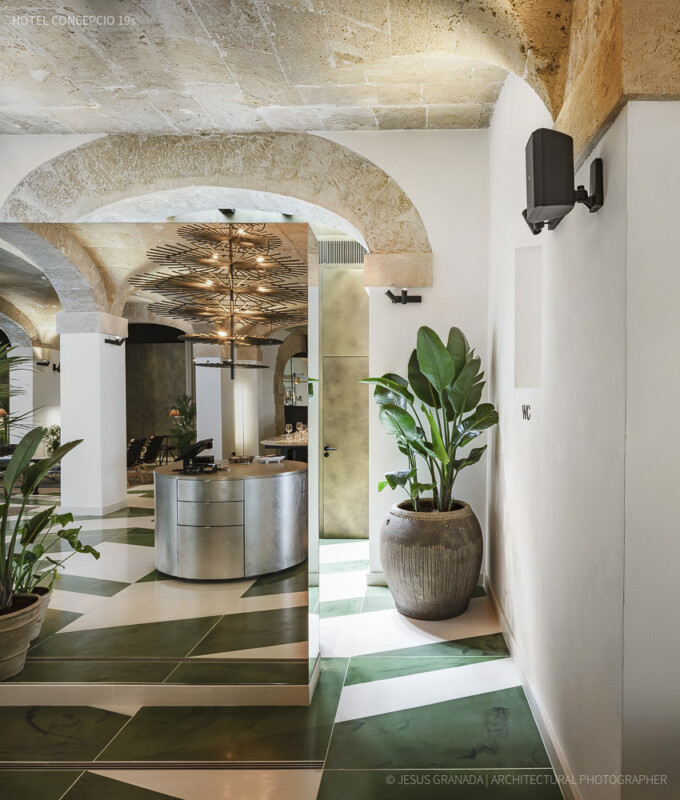
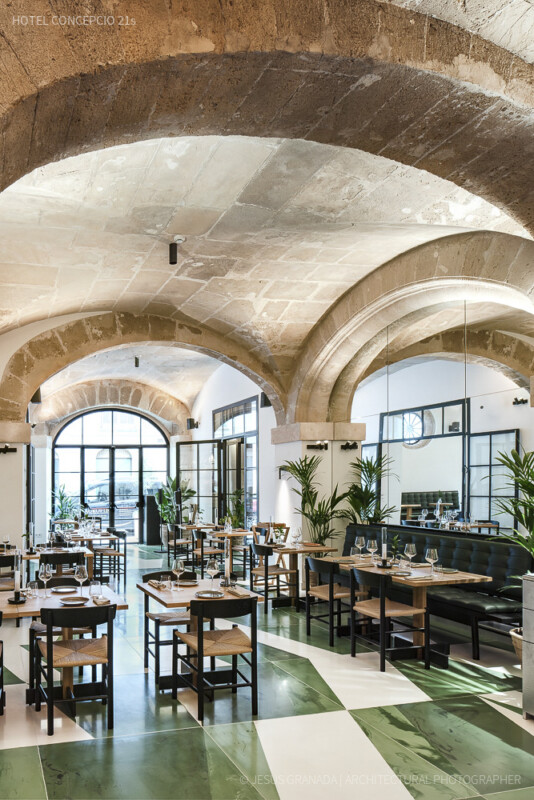
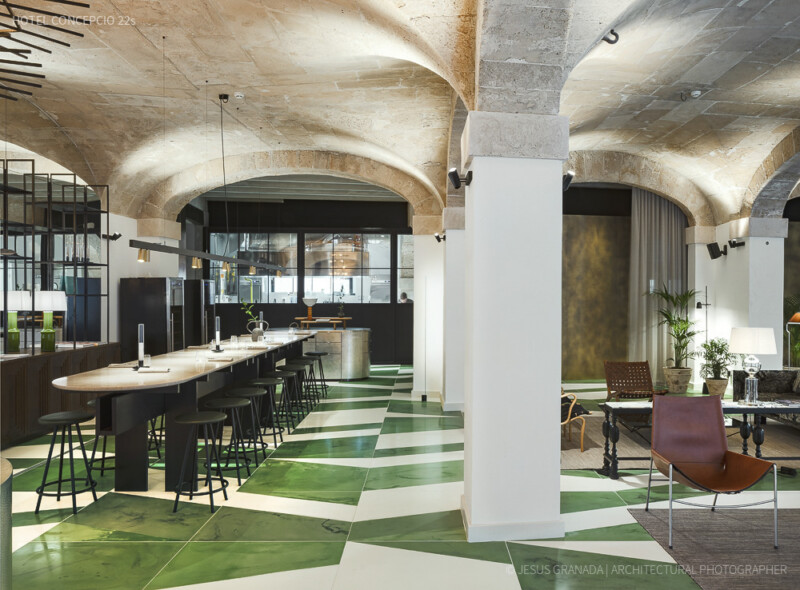
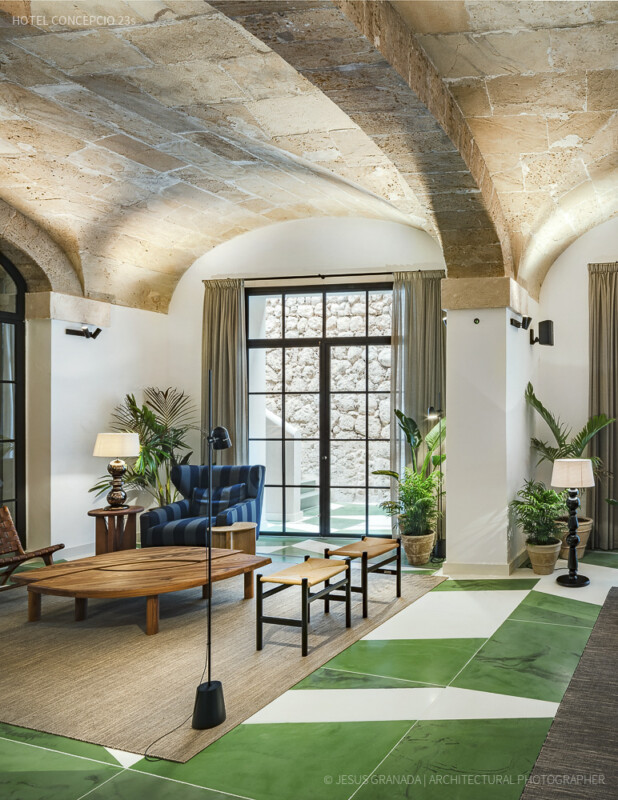
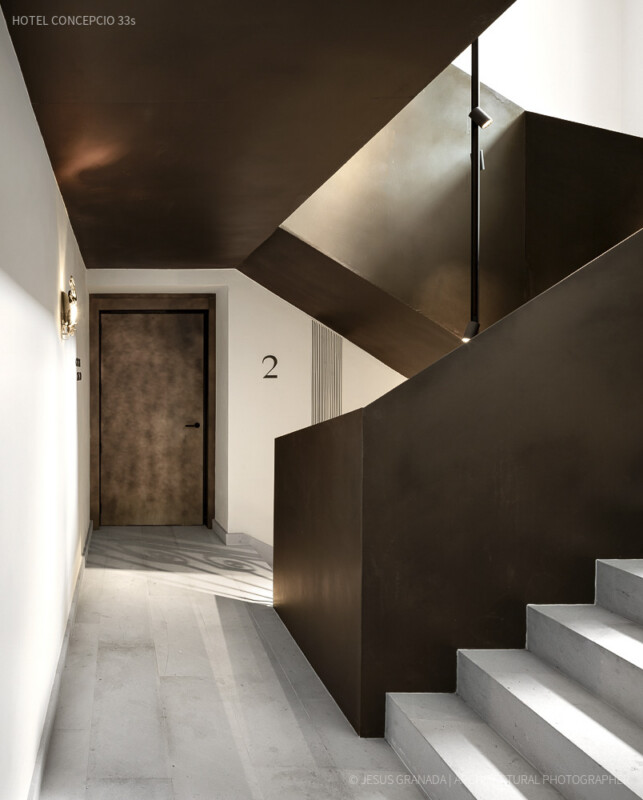
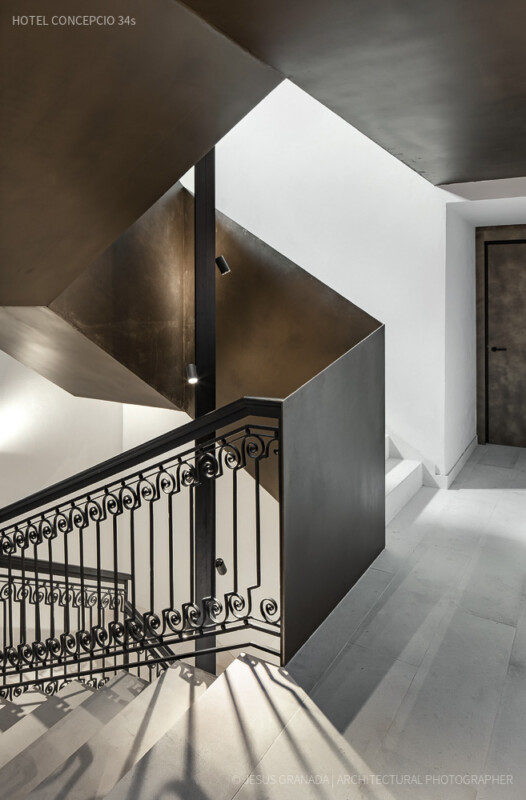
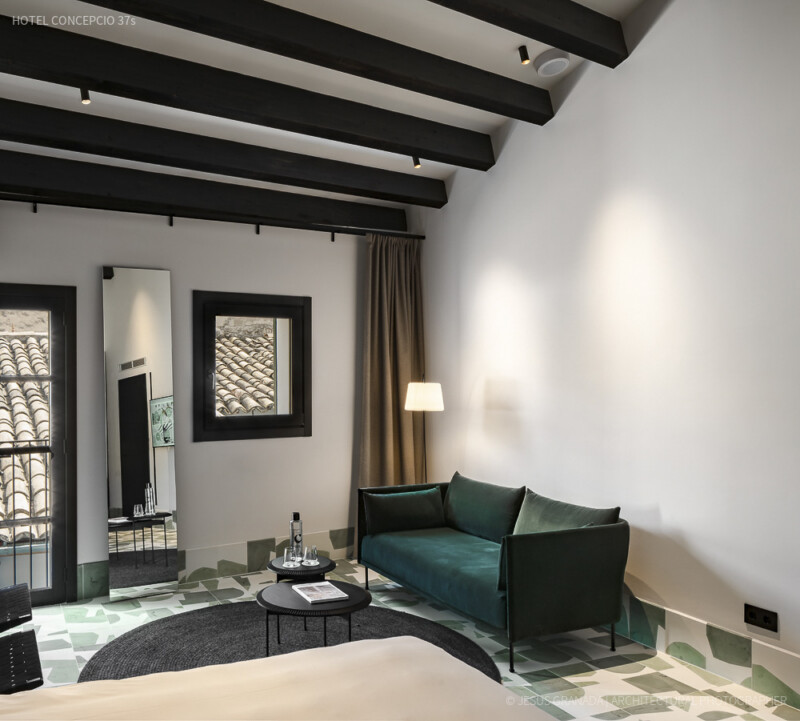
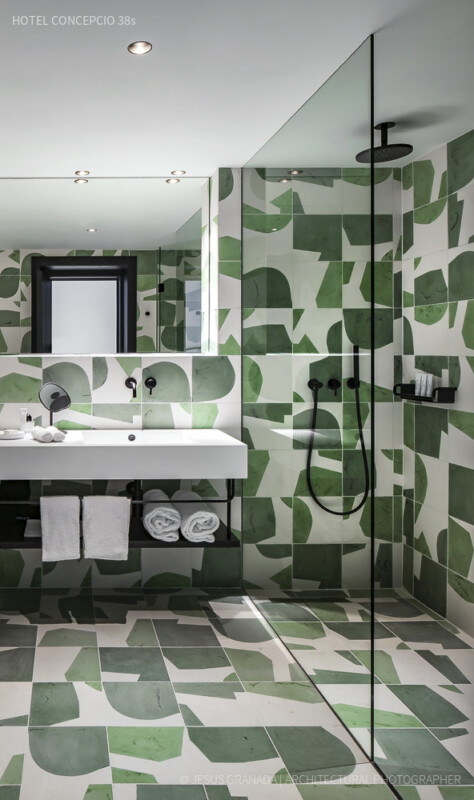
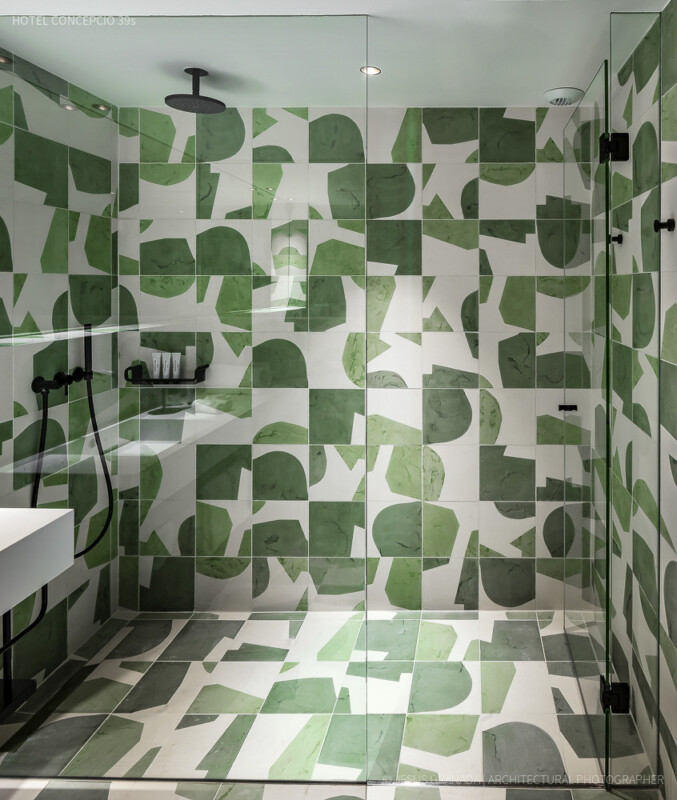
Concepció by Nobis hotel in Palma de Mallorca, Spain | Jordi Herrero architecture and wingardhs interiors | September 2021
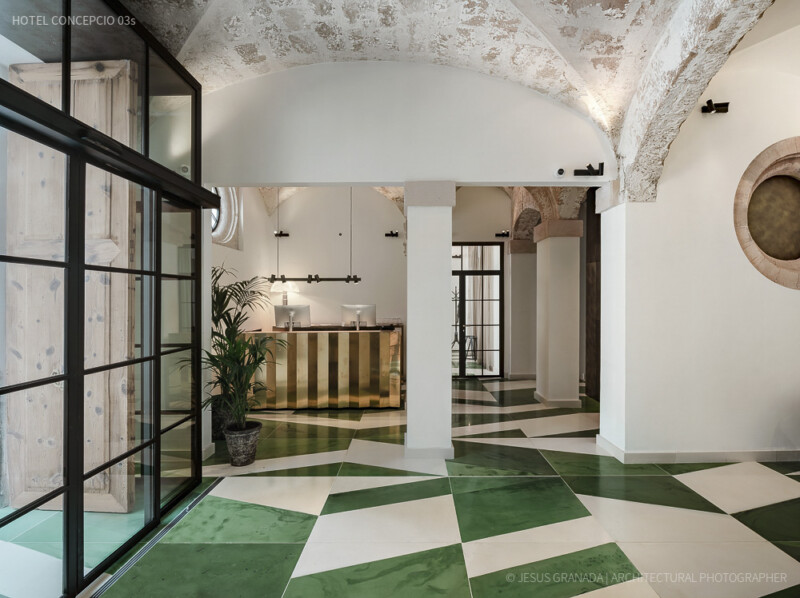
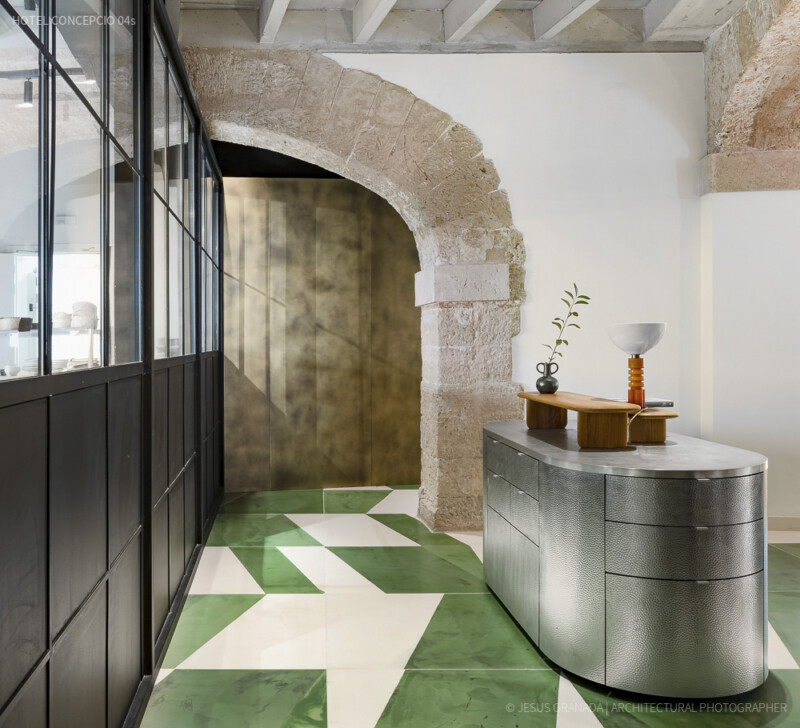
The project of Concepcio hotel transforms a historic building in Palma’s old town into a 31-room hotel, with a restaurant, reception, gym, spa, and other common services on the ground floor.
Initially, we take in the project from another architecture studio to develop only the direction of the works.
At the beginning of the works, historical remains appeared in the subsoil that must be preserved and that could be affected by the planned foundations.
All of this gave us the opportunity to rethink the initial project.
We put on our main focus in common areas of the future hotel: the entire ground floor of the building, the two staircases, and the rear terrace and pool area.
The room areas and distribution corridors were maintained according to the original design.
Concepcio hotel Project strategy:
1.- Detection, conservation, and put in value the construction elements of the original age building: arches, vaults, columns, corbels, stone-carved shields …
We made special efforts to recover as much as possible all the original textures and elements.
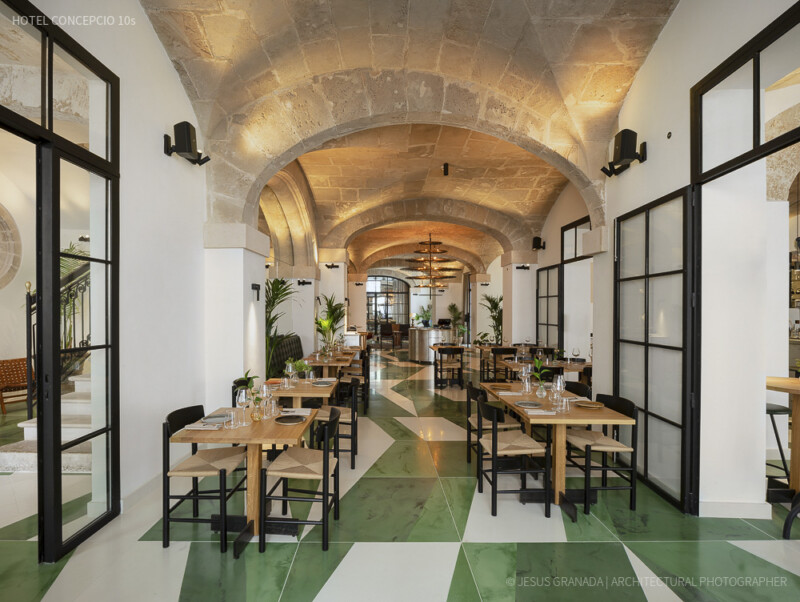
2.- Beyond the material construction elements, we attempted to recover the building’s spatial potential. Especially on the ground floor, we achieved a very wide open space that results in a unique environment.
3.- When incorporating the program (toilets, kitchen and service area, gym, spa …), we try to not disturb what has been achieved in the previous points:
-Structure: The new structure in the rear collapsed area of the building was built using a large-scale concrete slab of plank beams, accompanying the scale of the vaulted space.
This structure adapts to the existing structure and elements of Concepcio hotel to link and sew both spaces.
This would allow in the future for the entire ground floor to function as a single open space, the addition of the original vaulted structure and the new concrete slab.
-Distribution:
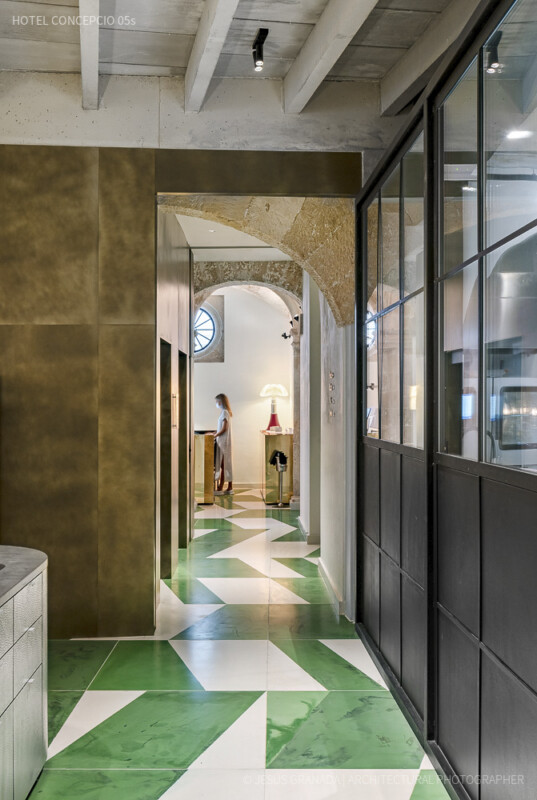
Ground floor: We have worked hard on the new distributions, not by means of walls from top to bottom, but by means of “boxes” that reach mid-height.
These “boxes” have a movable character and allow to perceive the general space of origin with respect to the distribution elements.
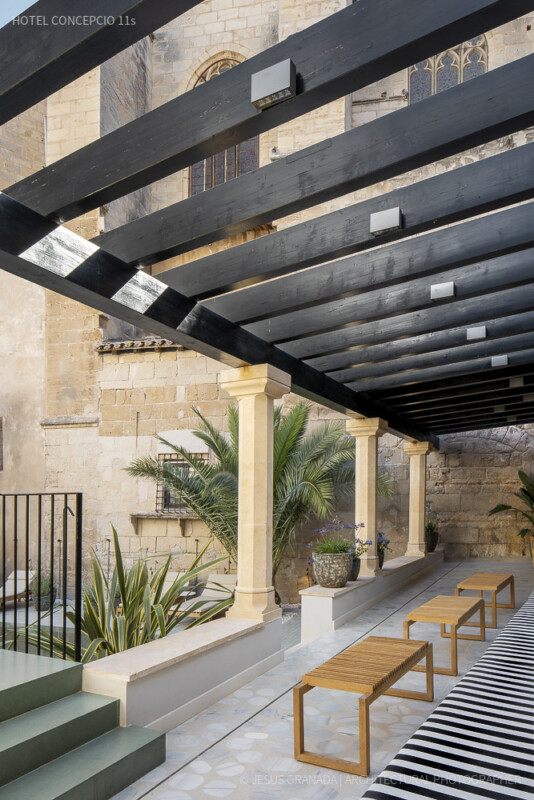
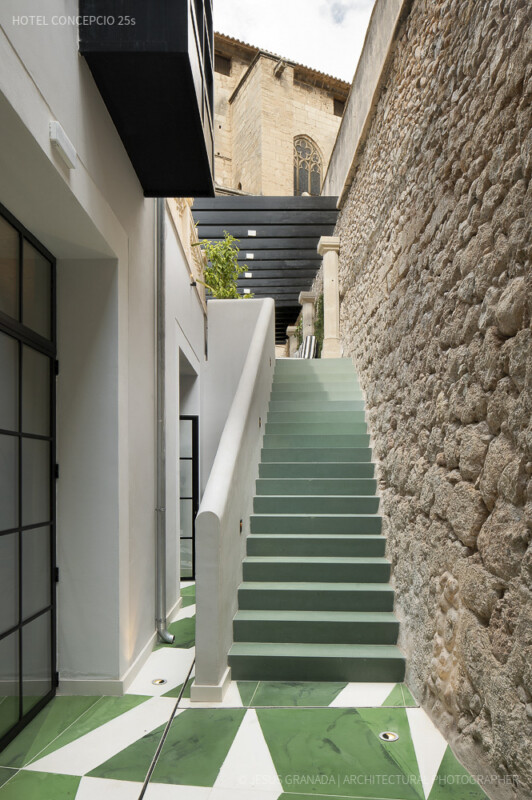
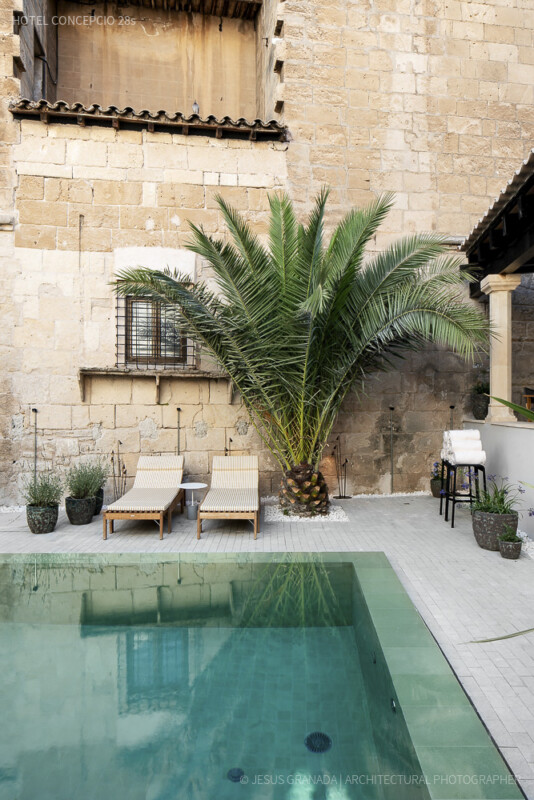
Exterior areas: We have worked to recover the materiality of the important dividing walls (Iglesia de la Sang, General Hospital, and Concepció 32 building).
We have incorporated a small pool and we have design terraces to revitalize this beautiful rear space.
Room area: The distribution of the original project has been maintained.
-Materiality: Another of the premises was that the original building and the new actions would not be mimicked but on the contrary, that they were clearly identifiable.
-Construction elements. The textures of the walls, vault, and pillars were cleaned and re-discovered.
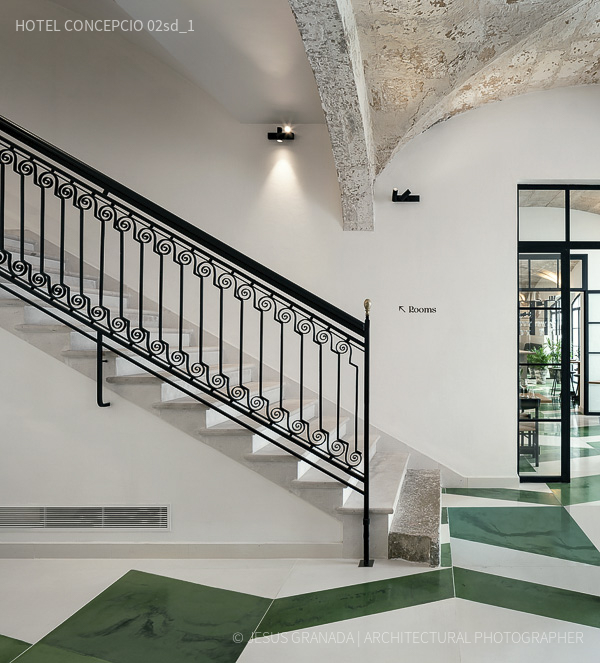
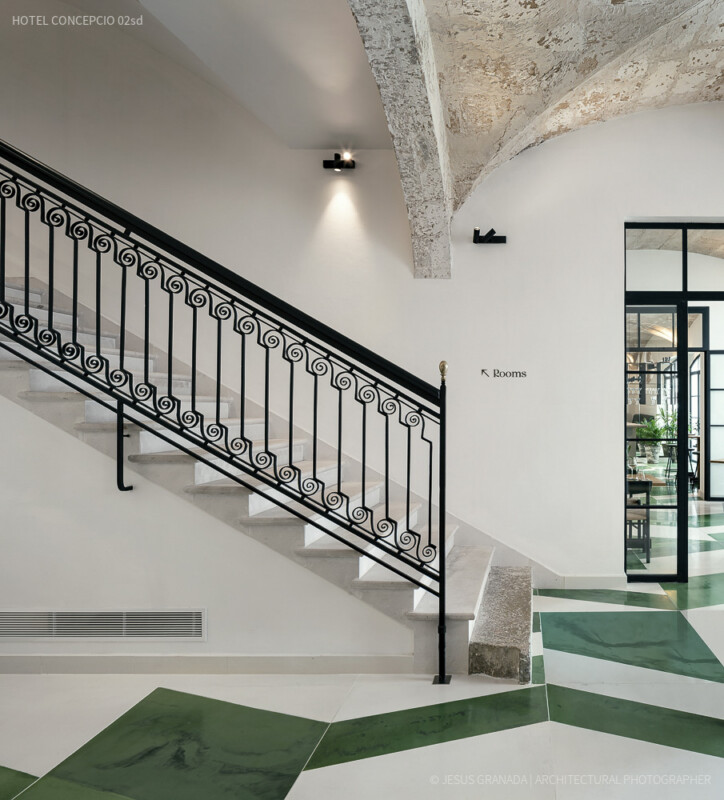
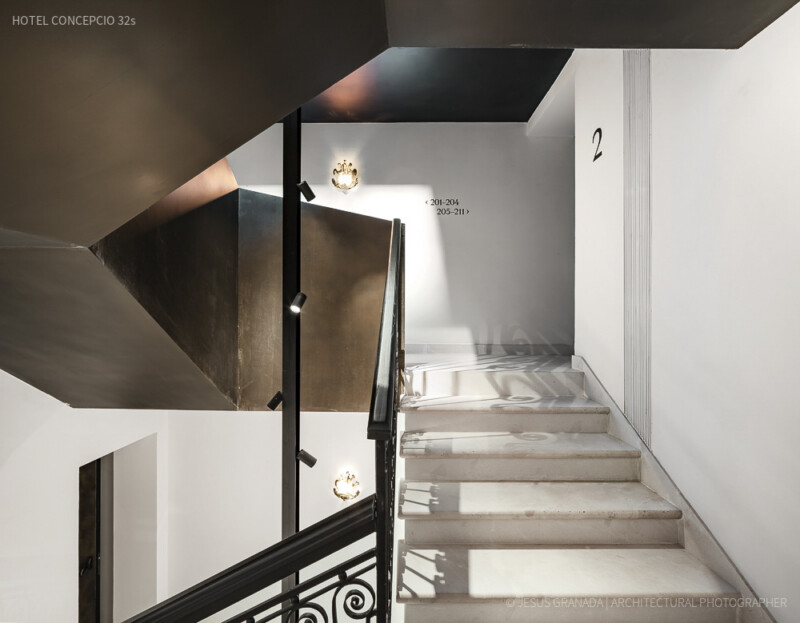
-Steel. The distribution elements (boxes) were designed from abstract and simple volumes clad in steel. The main staircase also had to be widened to connect the upper level. This extension section was also designed in steel and with an abstract shape reminiscent of origami.
-Hydraulic flooring. For the pavement, we chose Huguet’s hand-made hydraulic pavement with a custom composition for the building.
A never been manufactured large-scale format (1m x 1m) was placed on the ground floor.
In the bedrooms and bathrooms, the format of the pieces is more conventional (25cm. x 25 cm.) It’s a material that connects with the tradition of hydraulic flooring in historic buildings and at the same time updates the building, giving the building a fresh and bright character.
-Mirrors. The large open space generated was complemented by the strategic placement of mirrors, which enhanced and complemented the perception of this area.
-Facilities:
-Air conditioning. For obvious reasons, the air conditioning installation could not be located on the ceiling. The engineers and the archaeologist worked together to develop an air system for the floor of the building. The longitudinal air diffusers placed on the ground were coordinated with the large-format hydraulic pavement.
-Lighting. We chose the indirect lighting system, taking advantage of it to highlight the valuable historical elements of the building.
-Vegetation: We have incorporated a large number of different plants, both inside and outside. The plants try to complete the atmosphere of open and airy space, similar to the feeling of the Mediterranean porches.
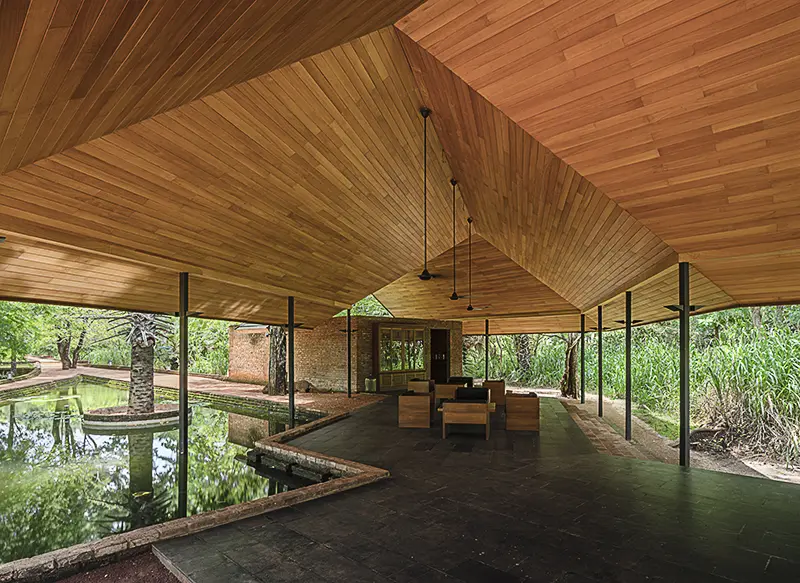
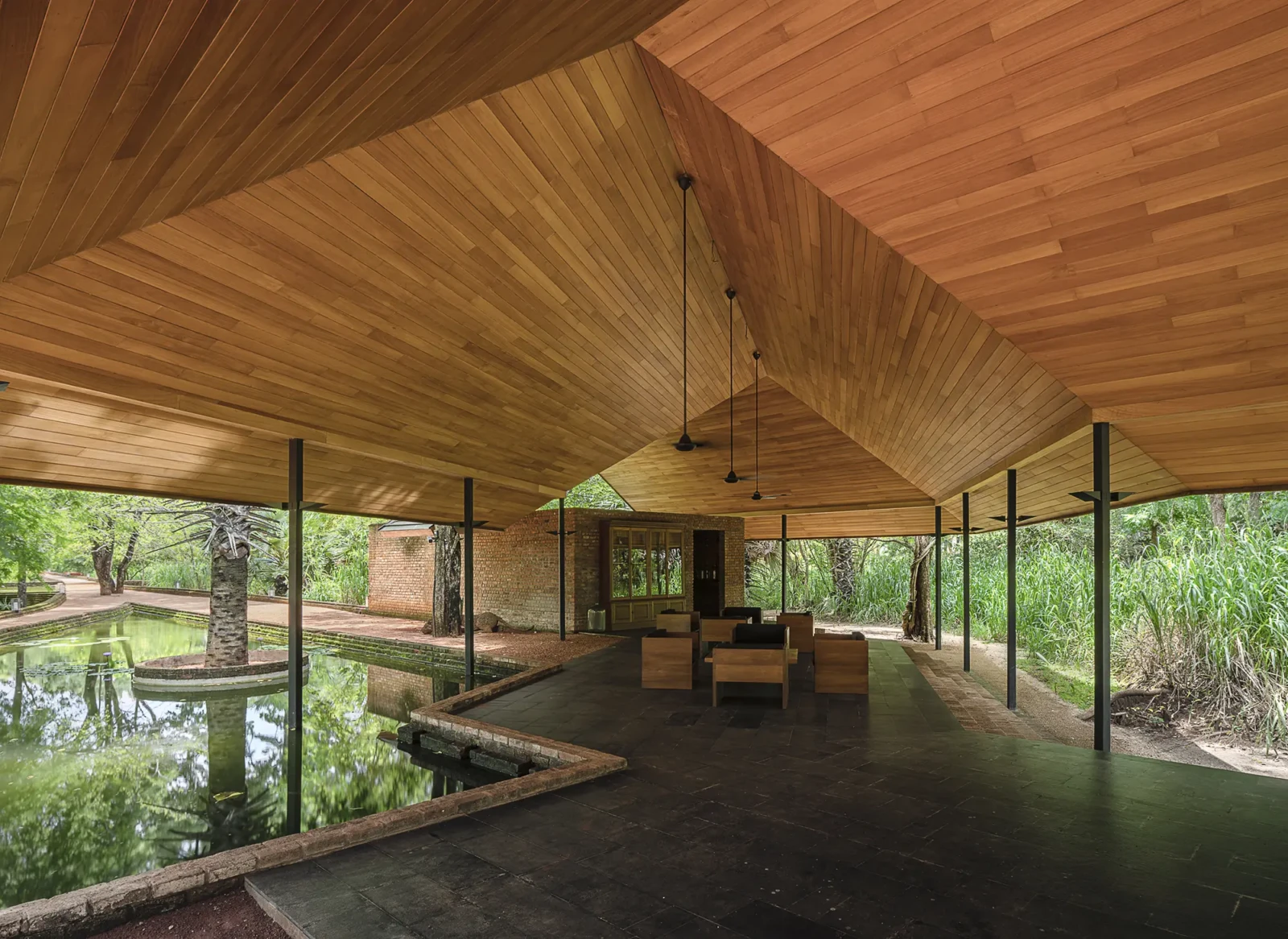
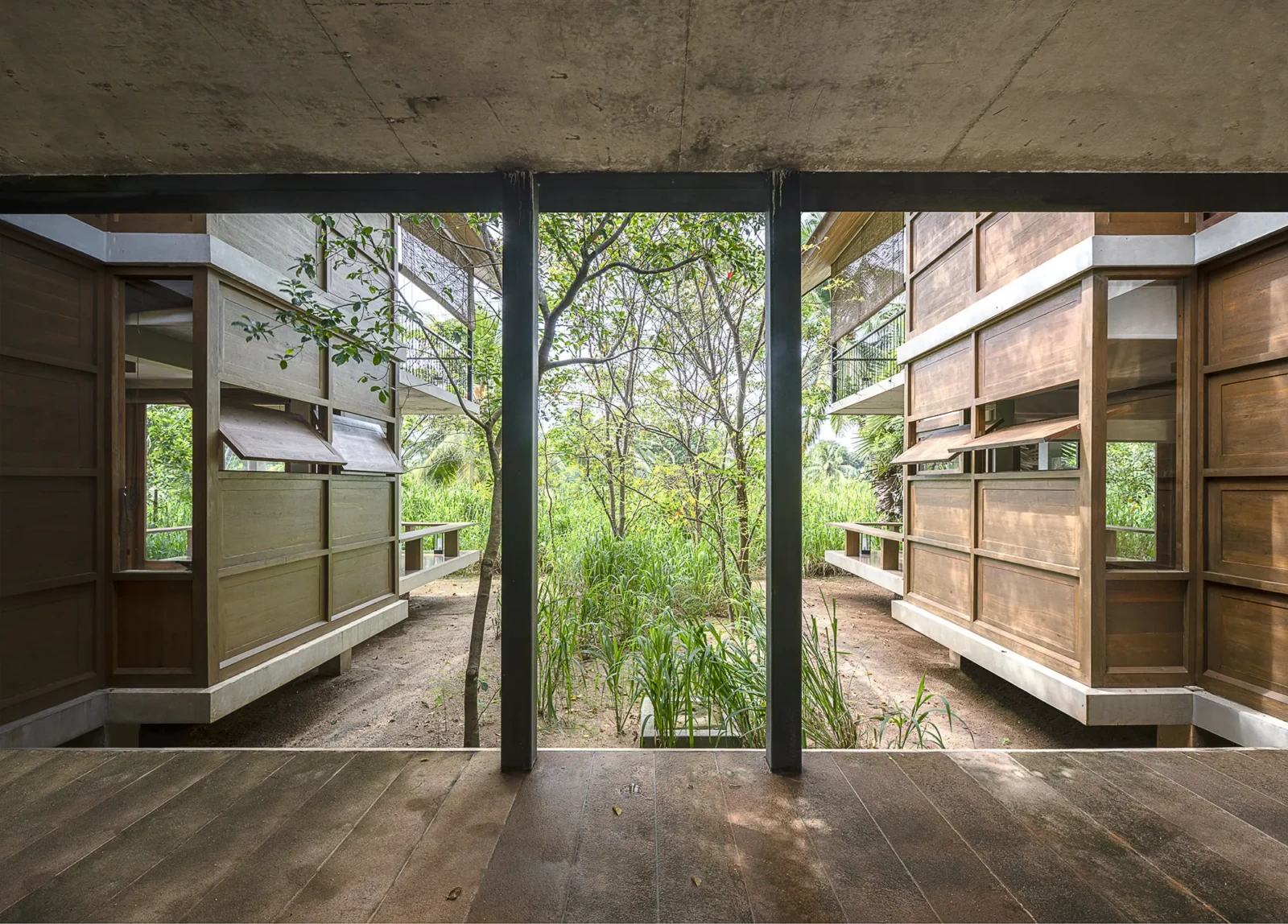
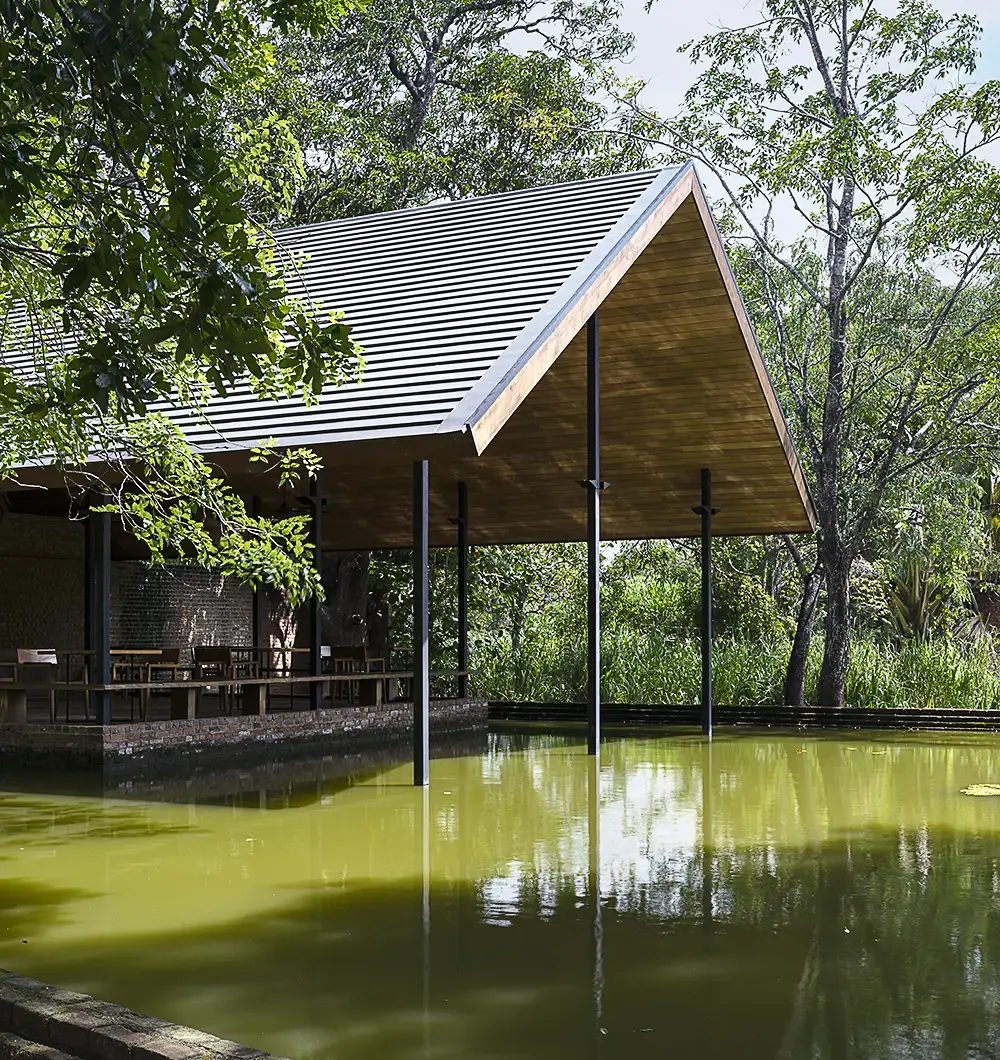
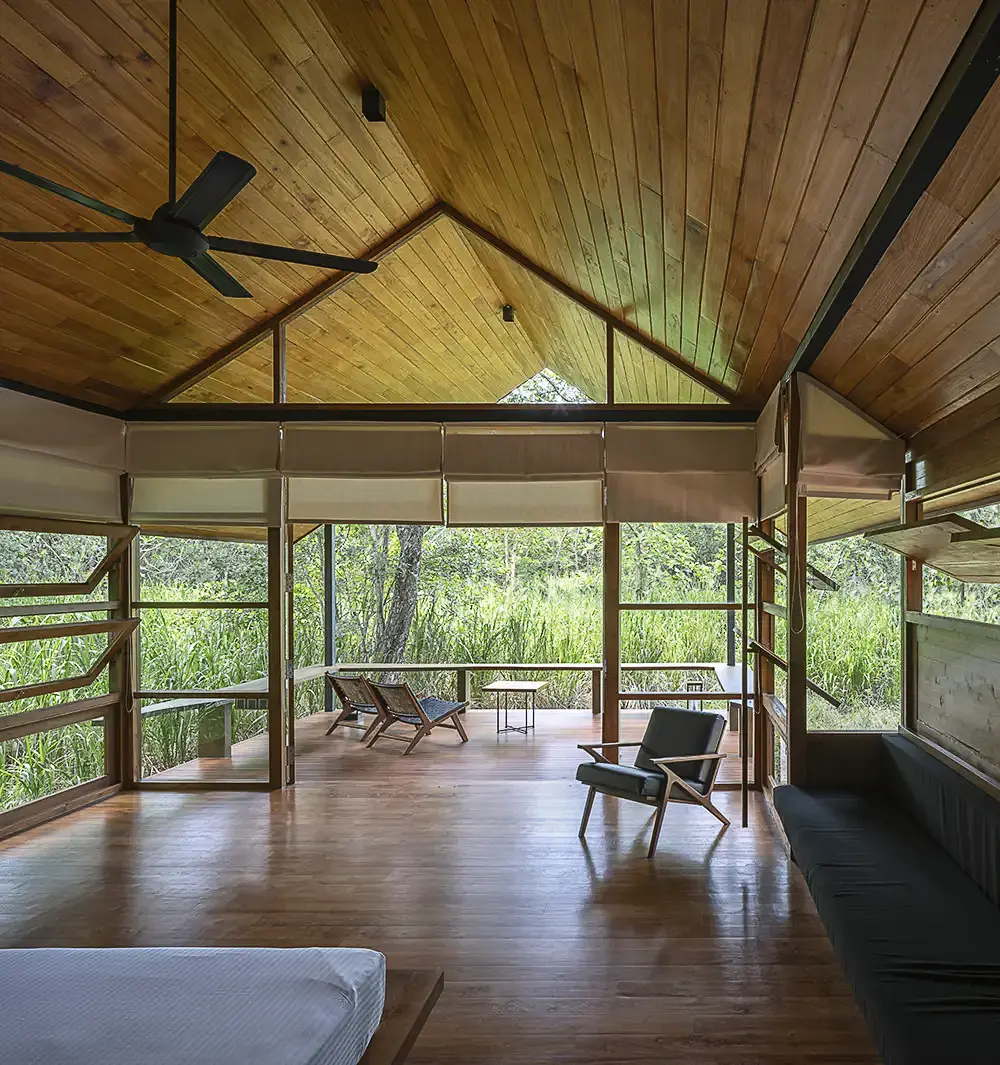
Located in Habarana, a hot, dry region of Sri Lanka, near the beauty of the majestic Sigiriya landscape citadel with its boulder and water gardens and on the edge of the bio-diverse Habarana Lake. Set on a 4.6 acre site surrounded by a rangeland forest and edged by a steam, this property is an eight-room boutique hotel with two additional villas, all of which have panoramic views of the paddy and the wilderness. The property has been conceptualized as a space for wellness; for the restoration of the mind, body and soul. The design draws from the quiet beauty of the region’s monastic landscapes.
Tea room | Wellness Retreat in Habarana, Sri Lanka.Twin houses | Wellness Retreat in Habarana, Sri Lanka.
Restaurant | Wellness Retreat in Habarana, Sri Lanka.
Room interior | Wellness Retreat in Habarana, Sri Lanka.
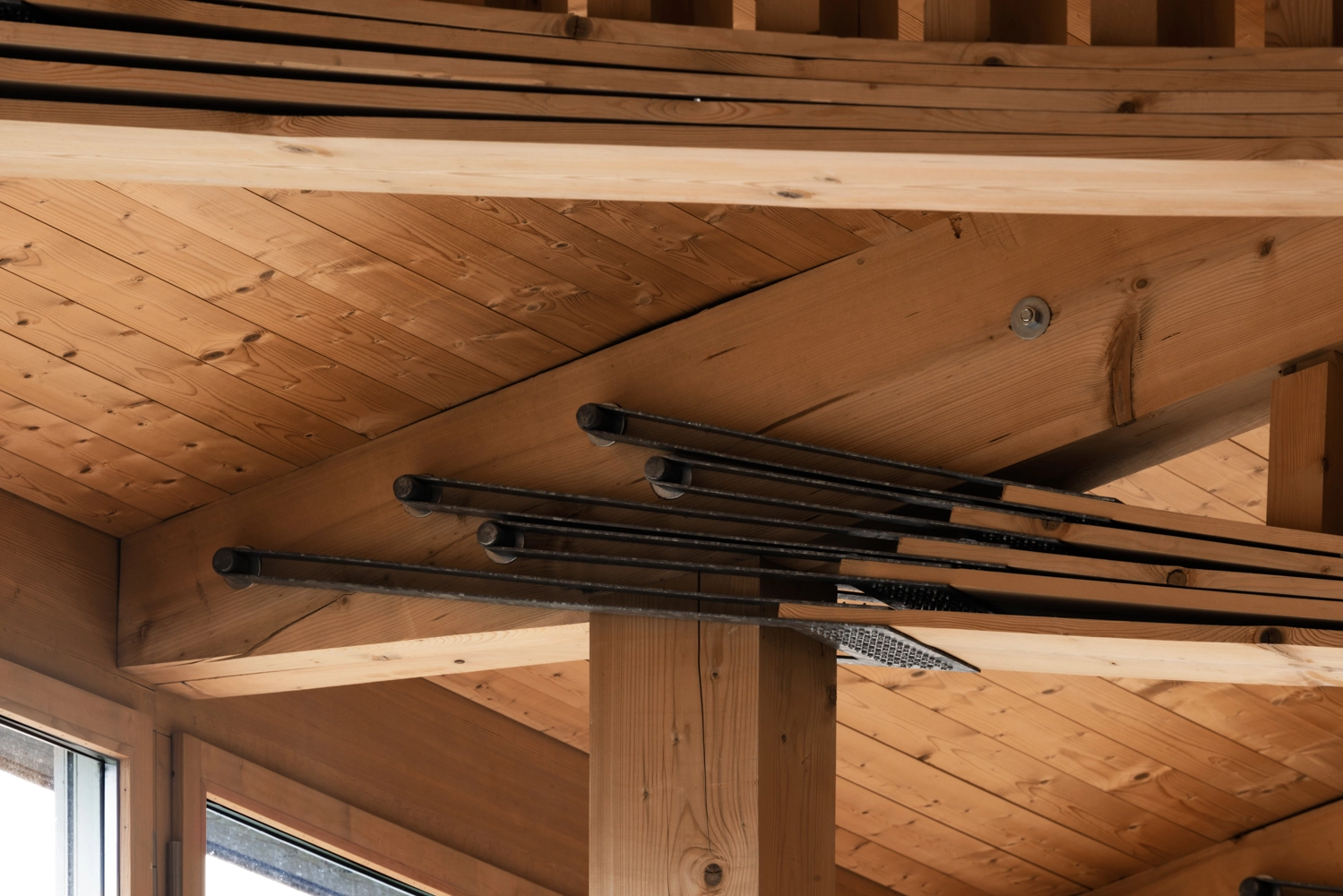
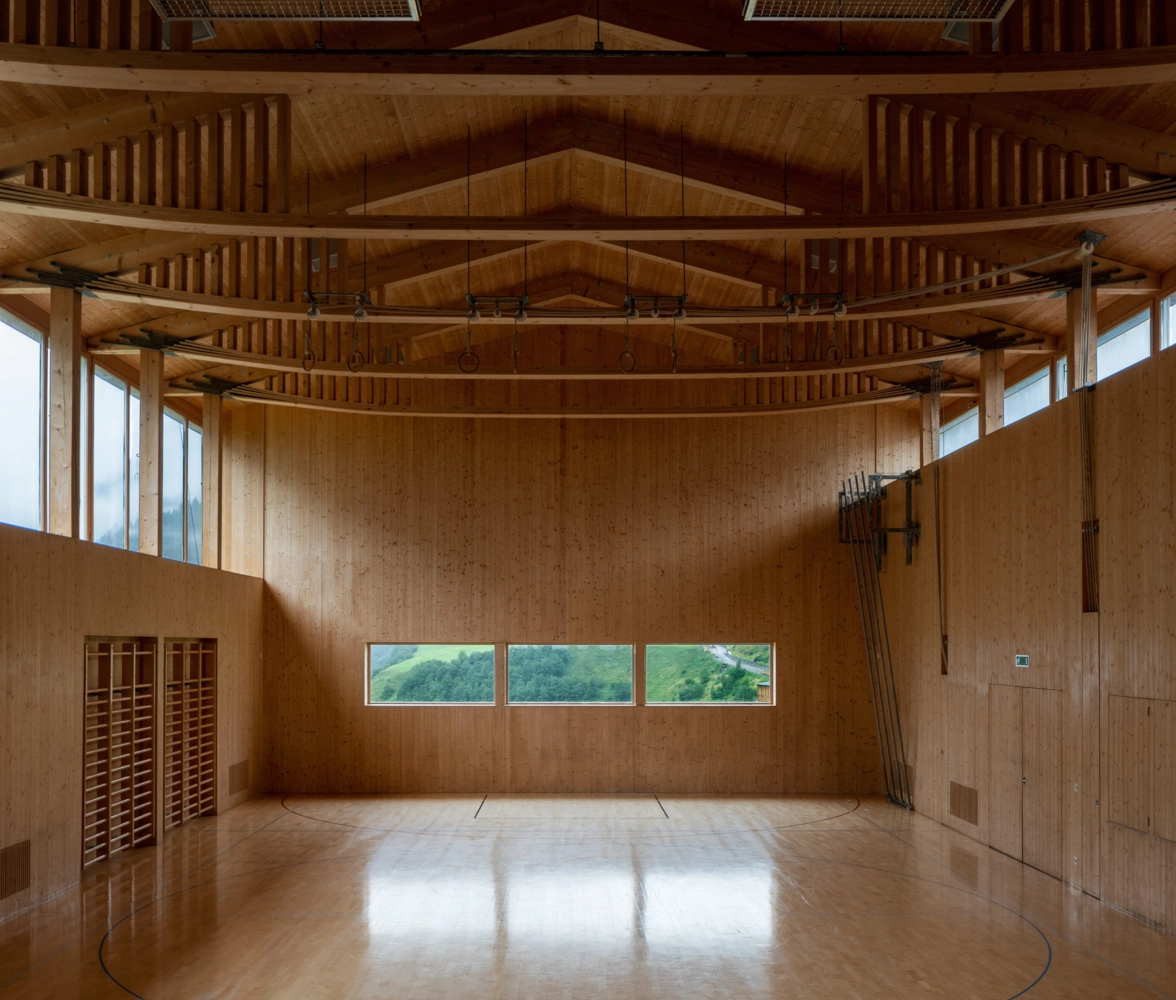
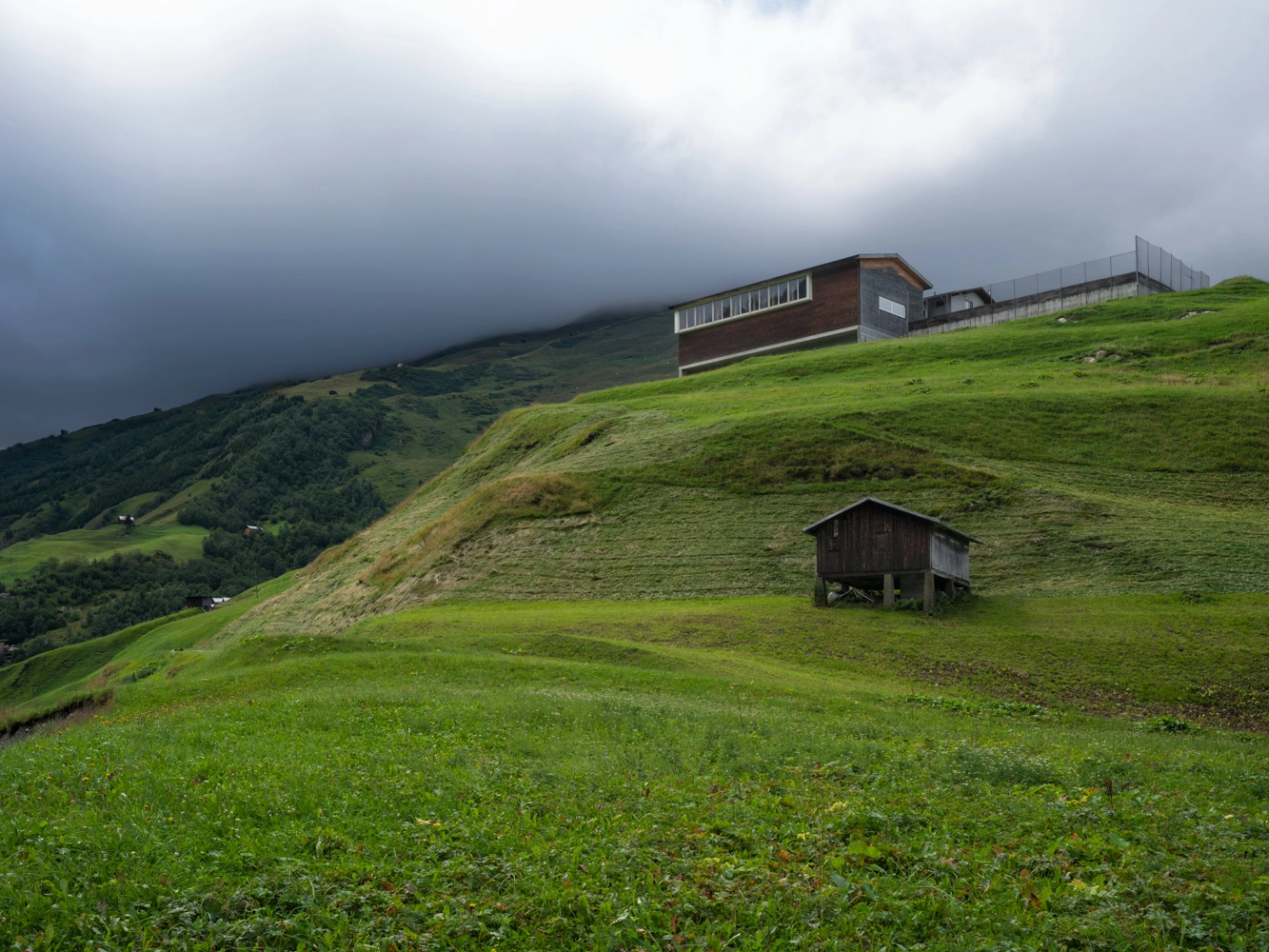
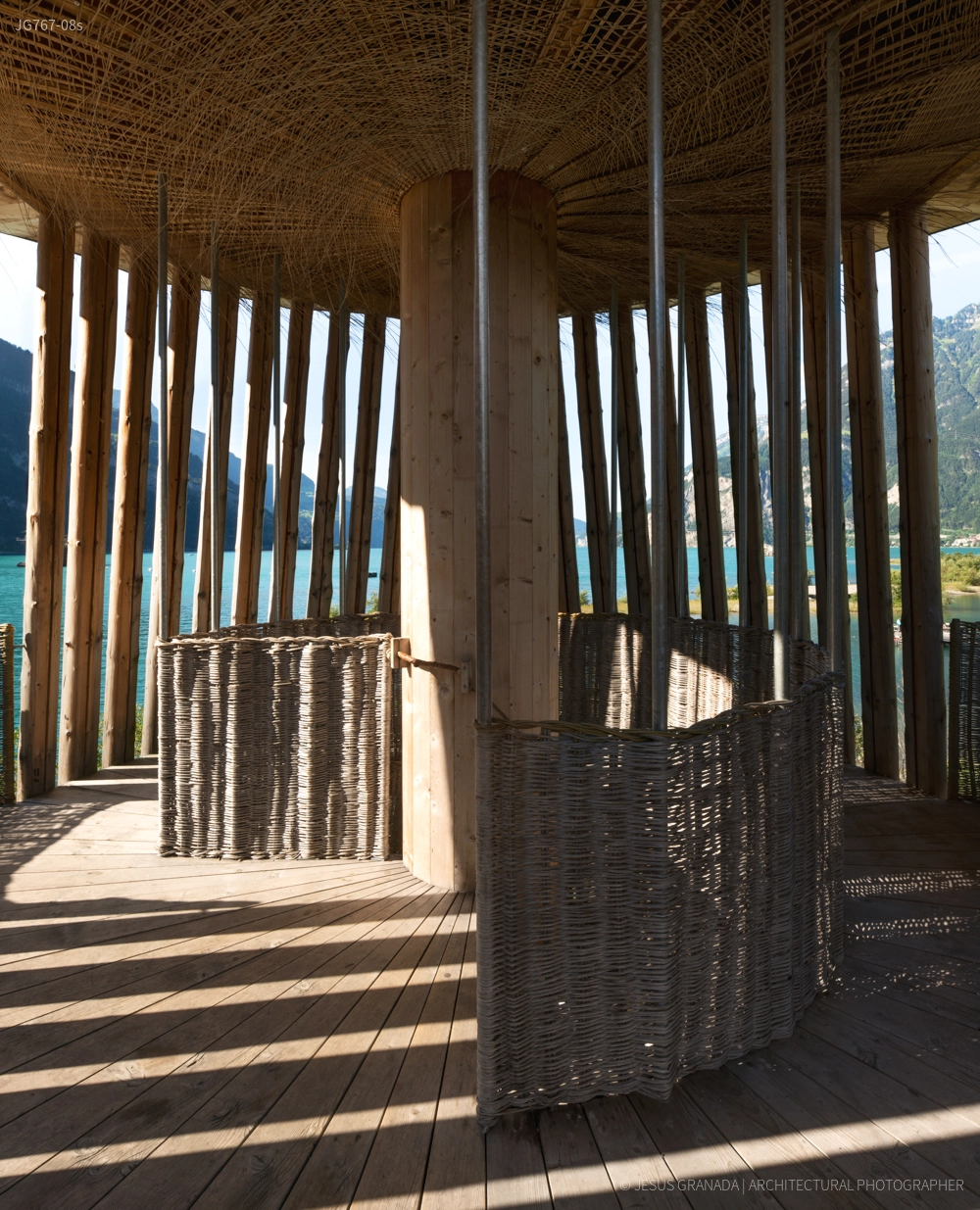
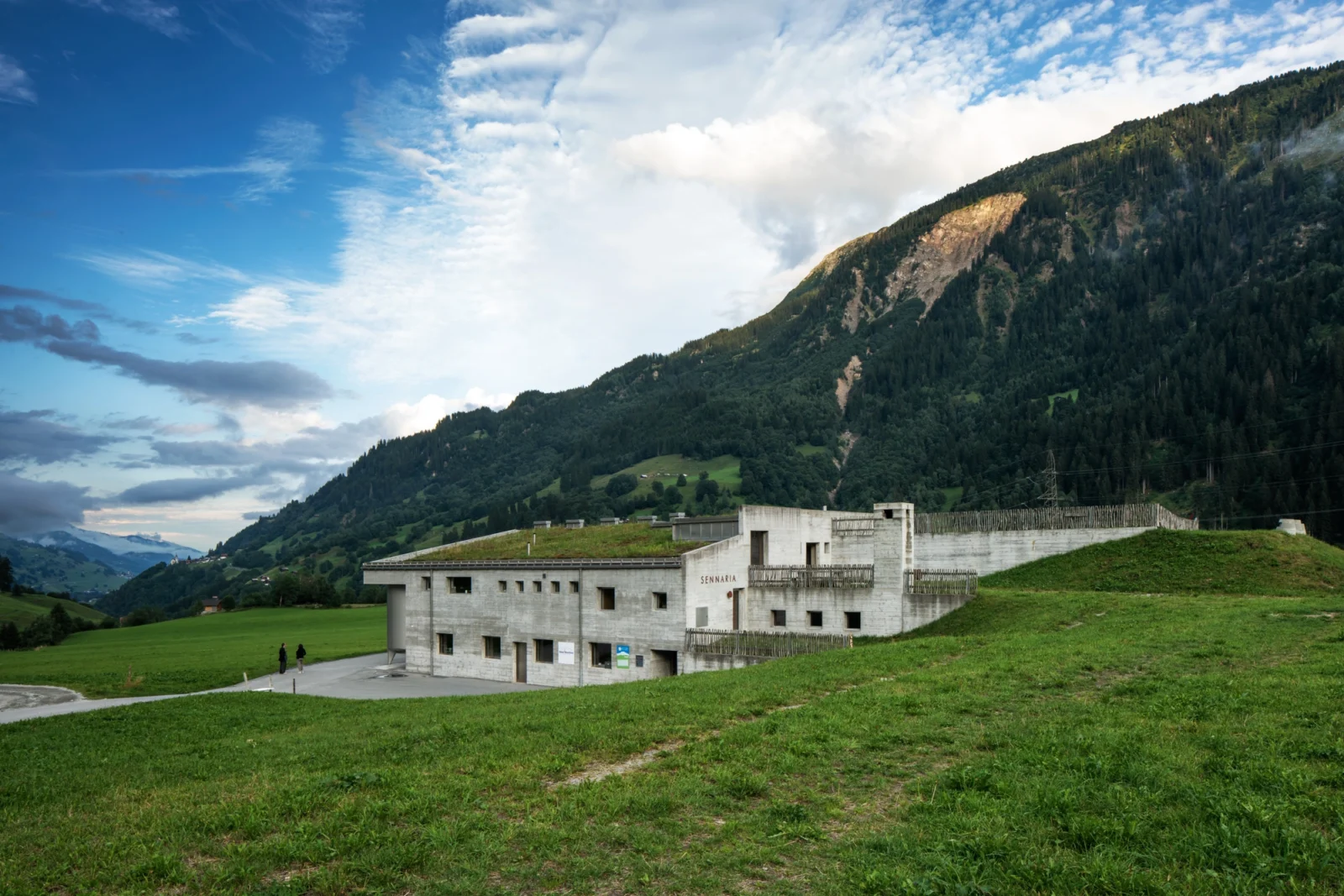
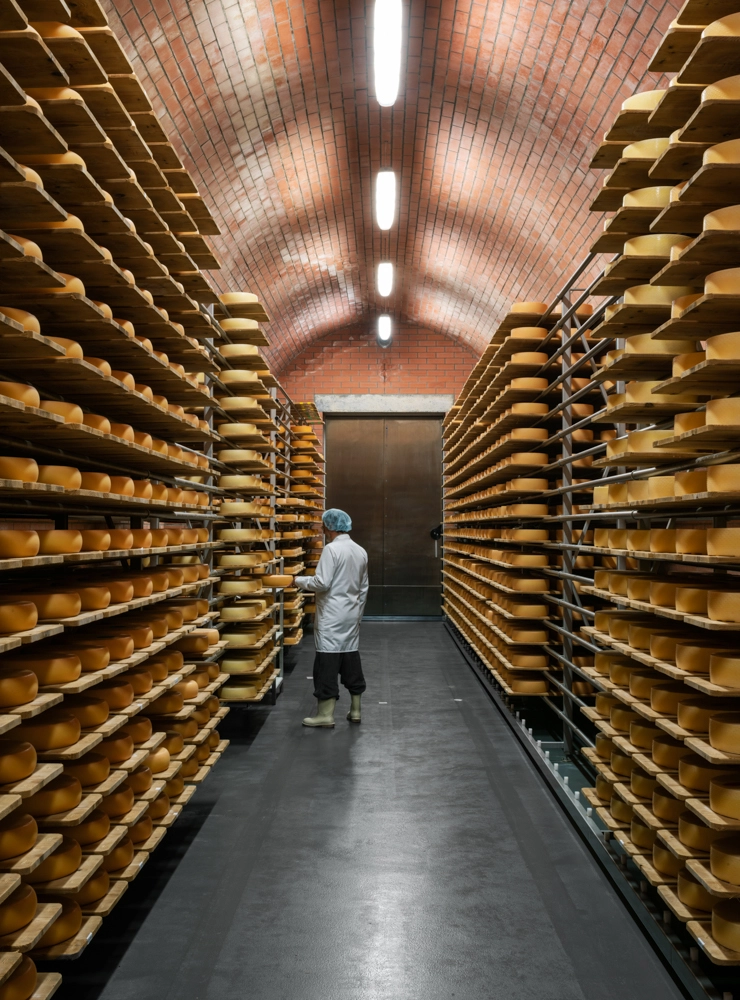
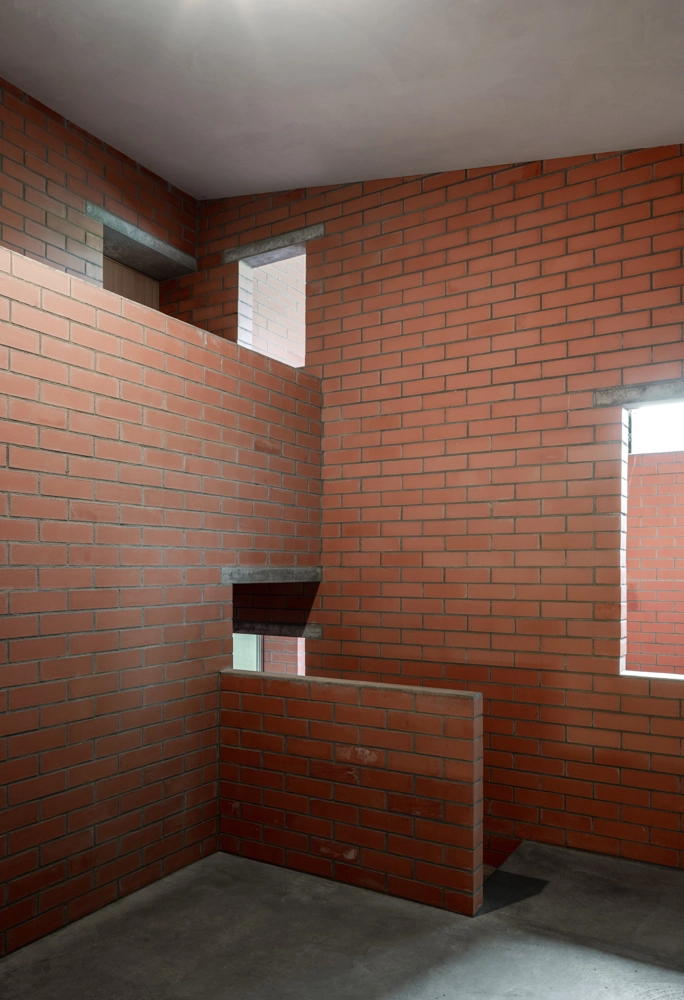
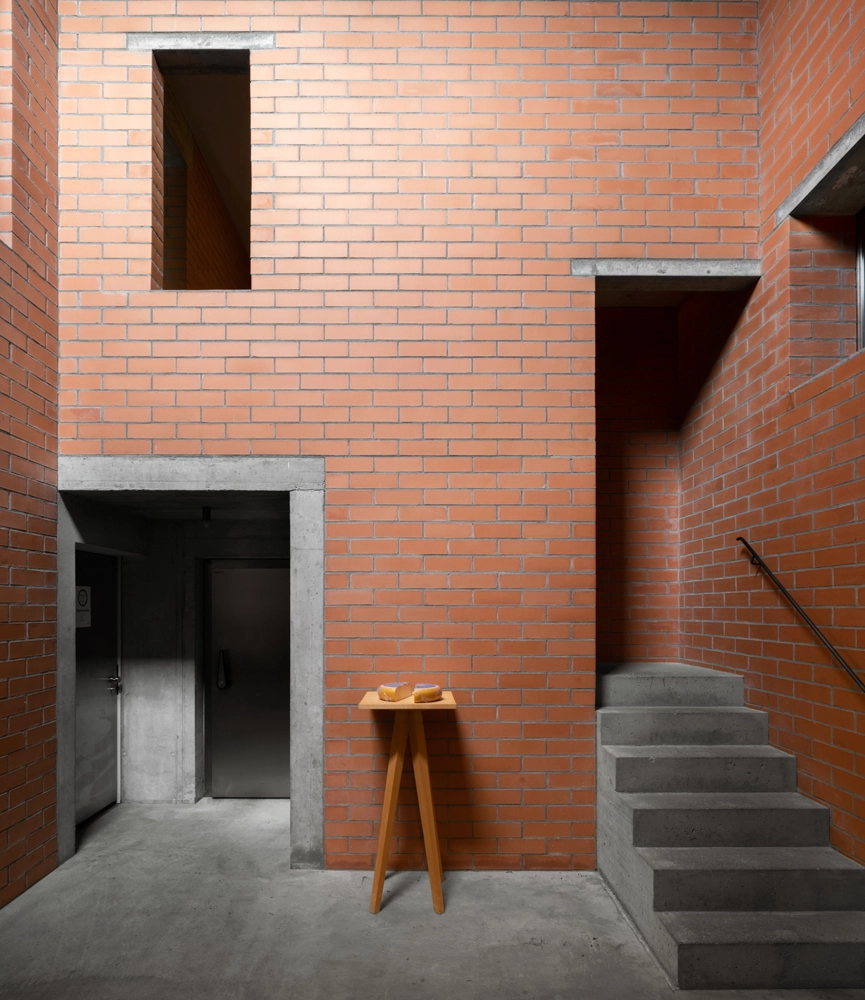
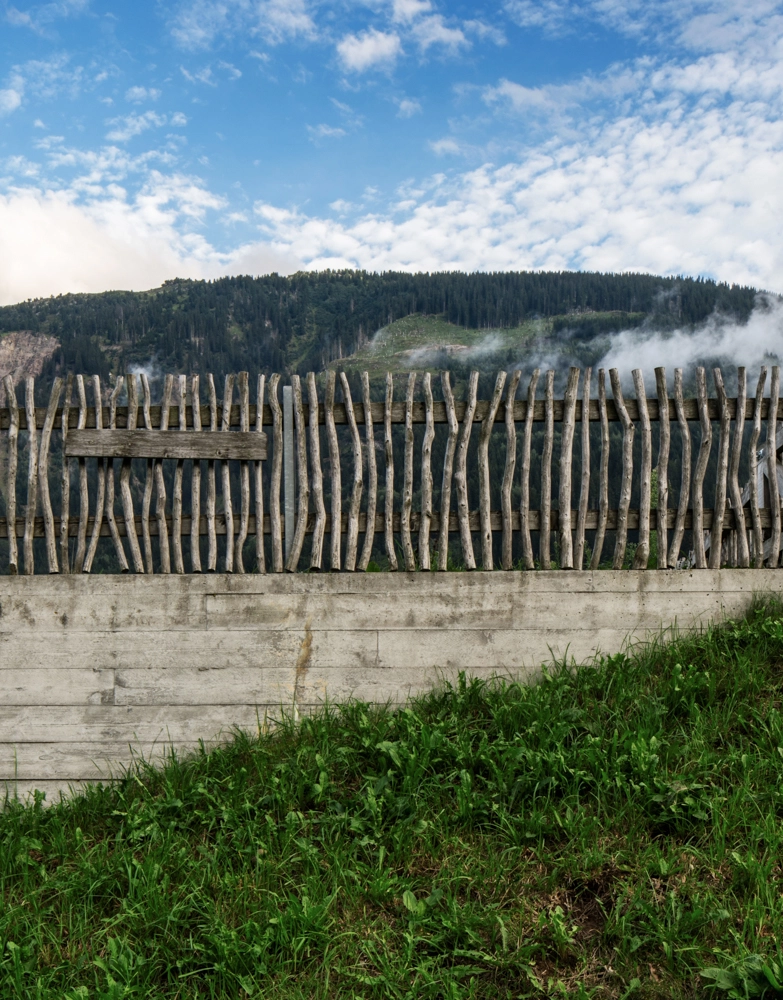
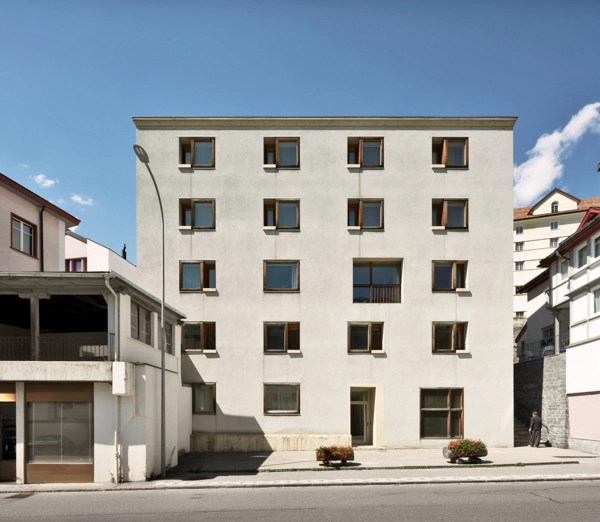
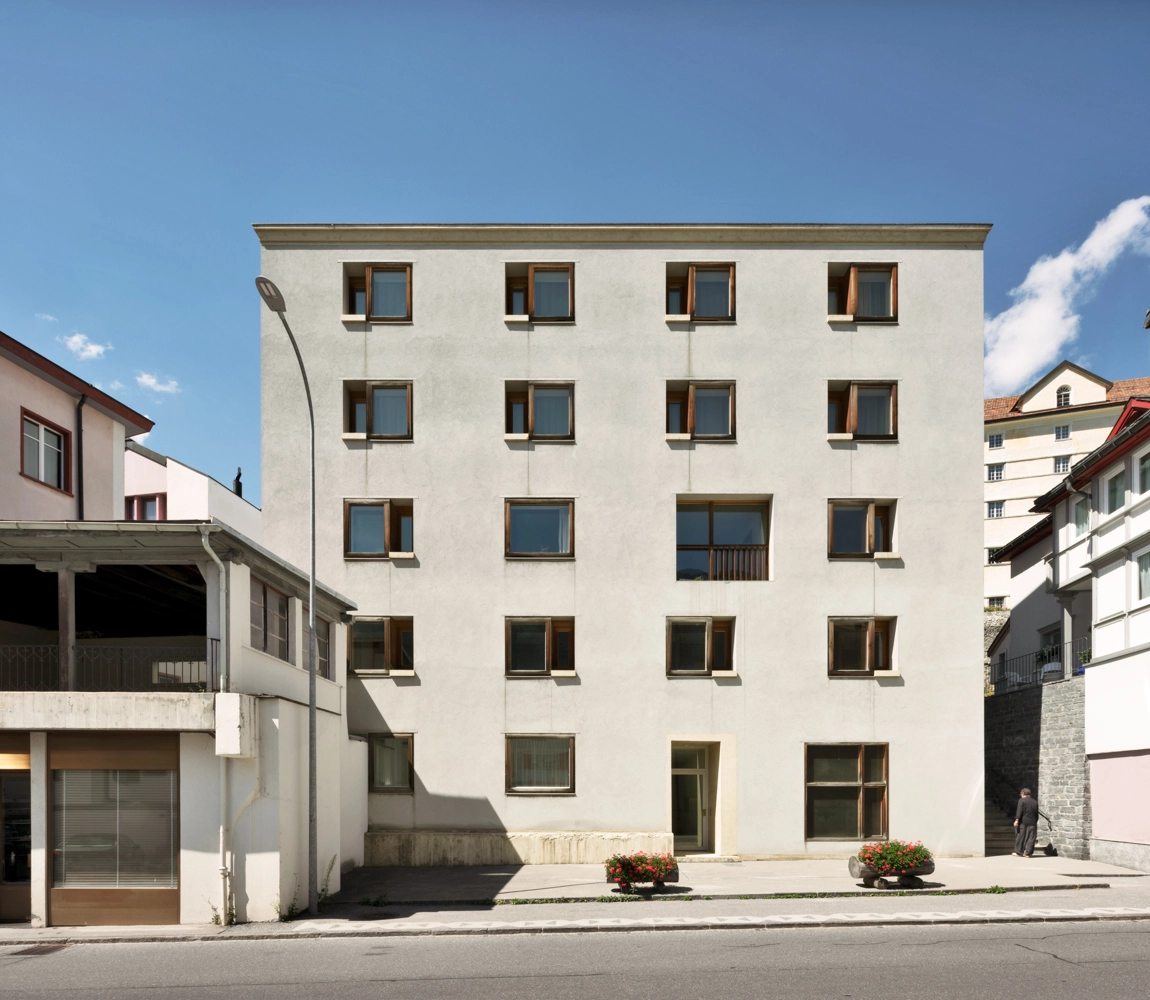
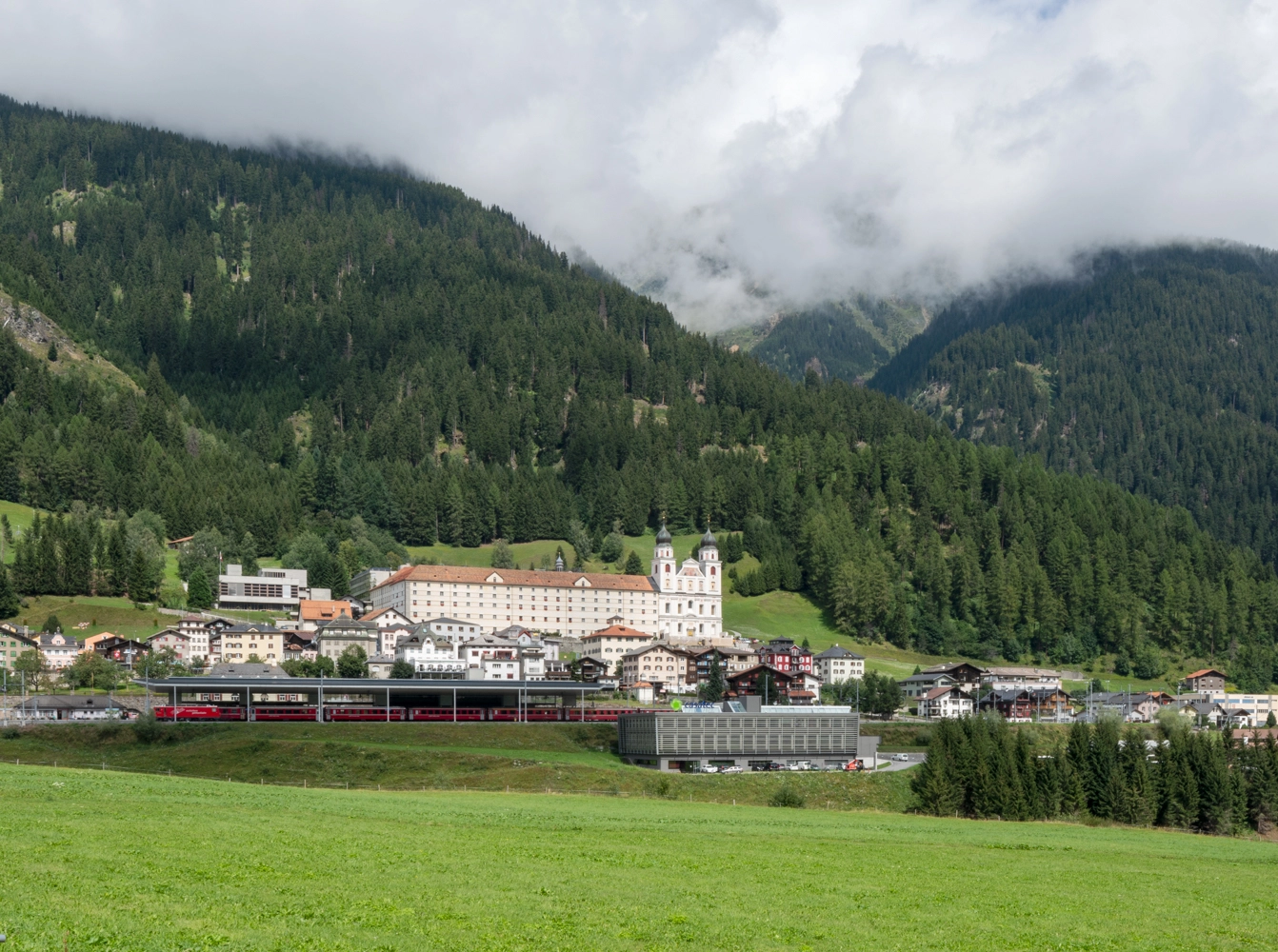
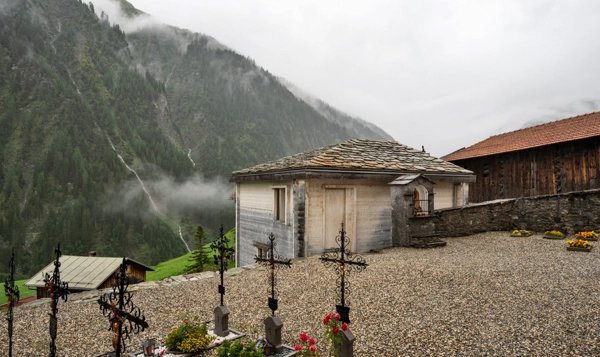
Stiva da Mors in Vrin, Switzerland | Gion Caminada, architect
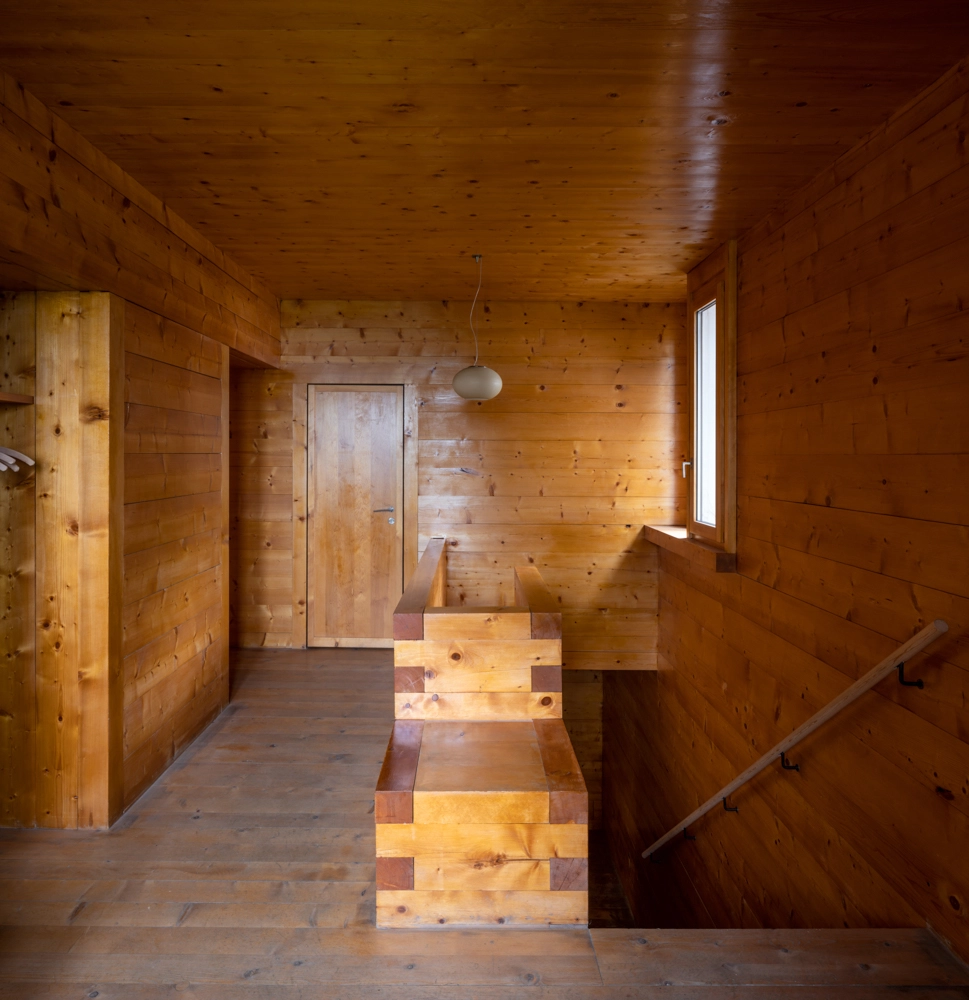
‘Stiva da morts’ – a community mortuary building and not merely a room or hall for viewing the deceased – expresses a particular attitude to an architectural task that is currently in growing demand throughout the region. Traditional burial rites that included viewing the deceased in his or her own home are steadily disappearing. More distance from the reality of death is wanted today and, because an increasing number of people die in old people’s homes or hospitals, they often no longer have a home in their village of origin, in the place where they might like to be buried.
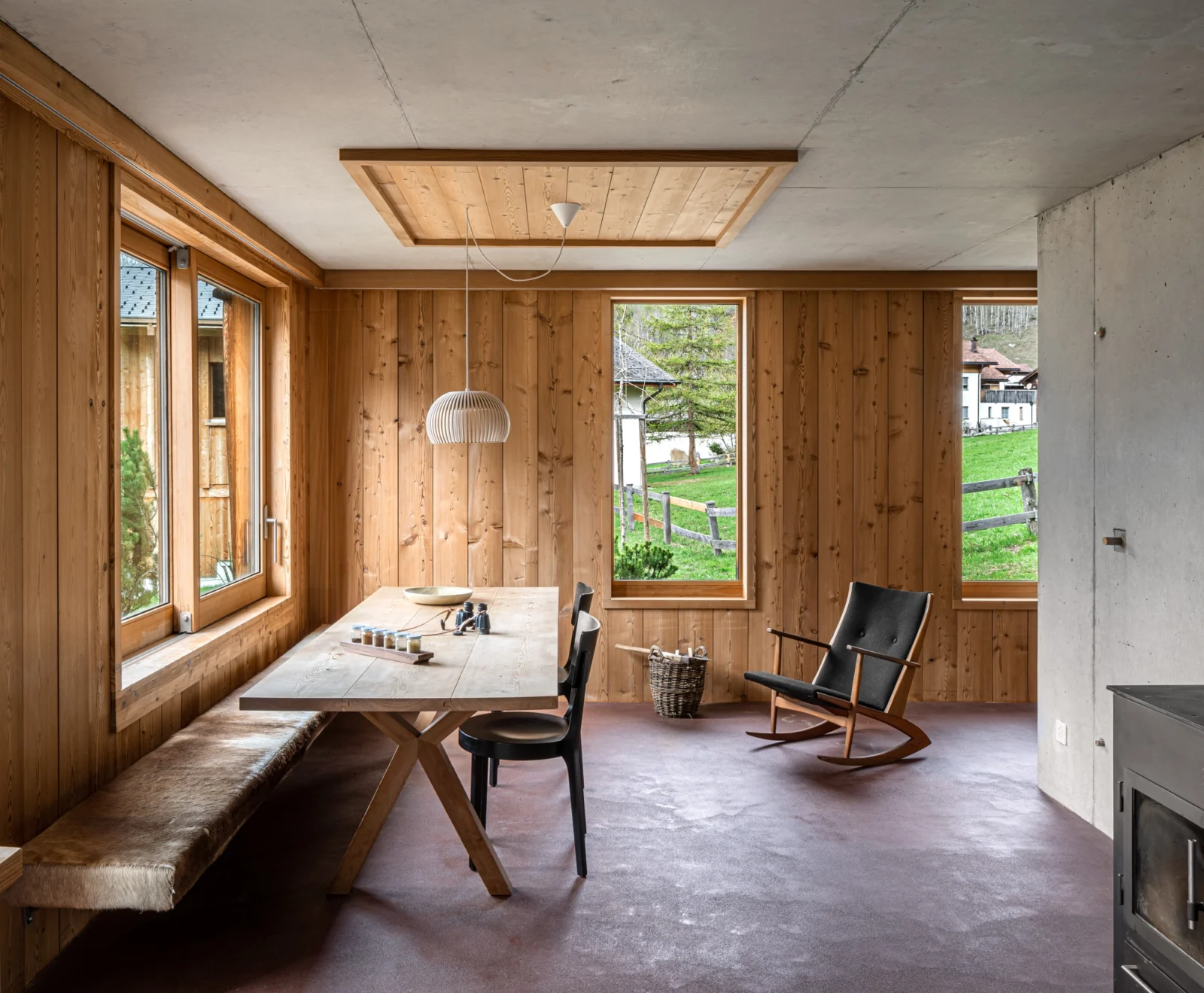
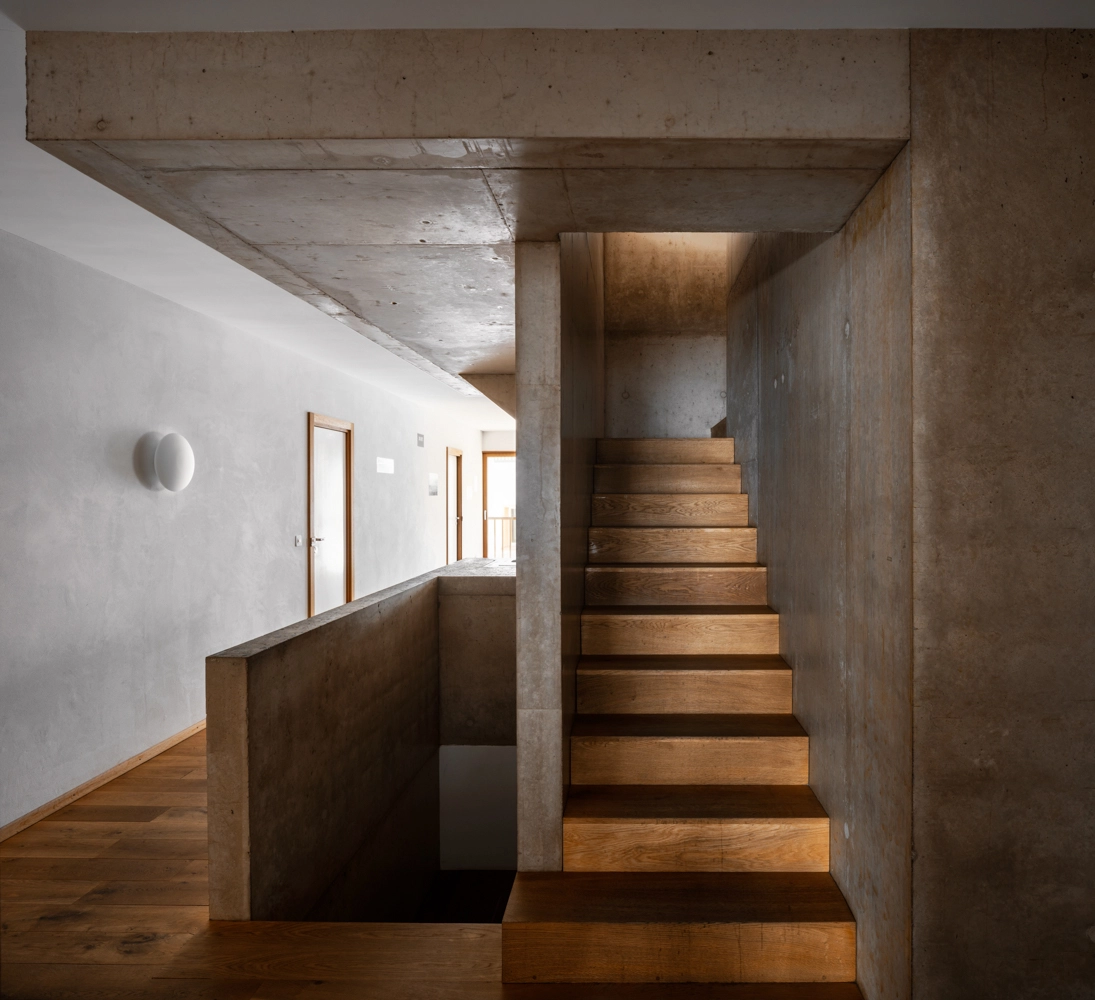
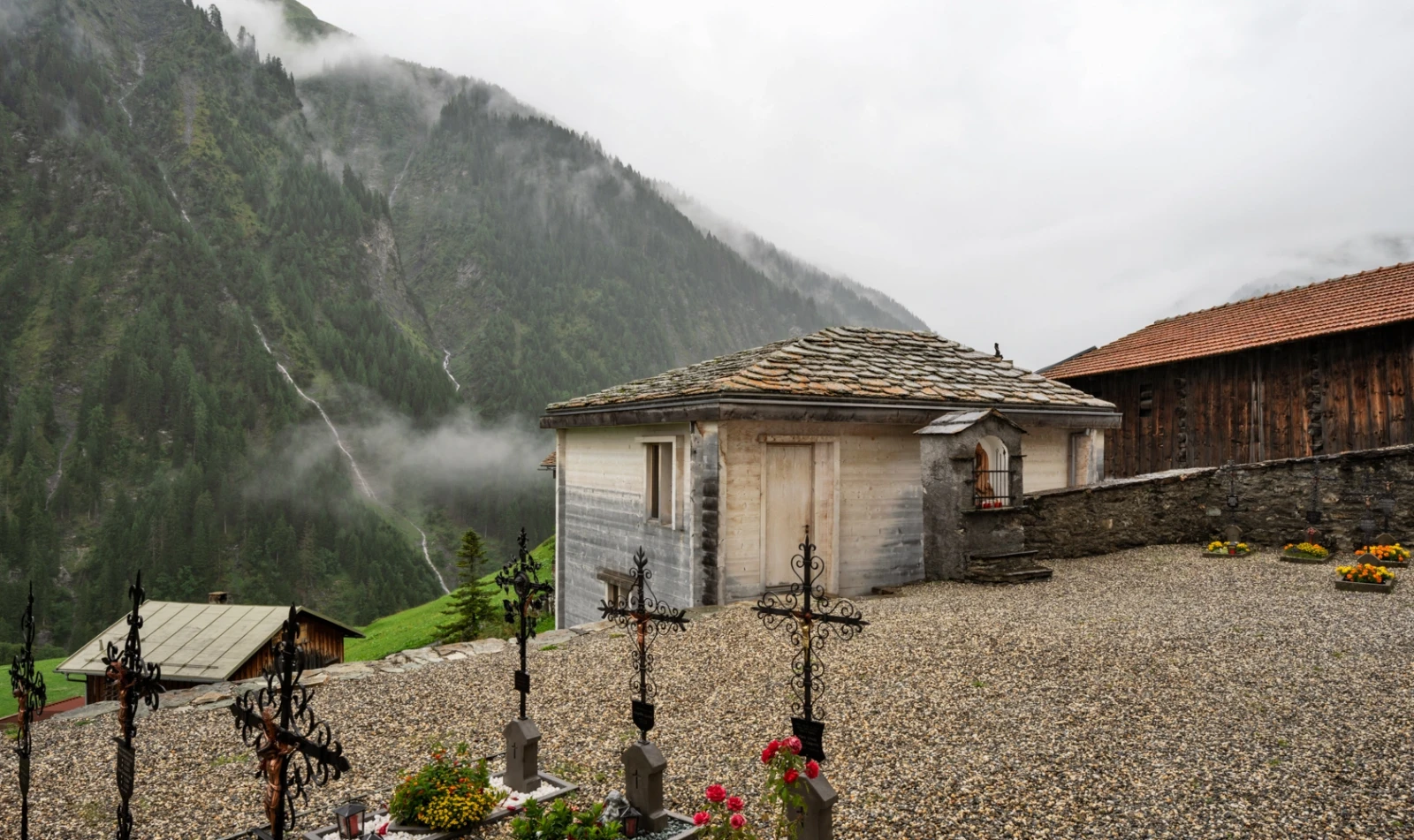
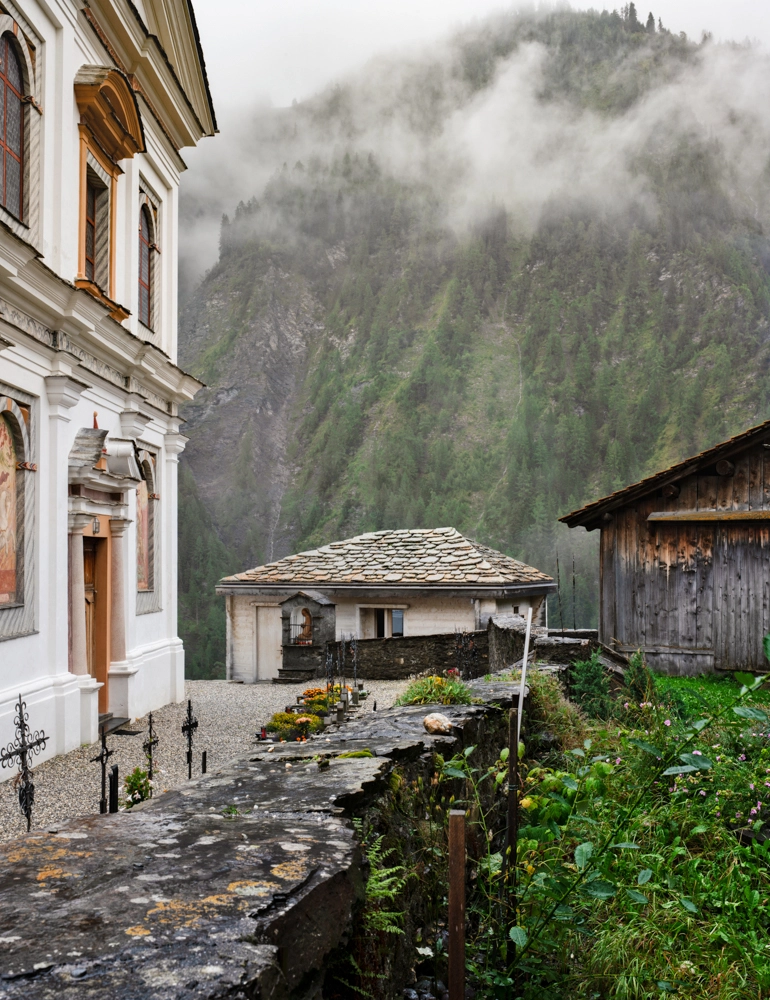
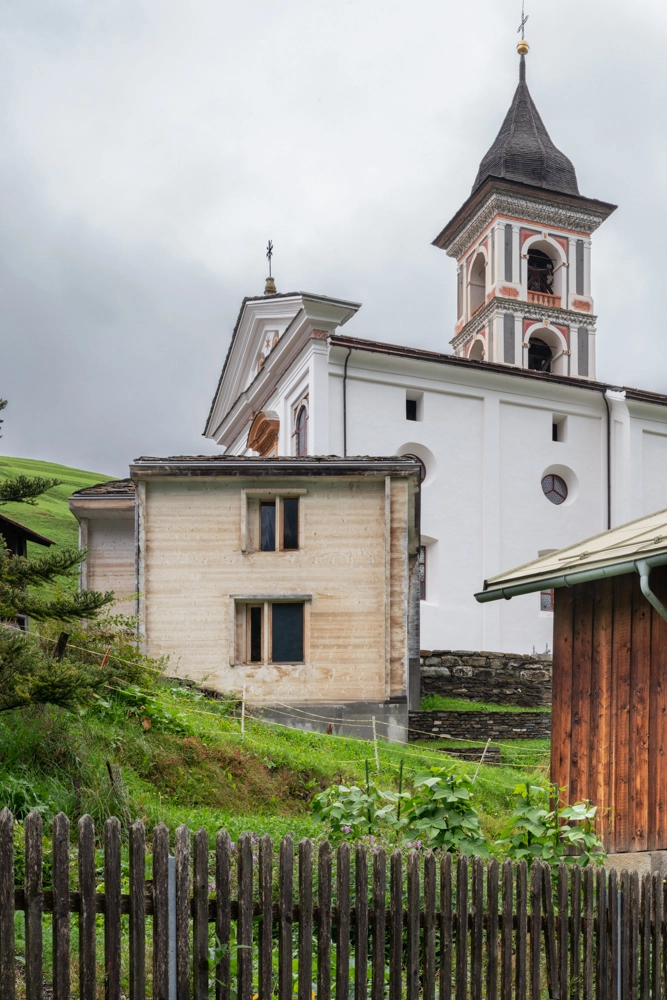
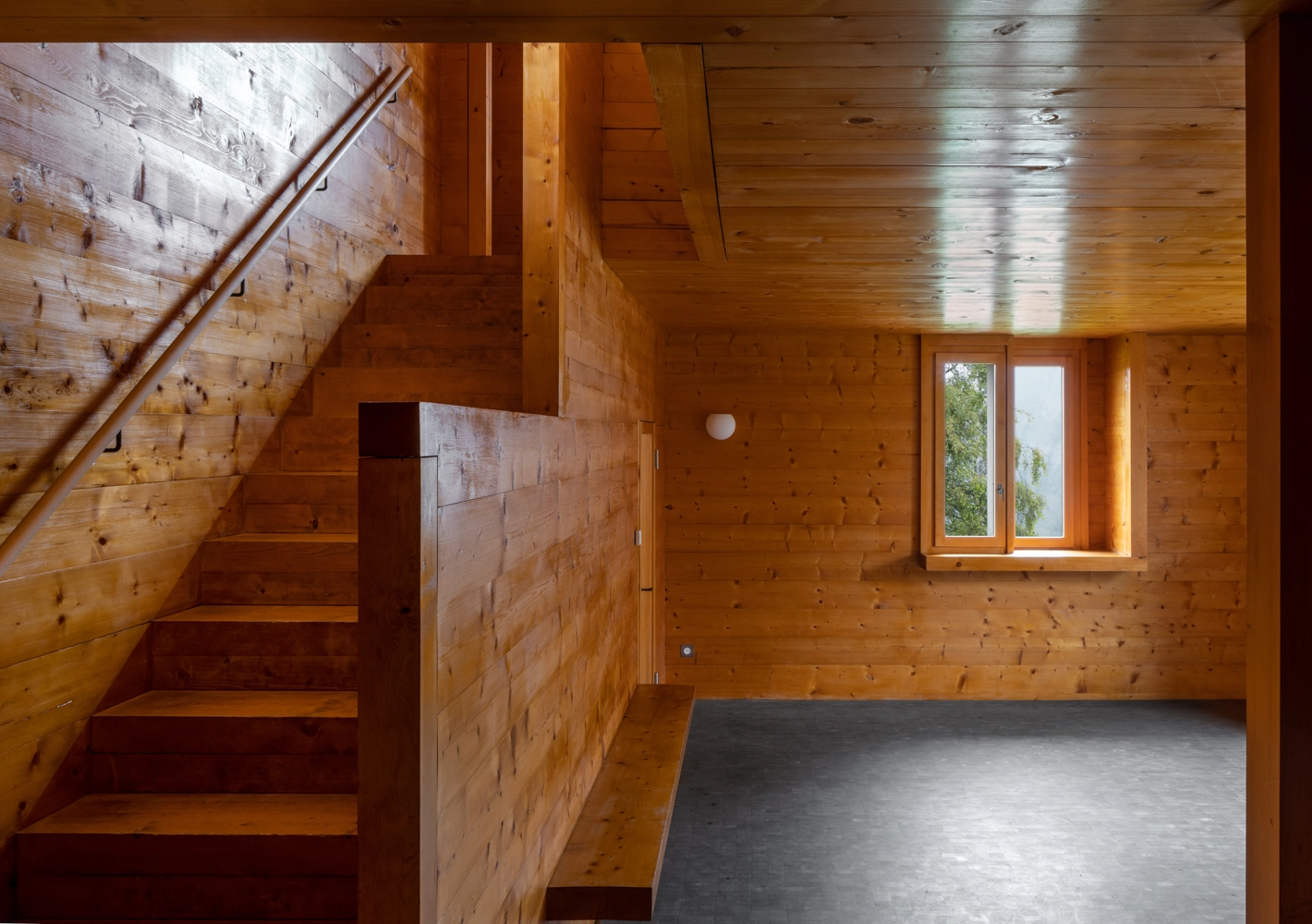
The community mortuary building offers a special place for the rites of transition that occur before the funeral itself, one that symbolically, physically and in terms of its ambiance lies somewhere between the everyday life of a village and the sacral grounds of a church and cemetery. In fact, the community mortuary building is located next to the cemetery and is oriented to it, yet is still clearly outside of it. Like the surrounding residential buildings, it is built of wood and yet it is painted white and almost resembles a church. Its exceptionally powerful corner supports protrude into the space and recall both the pilaster columns of the church and the projecting walls of local houses. Its rooms emit a warm aura reminiscent of village parlours, albeit the wood here appears more solid and imposing, and has an unusual physical presence that conveys a feeling of strength and security. The almost rough-hewn solidity of this ‘Strickbau’ which is visible and palpable also in its interior, is alienated by means of a shellac finish that gives a matt shine to its surfaces, either honey-coloured or golden, depending on the light.
Stiva da Mors in Vrin, Switzerland | Gion Caminada, architect
Stiva da Mors in Vrin, Switzerland | Gion Caminada, architect
Stiva da Mors in Vrin, Switzerland | Gion Caminada, architect
Stiva da Mors in Vrin, Switzerland | Gion Caminada, architect
The main room of the ‘Stiva da morts’ is on the lower storey and oriented towards the village. Here, the mourners can gather and sit by the deceased. The upper storey offers a complementary, more intimate room, to which people might retire for a cup of coffee or to chat; just as in domestic funeral settings people retire to the kitchen to take some distance from the deceased and from formal, pre-funeral rites.
The building was constructed with a virtuosity that is nonetheless serviceable and quasi pragmatic. One can marvel at how the outer wall is hinged onto the inner wall: a means of surmounting the difficult problem – caused by the severe slope of the site – of building walls of different heights; or at how, on the upper storey, a considerable span width was bridged by suspending it from the double girder concealed in the roof construction. This is unimportant however. The construction design is not intrusive. It remains in the background.
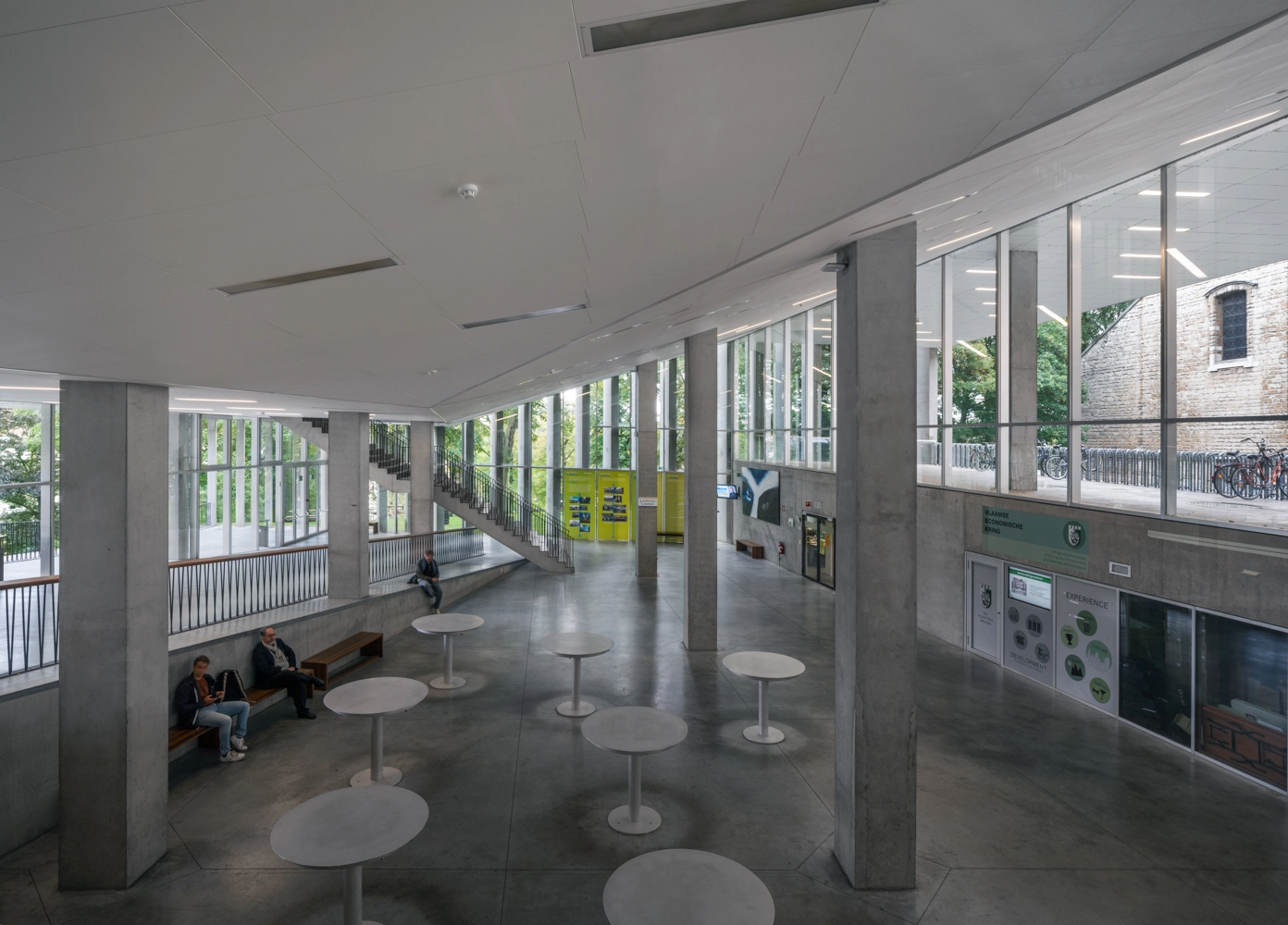
Faculty of Economics in Strasbourg, France | Xaveer De Geyter, architectFaculty of Economics in Strasbourg, France | Xaveer De Geyter, architect
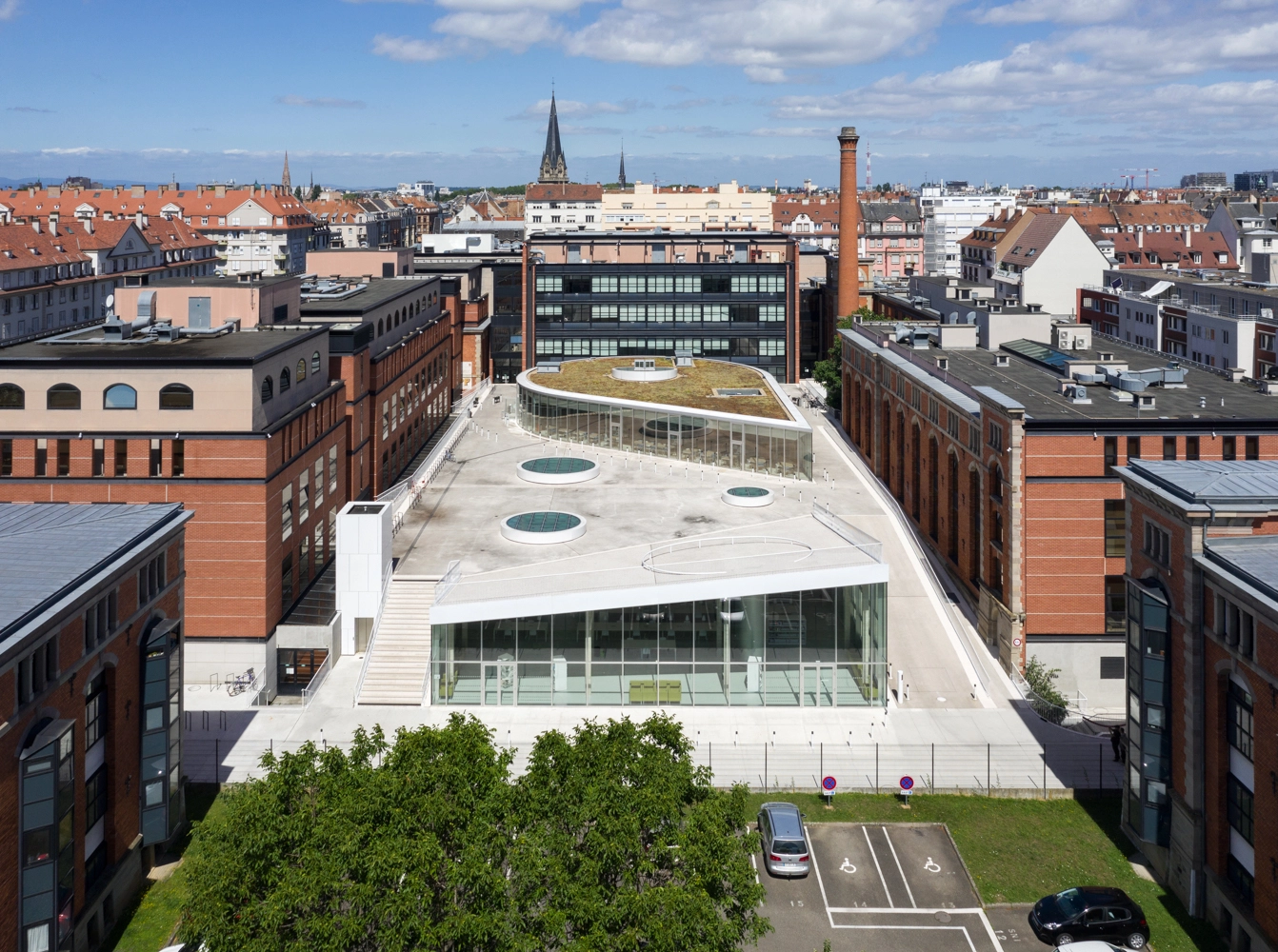
There appears to be one constant about academic buildings: they require extensions, often at the cost of their own initial qualities. In this case, a new library and a cafeteria are required, in addition to the reorganization of an existing building and the spatial restructuring of an interior street. The obvious answer to the competition brief would have been to place a new volume in the courtyard &mdashso far used for logistics&mdash around which the school is built. This is the only outdoor area on the site and a potential common space.
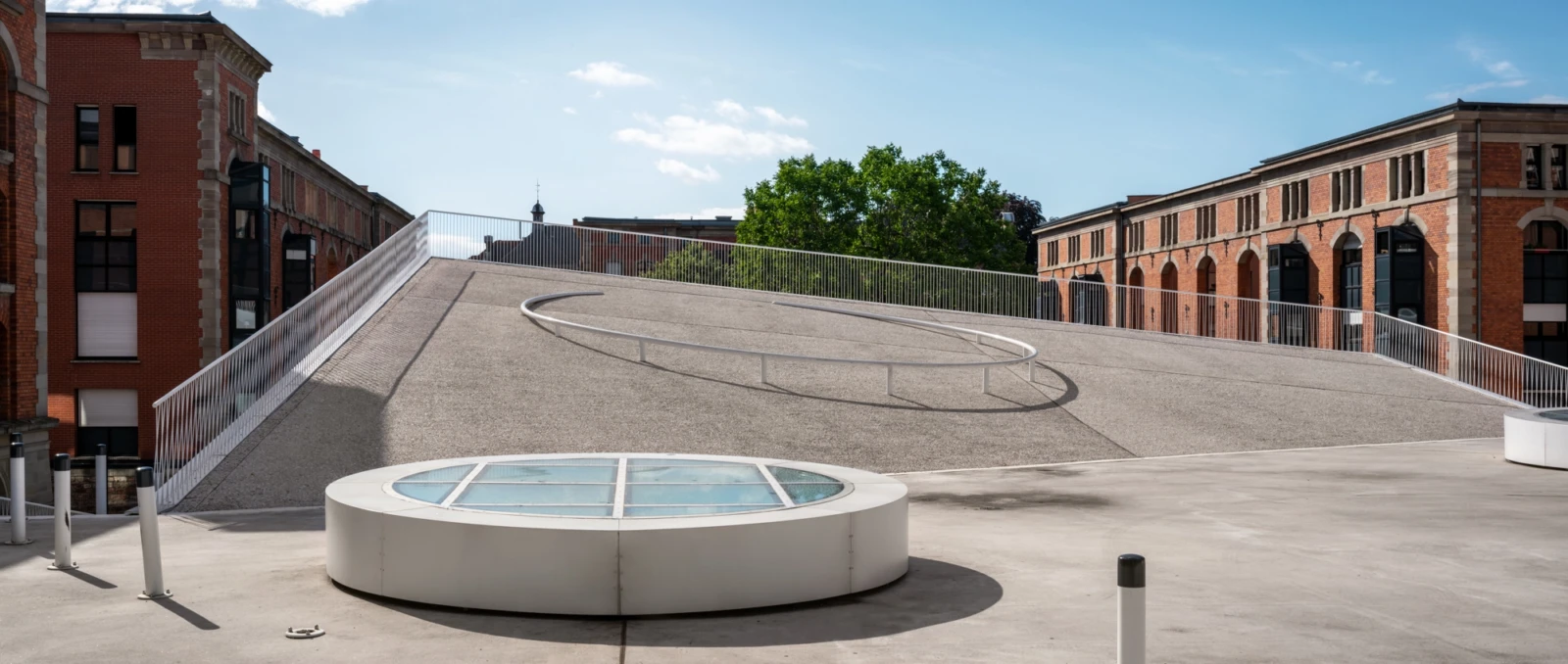
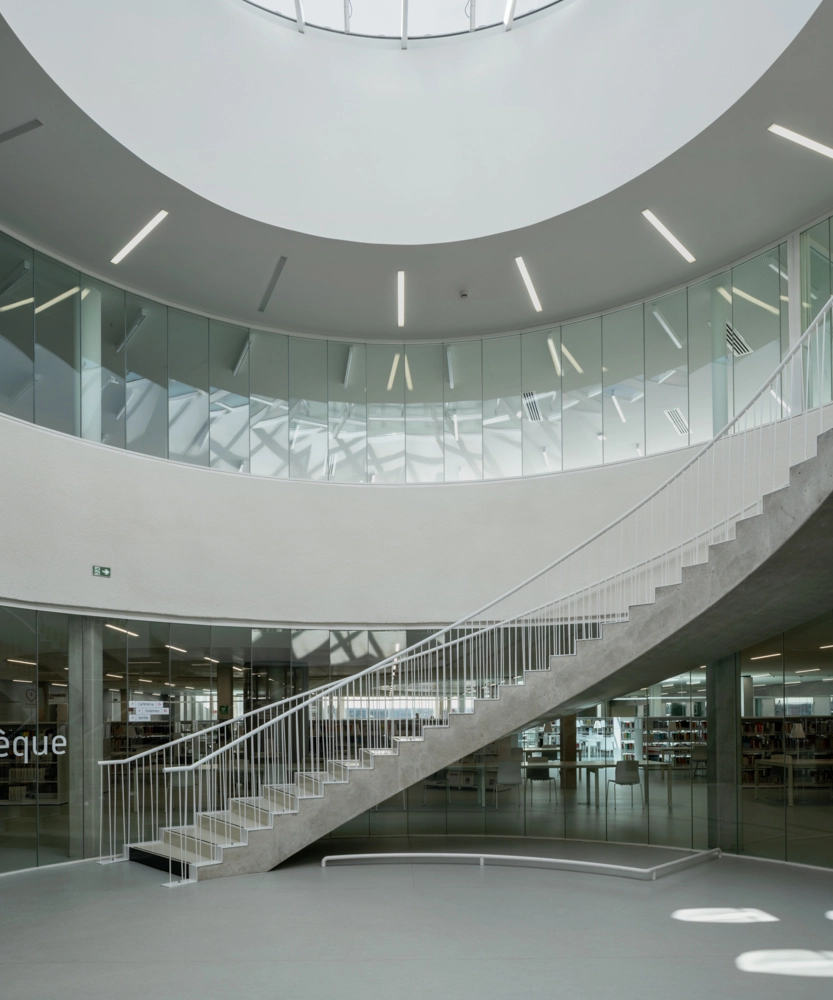
Our proposal was to remove unnecessary elements such as an underused parking floor and slide a one-layer library under a semi-raised public surface. A cafeteria is positioned on top of this court as a pavilion. It takes the form of a rising loop to permit deliveries on the square. A large void that perforates the pavilion, three skylights that take the form of benches and the square sloping up at the front create three ways to bring natural daylight into the library level.
Competition 1st prize, delivered
Place Strasbourg, France Programme library, offices, administration Year 2013-16 Status completed Client Région Alsace Surface 3280 m² (extension) + 3875 m² (rehabilitation) Budget 12.400.000 euro Designer XDGA (Xaveer De Geyter Architects) competition: Xaveer De Geyter, Antoine Chaudemanche, Paul-Emmanuel Lambert, Solène Le Gallo, Yago Ryosuke, Michel Sikorski, Benoit Streicher definitive design: Xaveer De Geyter, Solène Le Gallo, Yannick Vergnaud, with Antoine Chaudemanche, Elisabeth D’Aubarede, Mathilde Dutilleul, Felix Forthmeijer, Paul-Emmanuel Lambert, Claire Lootens, Yago Ryosuke, Michel Sikorski, Benoit Streicher, Marie-Pierre Vandeputte, Rui Zenha implementation: Xaveer De Geyter, Solène Le Gallo, Simon Vellut, with Antoine Chaudemanche, Yannick Vergnaud
GZA Residencial care center, Antwerp, Belgium | Xavieer de Geyter, architect
GZA Residencial care center, Antwerp, Belgium | Xavieer de Geyter, architect
GZA Residencial care center, Antwerp, Belgium | Xavieer de Geyter, architect GZA Residencial care center, Antwerp, Belgium | Xavieer de Geyter, architect GZA Residencial care center, Antwerp, Belgium | Xavieer de Geyter, architect
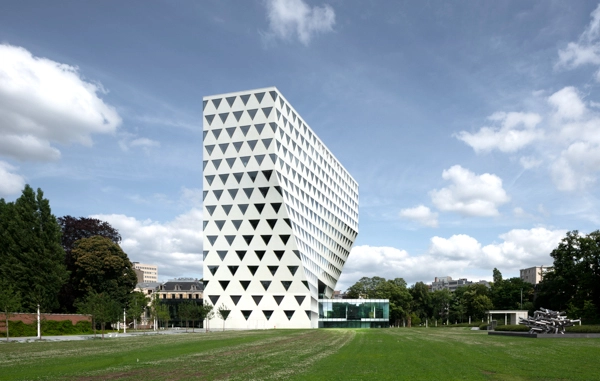
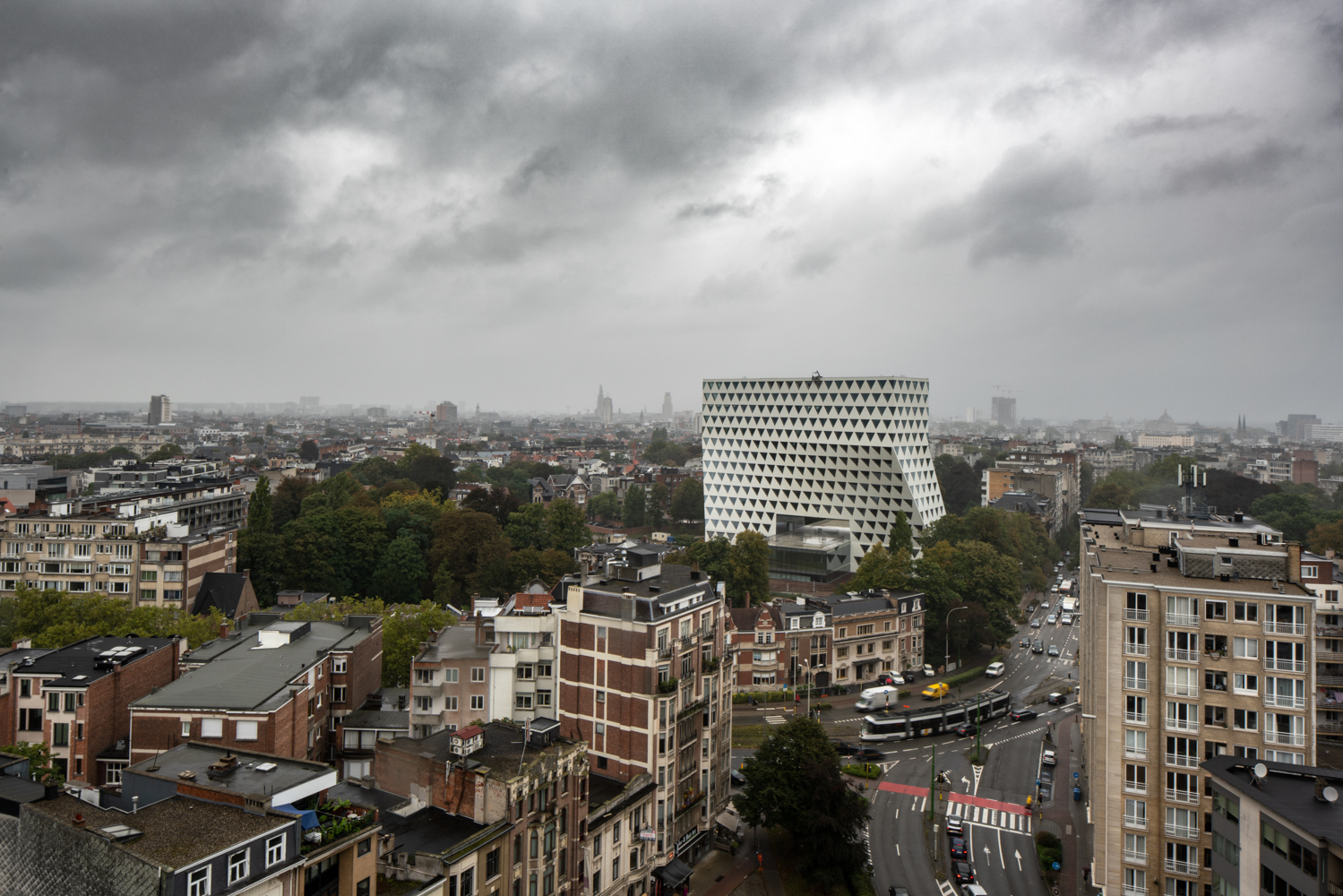
Province Headquarters in Antwerp, Belgium | Xaveer De Geyter, architectProvince Headquarters in Antwerp, Belgium | Xaveer De Geyter, architect
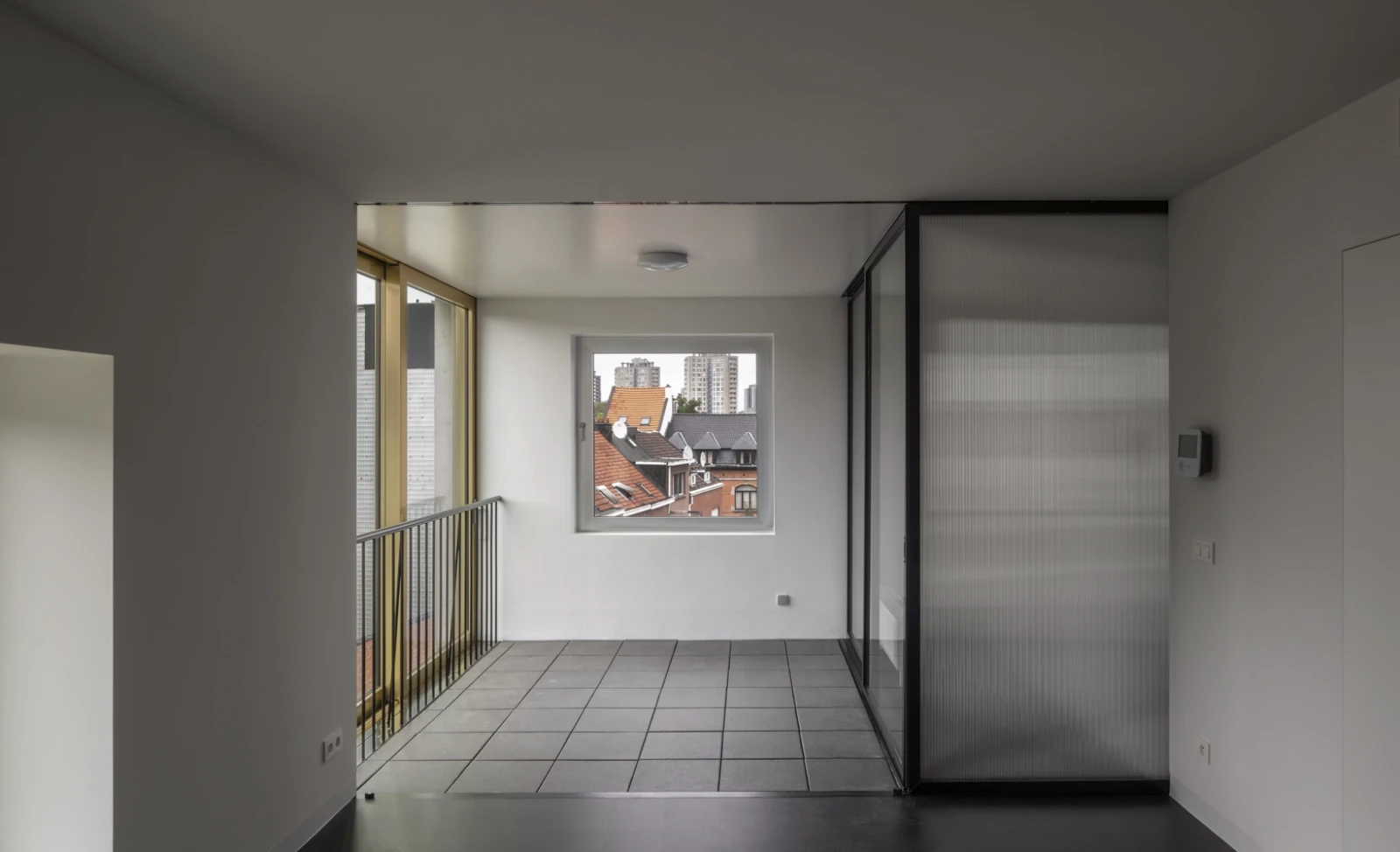
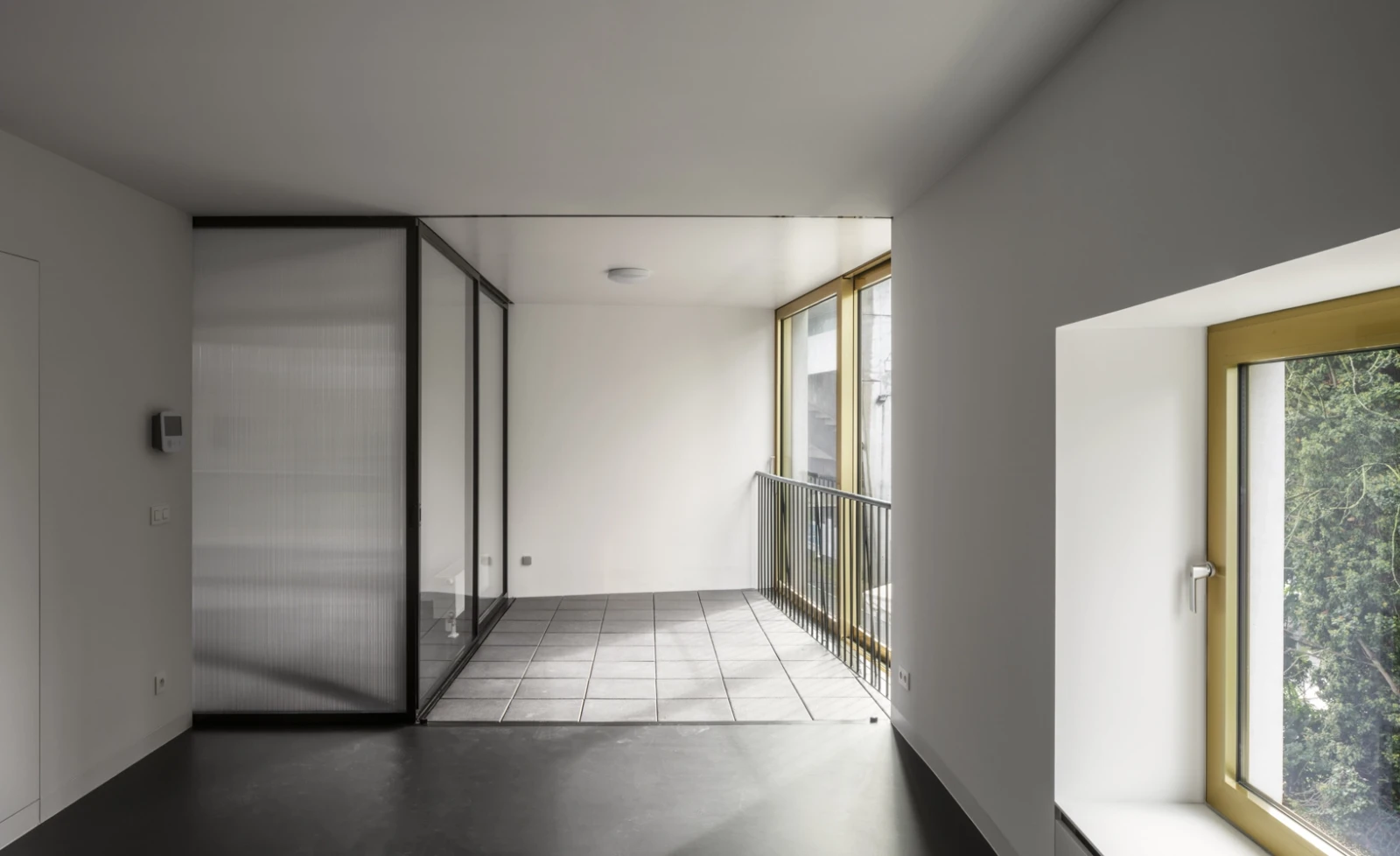
The new building replaces a complex of modernist building volumes that used to occupy the entire site and could not be adapted to today’s sustainability standards. As the Antwerp city centre has few public green zones, the transformation of the site from a merely private, mineral and infrastructural area into a public garden is a crucial requirement of the competition brief. Surrounded by fragments of public green, the parcel is key to the formation of a larger, coherent park. Another &mdashcontradictory&mdash demand was to maintain a more recent representational pavilion, whose position was an obstacle in between the fragments.
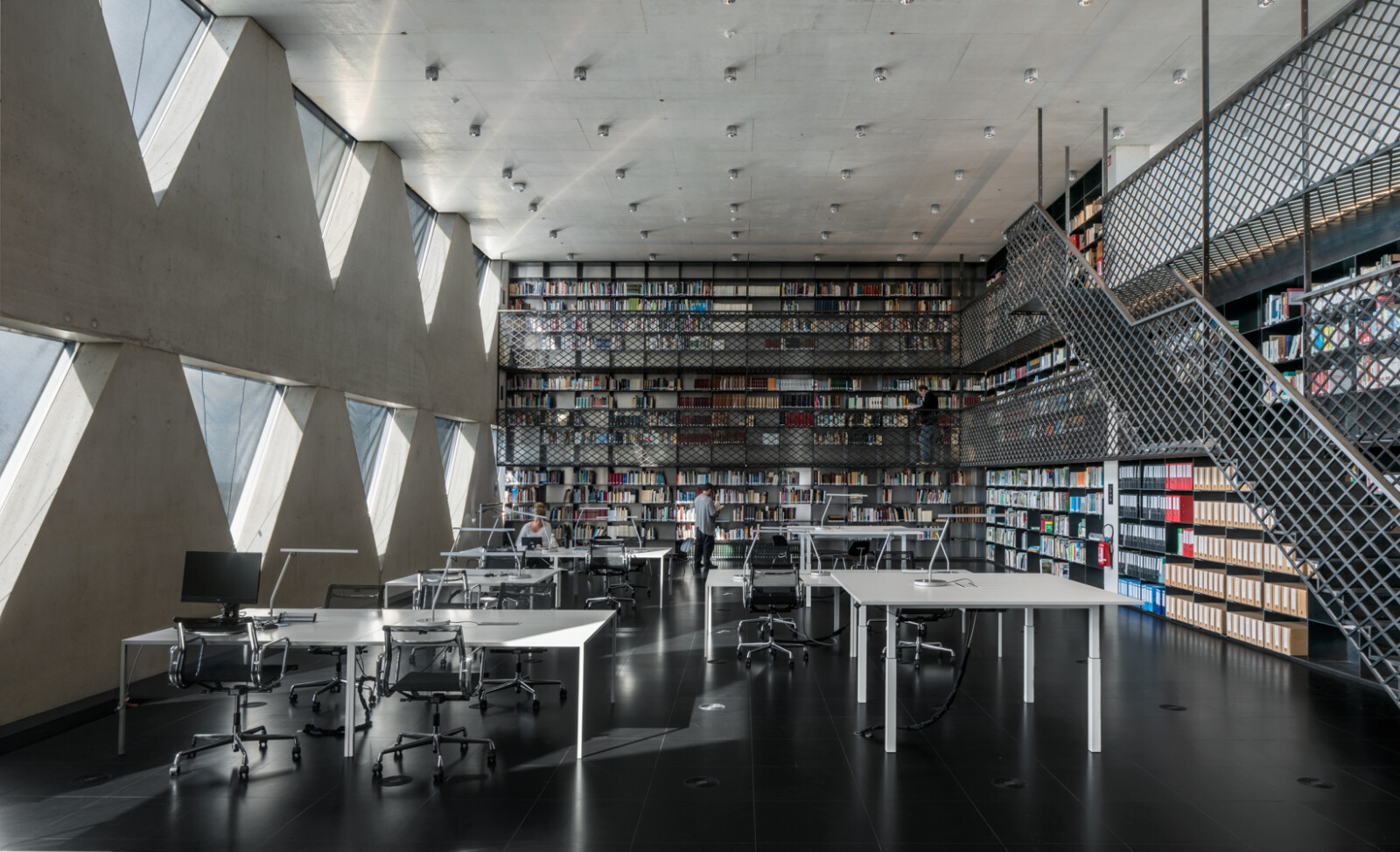
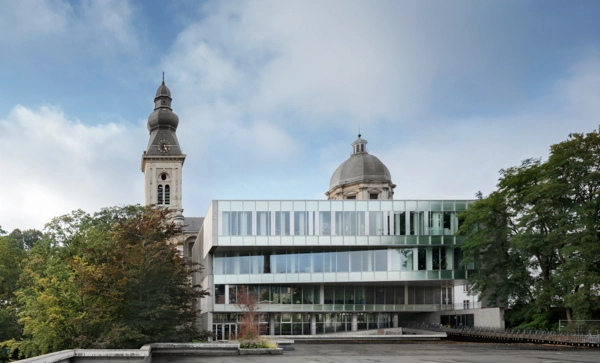
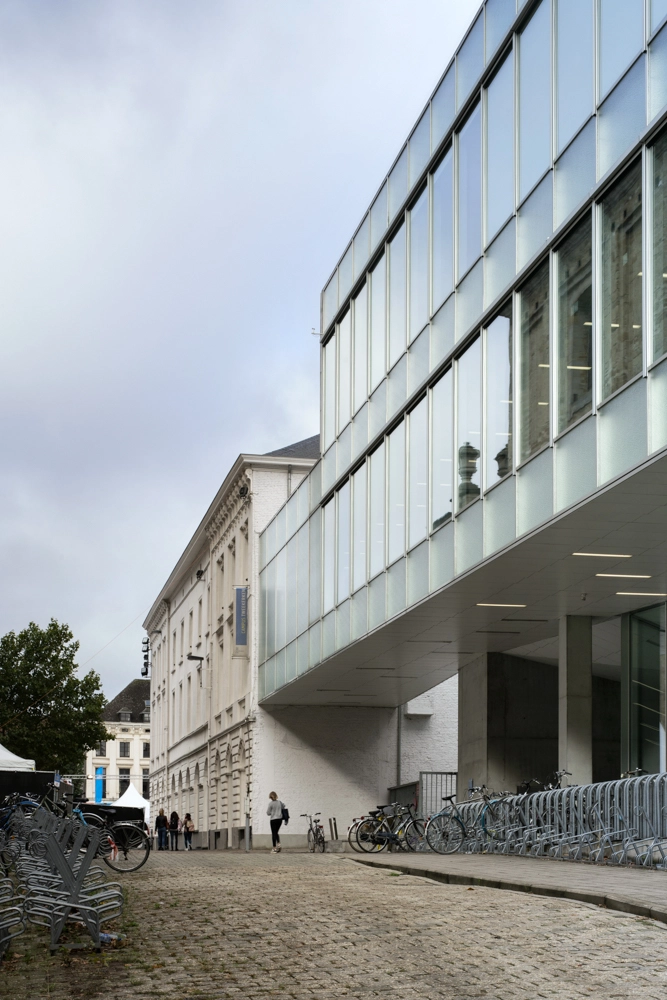
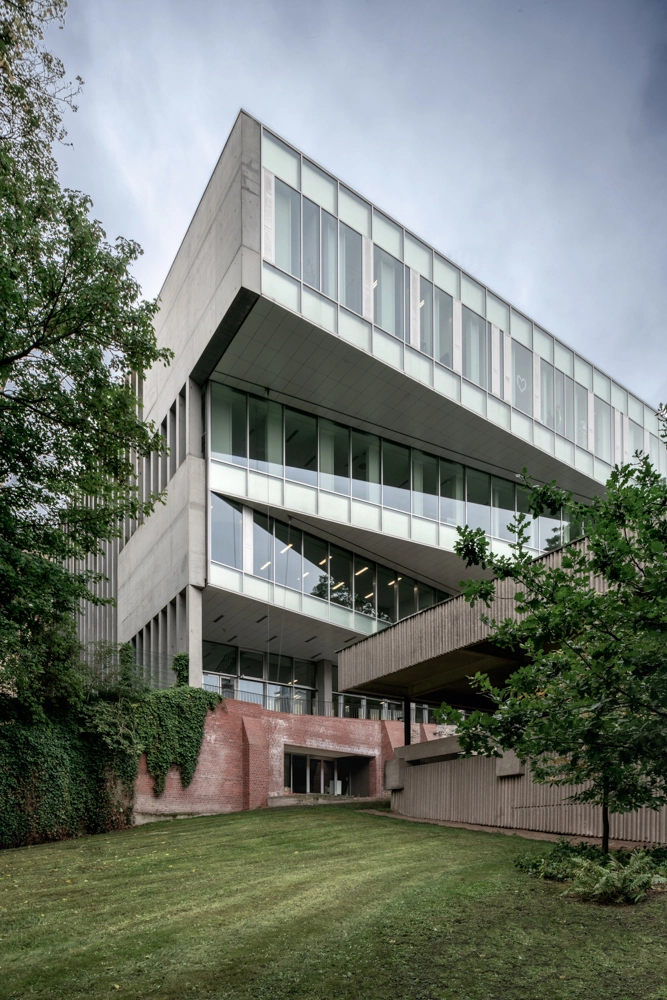
Faculty of economics, Ghent University, Belgium | Xaveer de Geyter, architect
Faculty of economics, Ghent University, Belgium | Xaveer de Geyter, architect
Faculty of economics, Ghent University, Belgium | Xaveer de Geyter, architect
The campus path that crosses the building, the topography, the nearby existing economics building, and the new program together generate the form of the building. The path leads down from the street towards the roof of the existing building. On one side are organized all the vertical circulation shafts of the new building, on the other side a double height foyer is accessed from the path.
The auditorium is situated above it and accessed through a main stair. Behind is a meeting room of the faculty. On the top level a library is organized around a patio, combined with offices. The front and back façade are in glass and cantilever outwards; two lateral façades are in concrete, one of them being a screen made out of 20m high concrete fins.
The stone wall that marked the boundaries of the property ran around the whole site, and passers-by could only see the treetops. Although the materiality and the irregularity of the wall geometry gave it a particular character and presence, the planning regulations now in force obliged the street to be widened, making it impossible to preserve the wall. In its absence, the first and greatest challenge for the project was to re-contextualize the plot with a new house that could engage with its surroundings in a coherent, respectful and honest way.
This project had three starting points: an understanding of the historic value of Lleialtat Santsenca (1928), an old working class cooperative in the Sants district; detailed knowing about the building’s (physical) state in order to maintain as much material as possible; and sensitivity to the collaborative process involved in the building’s recovery, launched in 2009 by neighbourhood organizations.
To this end, four basic objectives were defined: first, to make the most of everything that could be used from the original building; second, to define an operation strategy and the essential actions, either conservationist or additive, which would facilitate the recovery and enhanced the potential use of all the spaces; third, to enter an intense -and tense, if necessary- dialogue with the context; and fourth, to draft a sustainable proposal for work on both the pre-existing material and the new aspects.
This public facility houses an adult education centre, a language standarisation consortium and a space for organisations on a triangular plot in Barcelona’s Parliament district. Two of the three sides of the site are defined by the heritage-listed Anglesola Street frontage of the former Planell glass factory, built in 1913.
The building makes use of the entire plot and acts as an intrinsic part of the urban landscape, although the triangular shape and the classified façades prevent it from occupying the entire site. The programme is distributed across four levels which are set back from the south-facing heritage facade. The resulting atrium reconciles construction and heritage, improves the natural lighting for the classrooms and provides a heat and sound barrier. This long, narrow courtyard is reproduced at the northern vertex, filling the geometry of the plot and acting as a relational system between the administrative uses of the building and the exterior.
Multipurpose school building in Ghent, Belgium | Xaveer De Geyter, architect
Multipurpose school building in Ghent, Belgium | Xaveer De Geyter, architect
Multipurpose school building in Ghent, Belgium | Xaveer De Geyter, architect
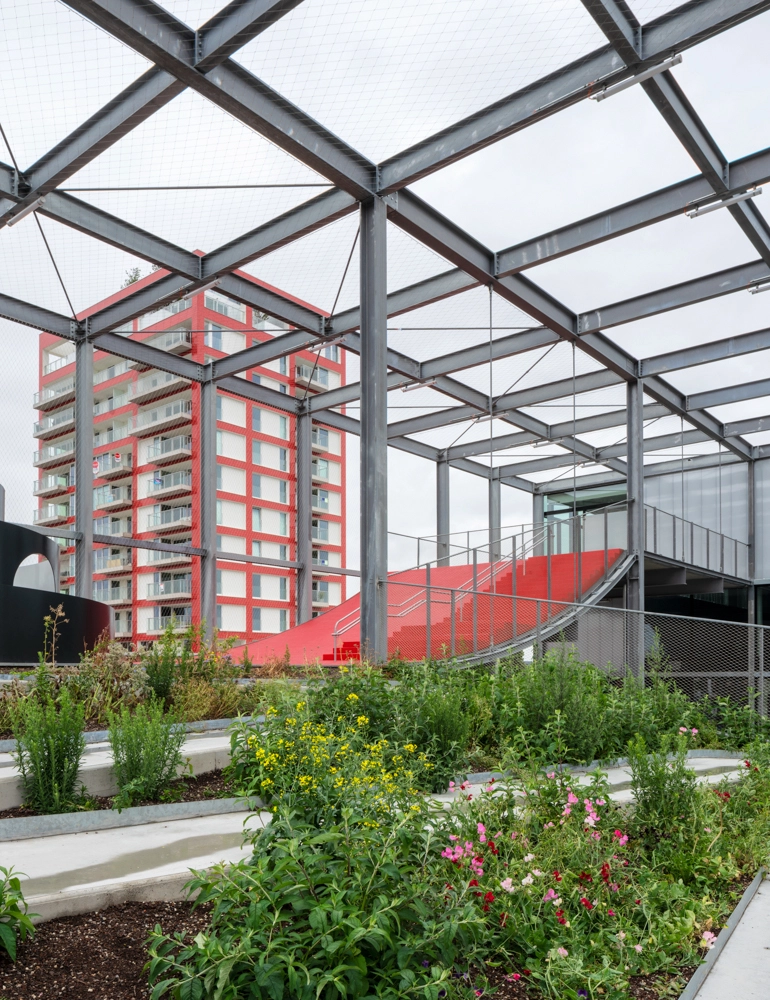
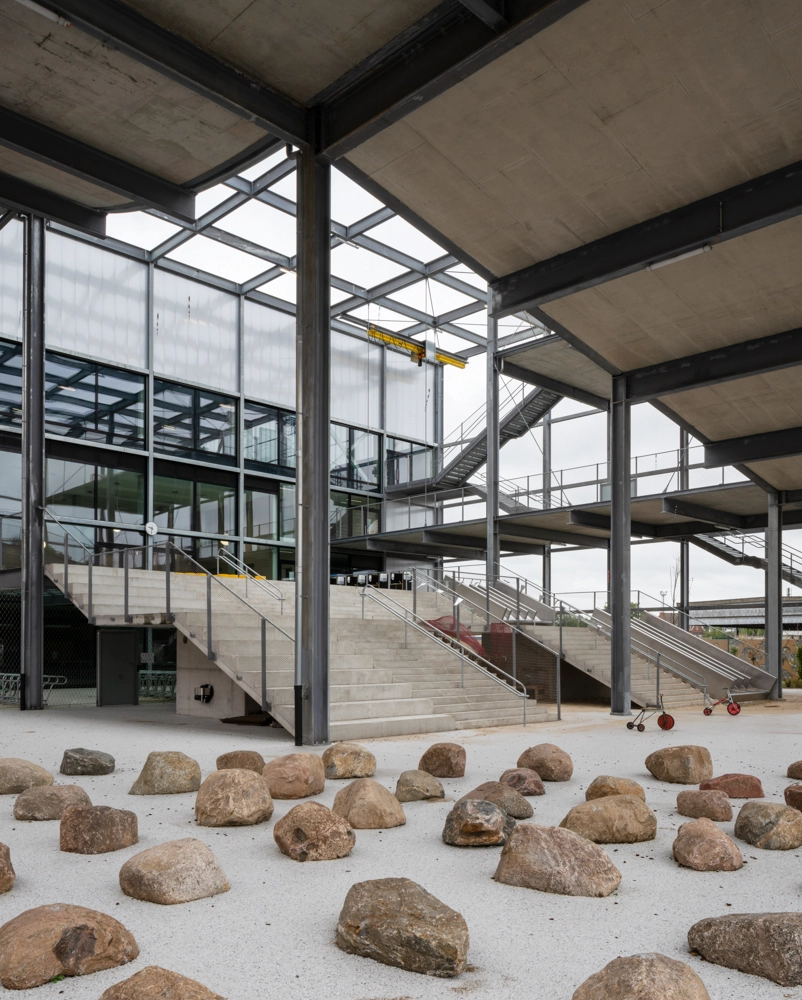
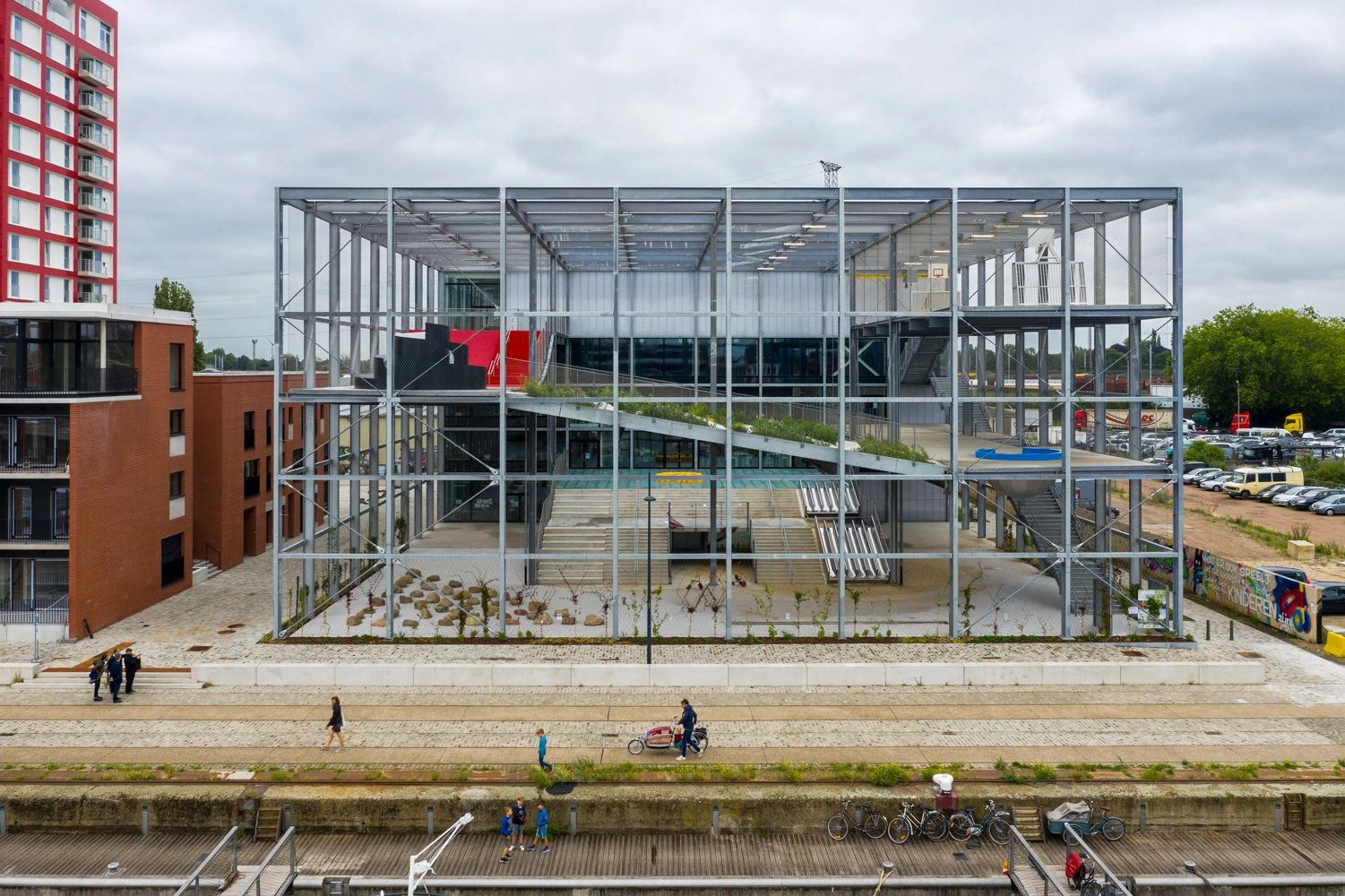
In the harbour area, a narrow stretch of land alongside a dock is freed from port activities. A very simple ‘chopstick’ urban plan is being developed by O.M.A. in which open green pockets alternate with dense construction.
In order to give the linear plan a notion of centrality, a public path is designed to cross the whole strip. The site for the school faces one green area on its south side, the dock on its west side, a square and a housing block to the north and the harbour road to the east.
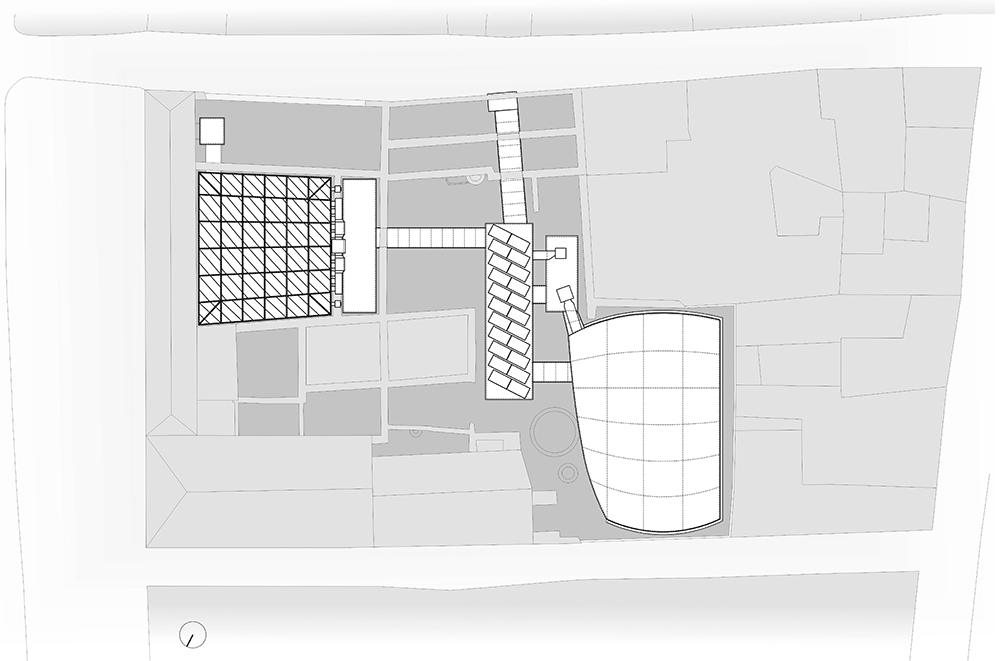
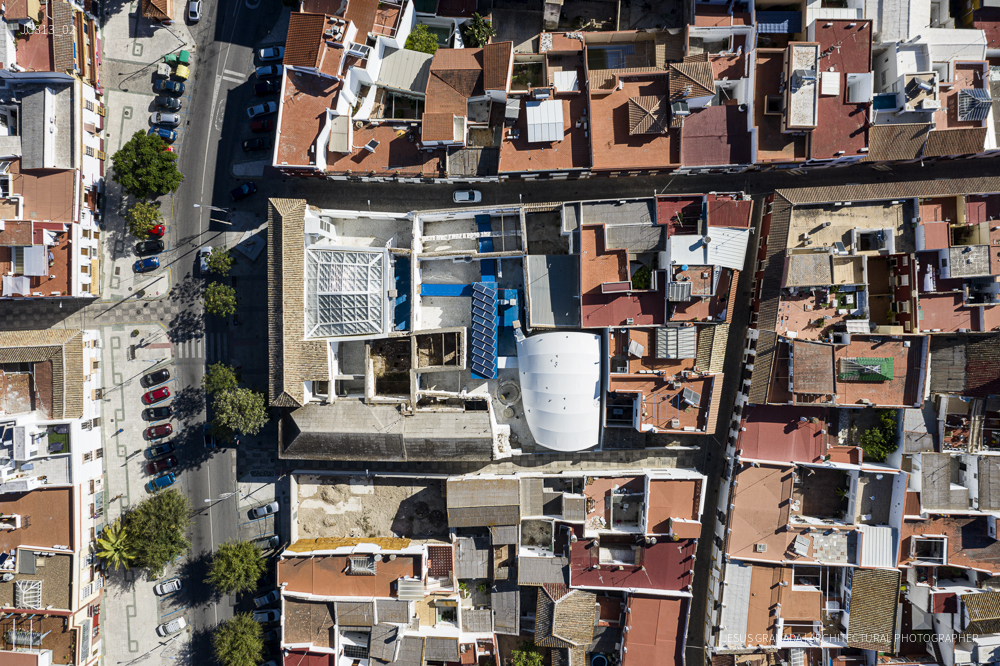
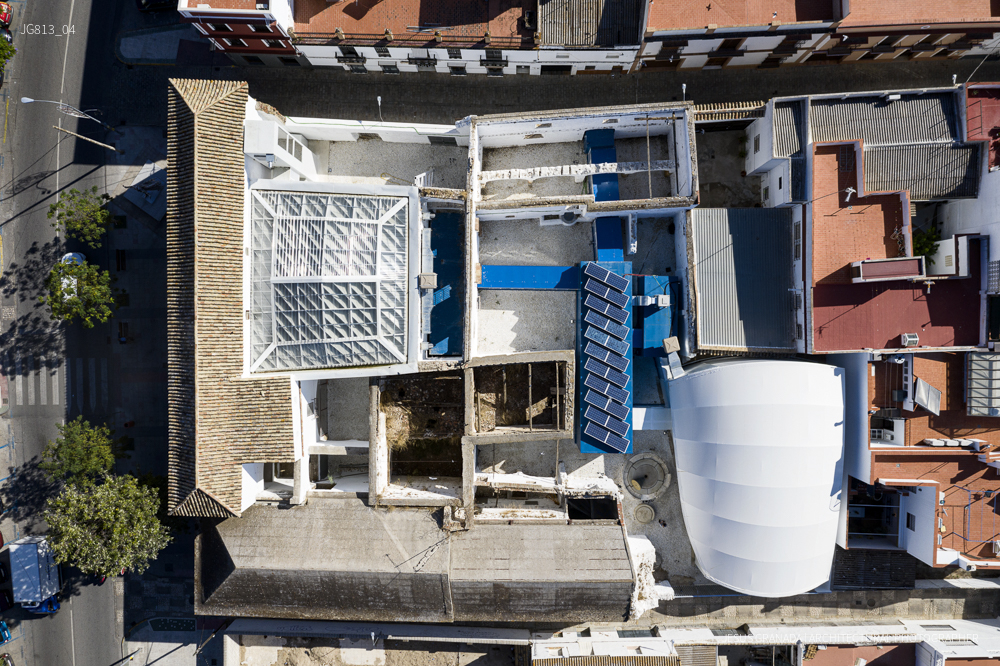
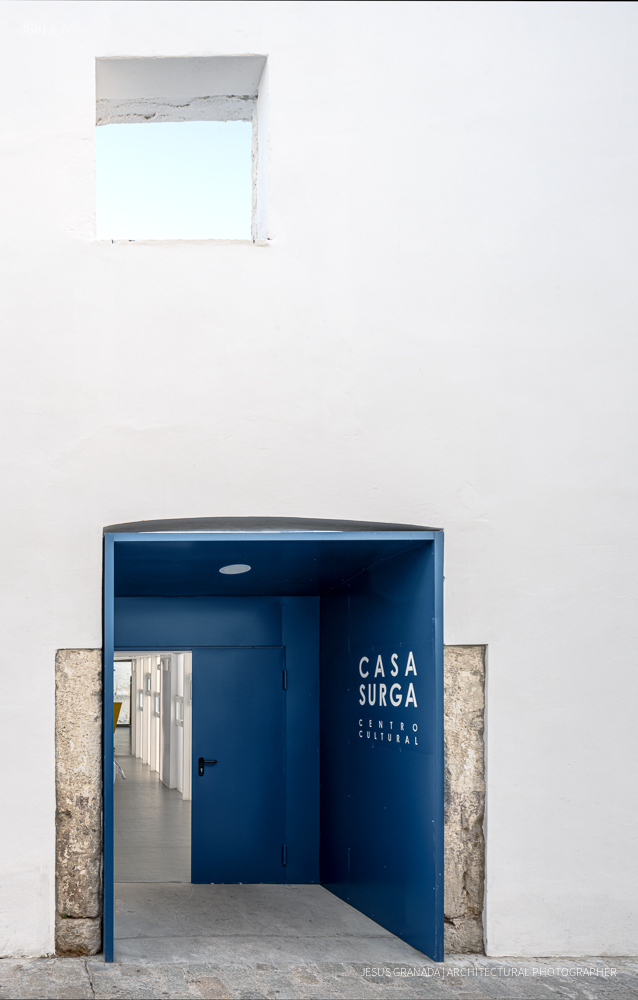
This project transforms a 1778 house-palace (called Surga House) into a Cultural Center of the 21st century with an extensive program that includes exhibition halls and an auditorium. From the beginning, this pre-existence was understood as a practically urban space that has undergone transformations of all kinds over time. Thus, it was based on a mixture of materiality and space already decontextualized both with its own typology and with the rest of the city.
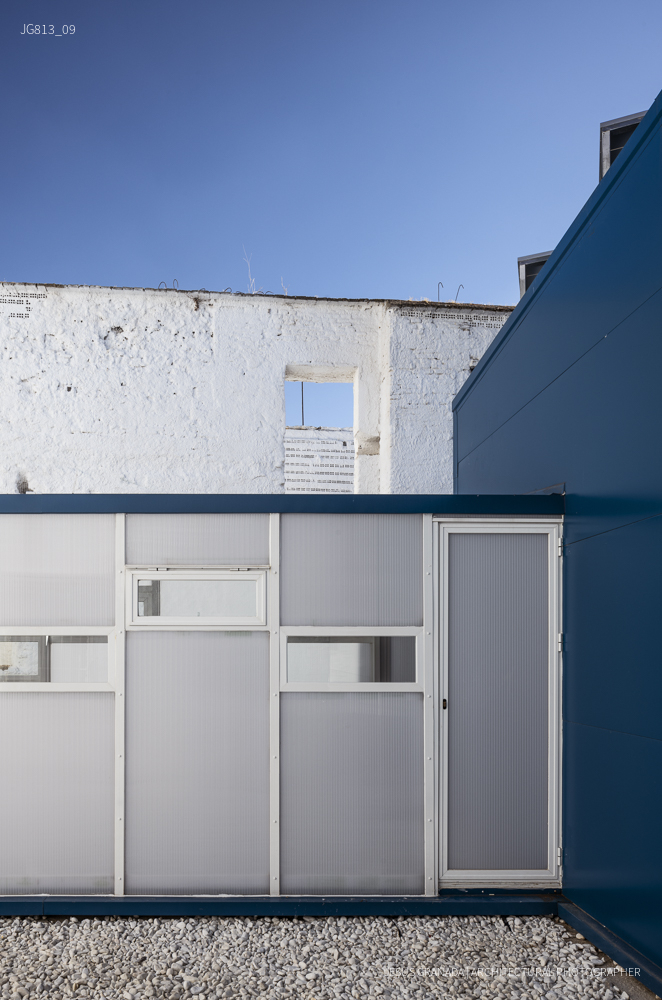
In this way, material and spatial preexistence was used with a new reading based on relating to the ancient building of the enclosure which was the noble area of the house and better preserved space. The main courtyard is recovered, and the rest of the free spaces, away from the main building, have been exploited with a more open interpretation in order to introduce the necessary pieces that complete the program.
The reminiscent acts as a support for a new intervention that, although it provides a new program, allows it to be interpreted and put into value, adding one more layer (substrate) to the history of the palace-house.
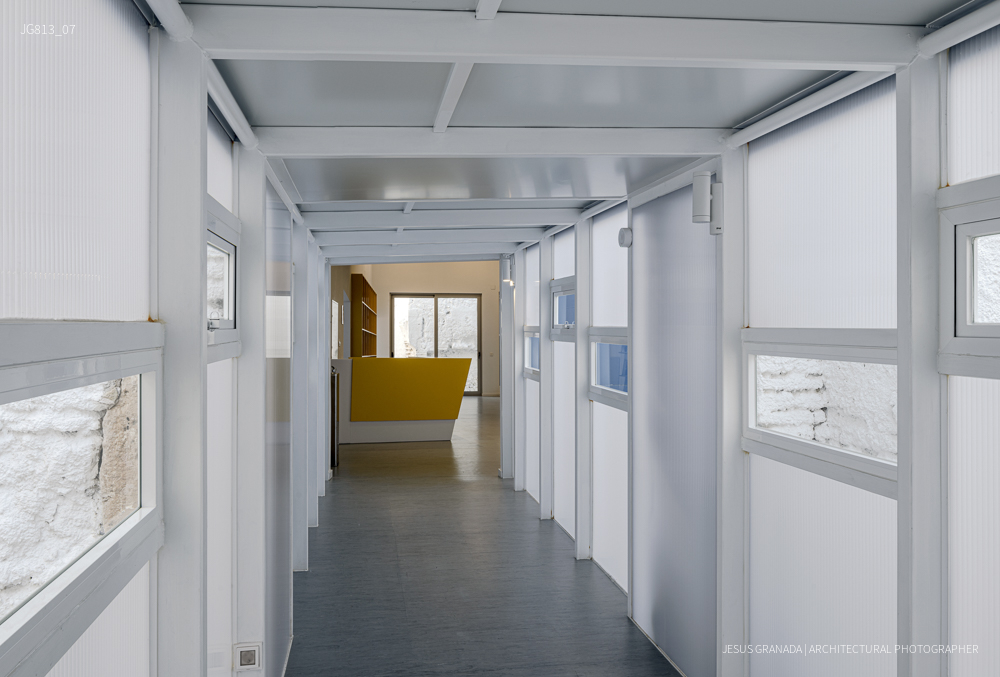
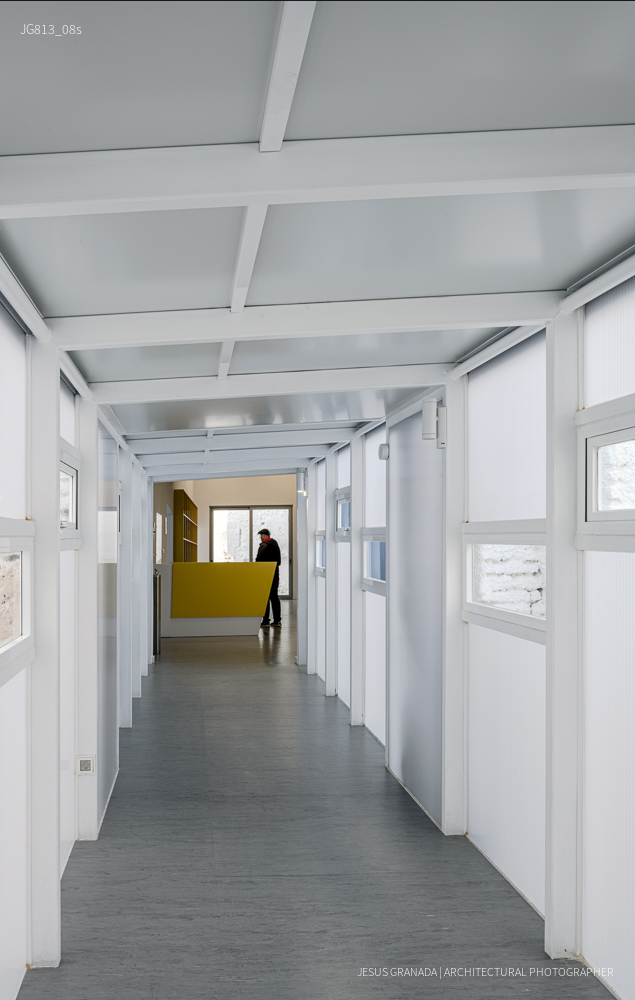
Functionally, the main entrance is carried out by a side Street (c/ Ramón y Cajal) to free the monumental façade and avoid losing exhibition space in the ancient building and to be able to dispose of the rest of the planned rooms an initial space for receiving visitors. This space provides information on both the history and evolution of the house and the different events held at the Cultural Center. From this enclosure, through permeable galleries which maintain eye contact with the inherited spaces of the house, visitors can access the rest of the dependencies (exhibition, auditorium and toilets).
The intervention in the main courtyard is closely related to the original use of the house without becoming a literal reconstruction. This space is still conceived as an element of thermal control of the ancient building, although with a contemporary approach. The gallery width that is raised is much narrower than the original and the supports are extremely slender to allow the expansion of the ground floor space. The shadow strategy, propitiated by a roof of slats under the cover, is complemented by the incorporation of air extractors controlled with temperature probe and by evaporative coolers assisted by photovoltaic panels. The final image evokes lightness and luminosity with very changing aspects in the perception of the roof depending on where you look. The opportunity to go up to the first floor gallery allows visitors to observe the roof from another height and, therefore, have another reading of this one where details and textures are more present. To complete the effect of connecting the new courtyard with the ancient building, all the carpentry have been removed and all the openings have been left open towards this space.
Main Courtyard structure | Surga House in Utrera (Seville), Spain | ND architects
From the main courtyard, the visitor moves towards the most open area of the house and the intervention typologically moves away from it, adapting to the free space where, effectively, there is no previous materiality which can be used. In this way, the volume dedicated to the auditorium is formed as the most significant element of this part of the intervention. It is conceived as a capsule which is built with a network of arches, a tensioned textile membrane cover and cladding of sheet metal panels as vertical cloths. The access is made through a gallery that comes from reception followed by a small lobby which expands the entrance space. This installation is equipped with a dressing room module connected in turn with both reception and the auditorium. Taking into account that its capacity is close to 200 people and that the platform on which it is available is horizontal, a delimitation for a minimum elevation scenario is proposed with the idea of presenting it almost as a television set, where the representation and the public are closed together and connected. The experience of using this space is completed with an actionable side wall that, once uploaded, allows visitors to observe the remains of the oil mill that was in the house and also the use of the enclosure as an outdoor space. At night, this image is enhanced with the use of RGB LED spotlights which are projected on the whitewashed walls.
The whole project has been conceived from the use of simulation tools and optimization of the different physical effects (natural lighting, shading, maximum solar collection, natural ventilation, wind effect, etc.) which contribute to complete the visit experience of the building. All the construction systems that have been used are light, quick assembly and reversible. Passive strategies have been introduced in the design of the conditioning and enough number of photovoltaic panels have been included to make the building practically self-sufficient. It is thus considered as the most convenient and sustainable solution (depending on the minimization of the Life Cycle) to intervene in a protected environment.
Nd architects | Utrera (Seville), Spain | October 2019
Nd architects | Utrera (Seville), Spain | October 2019
Nd architects | Utrera (Seville), Spain | October 2019
Nd architects | Utrera (Seville), Spain | October 2019
Nd architects | Utrera (Seville), Spain | October 2019
Nd architects | Utrera (Seville), Spain | October 2019
Nd architects | Utrera (Seville), Spain | October 2019
Nd architects | Utrera (Seville), Spain | October 2019
Nd architects | Utrera (Seville), Spain | October 2019
Nd architects | Utrera (Seville), Spain | October 2019
Nd architects | Utrera (Seville), Spain | October 2019
Nd architects | Utrera (Seville), Spain | October 2019
Nd architects | Utrera (Seville), Spain | October 2019
Nd architects | Utrera (Seville), Spain | October 2019
Nd architects | Utrera (Seville), Spain | October 2019
Nd architects | Utrera (Seville), Spain | October 2019
Nd architects | Utrera (Seville), Spain | October 2019
Nd architects | Utrera (Seville), Spain | October 2019
Nd architects | Utrera (Seville), Spain | October 2019
Nd architects | Utrera (Seville), Spain | October 2019
Nd architects | Utrera (Seville), Spain | October 2019
Nd architects | Utrera (Seville), Spain | October 2019
Nd architects | Utrera (Seville), Spain | October 2019
Nd architects | Utrera (Seville), Spain | October 2019
Nd architects | Utrera (Seville), Spain | October 2019
Nd architects | Utrera (Seville), Spain | October 2019
Nd architects | Utrera (Seville), Spain | October 2019
Nd architects | Utrera (Seville), Spain | October 2019
Nd architects | Utrera (Seville), Spain | October 2019
Nd architects | Utrera (Seville), Spain | October 2019
Nd architects | Utrera (Seville), Spain | October 2019
Nd architects | Utrera (Seville), Spain | October 2019
Nd architects | Utrera (Seville), Spain | October 2019
Nd architects | Utrera (Seville), Spain | October 2019
Nd architects | Utrera (Seville), Spain | October 2019
Nd architects | Utrera (Seville), Spain | October 2019
Nd architects | Utrera (Seville), Spain | October 2019
Nd architects | Utrera (Seville), Spain | October 2019
Nd architects | Utrera (Seville), Spain | October 2019
Nd architects | Utrera (Seville), Spain | October 2019
Nd architects | Utrera (Seville), Spain | October 2019
Nd architects | Utrera (Seville), Spain | October 2019
Nd architects | Utrera (Seville), Spain | October 2019
Nd architects | Utrera (Seville), Spain | October 2019
Nd architects | Utrera (Seville), Spain | October 2019
Nd architects | Utrera (Seville), Spain | October 2019
Nd architects | Utrera (Seville), Spain | October 2019
Nd architects | Utrera (Seville), Spain | October 2019
Nd architects | Utrera (Seville), Spain | October 2019
Nd architects | Utrera (Seville), Spain | October 2019
Nd architects | Utrera (Seville), Spain | October 2019
Nd architects | Utrera (Seville), Spain | October 2019
Nd architects | Utrera (Seville), Spain | October 2019
Nd architects | Utrera (Seville), Spain | October 2019
Nd architects | Utrera (Seville), Spain | October 2019
Nd architects | Utrera (Seville), Spain | October 2019
Nd architects | Utrera (Seville), Spain | October 2019
Nd architects | Utrera (Seville), Spain | October 2019
Nd architects | Utrera (Seville), Spain | October 2019
Nd architects | Utrera (Seville), Spain | October 2019
Nd architects | Utrera (Seville), Spain | October 2019
Nd architects | Utrera (Seville), Spain | October 2019
Nd architects | Utrera (Seville), Spain | October 2019
Nd architects | Utrera (Seville), Spain | October 2019
Nd architects | Utrera (Seville), Spain | October 2019
Nd architects | Utrera (Seville), Spain | October 2019
Project name: Refurbishment of Surga House for cultural center in Utrera (Sevilla), Spain
Oficina de Arquitectura: Nd_Arquitectos: Juan Carlos Gómez de Cózar y Santiago Bermejo Oroz
Sitio Web: www.ndarquitectos.com
Año finalización construcción: 2019
Superficie construida: 534,37 m2
Ubicación: Av. María Auxiliadora, 10. 41710 Utrera, Sevilla (España)
Arquitectos a Cargo: Juan Carlos Gómez de Cózar y Santiago Bermejo Oroz
Clientes: Ayuntamiento de Utrera www.utrera.org
Consultancy: Manuel Ordóñez Martín, Arquitecto de Instalaciones.
Collaborators: Rosa Benítez Bodes (Environmental simulation, 3d models and delineation) y Rosa Rojano Pérez (3d models, 3d images and delineation).
Models and physical shapes: Juan Carlos Pérez Juidías, Fab-Lab ETSA Sevilla.
Arquitecto Técnico: Javier Dorado García.
Empresa Constructora: Avanza Solutions & Projects SL. José Antonio Vizcaino (Gerente). Isidoro Jiménez (Director de Construcción). Diego Cobos (Jefe de Obra).
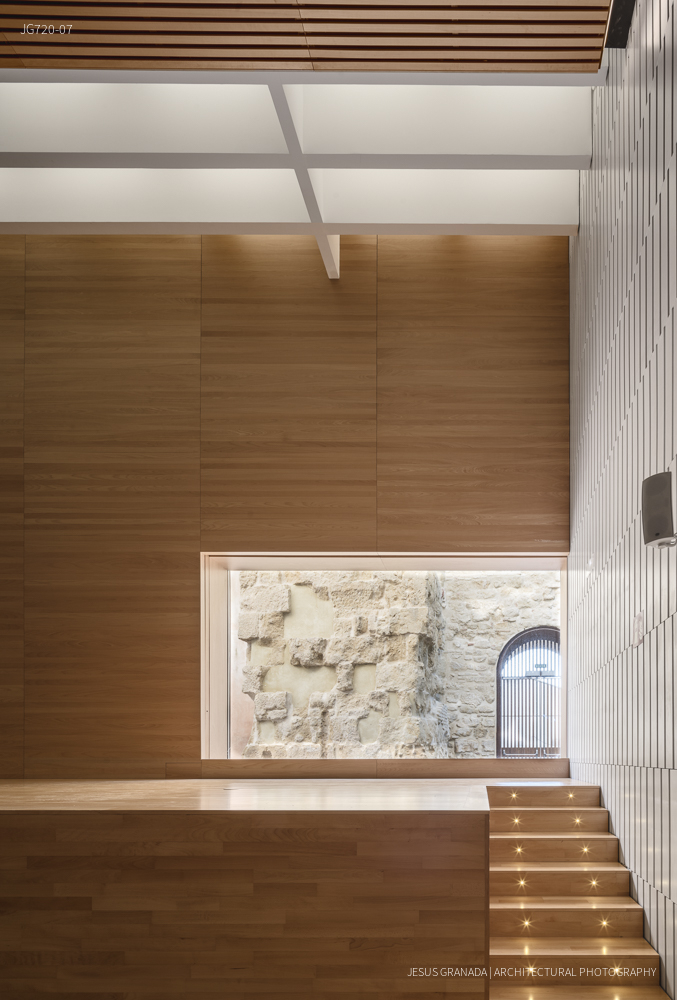
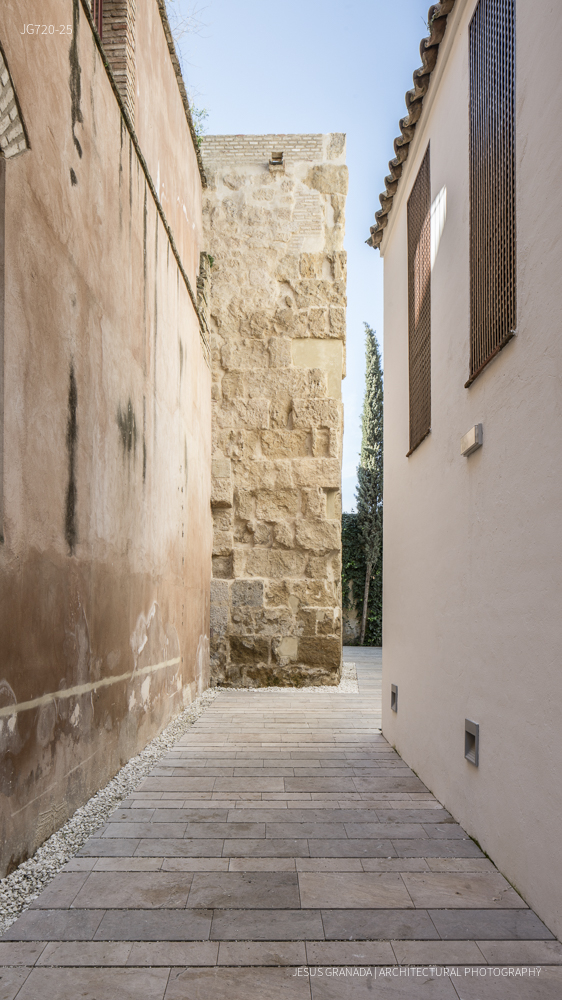
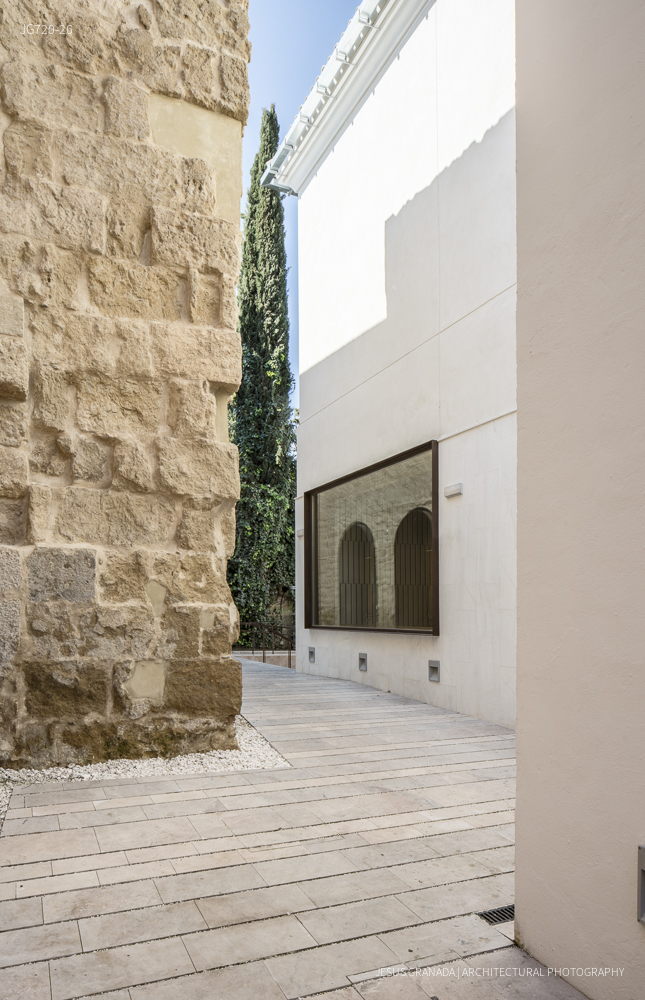
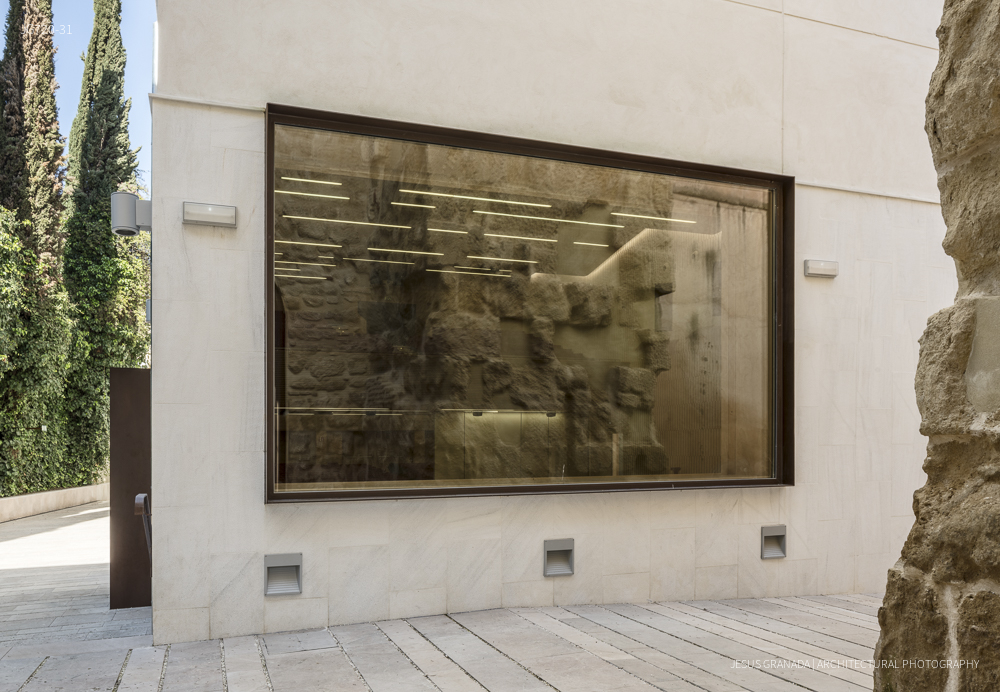
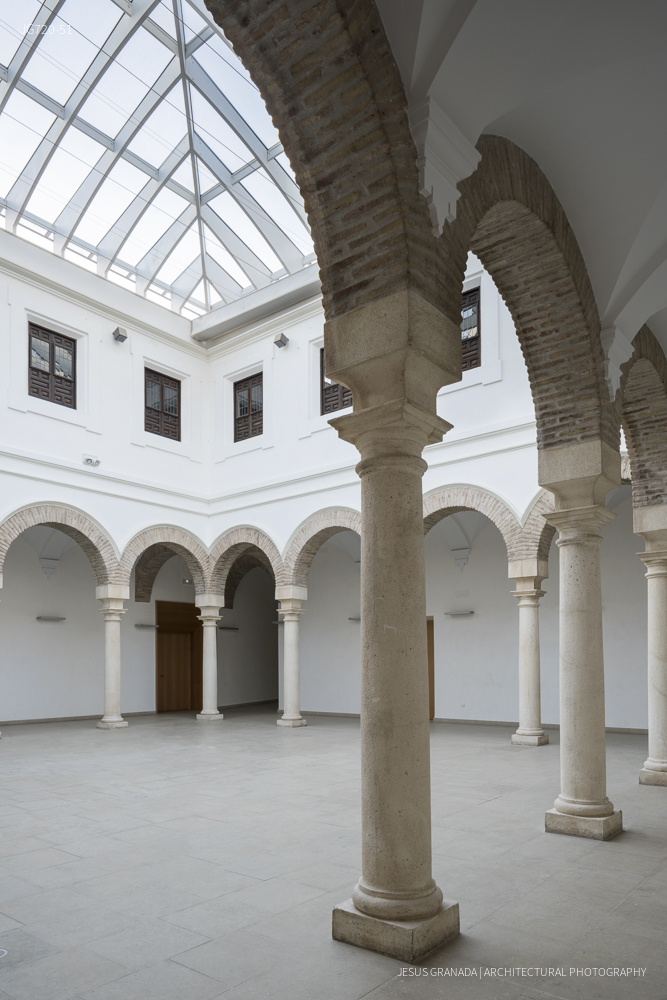
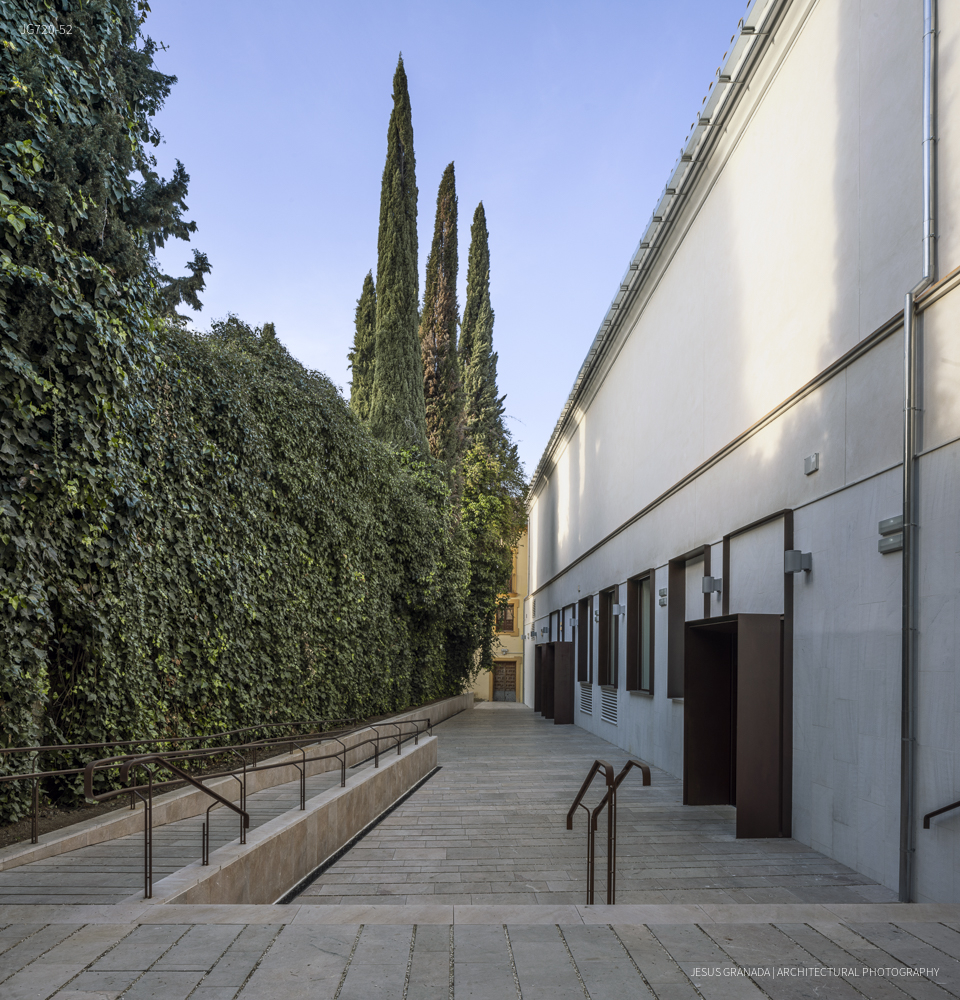
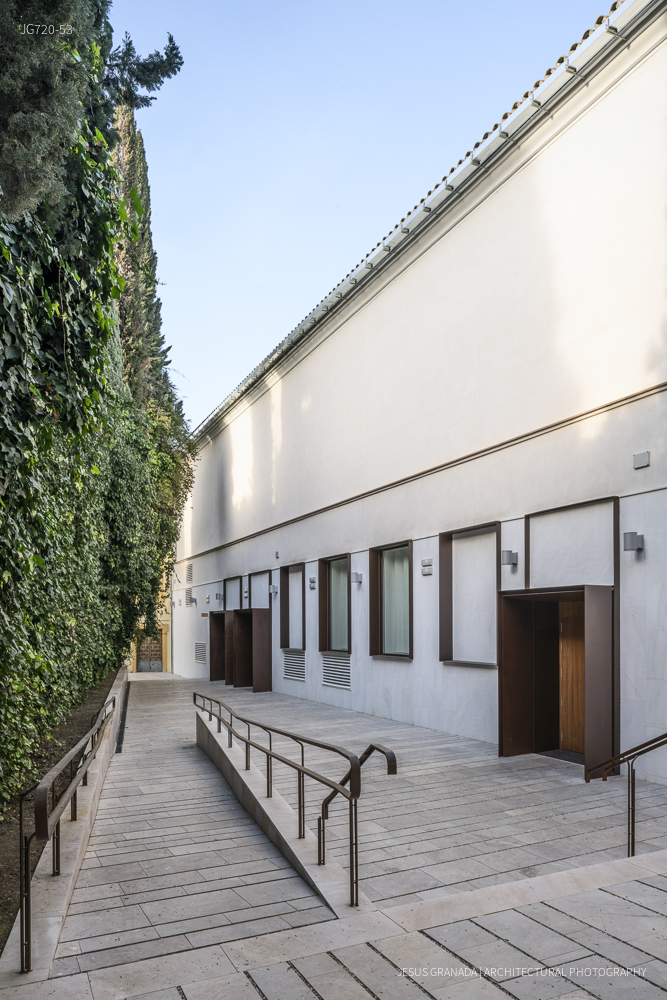
To operate upon an existing building and its surroundings full of history, inevitably implies to take a stance on how to understand the intervention upon its historic heritage as well as its environmental impact. The Conference Centre of Cordoba is set deep in the heart of the Jewish quarter, a few steps away from the Mosque-Cathedral.
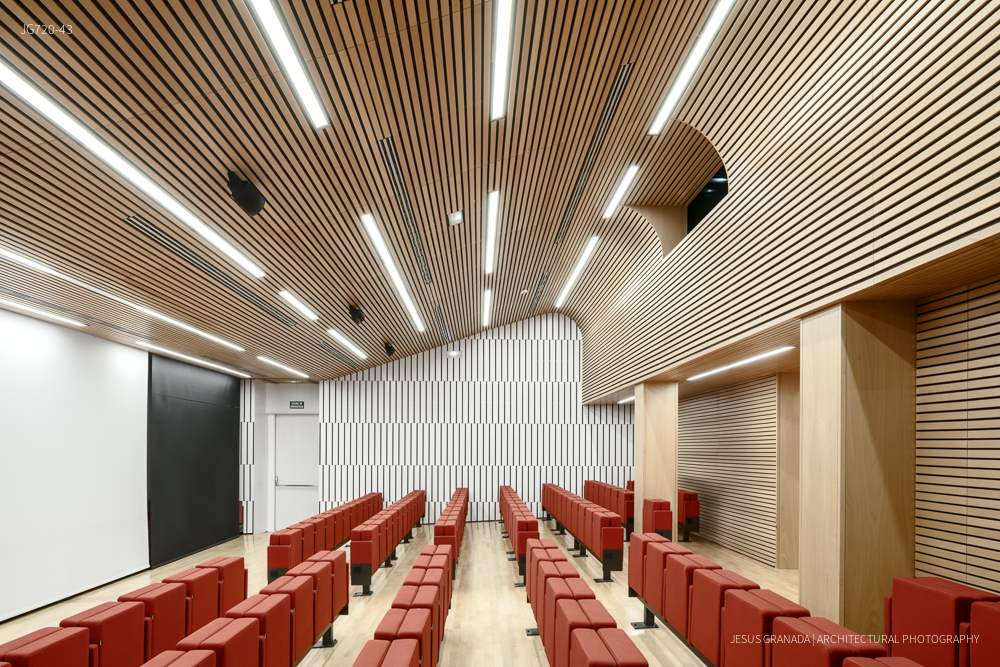
The Conference Centre of Cordoba, whose origin is the old San Sebastian hospital built by Hernan Ruiz in the XVI century, has implied the search of an strategy that could give a new layer or stratum to a building which has suffered numerous interventions during its long existence (life). Therefore it needed a light invasive action with isolated interventions which would enable the elimination of the adding parts, highlighting hidden elements, creating a cozy and welcoming atmosphere and at the same time incorporating the technical needs for an original and flexible congress space, capable of creating a dialogue with its pre-existences.
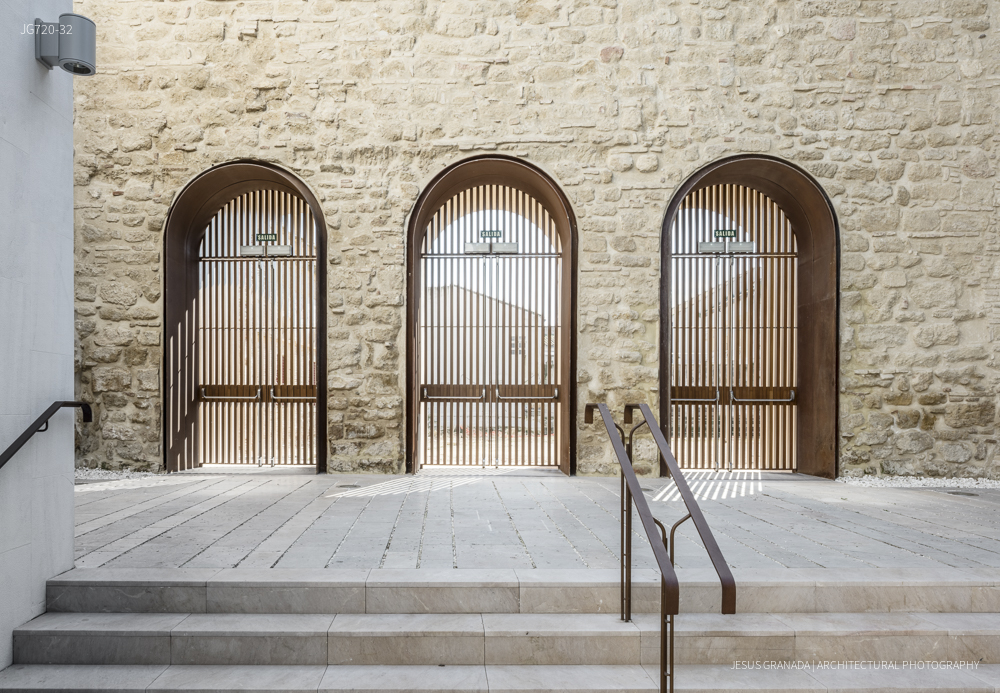
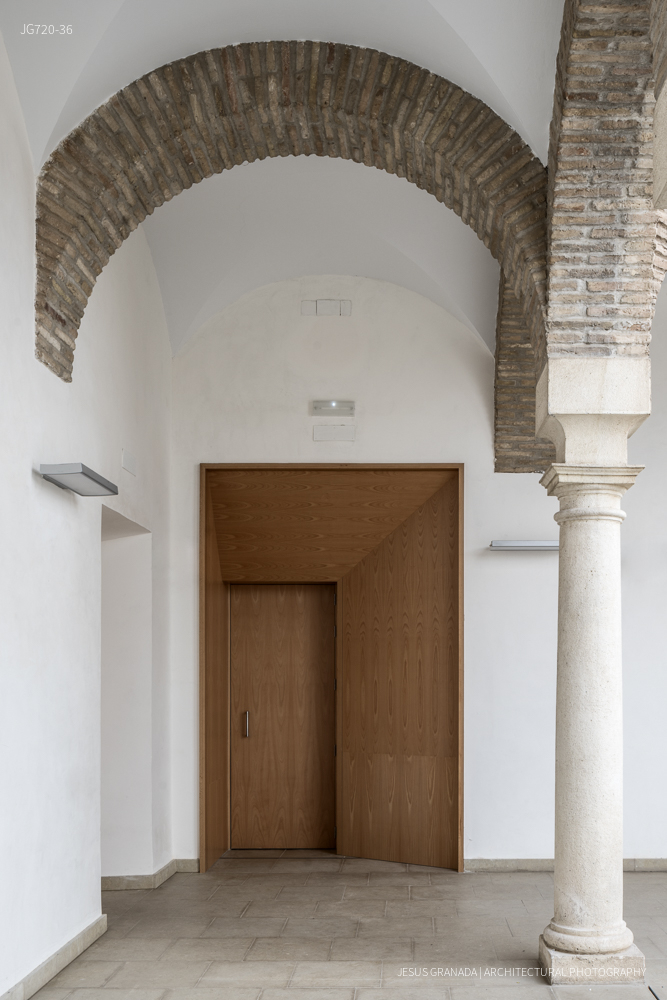
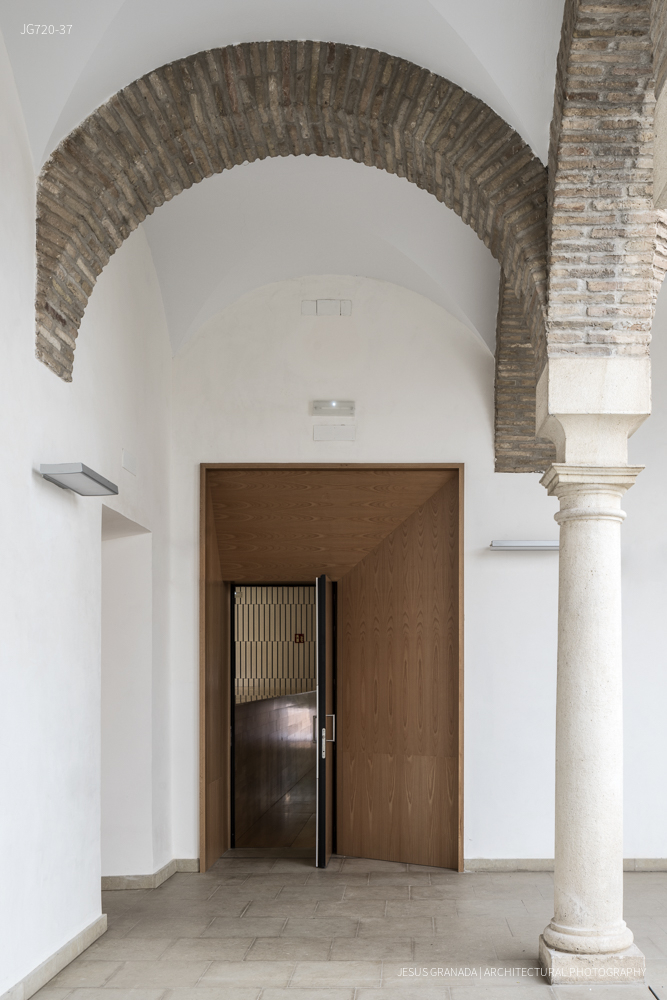
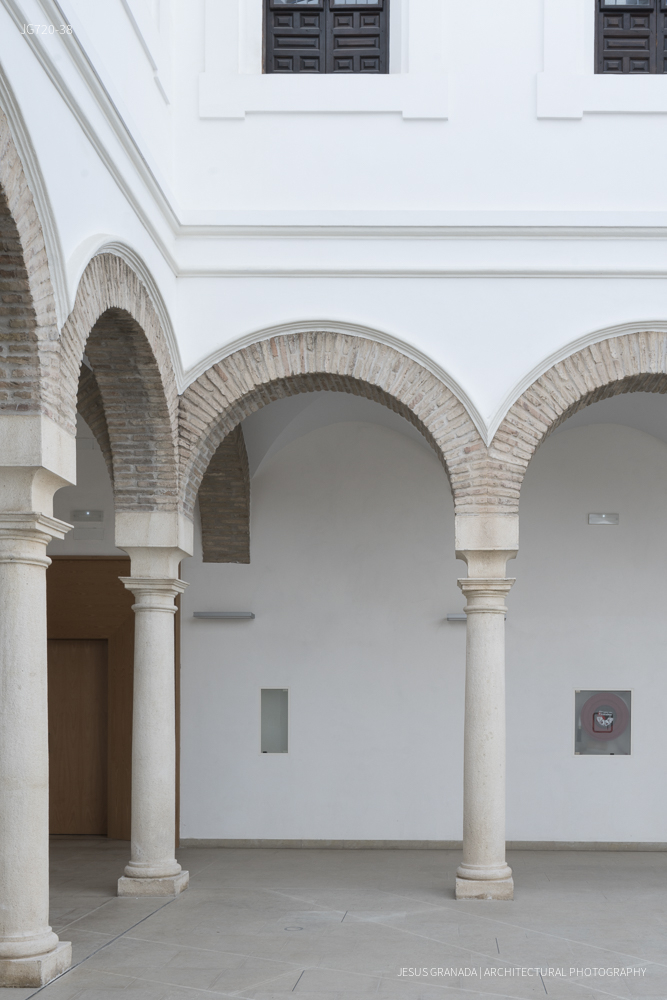
The complex has a traditional typology based on a sequence of voids which brings together the building. Entering by the old chapel of the Hospital and crossing the mudejar patio, we arrive to the second one which supports the restoring and renovation work of the different spaces.
The aforementioned patio, plastered in white and covered by light ribs which outline the sky, constitutes the new hall or entry to the main room of the Conference Centre, creating a new neutral waiting space of transition.
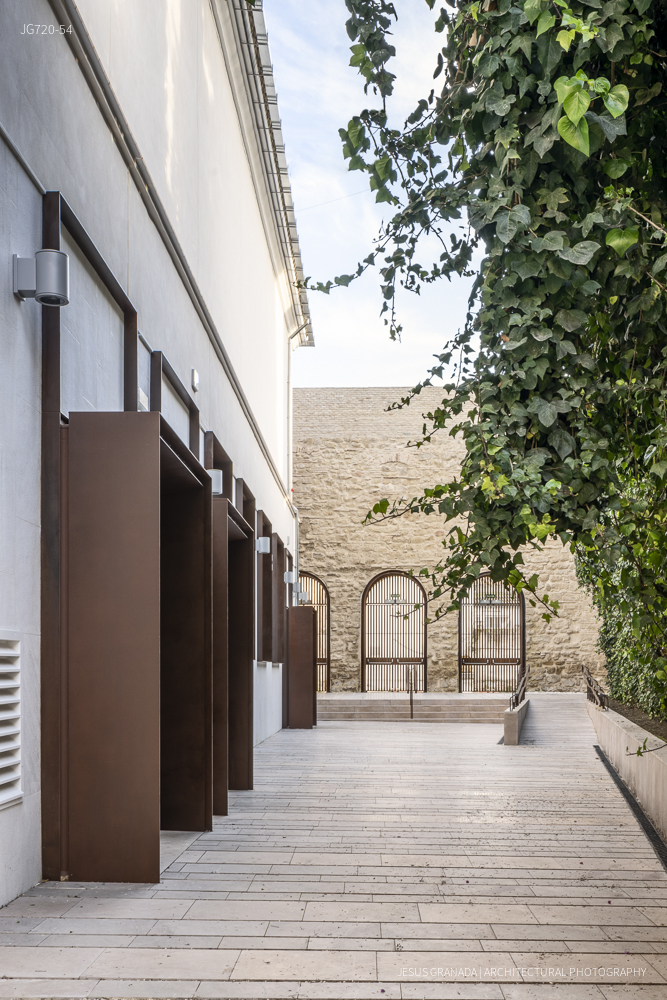
Closing the spatial sequence or fullness and emptiness, we come across the last big patio which leads to the parapet and gathers (puts together) the vernacular patio tradition, that is, fresh and full of vegetation, so that a wide view of the old Andalusian fortress and its triple arcade can be contemplated.
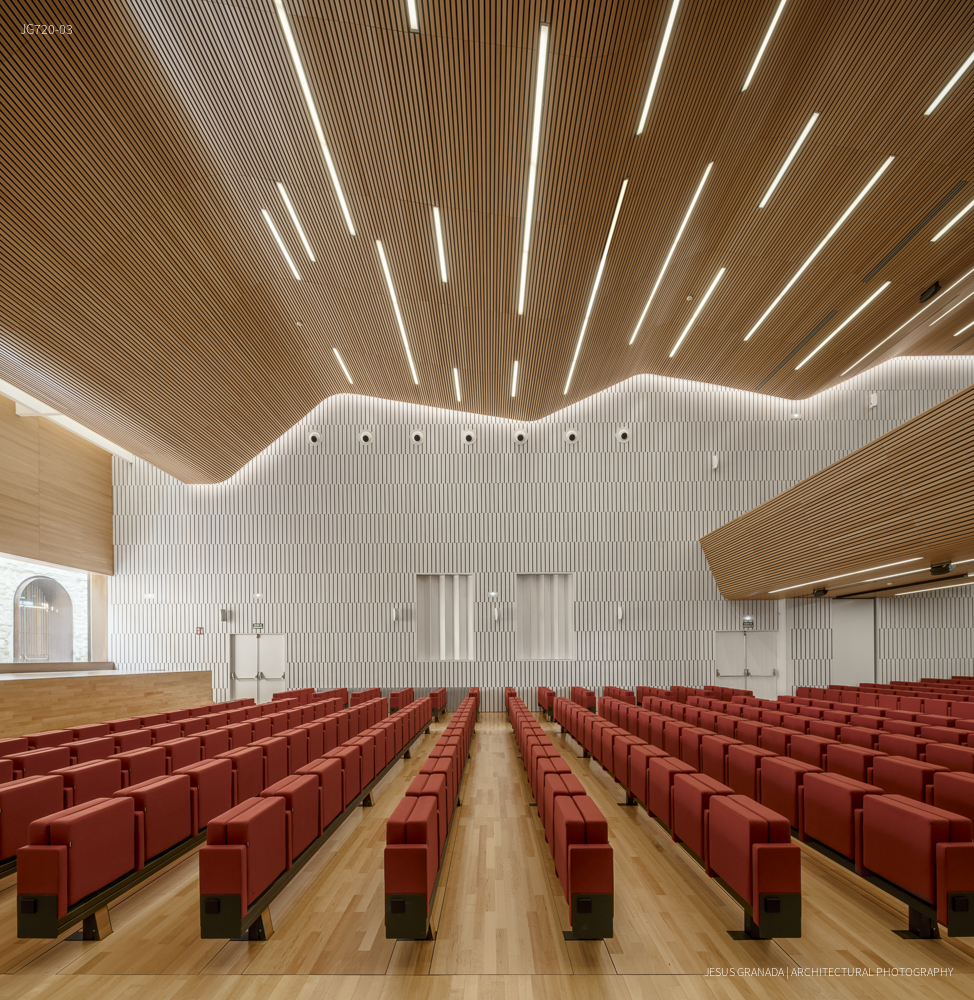
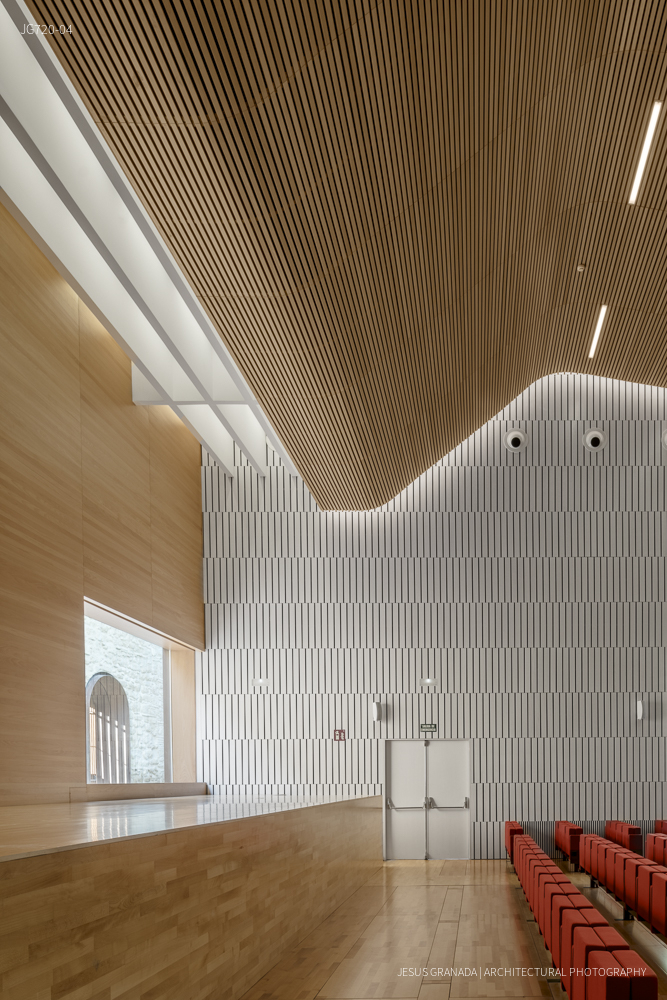
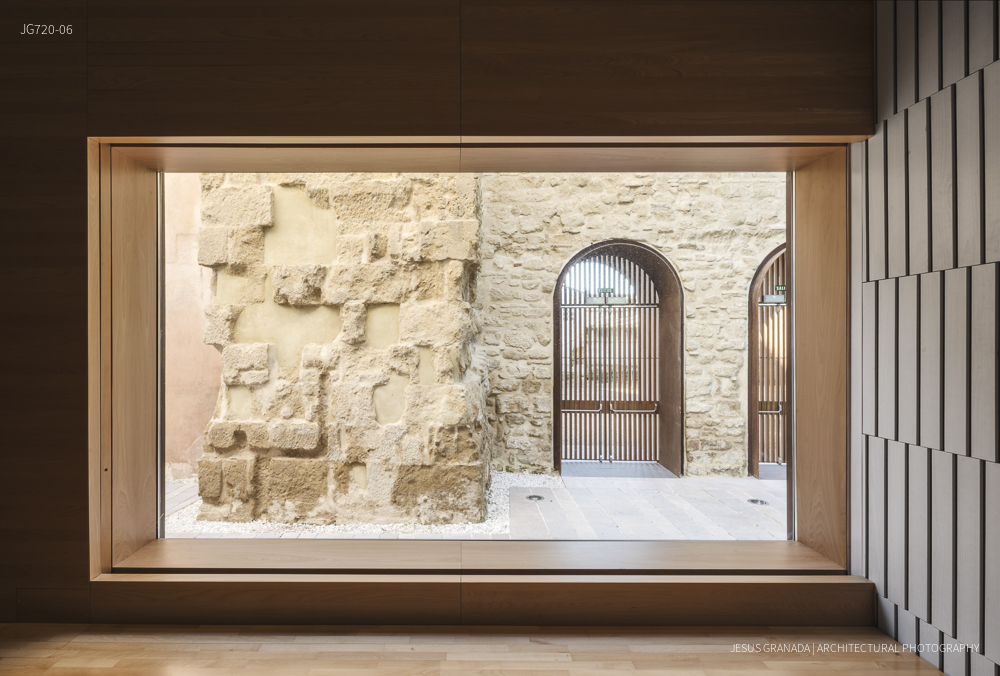
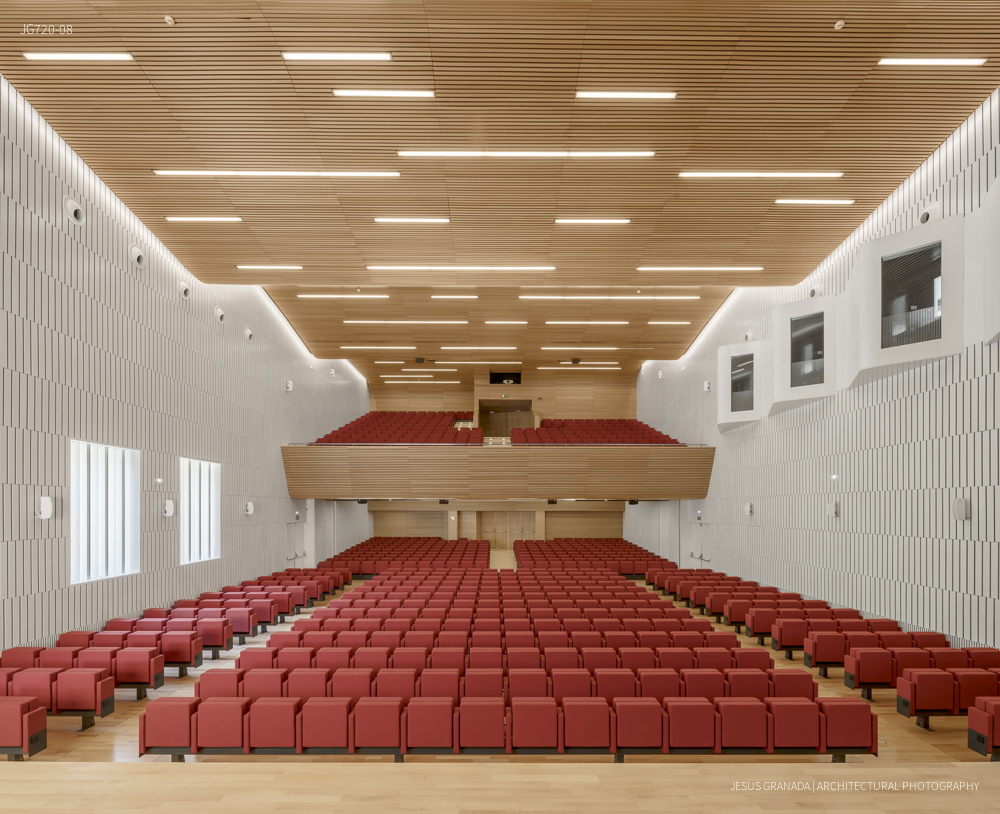
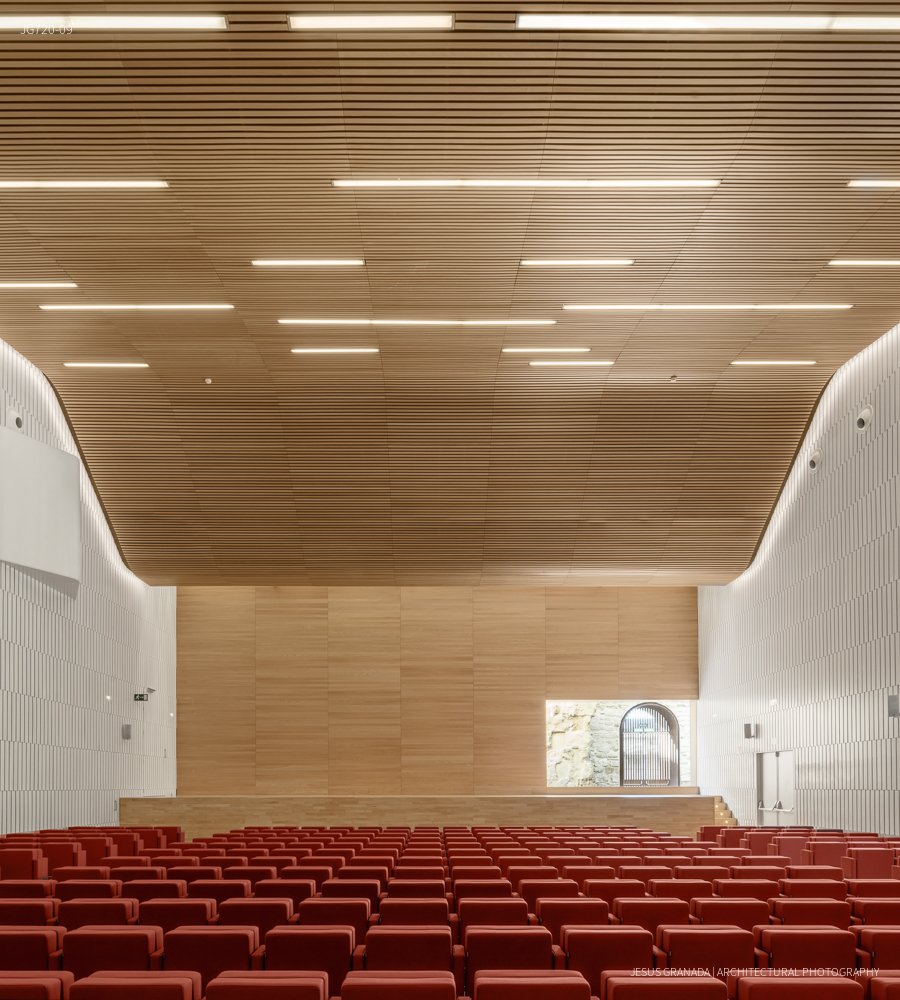
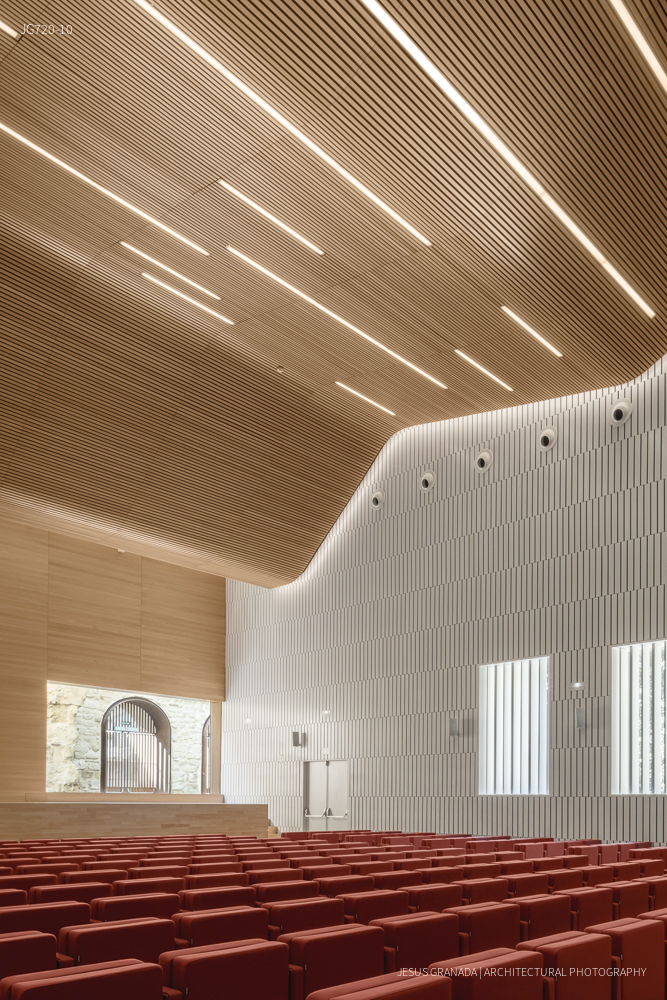
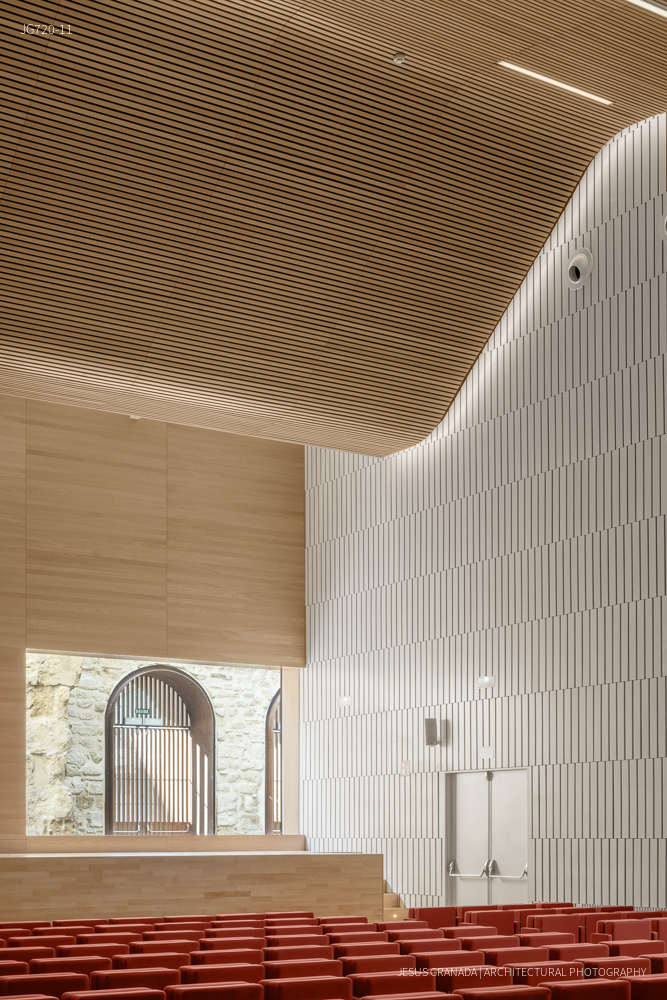
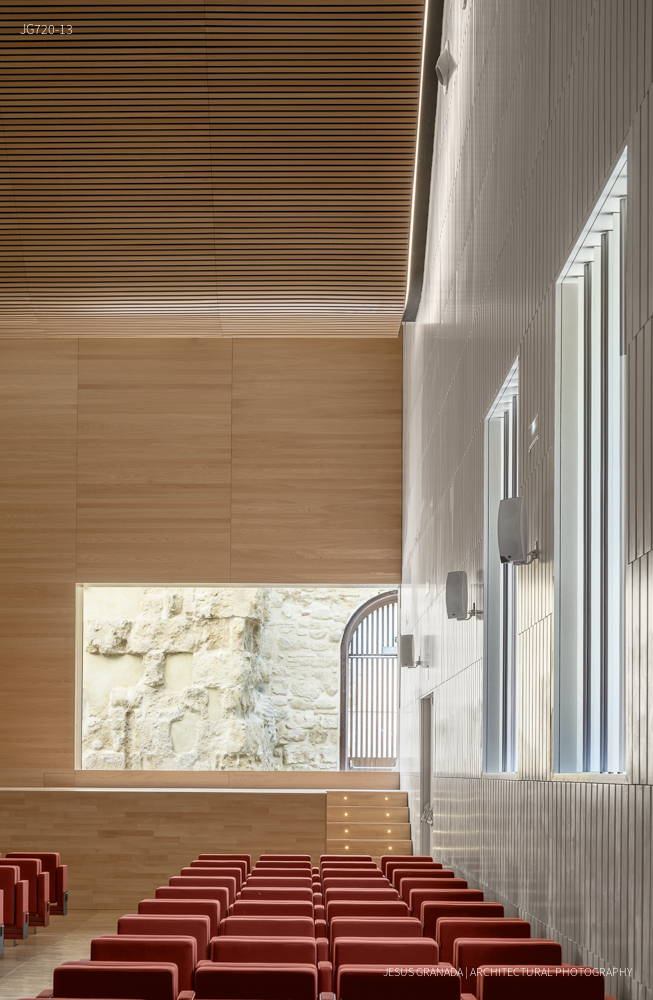
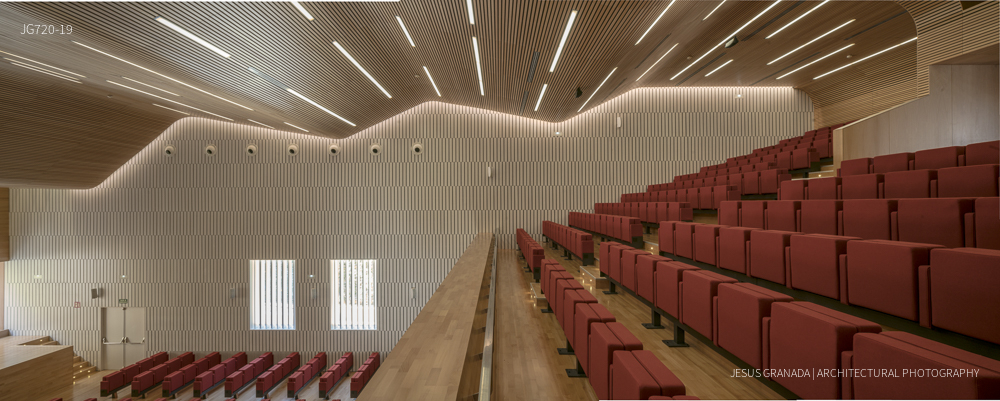
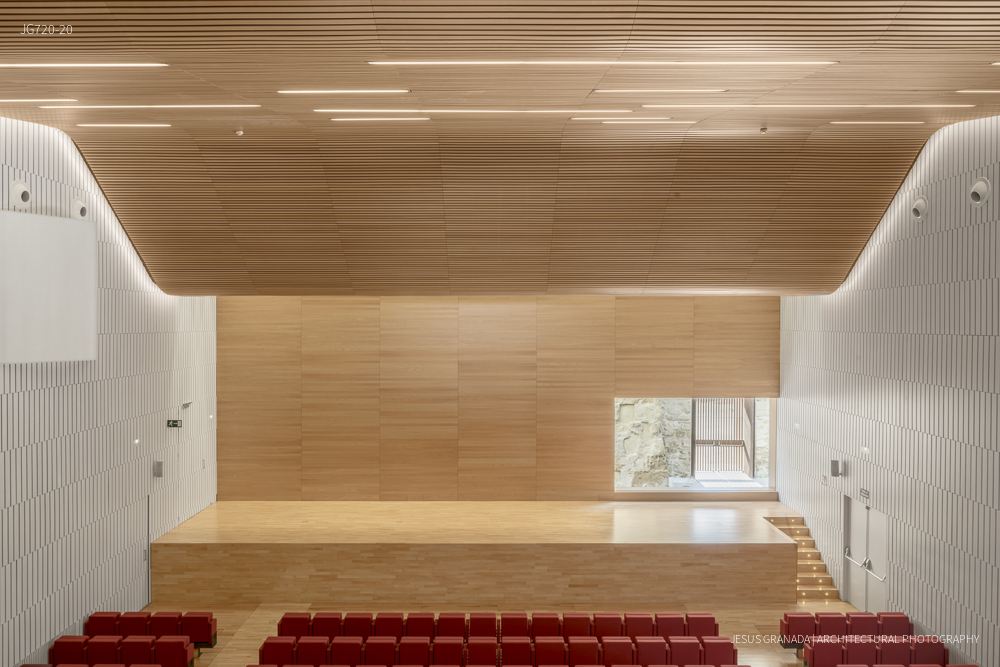
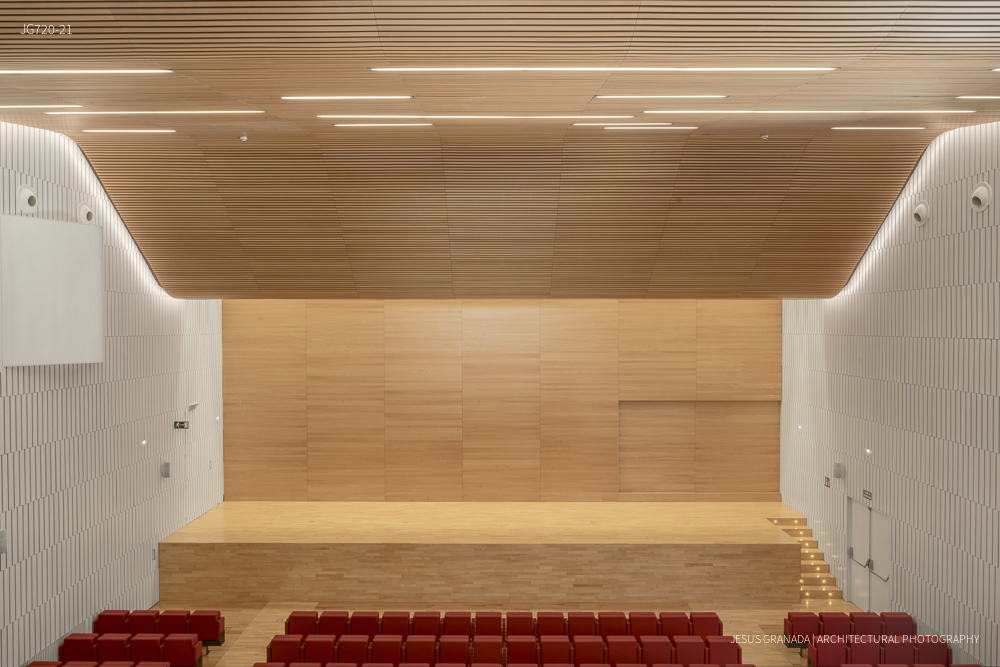
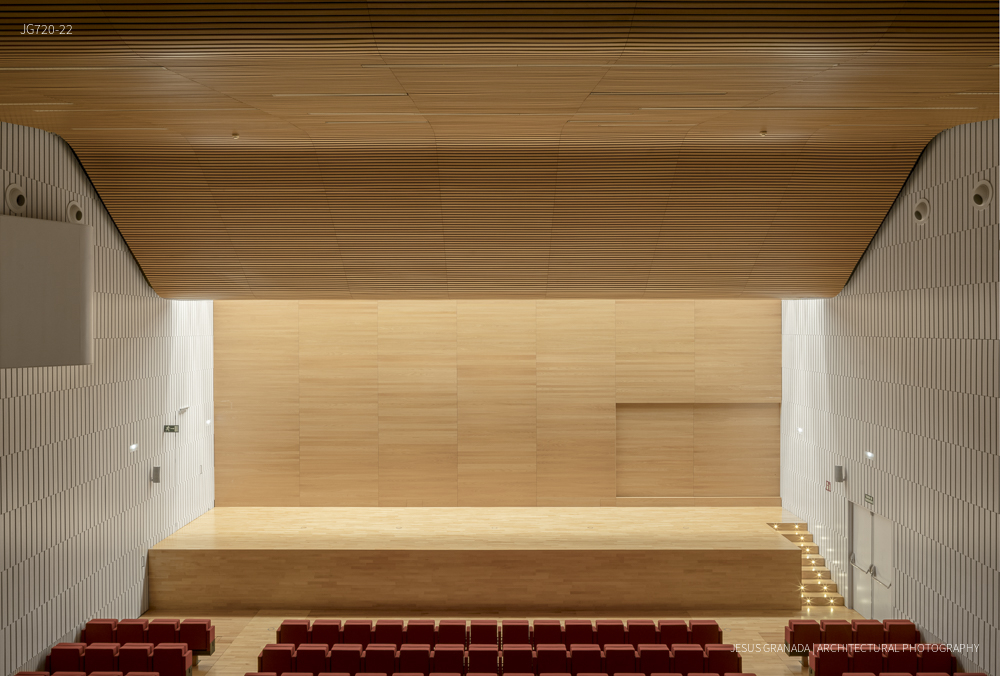
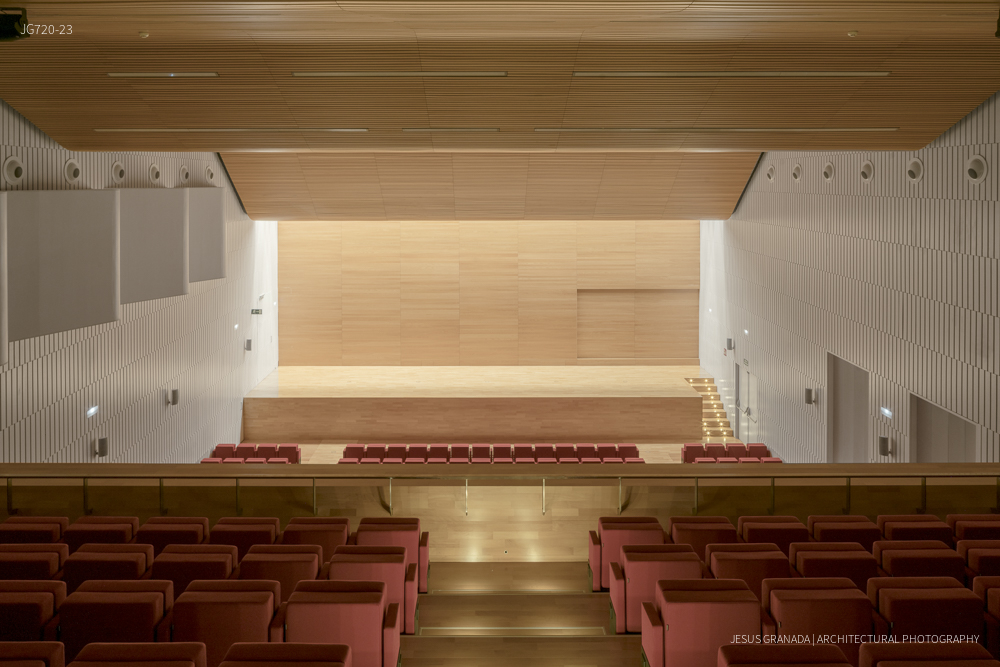
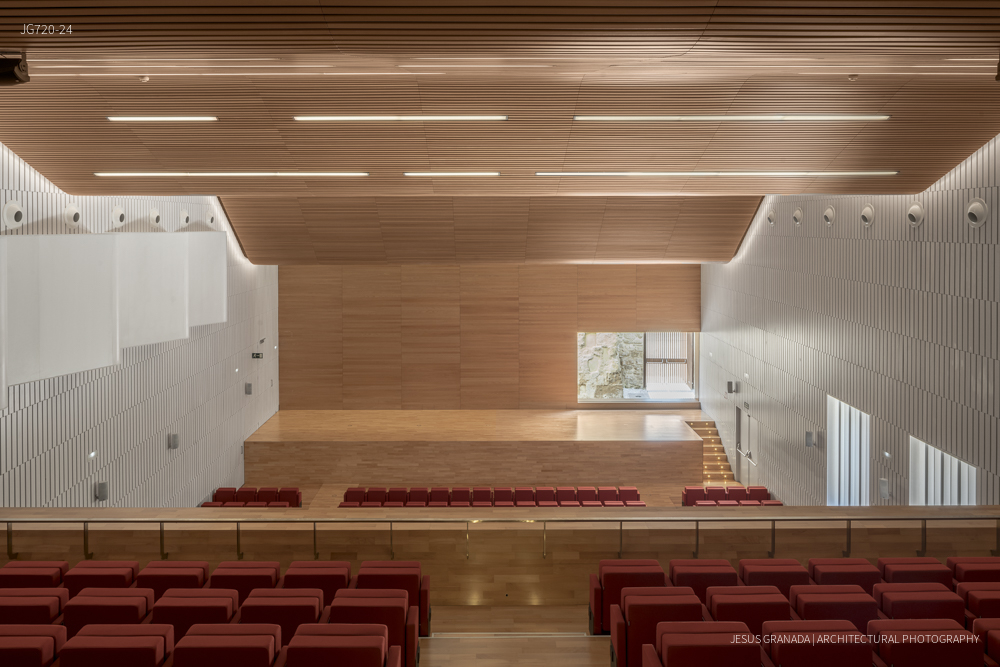
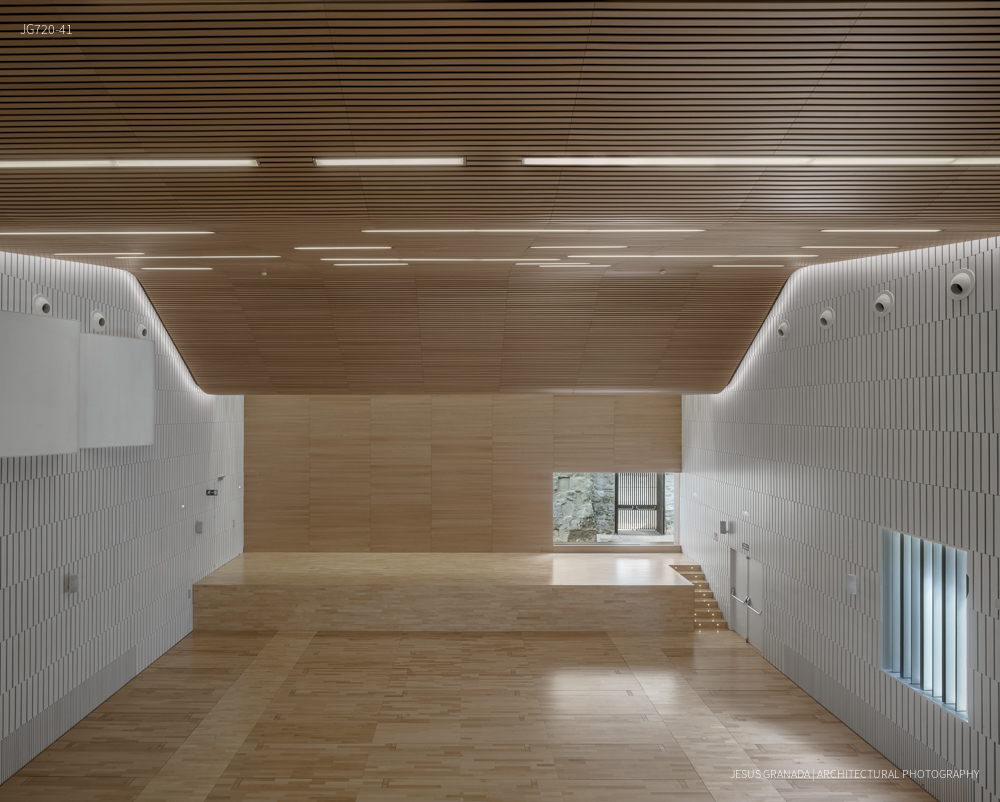
The meeting room, entirely renewed, has been provided with a new technical floor which houses facilities and enables to make disappear part of the seats of the room. The history and uniqueness of its immediate surroundings can be seen through a large window at the bottom of the dais, which allows for enjoying a fragment of the renovated defense wall, highlighting its importance.
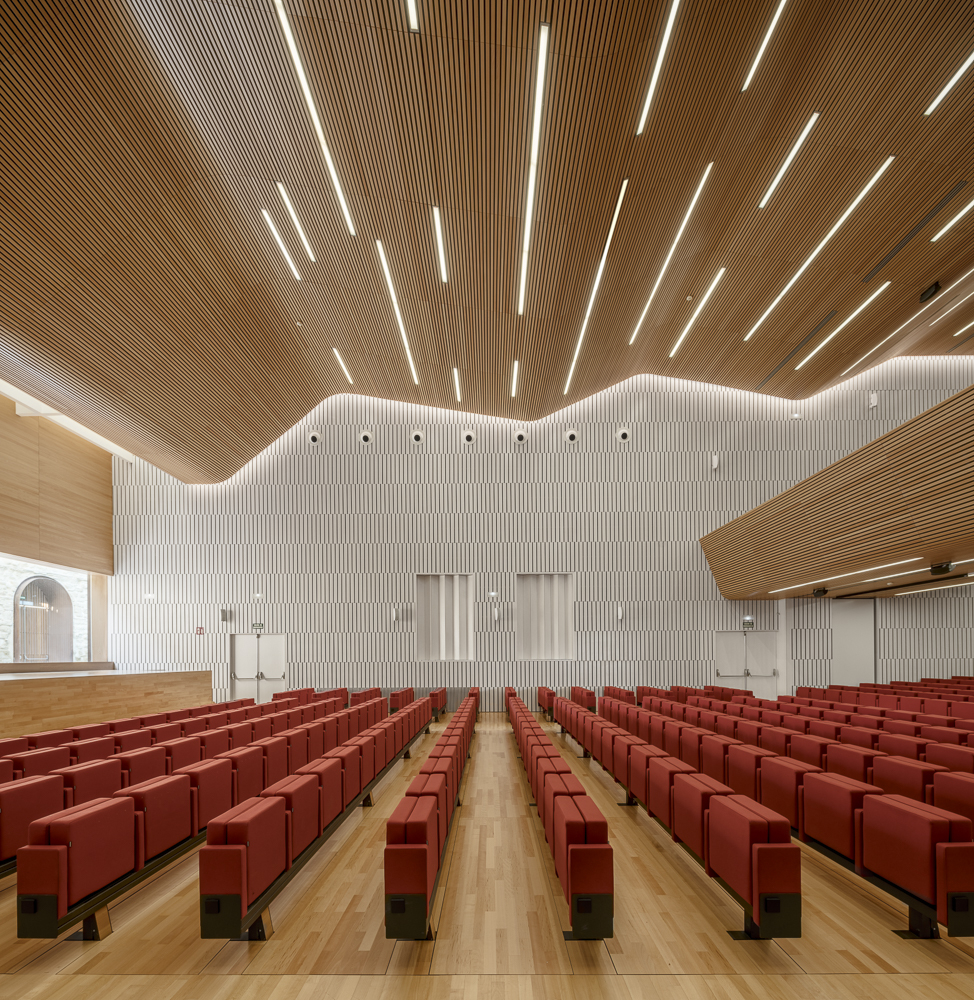
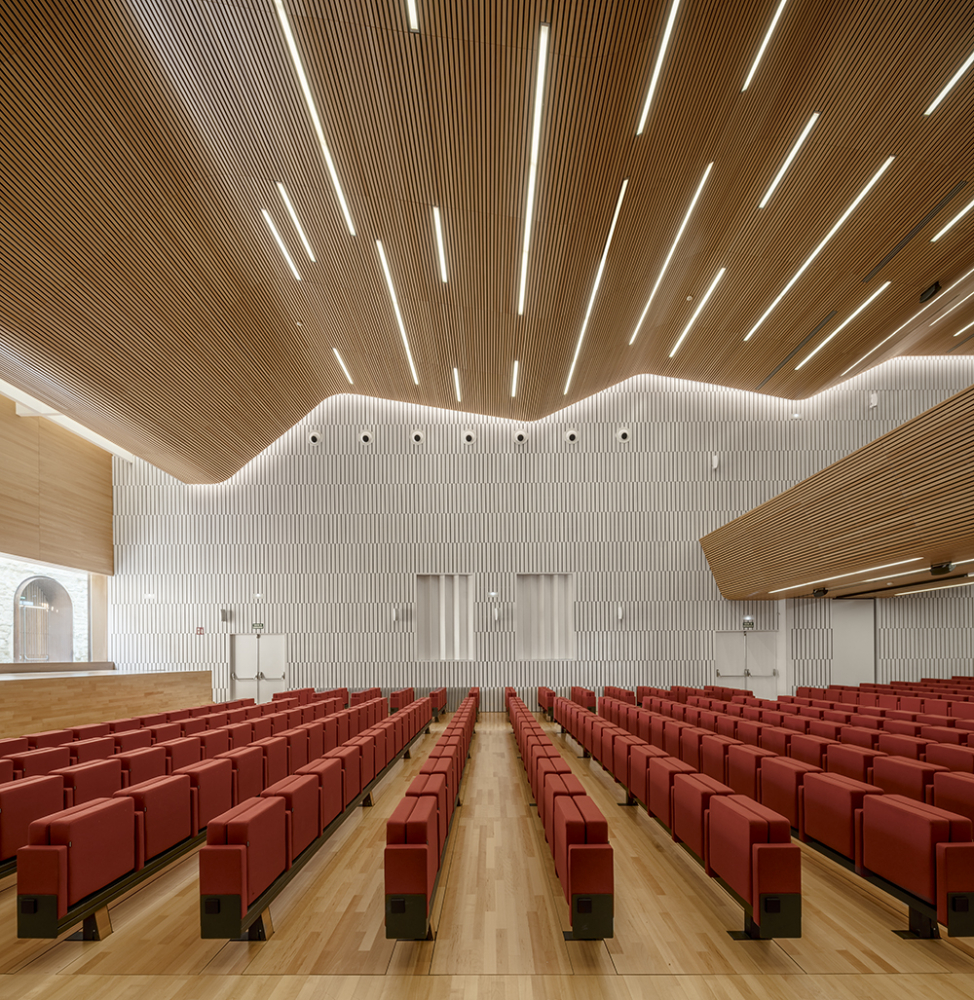
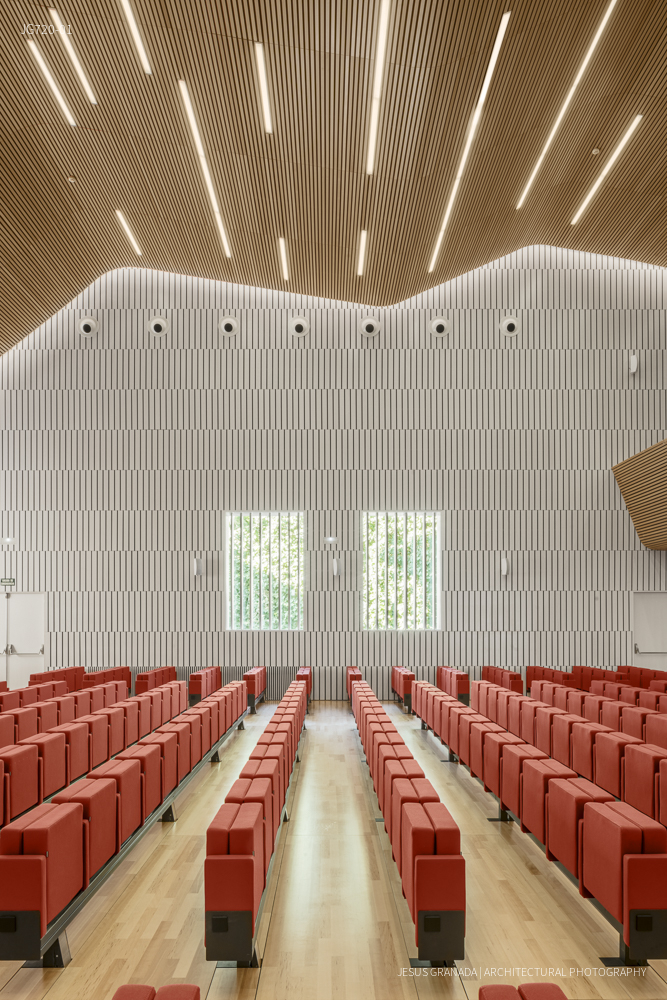
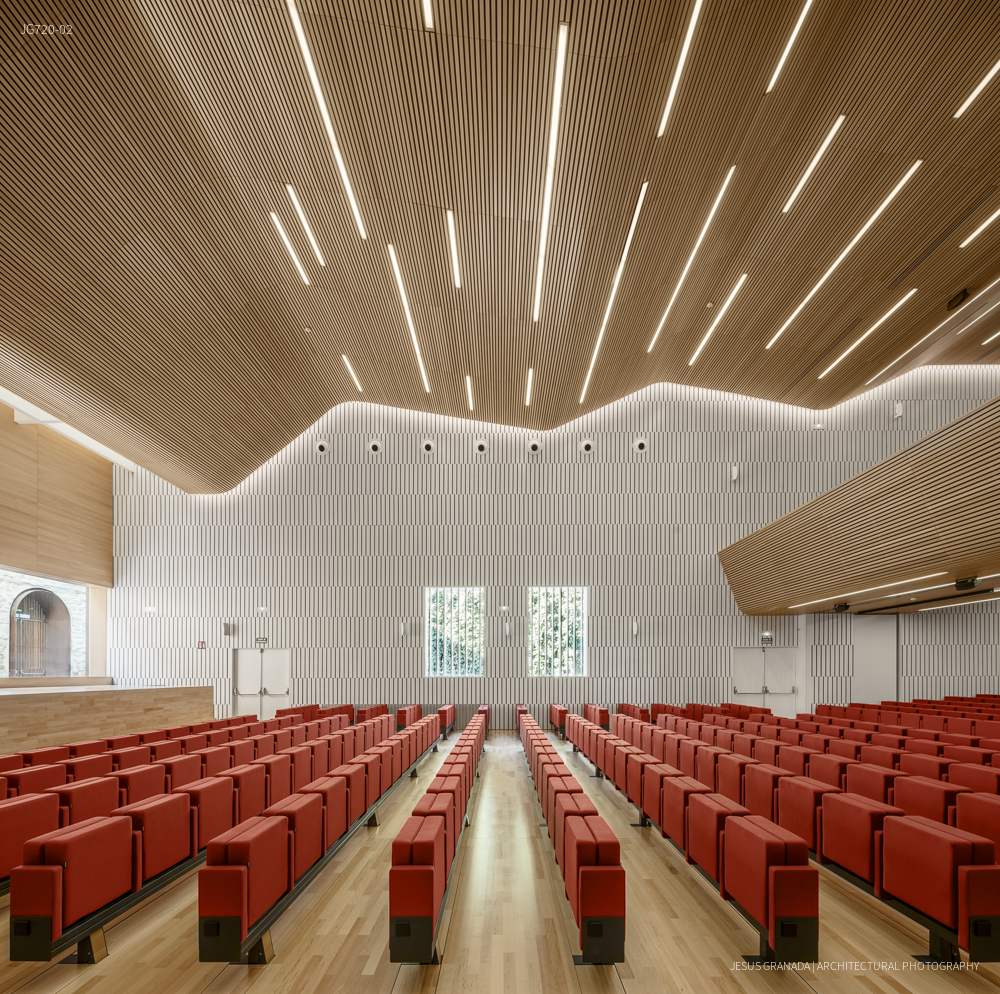
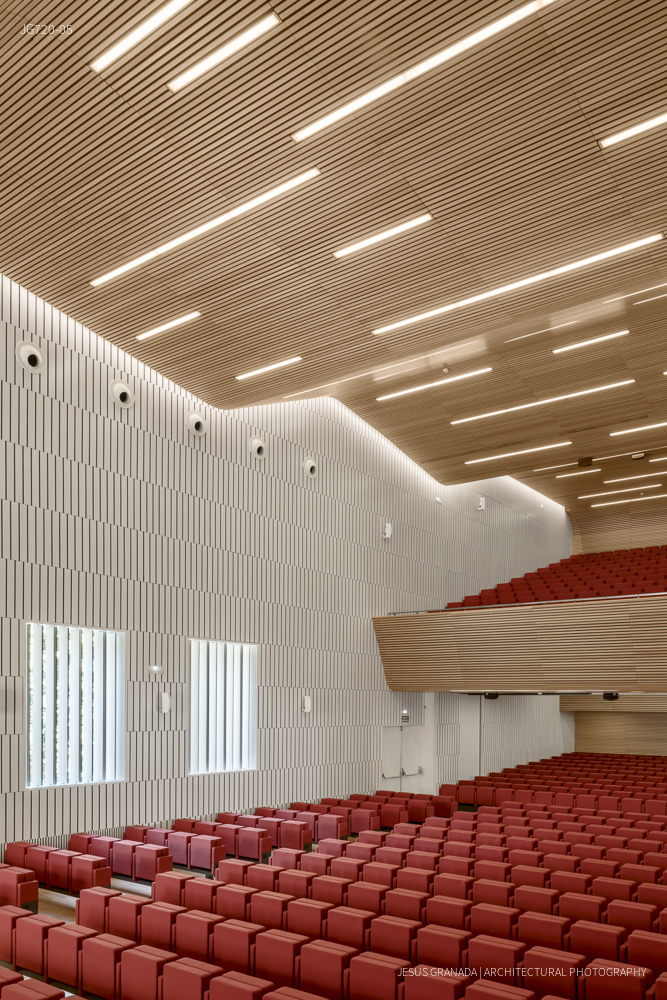
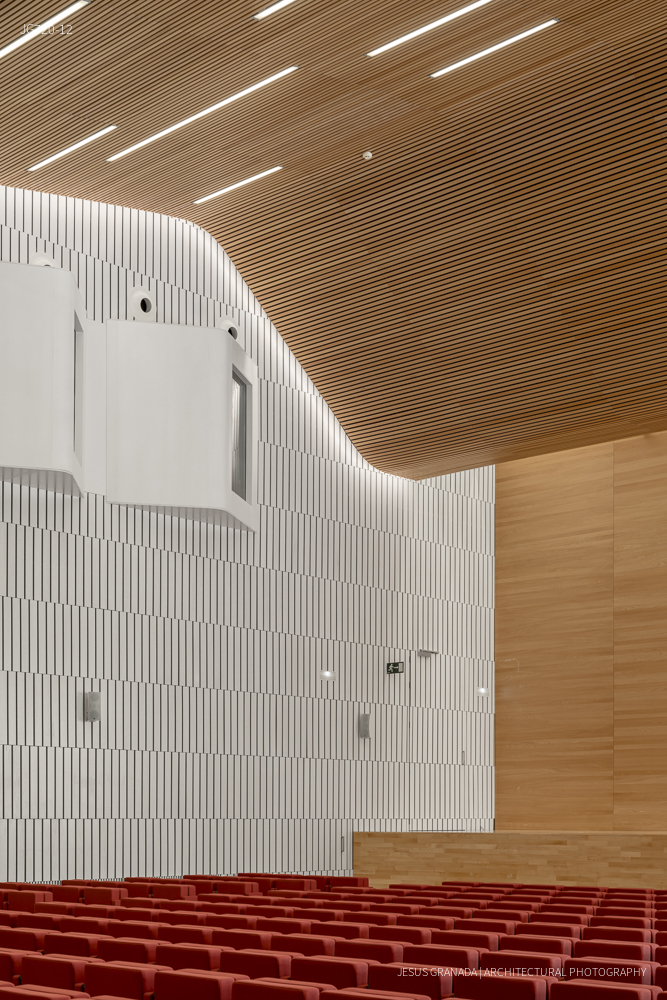
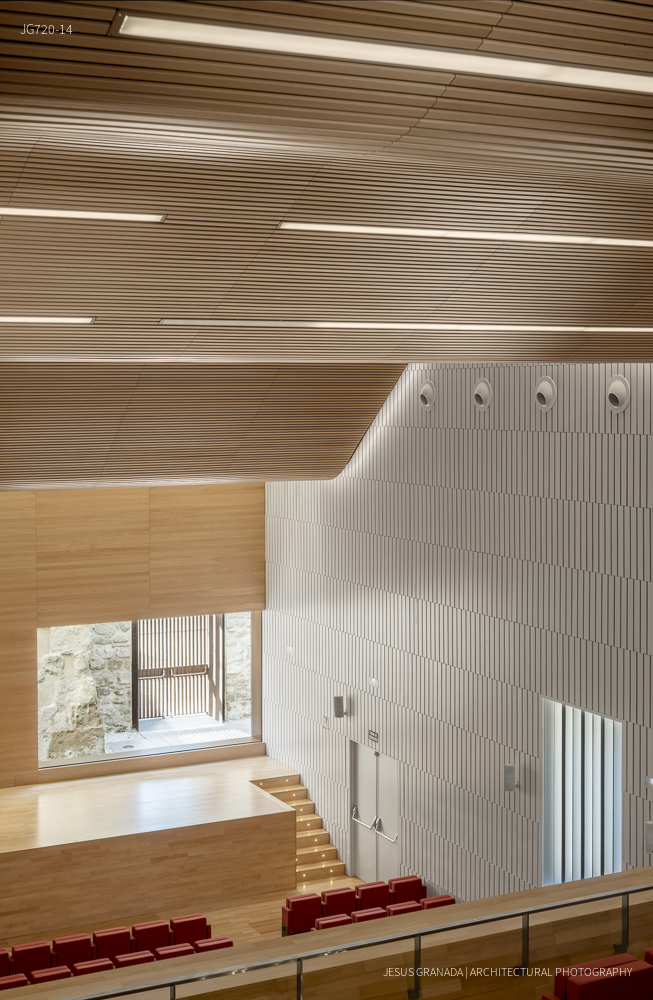
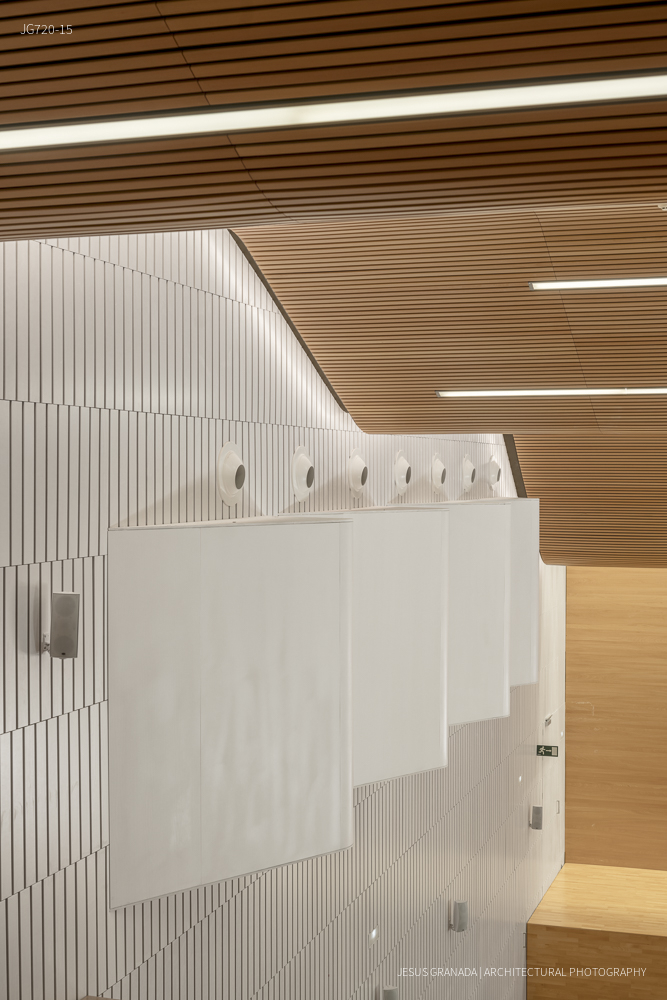
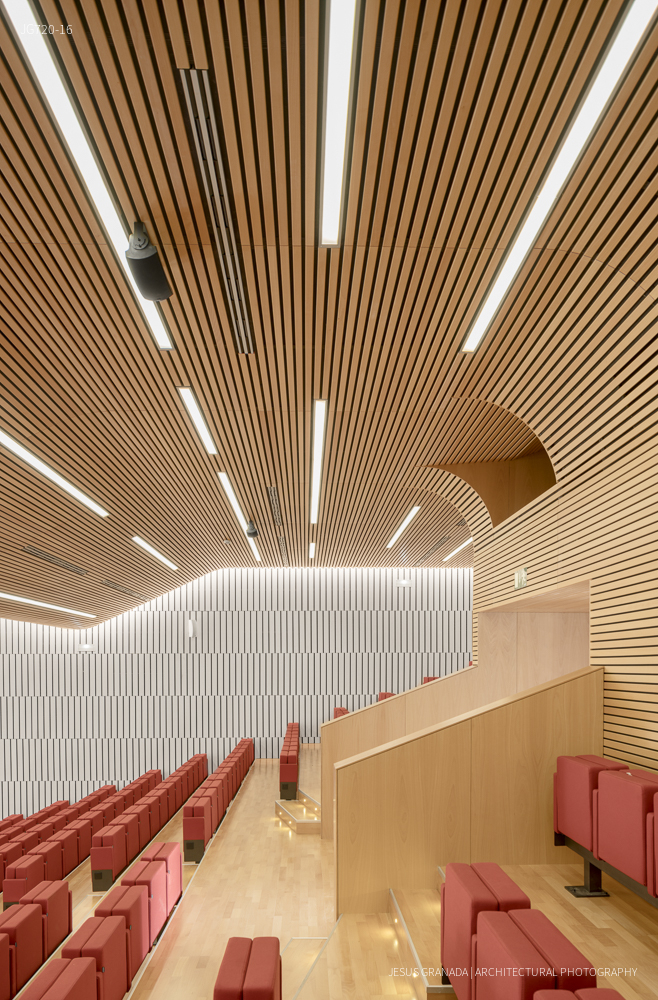
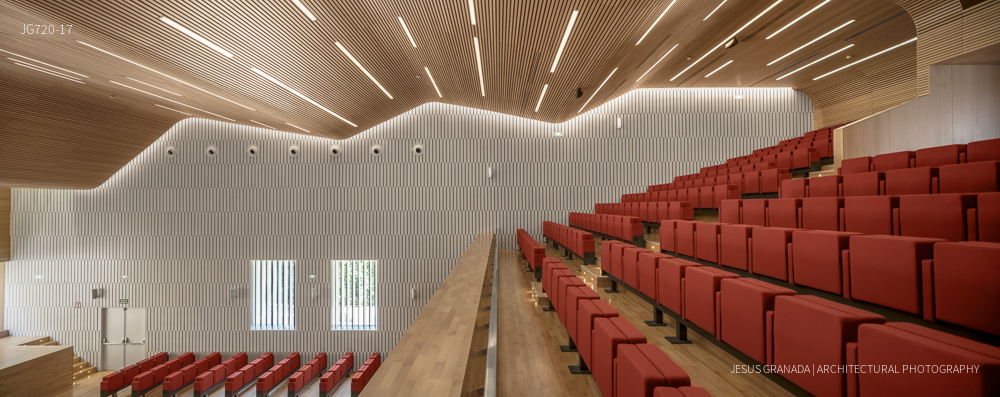
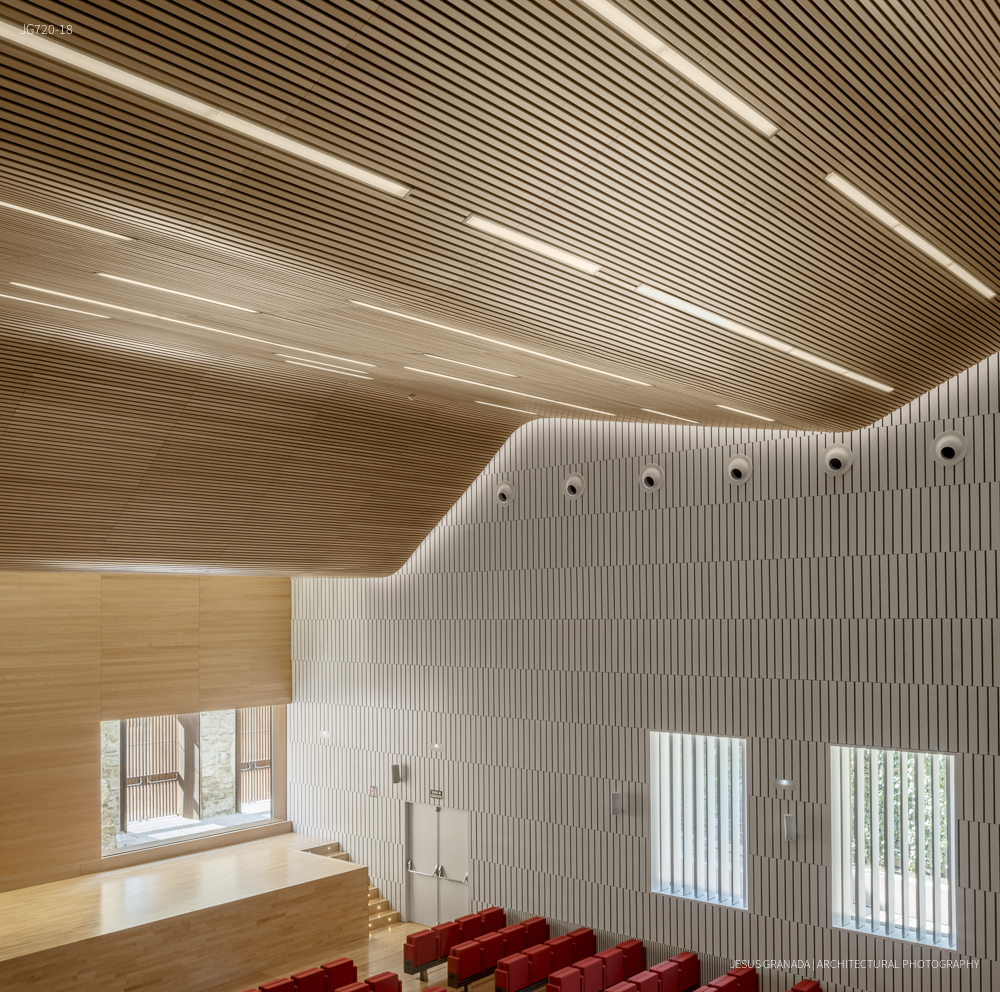
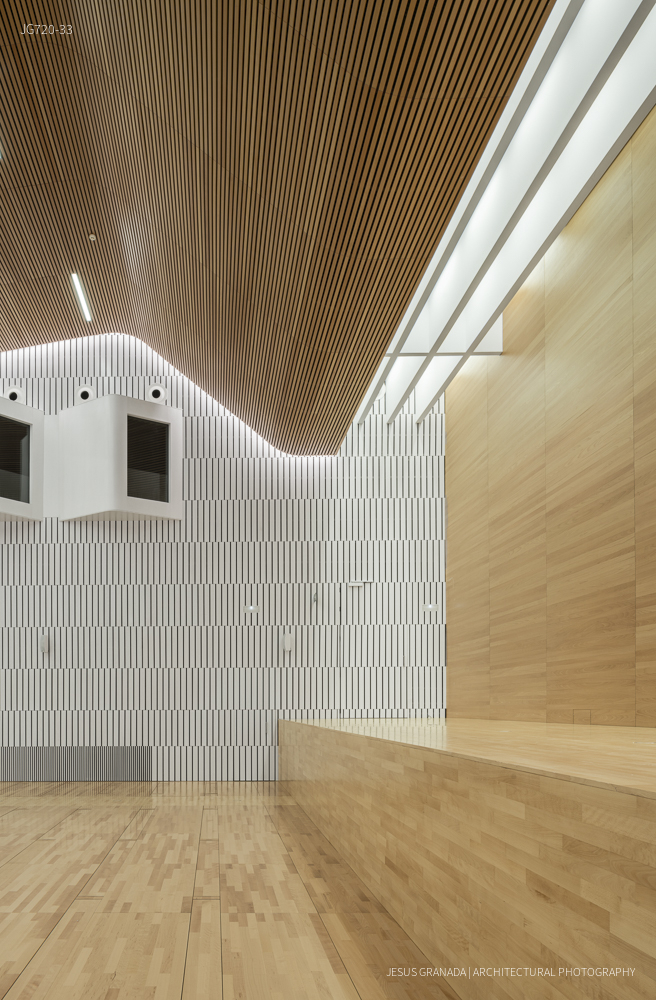
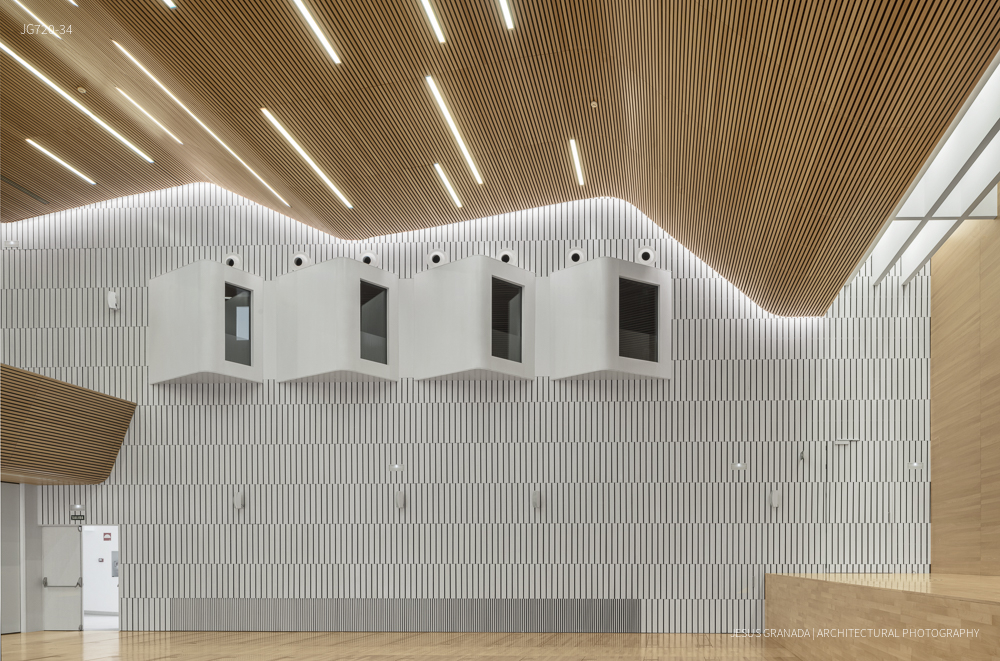
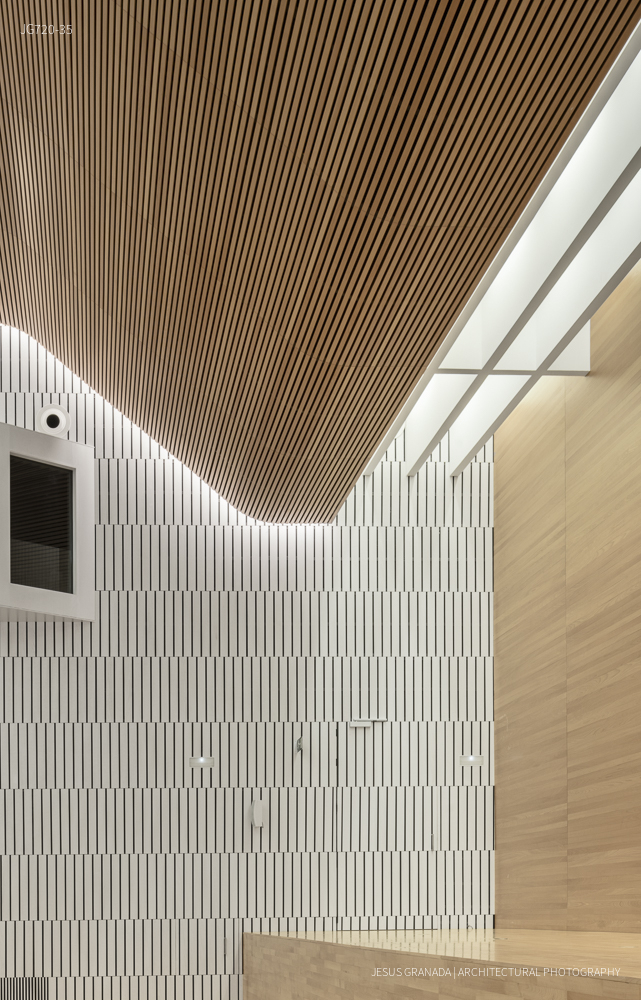
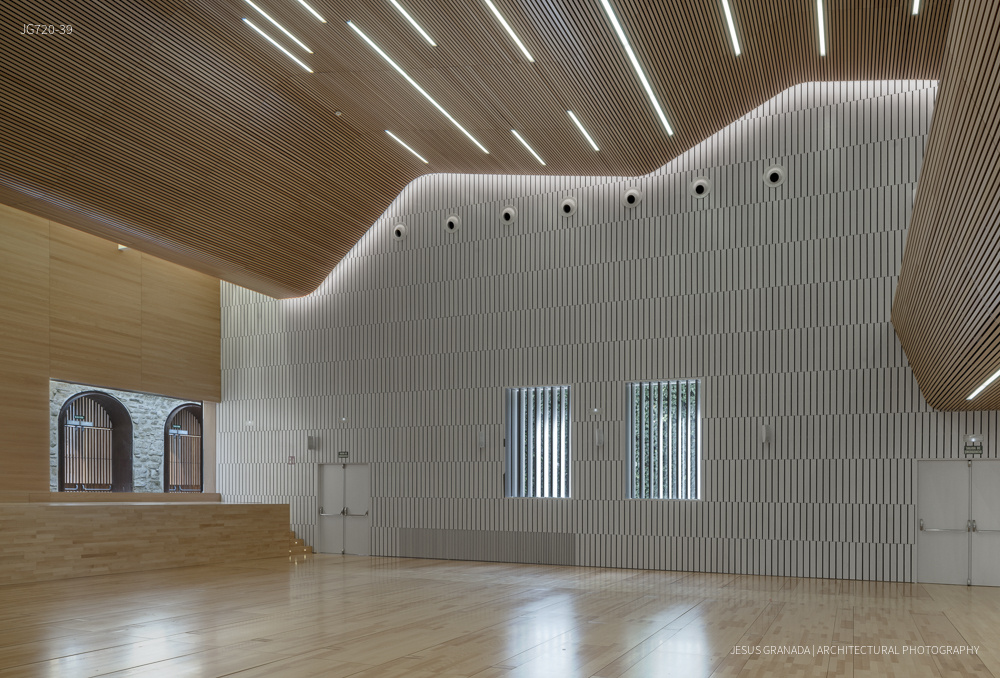
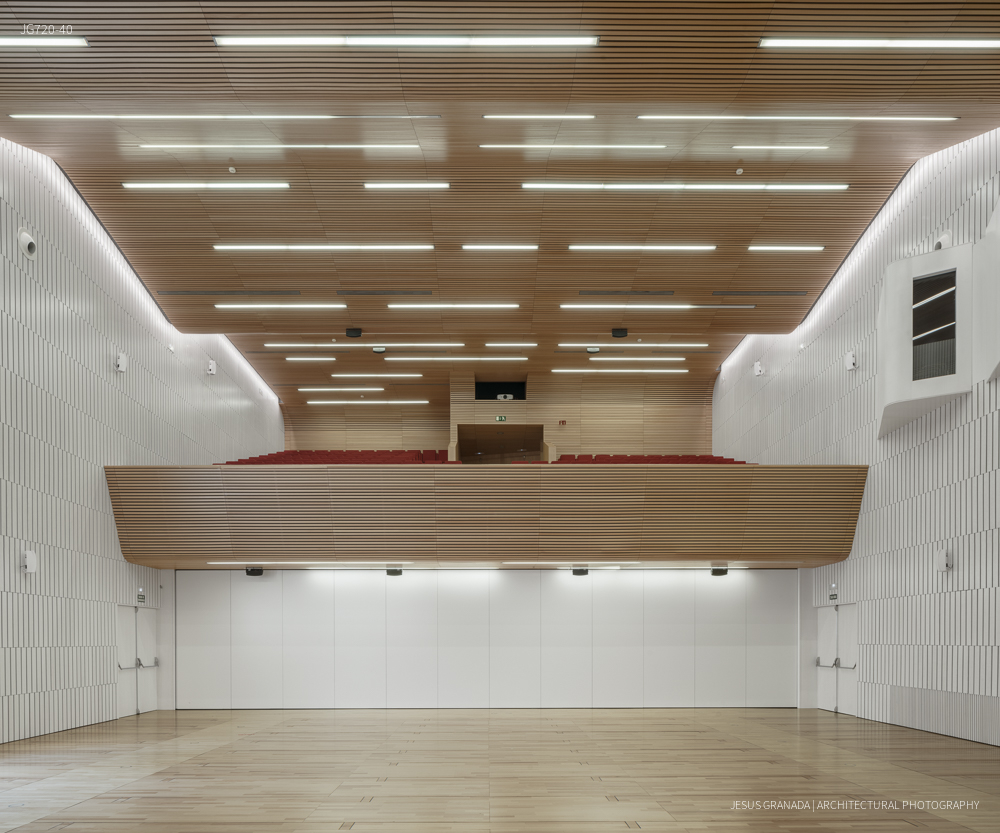
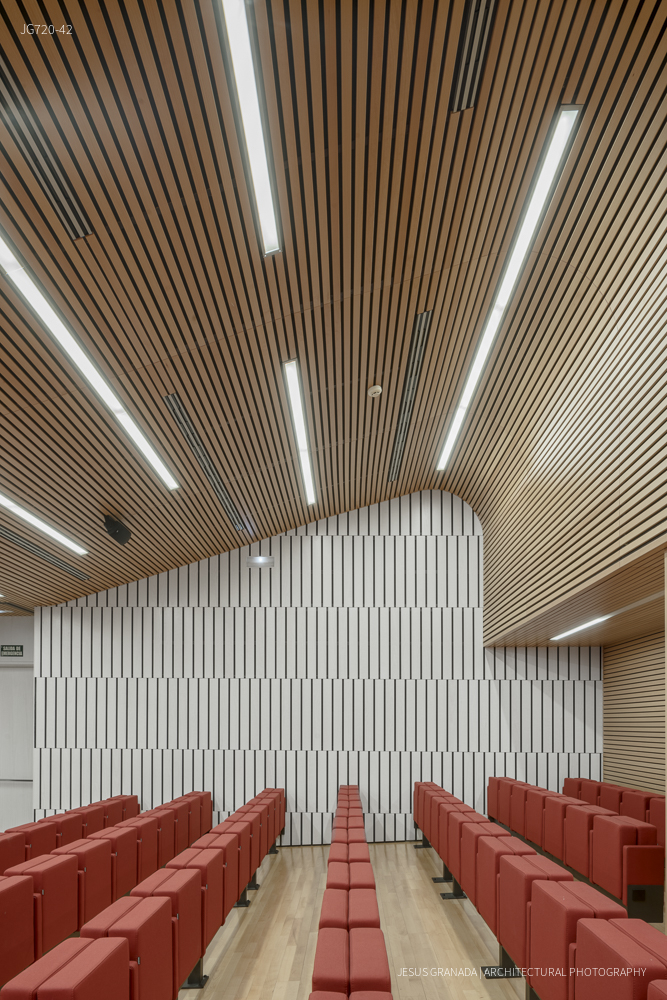
The white, geometrical and rigid sides of the room, made up of a sort of acoustic latticework, contrast with a more expressive, light and wavy ceiling which looks like a sheet housing a big part of the facilities, and which ends up reaching the front side, the floor and the back of the room, only interrupted to lodge the stage lights over the dais.
To satisfy the great variety of uses which asks for this kind of spaces, a big room of great flexibility has been designed, supplying it besides the retractable seats, with a mobile wall that creates a room under the amphitheatre, in addition to a system of seats which moves over rails and remains hidden behind some screens, as well as some systems of darkening of the room that enable a right use of the audiovisual mechanism.
LAP architects | Cordoba, Spain | Mayo 2019
LAP architects | Cordoba, Spain | Mayo 2019
LAP archiects | Cordoba, Spain | Mayo 2019
LAP archiects | Cordoba, Spain | Mayo 2019
LAP archiects | Cordoba, Spain | Mayo 2019
LAP archiects | Cordoba, Spain | Mayo 2019
LAP archiects | Cordoba, Spain | Mayo 2019
LAP archiects | Cordoba, Spain | Mayo 2019
LAP archiects | Cordoba, Spain | Mayo 2019
LAP archiects | Cordoba, Spain | Mayo 2019
LAP archiects | Cordoba, Spain | Mayo 2019
LAP archiects | Cordoba, Spain | Mayo 2019
LAP archiects | Cordoba, Spain | Mayo 2019
LAP archiects | Cordoba, Spain | Mayo 2019
LAP archiects | Cordoba, Spain | Mayo 2019
LAP archiects | Cordoba, Spain | Mayo 2019
LAP archiects | Cordoba, Spain | Mayo 2019
LAP archiects | Cordoba, Spain | Mayo 2019
LAP archiects | Cordoba, Spain | Mayo 2019
LAP archiects | Cordoba, Spain | Mayo 2019
LAP archiects | Cordoba, Spain | Mayo 2019
LAP archiects | Cordoba, Spain | Mayo 2019
LAP archiects | Cordoba, Spain | Mayo 2019
LAP archiects | Cordoba, Spain | Mayo 2019
LAP archiects | Cordoba, Spain | Mayo 2019
LAP archiects | Cordoba, Spain | Mayo 2019
LAP archiects | Cordoba, Spain | Mayo 2019
LAP archiects | Cordoba, Spain | Mayo 2019
LAP archiects | Cordoba, Spain | Mayo 2019
LAP archiects | Cordoba, Spain | Mayo 2019
LAP archiects | Cordoba, Spain | Mayo 2019
LAP archiects | Cordoba, Spain | Mayo 2019
LAP archiects | Cordoba, Spain | Mayo 2019
LAP archiects | Cordoba, Spain | Mayo 2019
LAP archiects | Cordoba, Spain | Mayo 2019
LAP archiects | Cordoba, Spain | Mayo 2019
LAP archiects | Cordoba, Spain | Mayo 2019
LAP archiects | Cordoba, Spain | Mayo 2019
LAP archiects | Cordoba, Spain | Mayo 2019
LAP archiects | Cordoba, Spain | Mayo 2019
LAP archiects | Cordoba, Spain | Mayo 2019
LAP archiects | Cordoba, Spain | Mayo 2019
LAP archiects | Cordoba, Spain | Mayo 2019
LAP archiects | Cordoba, Spain | Mayo 2019
LAP archiects | Cordoba, Spain | Mayo 2019
LAP archiects | Cordoba, Spain | Mayo 2019
LAP archiects | Cordoba, Spain | Mayo 2019
LAP archiects | Cordoba, Spain | Mayo 2019
LAP archiects | Cordoba, Spain | Mayo 2019
LAP archiects | Cordoba, Spain | Mayo 2019
LAP archiects | Cordoba, Spain | Mayo 2019
LAP archiects | Cordoba, Spain | Mayo 2019
LAP archiects | Cordoba, Spain | Mayo 2019
CREDITS
Work: Restoration, improvement and adaptation of the Conference Centre in Cordoba.
Client: Consejería de Empleo, Empresa y Comercio .Junta de Andalucía
Architect: LAP architects. Rafael Pérez Morales, David Pérez Hérranz y Rafael Pérez Herranz
Collaborators: Francisco José Sánchez Caballero (building engineer), Laura Paños Díaz (architect), Ana Gómez Saldaña (building engineer), Antonio Lara Morcillo (architect), Duarte Asociados (structures), JG engineers (facilities), Dinac (acoustics).
ACID consultancy | Plasencia (Cáceres) | November 2019
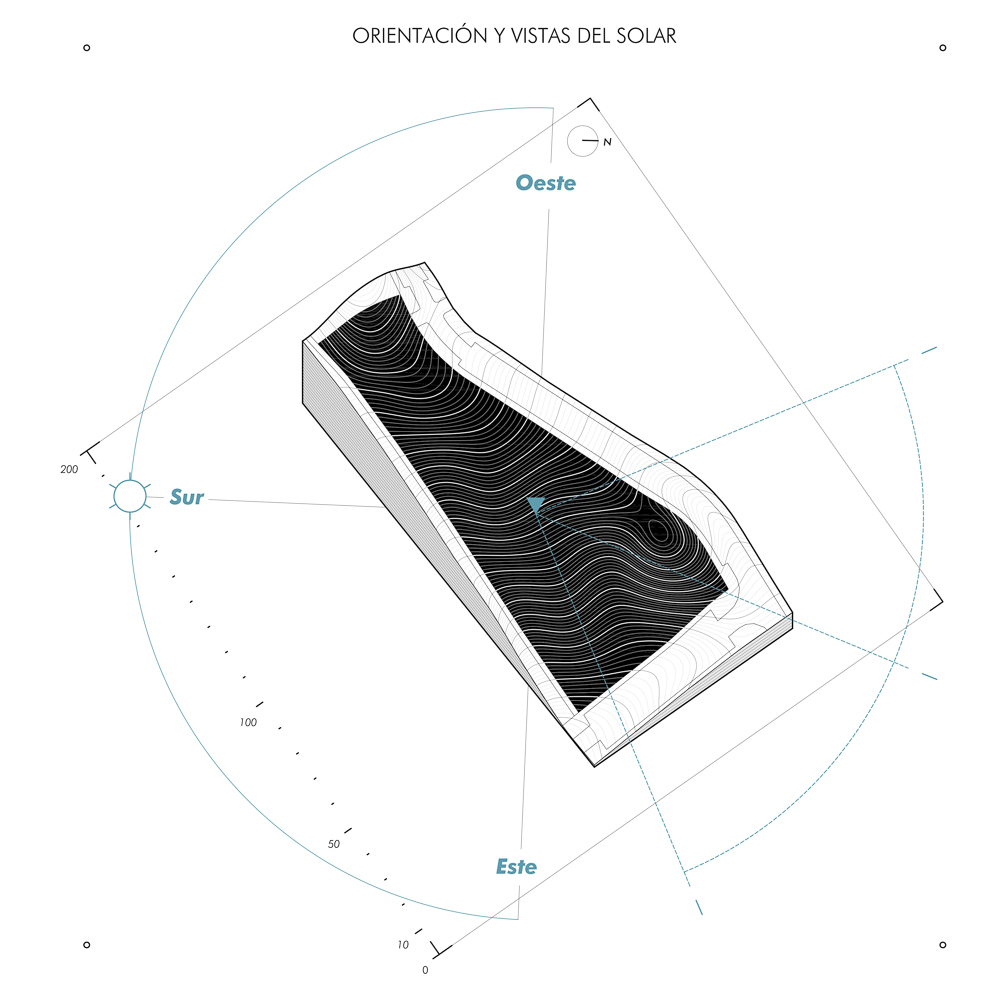
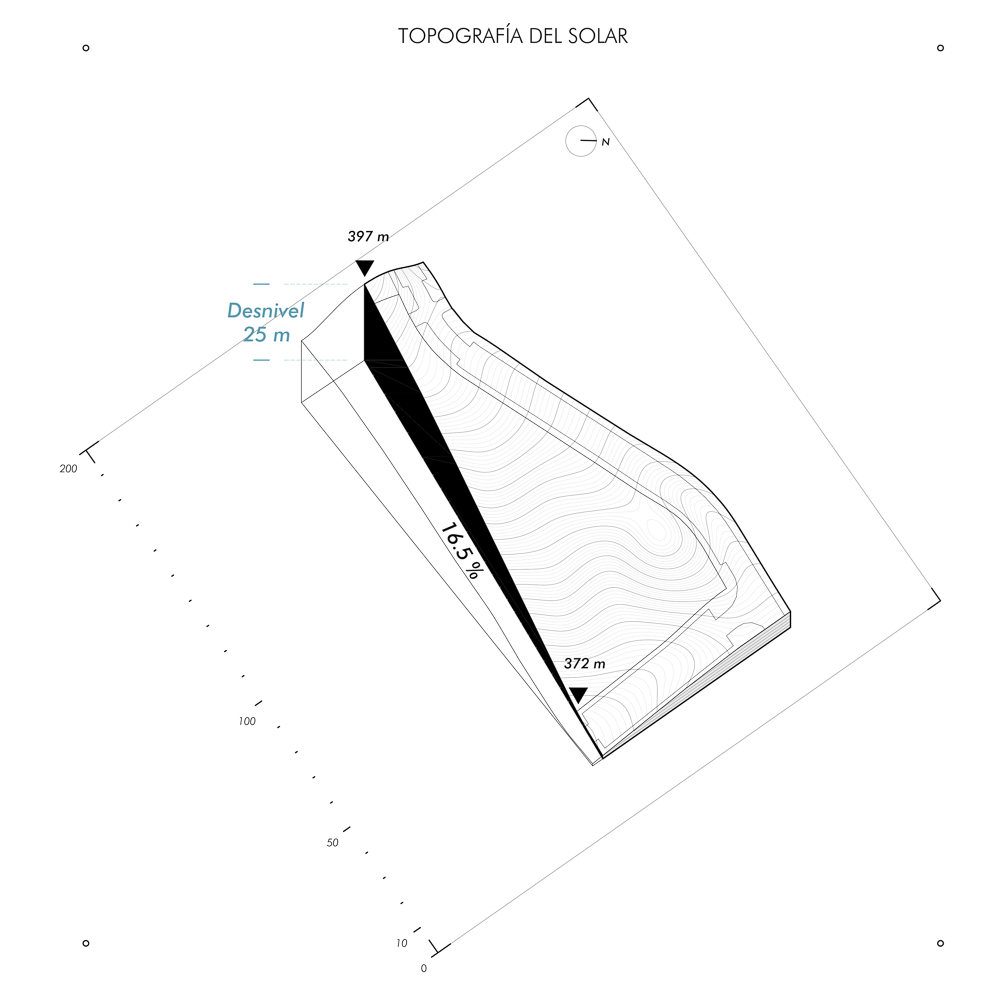
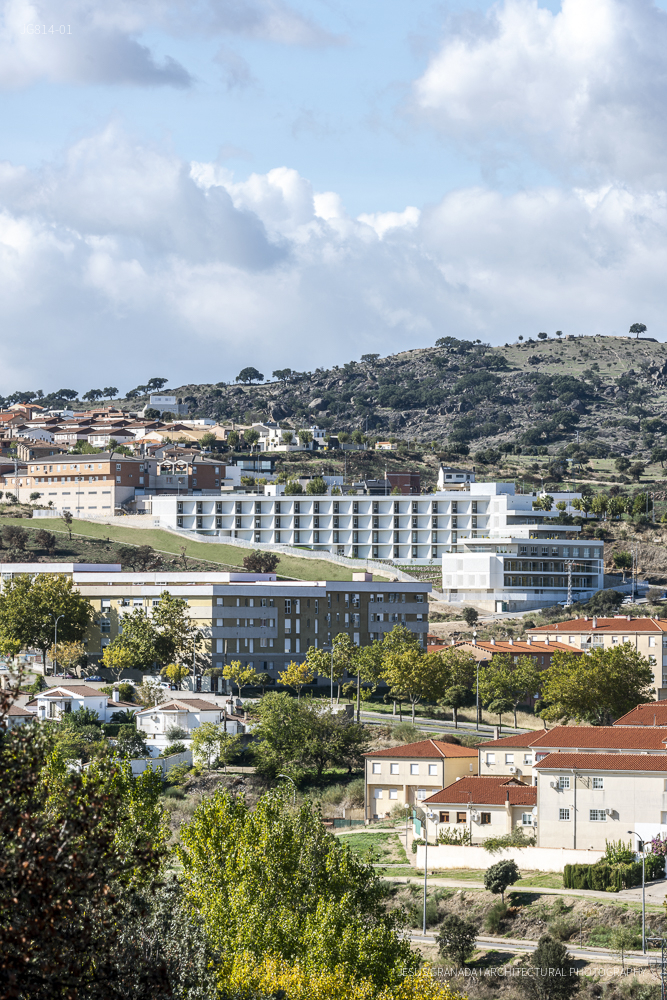
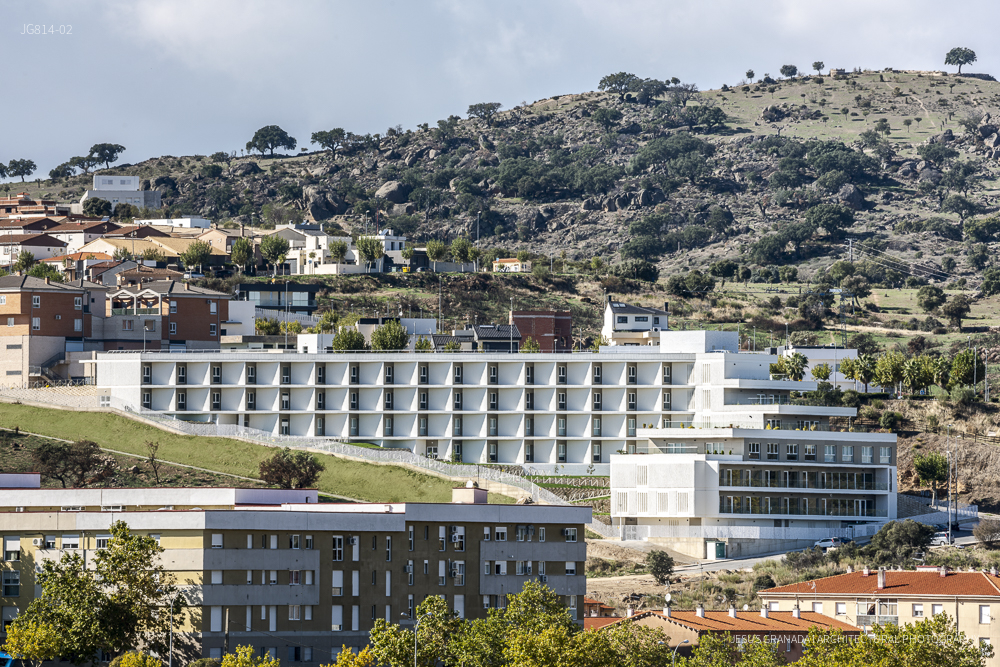
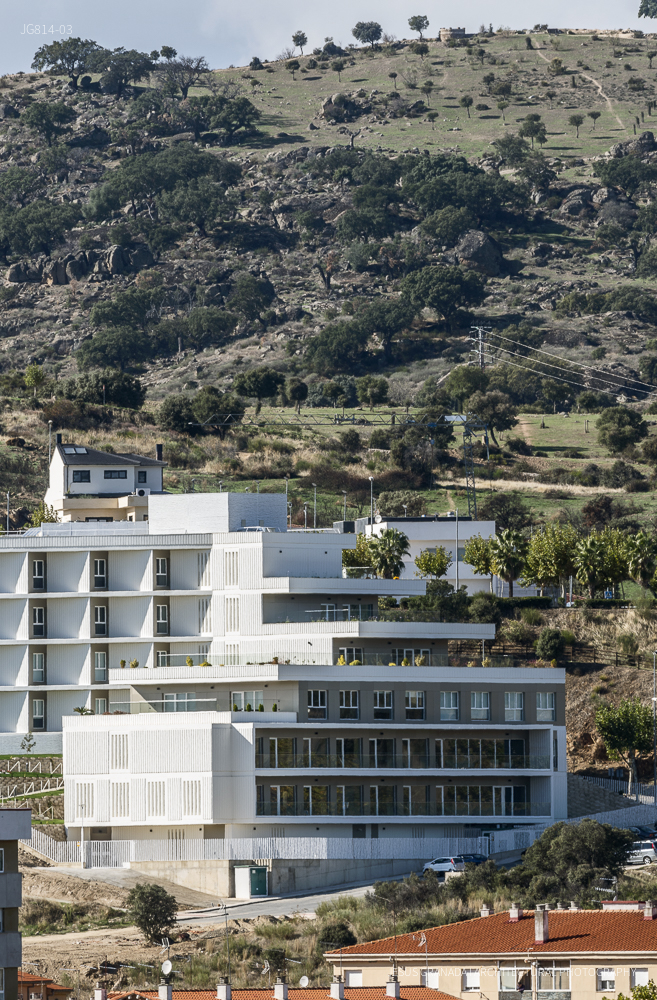
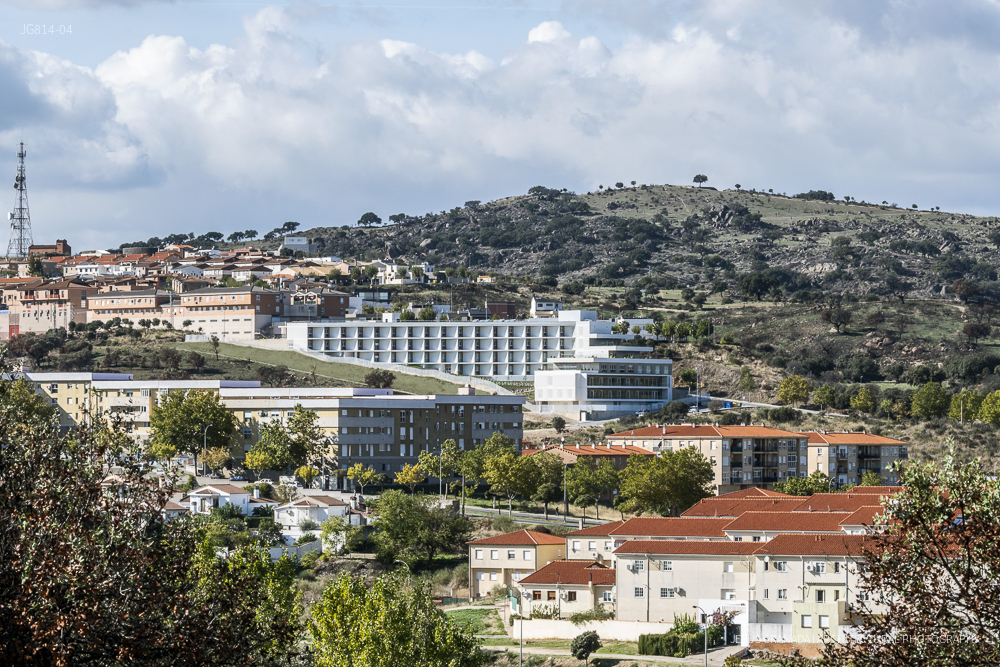
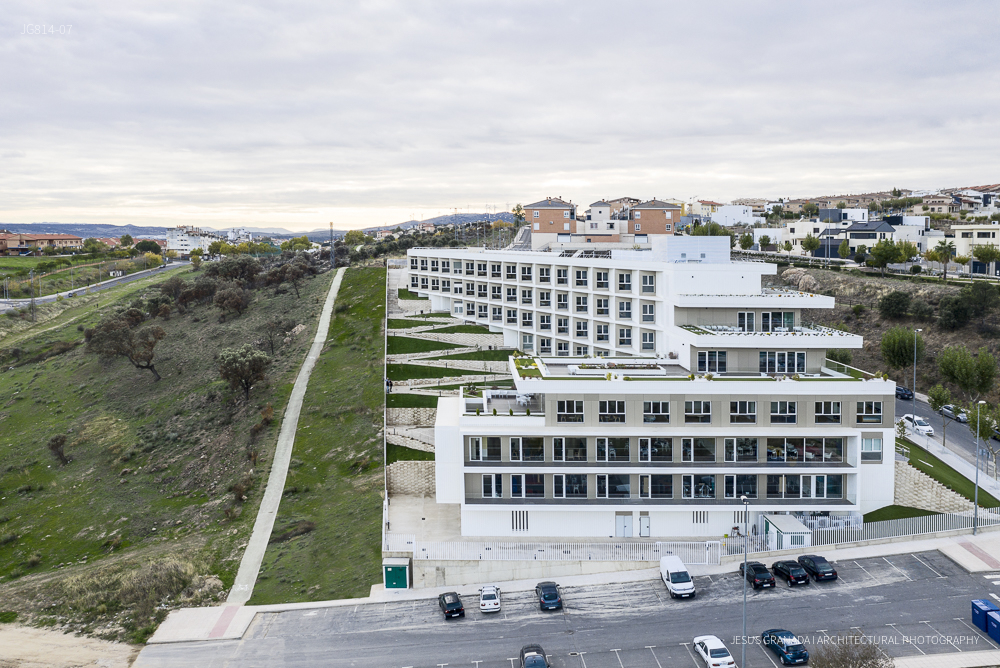
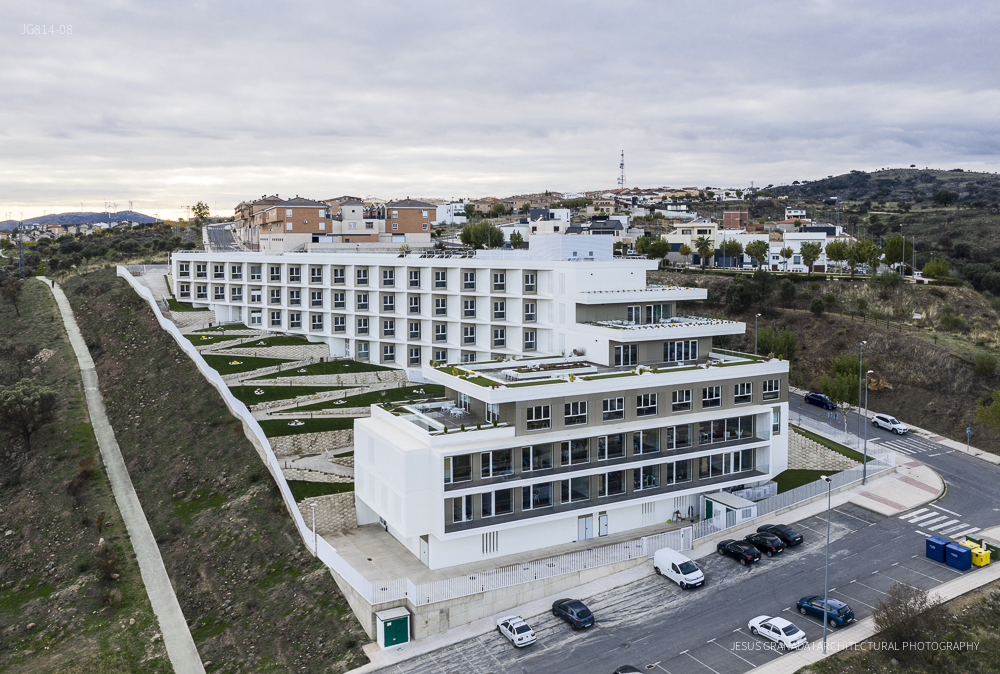
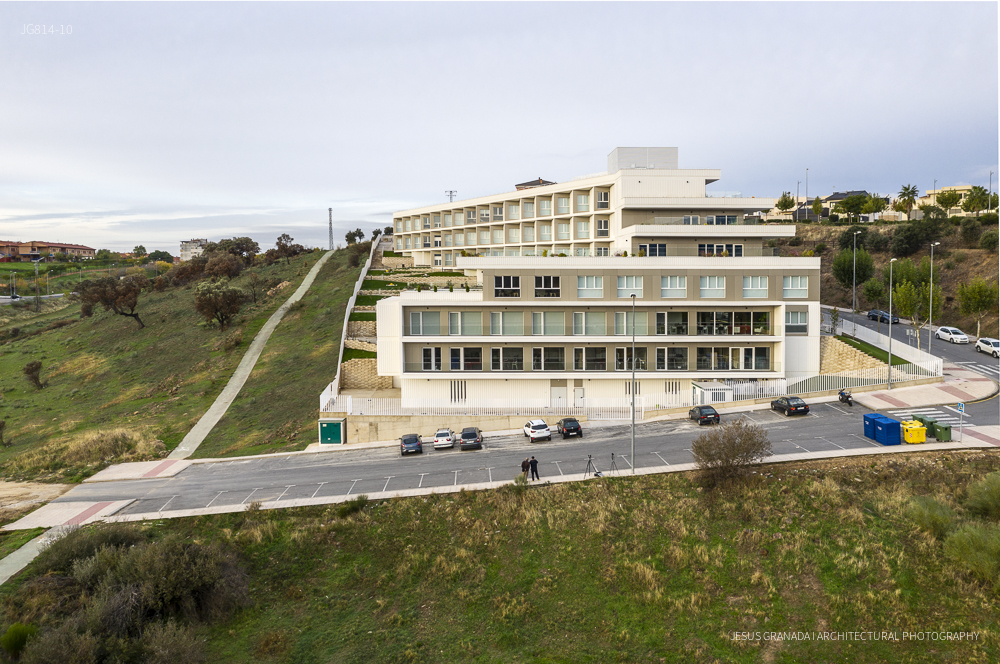
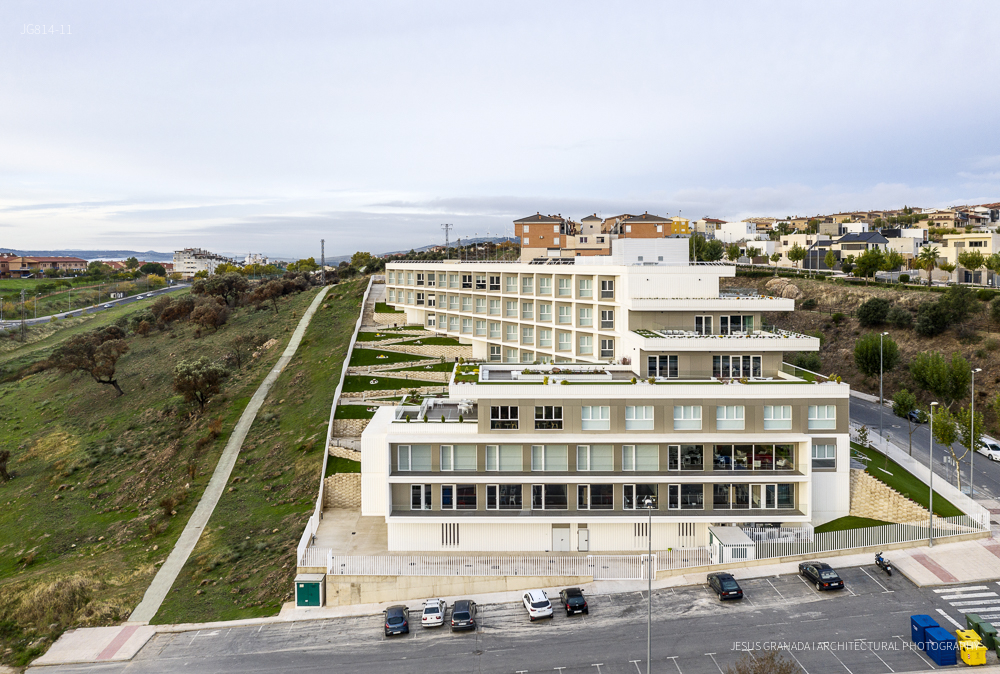
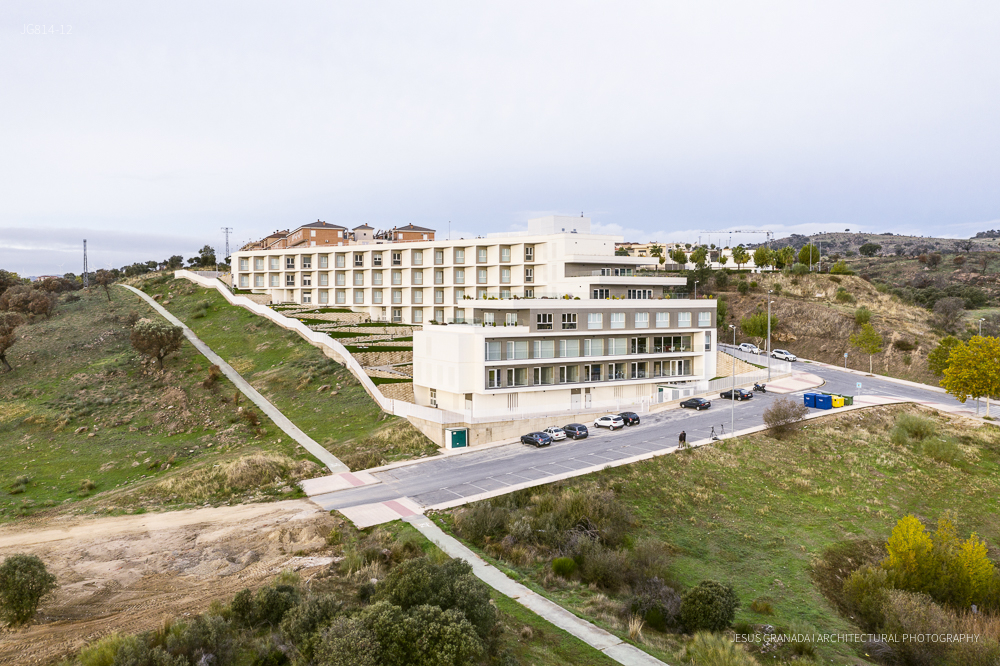
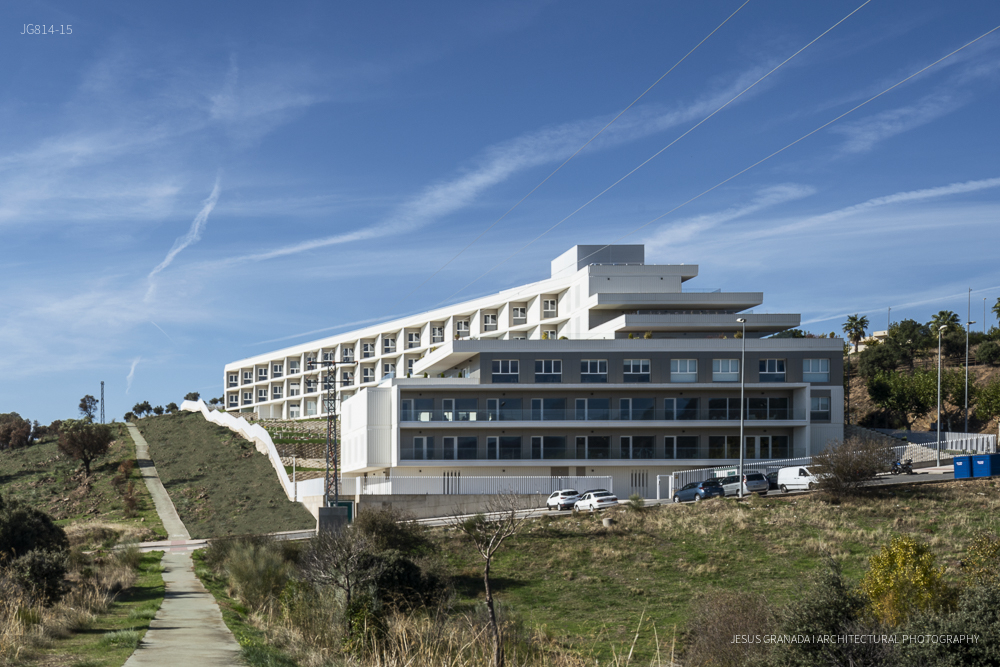
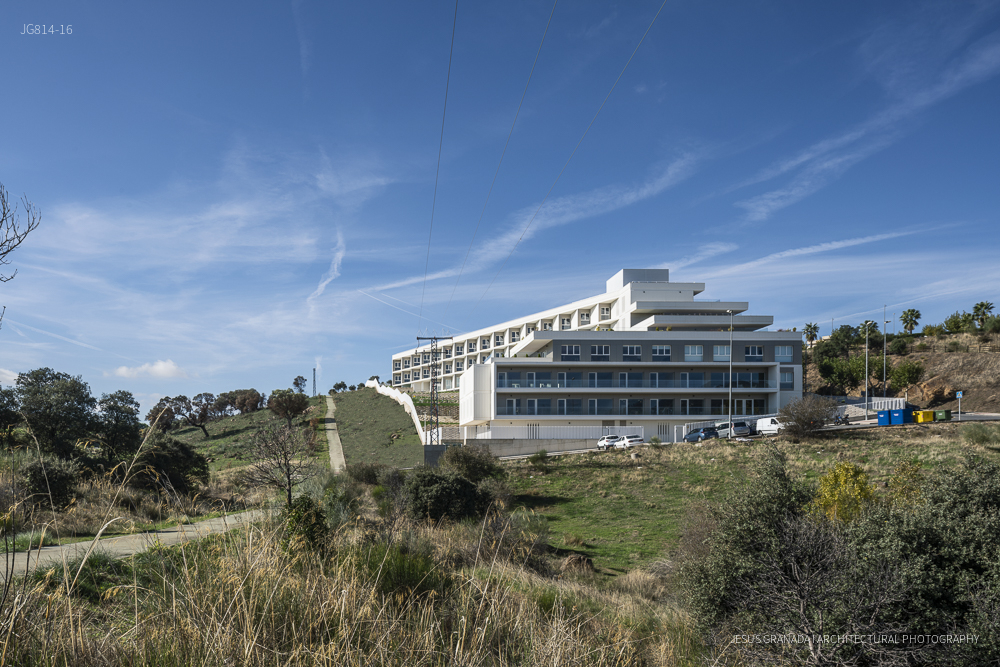
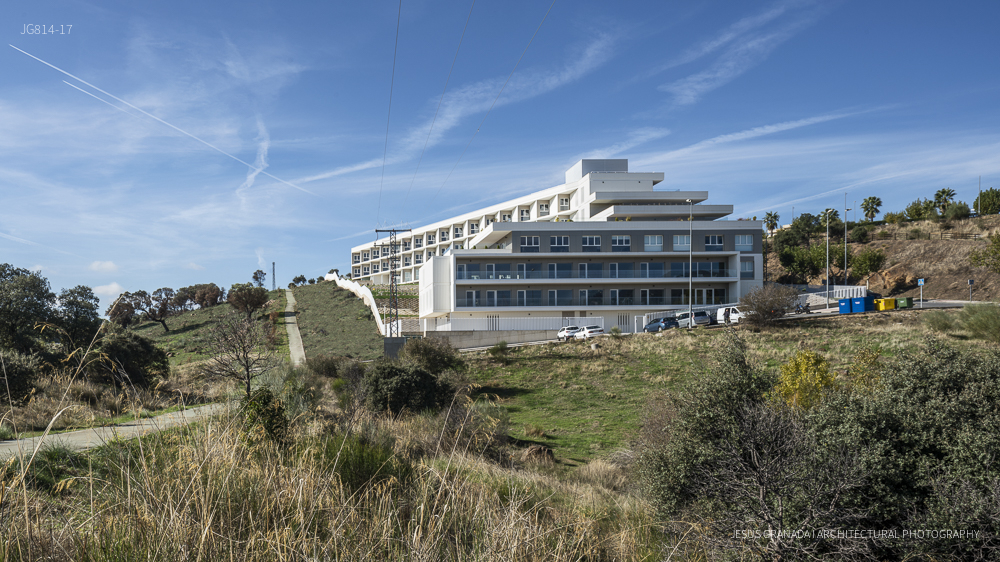
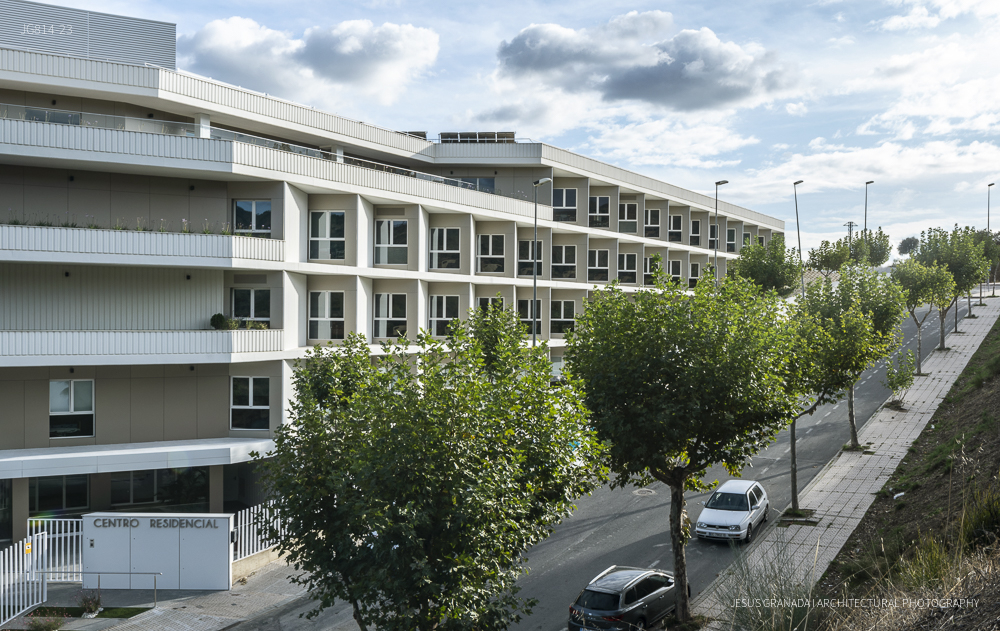
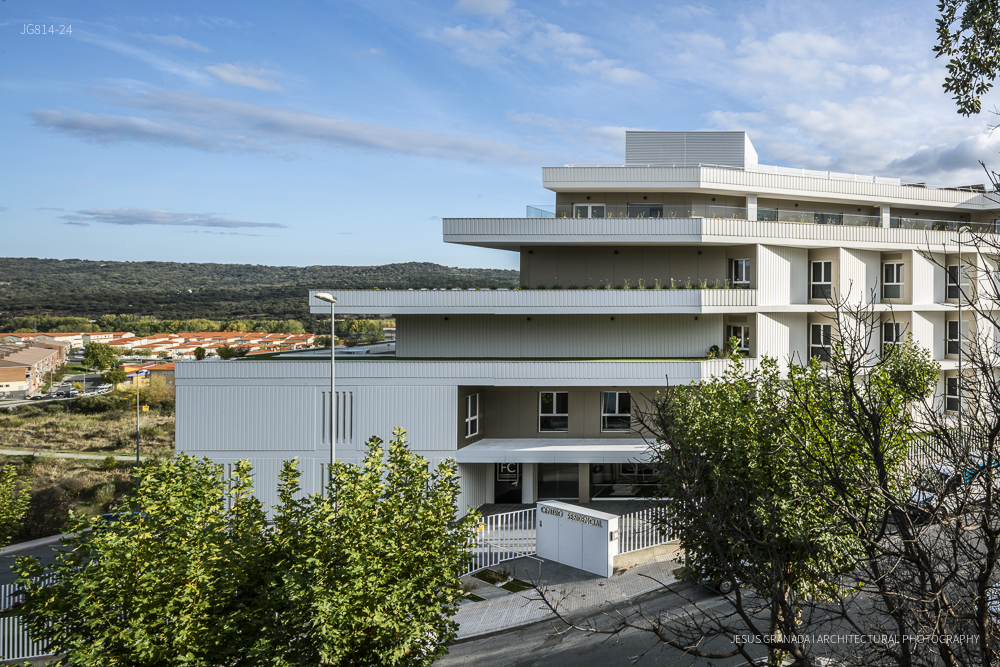
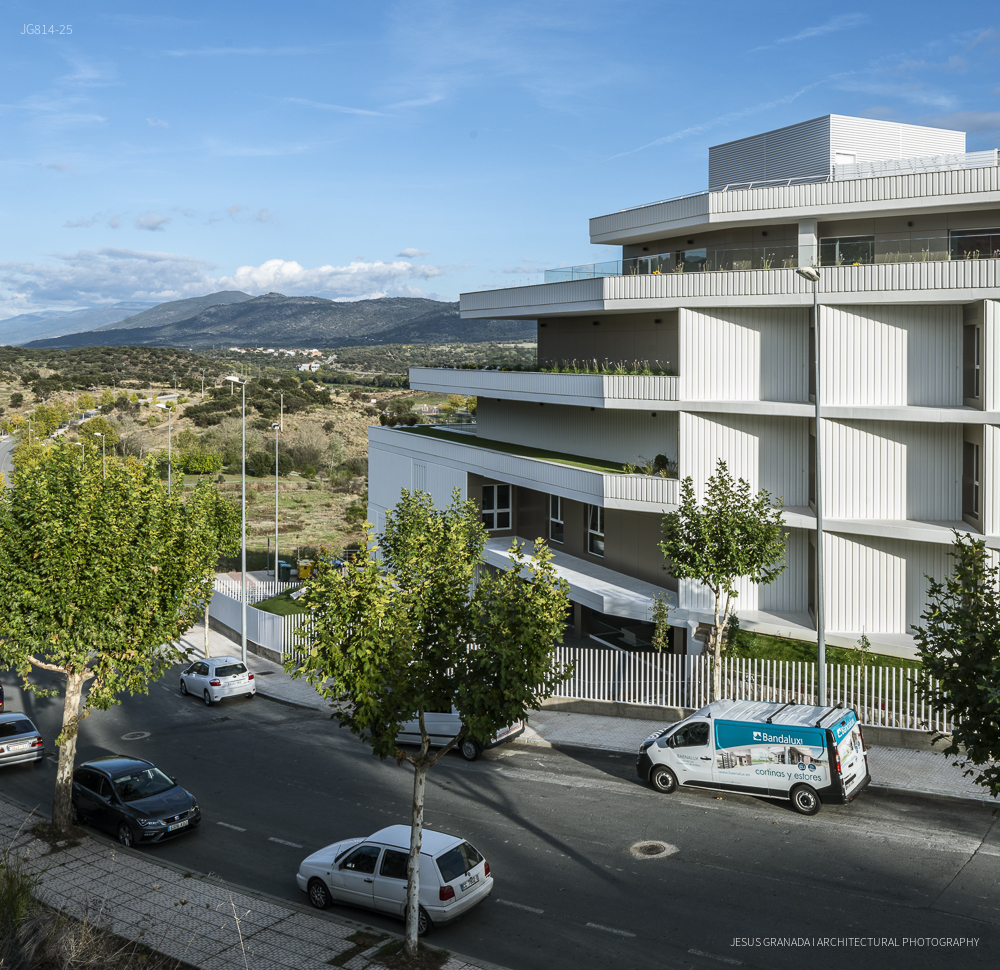
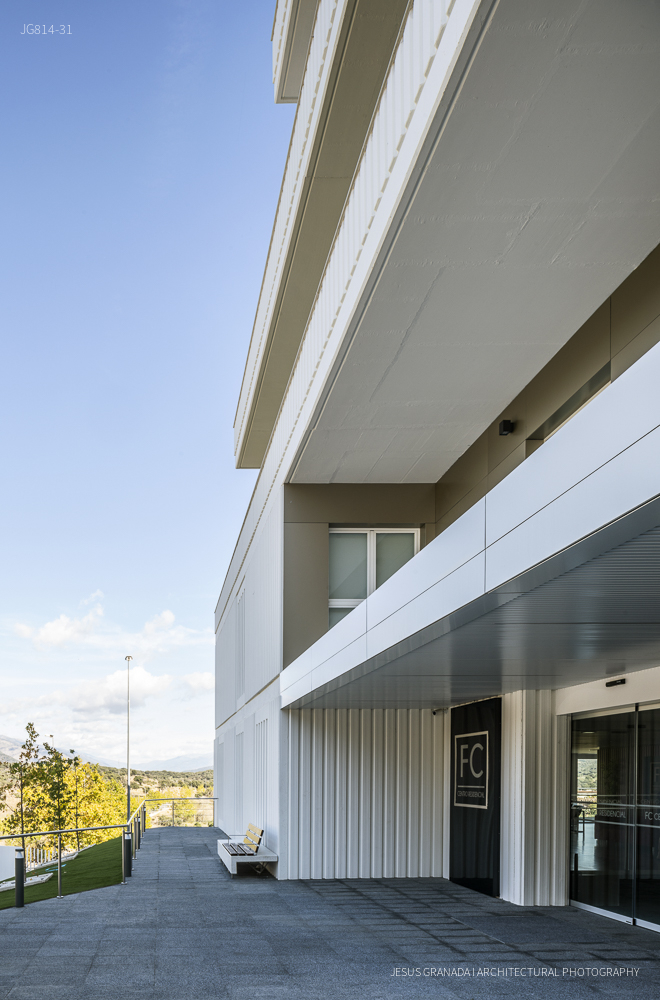
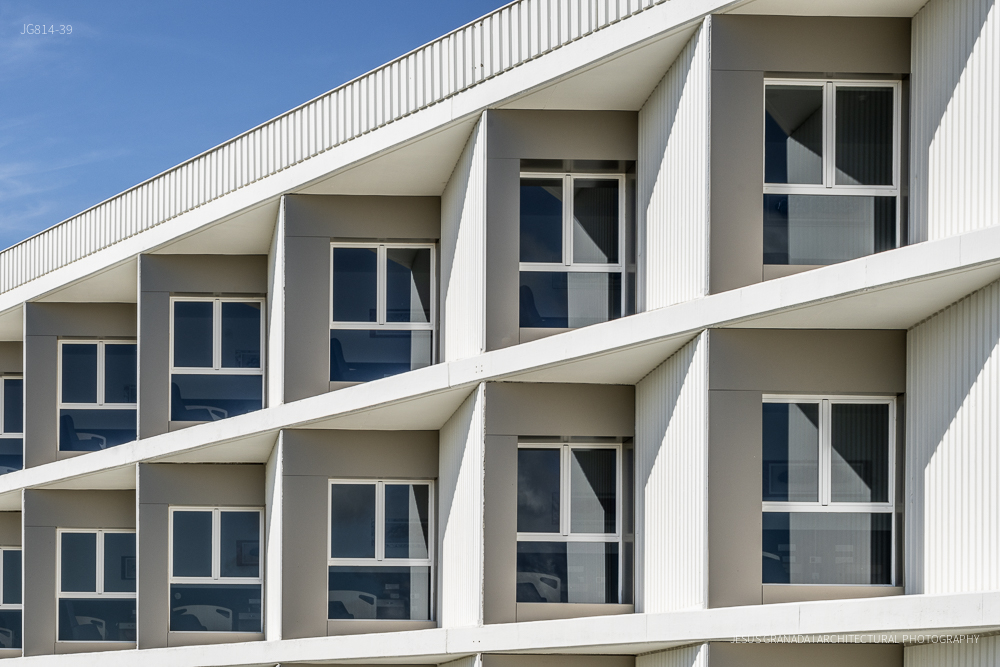
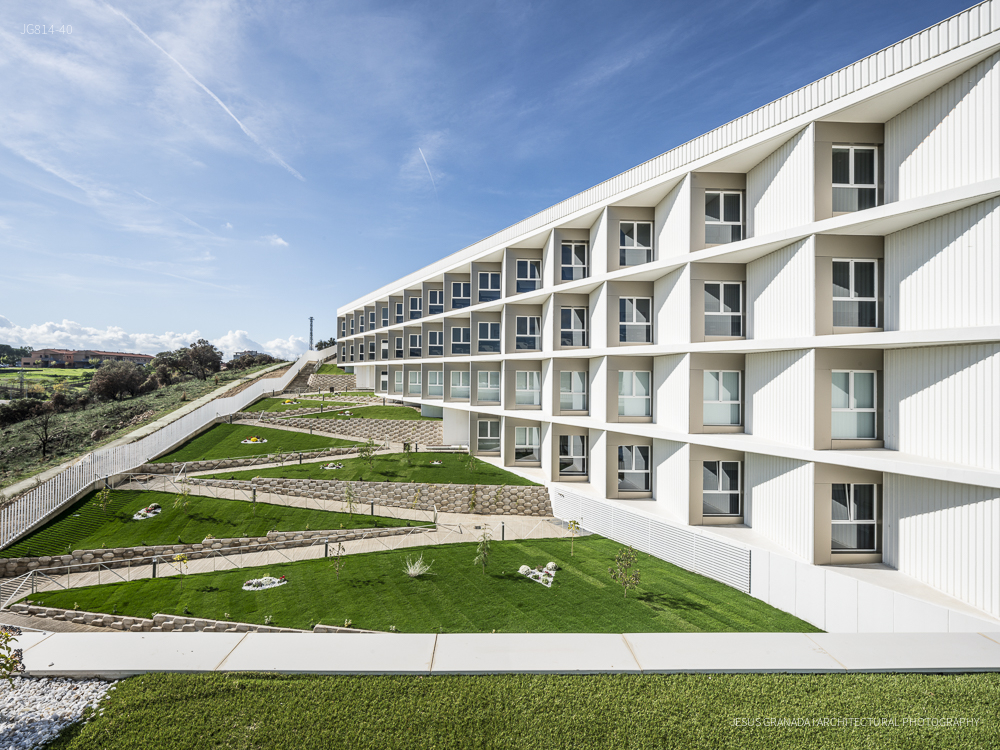
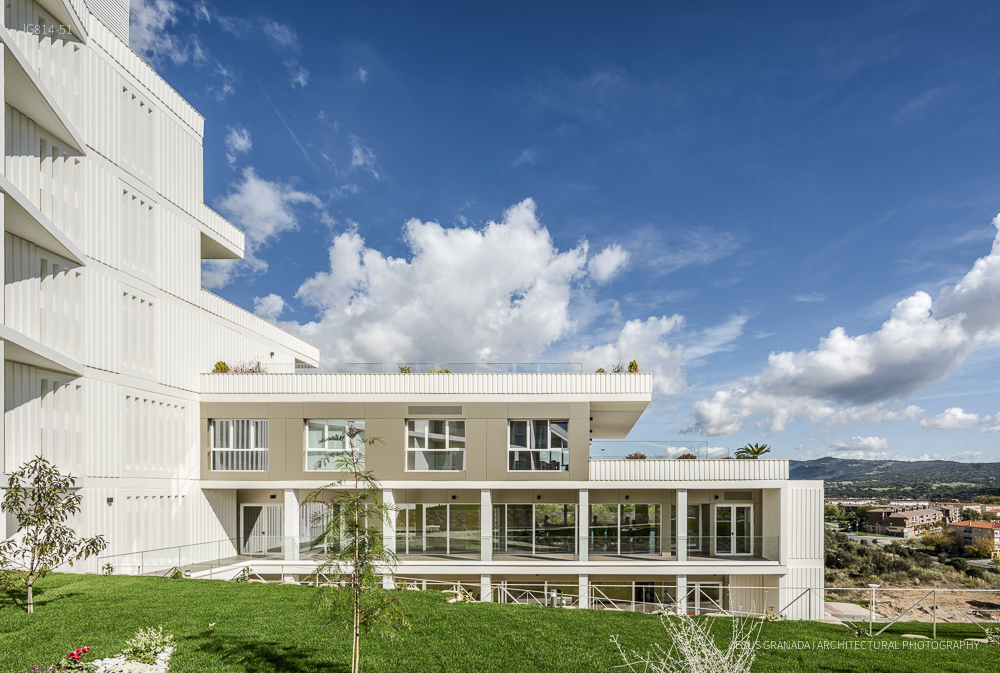
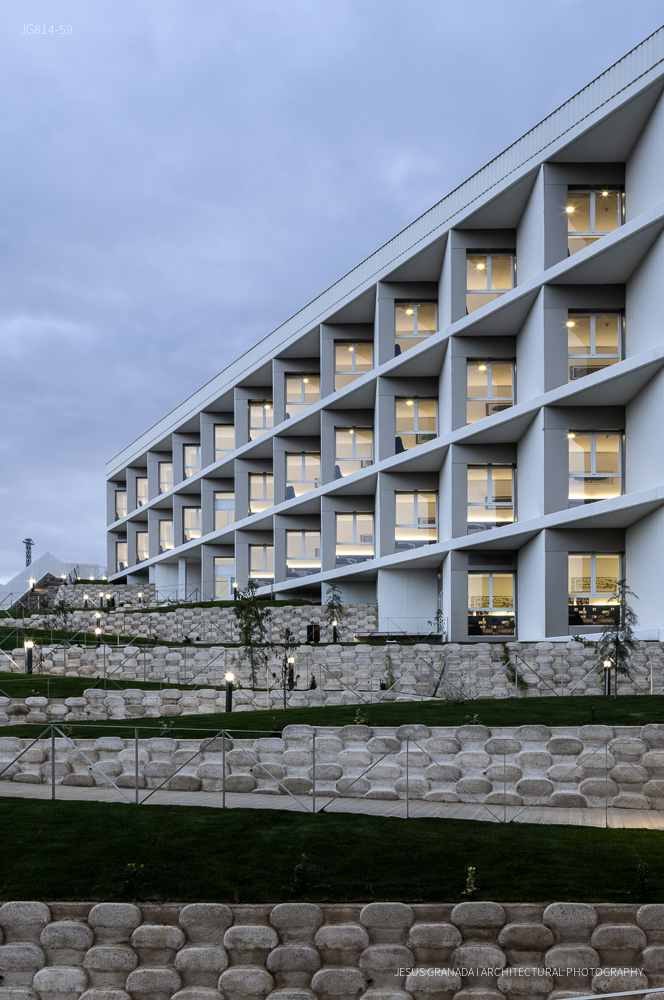
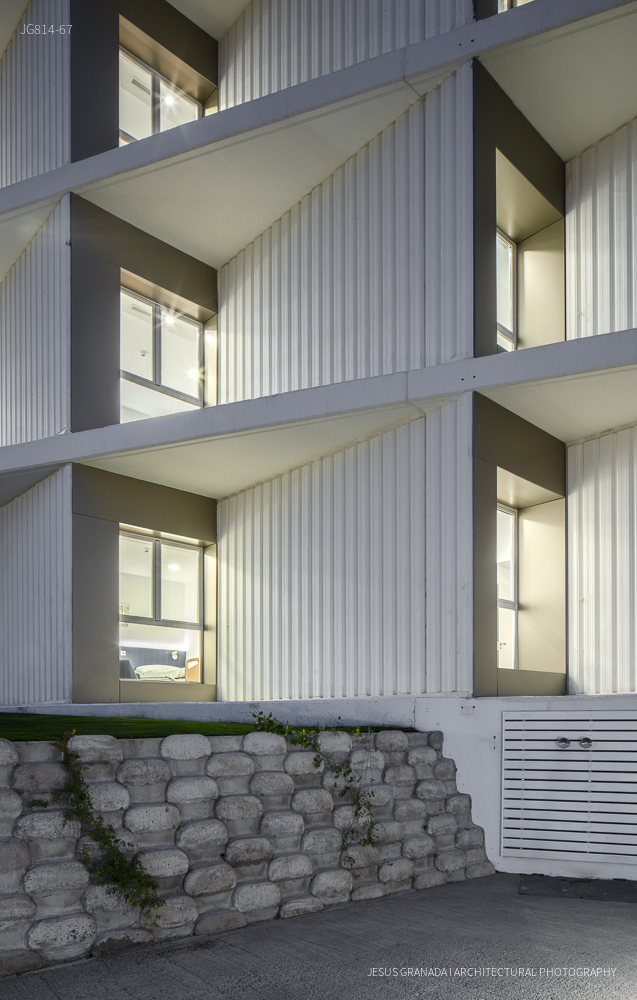
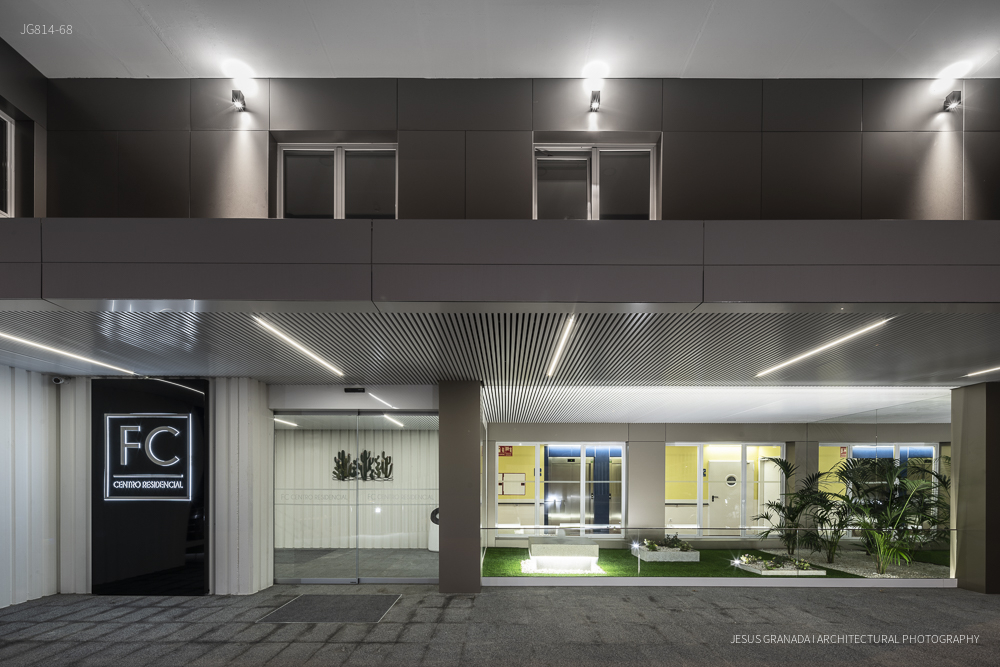
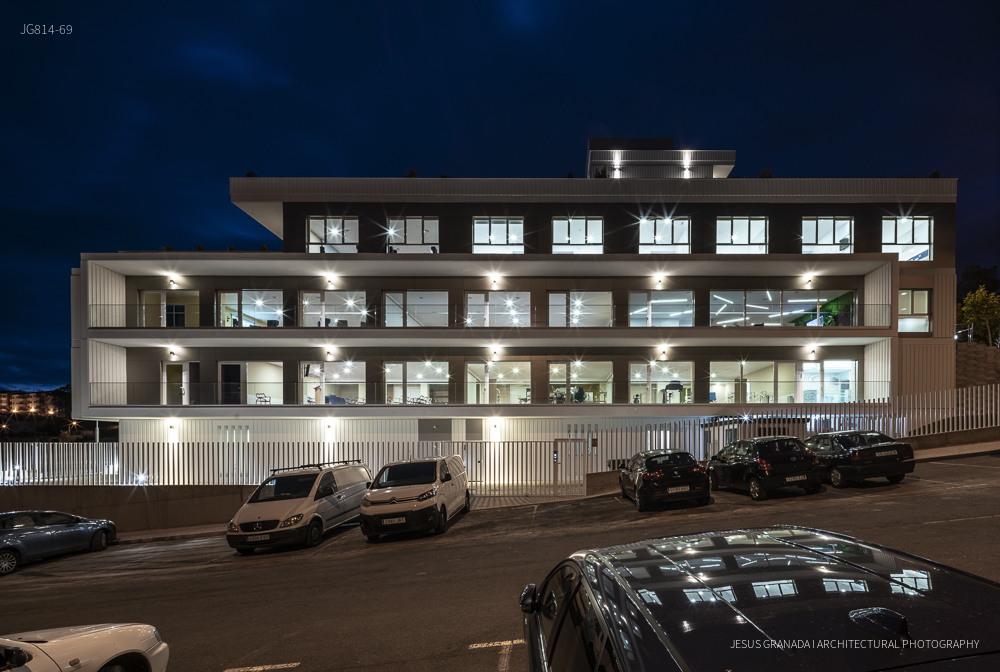
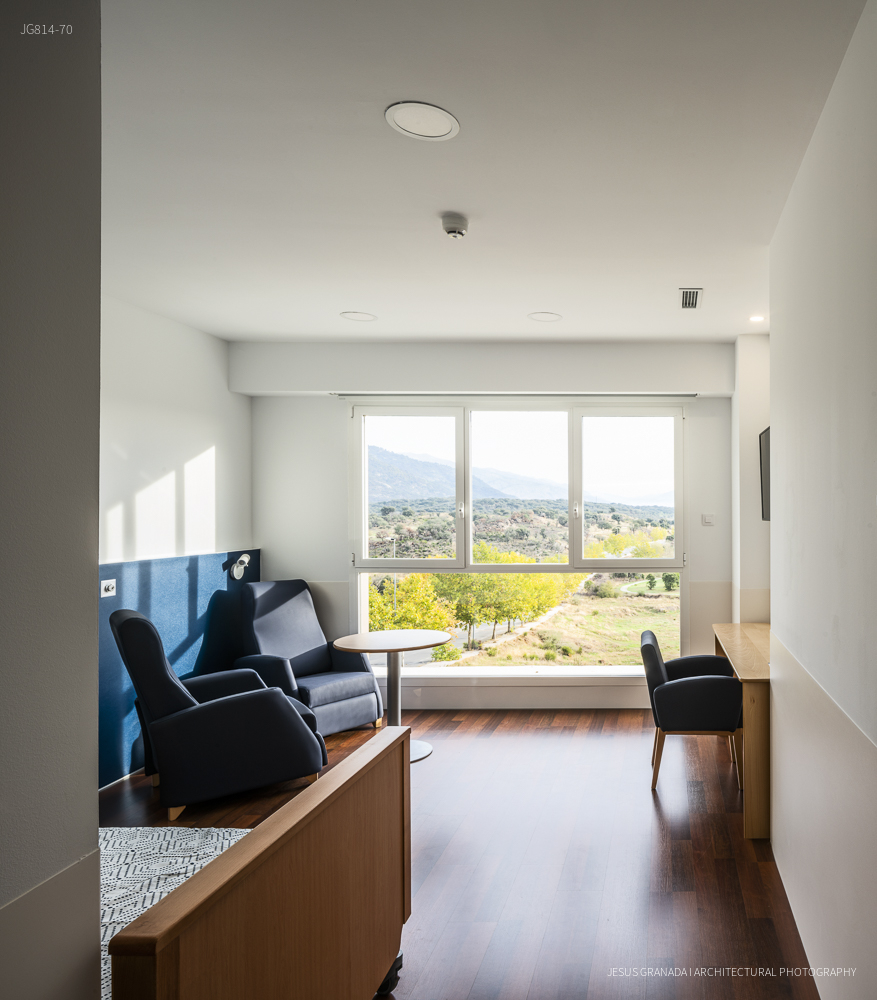
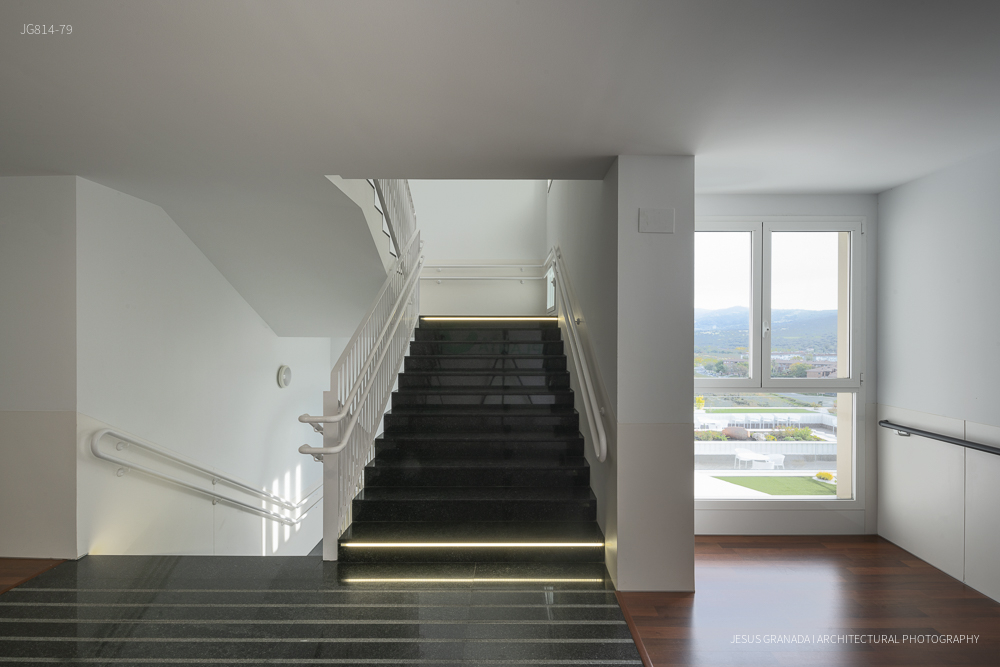
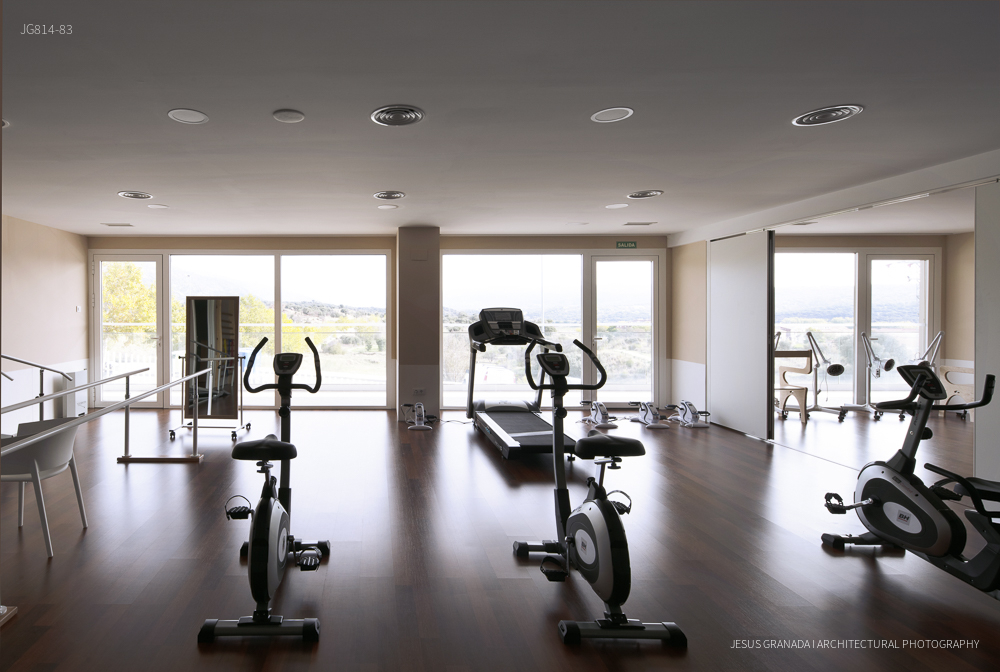
The residential centre is situated on the North East side of the city of Plasencia, on the border between town and countryside. From this location there is a magnificent view into the distance along the full length of the Jerte Valley. The plot itself is on a 25 metre slope, pointing in the same direction.
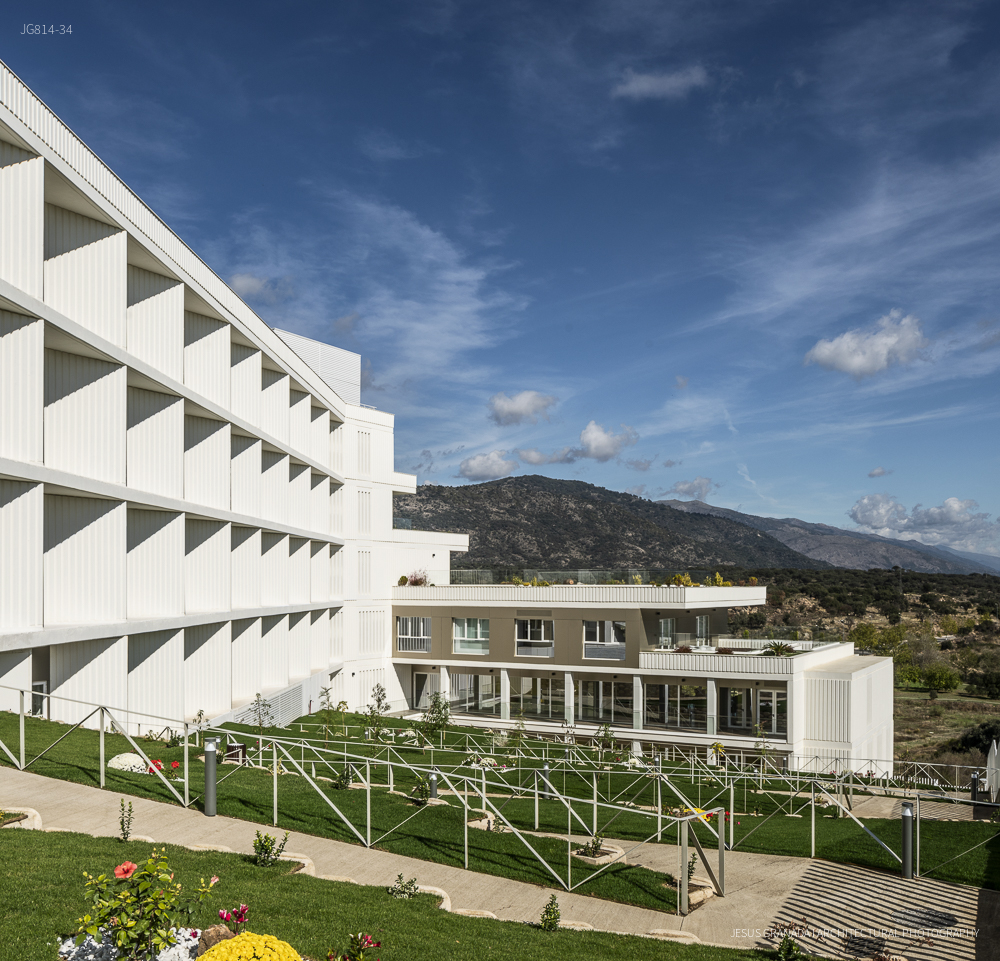
The specific characteristics of the land, (topography, climate, light) have been used as the starting point for a user-friendly and accessible design. The adverse topography is turned into an asset. The building itself encompasses the landscape and this permeates through the entire project.
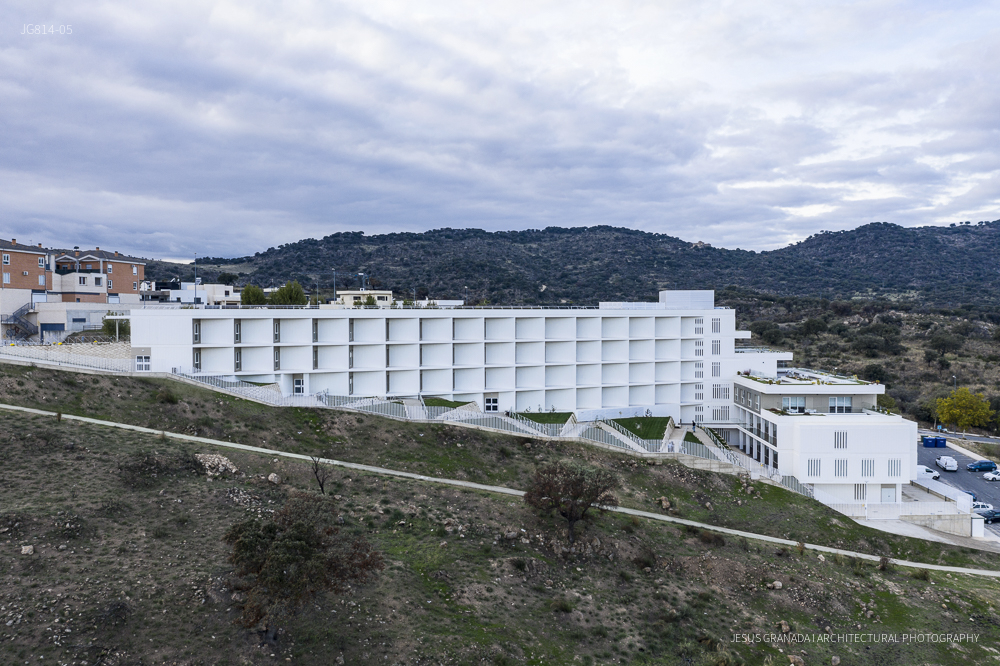
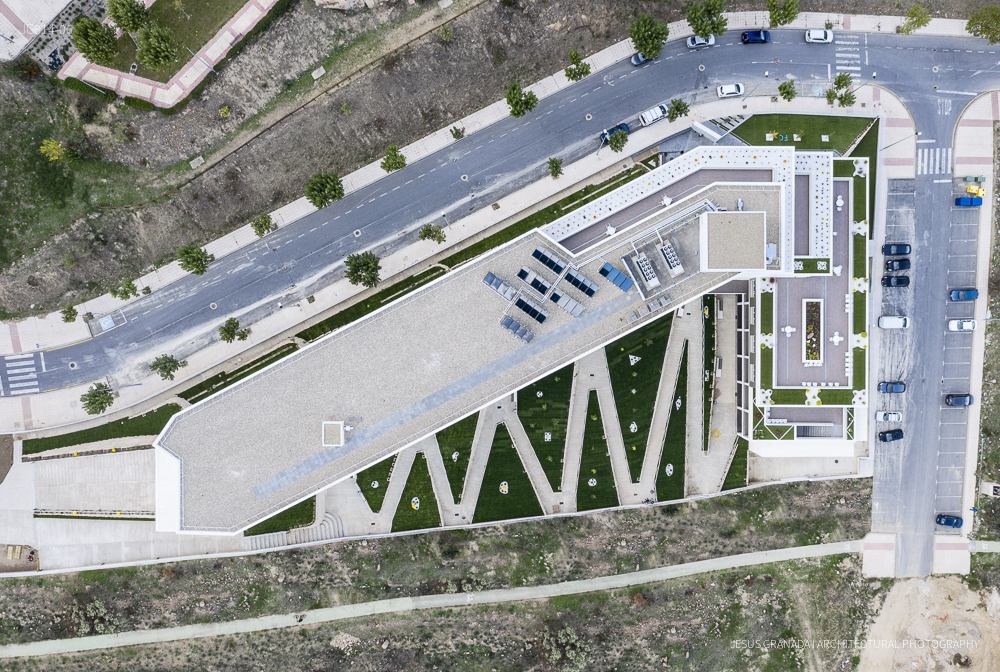
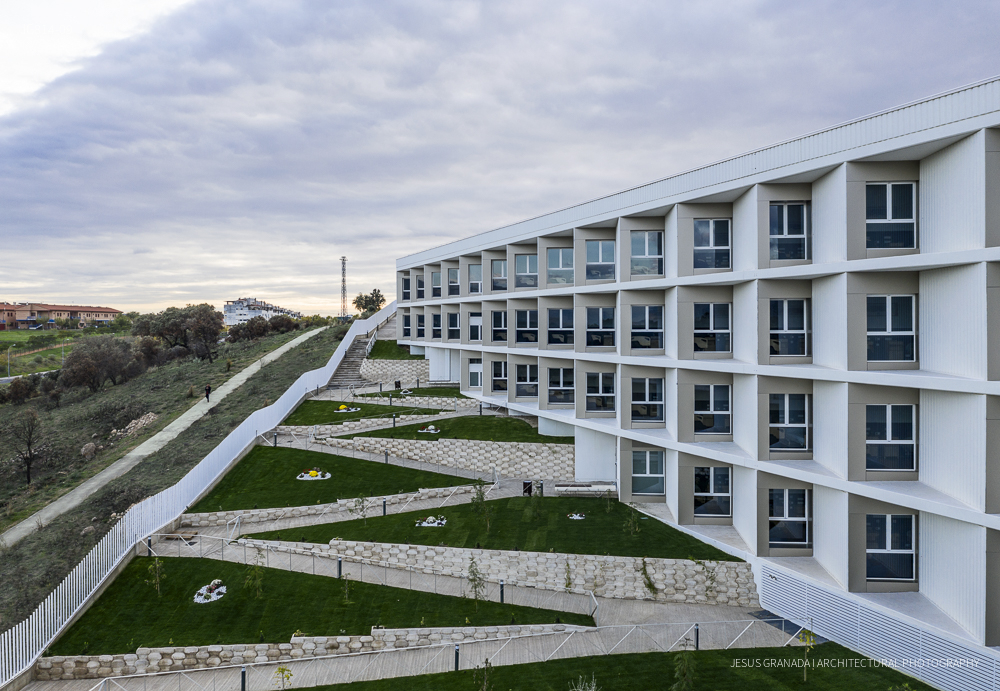
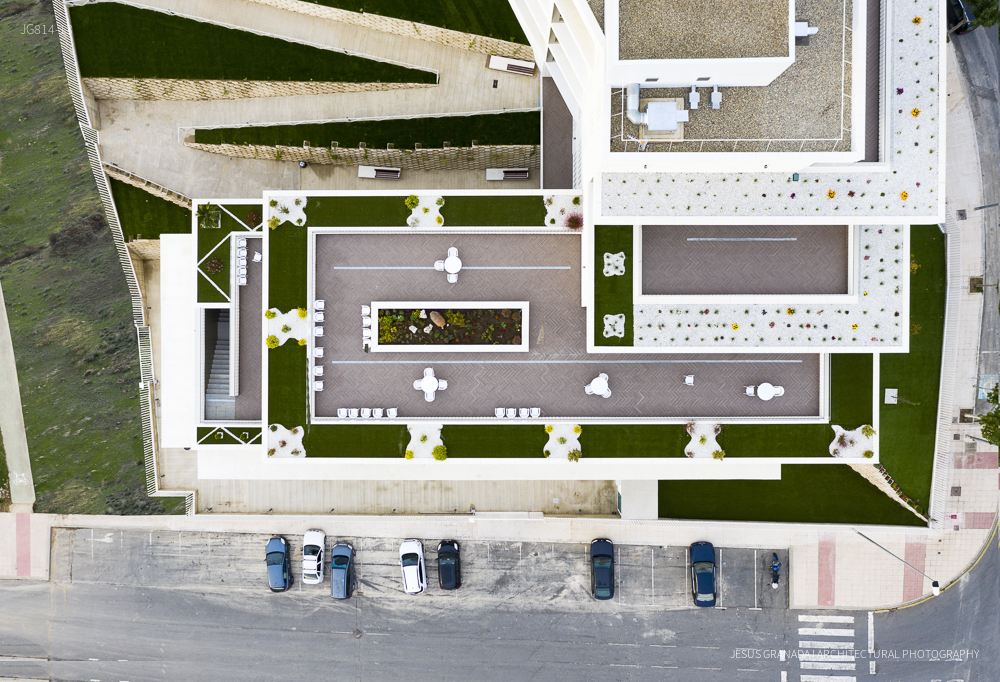
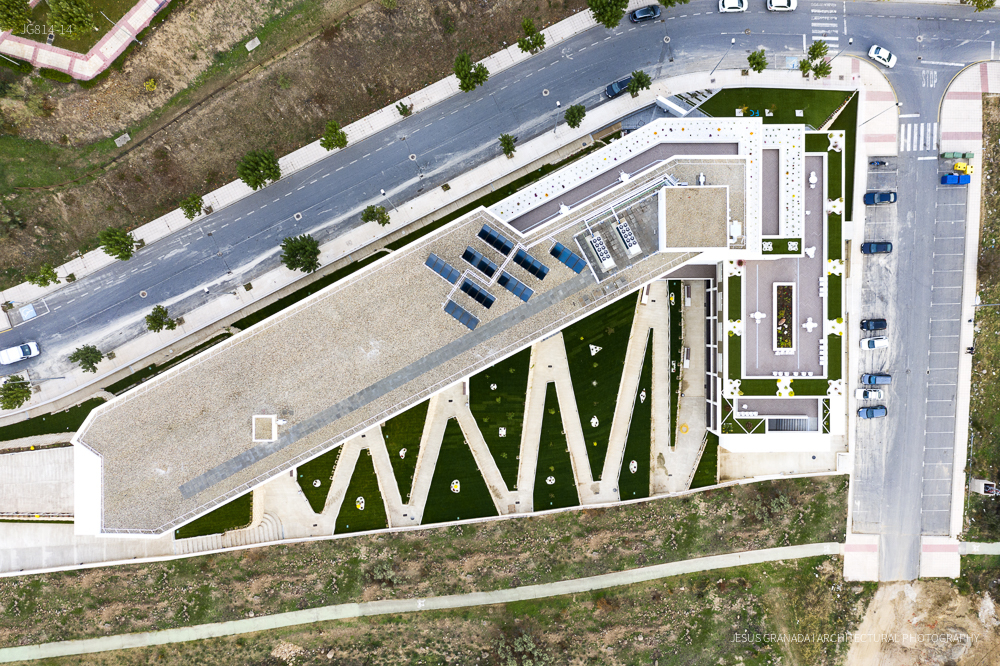
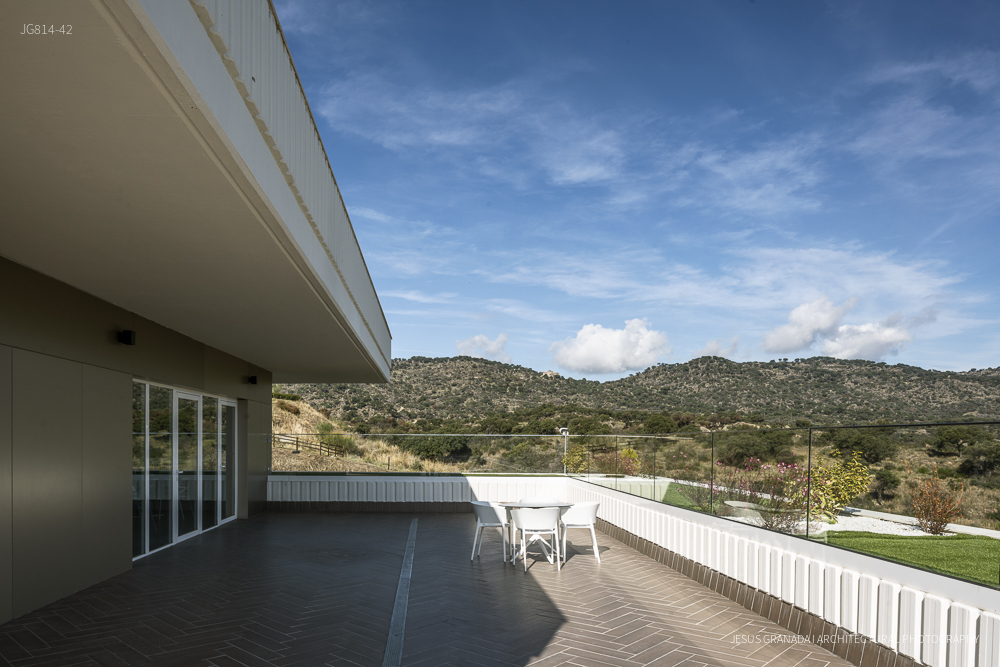
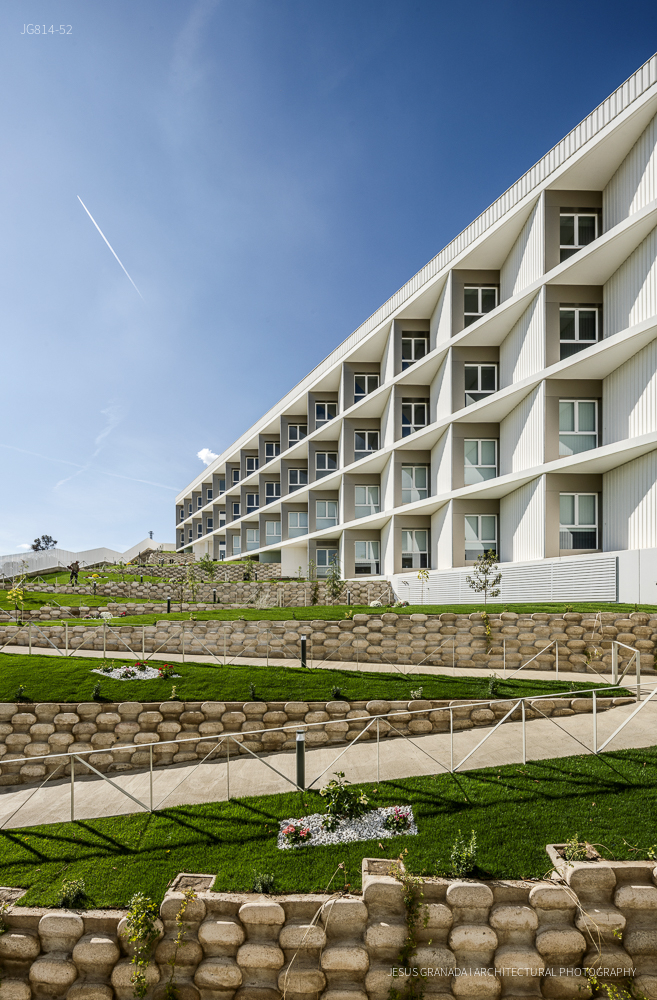
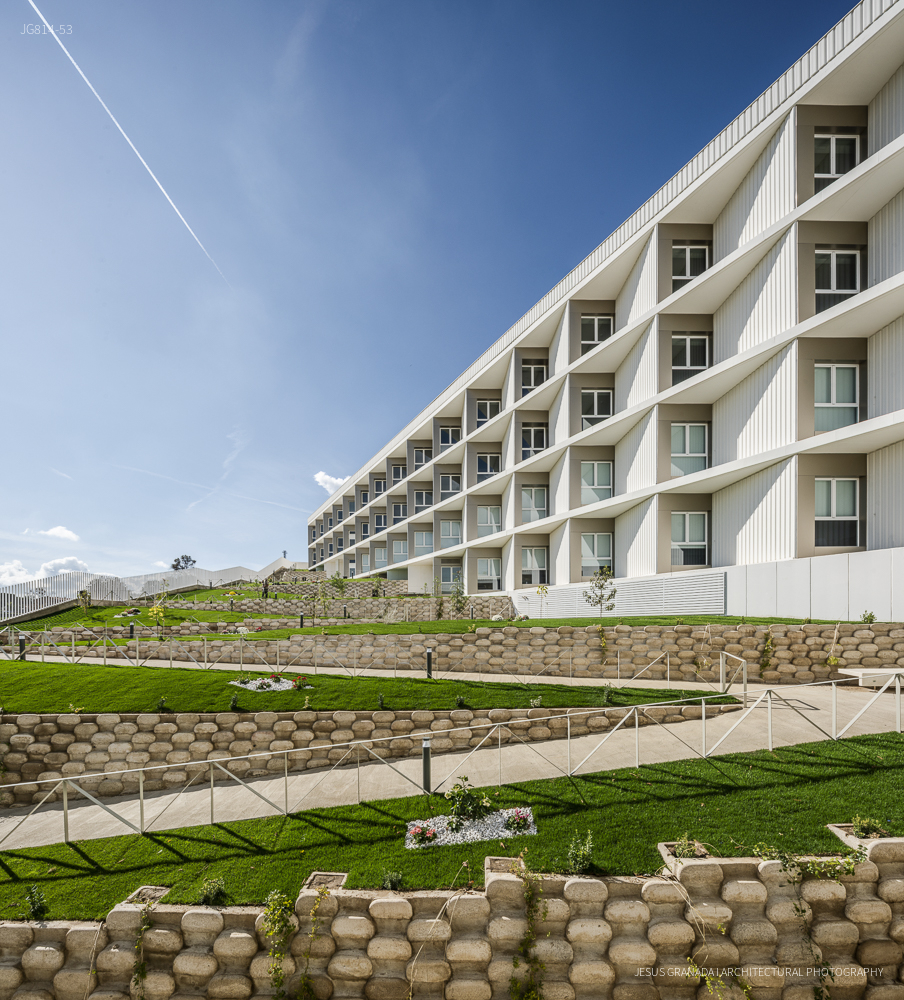
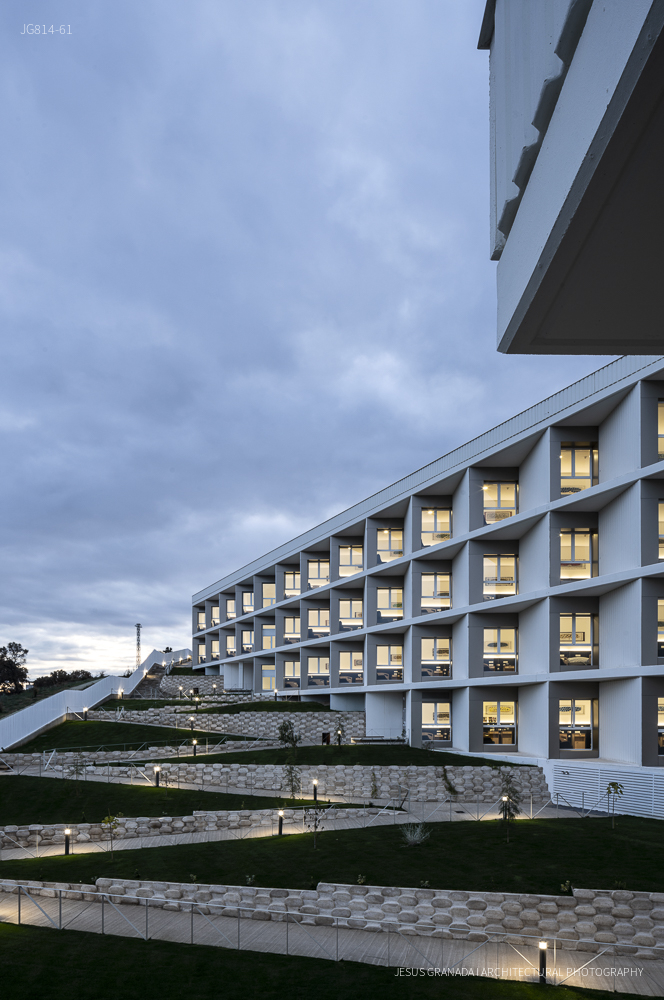
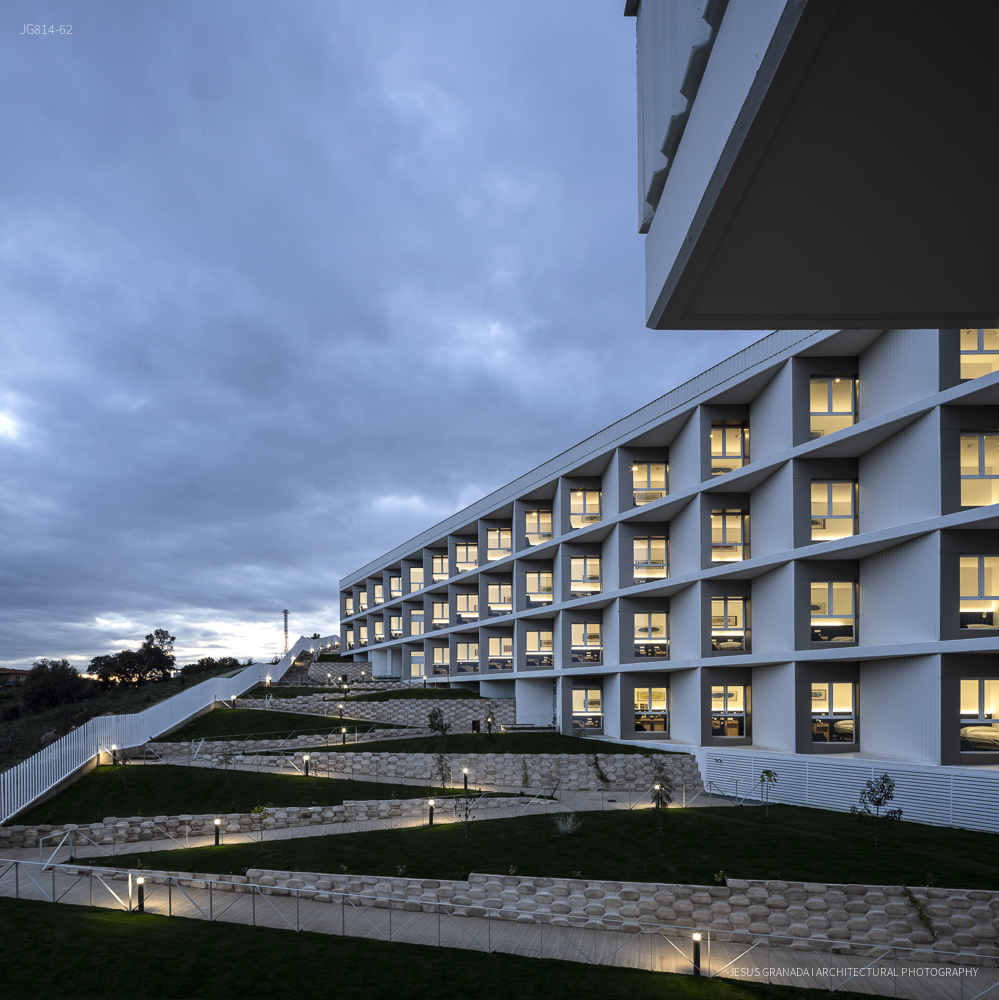
The result is a building in tune with the terrain which transforms the 7.500 m2 built into a series of open and highly attractive spaces for residents. This is the central aim of the project: a cascade of terraced floors which allow the common spaces to be connected through terraces and gardens on the same level, improving the views, the light and the connection with nature.
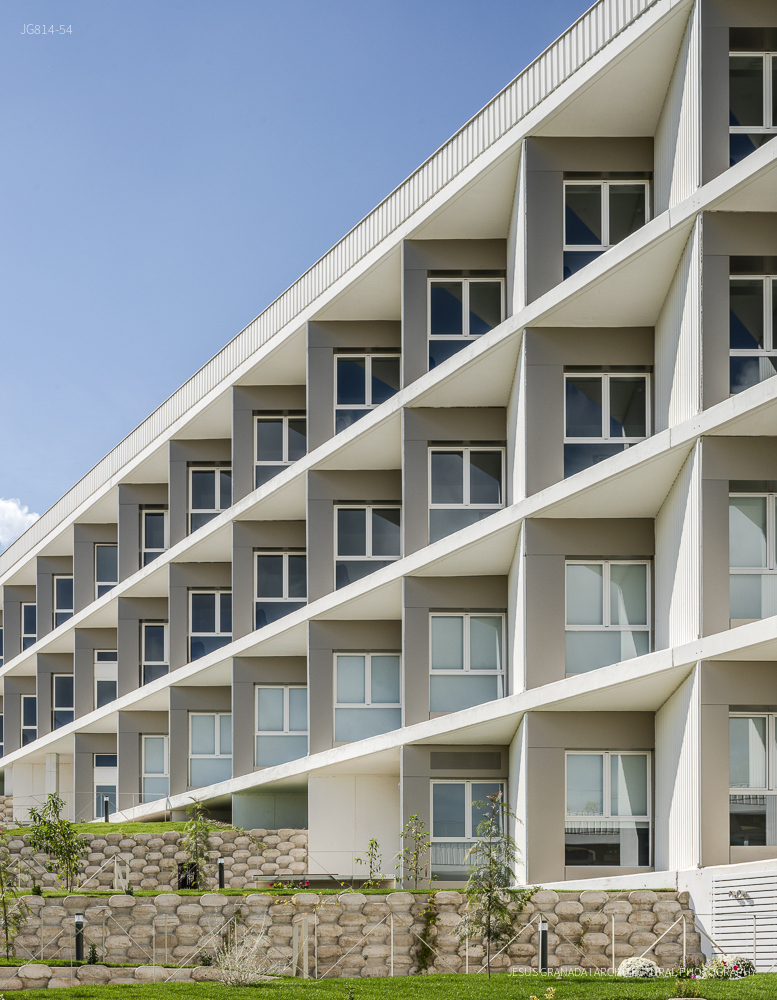
The rooms have all been designed with the same aim in mind. Each one has a very special view while at the same time being protected from the summer sun.
The principle of adapting the building to the terrain has also shaped the design of the ample grounds. This allows residents to enjoy a series of walks through gardens and common spaces bordering each of the terraces.
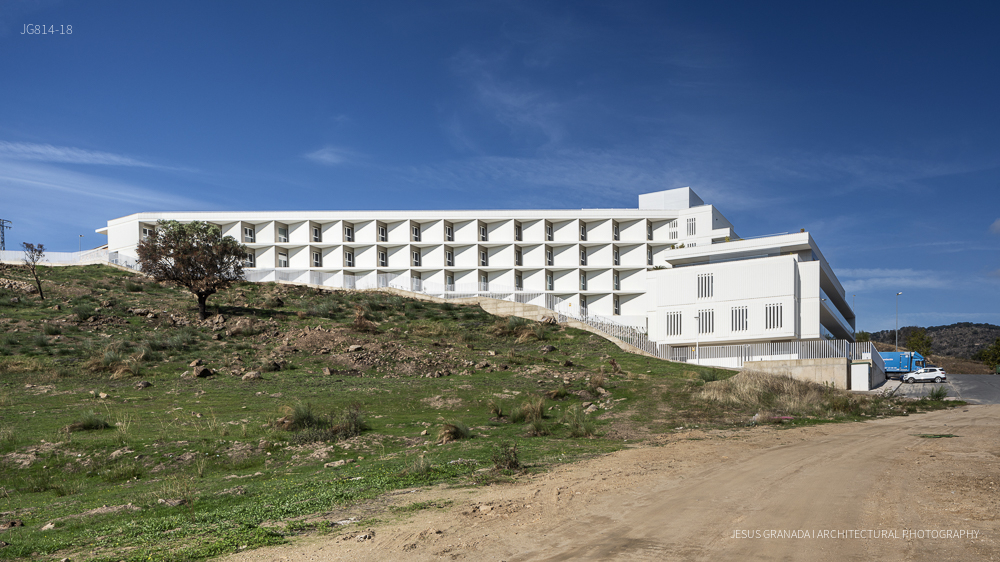
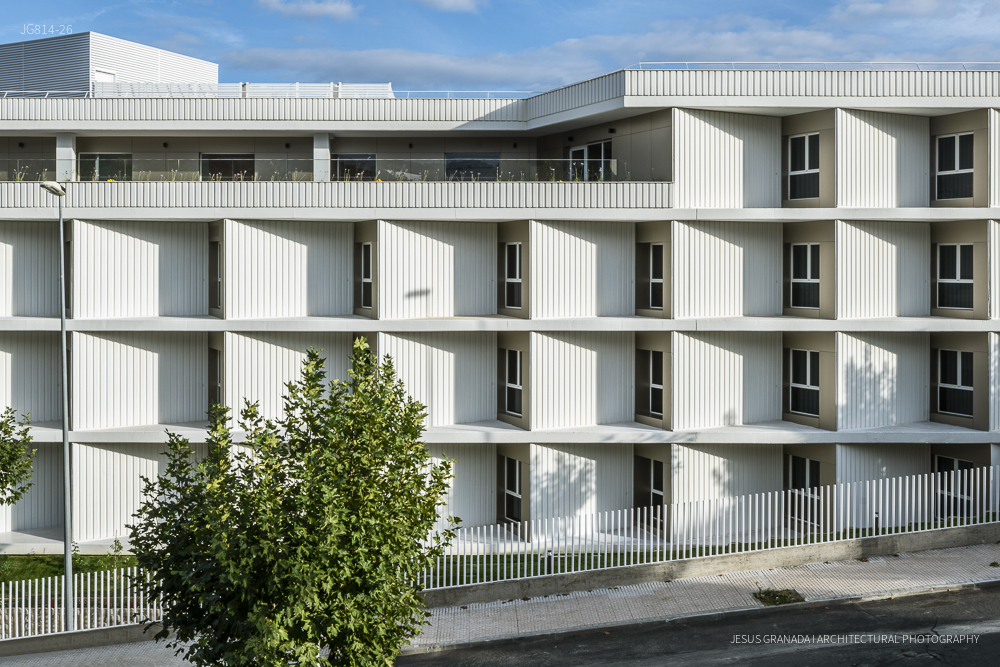
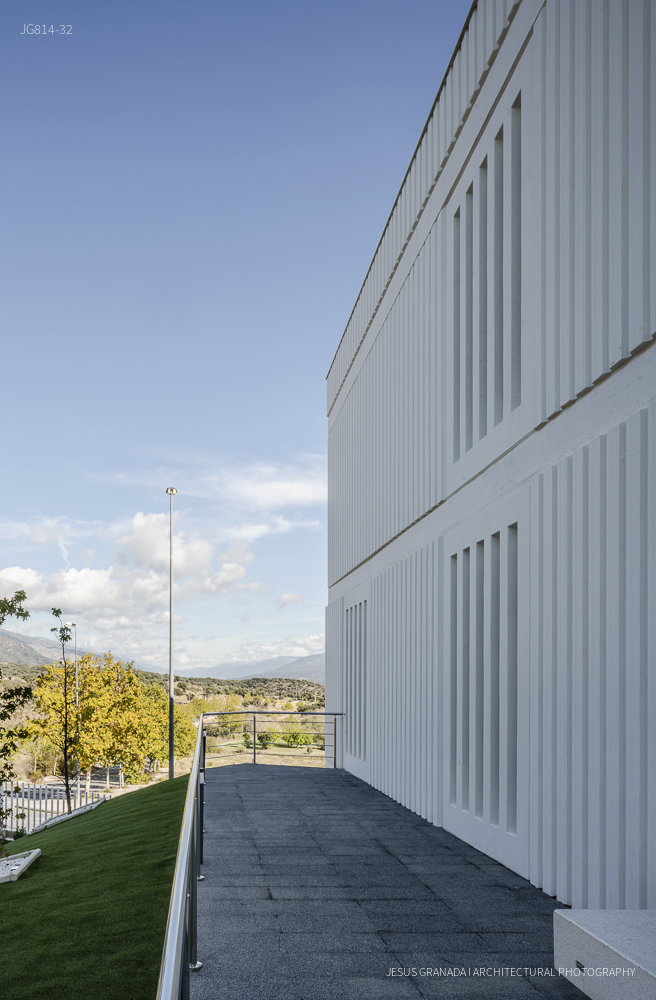
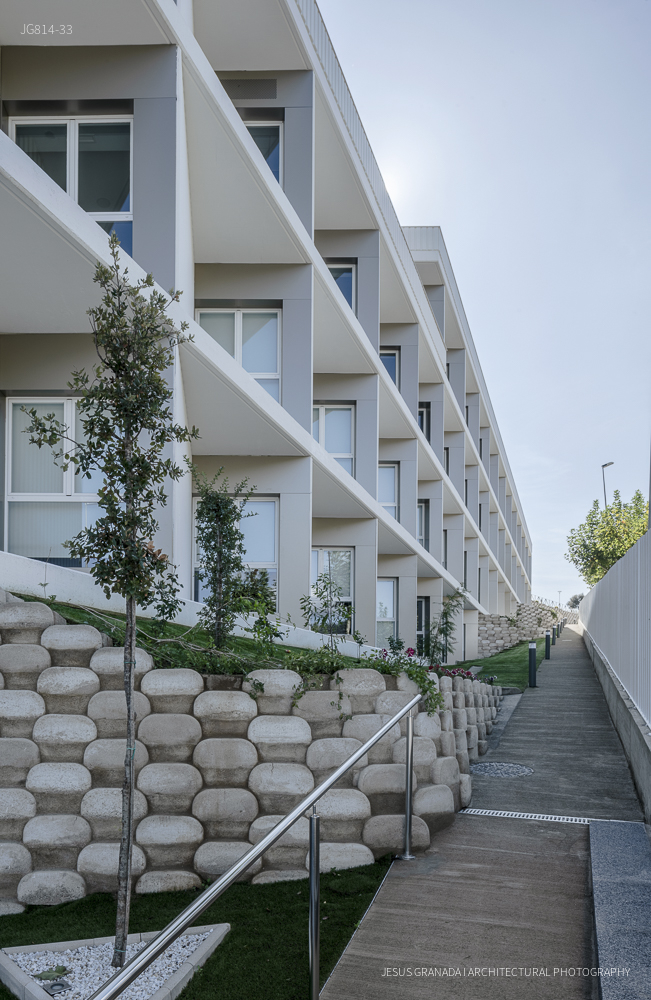
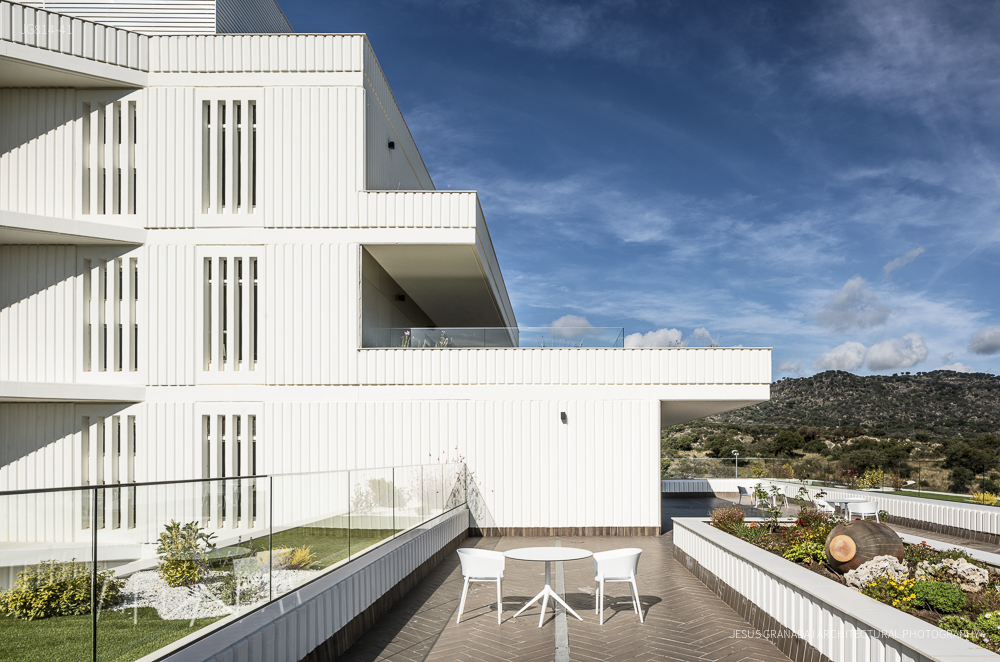
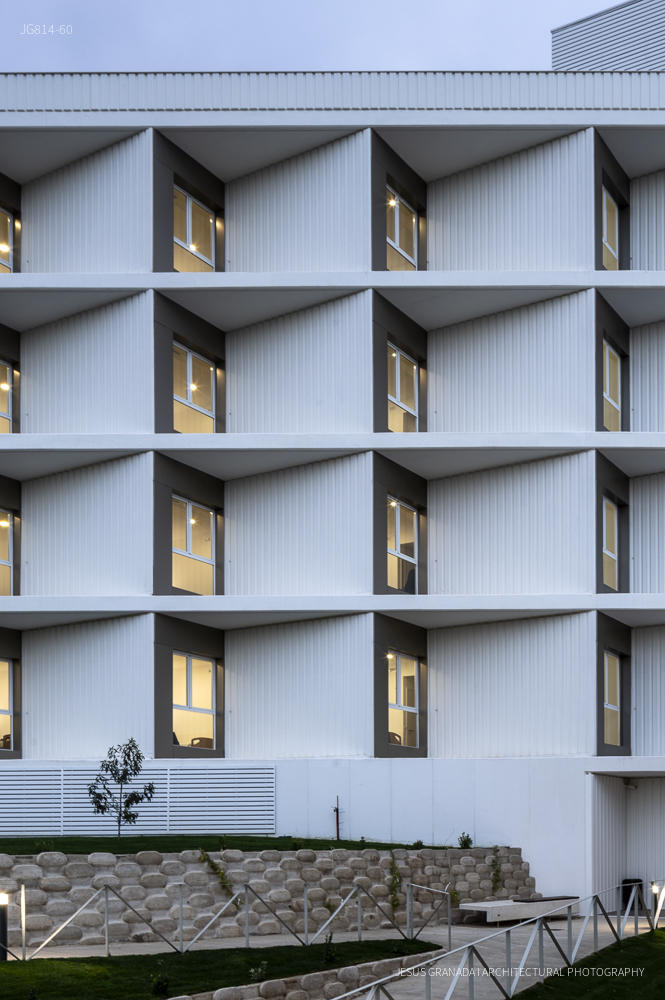
The entire construction is based on a series of modular prefabricated elements which simplify and systematise the overall design. The structure itself is composed of architectural textured concrete panels which at the same time form the external shell of the building.
These “massive” components of the construction create a subtle tension: the grooved, rhythmic and homogeneous pattern across the entire surface creates a suggestive play of light and shadow which changes with the season, while at the same time, creating an intense but subtle frontier with the land
The desire to make the most of the environment, and vice versa, has also been fulfilled by using metal materials which absorb and change with the light.
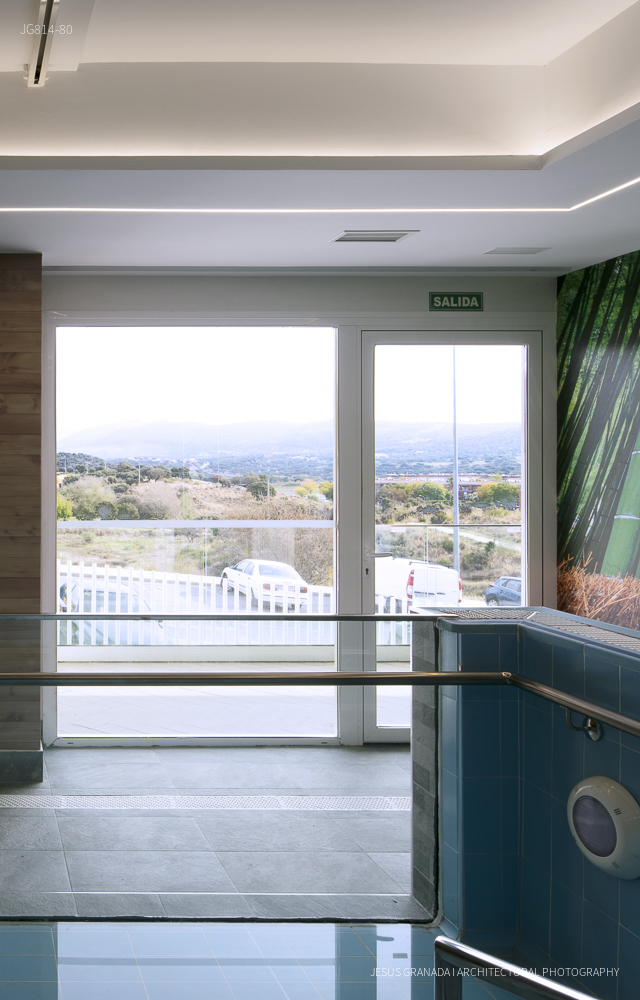
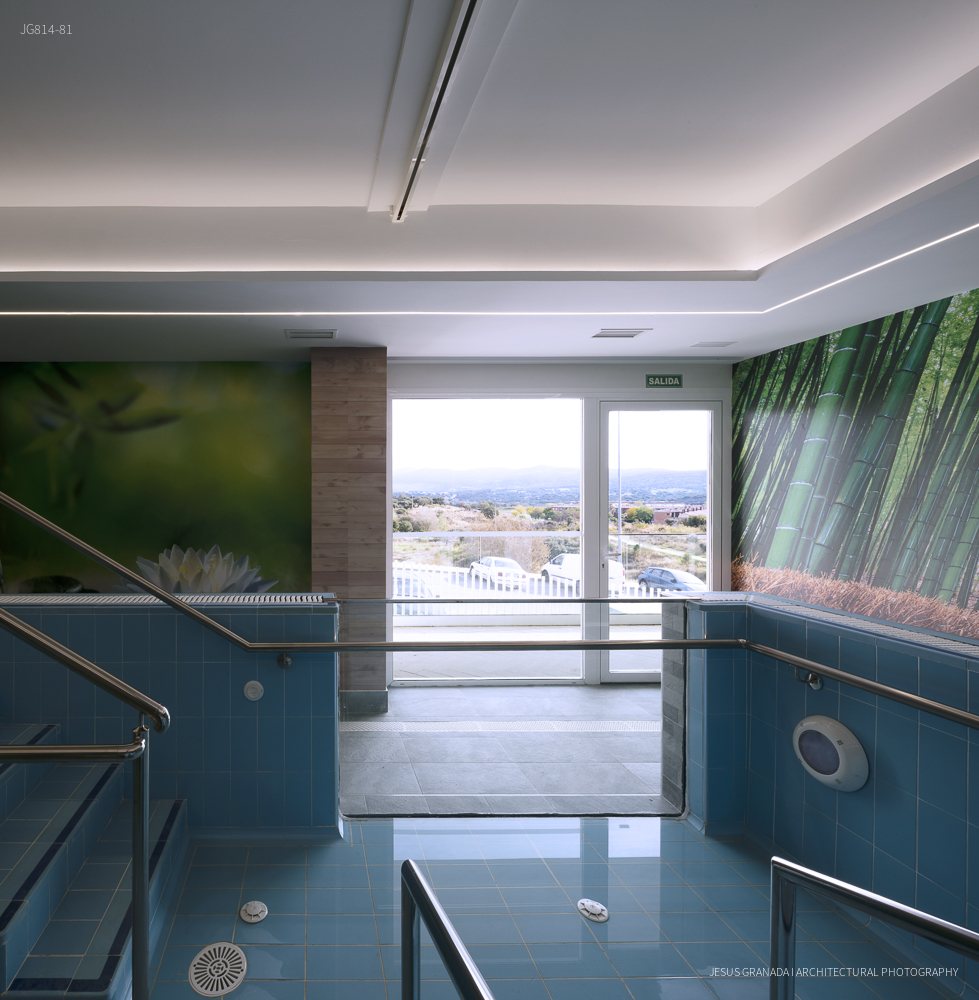
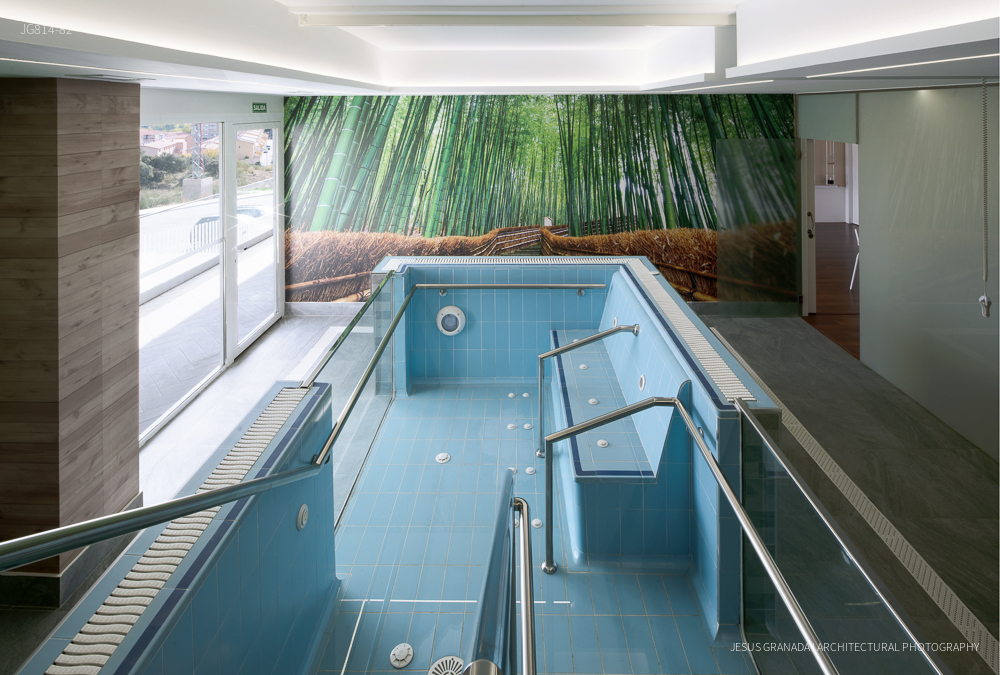
Further elements have been introduced to improve the well being of residents and make it easier for them to orientate themselves in the building, such as the colour schemes used in the rooms and hallways, specially adapted internal and external pathways, spacious adapted bathrooms, and spaces for physiotherapy and hydrotherapy.
ACID consultancy | Plasencia (Cáceres) | November 2019
ACID consultancy | Plasencia (Cáceres) | November 2019
ACID consultancy | Plasencia (Cáceres) | November 2019
ACID consultancy | Plasencia (Cáceres) | November 2019
ACID consultancy | Plasencia (Cáceres) | November 2019
ACID consultancy | Plasencia (Cáceres) | November 2019
ACID consultancy | Plasencia (Cáceres) | November 2019
ACID consultancy | Plasencia (Cáceres) | November 2019
ACID consultancy | Plasencia (Cáceres) | November 2019
ACID consultancy | Plasencia (Cáceres) | November 2019
ACID consultancy | Plasencia (Cáceres) | November 2019
ACID consultancy | Plasencia (Cáceres) | November 2019
ACID consultancy | Plasencia (Cáceres) | November 2019
ACID consultancy | Plasencia (Cáceres) | November 2019
ACID consultancy | Plasencia (Cáceres) | November 2019
ACID consultancy | Plasencia (Cáceres) | November 2019
ACID consultancy | Plasencia (Cáceres) | November 2019
ACID consultancy | Plasencia (Cáceres) | November 2019
ACID consultancy | Plasencia (Cáceres) | November 2019
ACID consultancy | Plasencia (Cáceres) | November 2019
ACID consultancy | Plasencia (Cáceres) | November 2019
ACID consultancy | Plasencia (Cáceres) | November 2019
ACID consultancy | Plasencia (Cáceres) | November 2019
ACID consultancy | Plasencia (Cáceres) | November 2019
ACID consultancy | Plasencia (Cáceres) | November 2019
ACID consultancy | Plasencia (Cáceres) | November 2019
ACID consultancy | Plasencia (Cáceres) | November 2019
ACID consultancy | Plasencia (Cáceres) | November 2019
ACID consultancy | Plasencia (Cáceres) | November 2019
ACID consultancy | Plasencia (Cáceres) | November 2019
ACID consultancy | Plasencia (Cáceres) | November 2019
ACID consultancy | Plasencia (Cáceres) | November 2019
ACID consultancy | Plasencia (Cáceres) | November 2019
ACID consultancy | Plasencia (Cáceres) | November 2019
ACID consultancy | Plasencia (Cáceres) | November 2019
ACID consultancy | Plasencia (Cáceres) | November 2019
ACID consultancy | Plasencia (Cáceres) | November 2019
ACID consultancy | Plasencia (Cáceres) | November 2019
ACID consultancy | Plasencia (Cáceres) | November 2019
ACID consultancy | Plasencia (Cáceres) | November 2019
ACID consultancy | Plasencia (Cáceres) | November 2019
ACID consultancy | Plasencia (Cáceres) | November 2019
ACID consultancy | Plasencia (Cáceres) | November 2019
ACID consultancy | Plasencia (Cáceres) | November 2019
ACID consultancy | Plasencia (Cáceres) | November 2019
ACID consultancy | Plasencia (Cáceres) | November 2019
ACID consultancy | Plasencia (Cáceres) | November 2019
ACID consultancy | Plasencia (Cáceres) | November 2019
ACID consultancy | Plasencia (Cáceres) | November 2019
ACID consultancy | Plasencia (Cáceres) | November 2019
ACID consultancy | Plasencia (Cáceres) | November 2019
ACID consultancy | Plasencia (Cáceres) | November 2019
ACID consultancy | Plasencia (Cáceres) | November 2019
ACID consultancy | Plasencia (Cáceres) | November 2019
ACID consultancy | Plasencia (Cáceres) | November 2019
ACID consultancy | Plasencia (Cáceres) | November 2019
ACID consultancy | Plasencia (Cáceres) | November 2019
ACID consultancy | Plasencia (Cáceres) | November 2019
ACID consultancy | Plasencia (Cáceres) | November 2019
ACID consultancy | Plasencia (Cáceres) | November 2019
ACID consultancy | Plasencia (Cáceres) | November 2019
ACID consultancy | Plasencia (Cáceres) | November 2019
ACID consultancy | Plasencia (Cáceres) | November 2019
ACID consultancy | Plasencia (Cáceres) | November 2019
ACID consultancy | Plasencia (Cáceres) | November 2019
ACID consultancy | Plasencia (Cáceres) | November 2019
ACID consultancy | Plasencia (Cáceres) | November 2019
ACID consultancy | Plasencia (Cáceres) | November 2019
ACID consultancy | Plasencia (Cáceres) | November 2019
ACID consultancy | Plasencia (Cáceres) | November 2019
ACID consultancy | Plasencia (Cáceres) | November 2019
ACID consultancy | Plasencia (Cáceres) | November 2019
ACID consultancy | Plasencia (Cáceres) | November 2019
ACID consultancy | Plasencia (Cáceres) | November 2019
ACID consultancy | Plasencia (Cáceres) | November 2019
ACID consultancy | Plasencia (Cáceres) | November 2019
ACID consultancy | Plasencia (Cáceres) | November 2019
ACID consultancy | Plasencia (Cáceres) | November 2019
ACID consultancy | Plasencia (Cáceres) | November 2019
ACID consultancy | Plasencia (Cáceres) | November 2019
ACID consultancy | Plasencia (Cáceres) | November 2019
ACID consultancy | Plasencia (Cáceres) | November 2019
ACID consultancy | Plasencia (Cáceres) | November 2019
ARQUITECTOS: ACID Consultoría Técnica
Built surface: 7.365,14 m²
End: Julio de 2019.
Project and direction: Irene Calle Izquierdo y Alfredo Díaz Soto. (arquitectos)
PROYECTO Y D.E.O.: Ángel Calle Riolobos y Mª Ángeles Pérez Fernández. (arquitectos técnicos)
Desing team: Irene Calle Izquierdo, Alfredo Díaz Soto, Paloma Sesma Luengo y Luis Miguel Sánchez García