Blog
-
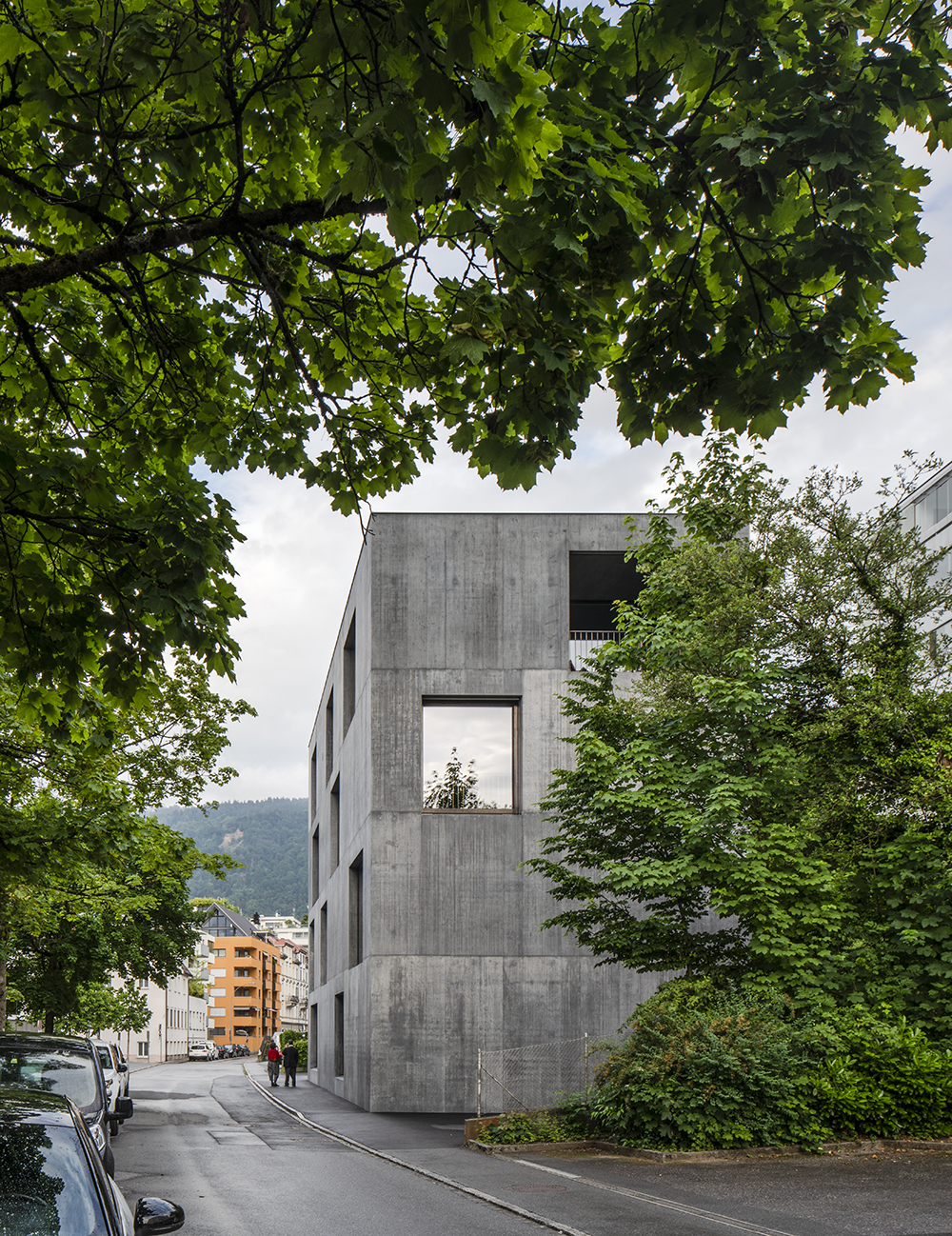
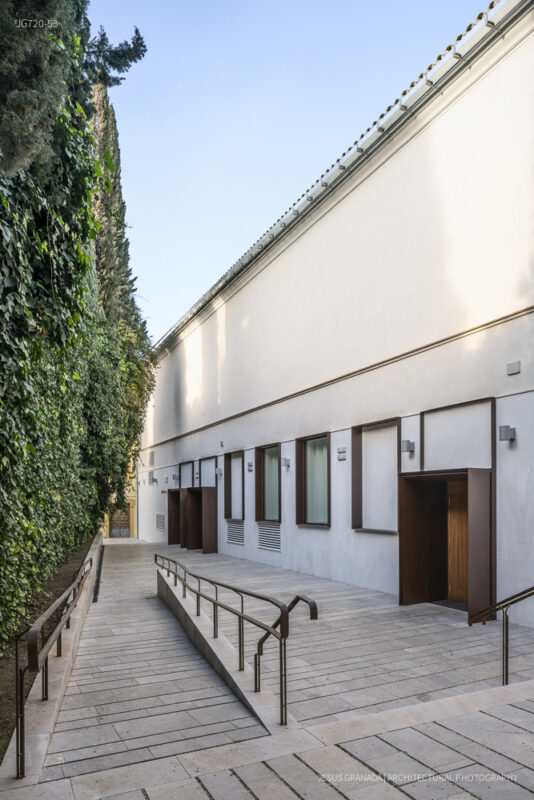
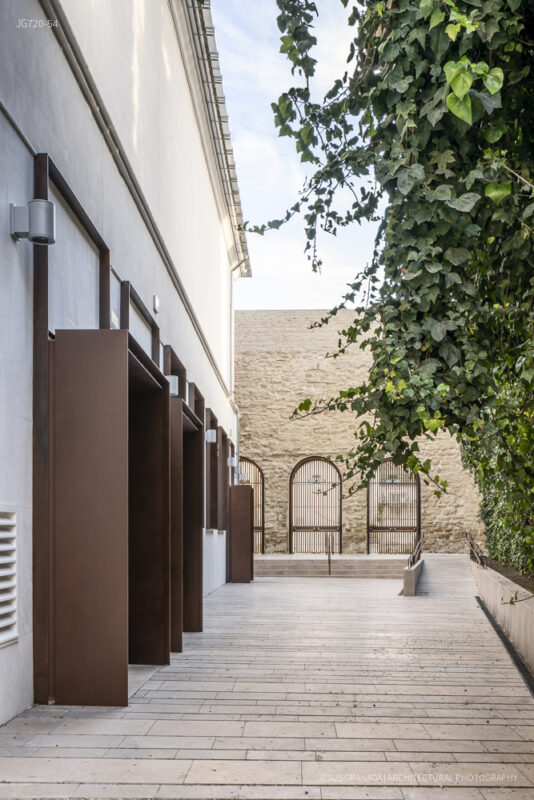
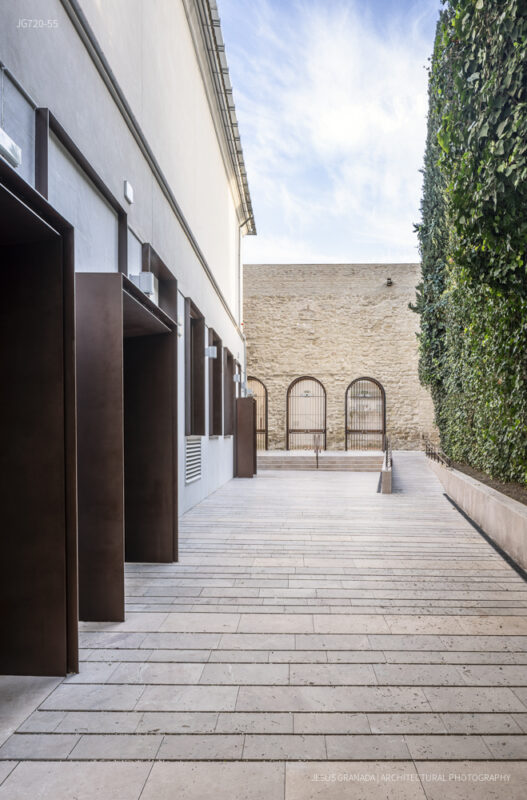
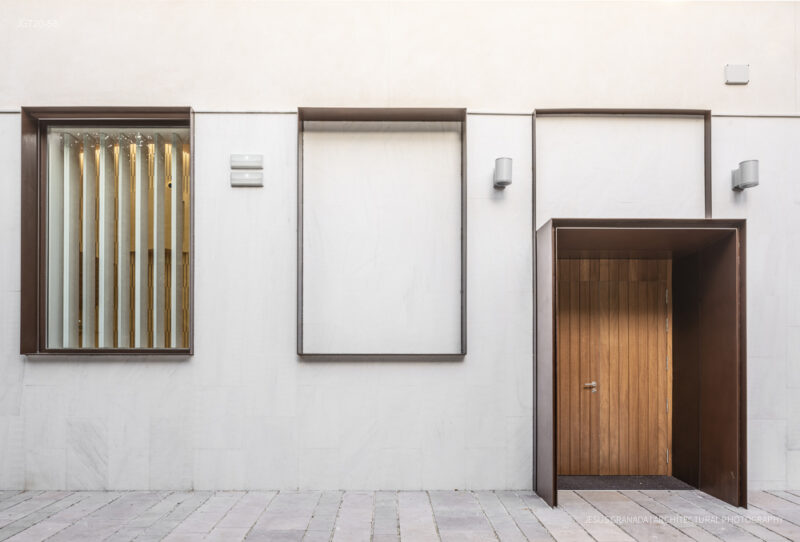
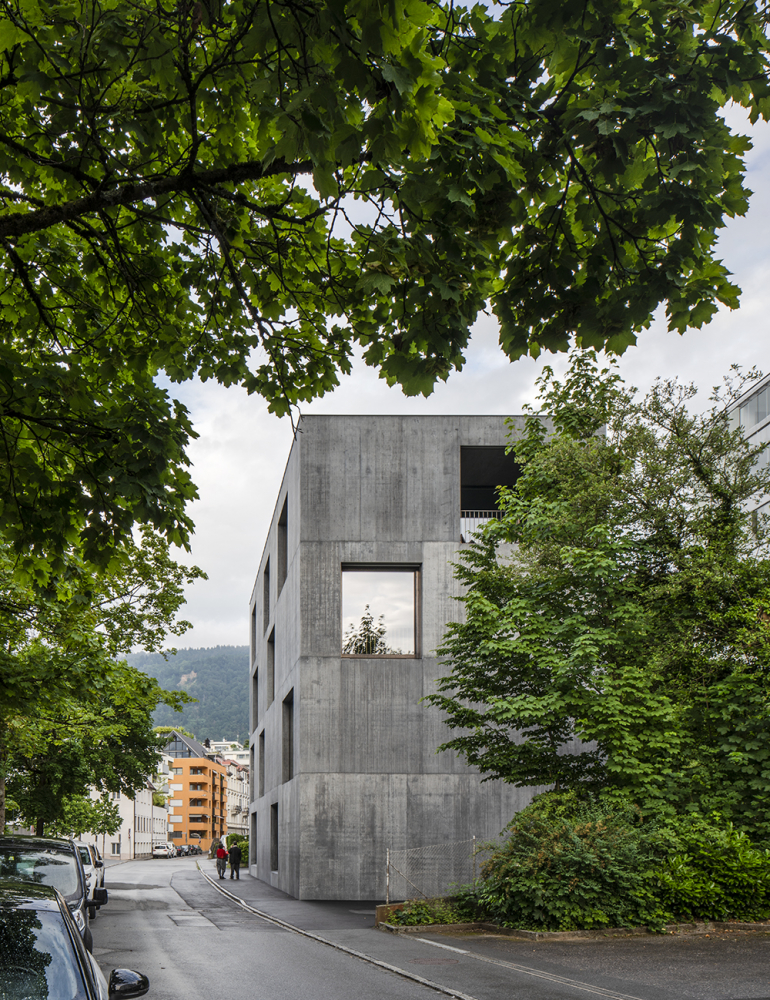
Klostergasse studio in Bregenz, Austria
Bernardo Bader architect | Bregenz, Vorarlberg, Austria | September 2019 -
Islamic Cemetery in Altach, Austria
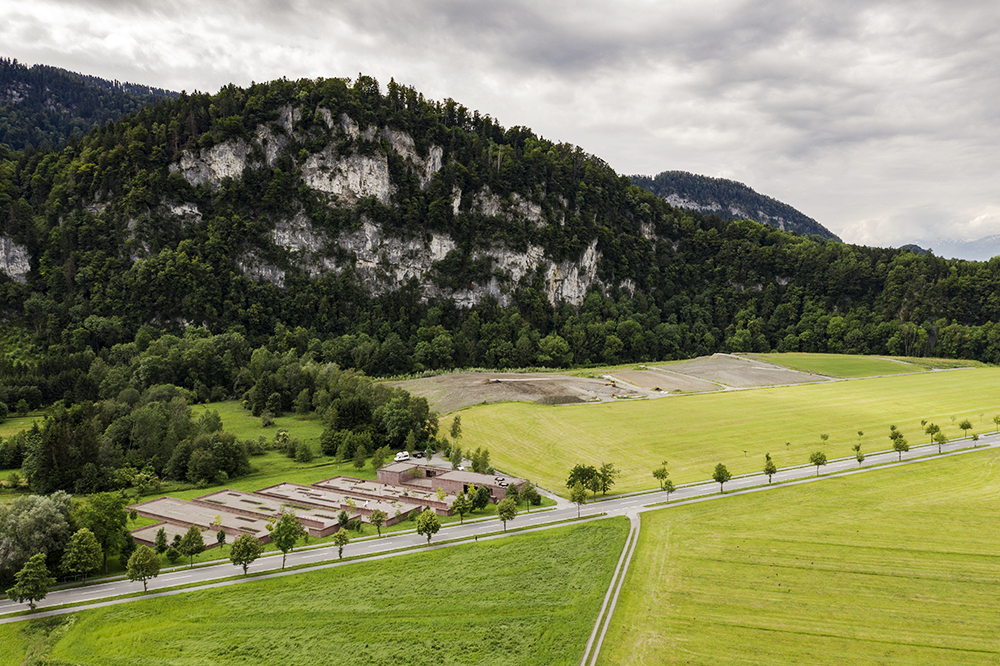
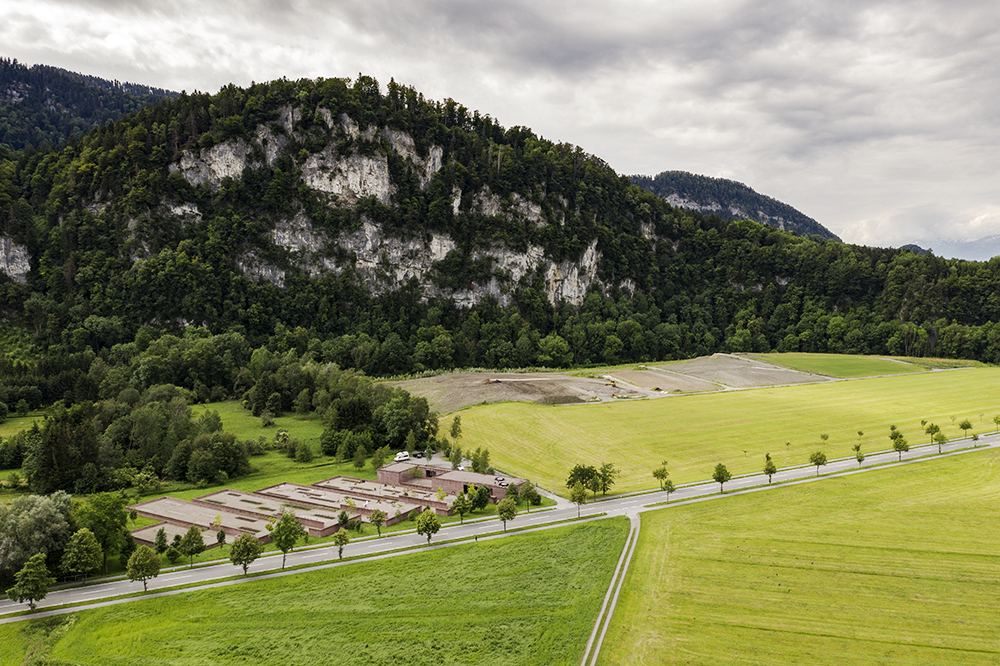
Islamic Cemetery in Altach, Austria | Bernardo Bader, architect | © photo Jesús Granada The design of a cemetery is based on the beliefs and their funeral rites, which in turn say a lot about the particular understanding of nature and social relations.
This fact should also be shown clearly in the new cemetery project for Muslims in Vorarlberg.
Regardless of religious orientation, is the two forms of Christian and Muslim burial site in common, that the cemetery was the first garden. As the real ‘Urgarten’ it is characterized by the cultivation of its soil and its clearly defined from surface.
When creating a garden for the first time a piece of land is bounded and clearly delineated against the wilderness.
The aim of the design is a very open and clearly laid out the overall concept. A delicate weave of wall panels in various heights frame the graves and the built-structure. The ‘finger-like’ grave-scale fields allow implementation in stages, – the grave fields extend into the pristine landscape. The planned grave fields are bordered by low walls and form separate rooms. They are each divided into a compact area for organized grave burials and a small room with sitting-bench.
The range of the required facilities are developed from the topic out of the wall. The result is a total investment of grave fields appropriate header.
-
Kindergarten Susi Weigel in Bludenz, Austria
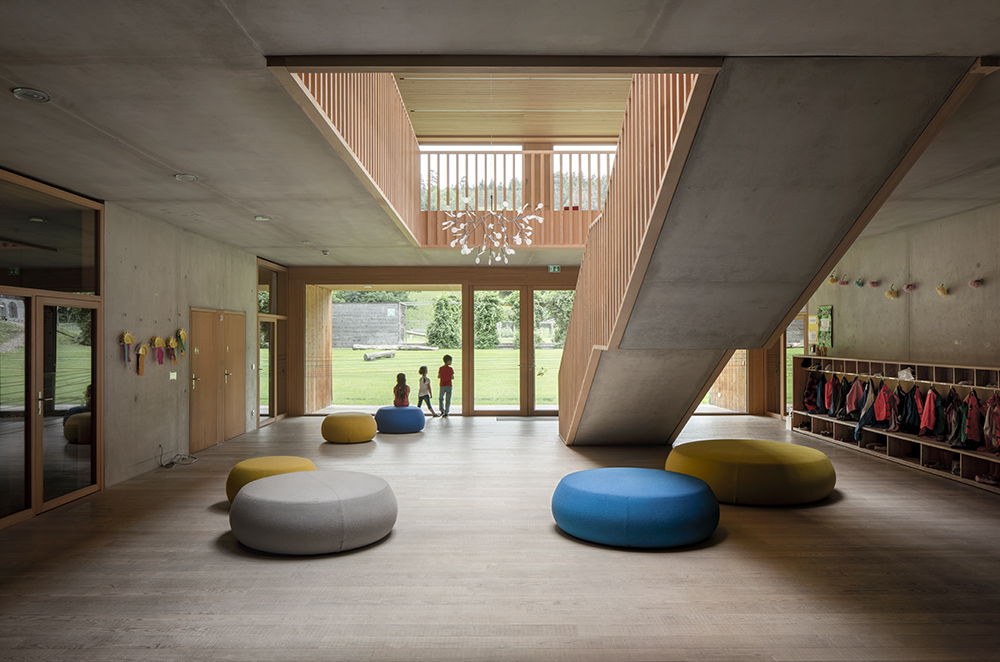
Objective for Kindergarten Susi Weigel: To outline a 2 -storey building with a precise and quiet urban setting . The gallery like scale interior provides an attractive permeability of the outer layers of space , the expansion of the play areas and the group work areas represents the inner room sequences that are varied and full of suspense. A very high quality space with diverse insights and perspectives is the architectural target of the project. The whole timber used in the interior and the façade characterize the atmosphere of the garden from city-owned forests .
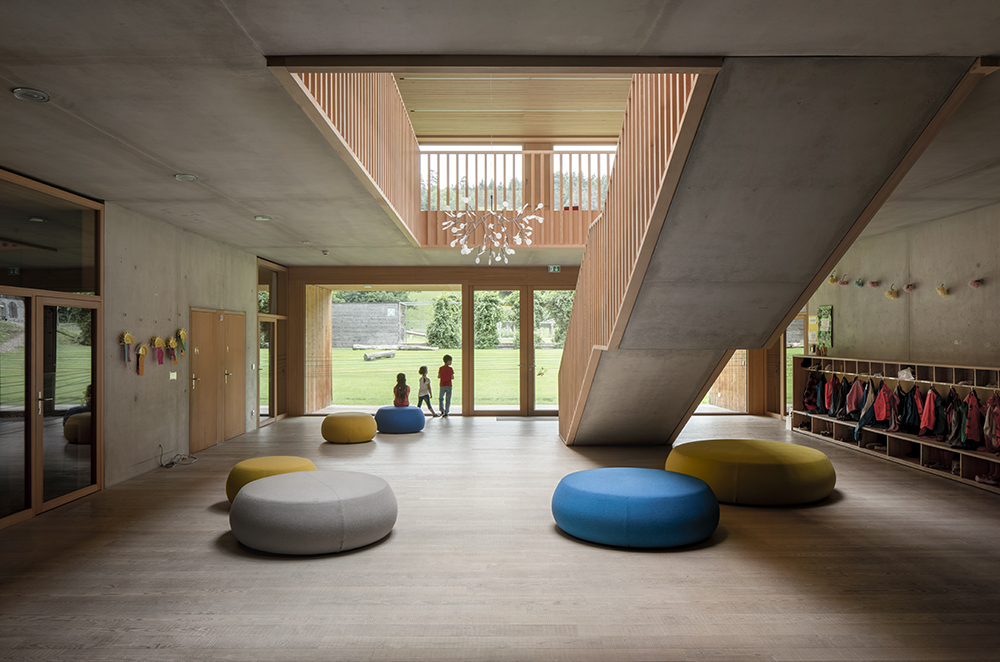
Bernardo Bader architect | Bludenz, Vorarlberg, Austria | November 2013 Modest and largely unknown Susi Weigel lived in Bludenz. Countless children’s books have been illustrated by Weigel , the most famous of which is probably “The little I am I”. For the design of the Weigel kindergarten in Bludenz is an intensive review of the all time drawings Weigel has performed. Original illustration motifs from Susi Weigel were selected for the glass markers on a “reticle” and so pass through the entire kindergarten . Sunny yellow and cornflower blue in light soft and dark tones extend from chairs and upholstered furniture , to the wardrobe, back walls and curtains.
-
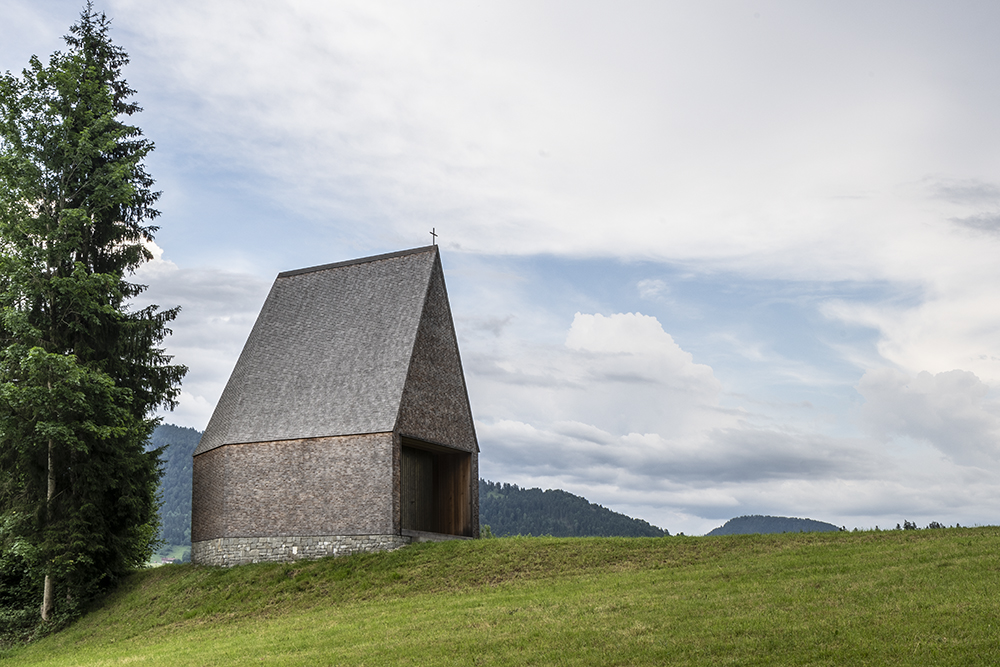
Kapelle Salgenreute in Krumbach, Austria
Topographically attractively situated at the Nagelfluhrücken, next to the Krumbacher moor, the existing Lourdes –Chapel was rebuilt. A renovation of the old chapel was no longer possible and to regenerate the existing was not the desired aim of the community of Krumbach. Rather, to use the existing knowledge and the courage to create the new. Several years of designing and constructing made an exempla- ry project visible. More than a hundred of volunteers made it possible to realize the project.
The chapel Salgenreute unites the historical and traditional aspect that characterizes many places in the Bregenzerwald. The chapel is built out of wood and stone. The sun is going to change the wooden façade it will turn darker, black in the south, silver-grey in the north, just like the old farmhouses from the area. The basic shape is based on the existing 200 year old chapel and includes a main ship as well as an apse.
The shape of the room is new – an outstanding steep rising spatial folding made out of wood. The inside of the chapel is dominated by the homogeneous material of the wall and the roof. The light that shines through the frontal window is providing a special atmosphere. The statue of mother of God, originated from the existing building, is arranged in an other way than in the classical concepts at the side of the apse. The view straight ahead through the white apse leads directly into the nature. Whoever enters the chapel leaves the solid ground and proceeds a reflective journey.
-
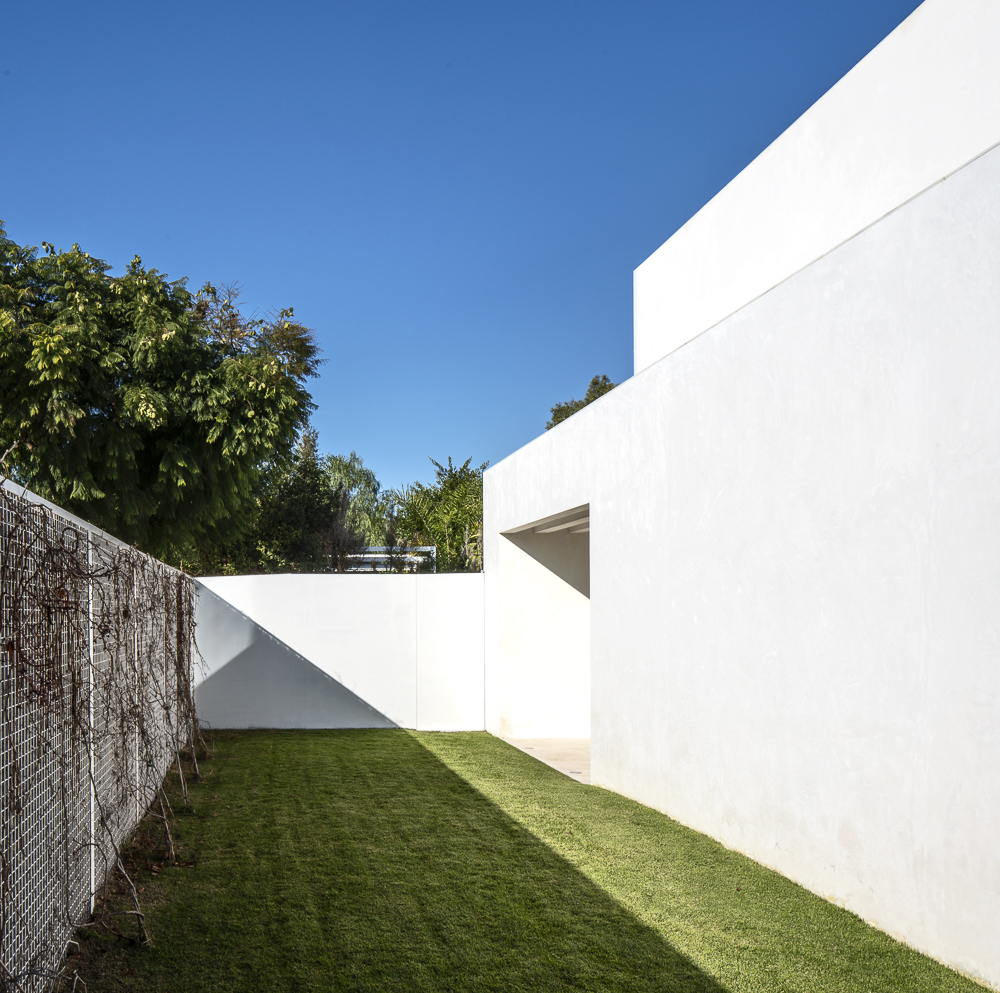
House in El Puerto de Santa María
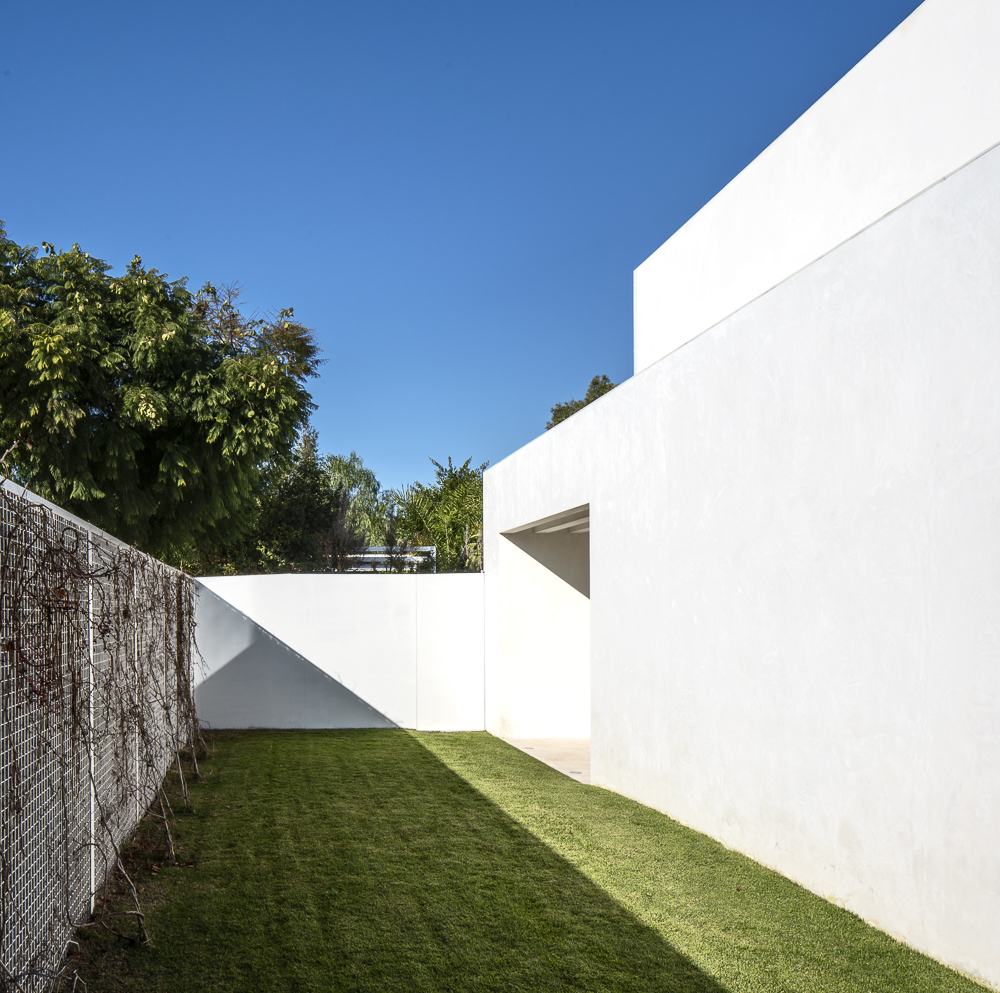
OOOA architects, José Carlos Oliva and Tomás Osborne | El Puerto de Santa María (Cádiz), Spain | January 2020 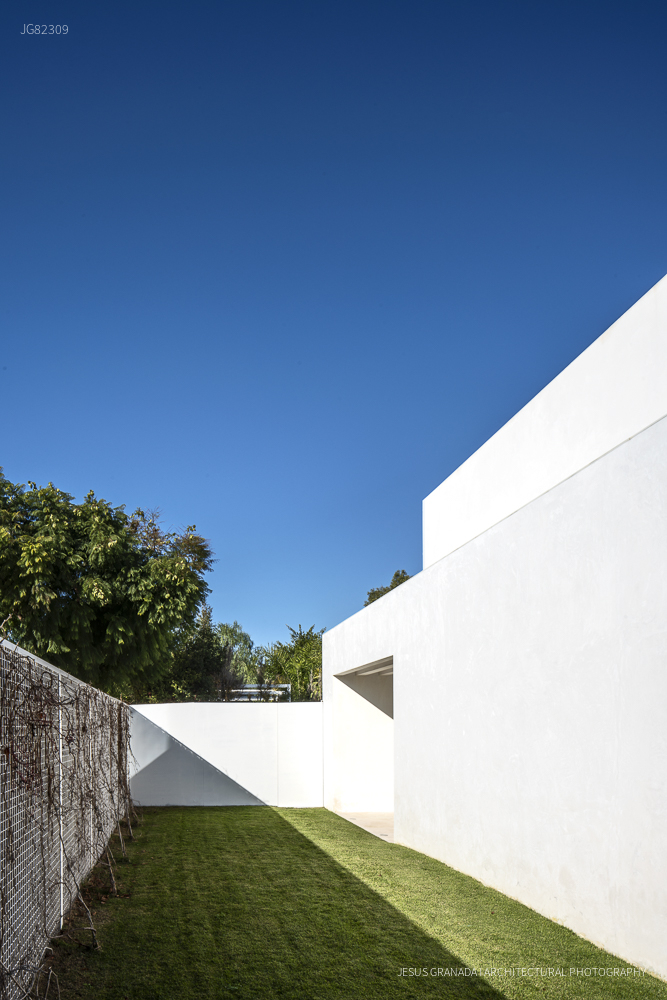
OOOA architects, José Carlos Oliva and Tomás Osborne | El Puerto de Santa María (Cádiz), Spain | January 2020 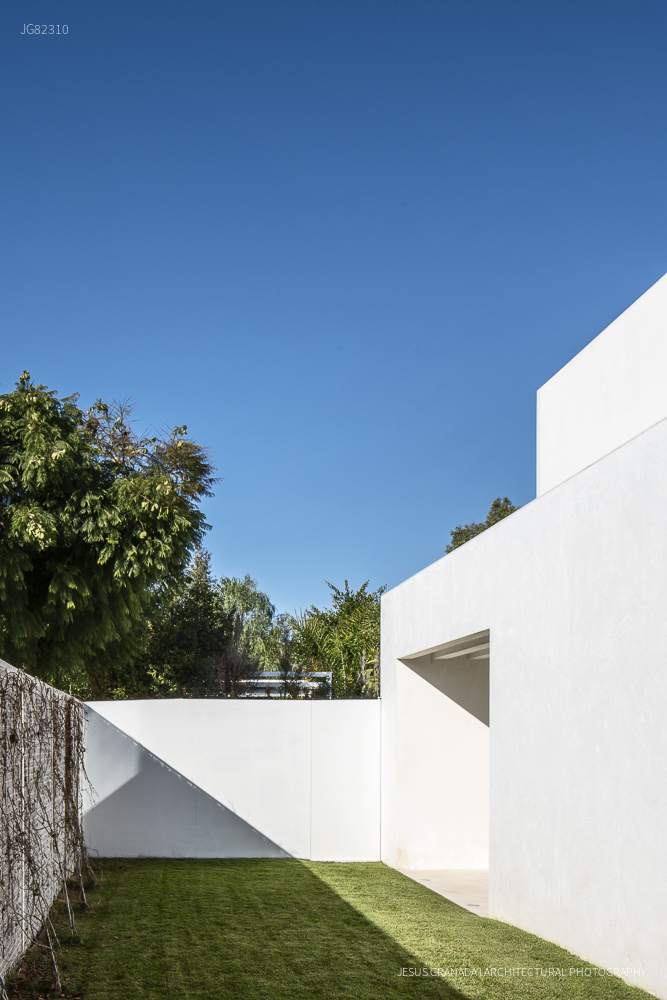
OOOA architects, José Carlos Oliva and Tomás Osborne | El Puerto de Santa María (Cádiz), Spain | January 2020 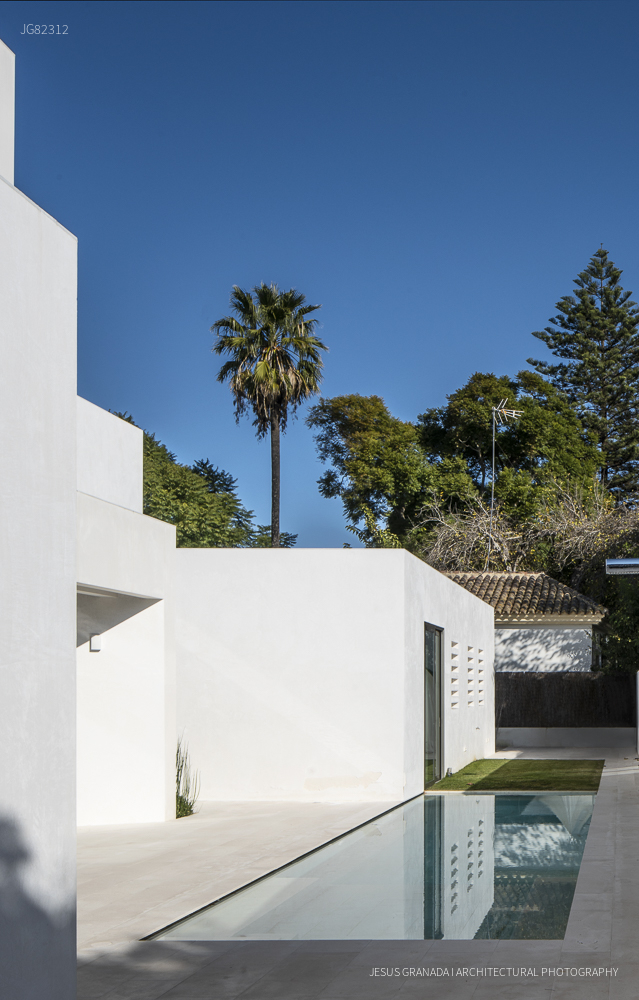
OOOA architects, José Carlos Oliva and Tomás Osborne | El Puerto de Santa María (Cádiz), Spain | January 2020 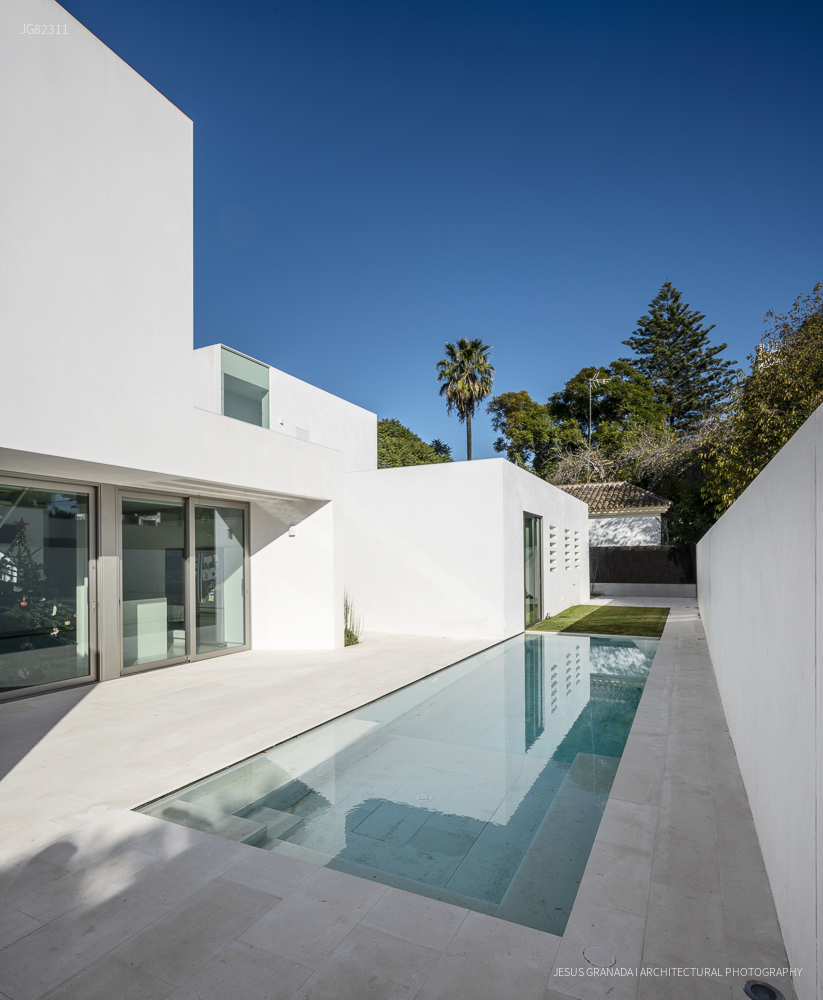
OOOA architects, José Carlos Oliva and Tomás Osborne | El Puerto de Santa María (Cádiz), Spain | January 2020 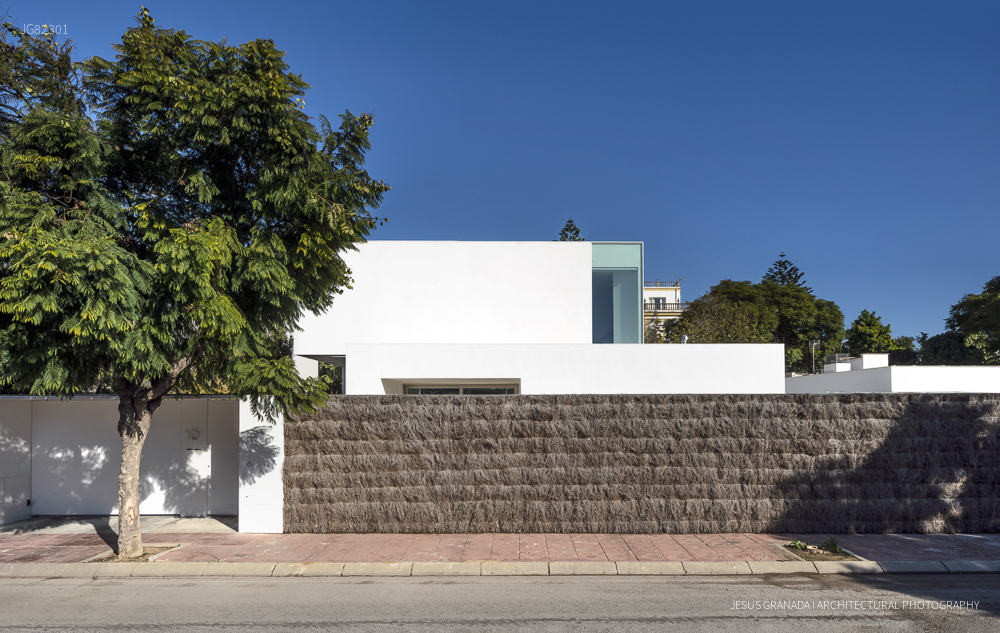
OOOA architects, José Carlos Oliva and Tomás Osborne | El Puerto de Santa María (Cádiz), Spain | January 2020 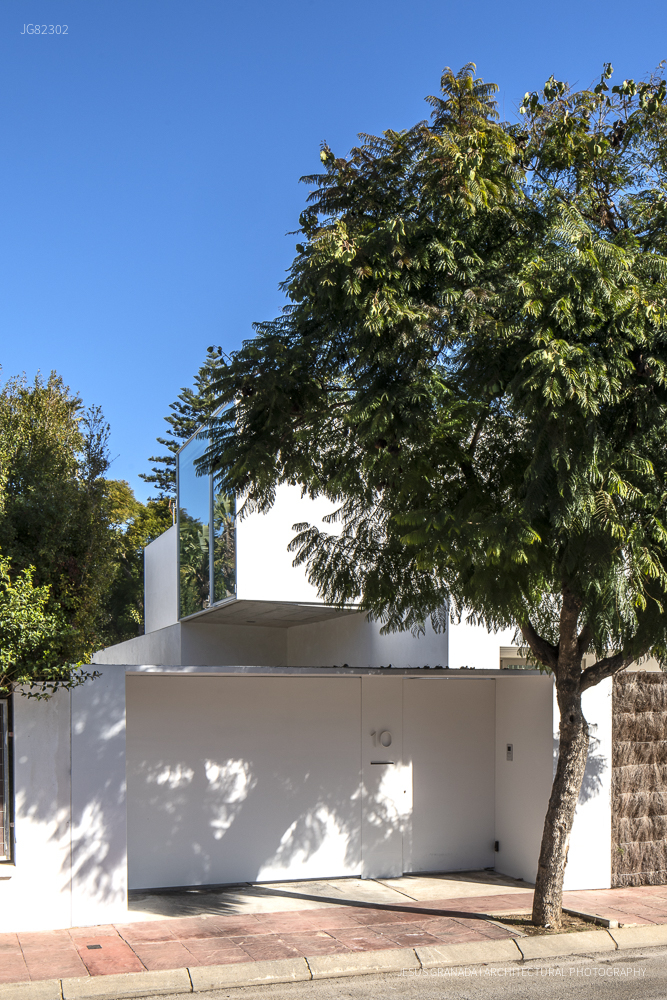
OOOA arquitectos, José Carlos Oliva y Tomás Osborne | El Puerto de Santa María (Cádiz) | Enero de 2020 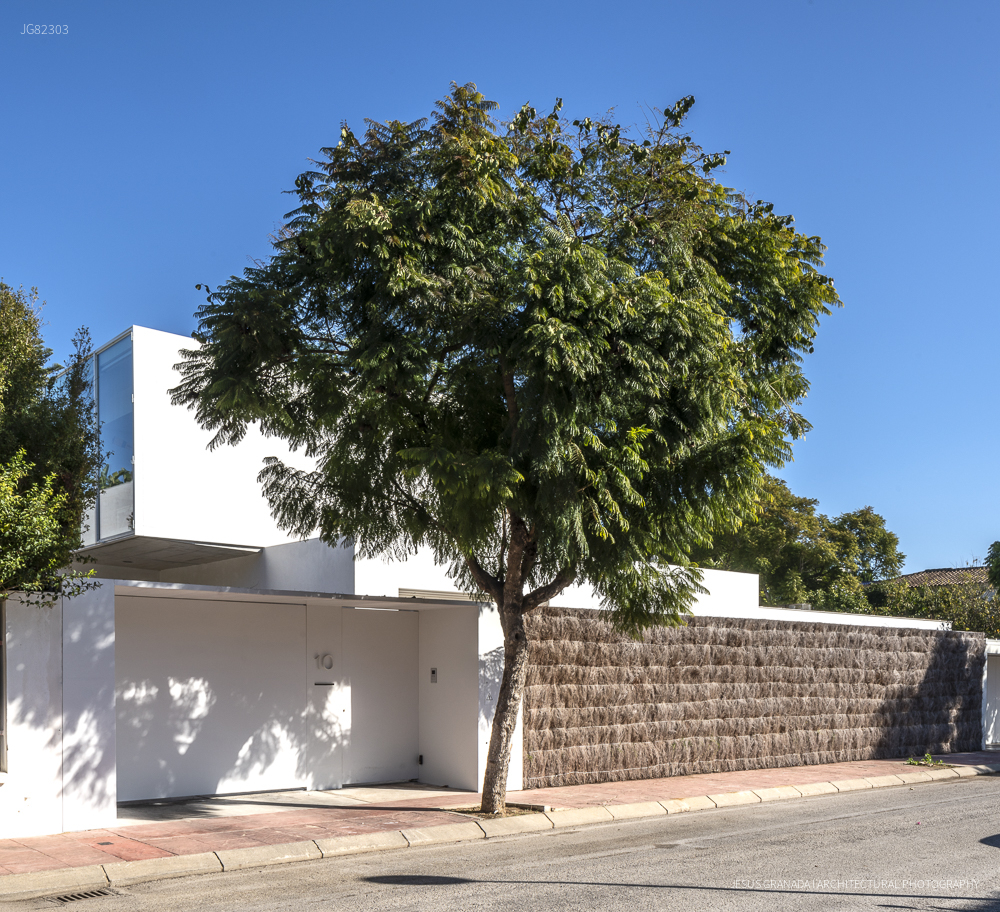
OOOA architects, José Carlos Oliva and Tomás Osborne | El Puerto de Santa María (Cádiz), Spain | January 2020 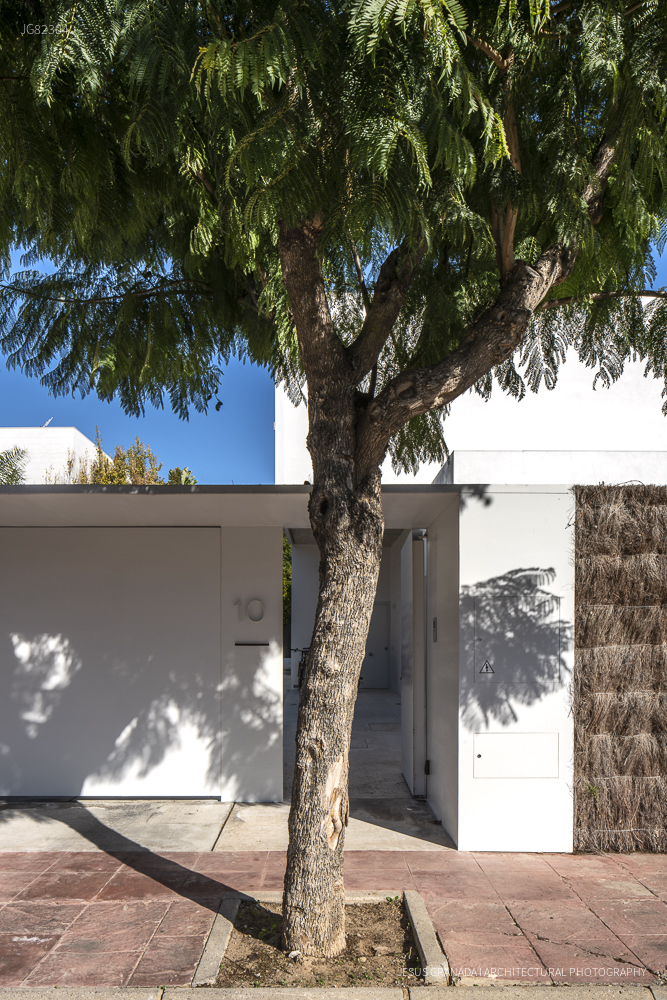
OOOA architects, José Carlos Oliva and Tomás Osborne | El Puerto de Santa María (Cádiz), Spain | January 2020 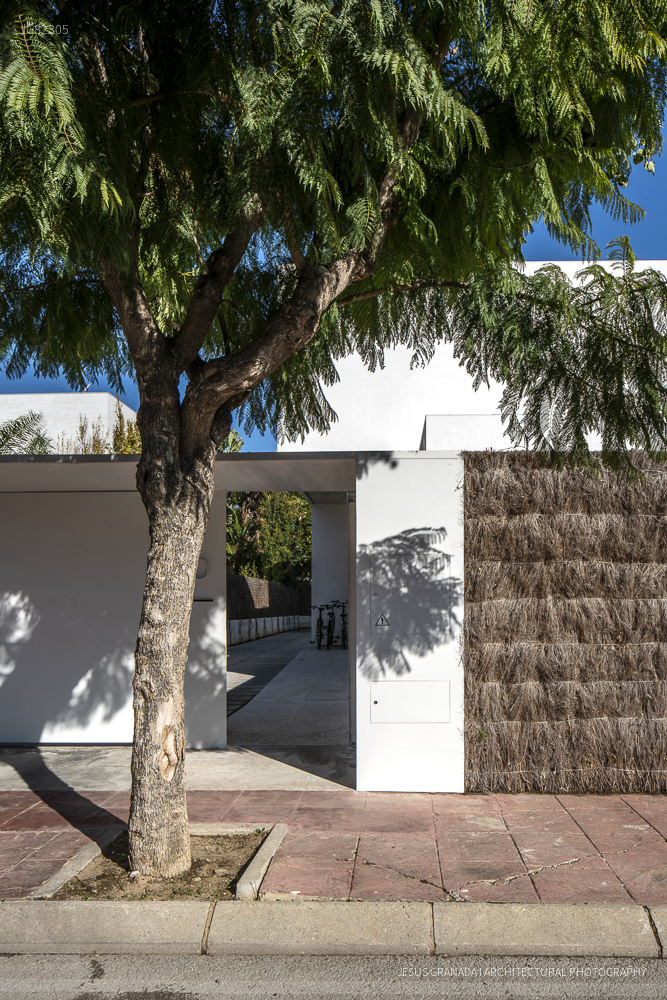
OOOA architects, José Carlos Oliva and Tomás Osborne | El Puerto de Santa María (Cádiz), Spain | January 2020 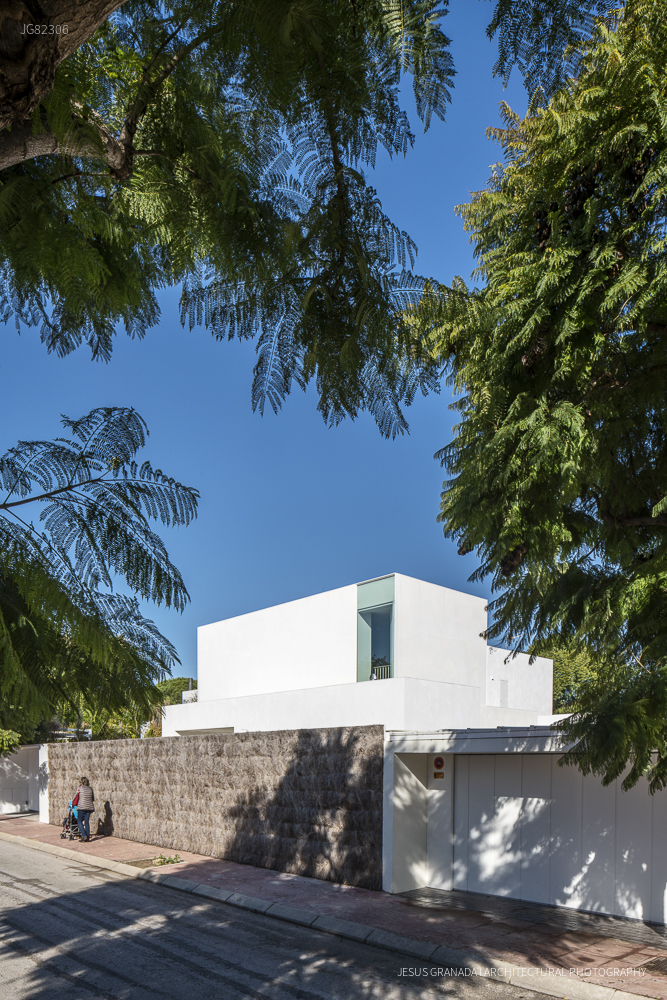
OOOA architects, José Carlos Oliva and Tomás Osborne | El Puerto de Santa María (Cádiz), Spain | January 2020 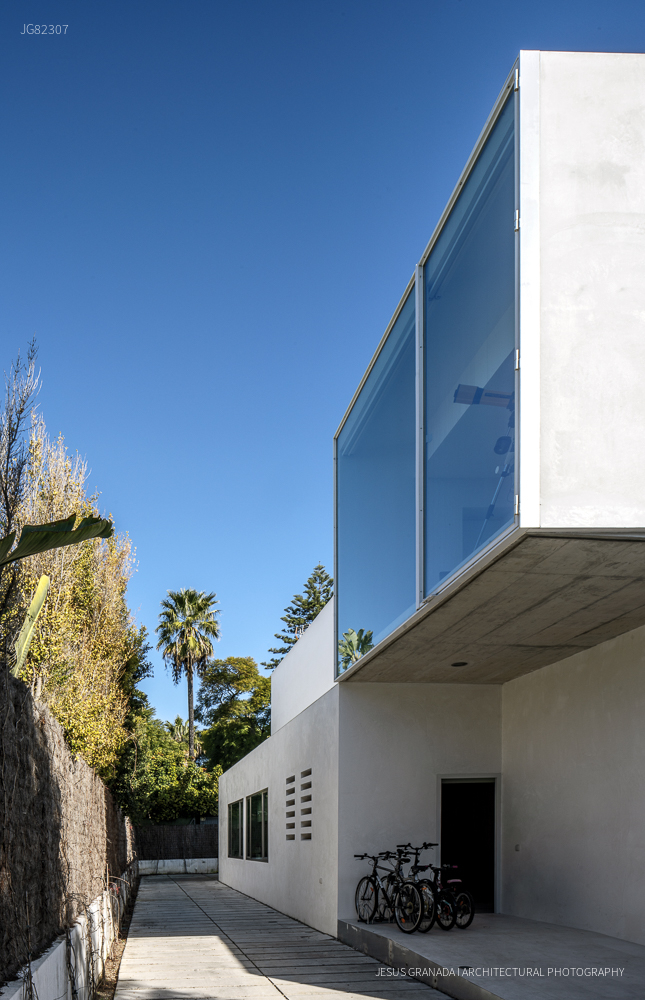
OOOA architects, José Carlos Oliva and Tomás Osborne | El Puerto de Santa María (Cádiz), Spain | January 2020 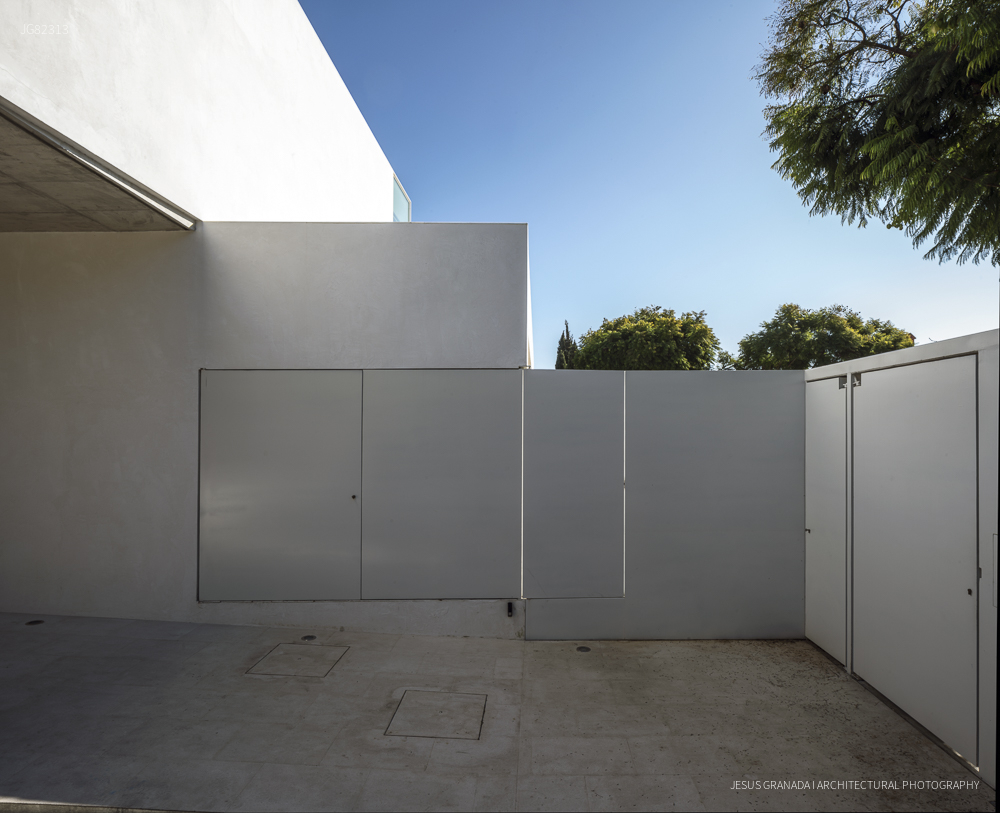
OOOA architects, José Carlos Oliva and Tomás Osborne | El Puerto de Santa María (Cádiz), Spain | January 2020 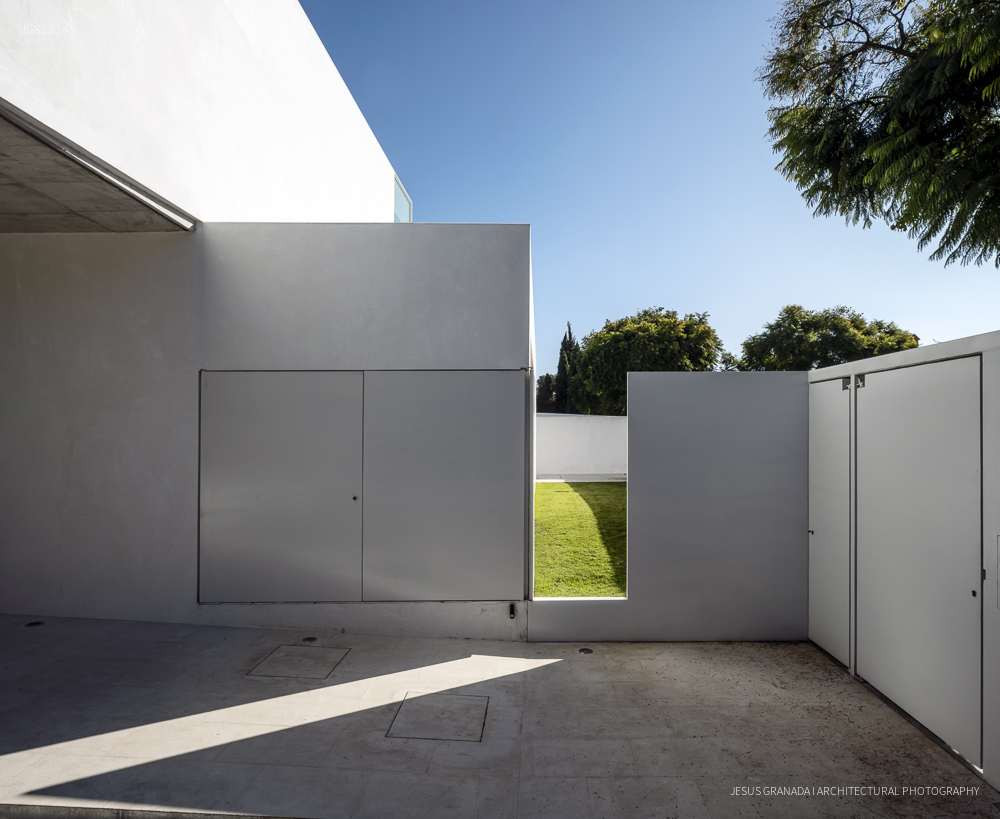
OOOA architects, José Carlos Oliva and Tomás Osborne | El Puerto de Santa María (Cádiz), Spain | January 2020 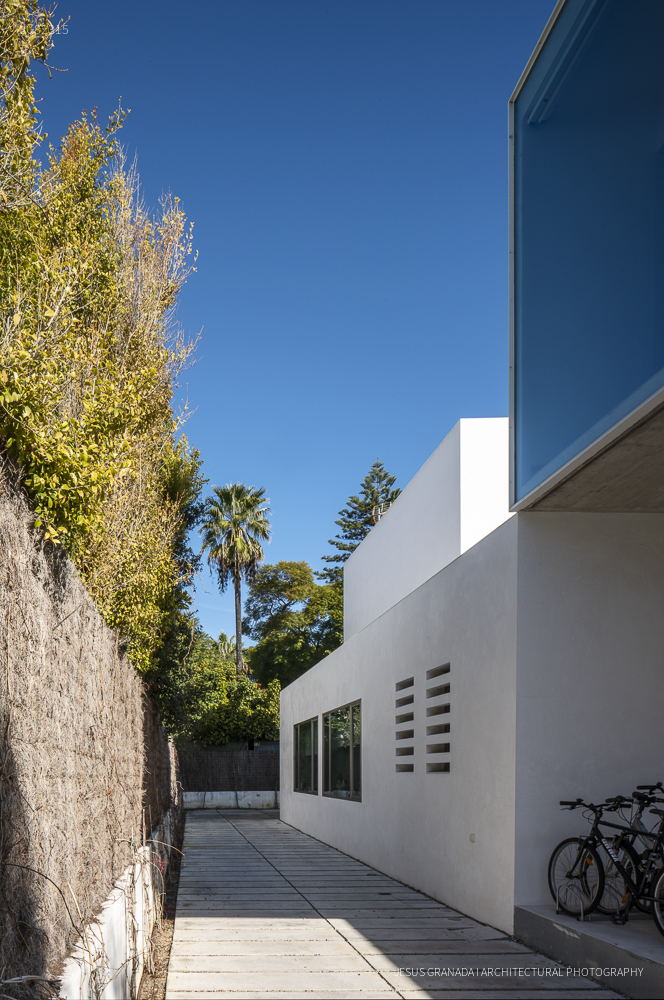
OOOA architects, José Carlos Oliva and Tomás Osborne | El Puerto de Santa María (Cádiz), Spain | January 2020 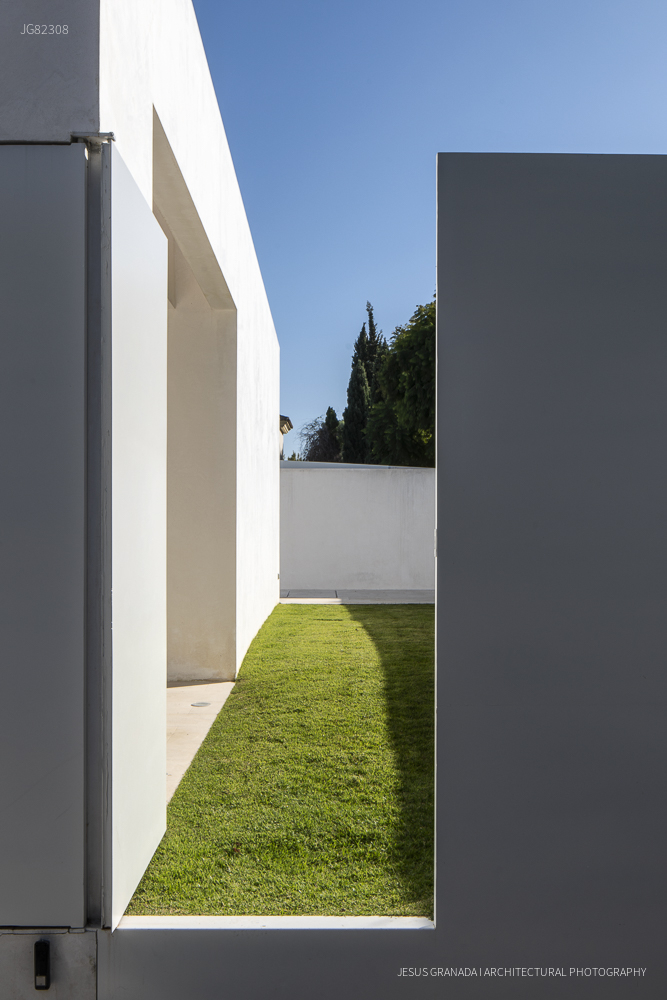
OOOA architects, José Carlos Oliva and Tomás Osborne | El Puerto de Santa María (Cádiz), Spain | January 2020 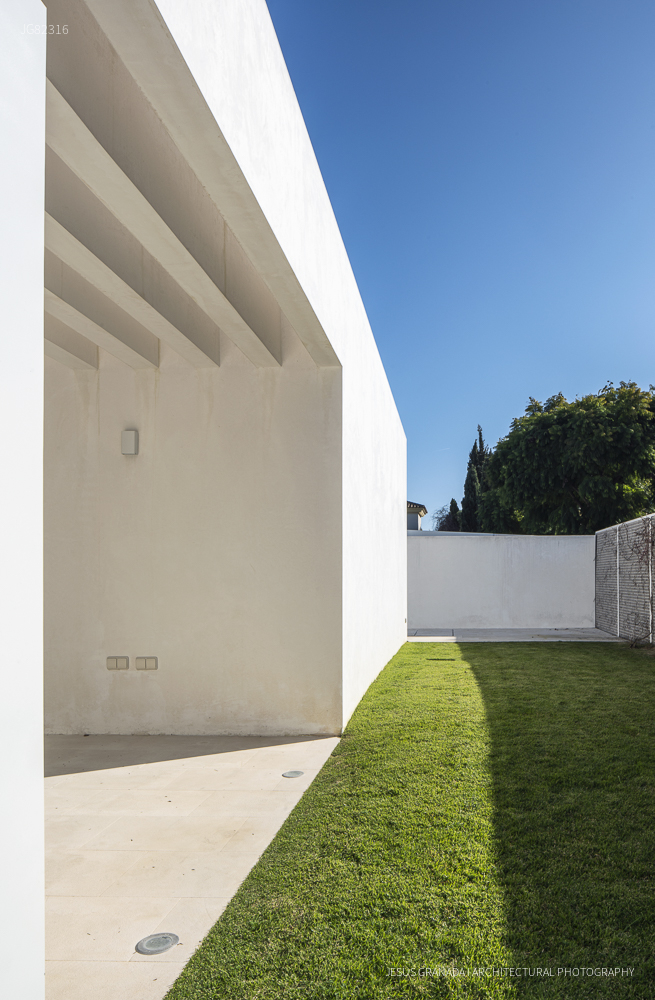
OOOA architects, José Carlos Oliva and Tomás Osborne | El Puerto de Santa María (Cádiz), Spain | January 2020 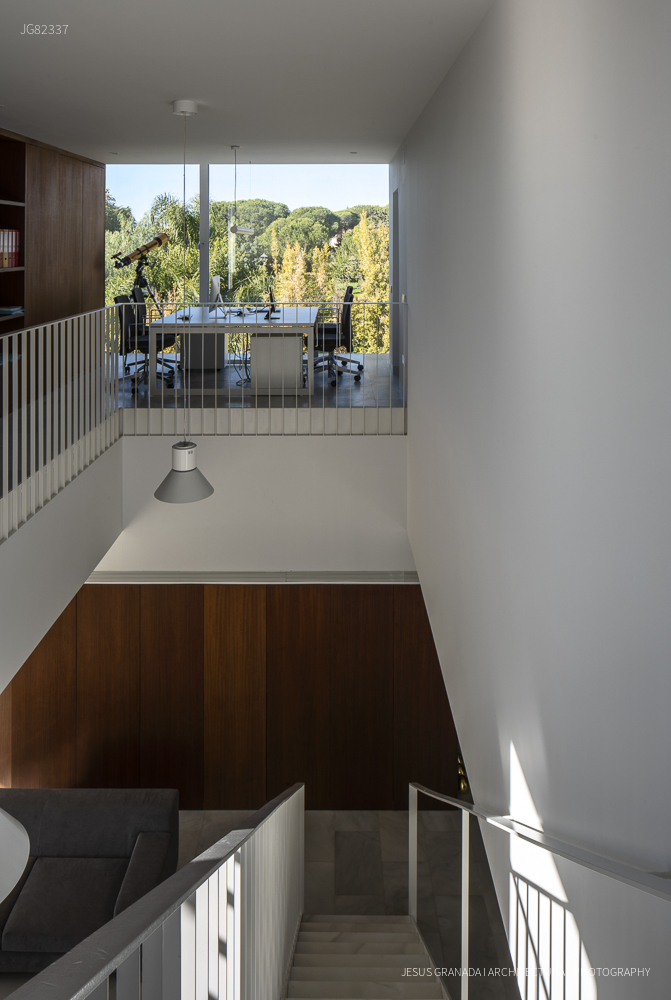
OOOA architects, José Carlos Oliva and Tomás Osborne | El Puerto de Santa María (Cádiz), Spain | January 2020 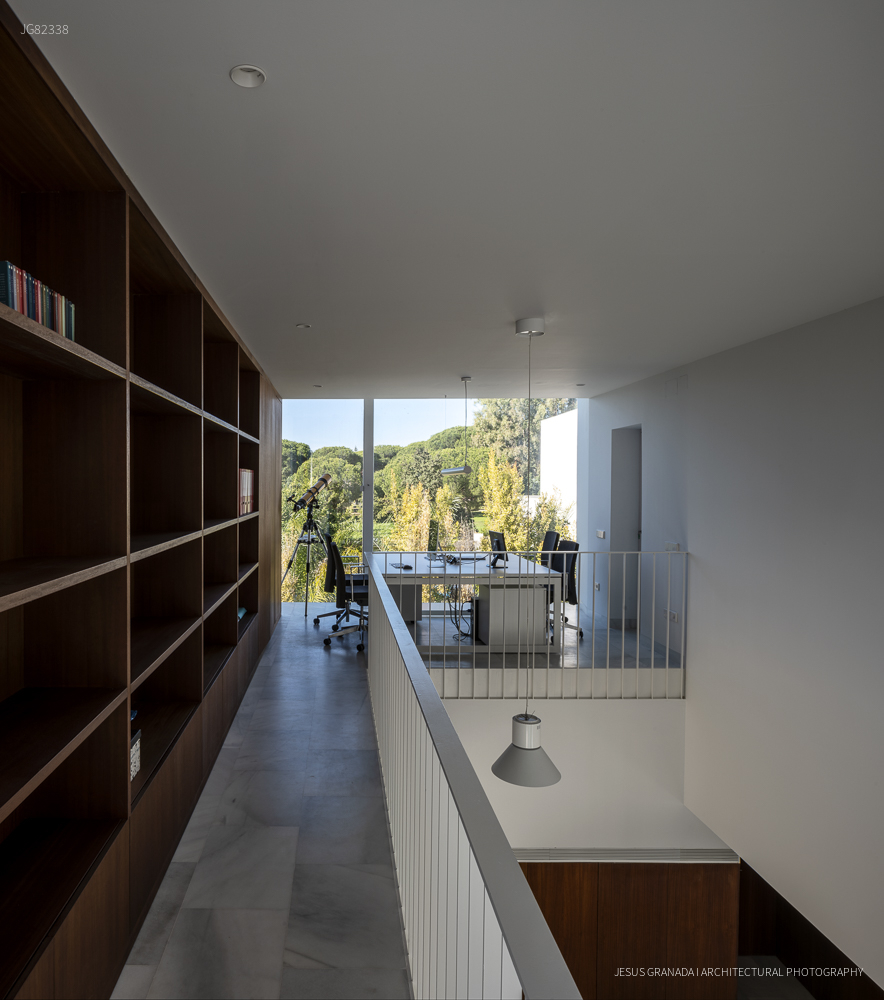
OOOA architects, José Carlos Oliva and Tomás Osborne | El Puerto de Santa María (Cádiz), Spain | January 2020 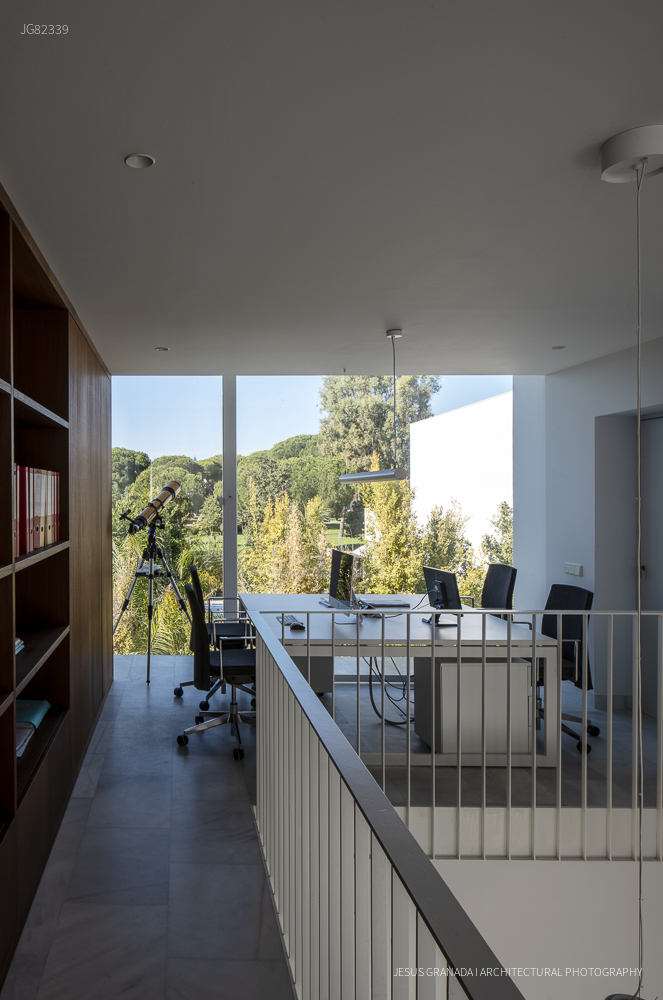
OOOA architects, José Carlos Oliva and Tomás Osborne | El Puerto de Santa María (Cádiz), Spain | January 2020 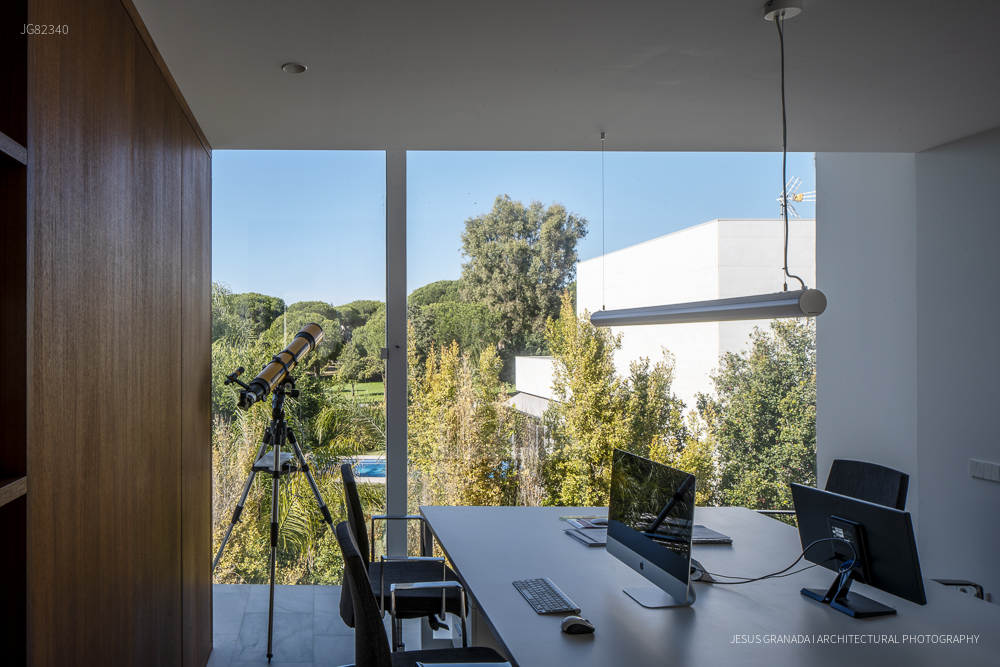
OOOA architects, José Carlos Oliva and Tomás Osborne | El Puerto de Santa María (Cádiz), Spain | January 2020 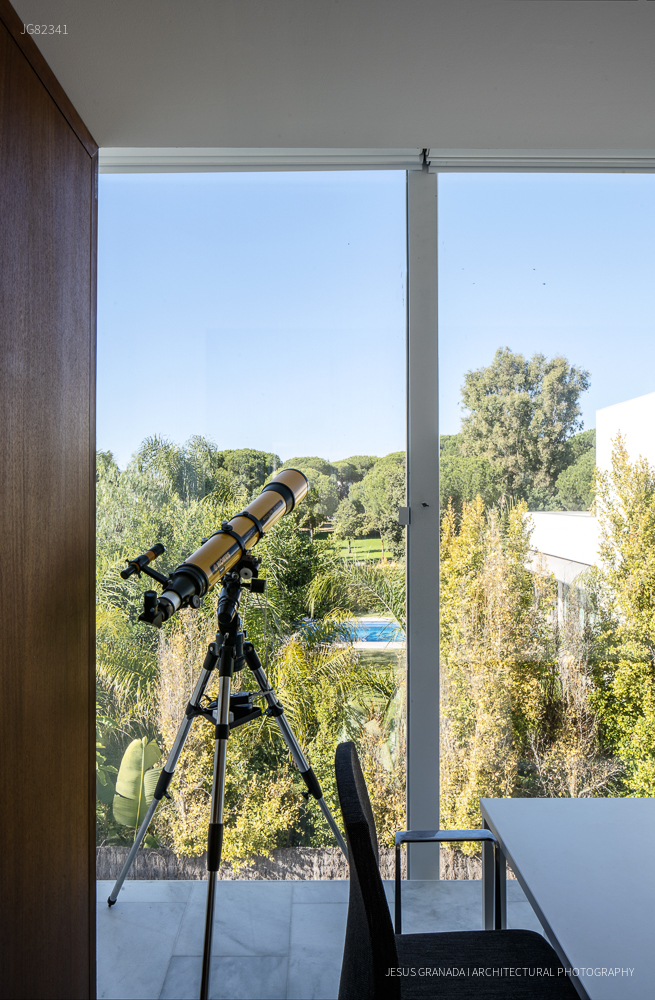
OOOA architects, José Carlos Oliva and Tomás Osborne | El Puerto de Santa María (Cádiz), Spain | January 2020 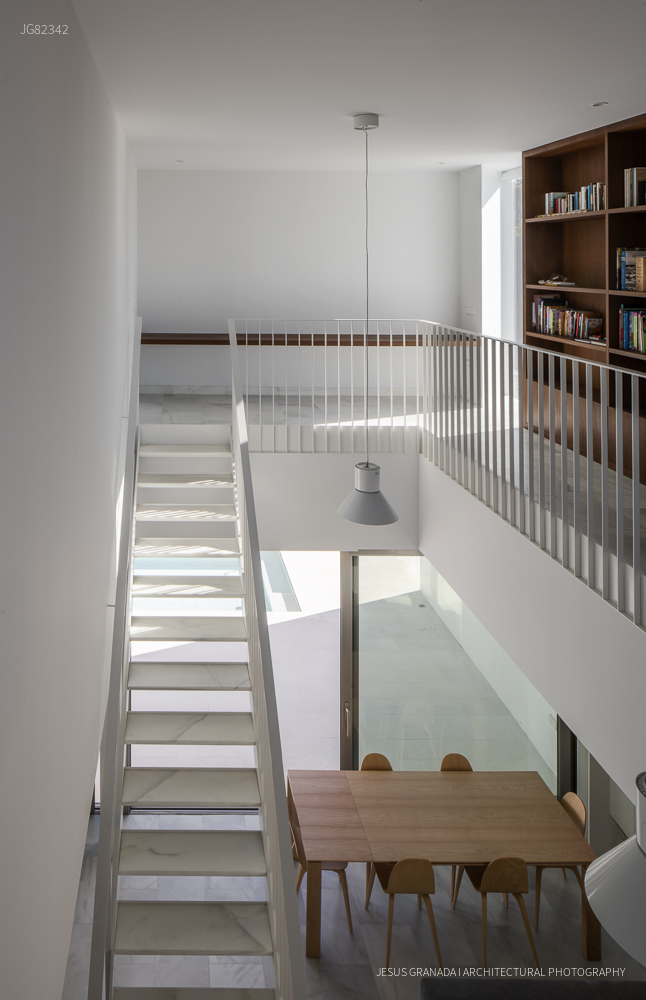
OOOA architects, José Carlos Oliva and Tomás Osborne | El Puerto de Santa María (Cádiz), Spain | January 2020 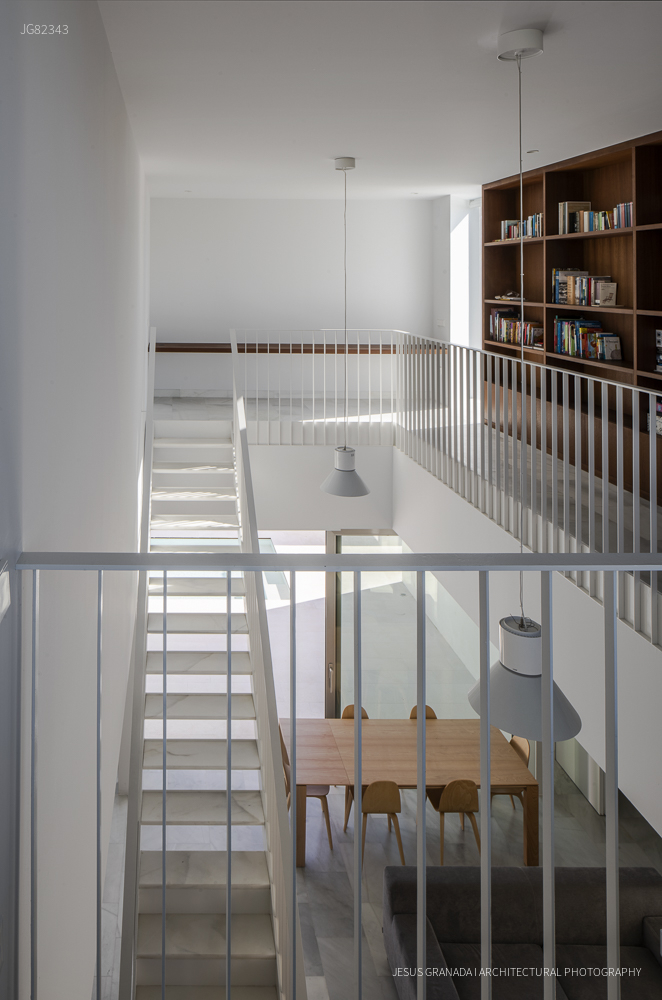
OOOA architects, José Carlos Oliva and Tomás Osborne | El Puerto de Santa María (Cádiz), Spain | January 2020 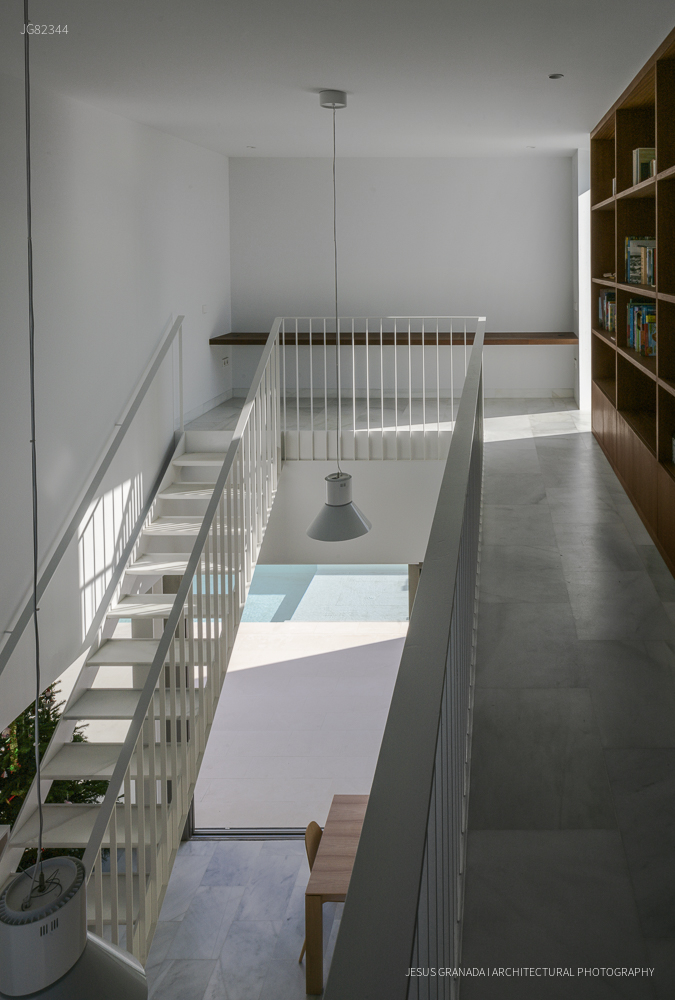
OOOA architects, José Carlos Oliva and Tomás Osborne | El Puerto de Santa María (Cádiz), Spain | January 2020 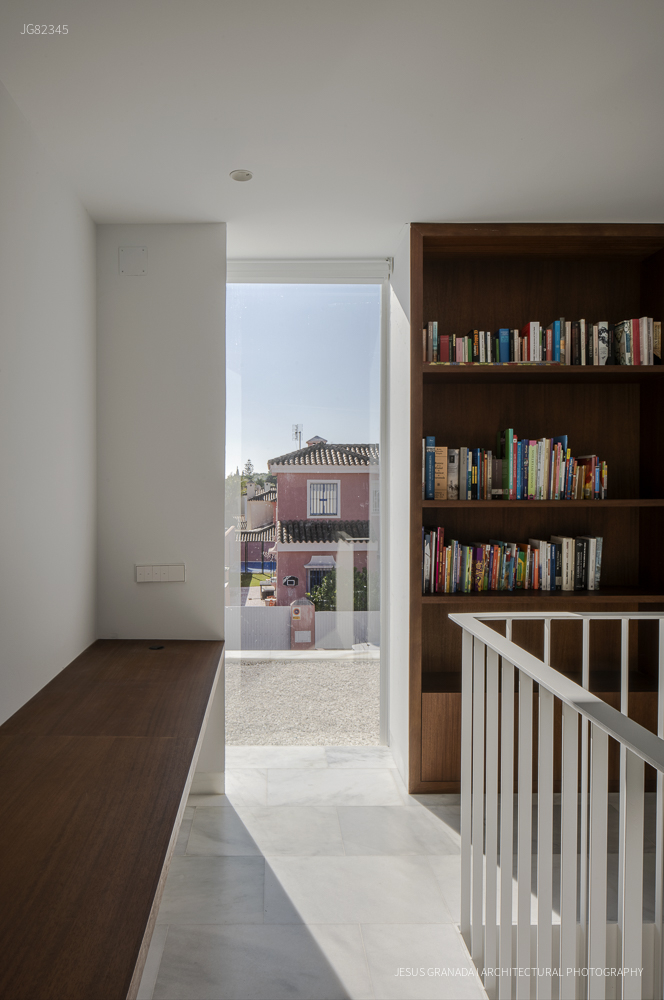
OOOA architects, José Carlos Oliva and Tomás Osborne | El Puerto de Santa María (Cádiz), Spain | January 2020 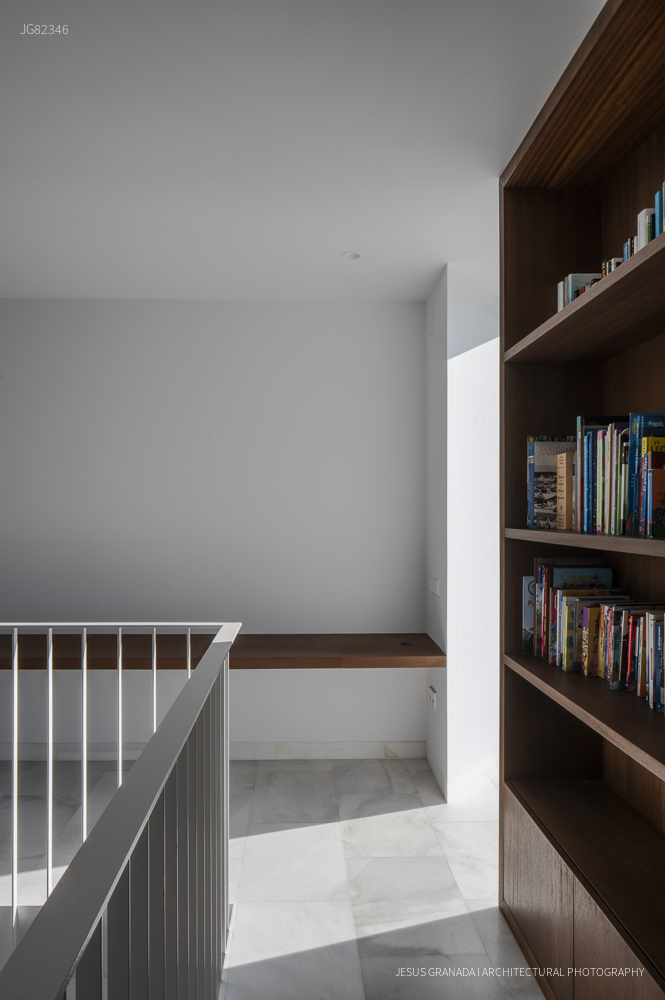
OOOA architects, José Carlos Oliva and Tomás Osborne | El Puerto de Santa María (Cádiz), Spain | January 2020 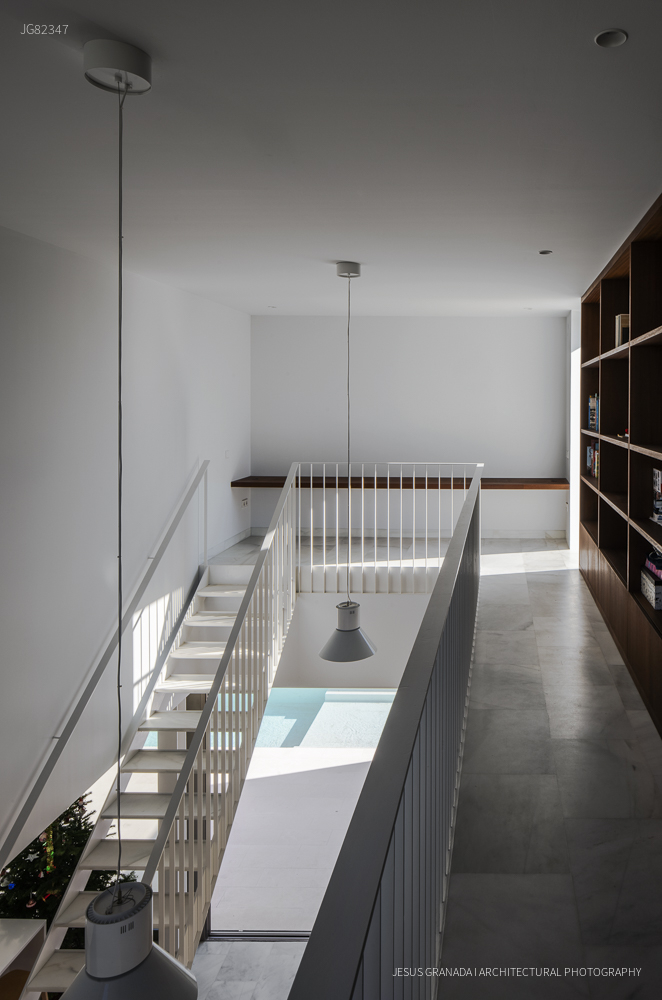
OOOA architects, José Carlos Oliva and Tomás Osborne | El Puerto de Santa María (Cádiz), Spain | January 2020 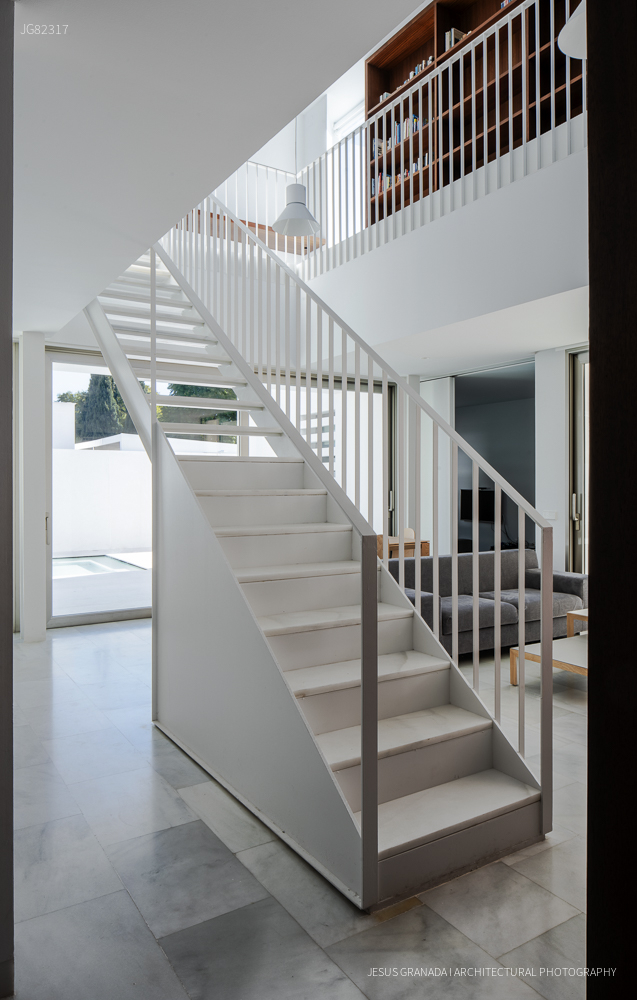
OOOA architects, José Carlos Oliva and Tomás Osborne | El Puerto de Santa María (Cádiz), Spain | January 2020 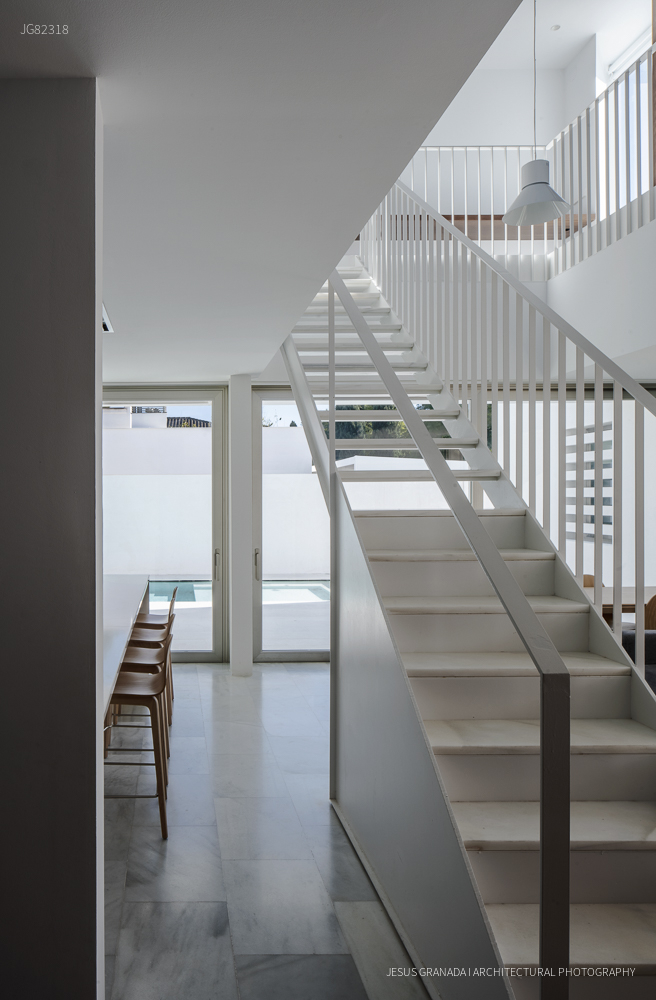
OOOA architects, José Carlos Oliva and Tomás Osborne | El Puerto de Santa María (Cádiz), Spain | January 2020 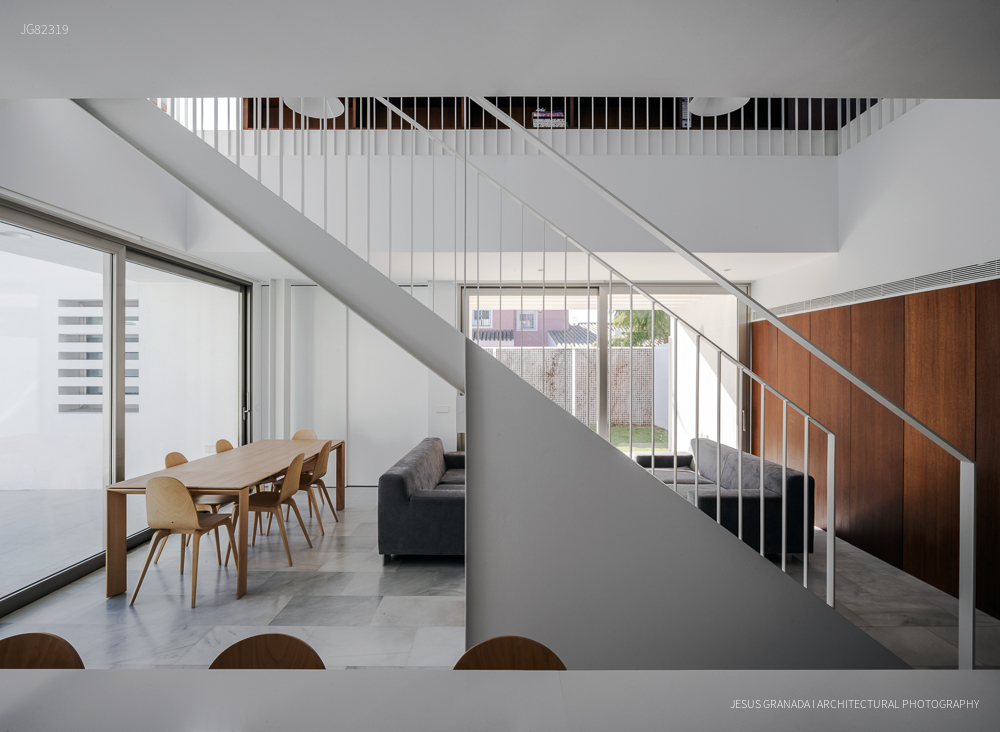
OOOA architects, José Carlos Oliva and Tomás Osborne | El Puerto de Santa María (Cádiz), Spain | January 2020 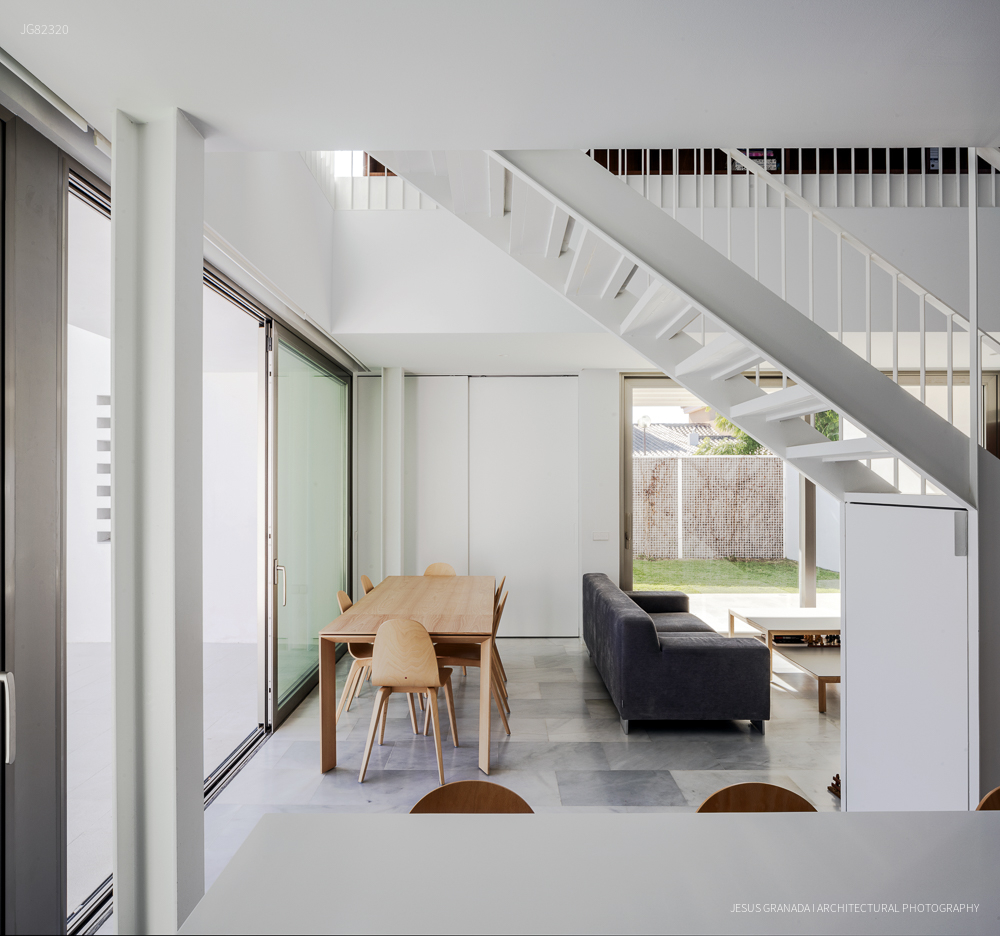
OOOA architects, José Carlos Oliva and Tomás Osborne | El Puerto de Santa María (Cádiz), Spain | January 2020 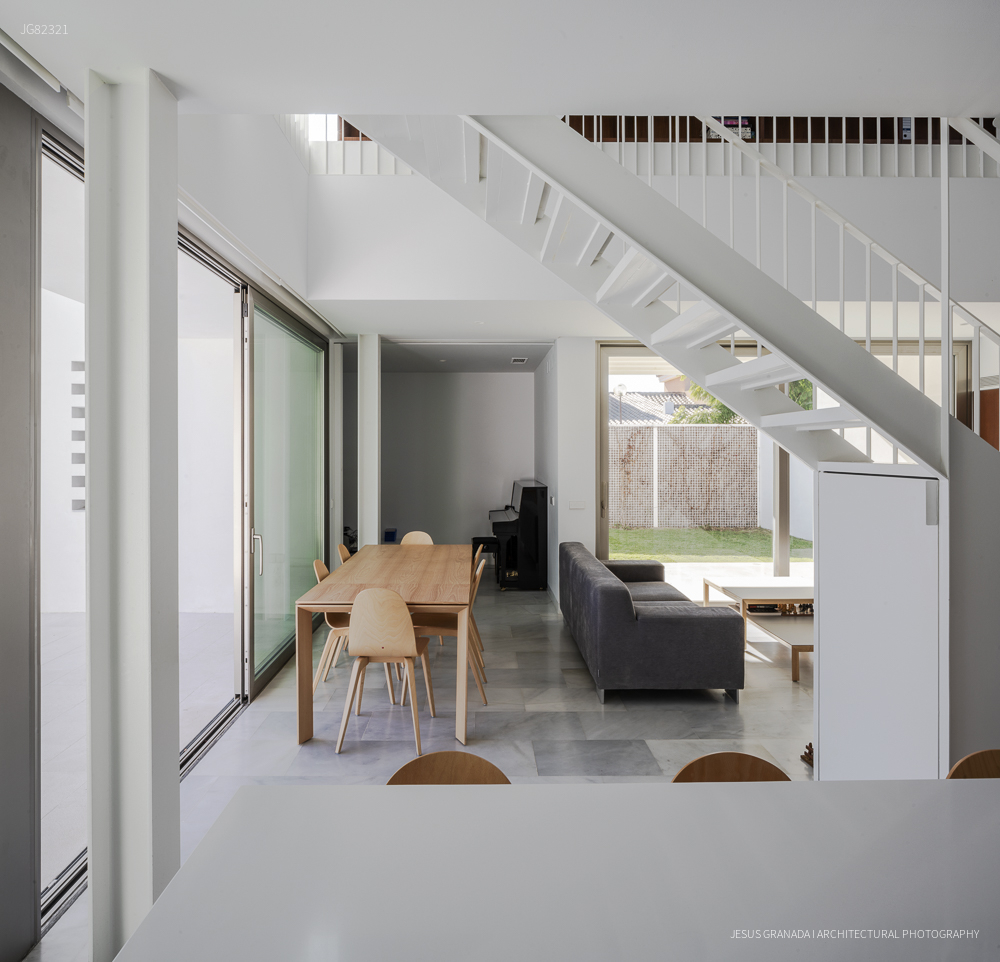
OOOA architects, José Carlos Oliva and Tomás Osborne | El Puerto de Santa María (Cádiz), Spain | January 2020 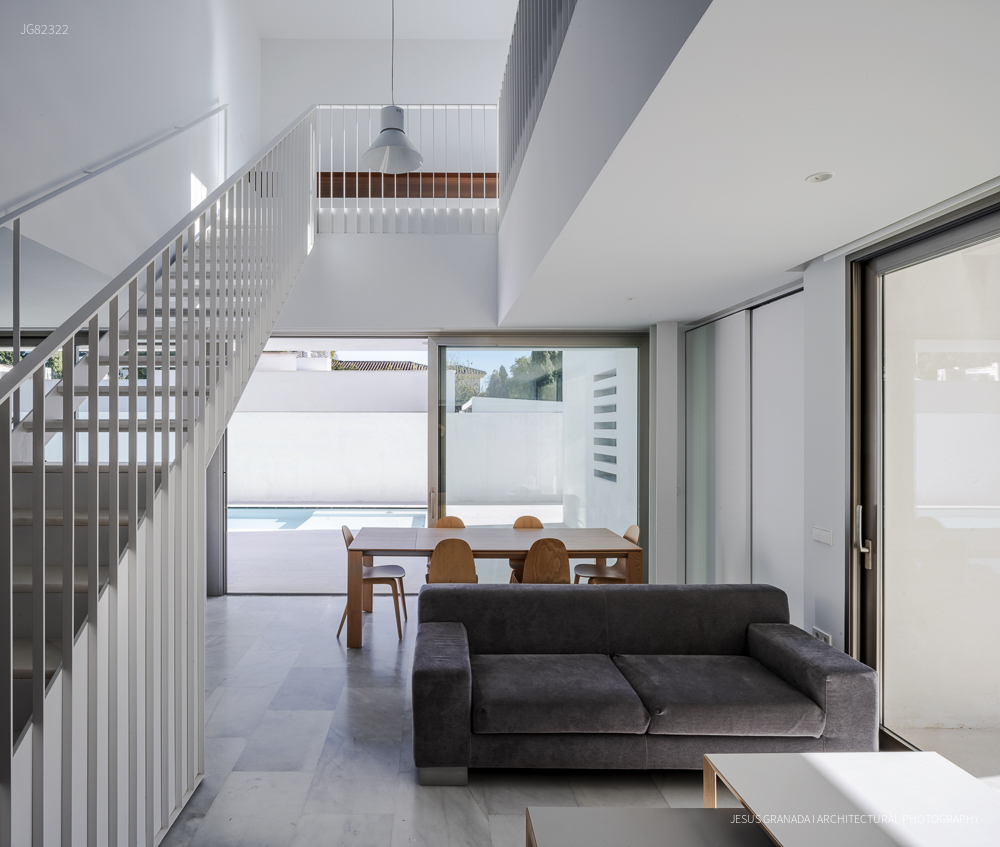
OOOA architects, José Carlos Oliva and Tomás Osborne | El Puerto de Santa María (Cádiz), Spain | January 2020 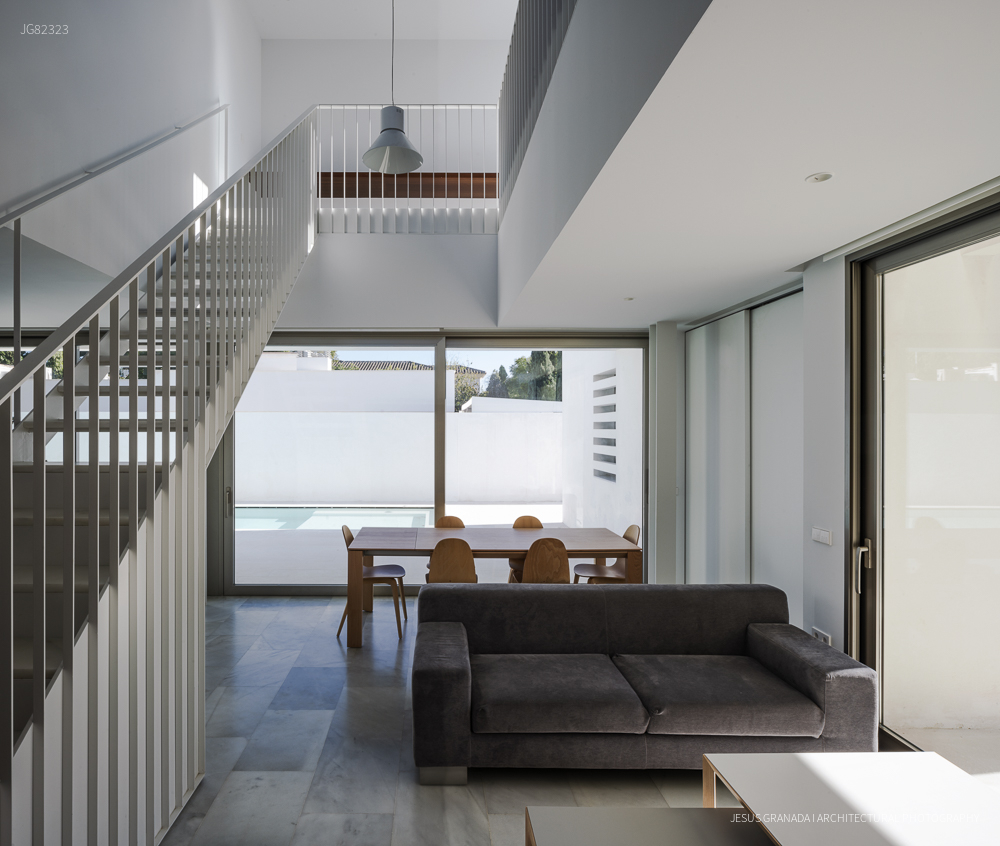
OOOA architects, José Carlos Oliva and Tomás Osborne | El Puerto de Santa María (Cádiz), Spain | January 2020 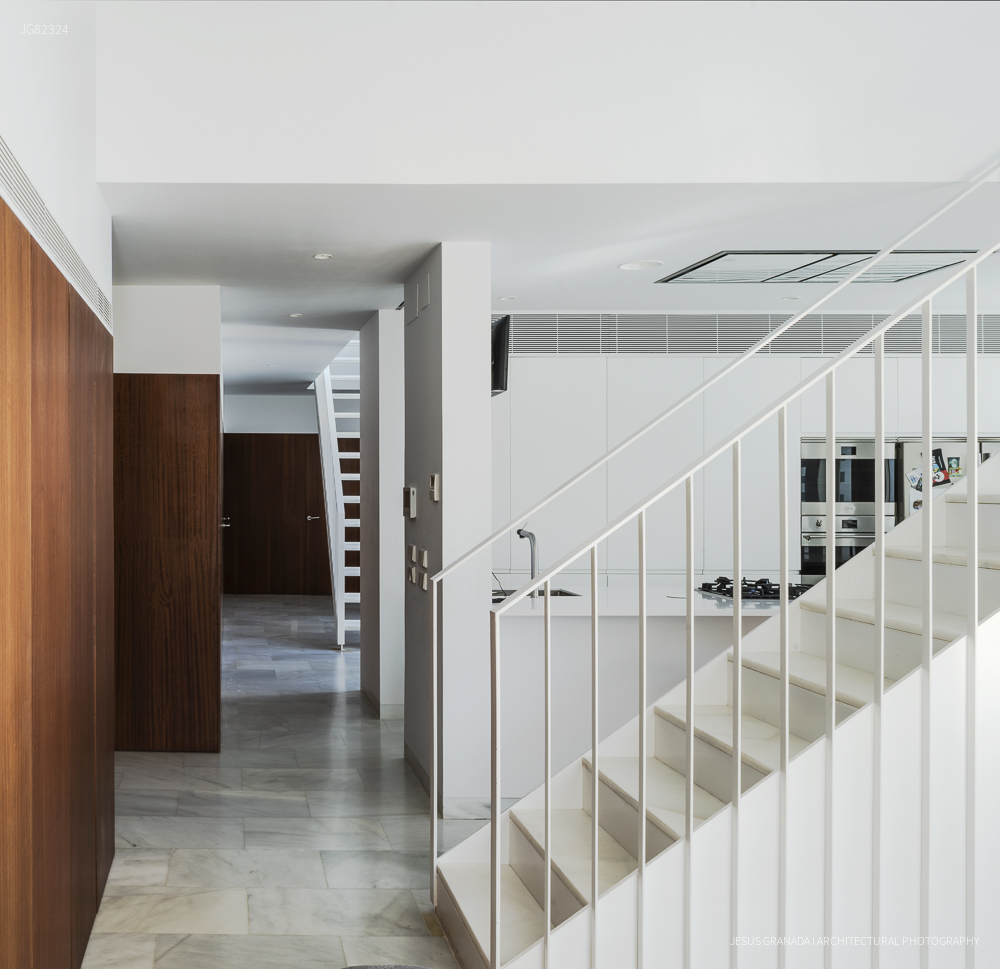
OOOA architects, José Carlos Oliva and Tomás Osborne | El Puerto de Santa María (Cádiz), Spain | January 2020 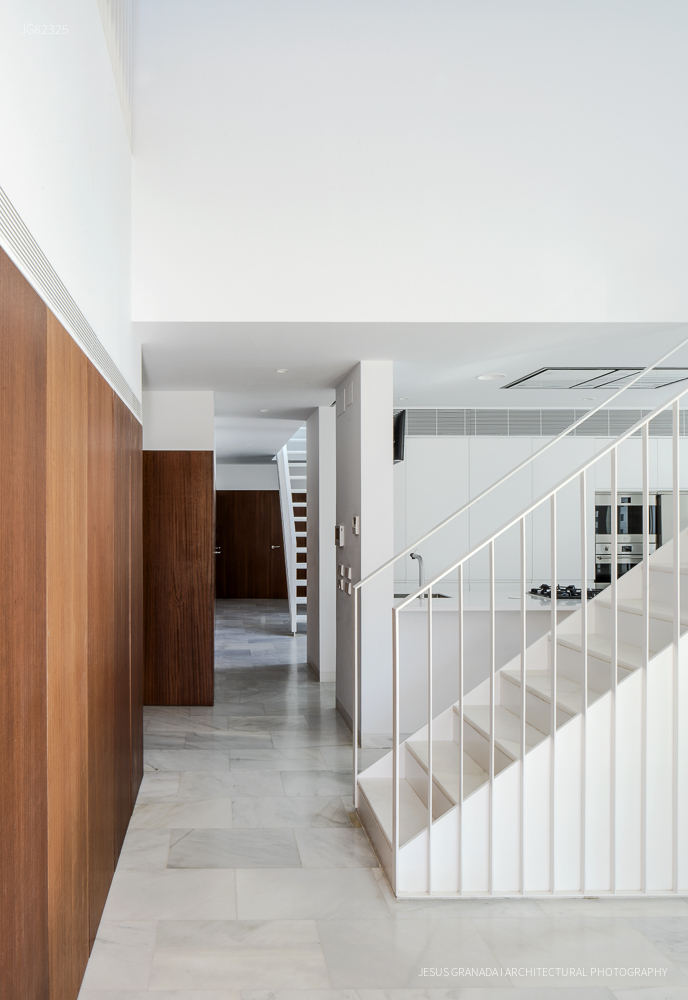
OOOA architects, José Carlos Oliva and Tomás Osborne | El Puerto de Santa María (Cádiz), Spain | January 2020 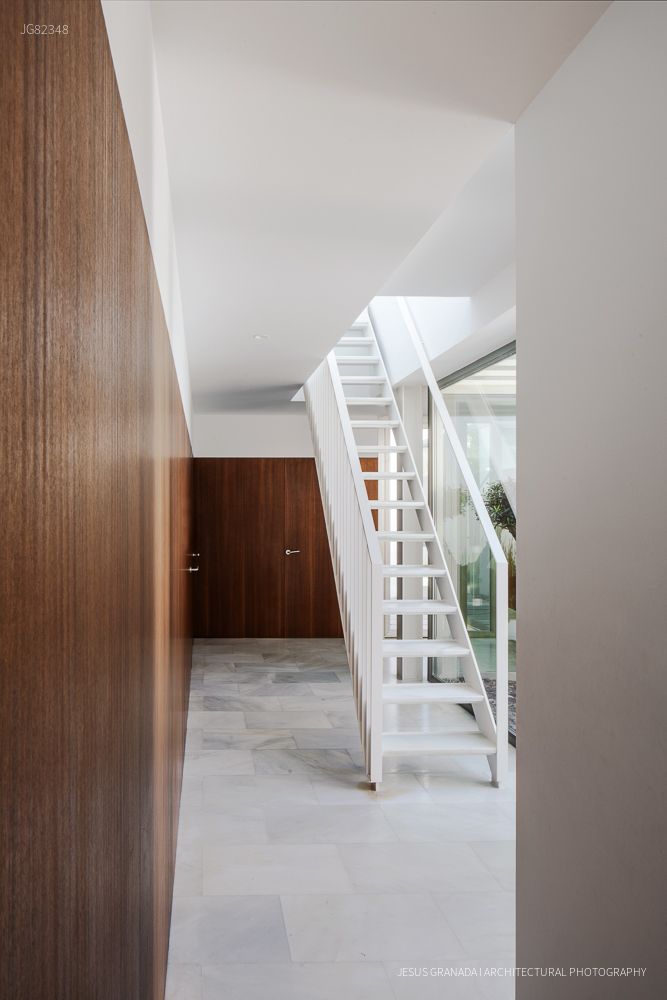
OOOA architects, José Carlos Oliva and Tomás Osborne | El Puerto de Santa María (Cádiz), Spain | January 2020 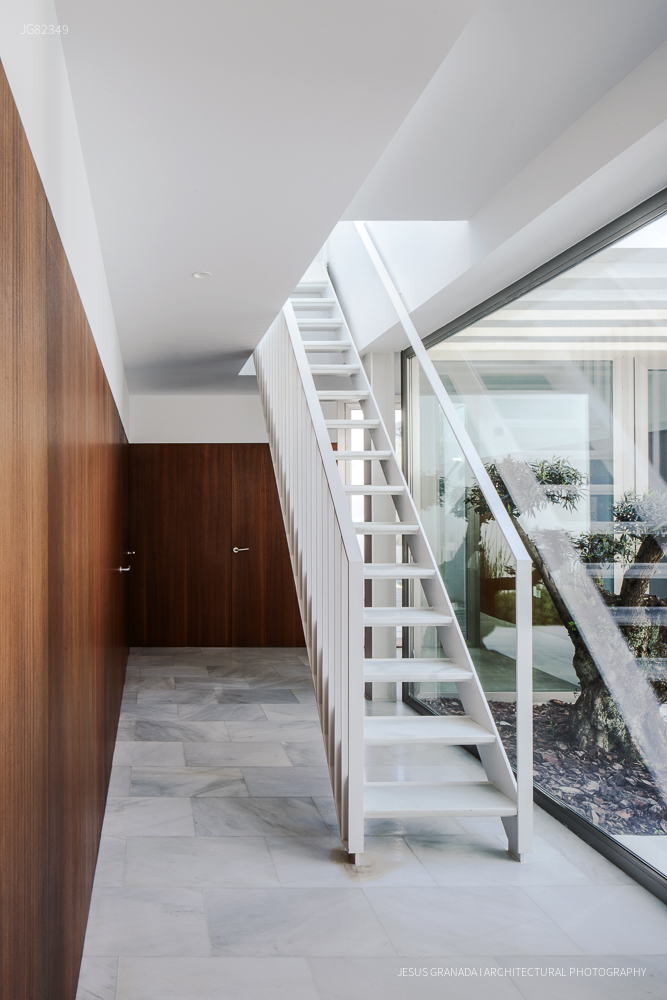
OOOA architects, José Carlos Oliva and Tomás Osborne | El Puerto de Santa María (Cádiz), Spain | January 2020 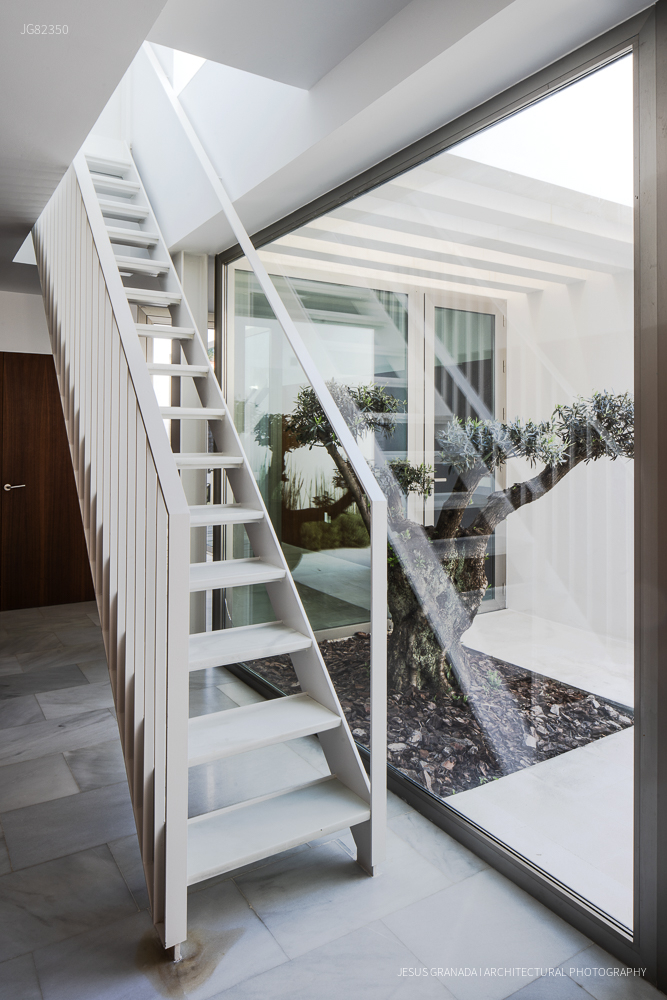
OOOA architects, José Carlos Oliva and Tomás Osborne | El Puerto de Santa María (Cádiz), Spain | January 2020 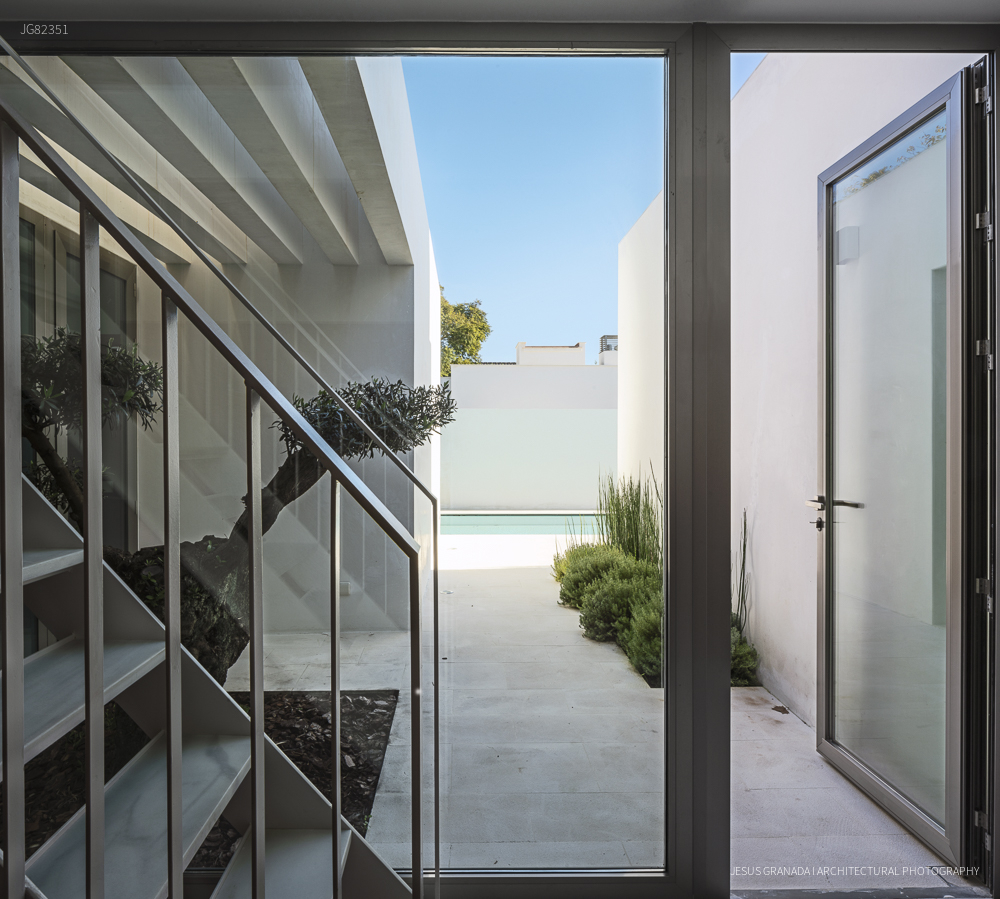
OOOA architects, José Carlos Oliva and Tomás Osborne | El Puerto de Santa María (Cádiz), Spain | January 2020 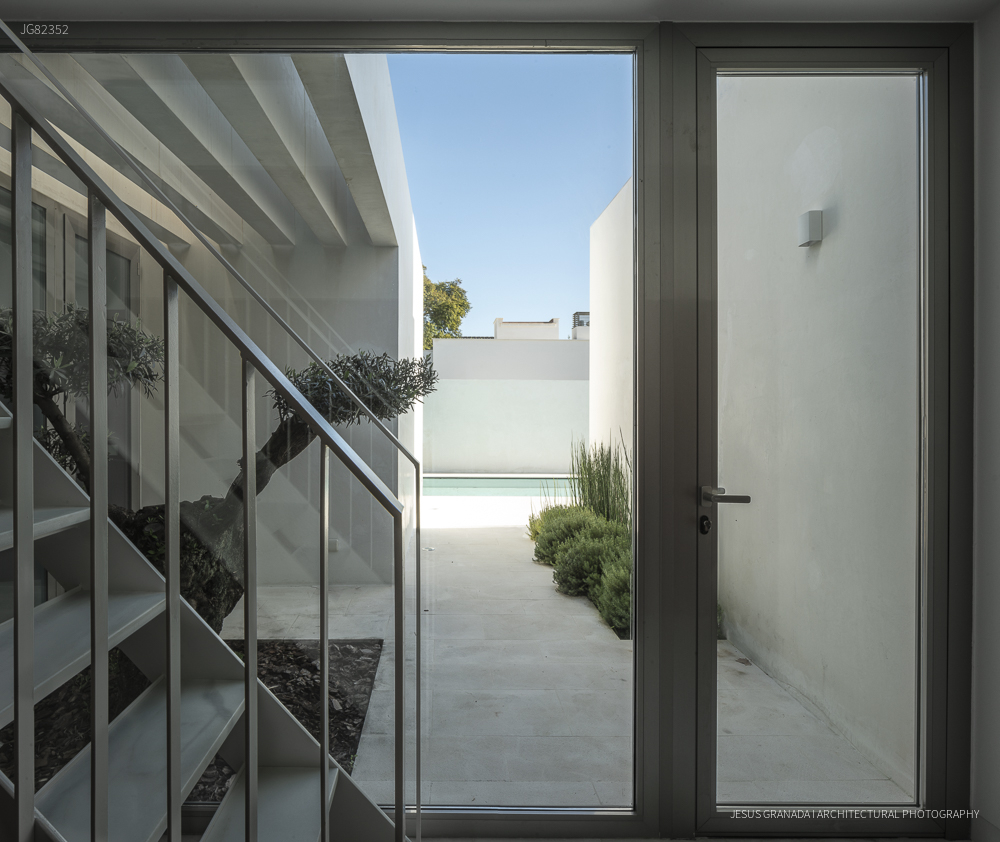
OOOA architects, José Carlos Oliva and Tomás Osborne | El Puerto de Santa María (Cádiz), Spain | January 2020 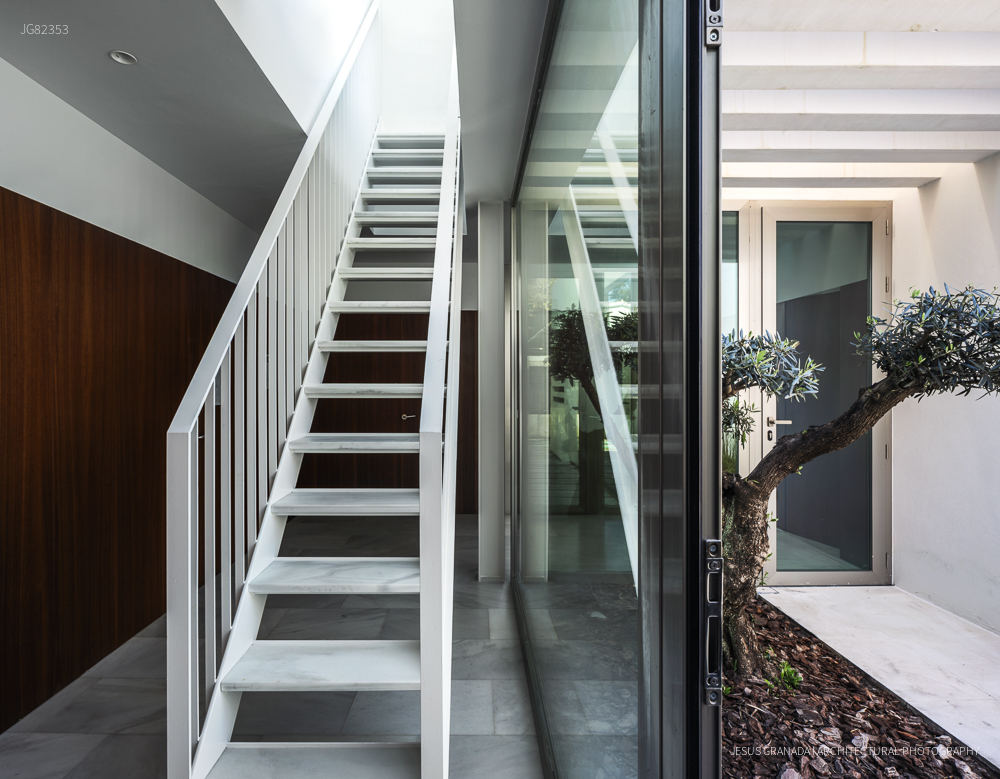
OOOA arquitectos, José Carlos Oliva y Tomás Osborne | El Puerto de Santa María (Cádiz) | Enero de 2020 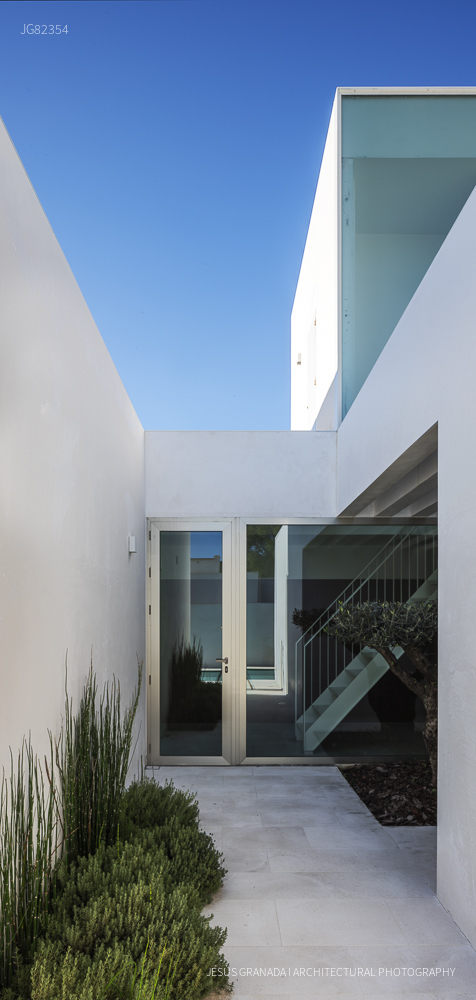
OOOA architects, José Carlos Oliva and Tomás Osborne | El Puerto de Santa María (Cádiz), Spain | January 2020 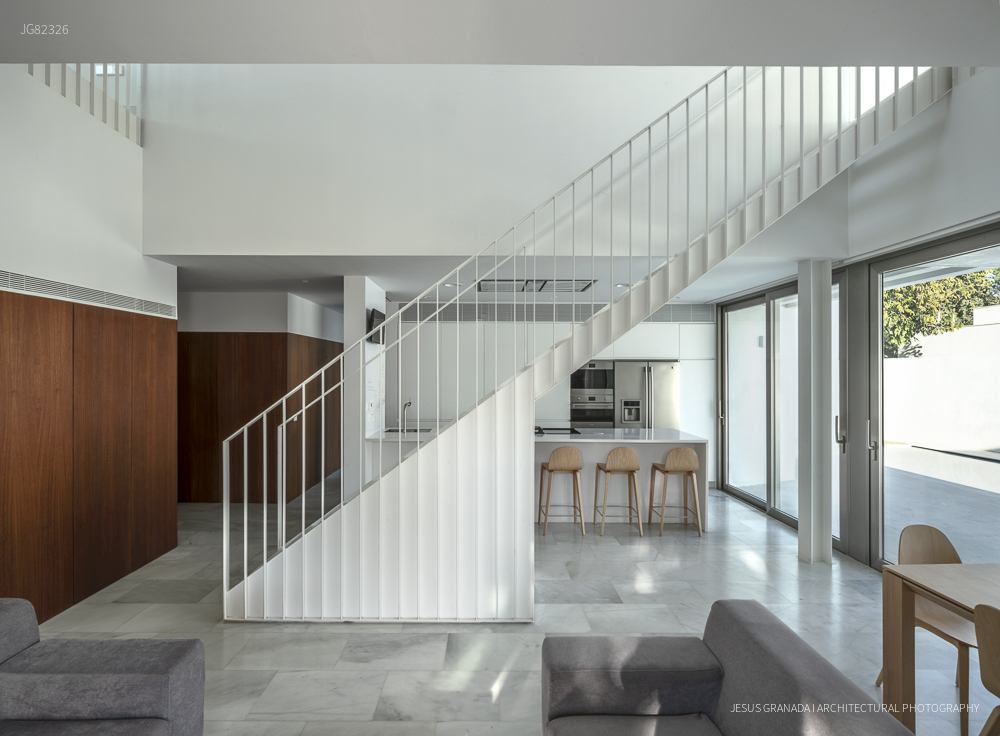
OOOA architects, José Carlos Oliva and Tomás Osborne | El Puerto de Santa María (Cádiz), Spain | January 2020 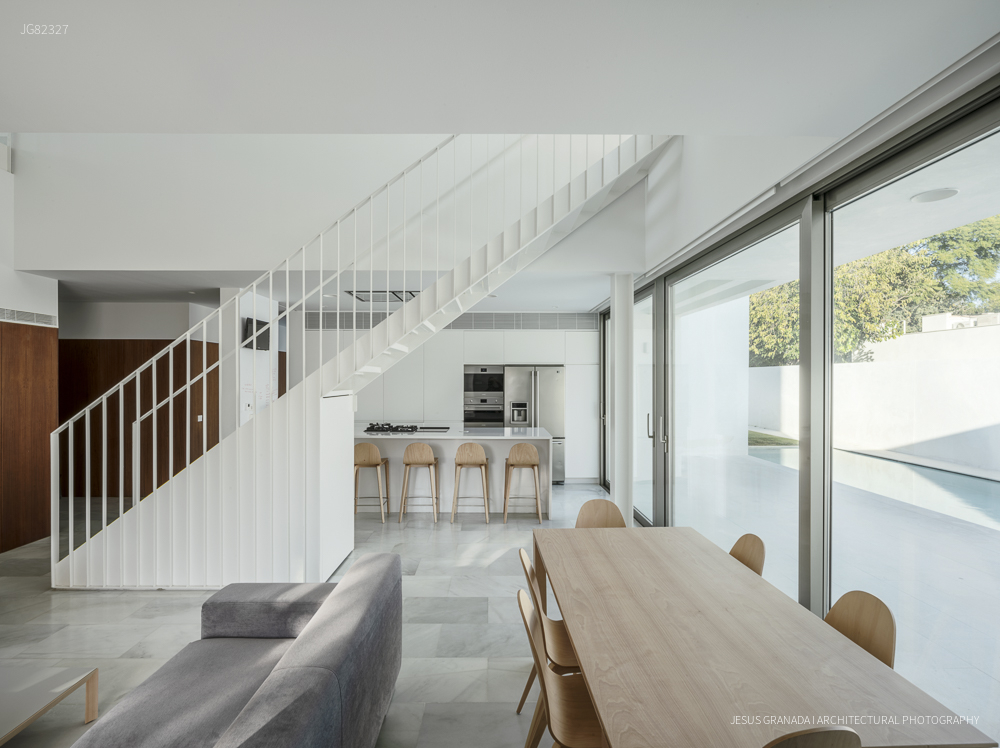
OOOA architects, José Carlos Oliva and Tomás Osborne | El Puerto de Santa María (Cádiz), Spain | January 2020 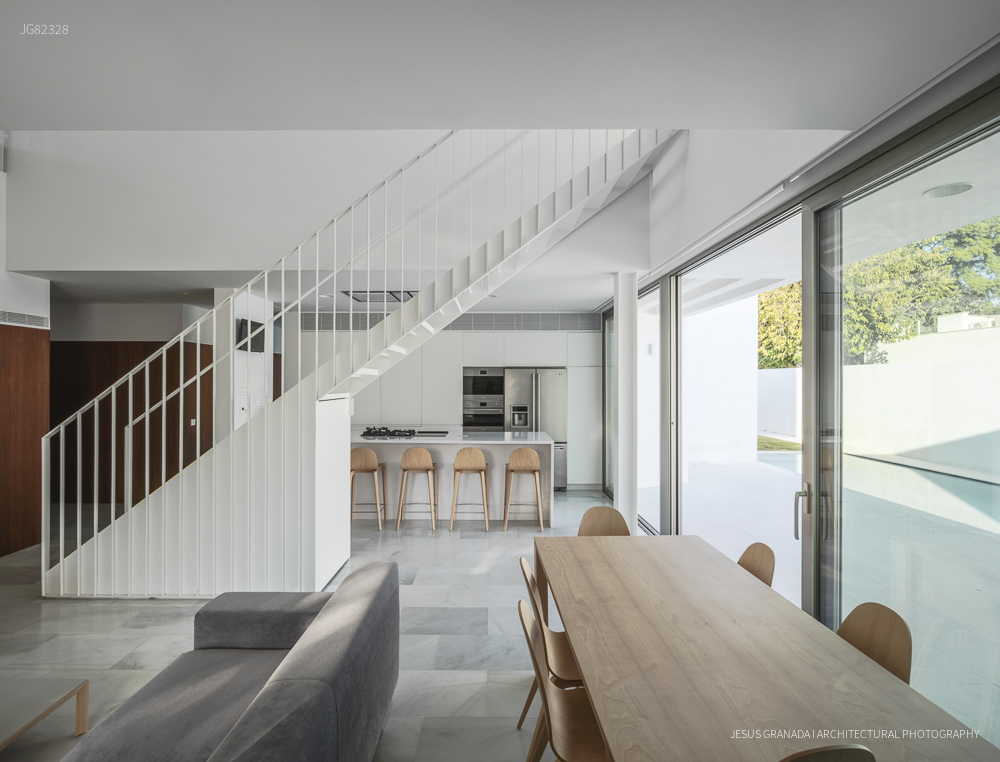
OOOA architects, José Carlos Oliva and Tomás Osborne | El Puerto de Santa María (Cádiz), Spain | January 2020 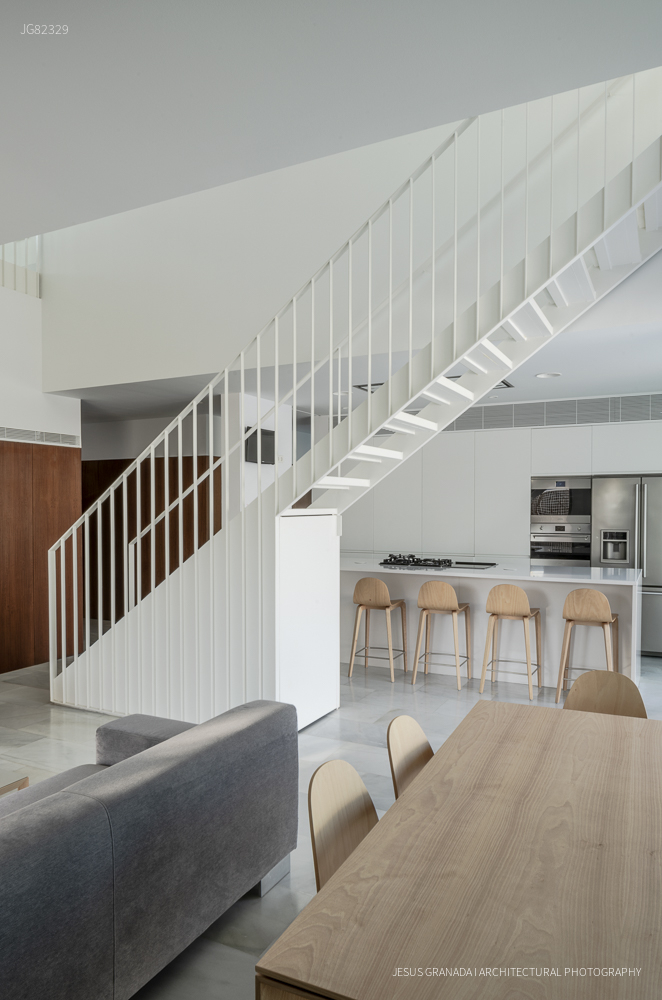
OOOA architects, José Carlos Oliva and Tomás Osborne | El Puerto de Santa María (Cádiz), Spain | January 2020 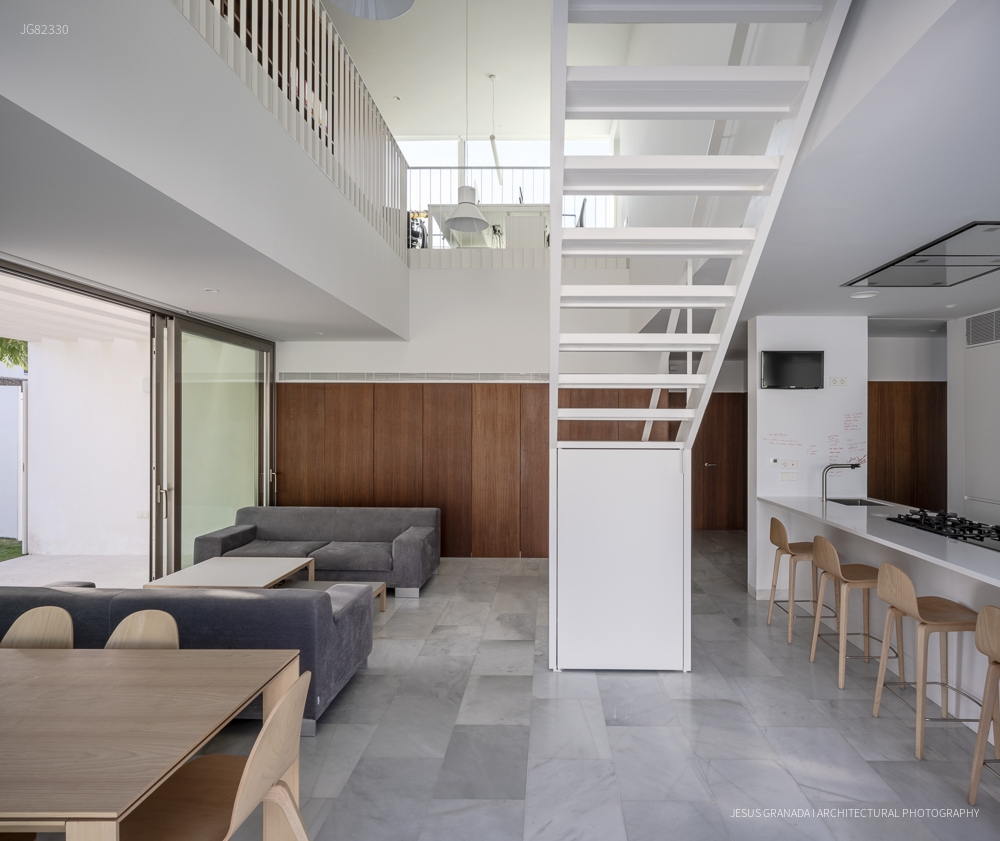
OOOA architects, José Carlos Oliva and Tomás Osborne | El Puerto de Santa María (Cádiz), Spain | January 2020 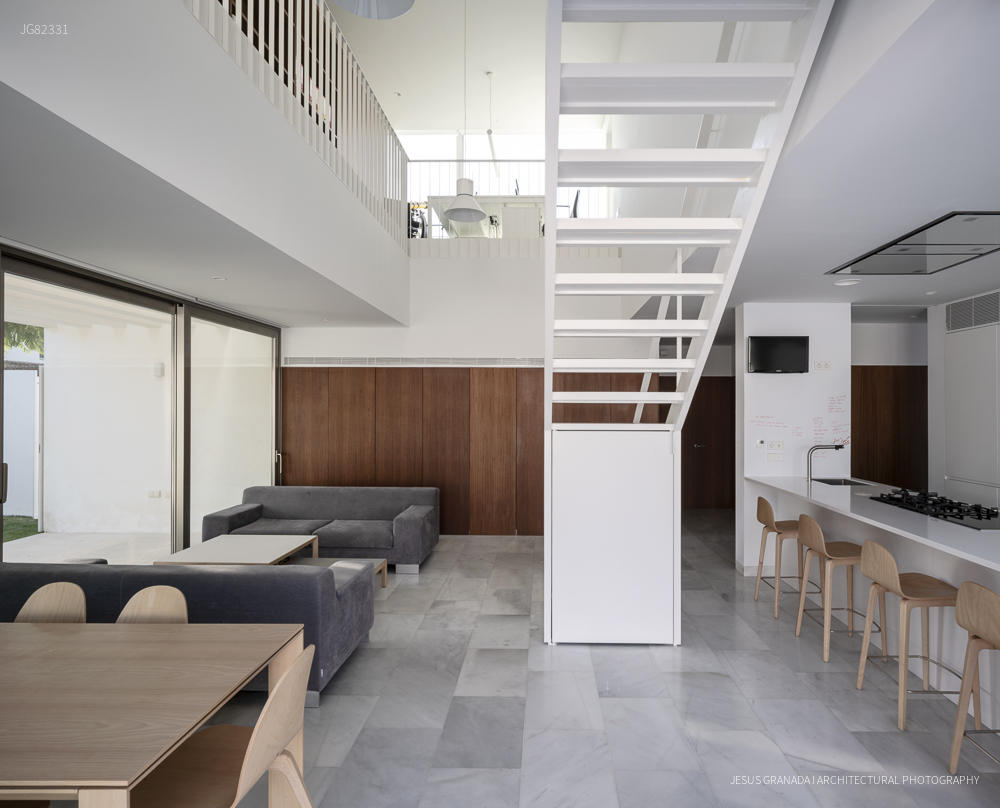
OOOA architects, José Carlos Oliva and Tomás Osborne | El Puerto de Santa María (Cádiz), Spain | January 2020 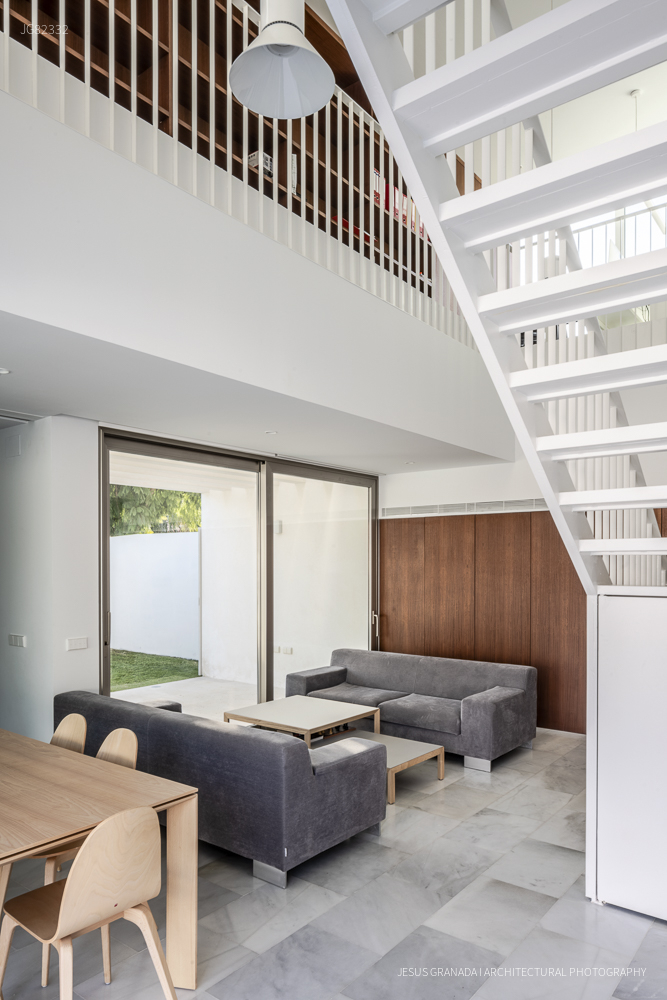
OOOA architects, José Carlos Oliva and Tomás Osborne | El Puerto de Santa María (Cádiz), Spain | January 2020 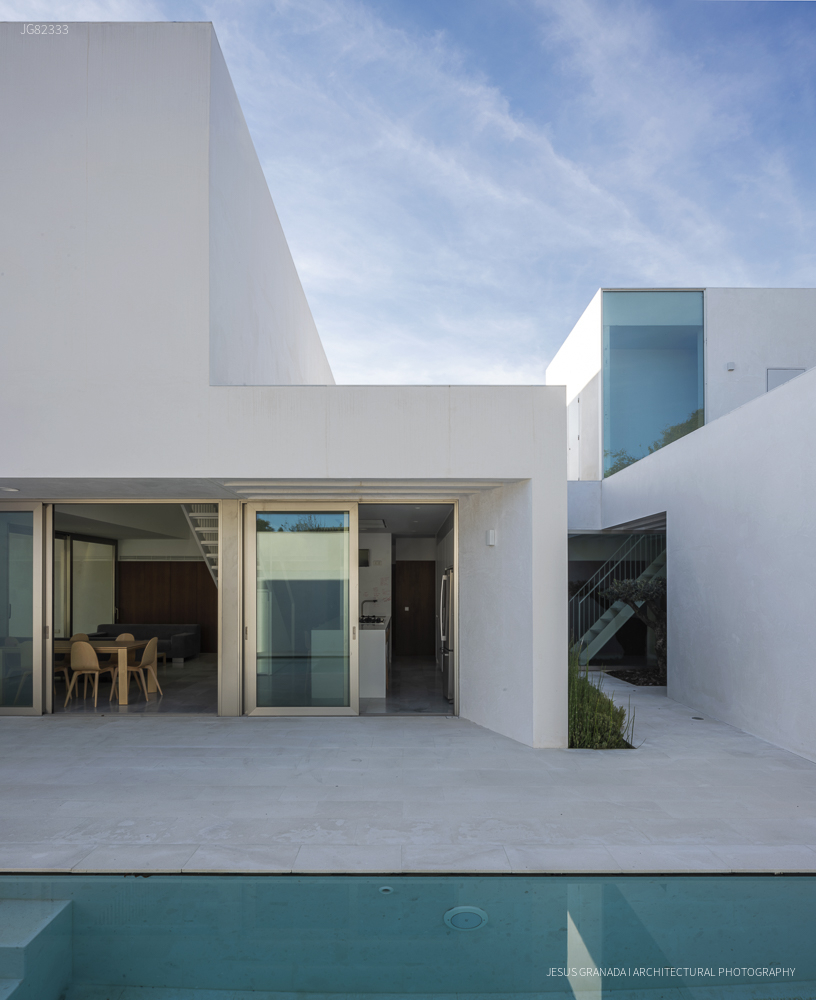
OOOA architects, José Carlos Oliva and Tomás Osborne | El Puerto de Santa María (Cádiz), Spain | January 2020 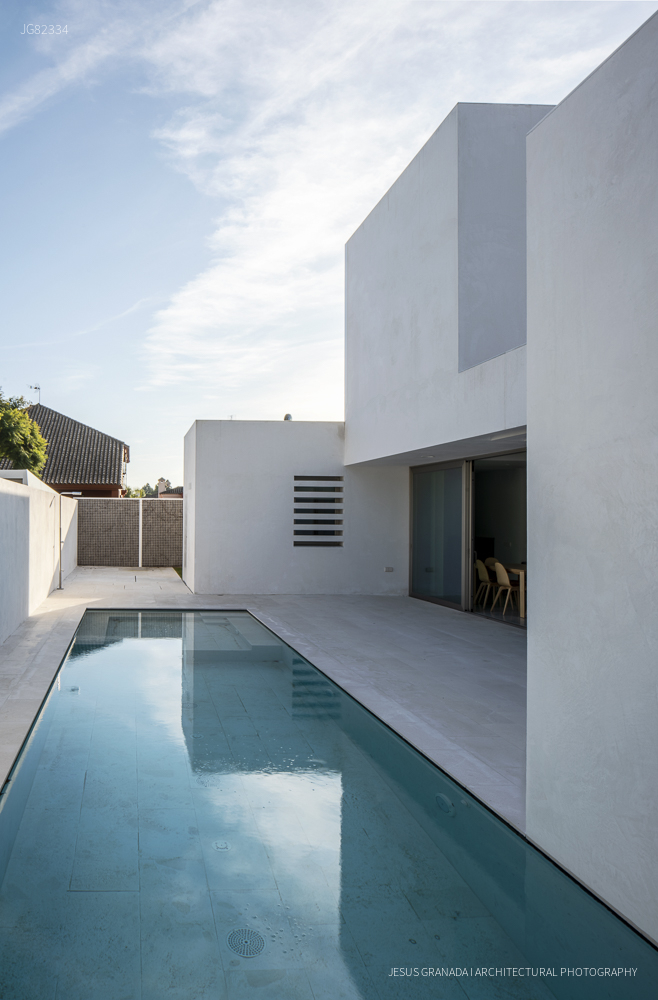
OOOA architects, José Carlos Oliva and Tomás Osborne | El Puerto de Santa María (Cádiz), Spain | January 2020 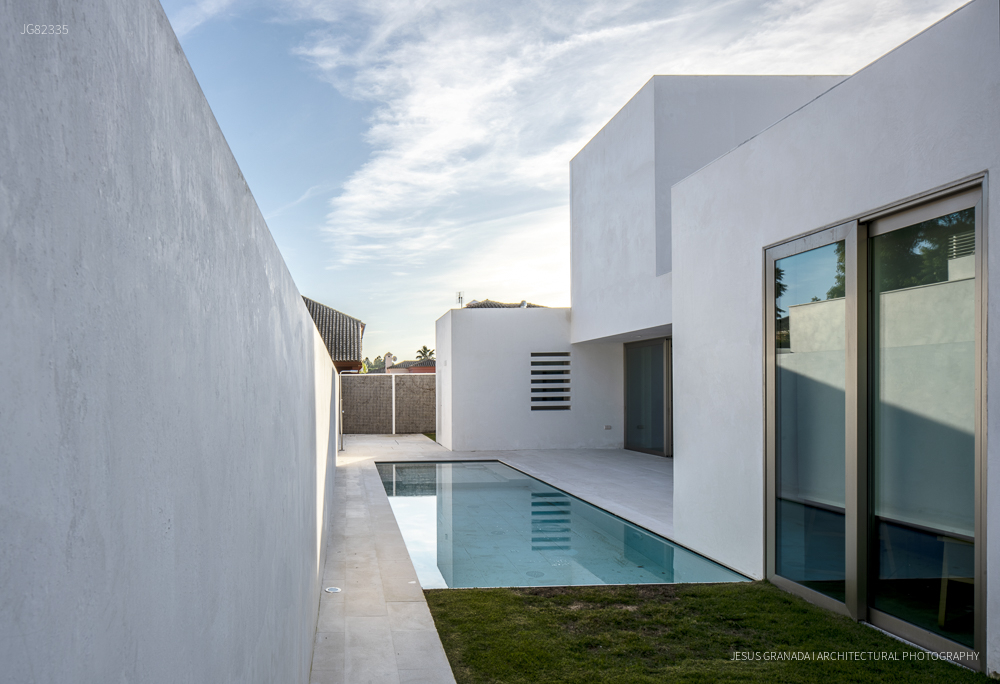
OOOA architects, José Carlos Oliva and Tomás Osborne | El Puerto de Santa María (Cádiz), Spain | January 2020 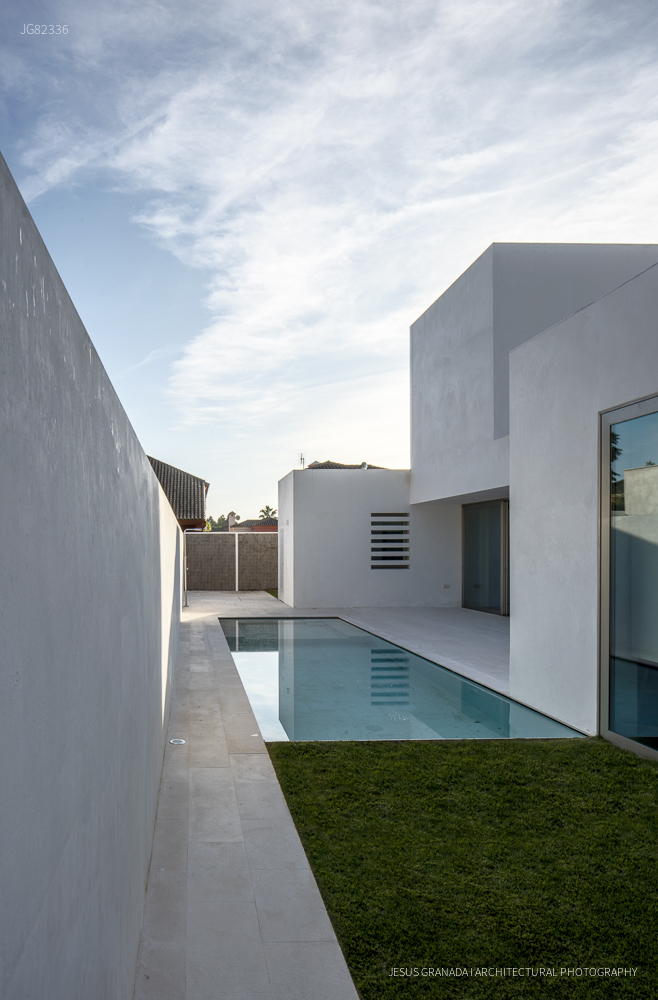
OOOA architects, José Carlos Oliva and Tomás Osborne | El Puerto de Santa María (Cádiz), Spain | January 2020 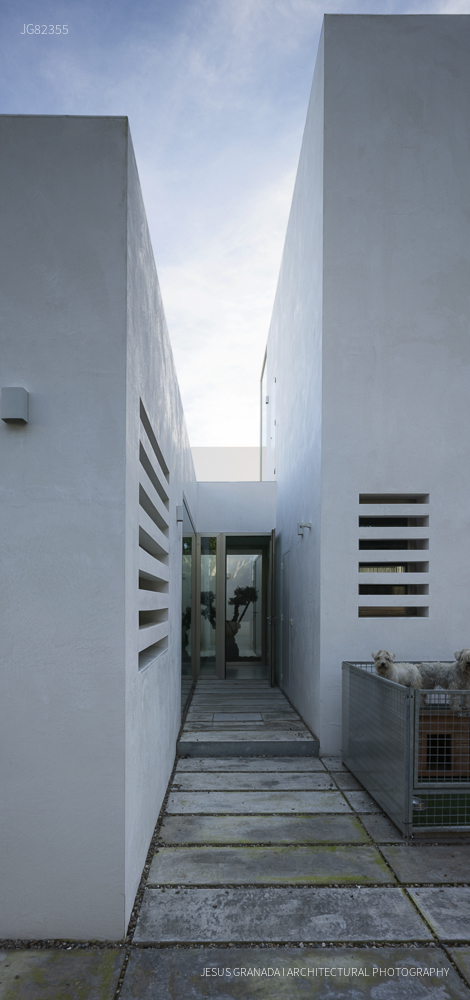
OOOA architects, José Carlos Oliva and Tomás Osborne | El Puerto de Santa María (Cádiz), Spain | January 2020 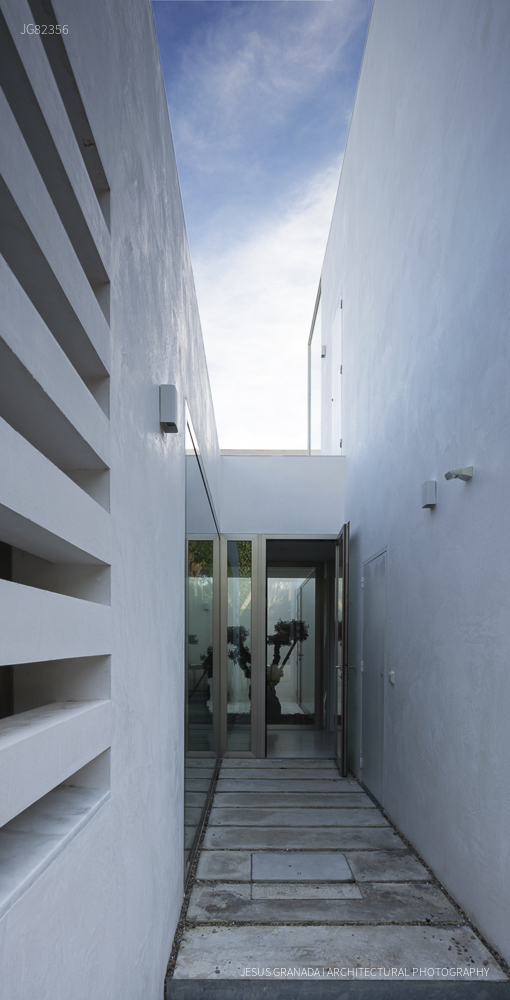
OOOA architects, José Carlos Oliva and Tomás Osborne | El Puerto de Santa María (Cádiz), Spain | January 2020 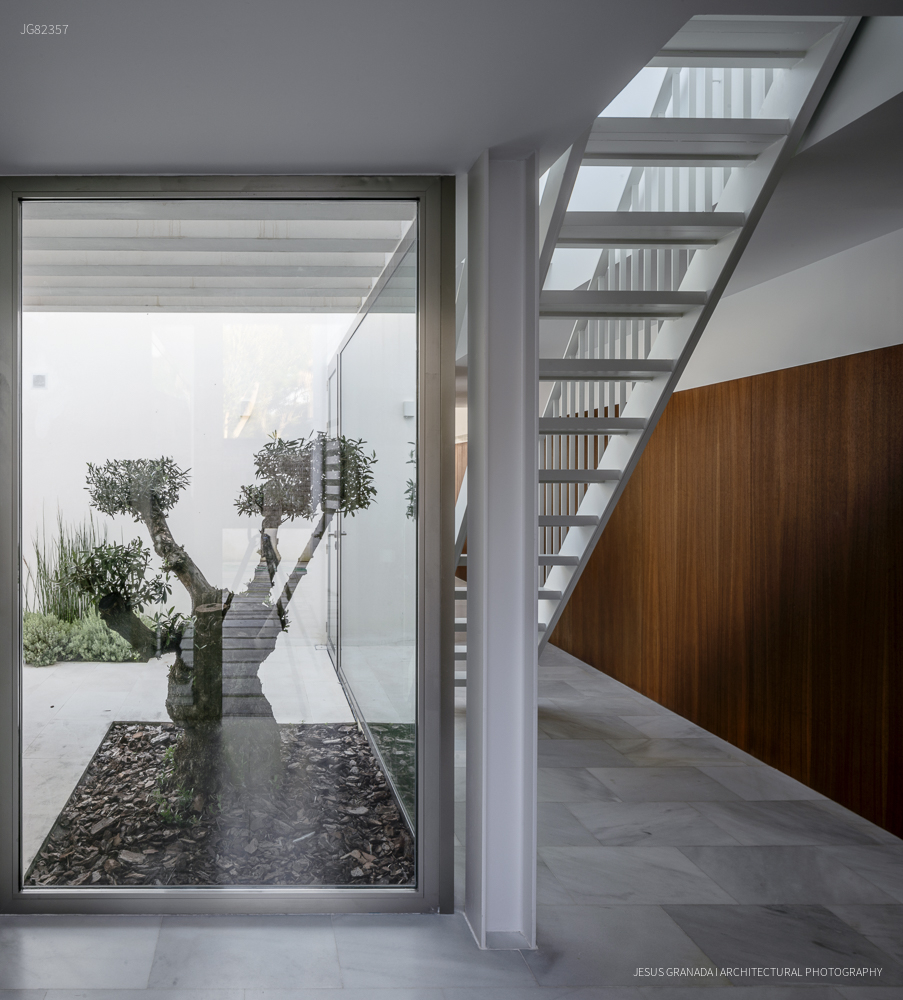
OOOA architects, José Carlos Oliva and Tomás Osborne | El Puerto de Santa María (Cádiz), Spain | January 2020 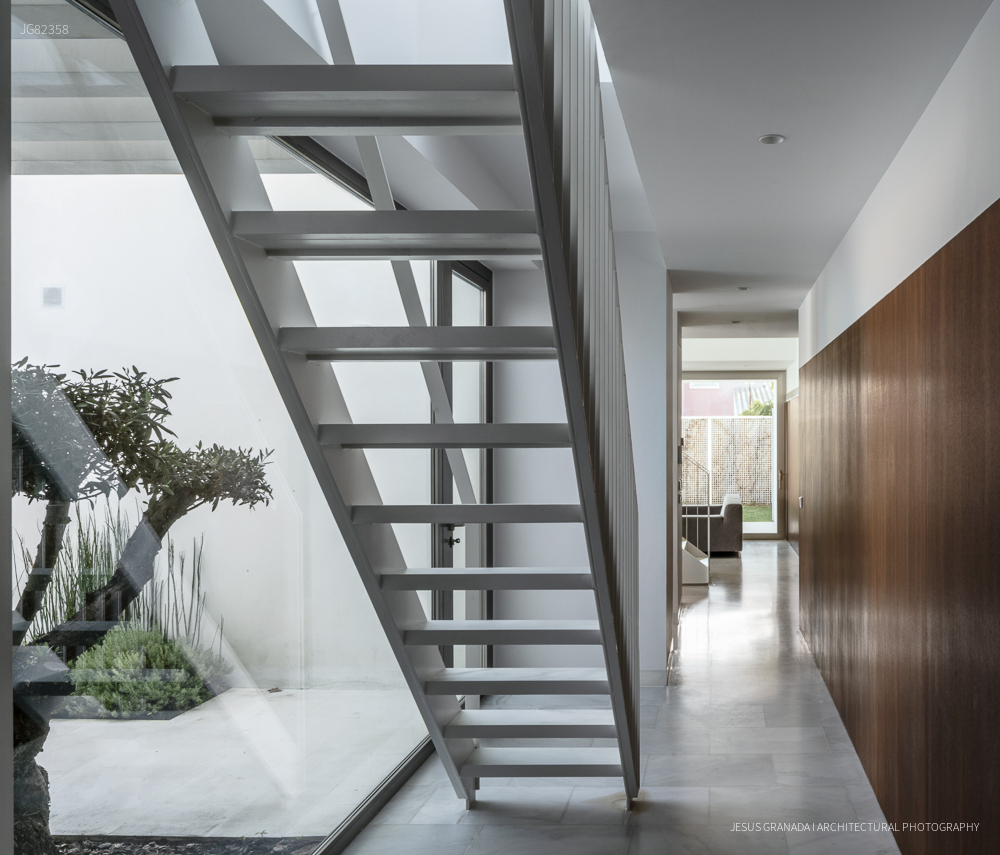
OOOA architects, José Carlos Oliva and Tomás Osborne | El Puerto de Santa María (Cádiz), Spain | January 2020 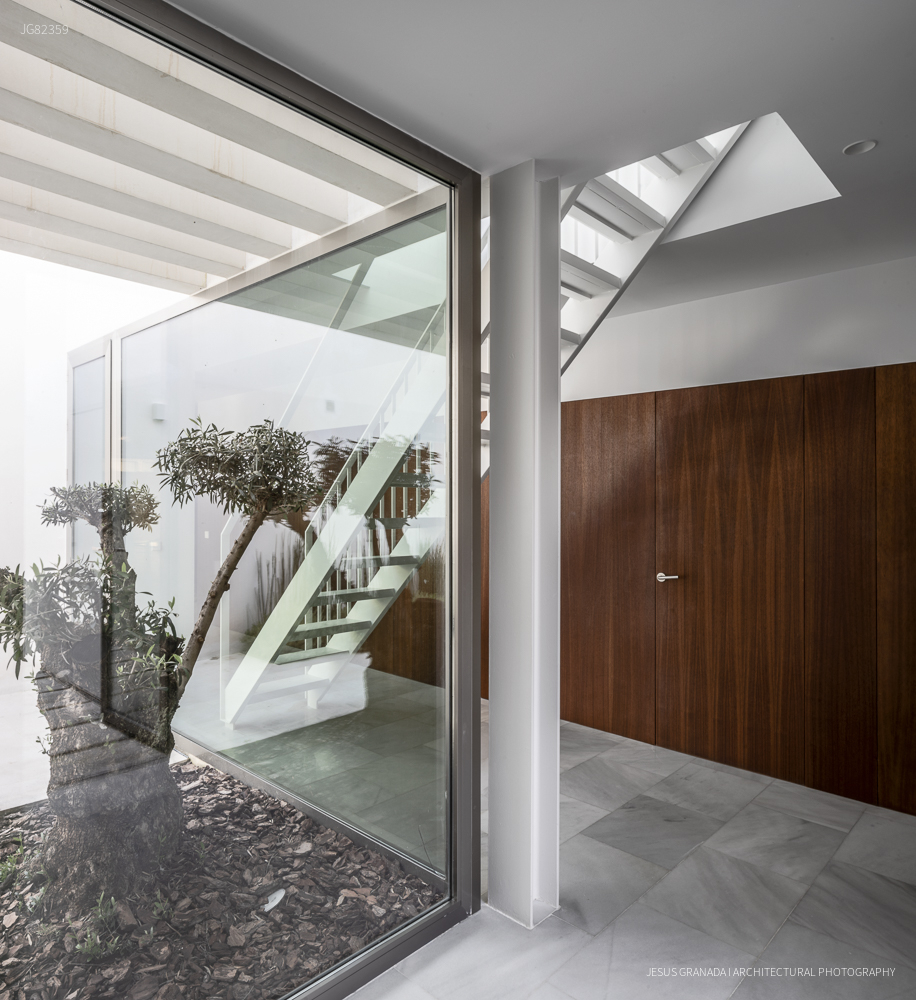
OOOA architects, José Carlos Oliva and Tomás Osborne | El Puerto de Santa María (Cádiz), Spain | January 2020 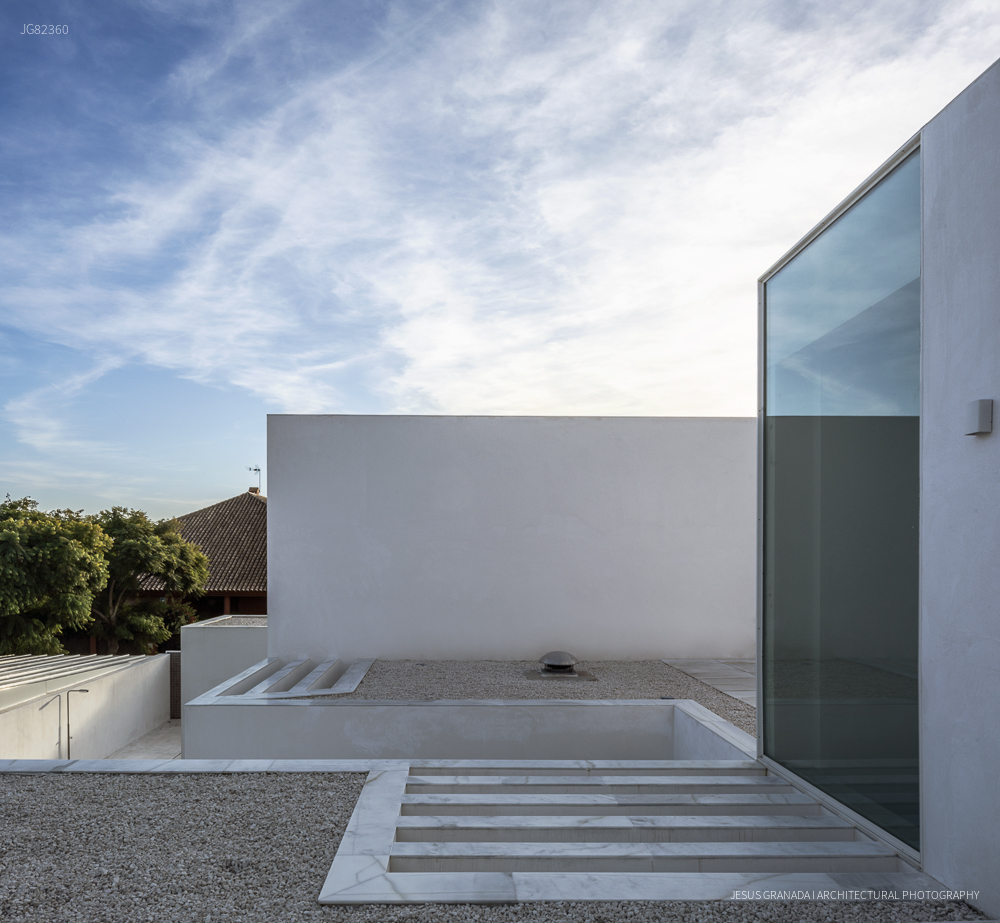
OOOA architects, José Carlos Oliva and Tomás Osborne | El Puerto de Santa María (Cádiz), Spain | January 2020 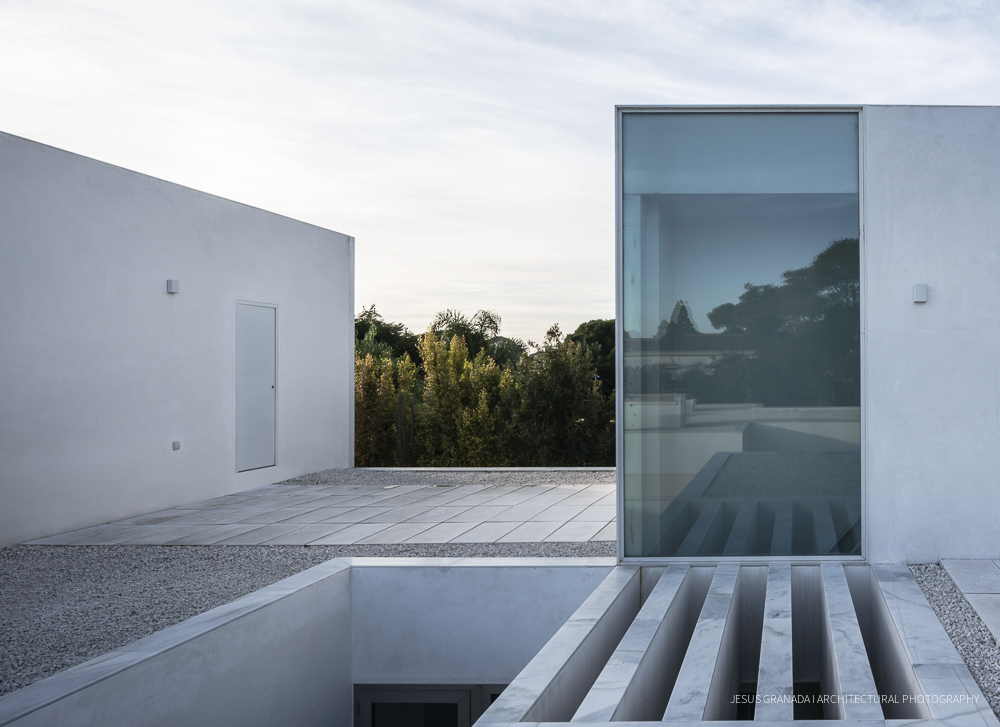
OOOA architects, José Carlos Oliva and Tomás Osborne | El Puerto de Santa María (Cádiz), Spain | January 2020 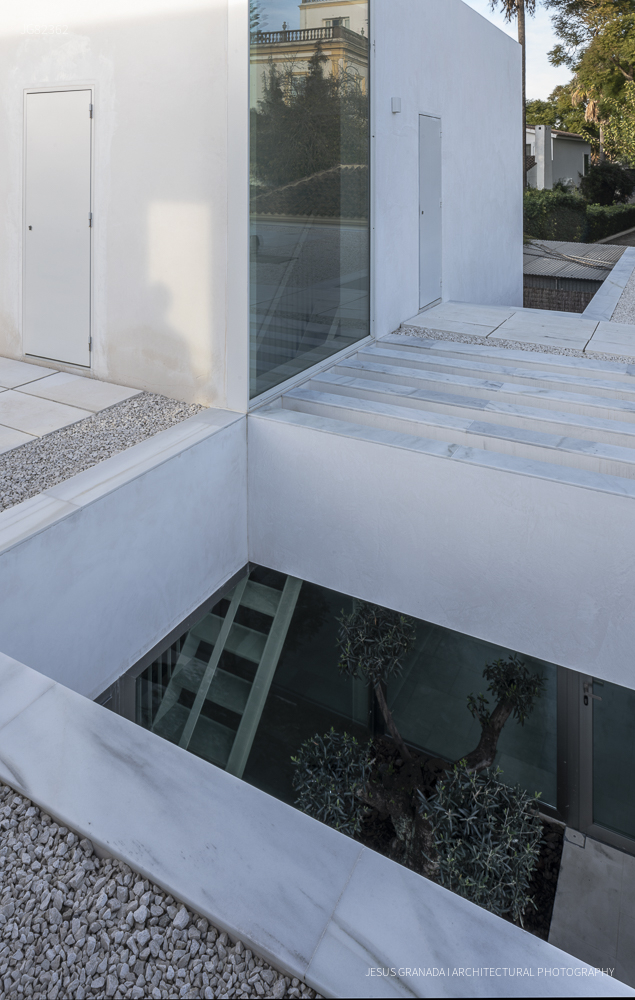
OOOA architects, José Carlos Oliva and Tomás Osborne | El Puerto de Santa María (Cádiz), Spain | January 2020 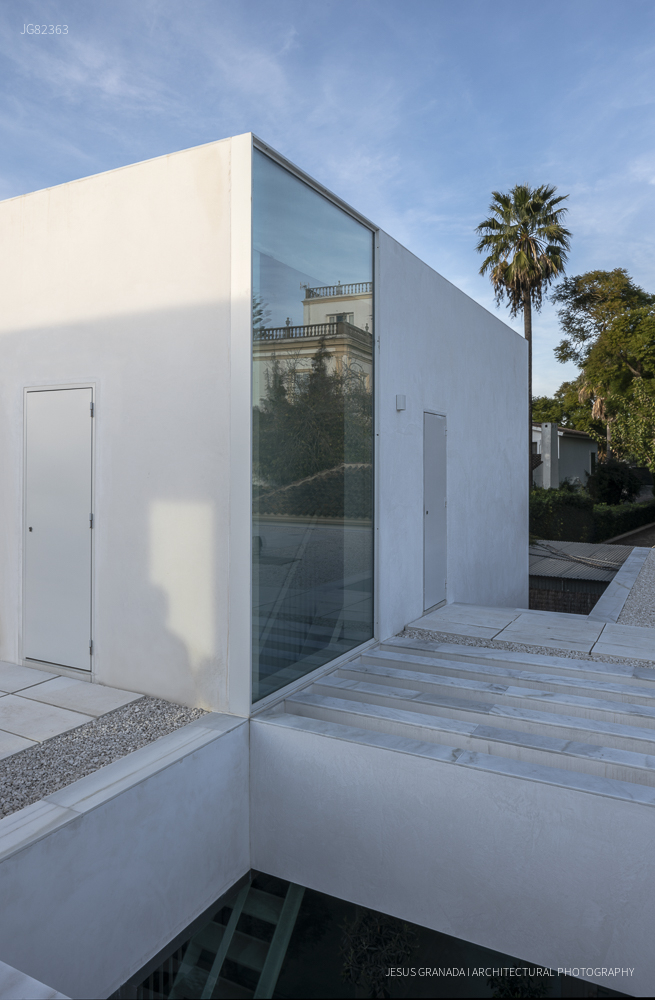
OOOA architects, José Carlos Oliva and Tomás Osborne | El Puerto de Santa María (Cádiz), Spain | January 2020 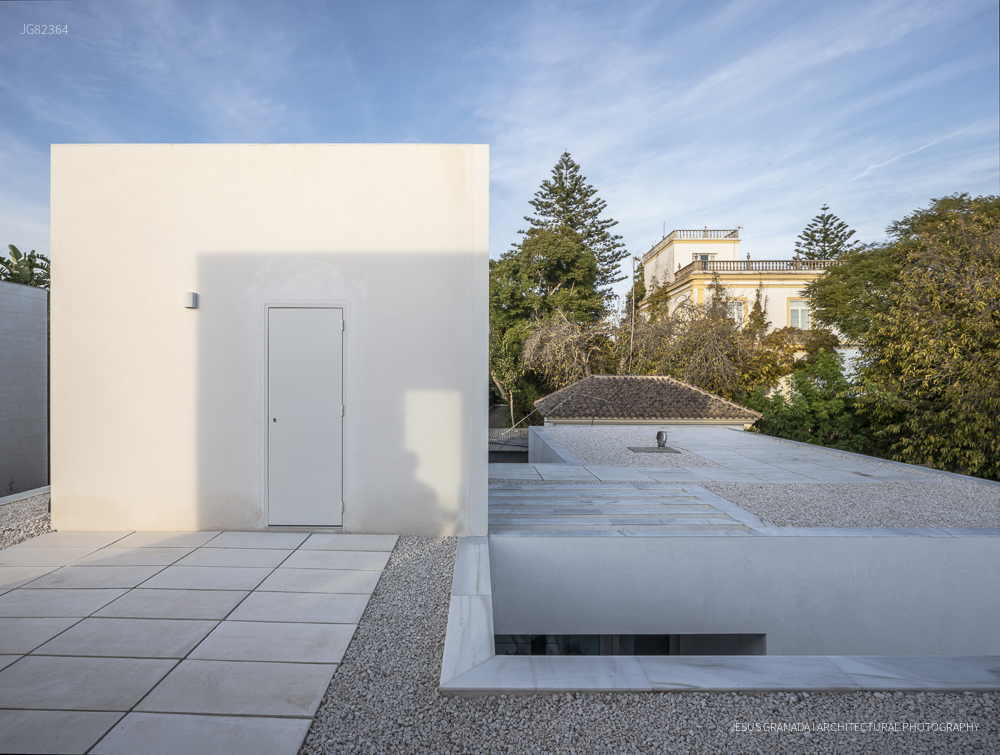
OOOA architects, José Carlos Oliva and Tomás Osborne | El Puerto de Santa María (Cádiz), Spain | January 2020 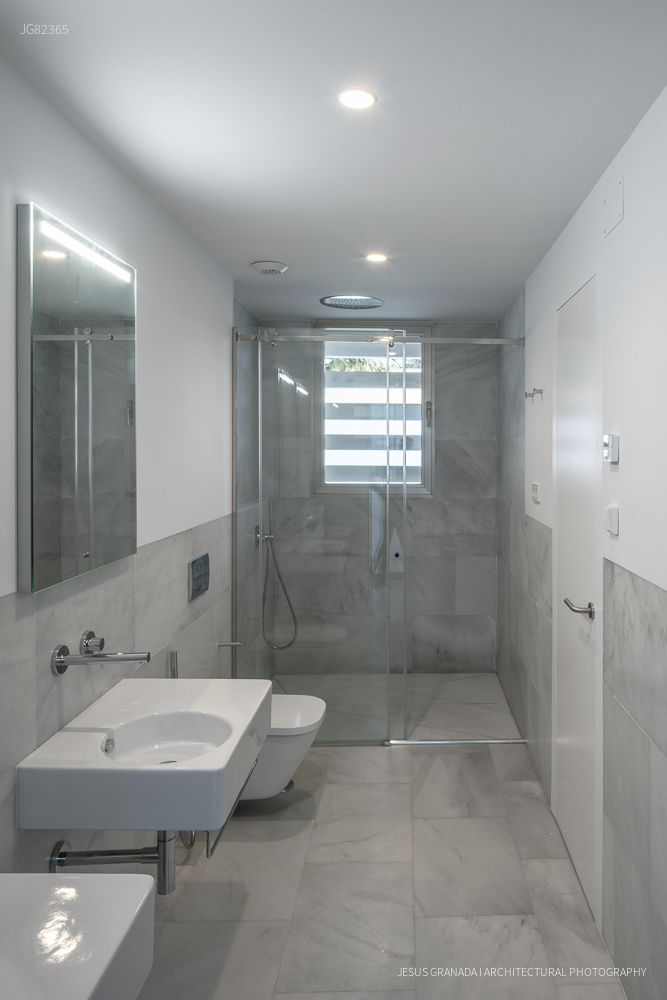
OOOA architects, José Carlos Oliva and Tomás Osborne | El Puerto de Santa María (Cádiz), Spain | January 2020 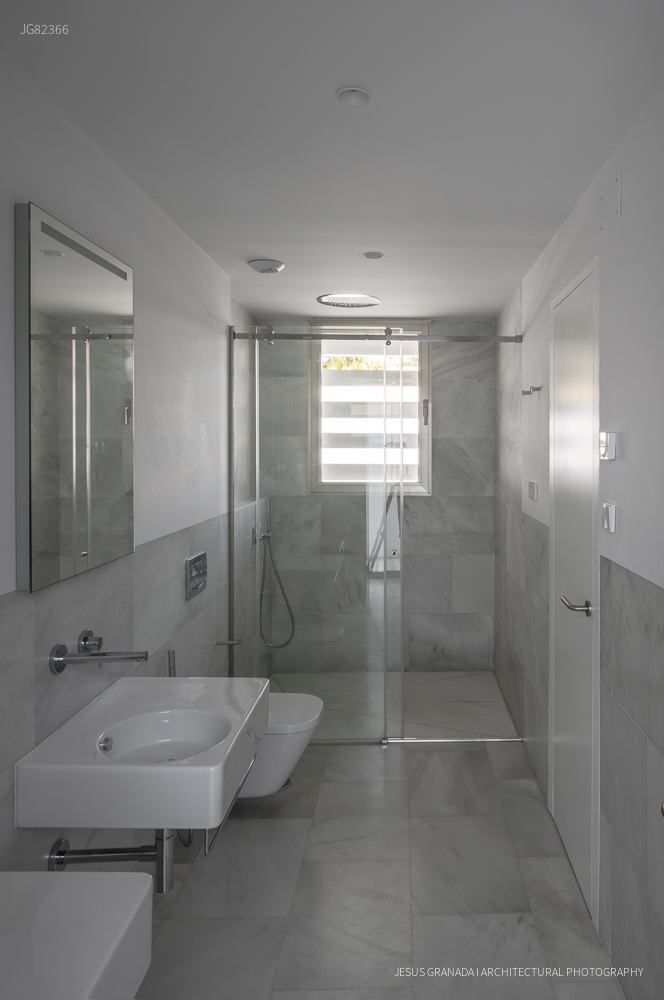
OOOA architects, José Carlos Oliva and Tomás Osborne | El Puerto de Santa María (Cádiz), Spain | January 2020 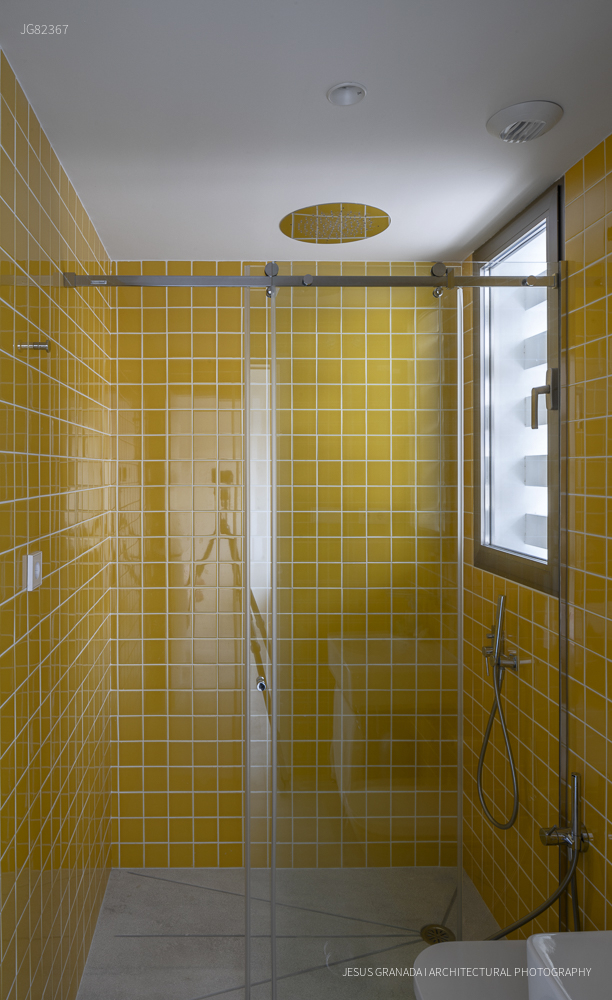
OOOA architects, José Carlos Oliva and Tomás Osborne | El Puerto de Santa María (Cádiz), Spain | January 2020 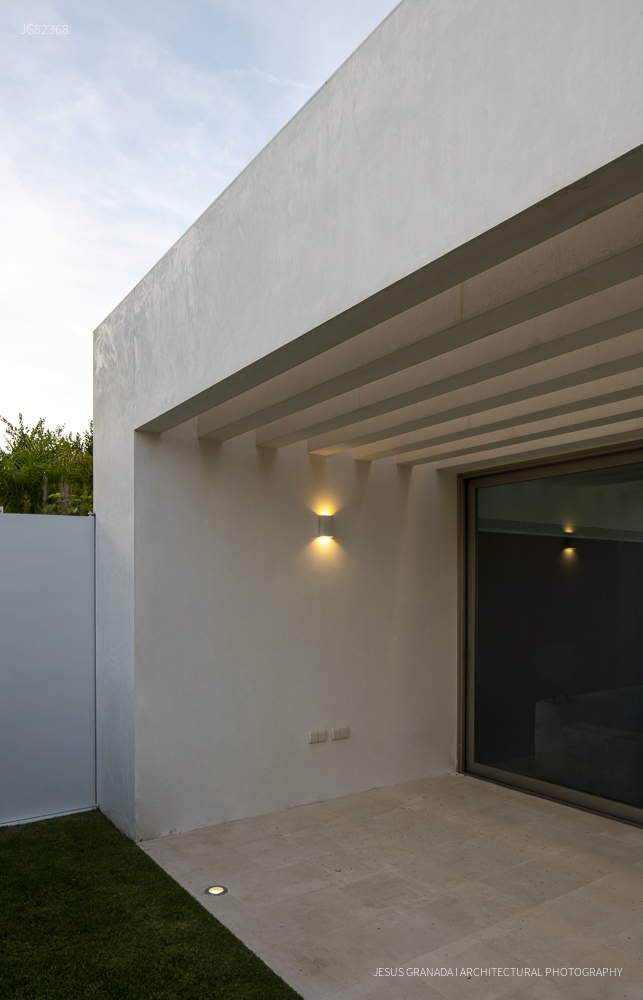
OOOA architects, José Carlos Oliva and Tomás Osborne | El Puerto de Santa María (Cádiz), Spain | January 2020 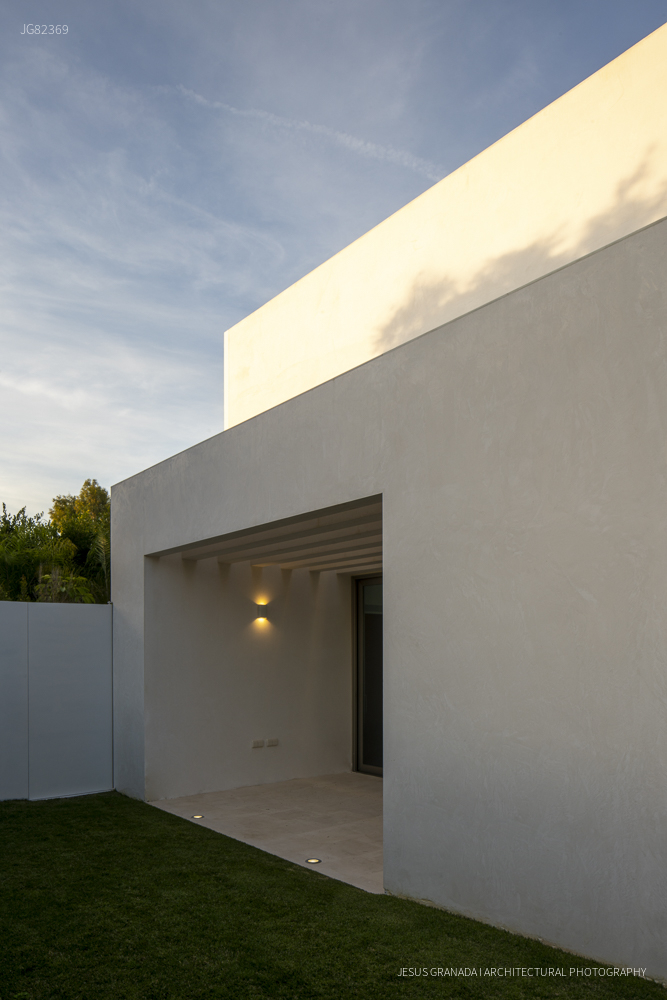
OOOA architects, José Carlos Oliva and Tomás Osborne | El Puerto de Santa María (Cádiz), Spain | January 2020 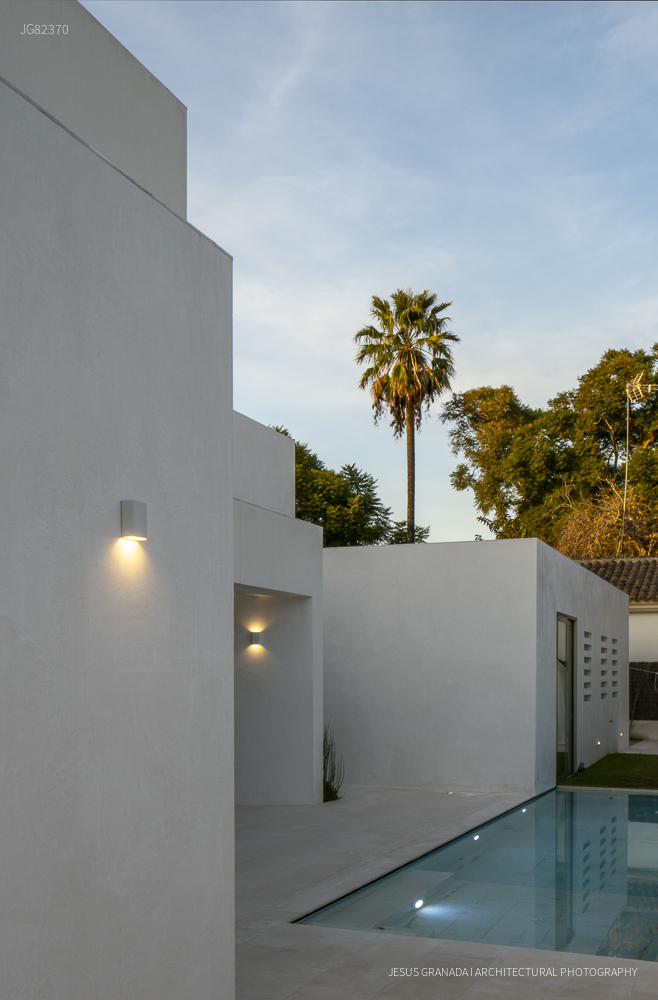
OOOA architects, José Carlos Oliva and Tomás Osborne | El Puerto de Santa María (Cádiz), Spain | January 2020 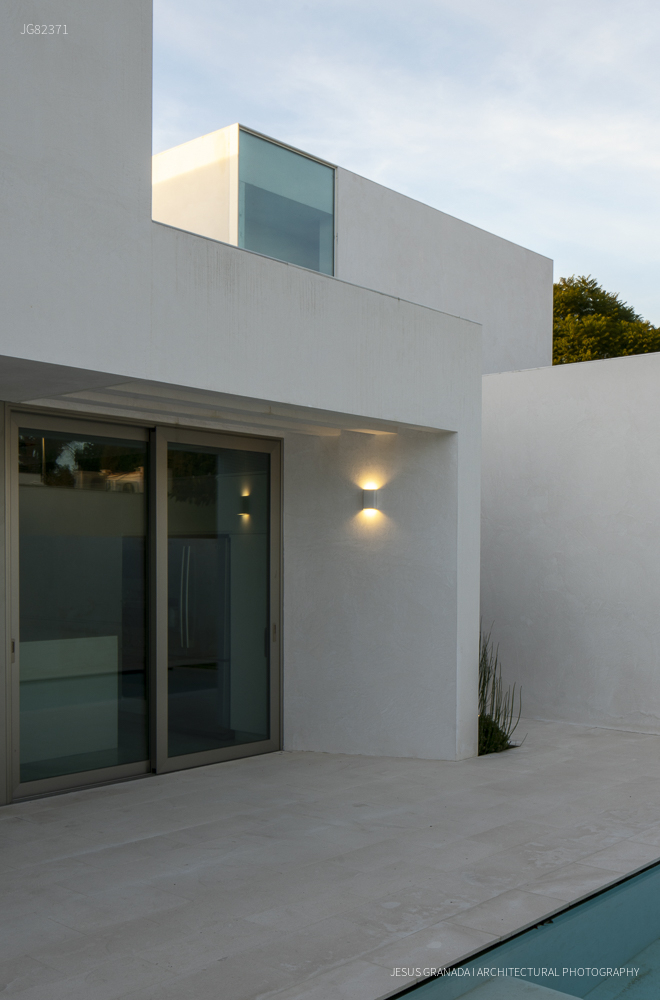
OOOA architects, José Carlos Oliva and Tomás Osborne | El Puerto de Santa María (Cádiz), Spain | January 2020 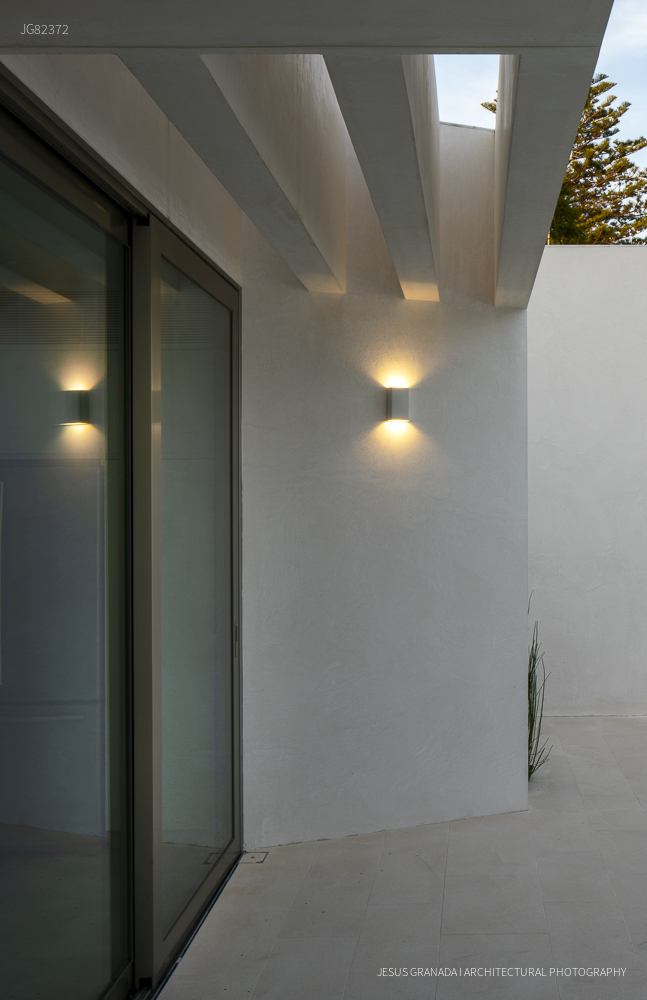
OOOA architects, José Carlos Oliva and Tomás Osborne | El Puerto de Santa María (Cádiz), Spain | January 2020 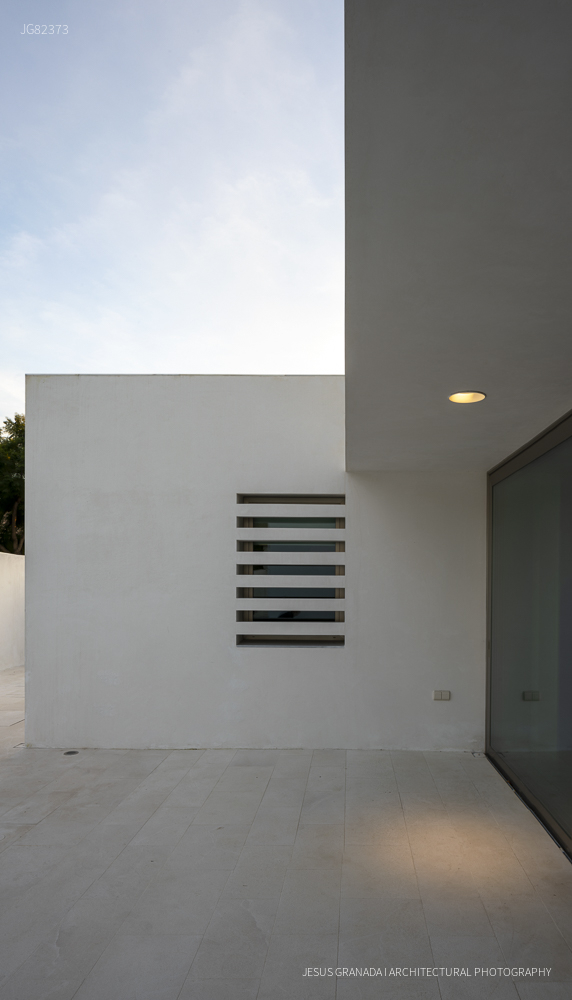
OOOA architects, José Carlos Oliva and Tomás Osborne | El Puerto de Santa María (Cádiz), Spain | January 2020 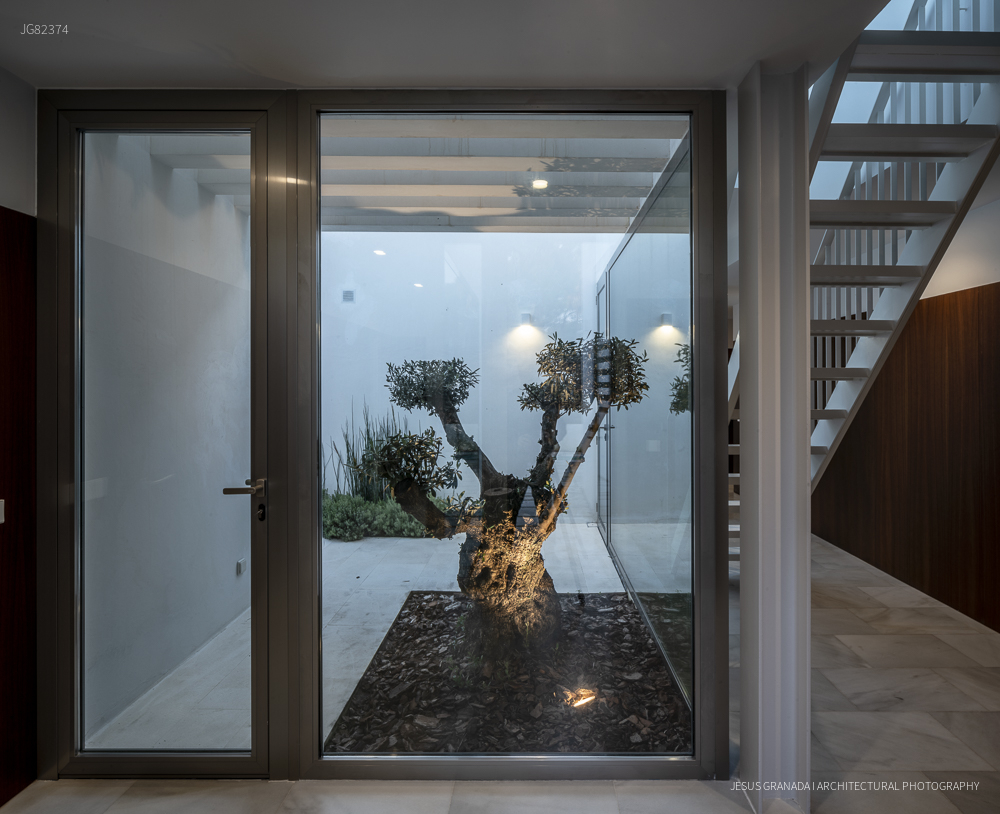
OOOA architects, José Carlos Oliva and Tomás Osborne | El Puerto de Santa María (Cádiz), Spain | January 2020 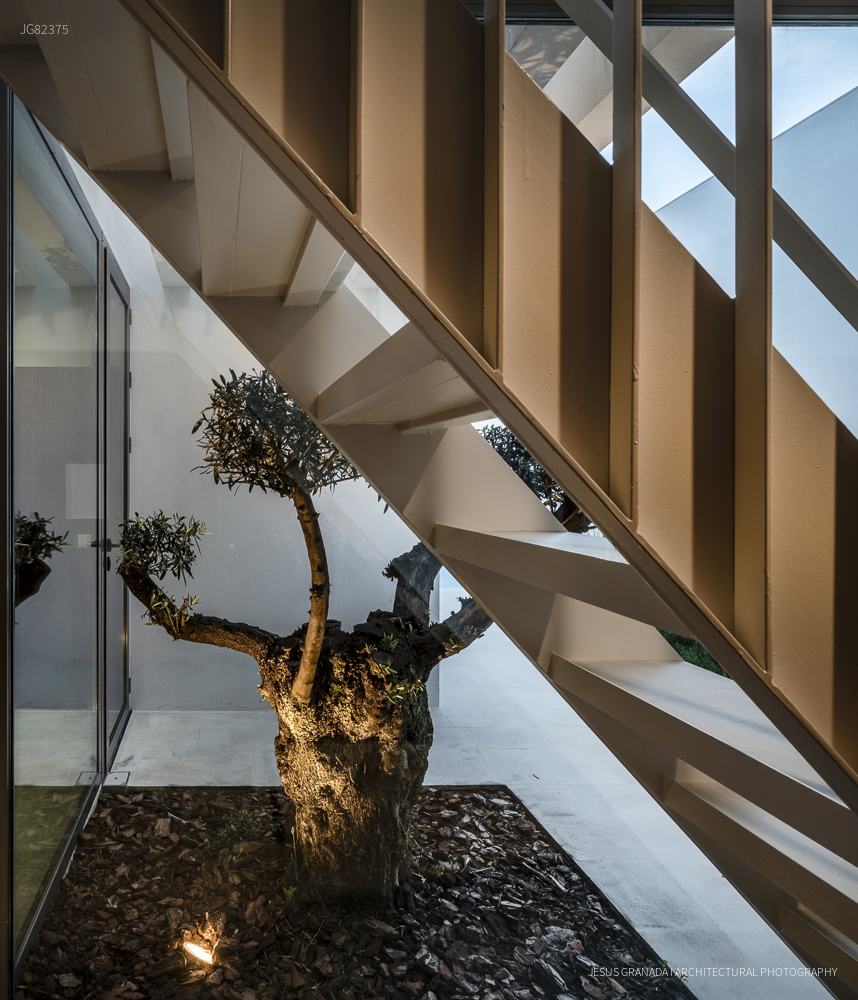
OOOA architects, José Carlos Oliva and Tomás Osborne | El Puerto de Santa María (Cádiz), Spain | January 2020 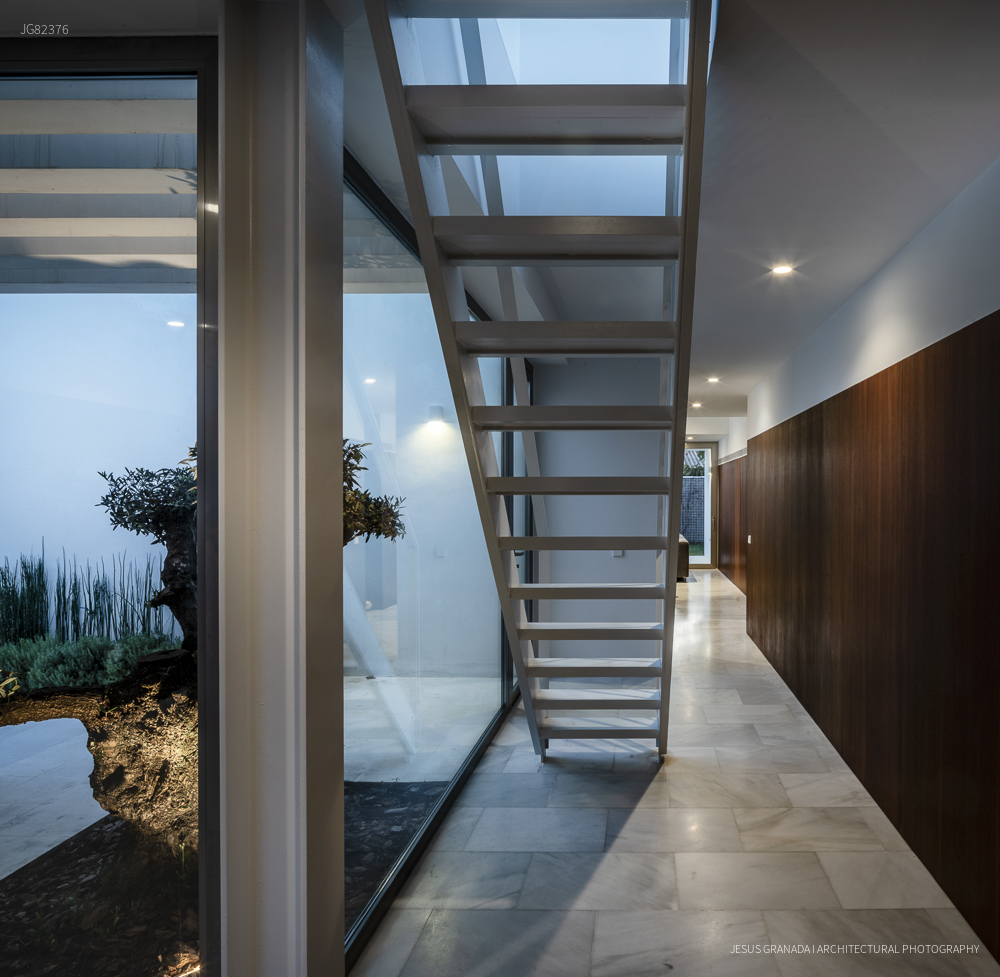
OOOA architects, José Carlos Oliva and Tomás Osborne | El Puerto de Santa María (Cádiz), Spain | January 2020 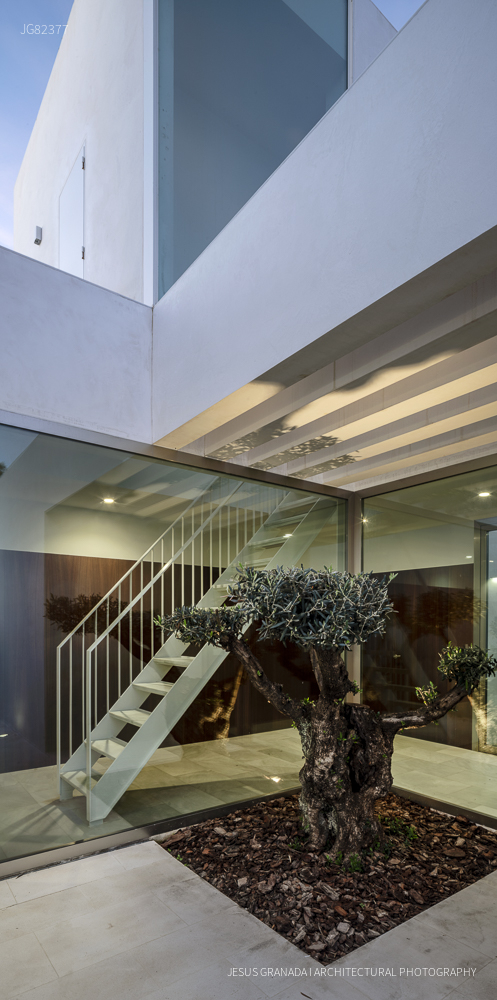
OOOA architects, José Carlos Oliva and Tomás Osborne | El Puerto de Santa María (Cádiz), Spain | January 2020 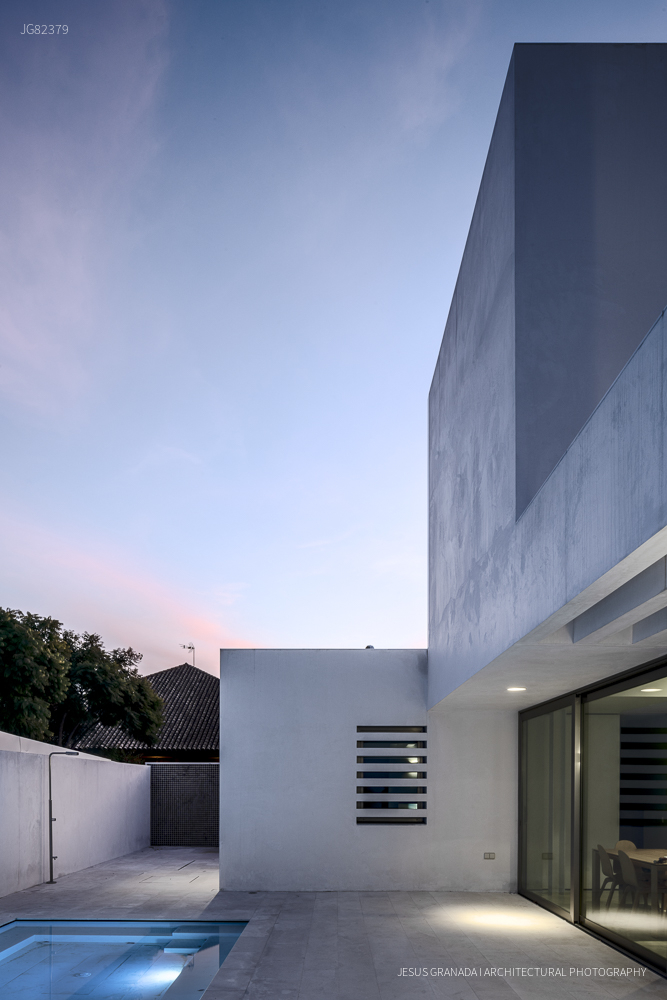
OOOA architects, José Carlos Oliva and Tomás Osborne | El Puerto de Santa María (Cádiz), Spain | January 2020 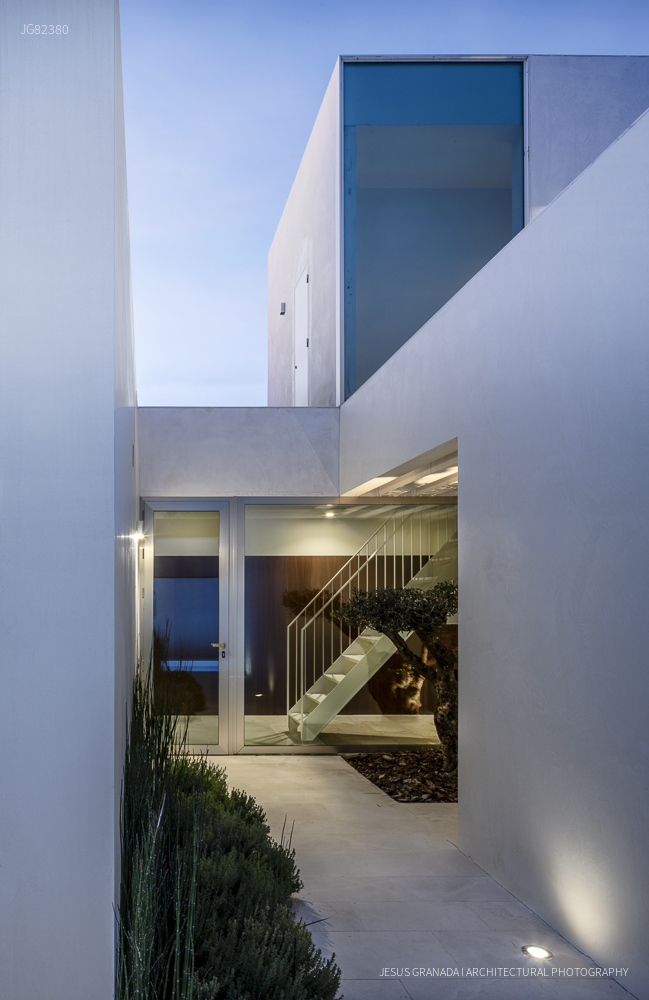
OOOA architects, José Carlos Oliva and Tomás Osborne | El Puerto de Santa María (Cádiz), Spain | January 2020 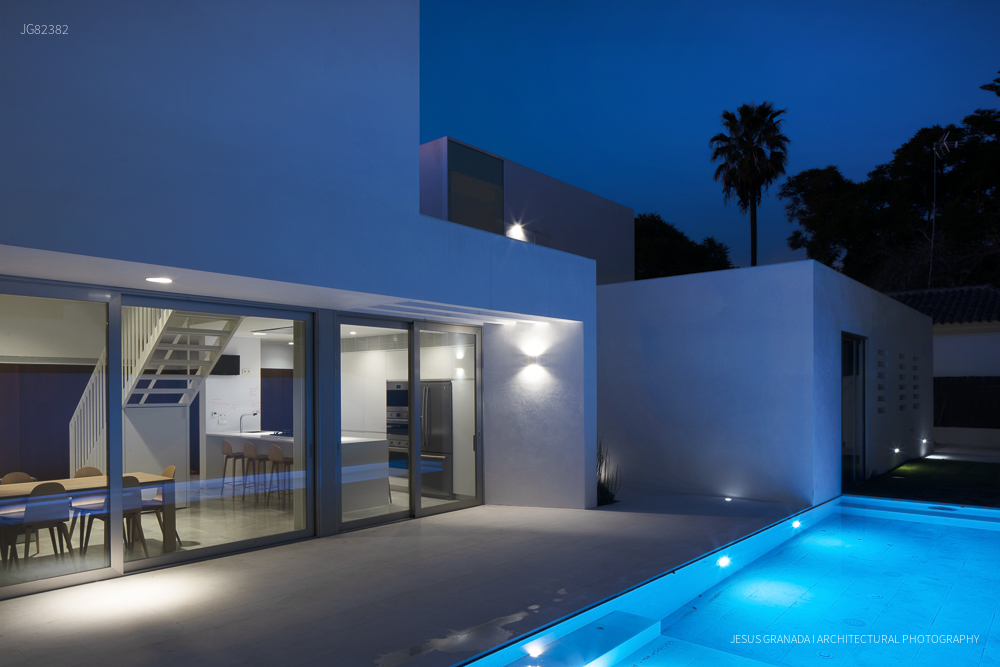
OOOA architects, José Carlos Oliva and Tomás Osborne | El Puerto de Santa María (Cádiz), Spain | January 2020 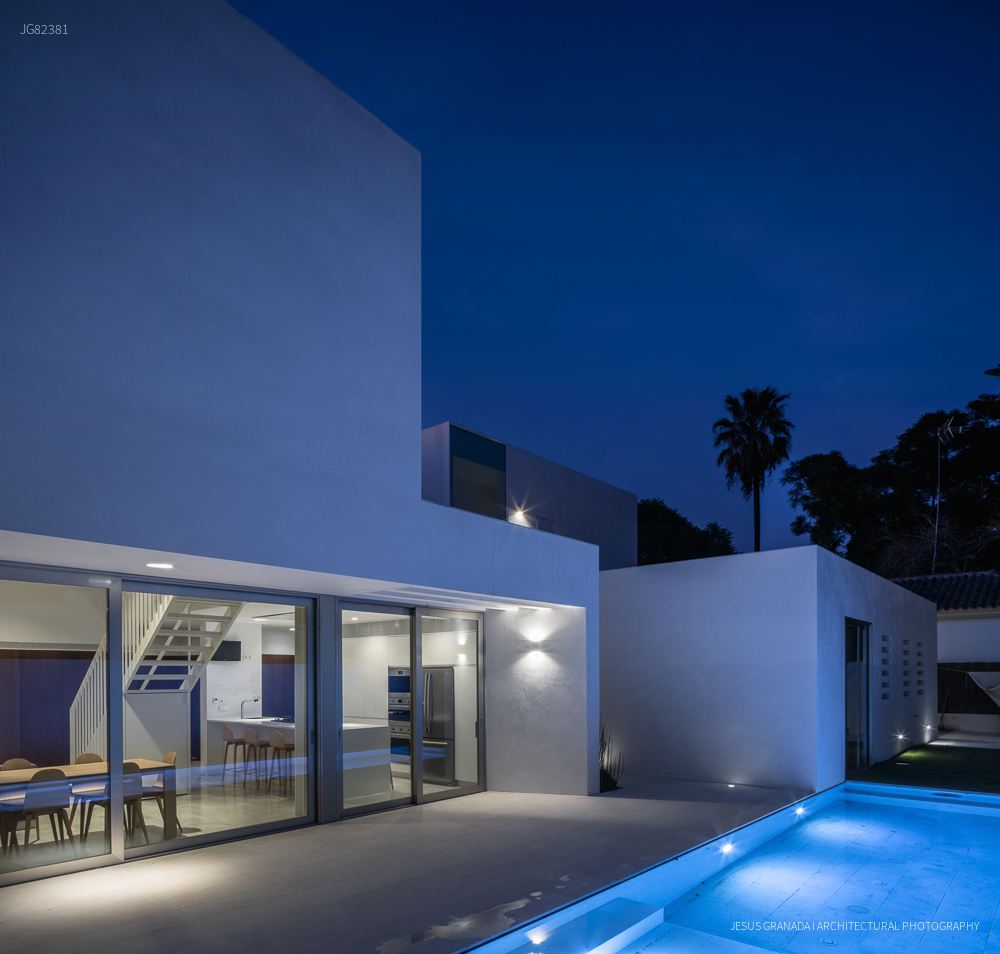
OOOA architects, José Carlos Oliva and Tomás Osborne | El Puerto de Santa María (Cádiz), Spain | January 2020 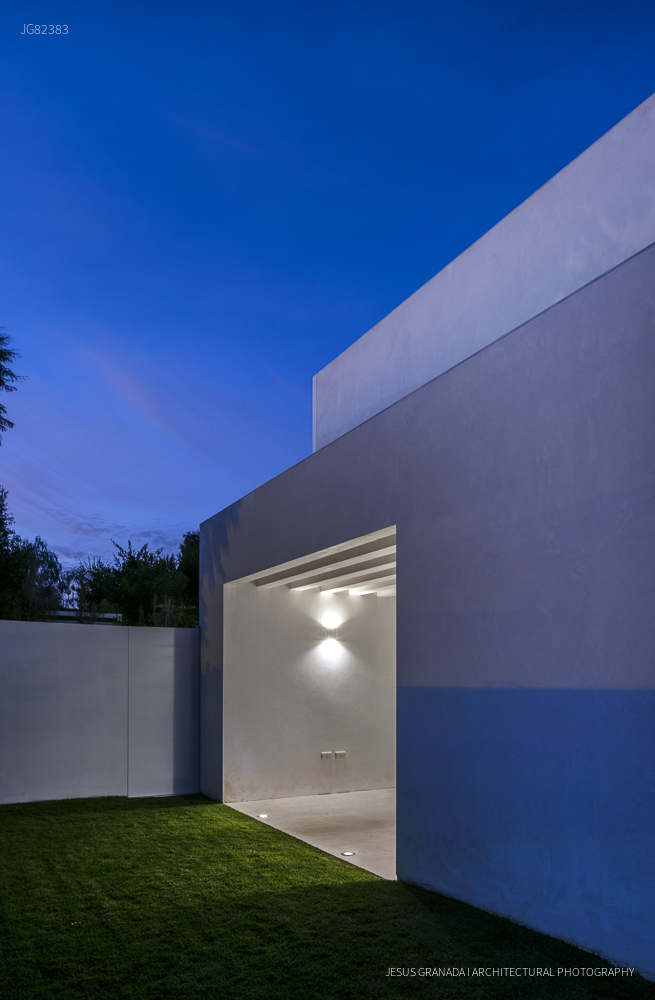
OOOA architects, José Carlos Oliva and Tomás Osborne | El Puerto de Santa María (Cádiz), Spain | January 2020 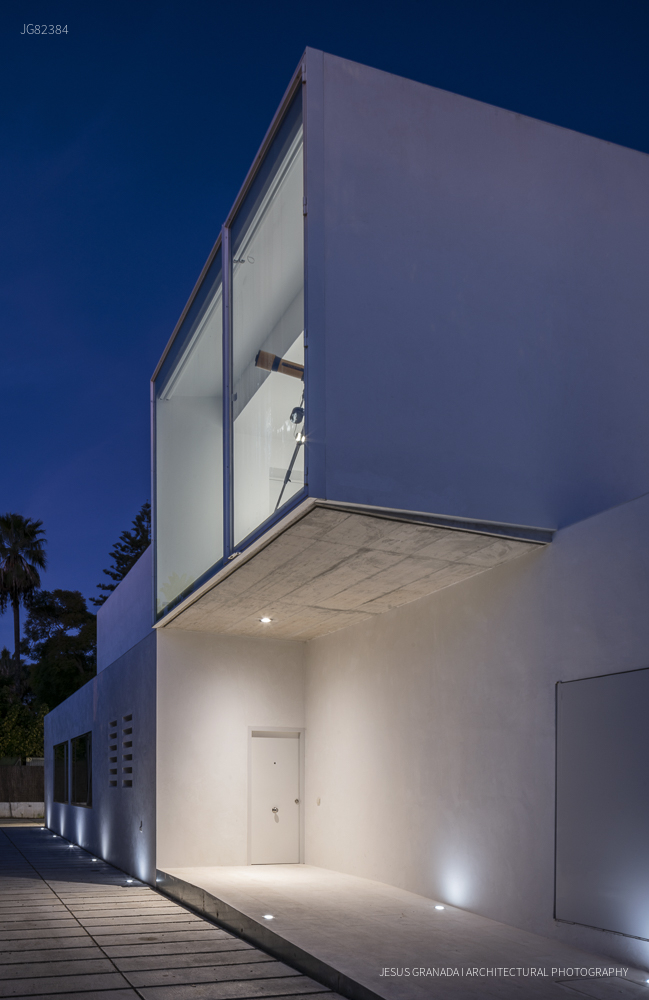
OOOA architects, José Carlos Oliva and Tomás Osborne | El Puerto de Santa María (Cádiz), Spain | January 2020 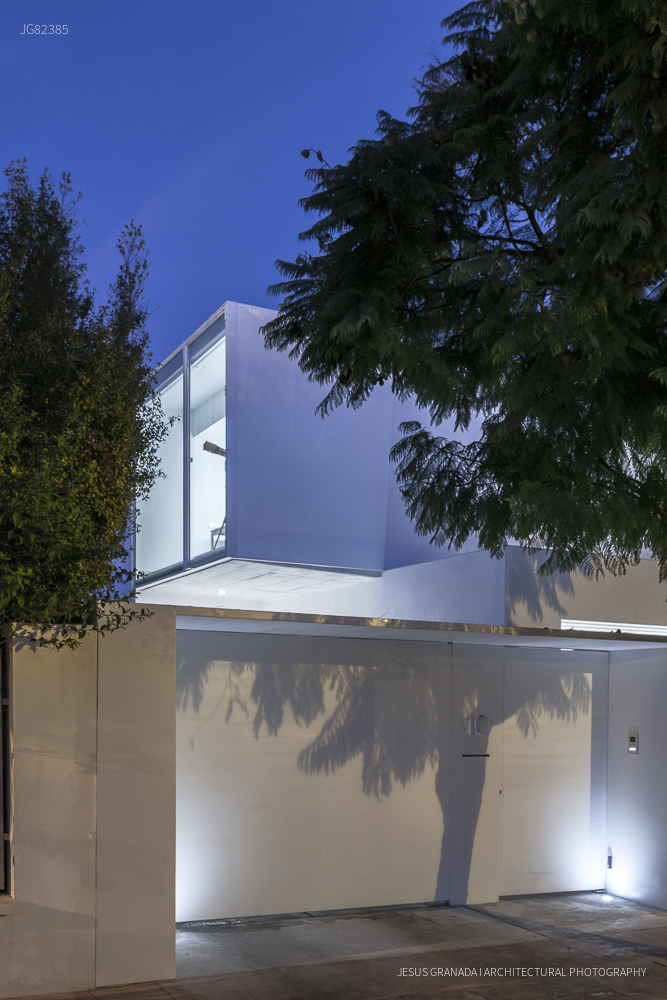
OOOA architects, José Carlos Oliva and Tomás Osborne | El Puerto de Santa María (Cádiz), Spain | January 2020 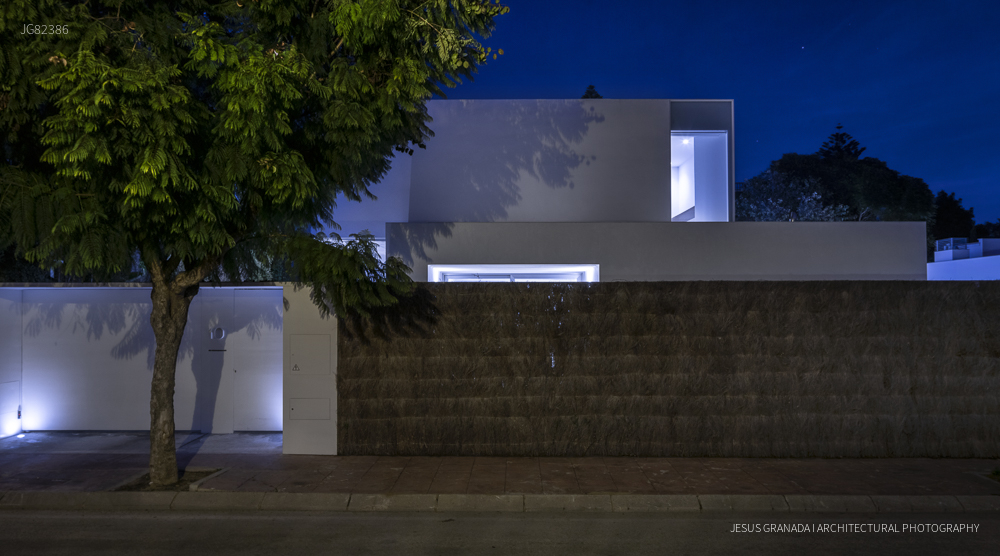
OOOA architects, José Carlos Oliva and Tomás Osborne | El Puerto de Santa María (Cádiz), Spain | January 2020 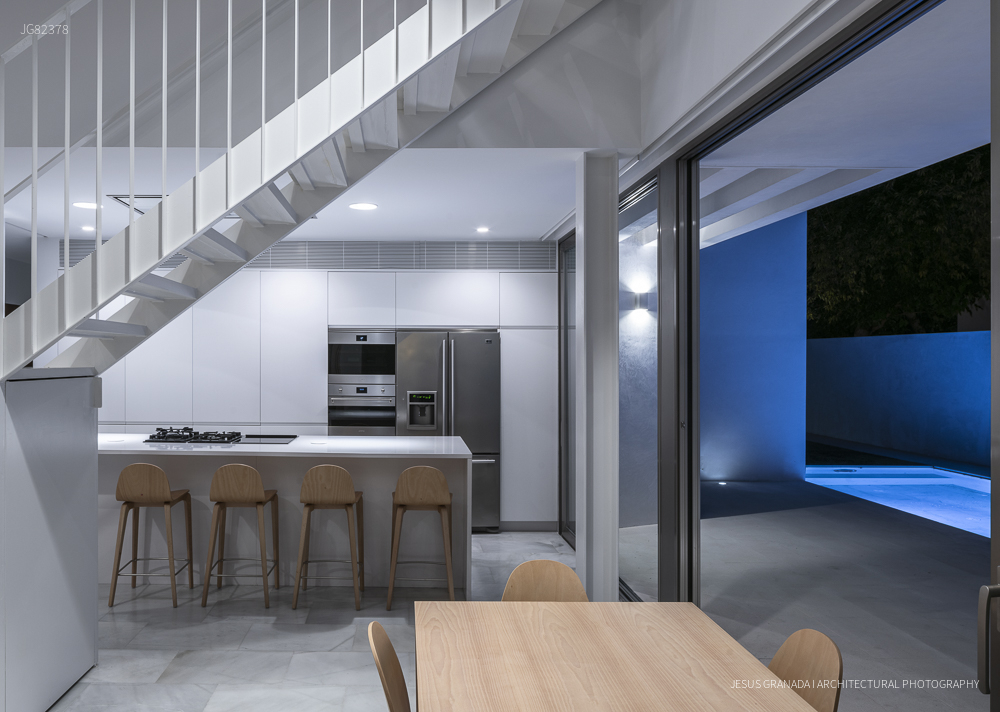
OOOA architects, José Carlos Oliva and Tomás Osborne | El Puerto de Santa María (Cádiz), Spain | January 2020
-
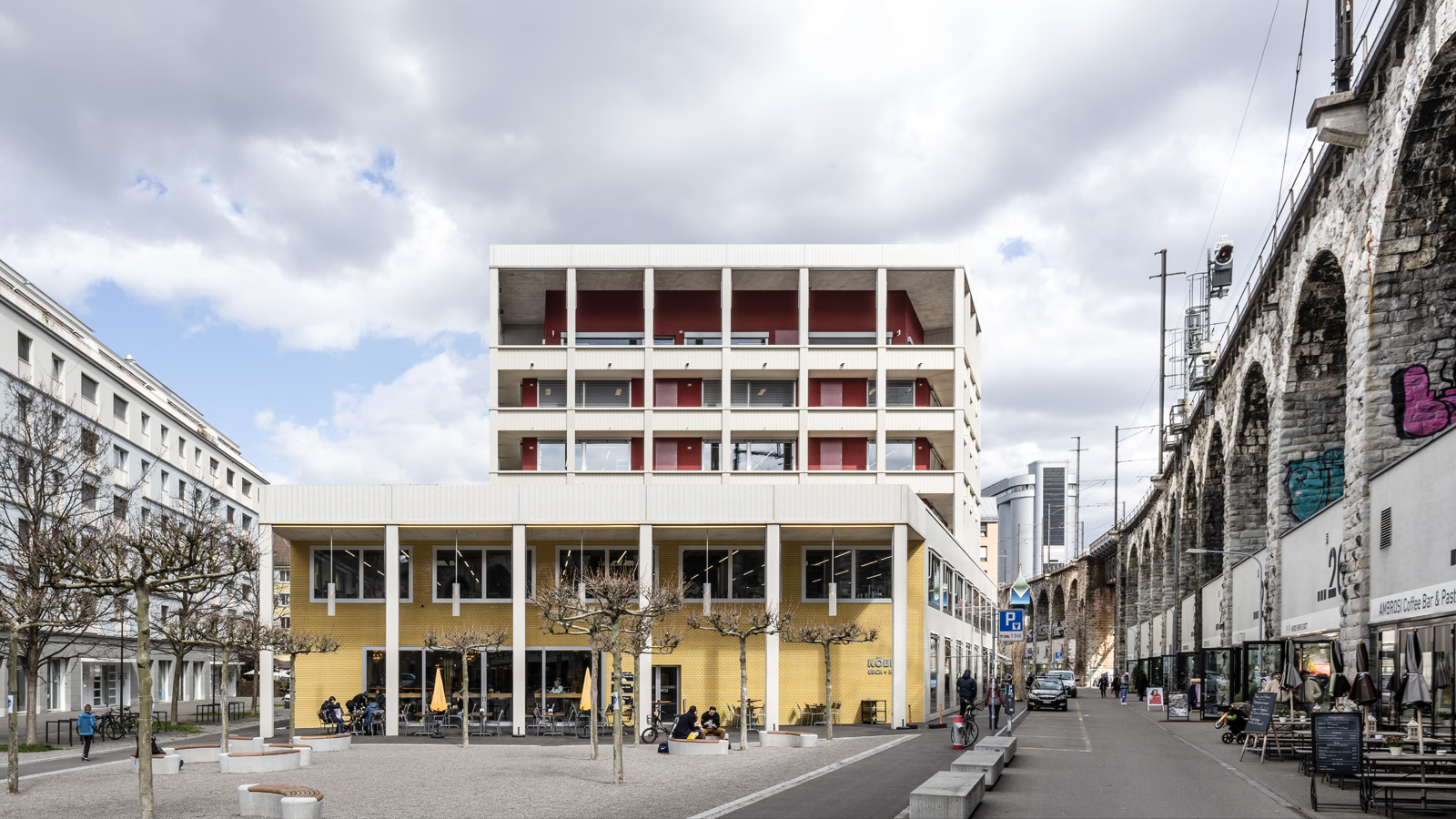
St Jakob Foundation in Zurich
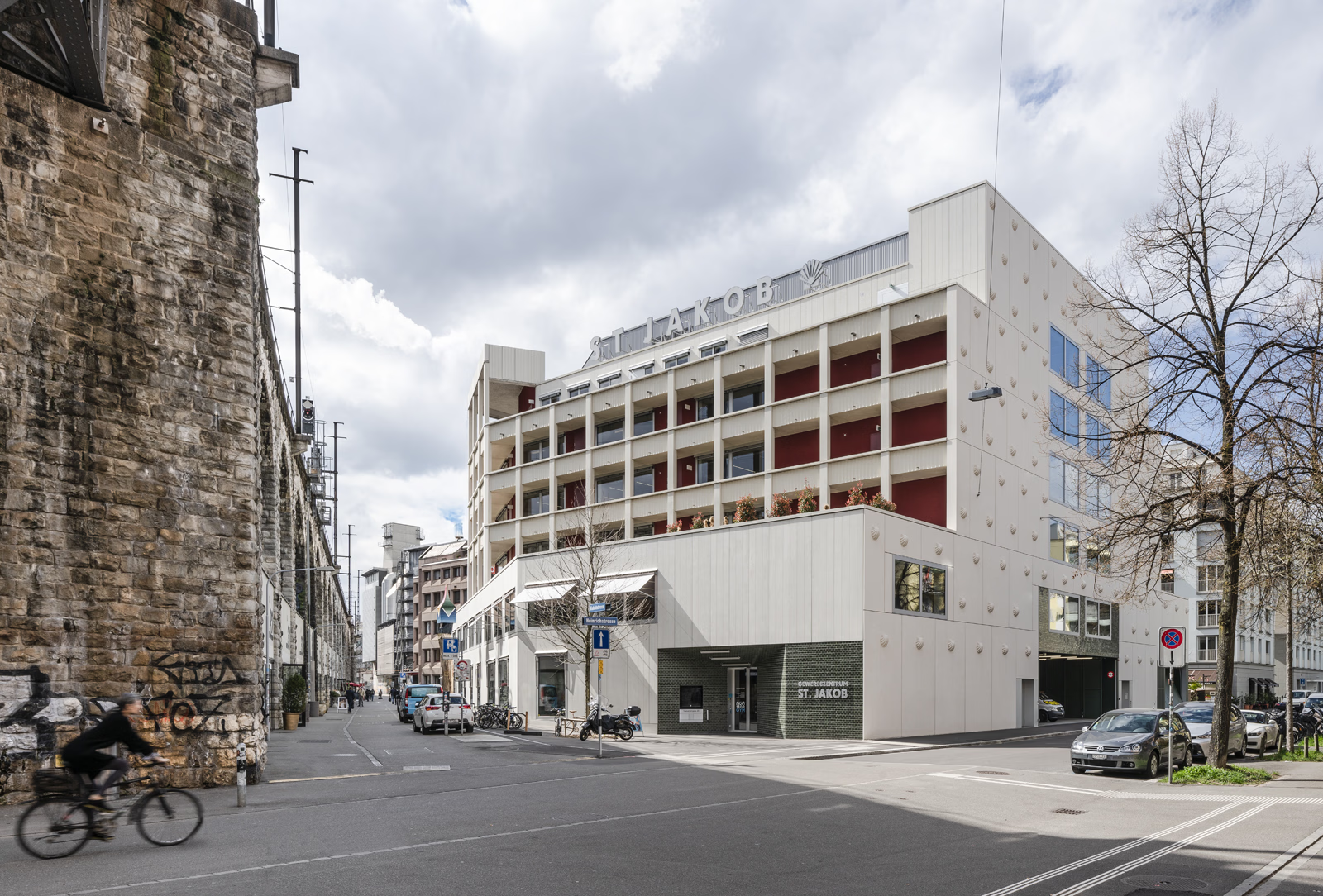
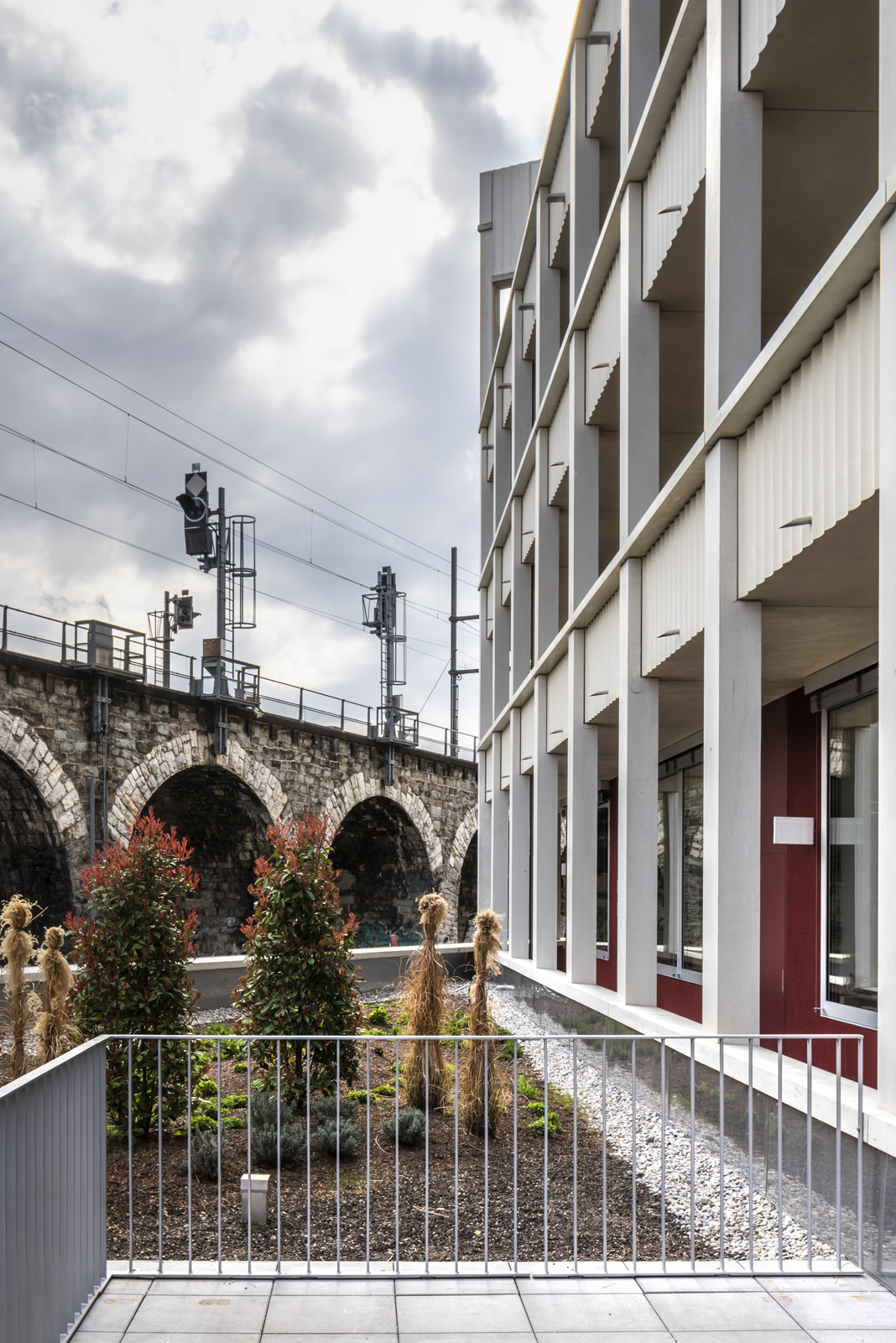
St Jakob Stiftung is a foundation that gives disabled people a diverse range of employment opportunities, from work in the famous bakery, to woodworking and facilities management. The design for St Jakob’s new building in Zurich West collects these uses into a compact volume that responds to a collection of loose existing structures along a major railway viaduct in this previously industrial area of the city. The building has a differentiated volume, making a formal, stepped façade to Heinrichstrasse and has looser profiles to the other sides of the site. The building’s volume accentuates its object quality at the same time as making connections to the industrial structures nearby.
The project is intended to have the qualities of a working building; open, robust and with large window openings that allow light to penetrate the deep floors. While gentrification has started to break this part of the city’s relationship with its industrial past, the form and the programme of the foundation’s new building goes some way towards bridging these two worlds.
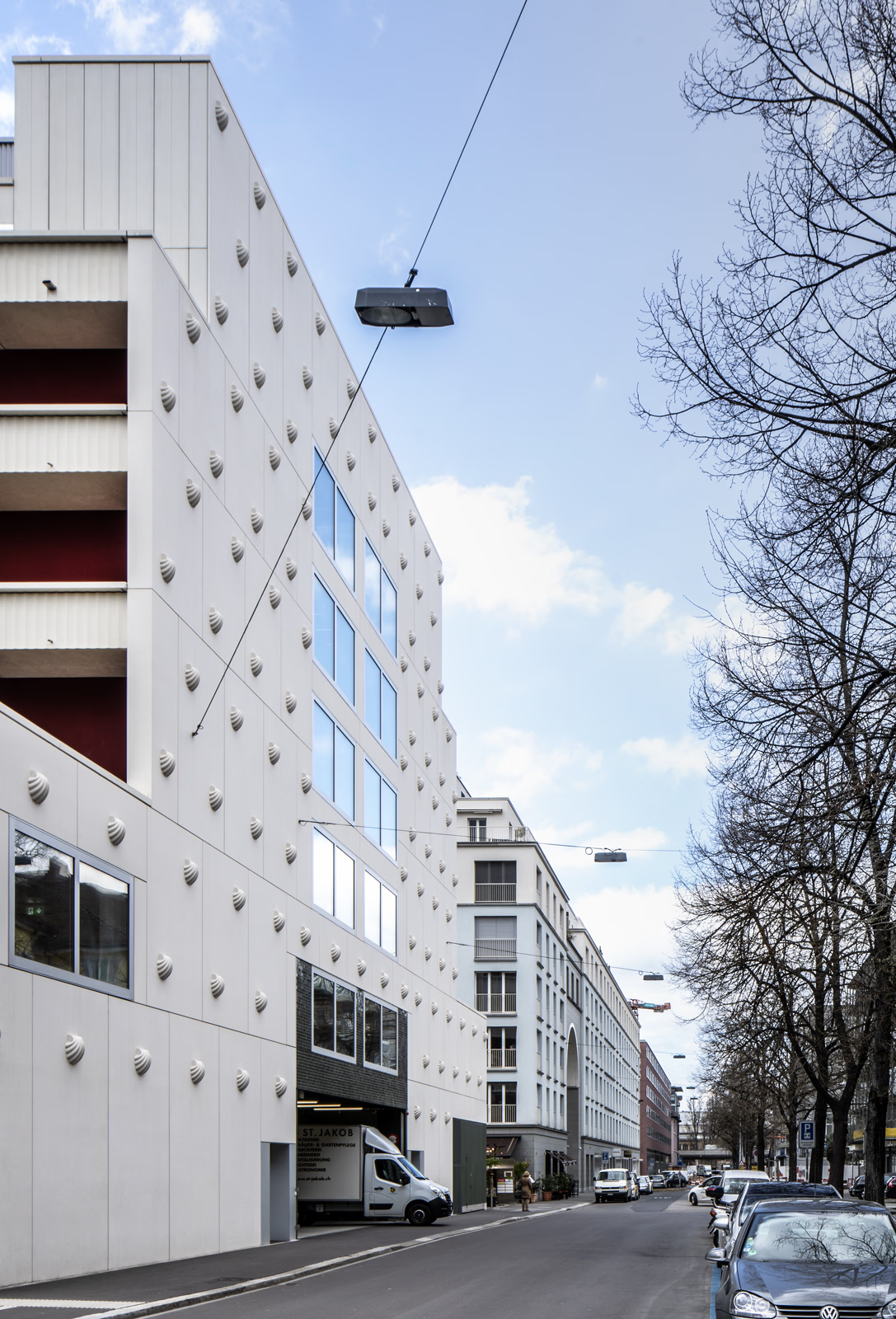
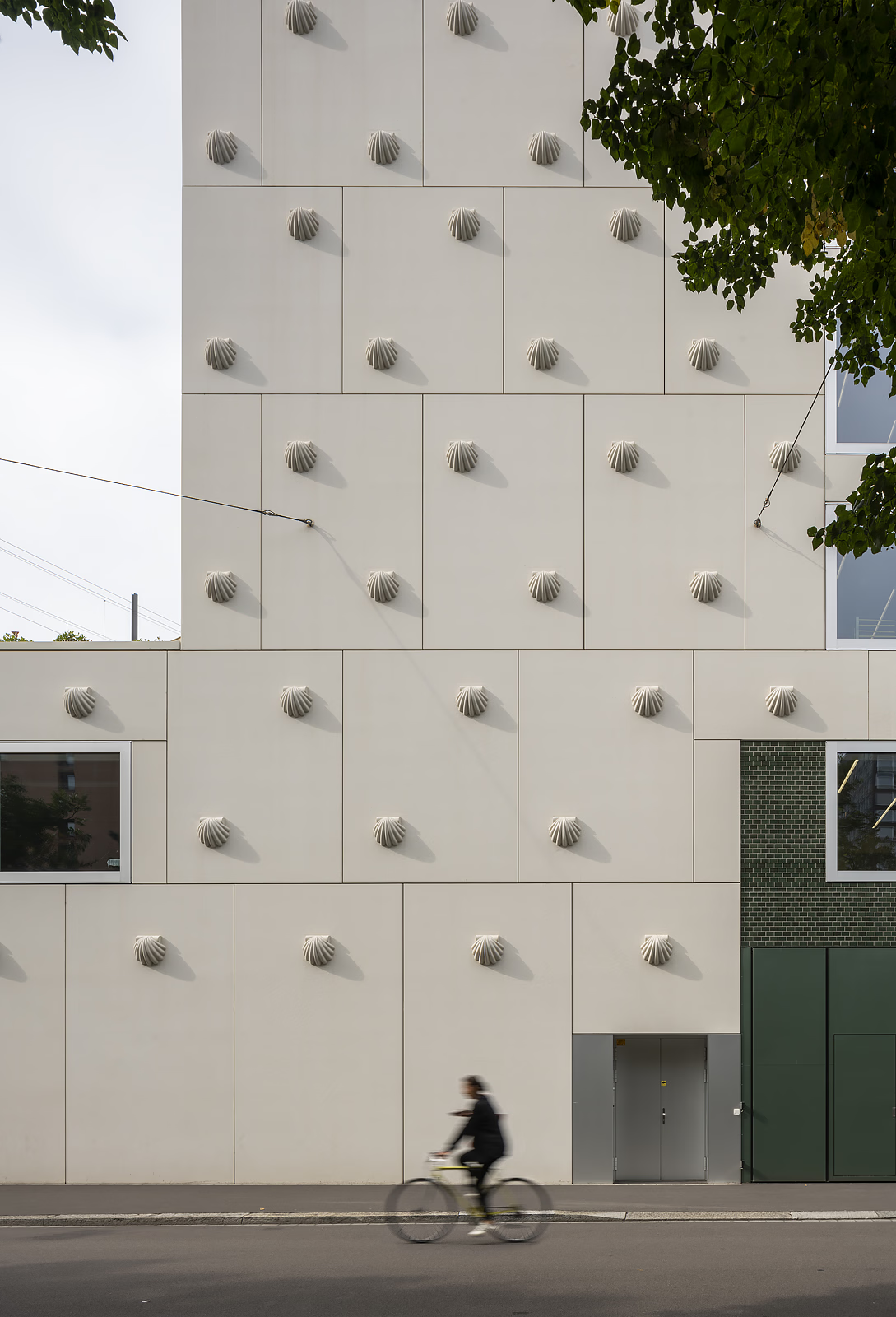
The building is as compact as possible; larger floors house the bakery and packing departments at the base of the building and a stack of four smaller floors accommodate other facilities above. The south, west and east faces of the building are lined with balconies made in fine, repeated pre-cast concrete elements. Part palazzo, part warehouse, the front façade of the building onto Heinrichstrasse is clad in pre-cast concrete plates that stretch from floor to floor with a cast relief of shells, the symbol of St Jakob. In these ways the building shares some qualities with the cast-iron buildings of downtown New York.
-
Bremen Landesbank
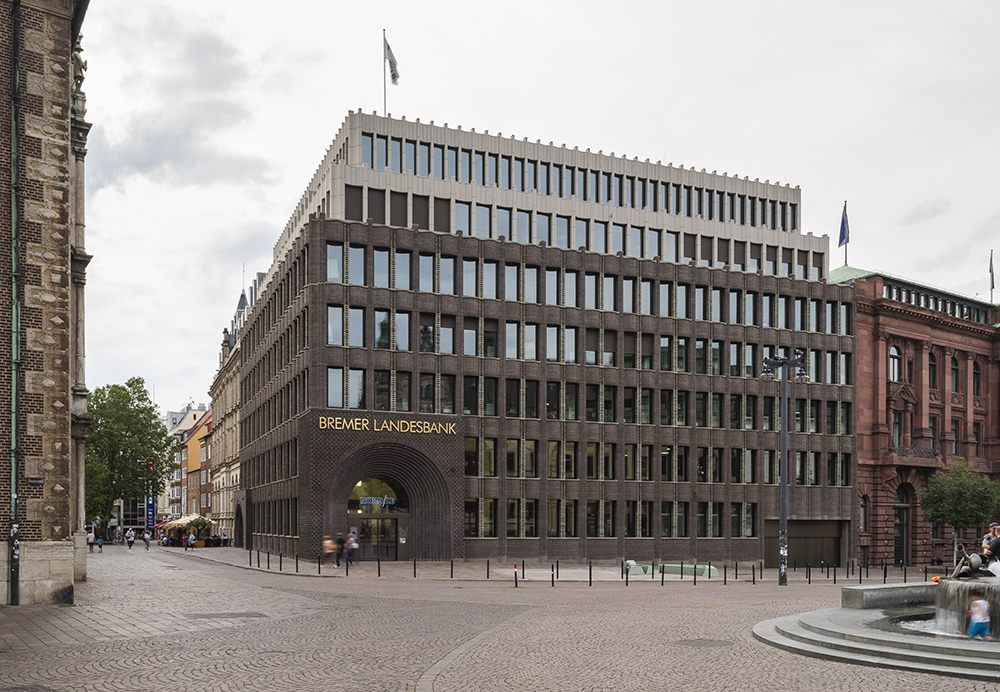
Caruso St John architects | Bremen, Germany | January 2017 -
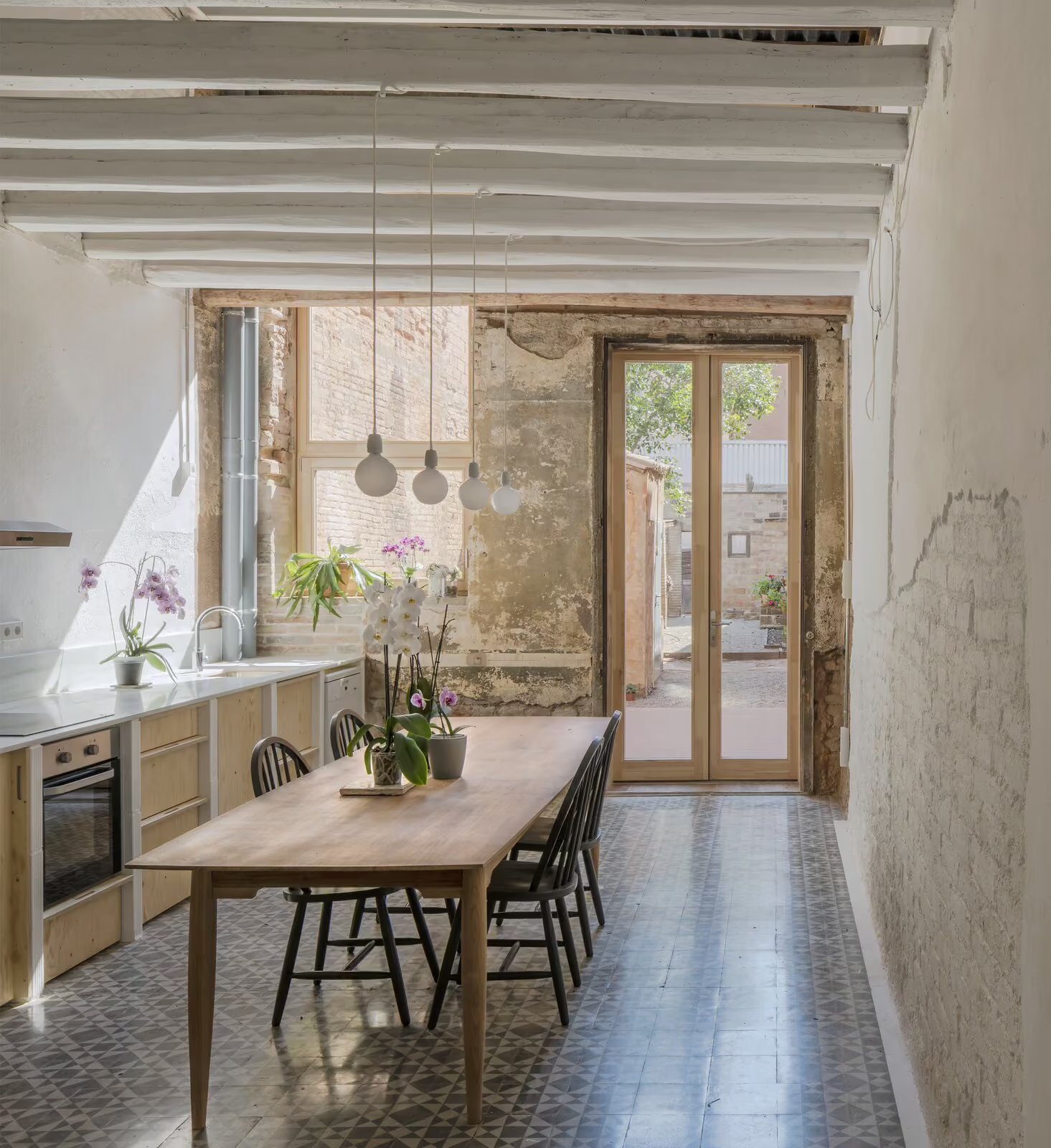
House 1701, Terrassa
Harquitectes inserts a single-family house into a narrow plot in the historic centre of Terrassa, between party walls. House 1701 resolves the urban fabric with a compact volume that combines load-bearing brick walls, structural timber and a vertical sequence of double-height spaces that bring natural light deep into the section. The atmosphere is calm and tactile: exposed materials, controlled openings and a quiet relationship with the surrounding rooftops.
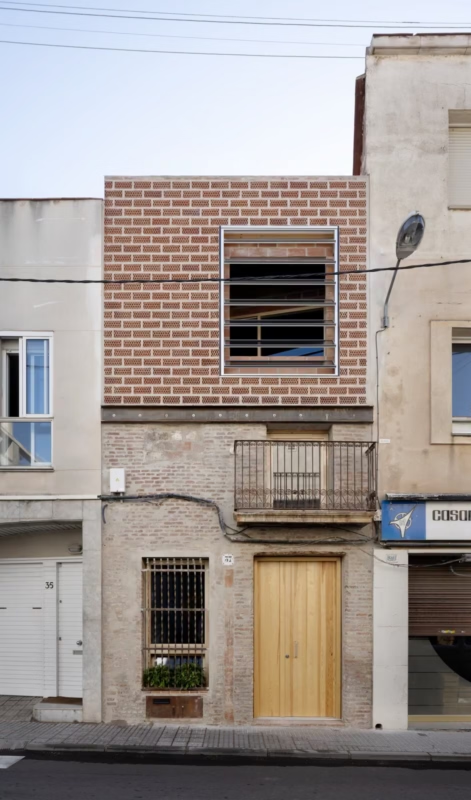
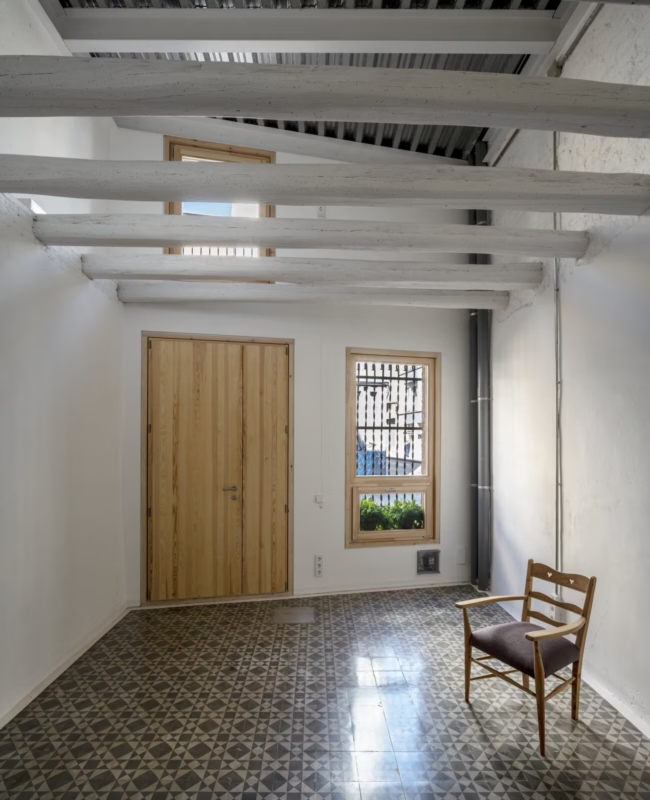
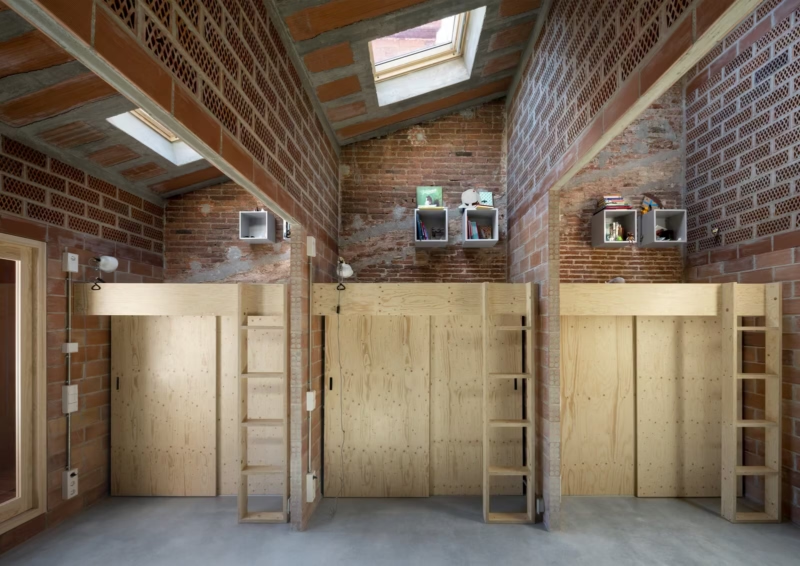
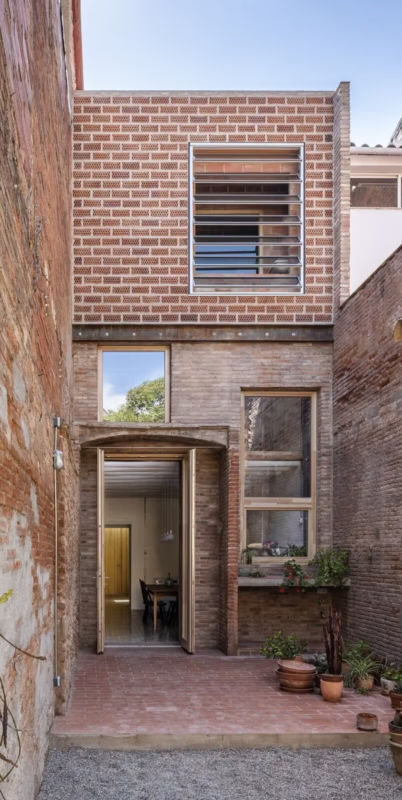
The project is featured in the monograph El Croquis 203 — Harquitectes 2010-2020.
-
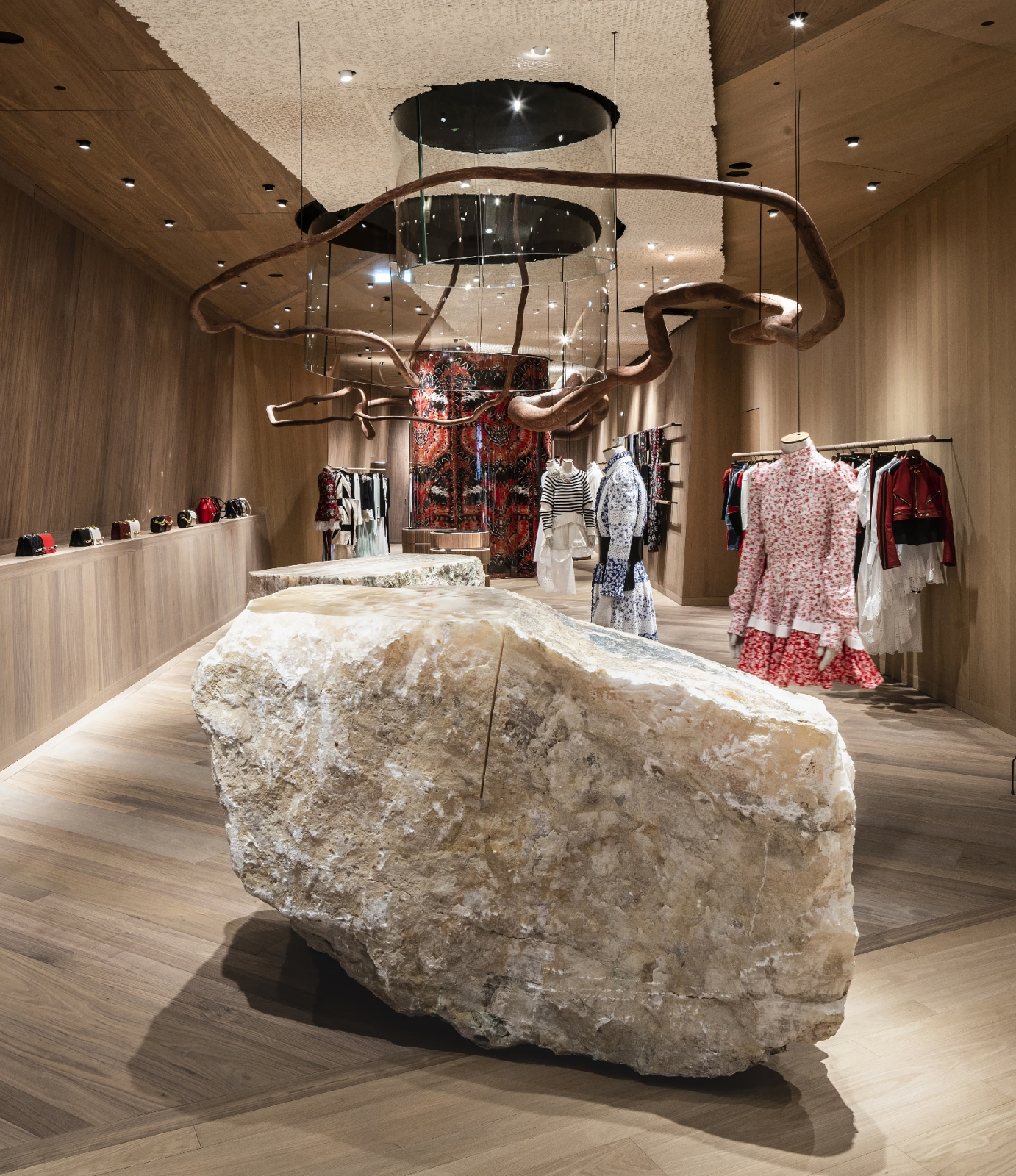
Alexander McQueen Store, London
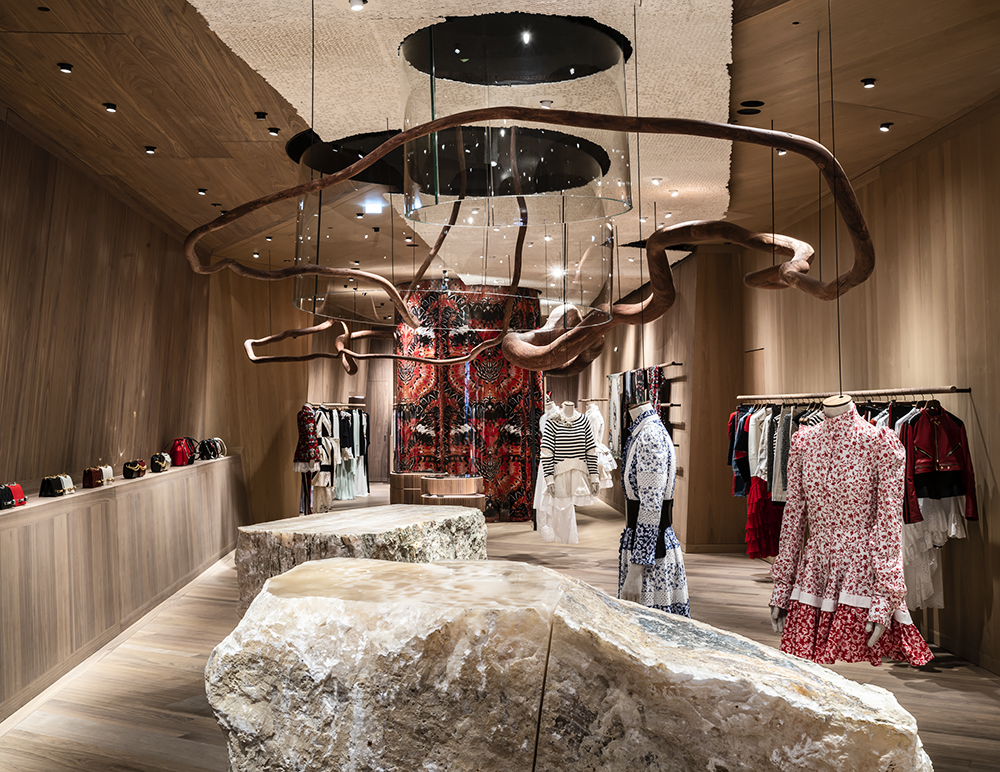
Alexander McQueen project in London (united Kingdom) by Smiljan Radic architect | © photo Jesús Granada -
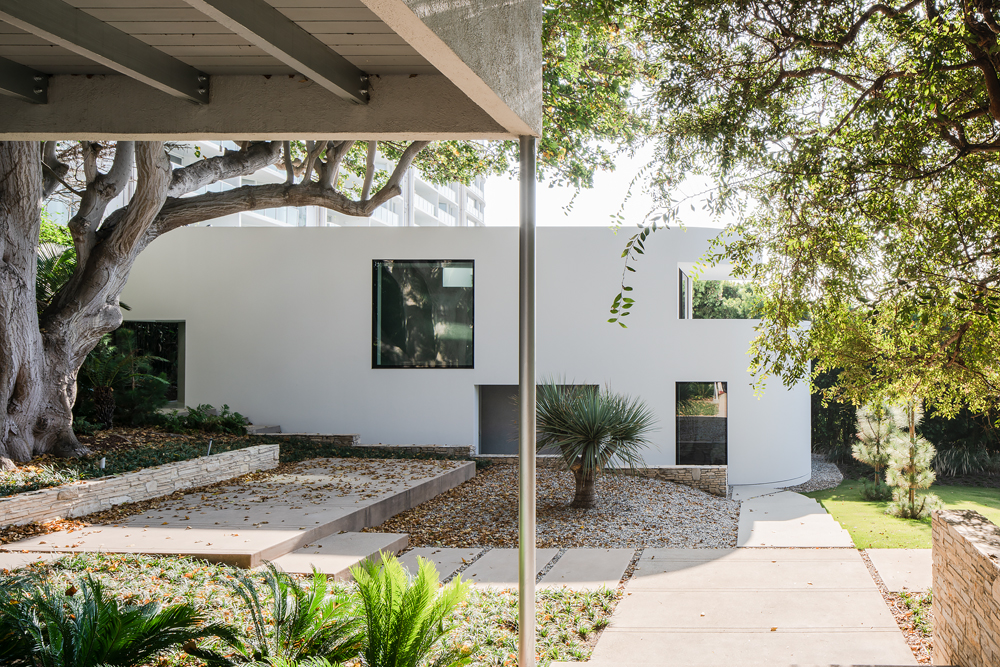
Vault House
Arch. Dome. Vault House. The terms are relics of architectural history, but in Southern California they are also the building blocks of suburbia, where Mission-style McMansions flaunt endless stucco arches and vaulted foyers. Principals Sharon Johnston, AIA, and Mark Lee of Los Angeles–based Johnston Marklee, however, have updated the archaic and used vaults to rethink a beach house in Oxnard, Calif., just north of Malibu.
-
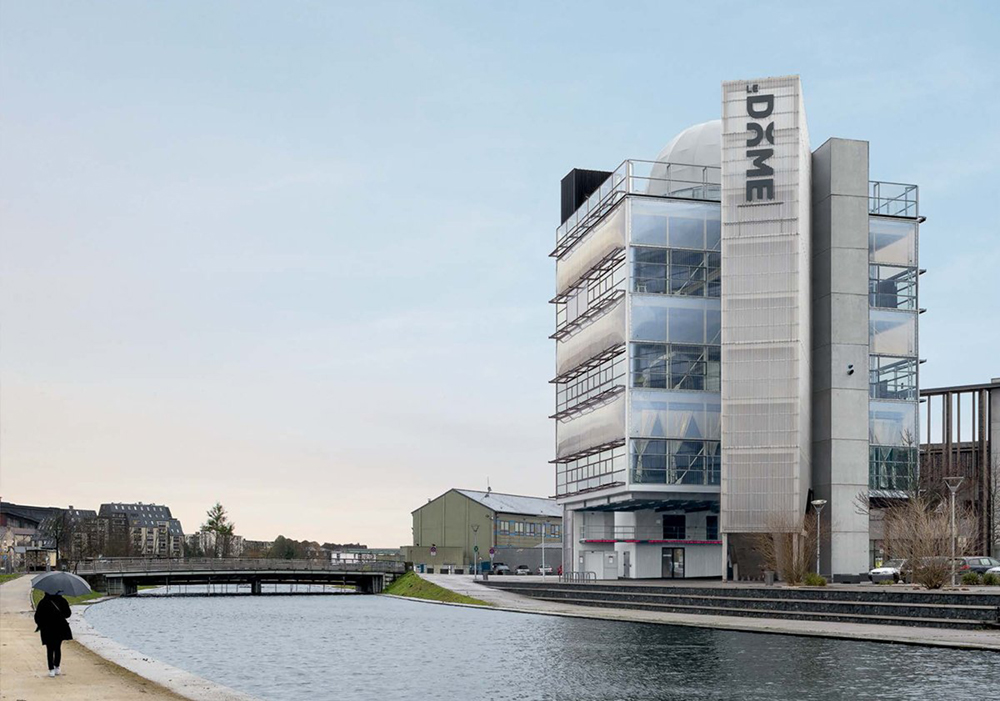
New Generation Research Centre
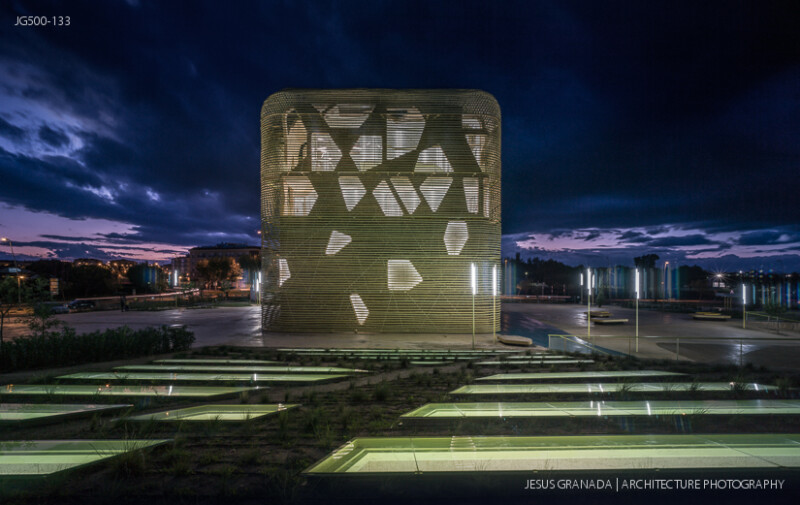
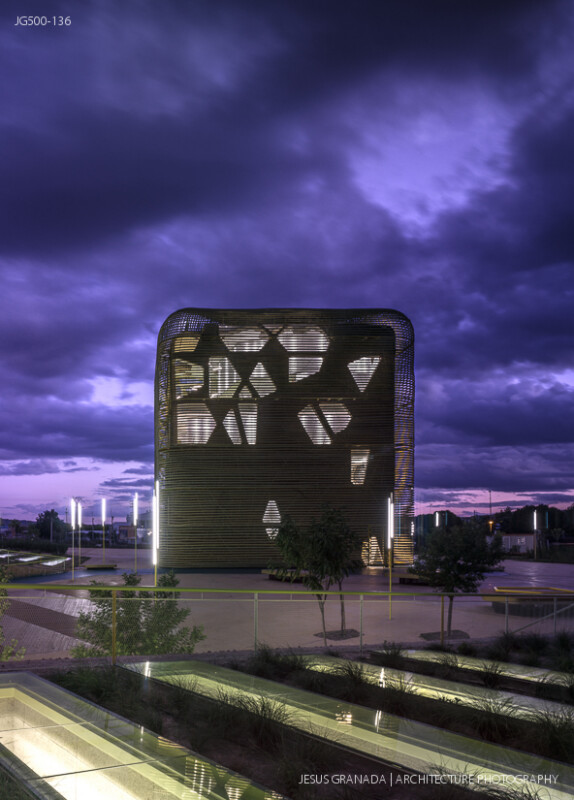
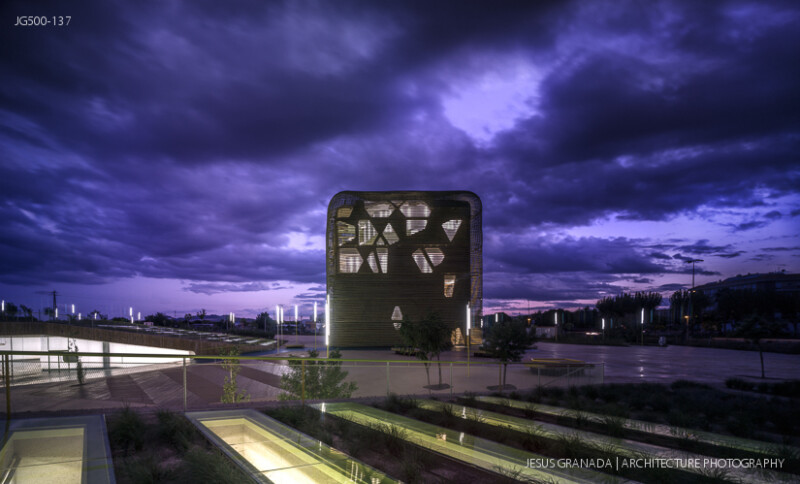
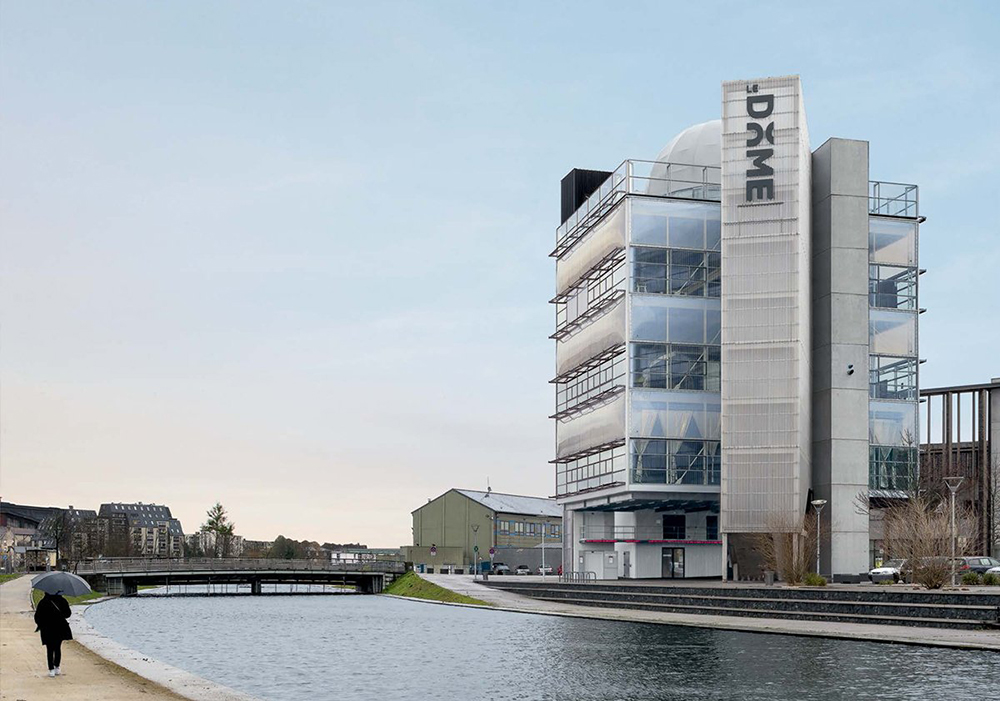
The new “Dôme” is part of the regeneration plan and the first completed building in this context. It is called the “House of Research and of Imagination”. Its designer, The Bruther architects have choosen to use a simple architectural vocabulary to create a a mixused place, accessible for all inhabitants of the city.
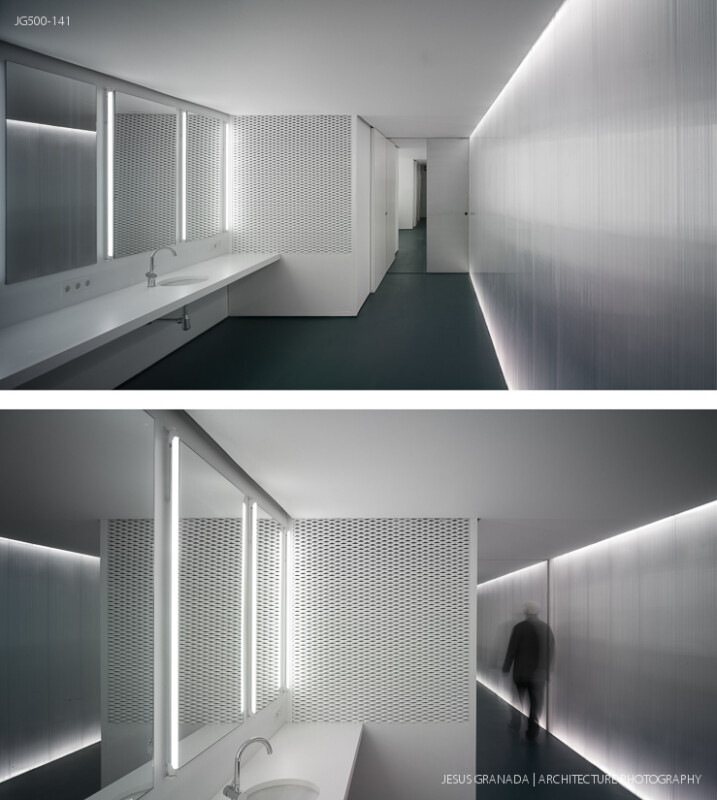
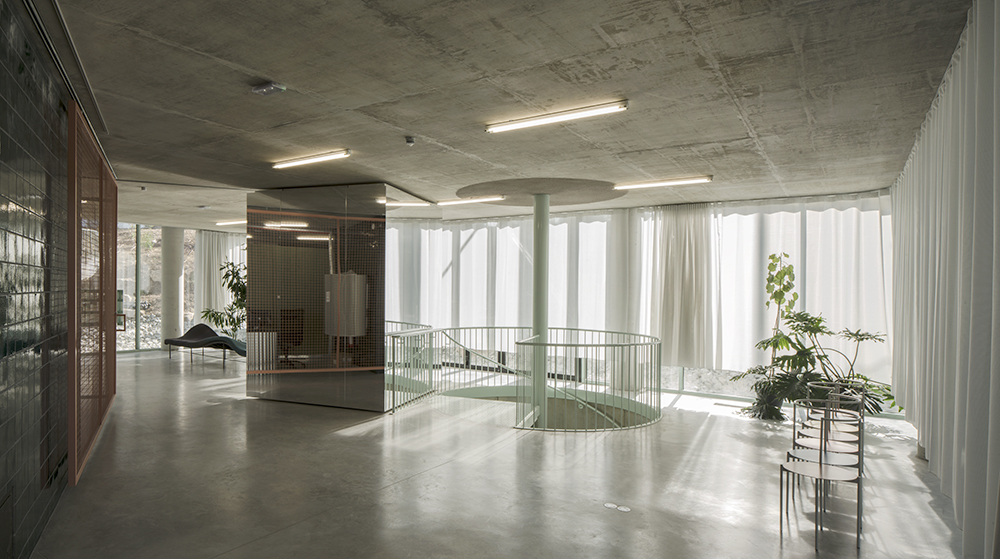
In order to remind the industrial past of the site, they used steel, plastic and contrete, and let the technical facilities visible. The four columns which support the edifice and necessary rooms such as storages and toilets are located at the outer edge. They elevate the whole building above the ground and allowed an extended continuity of the public place below it. The facades can be maid of glass because they are unconstrained by load-bearing considerations. The layout for all floors is fluent and open, without any barriers. Each storey has a double floor height and mezzanines that do not depend on the structure and can be moved. This mixused floors can host exhibitions, workshops and offices.
On the last floor we can found a terrasse which have a panoramic view on the city and the “Dôme” which gave its name to the building. This room can host events and, as the other part of the complex, is a mixused space.
©photo: el Croquis Editorial -
Julie-Victoire Daubié Residence for Researchers
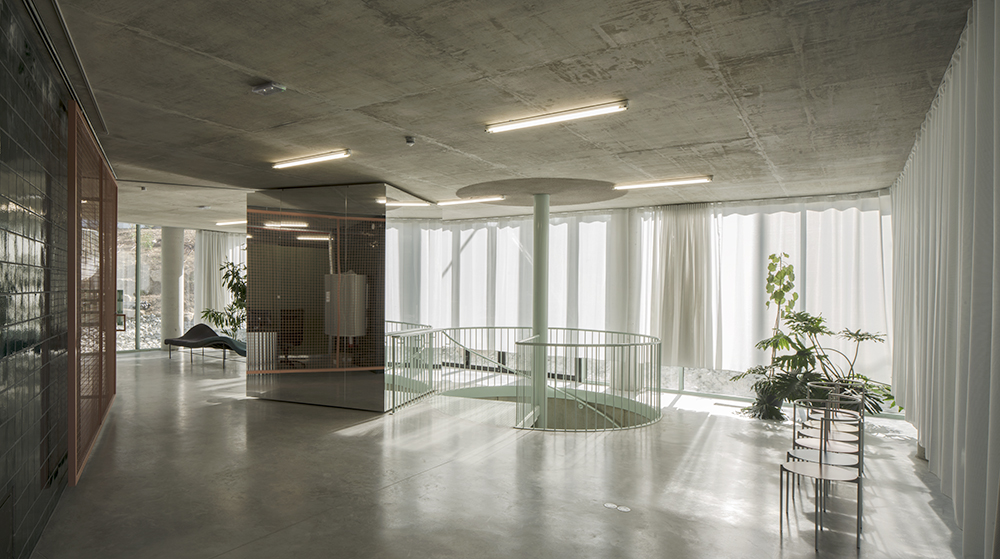
Located on the southern edge of the majestic Cité Universitaire park, the ‘Maison Julie-Victoire Daubié’ is a residence for young researchers. It has the privilege of enriching one of the capital’s most beautiful collections of modern architecture. Building in a park with no apparent boundaries is not exempt of powerful constraints. The presence of the ring road on the edge of the plot makes several protective devices necessary including mezzanine basement access levels &mdashwhich still allow views and light to penetrate&mdash and high-performance soundproofed walls. In addition, the small size of the plot (just 1,000 m2 for a brief that totals 4,629 m2) requires real volumetric compactness. Thank to the way it deals with these data, the building avoids being subjected to the context. It even gives the impression that it opens up to the outside world instead of protecting itself..
©photo: El Croquis Editorial / Ground floor. Julie-Victoire Daubié Residence for Researchers by Bruther architects -
House in the mountain
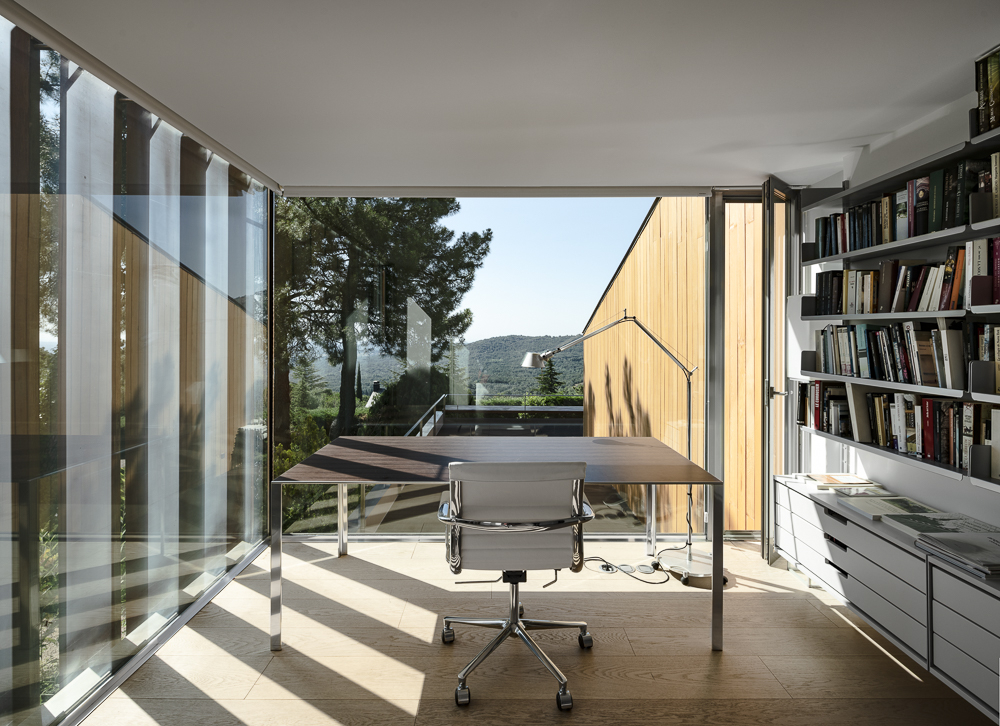
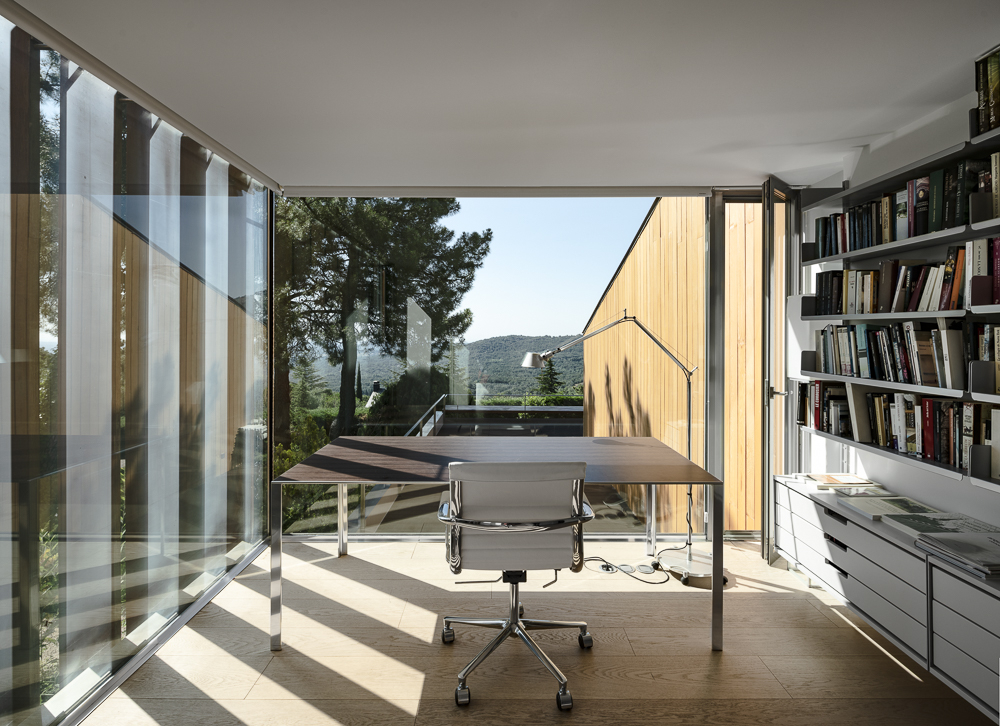
Aranguren & Gallegos architects | El Escorial (Madrid), Spain | Septiembre de 2018 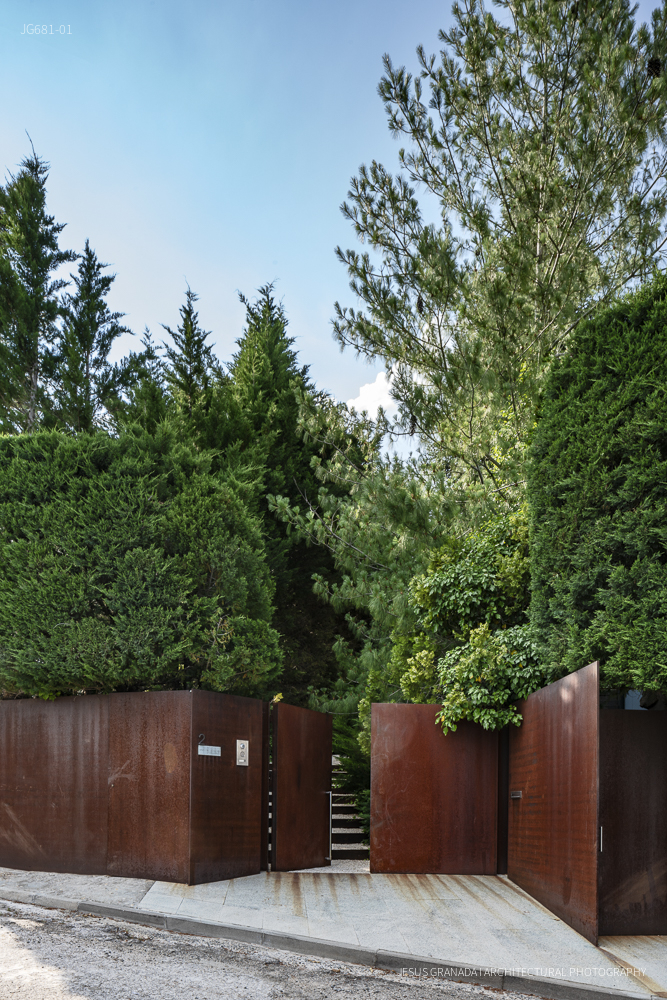
Aranguren & Gallegos architects | El Escorial (Madrid), Spain | Septiembre de 2018 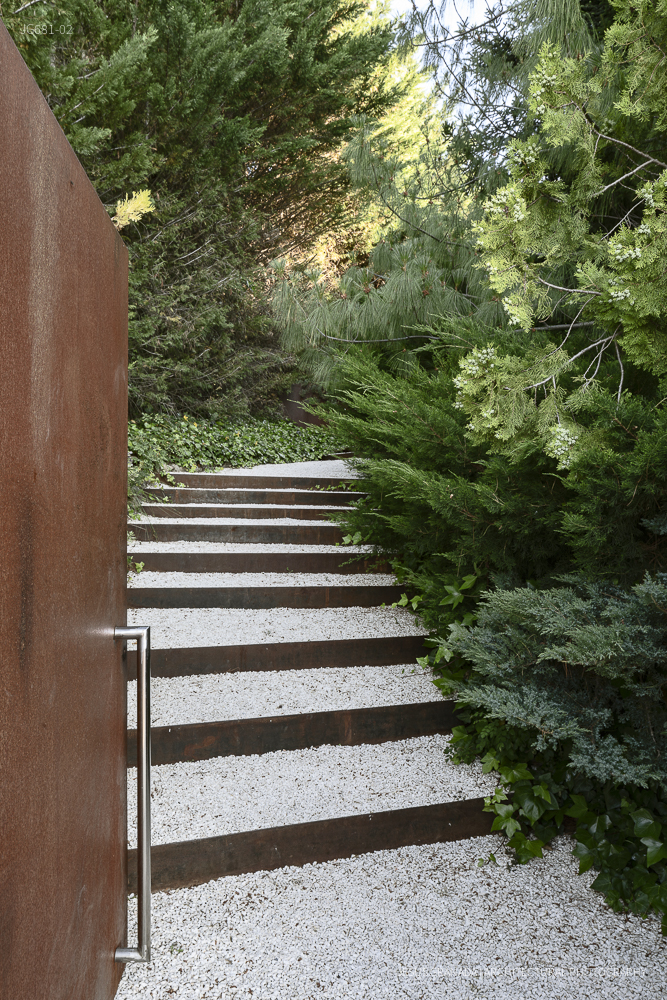
Aranguren & Gallegos architects | El Escorial (Madrid), Spain | Septiembre de 2018 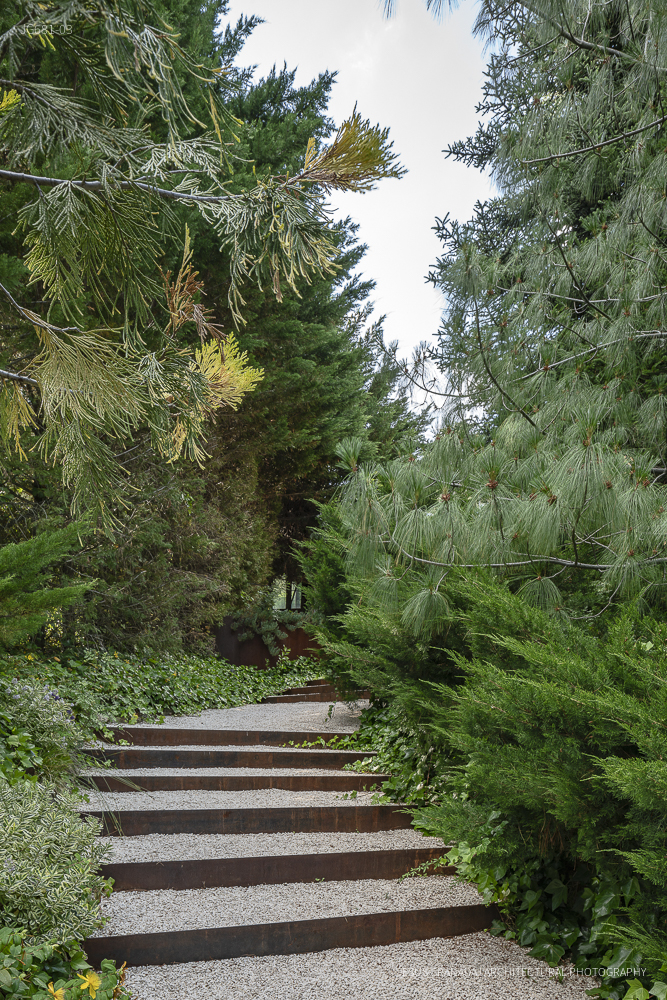
Aranguren & Gallegos architects | El Escorial (Madrid), Spain | Septiembre de 2018 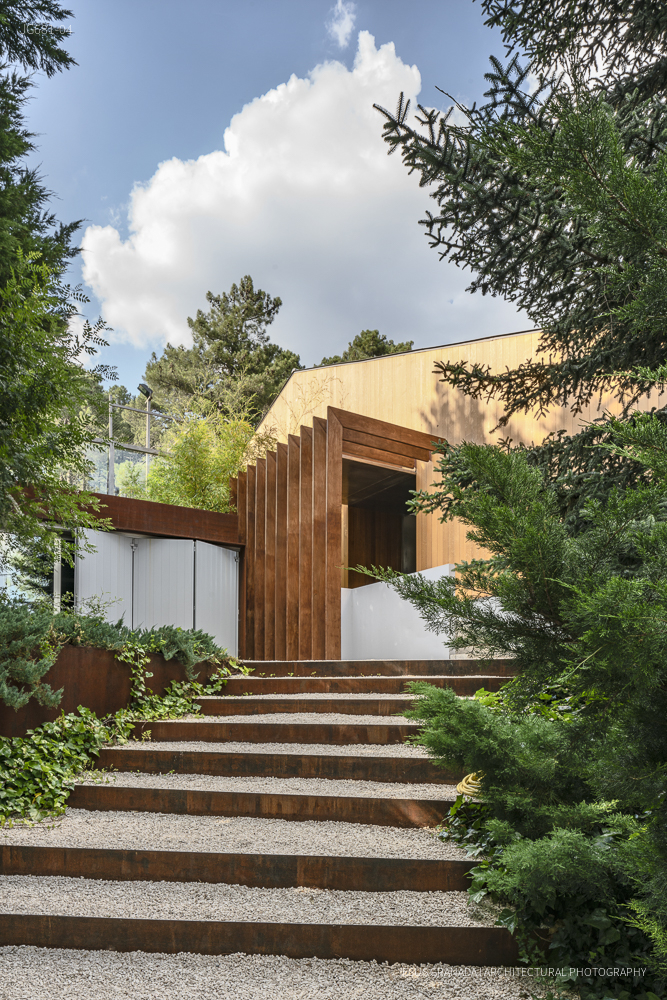
Aranguren & Gallegos architects | El Escorial (Madrid), Spain | Septiembre de 2018 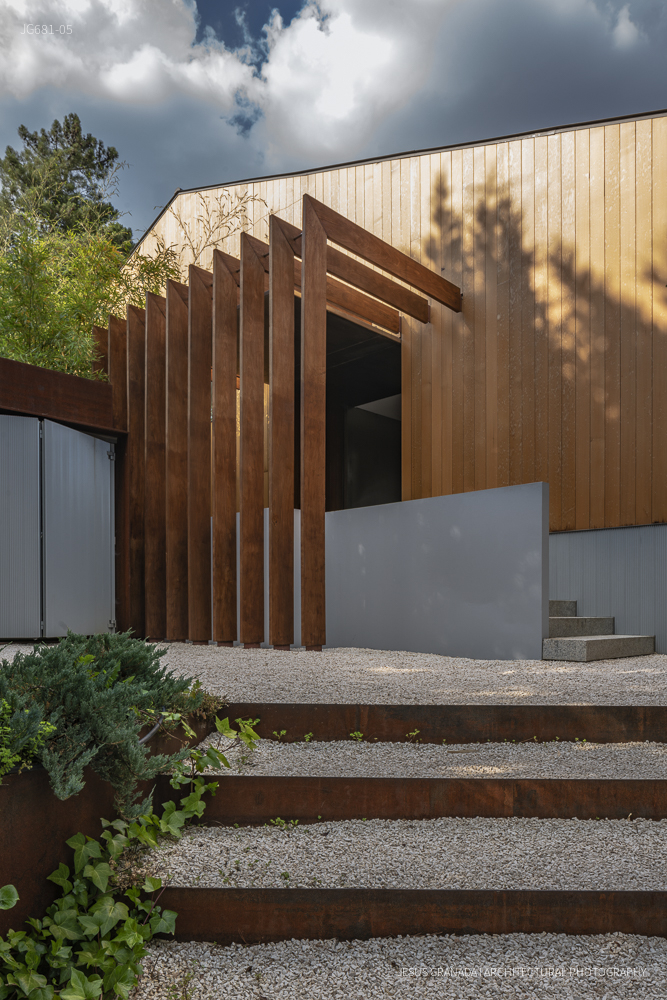
Aranguren & Gallegos architects | El Escorial (Madrid), Spain | Septiembre de 2018 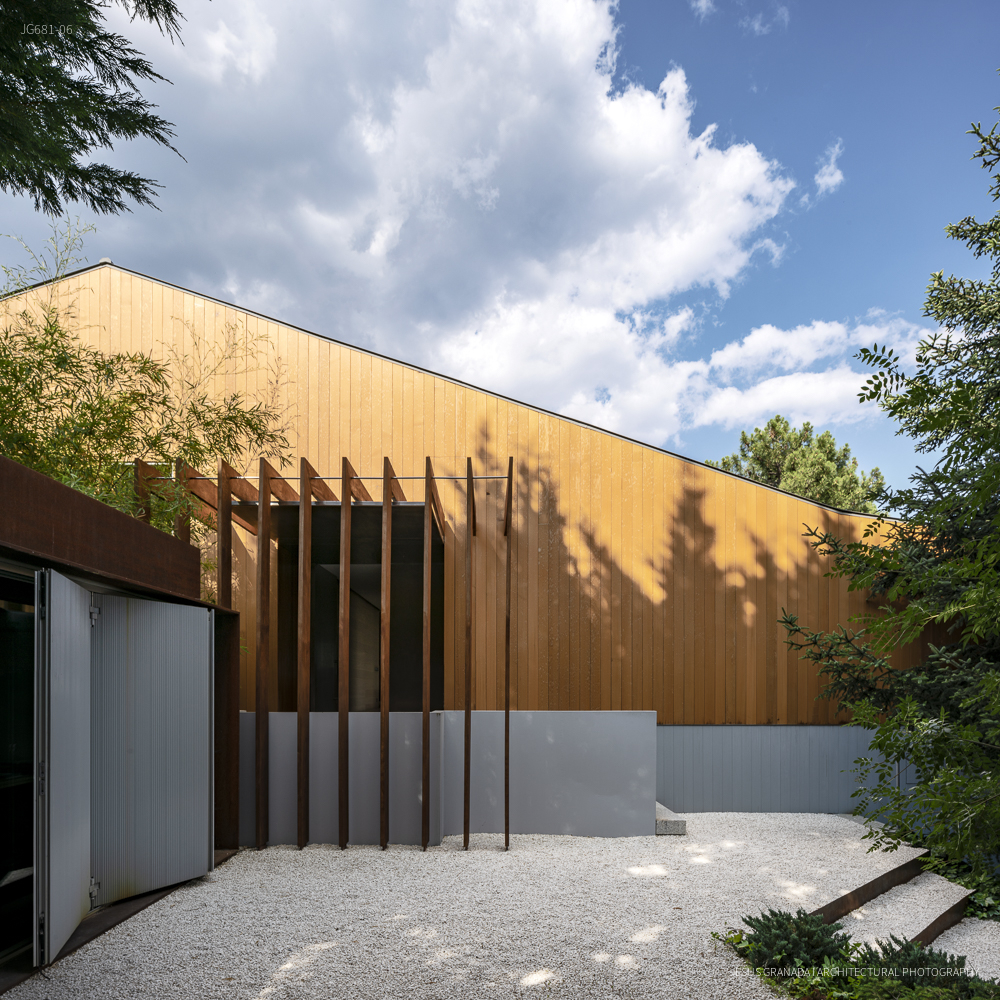
Aranguren & Gallegos architects | El Escorial (Madrid), Spain | Septiembre de 2018 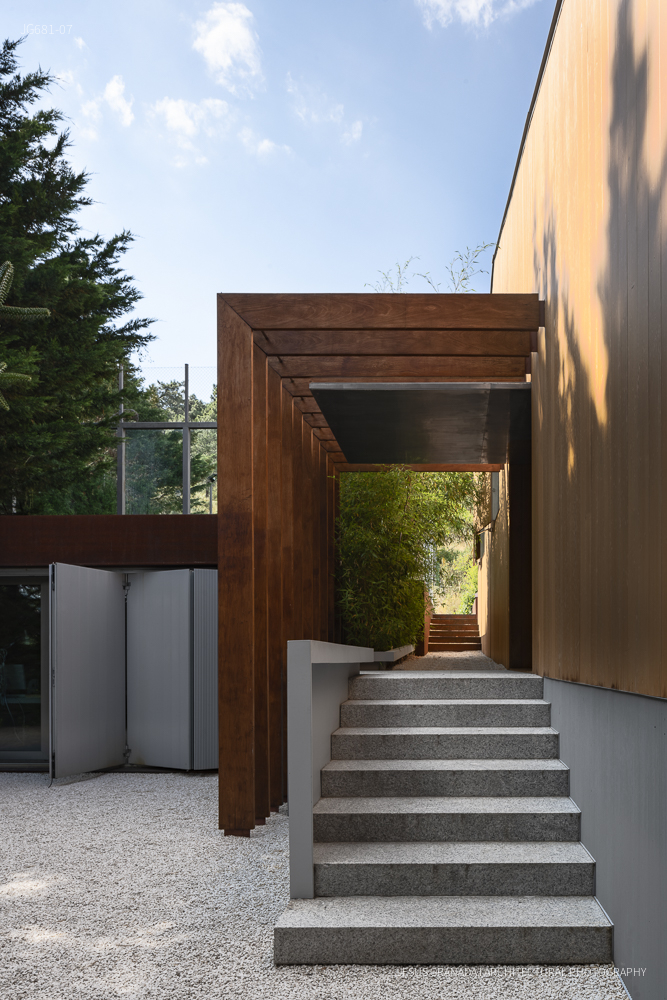
Aranguren & Gallegos architects | El Escorial (Madrid), Spain | Septiembre de 2018 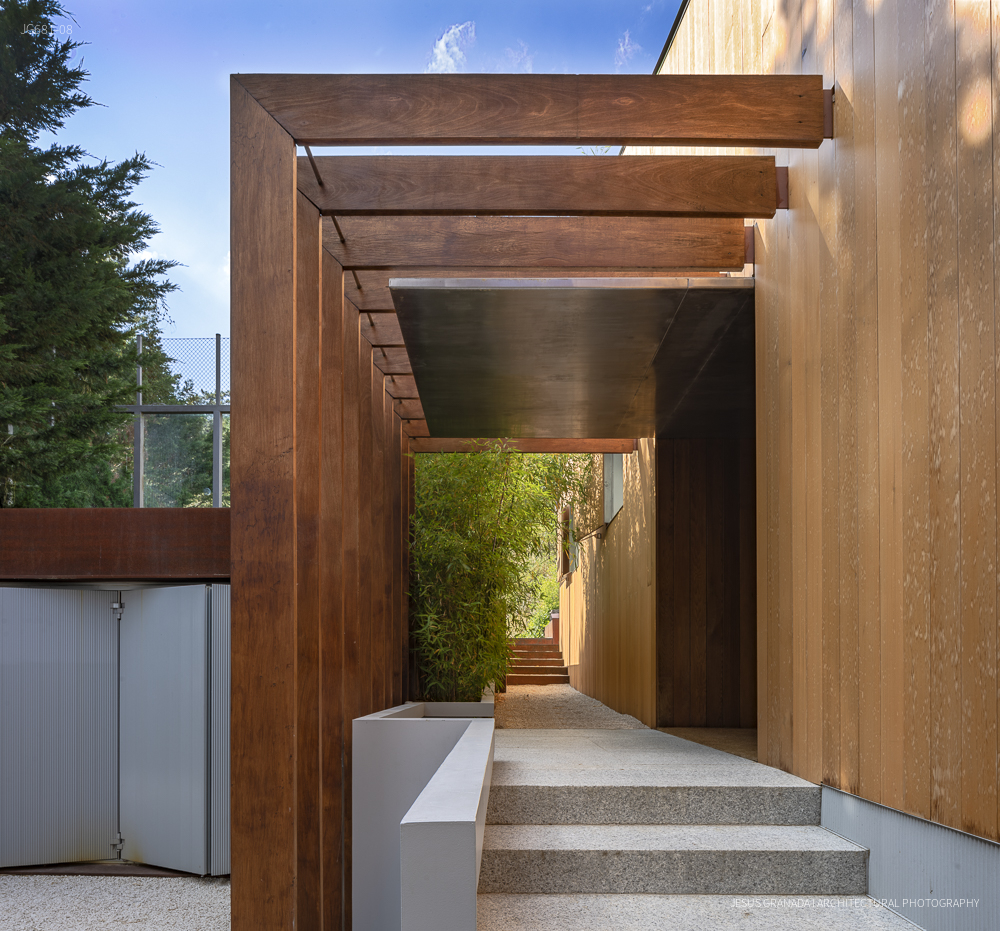
Aranguren & Gallegos architects | El Escorial (Madrid), Spain | Septiembre de 2018 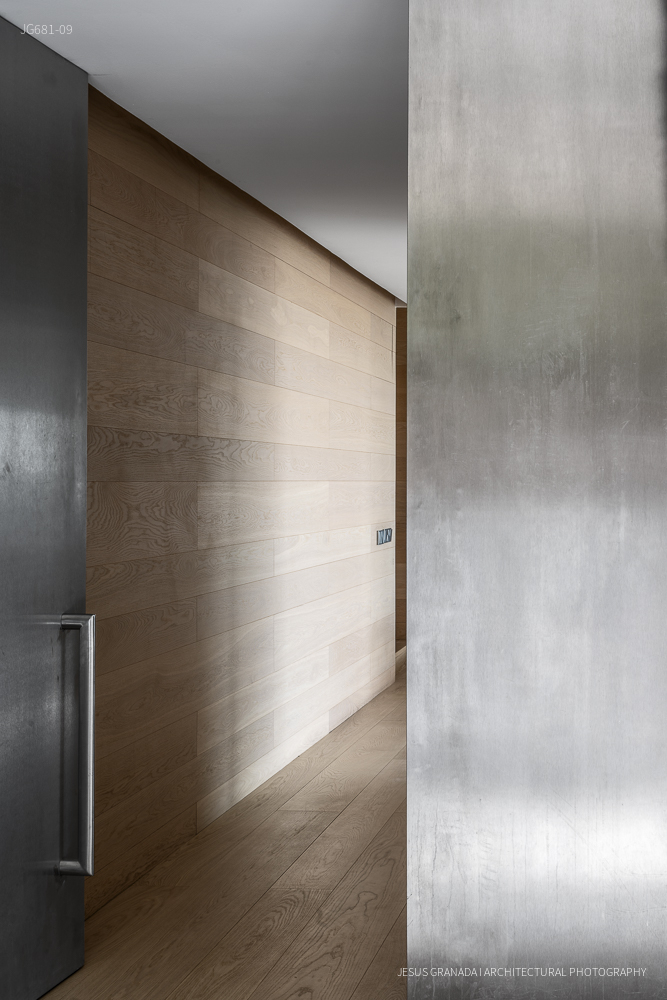
Aranguren & Gallegos architects | El Escorial (Madrid), Spain | Septiembre de 2018 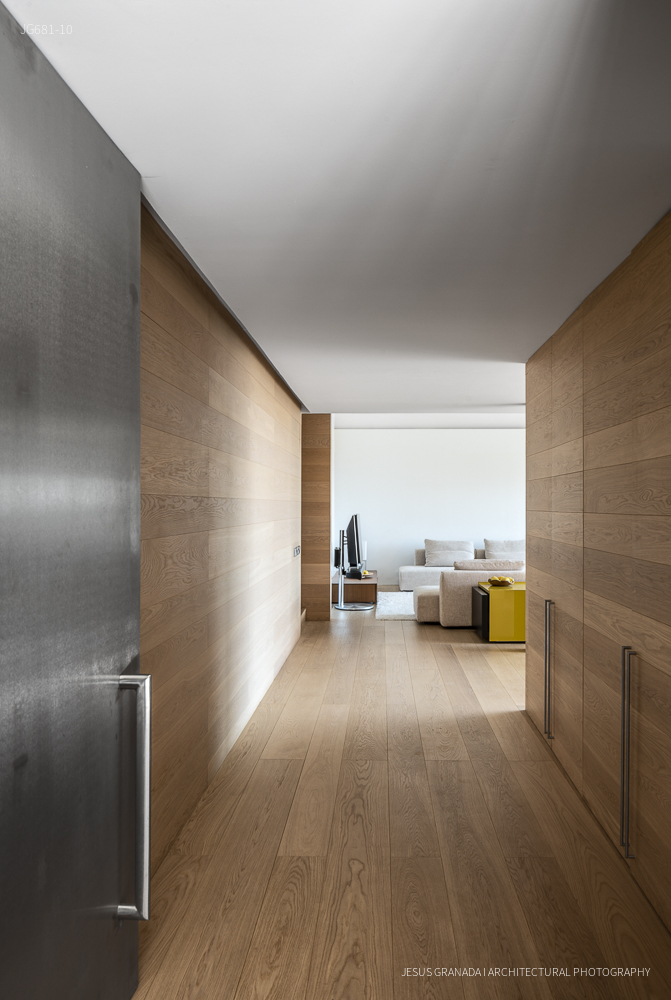
Aranguren & Gallegos architects | El Escorial (Madrid), Spain | Septiembre de 2018 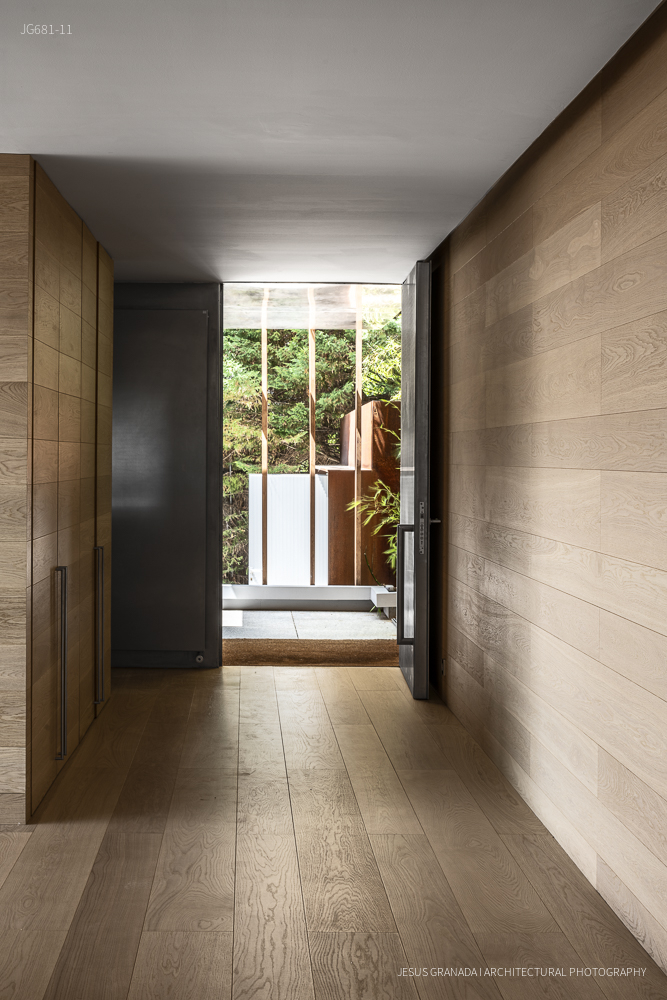
Aranguren & Gallegos architects | El Escorial (Madrid), Spain | Septiembre de 2018 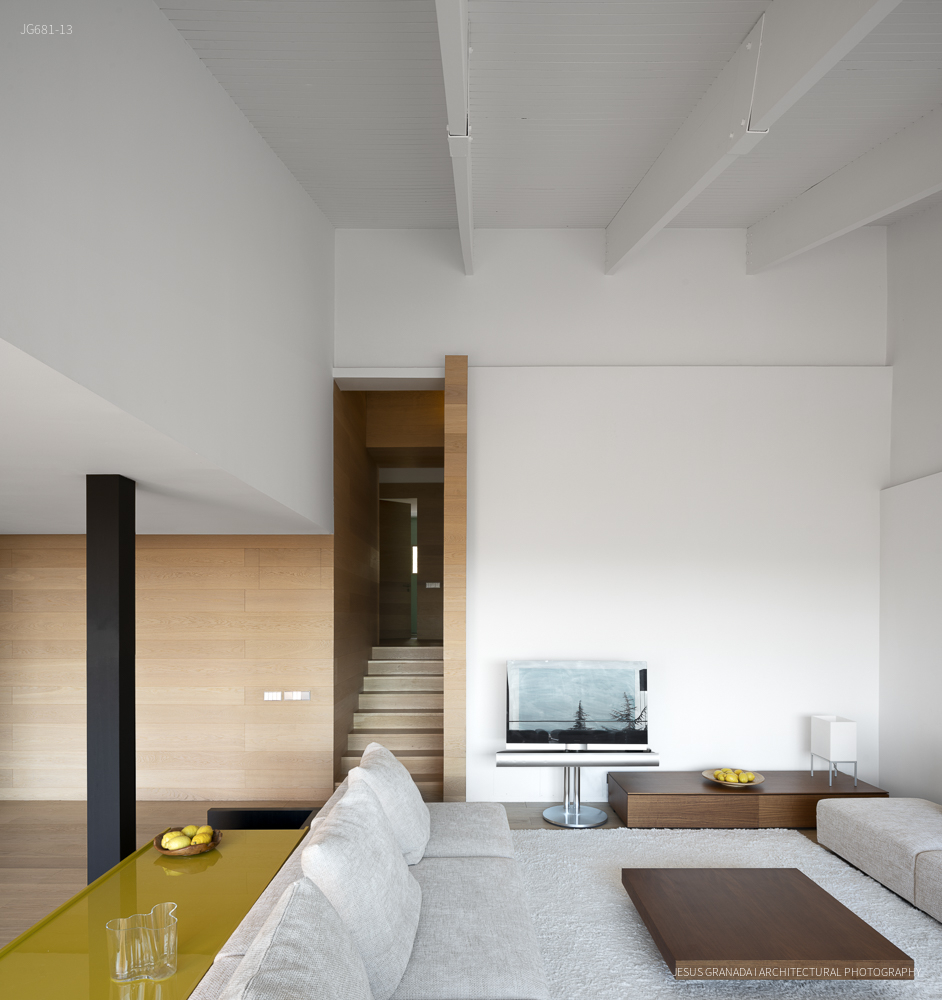
Aranguren & Gallegos architects | El Escorial (Madrid), Spain | Septiembre de 2018 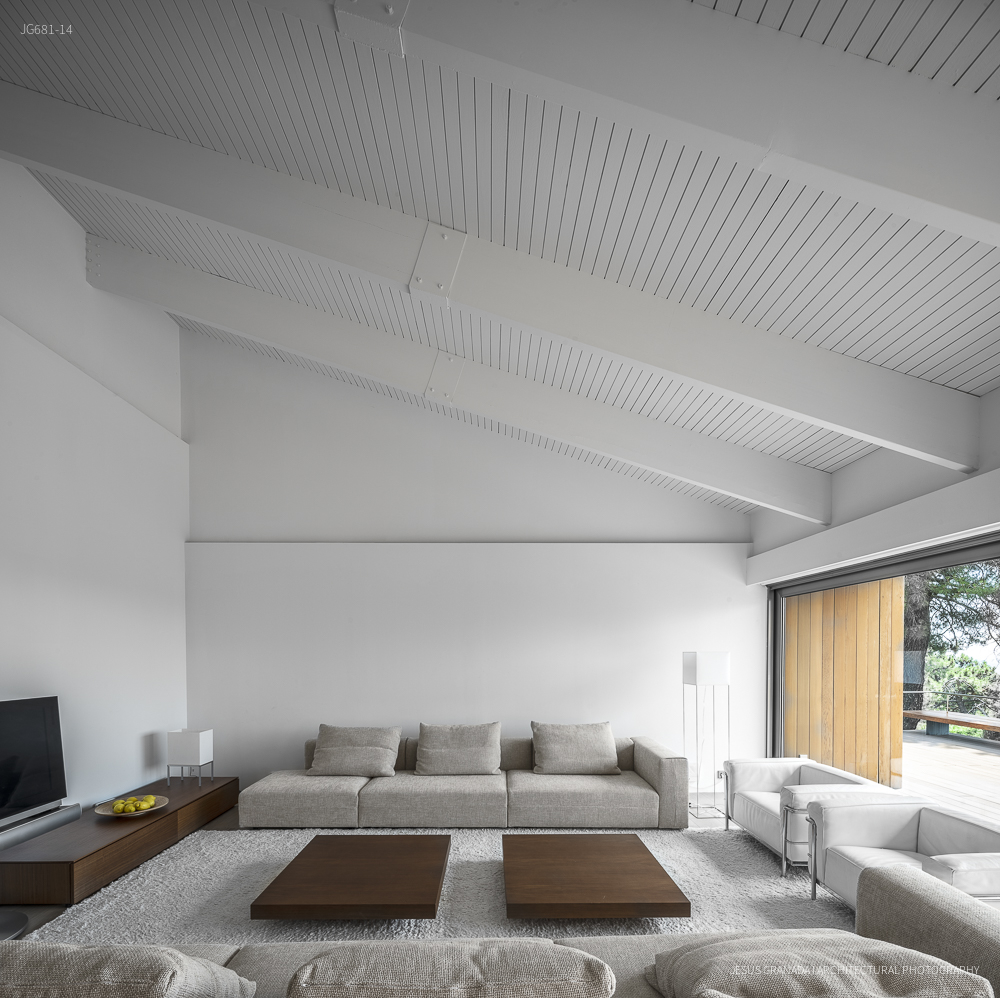
Aranguren & Gallegos architects | El Escorial (Madrid), Spain | Septiembre de 2018 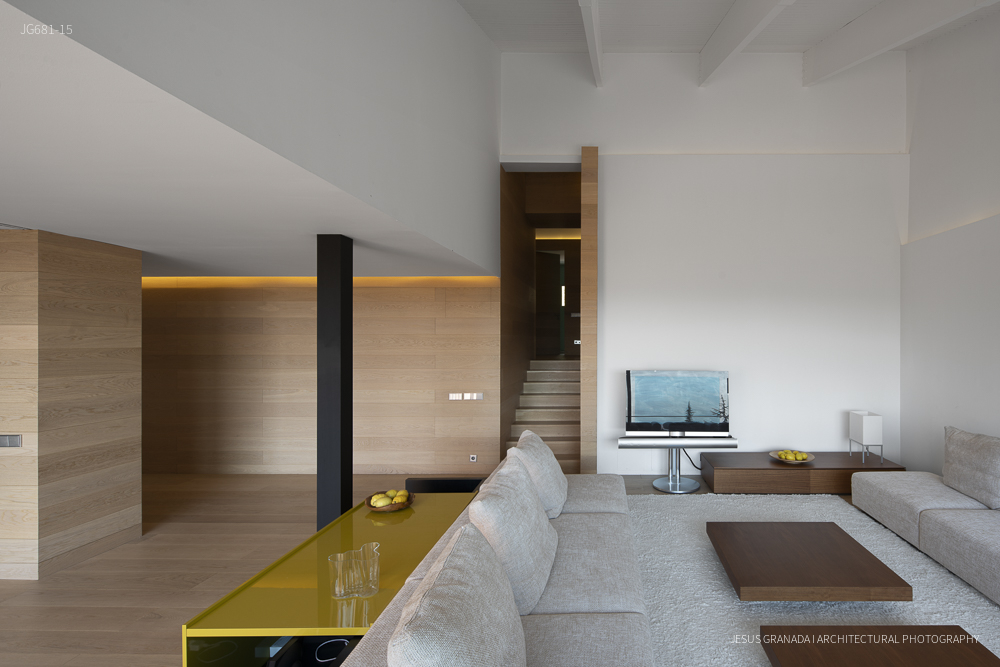
Aranguren & Gallegos architects | El Escorial (Madrid), Spain | Septiembre de 2018 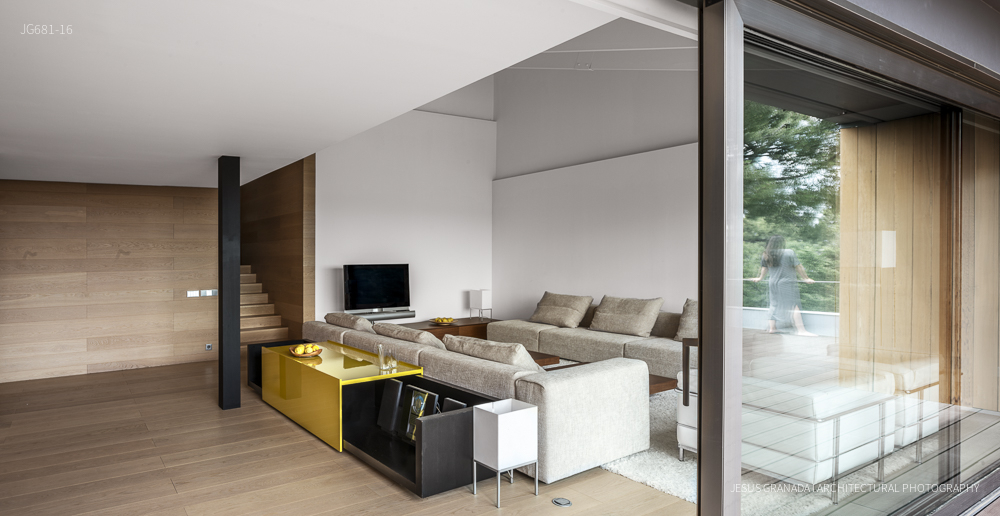
Aranguren & Gallegos architects | El Escorial (Madrid), Spain | Septiembre de 2018 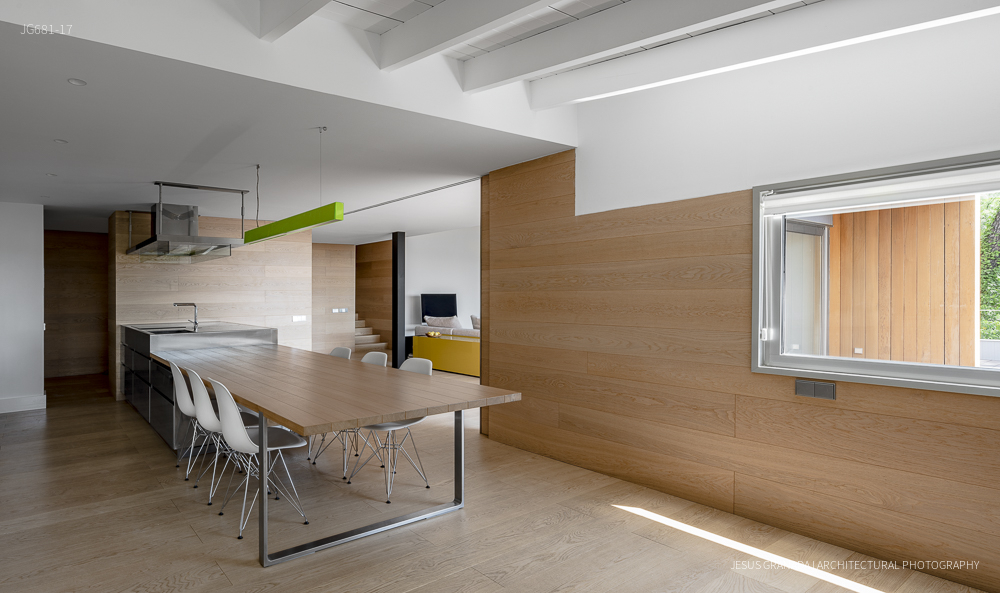
Aranguren & Gallegos architects | El Escorial (Madrid), Spain | Septiembre de 2018 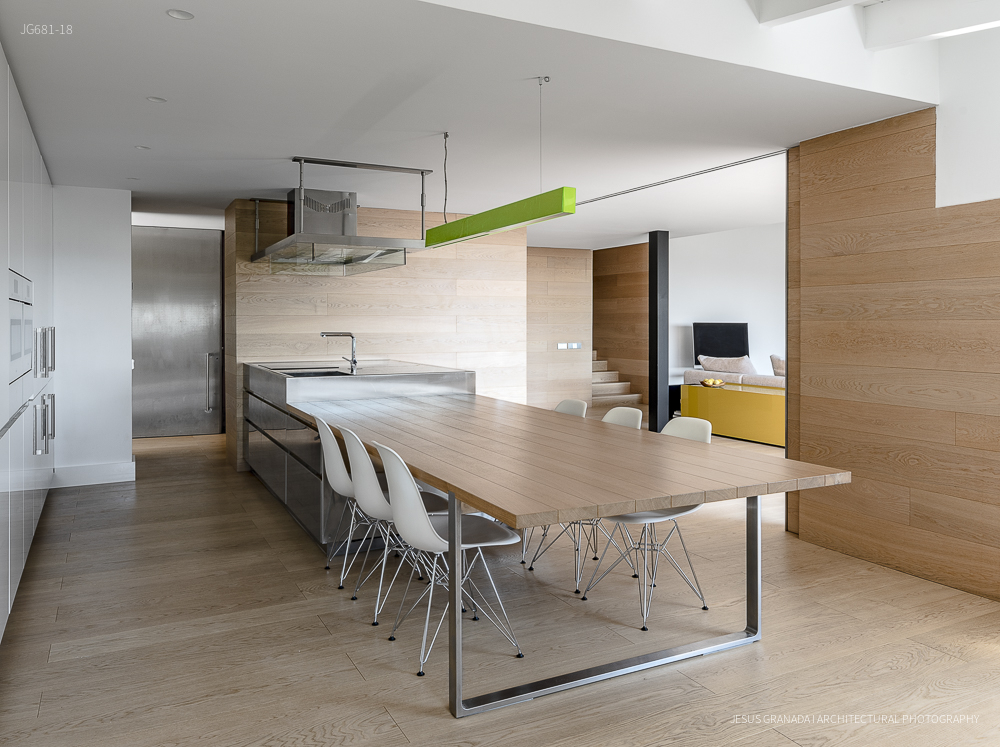
Aranguren & Gallegos architects | El Escorial (Madrid), Spain | Septiembre de 2018 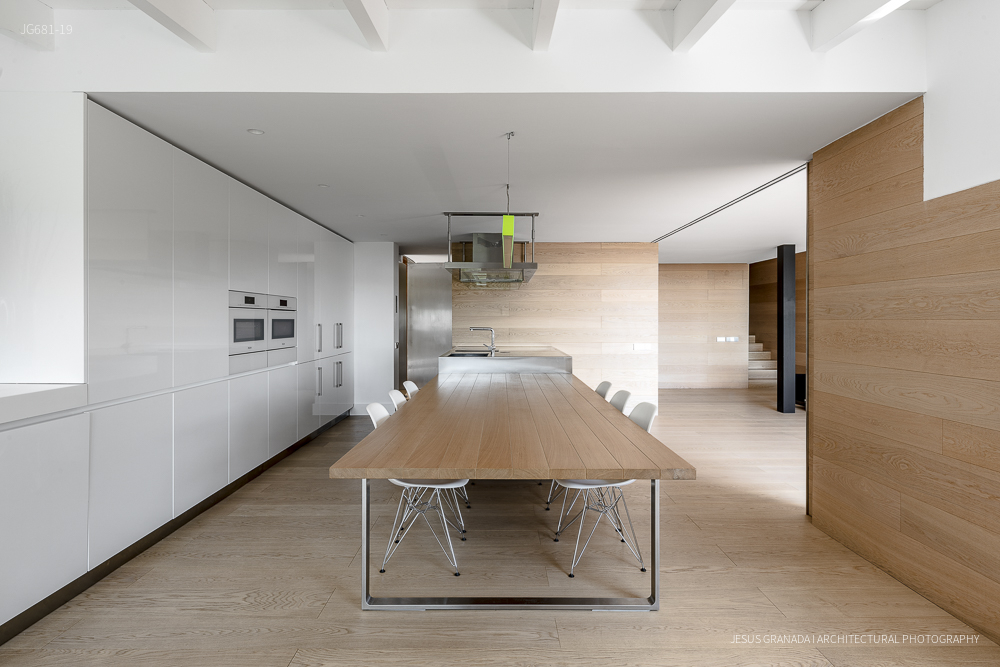
Aranguren & Gallegos architects | El Escorial (Madrid), Spain | Septiembre de 2018 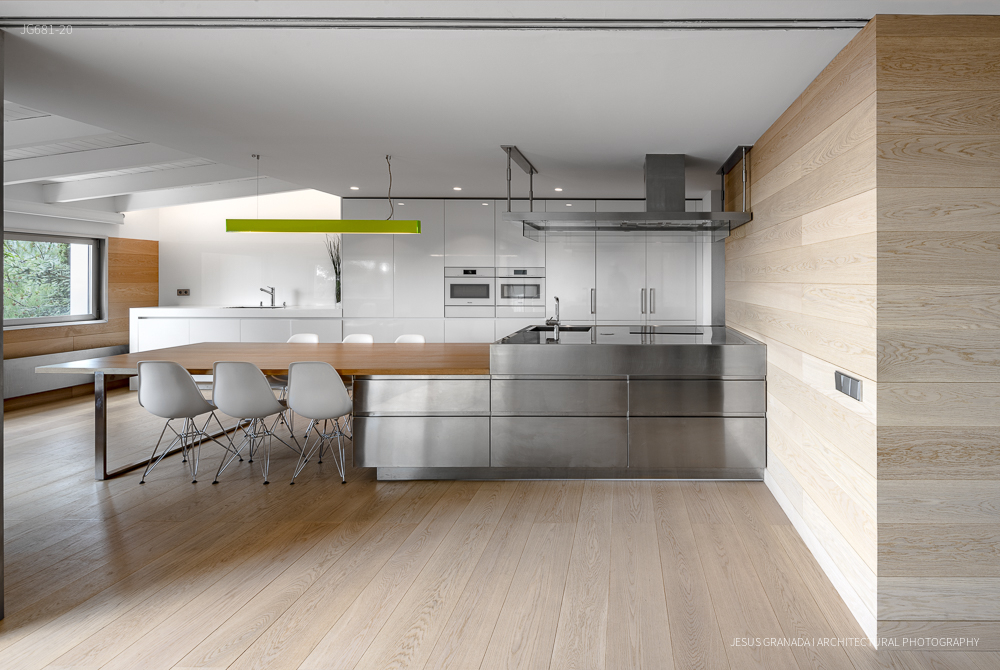
Aranguren & Gallegos architects | El Escorial (Madrid), Spain | Septiembre de 2018 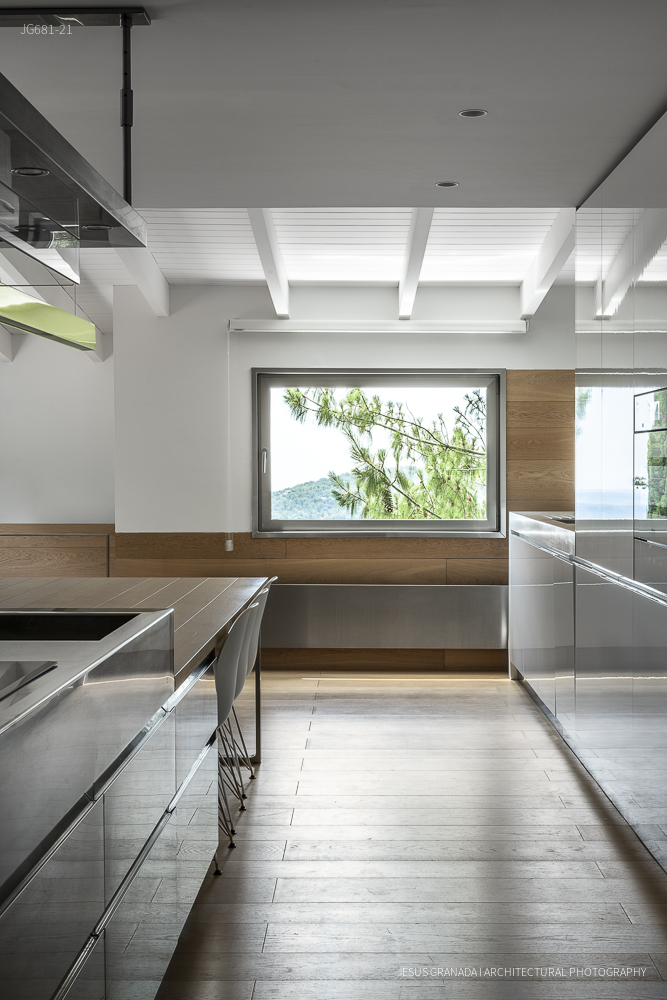
Aranguren & Gallegos architects | El Escorial (Madrid), Spain | Septiembre de 2018 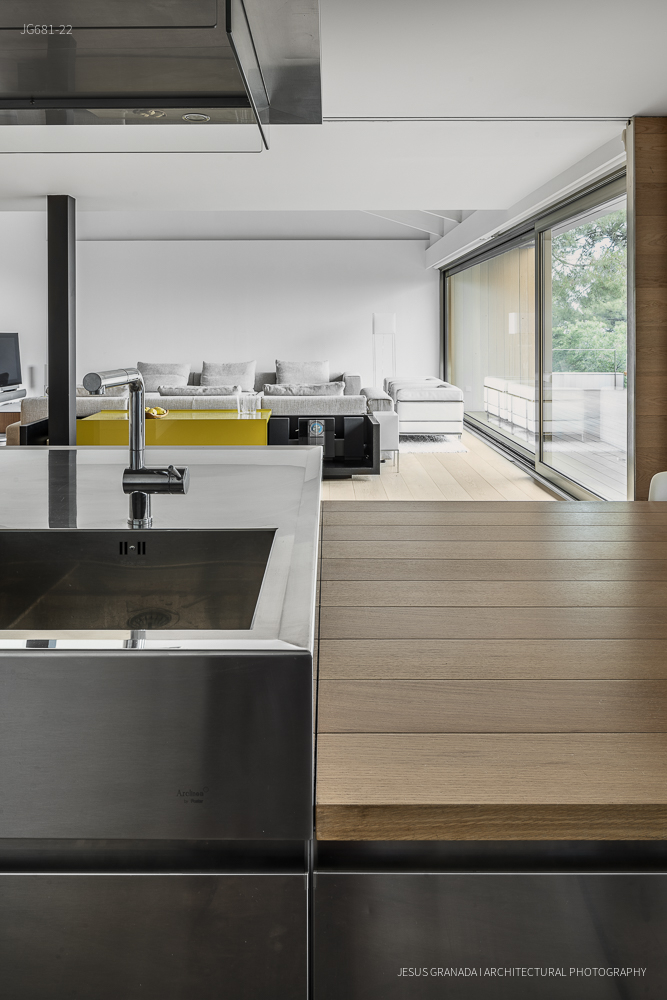
Aranguren & Gallegos architects | El Escorial (Madrid), Spain | Septiembre de 2018 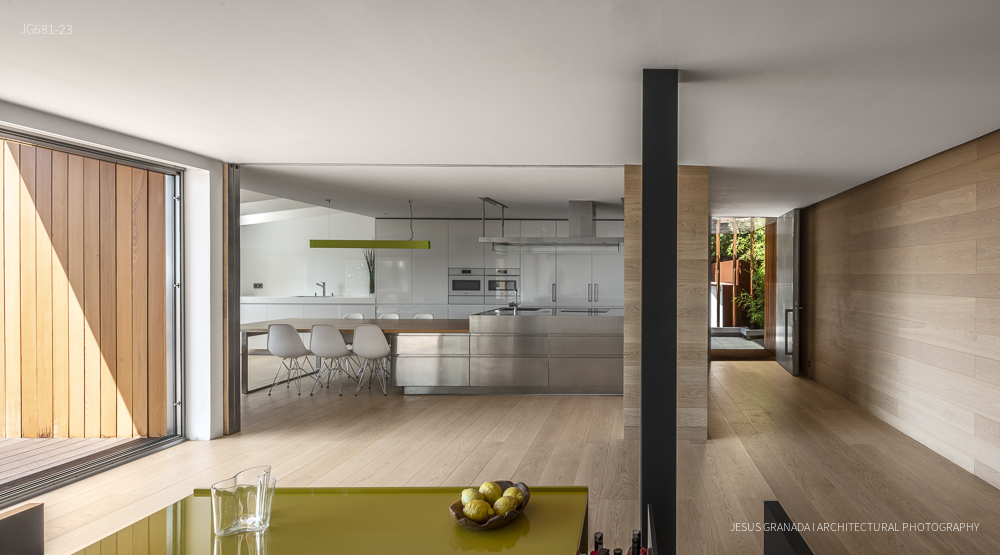
Aranguren & Gallegos architects | El Escorial (Madrid), Spain | Septiembre de 2018 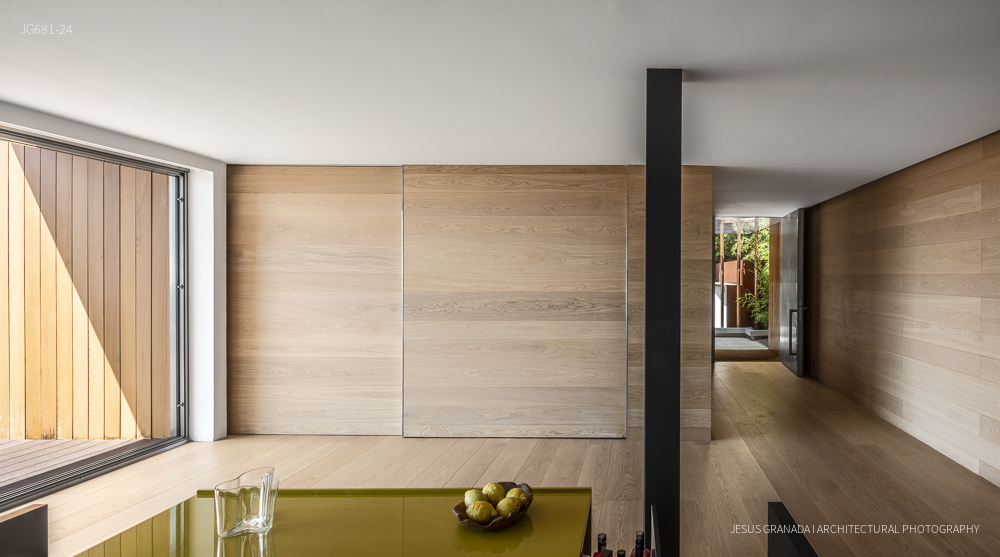
Aranguren & Gallegos architects | El Escorial (Madrid), Spain | Septiembre de 2018 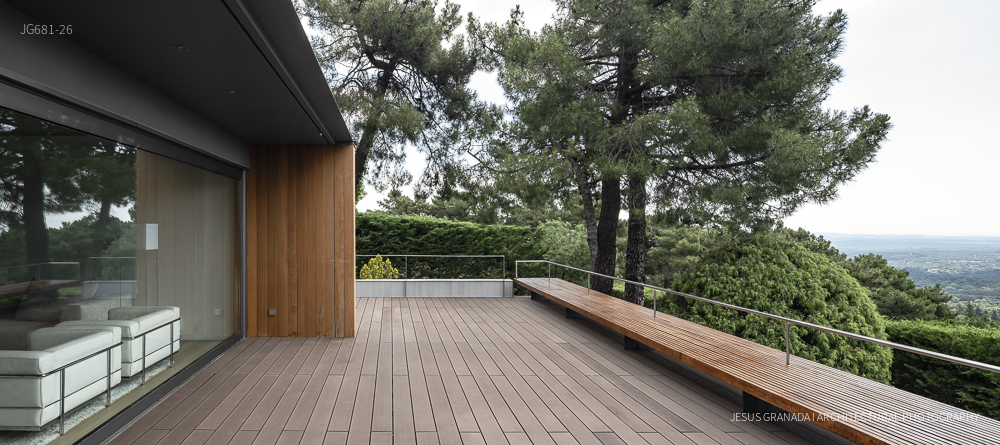
Aranguren & Gallegos architects | El Escorial (Madrid), Spain | Septiembre de 2018 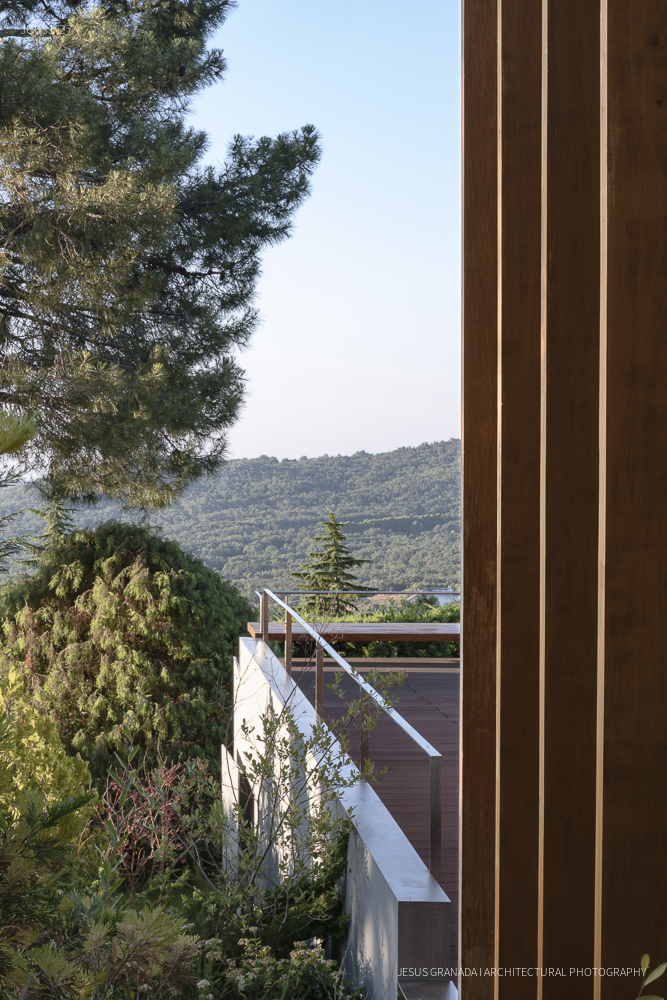
Aranguren & Gallegos architects | El Escorial (Madrid), Spain | Septiembre de 2018 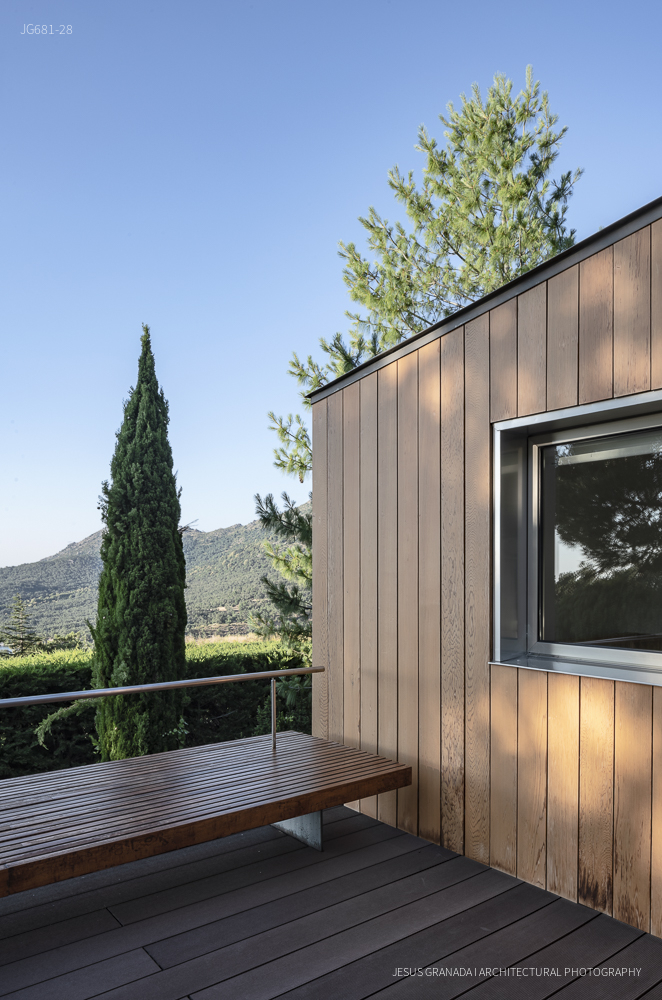
Aranguren & Gallegos architects | El Escorial (Madrid), Spain | Septiembre de 2018 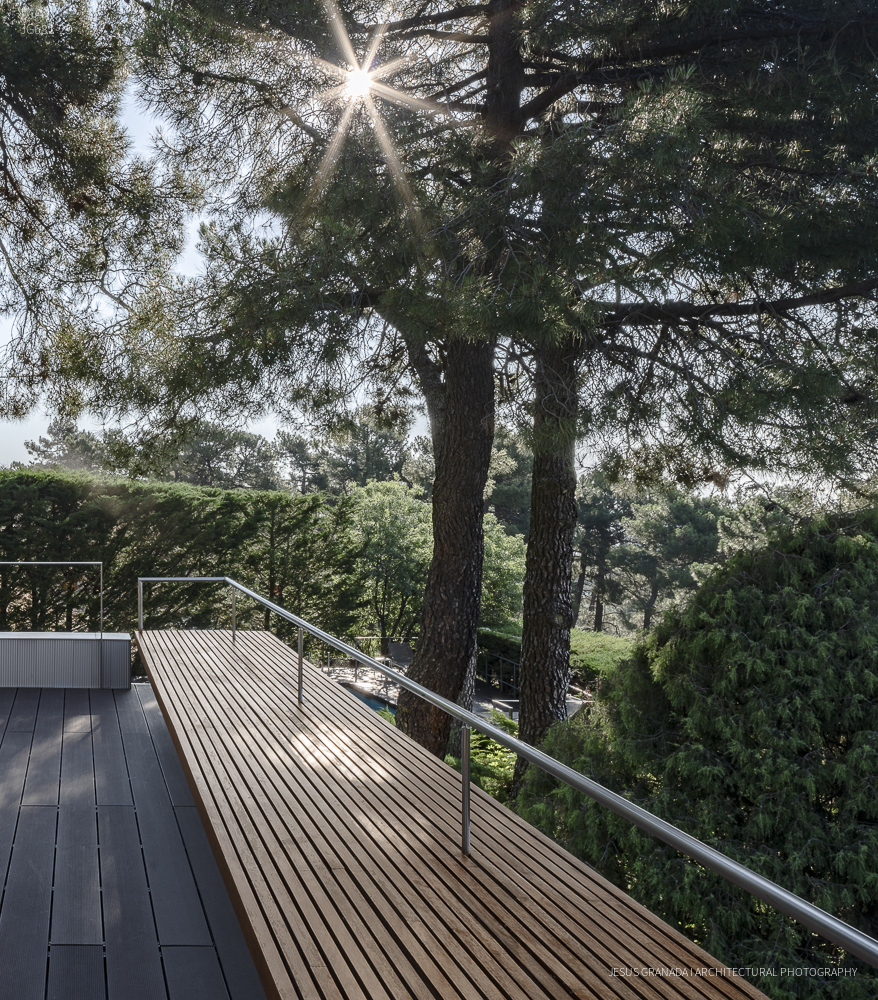
Aranguren & Gallegos architects | El Escorial (Madrid), Spain | Septiembre de 2018 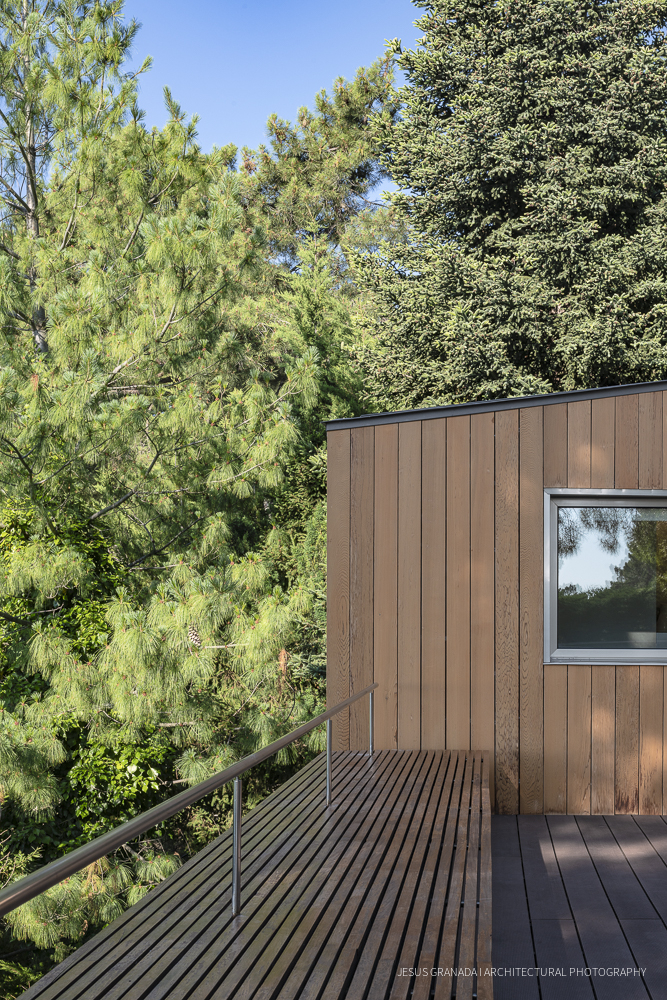
Aranguren & Gallegos architects | El Escorial (Madrid), Spain | Septiembre de 2018 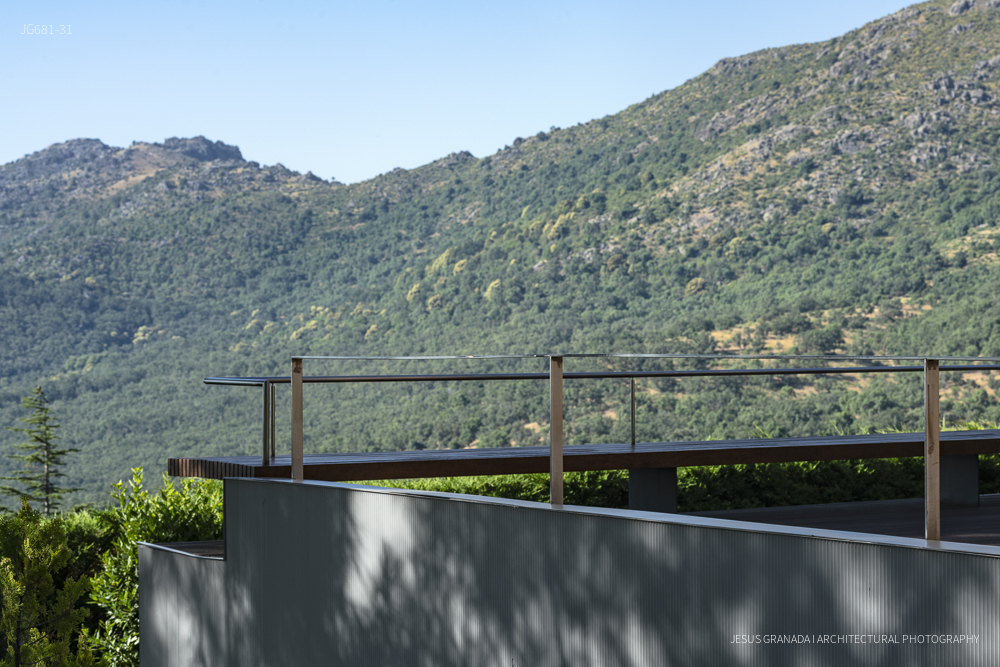
Aranguren & Gallegos architects | El Escorial (Madrid), Spain | Septiembre de 2018 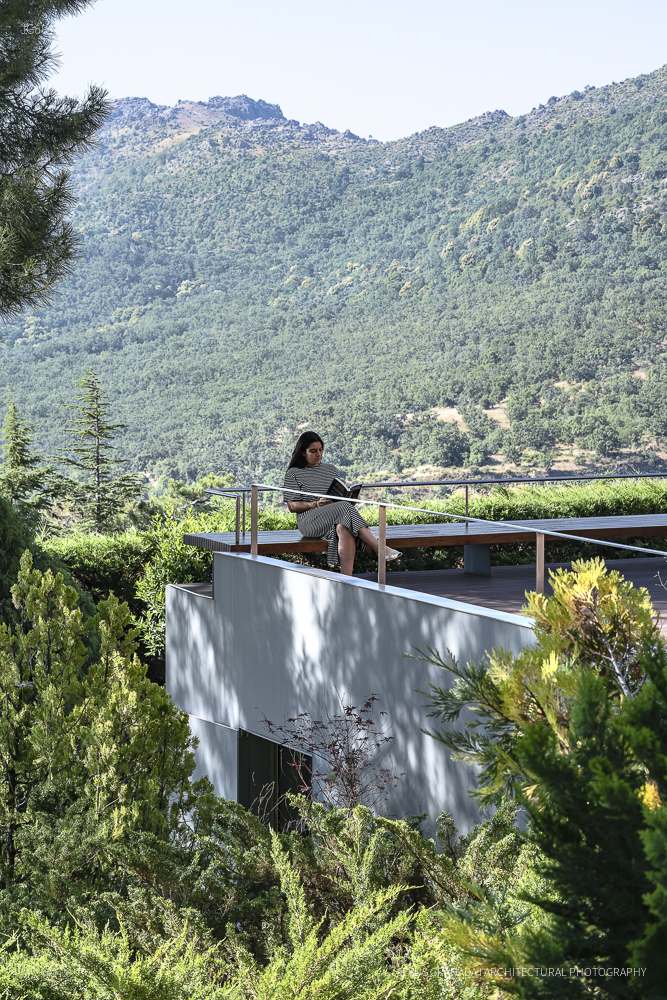
Aranguren & Gallegos architects | El Escorial (Madrid), Spain | Septiembre de 2018 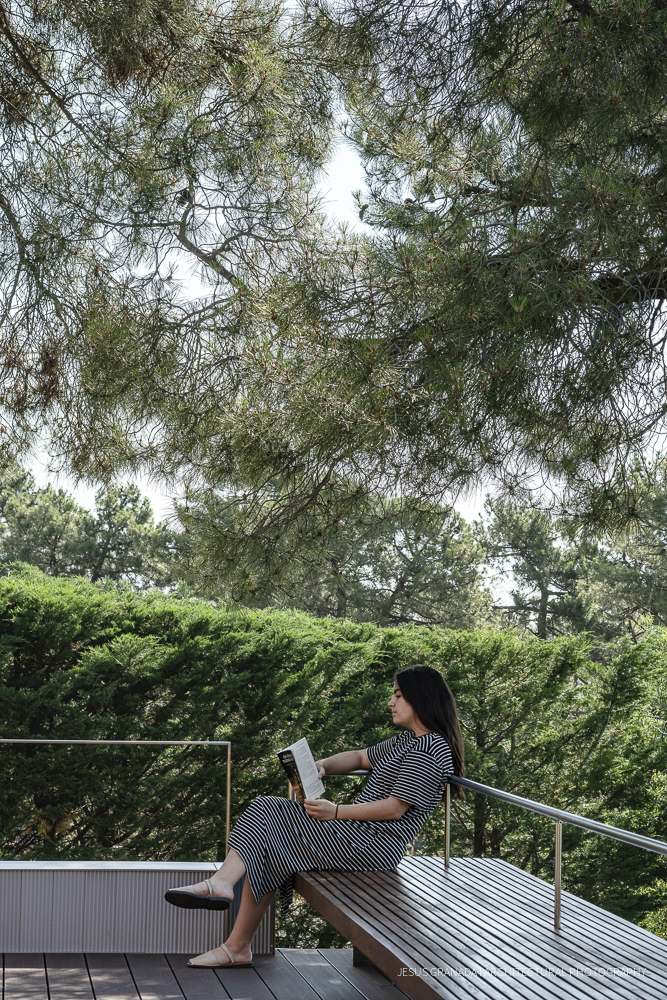
Aranguren & Gallegos architects | El Escorial (Madrid), Spain | Septiembre de 2018 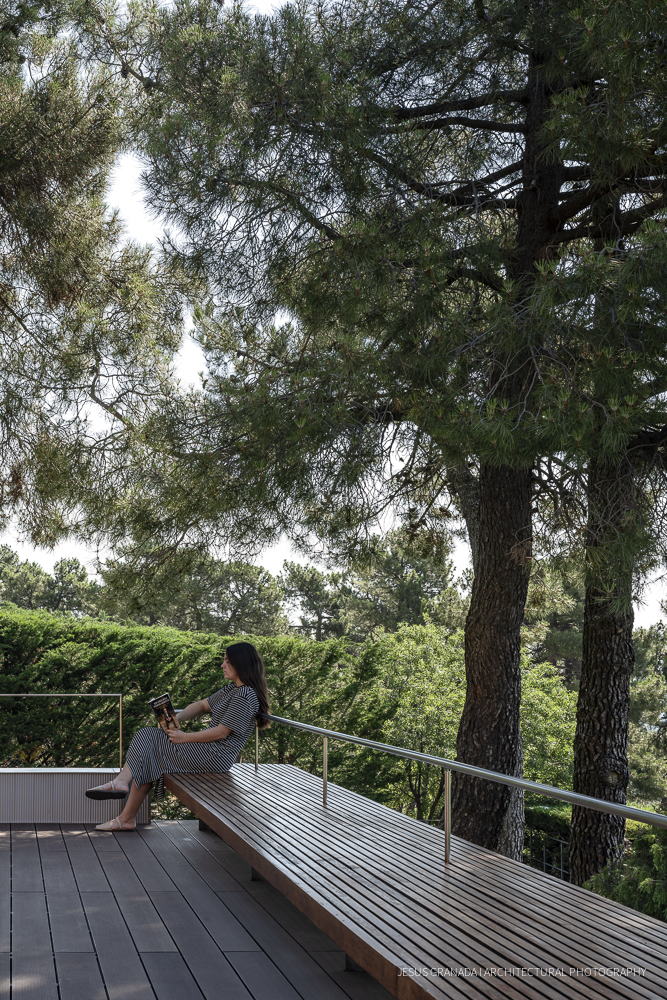
Aranguren & Gallegos architects | El Escorial (Madrid), Spain | Septiembre de 2018 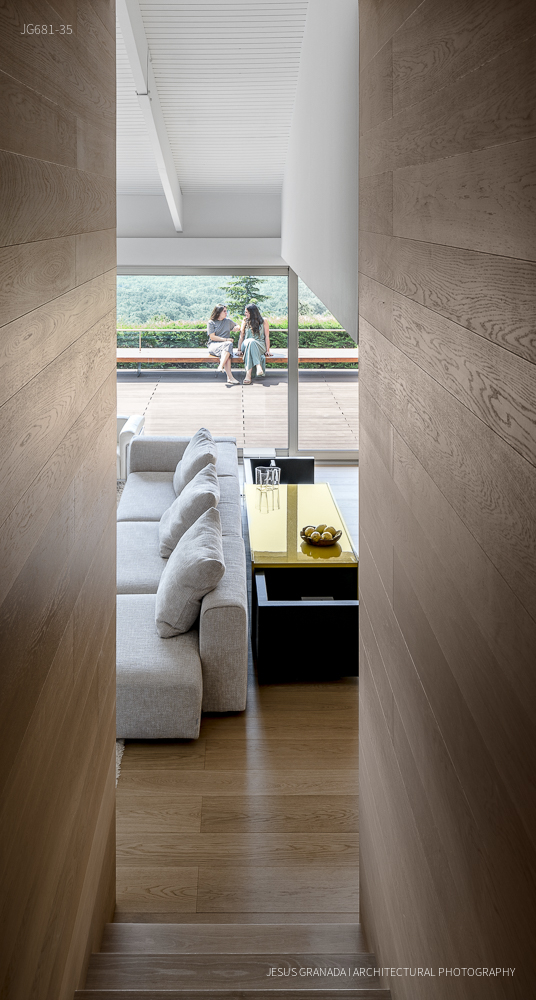
Aranguren & Gallegos architects | El Escorial (Madrid), Spain | Septiembre de 2018 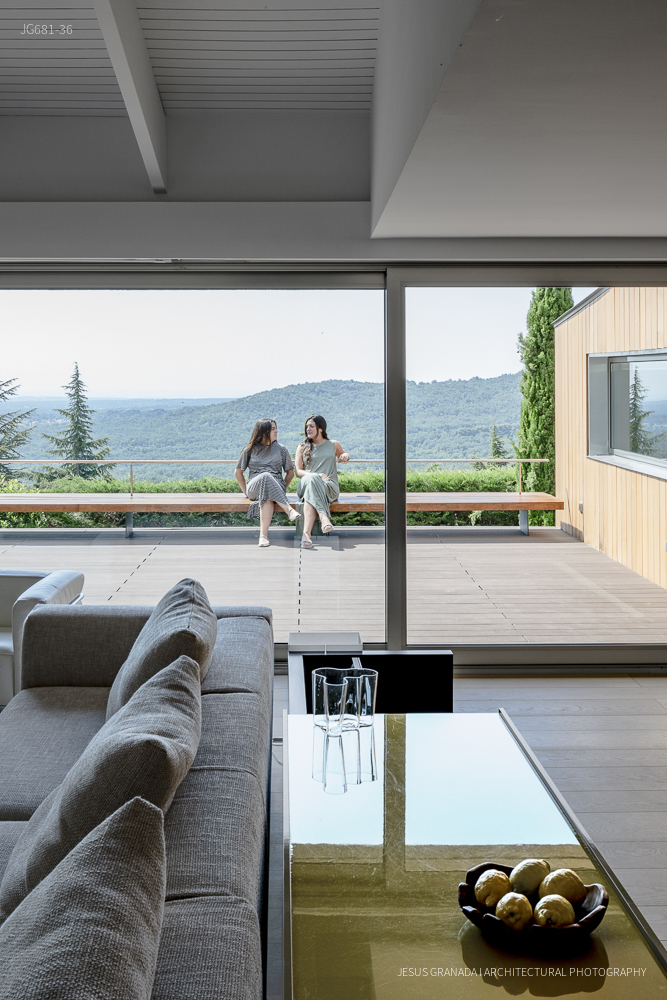
Aranguren & Gallegos architects | El Escorial (Madrid), Spain | Septiembre de 2018 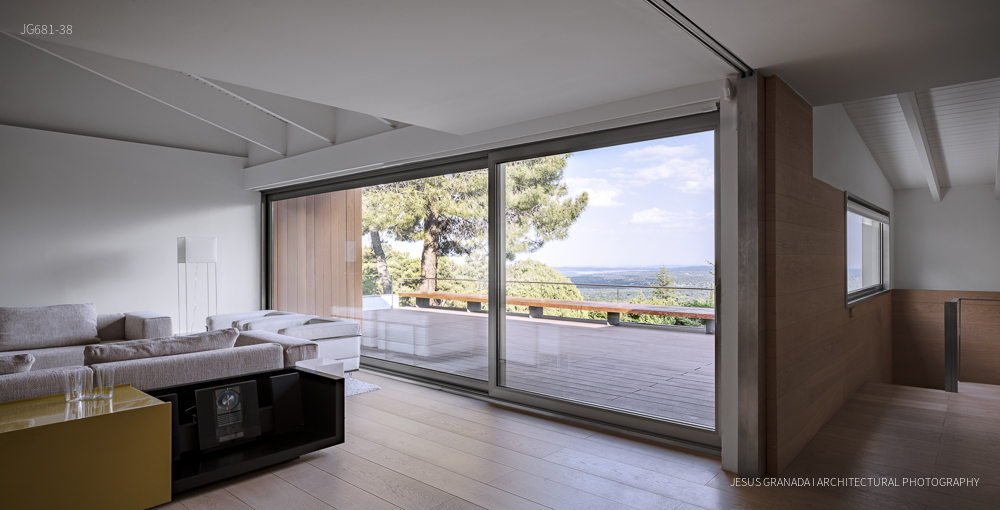
Aranguren & Gallegos architects | El Escorial (Madrid), Spain | Septiembre de 2018 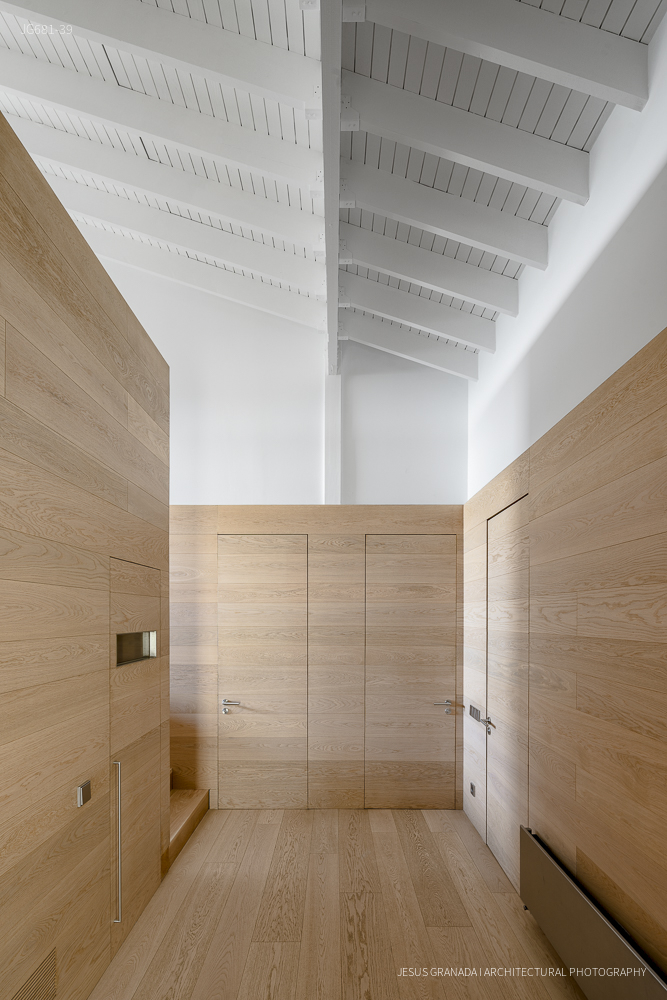
Aranguren & Gallegos architects | El Escorial (Madrid), Spain | Septiembre de 2018 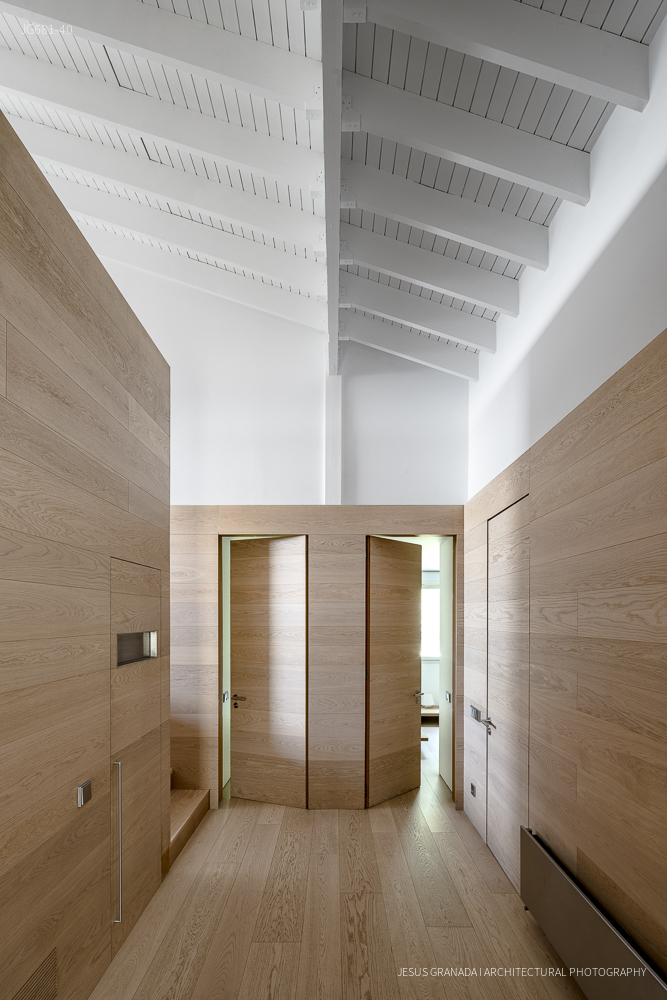
Aranguren & Gallegos architects | El Escorial (Madrid), Spain | Septiembre de 2018 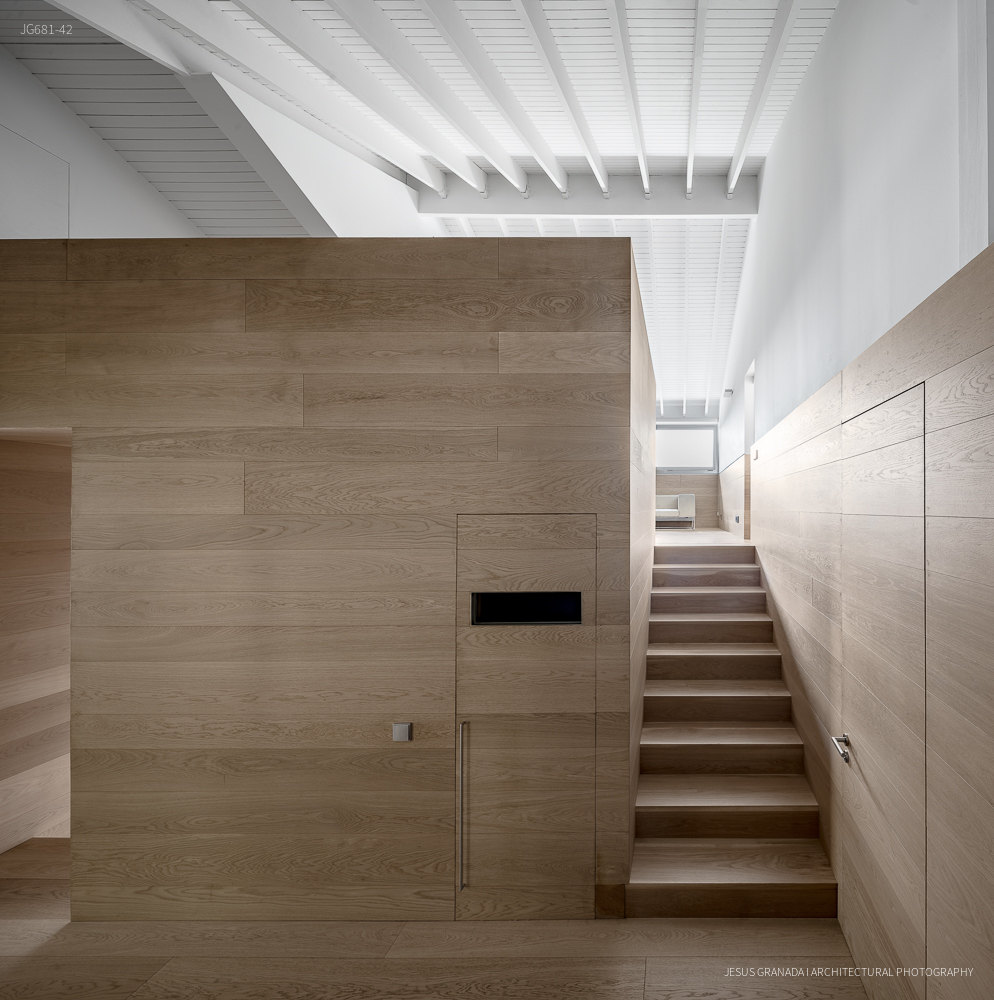
Aranguren & Gallegos architects | El Escorial (Madrid), Spain | Septiembre de 2018 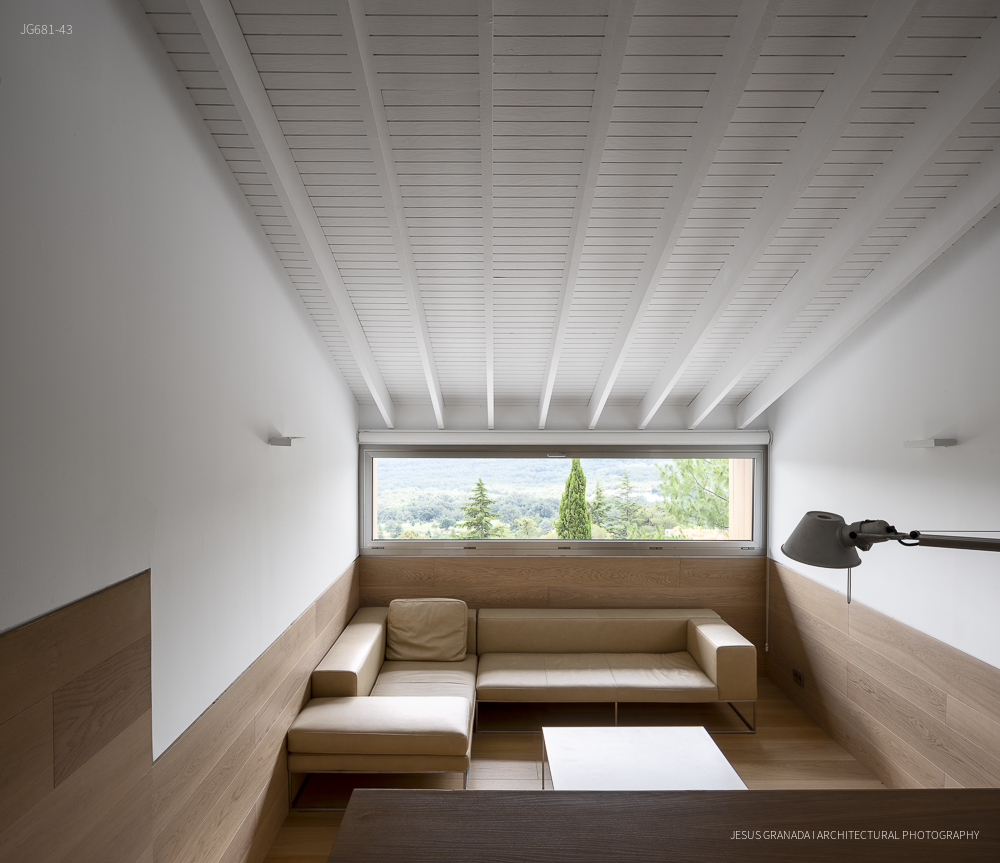
Aranguren & Gallegos architects | El Escorial (Madrid), Spain | Septiembre de 2018 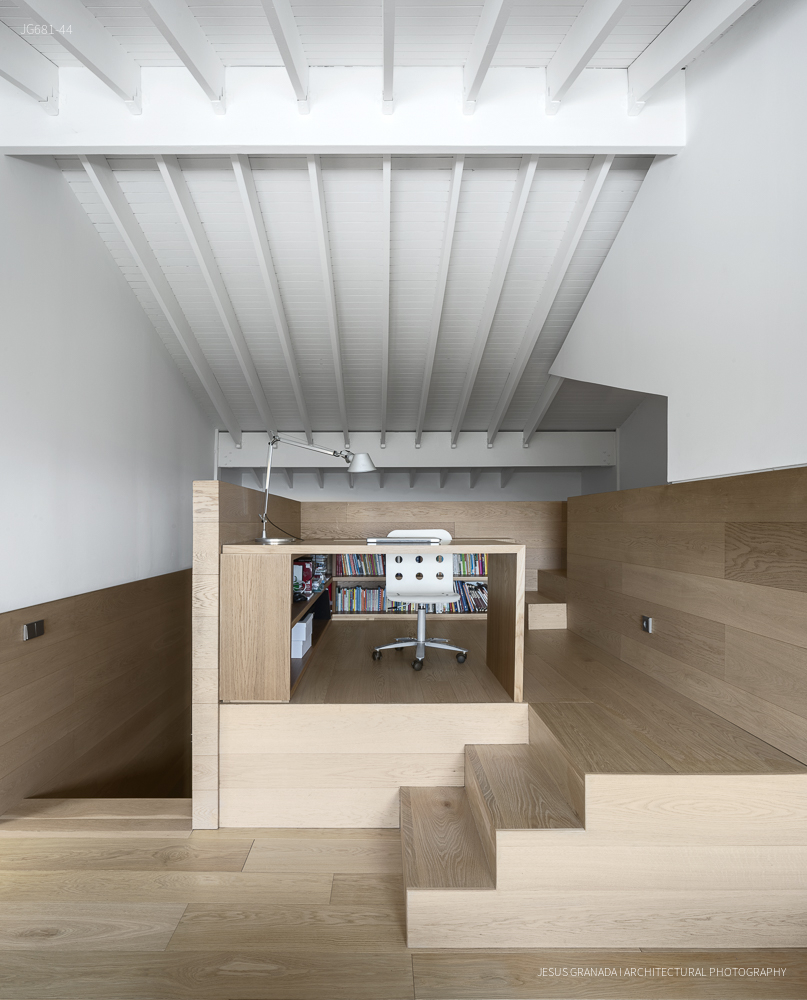
Aranguren & Gallegos architects | El Escorial (Madrid), Spain | Septiembre de 2018 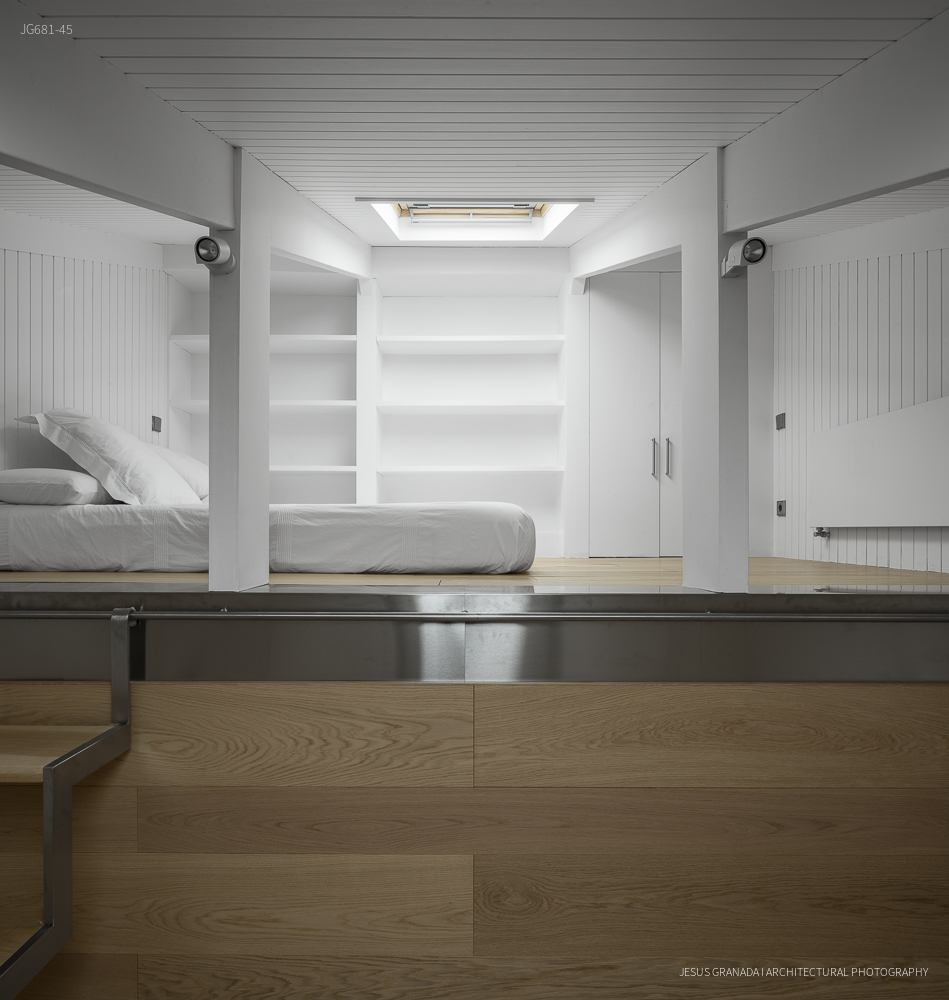
Aranguren & Gallegos architects | El Escorial (Madrid), Spain | Septiembre de 2018 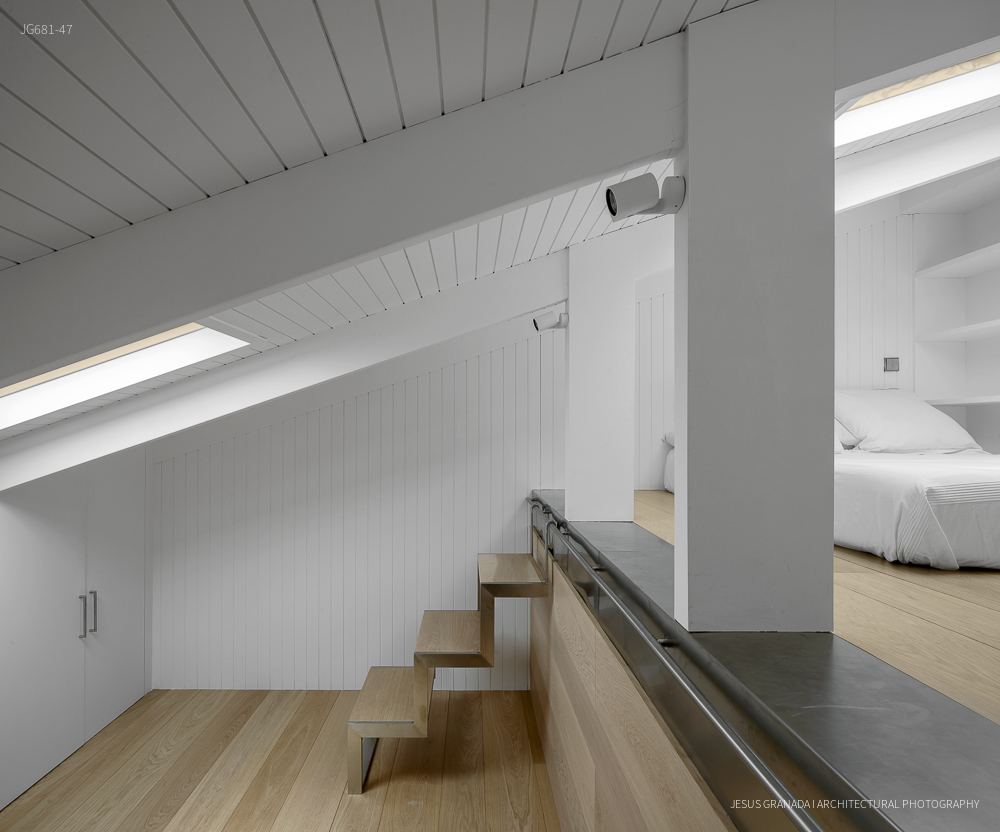
Aranguren & Gallegos architects | El Escorial (Madrid), Spain | Septiembre de 2018 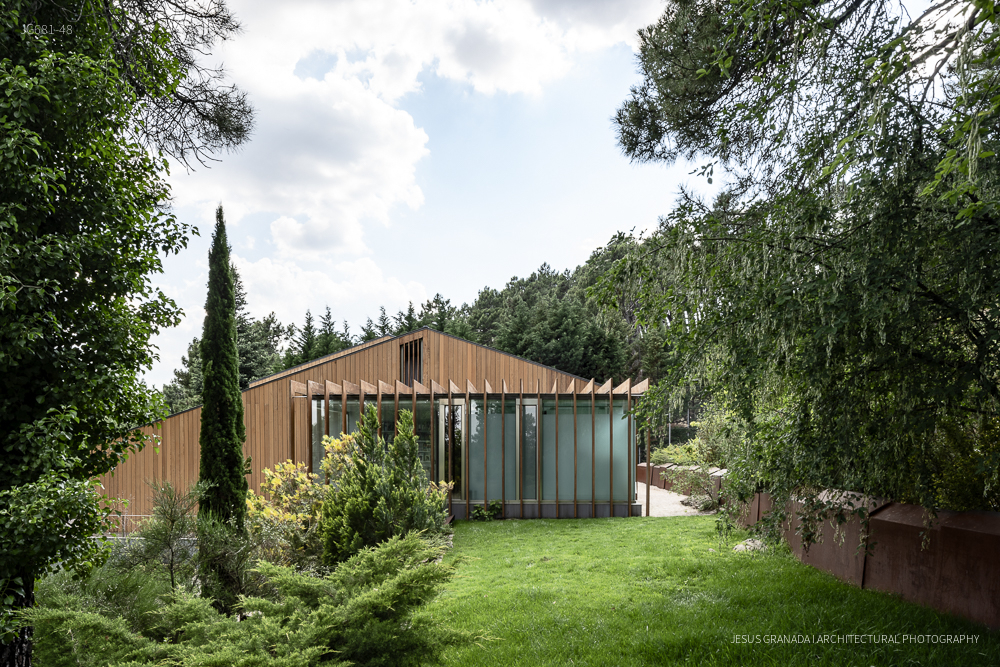
Aranguren & Gallegos architects | El Escorial (Madrid), Spain | Septiembre de 2018 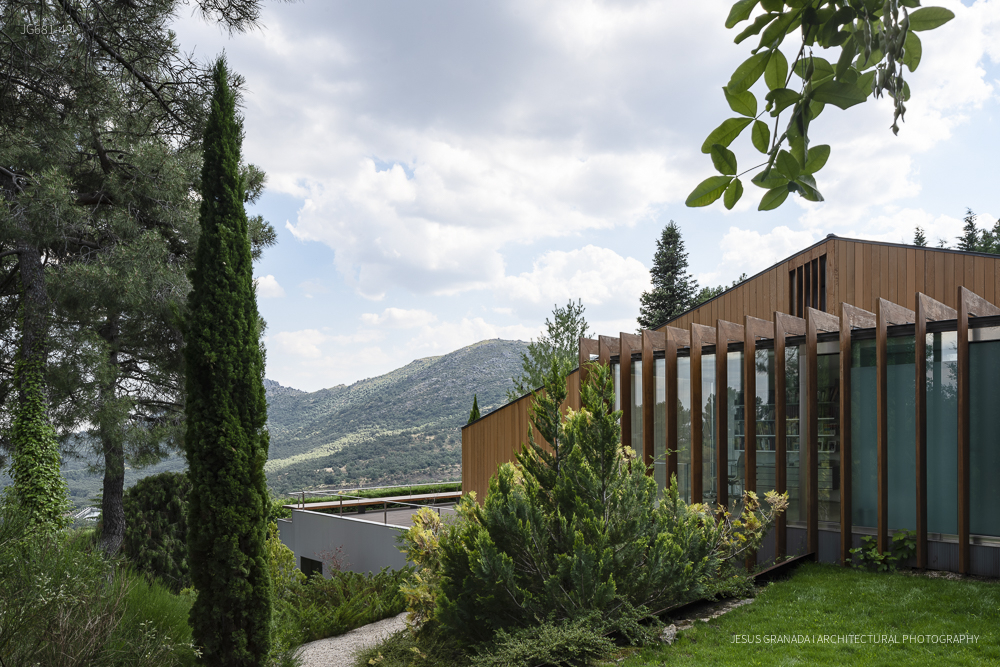
Aranguren & Gallegos architects | El Escorial (Madrid), Spain | Septiembre de 2018 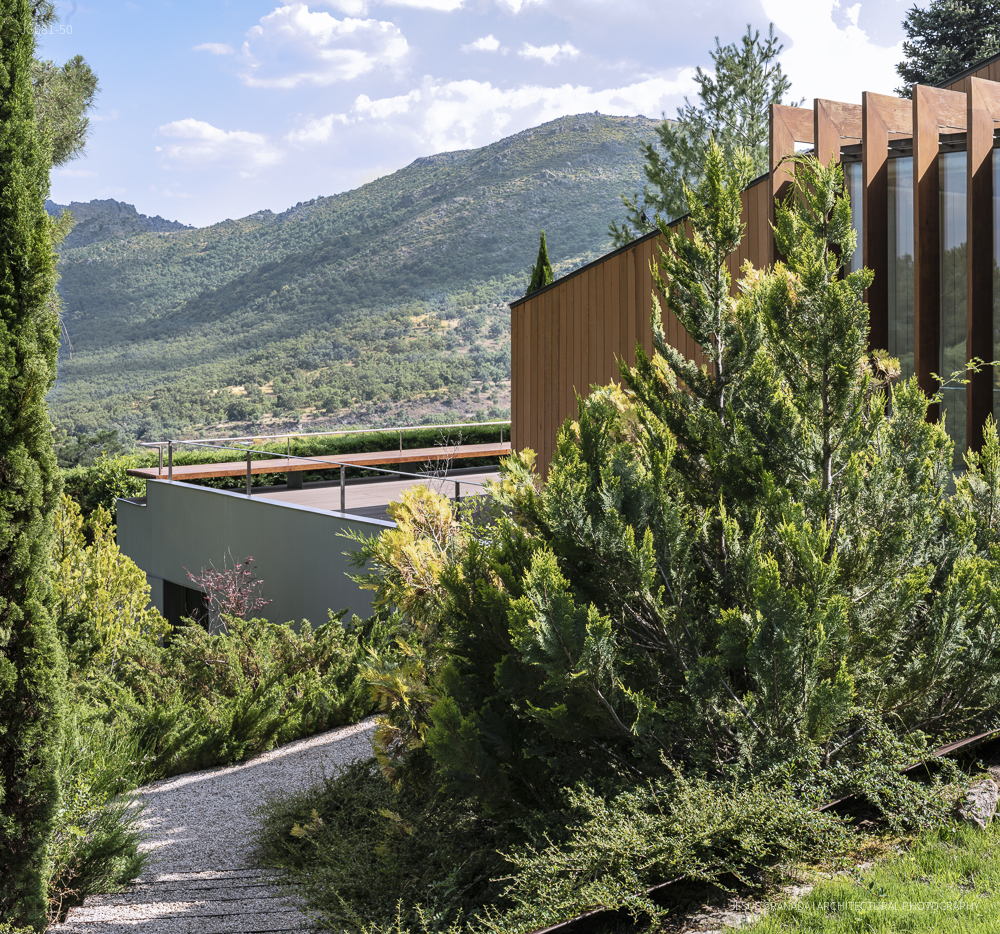
Aranguren & Gallegos architects | El Escorial (Madrid), Spain | Septiembre de 2018 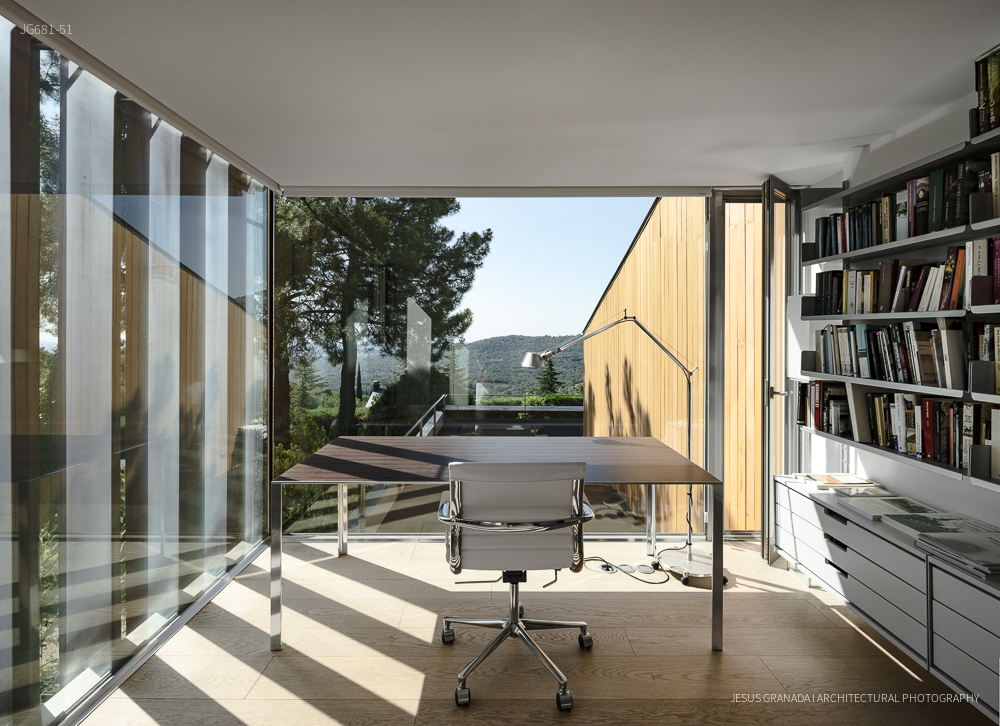
Aranguren & Gallegos architects | El Escorial (Madrid), Spain | Septiembre de 2018 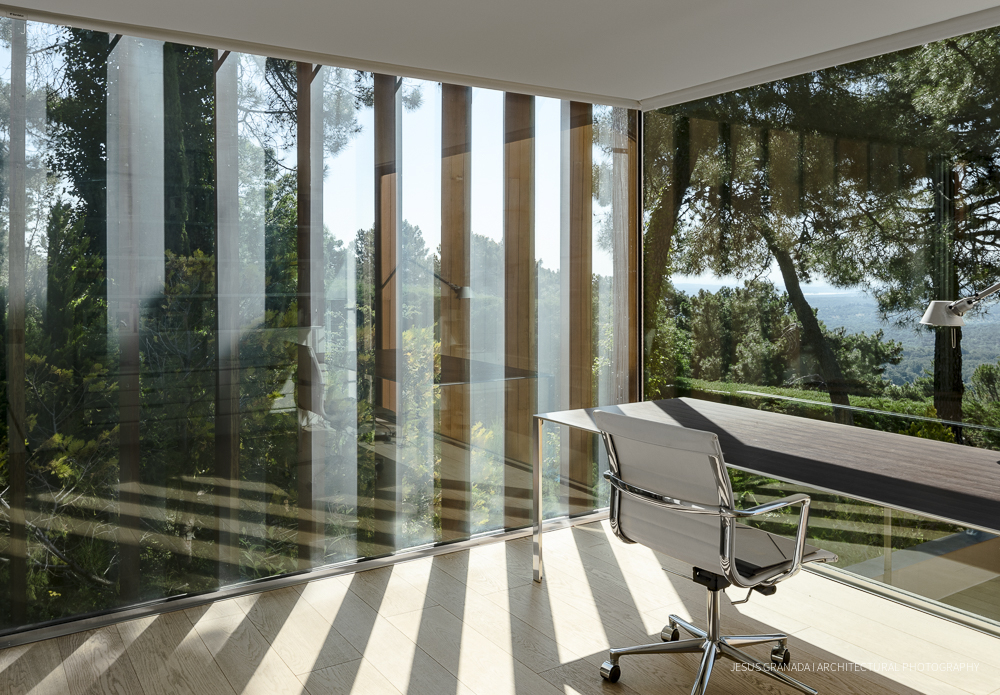
Aranguren & Gallegos architects | El Escorial (Madrid), Spain | Septiembre de 2018 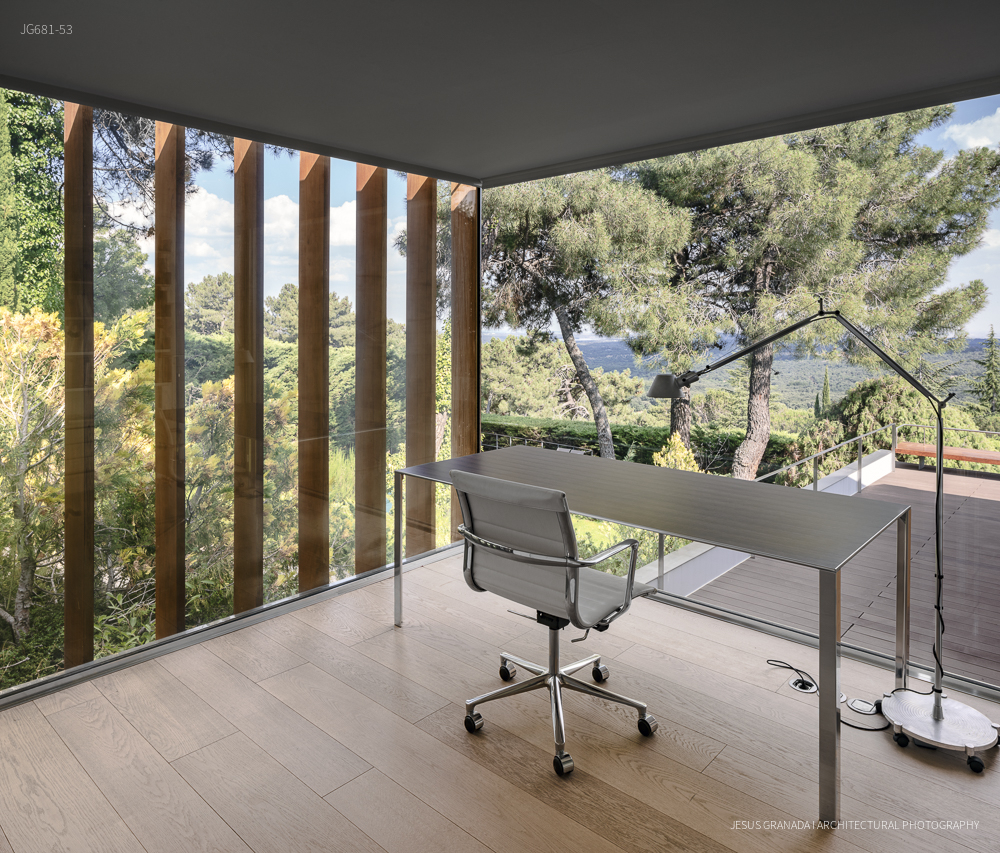
Aranguren & Gallegos architects | El Escorial (Madrid), Spain | Septiembre de 2018 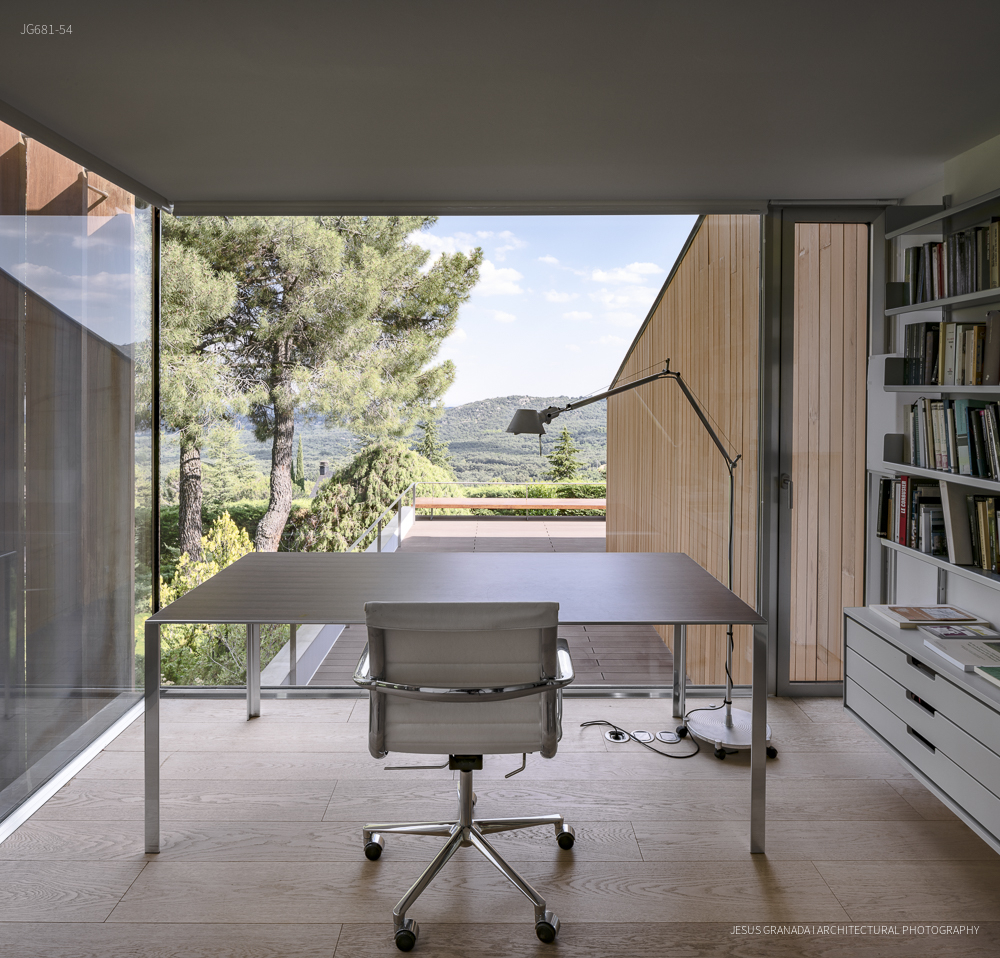
Aranguren & Gallegos architects | El Escorial (Madrid), Spain | Septiembre de 2018 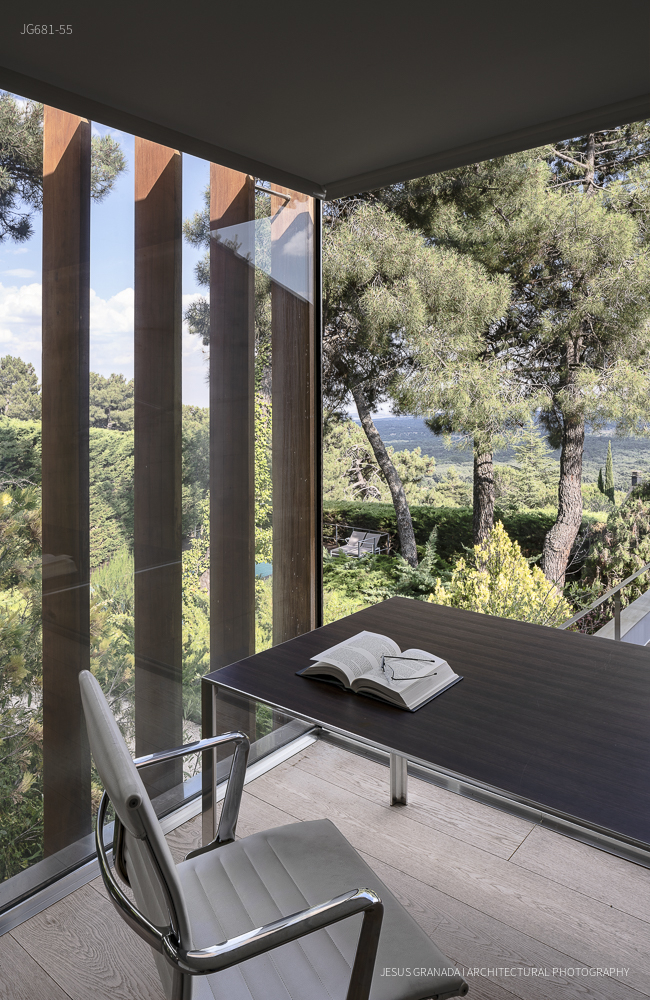
Aranguren & Gallegos architects | El Escorial (Madrid), Spain | Septiembre de 2018 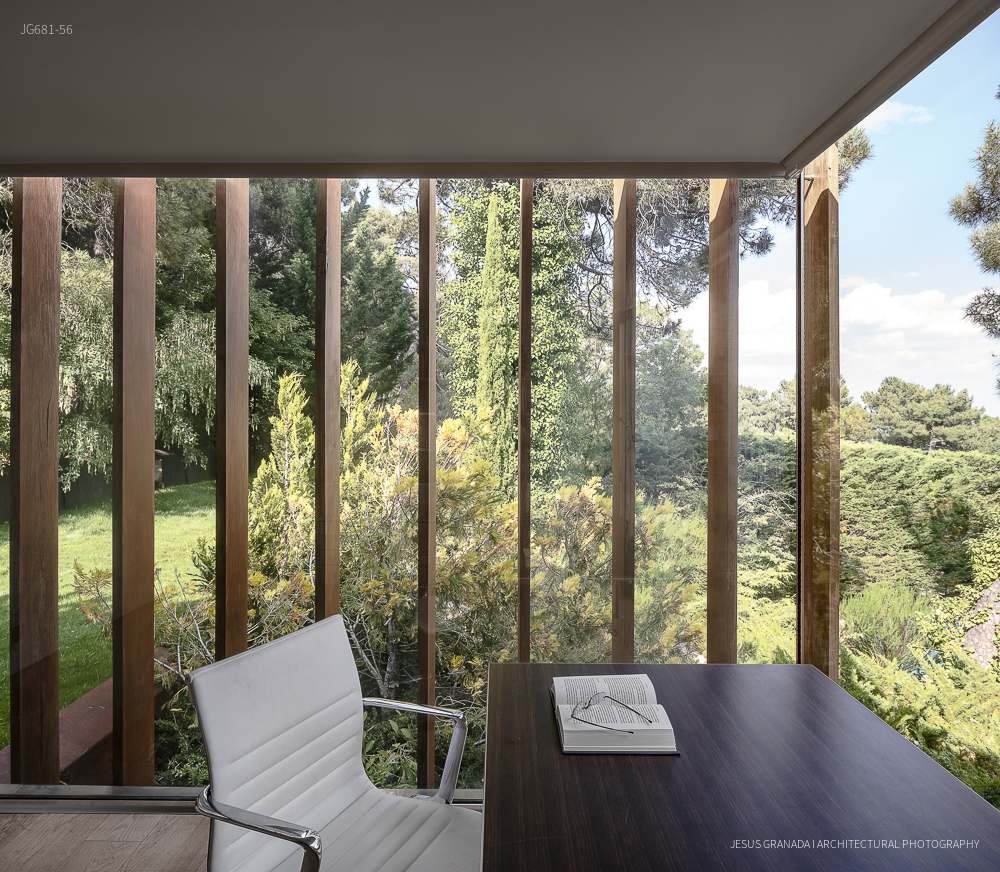
Aranguren & Gallegos architects | El Escorial (Madrid), Spain | Septiembre de 2018 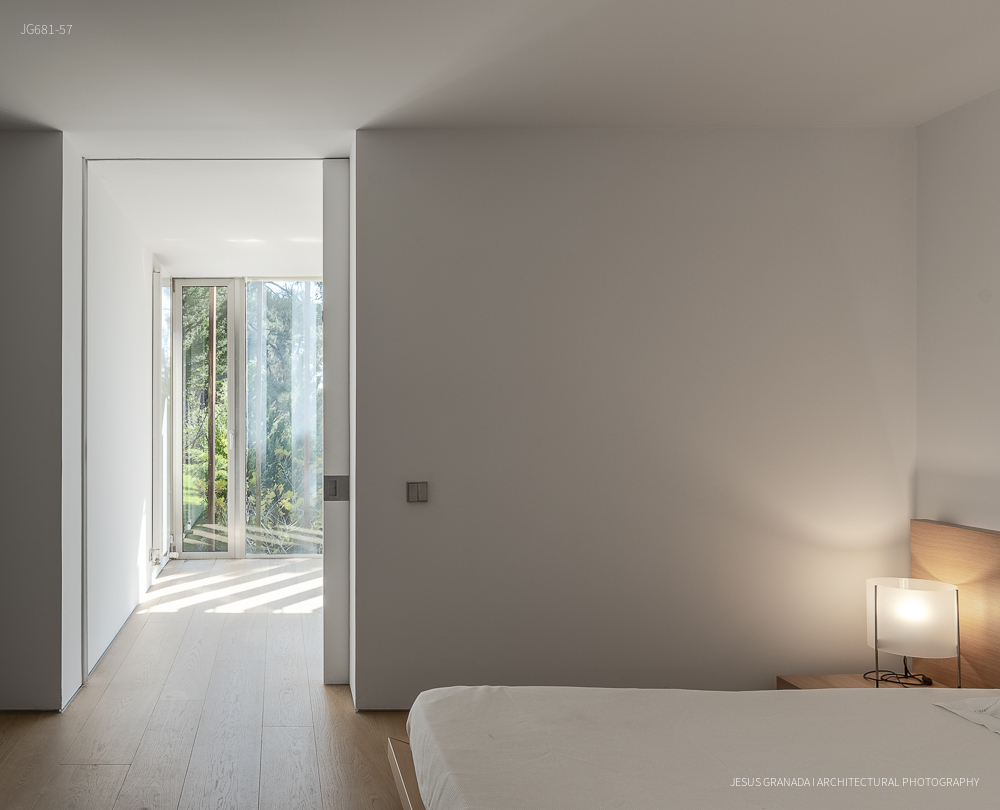
Aranguren & Gallegos architects | El Escorial (Madrid), Spain | Septiembre de 2018 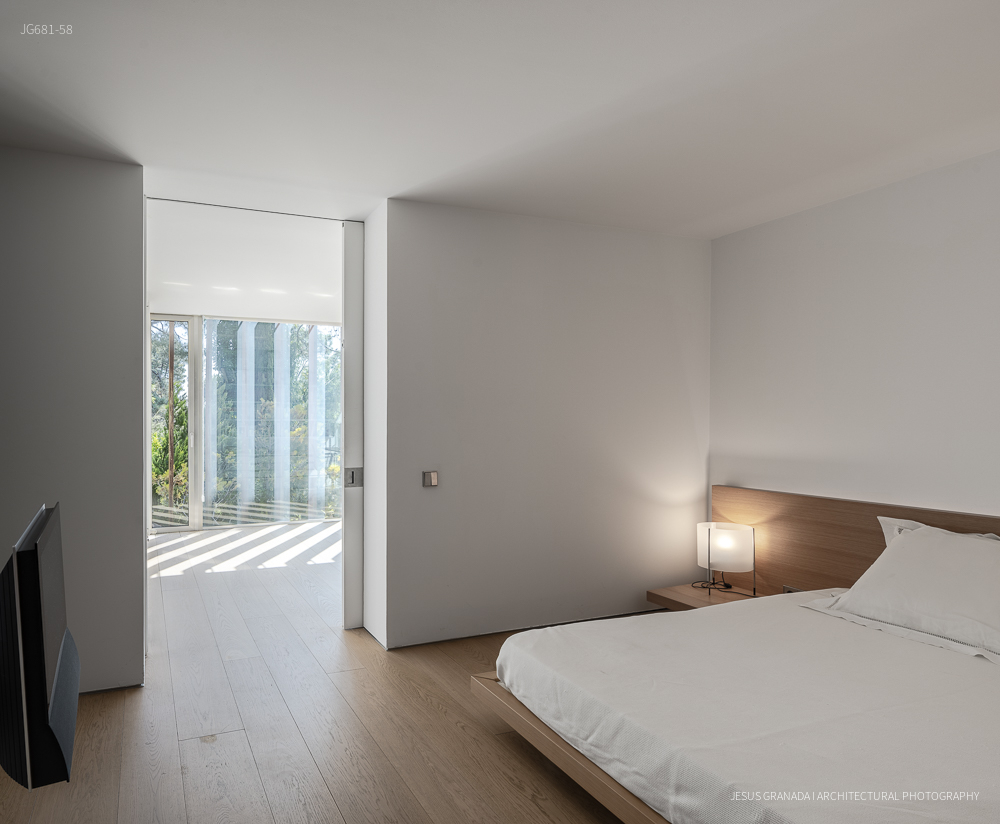
Aranguren & Gallegos architects | El Escorial (Madrid), Spain | Septiembre de 2018 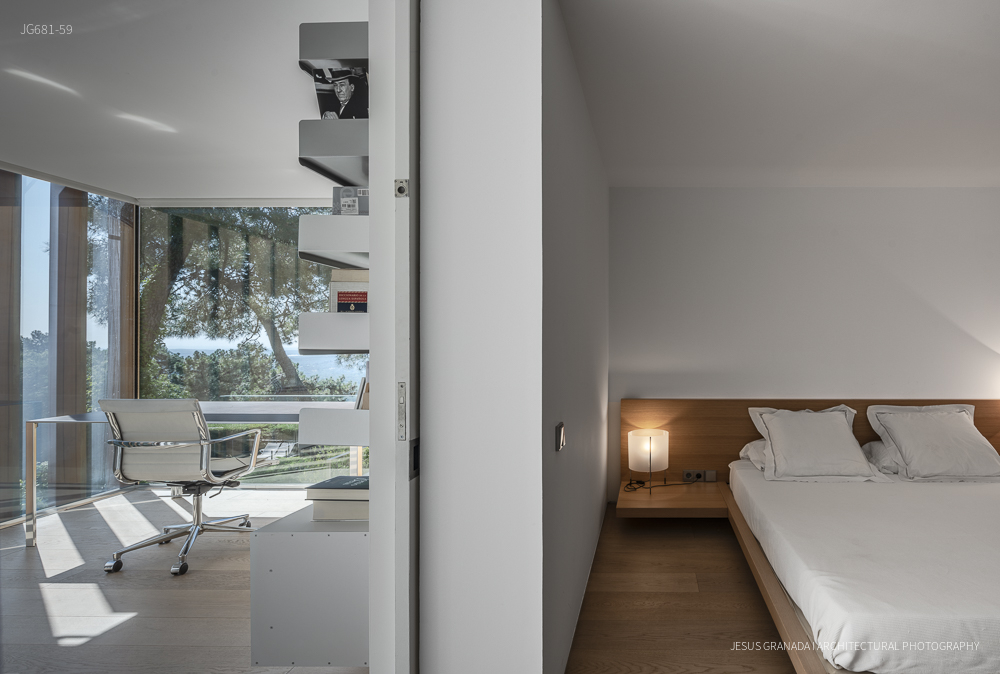
Aranguren & Gallegos architects | El Escorial (Madrid), Spain | Septiembre de 2018 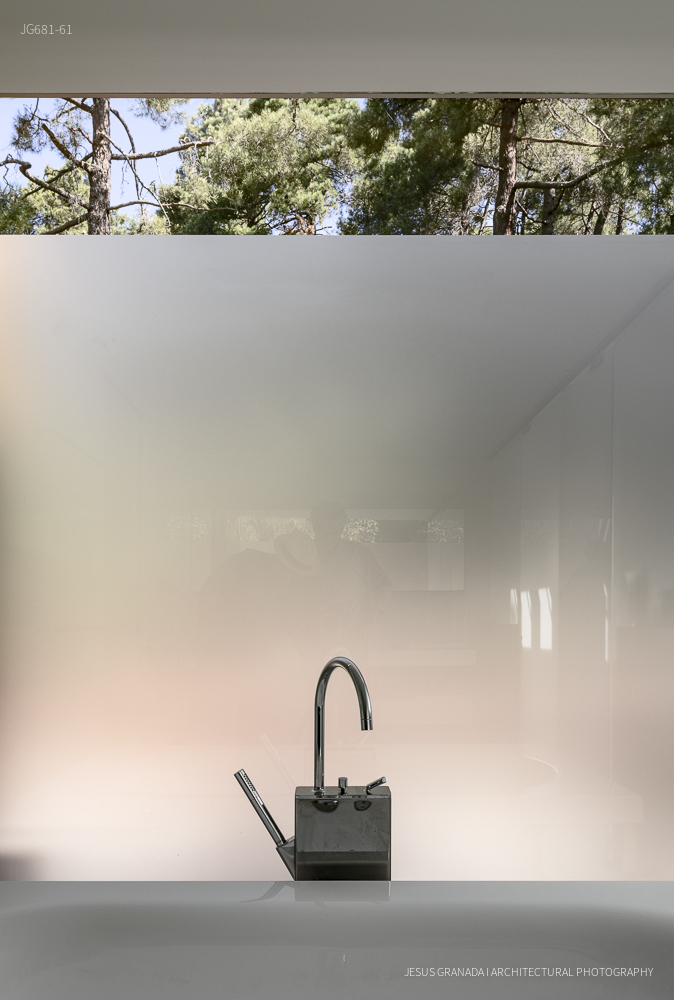
Aranguren & Gallegos architects | El Escorial (Madrid), Spain | Septiembre de 2018 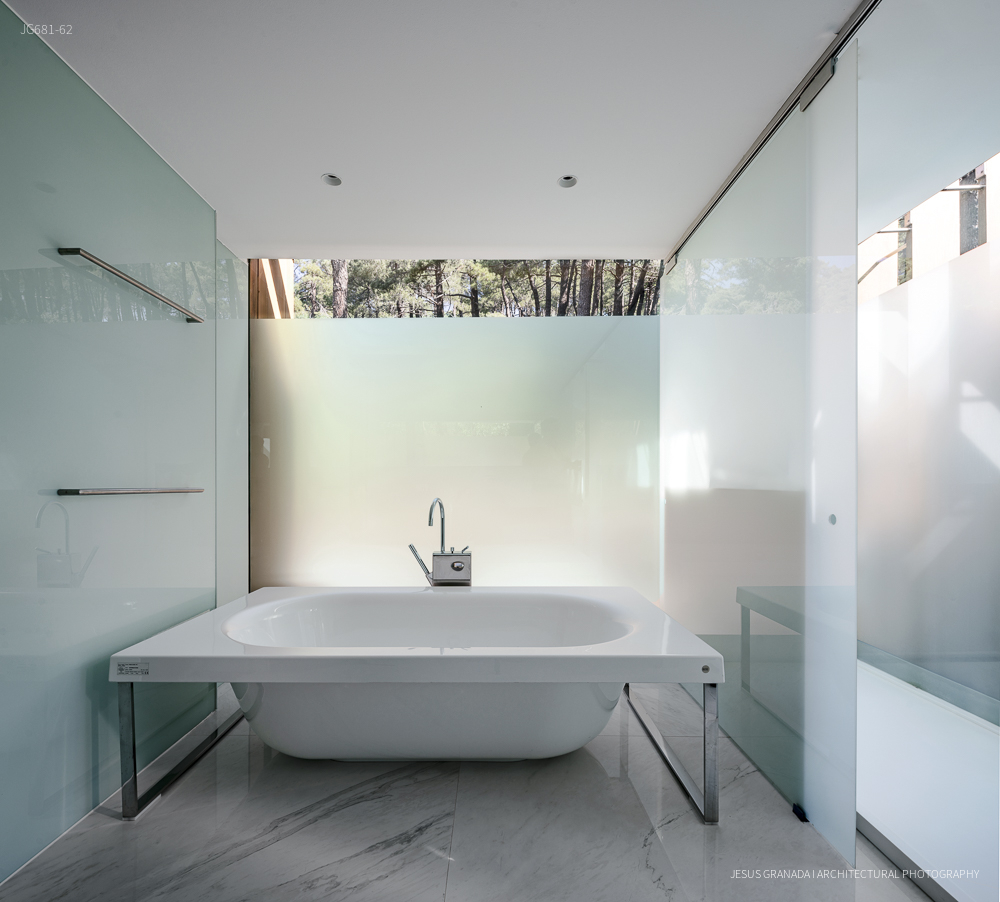
Aranguren & Gallegos architects | El Escorial (Madrid), Spain | Septiembre de 2018 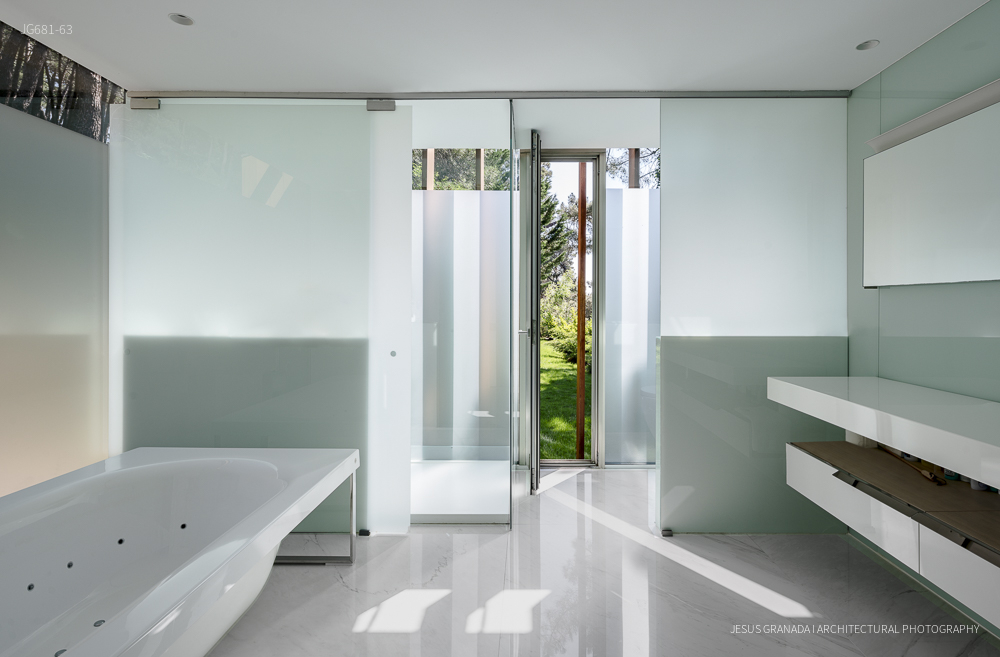
Aranguren & Gallegos architects | El Escorial (Madrid), Spain | Septiembre de 2018 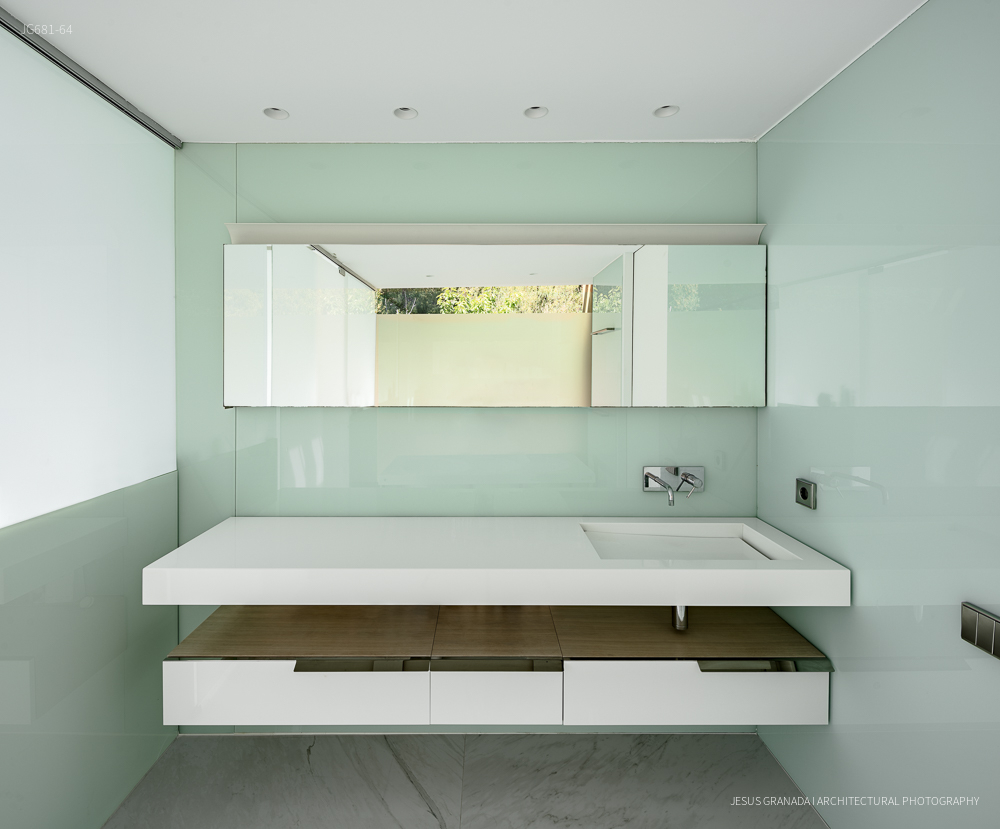
Aranguren & Gallegos architects | El Escorial (Madrid), Spain | Septiembre de 2018 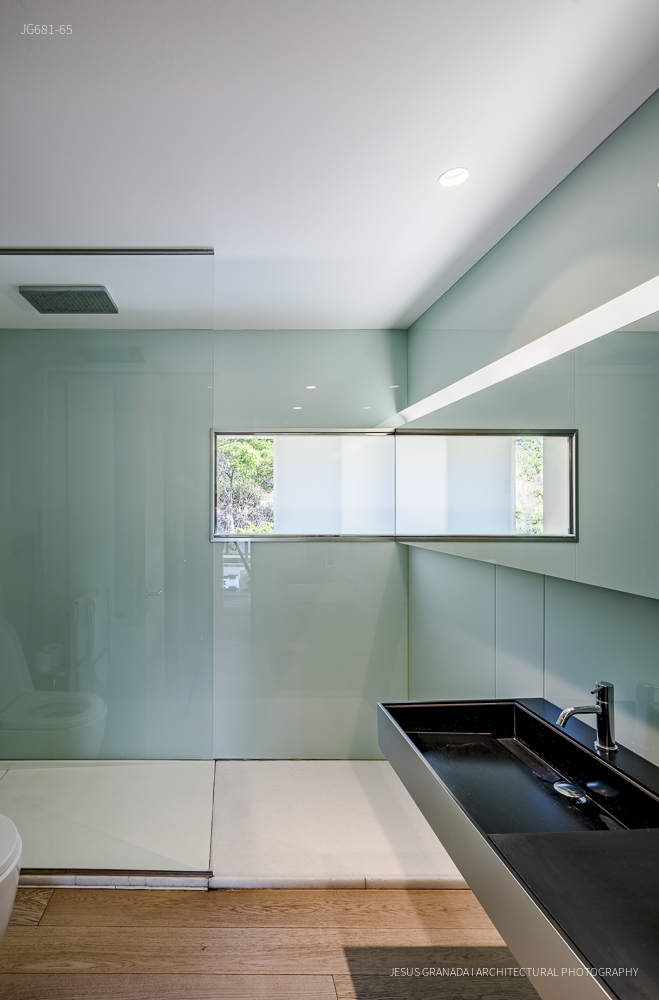
Aranguren & Gallegos architects | El Escorial (Madrid), Spain | Septiembre de 2018 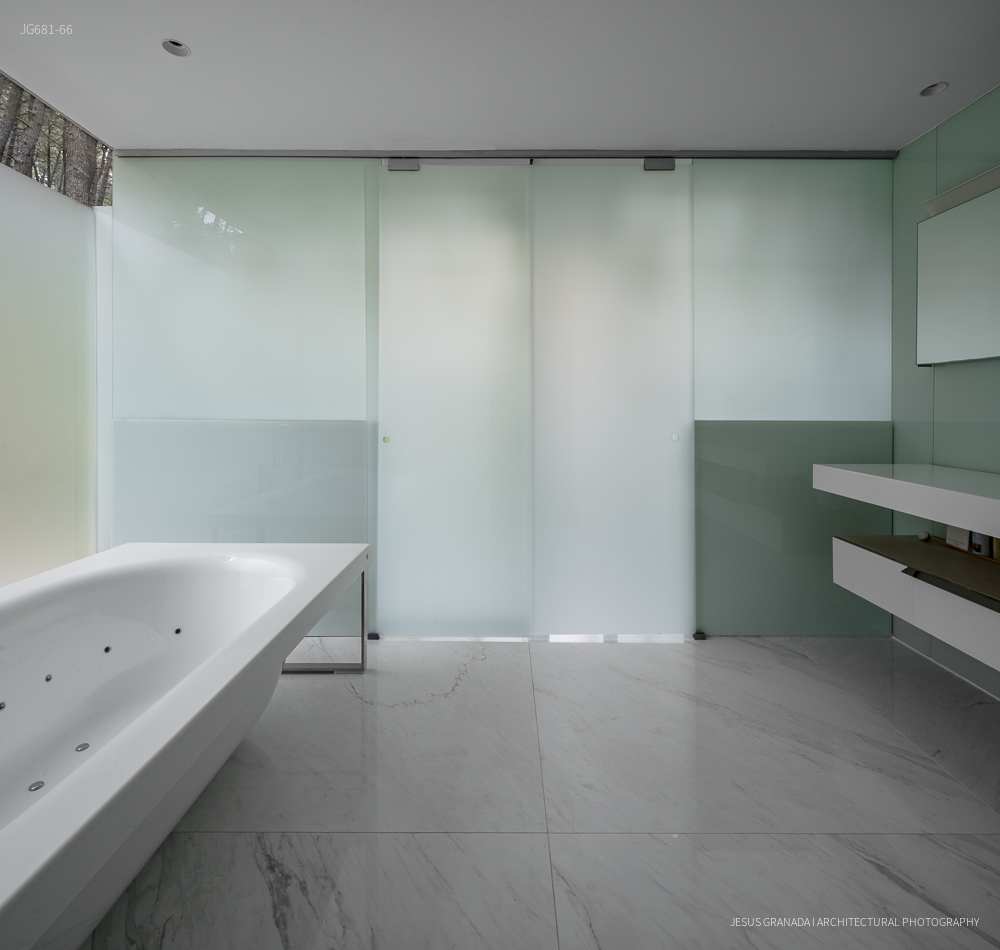
Aranguren & Gallegos architects | El Escorial (Madrid), Spain | Septiembre de 2018 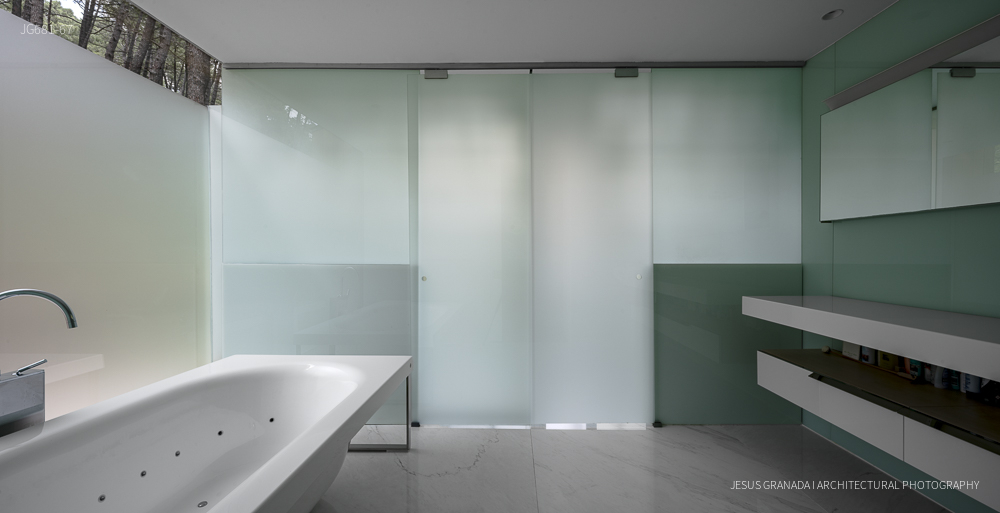
Aranguren & Gallegos architects | El Escorial (Madrid), Spain | Septiembre de 2018 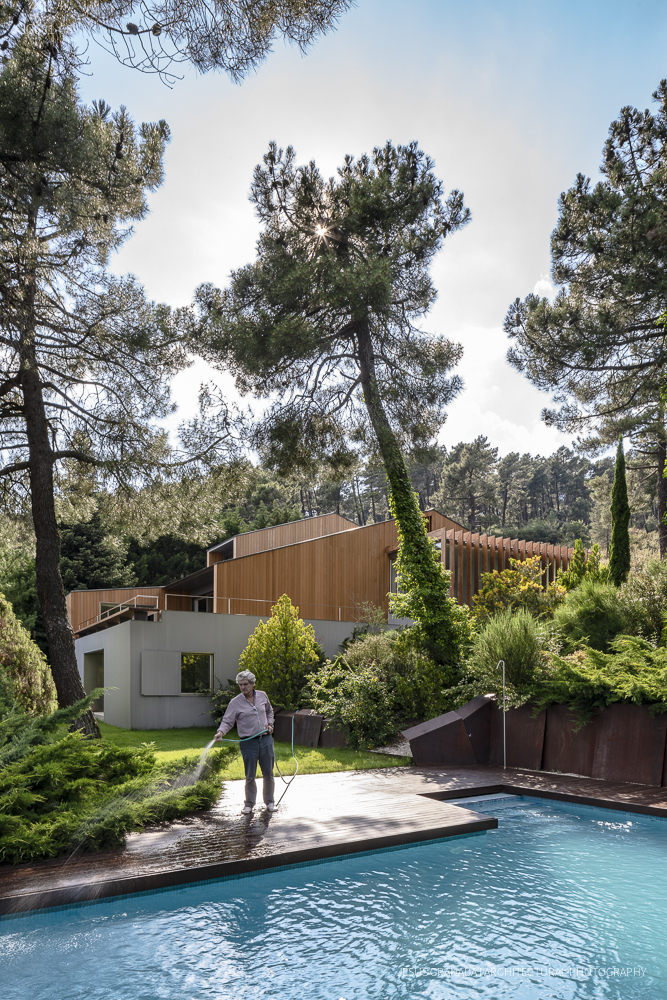
Aranguren & Gallegos architects | El Escorial (Madrid), Spain | Septiembre de 2018 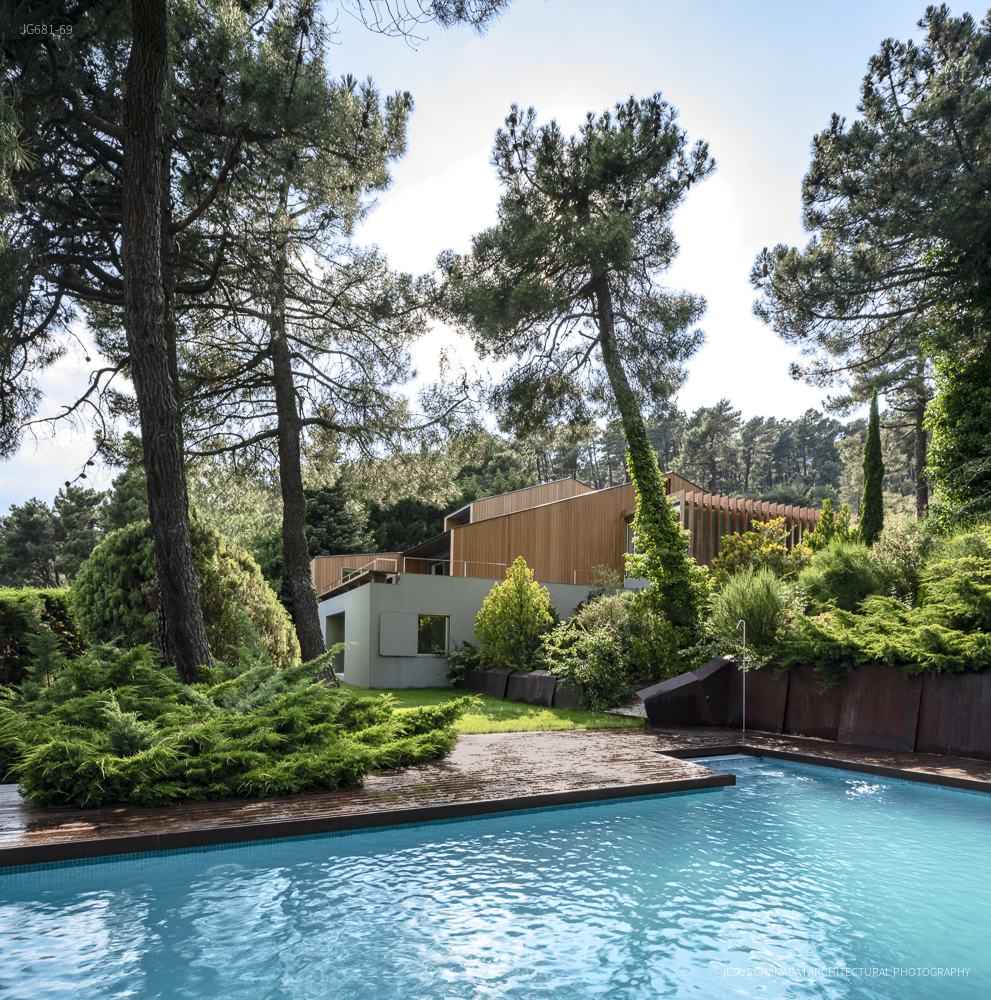
Aranguren & Gallegos architects | El Escorial (Madrid), Spain | Septiembre de 2018 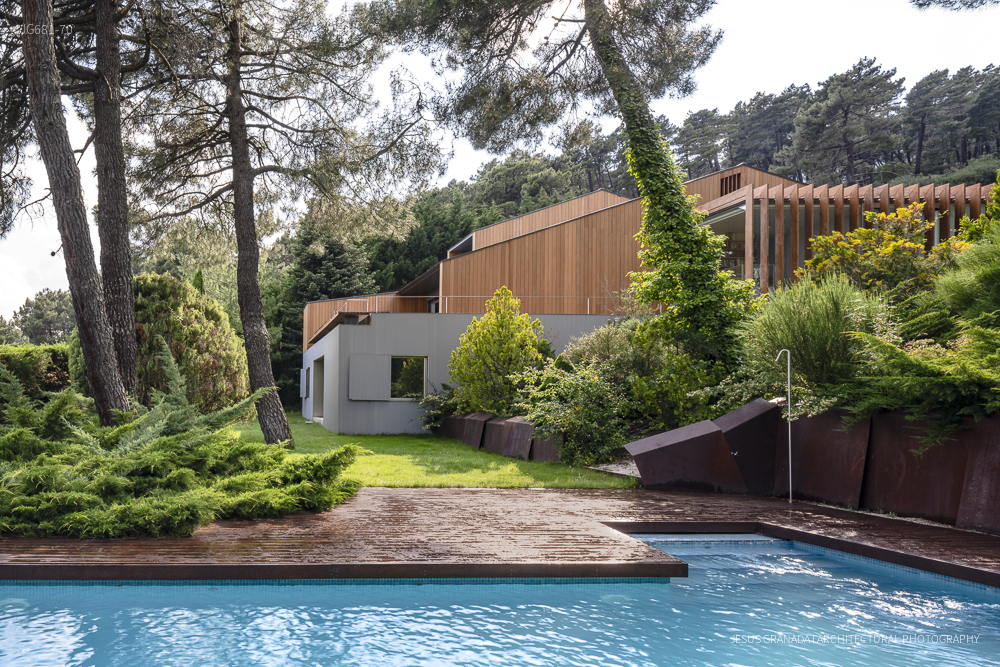
Aranguren & Gallegos architects | El Escorial (Madrid), Spain | Septiembre de 2018 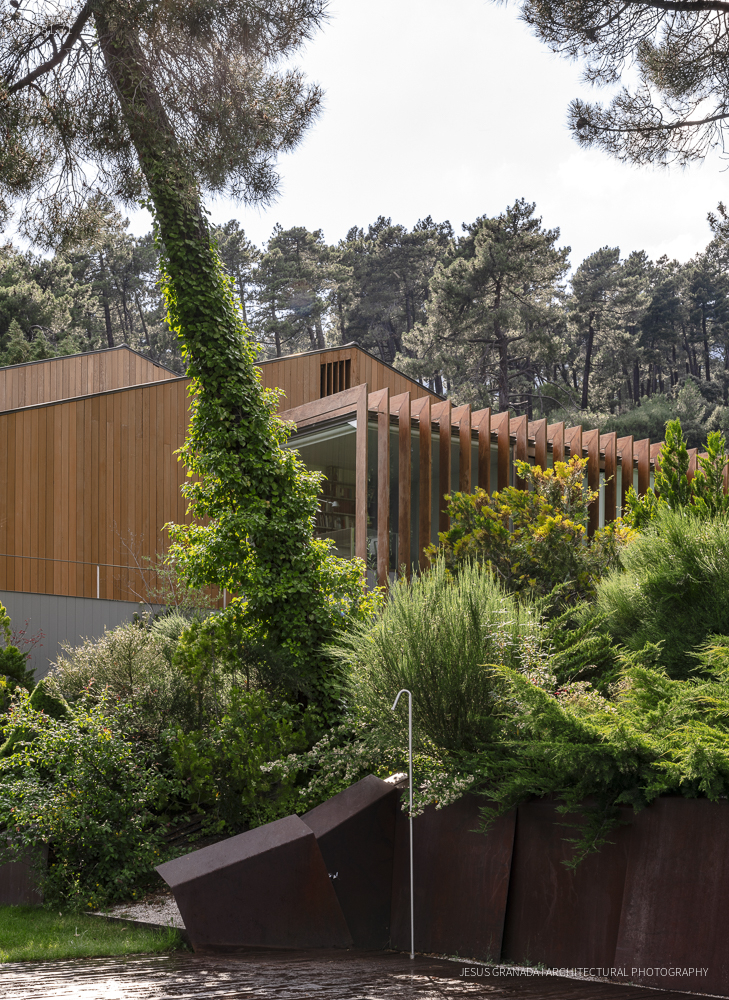
Aranguren & Gallegos architects | El Escorial (Madrid), Spain | Septiembre de 2018 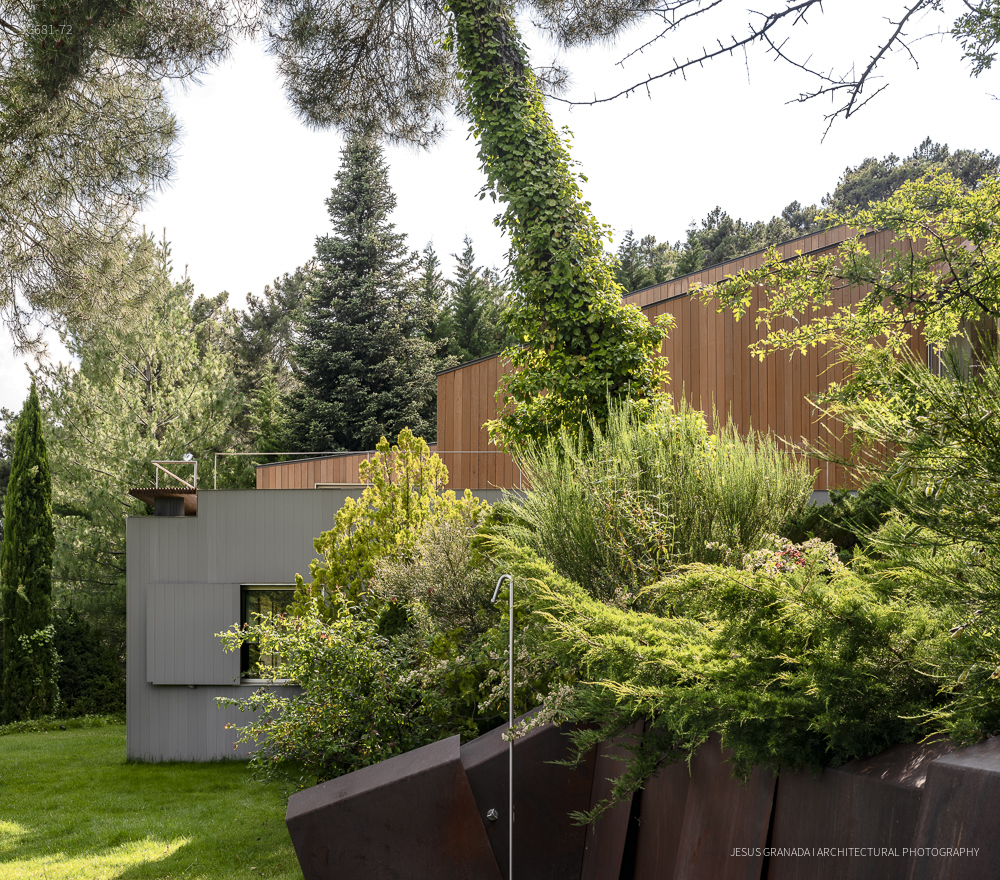
Aranguren & Gallegos architects | El Escorial (Madrid), Spain | Septiembre de 2018 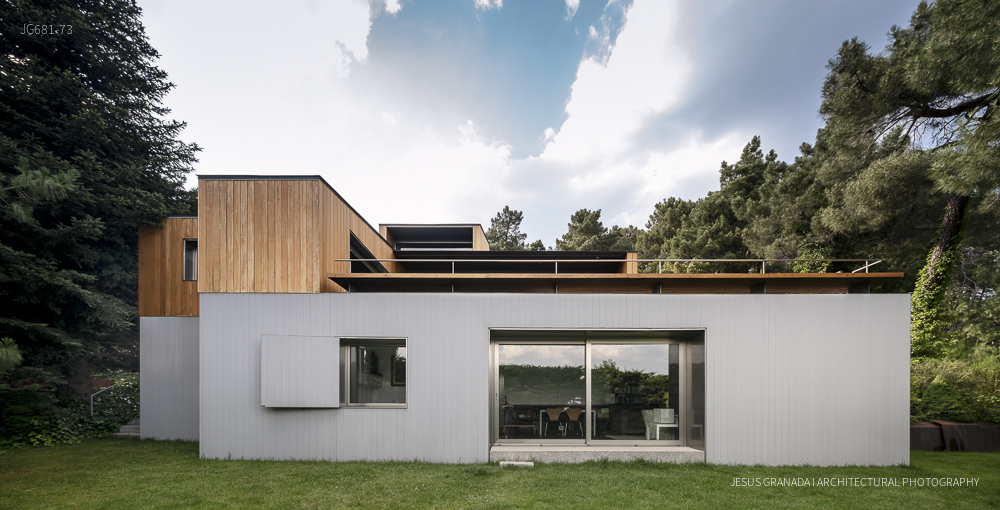
Aranguren & Gallegos architects | El Escorial (Madrid), Spain | Septiembre de 2018 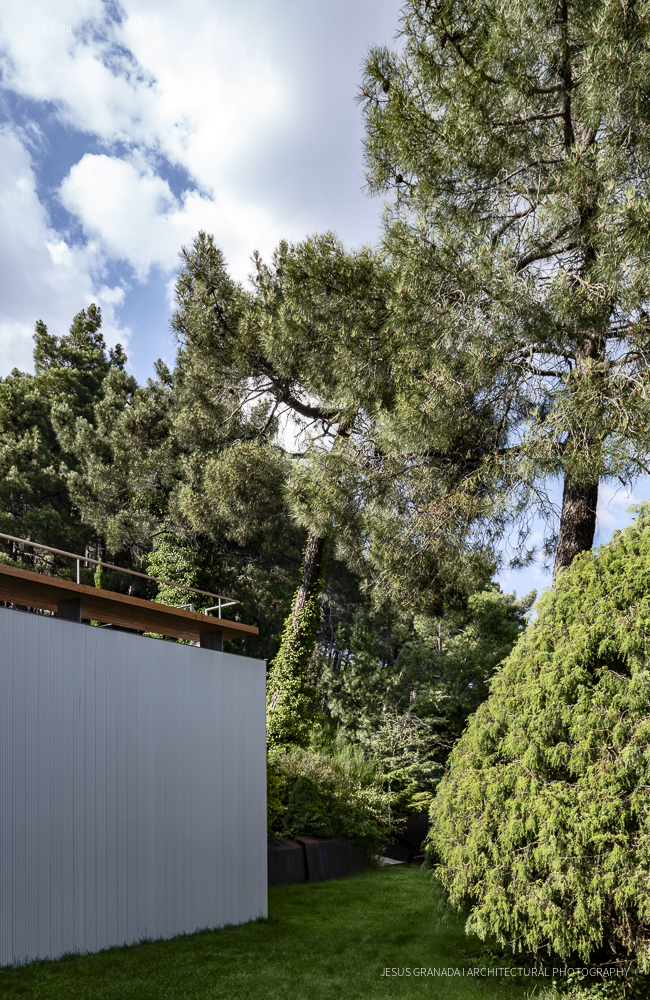
Aranguren & Gallegos architects | El Escorial (Madrid), Spain | Septiembre de 2018 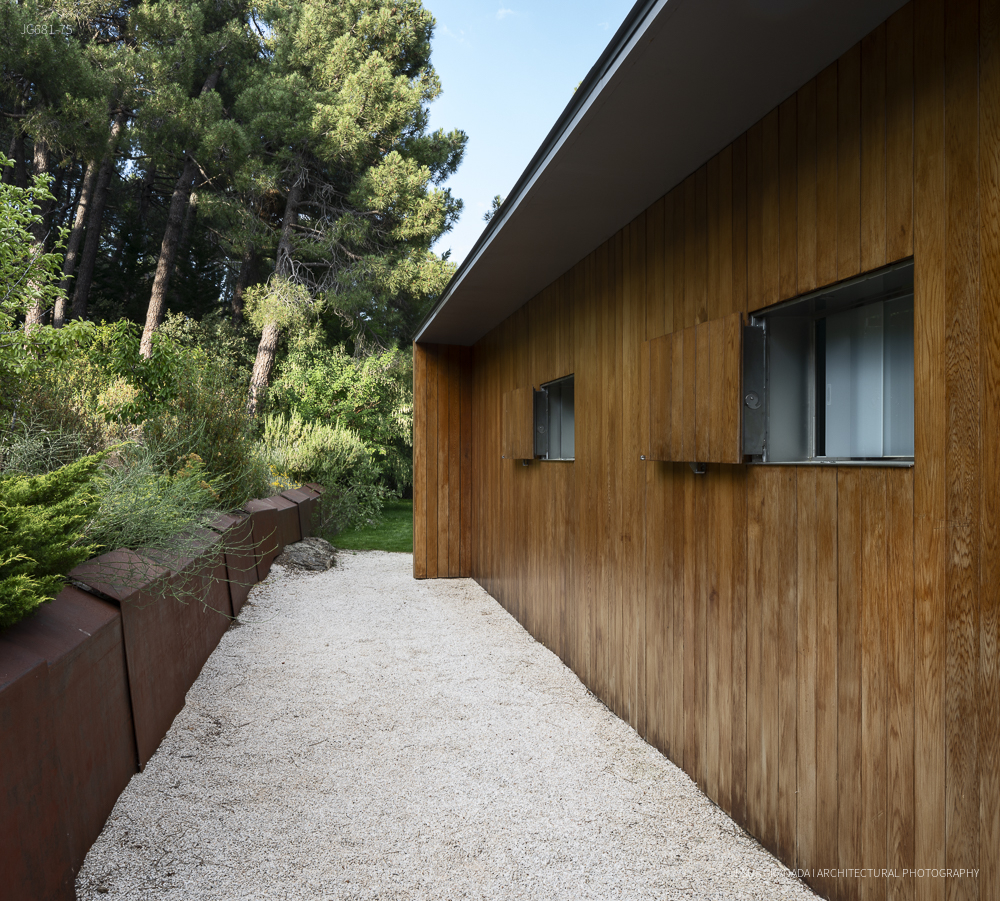
Aranguren & Gallegos architects | El Escorial (Madrid), Spain | Septiembre de 2018 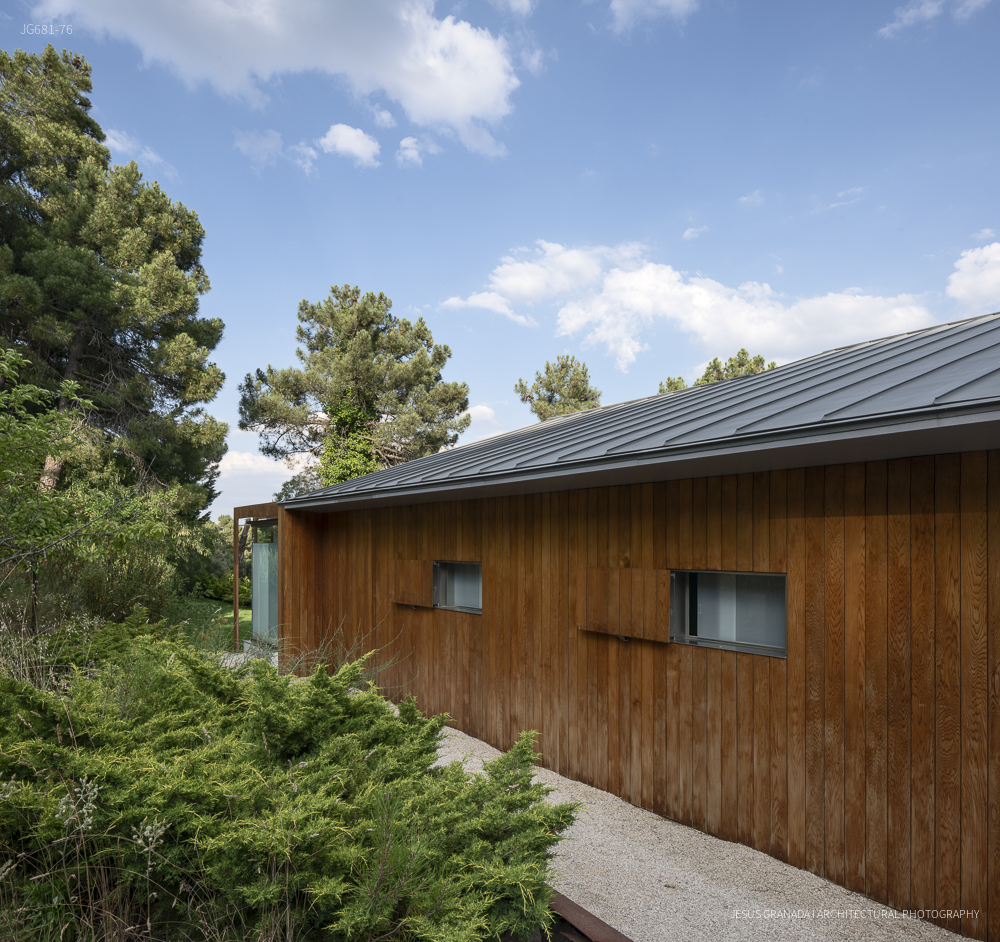
Aranguren & Gallegos architects | El Escorial (Madrid), Spain | Septiembre de 2018 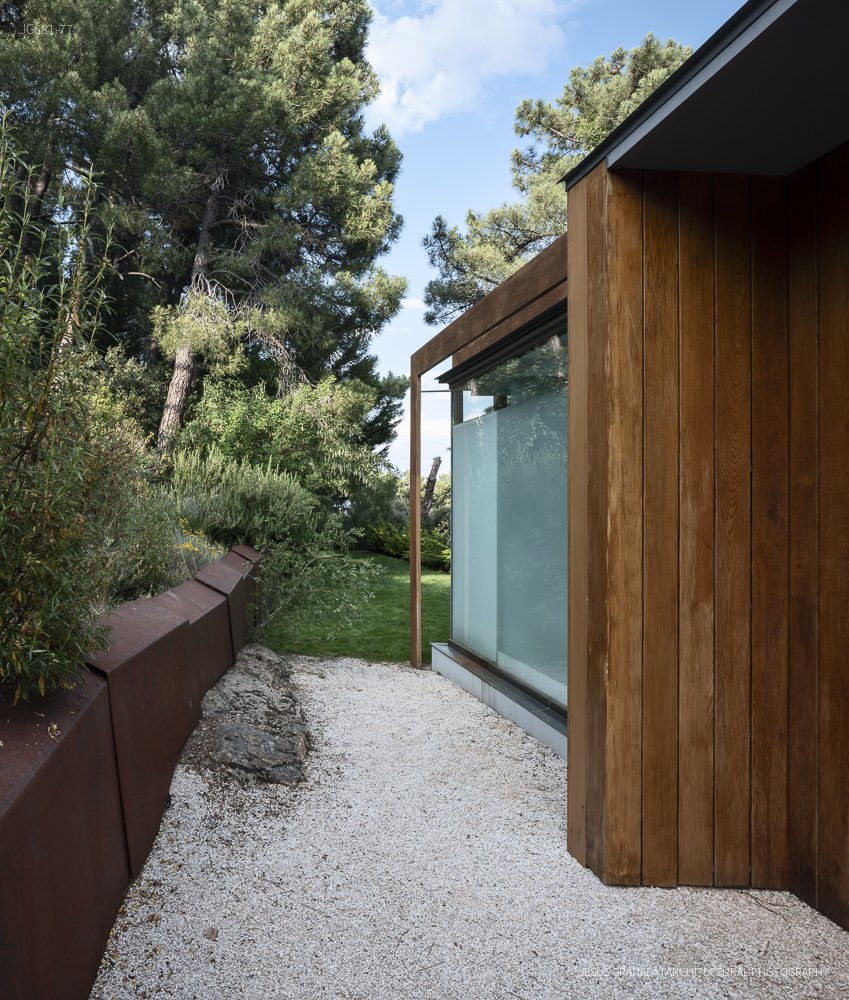
Aranguren & Gallegos architects | El Escorial (Madrid), Spain | Septiembre de 2018 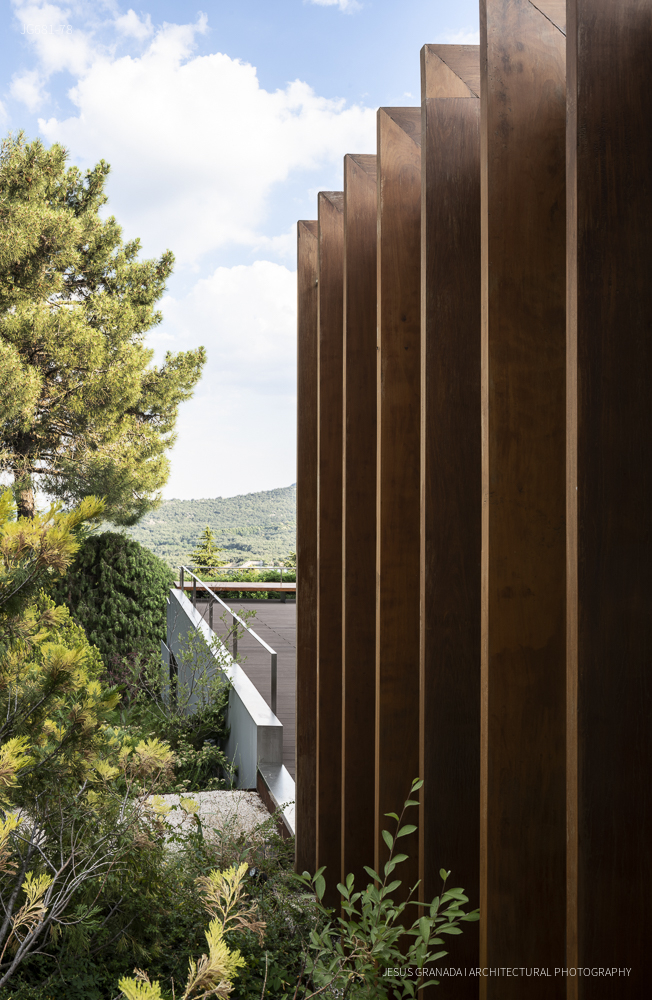
Aranguren & Gallegos architects | El Escorial (Madrid), Spain | Septiembre de 2018 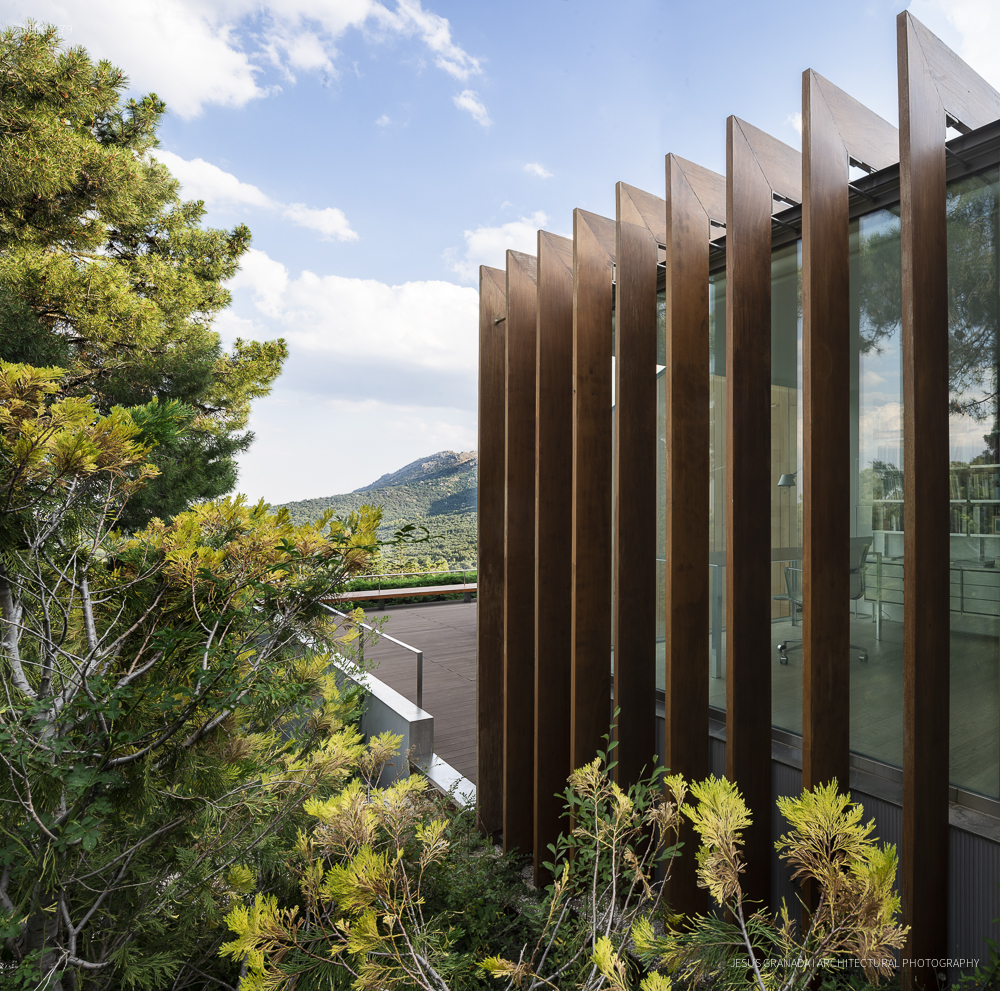
Aranguren & Gallegos architects | El Escorial (Madrid), Spain | Septiembre de 2018 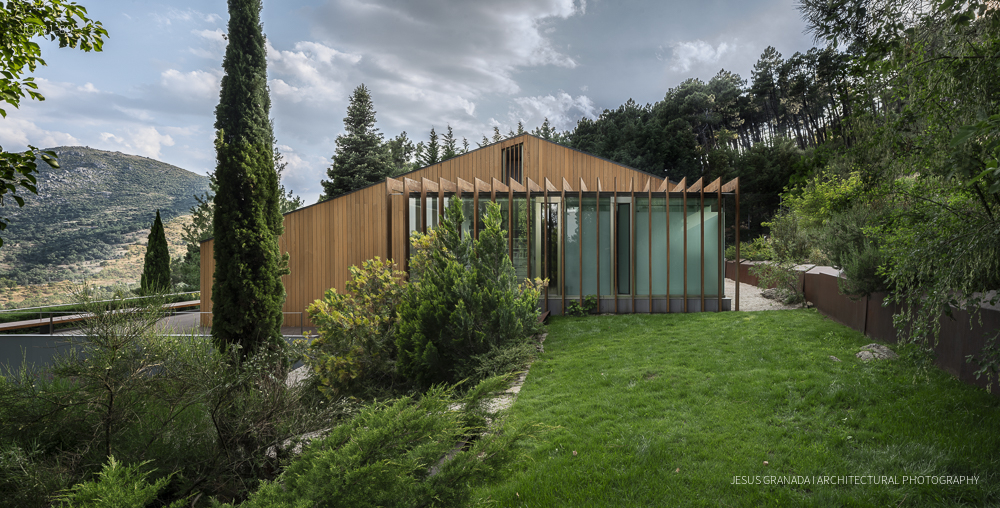
Aranguren & Gallegos architects | El Escorial (Madrid), Spain | Septiembre de 2018 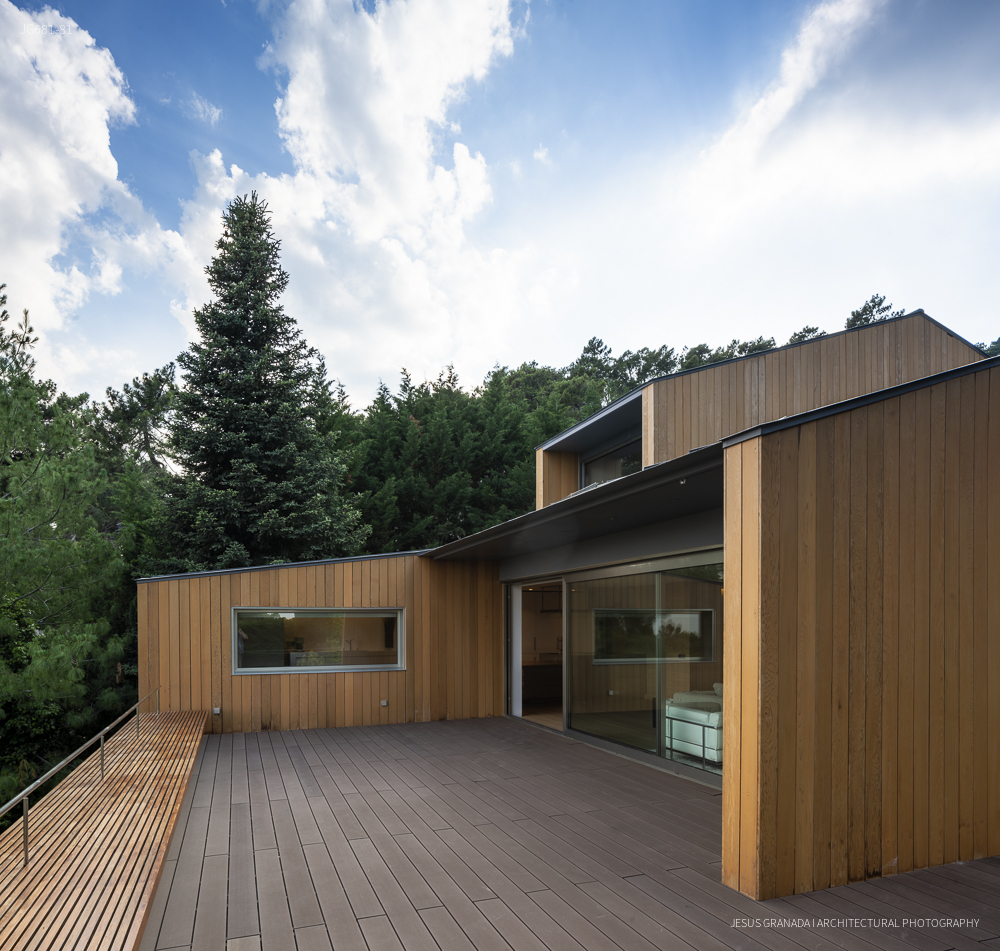
Aranguren & Gallegos architects | El Escorial (Madrid), Spain | Septiembre de 2018 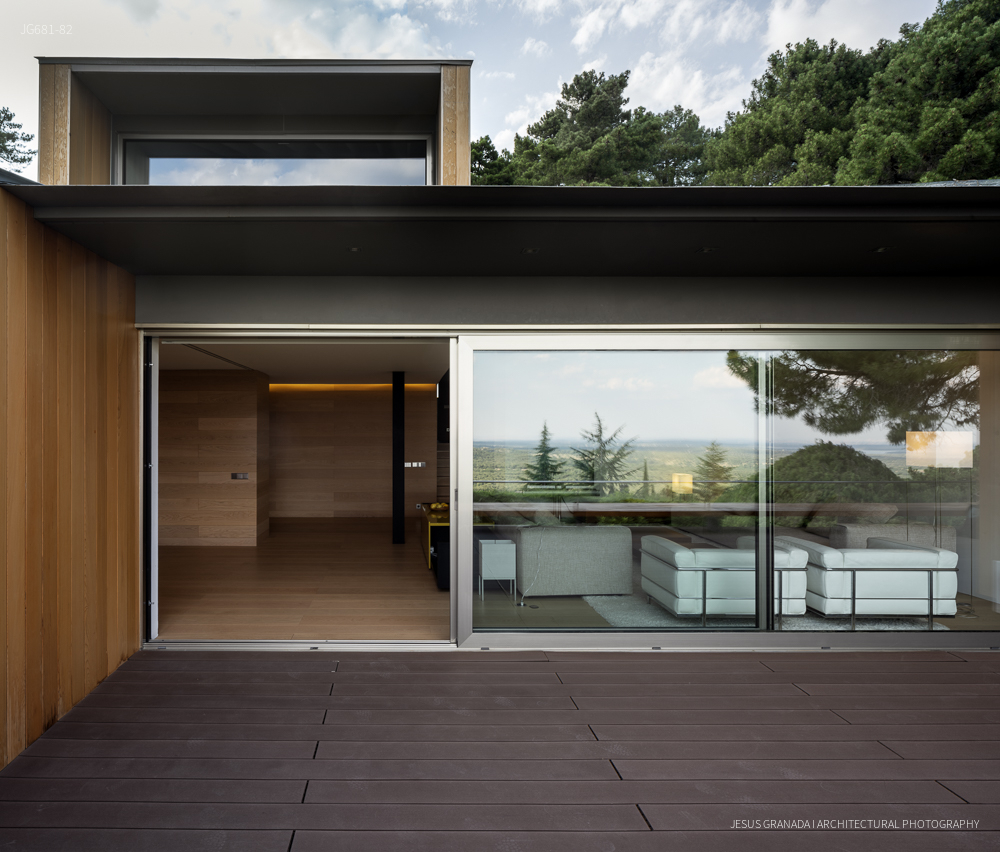
Aranguren & Gallegos architects | El Escorial (Madrid), Spain | Septiembre de 2018 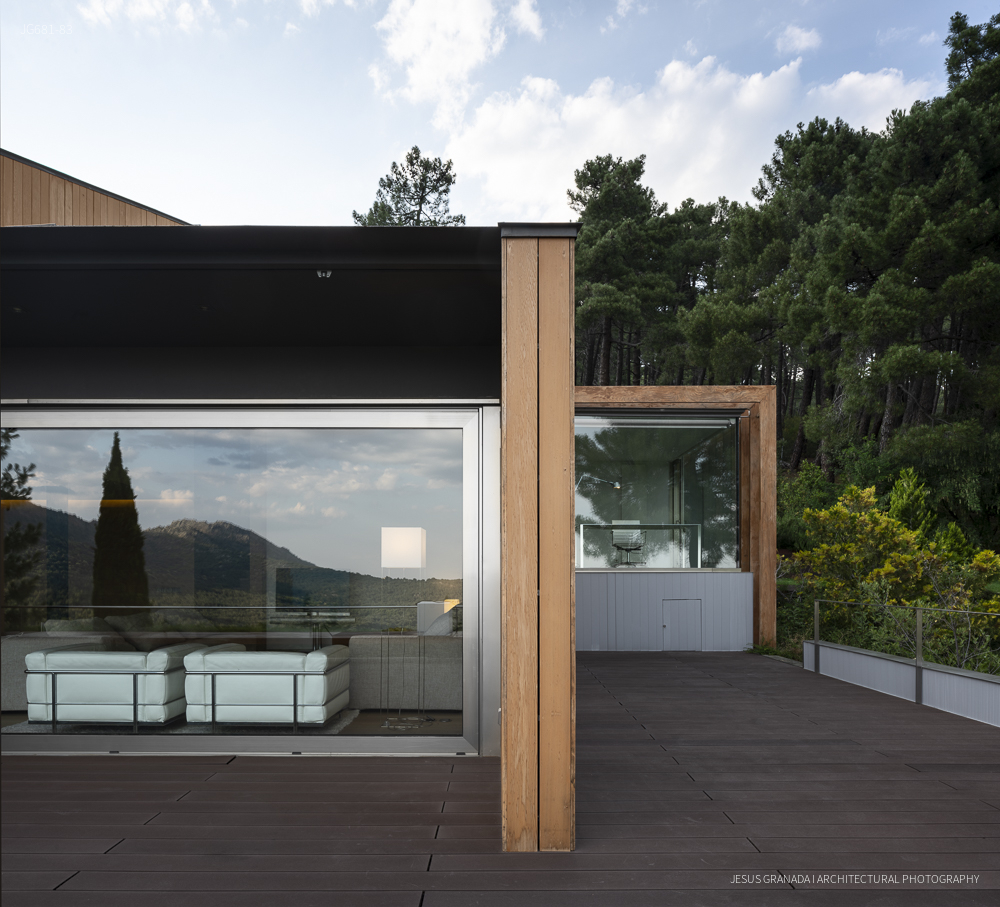
Aranguren & Gallegos architects | El Escorial (Madrid), Spain | Septiembre de 2018 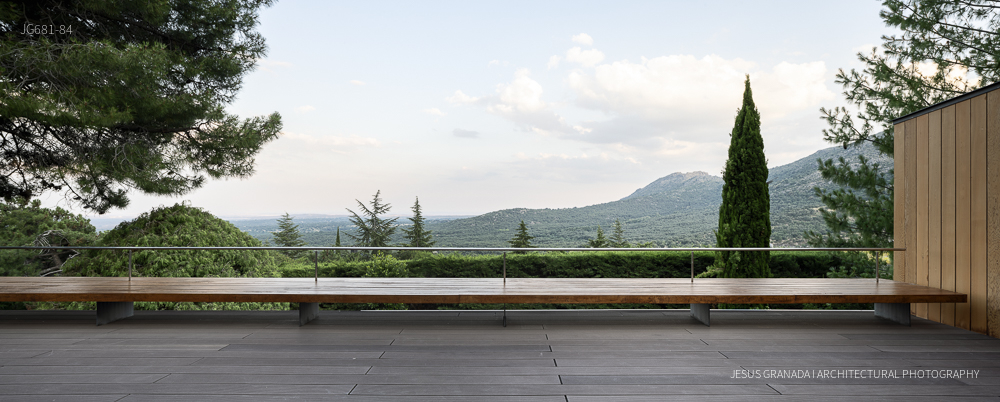
Aranguren & Gallegos architects | El Escorial (Madrid), Spain | Septiembre de 2018 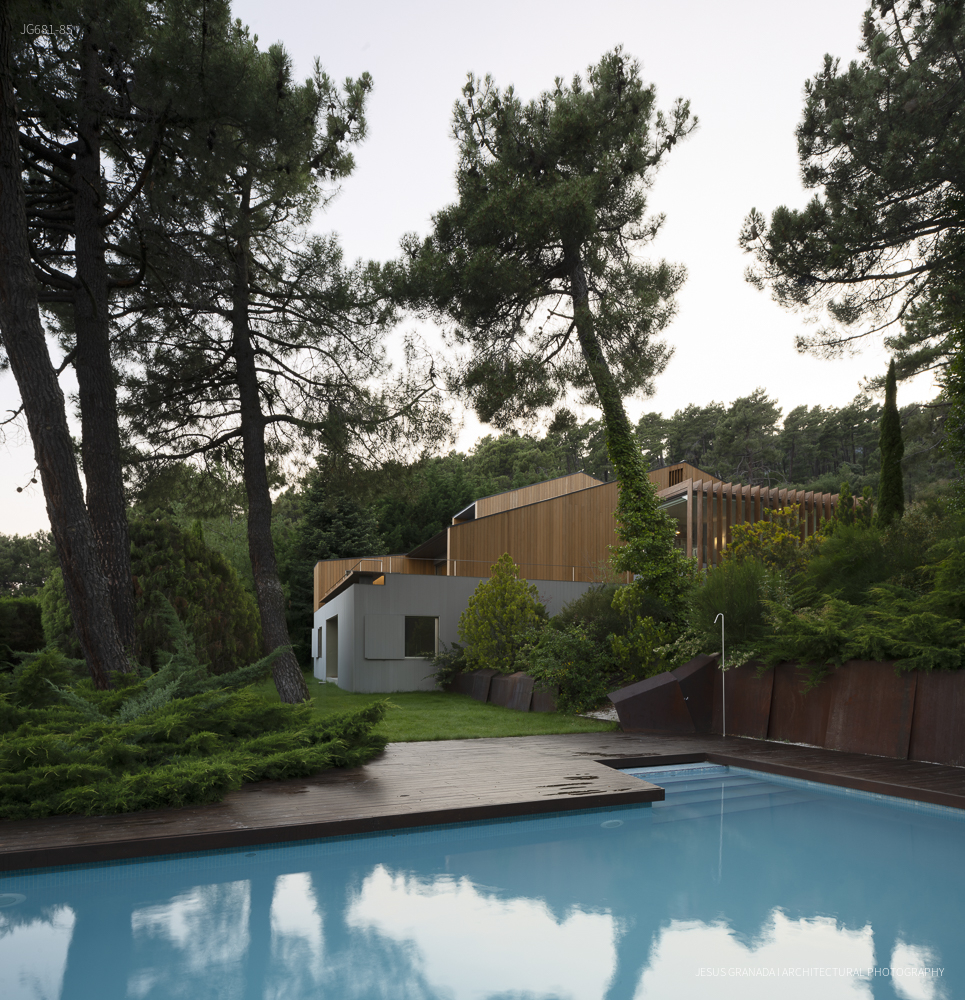
Aranguren & Gallegos architects | El Escorial (Madrid), Spain | Septiembre de 2018 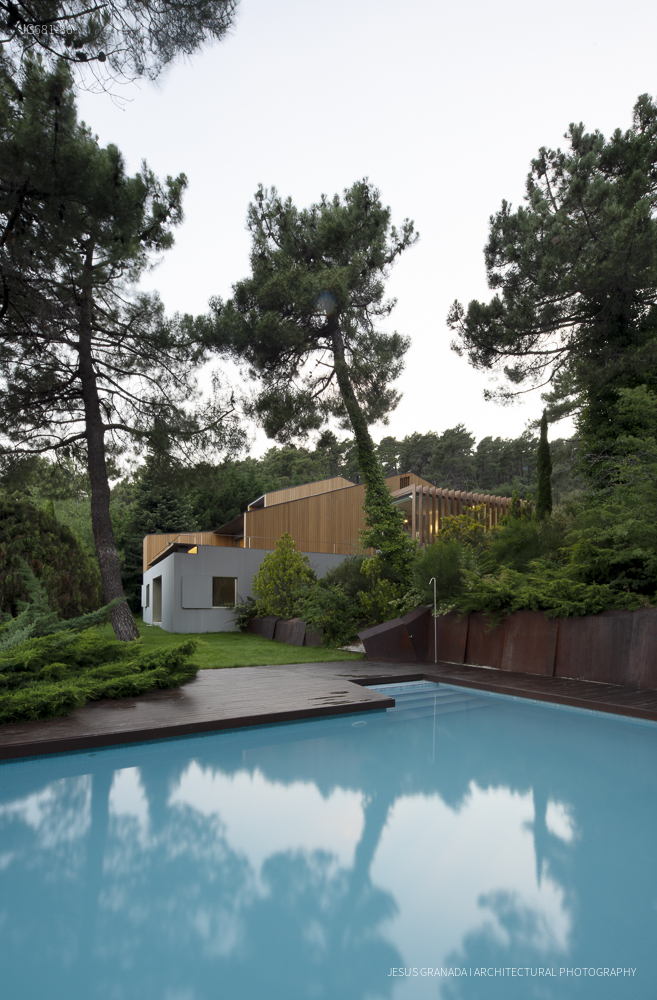
Aranguren & Gallegos architects | El Escorial (Madrid), Spain | Septiembre de 2018 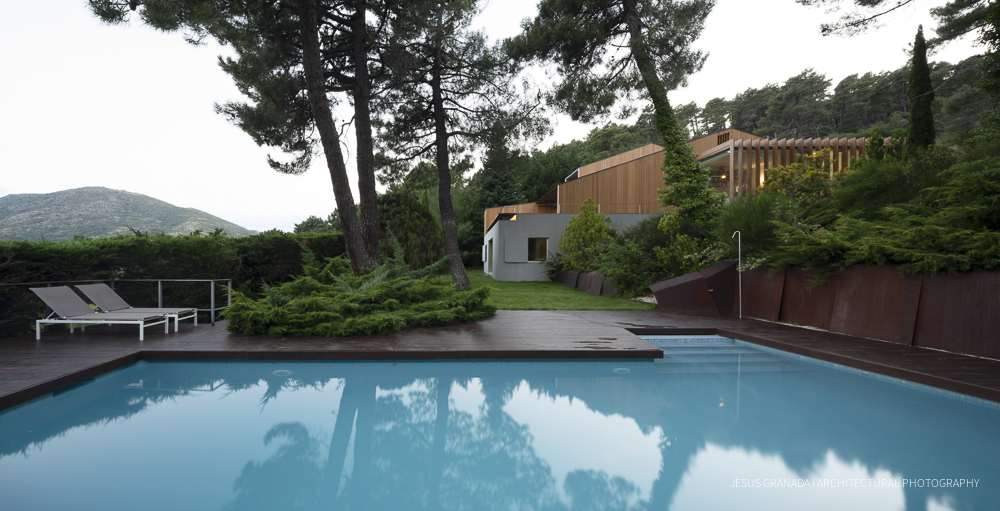
Aranguren & Gallegos architects | El Escorial (Madrid), Spain | Septiembre de 2018 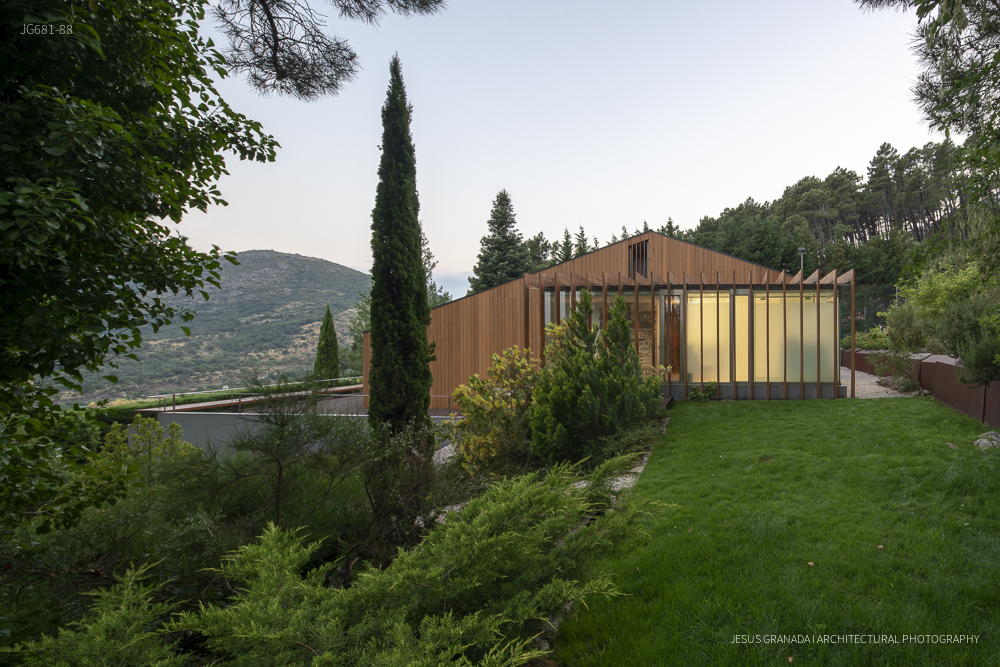
Aranguren & Gallegos architects | El Escorial (Madrid), Spain | Septiembre de 2018 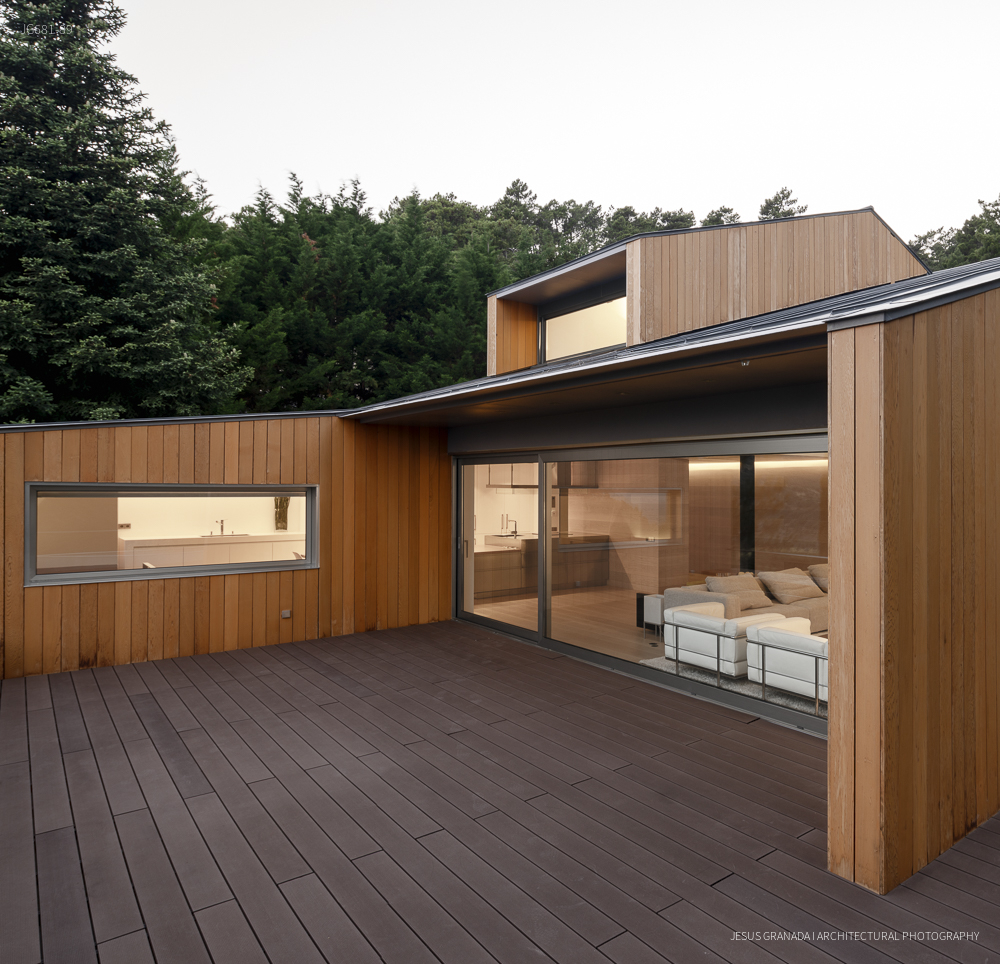
Aranguren & Gallegos architects | El Escorial (Madrid), Spain | Septiembre de 2018 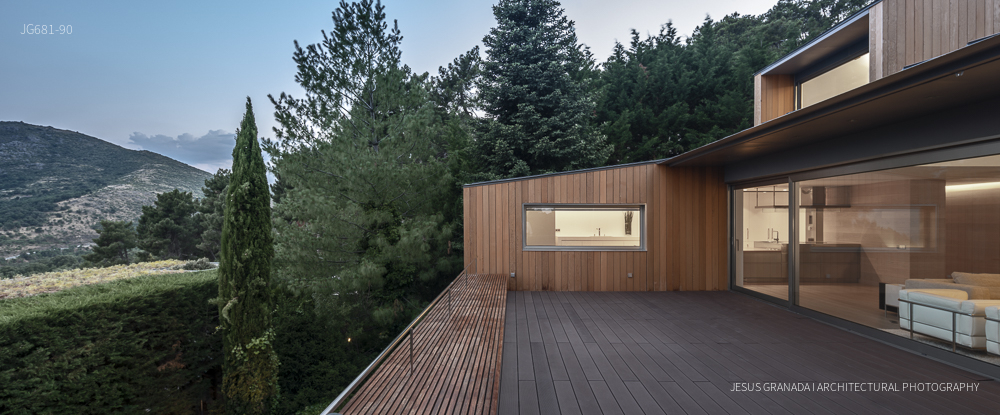
Aranguren & Gallegos architects | El Escorial (Madrid), Spain | Septiembre de 2018 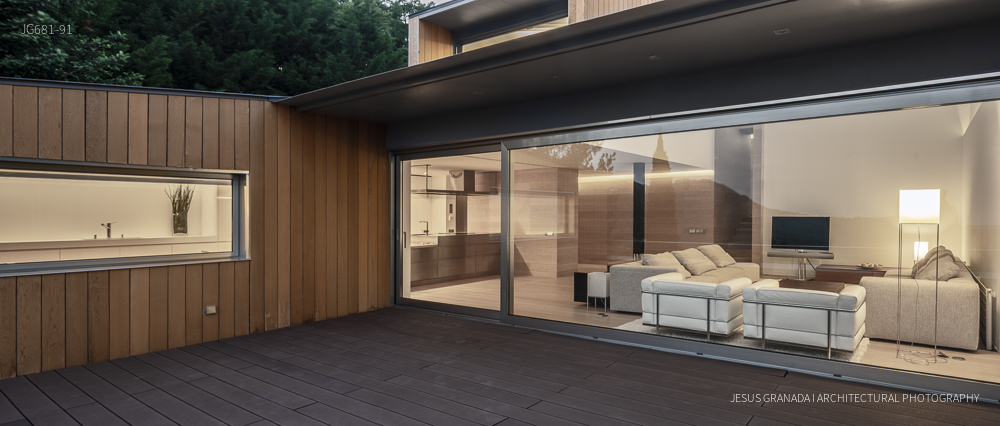
Aranguren & Gallegos architects | El Escorial (Madrid), Spain | Septiembre de 2018 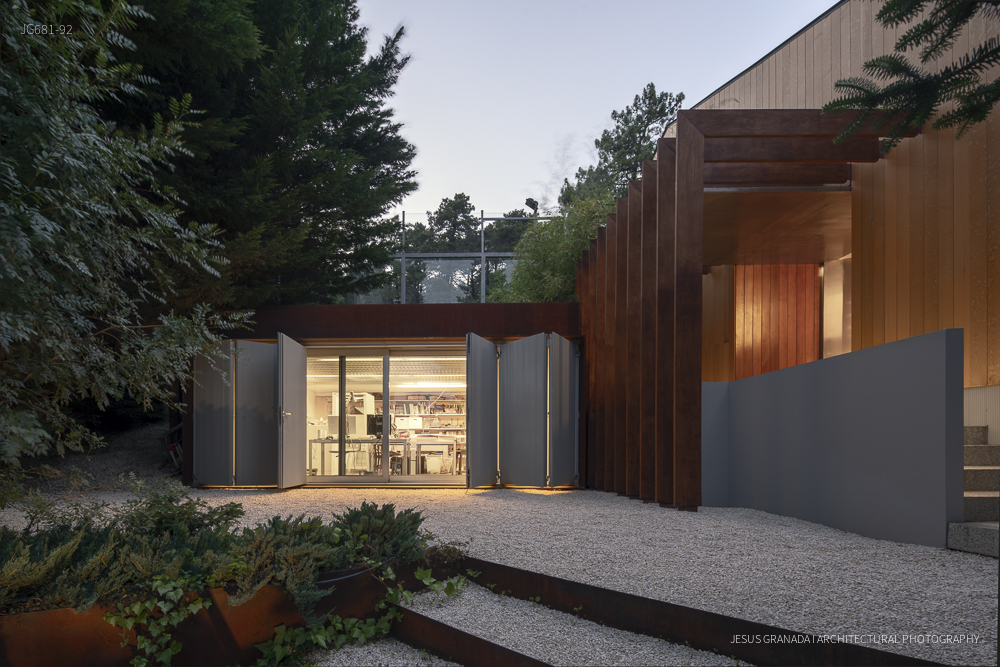
Aranguren & Gallegos architects | El Escorial (Madrid), Spain | Septiembre de 2018 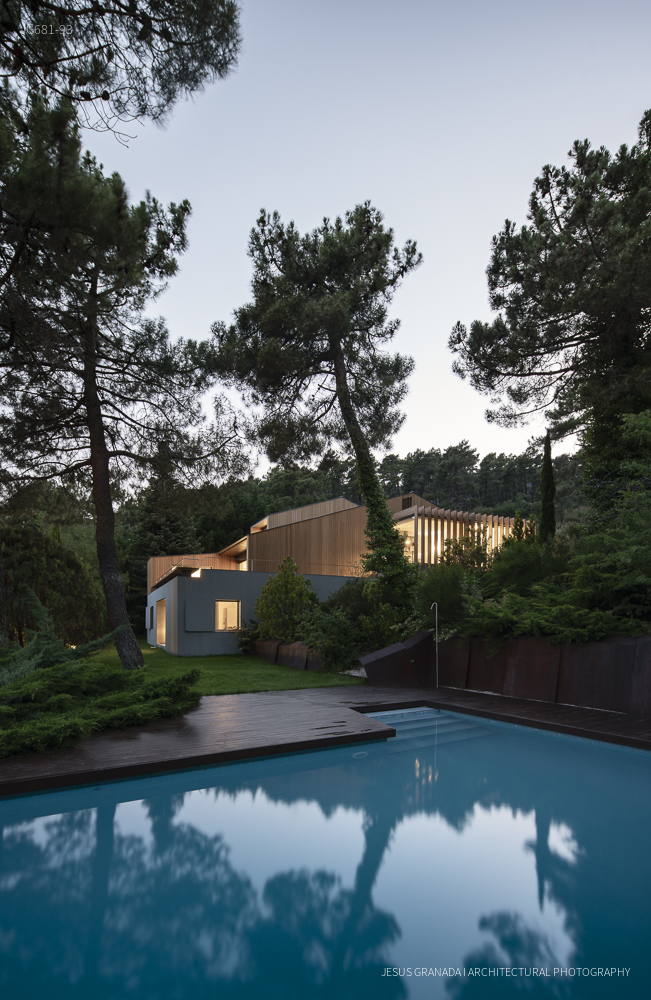
Aranguren & Gallegos architects | El Escorial (Madrid), Spain | Septiembre de 2018 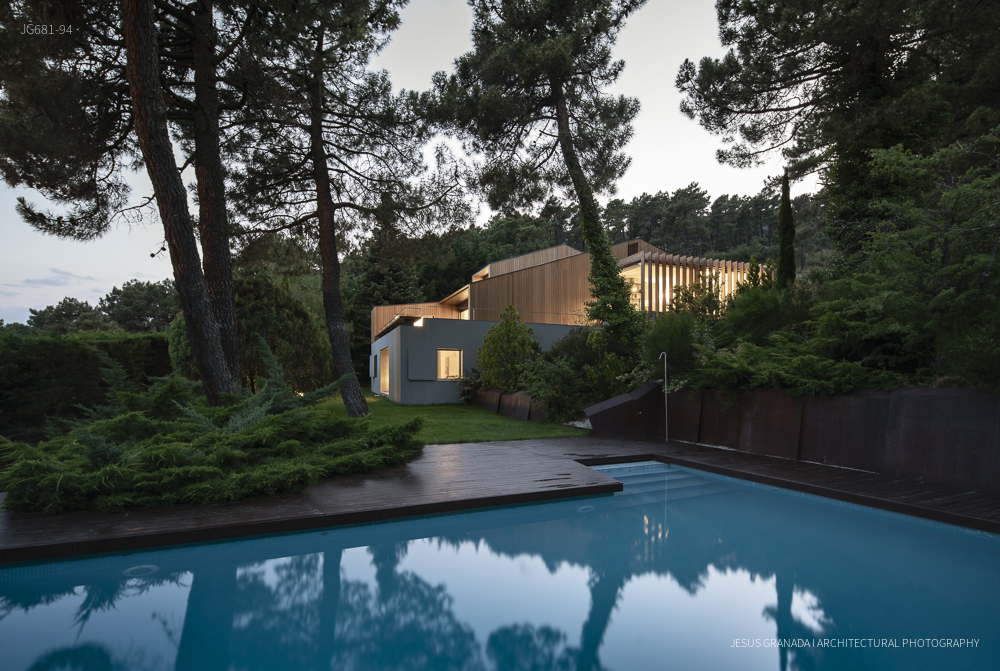
Aranguren & Gallegos architects | El Escorial (Madrid), Spain | Septiembre de 2018
-
Puma Energy LatAm Headquarters in San José
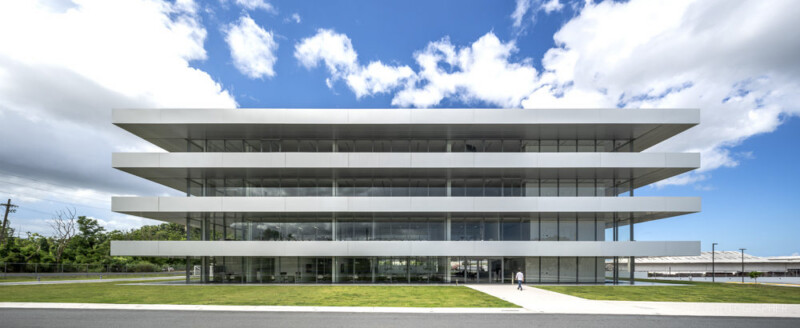
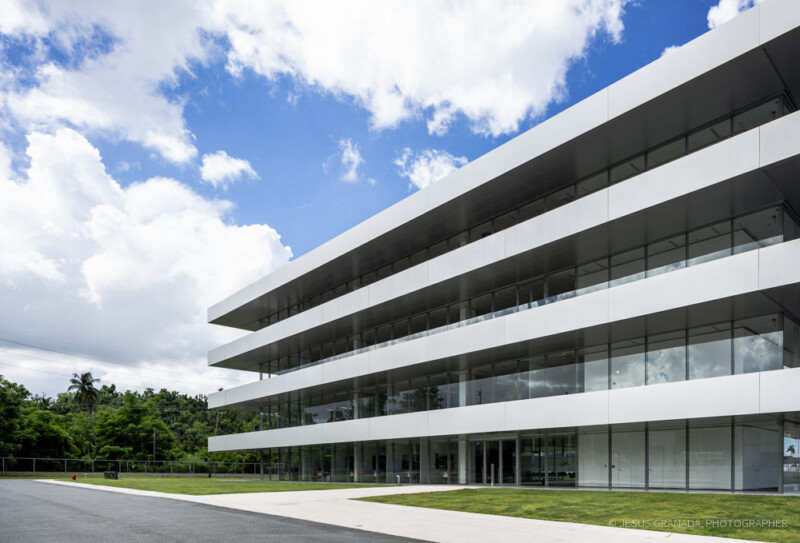
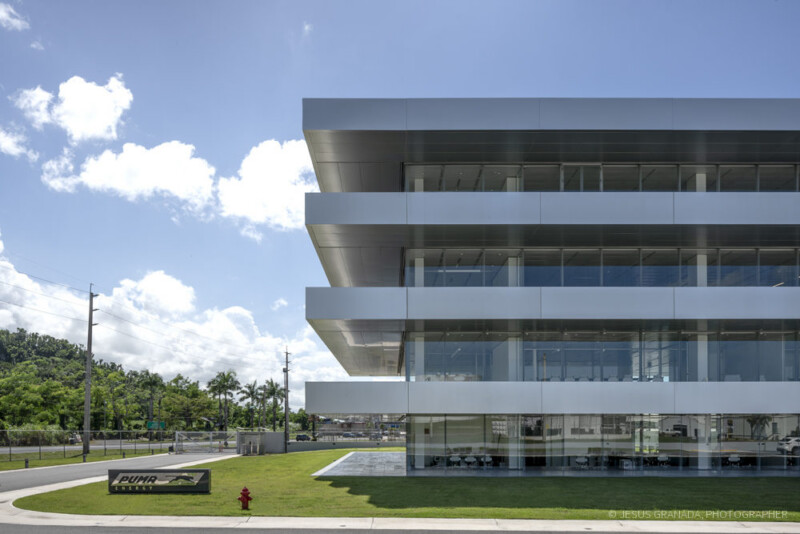
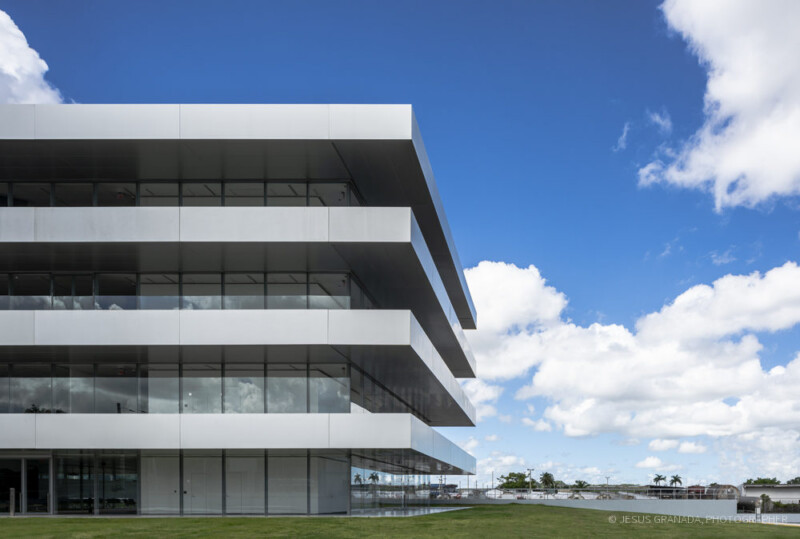
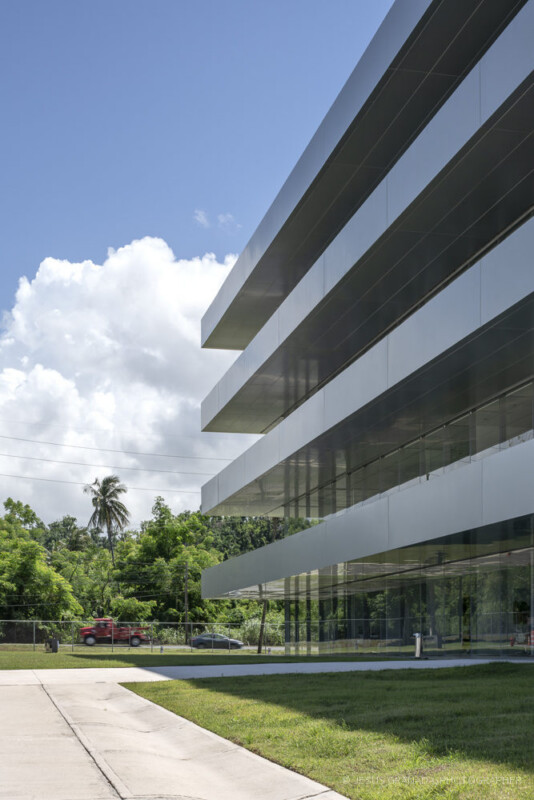
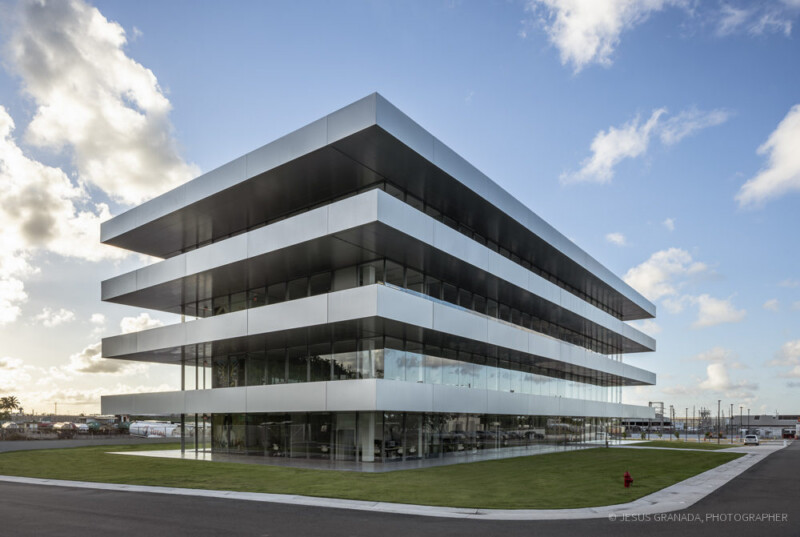
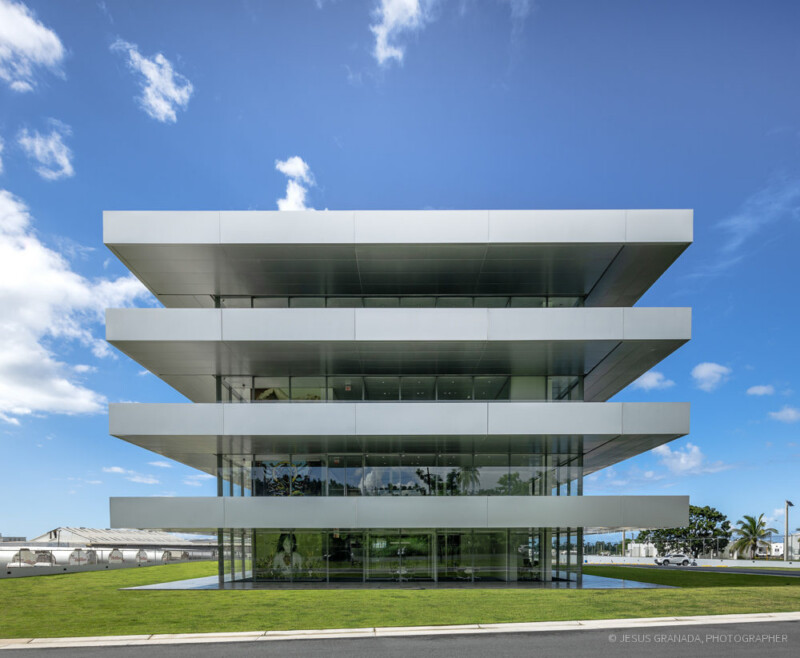
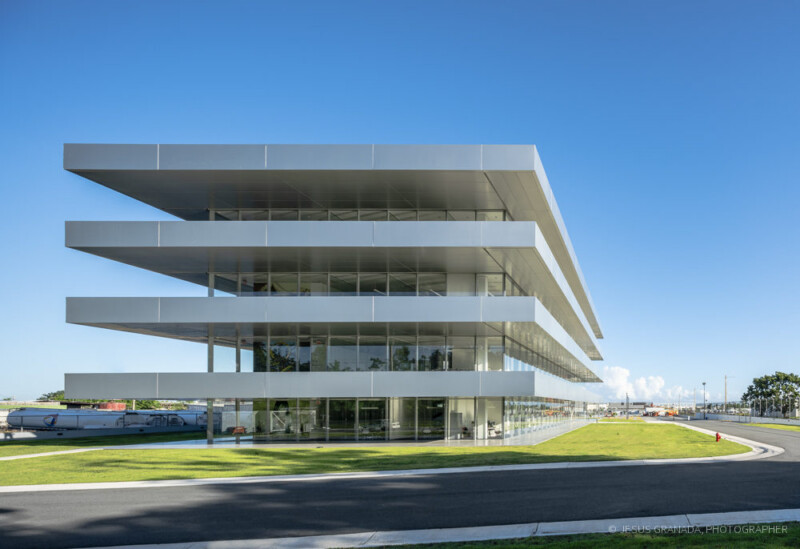
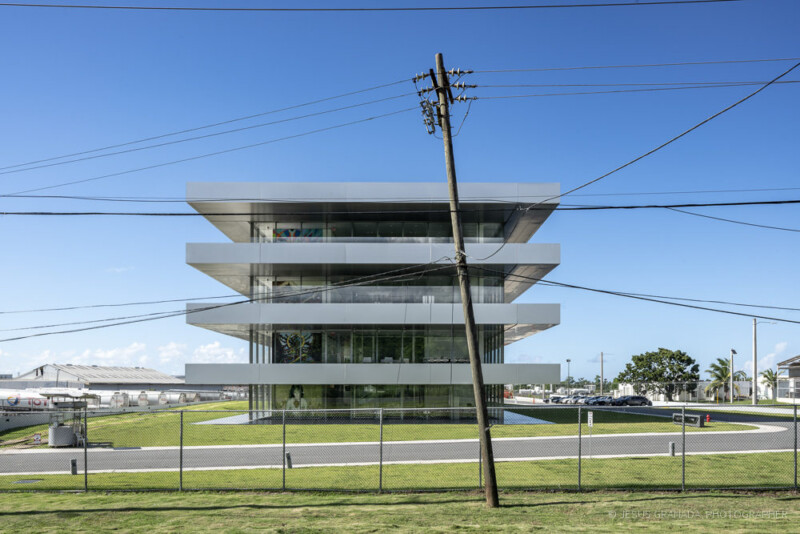
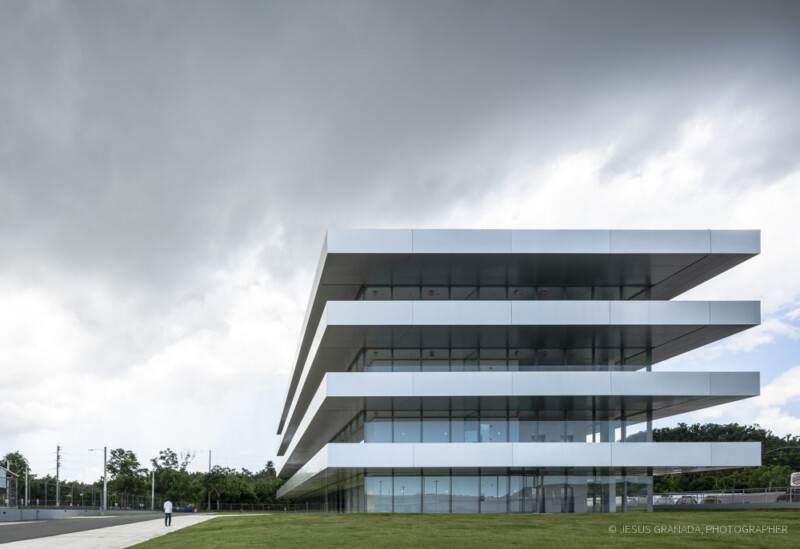
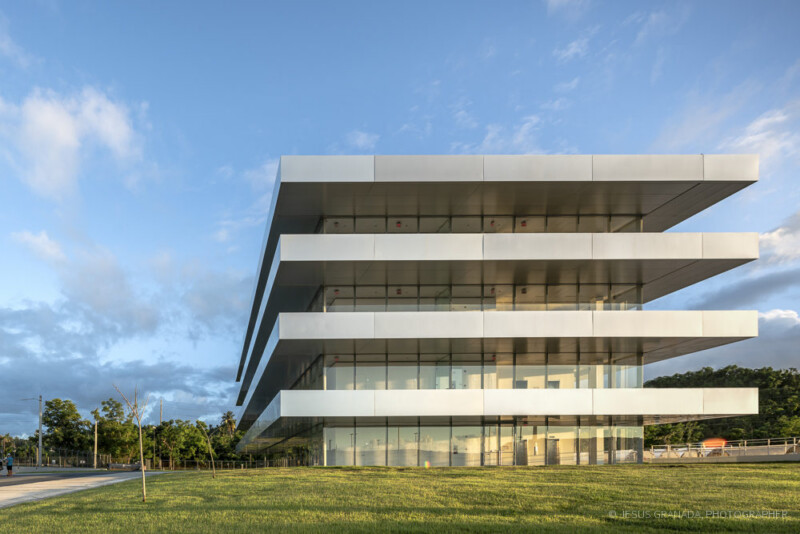
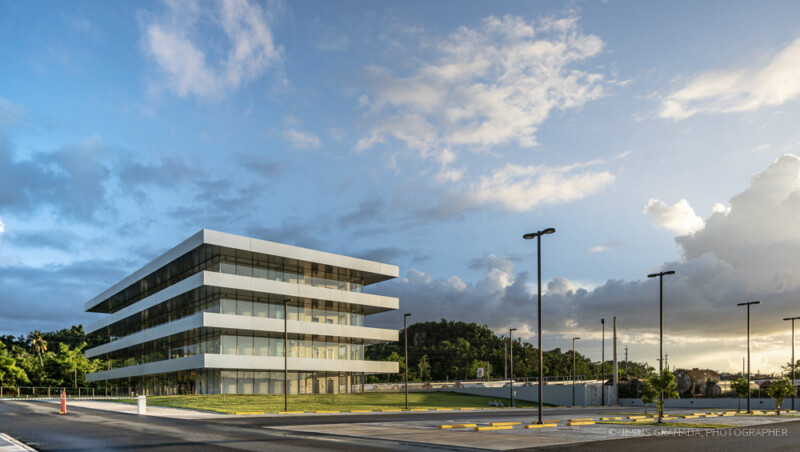
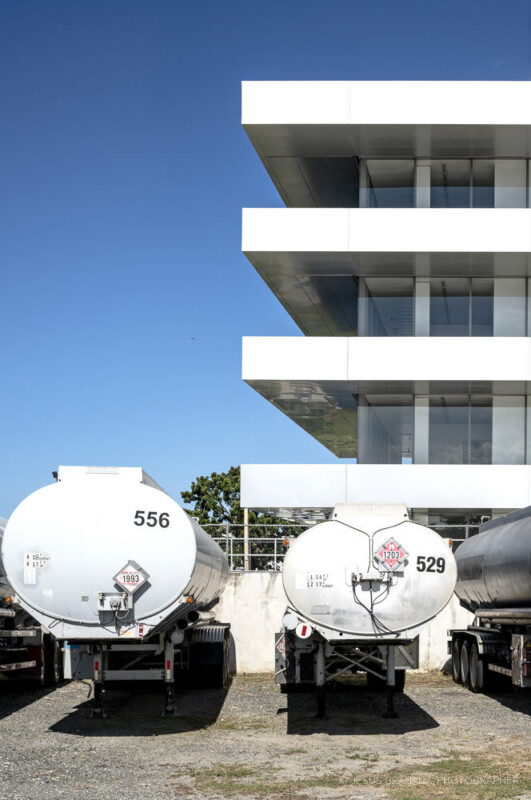
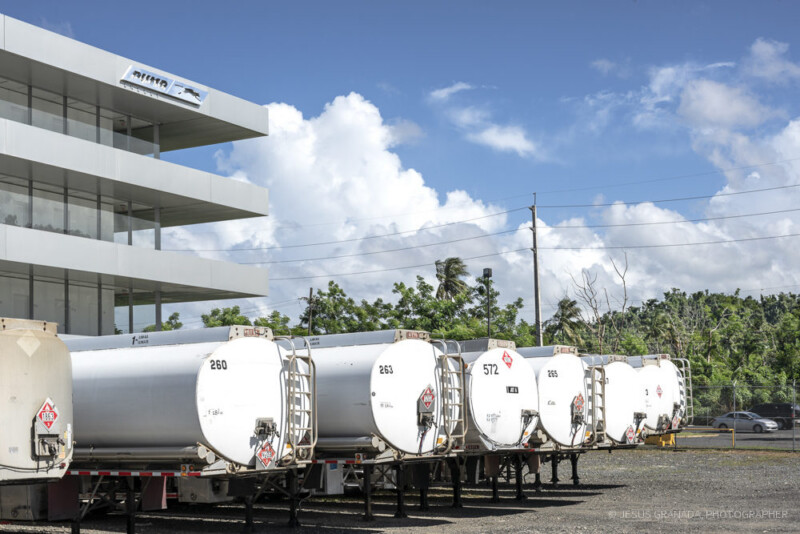
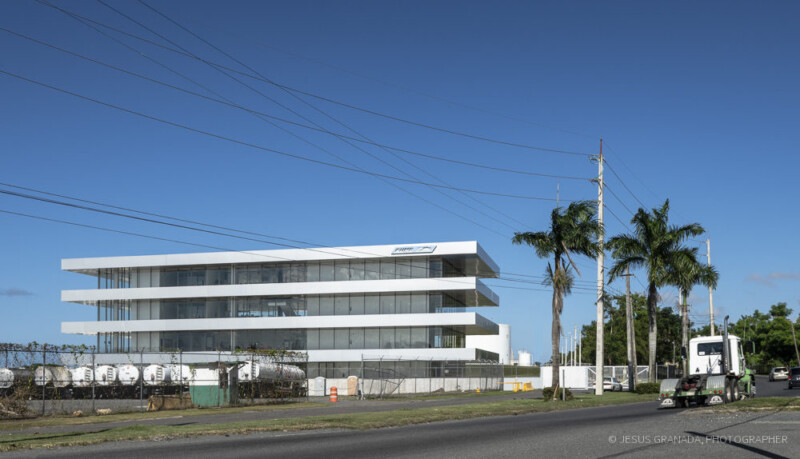
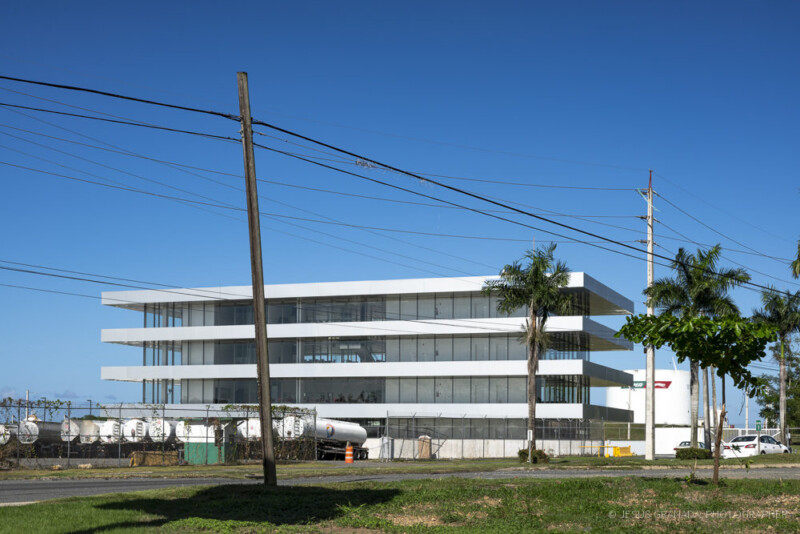
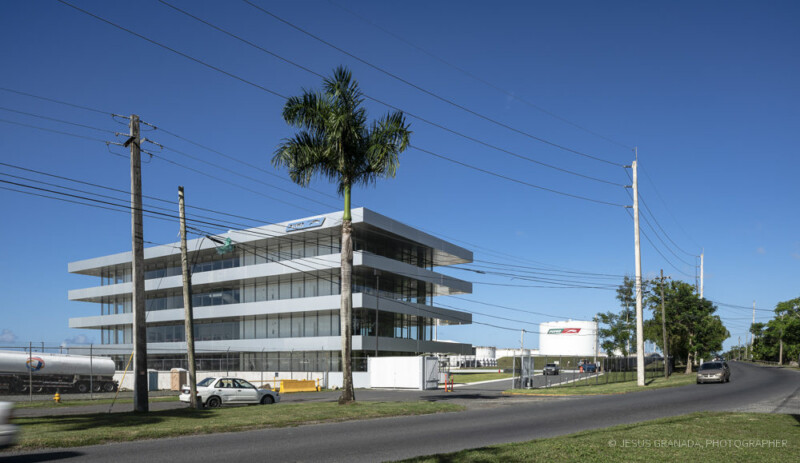
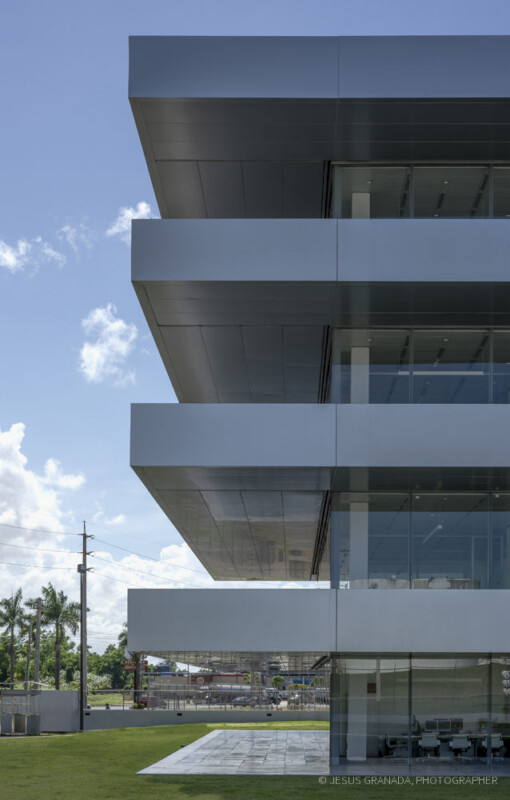
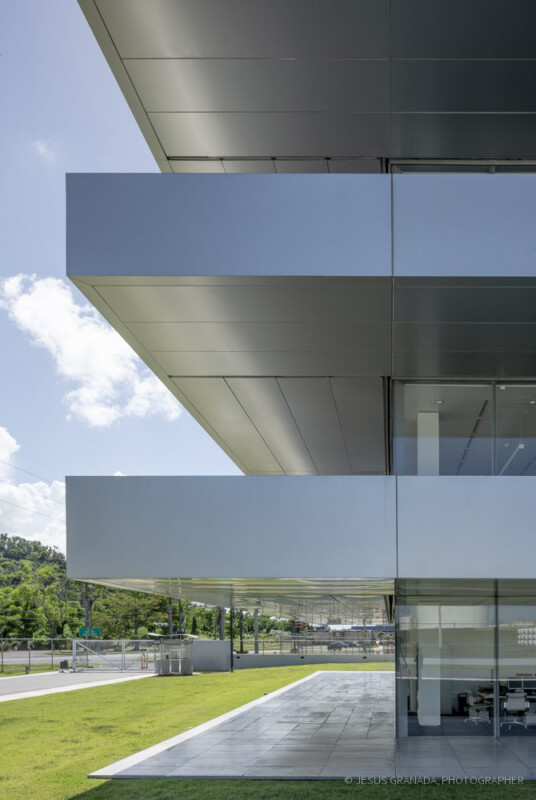
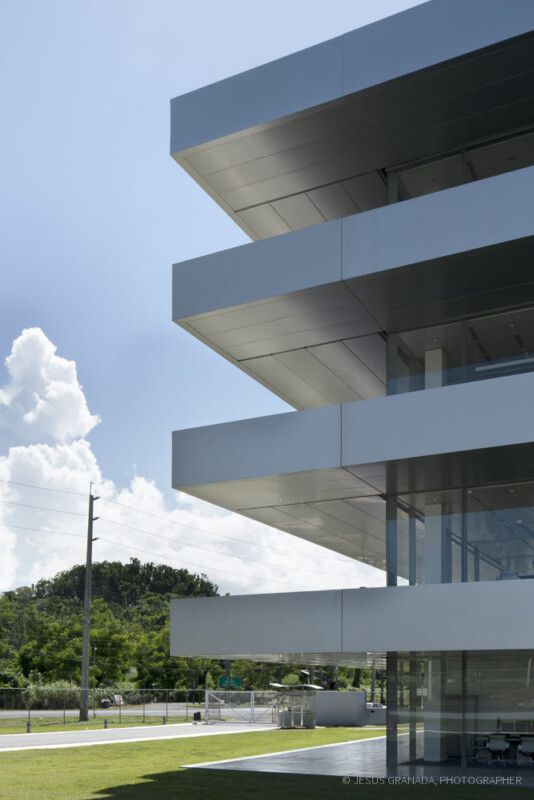
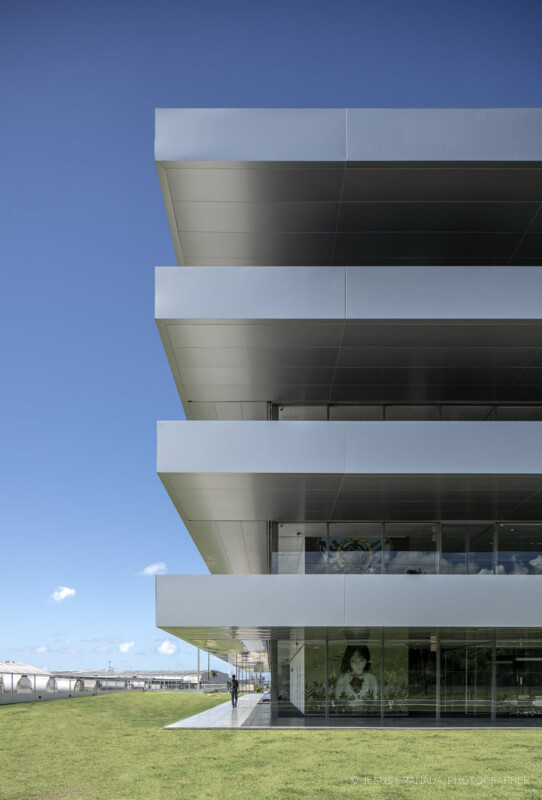
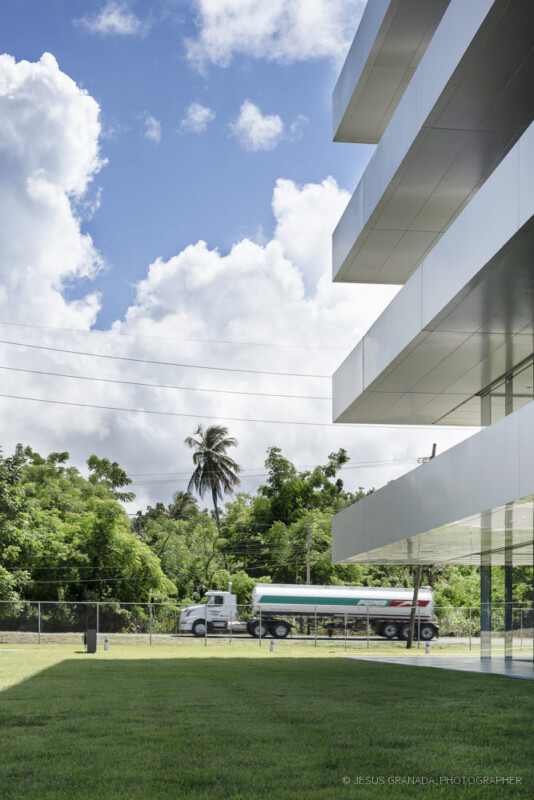
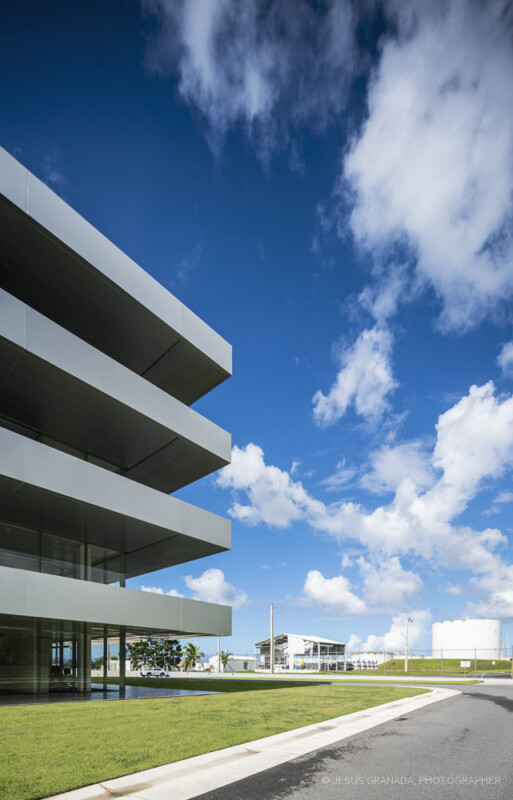
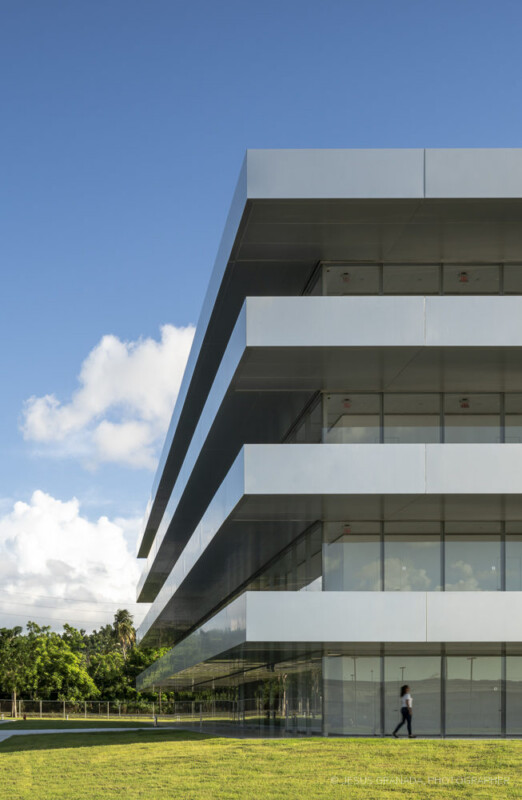
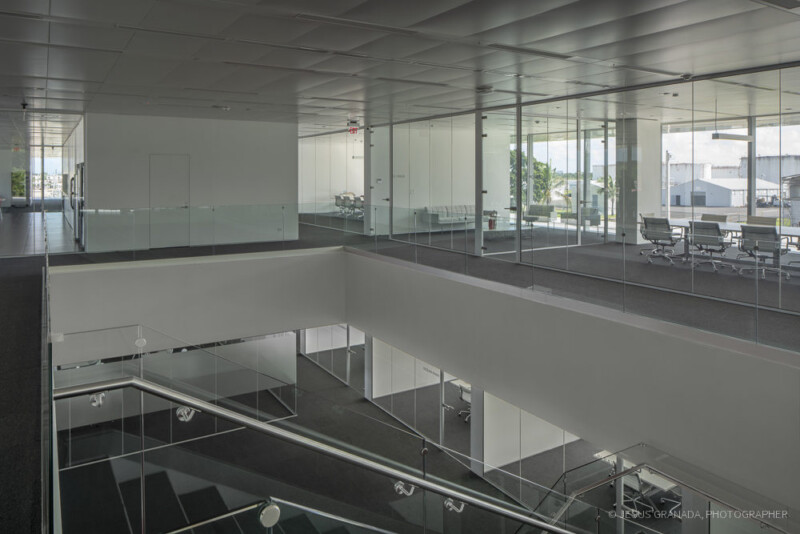
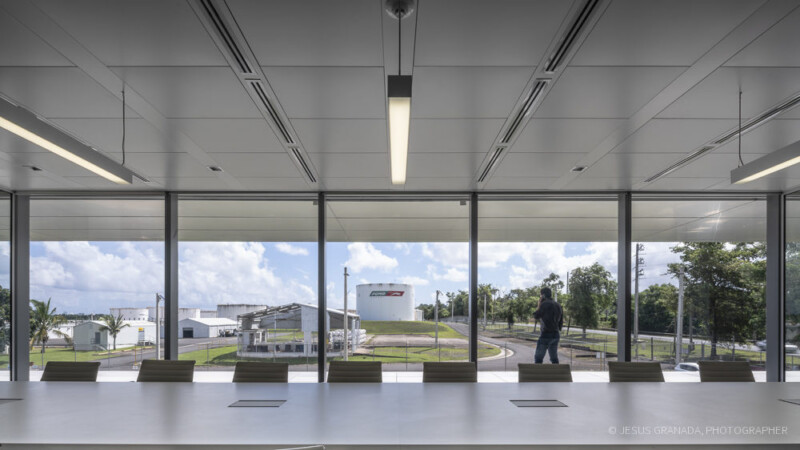
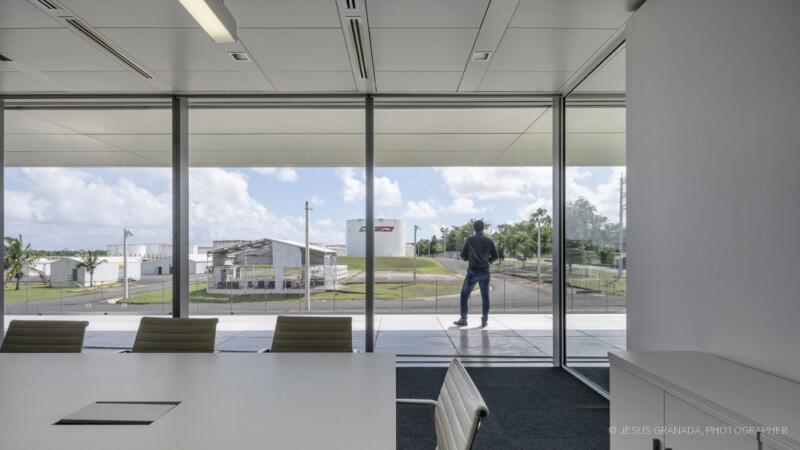
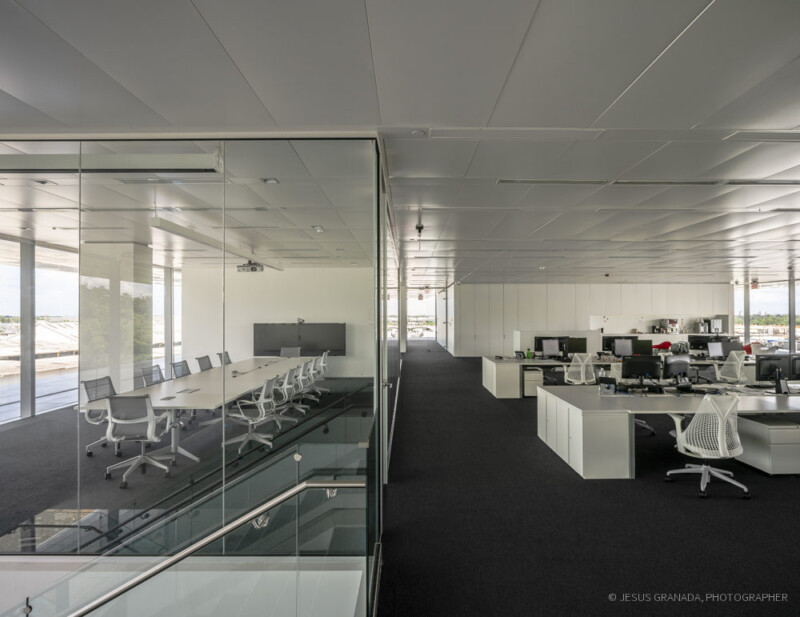
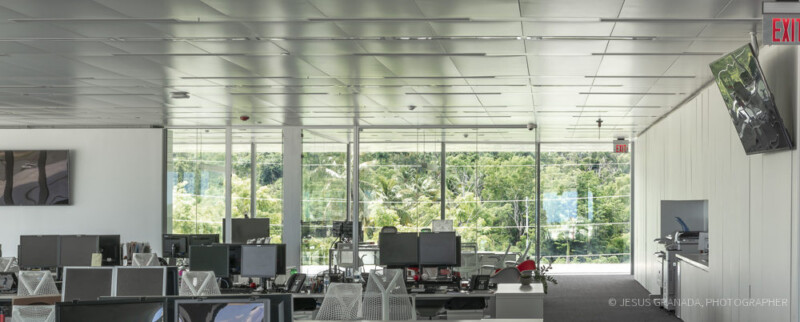
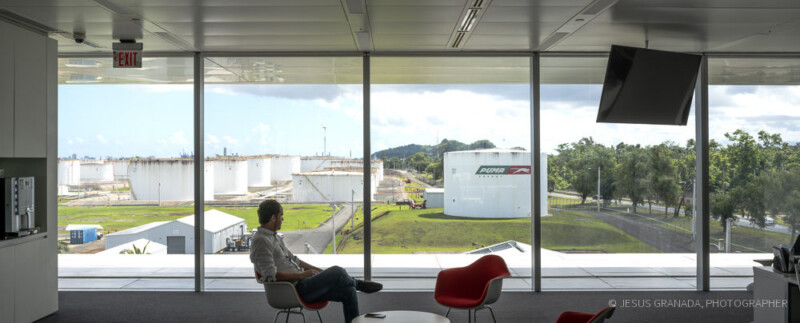
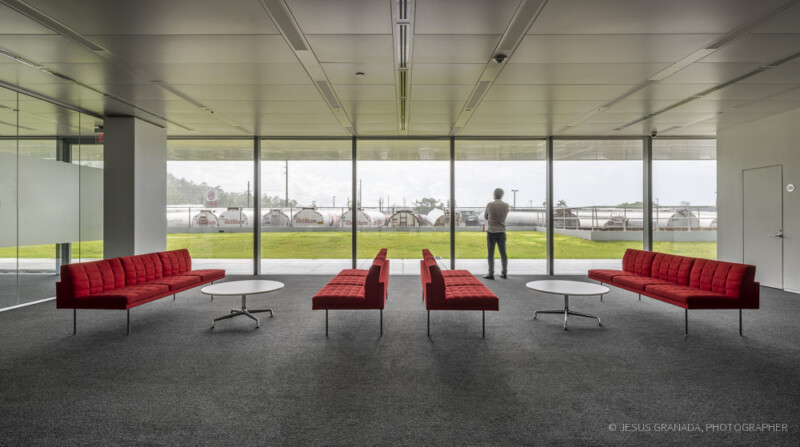
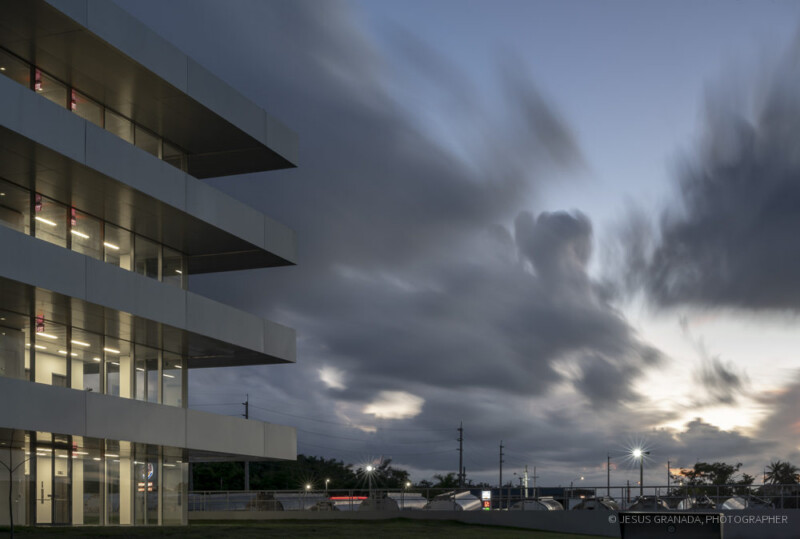
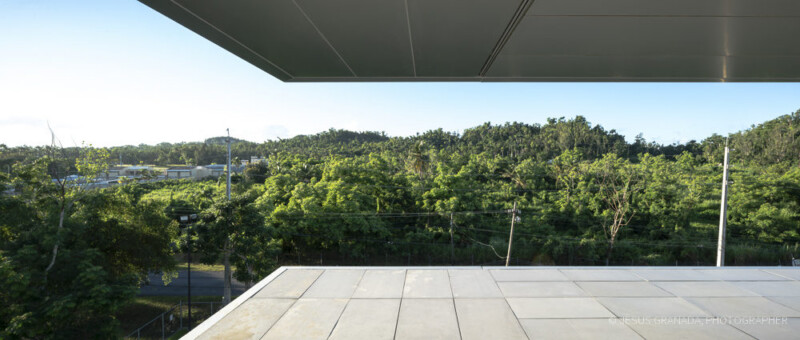
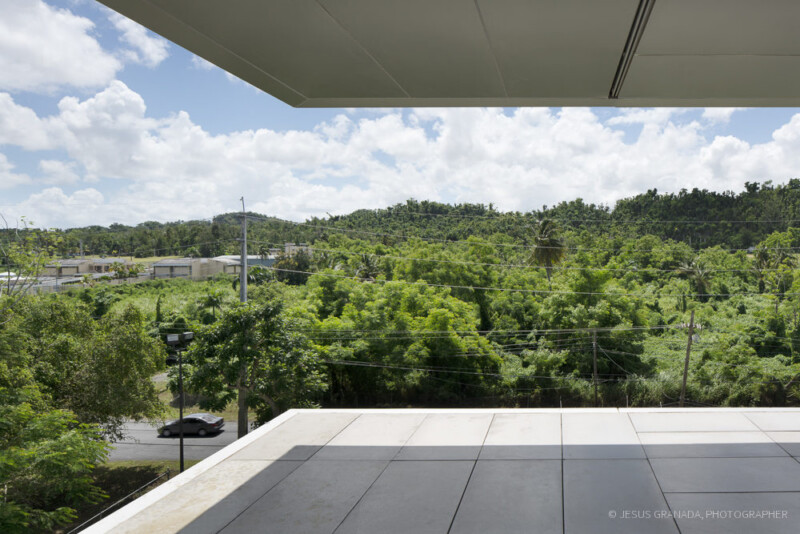
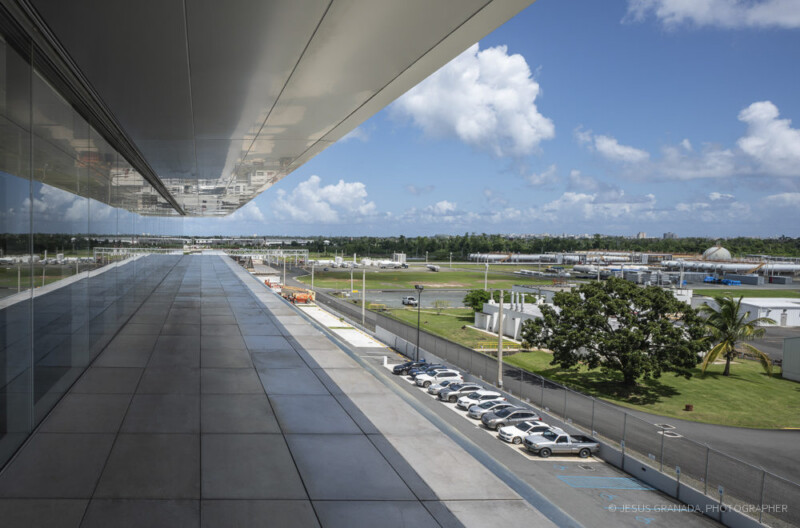
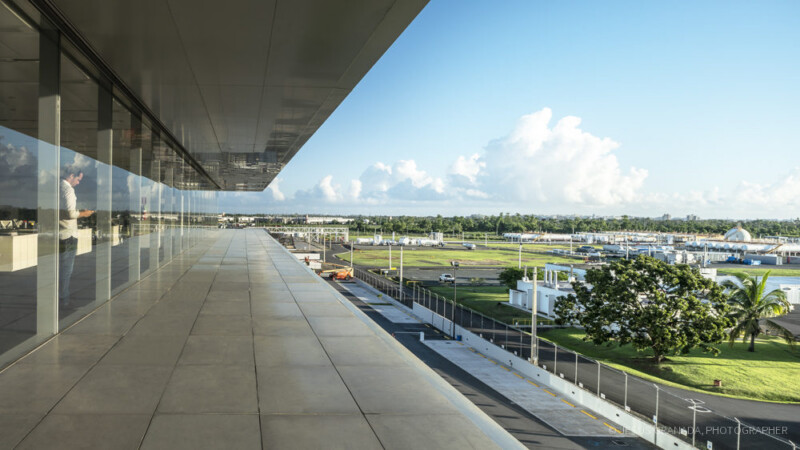
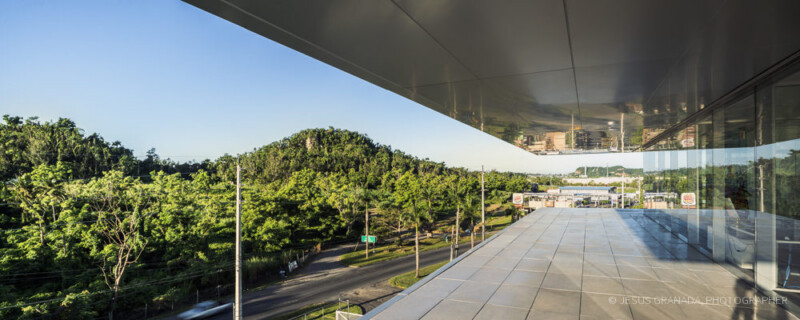
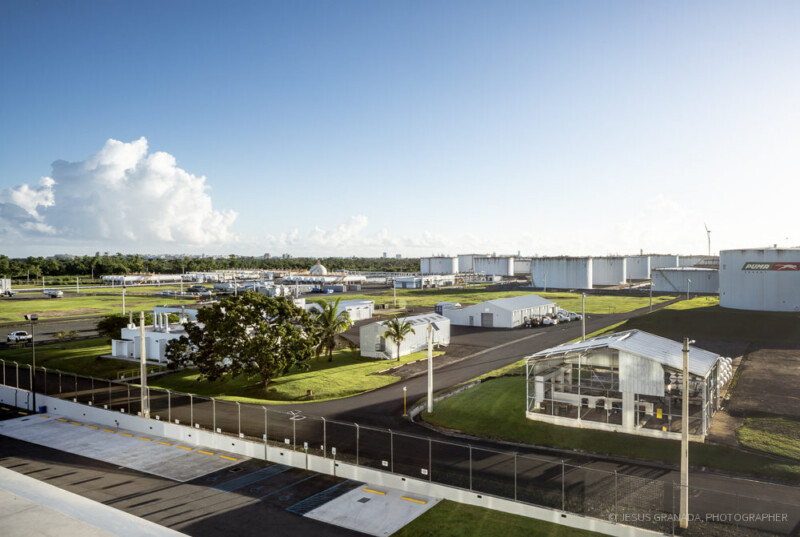
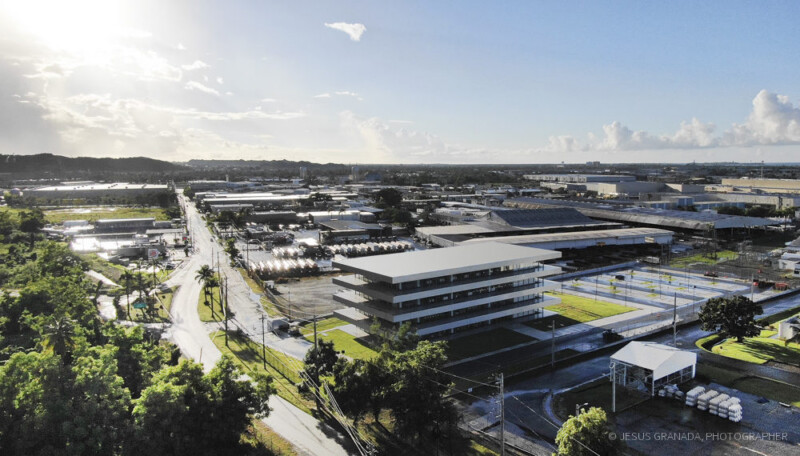
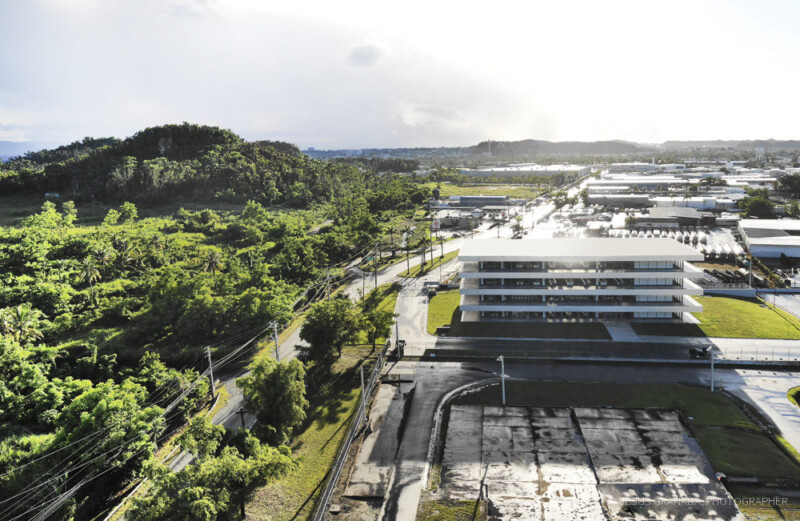
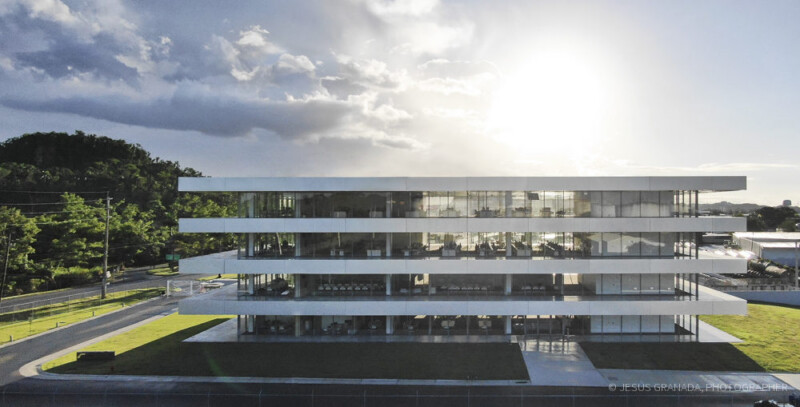
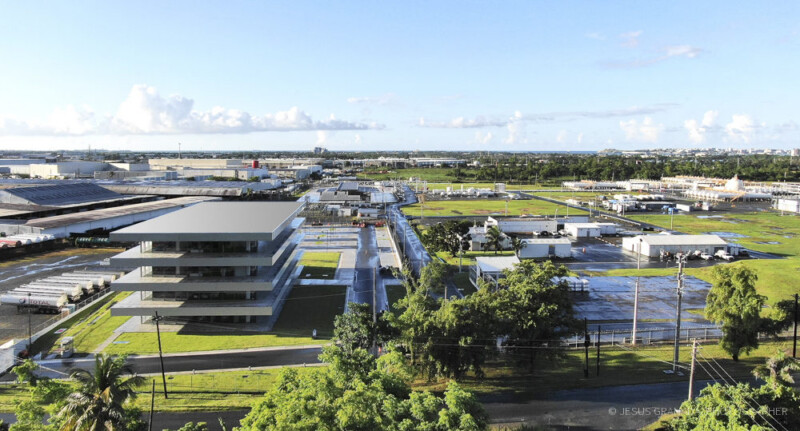
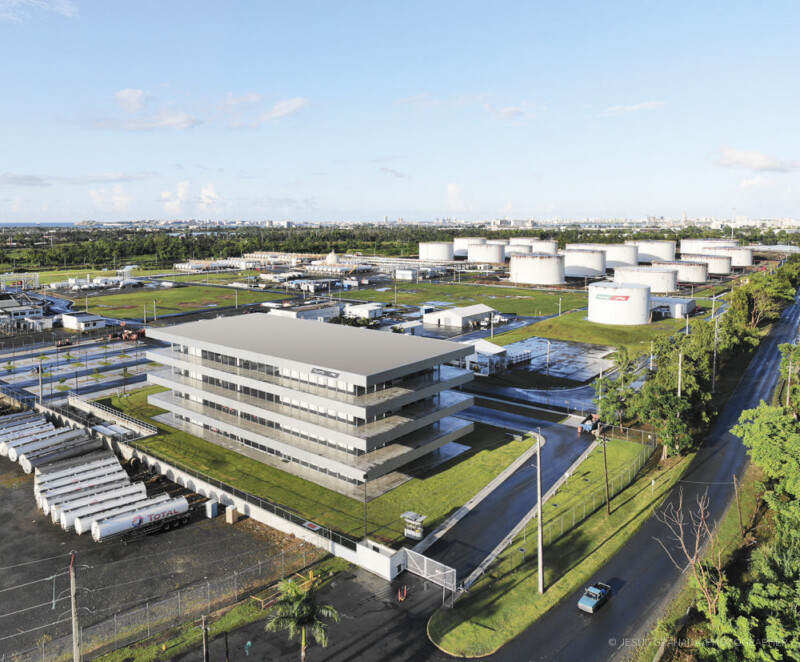
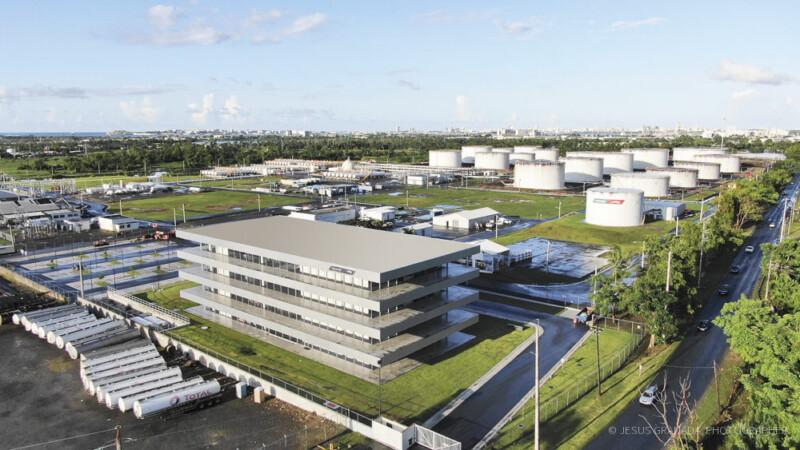
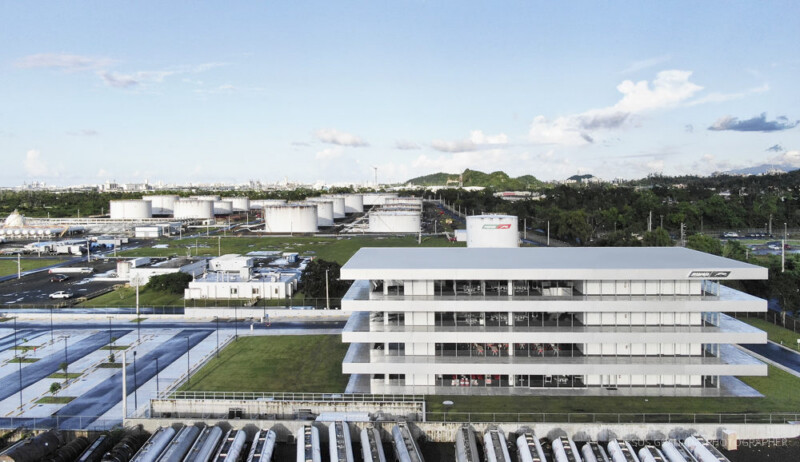
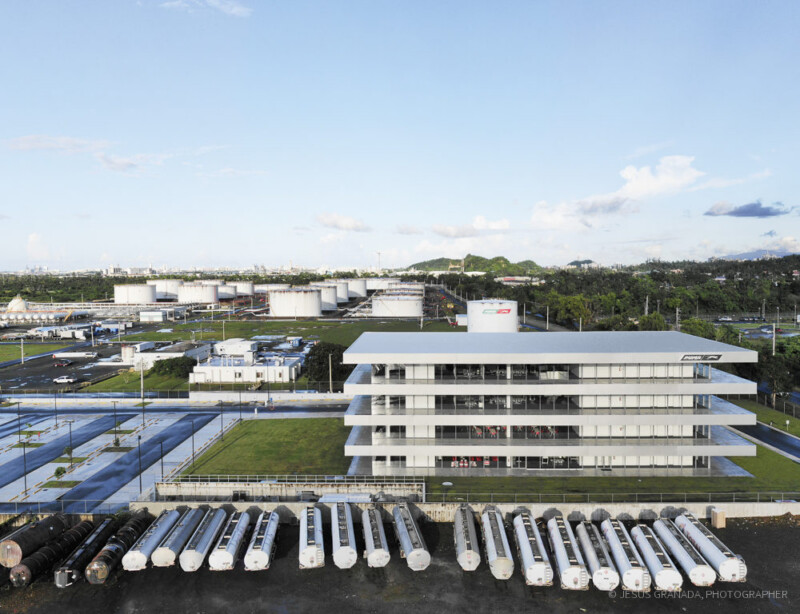
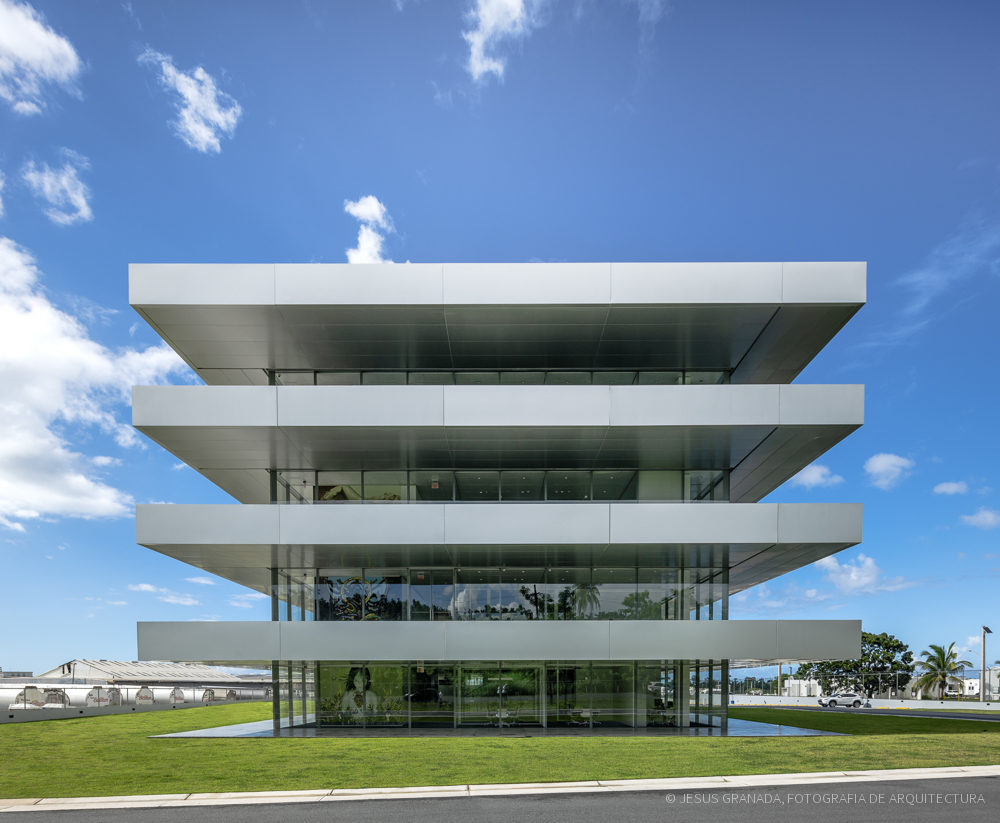
The regional corporate office of Puma Energy for the Americas is located in the southwest corner of a fuel tank terminal in Bayamon, Puerto Rico, which has recently been renovated. The building is inserted as a visible element of this transformation and is located next to the road from which the industrial complex is accessed.
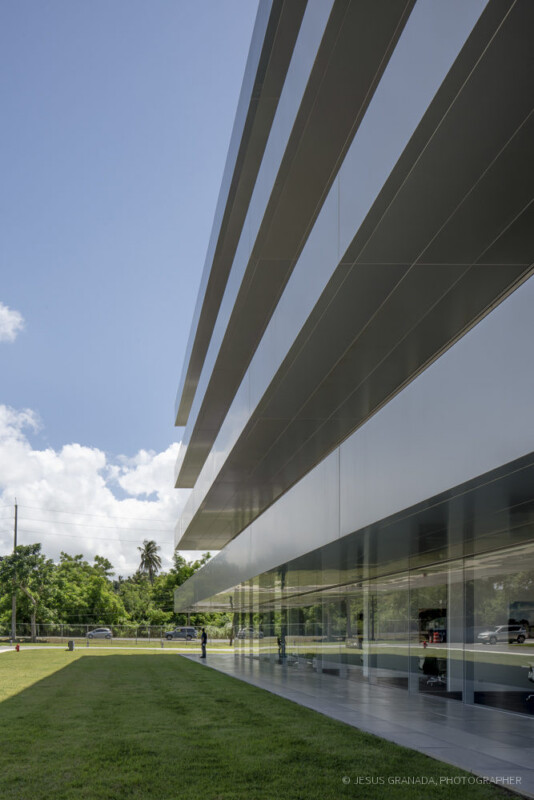
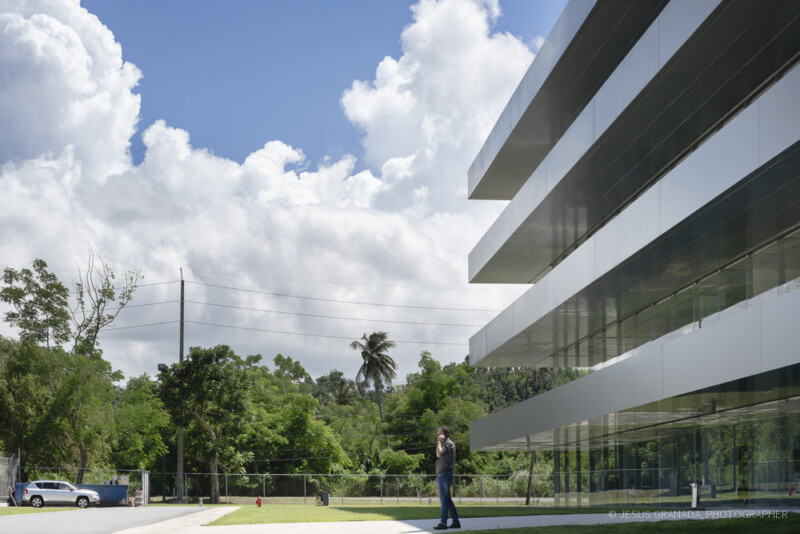
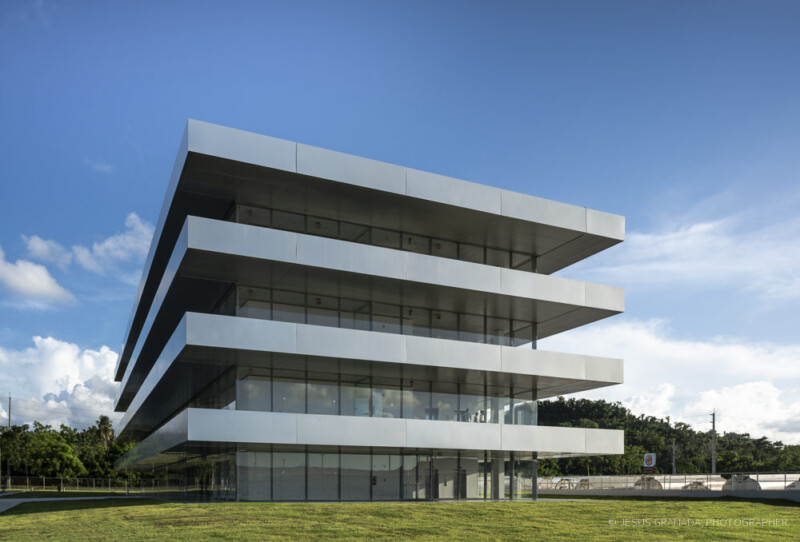
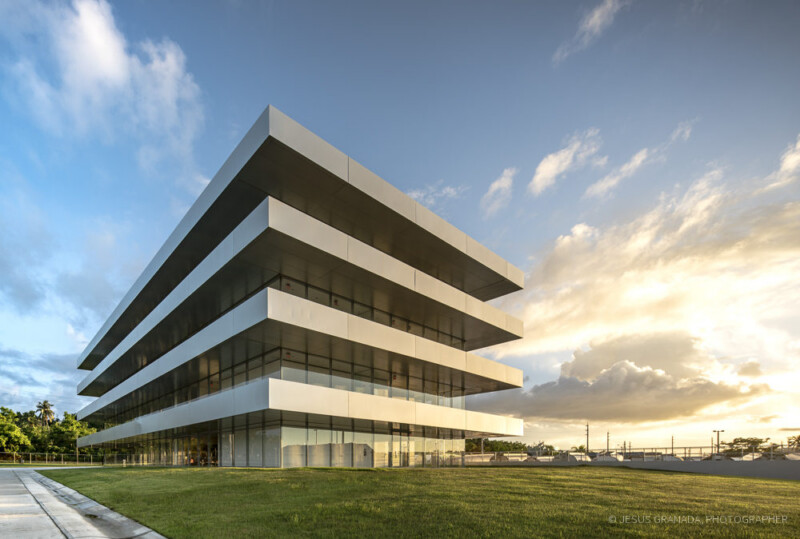
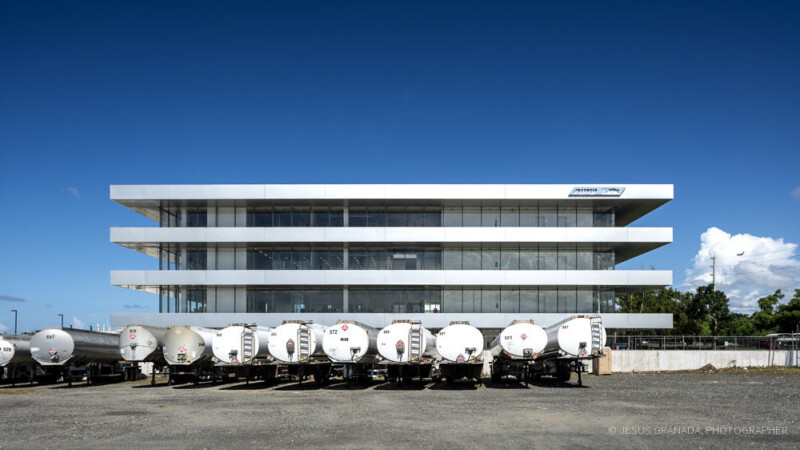
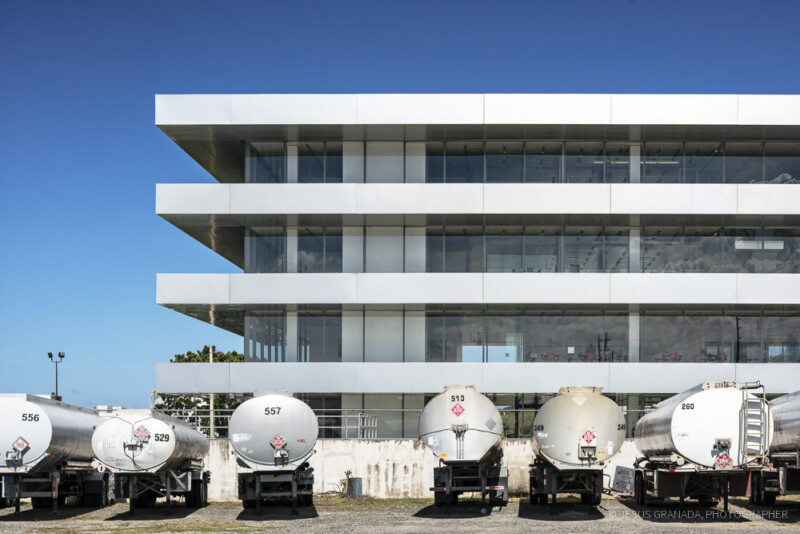
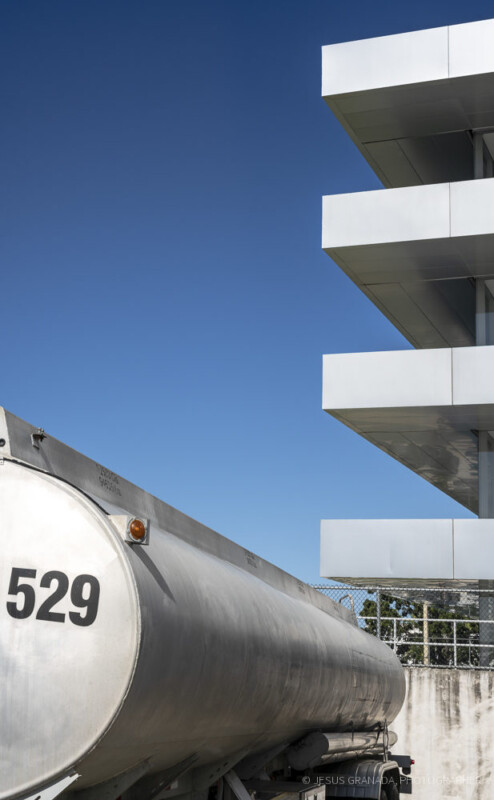
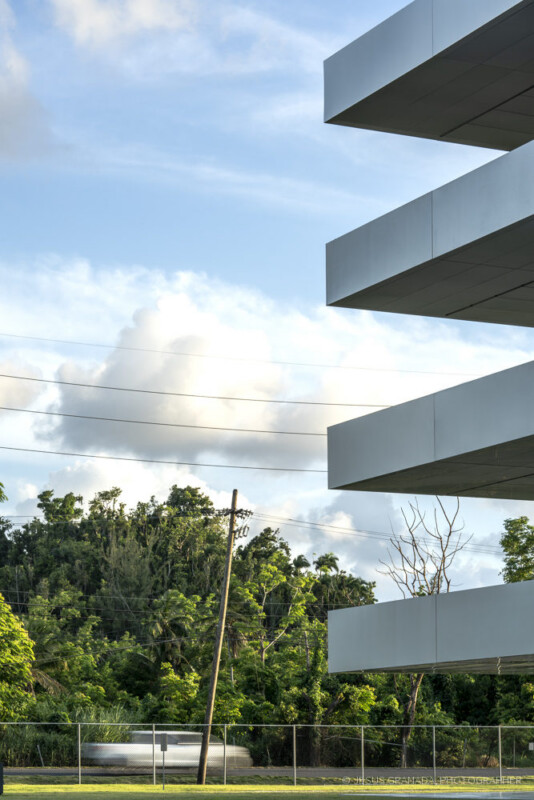
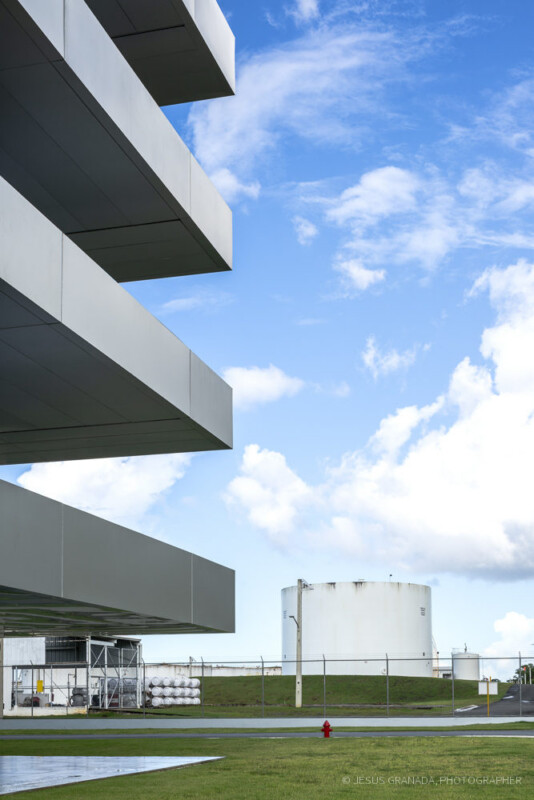
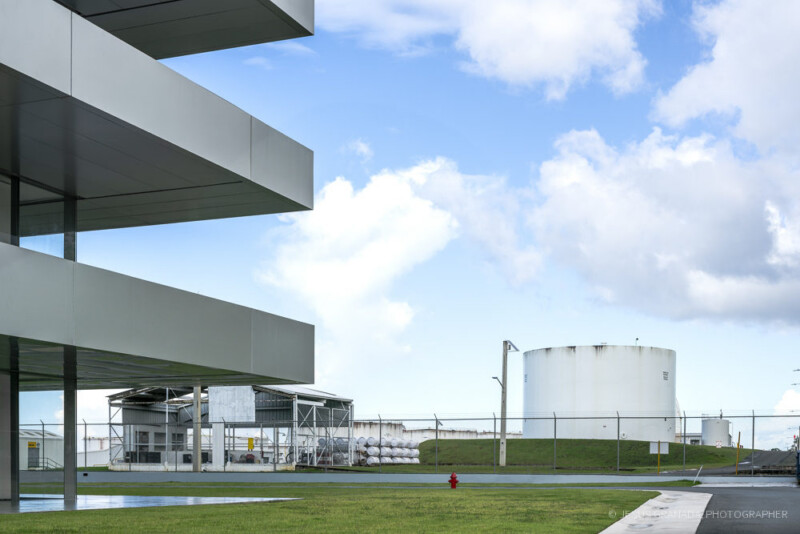
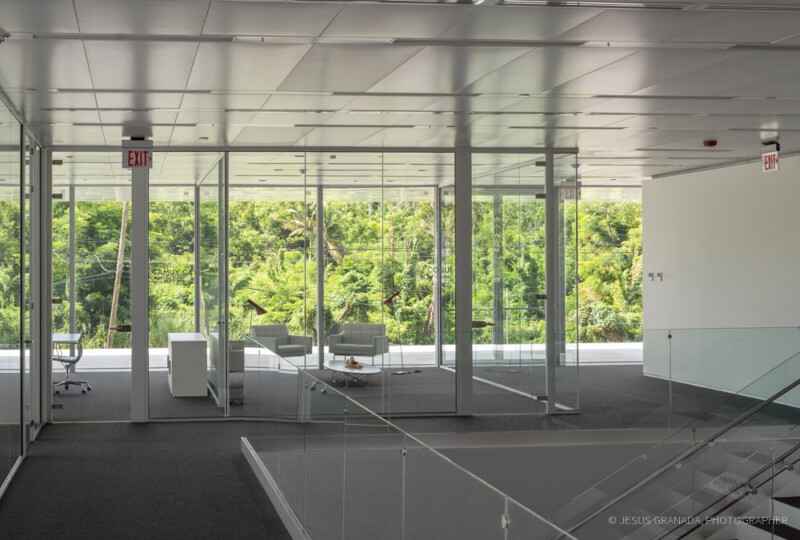
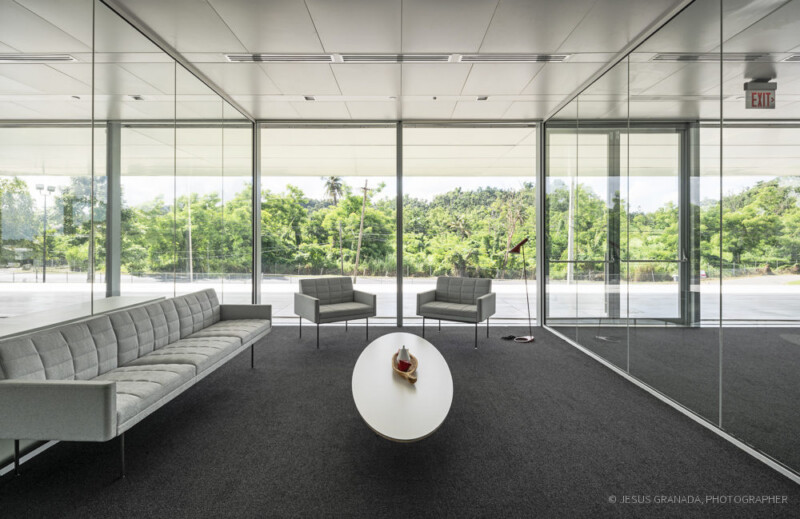
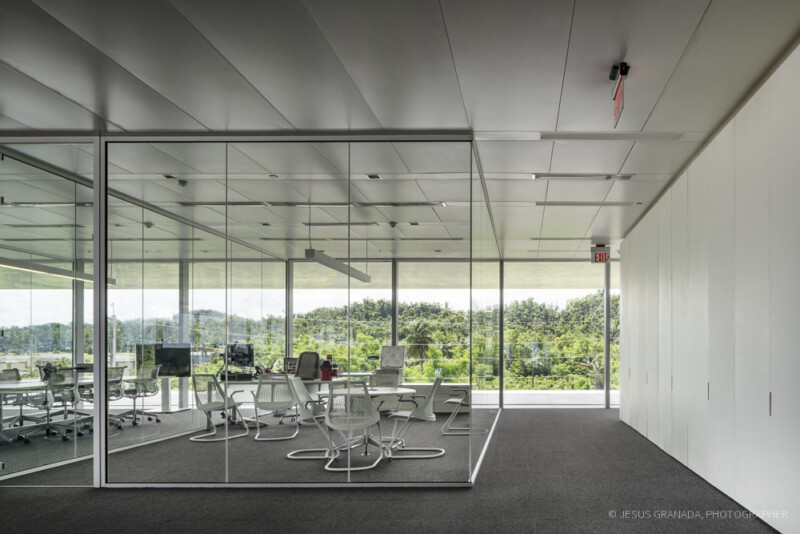
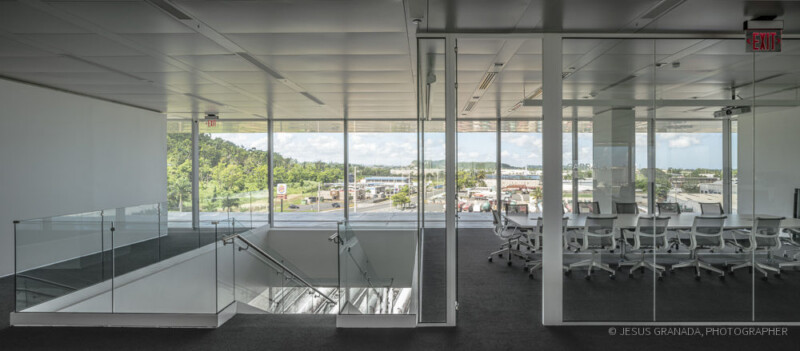
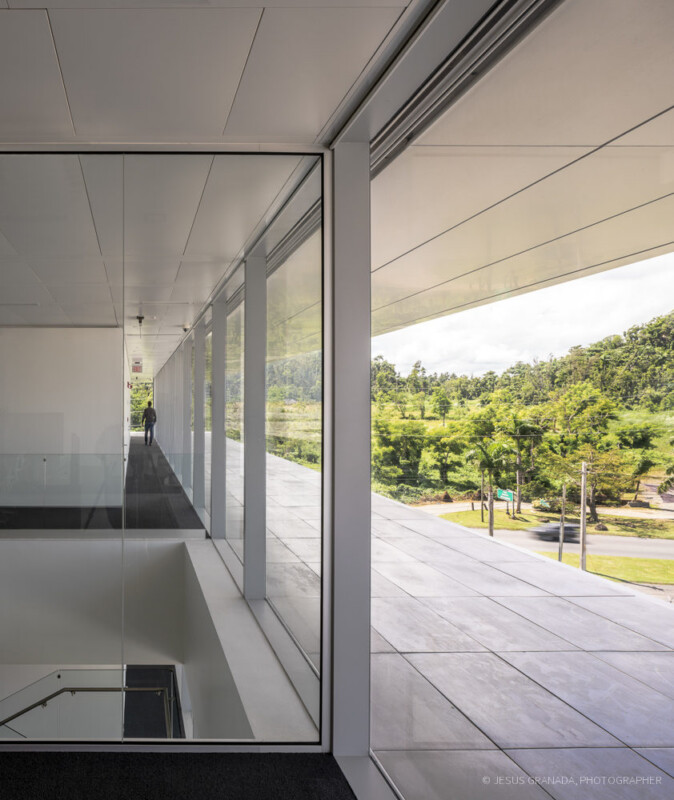
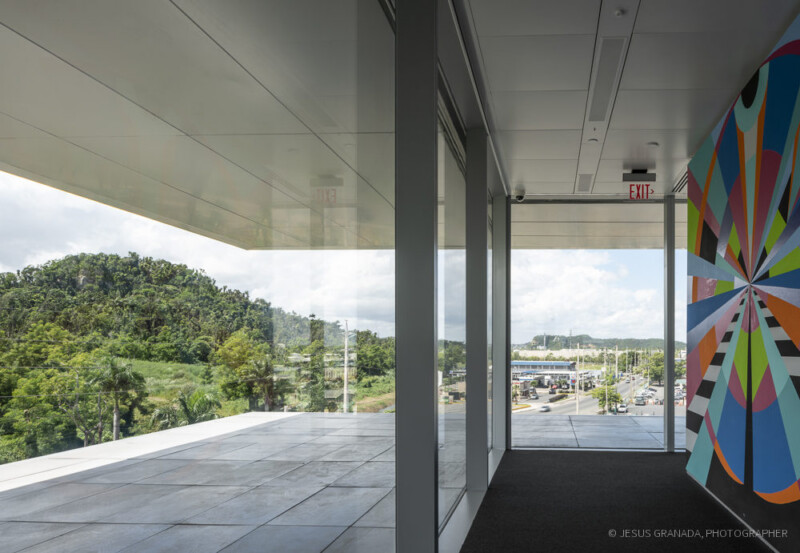
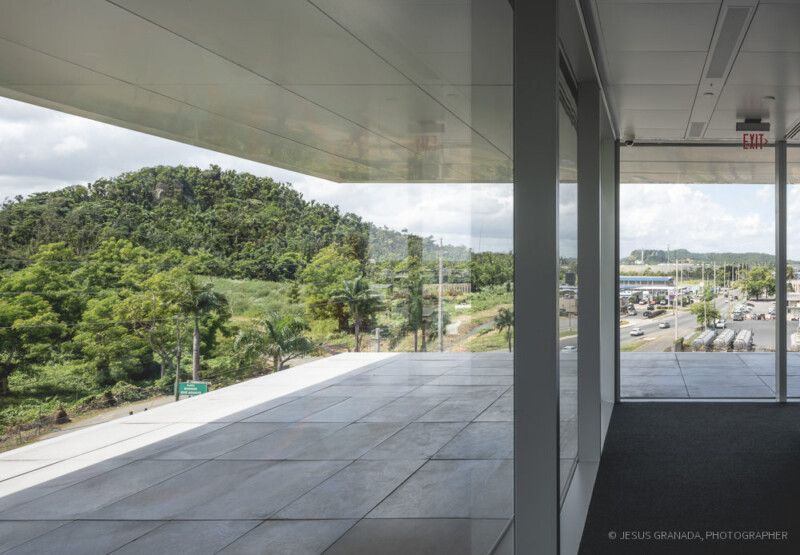
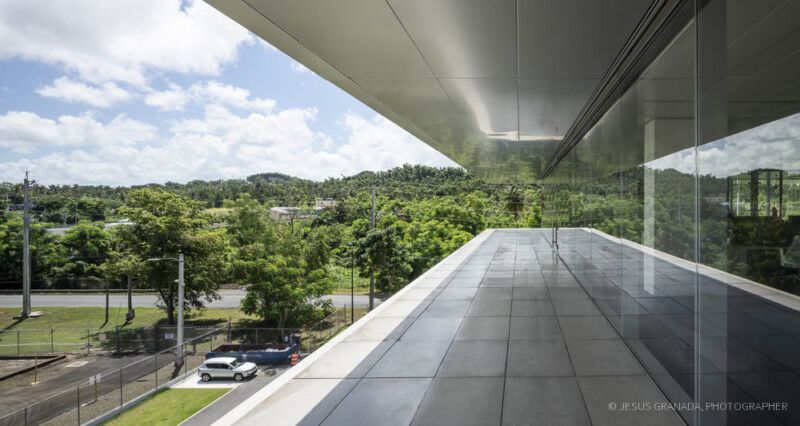
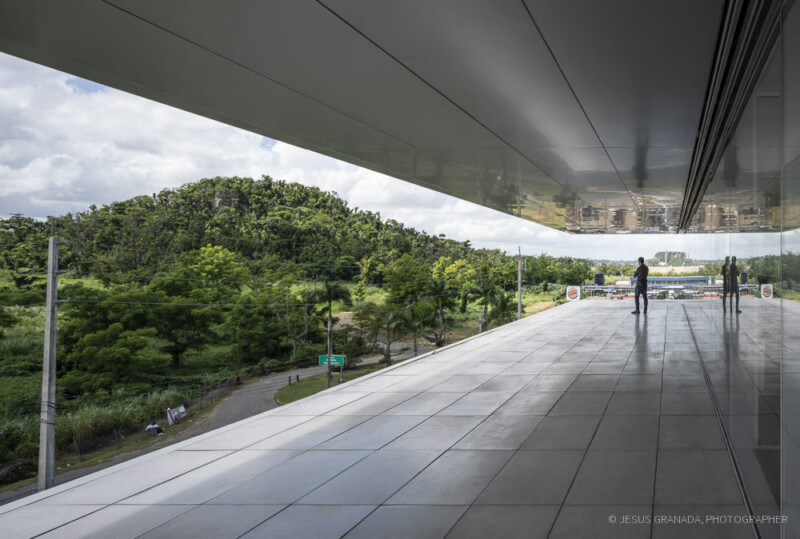
The building is located at an intermediate point between the exuberant tropical vegetation of the Caribbean island and the industrial landscape strongly characterized by its influence of the United States: systematization, regularity, repetition, and industry in contrast to nature. The building is arranged as a filter between these two realities. Both landscapes cross the large floating platforms making the interior to be invaded by this contrast.
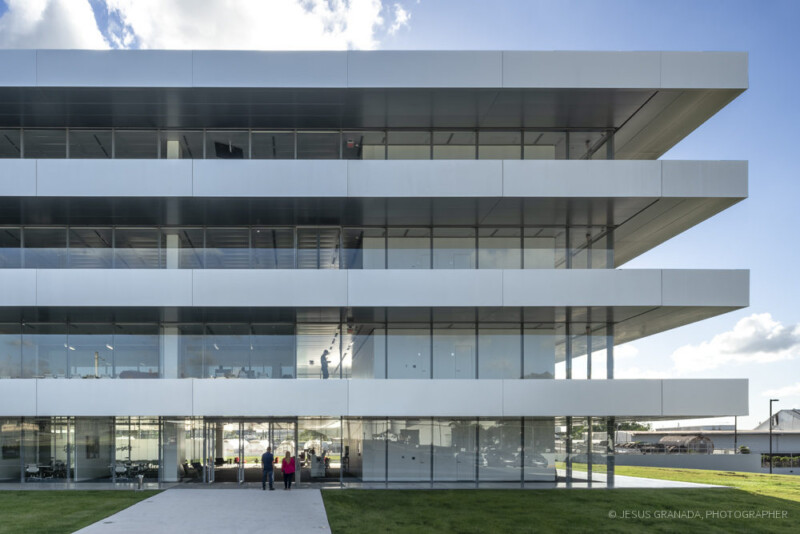
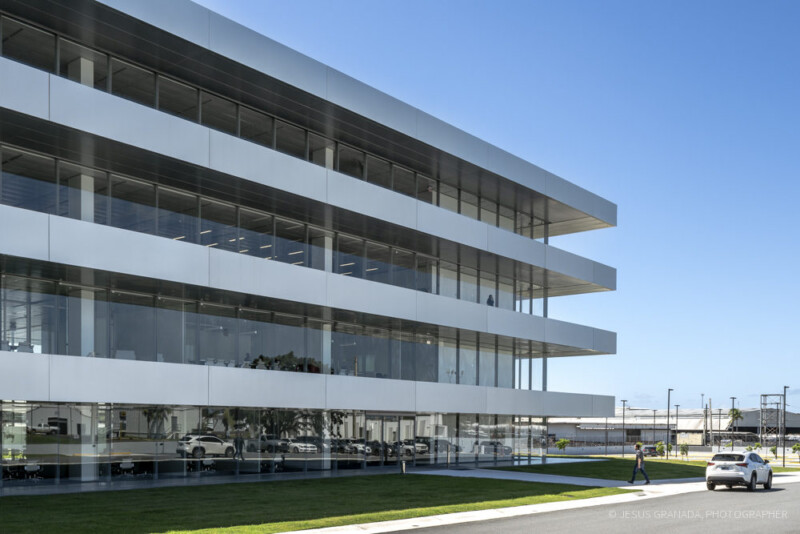
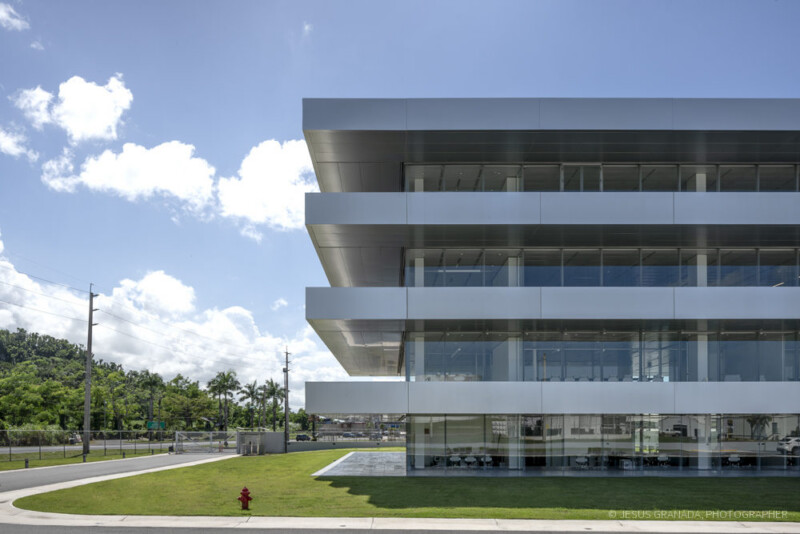
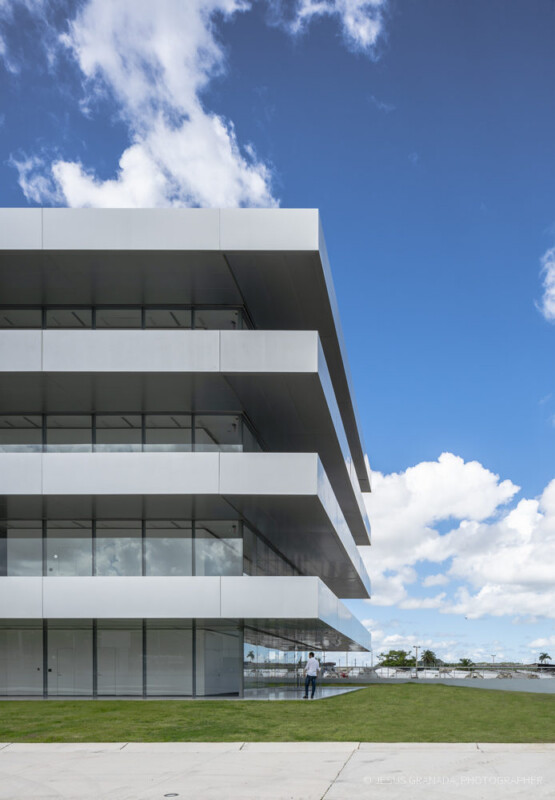
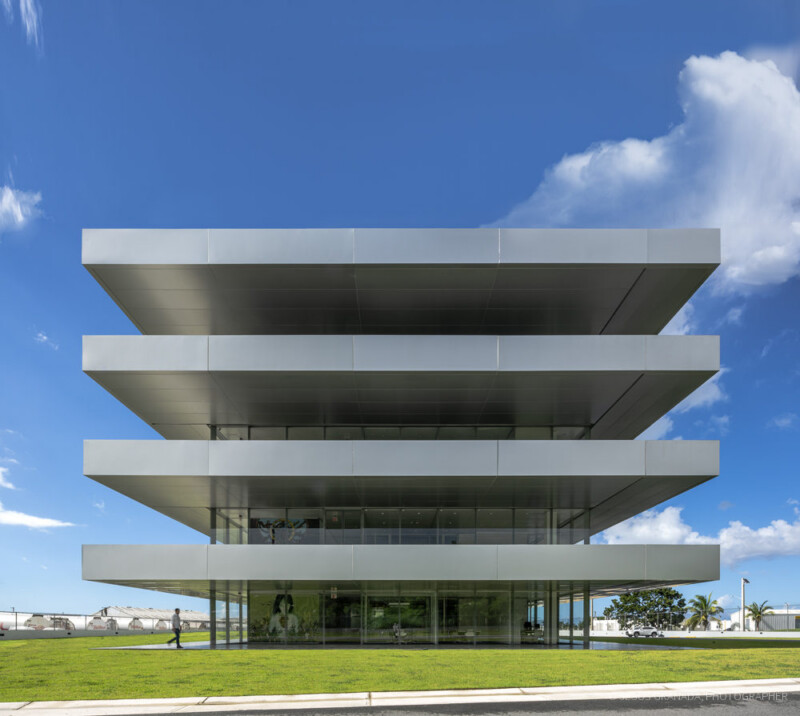
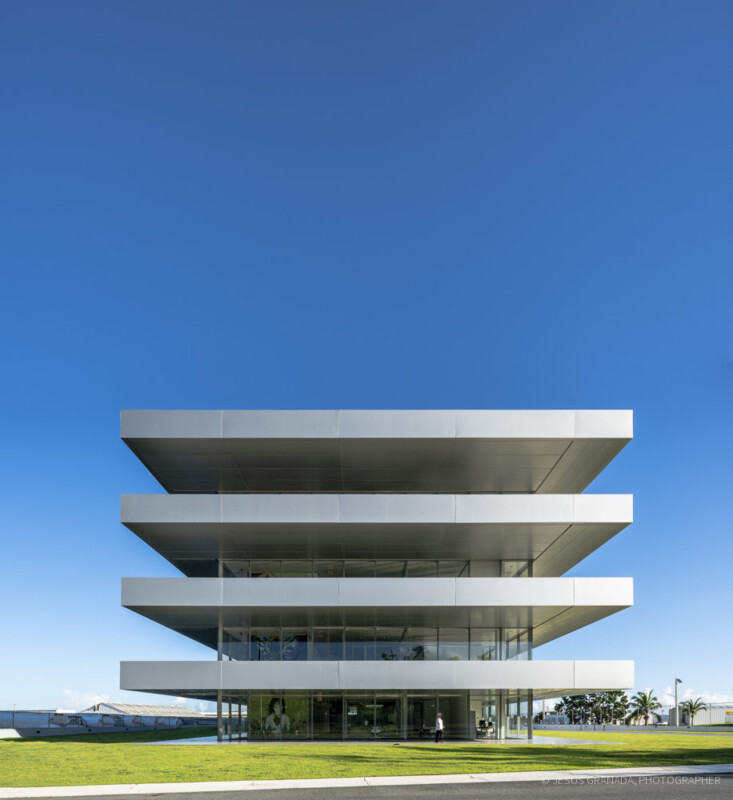
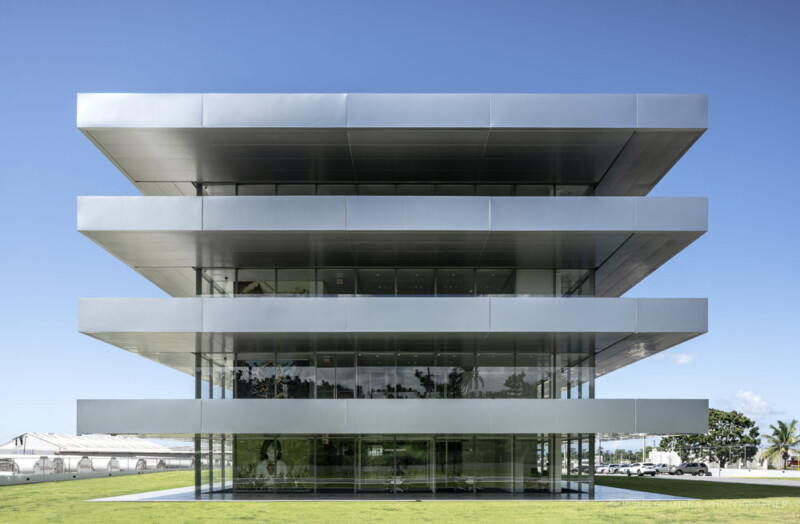
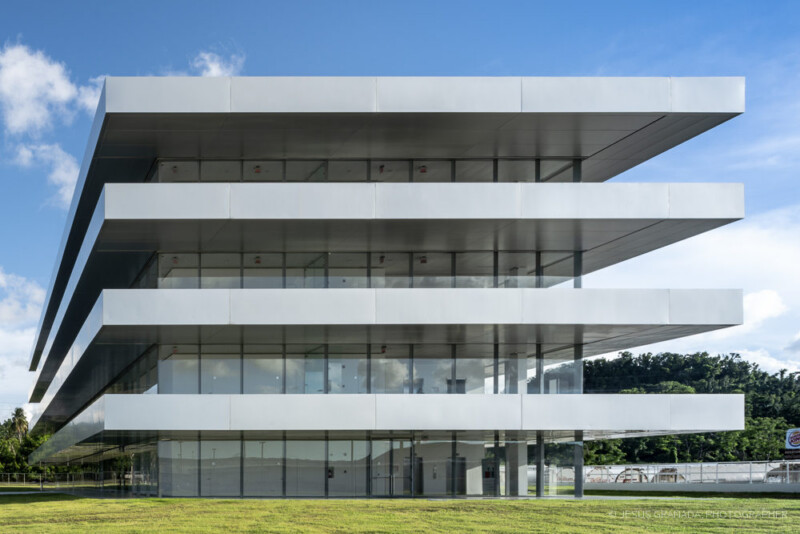
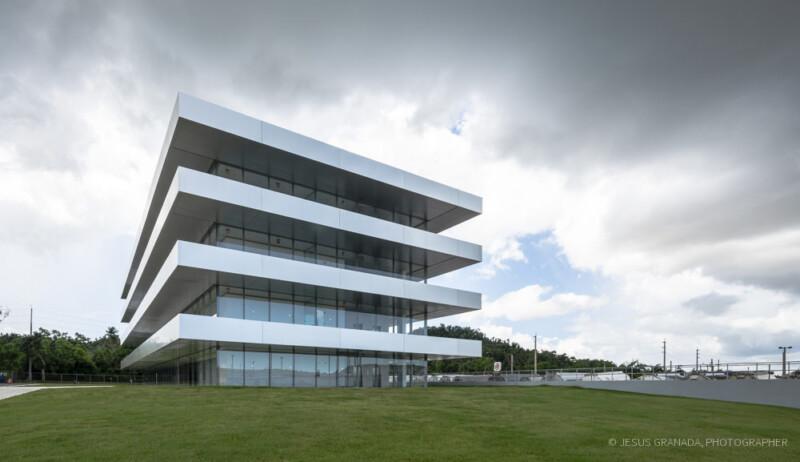
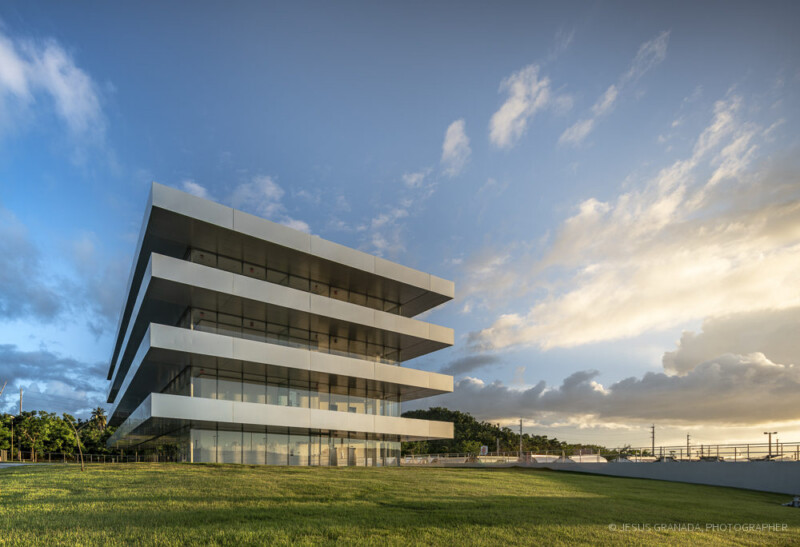
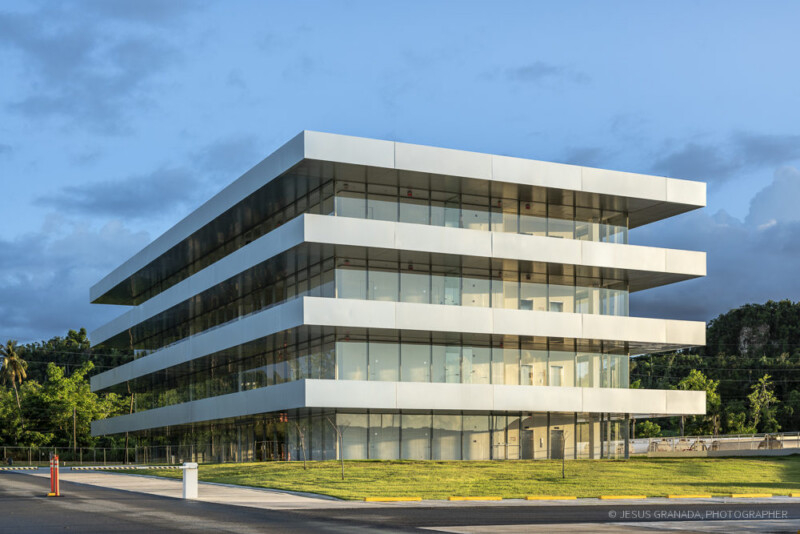
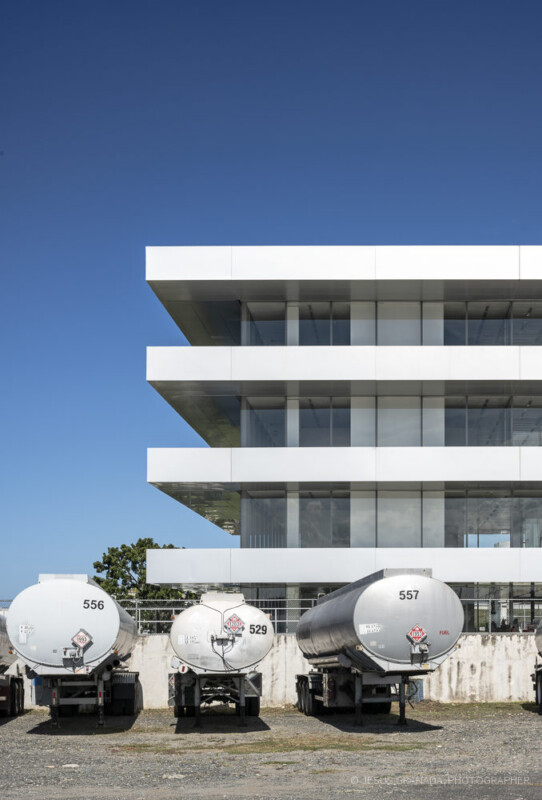
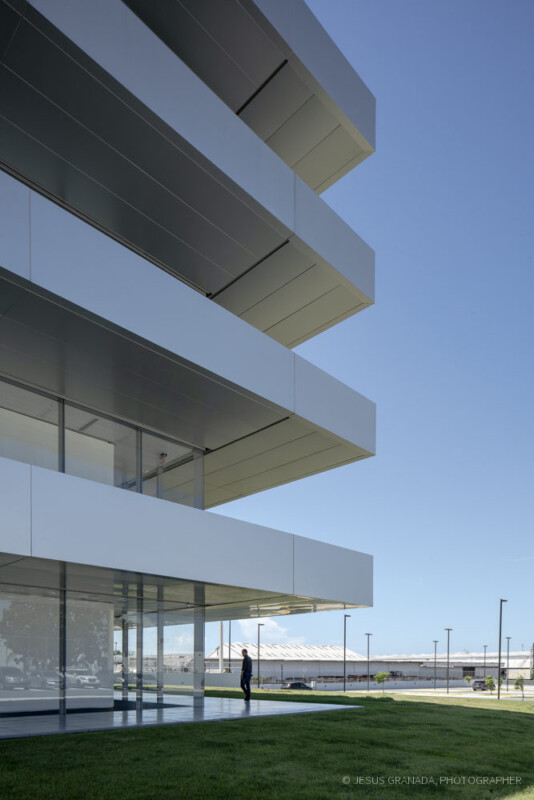
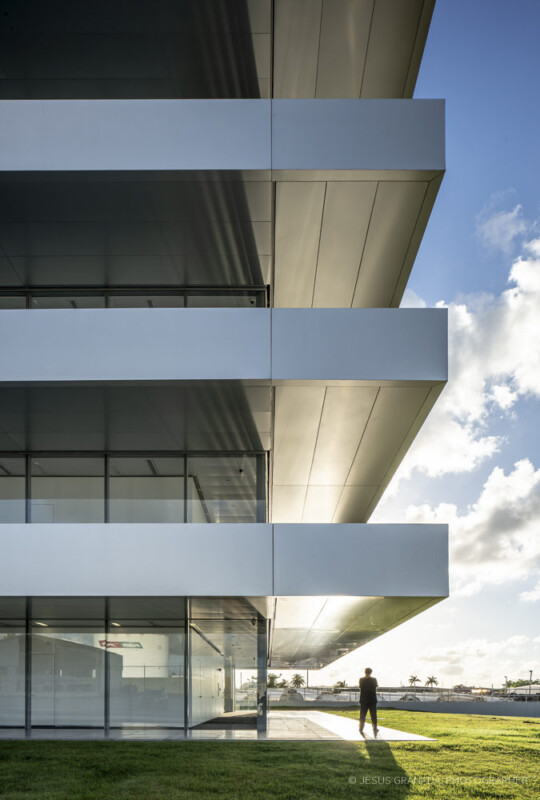
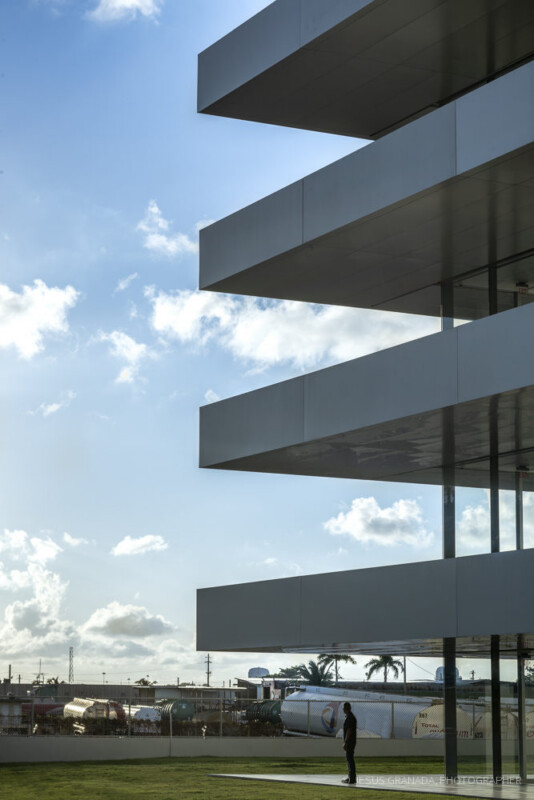
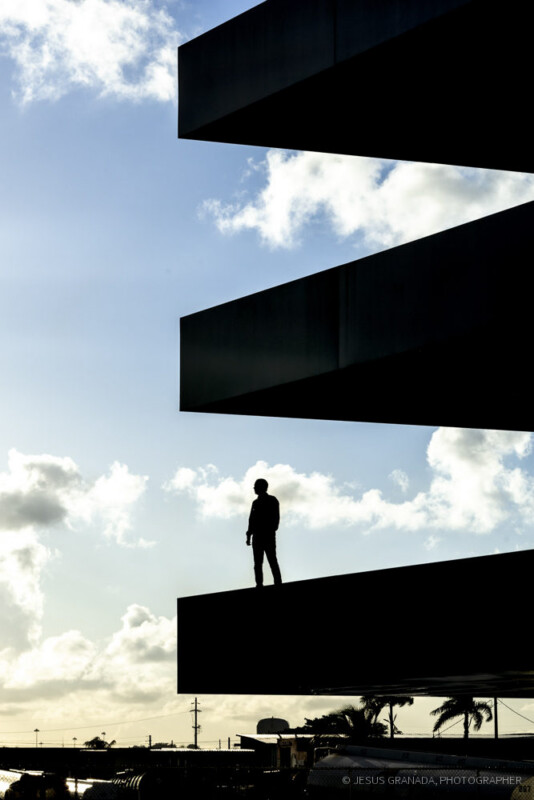
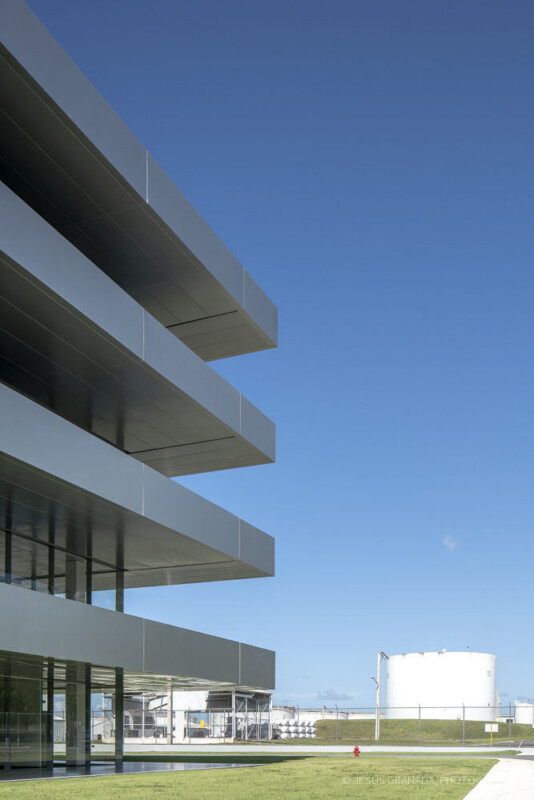
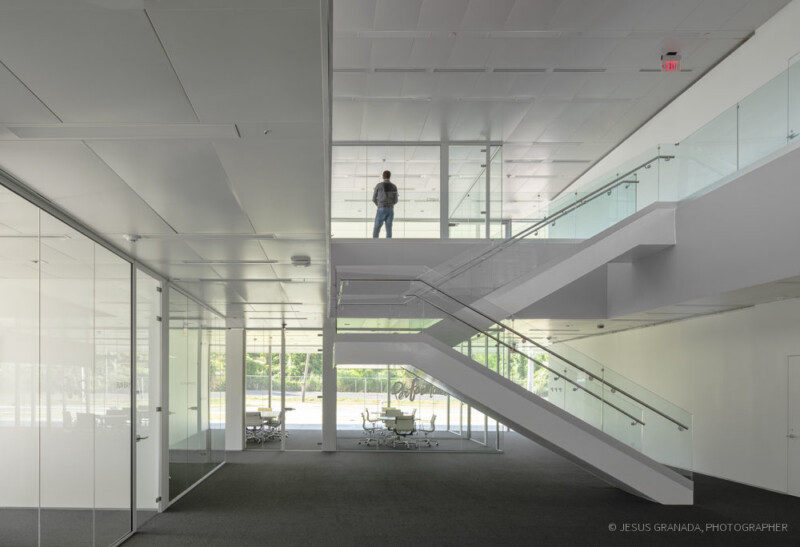
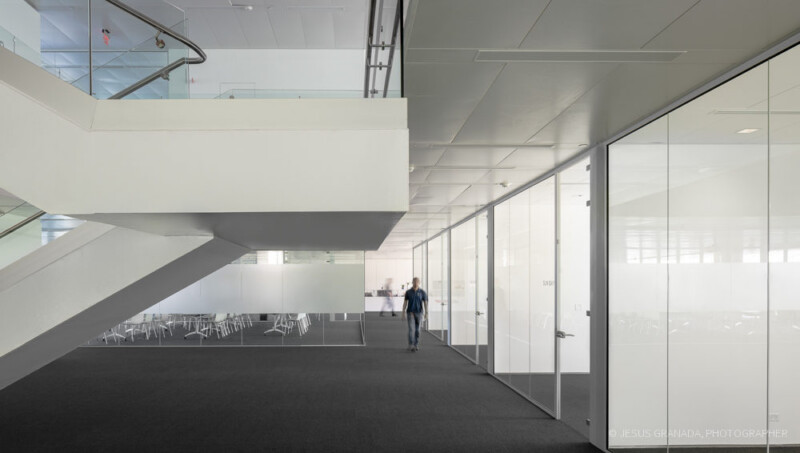
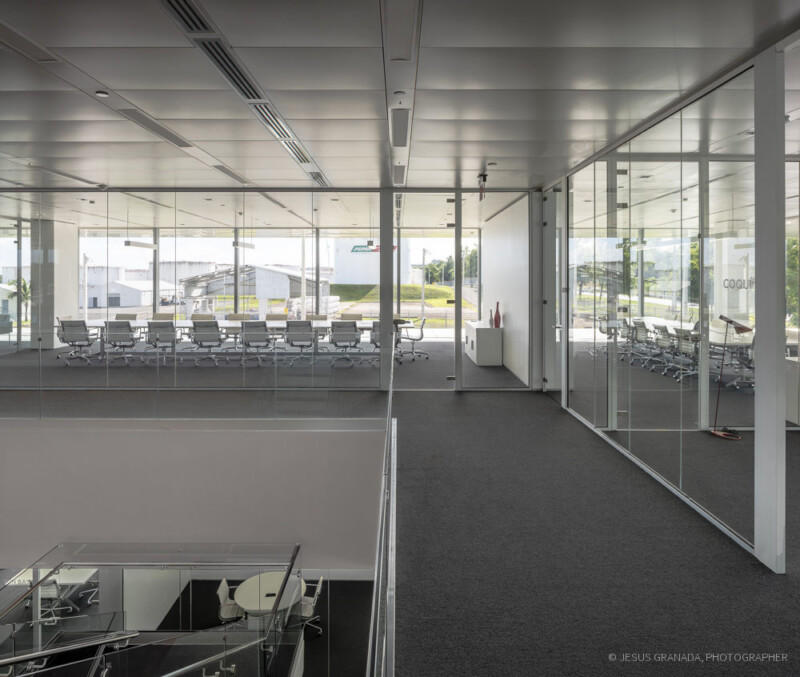
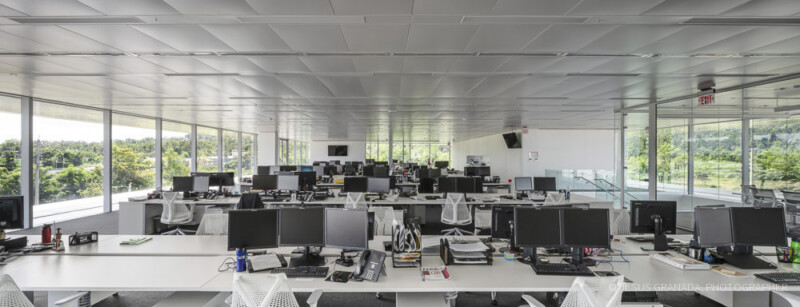
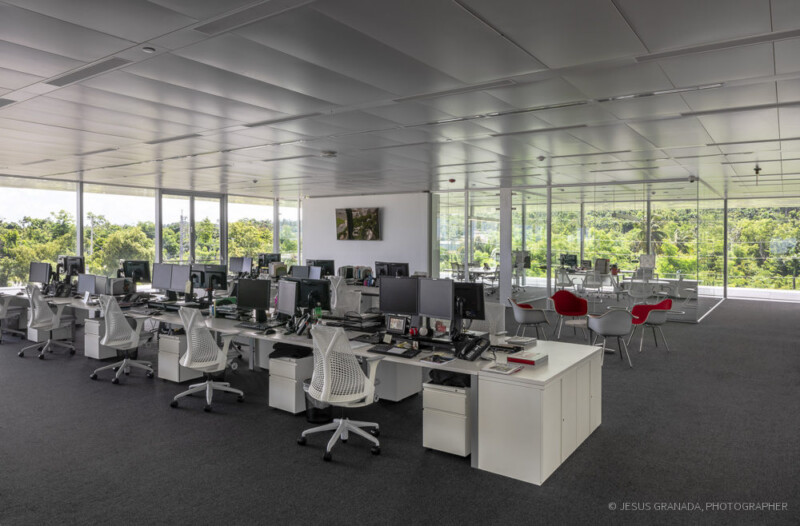
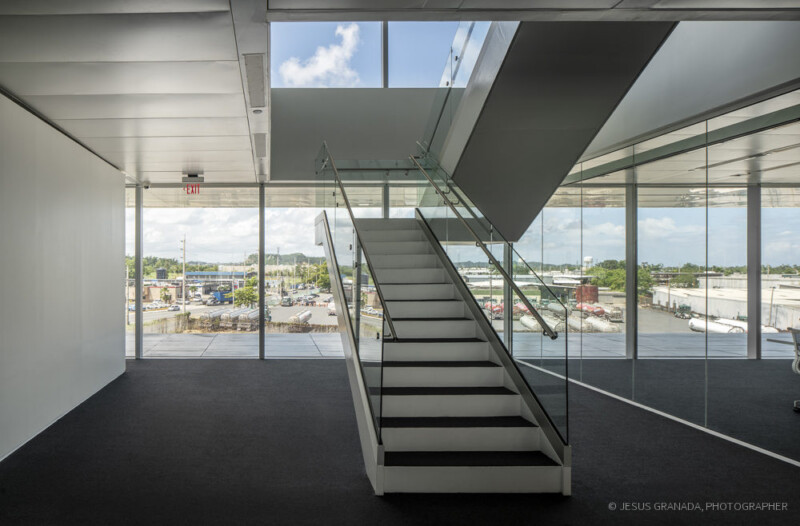
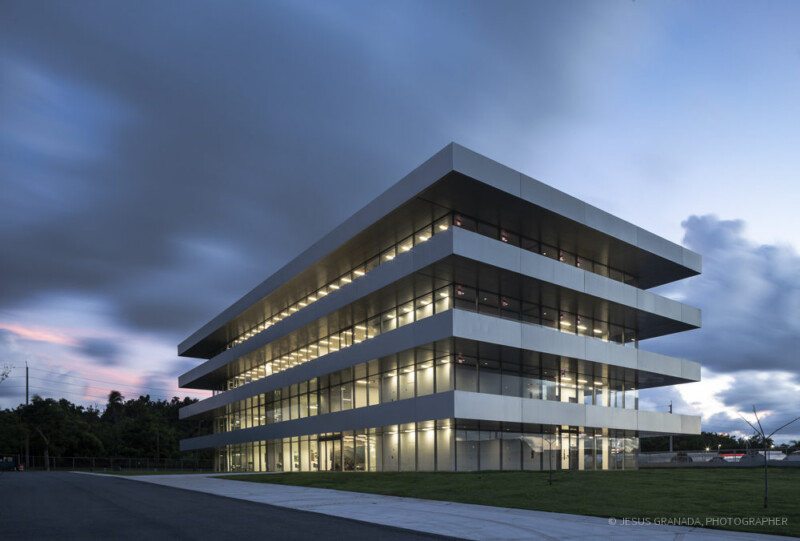
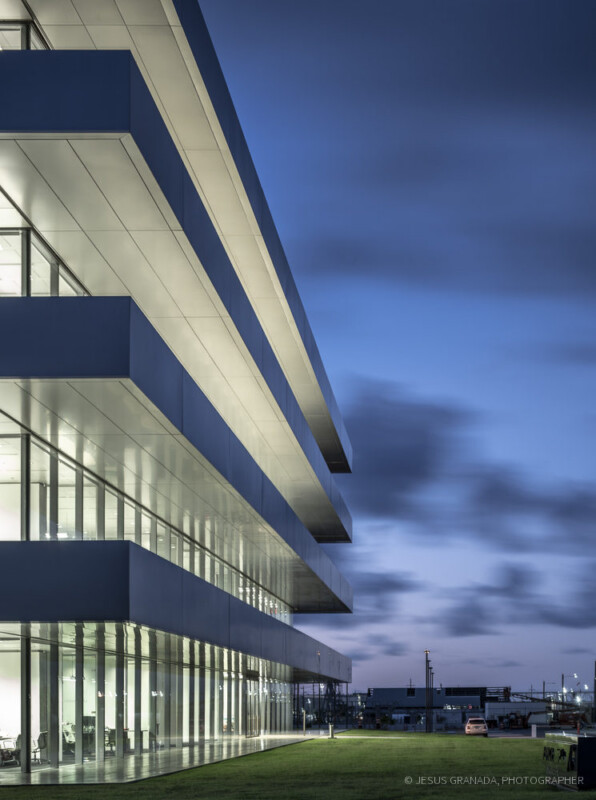
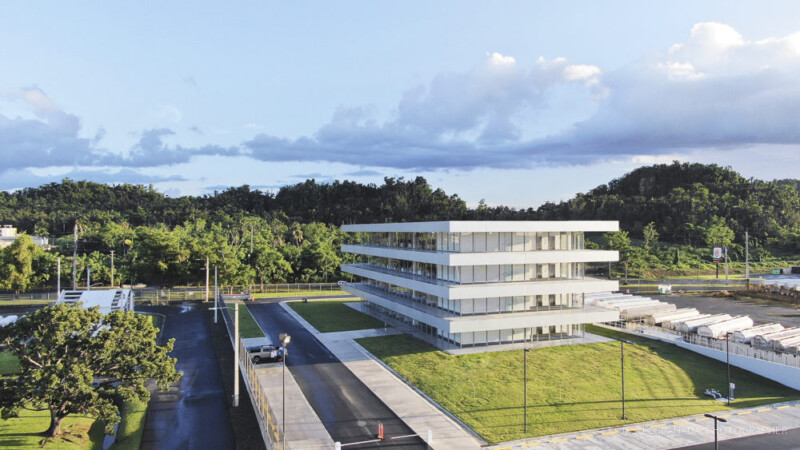
The building is designed as a vertical sequence of four large structural steel slabs that act as four floating platforms. Open and flexible spaces are available as workspaces with a few vertical structure elements. The vertical structure made of supporting walls, cores, and pillars, is organized as in a game board in an irregular way, freeing the interior of structural restrictions and orienting the workspace towards certain areas of the landscape.
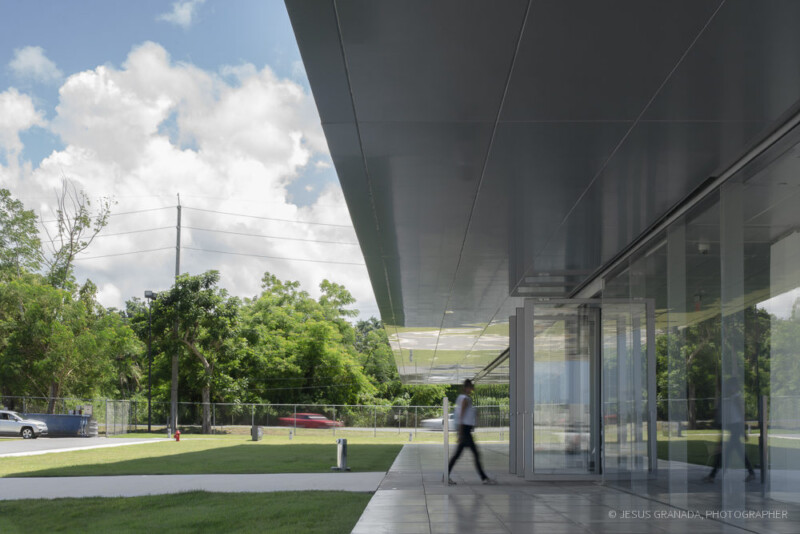
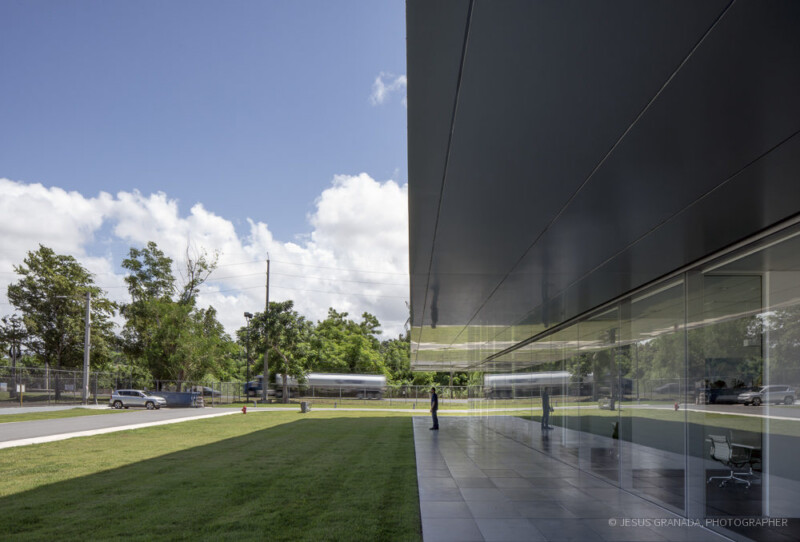
These platforms extend beyond the limits of the interior space, creating large terraces that protect the interior from direct sun exposure, and can be used as a stage for informal meetings. The horizontal and open space facilitates communication and exchange between users and creates a common link between them and the surrounding landscape. This abstract arrangement of the structure is part of the industrial landscape but allows nature to enter through its glass façade.
The uses of the building are placed according to a gradient from lower to higher privacy from lower levels to higher levels. According to this criterion, public and collective spaces are located at the access level, while internal uses, such as workspaces, are located at upper levels. Communication cores are arranged to allow dynamic circulations and large open office areas with a full visual continuity, both inside and towards the outside to the fuel tank terminal and towards the landscape.
-
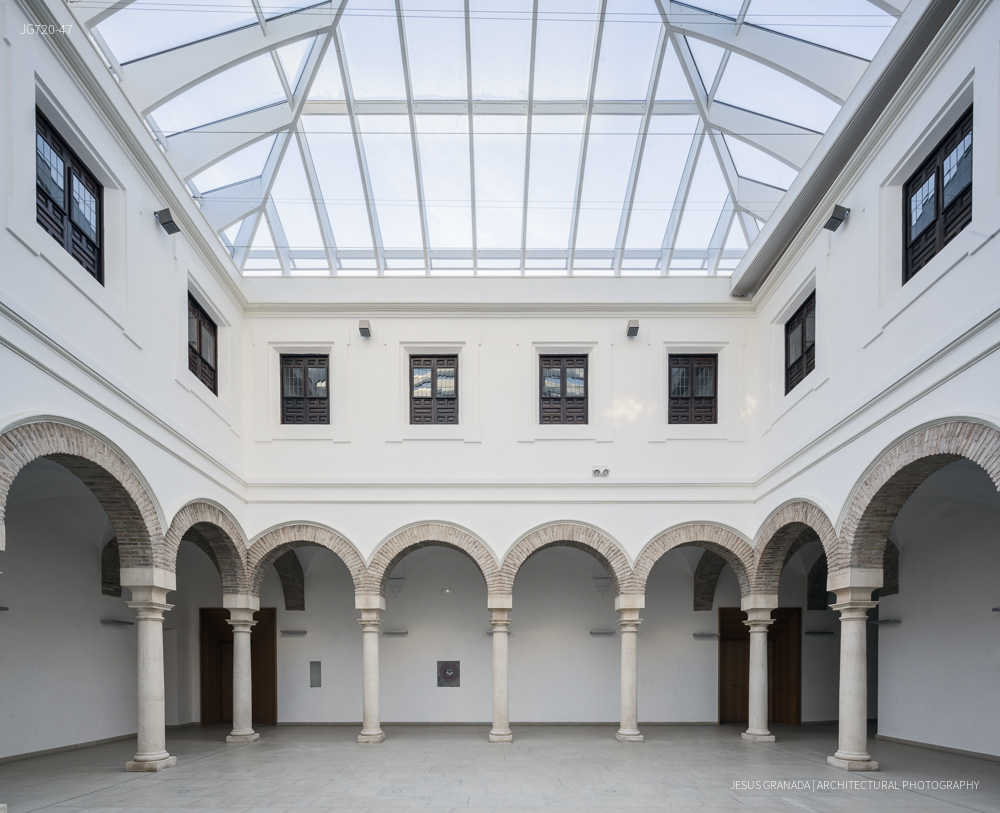
School in Valladolid by Javier Fuster architects
[bucket id=”104″ title=”reportaje”]
[bucket id=”105″ title=”adquisicion”]
-
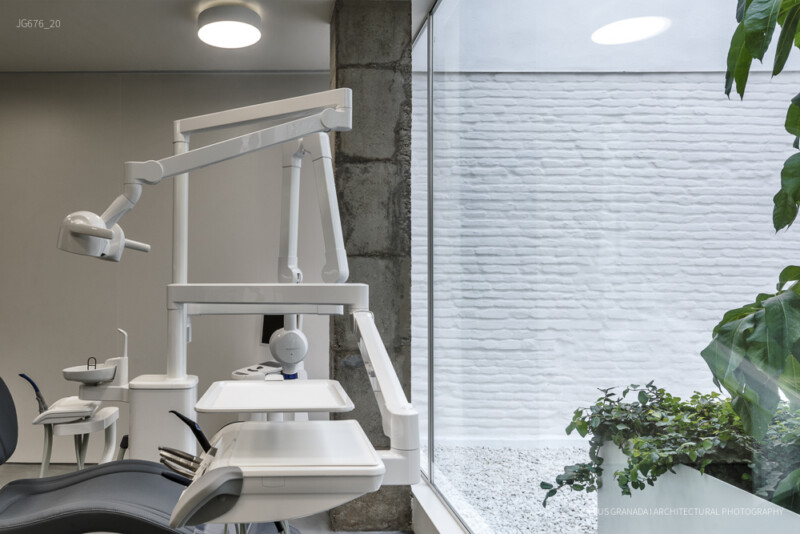
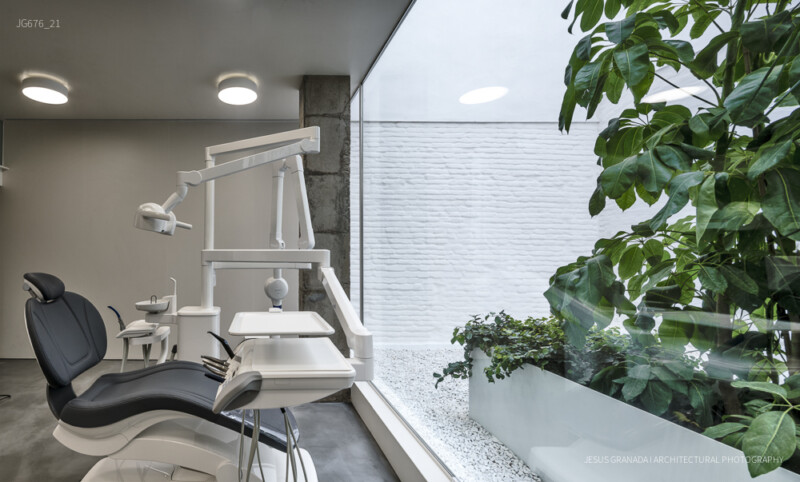
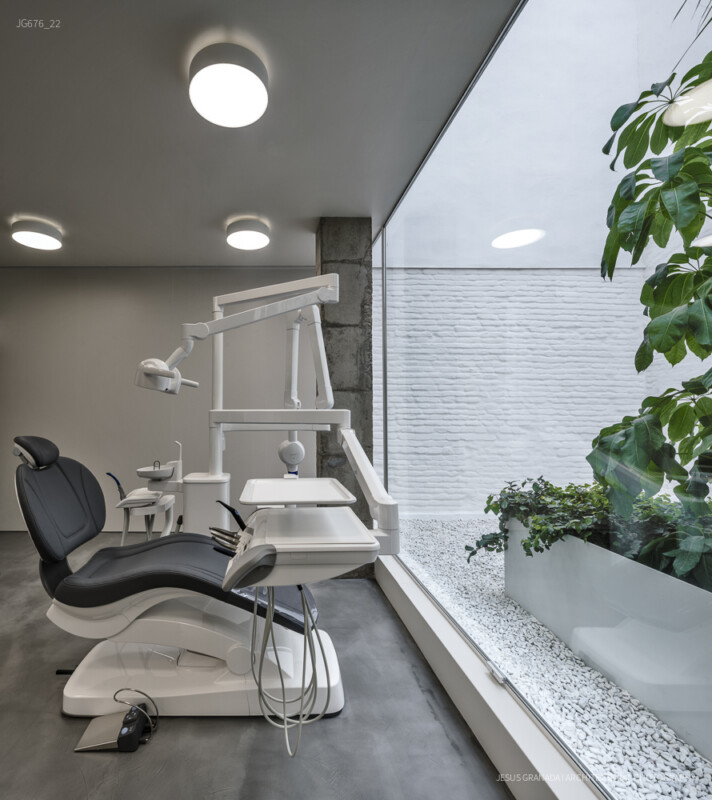
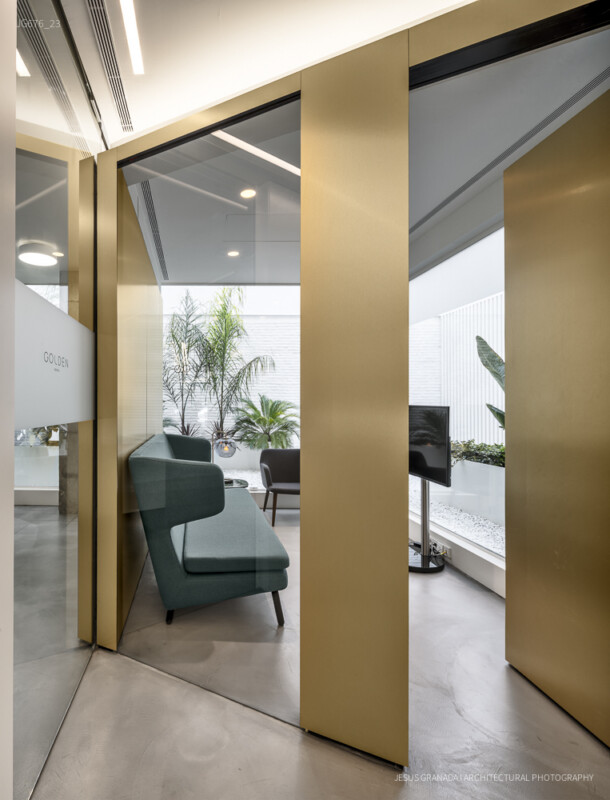
Golden Dental Clinic in Seville
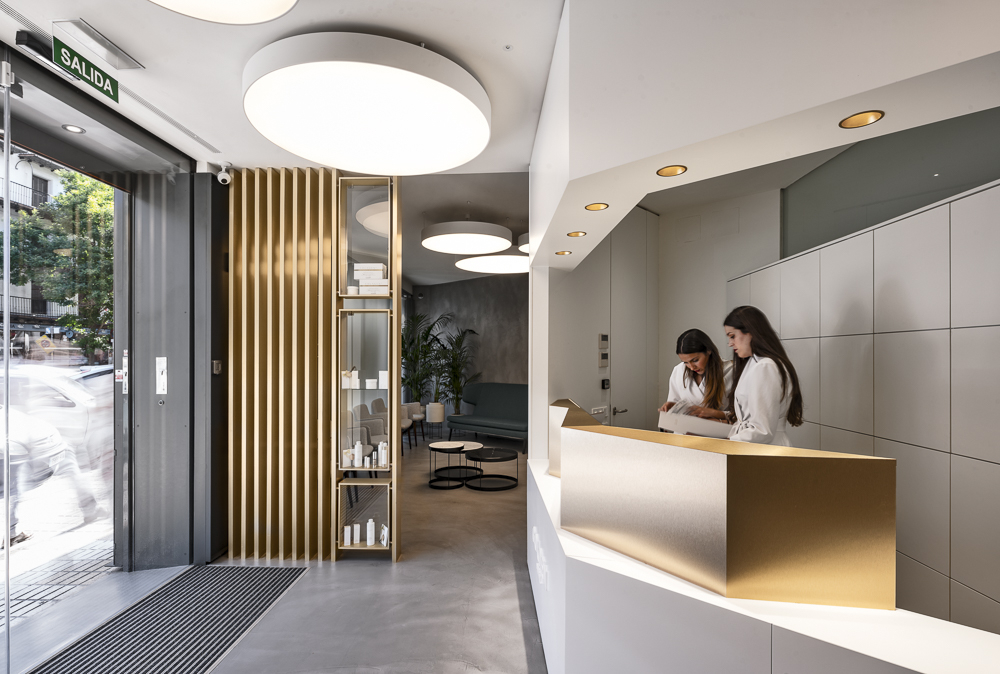
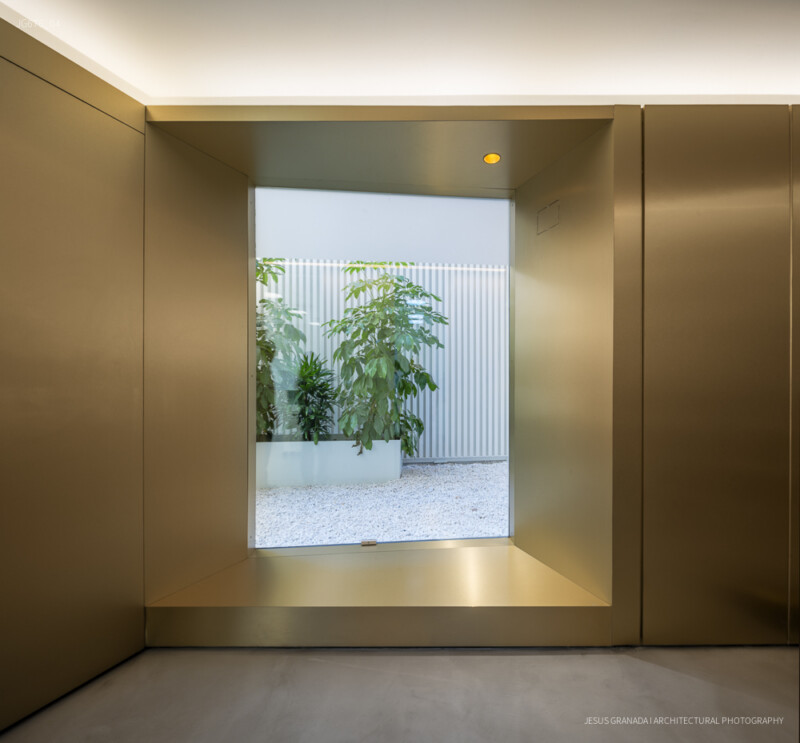
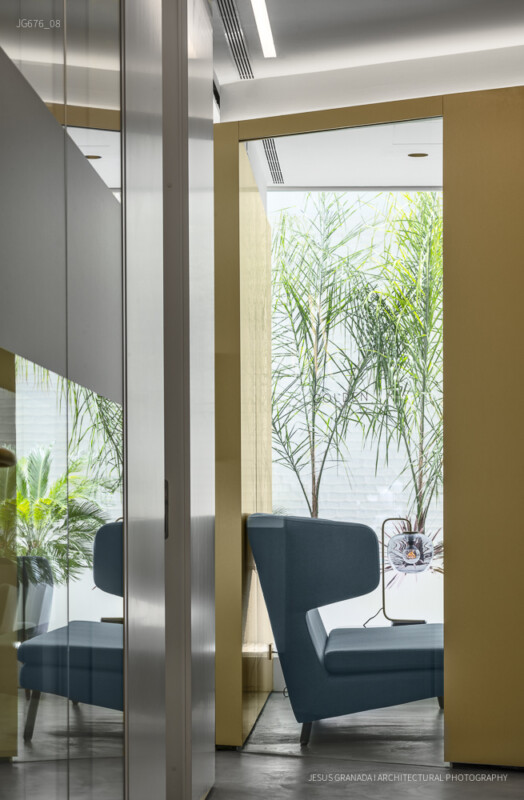
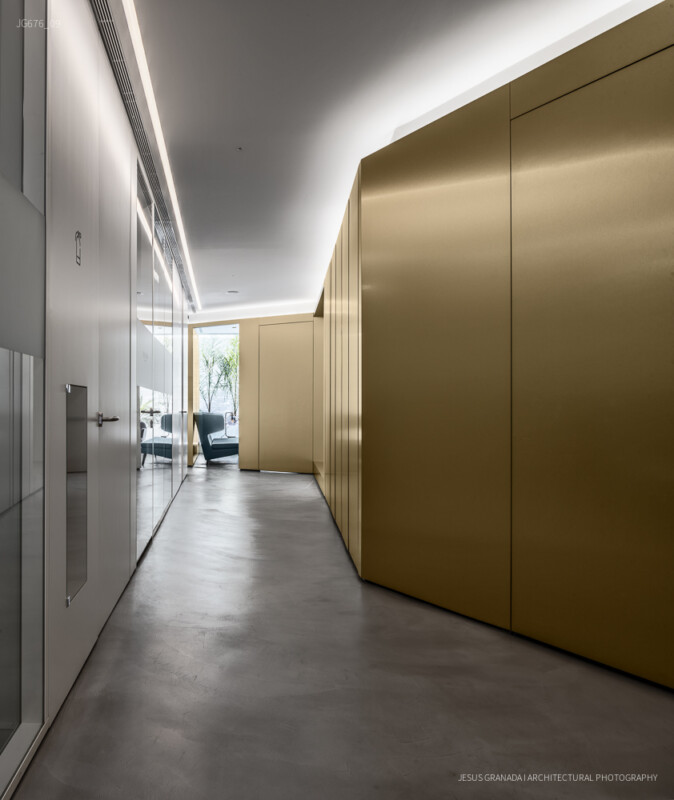
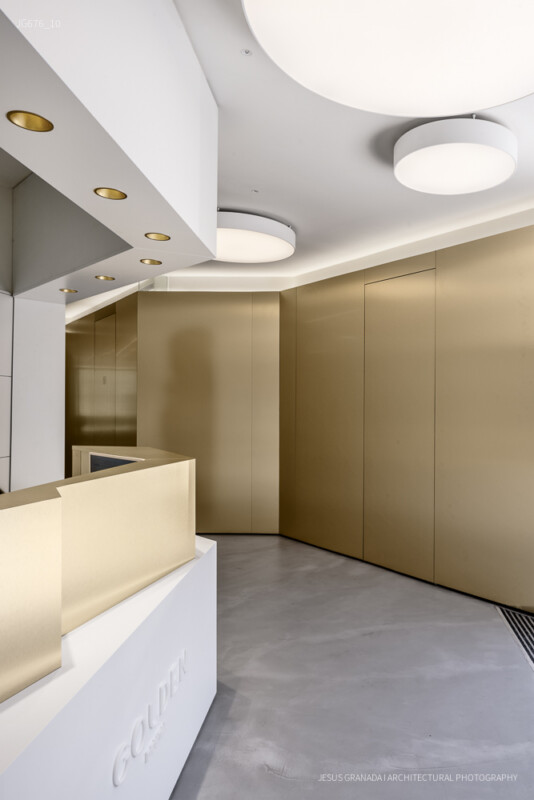
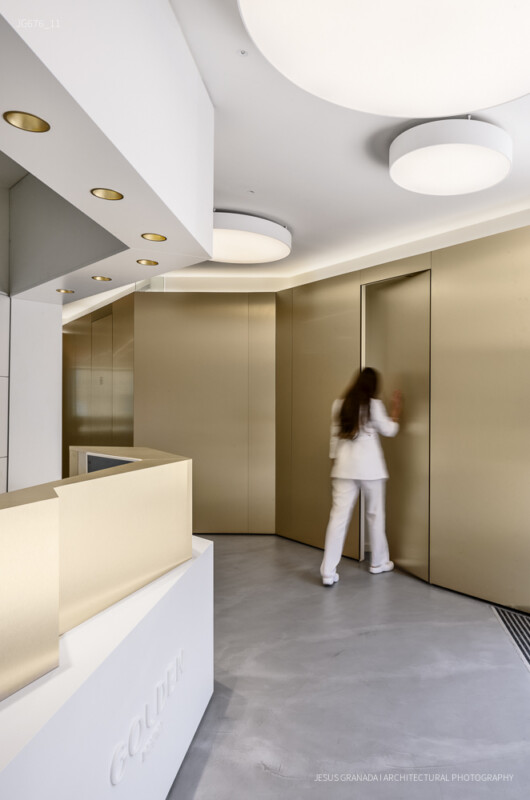
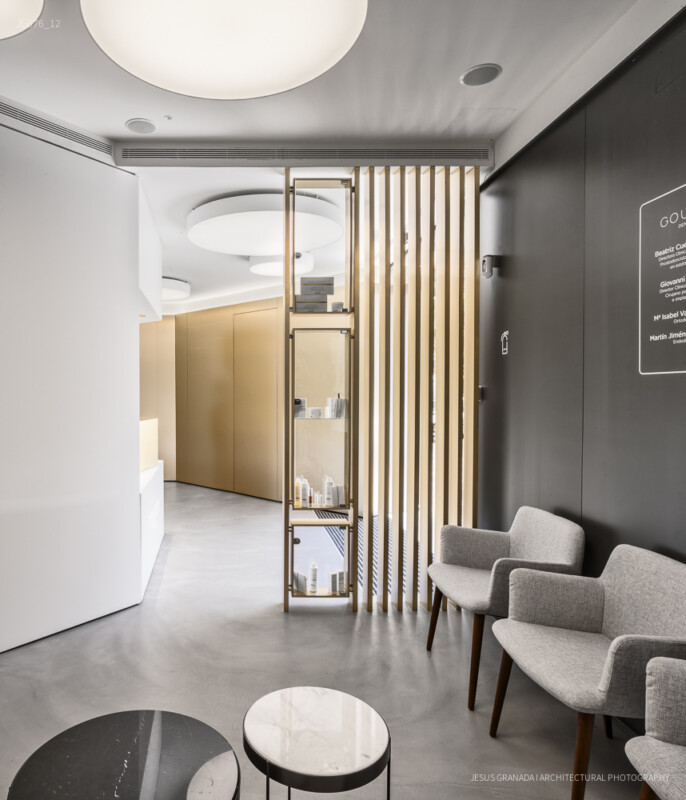
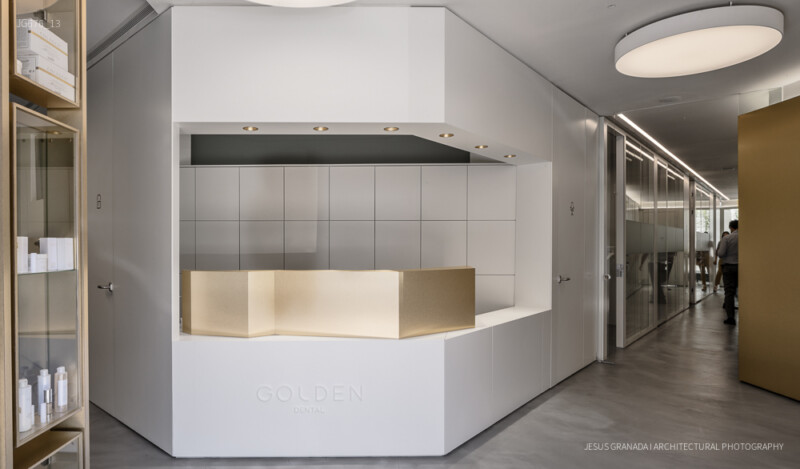
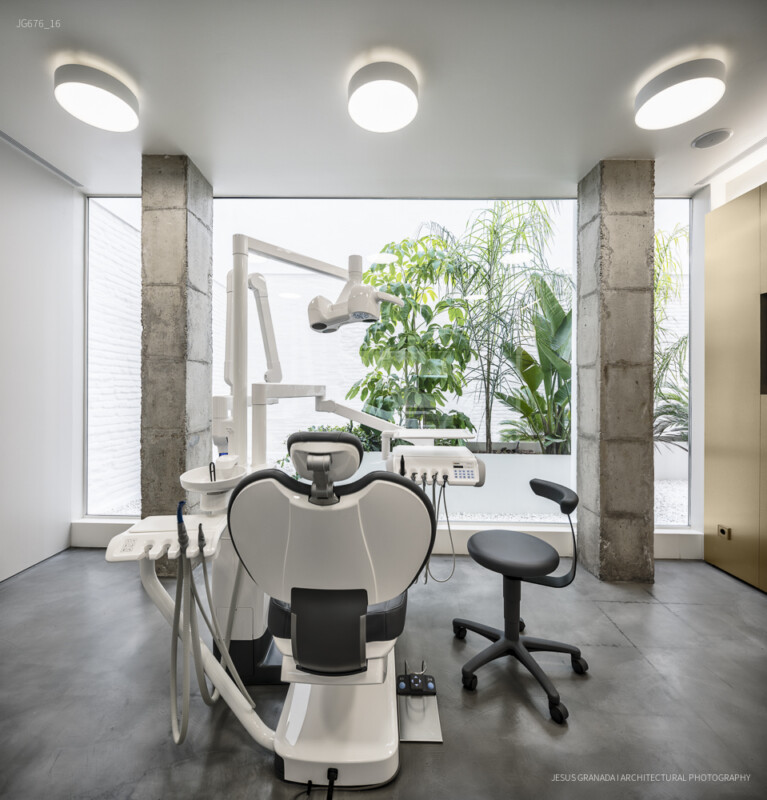
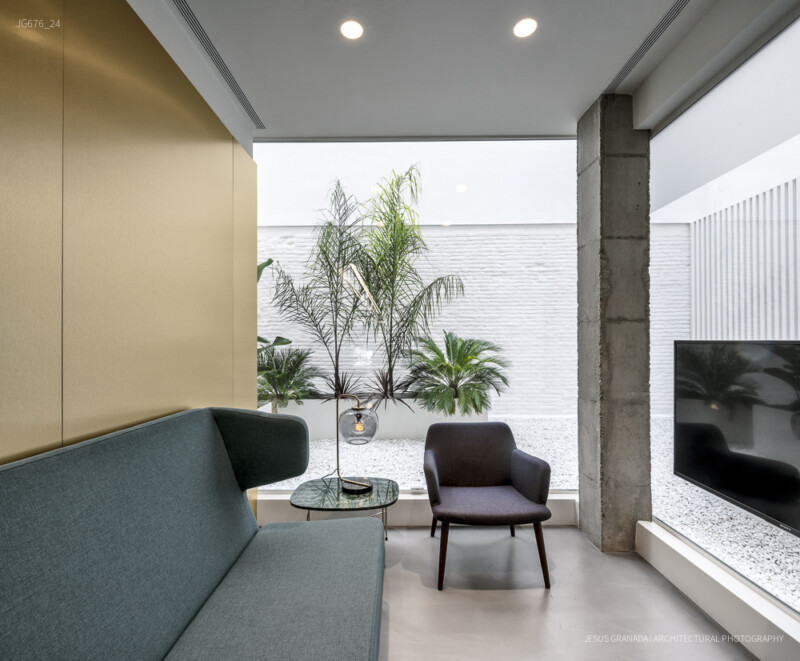
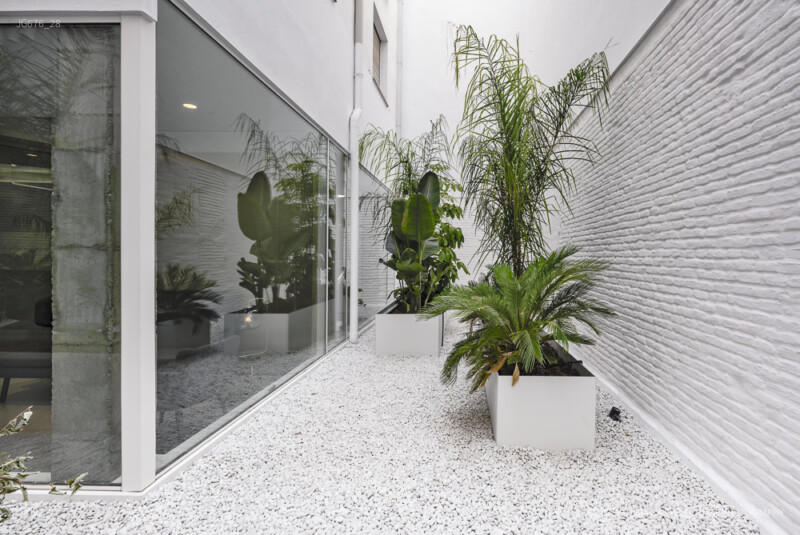
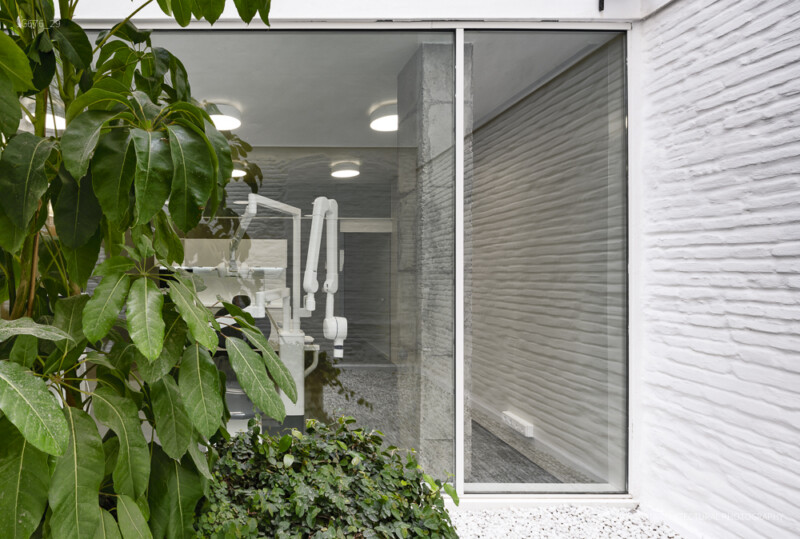
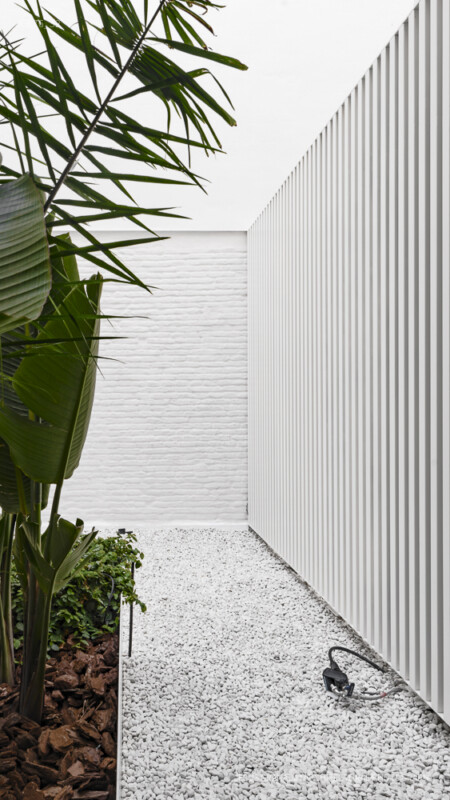
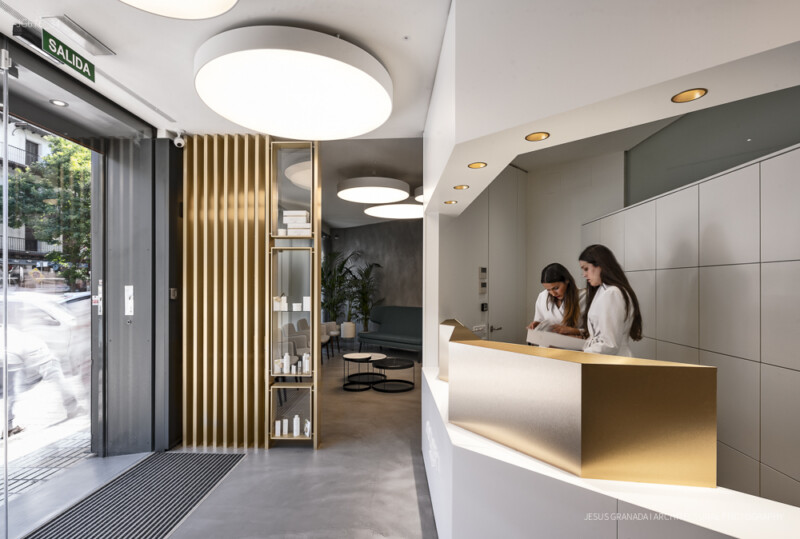
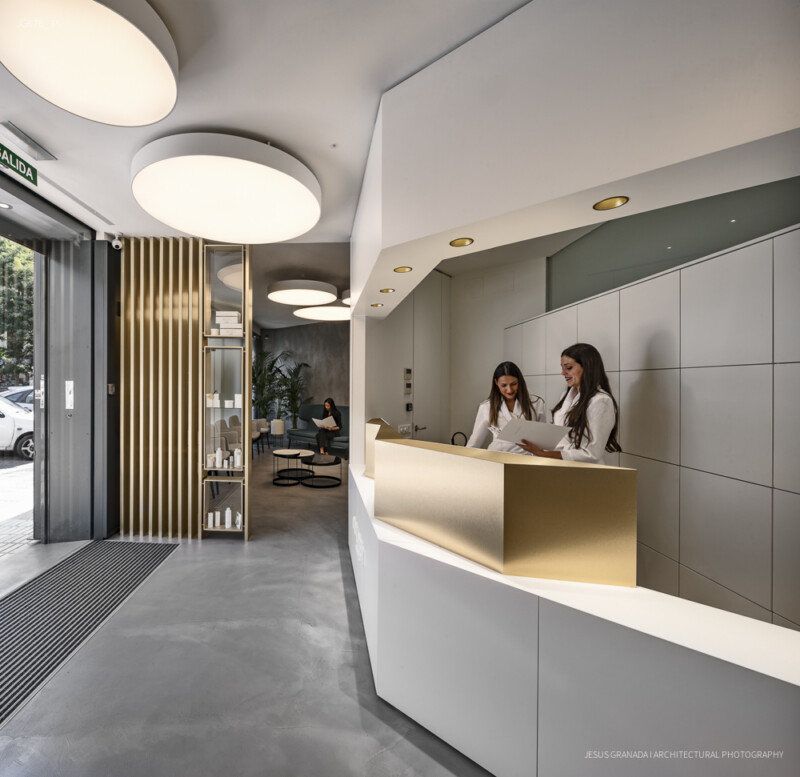
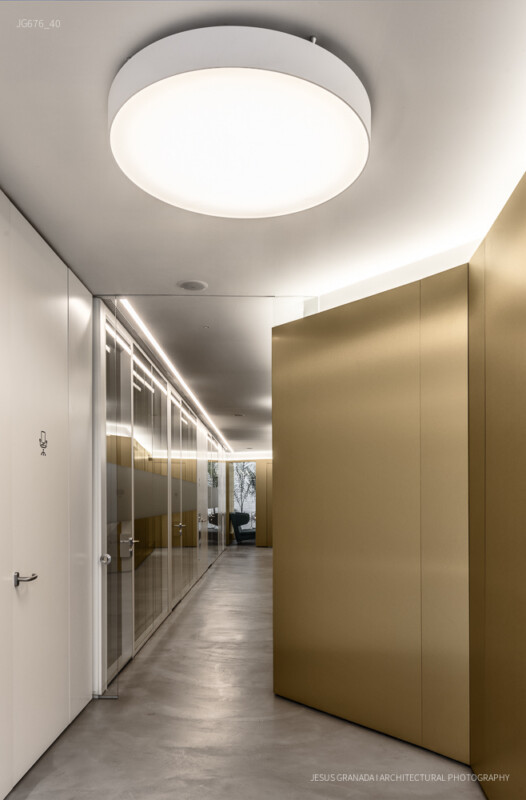
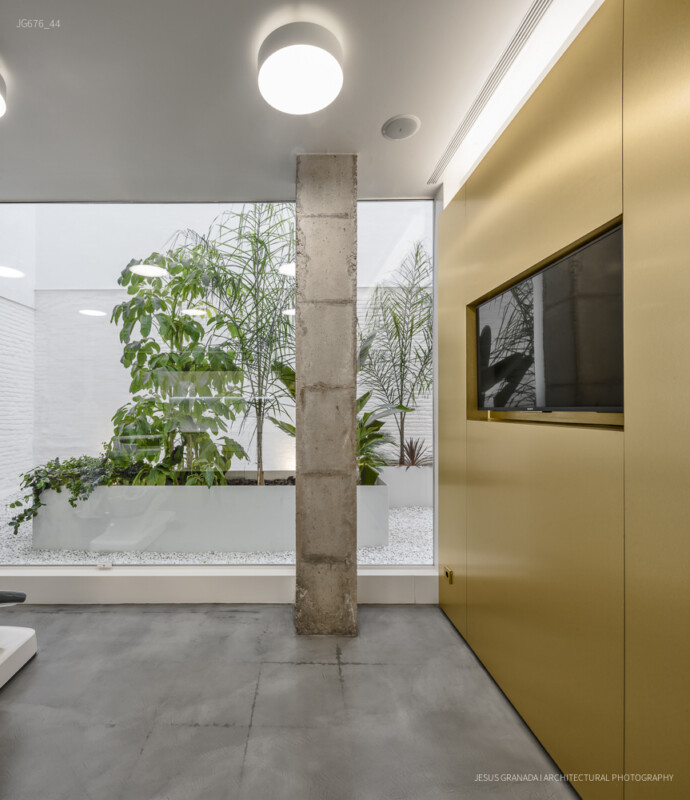
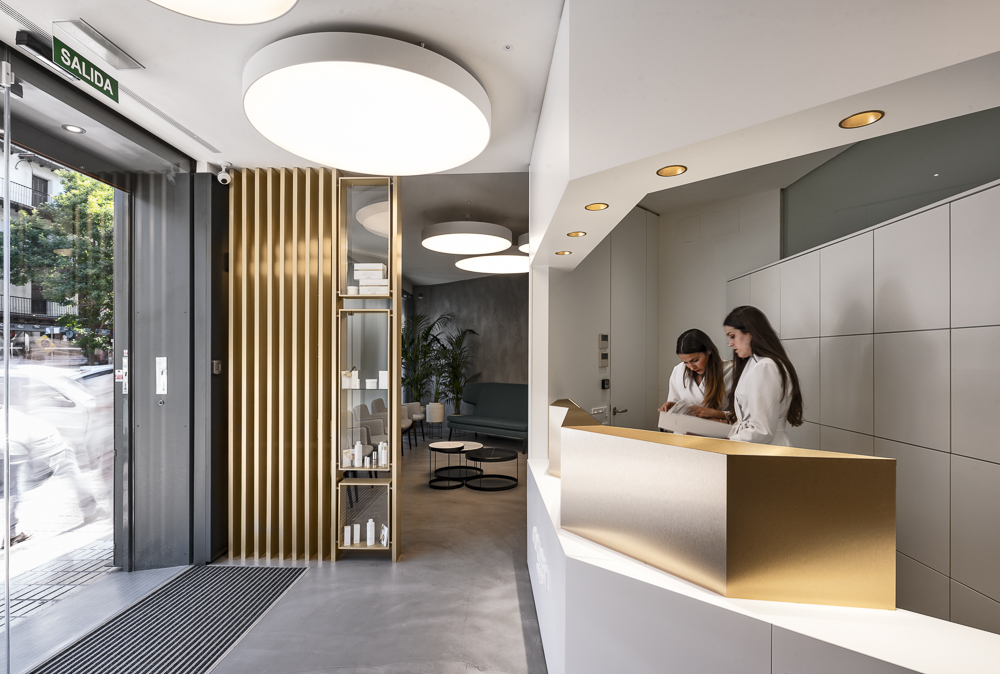
Golden Dental Clinic | Baum architects | Seville, Spain | November 2018 MINERAL SPACE
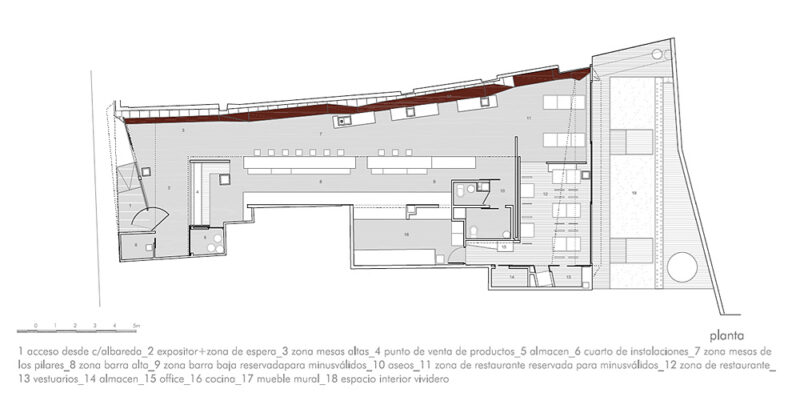
The proposal reacted to a very complex site. The space was too deep, originally not well illuminated, too narrow, diagonal… The project began with a socio-political negotiation with the neighbors, in order to get the right to use the backyard.
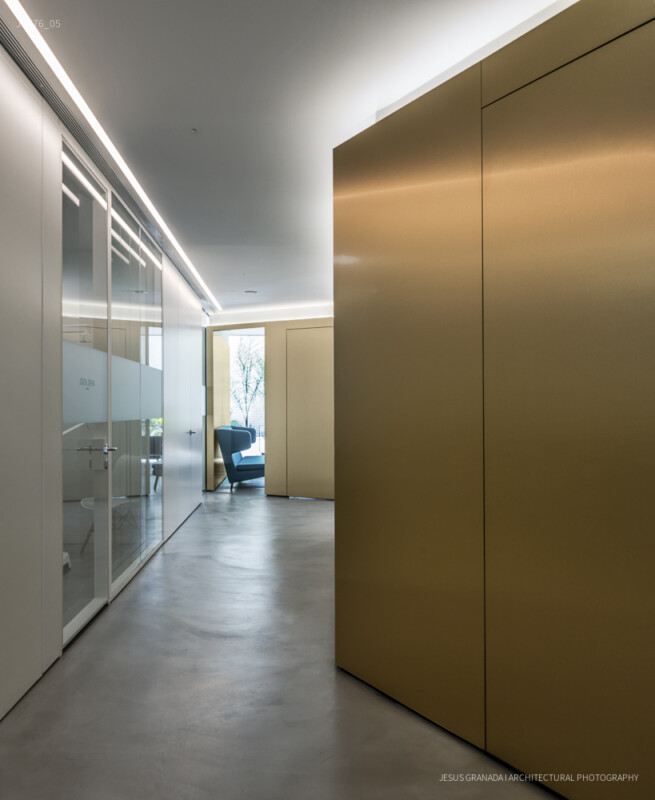
Once this goal was achieved, the layout crystallized one of the sides of the room, in order to organize the great amount of irregularities that this wall presented: pillars, corners, existing installations.
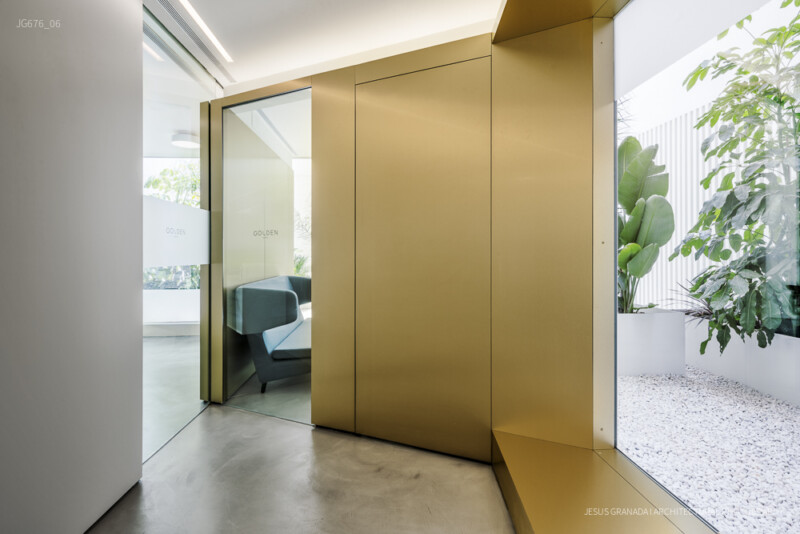
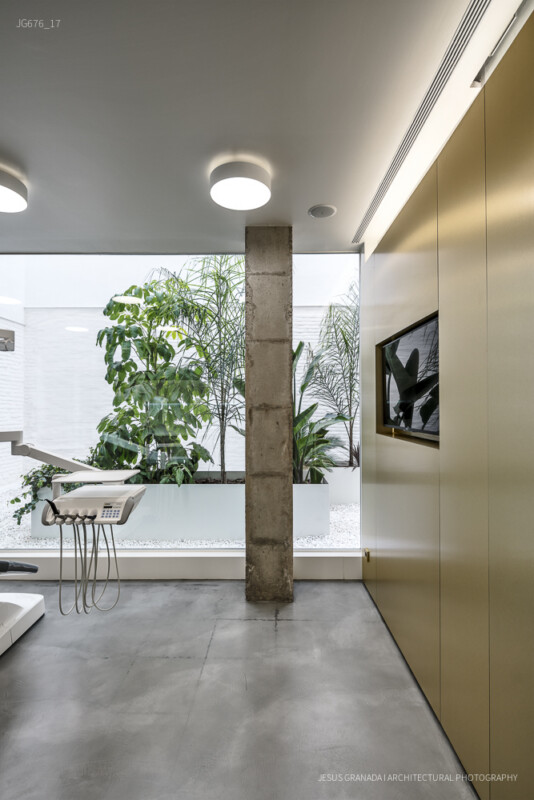
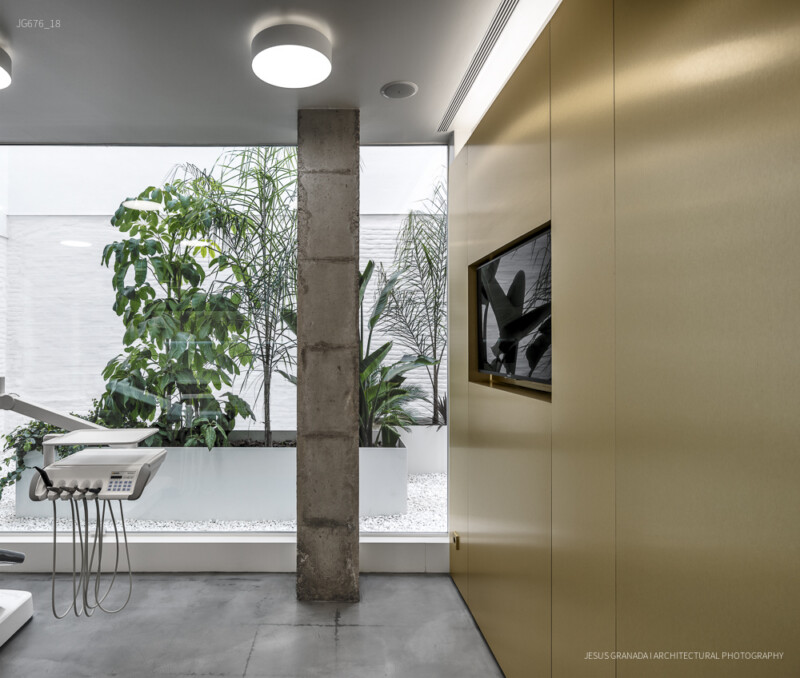
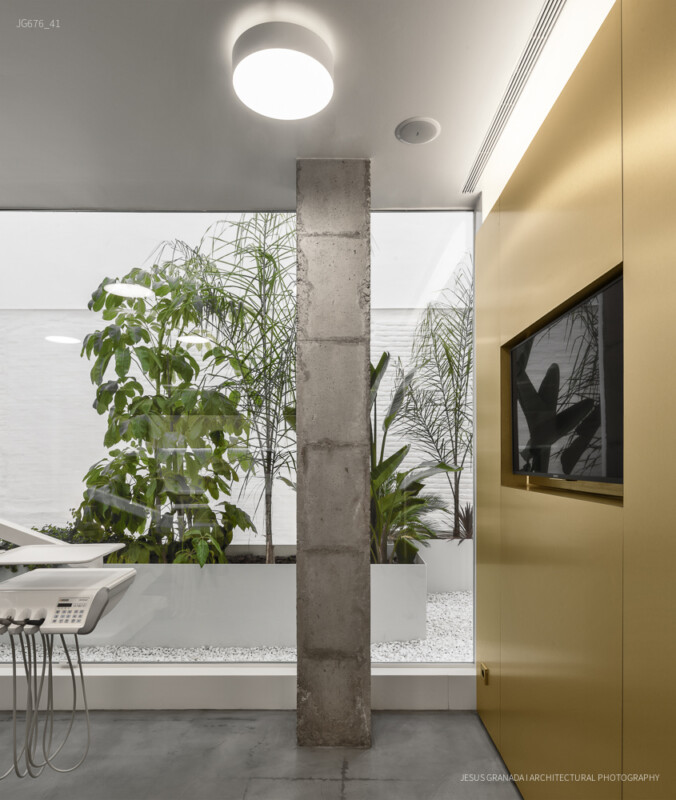
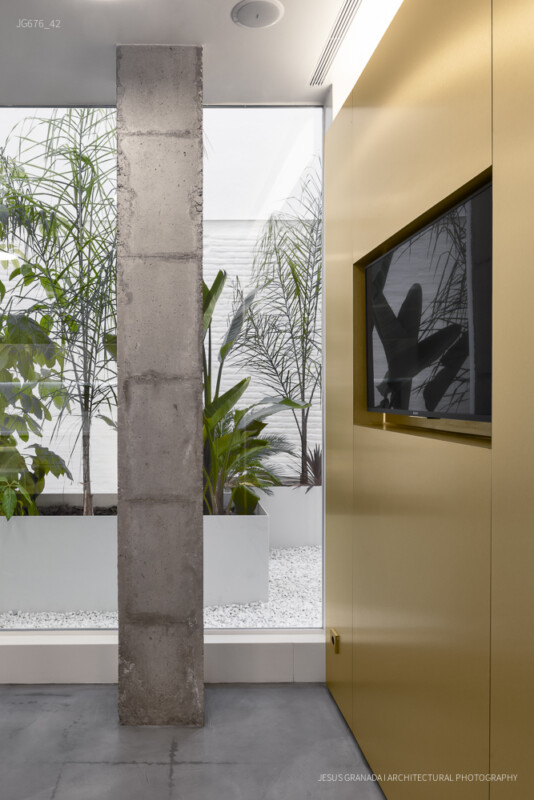
Thus, the introduced angular piece of furniture enabled an organizing element, able to give coherence to the space and to regularize all the interferences of that side.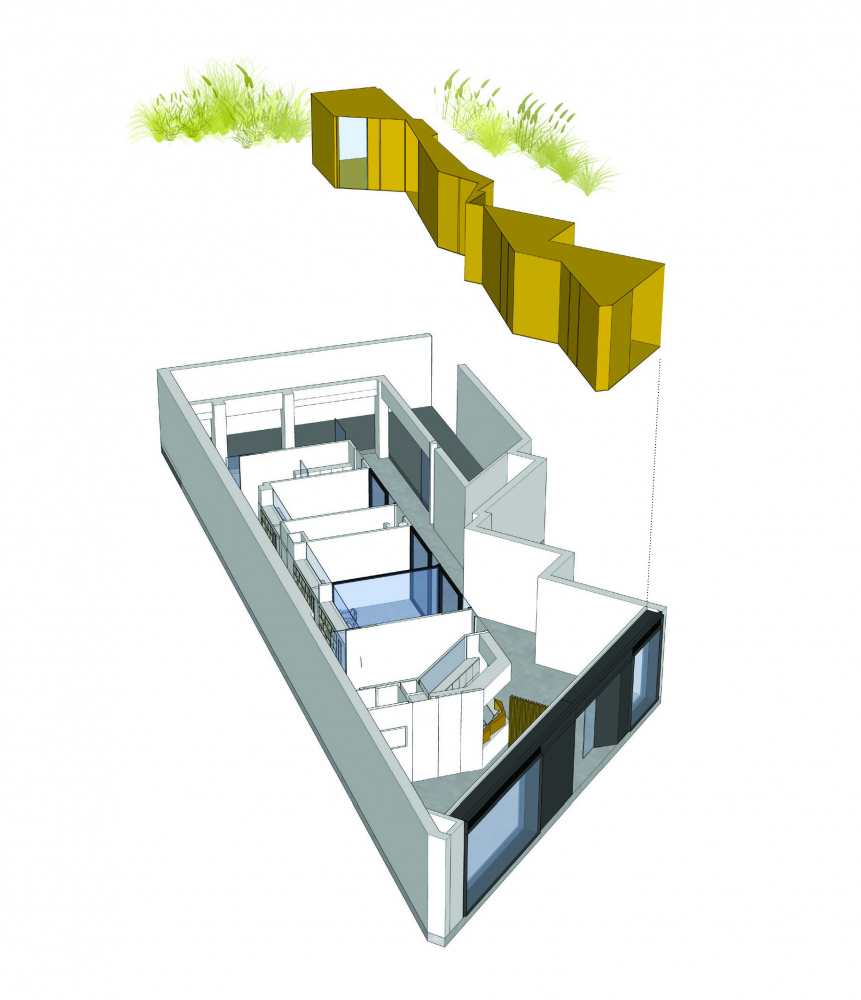
MICROURBANISM
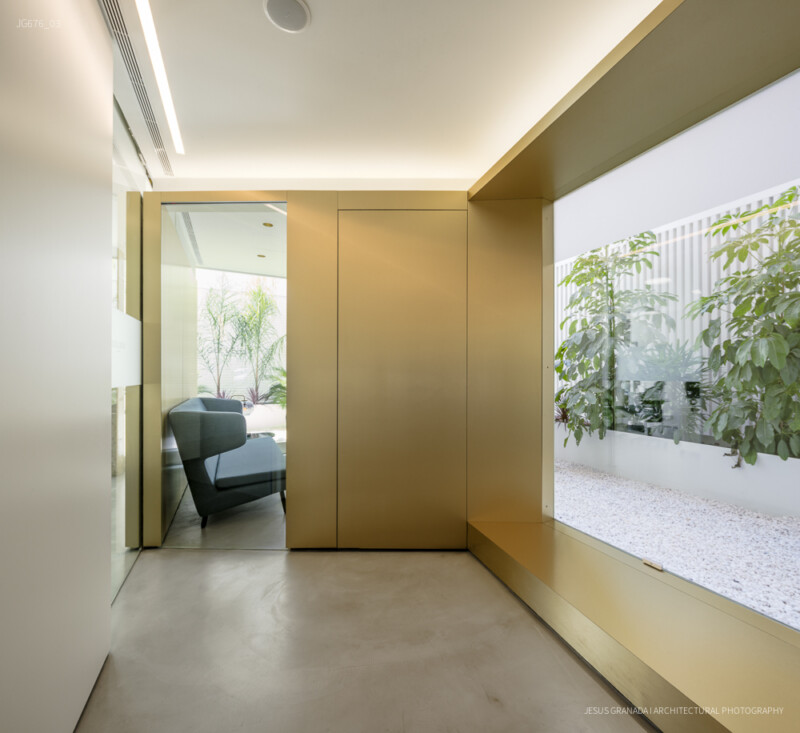
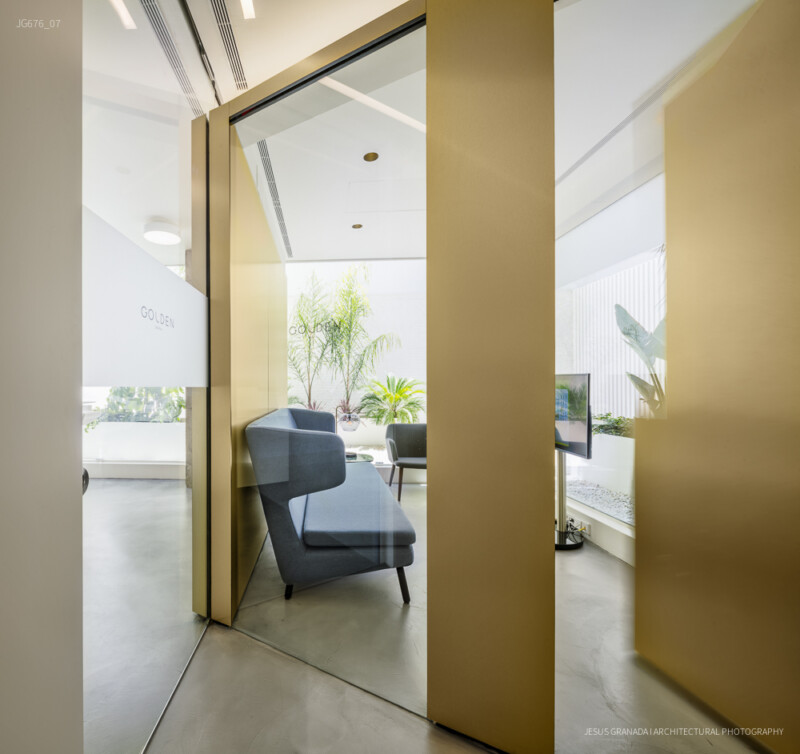
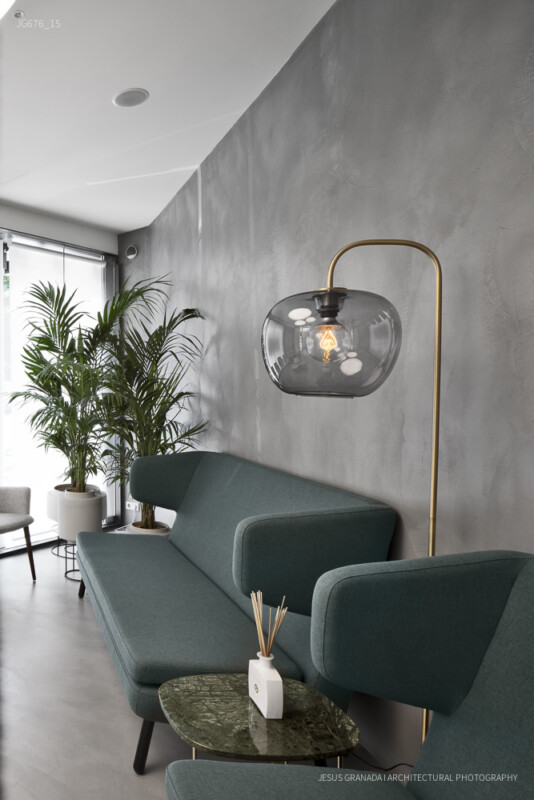
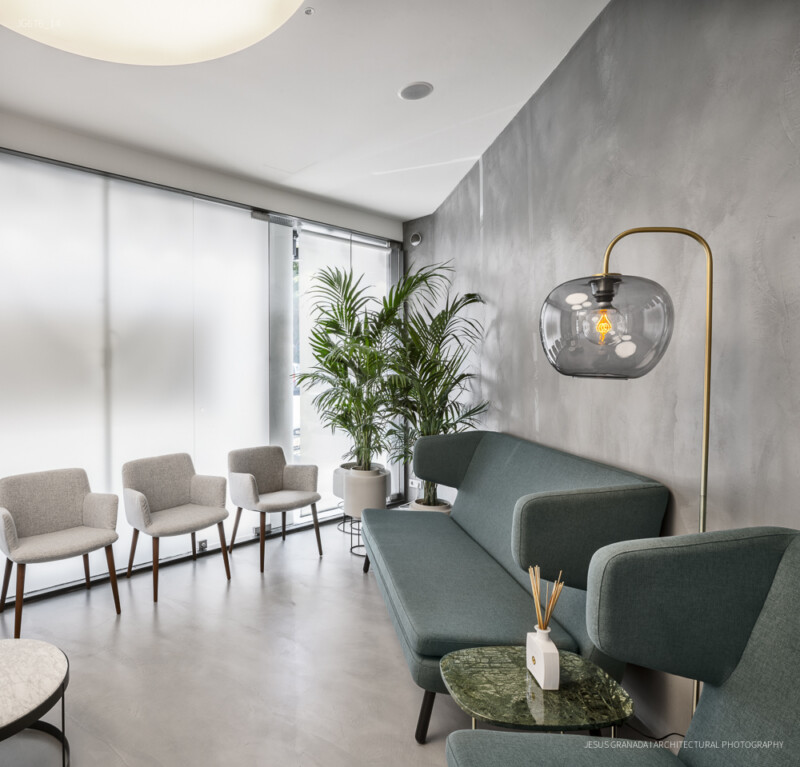
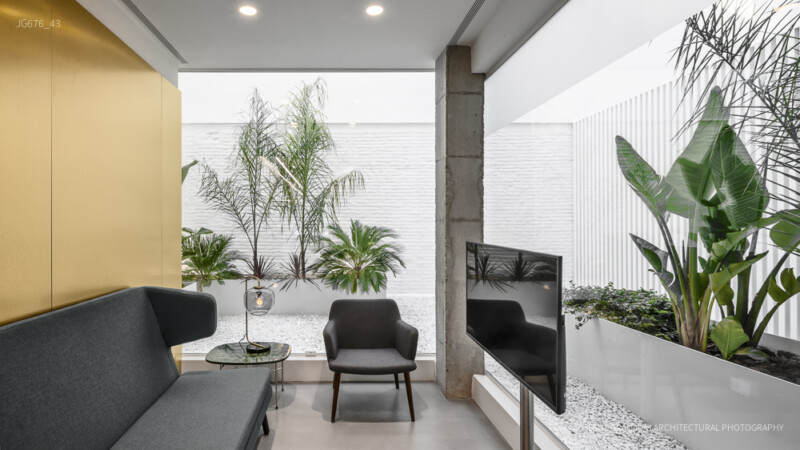
The interior space is developed as if it were a street, in which the privacy filters appear almost imperceptively, from the public space, up to the medical areas. A series of wider spaces enables the waiting rooms, the hall and even the last dental cabinet.
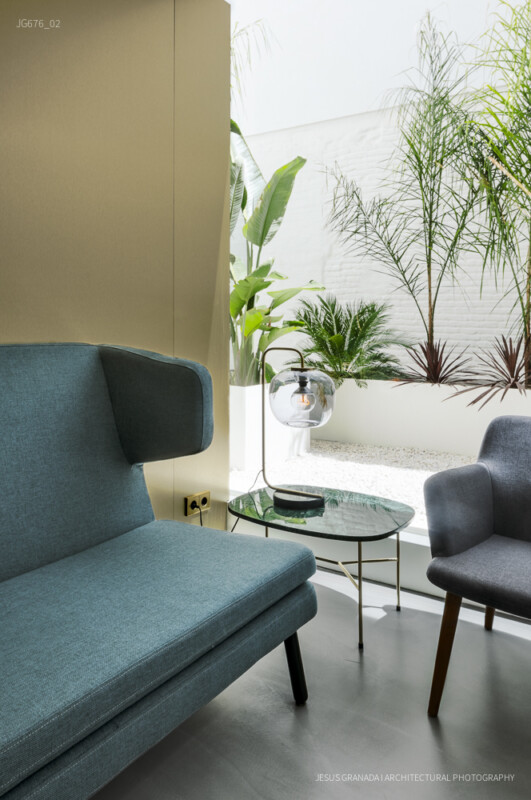
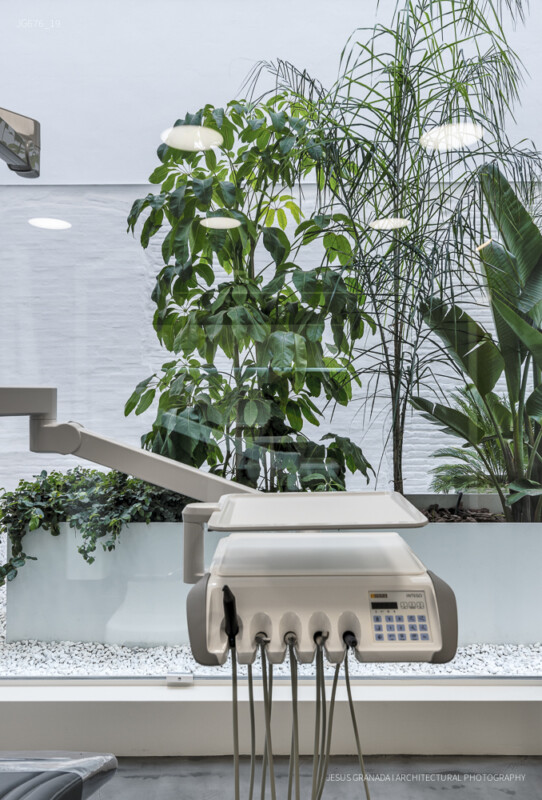
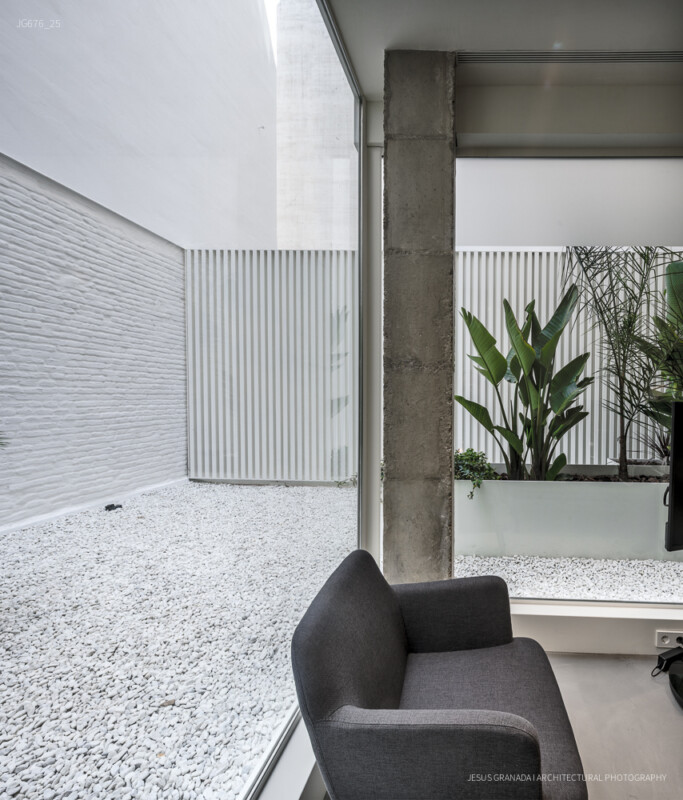
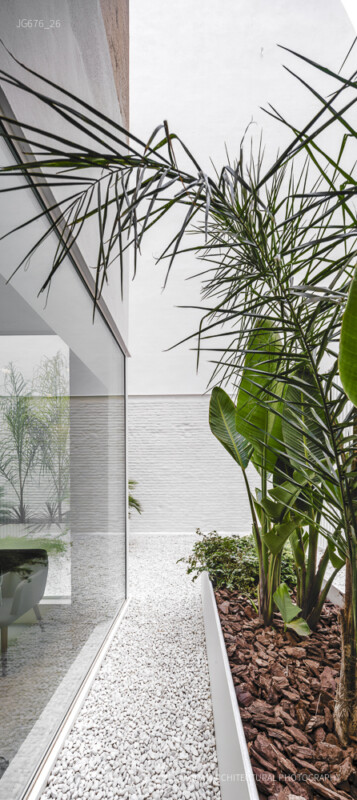
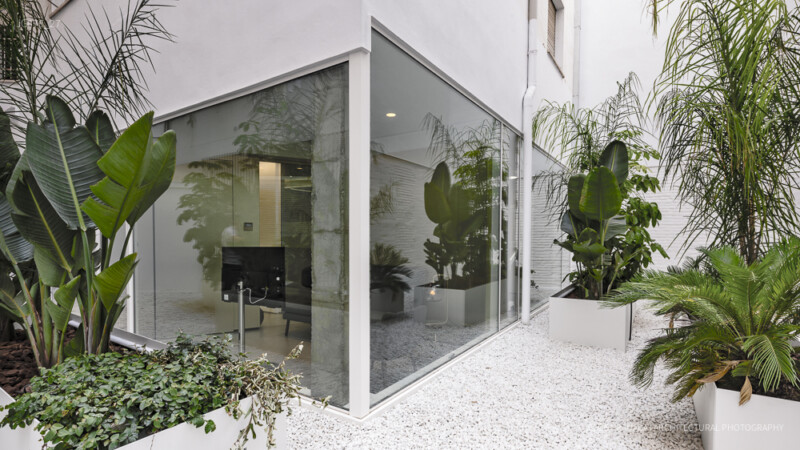
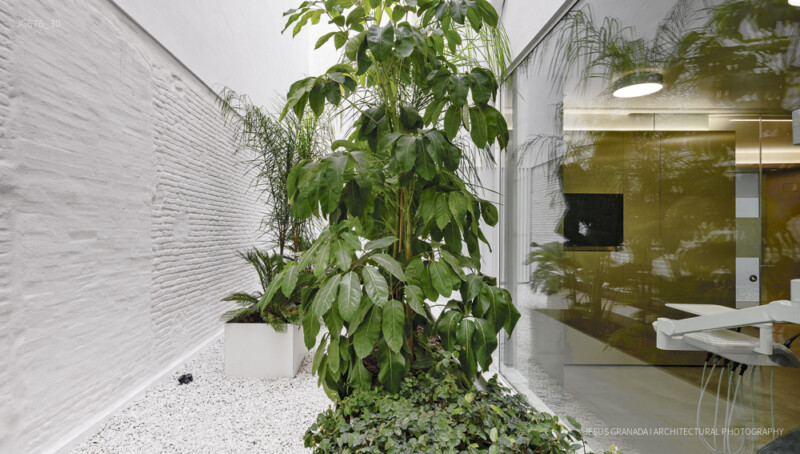
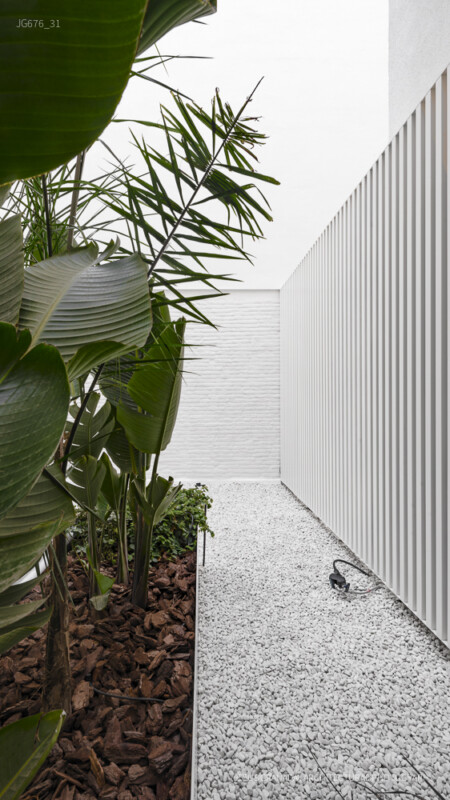
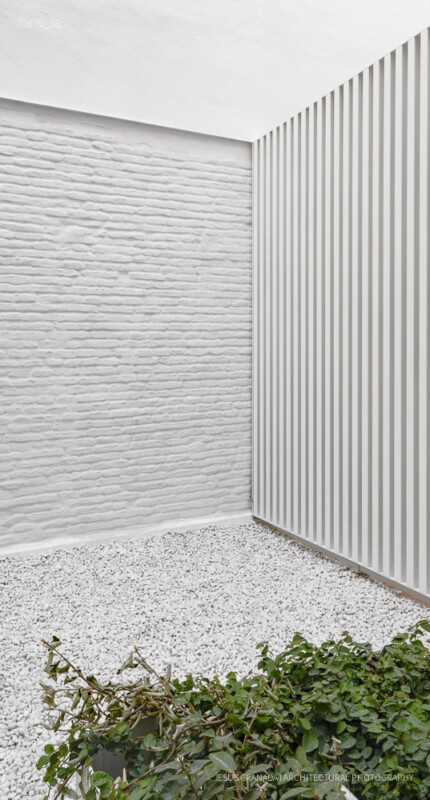
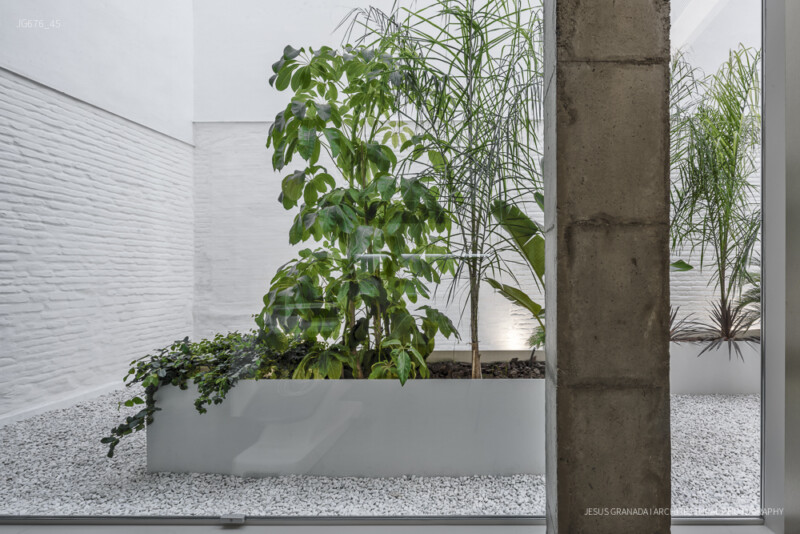
The promenade ends up with the view of the tropical garden, which takes advantage of the deep condition of the yard and its indirect sun-lighting to generate a micro-clima.
Data sheet:
Location: Spain, Seville, Calle Adriano, 28, 41001 Sevilla
Year: 2017-2018
Developer: Private
Colaborators : Lola Viega, Daniel Leiva, Javier Romero
-

Transsolar
Lightscapes
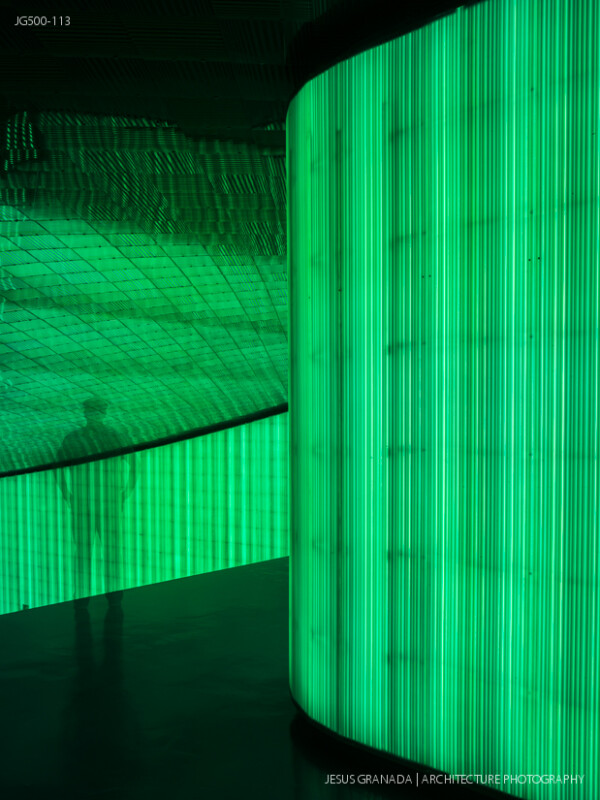
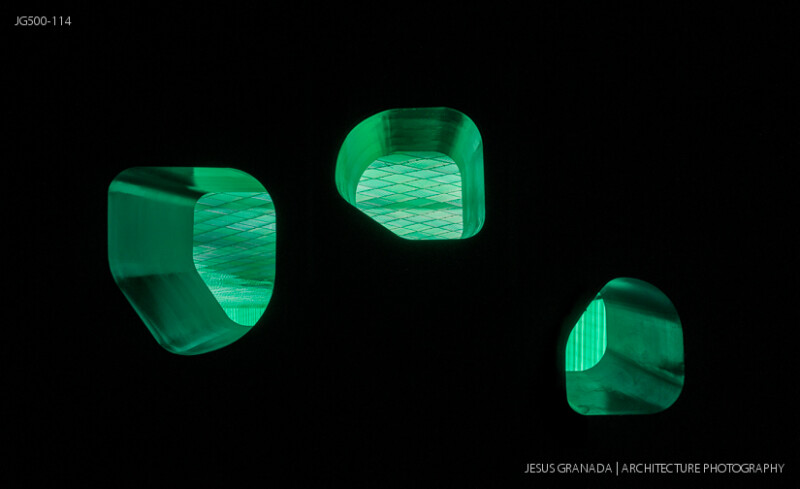
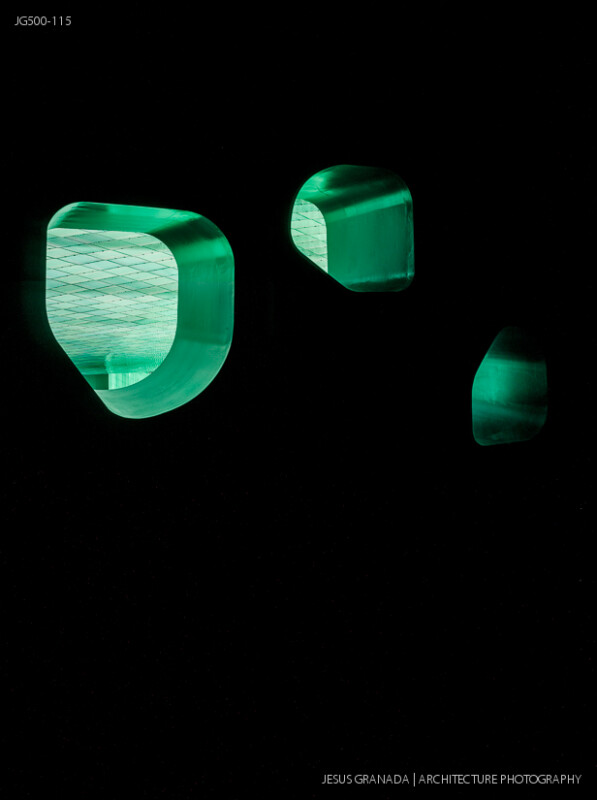
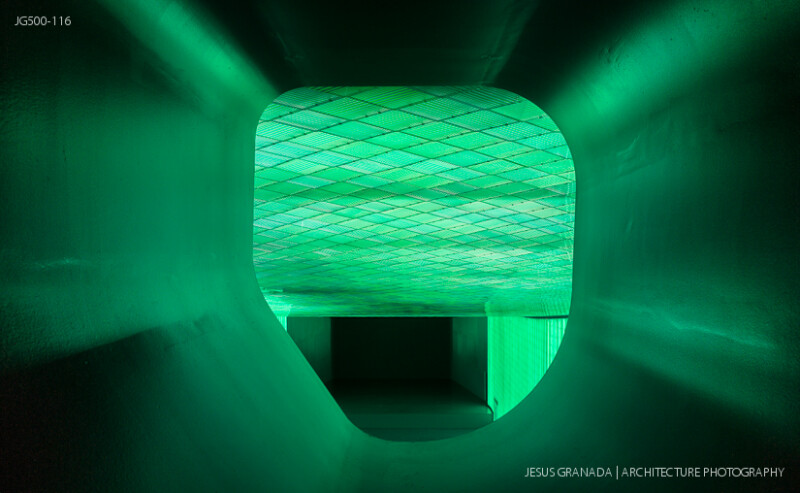
A collaboration between Transsolar and Anja Thierfelder at Arsenale
The 15th International Architecture Exhibition – La Biennale di Venezia curated by Alejandro Aravena, has 88 participants from 37 different countries. Included among the participants is Transsolar KlimaEngineering and German architect Anja Thierfelder, with their piece Lightscapes – Local identity, exploring a forgotten resource. The objective: To reproduce the atmospheric phenomenon of visible sun rays as an aesthetic and immersive experience. The message: Working with the unique qualities of a place releases the place’s potential to endow buildings with a strong identity.
Venue: Arsenale, Sale d’Armi
-
Czech and Slovak (Republic)
Commissioner: Monika Mitášová, Monika Palčová. Curators/Exhibitors: Benjamín Brádňanský, Petr Hájek, Vít Halada, Ján Studený, Marián Zervan (Academy of Fine Arts and Design in Bratislava and University in Trnava).
Venue: Giardini
-
Australia
Commissioner: Janet Holmes a Court AC. Curators: Amelia Holliday and Isabelle Toland (Aileen Sage Architects) with Michelle Tabet. Exhibitors: Conversations with Olympians Shane Gould and Ian Thorpe; authors Anna Funder and Christos Tsiolkas; musician Paul Kelly; environmentalist Tim Flannery; fashion designers Romance Was Born; and art curator Hetti Perkins.
Venue: Giardini
More information about the 2016 events here.
Pavillion architect: Denton Corker Marshall, 2015
More about the pavilion in Archdaily.
Australia 'The pool' – Venice Biennale 2016 from ArchDaily on Vimeo.
-
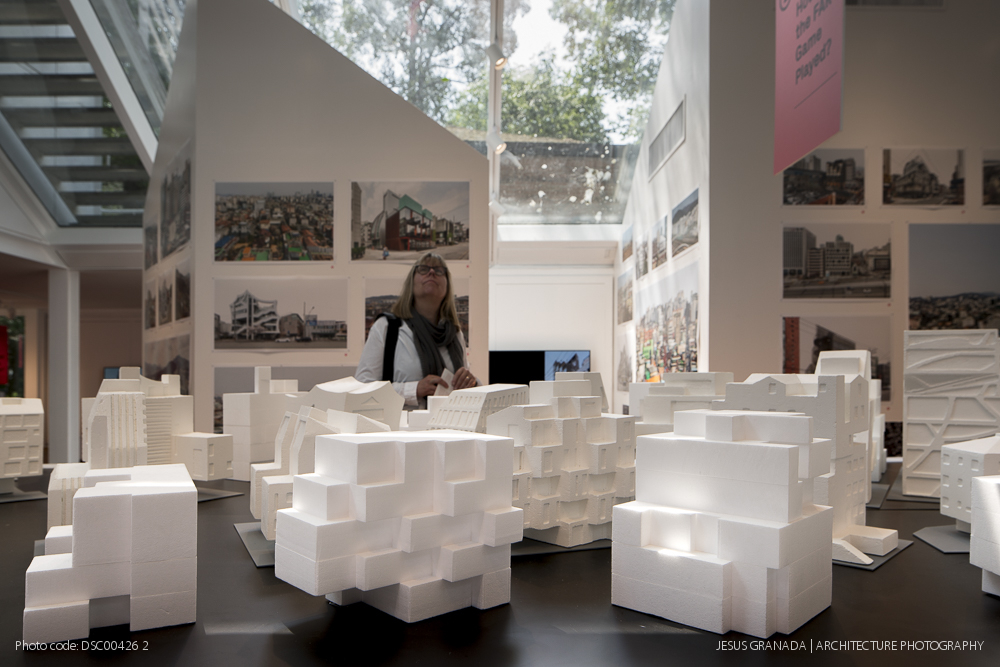
Korea
Commissioner: Arts Council Korea. Curators/Exhibitors: Sung Hong KIM, Eungee CINN, Keehyun AHN, Seungbum KIM, Isak CHUNG, Daeun JEONG.
Venue: Giardini
-
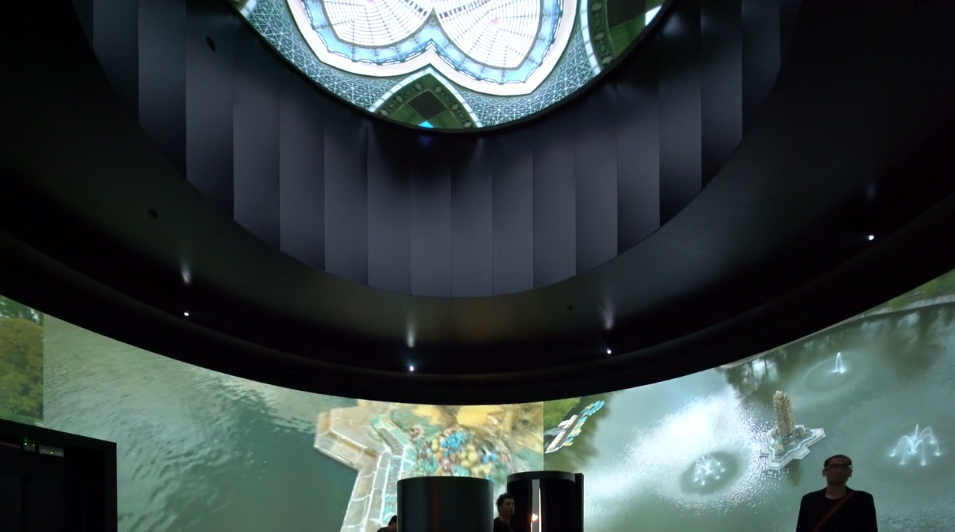
Russia
[vc_row][vc_column][vc_column_text]
Commissioner: Semen Mikhailovsky. Curator: Sergey Kuznetsov.
Venue: Giardini
[/vc_column_text][/vc_column][/vc_row][vc_row][vc_column][vc_video link=”https://vimeo.com/171292739″][/vc_column][/vc_row][vc_row][vc_column][vc_column_text]
[/vc_column_text][/vc_column][/vc_row]
-
eduCARE
C+S are invited in the 15th Venice Architecture Biennale by curator Alejandro Aravena.
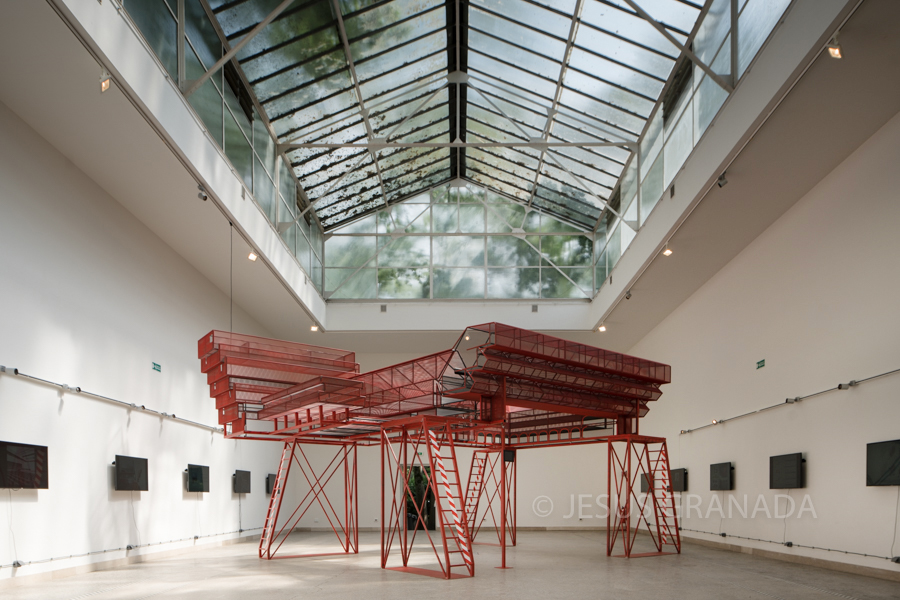
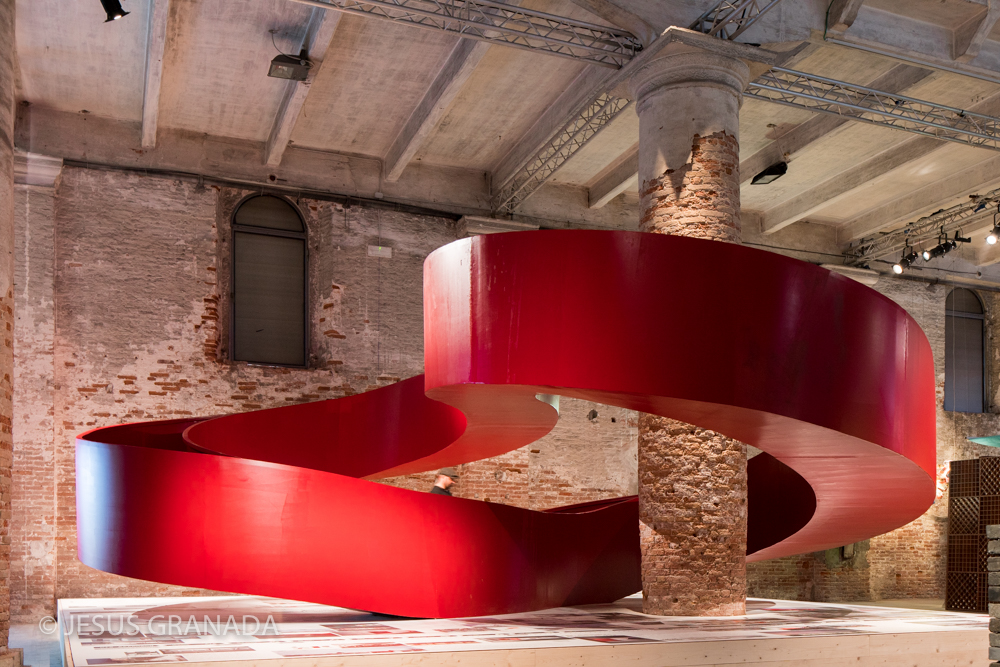
C+S Architects’ participation, entitled eduCARE, is exhibited in the Corderie of the Arsenale and will revolve around school buildings, a series of unconventionally re-designed nodes of the city of the sprawl.
The installation, Aequilibrium, combines a red passerelle floating in the air on a cork carpet printed with the projects of the schools. Those projects have become one big story of the potentials of these small buildings within cities, which have been turned into open nodes which challenge the shaping of a society in transition.
Venue: Arsenale, Sale d’Armi
More information in Archdaily
-
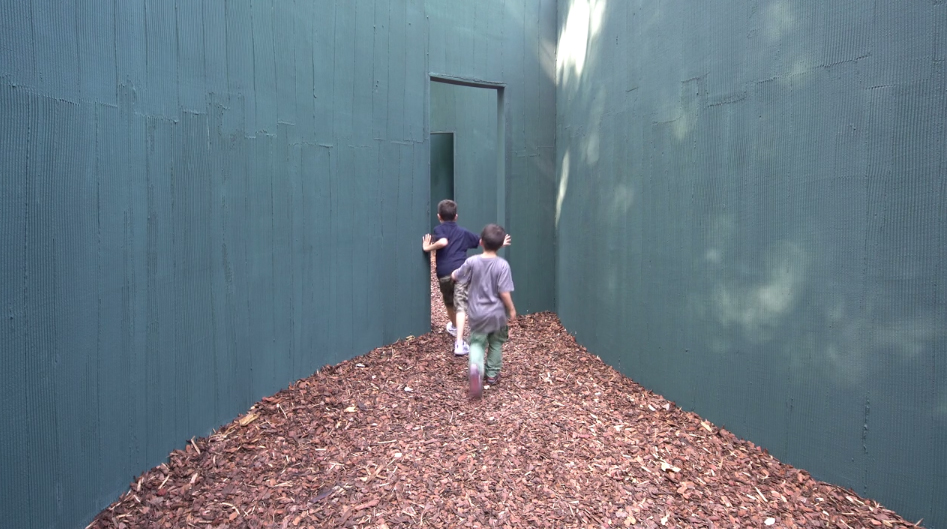
Vara
[vc_row][vc_column][vc_column_text]
Proyecto: Pabellón Vara
Ubicación: Giardini della Biennale, Venecia
Encargo: XV Bienal de Arquitectura de Venecia (Curador: Alejandro Aravena)
Arquitectos: Pezo von Ellrichshausen (Mauricio Pezo & Sofia von Ellrichshausen)
Colaboradores: Susan Conger-Austin, Diego Perez, Anton Zu Knyphausen, Iven Peh, Daniel Andersson, Teresa Correia, Sarah Biffa, Thomas Patrix.
Producción: Solo Galerie, Paris (Christian Bourdais & Eva Albarran)
Patrocinio: Knauf Build Beyond, Fundación Chile Profundo (Cecilia Garcia Huidobro), Fundación Cosmos y el Consejo Nacional de la Cultura y las Artes del Gobierno de Chile.
Construcción: Impresa Edile Fabris Danilo, Padova
Materiales: Estructura acero, paneles de cemento, estuco pintado.
Superficie construida: 324 m2
Fecha proyecto: 2015
Fecha construcción: 2016[/vc_column_text][/vc_column][/vc_row][vc_row][vc_column][vc_video link=”https://vimeo.com/archdaily/vara”][/vc_column][/vc_row][vc_row][vc_column][vc_column_text]
[/vc_column_text][/vc_column][/vc_row]
-
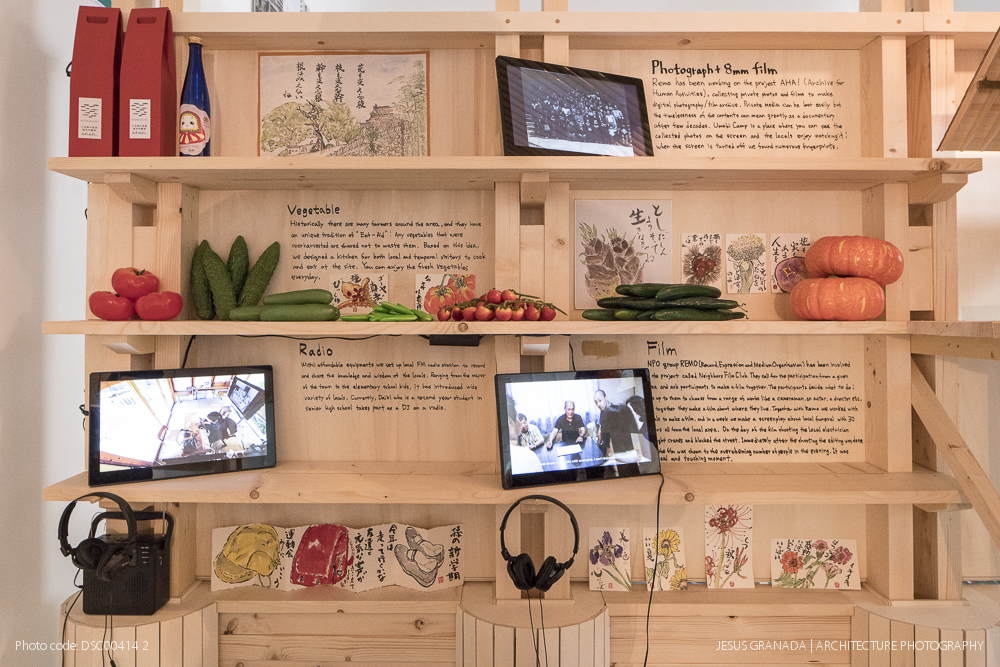
Japan
Commissioner: The Japan Foundation. Curator: Yoshiyuki Yamana. Exhibitors: mnm (Mio Tsuneyama); ondesign (Osamu Nishida); Erika Nakagawa; Naruse Inokuma Architects (Jun Inokuma, Yuri Naruse); Naka Architects’ Studio (Toshiharu Naka, Yuri Uno); Nousaku Architects (Fuminori Nousaku, Junpei Nousaku); miCo. (Mizuki Imamura, Isao Shinohara); Levi Architecture (Jun Nakagawa); Shingo Masuda+Katsuhisa Otsubo Architects (Shingo Masuda, Katsuhisa Otsubo); Koji Aoki Architects (Koji Aoki); 403architecture [dajiba] (Takuma Tsuji, Takeshi Hashimoto, Toru Yada; BUS (Satoru Ito, Kosuke Bando, Issei Suma); dot architects (Toshikatsu Ienari, Takeshi Shakushiro, Wataru Doi).
Venue: Giardini
Website: http://2016.veneziabiennale-japanpavilion.jp/
-
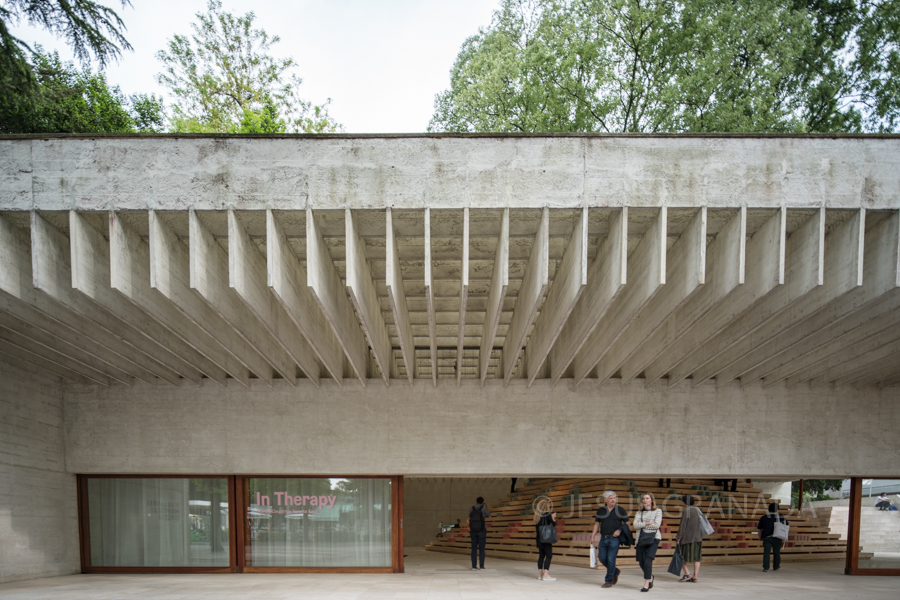
Nordic countries (Finland-Norway-Sweden)
[vc_row][vc_column][vc_column_text]Commissioner: ArkDes, The Swedish Centre for Architecture and Design (Sweden).
Deputy Commissioner: The Finnish Museum of Architecture (Finland) and Nasjonalmuseet (Norway). Curator: David Basulto, James Taylor-Foster.
Venue: Giardini[/vc_column_text][/vc_column][/vc_row][vc_row][vc_column][vc_video link=”https://vimeo.com/172131283″][/vc_column][/vc_row][vc_row][vc_column][vc_column_text]
[/vc_column_text][/vc_column][/vc_row]
-
Puma Energy Headquarters in El Salvador
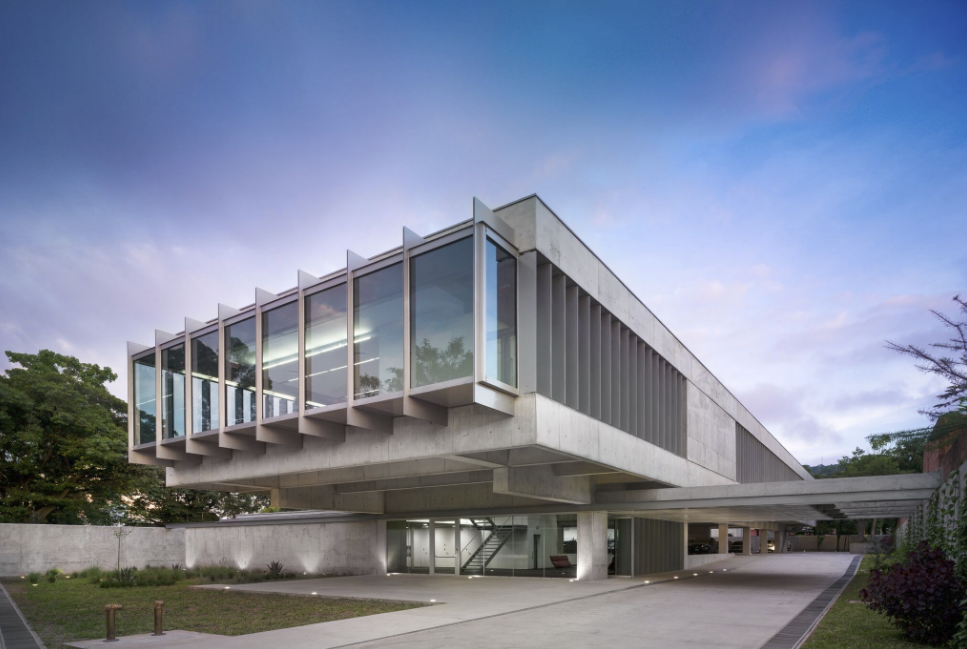
The regional corporate office of Puma Energy for the Americas is located in the southwest corner of a fuel tank terminal in Bayamon, Puerto Rico, which has recently been renovated. The building is inserted as a visible element of this transformation and is located next to the road from which the industrial complex is accessed.
The building is located at an intermediate point between the exuberant tropical vegetation of the Caribbean island and the industrial landscape strongly characterized by its influence of the United States: systematization, regularity, repetition, and industry in contrast to nature. The building is arranged as a filter between these two realities. Both landscapes cross the large floating platforms making the interior to be invaded by this contrast.
The building is designed as a vertical sequence of four large structural steel slabs that act as four floating platforms. Open and flexible spaces are available as workspaces with a few vertical structure elements. The vertical structure made of supporting walls, cores, and pillars, is organized as in a game board in an irregular way, freeing the interior of structural restrictions and orienting the workspace towards certain areas of the landscape.
These platforms extend beyond the limits of the interior space, creating large terraces that protect the interior from direct sun exposure, and can be used as a stage for informal meetings. The horizontal and open space facilitates communication and exchange between users and creates a common link between them and the surrounding landscape. This abstract arrangement of the structure is part of the industrial landscape but allows nature to enter through its glass façade.
The uses of the building are placed according to a gradient from lower to higher privacy from lower levels to higher levels. According to this criterion, public and collective spaces are located at the access level, while internal uses, such as workspaces, are located at upper levels. Communication cores are arranged to allow dynamic circulations and large open office areas with a full visual continuity, both inside and towards the outside to the fuel tank terminal and towards the landscape.
Obra: Sede Regional Puma Energy América
Ubicación: Bayamón, Puerto Rico
Oficina de Arquitectura: Ruiz Pardo – Nebreda
Arquitecto: Marcelo Ruiz Pardo (Ruiz Pardo – Nebreda)
Arquitecto técnico: Sonia Nebreda (Ruiz Pardo – Nebreda)
Colaboradores: Arturo Alberquilla, Alejandra M. de la Riva,
Consultores: Mecanismo (estructuras), JG ingenieros (instalaciones), Arup (fachadas), Nearq (fiscalización)
Promotor: Puma Energy Caribe
Contratista: CGC
Año término construcción: 2018
Superficie: 7.785 m2c
Fotos: Jesús Granada
-
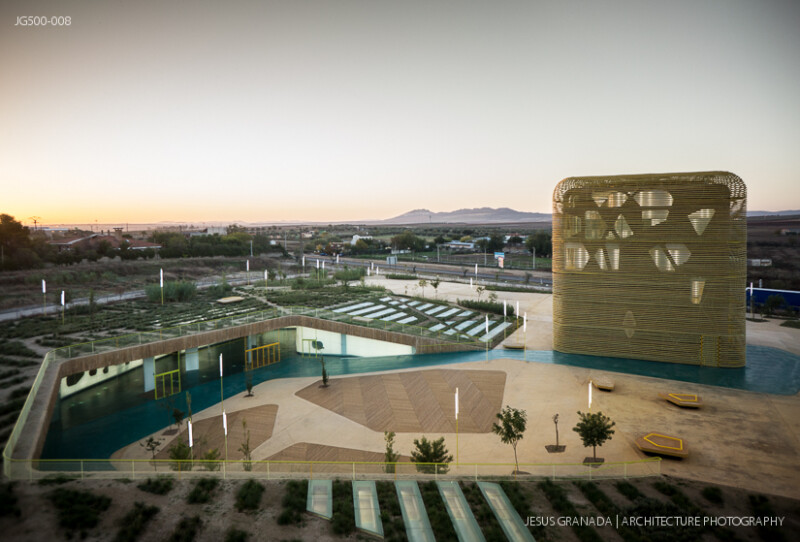
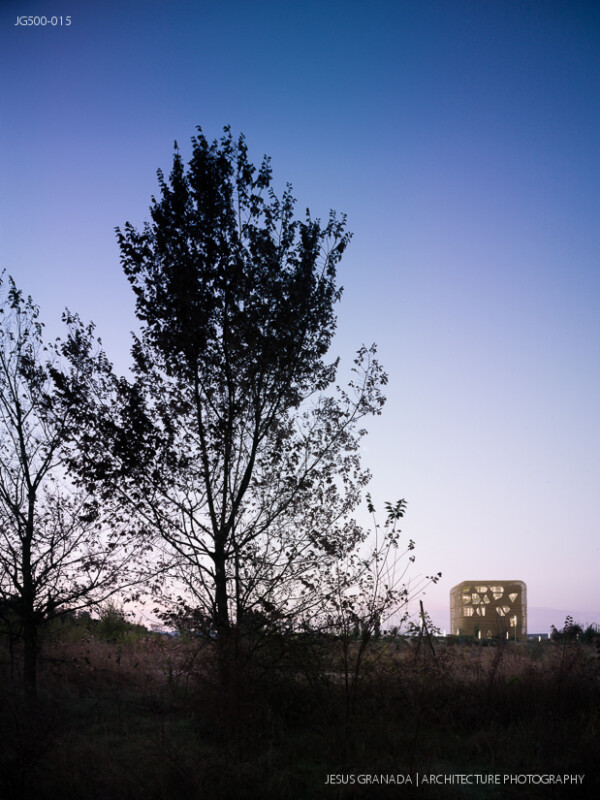
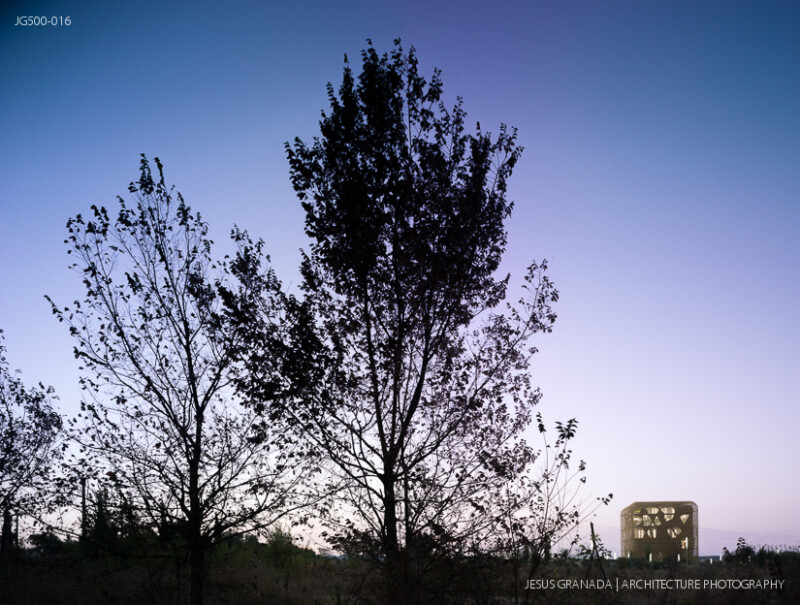
Vegas Altas Congress and Exhibition Center in Villanueva de la Serena, Badajoz
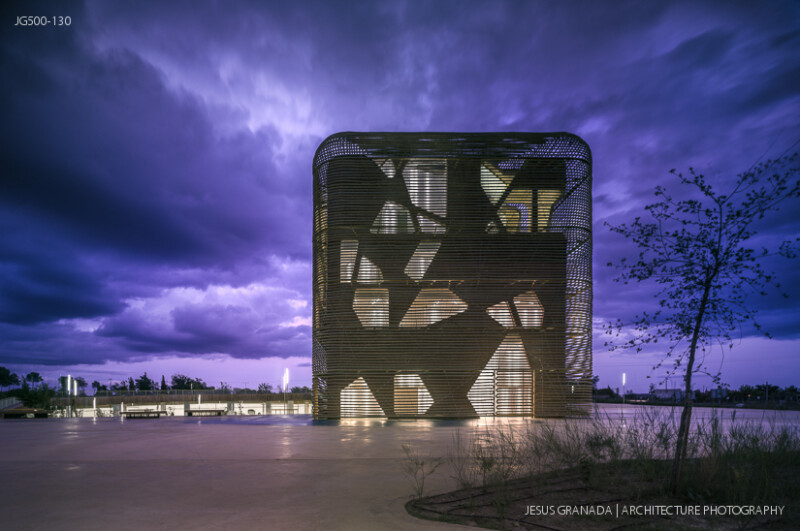
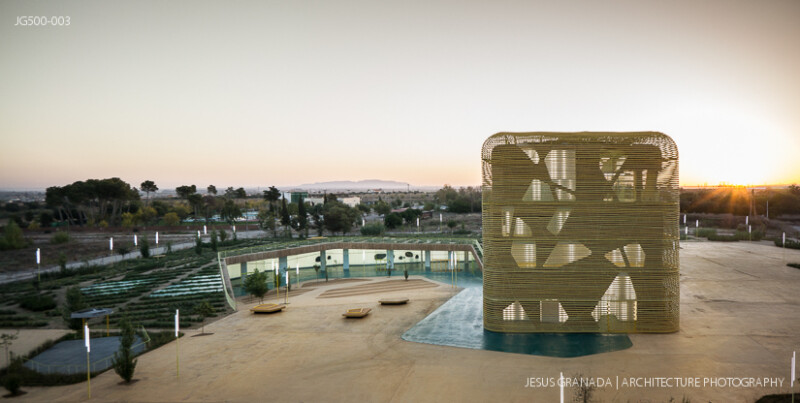
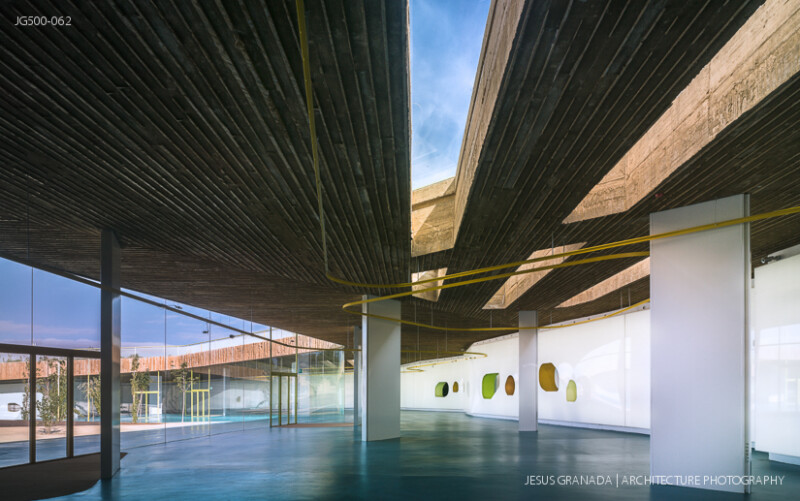
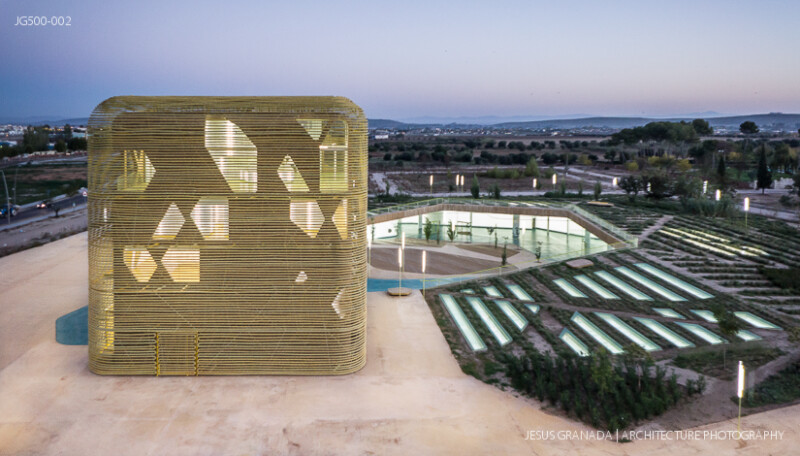
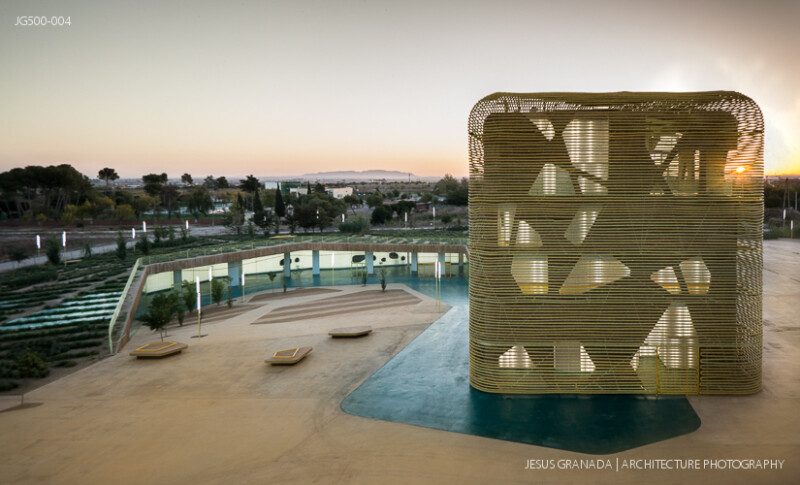
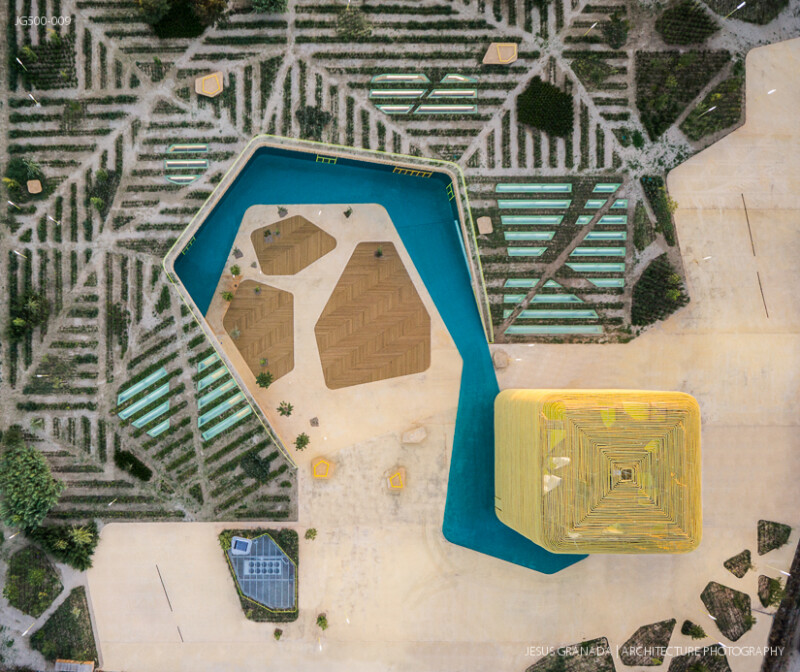
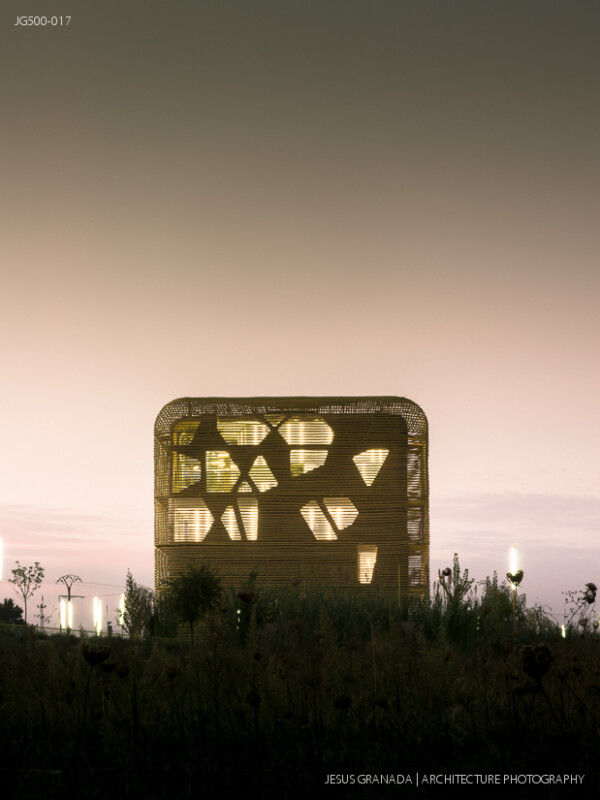
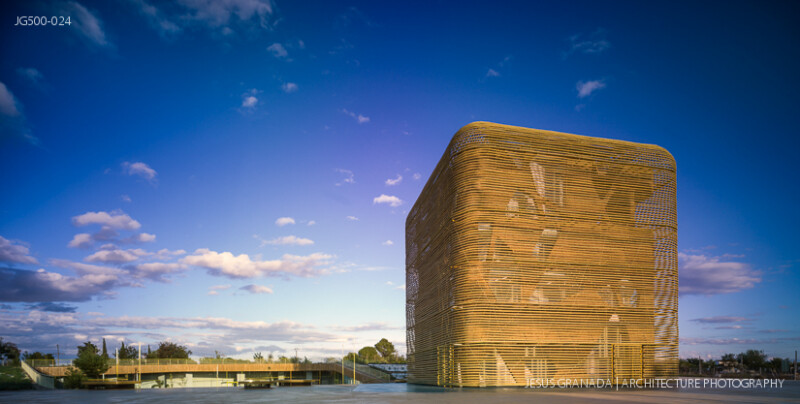
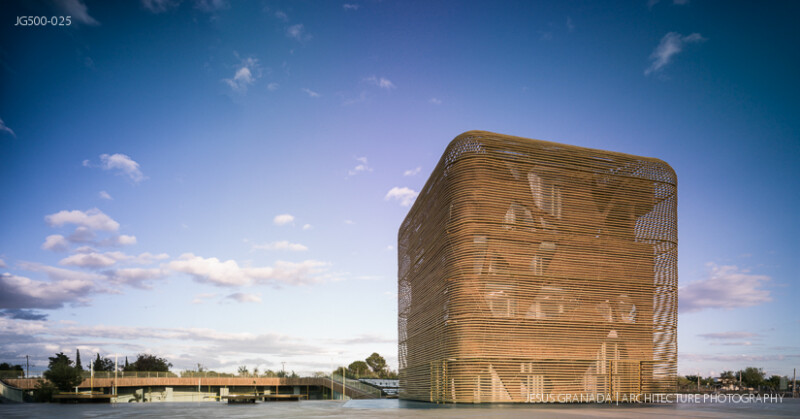
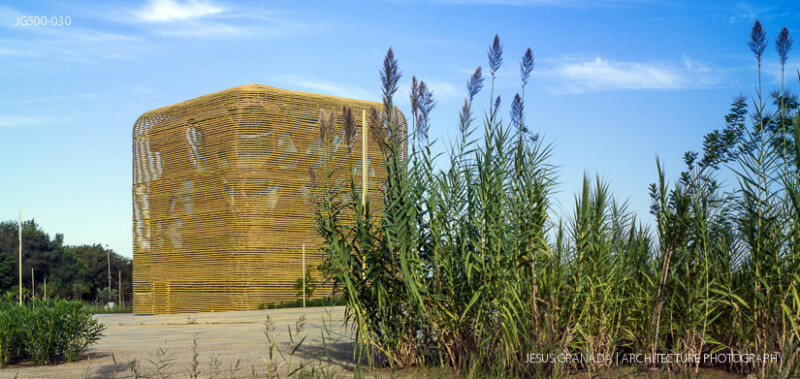
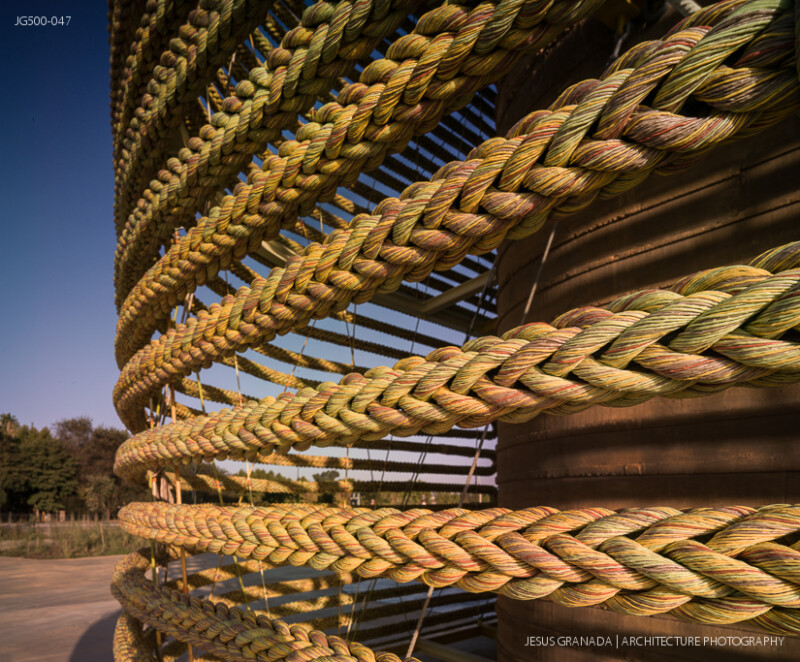
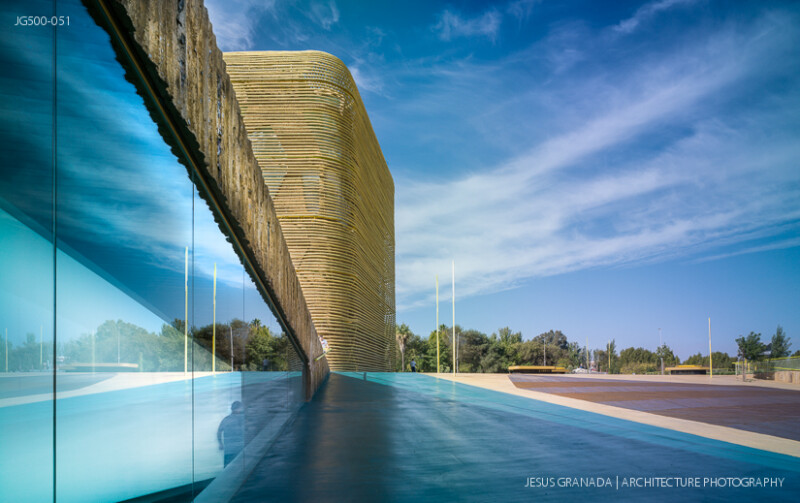
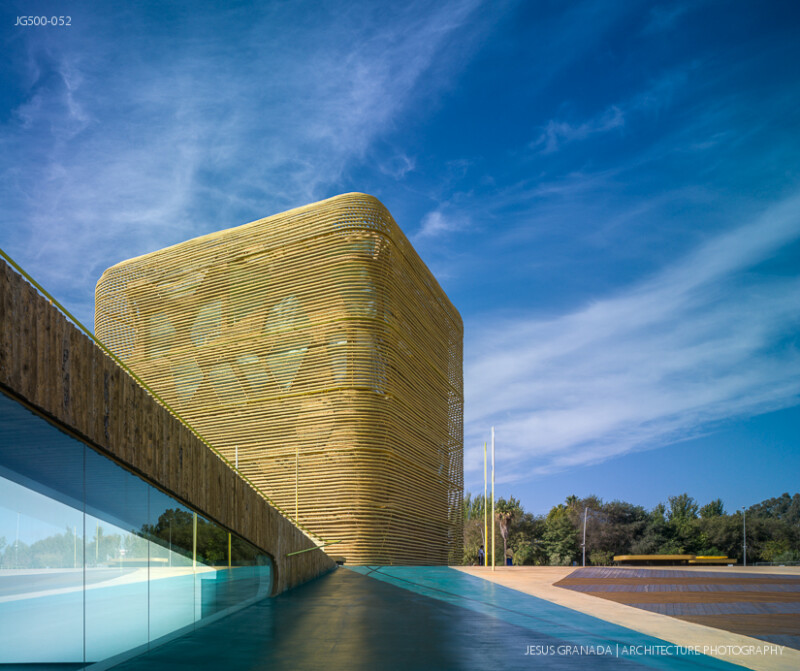
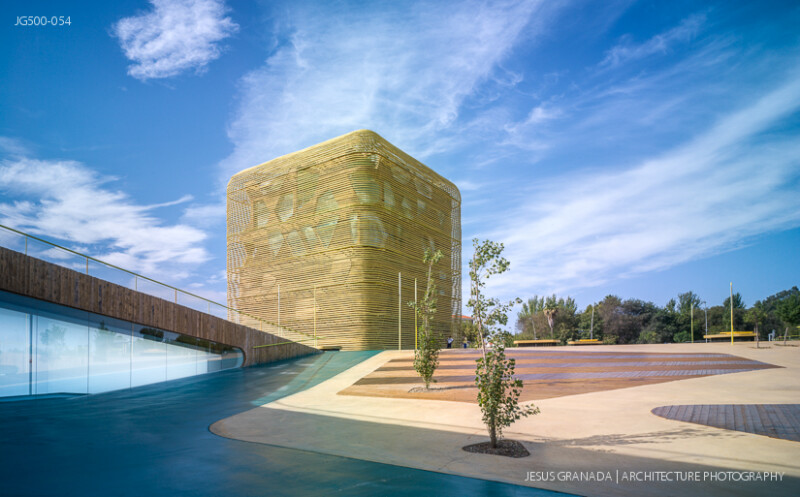
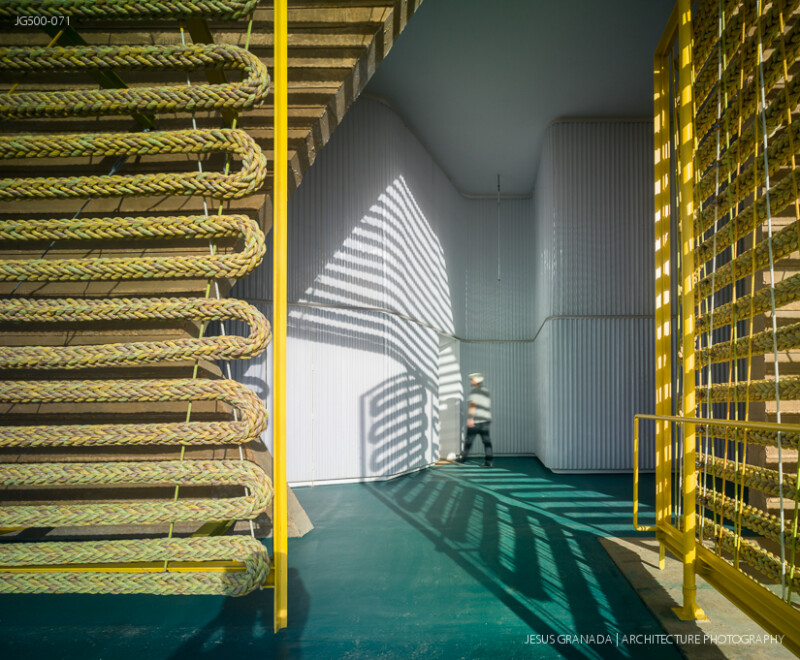
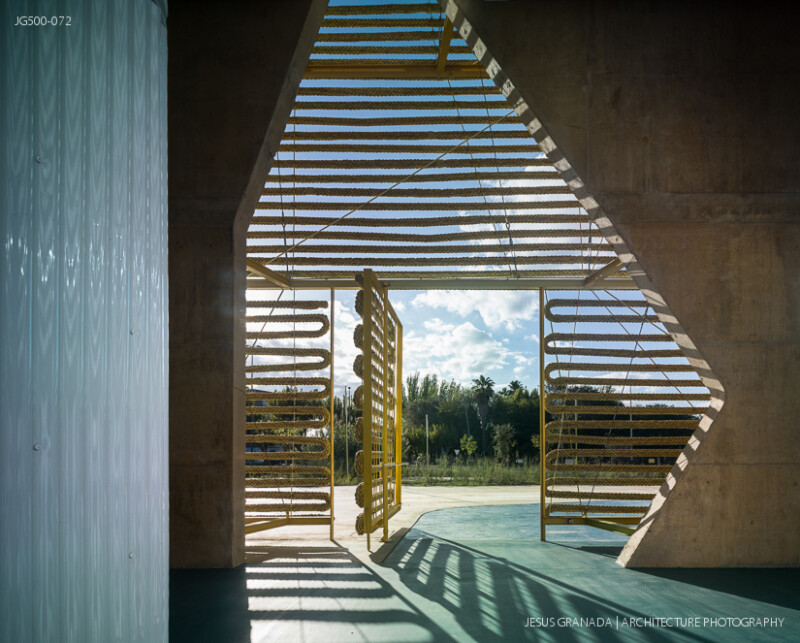
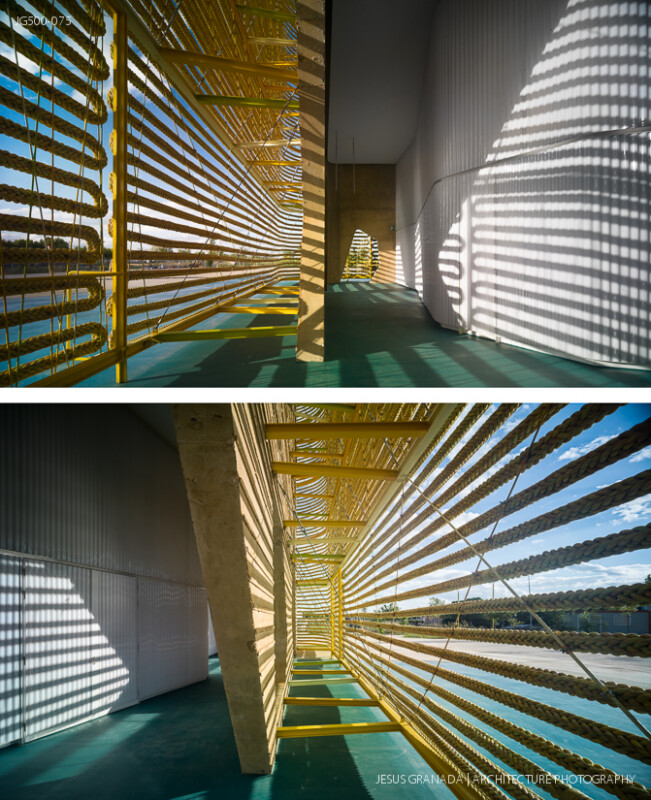
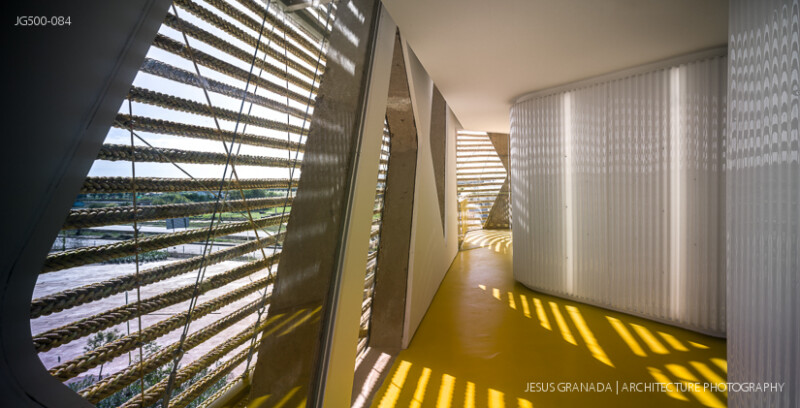
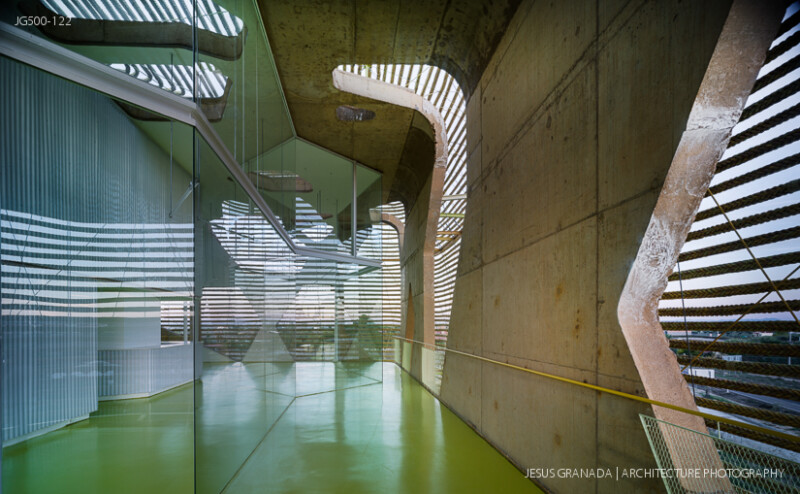
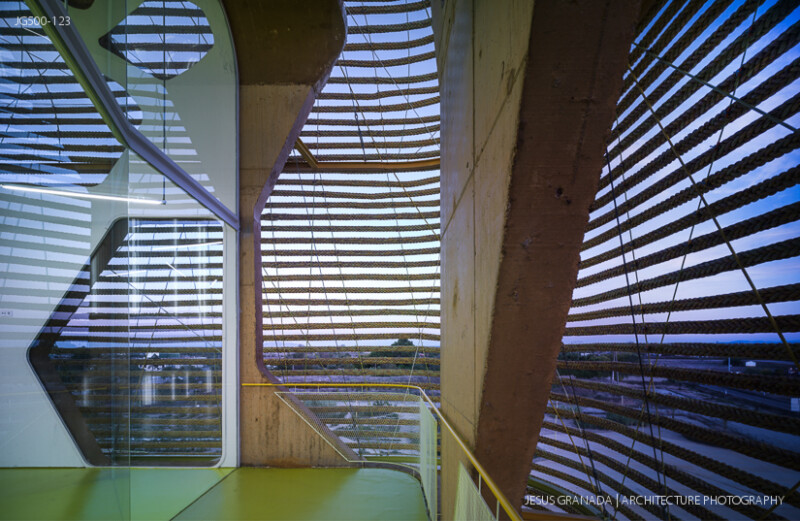
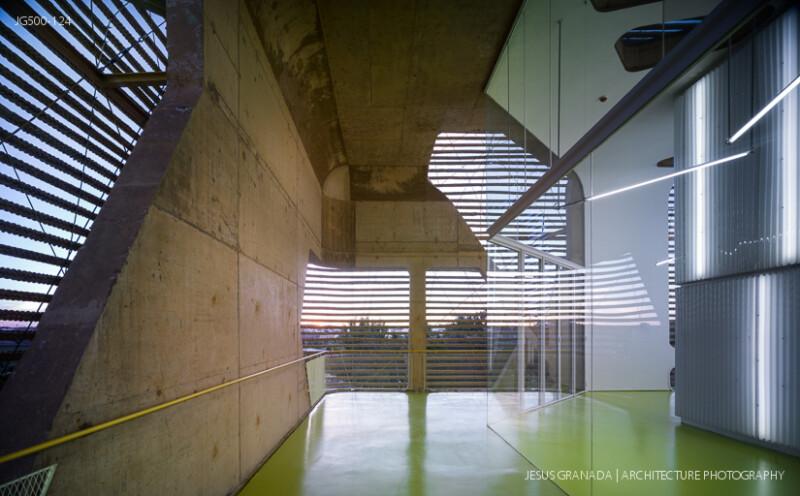
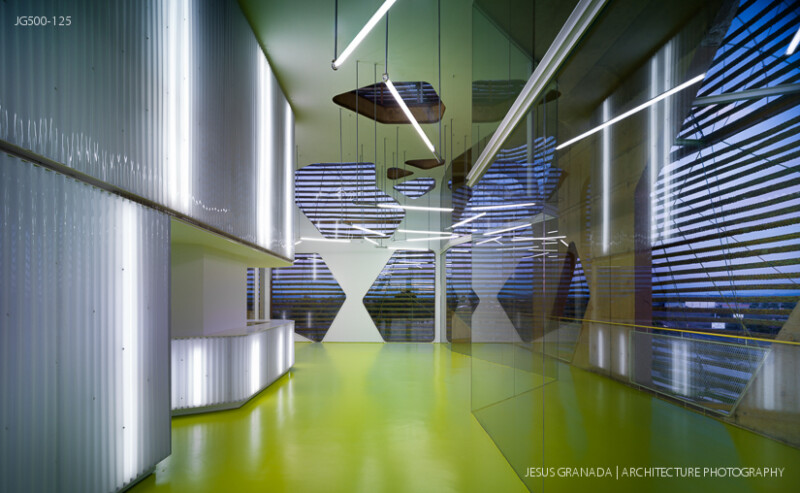
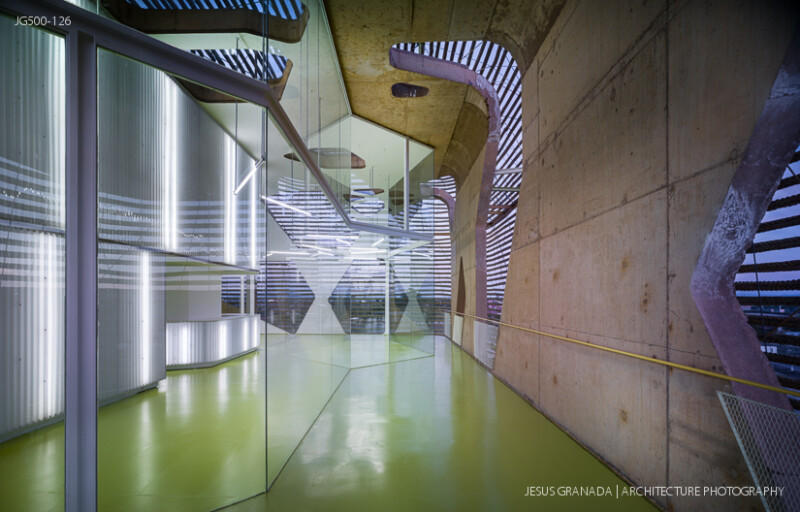
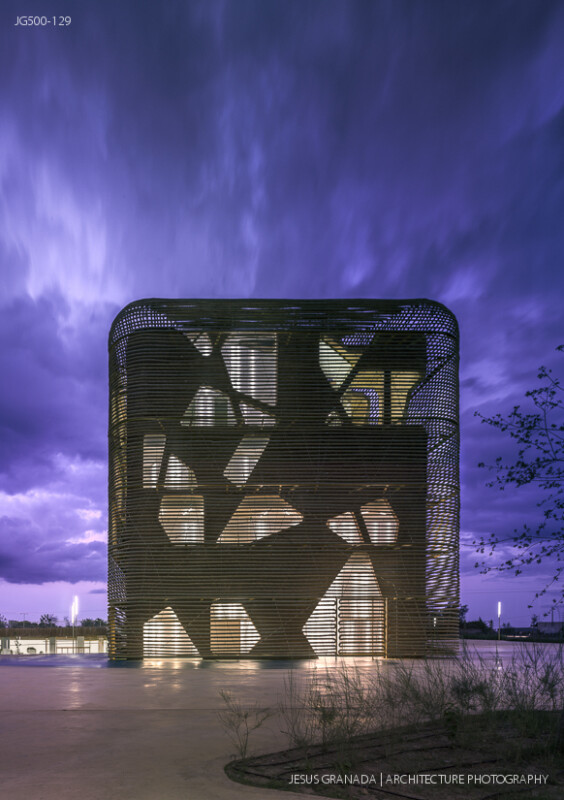
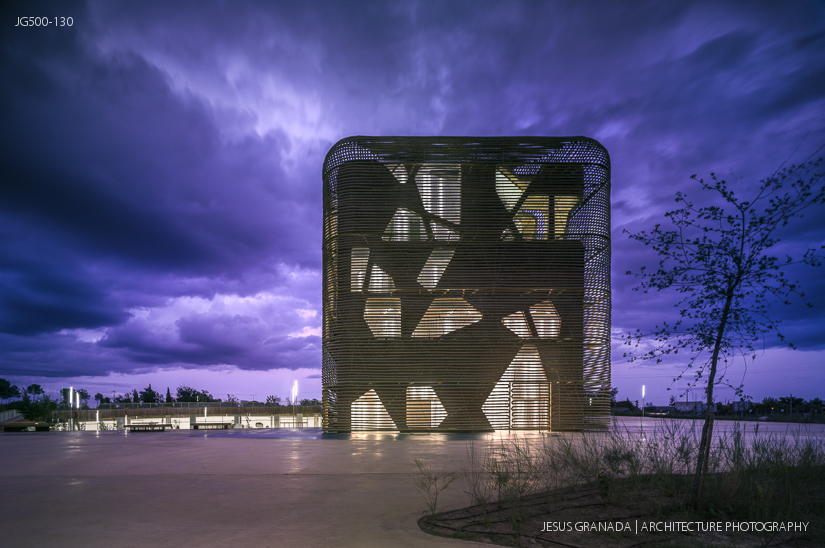
The “Vegas Altas” Congress and Exhibition Center grows in an ambiguous peripheral location, in a land that is both urban and agricultural boundary. Occupying the first or last crop field. The architectural proposal is intended to highlight this timeless condition of building belonging to the Vega as a free-standing building, floating in the countryside like a giant bale of straw with a flat horizon, free and fertile.
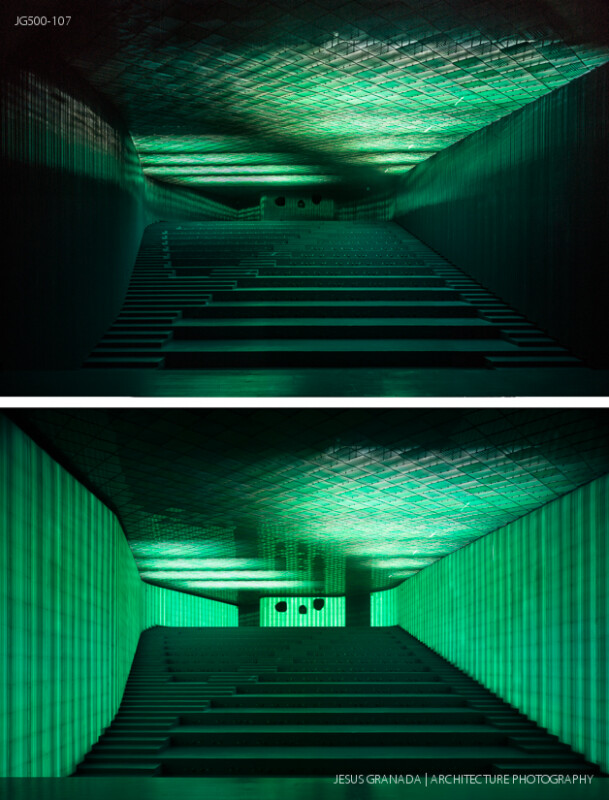
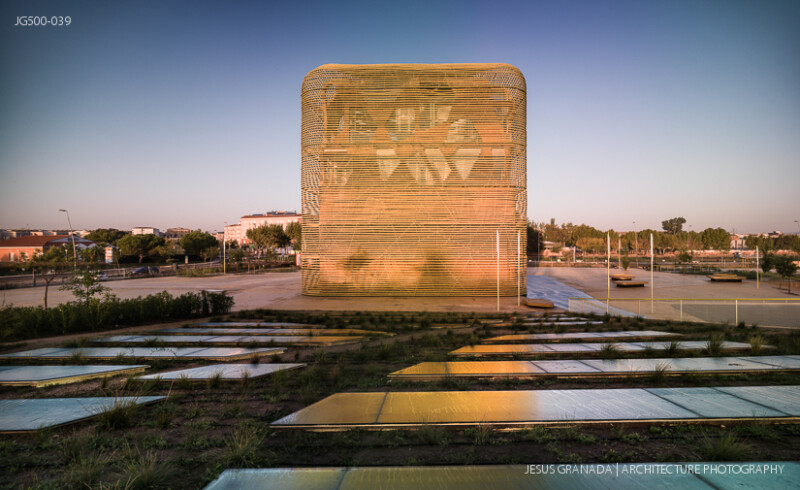
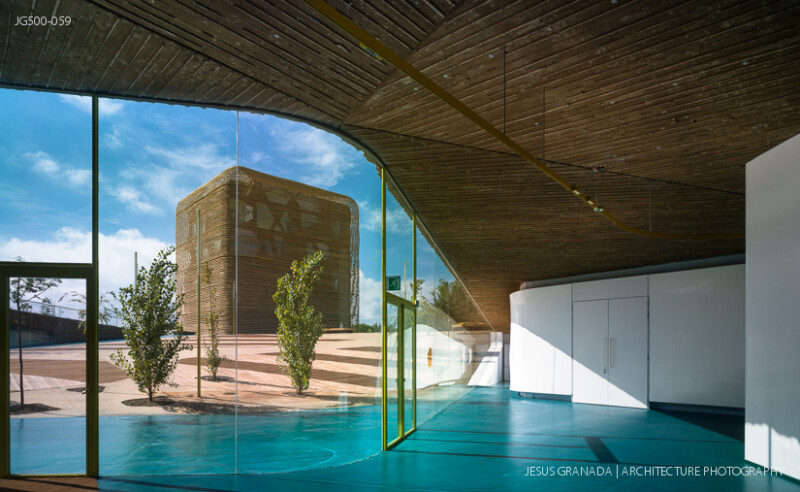
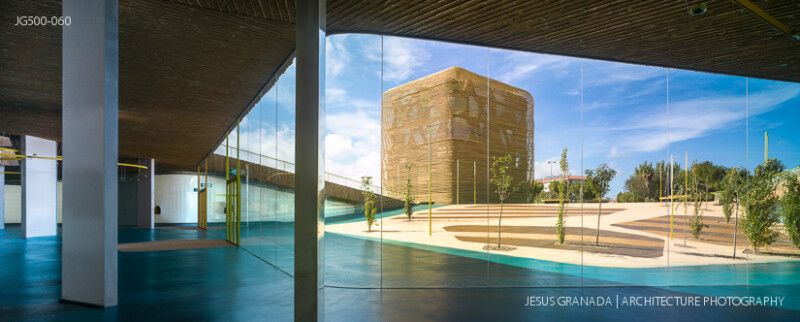
On one hand, it is a building that hides its status growing underground. The program is drawn on a half-buried ring that adapts to the terrain and to the boundaries of the plot. On the other hand, a cubic volume rises categorically. The only building perceived above ground, appropriate for both the visibility and the representativity required, home to the large volume needed to absorb the magnitude of a stage box. The building has a main auditorium with capacity for 800 spectators and a secondary hall for 275 spectators, flexibly adapted to the expected attendance and the nature of the event.
Thus, reinforces its urban character with a platonic geometry of a perfect cube, but in turn loses its built character as it is a field sown of strips of vegetation and its surface is ripped with skylights. The building gives ample public green space to the town with a green cover over most of the program and exhibition halls. The proposal extends like a large park and a square with a sloped ground serving both to create an access to the building and to perform as an outdoor auditorium.
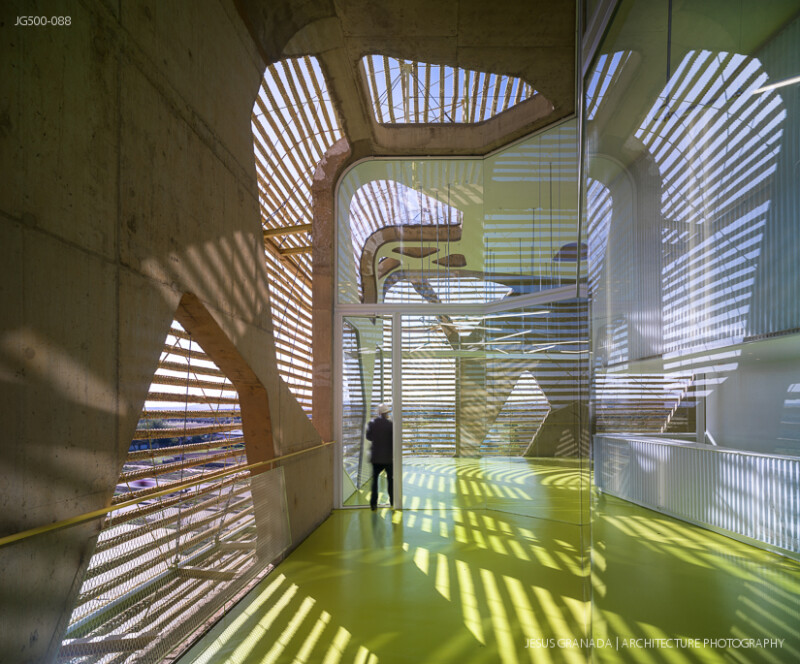
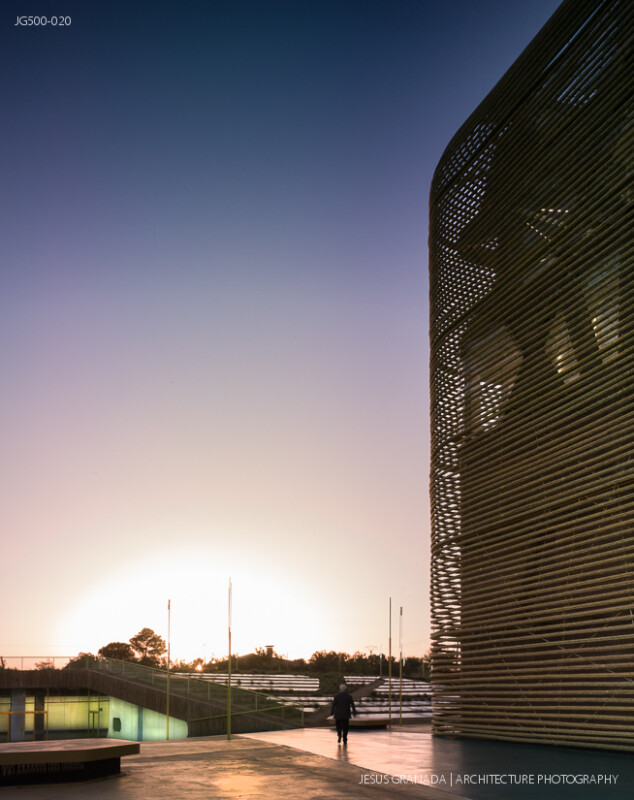
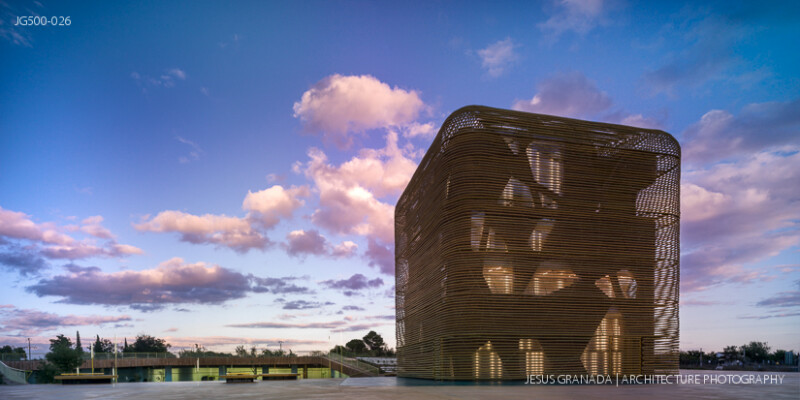
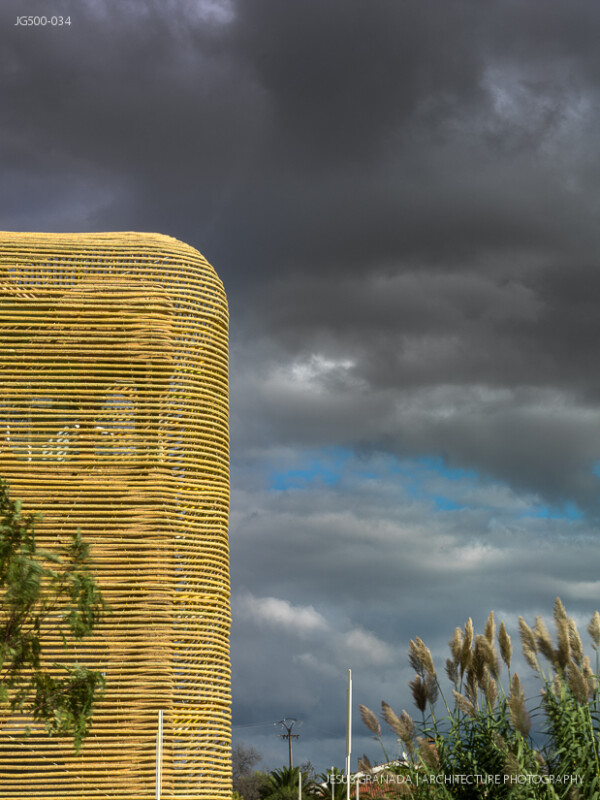
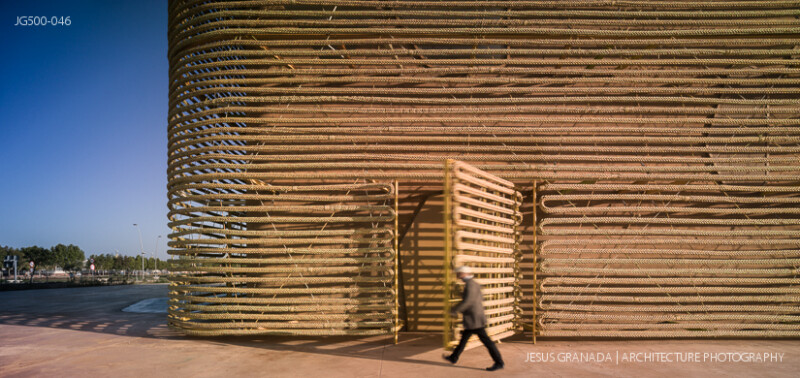
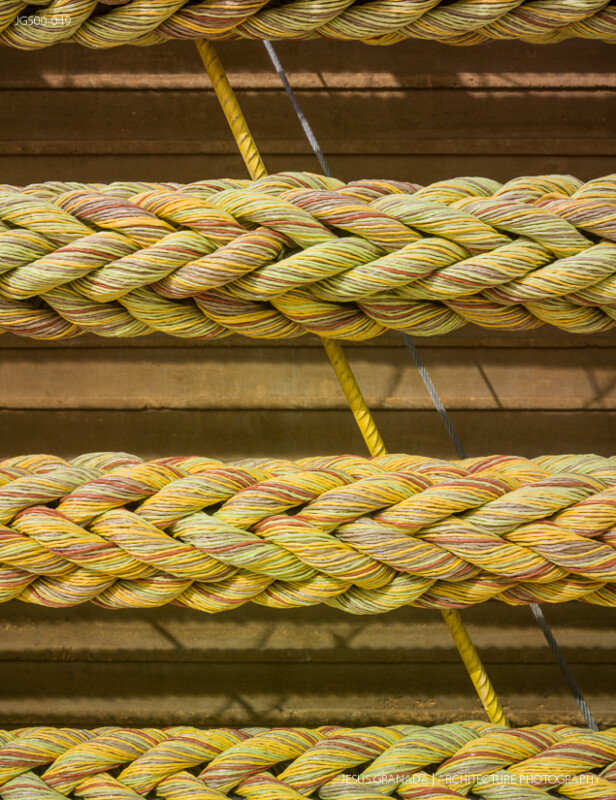
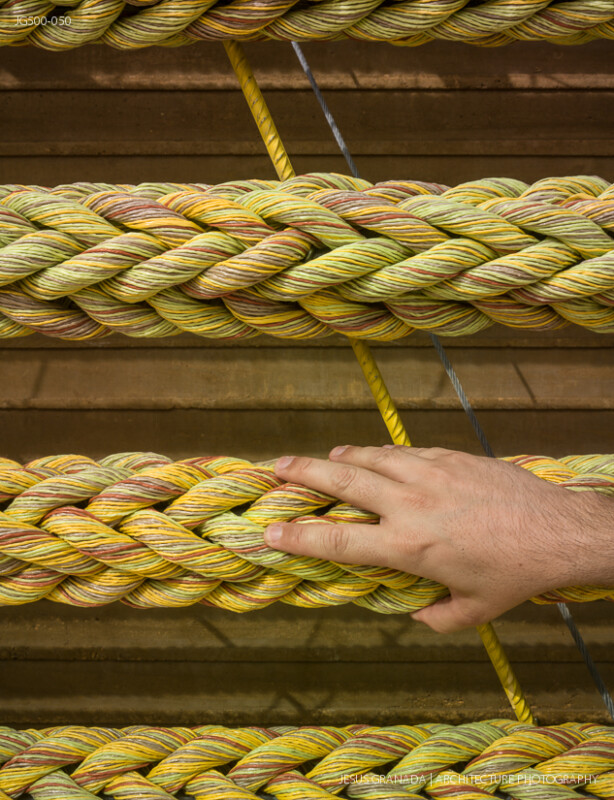
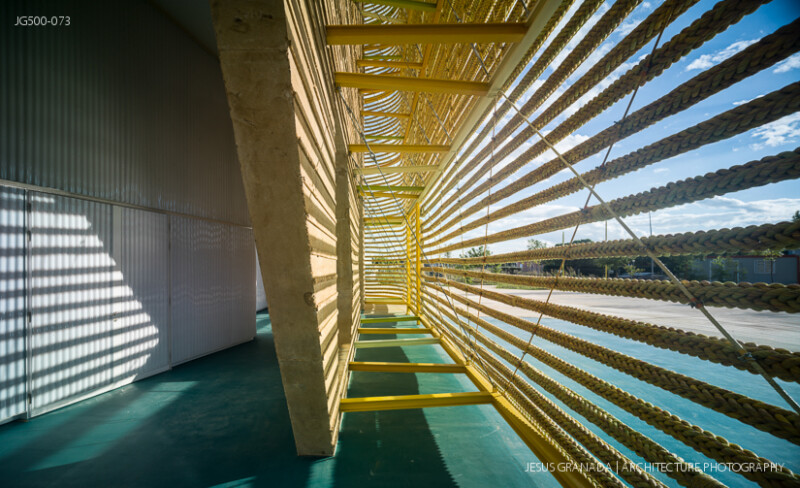
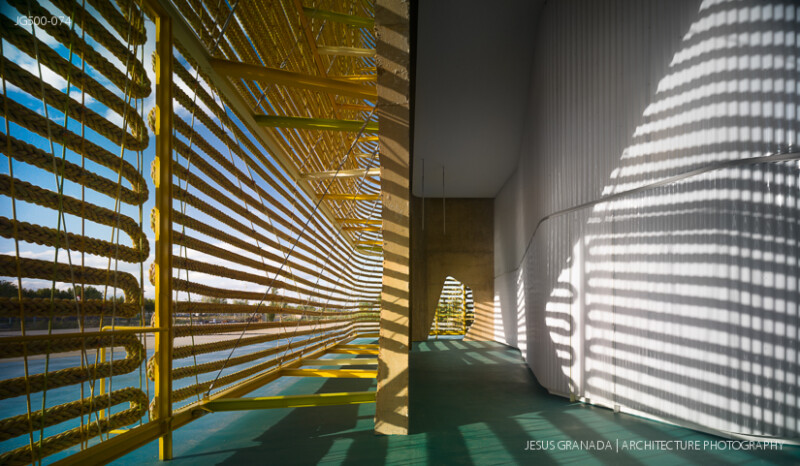
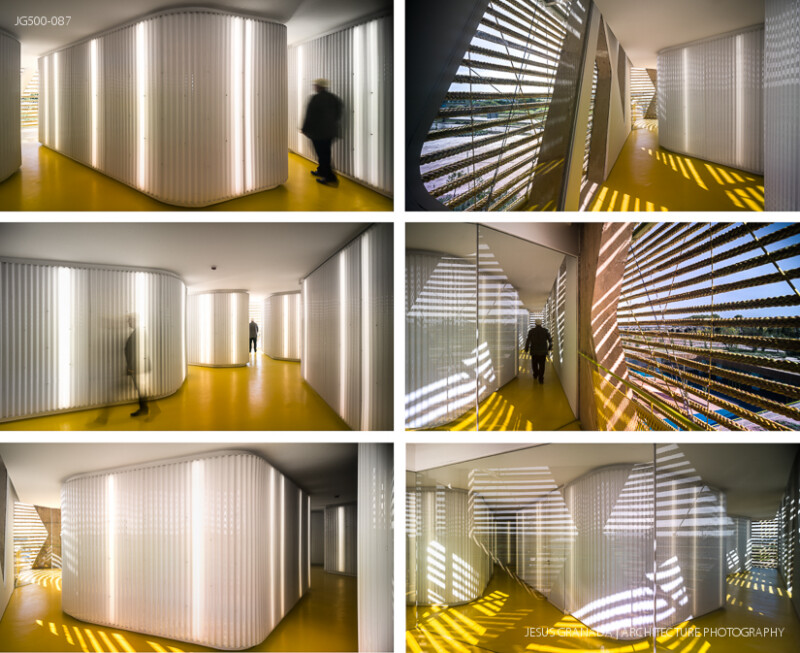
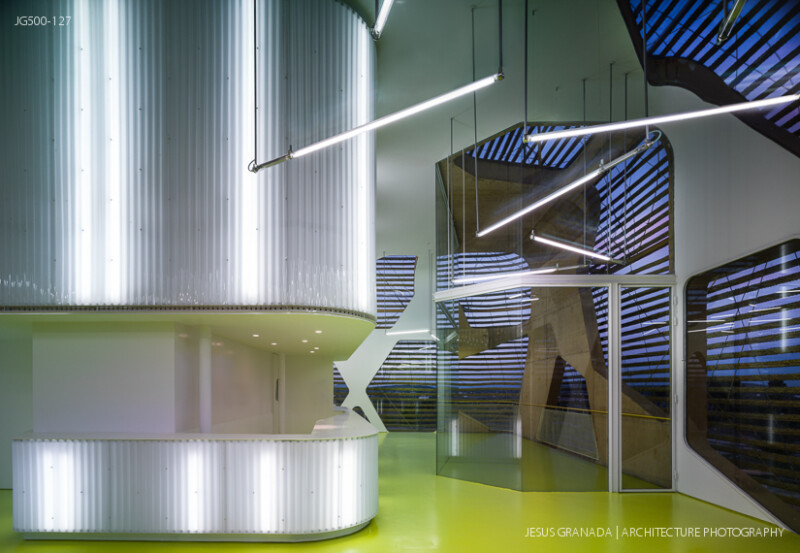
On one hand, it is introverted, hidden and neutral in its earthy materiality, offering a garden that is the real main facade of the building. At the same time it is outgoing, as it seeks both to see from the roof terraces as to be seen wrapped in a woven web of ropes. In the different floors of the cube stands the ticket offices, administration, rehearsal rooms and a restaurant located on the top floor, a vantage point becoming a city reference.
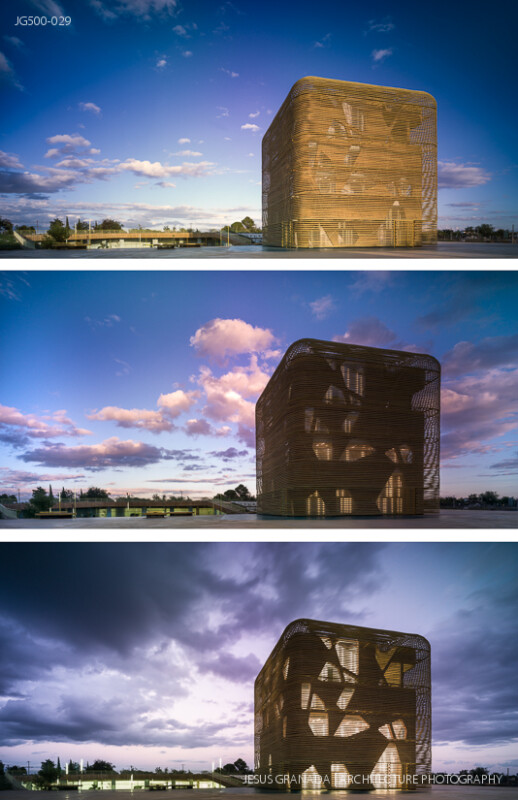
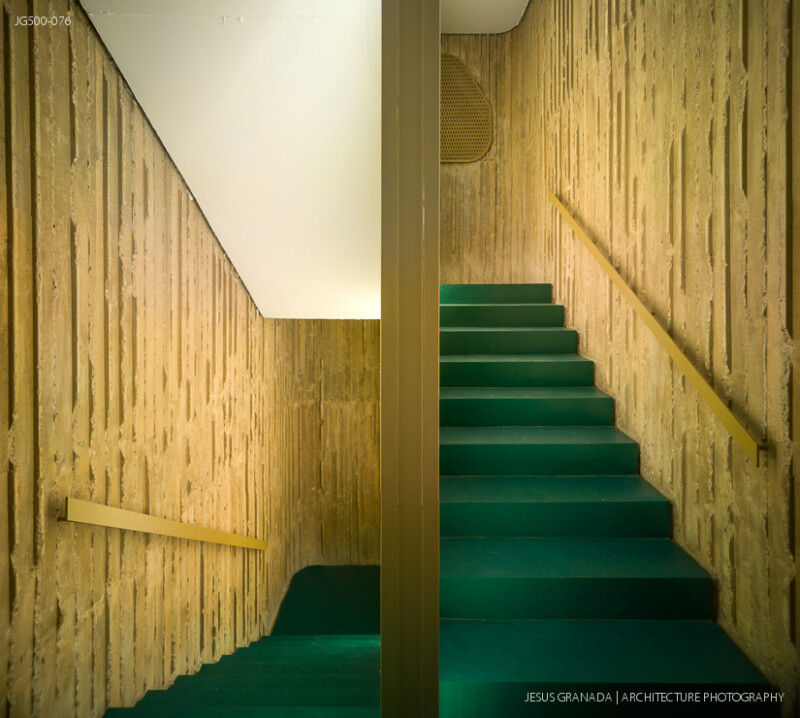
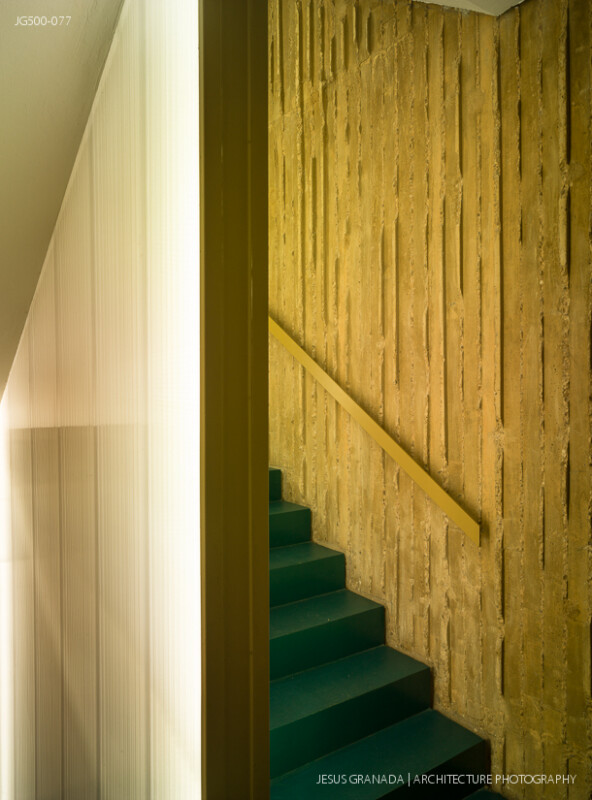
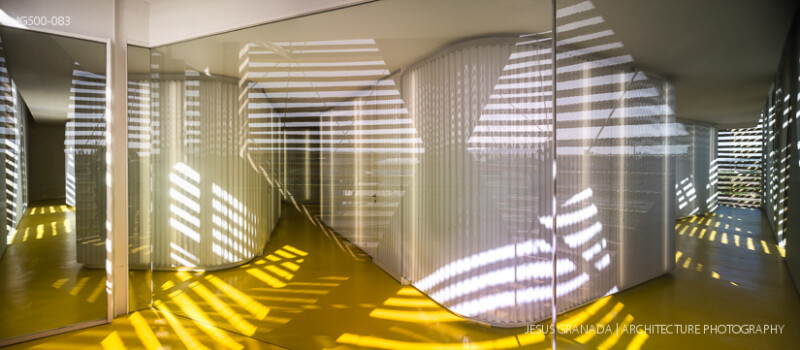
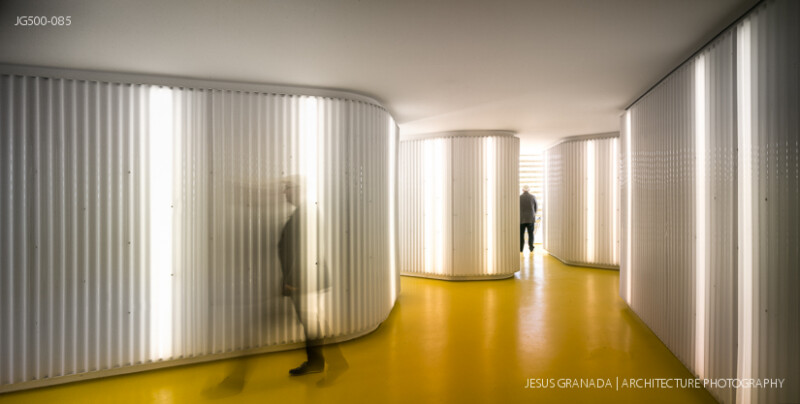
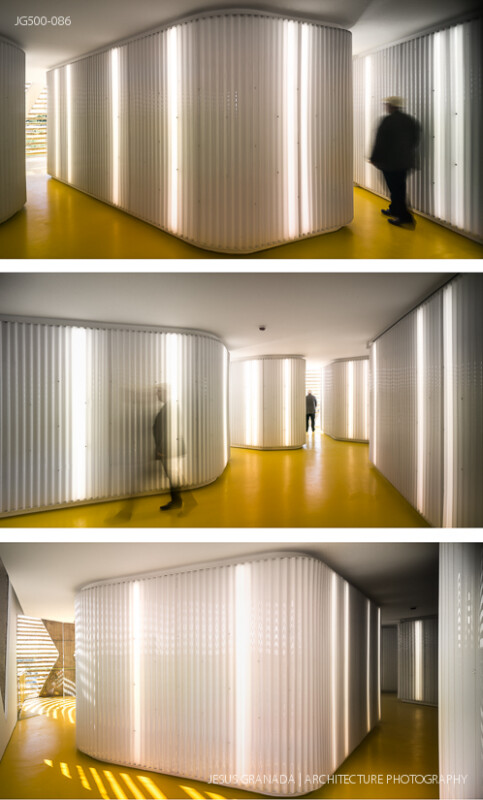
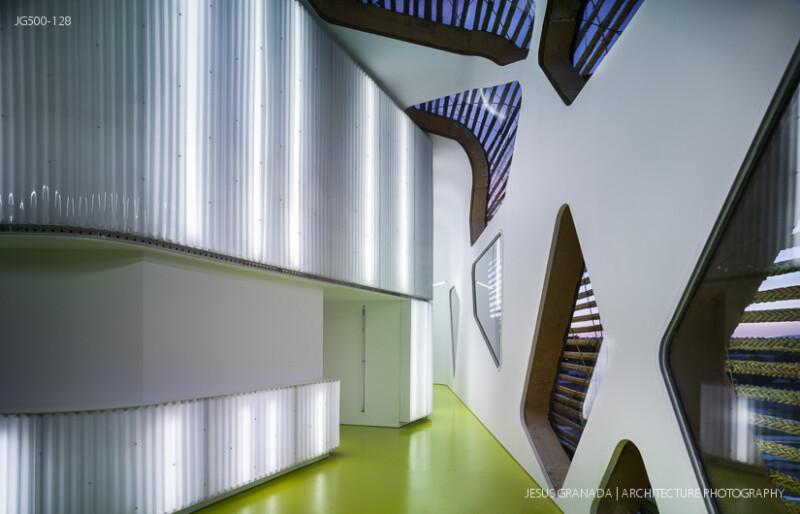
There is a material ambiguity in the general configuration of the building, in the tone of the concrete that is the same of the surrounding land, in the colors of vegetation transferred to the threads that make up the ropes of the facades and the watery nature of the interior finishes. There is also a fluctuating atmosphere where spaces change its character from daylight to night, from east to west, from natural to artificial.
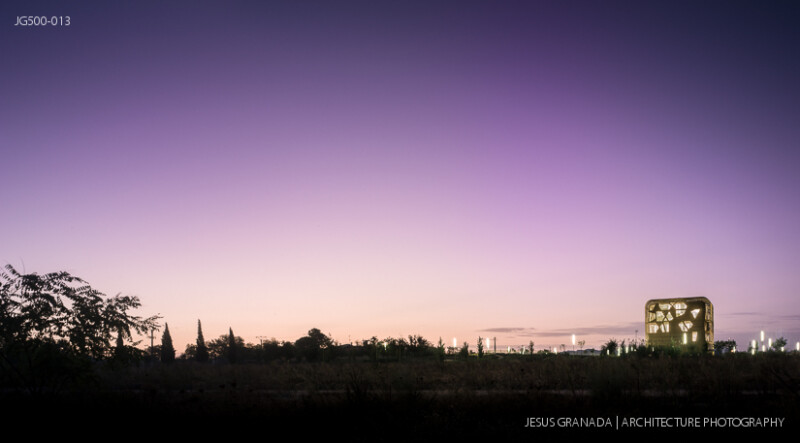
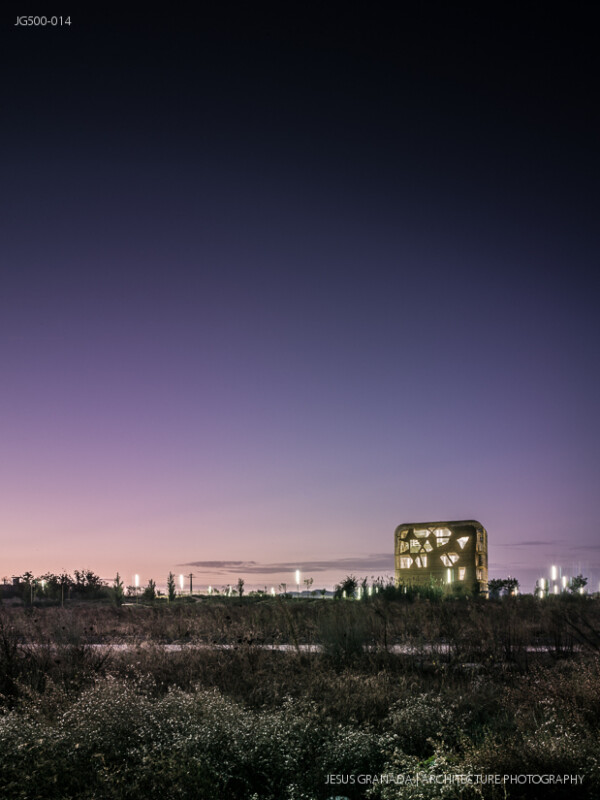
It is a silent object that aims to go unnoticed, but at the same time lights to be visible on the horizon, a lighthouse in the sea of the Extremadura’s field.
Photo report
-
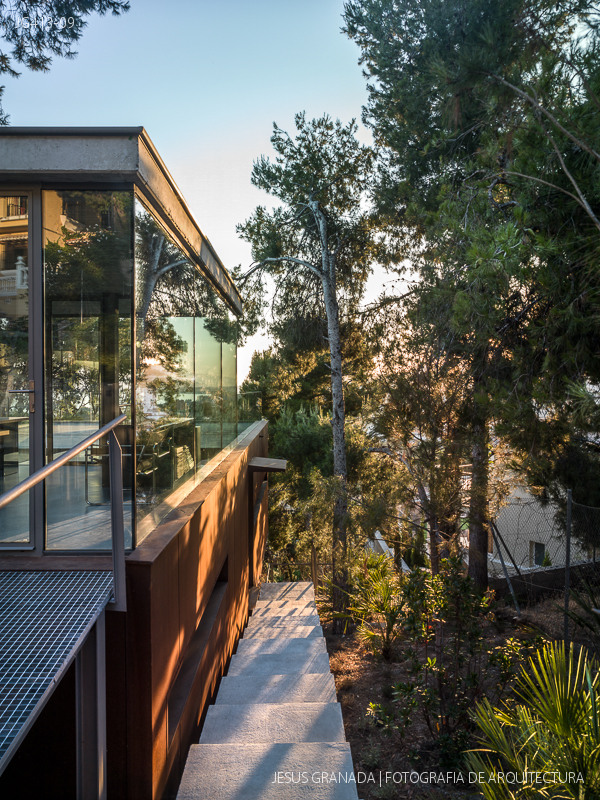
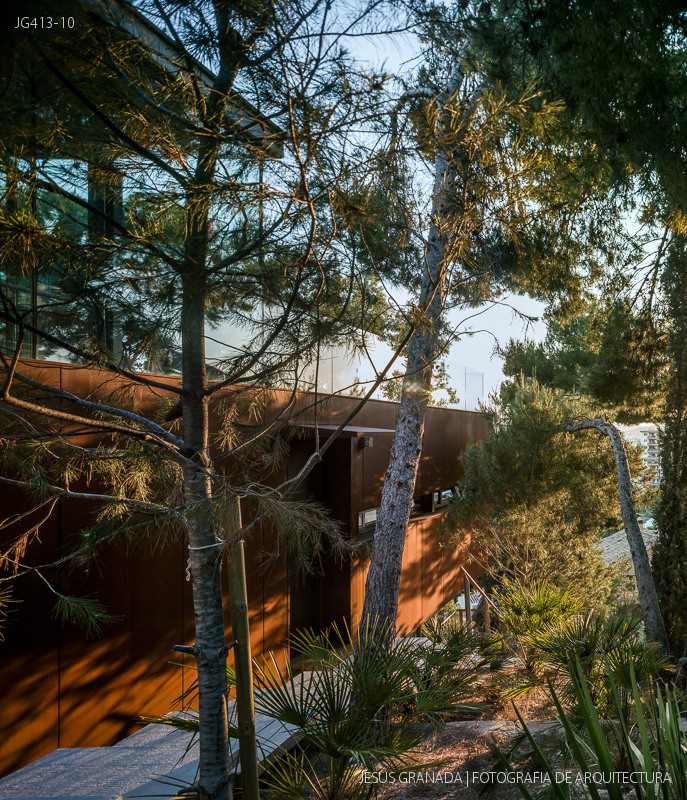
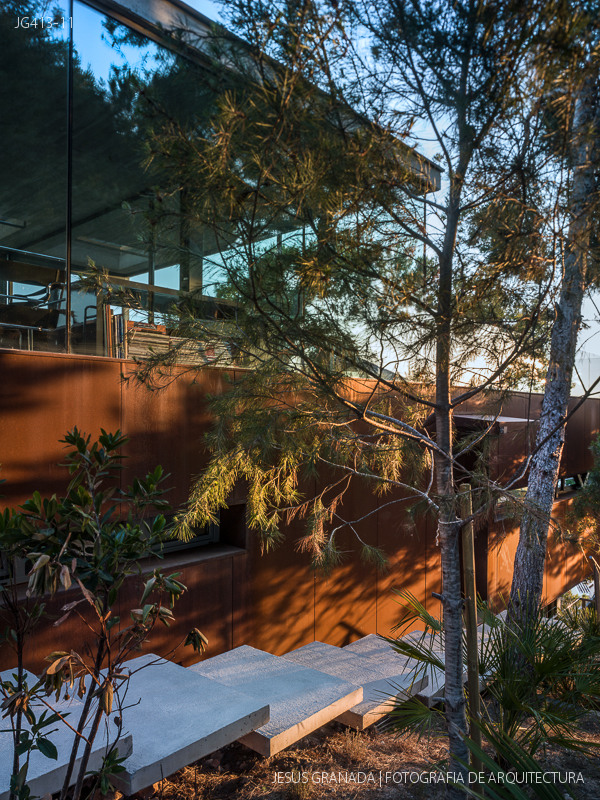
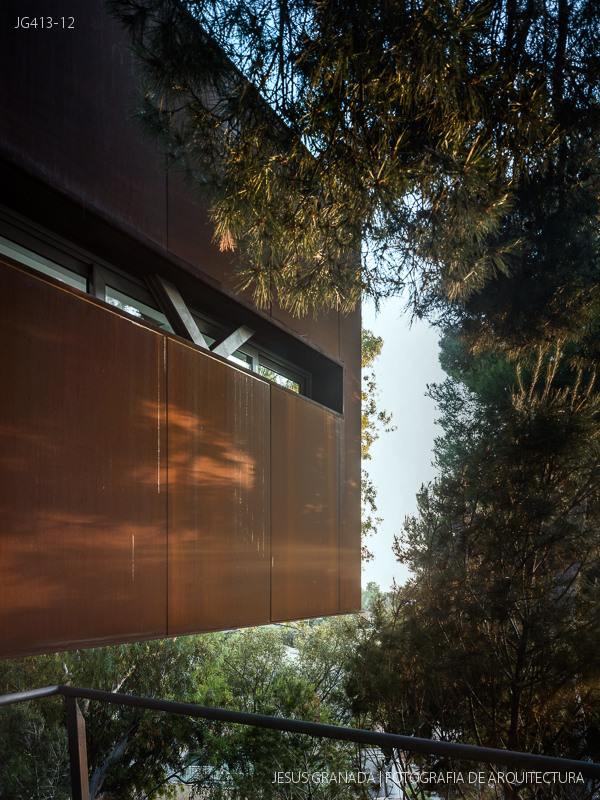
House in the Pinewood: experimental bioclimatic dwelling in Málaga
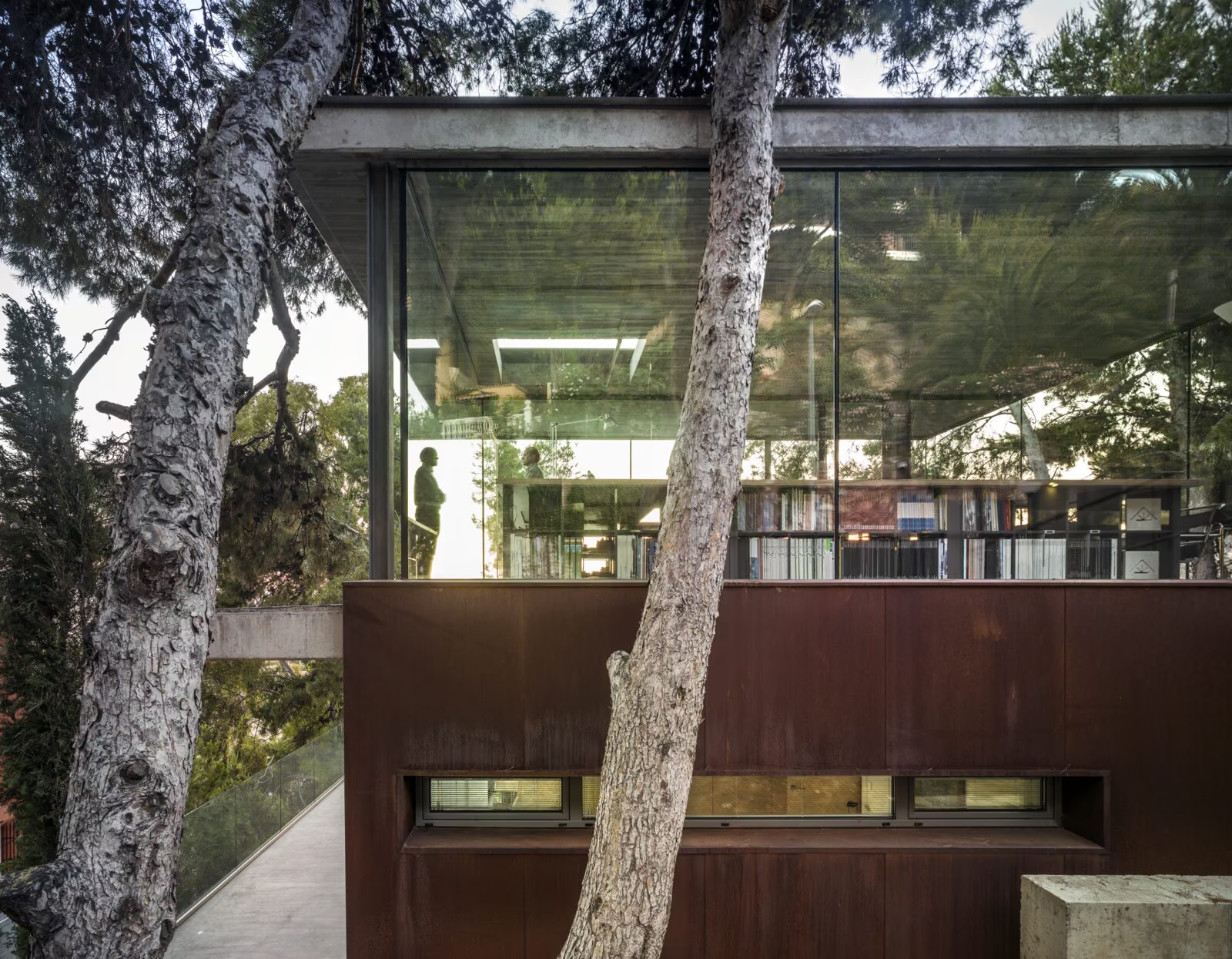
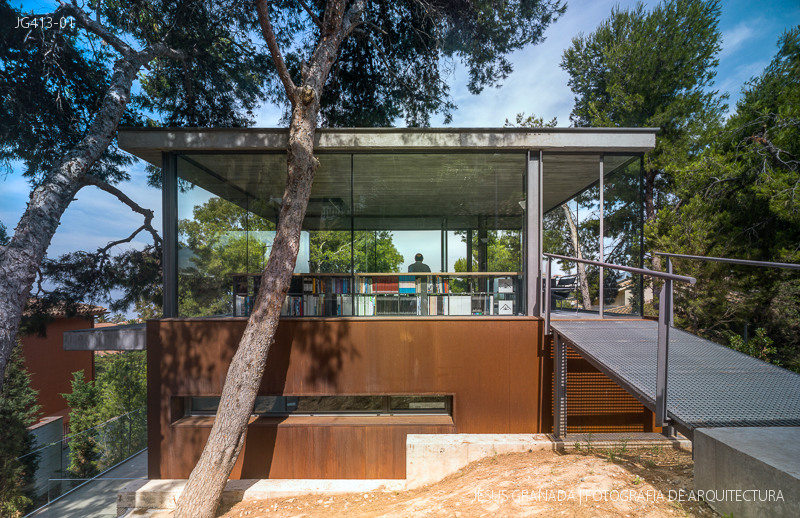
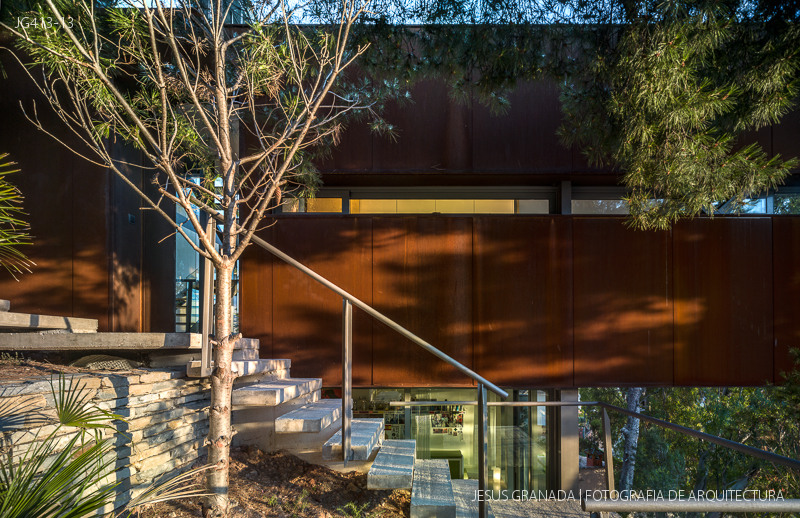
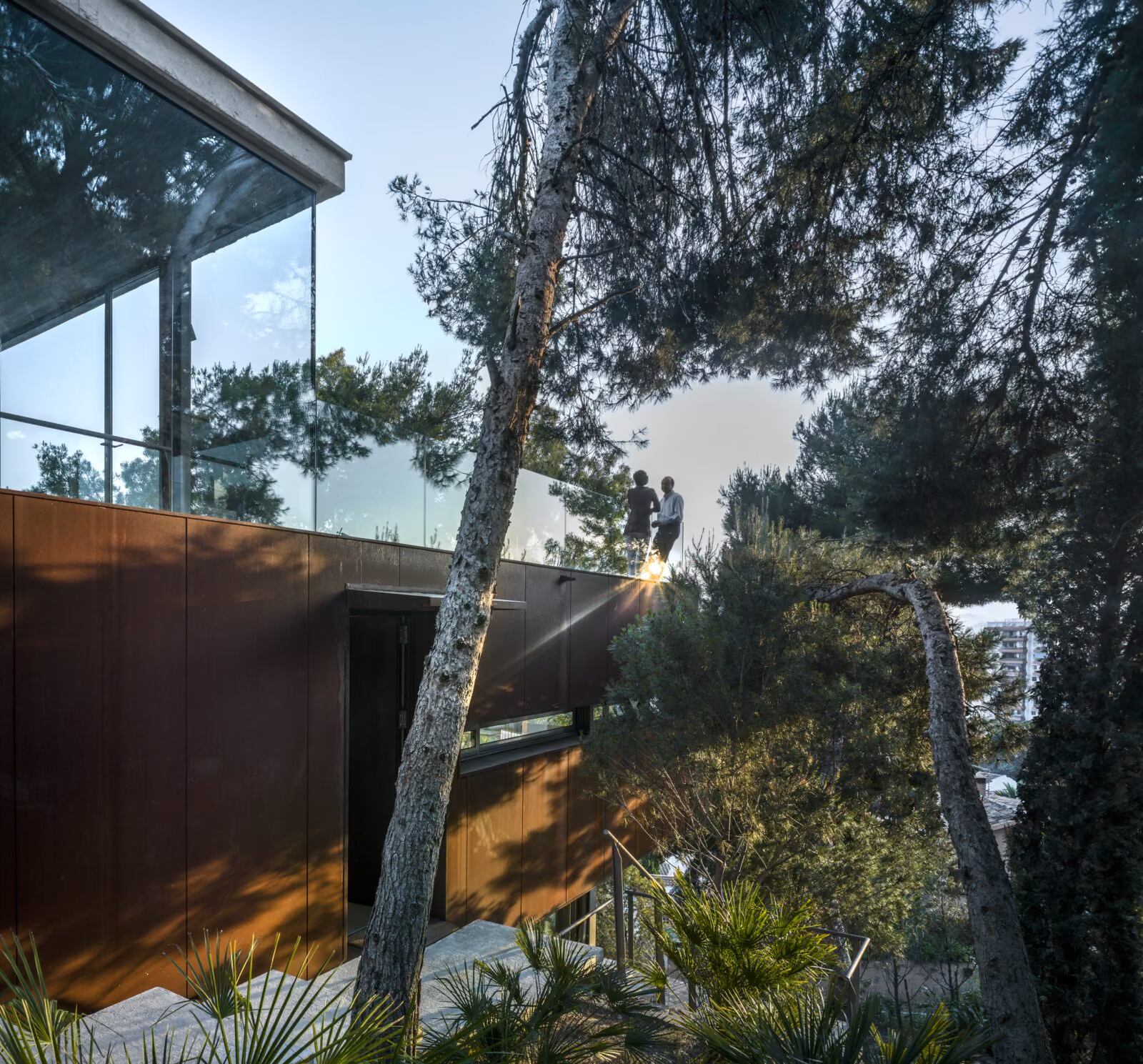
Raised volume over the perimeter retaining wall, among the Mediterranean pines of El Candado (inv. JG0413-04) 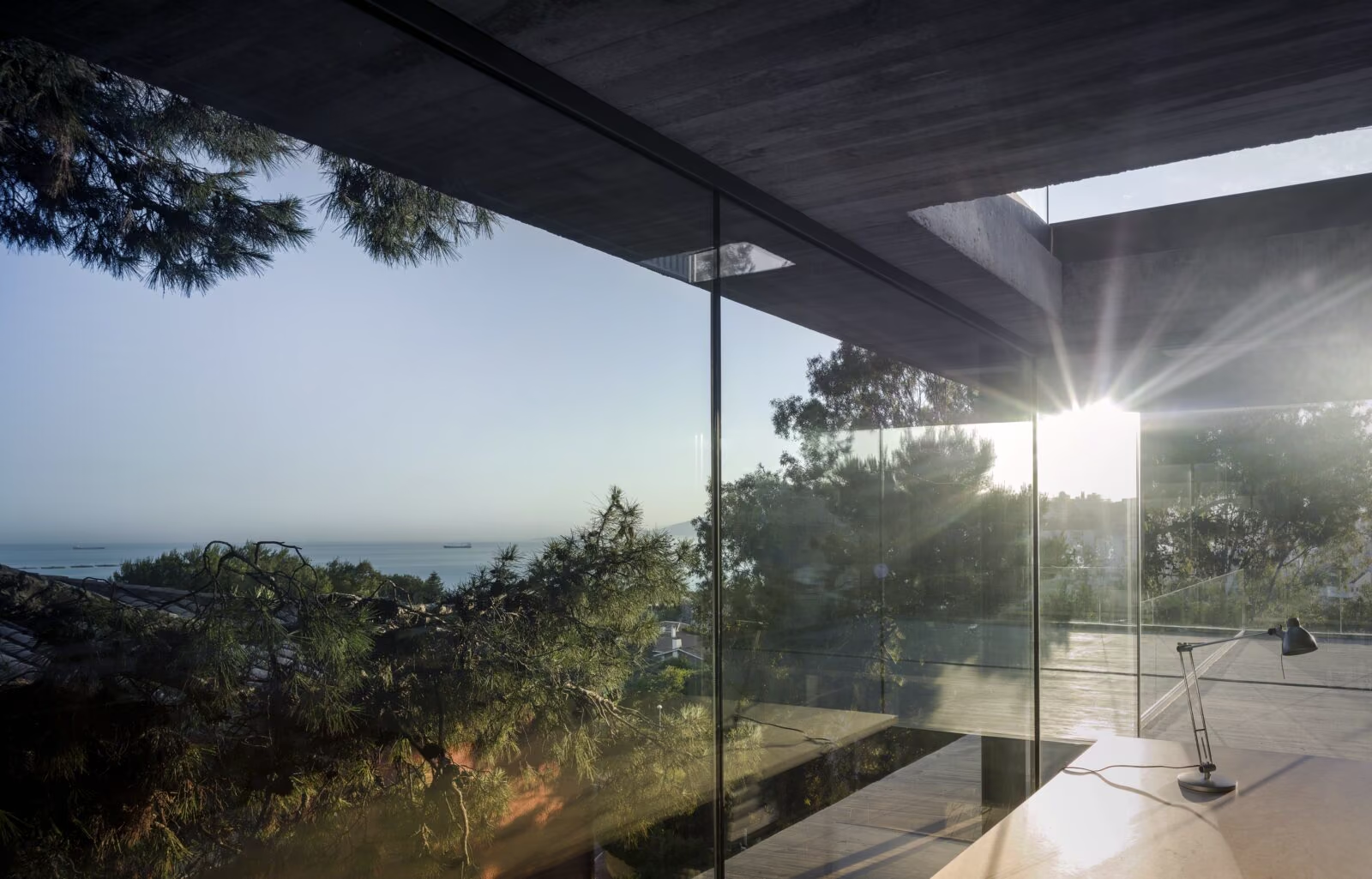
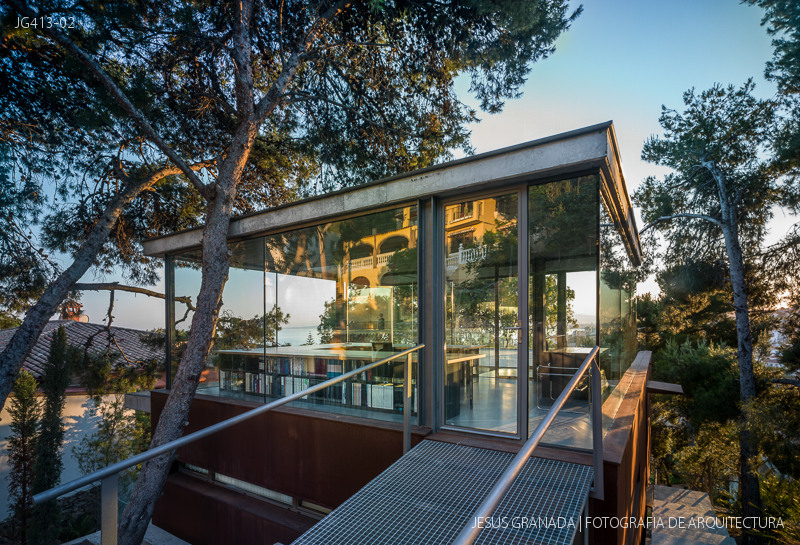
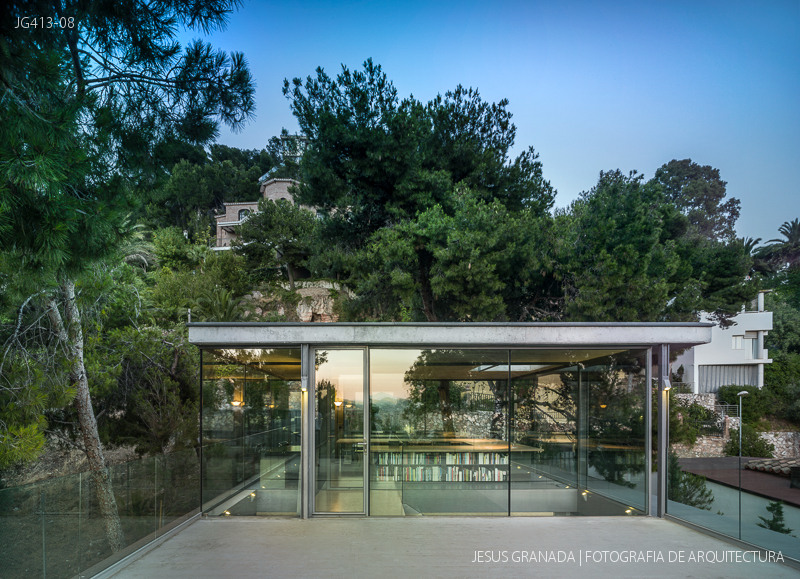
South façade with linear terrace cantilevered towards the Bay of Málaga (inv. JG0413-08) 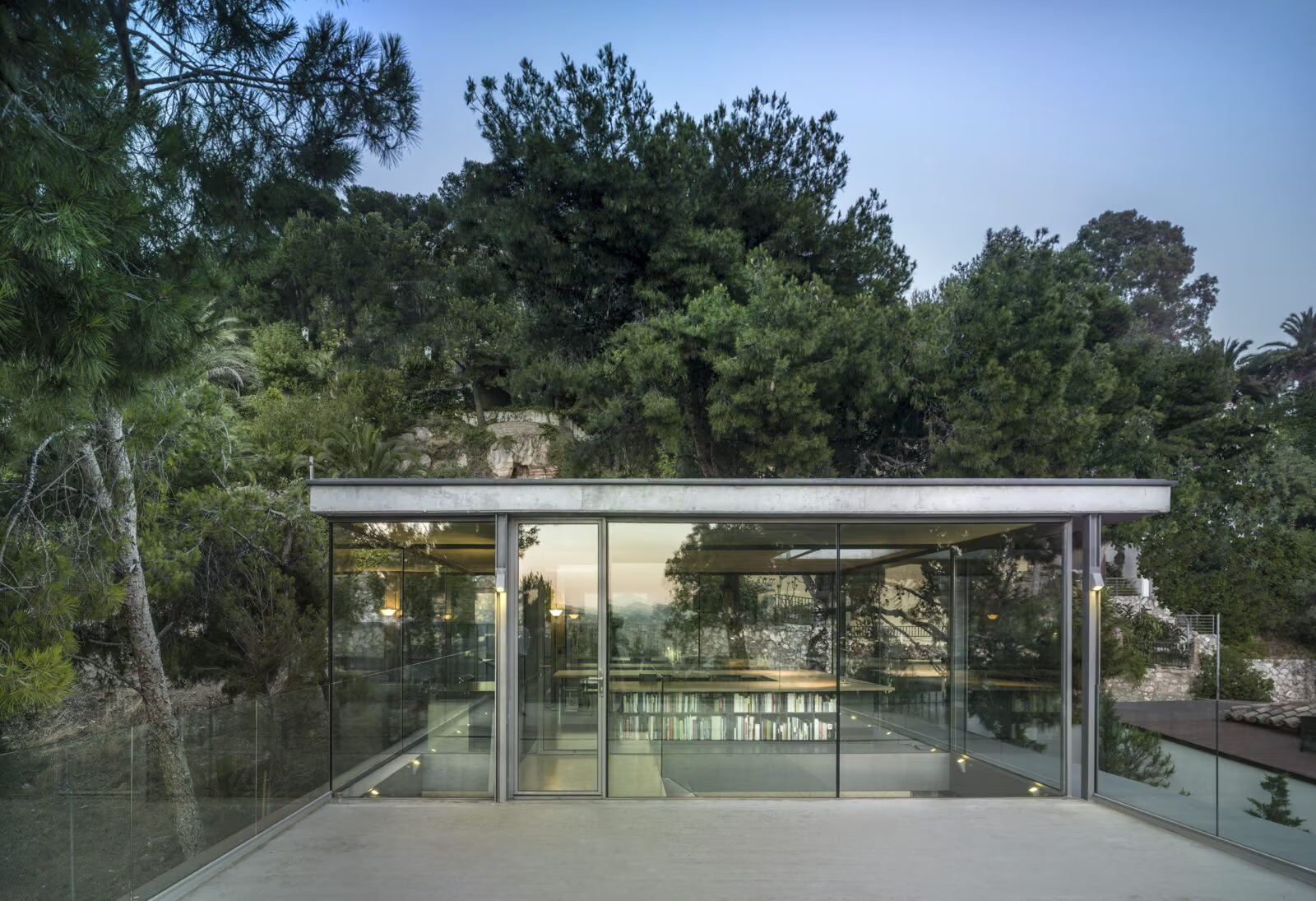
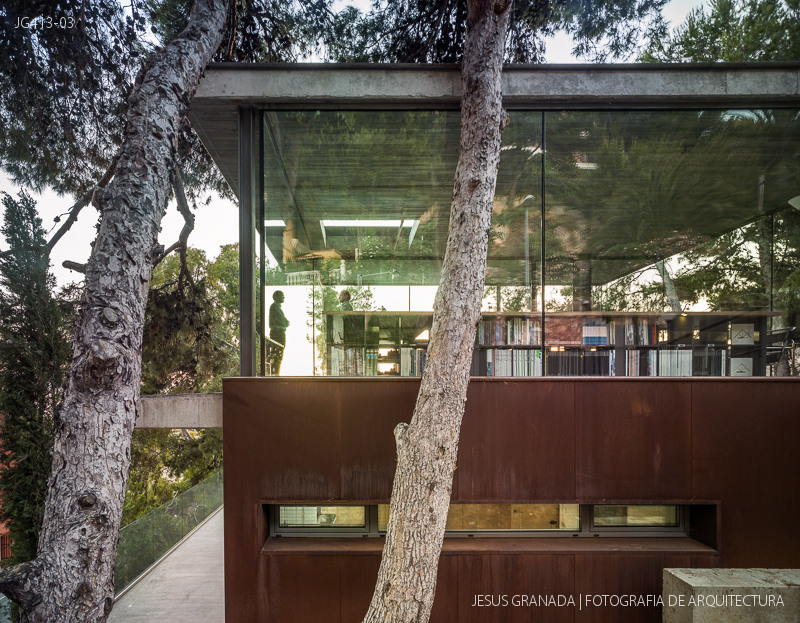
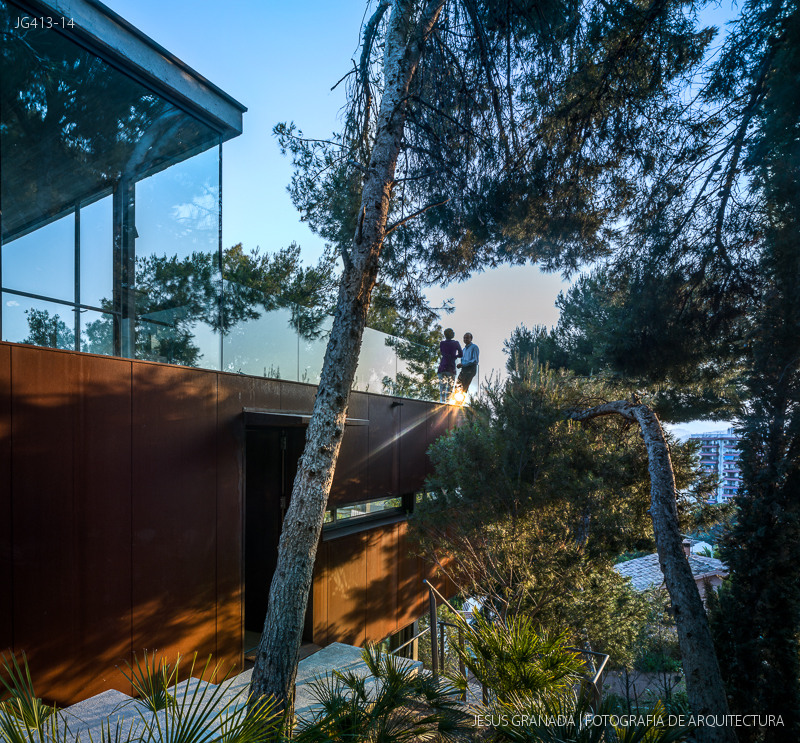
West façade at dusk — the existing pine canopy embraces the glazed volume (inv. JG0413-09) 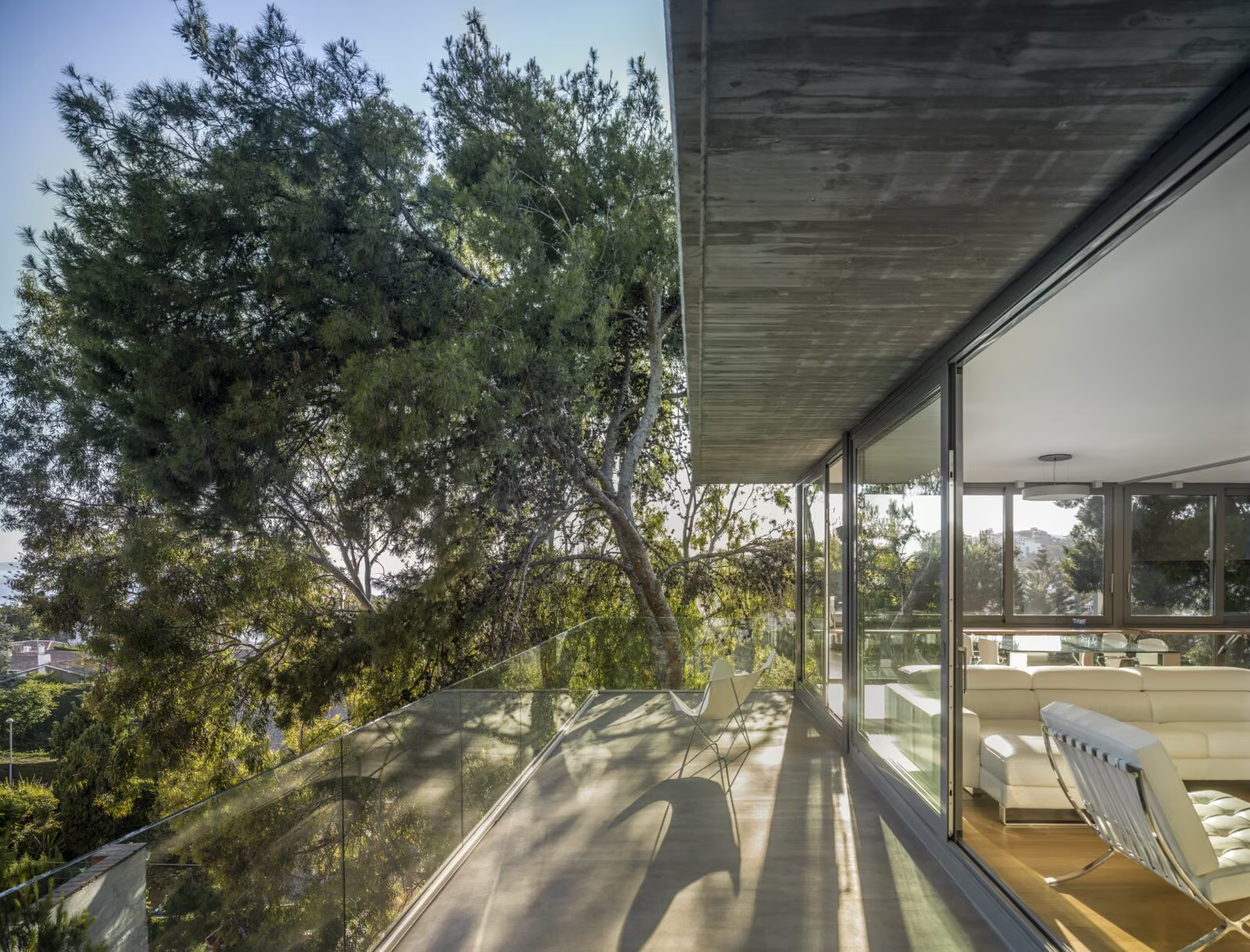
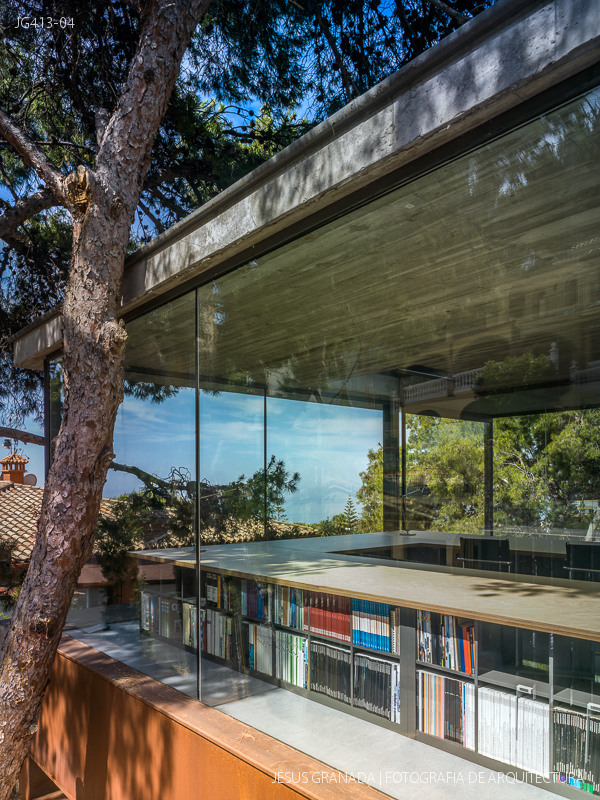
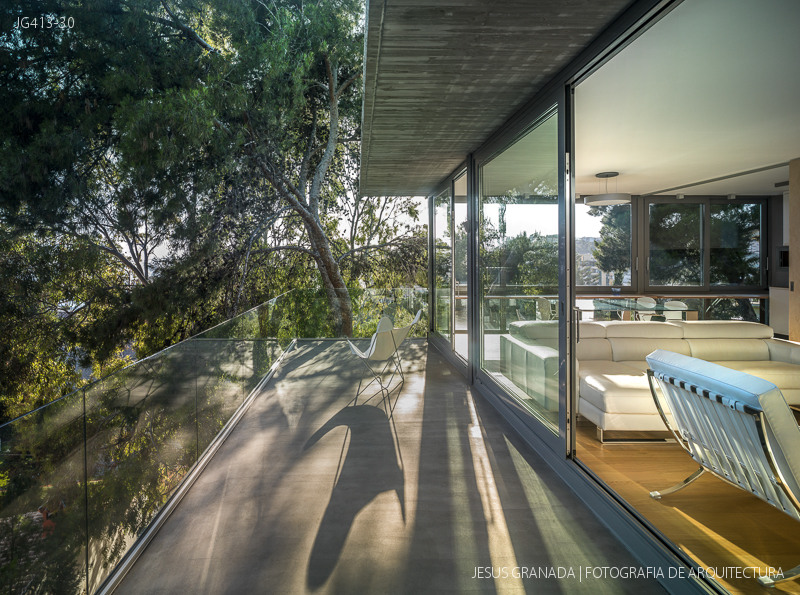
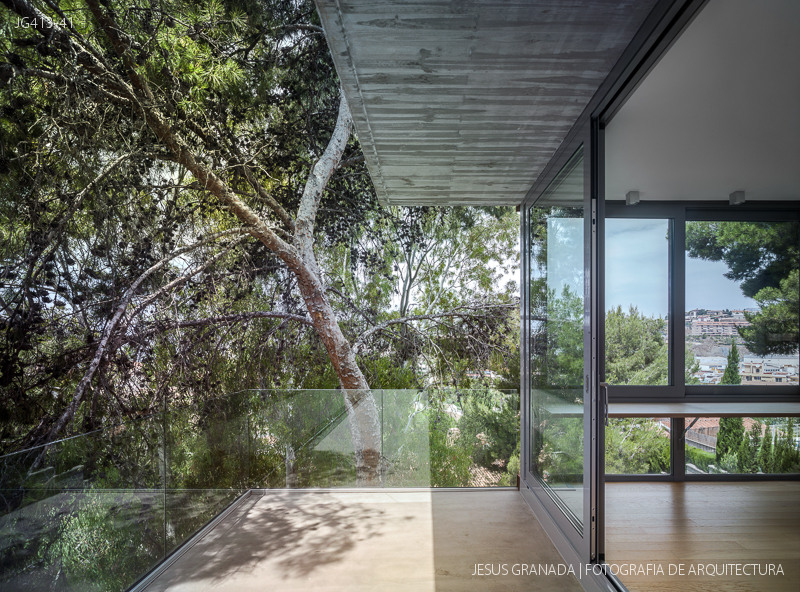
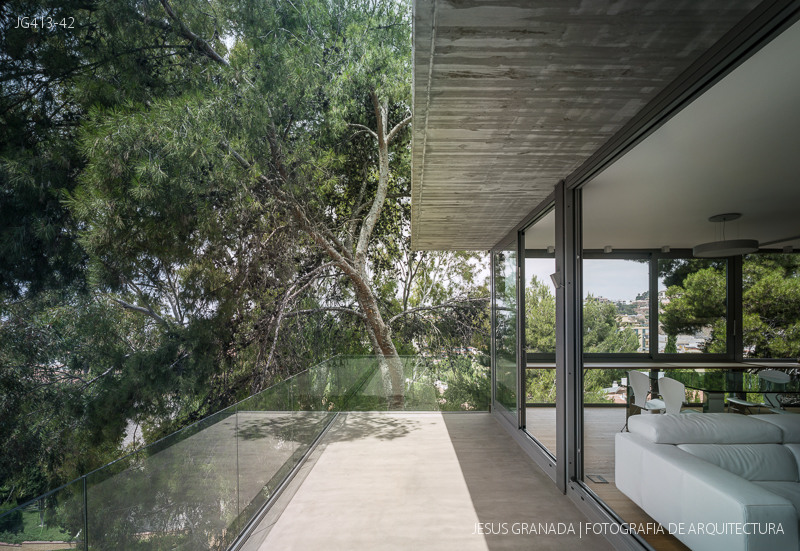
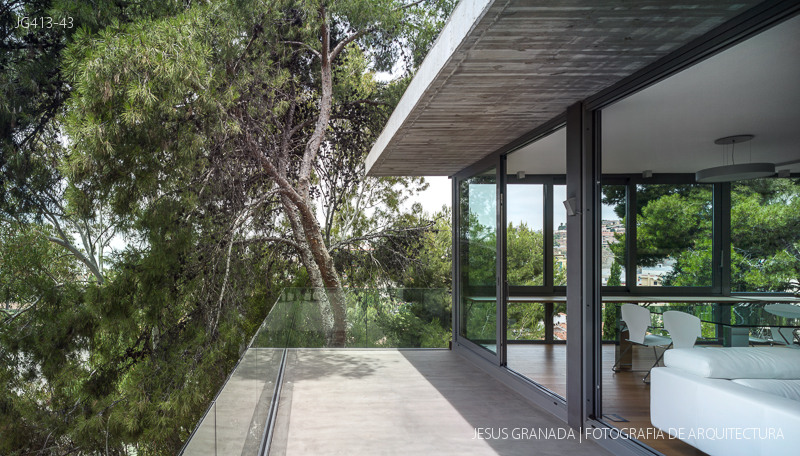
Glazed envelope protected by the Mediterranean pine canopy as thermal skin at dusk. (inv. JG0413-30) 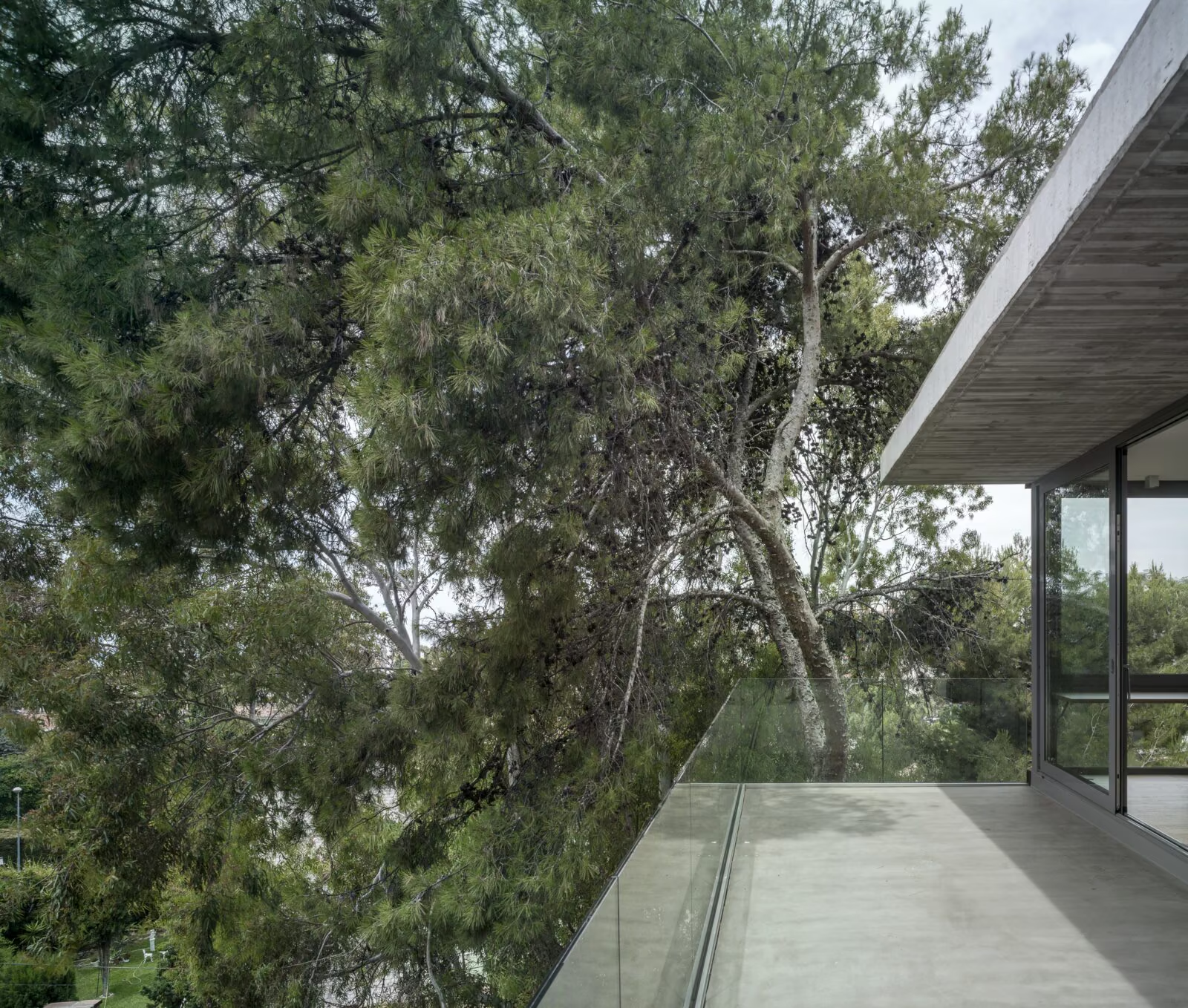
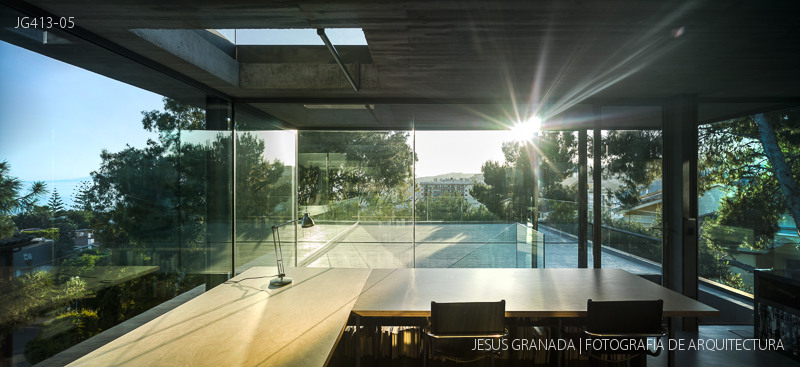
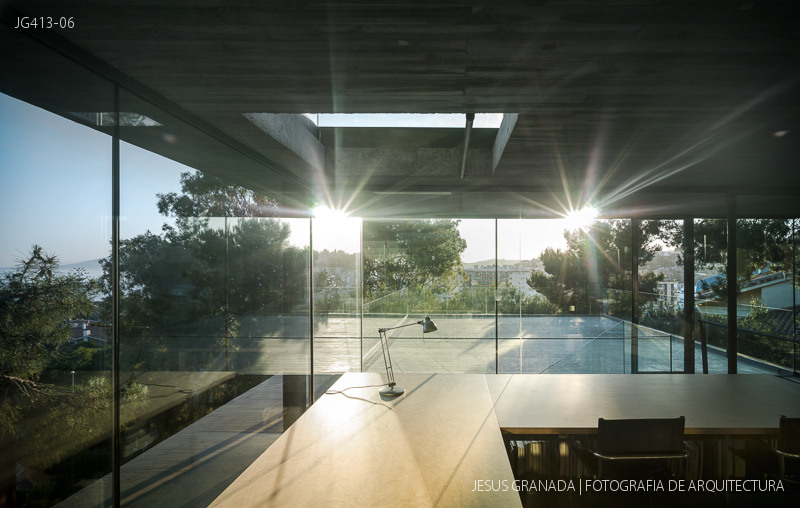
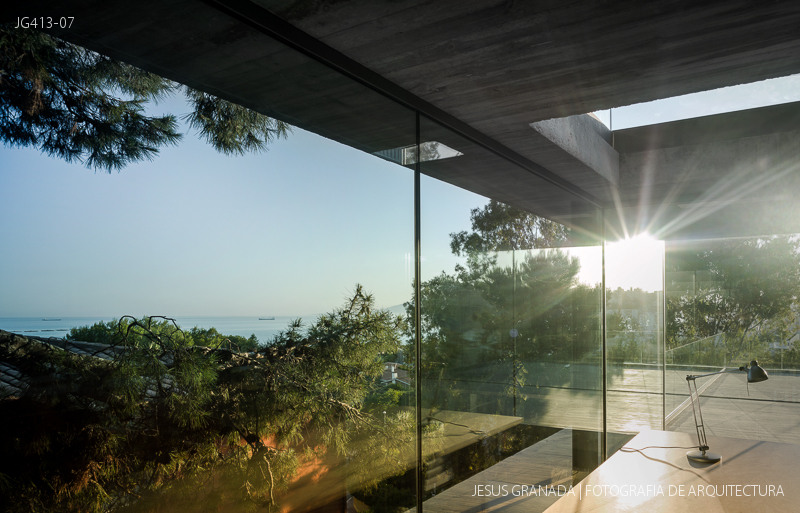
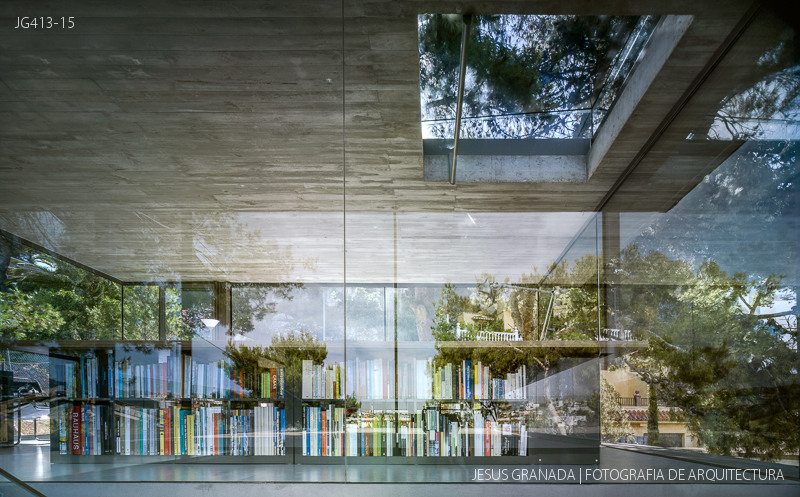
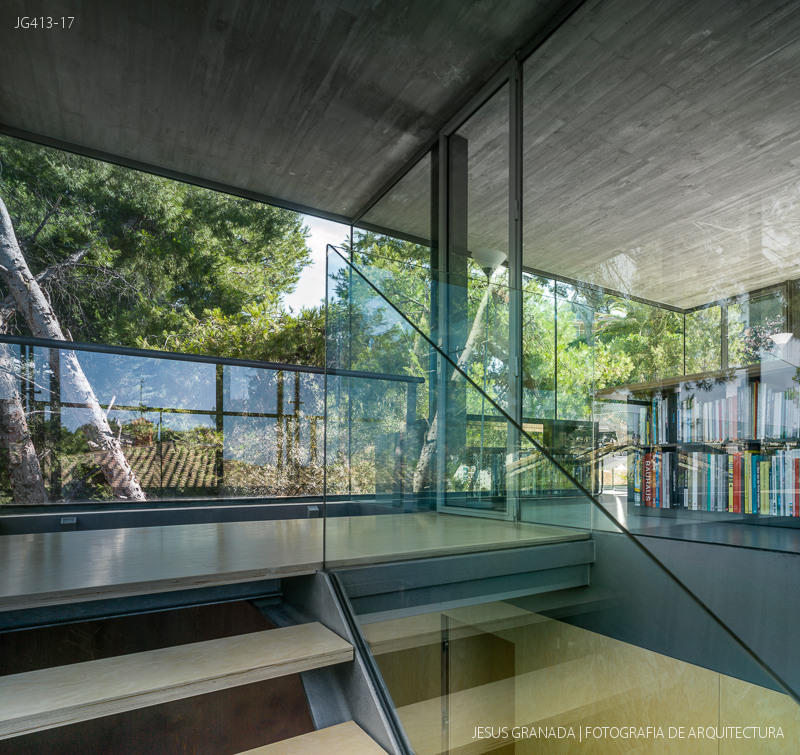
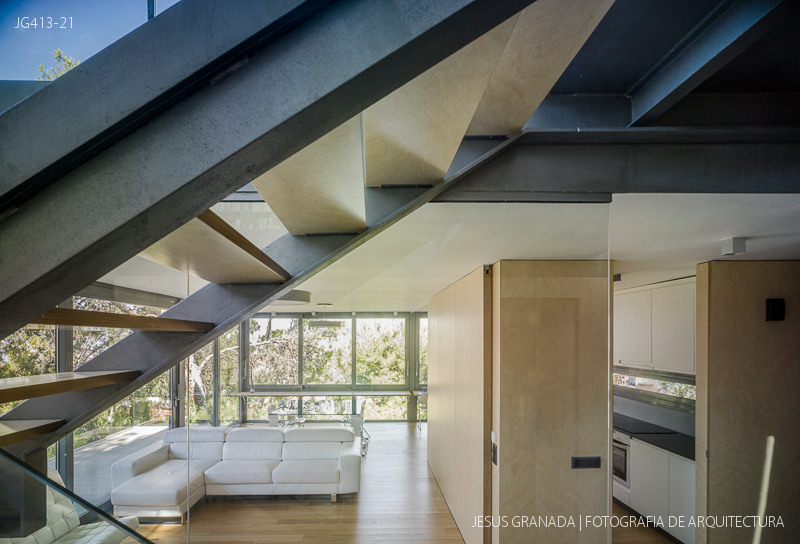
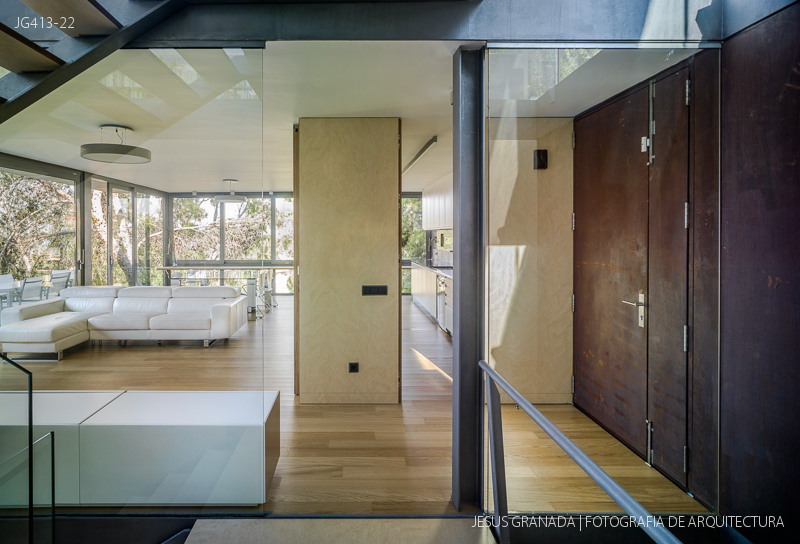
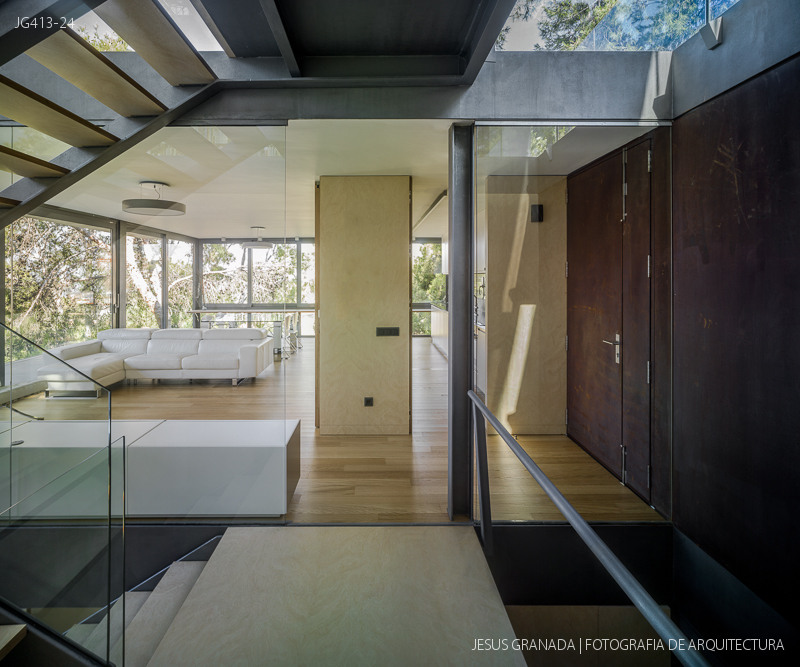
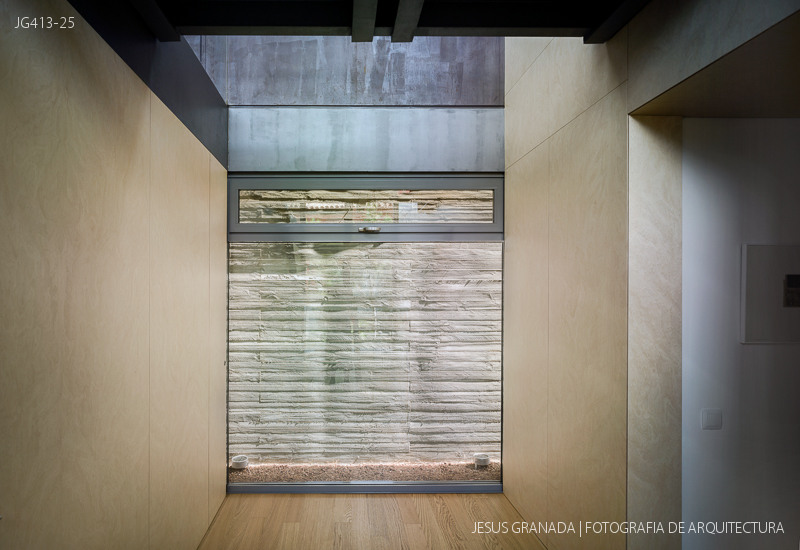
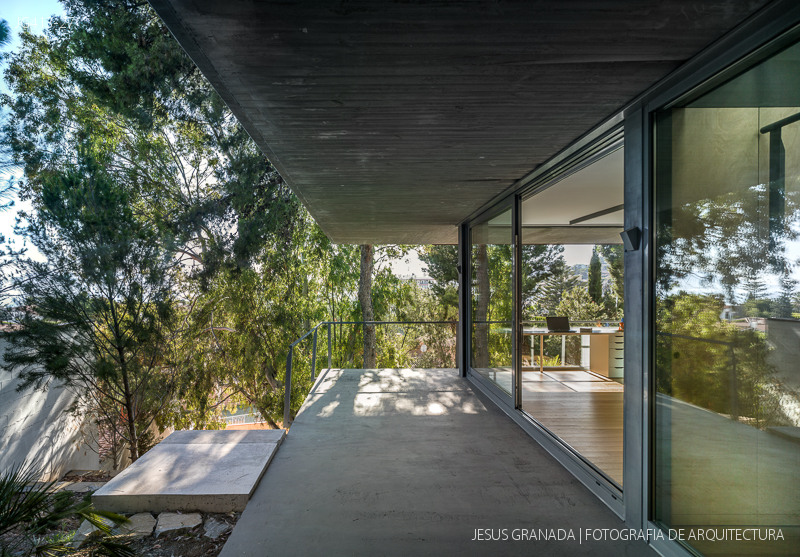
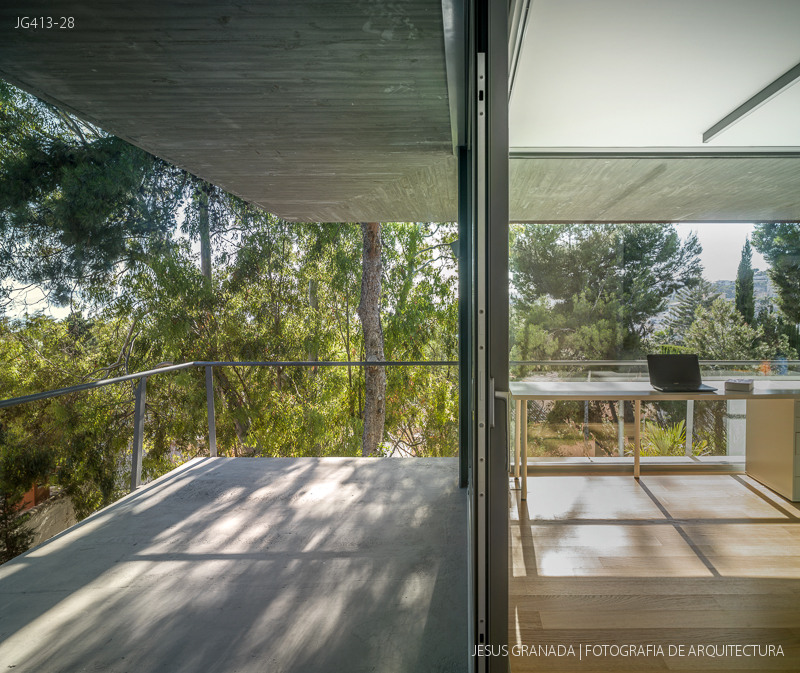
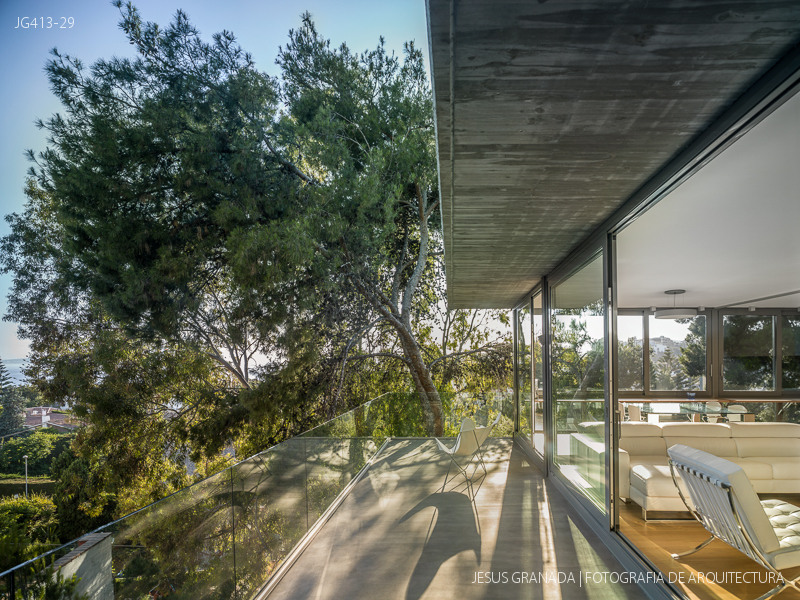
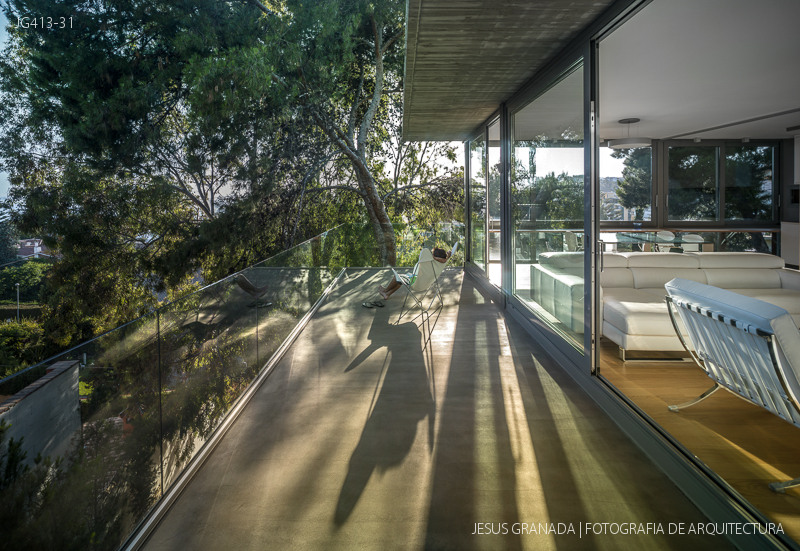
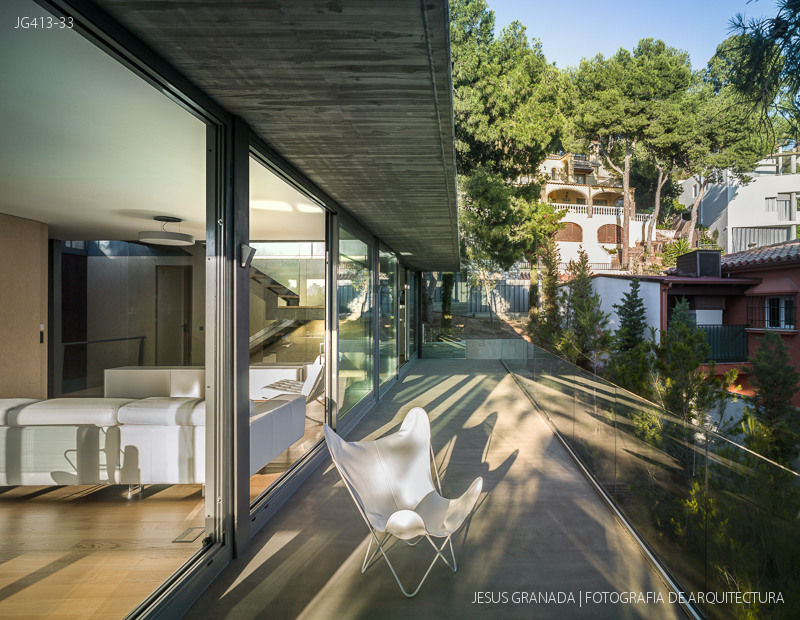
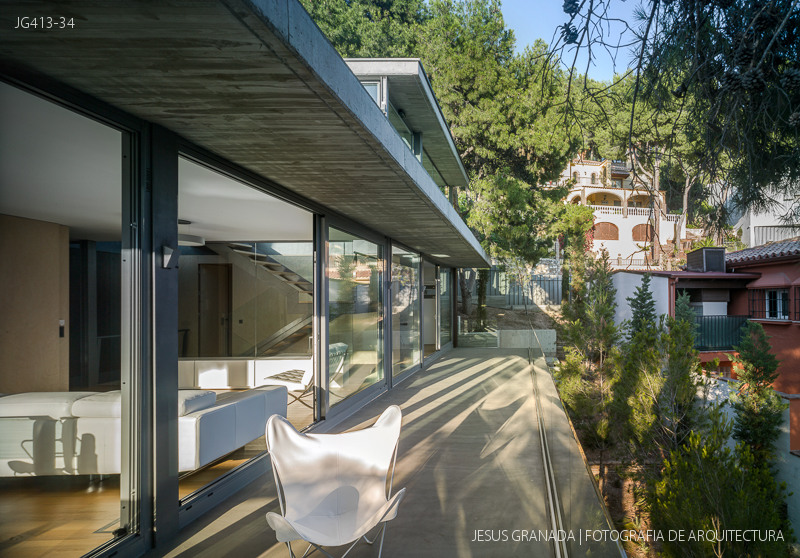
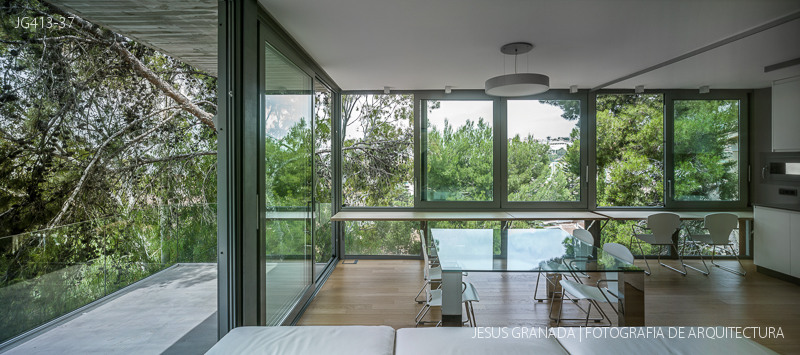
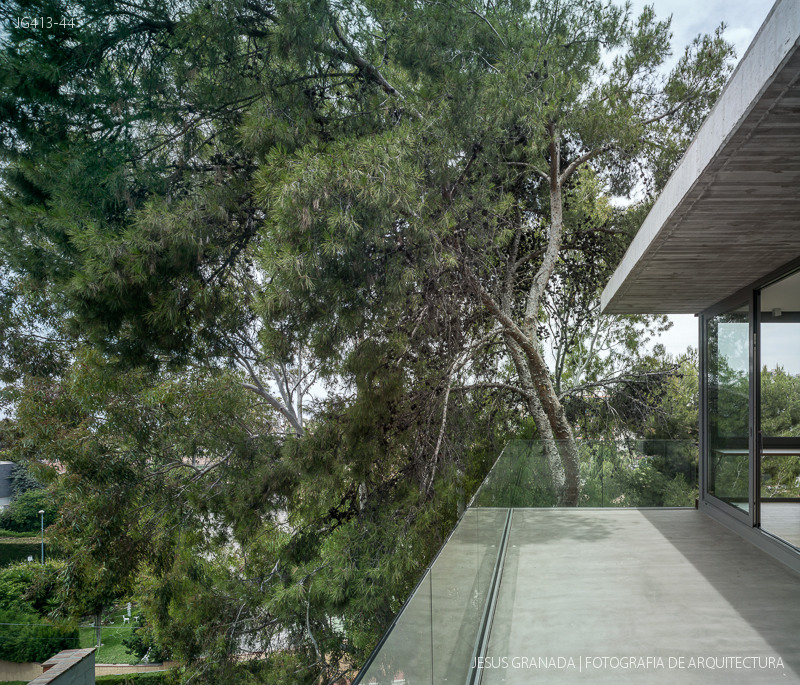
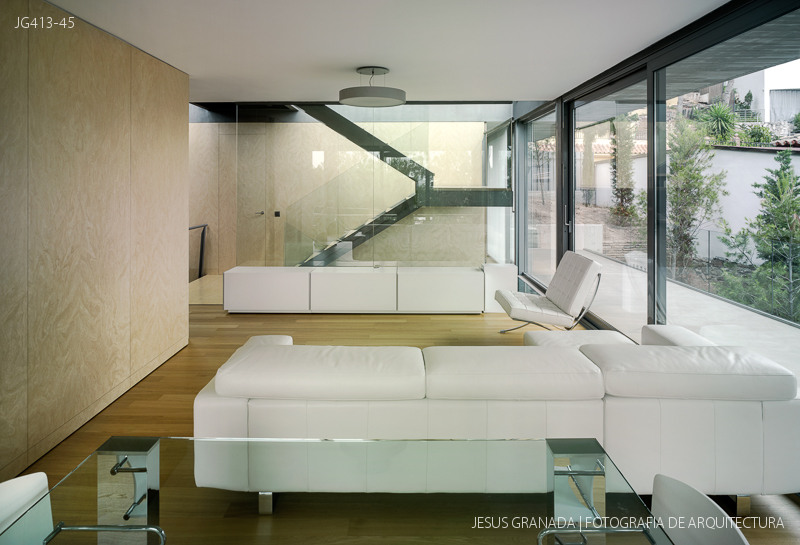
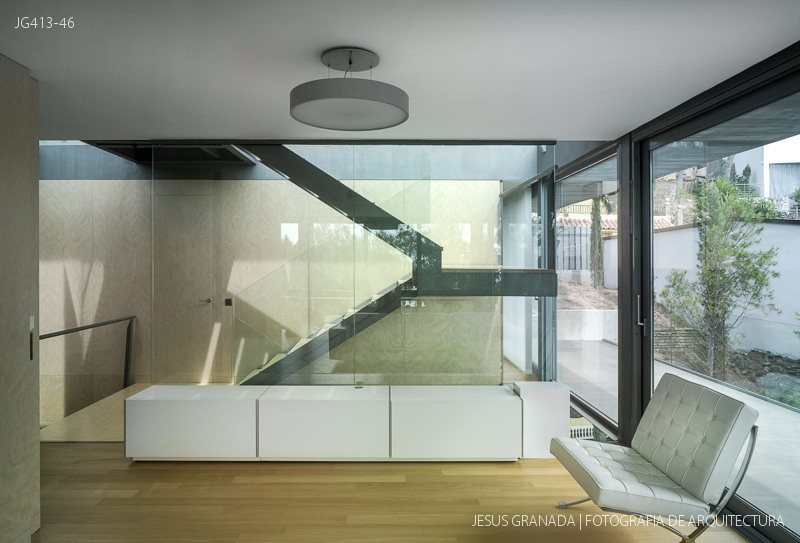
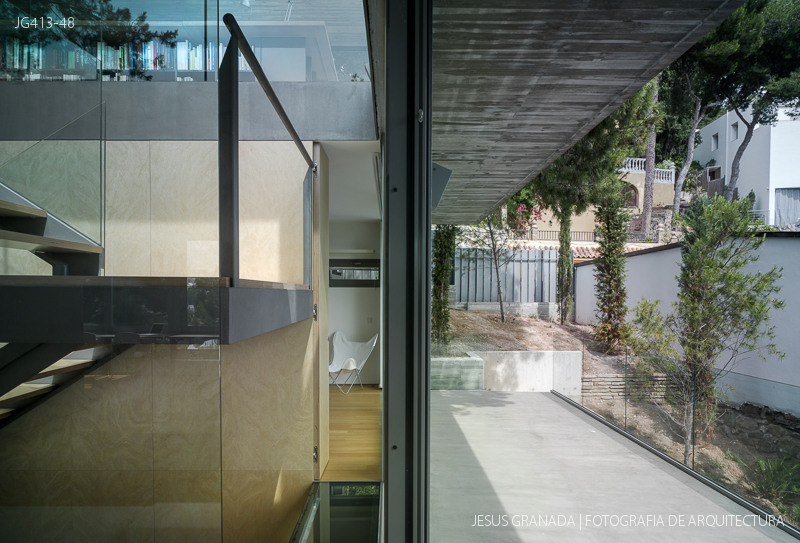
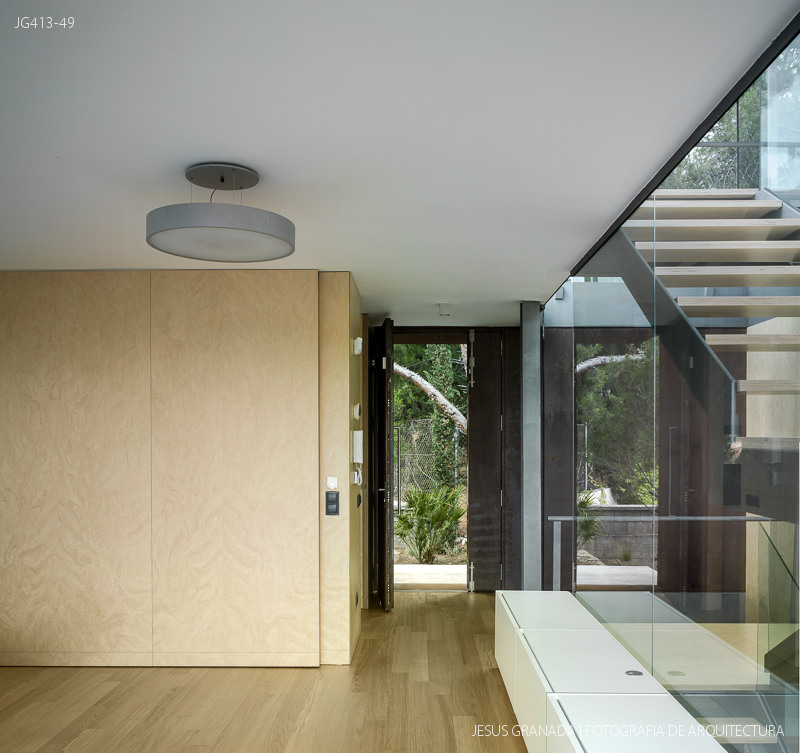
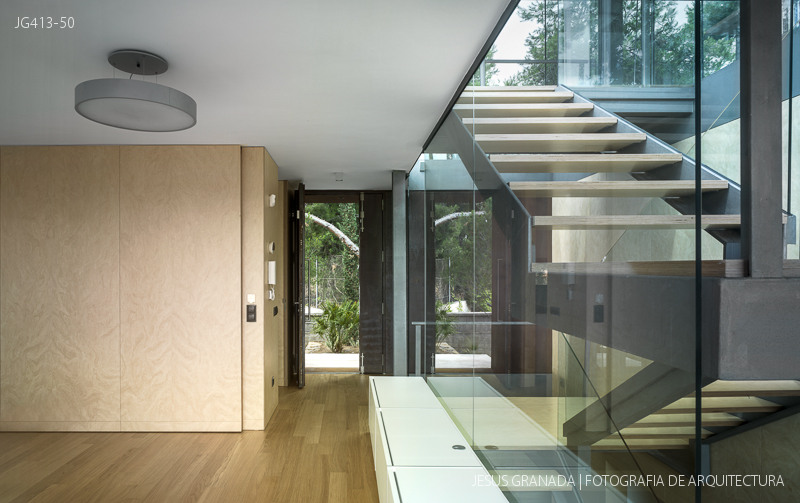
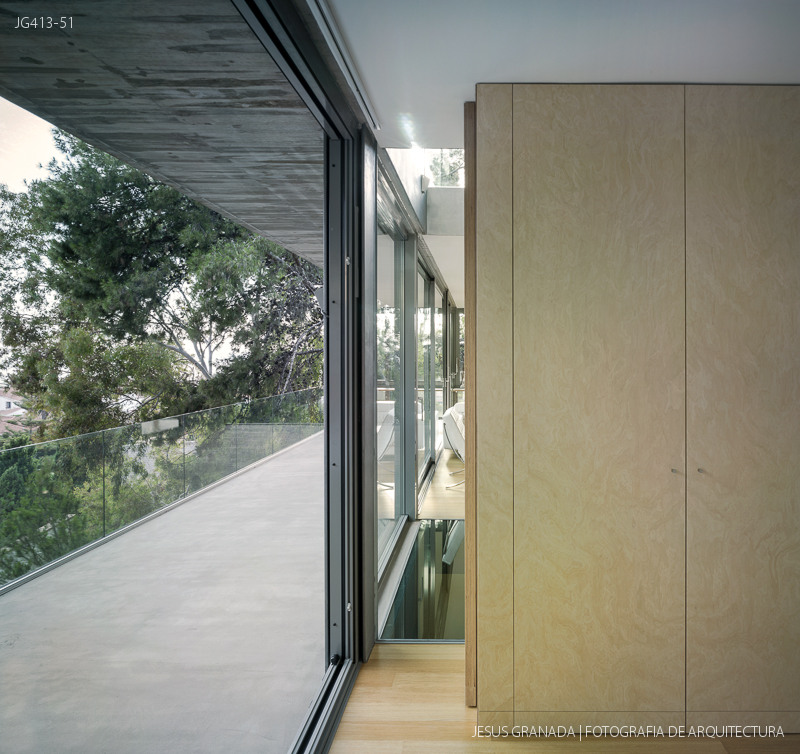
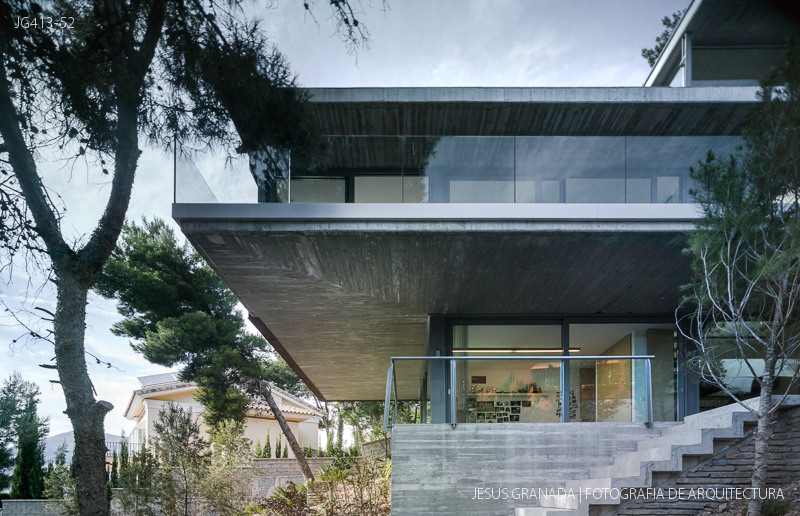
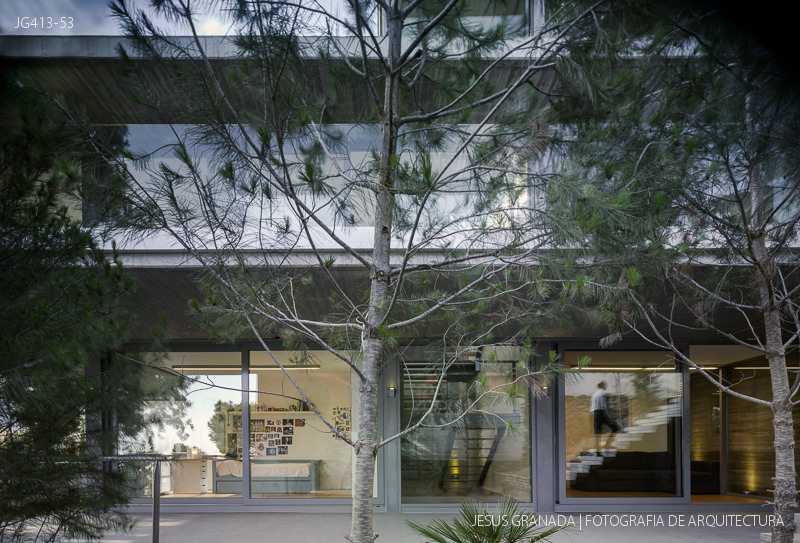
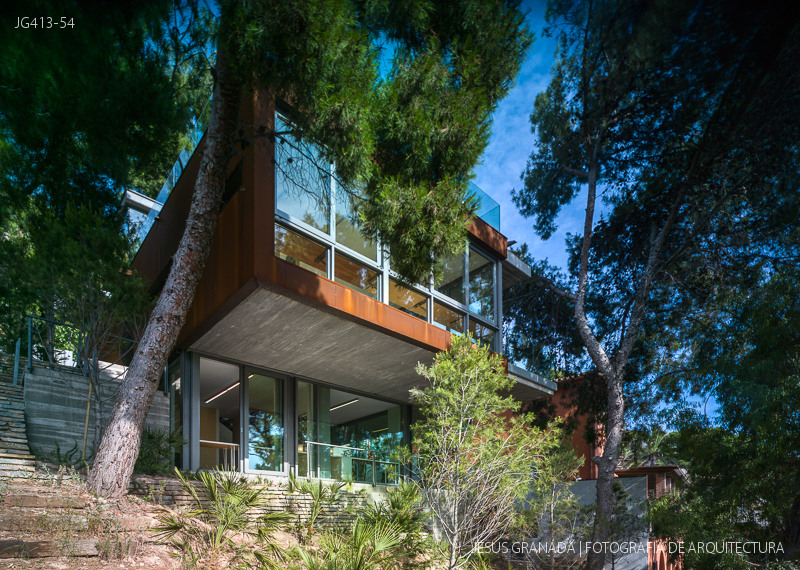
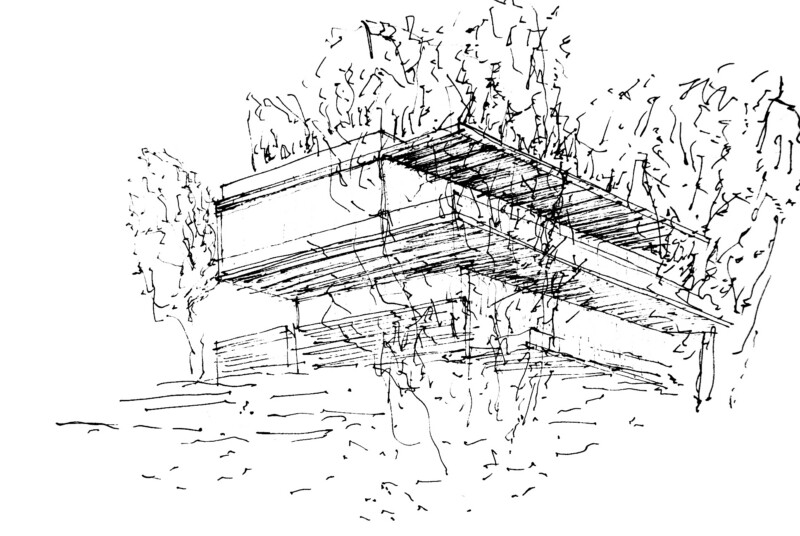
Terrace with the pinewood as skin and natural protection. (inv. JG0413-45) On a plot with steep topography between two streets, the house hides among the dominant pines, keeping the surrounding terrain in its natural state. A recessed box is created with a perimeter retaining wall that sets the volume of the building apart — two floors plus a glazed rooftop pavilion. The physical and structural separation between the house and the wall allows natural light and ventilation for the lower level, conceived as a glass box around its entire perimeter.
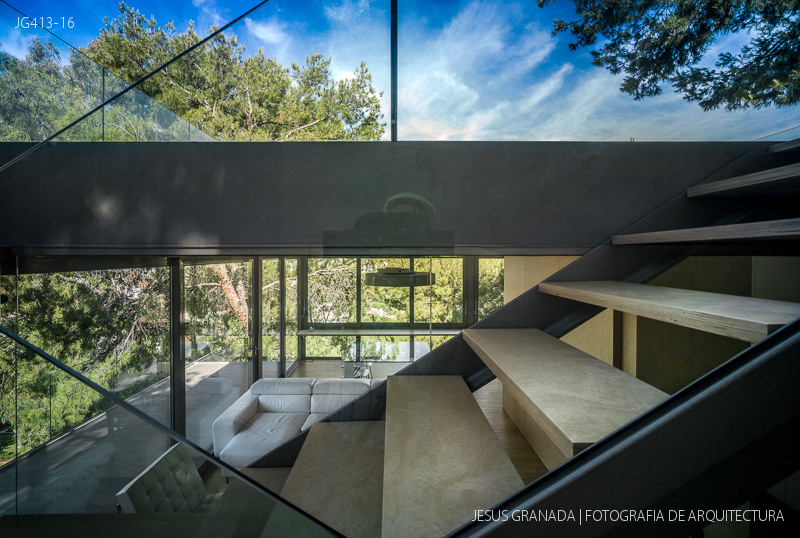
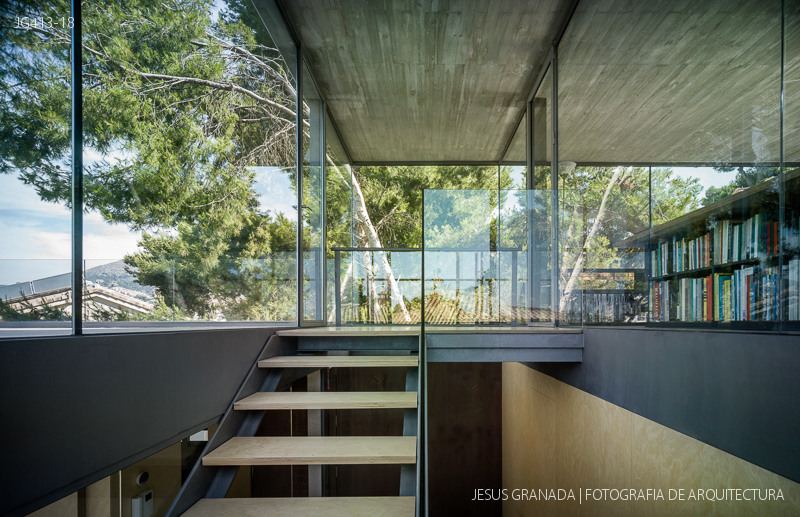
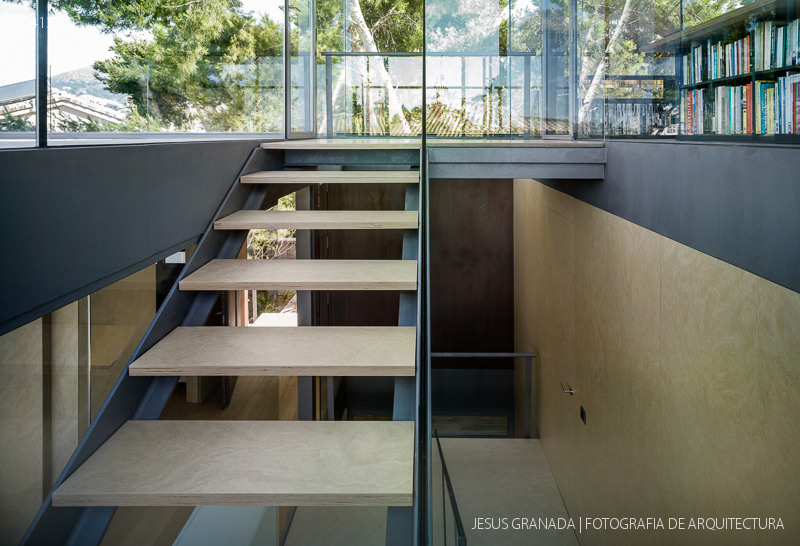
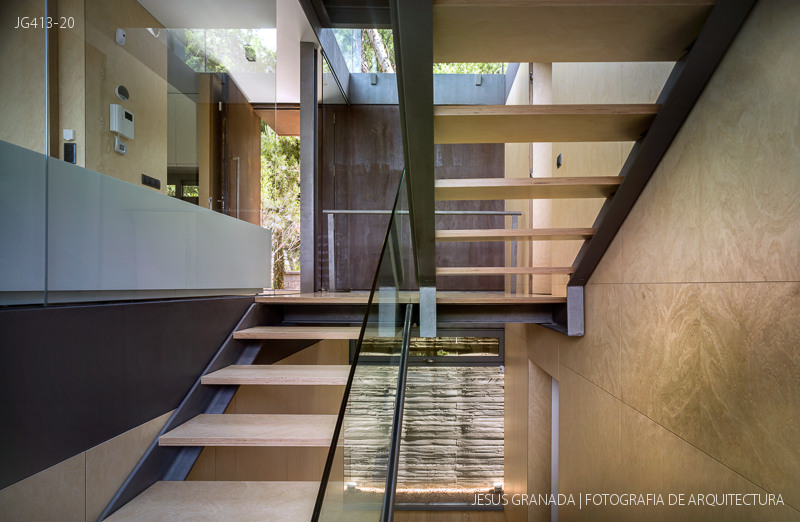
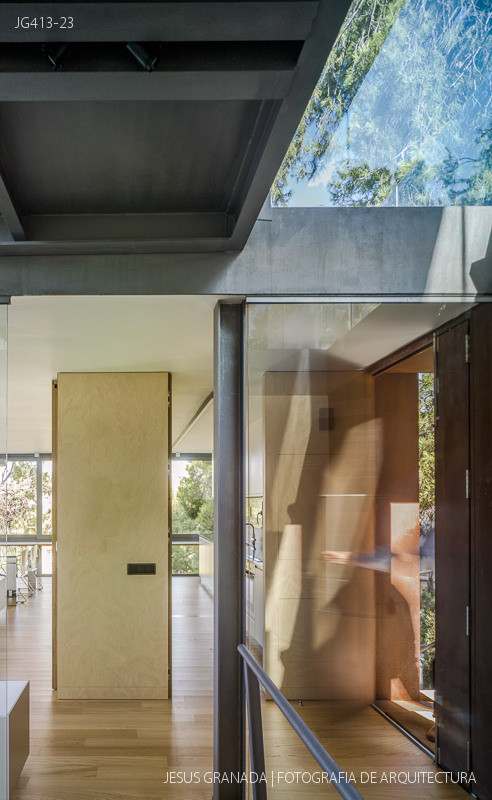
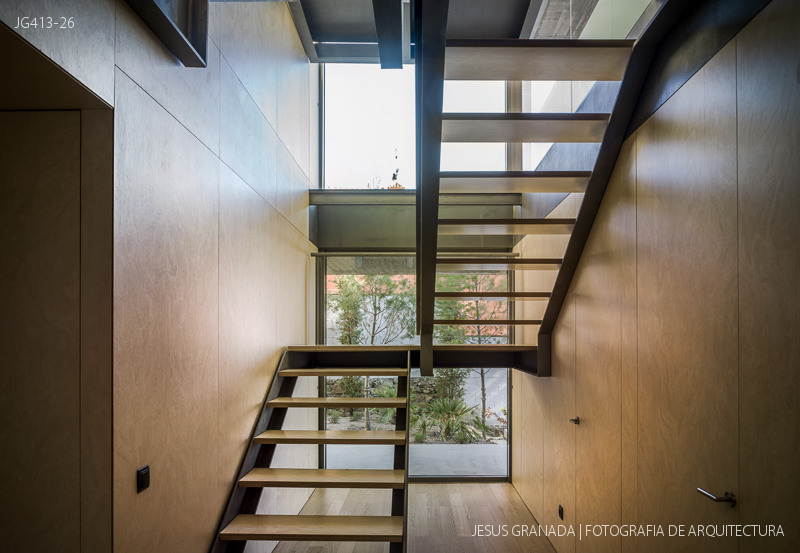
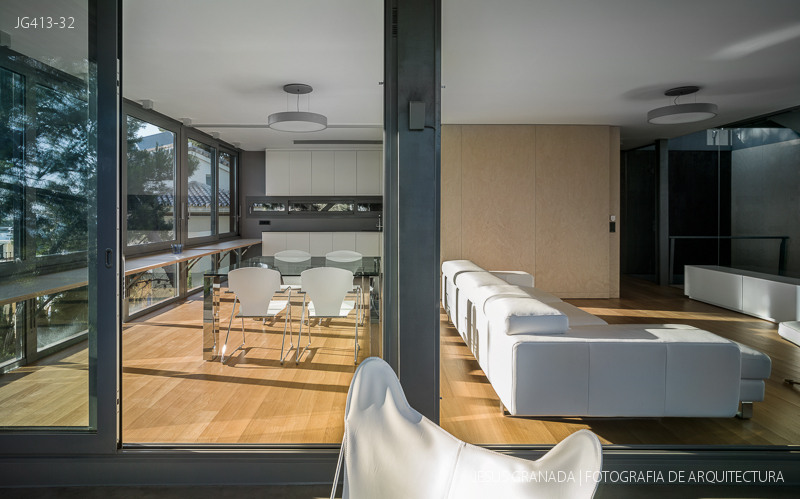
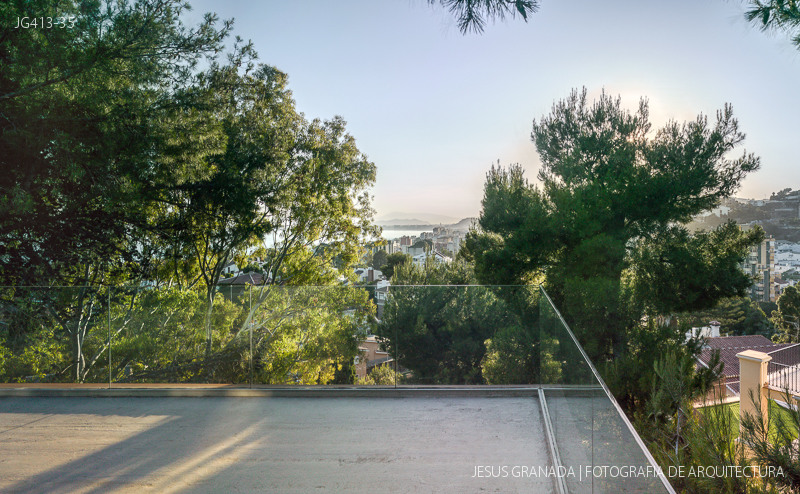
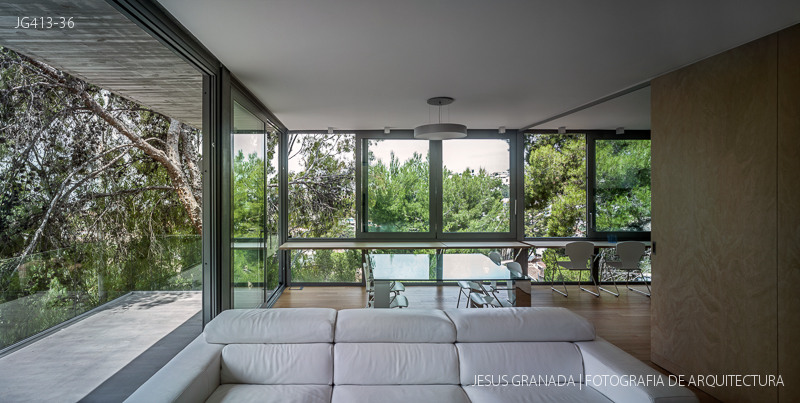
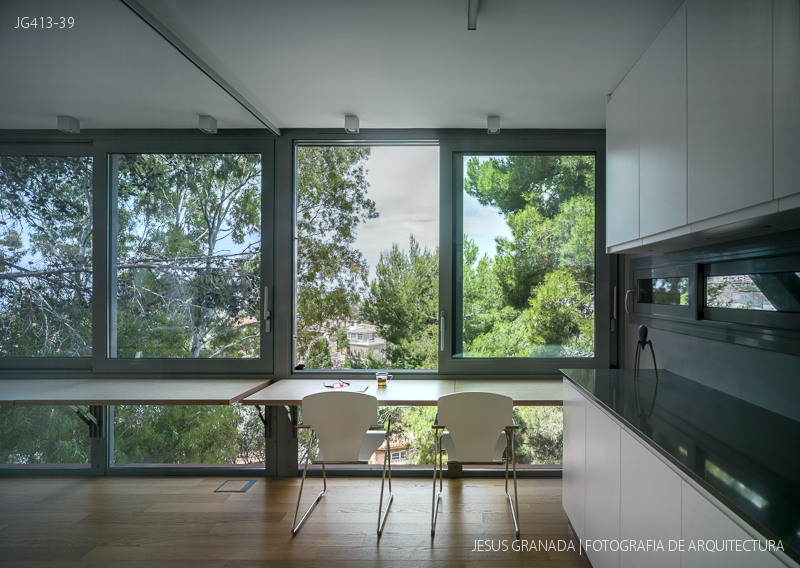
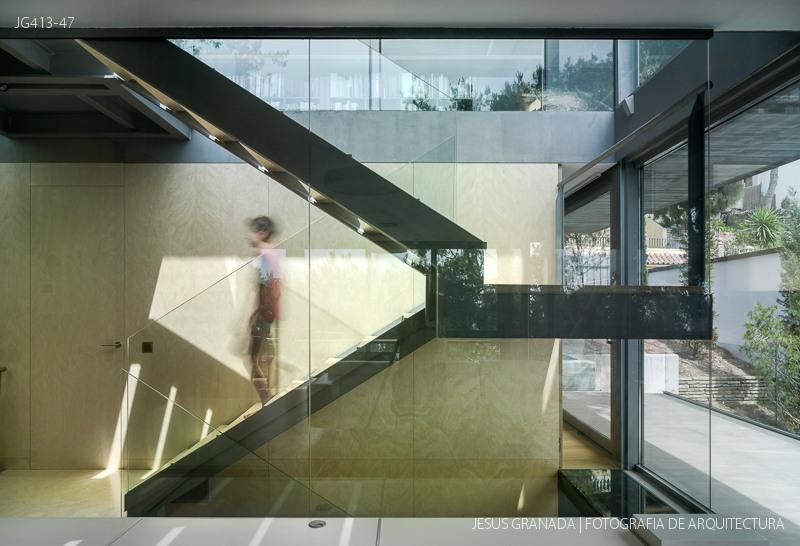
The entrances and external connections adapt to the slope at each point of contact with the topography. The programme places the daytime rooms (living-dining and kitchen) on the upper floor, cantilevered to the west, and the master bedroom and bathroom to the east, while the remaining bedrooms and bathrooms occupy the ground floor. Both levels open to the south with the best orientation, linked by a linear terrace framing the views over the Bay of Málaga. On the roof sits another glass box and a terrace, again open to the landscape. Interior circulation between floors is resolved through a central staircase set inside a spatial volume conceived as the structuring patio of the house.
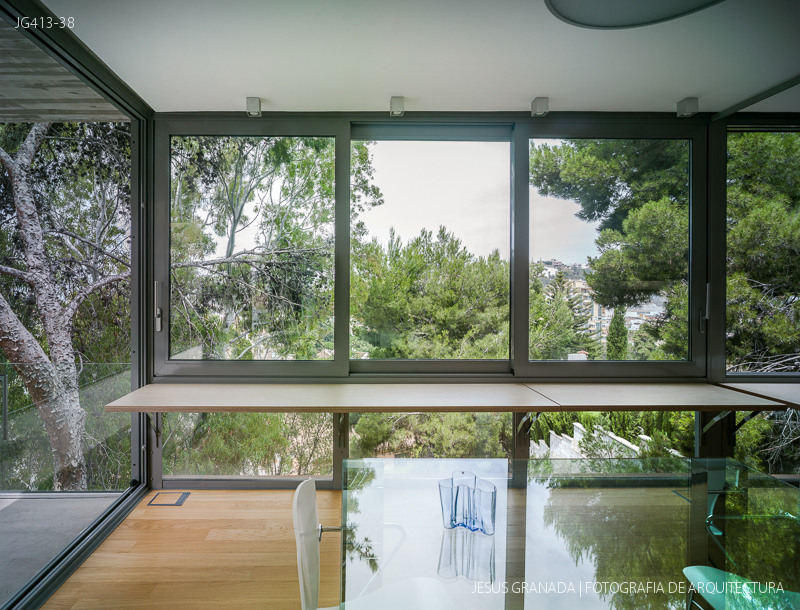
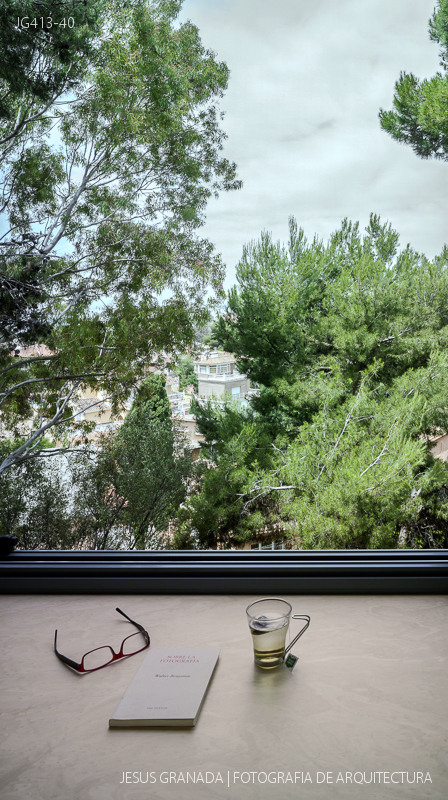
Most of the existing pines have been preserved, supplemented by new plantings. Given the large glazed surface, the dense pine canopy becomes the natural protection of the house — its true skin. Further bioclimatic strategies provide passive solar gain in winter and natural ventilation in summer, including a ‘Canadian well’ (earth–air heat exchanger) and both external and internal cross-ventilation to refresh the spaces.
Photographic sequence
-
Young disabled moduls and workshops pavillions by g.bang
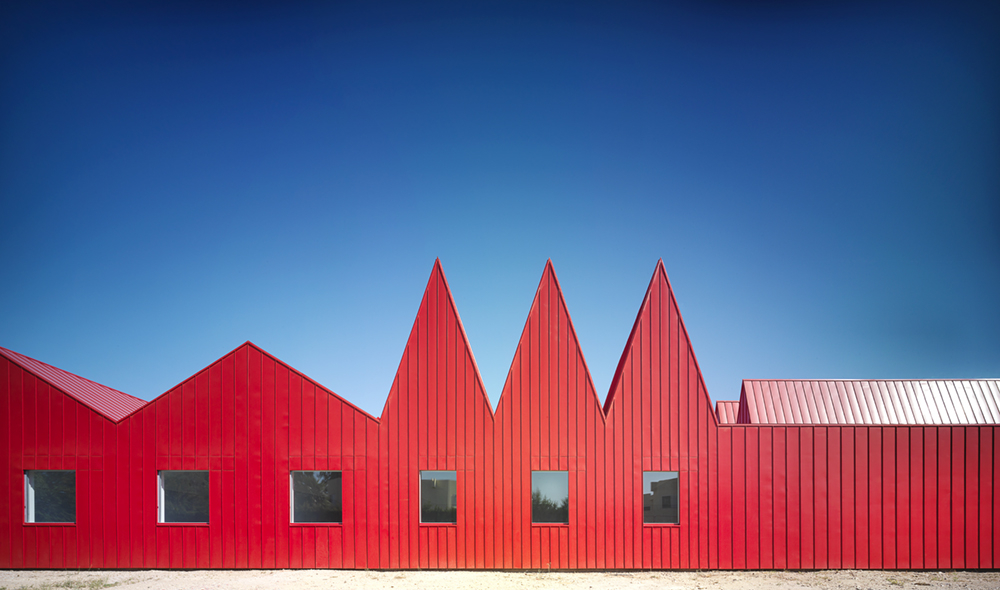
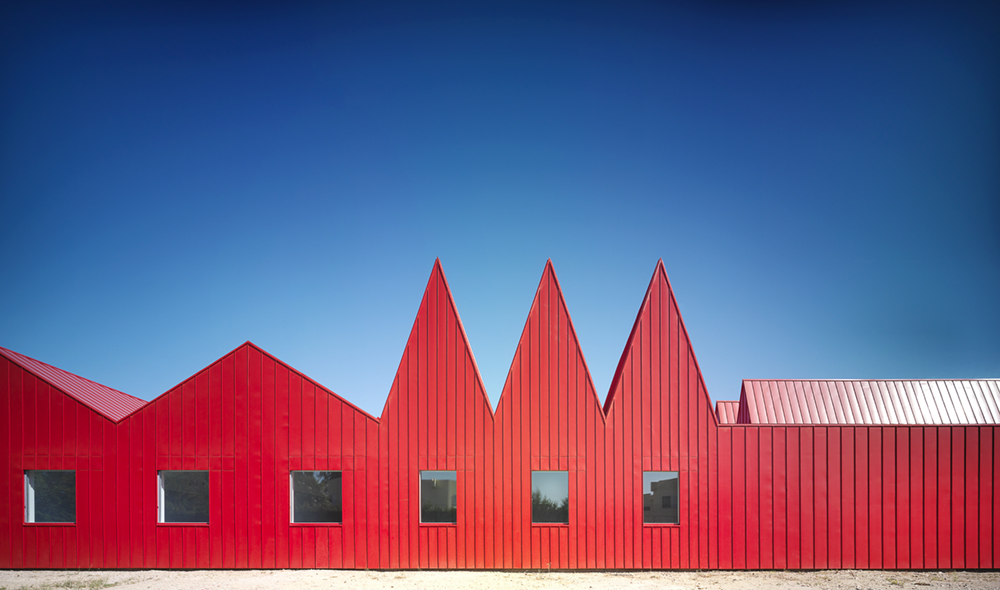
Young disabled modules and workshops pavilions in Garrapinillos (Zaragoza) by José Javier Gallardo architect (G.Bang) | © photo Jesús Granada ONE CONCEPT, ONE COLOR AND ONE MATERIAL
The assignment to g.bang is motivated by the need to expand the Neuropsychiatric Centre Our Lady of Carmen, in Zaragoza. In the first phase there is a new support centre for youth with behavioural problems, and currently sharing facilities with the geriatric section and, by the nature of their treatment and pathology, was necessary to become independent. In a second phase will be built the “Module for Occupational Workshops.”
PROGRAM
It has 10 single bedrooms and 8 double rooms, with toilets. The common areas of the internal are two living rooms and dining room. The program is completed with, reception room, two offices, laundry, office, control room toilets, storage and utility room.
GEOMETRY
The floor plan is rectangular, dimensions 15.5 x 65 m. The facade has no cantilevers, but reflects the emptying of the building volume in the direction north, creating a courtyard to capture sunlight and allow controlled the patients to stay there in the summer.
The roof, for the most part, saw tooth shape, with variable slopes – very steep at some points – reflects, from the outside, the degree of internal mental activity in relation to the type of rooms they occupy: the resting or sleeping area with a slope of 60%, common areas or with maximum activity have outstanding peak of 240%. The treatment of the spaces occupied by the medical staff and caregivers has been dealt with flat roofs.
MATERIAL/COLOR
Façade and roof are covered with red zinc coated sheet. Historically, these centres, known as asylums were unrecognizable and hidden by society. But Hospital, “hospitare” in Latin, means “to receive as a guest” and together with the values of the Congregation and its founder, “Hospitality between people who suffer mental impairment” and “integrating the patients into society as far as possible” where the main goals… The red colour is a symbol that makes them visible… that robs us of prejudice… that emphasizes the social work… makes us more sexy! The material… the shape of this whole “scene” had to be modelled nobly!
-
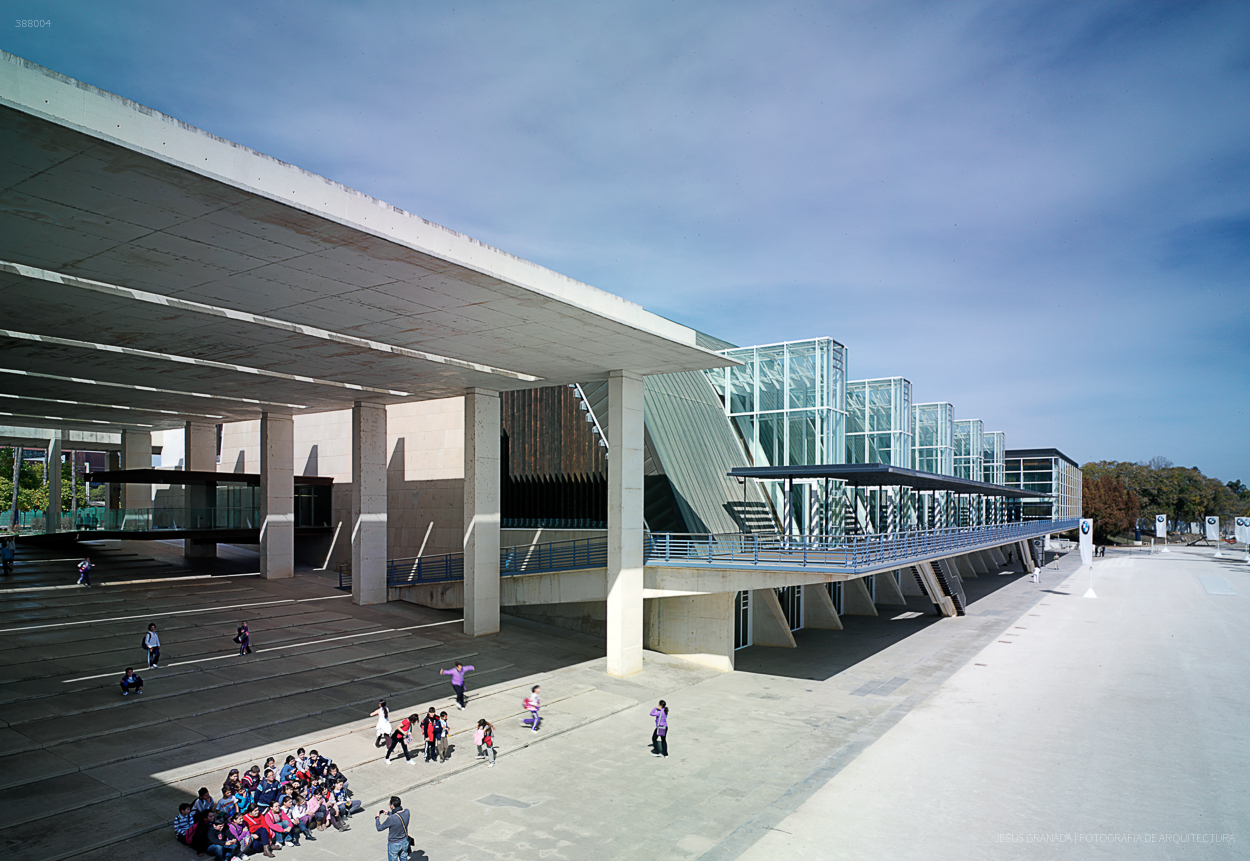
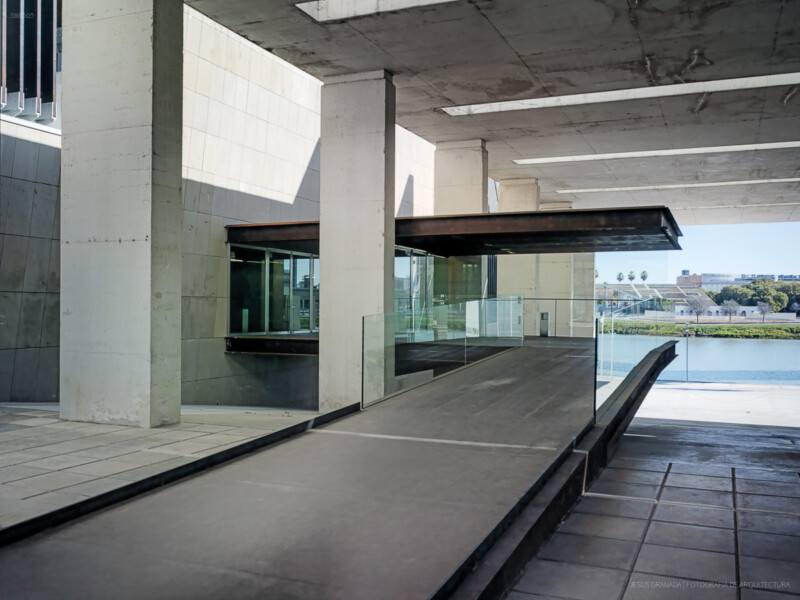
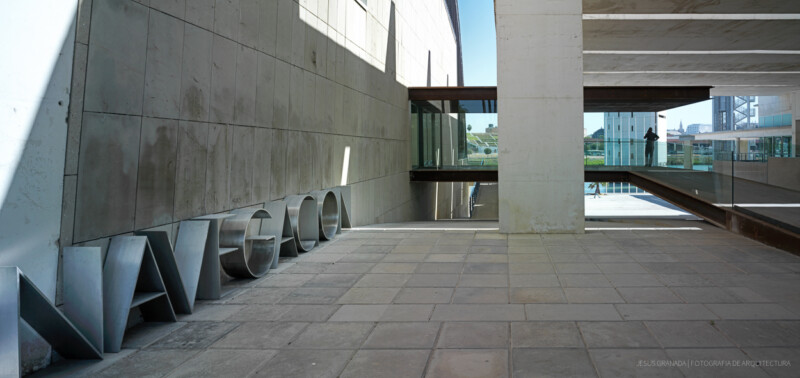
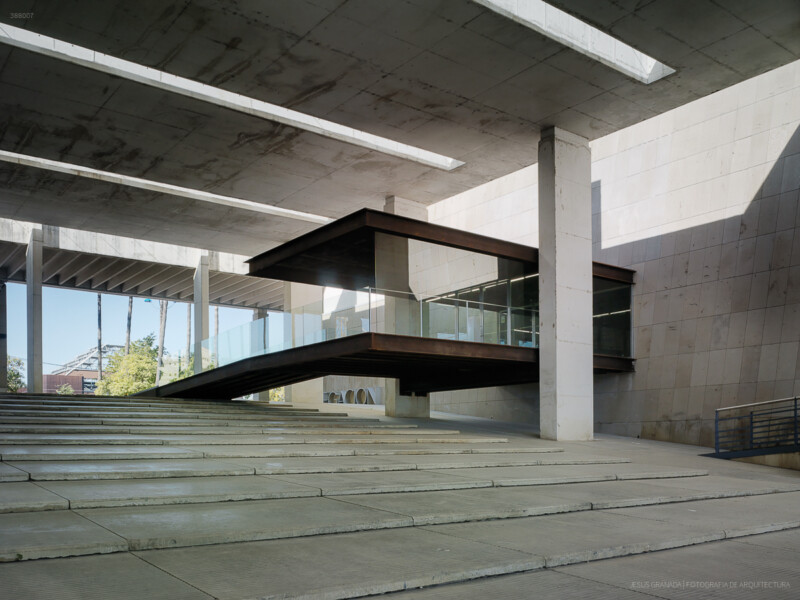
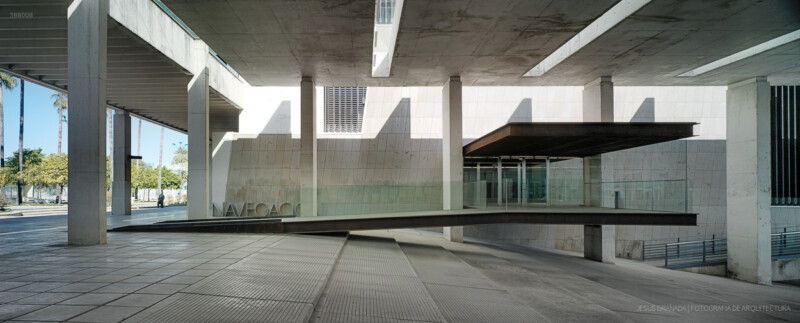
Refurbishment of the Navigation Pavilion in Seville, Spain
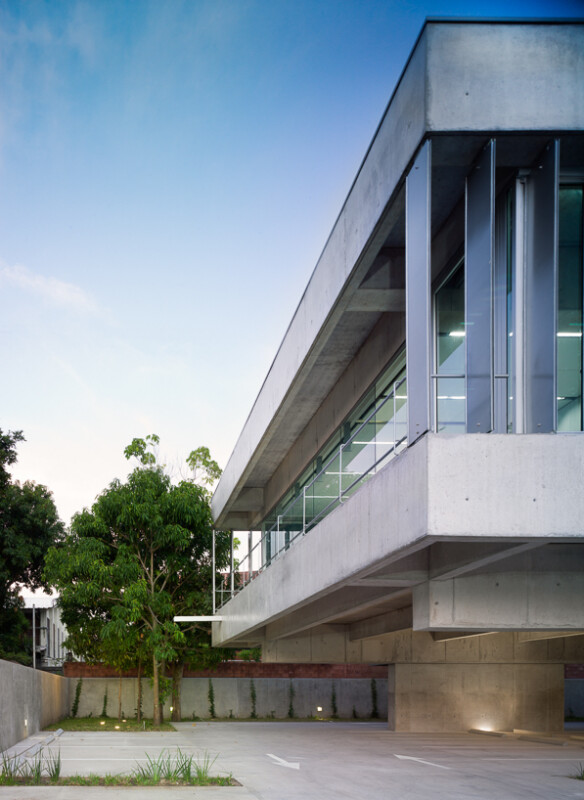
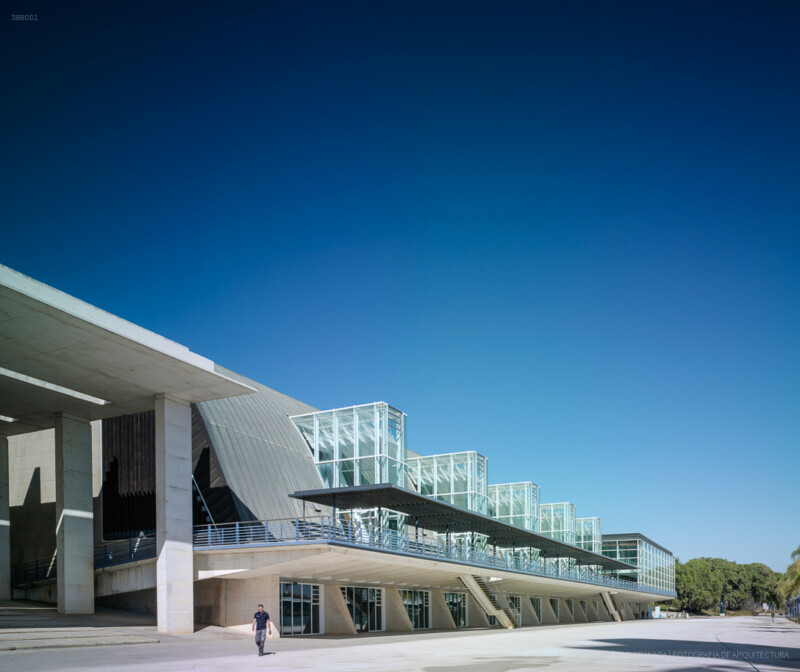
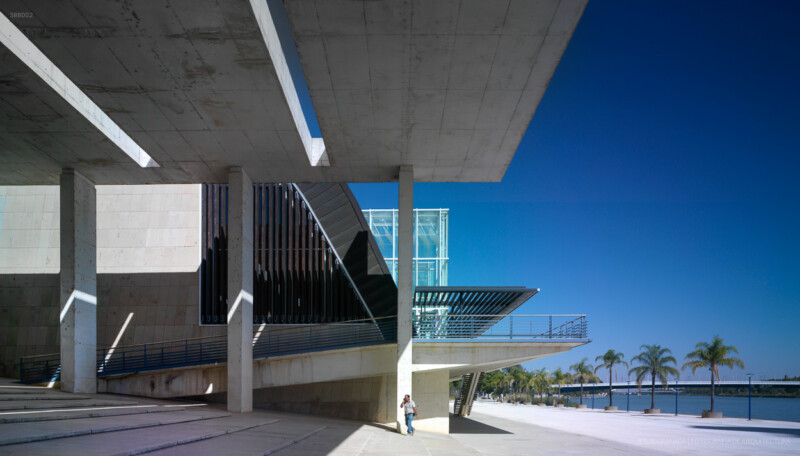
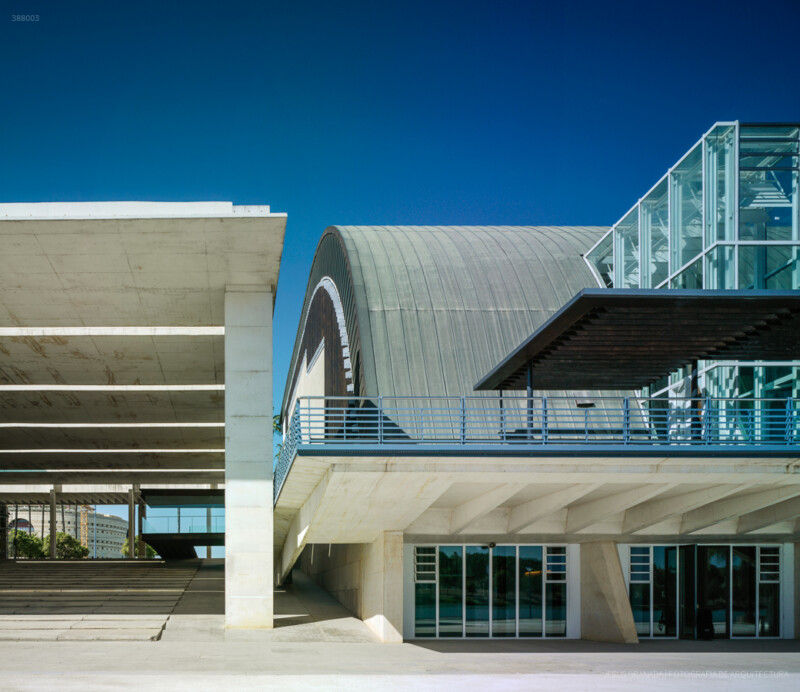
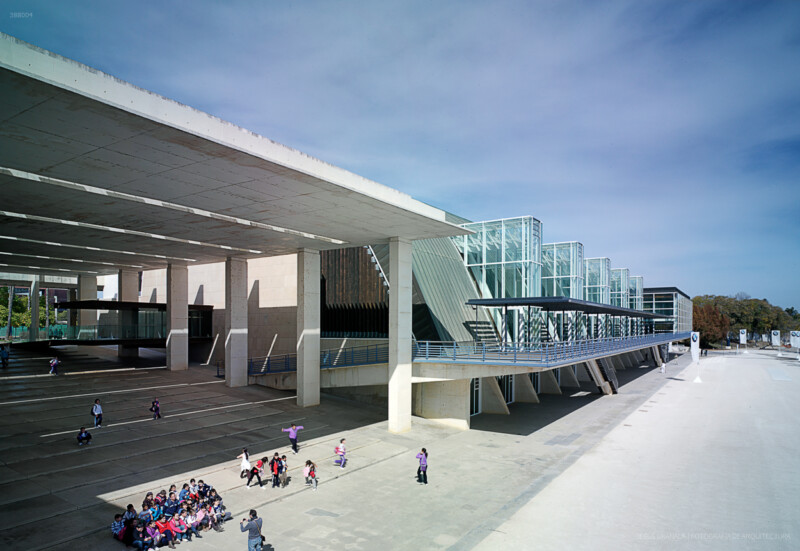
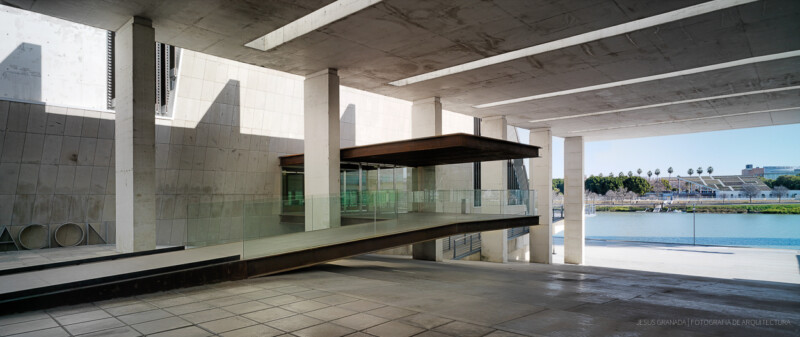
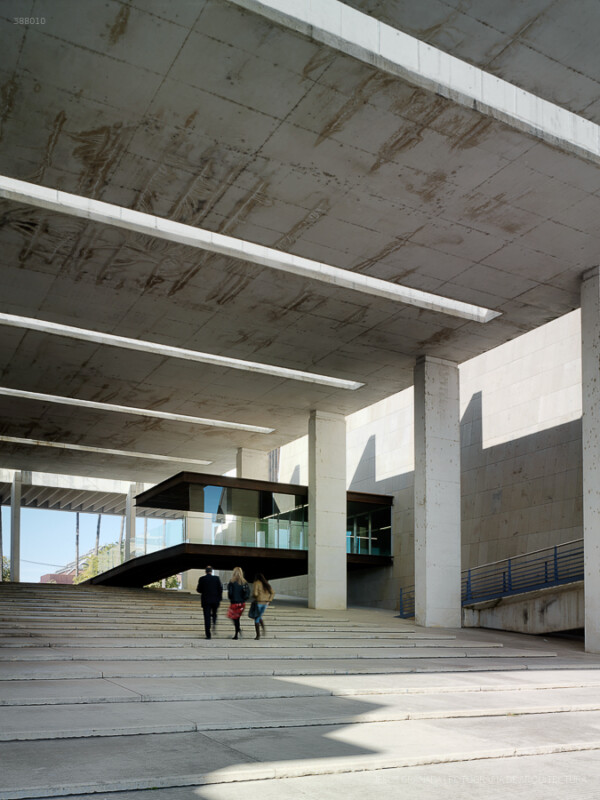
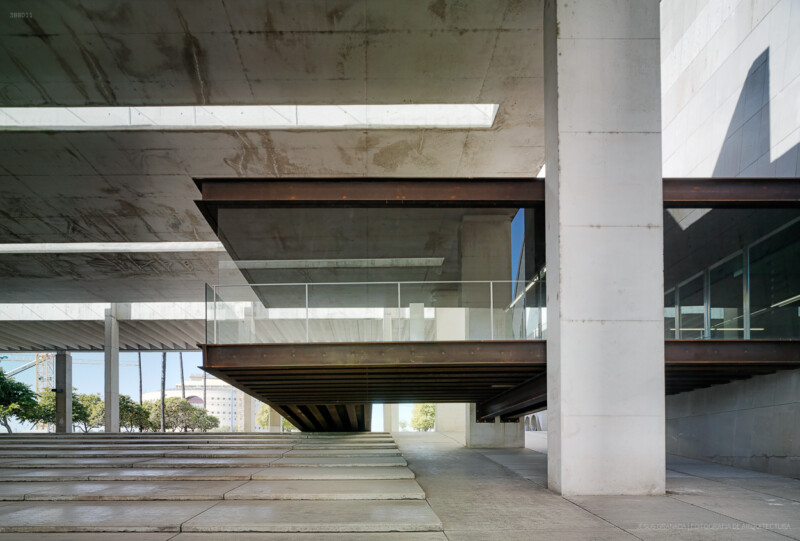
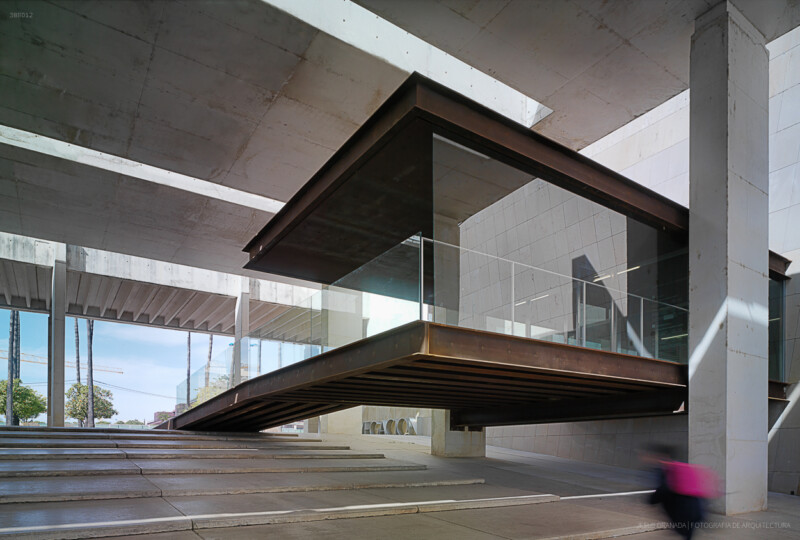
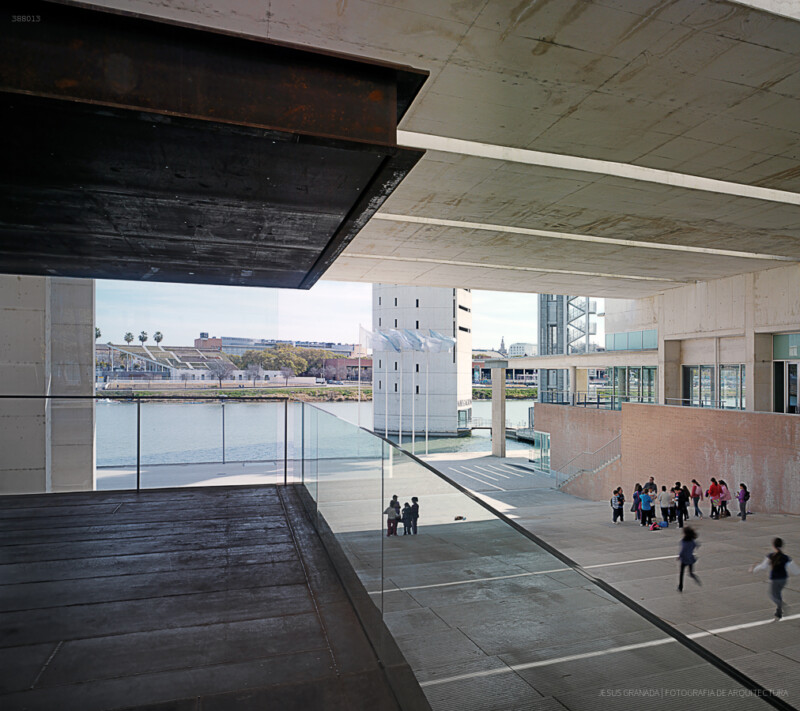
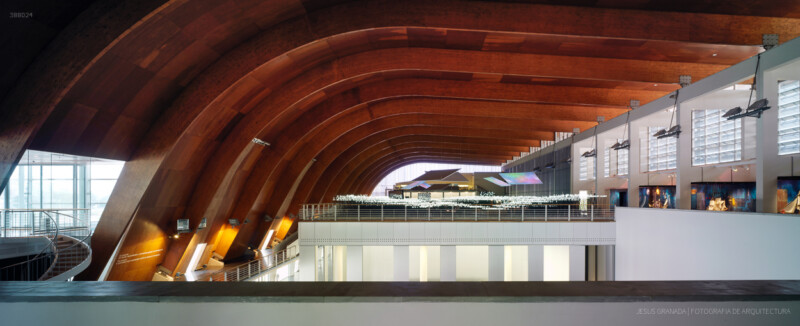
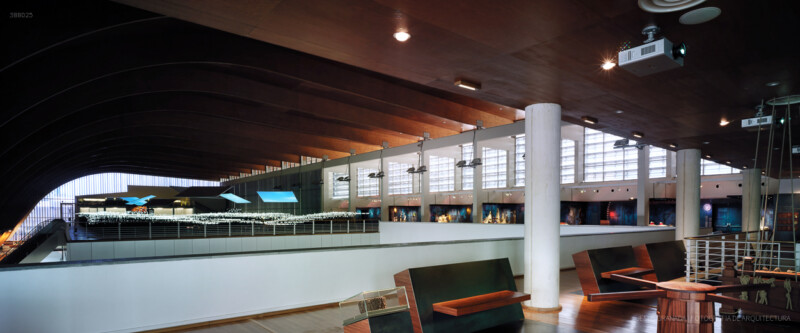
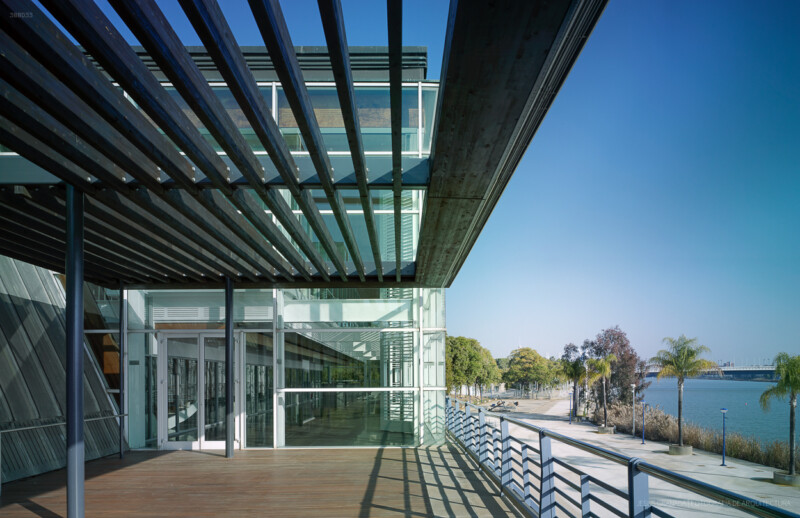
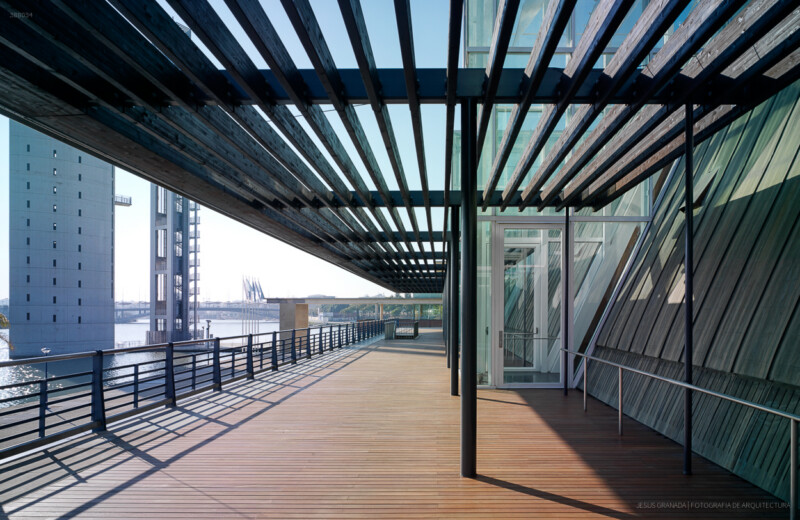
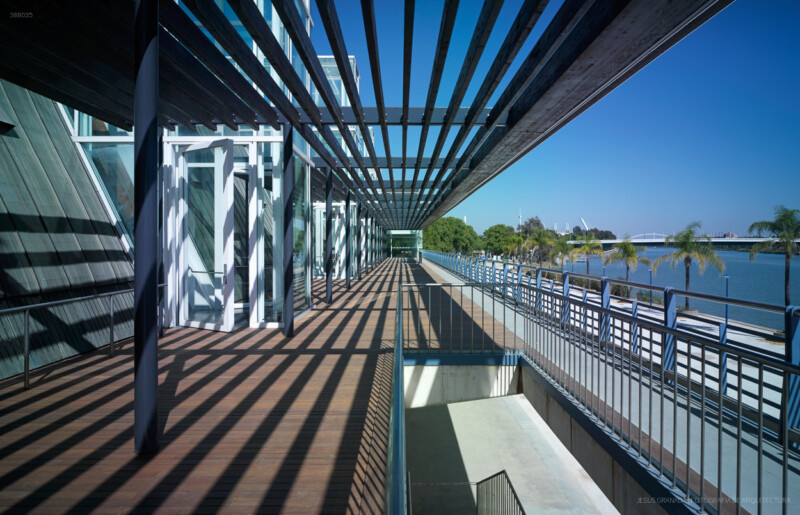
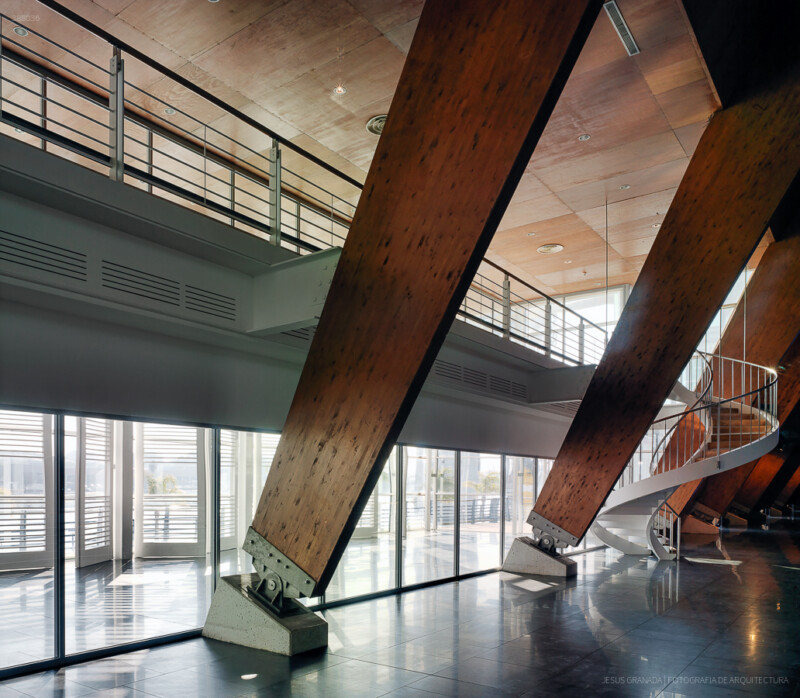
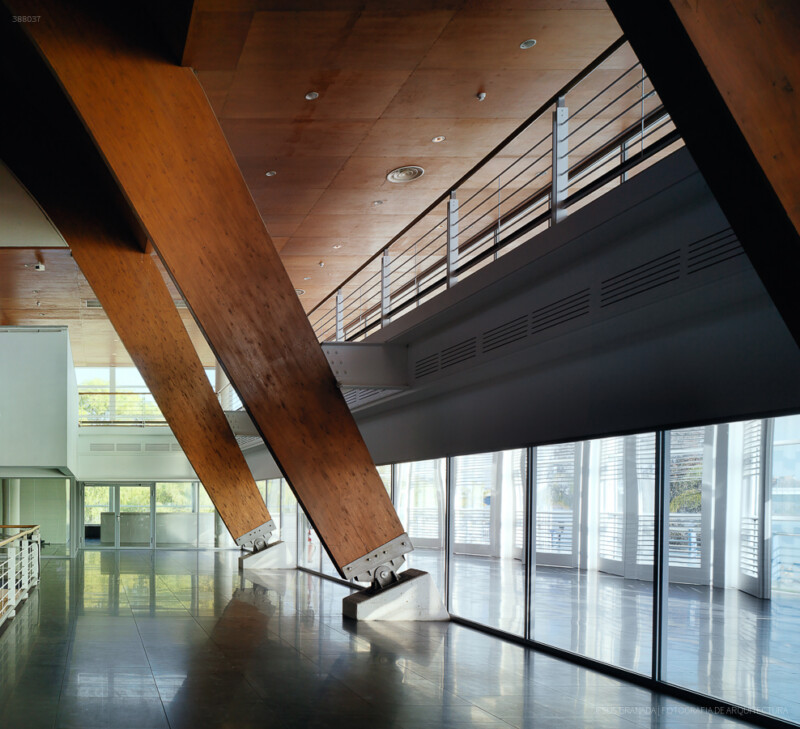
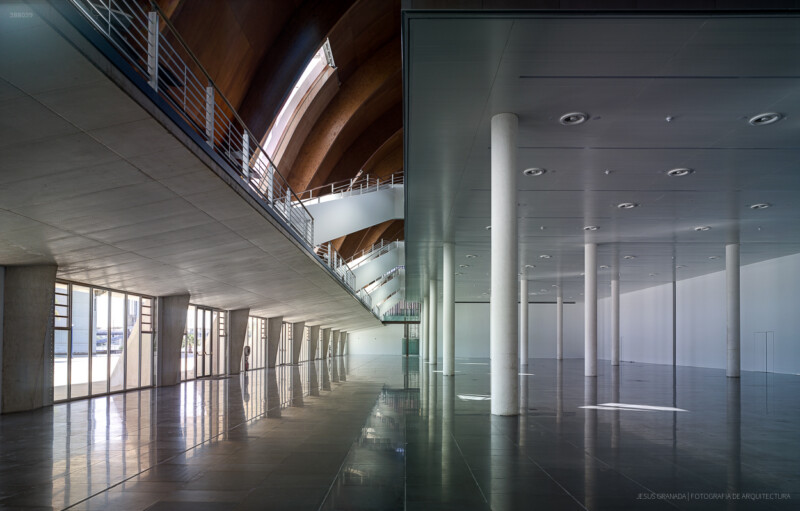
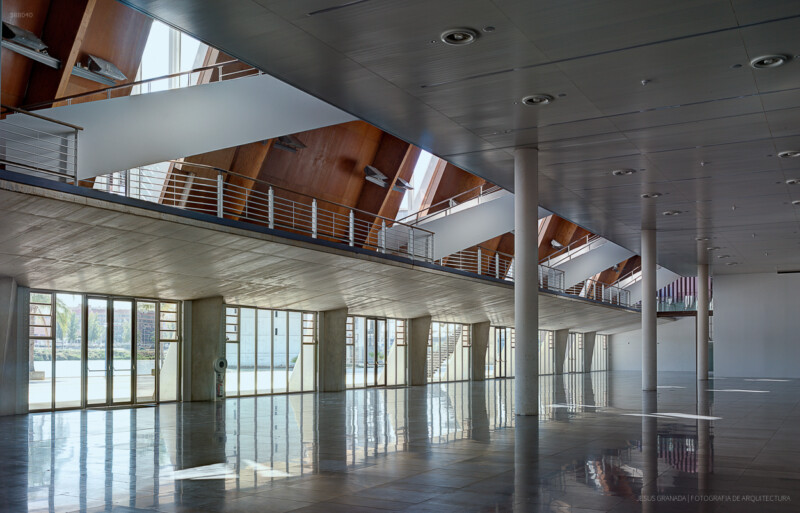
Built on the southern edge of the 1992 Universal Exposition site, the Navigation Pavilion sits at quay level along the Guadalquivir, between the Chapina and Cartuja bridges. Vázquez Consuegra conceived the 15,000 m² volume as a neutral but precise container — a future Maritime Museum — addressing two scales simultaneously: the river to the south and the elevated Plaza de los Descubrimientos five metres above. The building’s defining gesture is its curved metallic roof, which doubles as the principal façade towards the historic city. Its convex profile recalls port hangars and quayside sheds, and resolves the stepped perspective formed by the buildings rising behind it up to the circular mass of Torre-Triana. The refurbishment was completed in November 2011.
Source: Vázquez Consuegra — Pabellón de la Navegación.
-
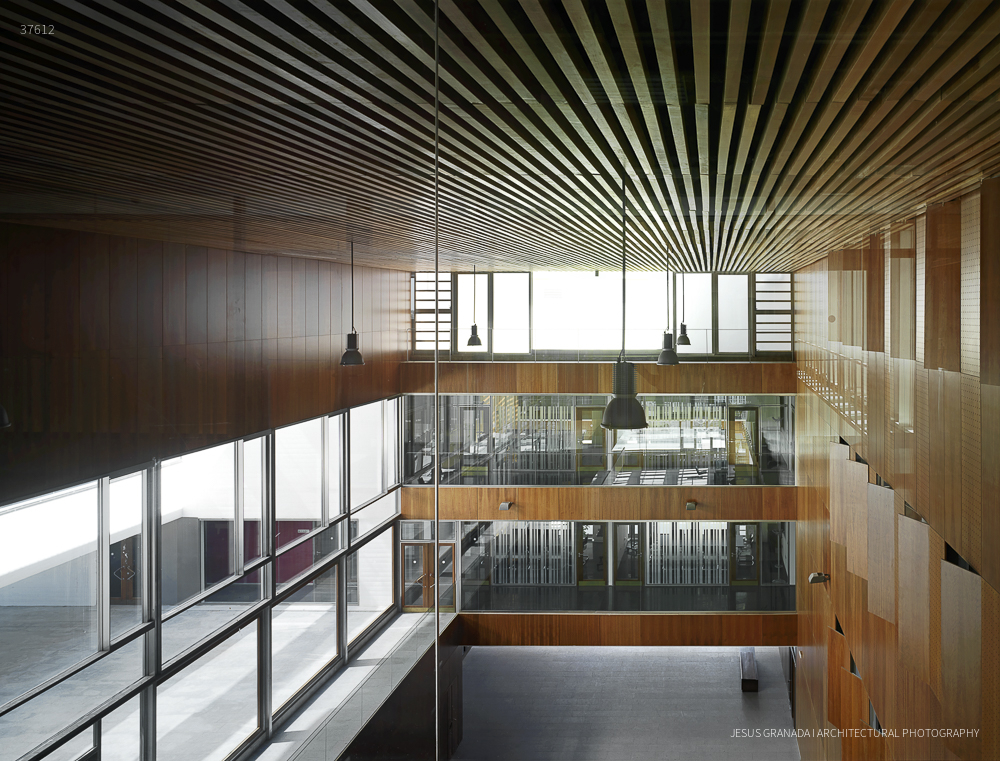
Aeropolis Aerospace Business Centre in Seville
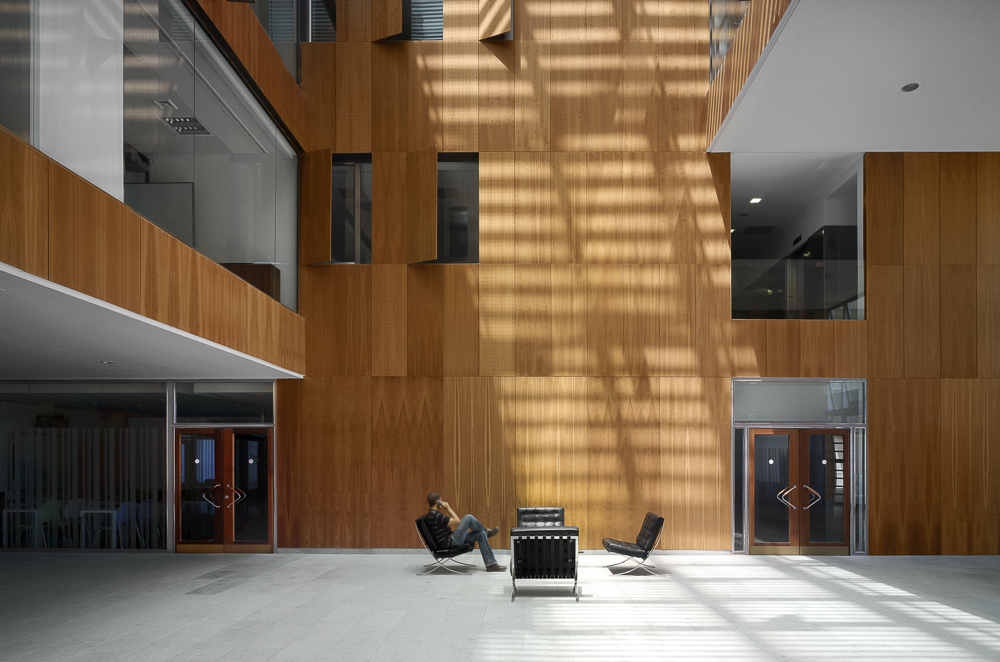
José Antonio Carbajal Navarro, Nicolás Carbajal Ballell y Rodrigo Carbajal Ballell | La Rinconada ( Seville), Spain| March 2011 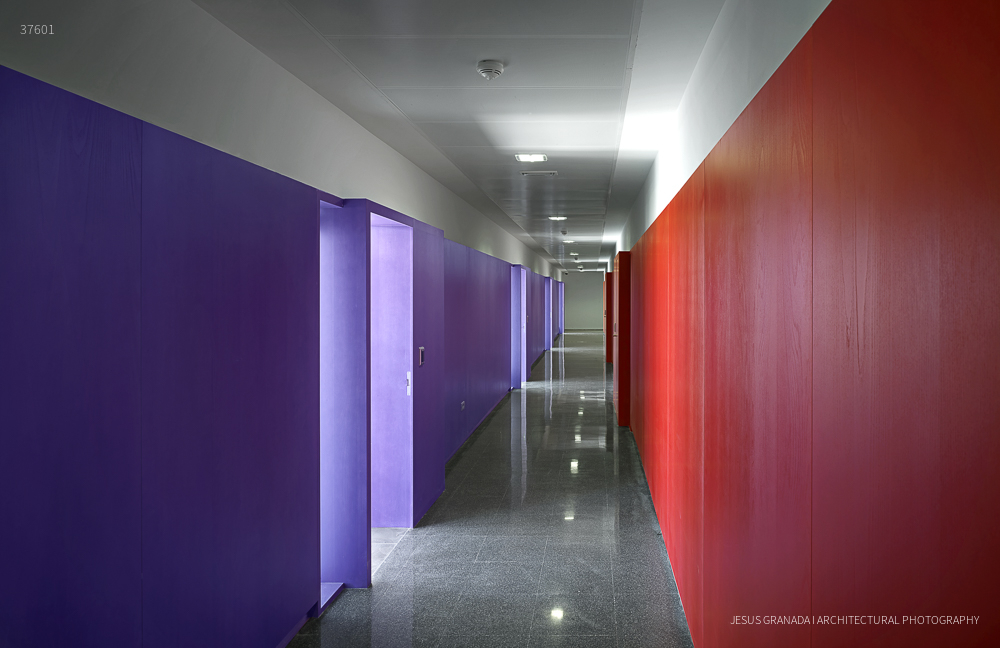
José Antonio Carbajal Navarro, Nicolás Carbajal Ballell y Rodrigo Carbajal Ballell | La Rinconada ( Seville), Spain| March 2011 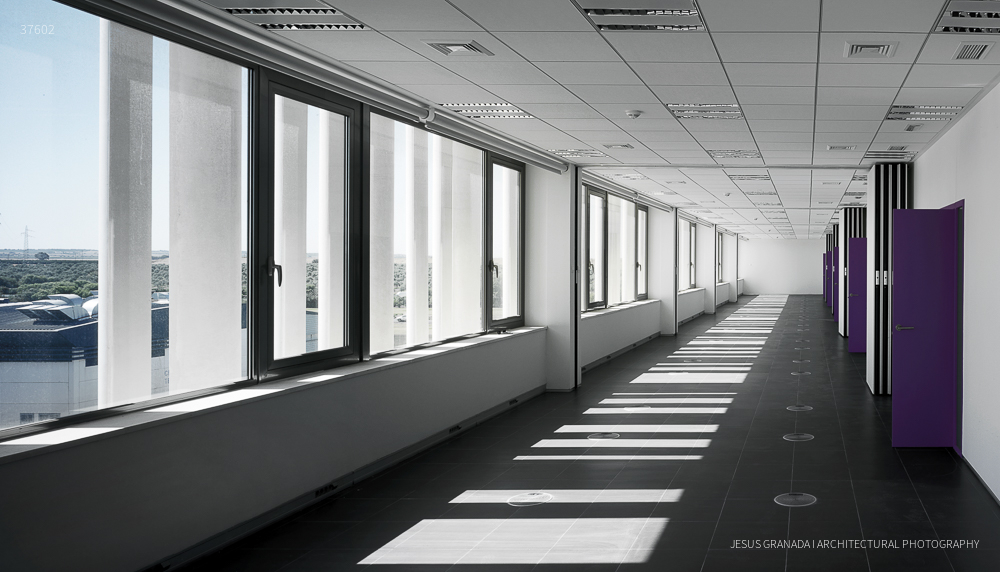
José Antonio Carbajal Navarro, Nicolás Carbajal Ballell y Rodrigo Carbajal Ballell | La Rinconada ( Seville), Spain| March 2011 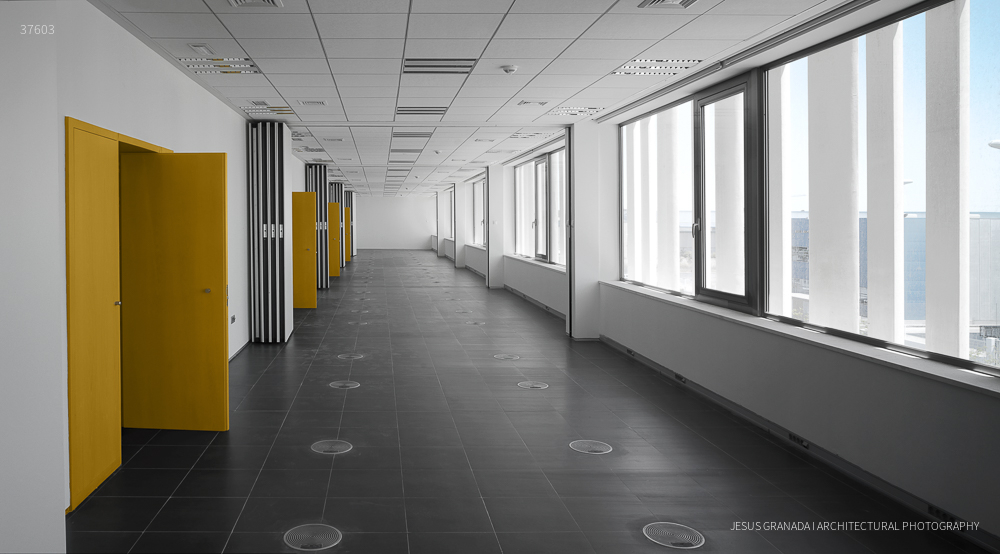
José Antonio Carbajal Navarro, Nicolás Carbajal Ballell y Rodrigo Carbajal Ballell | La Rinconada ( Seville), Spain| March 2011 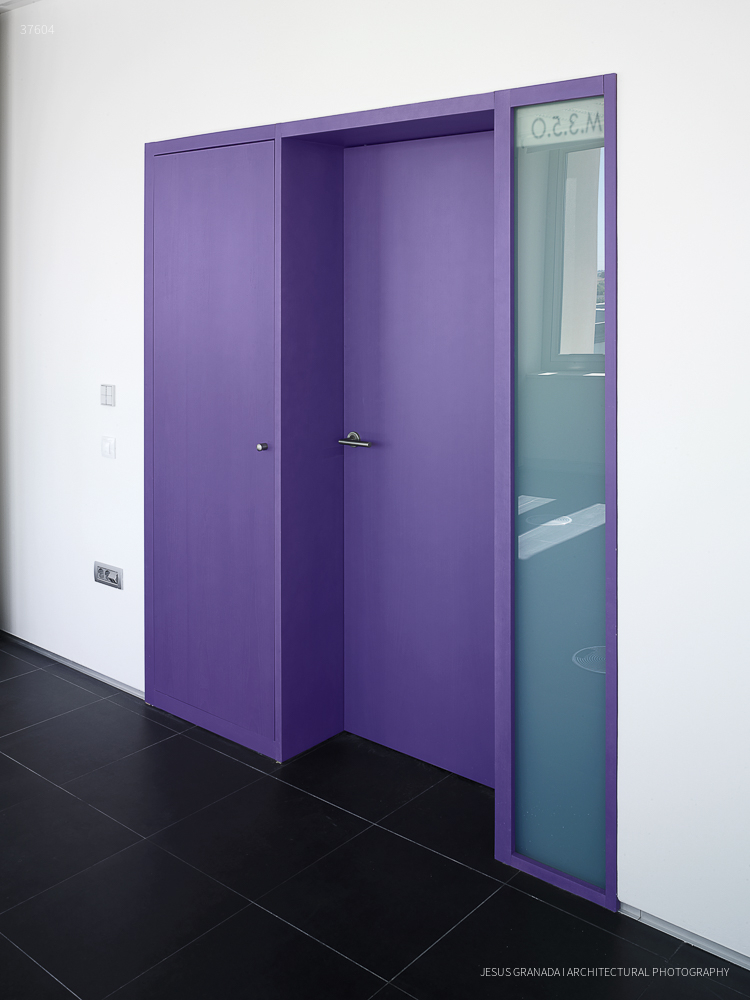
José Antonio Carbajal Navarro, Nicolás Carbajal Ballell y Rodrigo Carbajal Ballell | La Rinconada ( Seville), Spain| March 2011 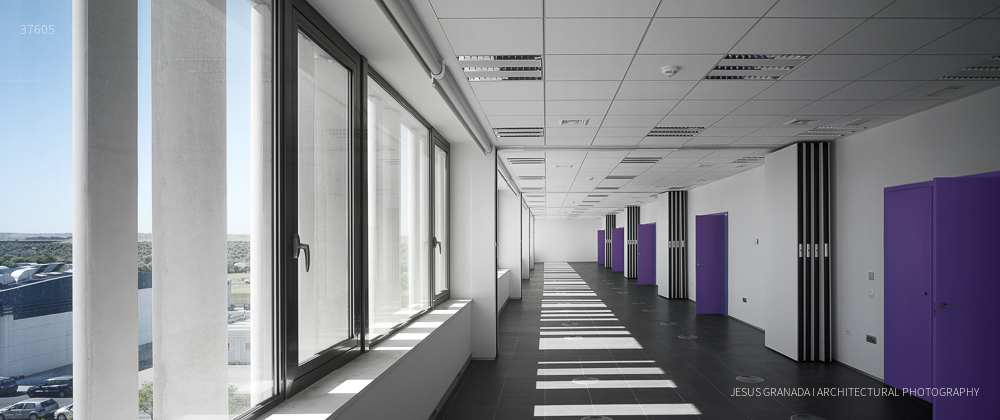
José Antonio Carbajal Navarro, Nicolás Carbajal Ballell y Rodrigo Carbajal Ballell | La Rinconada ( Seville), Spain| March 2011 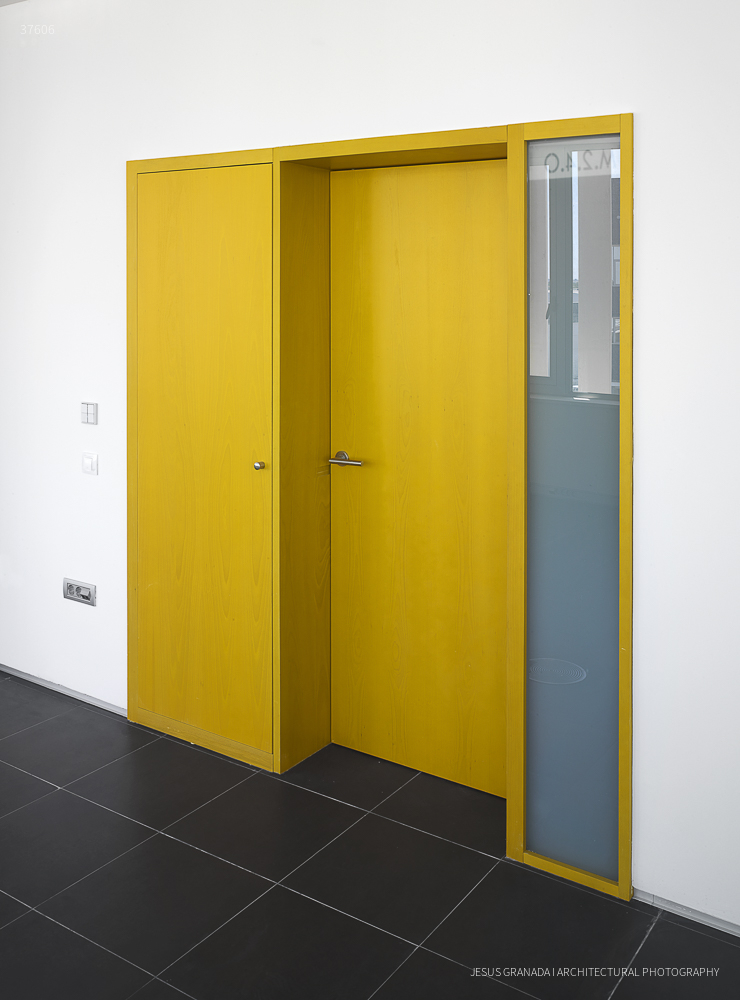
José Antonio Carbajal Navarro, Nicolás Carbajal Ballell y Rodrigo Carbajal Ballell | La Rinconada ( Seville), Spain| March 2011 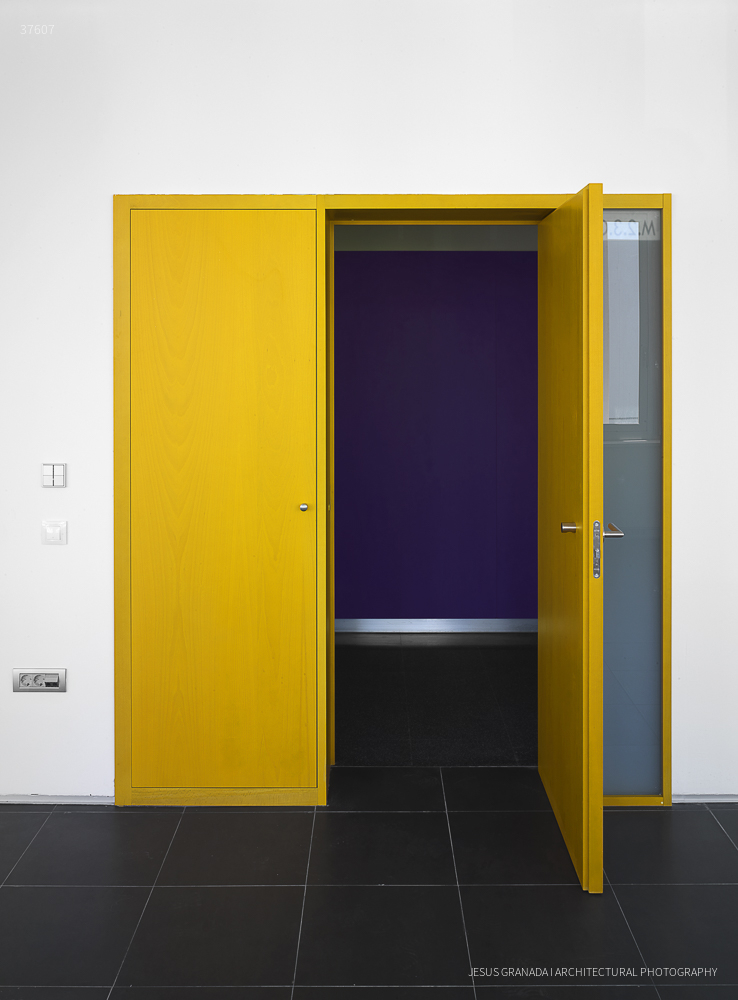
José Antonio Carbajal Navarro, Nicolás Carbajal Ballell y Rodrigo Carbajal Ballell | La Rinconada ( Seville), Spain| March 2011 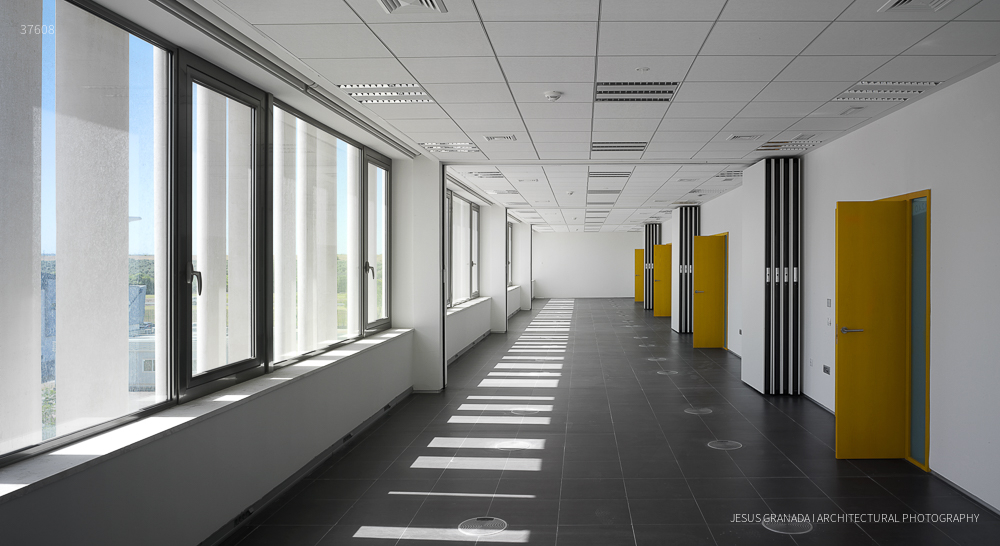
José Antonio Carbajal Navarro, Nicolás Carbajal Ballell y Rodrigo Carbajal Ballell | La Rinconada ( Seville), Spain| March 2011 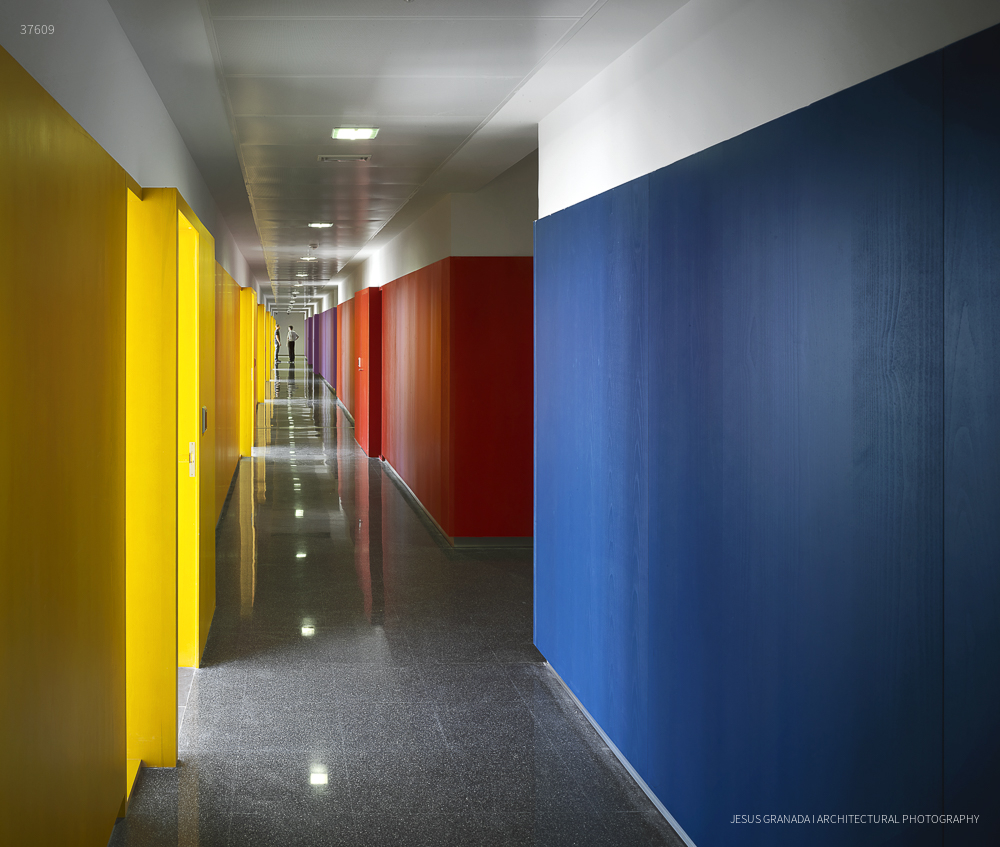
José Antonio Carbajal Navarro, Nicolás Carbajal Ballell y Rodrigo Carbajal Ballell | La Rinconada ( Seville), Spain| March 2011 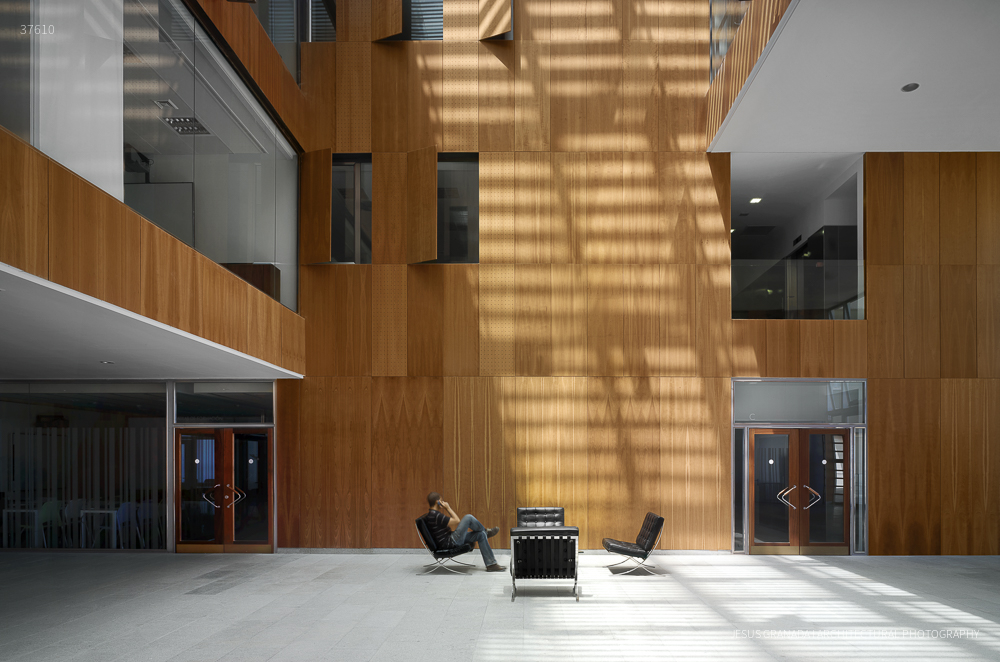
José Antonio Carbajal Navarro, Nicolás Carbajal Ballell y Rodrigo Carbajal Ballell | La Rinconada ( Seville), Spain| March 2011 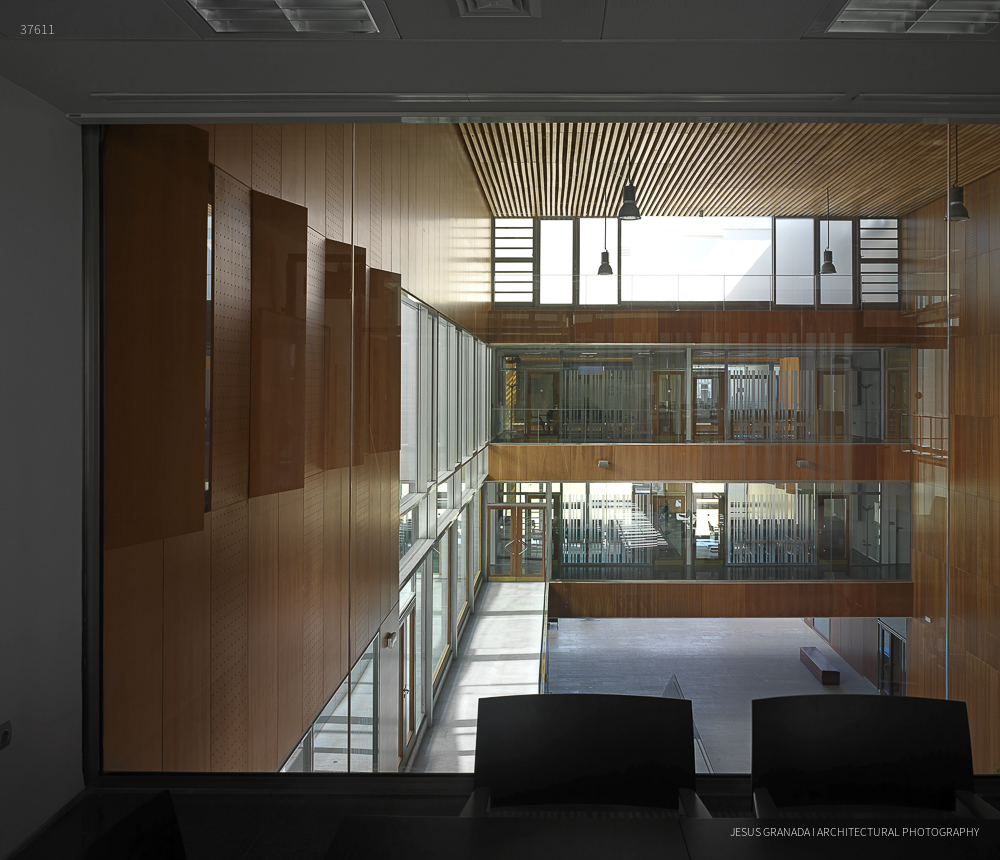
José Antonio Carbajal Navarro, Nicolás Carbajal Ballell y Rodrigo Carbajal Ballell | La Rinconada ( Seville), Spain| March 2011 José Antonio Carbajal Navarro, Nicolás Carbajal Ballell y Rodrigo Carbajal Ballell | La Rinconada ( Seville), Spain| March 2011 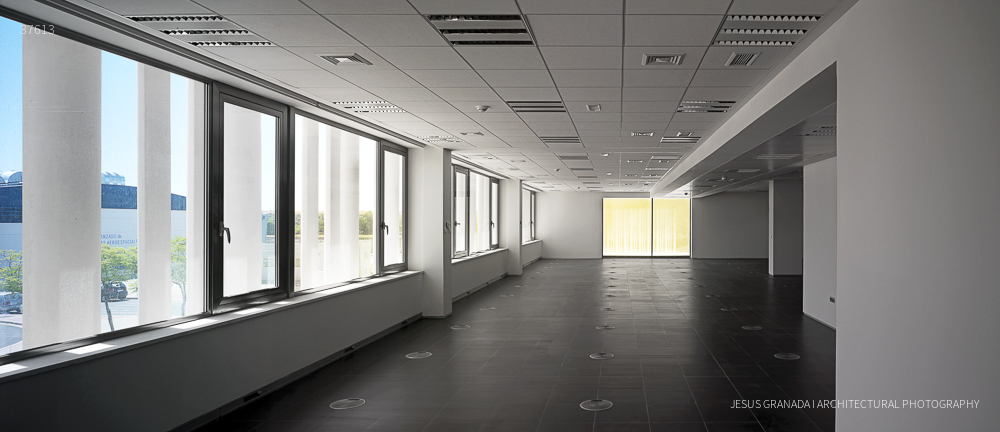
José Antonio Carbajal Navarro, Nicolás Carbajal Ballell y Rodrigo Carbajal Ballell | La Rinconada ( Seville), Spain| March 2011 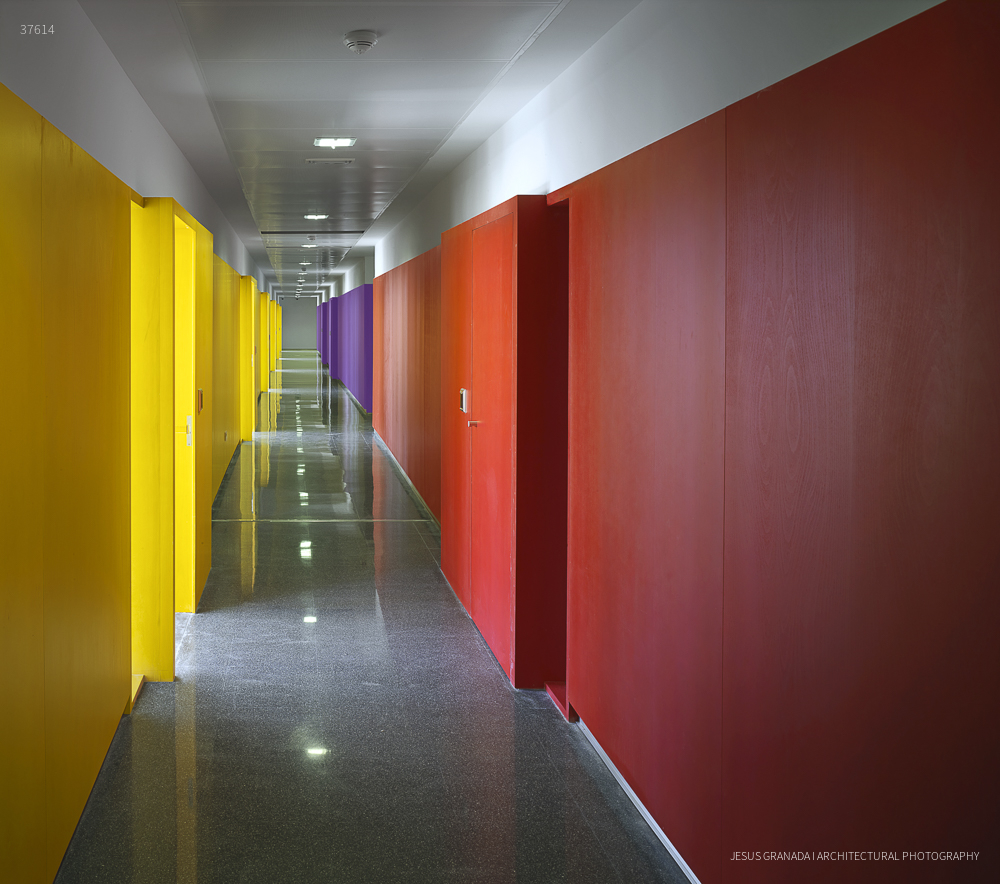
José Antonio Carbajal Navarro, Nicolás Carbajal Ballell y Rodrigo Carbajal Ballell | La Rinconada ( Seville), Spain| March 2011 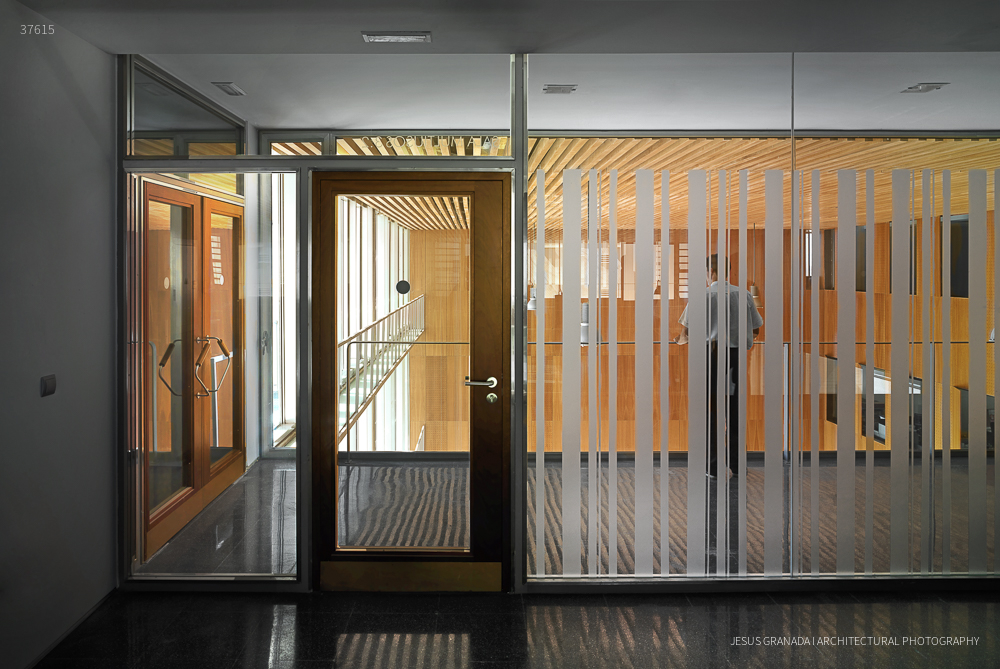
José Antonio Carbajal Navarro, Nicolás Carbajal Ballell y Rodrigo Carbajal Ballell | La Rinconada ( Seville), Spain| March 2011 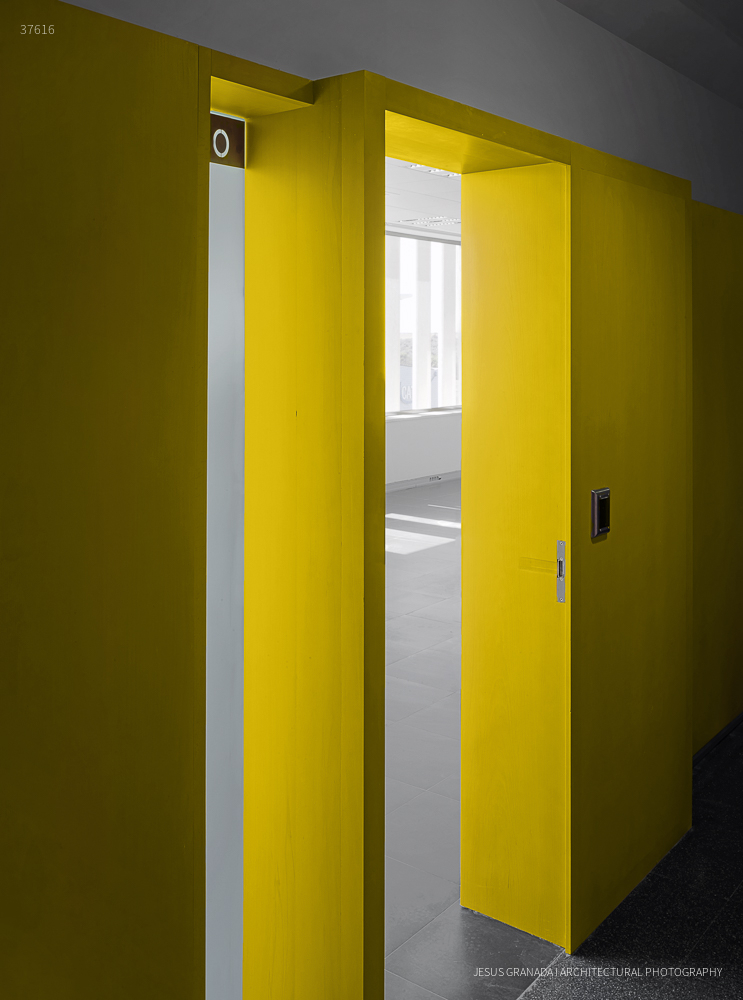
José Antonio Carbajal Navarro, Nicolás Carbajal Ballell y Rodrigo Carbajal Ballell | La Rinconada ( Seville), Spain| March 2011 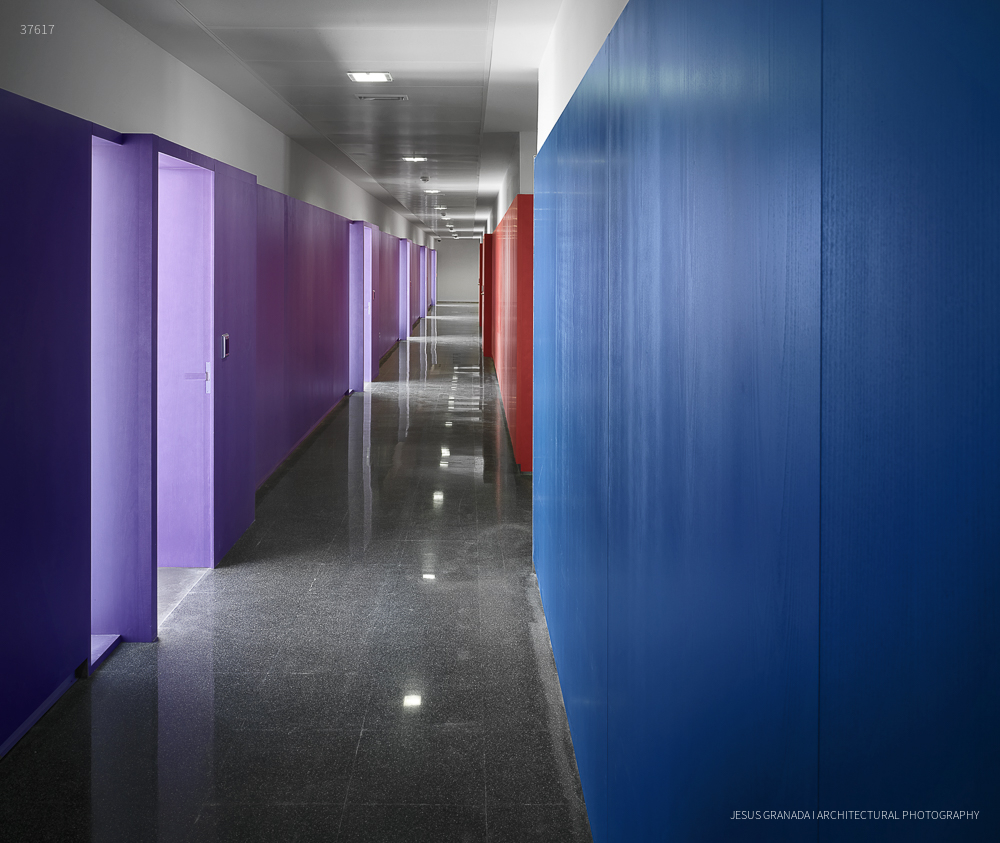
José Antonio Carbajal Navarro, Nicolás Carbajal Ballell y Rodrigo Carbajal Ballell | La Rinconada ( Seville), Spain| March 2011 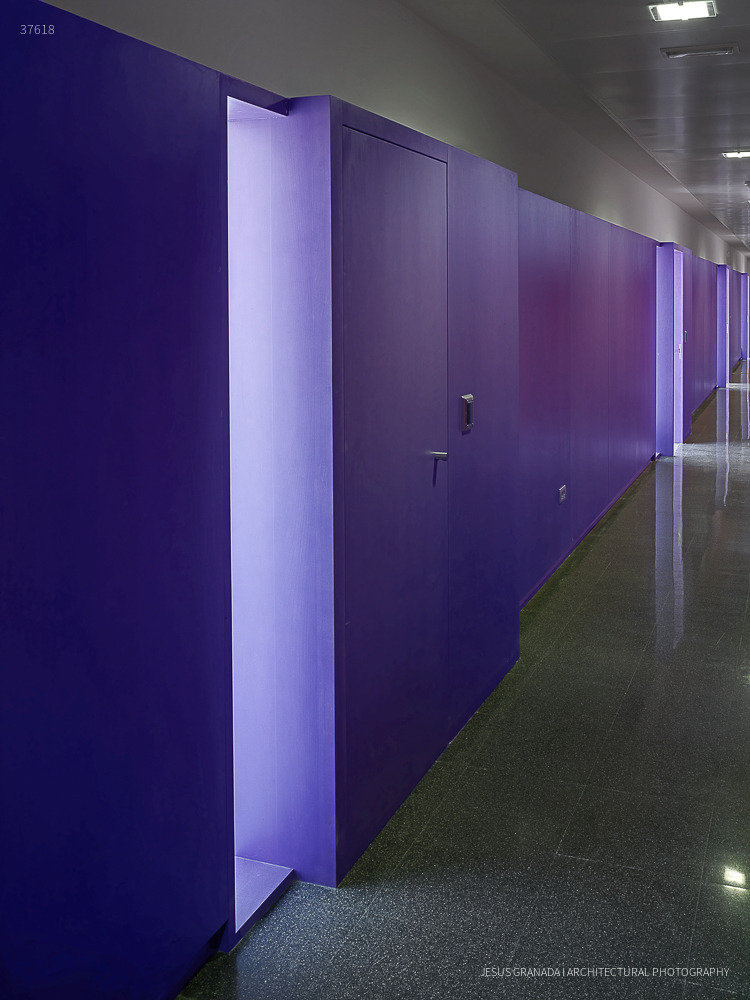
José Antonio Carbajal Navarro, Nicolás Carbajal Ballell y Rodrigo Carbajal Ballell | La Rinconada ( Seville), Spain| March 2011 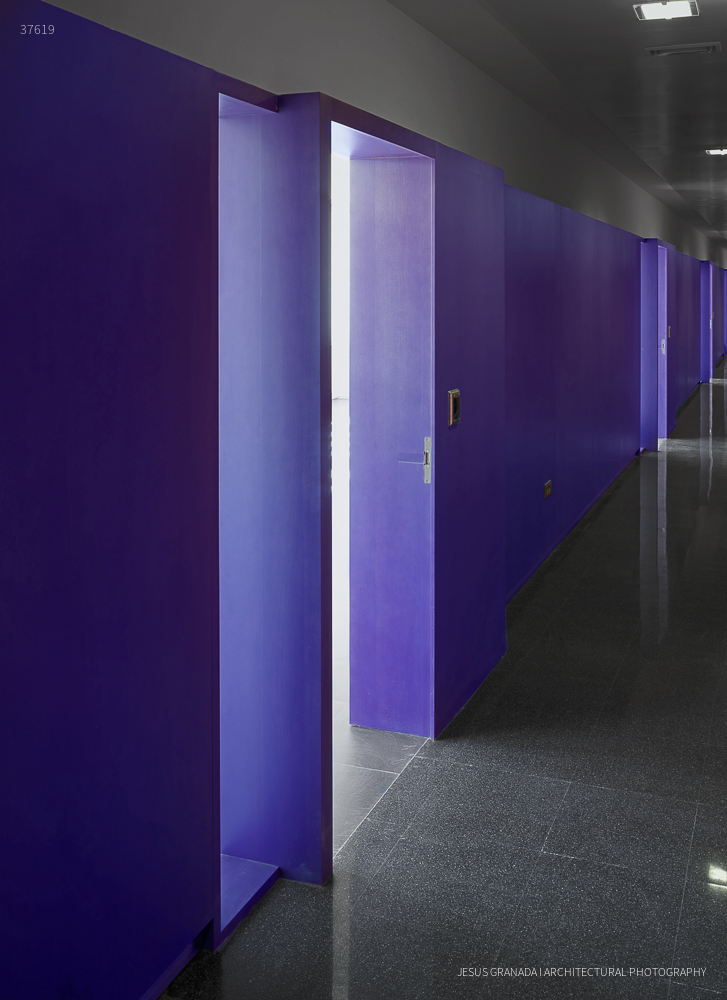
José Antonio Carbajal Navarro, Nicolás Carbajal Ballell y Rodrigo Carbajal Ballell | La Rinconada ( Seville), Spain| March 2011
-
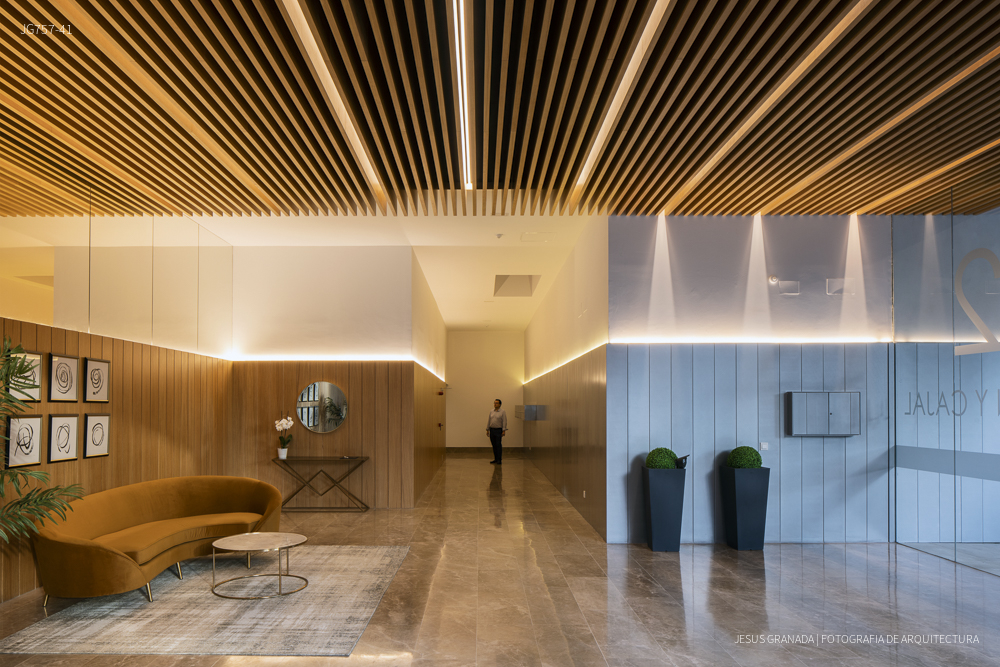
Antequera Courthouse
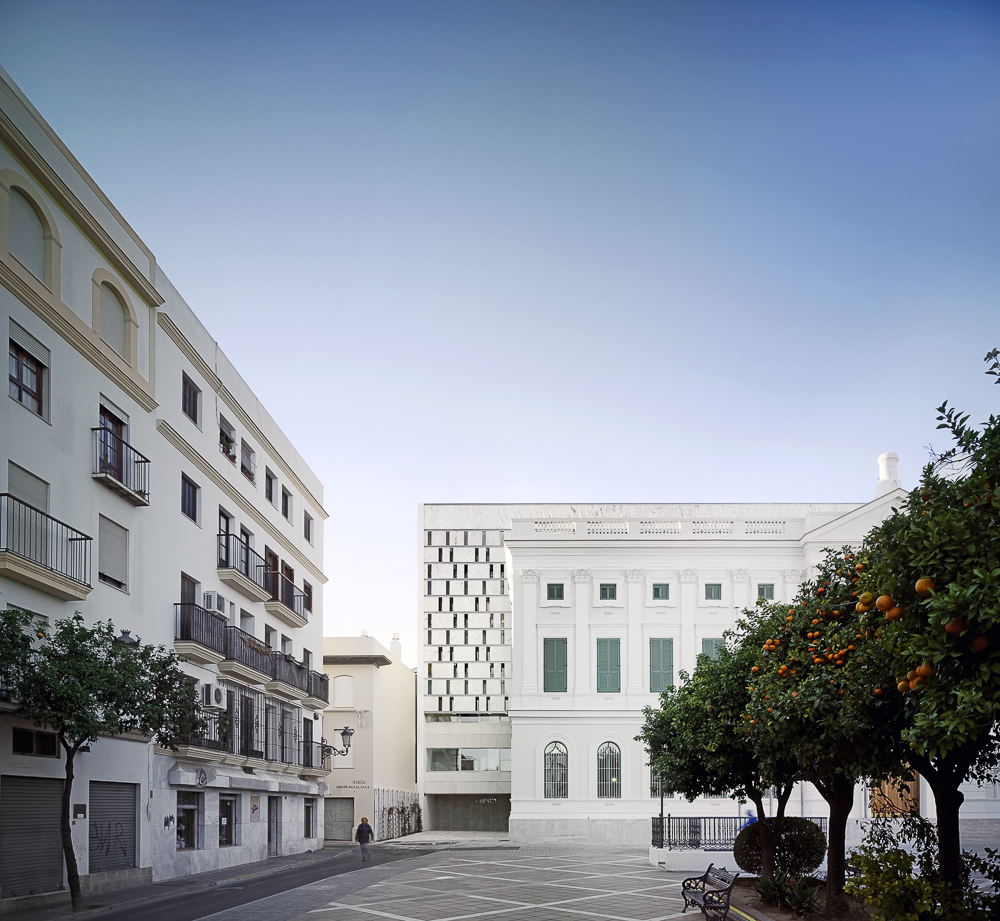
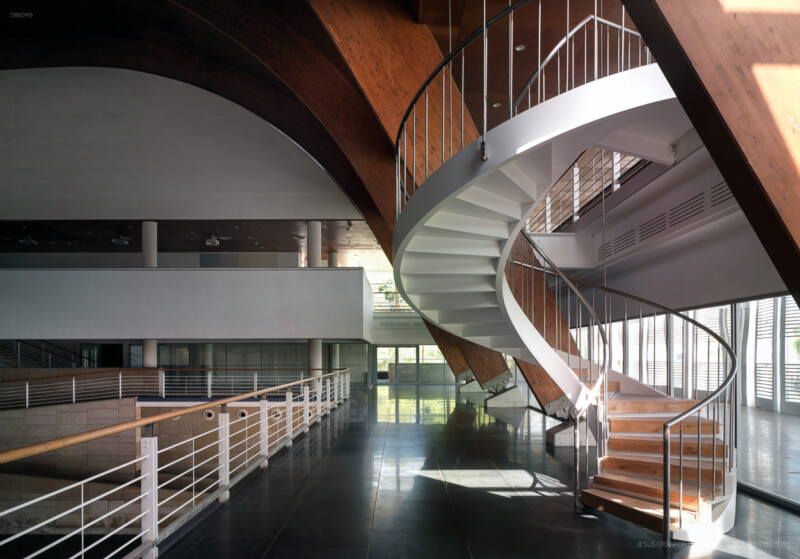
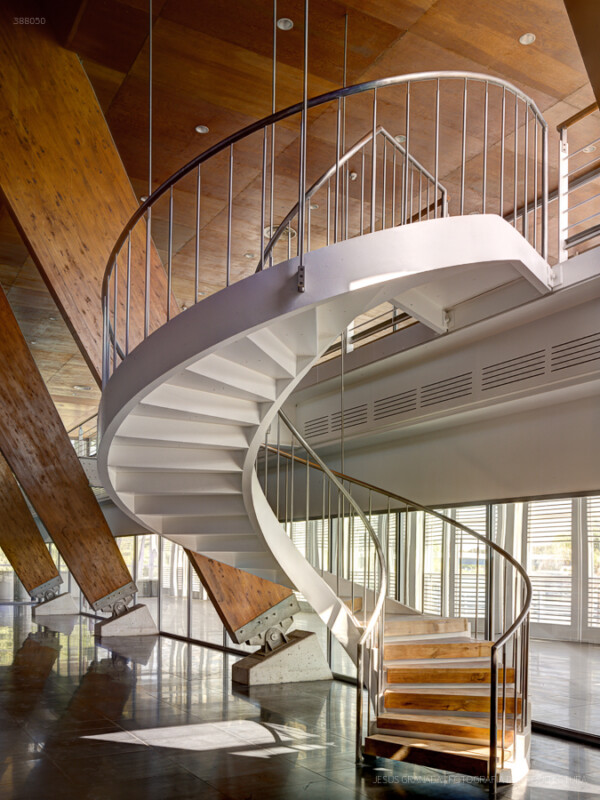
José Antonio Carbajal Navarro and José Luis Daroca Bruño | El Puerto de Santa María (Cádiz), Spain | November 2011 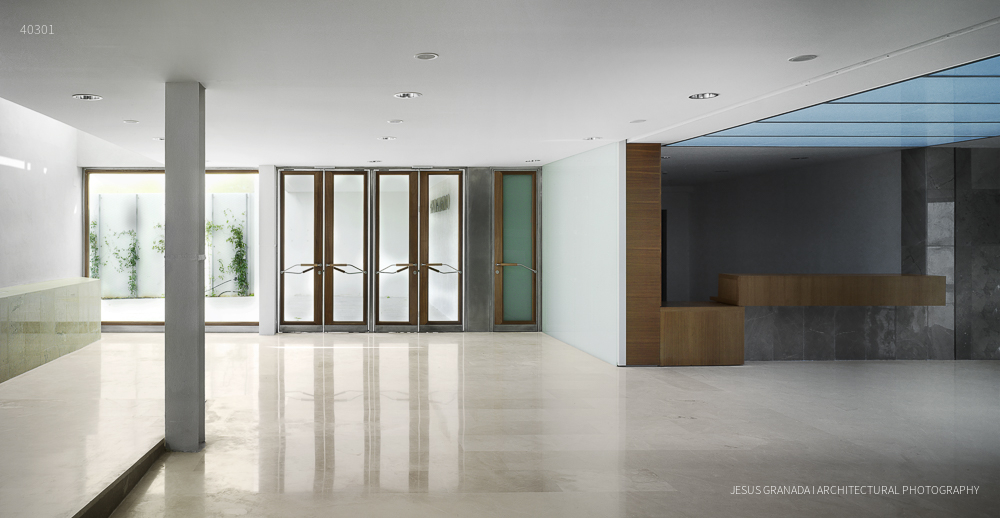
José Antonio Carbajal Navarro and José Luis Daroca Bruño | El Puerto de Santa María (Cádiz), Spain | November 2011 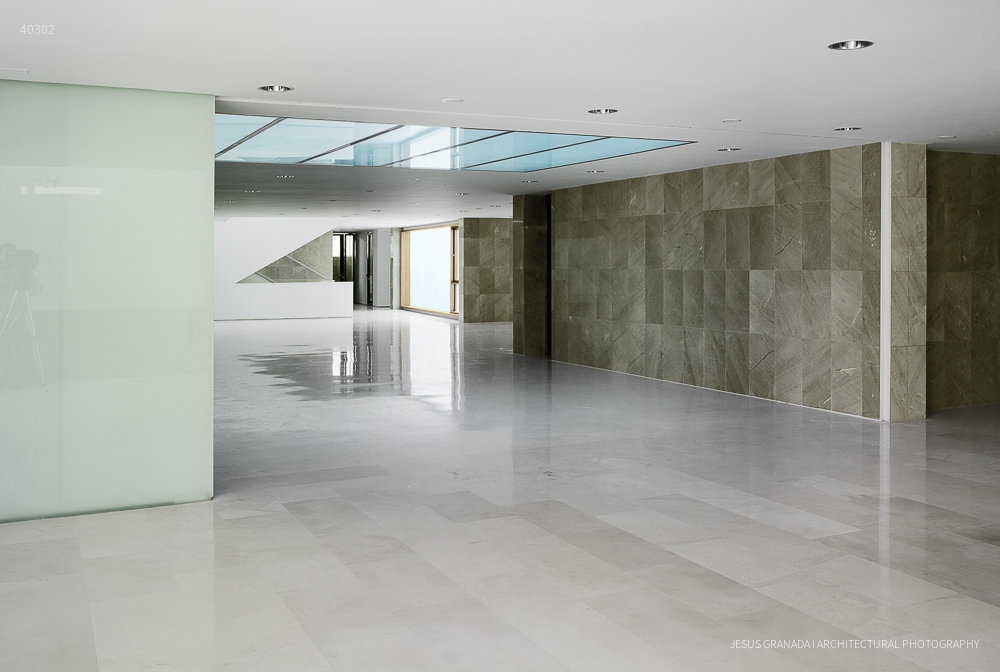
José Antonio Carbajal Navarro and José Luis Daroca Bruño | El Puerto de Santa María (Cádiz), Spain | November 2011 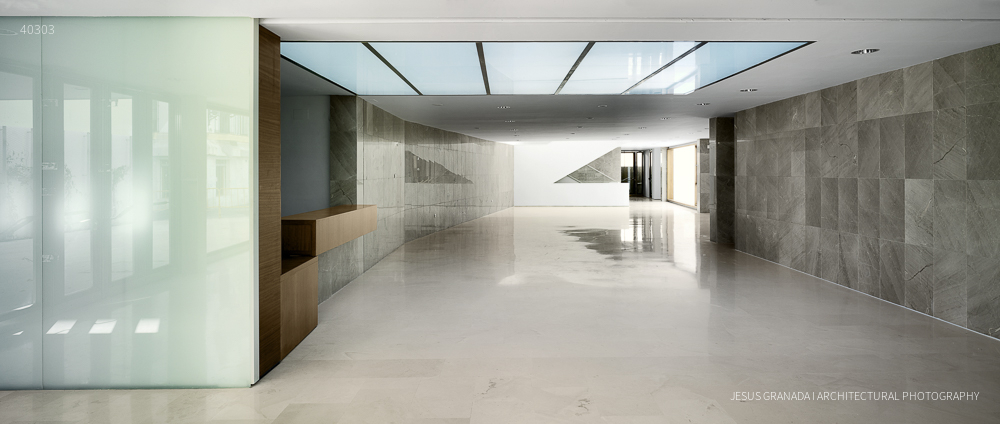
José Antonio Carbajal Navarro and José Luis Daroca Bruño | El Puerto de Santa María (Cádiz), Spain | November 2011 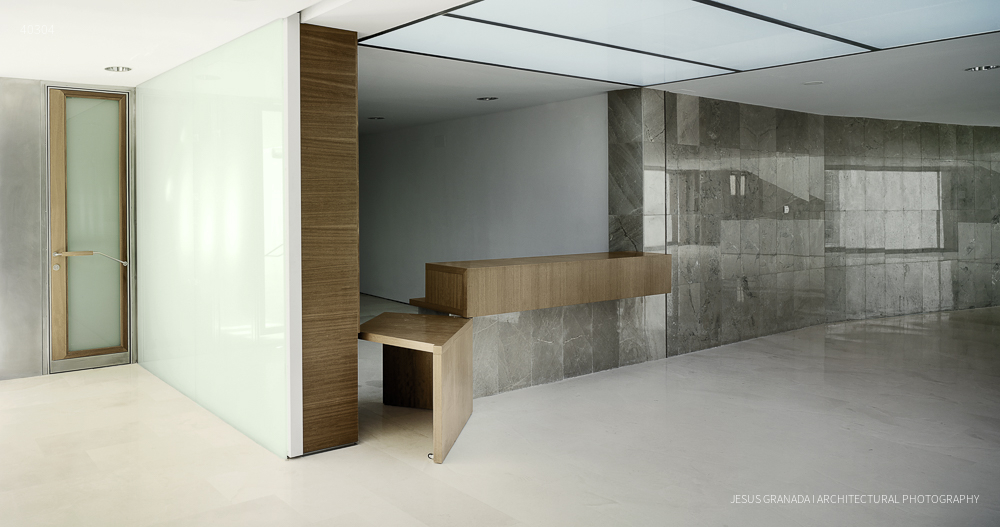
José Antonio Carbajal Navarro and José Luis Daroca Bruño | El Puerto de Santa María (Cádiz), Spain | November 2011 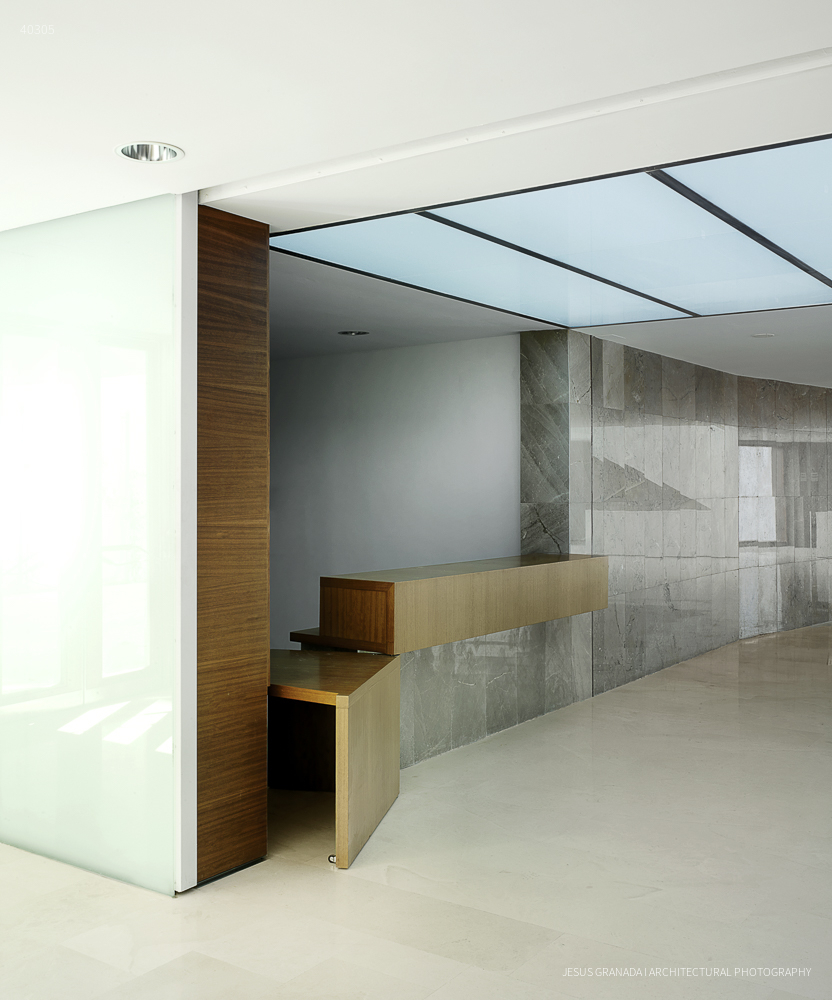
José Antonio Carbajal Navarro and José Luis Daroca Bruño | El Puerto de Santa María (Cádiz), Spain | November 2011 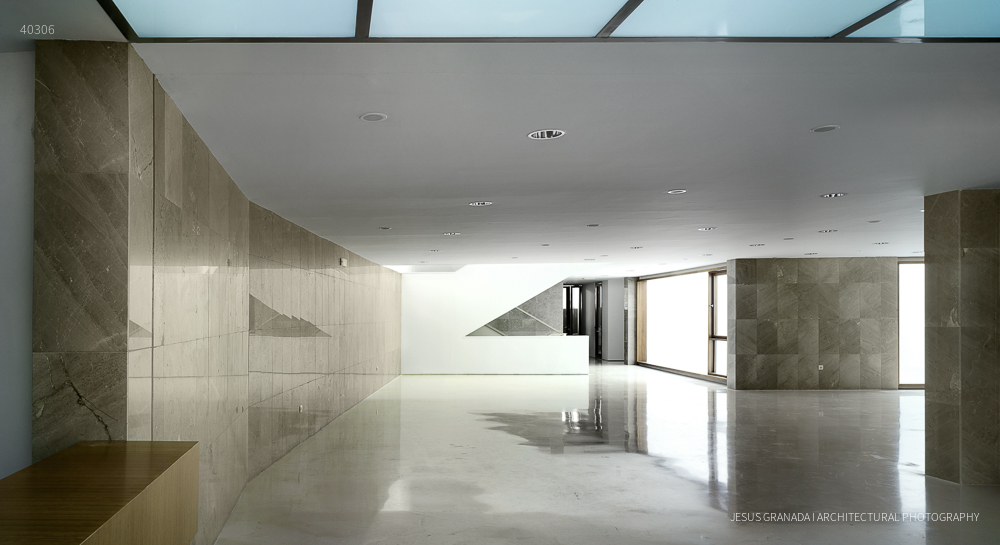
José Antonio Carbajal Navarro and José Luis Daroca Bruño | El Puerto de Santa María (Cádiz), Spain | November 2011 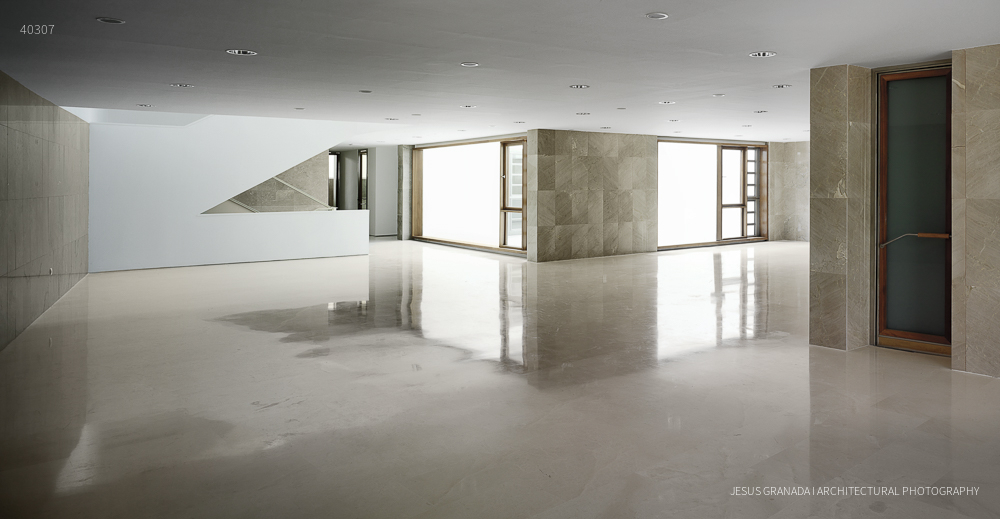
José Antonio Carbajal Navarro and José Luis Daroca Bruño | El Puerto de Santa María (Cádiz), Spain | November 2011 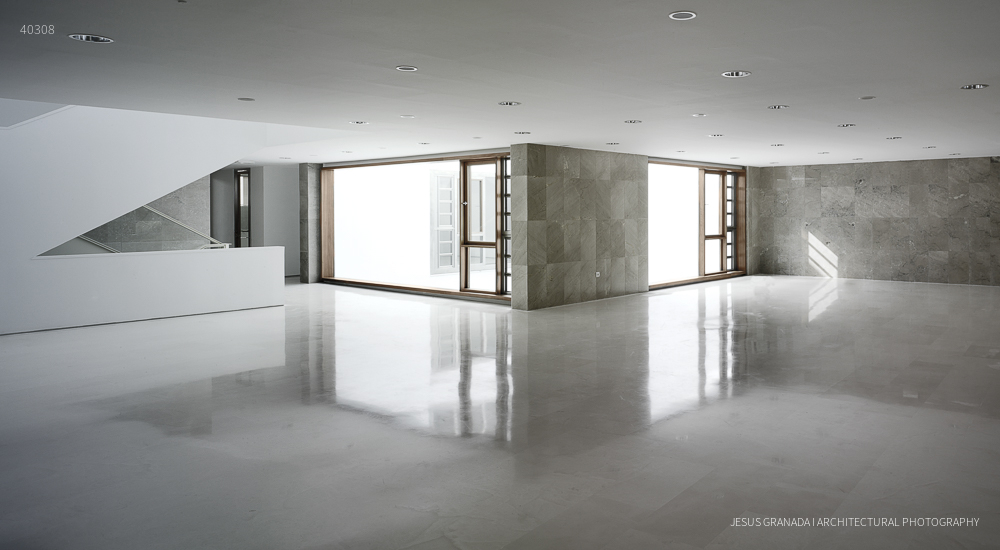
José Antonio Carbajal Navarro and José Luis Daroca Bruño | El Puerto de Santa María (Cádiz), Spain | November 2011 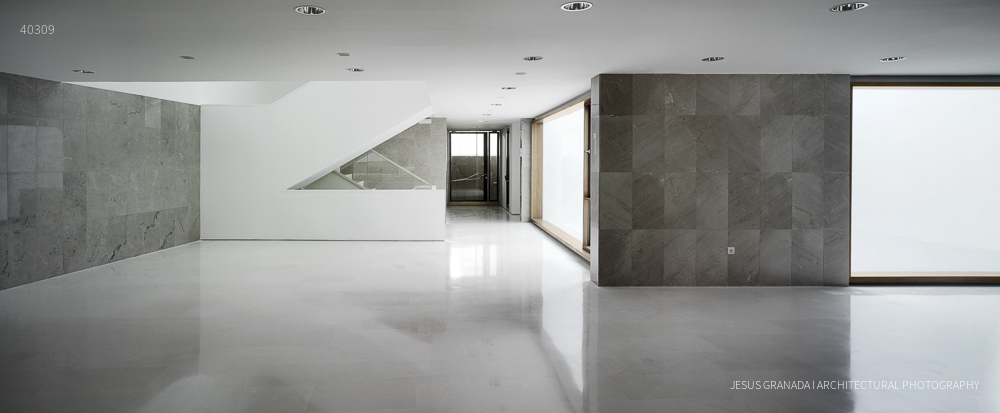
José Antonio Carbajal Navarro and José Luis Daroca Bruño | El Puerto de Santa María (Cádiz), Spain | November 2011 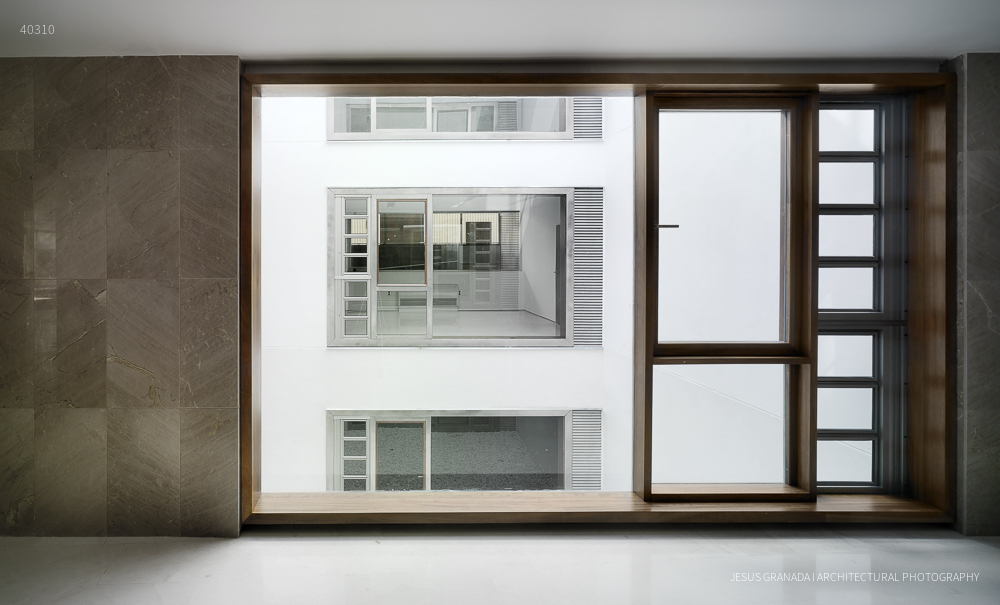
José Antonio Carbajal Navarro and José Luis Daroca Bruño | El Puerto de Santa María (Cádiz), Spain | November 2011 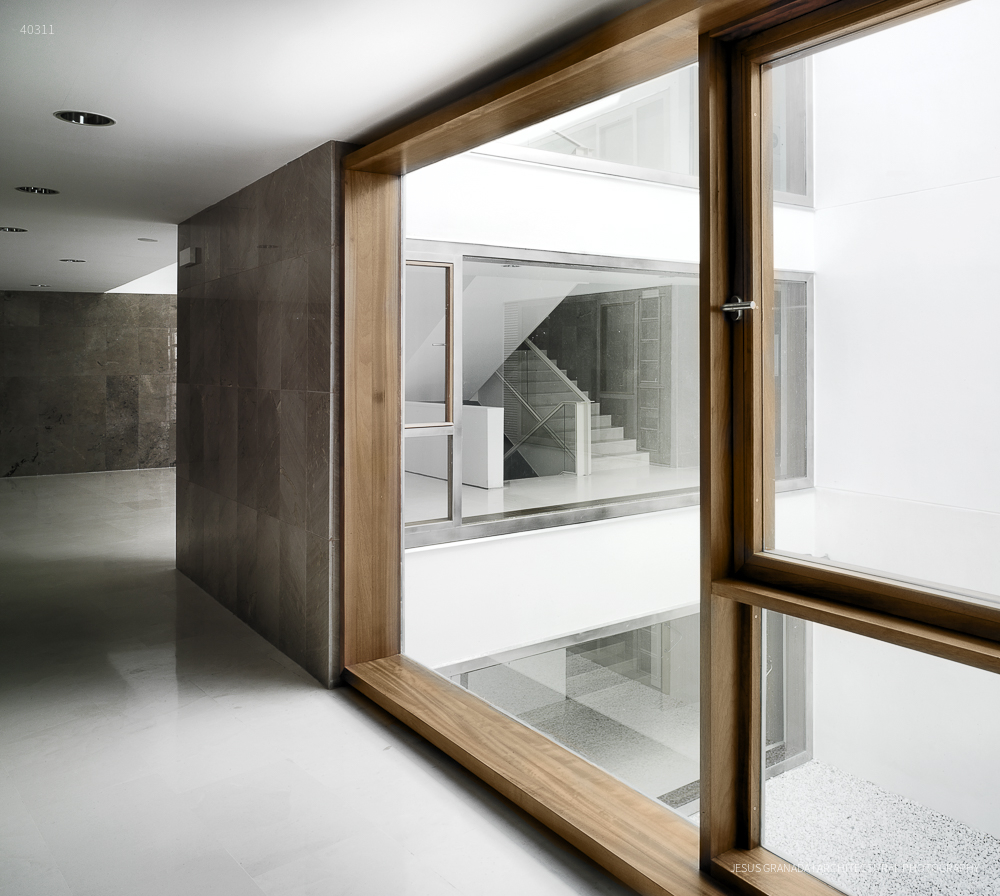
José Antonio Carbajal Navarro and José Luis Daroca Bruño | El Puerto de Santa María (Cádiz), Spain | November 2011 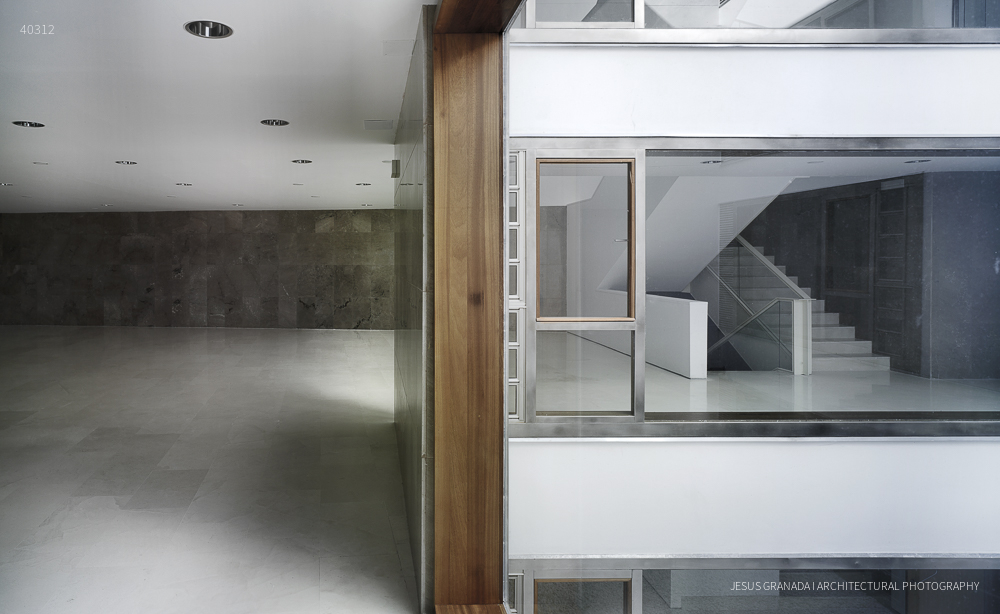
José Antonio Carbajal Navarro and José Luis Daroca Bruño | El Puerto de Santa María (Cádiz), Spain | November 2011 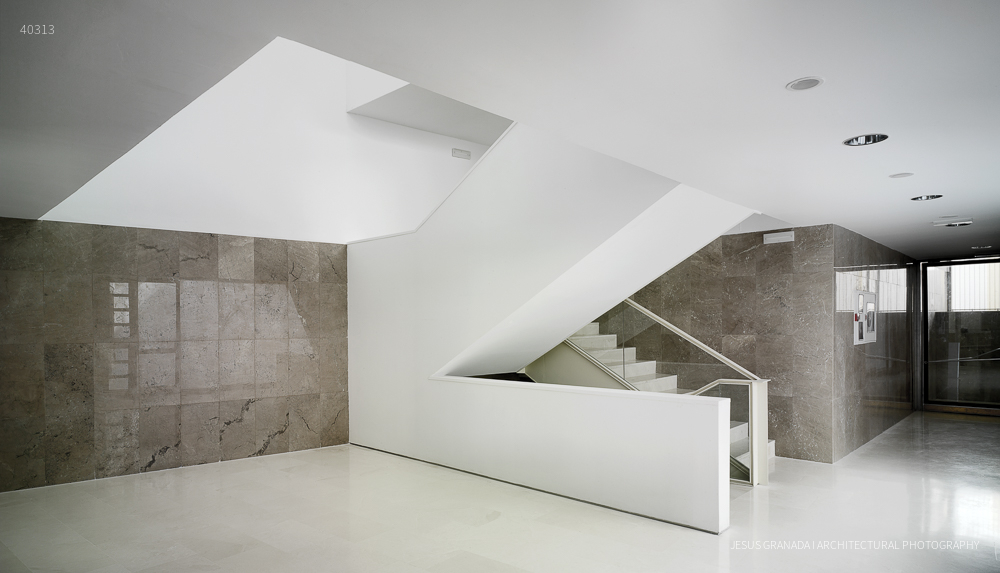
José Antonio Carbajal Navarro and José Luis Daroca Bruño | El Puerto de Santa María (Cádiz), Spain | November 2011 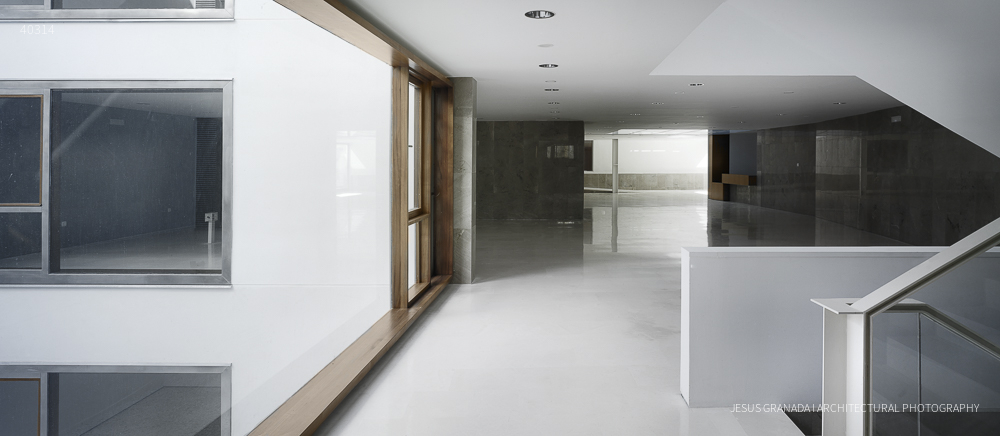
José Antonio Carbajal Navarro and José Luis Daroca Bruño | El Puerto de Santa María (Cádiz), Spain | November 2011 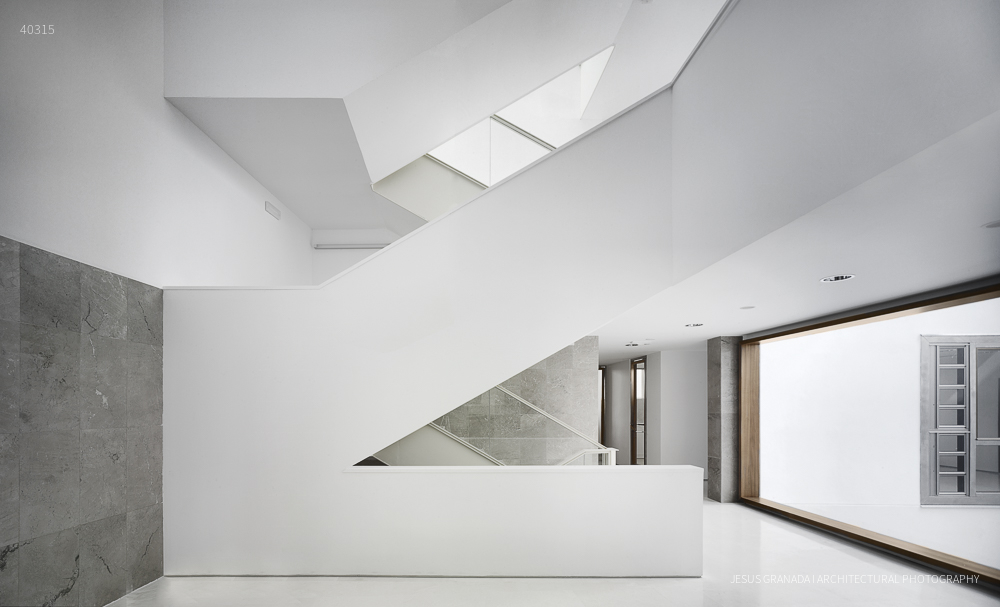
José Antonio Carbajal Navarro and José Luis Daroca Bruño | El Puerto de Santa María (Cádiz), Spain | November 2011 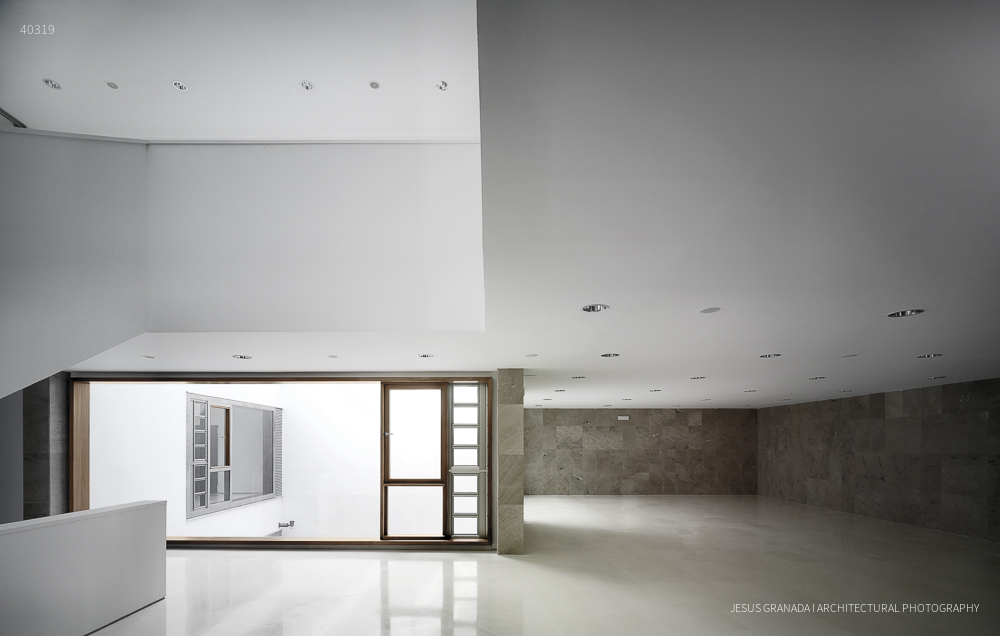
José Antonio Carbajal Navarro and José Luis Daroca Bruño | El Puerto de Santa María (Cádiz), Spain | November 2011 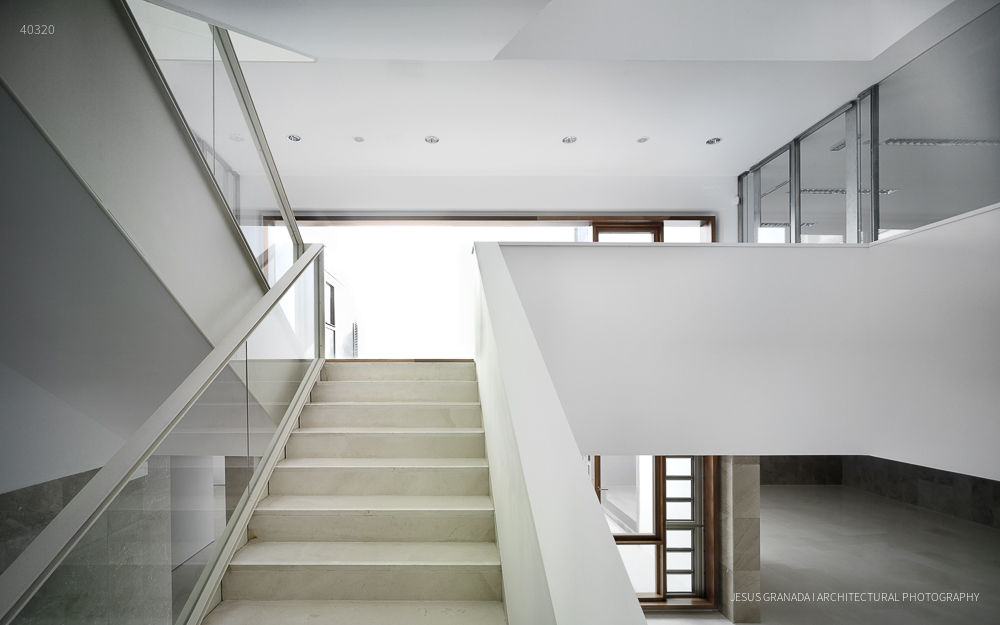
José Antonio Carbajal Navarro and José Luis Daroca Bruño | El Puerto de Santa María (Cádiz), Spain | November 2011 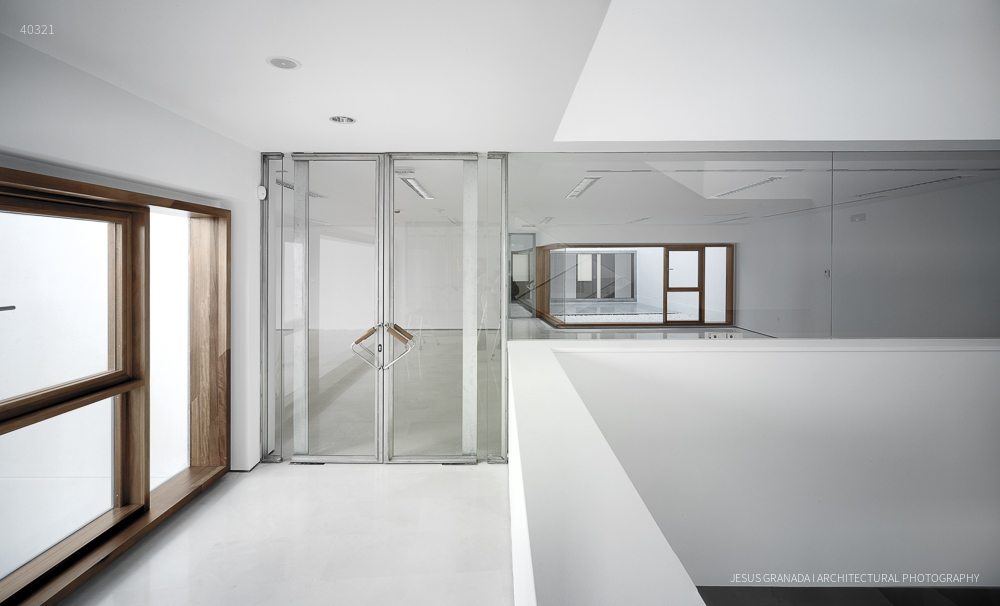
José Antonio Carbajal Navarro and José Luis Daroca Bruño | El Puerto de Santa María (Cádiz), Spain | November 2011 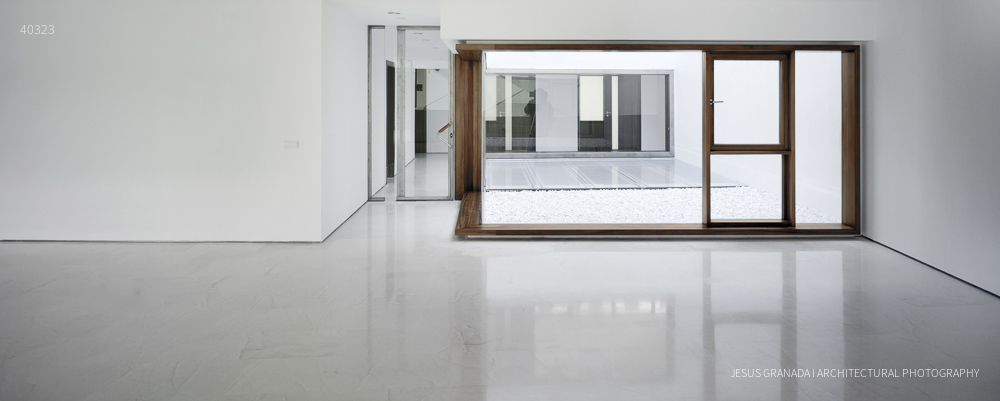
José Antonio Carbajal Navarro and José Luis Daroca Bruño | El Puerto de Santa María (Cádiz), Spain | November 2011 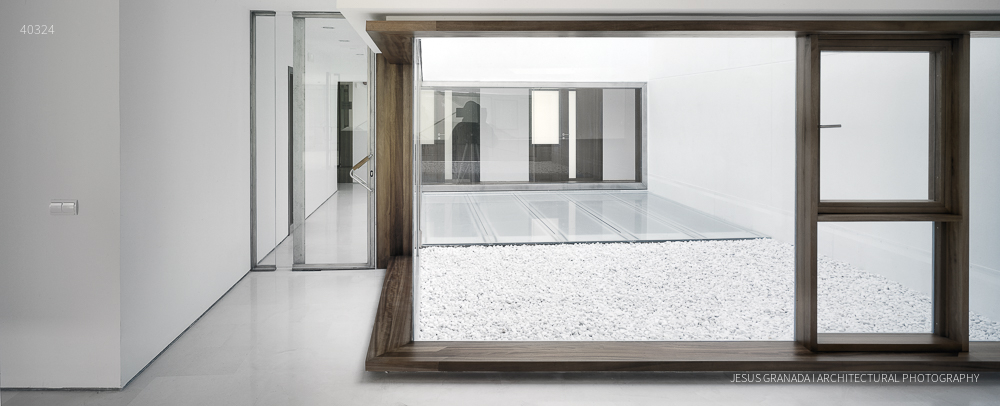
José Antonio Carbajal Navarro and José Luis Daroca Bruño | El Puerto de Santa María (Cádiz), Spain | November 2011 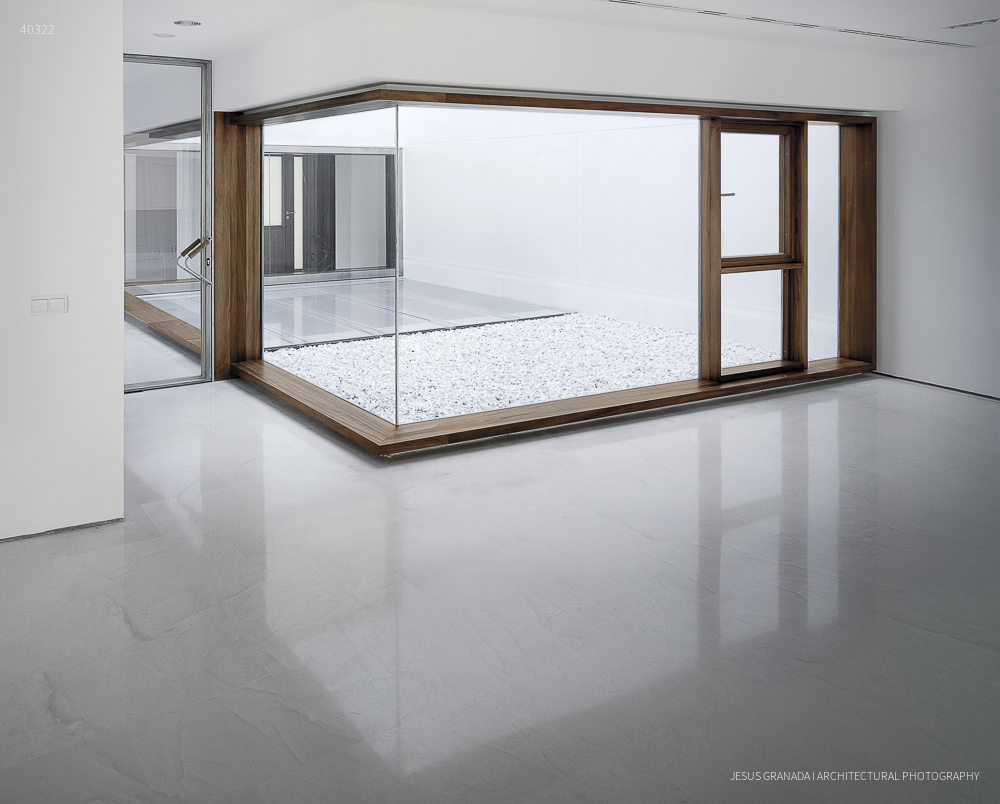
José Antonio Carbajal Navarro and José Luis Daroca Bruño | El Puerto de Santa María (Cádiz), Spain | November 2011 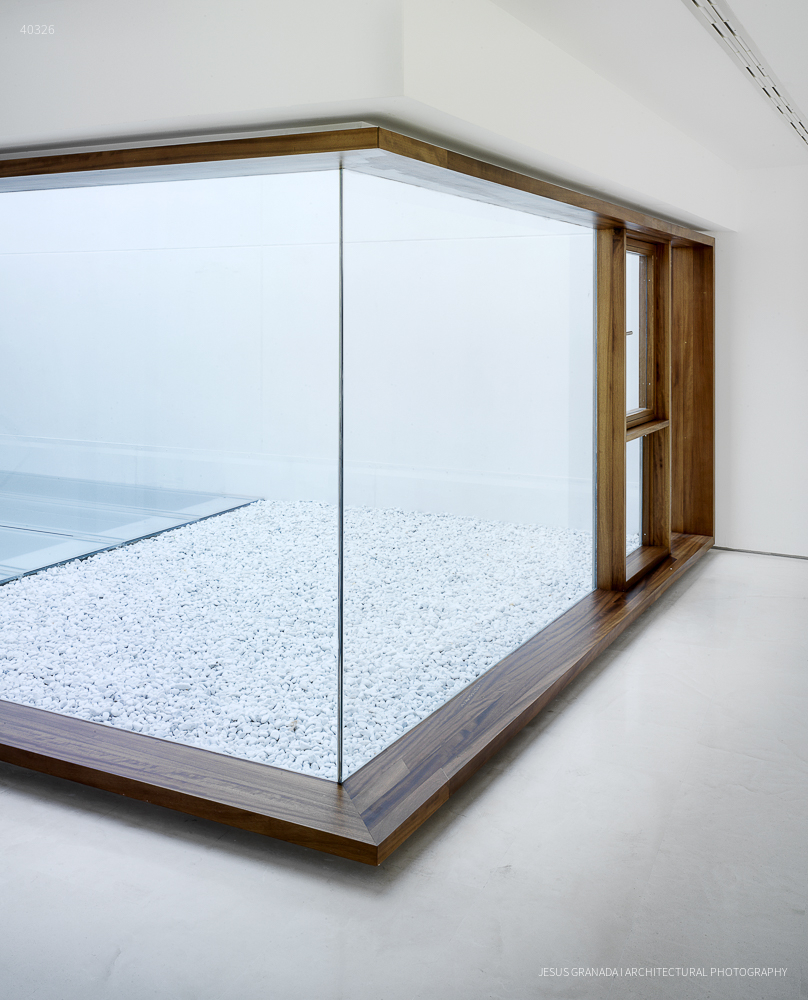
José Antonio Carbajal Navarro and José Luis Daroca Bruño | El Puerto de Santa María (Cádiz), Spain | November 2011 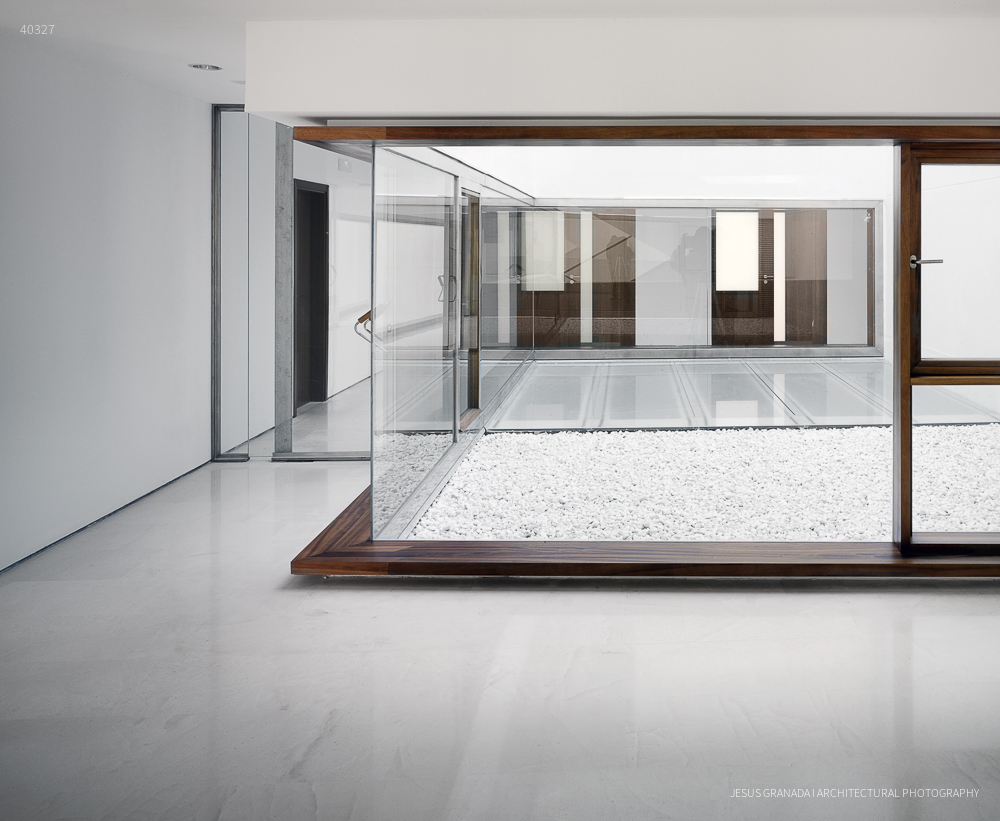
José Antonio Carbajal Navarro and José Luis Daroca Bruño | El Puerto de Santa María (Cádiz), Spain | November 2011 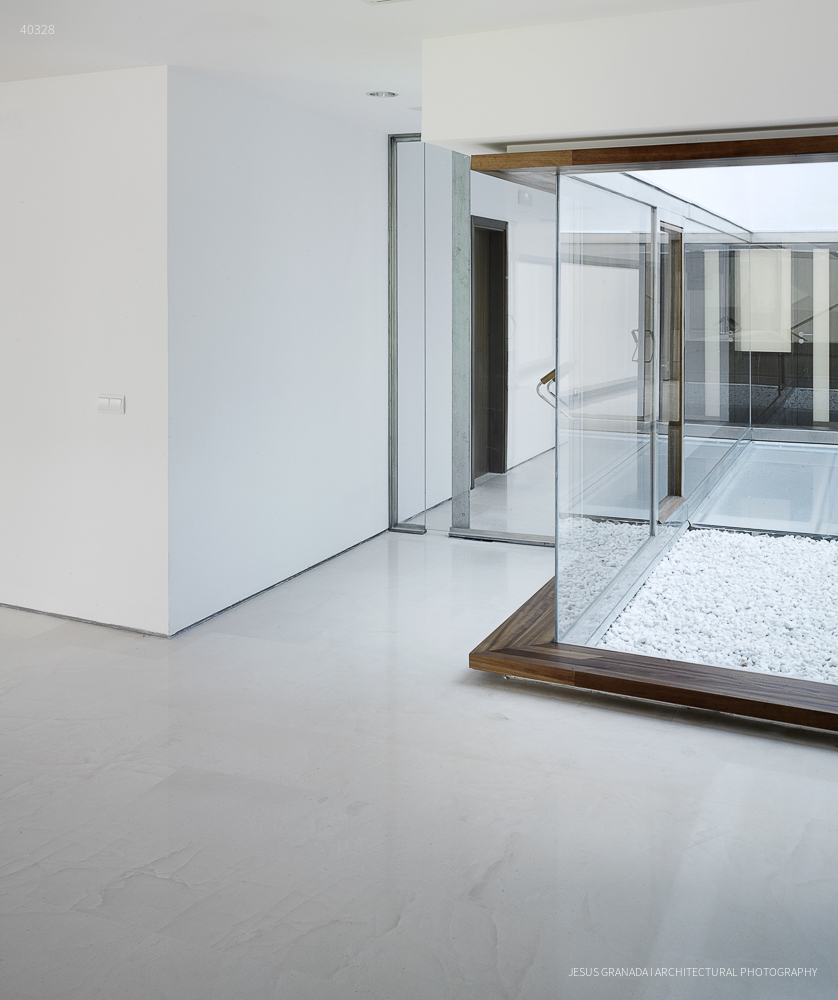
José Antonio Carbajal Navarro and José Luis Daroca Bruño | El Puerto de Santa María (Cádiz), Spain | November 2011 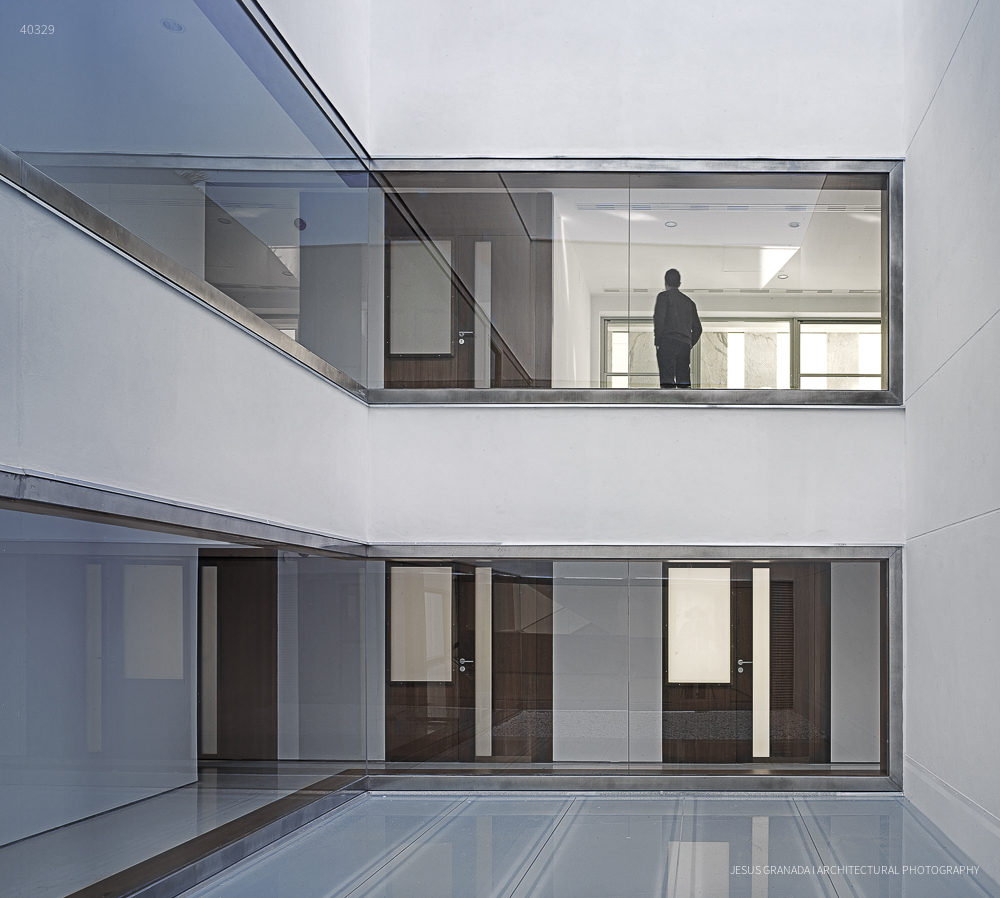
José Antonio Carbajal Navarro and José Luis Daroca Bruño | El Puerto de Santa María (Cádiz), Spain | November 2011 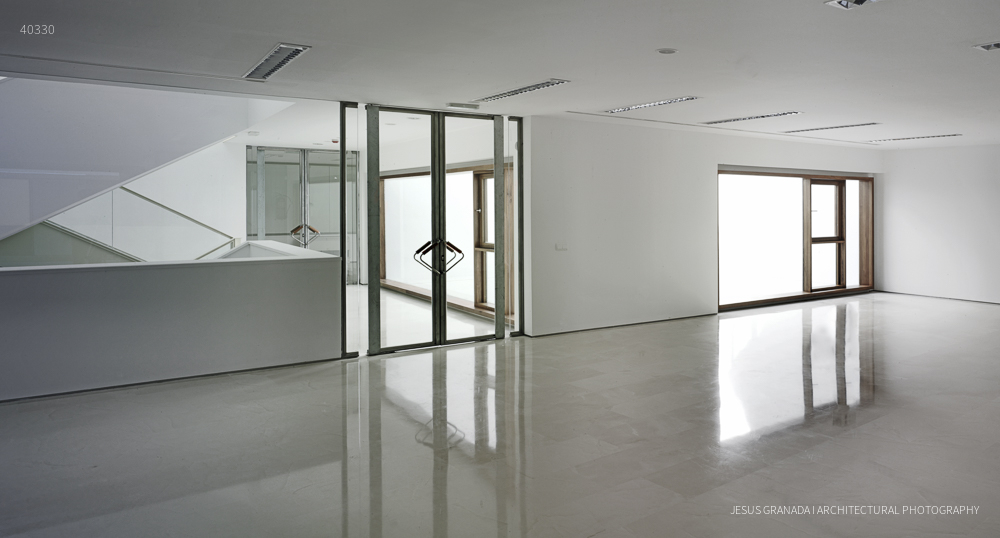
José Antonio Carbajal Navarro and José Luis Daroca Bruño | El Puerto de Santa María (Cádiz), Spain | November 2011 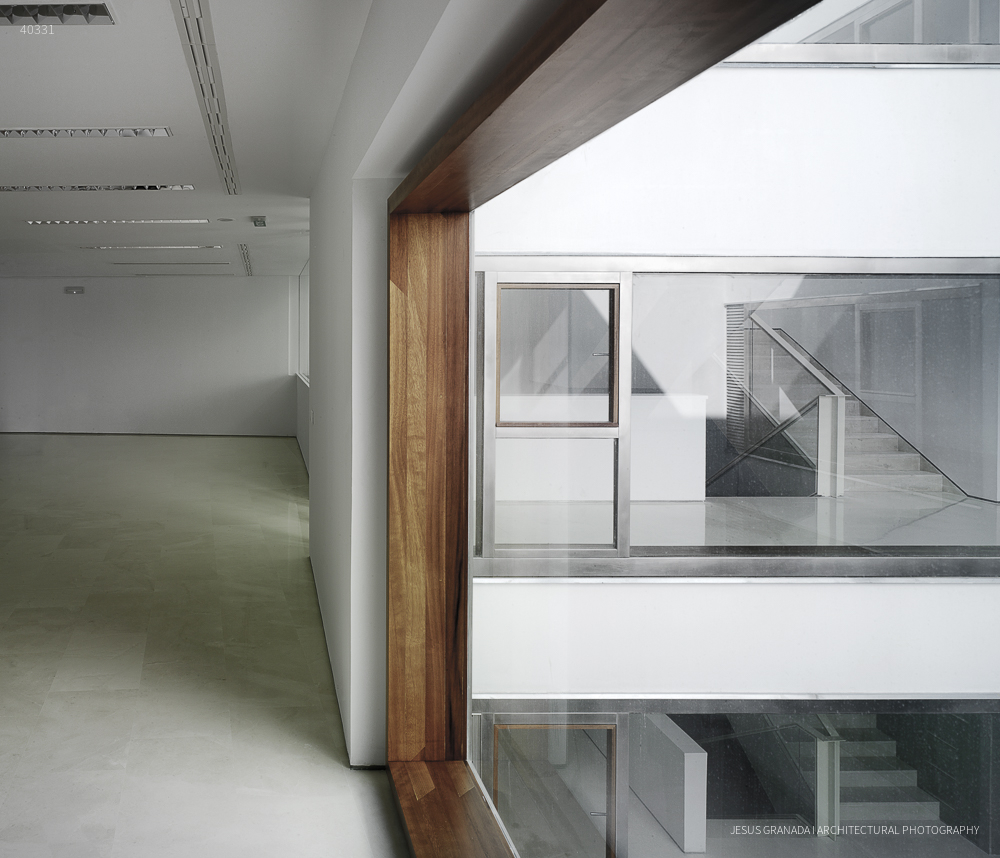
José Antonio Carbajal Navarro and José Luis Daroca Bruño | El Puerto de Santa María (Cádiz), Spain | November 2011 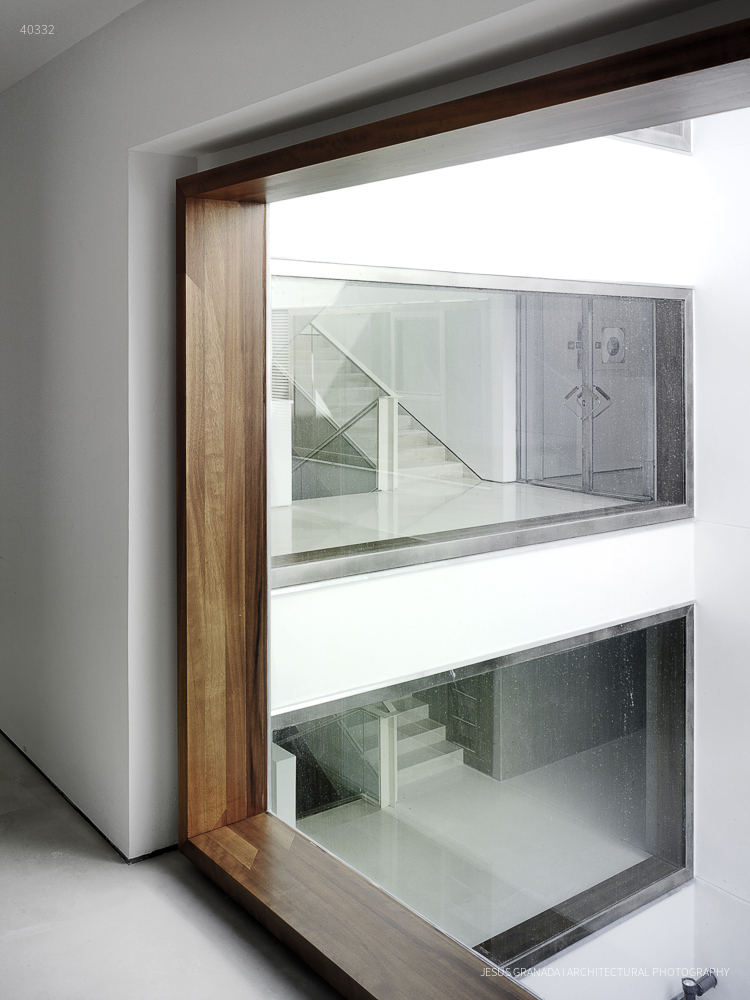
José Antonio Carbajal Navarro and José Luis Daroca Bruño | El Puerto de Santa María (Cádiz), Spain | November 2011 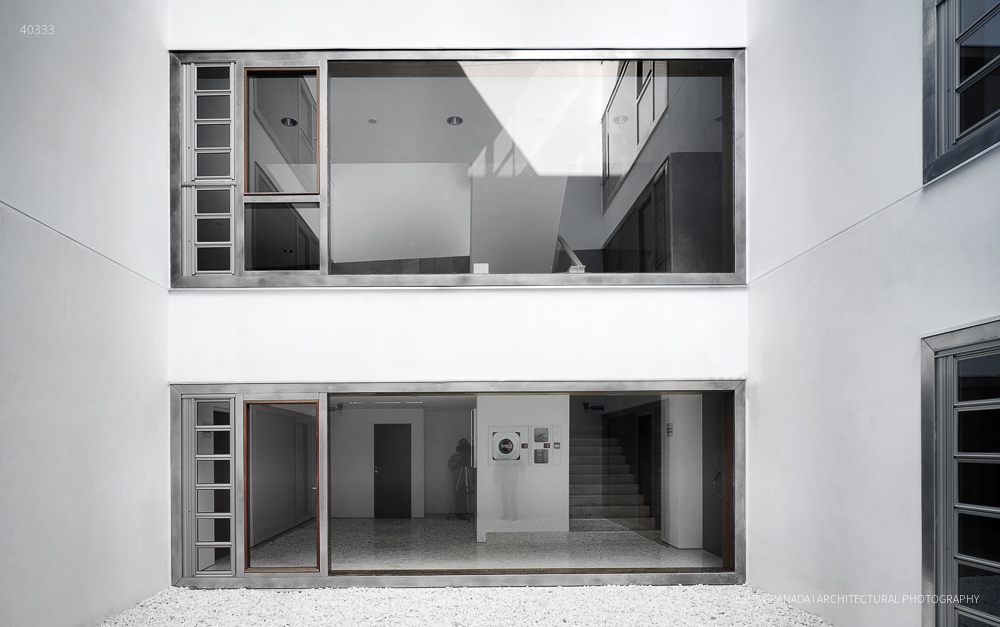
José Antonio Carbajal Navarro and José Luis Daroca Bruño | El Puerto de Santa María (Cádiz), Spain | November 2011 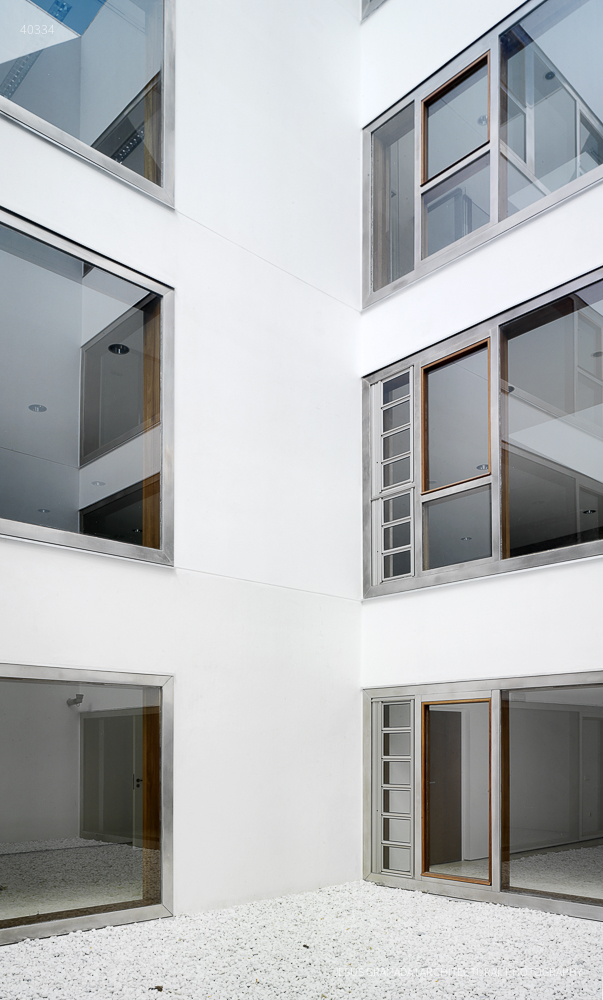
José Antonio Carbajal Navarro and José Luis Daroca Bruño | El Puerto de Santa María (Cádiz), Spain | November 2011 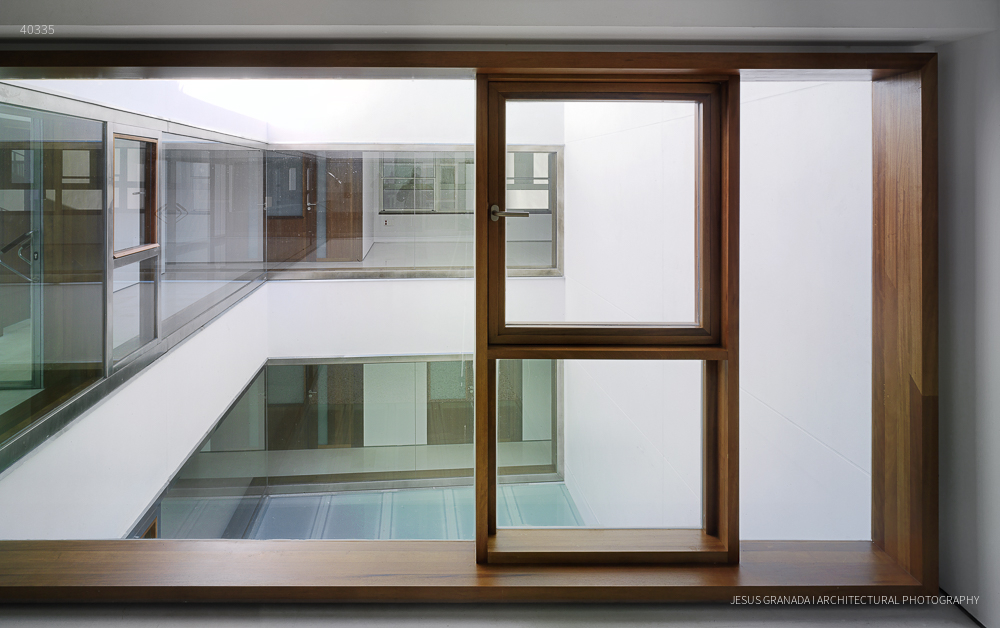
José Antonio Carbajal Navarro and José Luis Daroca Bruño | El Puerto de Santa María (Cádiz), Spain | November 2011 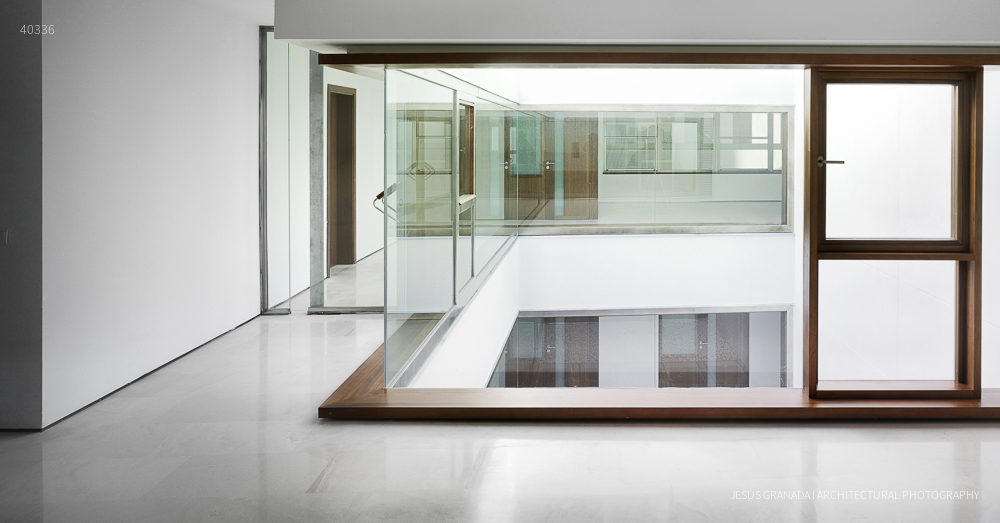
José Antonio Carbajal Navarro and José Luis Daroca Bruño | El Puerto de Santa María (Cádiz), Spain | November 2011 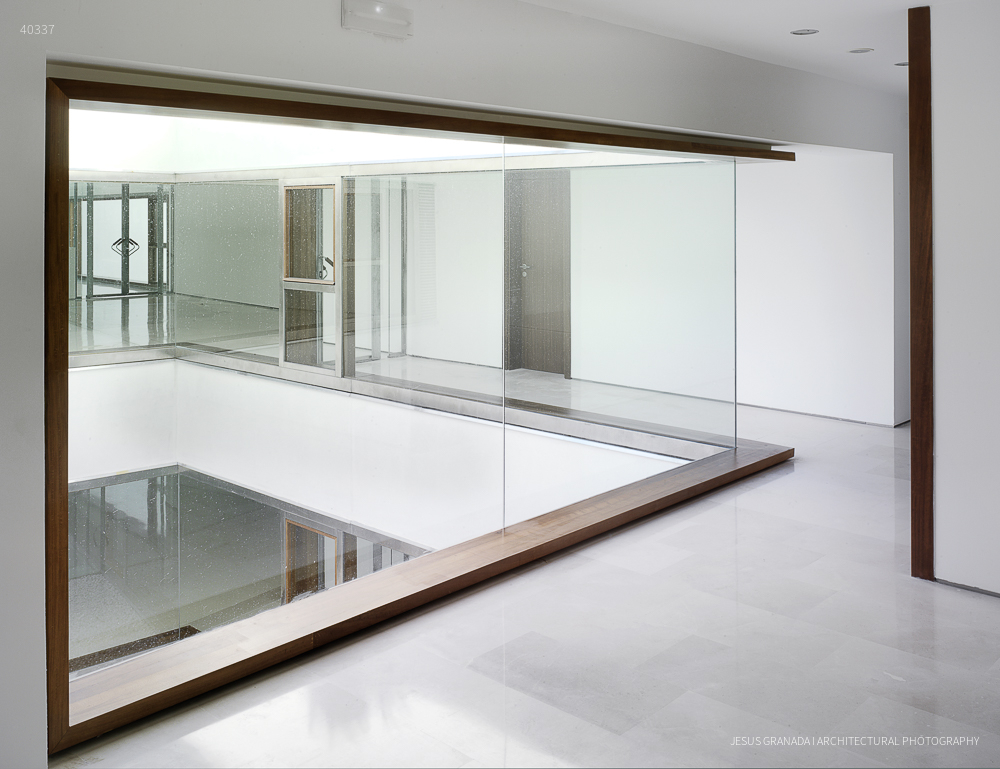
José Antonio Carbajal Navarro and José Luis Daroca Bruño | El Puerto de Santa María (Cádiz), Spain | November 2011 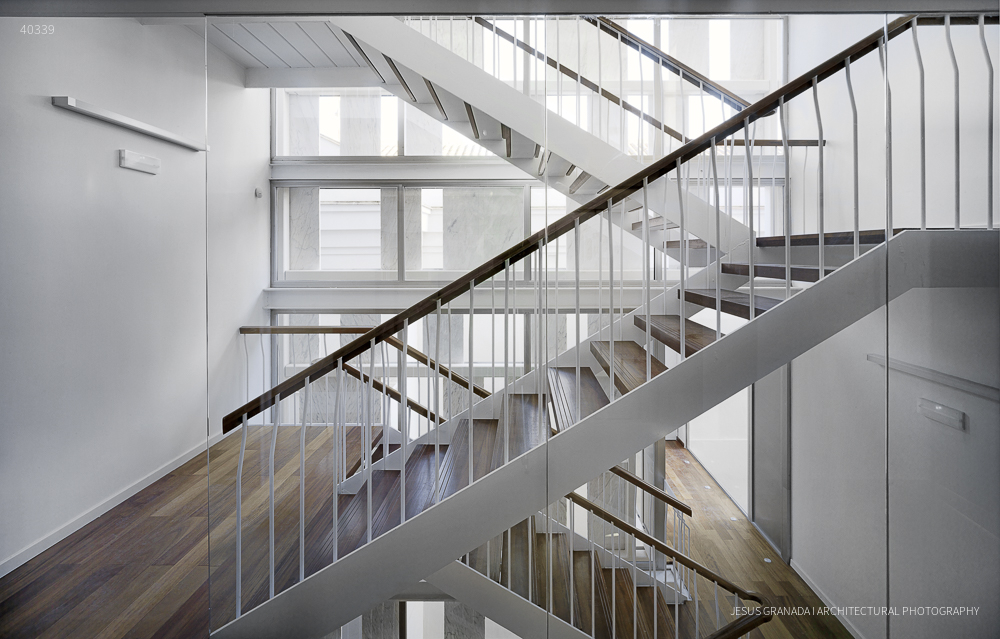
José Antonio Carbajal Navarro and José Luis Daroca Bruño | El Puerto de Santa María (Cádiz), Spain | November 2011 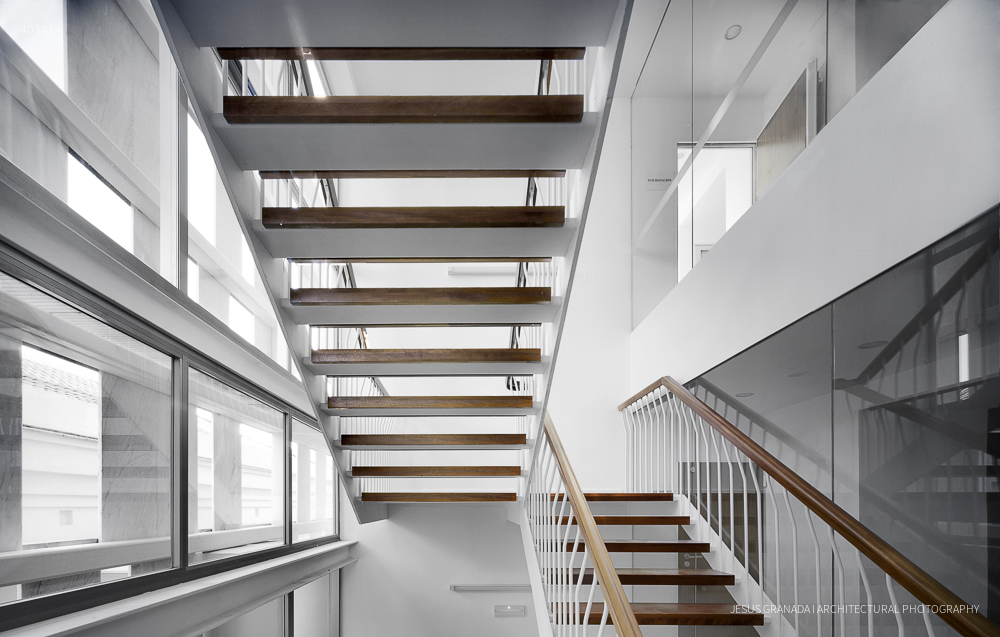
José Antonio Carbajal Navarro and José Luis Daroca Bruño | El Puerto de Santa María (Cádiz), Spain | November 2011 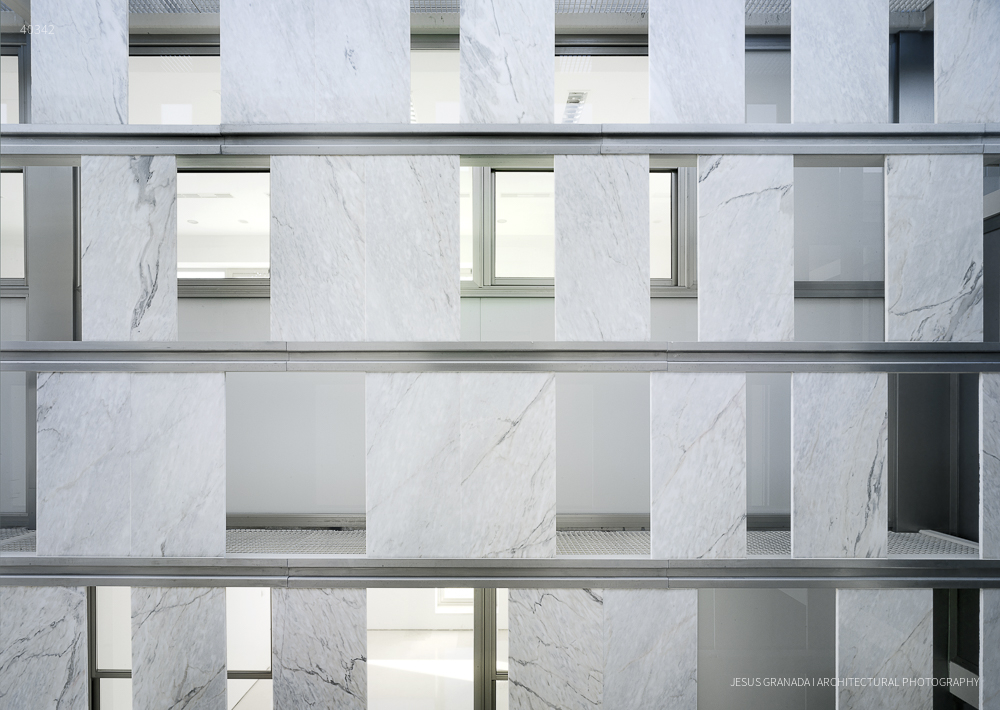
José Antonio Carbajal Navarro and José Luis Daroca Bruño | El Puerto de Santa María (Cádiz), Spain | November 2011 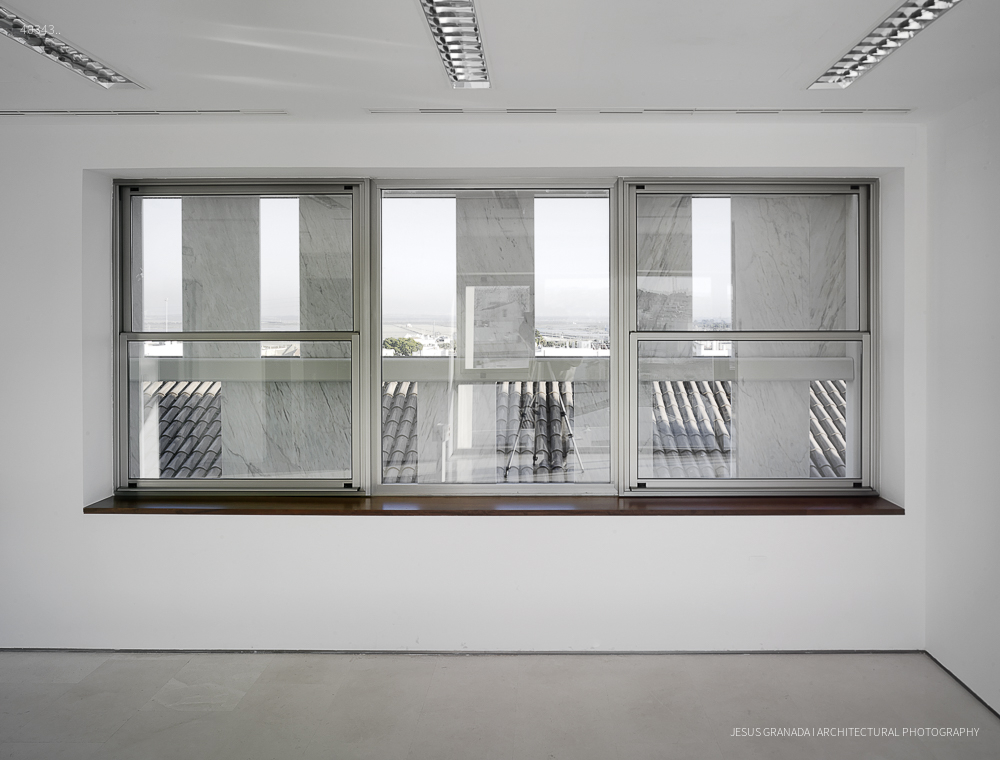
José Antonio Carbajal Navarro and José Luis Daroca Bruño | El Puerto de Santa María (Cádiz), Spain | November 2011 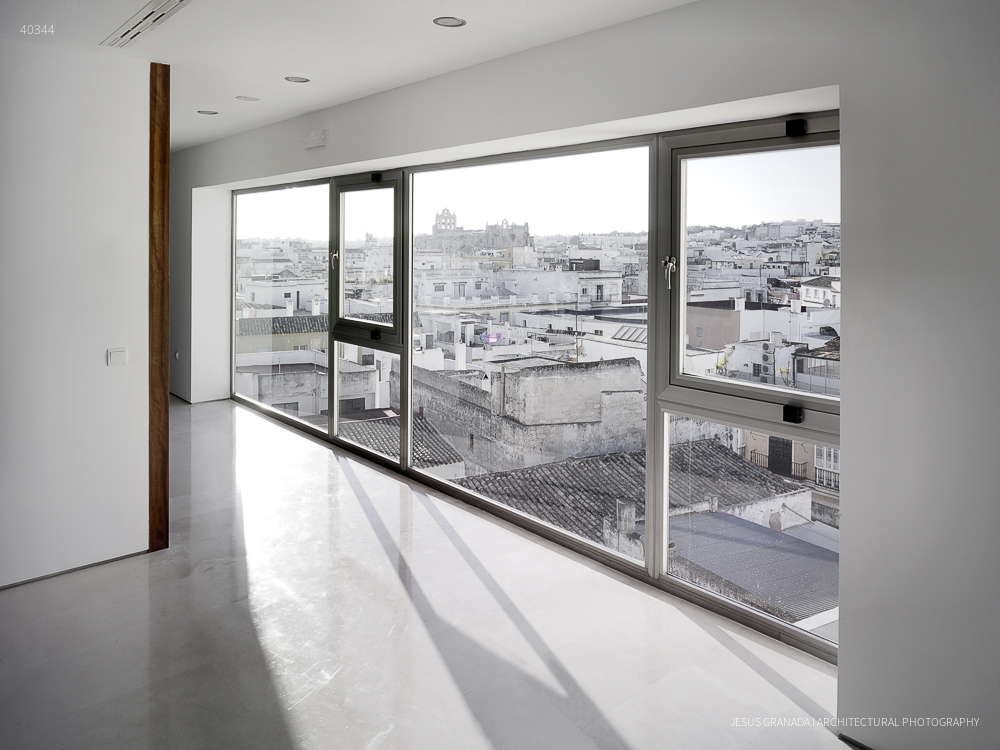
José Antonio Carbajal Navarro and José Luis Daroca Bruño | El Puerto de Santa María (Cádiz), Spain | November 2011 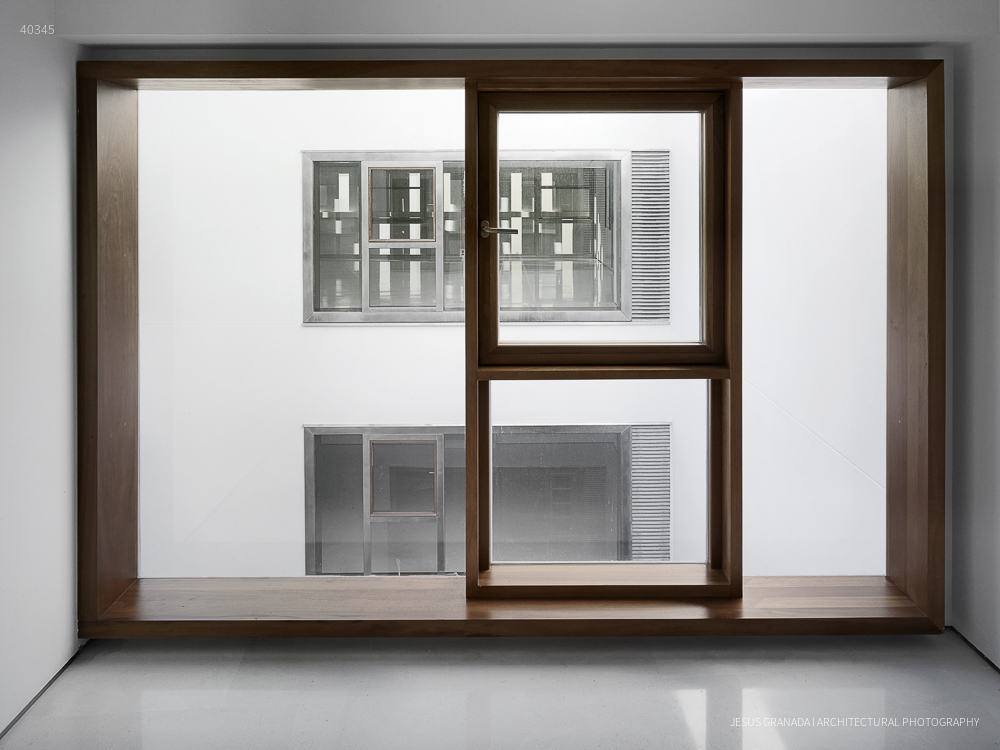
José Antonio Carbajal Navarro and José Luis Daroca Bruño | El Puerto de Santa María (Cádiz), Spain | November 2011 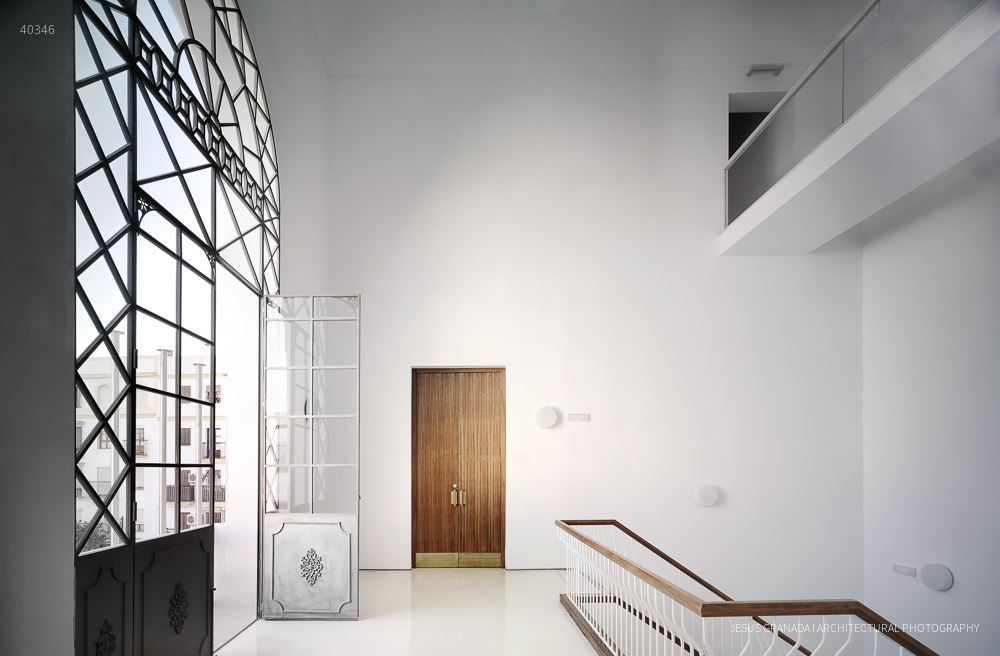
José Antonio Carbajal Navarro and José Luis Daroca Bruño | El Puerto de Santa María (Cádiz), Spain | November 2011 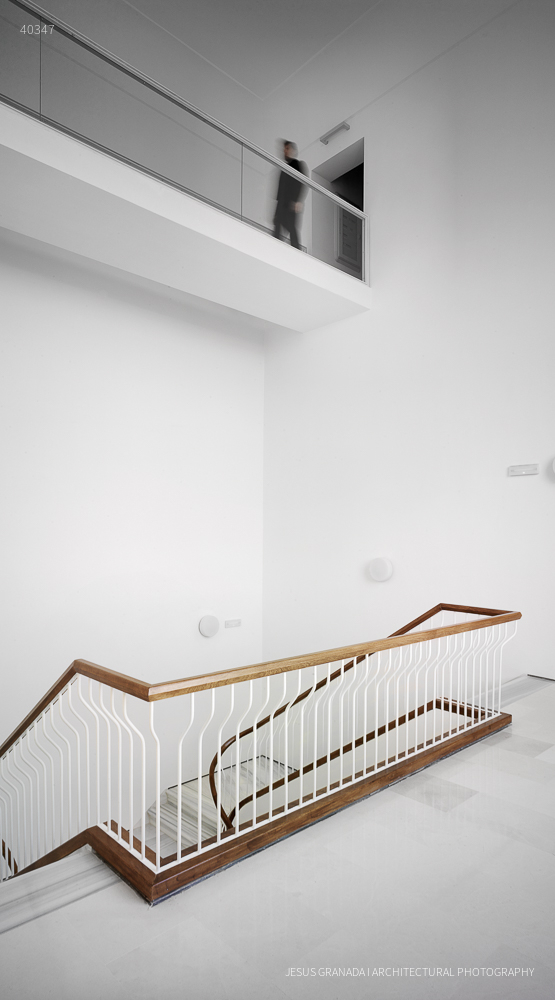
José Antonio Carbajal Navarro and José Luis Daroca Bruño | El Puerto de Santa María (Cádiz), Spain | November 2011 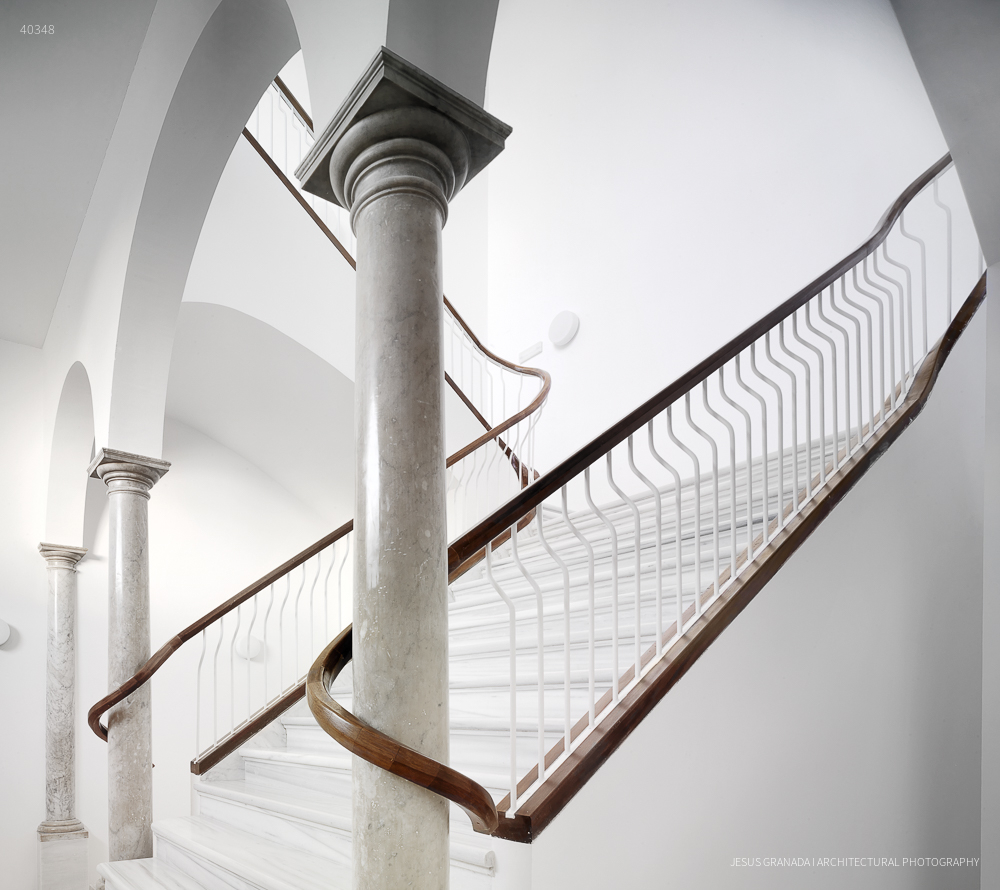
José Antonio Carbajal Navarro and José Luis Daroca Bruño | El Puerto de Santa María (Cádiz), Spain | November 2011 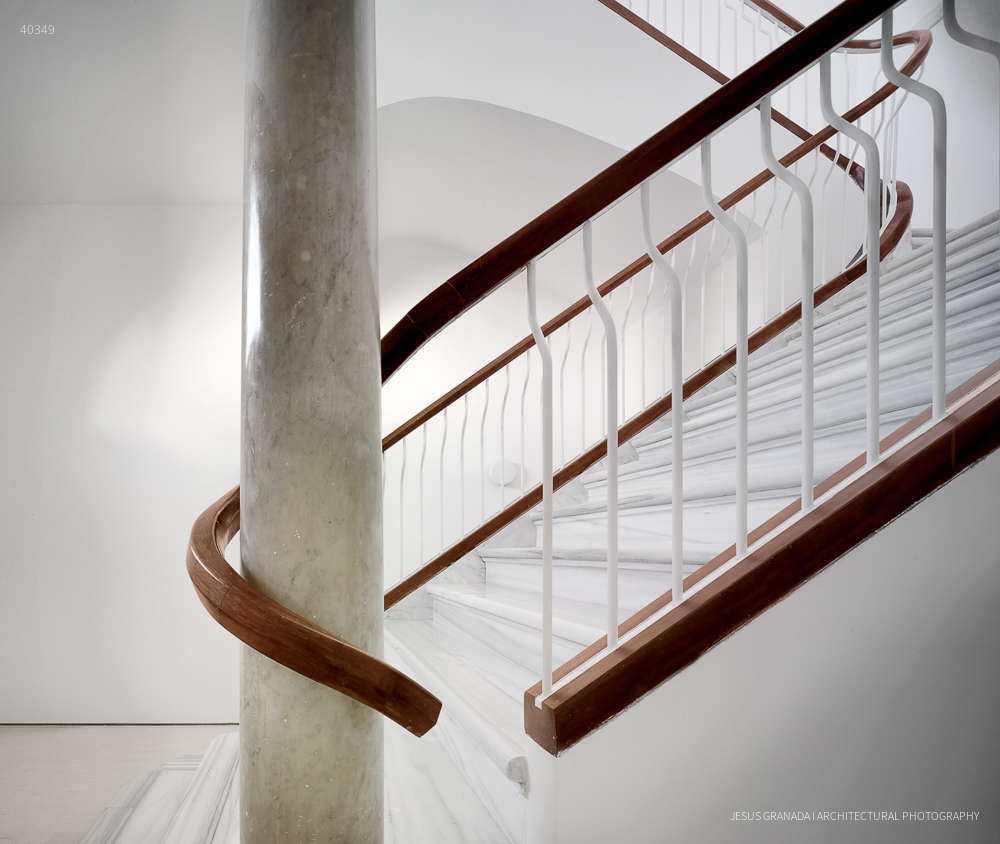
José Antonio Carbajal Navarro and José Luis Daroca Bruño | El Puerto de Santa María (Cádiz), Spain | November 2011 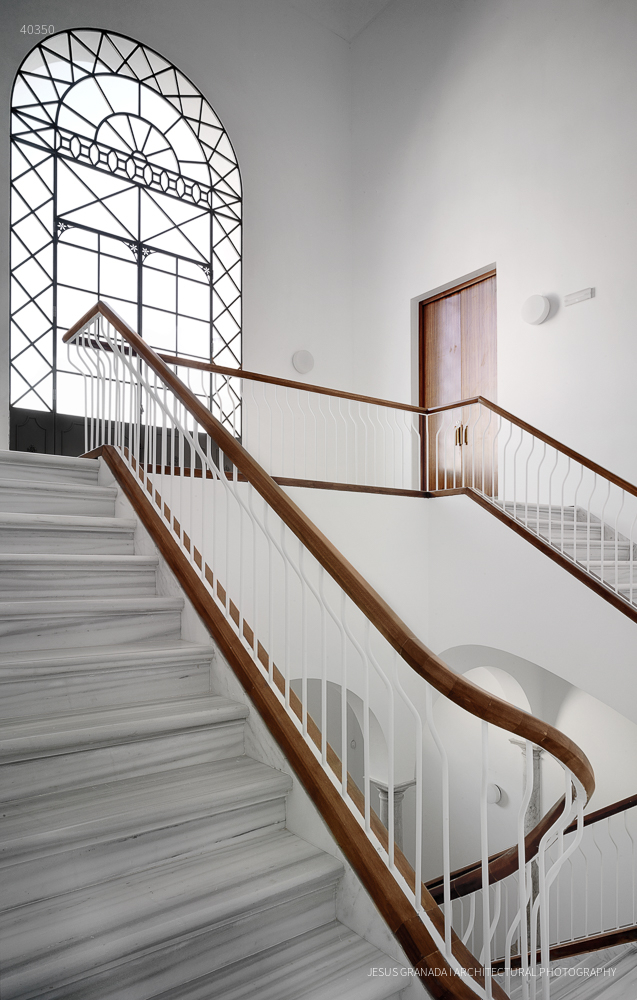
José Antonio Carbajal Navarro and José Luis Daroca Bruño | El Puerto de Santa María (Cádiz), Spain | November 2011 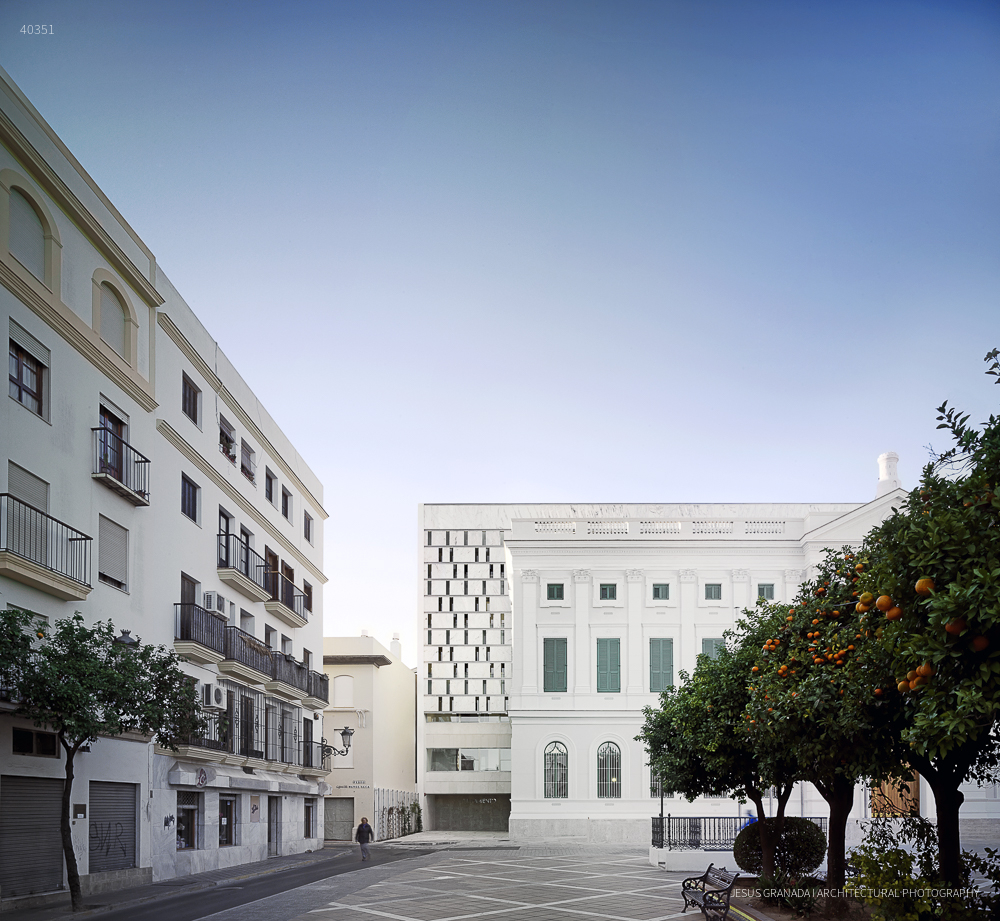
José Antonio Carbajal Navarro and José Luis Daroca Bruño | El Puerto de Santa María (Cádiz), Spain | November 2011 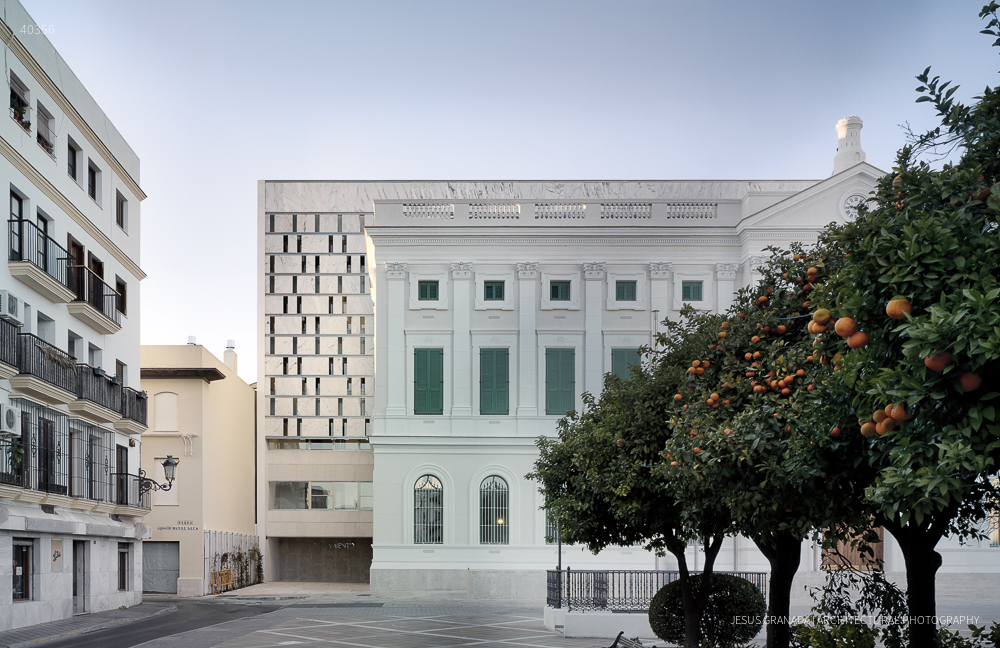
José Antonio Carbajal Navarro and José Luis Daroca Bruño | El Puerto de Santa María (Cádiz), Spain | November 2011 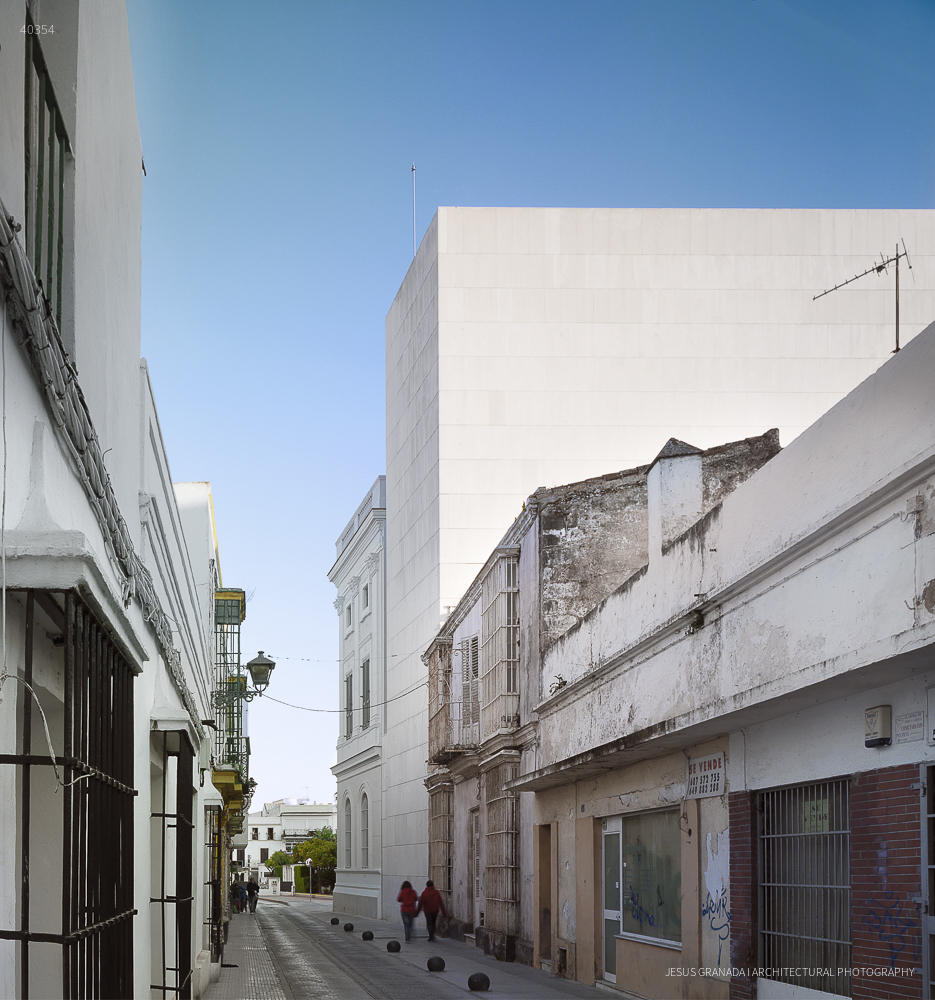
José Antonio Carbajal Navarro and José Luis Daroca Bruño | El Puerto de Santa María (Cádiz), Spain | November 2011 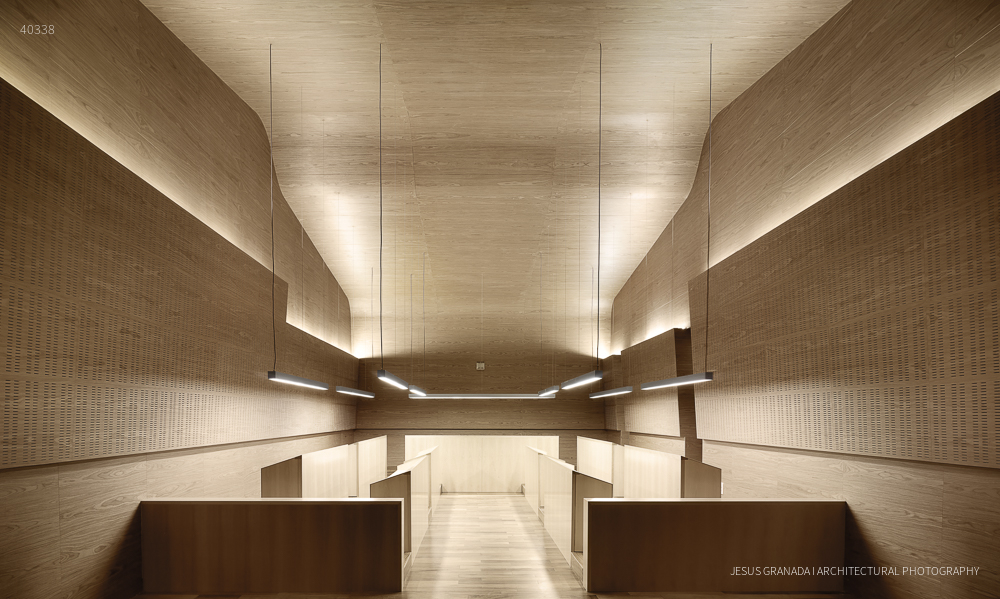
José Antonio Carbajal Navarro and José Luis Daroca Bruño | El Puerto de Santa María (Cádiz), Spain | November 2011 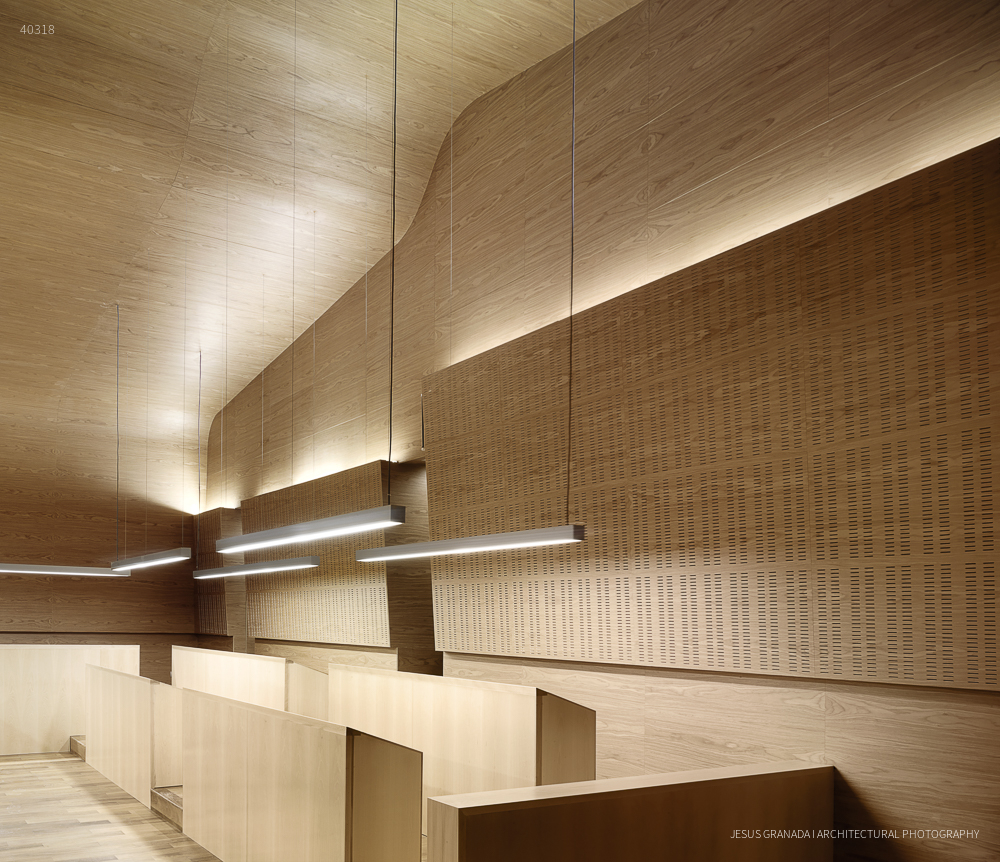
José Antonio Carbajal Navarro and José Luis Daroca Bruño | El Puerto de Santa María (Cádiz), Spain | November 2011 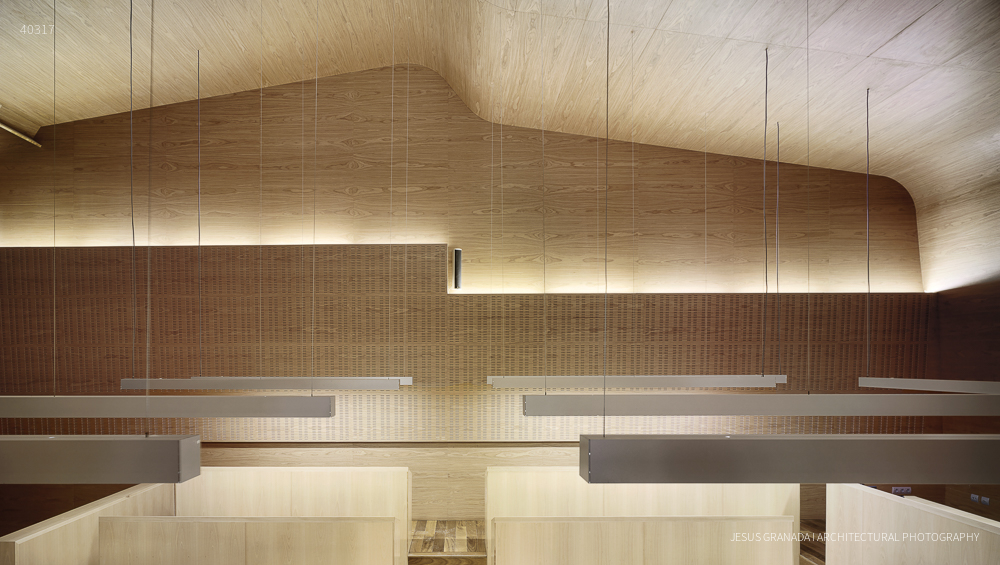
José Antonio Carbajal Navarro and José Luis Daroca Bruño | El Puerto de Santa María (Cádiz), Spain | November 2011 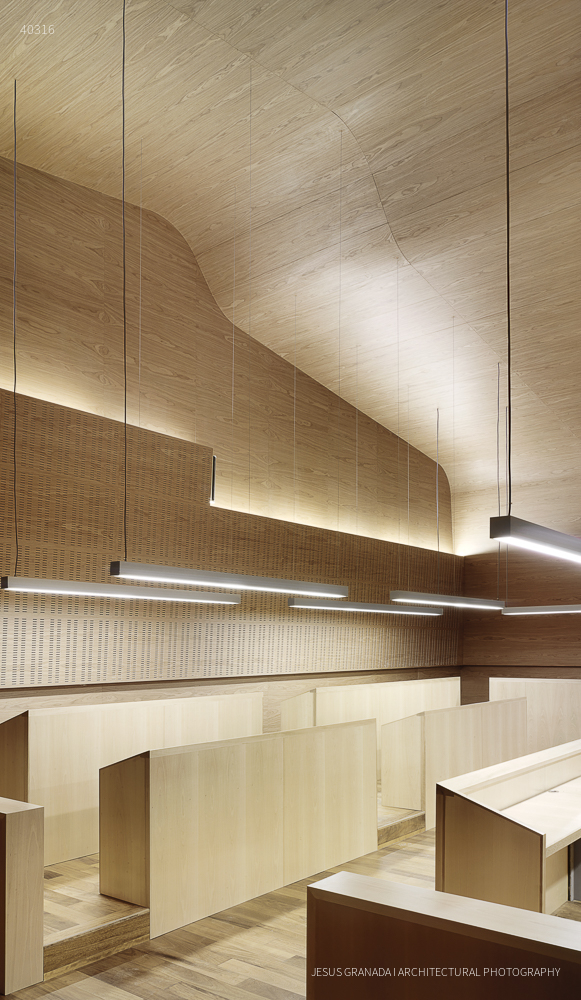
José Antonio Carbajal Navarro and José Luis Daroca Bruño | El Puerto de Santa María (Cádiz), Spain | November 2011 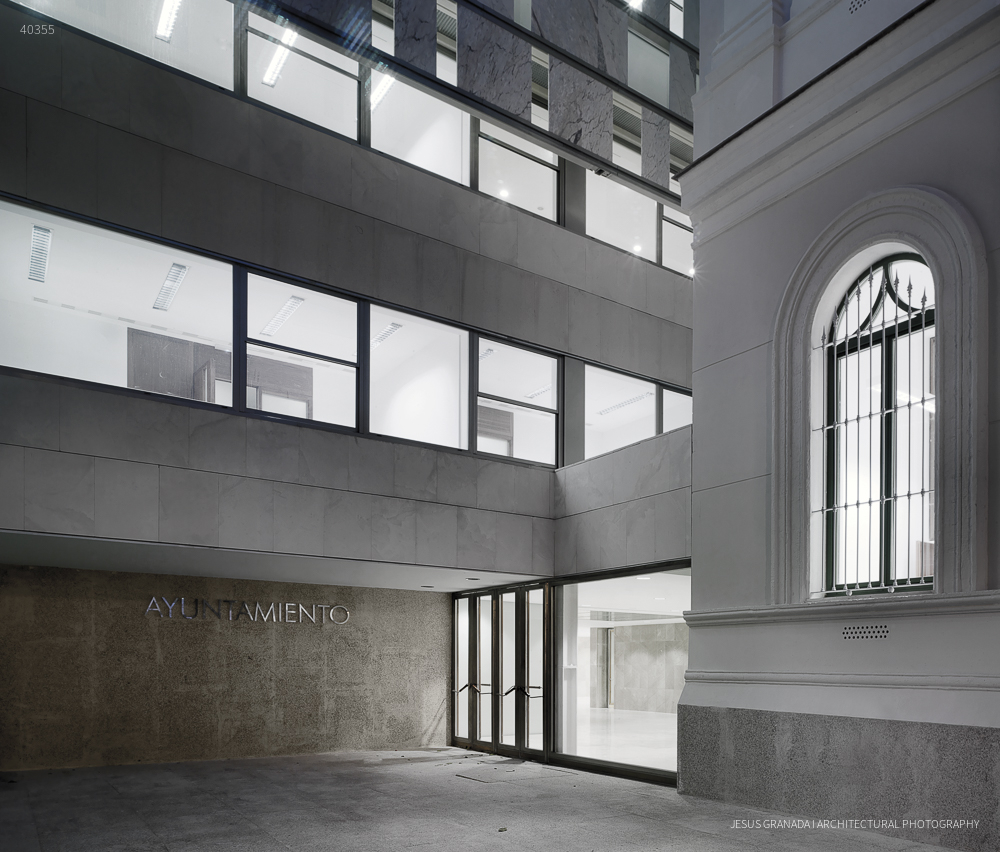
José Antonio Carbajal Navarro and José Luis Daroca Bruño | El Puerto de Santa María (Cádiz), Spain | November 2011 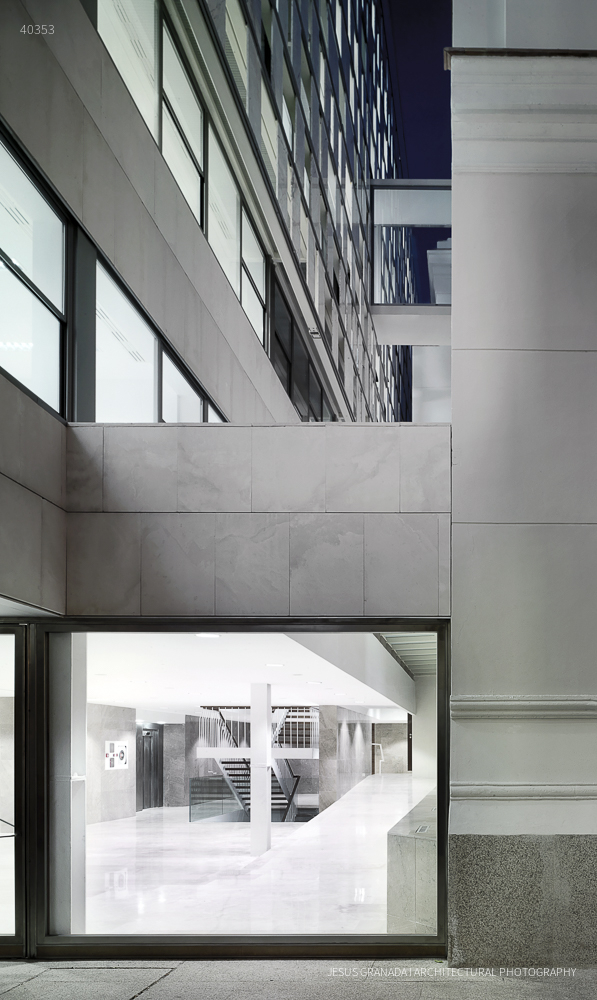
José Antonio Carbajal Navarro and José Luis Daroca Bruño | El Puerto de Santa María (Cádiz), Spain | November 2011 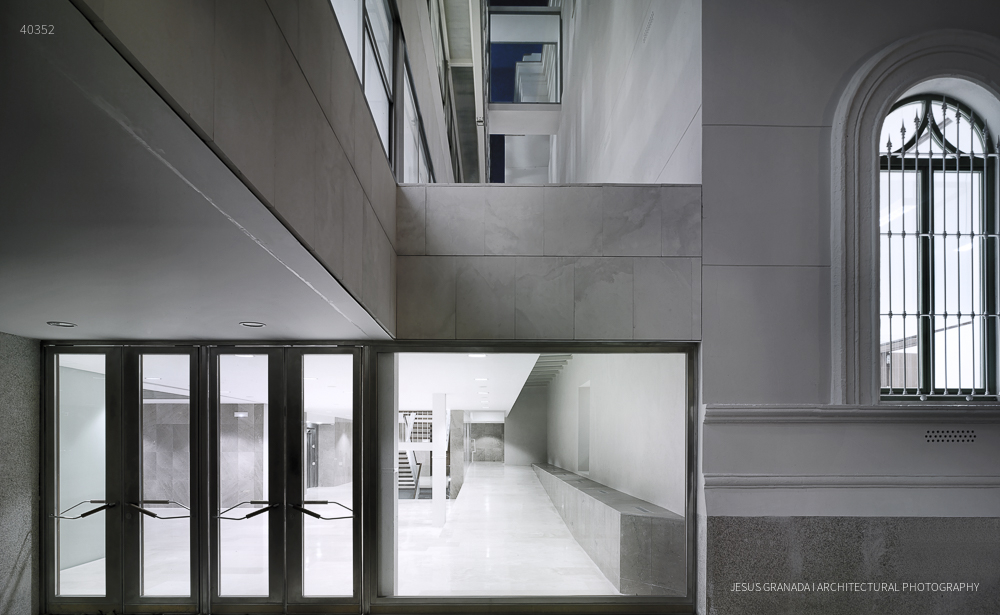
José Antonio Carbajal Navarro and José Luis Daroca Bruño | El Puerto de Santa María (Cádiz), Spain | November 2011